

ပလတ်စတစ်အမှုန်အမွှားတစ်ခု ဘယ်လိုအလုပ်လုပ်သလဲ။ 2026
ပလတ်စတစ် စွန့်ပစ်ပစ္စည်းသည် ပလပ်စတစ်အမှိုက် သို့မဟုတ် ကုန်ကြမ်းအဖြစ်သို့ ပြောင်းလဲပေးသည်။ ယူနီဖောင်းအလုံးများ ကောင်းစွာသတ်မှတ်ထားသော ခြေလှမ်းများ ဆက်တိုက်ဖြတ်သန်းပါ။. အစာကျွေးခြင်းဖြင့် စတင်ပါ။, စက်ထဲသို့ ပလတ်စတစ်များ ဝင်လာသည်။. စနစ်သည် ပစ္စည်းကို အရည်ပျော်စေသည်။, အညစ်အကြေးများကို စစ်ထုတ်သည်။, စဉ်ဆက်မပြတ် ချည်မျှင်များ ဖွဲ့စည်းရန် သေတ္တာကို တွန်းထုတ်သည်။. အအေးခံခြင်းက ကြိုးများကို ခိုင်မာစေသည်။, ထို့နောက် လှည့်နေသောဓားသည် ၎င်းတို့အား တိကျသော အလုံးများဖြစ်အောင် လှီးဖြတ်သည်။. အဆင့်တစ်ခုစီသည် နောက်ဆုံးအရည်အသွေးနှင့် ညီညွတ်မှုကို ပုံဖော်သည်။.
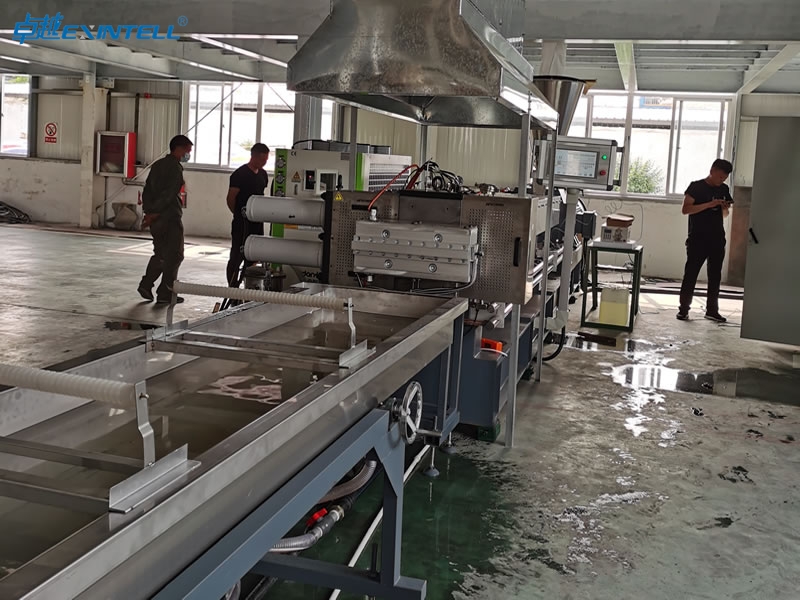
|
အဆင့် |
ဖော်ပြချက် |
|---|---|
|
အစာကျွေးခြင်း။ |
ပလပ်စတစ်အမှိုက်များကို ခုန်ပေါက်မှတစ်ဆင့် စက်ထဲသို့ ထည့်သွင်းသည်။, ပလတ်စတစ် အမျိုးအစား အမျိုးမျိုး ပါဝင်သည်။. |
|
အရည်ပျော် |
ပလပ်စတစ်ကို extruder တွင် အပူပေးပြီး အရည်ပျော်သည်။, နောက်တစ်ဆင့်အတွက် ပြင်ဆင်နေပါတယ်။. |
|
Extruding |
သွန်းသောပလပ်စတစ်ကို ကြိုးများဖန်တီးရန်အတွက် သေတ္တာတစ်ခုမှတဆင့် တွန်းပို့သည်။, pellet ပုံသဏ္ဍာန်နှင့်အရွယ်အစားကိုဆုံးဖြတ်ခြင်း။. |
|
အအေးခံခြင်း။ |
ကြိုးများကို အအေးခံထားသည်။, ဖြတ်ဘို့သူတို့ကိုခိုင်မာစေ. |
|
ဖြတ်တောက်ခြင်း။ |
အအေးခံထားသောကြိုးများကို လှည့်နေသောဓားဖြင့် ယူနီဖောင်းအလုံးများဖြစ်အောင် လှီးဖြတ်ထားသည်။, သီးခြားအသုံးချပရိုဂရမ်များအတွက် ချိန်ညှိနိုင်သည်။. |
သော့သွားယူမှုများ
-
ပလတ်စတစ်အမှုန့်များသည် အမှိုက်ကို အသွင်ပြောင်းသည်။ အဆင့်ဆင့်သော ခြေလှမ်းများဖြင့် တူညီသော အလုံးများအဖြစ်သို့: အစာကျွေးခြင်း။, အရည်ပျော်, စစ်ထုတ်ခြင်း။, extruding, အအေးခံခြင်း။, ဖြတ်တောက်ခြင်း။.
-
တသမတ်တည်း ကျွေးမွေးခြင်းနှင့် တိကျသော အပူချိန် ထိန်းညှိပေးခြင်းသည် အရည်အသွေးမြင့် အစေ့များကို ရရှိရန်နှင့် အပြစ်အနာအဆာများကို ကာကွယ်ရန်အတွက် အရေးကြီးပါသည်။.
-
အမျိုးမျိုးသော pelletizers အမျိုးအစားများ, ကြိုးမျှင်နှင့် ရေအောက် စသည်တို့ဖြစ်သည်။, အမျိုးမျိုးသော ပစ္စည်းများနှင့် ထုတ်လုပ်မှုလိုအပ်ချက်များကို ဖြည့်ဆည်းပေးသည်။, pellet ပုံသဏ္ဍာန်နှင့် အရည်အသွေးအပေါ် သက်ရောက်မှုရှိသည်။.
-
သွန်းသော ပလပ်စတစ်ကို ထိရောက်စွာ စစ်ထုတ်ခြင်းဖြင့် အညစ်အကြေးများကို ဖယ်ရှားပေးပါသည်။, စက်ပစ္စည်းများကို ကာကွယ်နေစဉ်အတွင်း ချောမွေ့ပြီး ညီညီညာညာရှိစေရန် သေချာစေသည်။.
-
အအေးခံနည်းများ, water ring နှင့် underwater cooling အပါအဝင်, ပဲတောင့်များ၏ အရည်အသွေးနှင့် ထုတ်လုပ်မှုစွမ်းဆောင်ရည်ကို သိသိသာသာ ထိခိုက်စေပါသည်။.
-
စက်ကိရိယာများကို ပုံမှန်ထိန်းသိမ်းခြင်းနှင့် စောင့်ကြည့်ခြင်းတို့သည် မညီညာသော အစာကျွေးခြင်းနှင့် ပိတ်ဆို့နေသော စစ်ထုတ်ခြင်းကဲ့သို့သော အဖြစ်များသည့် ပြဿနာများကို တားဆီးကာကွယ်ပေးပါသည်။.
-
Quality control measures, including proper sampling and screening, ensure that pellets meet industry standards and maintain consistency.
-
Proper packaging and storage of pellets protect them from moisture and contamination, ensuring they remain high-quality for future use.
Plastic Pelletizer Process Overview
What Is a Plastic Pelletizer
You use a plastic pelletizer to transform raw plastic or recycled material into granules with precise sizes and shapes. This machine controls temperature, ဖိအား, and rotational speed to produce consistent results. The plastic pelletizing machine cuts extruded plastic into individual granules, providing a standardized size for further processing. You rely on this equipment to manage the integrity, surface characteristics, and size of each particle. The working principle of plastic granulator involves melting plastic, အညစ်အကြေးများကို စစ်ထုတ်ခြင်း။, ယူနစ်အတွင်းပိုင်း အခြေအနေများကို ဂရုတစိုက် စီမံခန့်ခွဲခြင်းဖြင့် ယူနီဖောင်း အလုံးများ ဖွဲ့စည်းခြင်း။.
-
extruded plastic များကို တစ်ဦးချင်း granules အဖြစ် ဖြတ်တောက်သည်။.
-
ထုတ်လုပ်မှုတွင် ထပ်ဆင့်လုပ်ဆောင်ခြင်းအတွက် တသမတ်တည်း အရွယ်အစားကို ပေးသည်။.
-
အရည်ကျိုထားသော ပလပ်စတစ်ကြိုးများကို စဉ်ဆက်မပြတ် granules အဖြစ်သို့ ပြောင်းလဲပေးသည်။ ယူနီဖောင်းအရွယ်အစား.
-
ဆေးထိုးပုံသွင်းခြင်းနှင့် ဖလင်ထုတ်ခြင်းအတွက် စံချိန်စံညွှန်းမီ ကုန်ကြမ်းအဖြစ် ဆောင်ရွက်သည်။.
Pelletizing အတွက် အဓိက အဆင့်များ
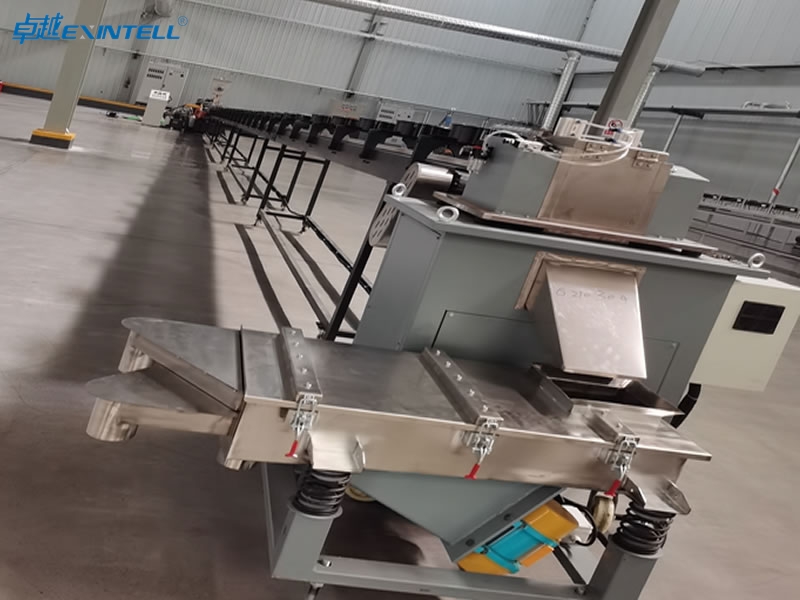
ဆက်တိုက်လိုက်နေသလား ပလတ်စတစ်အမှုန့်ကို လည်ပတ်သောအခါ အဆင့်များ. အဆင့်တစ်ခုစီသည် နောက်ဆုံးထုတ်ကုန်၏ အရည်အသွေးနှင့် ညီညွတ်မှုကို ပုံသဏ္ဍာန်ပေးသည်။. ဤသည်မှာ ပုံမှန်အလုပ်အသွားအလာတစ်ခုဖြစ်သည်။:
-
အစာကျွေးခြင်း။ & ကြိုတင်ကုသမှု: ကုန်ကြမ်းကို ခုန်ပေါက် သို့မဟုတ် feeder မှတဆင့် သင်မိတ်ဆက်ပေးသည်။. ကြိုတင်ကုသမှုသည် အစုလိုက်သိပ်သည်းမှုကို တိုးစေပြီး အရည်ပျော်ရန်အတွက် ပစ္စည်းကို ပြင်ဆင်သည်။.
-
အရည်ပျော် & ပလပ်စတစ်ဖွဲ့စည်းခြင်း။: extruder ကို အသုံးပြု၍ အပူနှင့် ဖြတ်တောက်ခြင်းကို သင်အသုံးပြုသည်။. ဤအဆင့်သည် တူညီသော flux ရရှိပြီး filtration အတွက် ပလပ်စတစ်ကို ပြင်ဆင်သည်။.
-
အရည်ပျော်ဇကာ: ညစ်ညမ်းမှုကို ဖယ်ရှားရန် သွန်းသော ပလပ်စတစ်ကို စစ်ထုတ်ပါ။. သန့်ရှင်းသောပစ္စည်းသည် အရည်အသွေးမြင့် အစေ့များကို သေချာစေသည်။.
-
အံစာတုံး၊ & ဖြတ်တောက်ခြင်း။: အသေသတ်ခြင်းနှင့် ဖြတ်တောက်ခြင်း ယန္တရားသုံး၍ စစ်ထုတ်ထားသော အရည်ကို အလုံးများအဖြစ် ထုလုပ်ပါ။.
-
အအေးခံခြင်း။ & ကျွေးပါ။: အစေ့များကို အအေးခံပြီး အခြောက်ခံရန် သို့မဟုတ် နောင်အသုံးပြုရန်အတွက် သိမ်းဆည်းပါ။.
ထိပ်ဖျား: တစ်သမတ်တည်း ကျွေးမွေးခြင်းနှင့် တိကျသော အပူချိန်ထိန်းညှိပေးခြင်းသည် သင့်အား တူညီသော အလုံးအရွယ်အစားရရှိစေရန်နှင့် ချို့ယွင်းချက်များကို ကာကွယ်ရန် ကူညီပေးပါသည်။.
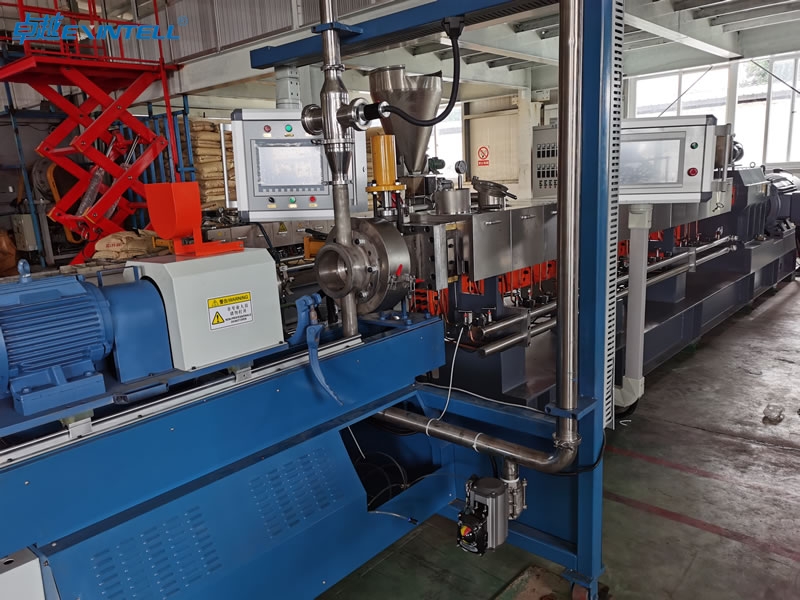
သင်သည် pelletizing စက်အမျိုးအစားများစွာထဲမှ ရွေးချယ်နိုင်ပါသည်။, တစ်ခုစီသည် မတူညီသော ပစ္စည်းများနှင့် ပုံသဏ္ဍာန်များအတွက် သင့်လျော်သည်။. အောက်ဖော်ပြပါဇယားသည် အများသုံးရွေးချယ်မှုများကို ပြသထားသည်။:
|
Pelletizer အမျိုးအစား |
အကောင်းဆုံး |
Pellet ပုံသဏ္ဍာန် |
နှိုင်းရကုန်ကျစရိတ် |
|---|---|---|---|
|
PE, PP, PS — သန့်ရှင်းသော အစားအစာ |
ကျည်ဆန် |
နိမ့်သည်။ |
|
|
PET, PA, အင်ဂျင်နီယာ ပလတ်စတစ် |
ချိန်းဆော |
မြင့်သည်။ |
|
|
ရေလောင်းစက် |
PE, PP - အလယ်အလတ်ညစ်ညမ်းမှု |
လုံးပတ်/လုံးပတ် |
လတ် |
အဘယ်ကြောင့် Pelletizing အရေးကြီးသနည်း။
Pelletizing သည် ပြန်လည်အသုံးပြုခြင်းနှင့် ထုတ်လုပ်ခြင်းတွင် အရေးကြီးသောအခန်းကဏ္ဍမှ ပါဝင်ပါသည်။. သွန်းသောပြန်လည်အသုံးပြုထားသော ပလတ်စတစ်များကို ယူနီဖောင်းအလုံးများအဖြစ်သို့ သင်ပြောင်းလဲလိုက်ပါ။, သင်သိမ်းဆည်းနိုင်သောအရာ, သယ်ယူပို့ဆောင်ရေး, အပျိုစင်အစေးကဲ့သို့ ပြန်လည်ထုတ်လုပ်သည်။. ဤပြောင်းလဲမှုသည် ပြန်လည်အသုံးပြုထားသောပစ္စည်းများကို ထုတ်လုပ်မှုစက်ဝန်းအတွင်း ထိရောက်စွာ ပြန်လည်ဝင်ရောက်နိုင်စေပါသည်။. ထုတ်လုပ်နေစဉ်အတွင်း ပိုမိုလွယ်ကူစွာ ကိုင်တွယ်ခြင်းနှင့် ပိုမိုကောင်းမွန်သော ရောစပ်ခြင်းမှ သင်အကျိုးကျေးဇူးရရှိမည်ဖြစ်သည်။. ပြန်လည်သိမ်းယူထားသော ပစ္စည်းကို ပံ့ပိုးပေးခြင်းဖြင့် ပလတ်စတစ်အတွက် စက်ဝိုင်းစီးပွားရေးကို ပံ့ပိုးပေးပါသည်။.
-
Pelletization ပလတ်စတစ် အစားအစာများကို ကိုင်တွယ်ရလွယ်ကူစေပြီး ပိုမိုထိရောက်စေသည်။.
-
ရောစပ်ခြင်းနှင့် ဖွဲ့စည်းစဉ်အတွင်း တသမတ်တည်း ရလဒ်များကို သေချာစေသည်။.
-
လုပ်ငန်းစဉ်သည် ပလတ်စတစ်အတွက် စက်ဝိုင်းစီးပွားရေးတစ်ခုလုံးကို ပြန်လည်သိမ်းယူထားသော ပစ္စည်းဖြင့် ထောက်ပံ့ပေးသည်။.
ခြစ်ထုတ်စဉ်တွင် သင်သည် စိန်ခေါ်မှုများစွာကို ရင်ဆိုင်ရသည်။. အစေ့အဆန်များတွင် အစိုဓာတ်ပါဝင်မှု မြင့်မားခြင်းသည် စက်ပိုင်းဆိုင်ရာ စွမ်းဆောင်ရည် ညံ့ဖျင်းပြီး ပစ္စည်းဆုံးရှုံးမှုကို ဖြစ်စေနိုင်သည်။. အစိုဓာတ်အနည်းဆုံးဖြစ်အောင် ထိရောက်သော အခြောက်ခံစနစ်များနှင့် သင့်လျော်သော စက်ကိရိယာများ ရွေးချယ်မှု လိုအပ်ပါသည်။. မသင့်လျော်သော နို့တိုက်ကျွေးမှု ယန္တရားများမှ မကြာခဏ အလုံးအရွယ်အစား မညီမညွတ်ဖြစ်တတ်သည်။. တိကျသော အစာကျွေးသည့်စနစ်များကို အသုံးပြု၍ သင်ဖြေရှင်းနိုင်သည်။. စက်ပစ္စည်းရွေးချယ်မှု, တိကျသော အင်ဂျင်နီယာ ဓါးသွားများပါသော granulator ကဲ့သို့သော, ထုတ်လုပ်သော အလုံးများ၏ အရည်အသွေးကို တိုက်ရိုက် ထိခိုက်စေပါသည်။.
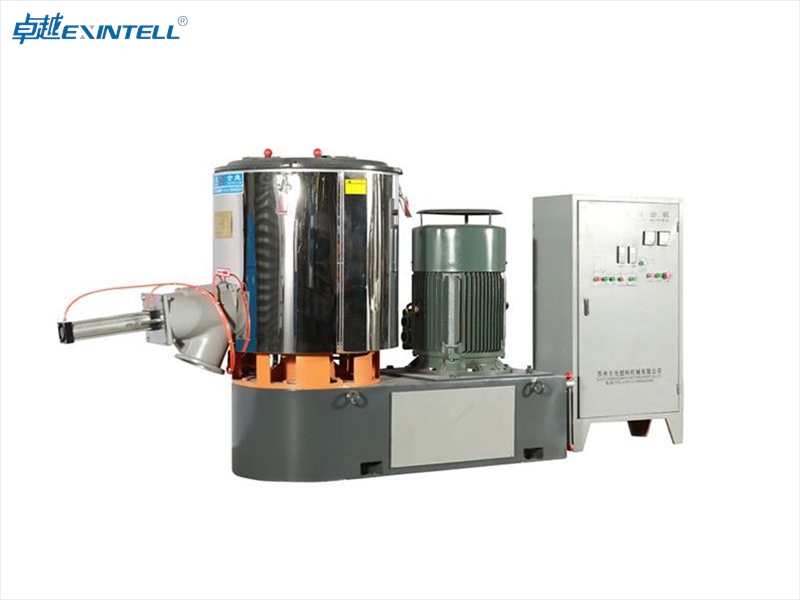
နည်းပညာတွေ တိုးတက်လာတာကိုလည်း တွေ့နေရပါတယ်။ 2026. အကြားရှိ L/D အချိုးများဖြင့် single-screw extruders များ 32:1 နှင့် 38:1 အဖြစ်များတယ်။. Tandem configurations များသည် degassing နှင့် filtration ကို အမြင့်ဆုံးဖြစ်စေသည်။. စဉ်ဆက်မပြတ် စခရင်ပြောင်းလဲမှုများသည် ထုတ်လုပ်မှုကို ရပ်တန့်ခြင်းမရှိဘဲ စစ်ထုတ်မှုအပြောင်းအလဲများကို ခွင့်ပြုသည်။. Bimetallic နည်းပညာသည် တာရှည်ခံမှုကို တိုးစေသည်။, နှင့် အပြိုင် အမွှာဝက်အူ extruder များသည် ထိရောက်သော ညစ်ညမ်းမှုများကို ဖယ်ရှားပေးပါသည်။. ရေအောက်အမှုန့်များသည် တစ်ပြေးညီထုတ်လုပ်သည်။, ဖုန်မှုန့်ကင်းစင်သော အလုံးများနှင့် မြင့်မားသော ပြန်ရောင်းဈေးများကို အမိန့်ပေးသည်။.
|
နည်းပညာ |
ဖော်ပြချက် |
အကျိုးကျေးဇူးများ |
|---|---|---|
|
Bimetallic နည်းပညာ |
အဆင့်မြင့်ပစ္စည်းများသည် တာရှည်ခံမှုကို မြှင့်တင်ပေးသည်။ |
တာရှည်ခံမှုကို တိုးမြှင့်ပေးသည်။ 3-5 ကြိမ် |
|
Parallel Twin Screw ပူးတွဲလှည့်ခြင်း။ |
အပြုသဘောဆောင်သောရွှေ့ပြောင်း, ကိုယ်တိုင်သန့်ရှင်းရေးလုပ်ဆောင်မှုများ |
အညစ်အကြေးများကို ထိရောက်စွာ ဖယ်ရှားခြင်း။ |
|
ရေအောက် Pelletizer |
ယူနီဖောင်းတွေ ထုတ်လုပ်တယ်။, ဖုန်မှုန့်ကင်းစင်သော အလုံးများ |
ပြန်ရောင်းဈေး ပိုမြင့်တယ်။, အင်ဂျင်နီယာပလတ်စတစ်များအတွက်စံပြ |
အဲဒီကနေ ဆင့်ပွားစွမ်းရည်တွေကို သင်အောင်မြင်နိုင်ပါတယ်။ 80 ကီလိုဂရမ်/နာရီအထိ 1,000 ကီလိုဂရမ်/နာရီ, စက်အမျိုးအစားနှင့်ဖွဲ့စည်းပုံပေါ် မူတည်. စွမ်းအင်သက်သာသော လိုင်းများကြားတွင် သက်သာပါသည်။ $30,000-$80,000 တစ်နှစ်လျှင် စွမ်းဆောင်ရည်နည်းသော မော်ဒယ်များနှင့် နှိုင်းယှဉ်ပါ။. ၌ 2026, ပလတ်စတစ်အမှုန်အမွှားများအတွက် သီးသန့် စွမ်းအင်သုံးစွဲမှုမှာ ကွဲပြားသည်။ 0.25-0.35 kWh/kg, အနိမ့်ဆုံးအထိ အောင်မြင်သော အတန်းထဲတွင် အကောင်းဆုံး ဖွဲ့စည်းမှုပုံစံများဖြင့် 0.20-0.30 kWh/kg.
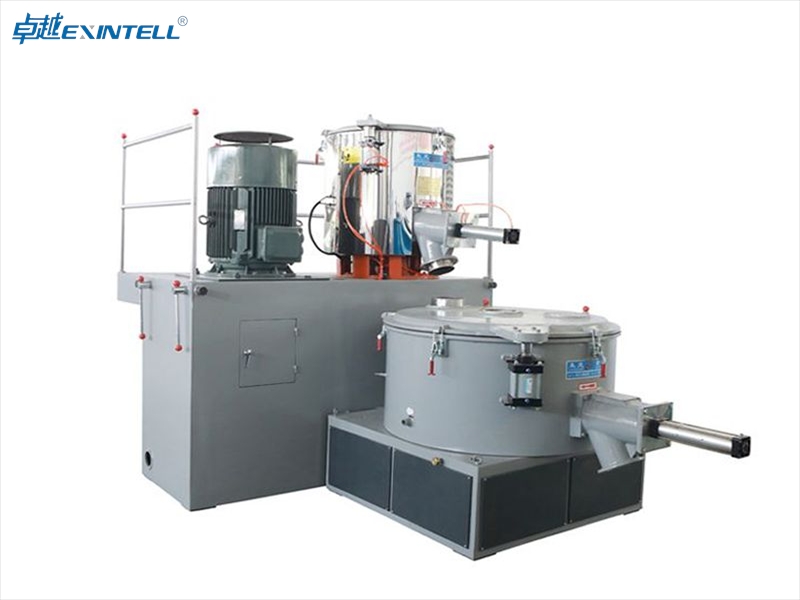
မှတ်ချက်: အလွှာပေါင်းစုံ စံချိန်စံညွှန်းသတ်မှတ်ခြင်းနှင့် ဝက်အူဒီဇိုင်းအသစ်များက သင့်အား ဇီဝပလတ်စတစ်များနှင့် အရေးမပါသော ပရိုဖိုင်များကို ပိုမိုထိရောက်စွာ လုပ်ဆောင်နိုင်စေရန် ကူညီပေးသည်.
လုပ်ငန်းစံနှုန်းများနှင့်ကိုက်ညီသော ယူနီဖောင်းအမှုန့်များထုတ်လုပ်ရန် သင်သည် ပလတ်စတစ် granulator နှင့် granulator နည်းပညာကို အားကိုးသည်။. လုပ်ငန်းစဉ်သည် ထုတ်လုပ်ခြင်းနှင့် ပြန်လည်အသုံးပြုခြင်းအတွက် ယုံကြည်စိတ်ချရသော အစားအစာများ သင့်ထံတွင် သေချာစေပါသည်။, ထိရောက်မှုနှင့် ရေရှည်တည်တံ့မှုကို ပံ့ပိုးပေးသည်။.
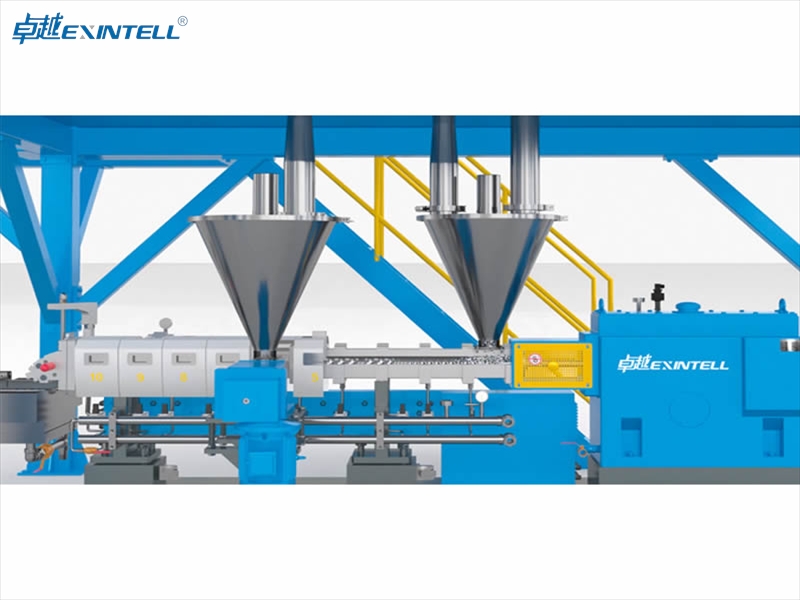
ပလပ်စတစ် အစာကျွေးခြင်း။
ထည့်သွင်းပစ္စည်းများ
သင်စတင်ပါ။ pelletizing လုပ်ငန်းစဉ် မှန်ကန်သောထည့်သွင်းပစ္စည်းများကိုရွေးချယ်ခြင်းဖြင့်. ပလတ်စတစ် အမှိုက်ကို သုံးလို့ရတယ်။, အပျိုစင်ပလတ်စတစ်, သို့မဟုတ် နှစ်မျိုးလုံး ရောနှောပါ။. ထိုပစ္စည်းများကို မကျွေးမီ ပလတ်စတစ်အမှုန်အမွှားထဲသို့ ထည့်ပါ။, ဂရုတစိုက်ပြင်ဆင်ရန်လိုအပ်သည်။. ဤသည်မှာ ပုံမှန်ပြင်ဆင်မှုလုပ်ငန်းစဉ်တစ်ခုဖြစ်သည်။:
-
ပလပ်စတစ်ဘိတ်: အညစ်အကြေးများနှင့် အညစ်အကြေးများကို ဖယ်ရှားရန်အတွက် ပြန်လည်အသုံးပြုထားသော ပလတ်စတစ်များကို ဆေးကြောပြီး ဖျက်စီးပါ။. လိုအပ်ပါက ပစ္စည်းကိုလည်း အရည်ပျော်နိုင်ပါသည်။. ဗာဂျင်ပလပ်စတစ်သည် အမှုန်အမွှားများ သို့မဟုတ် granules များအဖြစ် ပေါက်ဖွားလာတတ်သည်။, လုပ်ဆောင်ရန် အဆင်သင့်ဖြစ်နေပါပြီ။.
-
အရည်ပျော်ခြင်းနှင့် Extrusion: သင်ပြင်ဆင်ထားသော ပလပ်စတစ်ကို ပလတ်စတစ်အခွံခွာစက်ထဲတွင် အပူပေးပါ။. extruder သည် ပစ္စည်းကို အရည်ပျော်ပြီး ရှေ့သို့တွန်းသည်။.
-
ဖြတ်တောက်ခြင်း။: သွန်းသောပလပ်စတစ်ကို အစိတ်စိတ်အမွှာမွှာဖြစ်အောင် လှည့်ပတ်ထားသော ဓားများ သို့မဟုတ် မြေမှုန့်ကို အသုံးပြုသည်။.
-
အအေးခံခြင်း။: အစေ့တွေကို လေကိုသုံးပြီး အအေးခံတယ်။, ရေ, သို့မဟုတ် နှစ်မျိုးလုံး.
-
အခြောက်ခံခြင်းနှင့် စစ်ဆေးခြင်း။: တူညီသောအရွယ်အစားနှင့် အရည်အသွေးသေချာစေရန် အအေးခံထားသော အလုံးများကို အခြောက်ခံပြီး မျက်နှာပြင်ကို နှိပ်ပါ။.
ထည့်သွင်းပစ္စည်းများ၏ သန့်ရှင်းမှုနှင့် အရွယ်အစားကို ဂရုပြုရပါမည်။. သန့်ရှင်း, ကောင်းစွာပြင်ဆင်ထားသော ပလပ်စတစ်အမှိုက်များသည် အပြစ်အနာအဆာများကို ရှောင်ရှားရန် ကူညီပေးပြီး လုံး၏အရည်အသွေးကို မြှင့်တင်ပေးပါသည်။.
အစာကျွေးခြင်း ယန္တရားများ
သင်သည် ပလတ်စတစ်ကို အမှုန်အမွှားစနစ်သို့ ရွှေ့ပြောင်းရန် ထိရောက်သော အစာကျွေးသည့် ယန္တရားများကို အားကိုးသည်။. တည်ငြိမ်ပြီး ထိန်းချုပ်ထားသော အစာကျွေးခြင်းကို ရရှိစေရန် အဓိက နည်းလမ်းနှစ်ခုက ကူညီပေးသည်။.
Hopper
သင်သည် ပလပ်စတစ်အမှိုက် သို့မဟုတ် အပျိုစင်ပစ္စည်းများကို ပလပ်စတစ်အညစ်အကြေးထဲသို့ ထည့်ရန် ခုန်ပေါက်ကို အသုံးပြုသည်။. hopper သည် ပစ္စည်းကို ကိုင်ထားပြီး ထိန်းချုပ်နှုန်းဖြင့် ထုတ်လွှတ်သည်။. ပလပ်စတစ် ကြိတ်စက်၏ စွမ်းဆောင်ရည်နှင့် ကိုက်ညီစေရန် စီးဆင်းမှုကို ချိန်ညှိနိုင်သည်။. Hoppers များတွင် ပစ္စည်းအဆင့်များကို စောင့်ကြည့်ပြီး ပိတ်ဆို့ခြင်းများကို တားဆီးပေးသည့် အာရုံခံကိရိယာများ ပါဝင်လေ့ရှိသည်။.
Conveyors များ
သင်သည် သိုလှောင်မှုမှ ပလပ်စတစ်ကို လှောင်အိမ်သို့ သို့မဟုတ် ကြိတ်စက်ထဲသို့ တိုက်ရိုက်ပို့ဆောင်ရန် တွန်းလှည်းများကို အသုံးပြုသည်။. Conveyors များသည် ပစ္စည်းများကို တည်ငြိမ်စေပြီး လက်ဖြင့်ကိုင်တွယ်ခြင်းကို လျှော့ချပေးသည်။. ခါးပတ်ကို ရွေးချယ်နိုင်ပါတယ်။, ဝက်အူ, သို့မဟုတ် ပလပ်စတစ် အမျိုးအစားနှင့် အရွယ်အစားပေါ်မူတည်၍ တုန်ခါနေသော ပိုက်လိုင်းများ. Conveyors များသည် သင့်အား တသမတ်တည်း ကျက်နှုန်းကို ထိန်းသိမ်းရန်နှင့် အနှောင့်အယှက်များကို လျှော့ချရန် ကူညီပေးသည်။.
ထိပ်ဖျား: ပိတ်ဆို့မှုများမဖြစ်အောင်နှင့် ချောမွေ့သောလည်ပတ်မှုကို သေချာစေရန်အတွက် အစာကျွေးသည့်စနစ်ကို ပုံမှန်စစ်ဆေးသင့်သည်။.
တသမတ်တည်း ကျွေးမွေးရန် အရေးကြီးသည်။
မင်းလိုတယ်။ တသမတ်တည်းတိုက်ကျွေးခြင်း။ အရည်အသွေးမြင့် အစေ့အဆန်များ ထုတ်လုပ်ရန်. တည်ငြိမ်သောအစာသည် တူညီသောအရွယ်အစားကိုသေချာစေသည်။, ပုံသဏ္ဍာန်, နှင့် အစိုဓာတ်ပါဝင်မှု. နို့တိုက်ကျွေးခြင်းတွင် ကွဲလွဲမှုများ ခွင့်ပြုပါက၊, မျက်နှာပြင် ချို့ယွင်းချက် သို့မဟုတ် ပျက်ပြယ်သွားသော အမှုန်အမွှားများ ဖန်တီးရန် သင် အန္တရာယ်ရှိသည်။. စိုစွတ်မှုအတက်အကျများသည် စက်ပိုင်းဆိုင်ရာ ကြံ့ခိုင်မှုကို ဆုံးရှုံးစေပြီး စက်ပစ္စည်း ချို့ယွင်းမှုများပင် ဖြစ်စေနိုင်သည်။. မတည်မငြိမ်သော ပဲတောင့်များ၏ အရည်အသွေးသည် လုပ်ငန်းသုံး အပလီကေးရှင်းများတွင် အလုံးများကို ရောင်းချရန် သို့မဟုတ် အသုံးပြုရန် ခက်ခဲစေသည်။.
-
မကိုက်ညီသော pellet အရွယ်အစားကိုဖြစ်ပေါ်စေနိုင်သည်။ မျက်နှာပြင်ချို့ယွင်းချက်ပျက်ပြယ်.
-
အစိုဓာတ်ပါဝင်မှု ပြောင်းလဲမှုများသည် စက်ပိုင်းဆိုင်ရာ ကြံ့ခိုင်မှုနှင့် စက်ပစ္စည်း ချို့ယွင်းမှုများကို ဖြစ်စေနိုင်သည်။.
-
မတည်မငြိမ်သော ခဲလုံးအရည်အသွေးသည် စီးပွားဖြစ်အသုံးချပရိုဂရမ်များတွင် လက်ခံမှုကို ဟန့်တားနိုင်သည်။.
တည်ငြိမ်သောအစာကျွေးခြင်းဖြင့် အစိုဓာတ်ပါဝင်မှုကို သင်ထိန်းချုပ်နိုင်သည်။. ဒီအဆင့်အောင်မြင်ဖို့အတွက် မရှိမဖြစ်လိုအပ်ပါတယ်။ အမြင့်ဆုံးထုတ်ကုန်အရည်အသွေး. အစာကျွေးခြင်းကို လျစ်လျူရှုပါက သမအောင် ထိန်းပါ။, ရေအောက်ပိုင်း လုပ်ဆောင်ခြင်းဆိုင်ရာ ပြဿနာများ ကြုံတွေ့ရနိုင်သည်။, မျက်နှာပြင် ချို့ယွင်းချက် နှင့် ဖွဲ့စည်းတည်ဆောက်ပုံ ချို့ယွင်းချက်များ စသည်တို့ ဖြစ်သည်။. တူညီသောနို့တိုက်ကျွေးမှုနှင့် pellet အရည်အသွေးရရှိရန်ကူညီရန် သင်သည် ပလပ်စတစ် granulator နှင့် granulator နည်းပညာကို အားကိုးသည်။.
အရည်ပျော်ခြင်းနှင့် Filtration
Extruder Barrel နှင့် Screw
သင်သည် ပလပ်စတစ်အမှိုက် သို့မဟုတ် ကုန်ကြမ်းပစ္စည်းများကို ချောမွေ့စွာအသွင်ပြောင်းရန် extruder စည်နှင့်ဝက်အူကို အားကိုးသည်။, ယူနီဖောင်းအရည်ပျော်. ဝက်အူသည် အပူပေးထားသောစည်အတွင်းတွင် လှည့်သည်။, ပလပ်စတစ်ကို ရှေ့သို့တွန်းပါ။. ဝက်အူလှည့်သကဲ့သို့, ၎င်းသည် စက်ပိုင်းဆိုင်ရာလုပ်ဆောင်ချက်နှင့် shear အပူကို ဖန်တီးပေးသည်။. ဤလုပ်ငန်းစဉ်သည် ပလပ်စတစ်ကို ထိရောက်စွာ အရည်ပျော်စေသည်။. စည်ပေါ်ရှိ ပြင်ပအပူပေးစက်သည် အပူပိုထည့်သည်။, ပစ္စည်းသည် pelletizing အတွက် မှန်ကန်သော အပူချိန်သို့ ရောက်ကြောင်း အာမခံပါသည်။. ဝက်အူမှ Shear အပူသည် အရည်ပျော်ရန်အတွက် လိုအပ်သော စွမ်းအင်၏ အရေးပါသော အစိတ်အပိုင်းကို ပေးဆောင်လေ့ရှိသည်။.
ဤအရာများသည် ဤအစိတ်အပိုင်းများ မည်ကဲ့သို့ အတူတကွ အလုပ်လုပ်ပုံအကြောင်း အမြန်ခြုံငုံသုံးသပ်ချက်ဖြစ်ပါသည်။:
|
အစိတ်အပိုင်း |
လုပ်ဆောင်ချက် |
|---|---|
|
ဝက်အူ |
ပလပ်စတစ်ကို စက်ပိုင်းဆိုင်ရာ လုပ်ဆောင်ချက်နှင့် ပွတ်တိုက်အပူဖြင့် အရည်ပျော်သွားအောင် ပြောင်းလဲပေးသည်။. |
|
စည် |
ပလပ်စတစ်ကို အပူပေးပြီး ကျစ်လစ်စေသည်။, အသေခံခေါင်းသို့ နှံ့စပ်စွာ အရည်ပျော်ပြီး အစာကျွေးခြင်းကို သေချာစေသည်။. |
သဟဇာတဖြစ်အောင် ဝက်အူနဲ့ စည်နှစ်ခုလုံး လိုအပ်တယ်။. တစ်ပိုင်းလုံး အဆင်မပြေရင်, ပလပ်စတစ်အလုံးလိုက်သည် တစ်သမတ်တည်းရှိသော အလုံးများကို မထုတ်လုပ်နိုင်ပါ။.
အပူချိန်ထိန်း
အရည်ပျော်သည့်အဆင့်တွင် အပူချိန်ကို ဂရုတစိုက်ထိန်းချုပ်ရမည်။. အပူချိန်သည် ပလတ်စတစ်များ အရည်ပျော်မှုအပေါ် တိုက်ရိုက်သက်ရောက်သည်။ extrusion system မှတဆင့်စီးဆင်းသည်။. သင့်လျော်သော အပူချိန်ဆက်တင်များက သင့်အား ချောမွေ့သော ပစ္စည်းစီးဆင်းမှုနှင့် တည်ငြိမ်မှုရရှိစေရန် ကူညီပေးသည်။, မြင့်မားသောအထွက်နှုန်း extrusion. အပူချိန်သတ်မှတ်ထားရင် အရမ်းနိမ့်တယ်။, ပလပ်စတစ်သည် ညီညာစွာ အရည်ပျော်၍မရပါ။. ၎င်းသည် အလွန်အကျွံ viscosity နှင့် ညံ့ဖျင်းသော plasticization ကိုဖြစ်ပေါ်စေသည်။. အပူချိန်အရမ်းမြင့်ရင်, ပလပ်စတစ်သည် ပျက်စီးသွားနိုင်သည်။. ၎င်းသည် ကြွပ်ဆတ်သော အလုံးများကို ဖြစ်ပေါ်စေပြီး ၎င်းတို့၏ စက်ပိုင်းဆိုင်ရာ ခွန်အားကို လျော့နည်းစေသည်။.
-
အပူချိန်သည် ပလတ်စတစ် ပလတ်စတစ်ပြုလုပ်ခြင်းကို လွှမ်းမိုးသည်။, စီးဆင်းနိုင်မှု, နှင့် နောက်ဆုံးအစေ့များ၏ ဂုဏ်သတ္တိများ.
-
မှန်ကန်သော အပူချိန်သည် တည်ငြိမ်သော လည်ပတ်မှုနှင့် အရည်အသွေးမြင့် အထွက်ကို သေချာစေသည်။.
-
အပူချိန်နိမ့်ခြင်းသည် မညီညာသော အရည်ပျော်မှုနှင့် viscosity မြင့်မားသည်။.
-
မြင့်မားသော အပူချိန်များသည် အပူဓာတ်ပြိုကွဲမှုနှင့် သေးငယ်သော အမှုန်အမွှားများကို အန္တရာယ်ဖြစ်စေသည်။.
ထိပ်ဖျား: အကောင်းဆုံး အရည်ပျော်သည့် အခြေအနေများကို ထိန်းသိမ်းရန် စည်တစ်လျှောက်ရှိ အပူချိန်ဇုန်များကို အမြဲစောင့်ကြည့်ပါ။.
အခွံမခွာမီ စစ်ထုတ်ခြင်း။
extrusion အဆင့်သို့မရွှေ့မီ, သင် ... ရမည် သွန်းသော ပလပ်စတစ်ကို စစ်ထုတ်ပါ။. Filtration သည် ဖုန်များကဲ့သို့သော အညစ်အကြေးများကို ဖယ်ရှားပေးပါသည်။, သတ္တုအပိုင်းအစများ, သို့မဟုတ် အရည်ပျော်မထားသော အမှုန်များ. သန့်ရှင်းသော အရည်သည် အရည်အသွေးမြင့် အစေ့များထုတ်လုပ်ရန်အတွက် မရှိမဖြစ်လိုအပ်ပါသည်။. သင်သည် ညစ်ညမ်းနေသော ညစ်ညမ်းမှုများကို ဖမ်းမိရန် ပလပ်စတစ် အမှုန့်ကြိတ်စက်တွင် သေးငယ်သော ကွက်ကွက်များ သို့မဟုတ် ဇကာများကို အသုံးပြုသည်။. ဤအဆင့်သည် သေခြင်းနှင့် ဖြတ်ခြင်းစနစ် ပျက်စီးခြင်းမှ ကာကွယ်ပေးသည်။. ၎င်းသည် အမှုန်အမွှားများကို ချောမွေ့သောမျက်နှာပြင်နှင့် တူညီသောဖွဲ့စည်းပုံရှိစေရန်လည်း အာမခံပါသည်။.
စစ်ထုတ်မှုများကို ပုံမှန်စစ်ဆေးပြီး အစားထိုးသင့်သည်။. Clogged filters can reduce flow and cause pressure build-up in the extrusion system. Consistent filtration supports the overall efficiency of the pelletizing process. You get better results and fewer defects in your finished pellets.
မှတ်ချက်: Effective filtration extends the lifespan of your plastic granulator and granulator blades.
Extrusion Through Die Plate
Die Plate Function
You reach a critical stage in the plastic pelletizer process when the molten plastic arrives at the die plate. The die plate acts as a precision tool that shapes the melted material into strands. You rely on this component to define the initial size and shape of each strand, which later becomes a pellet. The design of the die plate directly affects the quality and consistency of your output.
Here is a quick overview of သော့သေပြား အင်္ဂါရပ်များ:
|
ထူးခြားချက် |
ဖော်ပြချက် |
|---|---|
|
လုပ်ဆောင်ချက် |
သွန်းသောပိုလီမာကို ထုတ်လွှတ်သည်။ အပေါက်များမှတဆင့် pellet dimension ကိုသတ်မှတ်ရန် |
|
အပေါက်အရွယ်အစား အပိုင်းအခြား |
ပုံမှန်အားဖြင့် အပိုင်းအခြားများ 2.5 ရန် 4 အချင်းမီလီမီတာ |
|
အပေါက်အရေအတွက် |
ကြားမှာ ဖြစ်တတ်ပါတယ်။ 200 ရန် 800 တွင်းများ |
|
အရည်အသွေးအပေါ် လွှမ်းမိုးမှု |
ဒီဇိုင်းသည် နောက်ဆုံး pellet လက္ခဏာများကို သက်ရောက်မှုရှိသည်။, အရွယ်အစားနှင့် ပုံသဏ္ဍာန် ပါဝင်သည်။ |
ကြိုးအထူကို ထိန်းချုပ်ရန် အပေါက်အချင်းနှင့် ဖွဲ့စည်းမှုပုံစံကို ချိန်ညှိနိုင်သည်။. သေးငယ်သော အပေါက်များသည် ပိုမိုပါးလွှာသော ကြိုးများနှင့် သေးငယ်သော အလုံးများကို ထုတ်လုပ်သည်။. ပိုကြီးသော အပေါက်များသည် ပိုထူသော ကြိုးများနှင့် ပိုကြီးသော အလုံးများကို ထုတ်ပေးသည်။. သတ္တုပြားသည် extrusion system မှ ထွက်သော ကြိုးမျှင်တိုင်းသည် သင်အလိုရှိသော သတ်မှတ်ချက်များနှင့် ကိုက်ညီကြောင်း သေချာစေသည်။.
ဖိအားနှင့် Pellet ပုံသဏ္ဍာန်
သွန်းသောပလပ်စတစ်သည် သေပန်းကန်ပြားကိုဖြတ်သန်းသွားသောအခါ မှန်ကန်သောဖိအားကို ထိန်းသိမ်းထားရပါမည်။. extrusion စနစ်သည် ပစ္စည်းအား အပေါက်တစ်ခုစီတွင် အညီအမျှ တွန်းရန် ဖိအားကို အသုံးပြုသည်။. ညီညာသောဖိအားသည် ကြိုးမျှင်အထူတွင် မမှန်မကန်ဖြစ်ခြင်းကို ကာကွယ်ပေးပြီး တူညီသောအမှုန့်အရွယ်အစားကို ရရှိစေရန် ကူညီပေးသည်။. ဖိအားများ ကျဆင်းသွားပါက၊, မညီညာသော ပုံသဏ္ဍာန်များ သို့မဟုတ် လေအိတ်များ ကဲ့သို့သော ချို့ယွင်းချက်များကို သင်တွေ့နိုင်သည်။.
ကြိတ်ပြားတစ်ခုစီ၏ ပုံသဏ္ဍာန်သည် ပန်းကန်ပြားဒီဇိုင်းနှင့် ထုထည်အတွင်း သက်ရောက်သော ဖိအားအပေါ် မူတည်သည်။. ဆလင်ဒါပုံပြုလုပ်ရန် မတူညီသော အပေါက်ပုံသဏ္ဍာန်များနှင့် အစီအစဉ်များကို သင်ရွေးချယ်နိုင်သည်။, လုံးပတ်, သို့မဟုတ် lenticular pellets များ. မှန်ကန်သောဖိအားနှင့် အံစာတုံးဒီဇိုင်းပေါင်းစပ်မှုသည် သင့်ထုတ်ကုန်၏နောက်ဆုံးအသွင်အပြင်နှင့် စွမ်းဆောင်ရည်ကို ထိန်းချုပ်ပေးသည်။.
ကမ်းနားလမ်းများကိုပုံဖော်ခြင်း။
သင့်တွင် ပလတ်စတစ်ကြိုးများကို အလုံးများအဖြစ်မဖြတ်မီတွင် ပုံသွင်းရန် နည်းလမ်းများစွာရှိသည်။. နည်းလမ်းတစ်ခုစီသည် မတူညီသောအပလီကေးရှင်းများအတွက် ထူးခြားသောအကျိုးကျေးဇူးများကိုပေးသည်။. နည်းလမ်းရွေးချယ်မှုသည် အရည်အသွေးကို ထိခိုက်စေပါသည်။, ကုန်ကျစရိတ်, နှင့် သင်၏ အစေ့များ၏ ညီညွတ်မှု.
|
နည်းလမ်း |
ဖော်ပြချက် |
Pellet အရည်အသွေးအပေါ် သက်ရောက်မှု |
|---|---|---|
|
ပလပ်စတစ်ကို ကြိုးများအဖြစ်သို့ ထုတ်ပေးသည်။, ထို့နောက် ၎င်းတို့ကို အလုံးများဖြစ်အောင် လှီးဖြတ်ပါ။. |
အလုံးသေးသေးလေးတွေအတွက် တွက်ချေကိုက်ပါတယ်။, ဒါပေမယ့် အရည်အသွေး ကွဲပြားနိုင်ပါတယ်။. |
|
|
ရေအောက်ရှိ ကြိုးများကို ဖြတ်တောက်သည်။, အေးမြပြီး အရည်အသွေးကို ထိန်းသိမ်းပေးသည်။. |
ထိရောက်သော အအေးပေးခြင်းကြောင့် အရည်အသွေးမြင့် အစေ့များကို ထုတ်လုပ်သည်။. |
|
|
Water-Ring စနစ်များ |
ကြိုးများကို အအေးခံပြီး ဖြတ်ရန် ရေလက်စွပ်ကို အသုံးပြုသည်။. |
ကုန်ကျစရိတ်သက်သာပြီး အရည်အသွေးကောင်းမွန်ကြောင်း အာမခံပါသည်။. |
ပလတ်စတစ်အမှိုက်အစီအစဥ်ငယ်များအတွက် ကြိုးမျှင်ဖြင့် ထုချေခြင်းကို အသုံးပြုနိုင်သည်။, ရိုးရှင်းပြီး တတ်နိုင်သော ချဉ်းကပ်နည်းကို ပံ့ပိုးပေးသောကြောင့် ဖြစ်သည်။. ချောမွေ့သော မျက်နှာပြင်များပါရှိသော အရည်အသွေးမြင့် အလုံးများ လိုအပ်သောအခါတွင် ရေအောက်ပူသော မျက်နှာဖြတ်တောက်ခြင်းသည် ကောင်းစွာအလုပ်လုပ်သည်။. ရေကွင်းစနစ်များသည် ကုန်ကျစရိတ်နှင့် အရည်အသွေးကို မျှတစေပါသည်။, ပလတ်စတစ် အမျိုးအစားများစွာအတွက် သင့်လျော်စေသည်။.
လုပ်ငန်းစဉ်ပြီးဆုံးရန် သင်သည် ပလပ်စတစ် granulator နှင့် granulator နည်းပညာပေါ်တွင် မူတည်သည်။. ပုံဖော်ပြီးနောက် အအေးခံပါ။, the system cuts the strands into uniform pellets. This step completes the transformation from melting to finished product, ready for packaging or further processing.
ထိပ်ဖျား: Always monitor the extrusion system for stable pressure and temperature. This helps you maintain consistent pellet quality and reduces downtime.
အအေးခံနည်းလမ်းများ
After the extrusion stage, သင် ... ရမည် cool the hot strands quickly to form solid pellets. The cooling method you choose affects pellet quality, energy use, and production speed. You can select from water ring cooling, underwater cooling, or air cooling, depending on your material and production needs.
Water Ring Cooling
You often use water ring cooling for polyolefins and polystyrene. ဤနည်းလမ်း, you direct a ring of water around the die face. The water cools and solidifies the strands as they exit, then a cutter chops them into pellets. This system works well for many standard plastics and offers a compact design.
Here is a summary of the main advantages and disadvantages:
|
အားသာချက်များ |
အားနည်းချက်များ |
|---|---|
|
Not suitable for sticky or thick materials |
|
|
Produces visually appealing pellets |
Requires close monitoring of water |
|
Compact system with lower costs |
Limited material compatibility |
|
Handles changes in melt temperature and pressure well |
Lower production capacity compared to underwater systems |
|
Space-efficient and easy to control |
Limited to specific materials |
|
Cost-effective for budget-conscious companies |
Not effective for materials that heat up or stick together |
|
Cannot handle high production demands |
|
|
Good for budget management |
Limited to certain materials like polyolefins and polystyrene |
နေရာချွေတာချင်ရင်တော့ water ring cooling ကို ရွေးချယ်သင့်ပါတယ်။, စံချိန်မီပစ္စည်းများအတွက် ဘတ်ဂျက်-ဖော်ရွေသော ဖြေရှင်းချက်. စေးကပ်မှု သို့မဟုတ် ထူထဲသော ပလတ်စတစ်များ ပြဿနာများကို တားဆီးရန် ရေစနစ်အား အနီးကပ် စောင့်ကြည့်ရပါမည်။.
ရေအောက်အအေးခံခြင်း။
ရေအောက်အအေးပေးခြင်းဖြင့် အရည်အသွေးမြင့် အစေ့များကို ရရှိနိုင်သည်။. ဤနည်းလမ်း, ရေခန်းထဲမှာ ကြိုးတွေကို တိုက်ရိုက်ဖြတ်တယ်။. ရေသည် အေးပြီး အစေ့များကို ချက်ချင်း ခိုင်မာစေသည်။, ချောမွေ့သော မျက်နှာပြင်နှင့် တူညီသော အရွယ်အစားကို ဖြစ်ပေါ်စေသည်။. စဉ်ဆက်မပြတ် လည်ပတ်မှုနှင့် မြင့်မားသော အထွက်နှုန်းများမှ သင်အကျိုးခံစားခွင့်ရှိသည်။.
-
ရေအောက်အမှုန်အမွှားများသည် သေးငယ်သောဒဏ်ငွေနှင့် ဖုန်မှုန့်များဖြင့် တူညီသောအလုံးများကို ထုတ်လုပ်သည်။.
-
လျင်မြန်သော ခိုင်မာသော လုပ်ငန်းစဉ်သည် တသမတ်တည်း ပုံသဏ္ဍာန်နှင့် အရွယ်အစားကို သေချာစေသည်။.
-
သင်ရောက်ရှိနိုင်သည်။ မြင့်မားသောထုတ်လုပ်မှုနှုန်း ထိရောက်သော အအေးခံခြင်းနှင့် ခိုင်မာစေခြင်းတို့ကြောင့် ဖြစ်သည်။.
-
လေအေးပေးစနစ်များနှင့် နှိုင်းယှဉ်ပါ။, ရေအောက်အအေးပေးခြင်းသည် စွမ်းအင်ကို နည်းပါးစွာအသုံးပြုသောကြောင့် အပူကိုပိုမိုထိရောက်စွာ လွှဲပြောင်းပေးပါသည်။.
You should consider underwater cooling if you need top-quality pellets and high production capacity. This method works well for demanding applications and advanced materials.
လေအအေးခံခြင်း။
You may select air cooling for materials that react poorly to moisture, such as biodegradable plastics like PLA or PBAT. Air cooling uses fans or blowers to cool the strands as they exit the die. This method eliminates the need for drying systems, which can simplify your process.
|
အသုံးချမှု |
ကန့်သတ်ချက်များ |
|---|---|
|
Not suitable for all types of materials |
|
|
Used for biodegradable materials (PLA, PBAT) |
Limited cooling efficiency compared to water cooling |
|
Eliminates the need for drying systems |
Potentially higher energy costs |
You should use air cooling if you process moisture-sensitive materials or want to avoid extra drying steps. You may face higher energy costs and slower cooling compared to water-based methods.
ထိပ်ဖျား: Always match your cooling method to your material and production goals. The right choice helps you avoid defects and maintain the quality of your pellets.
You rely on the granulator to complete the process after cooling. The granulator cuts the solidified strands into uniform pellets, ready for packaging or further use. Efficient cooling ensures that the melting and cutting stages produce high-quality pellets from your plastic waste.
Pelletizing and Cutting
Knife Cutting Mechanism
You rely on the knife cutting mechanism to transform cooled plastic strands into finished pellets. The system positions specialized knives close to the die face, where the strands exit. ဟိ Melt-to-Cut window plays a crucial role here. If you allow too little time between the die and the blade, you may see misshapen pellets. Too much time can cause fractures and fines, which lowers overall quality. Pelletizing knives come in different shapes, such as straight, slanted, or V-shaped, and each suits a specific type of pelletizer. Manufacturers use high-carbon steel or tool steel for these knives, which increases durability. Precision in cutting is essential, so many knives are CNC-machined for tight tolerances. Heat treatments and coatings further extend blade life and improve performance.
-
The Melt-to-Cut window determines pellet shape and quality.
-
Knife material and shape affect durability and cutting precision.
-
Proper timing prevents defects and ensures consistent results.
Achieving Uniform Pellets
You want every pellet to have the same size and shape. To achieve this, you must control several process variables during cutting. Adjusting the feed rate, disc angle, and disc speed lets you fine-tune pellet size. For smaller pellets, you increase the feed rate and disc angle, feed closer to the three or four o’clock position, and raise the disc speed. For larger pellets, you decrease the feed rate and disc angle, feed closer to the seven o’clock position, and lower the disc speed. These adjustments help you maintain uniformity and avoid defects.
ထိပ်ဖျား: Monitor your process controls closely. Small changes in feed or speed can make a big difference in pellet quality.
You also need to ensure that the granulator operates smoothly. Consistent operation helps you cut into pellets with minimal variation, supporting high-quality output.
Types of Pelletizer Cutters
You can choose from several types of pelletizer cutters, each designed for specific materials and production needs. The cutter type affects pellet shape, ဖြတ်သန်းမှု, နှင့် အစိုဓာတ်ပါဝင်မှု. Here is a comparison:
|
ရိုက်ပါ။ |
Pellet ပုံသဏ္ဍာန် |
Suitable Materials |
ဖြတ်သန်းမှု (ကီလိုဂရမ်/နာရီ) |
Residual Moisture (%) |
|---|---|---|---|---|
|
ကမ်းနားလမ်း |
ကျည်ဆန် |
Thermoplastics (PP, PE, ABS, PS) |
100-၂၀၀၀ |
<1% |
|
ရေအောက် |
ချိန်းဆော |
All Polymers |
500–3,000+ |
<0.05% |
|
Water Ring |
Lenticular |
PE, PP, ပီစီ, PS |
200-၁၅၀၀ |
<0.5% |
Strand pelletizing uses a water bath for cooling and works well for continuous strands. Underwater pelletizers cut molten plastic directly into pellets with rapid cooling, giving you better control over size and shape. Water ring systems offer a balance between cost and quality, producing lenticular pellets suitable for many applications.
You select the right cutter based on your material, desired pellet characteristics, and production goals. This choice ensures your pellets meet industry standards and customer requirements.
Pellet Collection and Finishing
အခြောက်ခံခြင်းနှင့် စစ်ဆေးခြင်း။
You must ensure that pellets are dry and free from unwanted materials before packaging. Moisture control is critical because wet pellets can lead to product degradation and issues during storage. အအေးခံပြီးနောက်, you monitor moisture content to optimize the process. You use screening equipment to separate well-formed pellets from fines and debris. Screening also removes stones, ပလတ်စတစ်များ, metals, and other hard materials that could damage your equipment. A stone trap helps you eliminate hard materials, while magnets pick up metals. You rely on these steps to maintain pellet quality and protect your machinery.
-
Monitor moisture content after cooling.
-
Use screening equipment to remove fines and debris.
-
Employ stone traps and magnets to eliminate hard materials and metals.
-
Separate well-formed pellets from defective ones before packaging.
ထိပ်ဖျား: Regular screening and drying help you avoid packaging low-quality products and extend the lifespan of your granulator.
အရည်အသွေးထိန်းချုပ်မှု
You need to implement quality control measures to ensure product consistency. Sampling plays a crucial role in achieving good pellet quality. You must use proper procedures and equipment to minimize sampling errors. Samples should represent the entire batch, so you avoid skewed results. You process samples correctly before laboratory analysis to get accurate data.
Here is a step-by-step checklist for quality control:
-
Verify assay accuracy by rechecking with the lab.
-
Ensure the sample taken is representative.
-
Investigate if multiple nutrient levels are out of control.
-
Confirm the regular crew operated the mill during production.
-
Check for discrepancies in inventory records.
-
Ensure scales and metering devices are correctly adjusted.
-
Inspect ingredient and finished-feed bins for issues.
-
Reassess mixing times for correctness.
-
Review ingredient assay values for deficiencies.
Finished-feed assays provide a final assessment of how well you controlled quality during production. You should sample regularly, such as once per week or per 100 tons of production, to maintain consistent quality.
မှတ်ချက်: Consistent sampling and accurate processing help you deliver pellets that meet industry standards.
များပါတယ်။
You prepare pellets for shipment or storage by packaging them efficiently. You use automated systems to fill bags, bins, or containers. Packaging protects pellets from moisture, contamination, and mechanical damage. You label each package with batch information, production date, and quality data. This step helps you track inventory and ensures traceability. You store packaged pellets in a dry, clean area to preserve their quality until use.
-
Use automated packaging systems for efficiency.
-
Label packages for traceability and quality assurance.
-
Store pellets in dry, clean conditions to prevent degradation.
Callout: Proper packaging and storage guarantee that your pellets remain high-quality and ready for manufacturing or recycling.
You transform plastic into pellets by following each stage: အစာကျွေးခြင်း။, အရည်ပျော်, စစ်ထုတ်ခြင်း။, extruding, အအေးခံခြင်း။, ဖြတ်တောက်ခြင်း။. This process gives you uniform pellets for manufacturing and recycling.
-
Modern pelletizers help you အထိ သိမ်းဆည်းပါ။ 30% on materials and reduce the need for new plastic.
-
You support a circular economy by using a granulator to recycle waste and keep plastics out of landfills.
-
ဒီစက်တွေ lower environmental impact and conserve resources for the future.
Appreciate how this technology makes plastics more sustainable and efficient for everyone.
အမြဲမေးလေ့ရှိသောမေးခွန်းများ
What types of plastics can you process in a pelletizer?
You can process most thermoplastics, polyethylene အပါအဝင် (PE), polypropylene (PP), polystyrene (PS), and PET. Some machines also handle engineering plastics and biodegradable materials. Always check your pelletizer’s compatibility before starting.
How do you maintain pellet size consistency?
You control pellet size by adjusting feed rate, die plate design, and cutting speed. Regular monitoring and equipment calibration help you achieve uniform pellets. Consistent input material also improves results.
Why do you need to filter the melted plastic?
Filtration removes contaminants like dirt, metal, သို့မဟုတ် အရည်ပျော်မထားသော အမှုန်များ. Clean melt protects your equipment and ensures high-quality pellets. You should replace filters regularly to maintain efficiency.
What is the difference between strand and underwater pelletizing?
Strand pelletizing cuts cooled strands after they exit the die. Underwater pelletizing cuts molten plastic directly in water, producing smoother, more uniform pellets. Underwater systems suit high-output and specialty plastics.
How do you reduce moisture in finished pellets?
You use drying systems after cooling. Air knives, centrifugal dryers, or fluidized bed dryers remove surface moisture. Proper drying prevents pellet degradation and improves storage life.
Can you recycle mixed plastic waste in a pelletizer?
You can process mixed plastics, but you may see lower pellet quality. Sorting and pre-treating materials improve results. Some advanced pelletizers handle blends better than others.
How do you troubleshoot common pelletizer problems?
ထိပ်ဖျား: Check for uneven feeding, clogged filters, or incorrect temperature settings. Inspect knives for wear. Regular maintenance and monitoring help you solve most issues quickly.