

Dab tsi yog underwater pelletizing system thiab nws ua haujlwm li cas
Koj siv lub tshuab pelletizing hauv qab dej los ua cov pellets me me los ntawm melted polymers. Cov thev naus laus zis no txiav thiab txias yas tib lub sijhawm. Qhov no ua rau cov txheej txheem nrawm thiab yooj yim. Yog tias koj ua haujlwm nrog polymer ntau lawm, Nws yog qhov zoo kom paub tias pelletizing ua haujlwm li cas. Nws pab koj ua cov ntaub ntawv zoo dua. Kev ua lag luam rau cov kab ke no tau loj dua. Nws tab tom loj hlob hauv Asia-Pacific, North America, thiab Europe. Ntawm no yog saib sai ntawm kev ua lag luam:
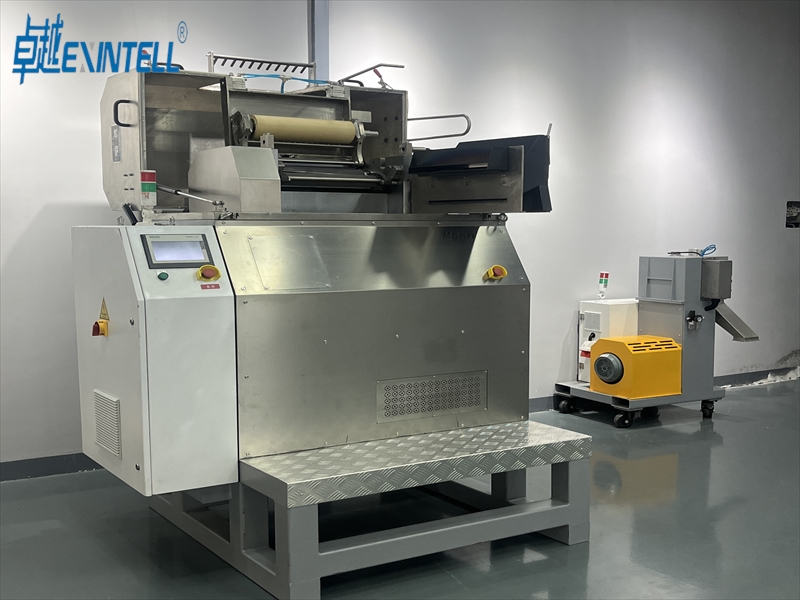
|
Attribute |
Cov ntsiab lus |
|---|---|
|
Kwv yees tus nqi lag luam hauv 2026 |
|
|
Kev kwv yees lag luam tus nqi los ntawm 2032 |
USD 335.6 lab |
|
Compound Annual Growth Rate |
10.3% |
Cov Ntsiab Lus Tseem Ceeb
-
An underwater pelletizing system txiav thiab txias yaj yas sai. Nws ua rau cov pellets me me uas zoo ib yam. Ntau qhov kev lag luam siv cov pellets no.
-
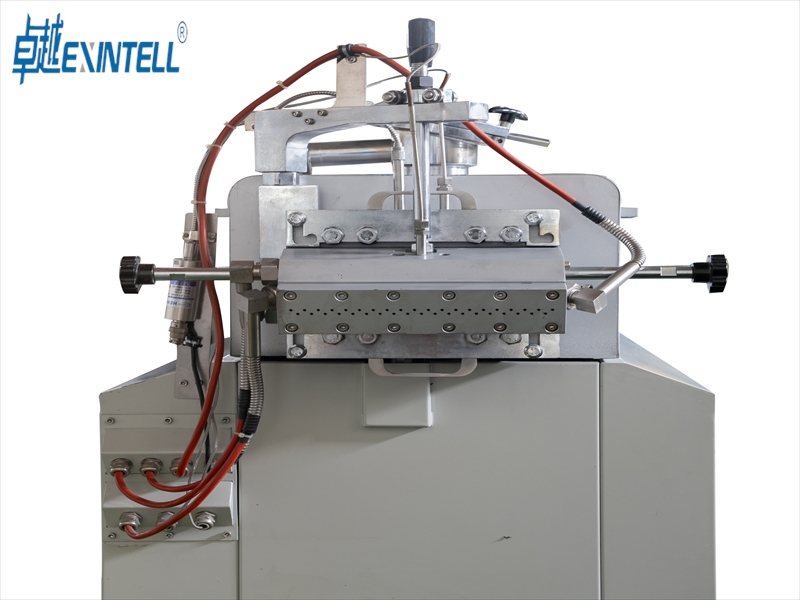
Lub kaw lus muaj qhov tseem ceeb xws li lub phaj tuag, dej chamber, thiab tig riam. Cov khoom no pab duab, txias, thiab txiav pellets raws nraim.
-
Cov thev naus laus zis no ua rau pellets du thiab puag ncig. Nws tseem txuag hluav taws xob thiab txo cov khib nyiab.
-
Kev saib xyuas tsis tu ncua thiab ua tib zoo tswj kom pellet zoo. Lawv kuj nres cov teeb meem feem ntau los ntawm kev tshwm sim.
-
Cov tswv yim tshiab xws li kev tswj ntse thiab cov qauv tsim zoo dua ua rau hauv qab dej pelletizing sai dua, huv si, thiab ua tau zoo dua.
Underwater Pelletizing System Overview
Nws Yog Dab Tsi
Ib qho underwater pelletizing system hloov melted yas rau hauv cov pellets me me. Cov kab ke no txiav thiab txias cov yas tib lub sijhawm. Lub hom phiaj tseem ceeb yog ua kom pelletizing sai thiab yooj yim. Txhua feem ntawm lub kaw lus ua haujlwm ua ke hauv cov kauj ruam:
-
Ib tug ntsia hlau yaj thiab sib tov lub polymer zoo.
-
Melted polymer txav los ntawm ib tug tuag phaj nyob rau hauv dej.
-
Rotating hniav txiav cov strands rau hauv pellets hauv qab dej.
-
Water cools the pellets fast and carries them forward.
-
The pellets are dried and checked for size before packing.
This process makes high-quality pellets for many products. Underwater pelletizing helps factories work faster and make better pellets.
Key Applications
Many industries use the underwater pelletizing system. It works best with plastics like polyethylene, polypropylene, and polystyrene. This technology helps make lots of pellets for different fields. Here is a table that shows where you use this system and which polymers are common:
|
Kev Lag Luam |
Types of Polymers |
|---|---|
|
Packaging |
Polyethylene, Polypropylene, Polystyrene |
|
Automotive |
Polyethylene, Polypropylene, Polystyrene |
|
Construction |
Polyethylene, Polypropylene, Polystyrene |
Pelletizing is important for making things for packaging, cars, and buildings. The underwater pelletizing system helps these industries by making pellets fast and with good quality.
Pelletizing Process and Main Components
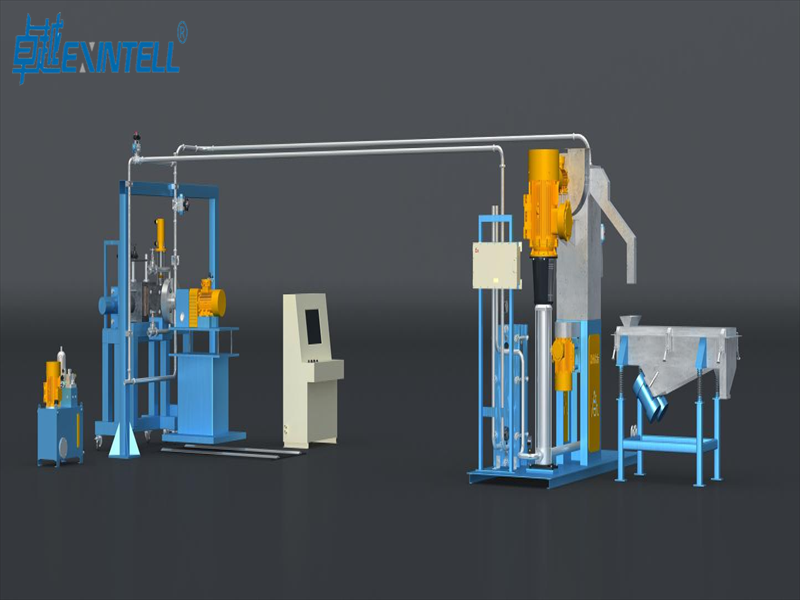
Cov pelletizing process in an underwater pelletizing system changes melted polymer into small, even pellets. This technology helps make good plastic pellets for many uses. Knowing each step and the main parts of an underwater pelletizer helps you get the best results.
Step-by-Step Process
You follow a few steps to finish the pelletizing process. Each step is needed to make sure the pellets are the right size and shape. Here is how it works:
-
Start the water system. Turn on the pump and check water heat and pressure.
-
Start the extruder. Warm up the extruder, put in the polymer, and watch the pressure.
-
Start the pelletizer. Turn on the motor, set the cutting gap, and check pellet quality.
-
Quality control. Take samples, check their properties, and change the process if needed.
You do these steps every time you run the pelletizing process. This way, you can control the quality and look of the pellets.
Die Plate and Water Chamber
Cov die plate and water chamber are two main parts of an underwater pelletizer. They work together to shape and cool the pellets during the process.
Lub tswv yim: The way the die plate is made and how water moves in the chamber both change how good your pellets are.
|
Sab |
Cov lus piav qhia |
|---|---|
|
Role of Die Plate |
The die plate shapes melted polymer into strands. It controls the size, shape, and sameness of each pellet. |
|
Geometry of Die Holes |
Special hole patterns in the die plate help the polymer flow evenly. This keeps pellet size the same and stops pressure problems. |
|
Temperature Management |
You must keep the die plate at the right heat. This keeps the polymer thick enough and stops it from getting hard too soon. |
|
Impact on Pellet Quality |
A good die plate gives you even pellets, faster work, and less waste. This makes your final product better. |
The water chamber goes around the die plate and cools the pellets as soon as they are cut. How water moves in the chamber is important for the pelletizing process.
|
Factor |
Cov lus piav qhia |
|---|---|
|
Flow Rate and Directionality |
Water moves in a spiral. This cools the pellets fast and moves them away from the die plate. |
|
Kev tswj kub kub |
You must keep the water at the right heat. This stops problems like chaining or tails, which can make pellets worse. |
|
Air Management |
Getting rid of air pockets helps water cool the pellets the same way. This makes the pelletizing process work better. |
Rotating Knife Assembly
Cov rotating knife assembly is another key part of the underwater pelletizing system. This part cuts the melted polymer strands into pellets right after they leave the die plate. How you set up the knife assembly changes the pelletizing process and the quality of the pellets.
The knife must touch the die plate at the right angle and speed. If the knife is too far or too slow, you get pellets with tails or odd shapes. If it is too close or too fast, you may get fines or hurt the die plate. By changing the knife-to-die contact and cutting speed, you make sure the pellets are the right size and shape every time.
You can see how the main parts of an underwater pelletizer work together in the pelletizing process. The die plate shapes the polymer, the water chamber cools and moves the pellets, and the rotating knife assembly cuts them to size. When you control each part, you get good pellets for any use.
Benefits of Underwater Pelletizers
Pellet Quality and Uniformity
You need good pellets for your products. The underwater pelletizing system helps you do this. Nws cuts and cools the polymer at the same time. You get pellets that are smooth and round. They are all the same size. This makes it easier to improve your product quality. If you check the die alignment often, you keep pellet size steady. Even a small gap in the die can change the pellets. Regular checks help you avoid dust and weird shapes. Cov dej tam sim ntawd txias cov pellets. This gives them a shiny surface and no cracks. You can count on this system to make good pellets every time.
Efficiency and Scale
Underwater pelletizers ua ntau dua li ua cov pellets zoo. Koj tuaj yeem khiav koj cov kab ntau lawm sai dua. Koj kuj pov tseg cov khoom siv tsawg dua. Lub kaw lus txias thiab txiav pellets sai. Qhov no txuag koj lub sijhawm. Koj tuaj yeem txuag mus rau 20% zog piv rau lwm txoj hauv kev. Qhov no txhais tau tias koj siv nyiaj tsawg dua rau lub zog. Nws kuj pab ib puag ncig. Lub kaw lus tuaj yeem ua tau ntau ntawm polymer. Koj tuaj yeem ua ntau pellets hauv lub sijhawm tsawg dua. Koj kuj pov tseg mus txog 15% cov khoom siv tsawg dua. Qhov no txo koj cov nqi thiab pab koj tau txais txiaj ntsig ntau dua. Yog tias koj xav ua ntau pellets, qhov system no muab koj qhov koj xav tau.
Sib piv rau Lwm Txoj Kev
Tej zaum koj yuav xav tias yuav ua li cas underwater pelletizing zoo dua li strand pelletizing. Cov txiaj ntsig sawv tawm thaum koj sib piv lawv. Ntawm no yog ib lub rooj los qhia qhov sib txawv:
|
Feature |
Underwater Pelletizing |
Strand Pelletizing |
|---|---|---|
|
Pellet duab |
Spherical, du, uniform |
Cylindrical, tiaj tiaj xaus |
|
Nto zoo |
High gloss, ruaj khov |
Tsawg uniform, ntau plua plav |
|
Txoj kev txias |
Immediate water quenching |
Air or water before cutting |
|
Oxidation Prevention |
Yog |
Tsis yog |
|
Dust and Chips Generation |
None |
Yog |
You get better pellets and less dust with underwater pelletizing. The fast cooling stops oxidation. This keeps your pellets clean. Underwater pelletizers help you make better products and work more efficiently. You can trust this method for good pellets and great results.
Technology, Maintenance, and Innovations
Essential Maintenance
You need to take care of an underwater pelletizing system. This keeps it working well and making good pellets. Good care also helps your equipment last longer. Here are some tips:
-
Always use cooling fluid when you sharpen the blades. This keeps them from getting too hot.
-
Keep the same blade angles when sharpening. This helps the blades cut better.
-
Make the tooth depth a little deeper each time you sharpen. This helps you make more pellets.
-
Pick strong blade materials like tungsten carbide or PM high-vanadium tool steels. These last longer and keep pellet quality high.
-
Use the right blade and die plate together. This stops fines and tails from forming.
-
Check how the system is working often. This helps you find problems early and keep the pellets good.
Common Challenges
Qee zaum, you will have problems with the pelletizing line. If you know what can go wrong, you can fix it fast. This helps you keep making good pellets. Here is a table that shows some common problems, why they happen, and how to fix them:
|
Challenge |
Possible Causes |
Solutions |
|---|---|---|
|
Inadequate Pellet Quality |
Broken die holes, wrong cutter settings |
Clean die holes, adjust cutter, realign die plate |
|
Filtration Blockage |
Polymer impurities, damaged filters |
Clean filters, use proper filters, maintain system |
|
Pellet Diameter Variability |
Unstable cut speed, dull blades |
Sharpen blades, keep feed steady, control speed |
|
Melting of Components |
Low cooling, high temperature, poor lubrication |
Improve cooling, lubricate, monitor temperature |
If you take care of your system and watch for these problems, you can stop most failures.
Recent Advances
New technology has made underwater pelletizing systems better. These changes help you work faster and make better pellets. You can see these improvements in many ways:
-
Better pelletizing steps and new die designs help you make more pellets and move water better.
-
New pumps and motors use less energy and save power.
-
Automation and smart controls use sensors and AI. They watch and change the process as you work.
-
Some new systems can handle thick and special plastics.
-
Better cutting and water flow make less dust and fewer fines. This makes the pellets even better.
Smart factory tools and IoT help you watch how your system works. They also help you know when to do maintenance. These new ideas help you make pellets in a way that is good for the environment and meets high quality rules.
You can trust an underwater pelletizing system to make good pellets. This technology lets you make lots of pellets quickly. It works for many kinds of polymers. You can control the process well. This means every batch has the same quality. If you take care of the system often, it keeps working well. It also keeps the pellets good. Factories are using more robots and green ideas now. Qhov no txhim kho pellet zoo thiab ntau lawm ceev txawm ntau. Yog hais tias koj xav tsim ntau pellets thiab ua raws li nruj kev cai, no system yog ib tug ntse xaiv.
FAQ
Yuav ua li cas yog lub hom phiaj tseem ceeb ntawm ib tug underwater pelletizing system??
Koj siv lub tshuab pelletizing hauv qab dej los ua cov pellets me me los ntawm melted polymers. Qhov system no tso cai rau koj los tswj pellet loj thiab cov duab. Koj tau txais zoo pellets rau ntau hom khoom.
Yuav ua li cas pelletizing txhim kho cov khoom zoo??
Pelletizing tsim cov pellets uas du thiab zoo ib yam hauv qhov loj me. Koj tuaj yeem cia siab rau txhua pawg kom zoo sib xws. Qhov no pab koj tsim cov khoom lag luam zoo dua. Koj txo cov khib nyiab thiab ua kom koj cov tshuab khiav tau zoo.
Cov khoom siv twg koj tuaj yeem ua nrog cov thev naus laus zis no??
Koj tuaj yeem siv cov thev naus laus zis no rau ntau cov polymers. Polyethylene, polypropylene, nrog polystyrene yog ib txwm muaj. Lub underwater pelletizing system ua hauj lwm nrog cov ntaub ntawv no thiab tswj pellet zoo.
Yuav ua li cas koj tswj cov pellet zoo ib yam??
You need to check the die plate and knife often. Clean the system and change settings if needed. This keeps pellet size and shape the same. You get good pellets every time you make them.
Why do factories choose underwater pelletizing for production?
Factories use this system because it is fast and makes good pellets. You save energy and waste less. The underwater pelletizing system helps you follow strict quality rules.