

Strand pelletizer los yog underwater pelletizer: uas yog txoj cai rau koj cov txheej txheem
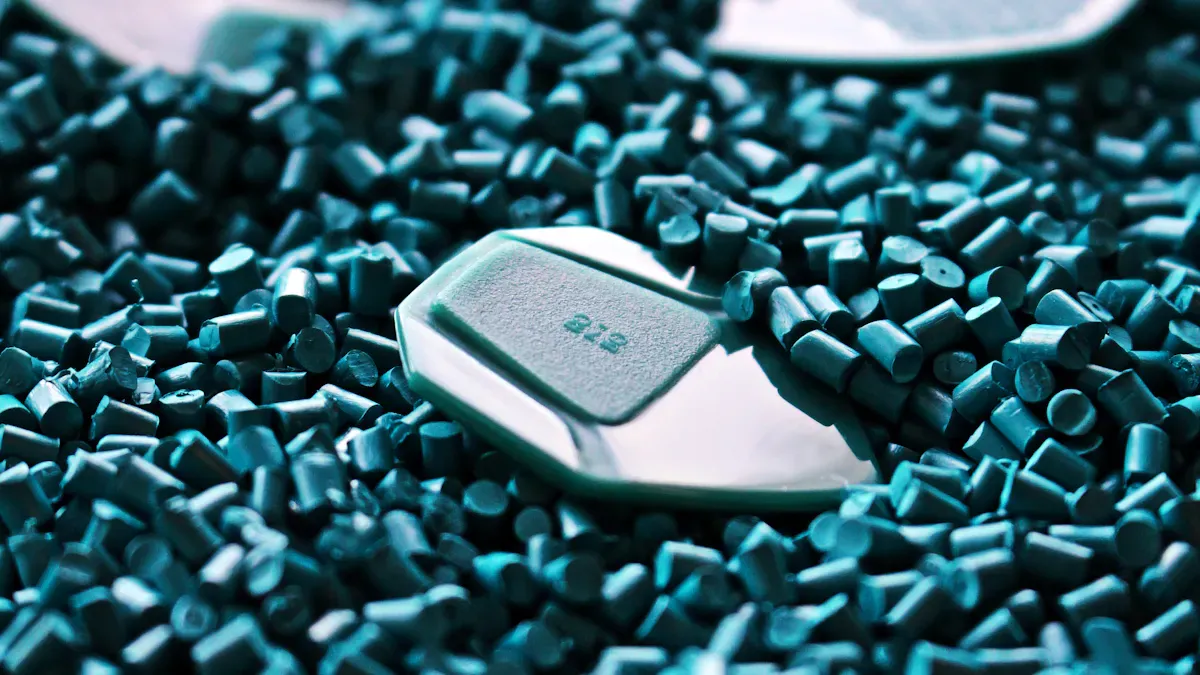
Strand thiab underwater pelletizer systems sib txawv nyob rau hauv txias thiab txiav txoj kev, ntau lawm scale, thiab pellet zoo. Strand pelletizers txias polymer strands nyob rau hauv ib tug dej trough, thaum Underwater Pelletizer units txiav pellets tag nrho submerged, tsim heev uniform pellets thiab tuav ntau dua throughputs.
Rau high-viscosity polymers, Underwater Pelletizer systems accommodate mus txog rau 70,000 lb / hr thiab feem ntau polymer hom, raws li qhia hauv qab no:
| System Hom | Ntau lawm ntim | Cov khoom sib xws |
|---|---|---|
| Underwater Pelletizing | Mus txog rau 70,000 lb / hr | Feem ntau polymers |
| Strand Pelletizing | Mus txog rau 44,000 lb / hr | Variable, cov kev sib tw nrog cov ntaub ntawv tsawg-viscosity |
Xav txog cov ntaub ntawv hom, paug, throughput, thiab pellet zoo thaum xaiv ib tug pelletizer.
Cov Ntsiab Lus Tseem Ceeb
- Strand pelletizers txias polymer strands nyob rau hauv dej, thaum underwater pelletizers txiav pellets submerged nyob rau hauv dej, cuam tshuam pellet zoo thiab ntau lawm scale.
- Underwater pelletizers yuav lis mus txog 70,000 lb / hr, ua rau lawv zoo tagnrho rau high-viscosity polymers thiab loj-scale ntau lawm.
- Xaiv underwater pelletizers rau daim ntawv thov uas yuav tsum tau uniform, spherical pellets nrog tsawg plua plav; strand pelletizers tsim cylindrical pellets tab sis tsim ntau plua plav.
- Kev saib xyuas yog yooj yim dua rau strand pelletizers vim lawv qhuav tsim, thaum cov kab ke hauv qab dej xav tau kev tu ntau dua vim yog dej raug dej.
- Xav txog cov khoom sib xws: cov kab ke hauv qab dej ua haujlwm nrog ntau yam ntawm polymers, suav nrog cov khoom siv viscosity siab thiab cov khoom paug.
- Txheeb xyuas cov kev xav tau ntau lawm: strand pelletizers zoo dua rau kev hloov pauv ntau zaus, thaum cov kab ke hauv qab dej ua tau zoo tshaj plaws hauv kev txuas ntxiv, kev ua haujlwm siab.
- Txheeb xyuas cov nqi kom zoo: Underwater pelletizers muaj cov nqi pib thiab kev ua haujlwm ntau dua, tab sis tej zaum yuav muaj kev txuag nyiaj mus sij hawm ntev hauv cov chaw ntim siab.
- Siv cov npe xaiv los ua kom koj qhov kev xaiv pelletizer nrog koj cov khoom siv tshwj xeeb, throughput, thiab cov peev nyiaj xav tau.
Pelletizer Comparison Overview
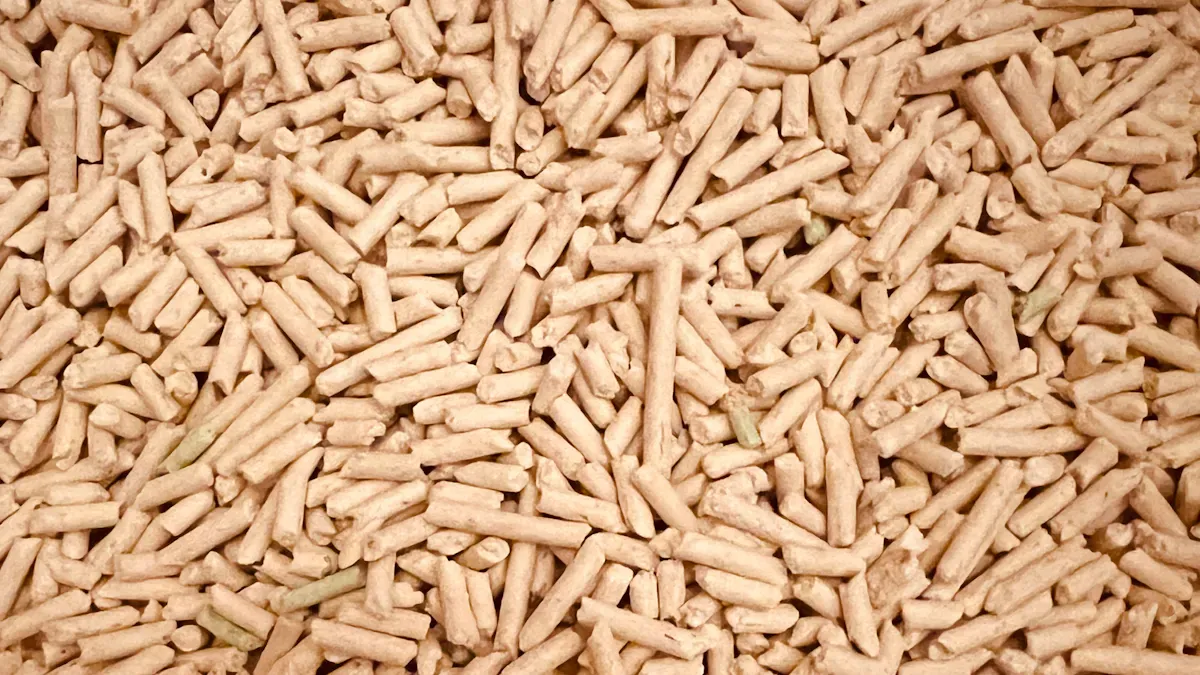
Strand vs Underwater Pelletizer Table
Xaiv txoj cai pelletizer rau koj cov txheej txheem yuav tsum muaj kev nkag siab meej txog yuav ua li cas txhua lub kaw lus ua haujlwm thoob plaws cov kev ntsuas tseem ceeb. Cov lus hauv qab no muab ib sab-los-sab sib piv ntawm strand thiab underwater pelletizers, tsom mus rau pellet duab, loj variation, plua plav tiam, ntau lawm ntim, thiab cov ntaub ntawv compatibility.
| Metric | Underwater Pelletizing | Strand Pelletizing |
|---|---|---|
| Pellet duab | Spherical | Cylindrical |
| Loj variation | < ±5% | < ±10-15% |
| Plua plav tiam | Tsawg dua | Ntau |
| Ntau lawm ntim | Mus txog rau 70,000 lb / hr | Mus txog rau 44,000 lb / hr |
| Cov khoom sib xws | Feem ntau polymers | Variable, cov kev sib tw nrog cov ntaub ntawv tsawg-viscosity |
Lub tswv yim: Rau cov ntawv thov uas xav tau heev uniform pellets thiab tsawg kawg nkaus plua plav, underwater pelletizer systems feem ntau xa superior tshwm sim.
Cov Kev Ntsuas Tseem Ceeb Sib Piv
Thaum ntsuam xyuas cov kev xaiv pelletizer, cov neeg tsim khoom yuav tsum xav txog ob peb qhov tseem ceeb:
- Pellet Quality: Underwater pelletizer units tsim cov khoom sib npaug heev, spherical pellets nrog plua plav tsawg kawg vim yog dej txias sai. Strand pelletizer systems tsim cylindrical pellets, tab sis zoo li tsim ntau plua plav thiab nplua, uas tuaj yeem cuam tshuam rau kev ua haujlwm hauv qab dej.
- Kev Xav Tau: Cov khoom siv hauv qab dej pelletizer cuam tshuam nrog cov khoom siv nyuaj dua thiab dej raug dej, ua rau muaj kev xav tau kev saib xyuas siab dua. Strand pelletizer tshuab muaj qhov yooj yim dua, tsim qauv qhuav, ua rau lawv yooj yim dua thiab nrawm dua los tswj hwm.
- Cov khoom sib xws: Underwater pelletizer technology tuav ntau yam ntawm polymers, suav nrog high-viscosity thiab cov ntaub ntawv tshwj xeeb. Strand pelletizer systems ua haujlwm zoo nrog feem ntau cov yas, tab sis tej zaum yuav tawm tsam nrog qis viscosity lossis nplaum polymers.
- Kev Ua Haujlwm Ntau Lawm: Underwater pelletizer kab txhawb nqa txuas ntxiv, Kev ua haujlwm siab, ua rau lawv zoo tagnrho rau kev tsim khoom loj. Strand pelletizer teeb tsa feem ntau ua haujlwm hauv pawg thiab feem ntau muaj cov khoom qis dua.
- Kev Txiav Txim Siab: Underwater pelletizer systems yuav tsum muaj kev nqis peev siab dua thiab cov nqi txij nkawm txuas ntxiv. Strand pelletizer kev daws teeb meem feem ntau raug nqi ntau dua rau kev ua haujlwm me me lossis cov khoom hloov pauv ntau zaus.
Manufacturers hauv kev lag luam Xws li tsheb, ntim, Thiab hluav taws xob yuav tsum phim lawv cov txheej txheem yuav tsum tau ua rau lub zog ntawm txhua hom pelletizer. Qhov kev xaiv yog nyob ntawm qhov xav tau pellet zoo, Cov khoom siv hom, ntau lawm ntim, thiab kev khiav hauj lwm pob nyiaj siv.
Yuav ua li cas txhua pelletizer ua hauj lwm
Strand Pelletizer Txheej Txheem
Txias thiab txiav
Strand pelletizer systems ua hauj lwm los ntawm transforming molten polymer rau hauv cylindrical pellets. Cov txheej txheem pib nrog cov khoom pub rau hauv lub compactor siv txoj siv conveyor. Kev pub mis ceev tuaj yeem hloov kho, thiab kev kuaj pom hlau feem ntau suav nrog los tiv thaiv kev sib kis. Rotary hniav sab hauv lub compactor shred thiab ua kom sov cov khoom, densifying nws ua ntej nws nkag mus rau hauv extruder ntsia hlau. Lub extruder melts lub polymer, thiab lub tshuab nqus tsev tshem tawm cov impurities. Thaum lub polymer yog tag nrho melted, nws tsiv mus rau lub taub hau tuag. Ntawm no, cov molten strands yog txiav thiab txias nyob rau hauv ib dej nplhaib, uas eliminates qhov yuav tsum tau ntawm phau ntawv strand tuav. Lub nplhaib dej ua kom txias sai thiab pab tswj pellet duab.
Ceeb toom: Lub nplhaib dej txias txoj kev nyob rau hauv strand pelletizer systems yog npaum rau feem ntau engineering plastics, tab sis tej zaum yuav tawm tsam nrog nplaum los yog tsawg-viscosity polymers.
Equipment Layout
Cov khoom siv layout rau ib tug strand pelletizer feem ntau muaj xws li ob peb tseem ceeb Cheebtsam:
- Compactor nrog adjustable pub mis thiab hlau nrhiav tau
- Ib leeg-ntsia hlau extruder nrog lub tshuab nqus tsev degassing
- Tuag lub taub hau rau strand tsim
- Dej nplhaib rau txias thiab pelletizing
- Conveyor system rau pellet sau
Qhov no layout txhawb nqa straightforward txij nkawm thiab ceev cov ntaub ntawv changeovers. Tus qhuav tsim txo downtime thiab simplifies ntxuav. Cov neeg teb xov tooj tuaj yeem nkag tau yooj yim rau lub compactor thiab extruder rau kev soj ntsuam ib txwm.
Underwater Pelletizer Txheej Txheem
Hauv Dej Txiav thiab Txias
Cov txheej txheem hauv qab dej pelletizer yog tsim rau kev tsim khoom siab thiab siab-viscosity polymer ntau lawm. Kev ua haujlwm pib nrog cov khoom siv txheeb xyuas cais cov yas rov ua dua tshiab los ntawm cov khoom tsis siv rov ua dua tshiab. Tom qab sorting, Cov khoom siv raug ntxuav kom tshem tawm cov pa phem thiab tom qab ntawd qhuav los npaj lawv rau yaj. Cov yas qhuav yog yaj los tsim homogeneous polymer yaj. Cov molten polymer tom qab ntawd pub ncaj qha rau hauv chav dej. Sab hauv chav no, Lub pelletizer txiav cov polymer rau hauv pellets thaum tag nrho submerged. Ib puag ncig hauv qab dej muab txias sai, Ua rau muaj kev sib npaug heev, Spherical pellets. Txoj kev no txo qis plua plav thiab nplua, Ua rau nws zoo tagnrho rau cov ntawv thov uas yuav tsum tau nruj pellet zoo.
Lub tswv yim: Underwater pelletizer systems ua tau zoo tshaj plaws hauv kev ua cov khoom noj khoom haus thiab cov polymers tshwj xeeb vim lawv lub zog txias thiab txiav muaj peev xwm.
System Setup
Qhov zoo li qub hauv qab dej pelletizer teeb tsa muaj xws li:
- Sorting thiab ntxuav chav tsev rau kev npaj cov khoom
- Cov khoom siv kom qhuav kom ntseeg tau tias zoo tshaj plaws yaj zoo
- Extruder rau melting thiab homogenizing lub polymer
- Dej chamber nrog integrated txiav taub hau
- Pellet sau thiab ziab system
Qhov kev teeb tsa no txhawb kev ua haujlwm tsis tu ncua thiab cov khoom siv siab. Lub taub hau hauv qab dej txiav ua haujlwm nyob rau hauv chav dej, tso cai rau qhov tseeb pellet tsim thiab txias sai. Kev saib xyuas yog qhov nyuaj dua vim muaj dej raug thiab kev sib koom ua ke ntawm lub kaw lus, tab sis cov txiaj ntsig hauv pellet zoo thiab ntau lawm ntim yog qhov tseem ceeb.
Qhov Sib Txawv Tseem Ceeb Hauv Kev Xaiv
Cov Txheej Txheem Tsim Nyog
Throughput thiab Yooj
Pelletizer xaiv nyob ntawm qhov yuav tsum tau ua thiab kev ua haujlwm yooj yim. Cov neeg tsim khoom yuav tsum ntsuas cov nplai ntawm lawv cov kev xav tau ntawm kev ua haujlwm thiab hom polymers koom nrog. Cov lus hauv qab no qhia txog muaj peev xwm rau hom pelletizer sib txawv:
| Pelletizer Hom | Peev xwm ua haujlwm |
|---|---|
| Strand Pelletizer | Low to Medium |
| Water-Ring Pelletizer | Medium to High |
| Underwater Pelletizer | High to Very High |
Strand pelletizers tswj tau kev ua haujlwm tsawg mus rau nruab nrab thiab muaj versatility rau ntau hom polymer, xws li cov khoom uas nyiam kub. Water-ring pelletizers txhawb nqa kev ua haujlwm nruab nrab mus rau siab, reaching hais txog 11,000 pounds per hour. Underwater pelletizer systems ua tau zoo hauv kev ua haujlwm siab mus rau qhov siab heev, kev ua haujlwm mus txog 70,000 pounds per hour. Cov system no zoo tagnrho rau polymers nyuaj xws li PET, PA, TPU, thiab bioplastics.
Ceeb toom: Rau kev tsim khoom loj thiab polymers uas xav tau kev siv siab, underwater pelletizer units muab kev ua haujlwm tsis muaj neeg sib piv thiab ua haujlwm txuas ntxiv.
Kev hloov khoom siv ntau zaus
Kev hloov khoom ntau zaus yog ib qho tseem ceeb rau ntau processors. Strand pelletizer systems muaj qauv yooj yim, qhuav uas tso cai rau kev ntxuav sai thiab hloov sai. Operators can switch between materials with minimal downtime, making strand pelletizers suitable for facilities that process multiple polymer types or require frequent batch changes.
Underwater pelletizer systems, while offering superior throughput, involve more complex cleaning procedures due to water exposure and integrated cutting heads. Material changeover takes longer, and specialized cleaning protocols are necessary to prevent contamination, especially when switching between polymers with different properties.
Cov khoom sib xws
Viscosity and Contamination
Material compatibility influences pelletizer performance and maintenance. Strand pelletizers work well with most plastics but may struggle with sticky or low-viscosity polymers. Underwater pelletizer systems handle a broader range of viscosities, including high-viscosity and specialty polymers.
Kev tswj hwm kev sib kis yog qhov tseem ceeb hauv ob qho tib si. Kev tuag-rau-hniav kom zoo tiv thaiv kev sib kis los ntawm kev nplua thiab plua plav. Cov khoom paug tuaj yeem ua rau cov chaw tuag tsis zoo, nce kev xav tau kev saib xyuas. Underwater pelletizer units muaj zog tiv thaiv kev sib kis, tshwj xeeb tshaj yog thaum ua cov khoom siv rov ua dua tshiab lossis tshwj xeeb tshaj plaws. Kev tu raws tu qauv rau cov polymers xws li PVC thiab TPEs yuav tsum tau ua raws li kom muaj pellet zoo thiab tiv thaiv kev puas tsuaj ntawm lub kaw lus.
Polymer Hom
Kev sib raug zoo ntawm pelletizer systems nrog ntau hom polymer yog teev hauv qab no:
| Cov khoom siv hom | Compatibility |
|---|---|
| Polyolefins | PP, PE |
| Engineering plastics | ABS, TPU, TPE, PA |
| Biodegradable Plastics | PLA, PBAT, PHA, starch-based polymers |
| Masterbatch Production | Xim masterbatch, muab tub lim masterbatch, additives |
| Tshuaj lom neeg thiab cob Prod. | Kub-yaj nplaum, elastomers, reactive polymers |
| High-MFI Cov Ntaub Ntawv | Haum rau underwater pelletizer systems |
Strand pelletizers are versatile for polyolefins and engineering plastics. Underwater pelletizer systems accommodate a wider range, including biodegradable plastics, masterbatch production, and high-MFI materials that cannot be pelletized using strand or water-ring systems.
Pellet Quality
Size and Shape Uniformity
Pellet quality impacts downstream processing and final product performance. Underwater pelletizer systems produce highly uniform, spherical pellets with size variation typically less than ±5%. Strand pelletizers generate cylindrical pellets with size variation up to ±10-15%. Uniformity is crucial for applications requiring consistent pellet flow and minimal dust.
Lub tswv yim: Choose underwater pelletizer systems for applications demanding strict pellet size and shape uniformity.
Downstream Processing Impact
Pellet shape and quality affect downstream processing efficiency. C. o. v, impacting filtration and compounding processes.
p, e, l, l. e.
Kev Saib Xyuas thiab Kev Ua Haujlwm
t
Routine cleaning and minimizing downtime are critical factors in pelletizer selection. Strand pelletizer systems muaj qauv yooj yim, tsim qauv qhuav. p, u. a. Most strand pelletizer units require only basic disassembly for cleaning, and the absence of water in the cutting area simplifies maintenance.
Underwater pelletizer systems present a different scenario. The integration of water in the cutting chamber introduces additional cleaning requirements. Water exposure can lead to mineral buildup, corrosion, or microbial growth if not managed properly. Operators must follow strict cleaning protocols to maintain system hygiene and prevent contamination of pellets. Cleaning the underwater cutting head and water circulation system often takes more time and may require specialized tools or chemicals. Downtime for maintenance is typically longer with underwater pelletizer equipment, especially during material changeovers or when processing sticky polymers.
Ceeb toom: Facilities that require frequent material changes or rapid cleaning cycles often prefer strand pelletizer systems due to their ease of maintenance and reduced downtime.
System Complexity
System complexity directly impacts operator training, troubleshooting, and long-term reliability. Strand pelletizer machines use a simple mechanical layout. Most operators can learn to run and maintain these systems with minimal training. Fewer moving parts and a dry environment reduce the likelihood of mechanical failure.
Underwater pelletizer systems are more complex. These units combine extrusion, water management, and in-water cutting in a single integrated process. Operators must monitor water temperature, flow rate, and pelletizer blade condition. Automated controls and sensors are common, but they add to the learning curve. Kev daws teeb meem ntawm cov tshuab pelletizer hauv dej feem ntau yuav tsum muaj kev paub tshwj xeeb thiab kev txhawb nqa tshuab. Kev nyuab siab ntawm cov tshuab no yuav ua rau muaj kev pheej hmoo ntawm kev nres haujlwm tsis tau npaj yog tsis muaj neeg muaj kev paub.
Lub tswv yim: Cov tshuab pelletizer yooj yim yog zoo rau cov chaw uas muaj neeg ua haujlwm tsawg lossis qhov yooj yim ua haujlwm yog qhov tseem ceeb.
Cov yam ntxwv ntawm tus nqi
Kev nqis peev
Kev nqis peev thawj zaug rau lub tshuab pelletizer txawv heev raws li kev siv tshuab thiab kev tsim khoom. Cov tshuab pelletizer strand feem ntau muaj tus nqi pib qis dua. Lawv tsim yooj yim, tsawg cov khoom siv, thiab kev tswj dej tsawg ua rau lawv yooj yim rau cov haujlwm me thiab nruab nrab. Kev teeb tsa yooj yim, thiab feem ntau cov chaw ua haujlwm tuaj yeem sib xyaw cov cuab yeej pelletizer strand yam tsis tas hloov kho infrastructure loj.
Cov txheej txheem pelletizer hauv dej xav tau kev nqis peev ntau dua thaum pib. Cov txheej txheem no suav nrog kev tswj dej siab, kev tswj hwm tsis siv neeg, thiab cov tshuab txiav ruaj khov. Kev xav tau kev teeb tsa tshwj xeeb thiab kev koom ua ke nrog cov kab ua haujlwm uas twb muaj lawm tuaj yeem ua rau tus nqi nce ntxiv. However, Kev nqis peev siab dua feem ntau tau txais txiaj ntsig hauv kev ua haujlwm loj uas kev ua tiav thiab zoo ntawm pellet yog qhov tseem ceeb.
| Pelletizer Hom | Kev nqis peev pib feem ntau | Kev nyuaj siab ntawm kev teeb tsa |
|---|---|---|
| Strand Pelletizer | Tsawg mus rau nruab nrab | Yooj yim |
| Underwater Pelletizer | s | Nyuaj |
Ceeb toom: Xav txog ob qho kev xav tau tsim khoom tam sim no thiab yav tom ntej thaum ntsuas kev nqis peev thawj zaug. Tus nqi siab dua thaum pib tej zaum yuav pab txuag tau nyiaj ntev hauv ib puag ncig uas muaj kev ua haujlwm ntau.
Cov nuj nqis khiav haujlwm
Cov nuj nqis khiav haujlwm suav nrog kev kho, kev siv hluav taws xob, kev siv dej, thiab cov khoom seem. Strand pelletizer systems muaj nqi qis dua. Kev ua haujlwm qhuav pab txo kev siv dej thiab hluav taws xob. Kev saib xyuas tsis tshua muaj zog, thiab cov khoom seem feem ntau tsis tshua kim dua.
Underwater pelletizer systems muaj kev siv nyiaj ua haujlwm ntau dua. Cov dej tsis tu ncua, lim, thiab ziab kom qhuav nce nqi hluav taws xob. Kev saib xyuas yog ntau dua vim muaj dej raug thiab qhov nyuaj ntawm kev txiav mechanism. Cov khoom hloov chaw rau cov khoom siv hauv qab dej tuaj yeem kim, tshwj xeeb tshaj yog rau cov hniav tshwj xeeb lossis cov ntsaws ruaj ruaj ruaj ruaj ntseg. Cov chaw kuj yuav tsum xav txog kev kho dej thiab pov tseg, uas ntxiv rau tag nrho cov nqi ntawm tus tswv.
Lub tswv yim: Xam tag nrho cov nqi ntawm tus tswv, tsis yog tus nqi pib xwb, thaum xaiv pelletizer. Cov nuj nqis ua haujlwm siab dua tuaj yeem tshem tawm cov txiaj ntsig ntawm kev nce nqi yog tias tsis ua tib zoo tswj hwm.
Underwater Pelletizer thiab Strand Pelletizer Applications
Strand Pelletizer Applications
Strand pelletizer systems serve a wide range of industries due to their versatility and straightforward operation. These machines are especially valuable in environments where frequent material changes and easy maintenance are priorities.
Engineering plastics
Strand pelletizers are widely used for engineering plastics. They process materials such as polypropylene, polyethylene, and glass fiber reinforced compounds. These plastics are common in automotive, electrical, and consumer goods manufacturing.
| Engineering Plastic Type | Cov lus piav qhia |
|---|---|
| Polypropylene (PP) | Widely used in dry strand pelletizers for processing. |
| Polyethylene (PE) | Commonly processed using strand pelletizers. |
| Glass Fiber Reinforced | Frequently processed with strand pelletizers. |
Strand pelletizers maintain pellet quality for these materials, supporting consistent downstream processing.
Recycled Materials
Plastic recycling plants rely on strand pelletizer systems for converting post-consumer and post-industrial waste into reusable pellets. These systems handle a variety of recycled plastics, making them essential for waste recycling operations. The dry design of strand pelletizers allows for efficient cleaning, which is important when switching between different recycled materials.
Compounding
Compounding facilities use strand pelletizers to blend polymers with additives, fillers, or colorants. The resulting pellets are used in film, sheet, and fiber processing, as well as in injection and blow molding operations.
| Application Type |
|---|
| Plastic recycling plants |
| Plastic compounding and manufacturing |
| Film, sheet, and fiber processing |
| Injection and blow molding operations |
Strand pelletizers offer flexibility for compounding lines that require frequent formulation changes.
Underwater Pelletizer Applications
Cov txheej txheem pelletizer hauv dej tsim rau ib puag ncig ua haujlwm siab. Cov tshuab no ua tau zoo hauv kev siv uas cov pellet sib npaug, kev ua haujlwm siab, thiab peev xwm tswj cov khoom nyuaj yog qhov tseem ceeb.
Cov polymers viscosity siab
Underwater pelletizer technology tsim cov pellets sib npaug heev nrog tsawg qhov loj thiab duab hloov. Qhov peev xwm no tseem ceeb tshwj xeeb rau cov polymers viscosity siab, qhov twg cov pelletizing strand qub tej zaum yuav muaj teeb meem nrog kev sib haum xeeb thiab kab tawg . Txoj kev txiav thiab txias hauv dej ua kom muaj kev tsim pellet ruaj khov, txawm siv cov khoom siv nyuaj.
- Kev ua pellet hauv dej ua rau pellets sib npaug heev nrog qhov loj thiab daim duab hloov tsawg, ua rau zoo rau cov khoom muaj viscosity siab.
- Strand pelletizing may face challenges in maintaining consistency and quality when processing high-viscosity polymers due to its manual start-up process and potential for strand breakage.
Contaminated Feedstocks
Underwater pelletizer systems are robust against contamination. They process recycled and specialty feedstocks with high impurity levels. The integrated water chamber and cutting head help manage contaminants, reducing the risk of fines and improving pellet quality. This makes underwater pelletizers suitable for waste recycling and biodegradable plastic pelletizing applications.
Kev Tsim Khoom Ntau Ntau
Manufacturers choose underwater pelletizer systems for high-volume production lines. These machines support continuous operation and can process up to 70,000 pounds per hour. The underwater environment enables rapid cooling, which is essential for maintaining pellet quality at large scales.
Piv txwv hauv kev lag luam
Pelletizer selection depends on the specific needs of each industry. Both strand and underwater pelletizer systems play important roles in modern manufacturing.
Tsheb
Automotive suppliers use strand pelletizers for engineering plastics and glass fiber reinforced compounds. These pellets are used in interior components, under-the-hood parts, and exterior trim. Underwater pelletizer systems support the production of specialty polymers and recycled materials for lightweight and sustainable automotive parts.
Packaging
Cov packaging industry is the leading sector for underwater pelletizer systems. These machines produce high-quality, consistent pellets for both flexible and rigid packaging materials. Underwater pelletizers enable the recycling of plastics into uniform pellets, supporting sustainable packaging and circular economy initiatives. They are used to produce recycled plastic pellets for injection molding, b, and blow molding—processes that are crucial for creating new packaging products.
Recycled plastic pellets from underwater pelletizer systems are also used in the manufacturing of packaging materials, cov khoom tsheb, and everyday items. This versatility highlights the importance of underwater pelletizers in the packaging sector.
Electronics
Electronics manufacturers require precise pellet quality for components such as housings, connectors, and insulation. Strand pelletizers process engineering plastics for these applications. Underwater pelletizer systems handle specialty polymers and high-volume production, supporting the electronics industry’s demand for consistent and reliable materials.
Ceeb toom: The choice between strand and underwater pelletizer systems depends on material type, contamination level, and production scale. Manufacturers should evaluate their process requirements to select the most suitable pelletizer for their application.
Pelletizer Selection Guide
Choosing the right pelletizer for your operation requires a structured approach. This guide provides a practical checklist and a decision flowchart to help you align your equipment selection with your production goals.
Selection Checklist
A systematic evaluation ensures that your pelletizer matches your material and operational needs. Use the following checklist to guide your decision:
Material Assessment
- Identify the type of polymer you plan to process (e.g., PET, HDPE, LDPE, engineering plastics).
- Assess contamination levels in your feedstock. Kev contamination ntau yuav tsum tau ntxuav kom ruaj khov lossis kev teeb tsa tshwj xeeb.
- Xav txog seb koj daim ntawv thov puas muaj cov khoom tshwj xeeb, xws li cov uas siv hauv biodegradable plastic pelletizing.
Ntau lawm ntim
- Kwv yees koj qhov kev ua haujlwm xav tau. Kev ua haujlwm ntau feem ntau tau txais txiaj ntsig los ntawm cov txheej txheem hauv dej vim lawv ua haujlwm txuas ntxiv thiab muaj peev xwm.
- Txiav txim seb koj cov khoom yog batch lossis txuas ntxiv. Cov pelletizers hauv dej ua tau zoo hauv kev ua haujlwm txuas ntxiv, ib puag ncig loj.
Cov Kev Xav Tau Zoo ntawm Pellet
- Qhia txog qhov zoo thiab qhov loj ntawm cov pellet uas xav tau. Cov pob zeb puag ncig los ntawm cov txheej txheem hauv dej muab kev sib haum xeeb zoo tshaj plaws.
- Ntsuam xyuas qhov tseem ceeb ntawm kev tswj hmoov av thiab cov hmoov rau koj cov txheej txheem tom qab.
- Kev tshuaj xyuas kev tsim thiab khoom siv ntawm rab riam, vim rab riam txiav thiab ruaj khov txhim kho kev txiav raug thiab zoo ntawm pellet.
Pob nyiaj siv
- Calculate your available budget for initial investment and ongoing operating expenses.
- Factor in maintenance, zog, and water usage. Underwater systems typically have higher costs but deliver greater throughput and pellet quality.
Lub tswv yim: Maintenance and ease of use are critical for facilities with frequent material changes or limited technical staff.
Decision Flowchart
The following tables summarize the main decision points when selecting between strand and underwater pelletizer systems:
| Pelletizer Hom | Qhov zoo tshaj plaws | Pellet duab | Nqi Sib piv |
|---|---|---|---|
| Strand pelletizer | PE, PP, PS — clean feedstock | Cylindrical | Tsawg |
| Underwater pelletizer | PET, PA, engineering plastics | Spherical | s |
| Factor | Cov lus piav qhia |
|---|---|
| Cov khoom siv hom | Different materials (PET, HDPE, LDPE) have unique challenges and needs regarding processing. |
| Contamination Level | Contamination control is crucial for maintaining processing stability and quality of pellets. |
| Configuration Requirements | Specific configurations are needed based on the type of material and contamination present. |
Ceeb toom: Underwater pelletizer systems are preferred for high-viscosity polymers, contaminated feedstocks, and applications requiring strict pellet uniformity. Strand pelletizers remain a cost-effective choice for clean, standard materials and frequent changeovers.
By following this checklist and reviewing the decision tables, you can confidently select the pelletizer that aligns with your processing requirements, whether you focus on high-volume underwater production or flexible strand operations.
Choosing between strand and underwater systems depends on your process needs. Underwater solutions deliver high throughput, pellets sib npaug, and handle challenging materials. Strand systems offer easier maintenance and faster changeovers. Use the comparison table below to evaluate brands and capacities:
| Brand/Model | Maximum capacity (kg / h) | Power (kW) | Applicable Materials | Reference price (USD) |
|---|---|---|---|---|
| Coperion ZSK Series | 2000 | 250 | Engineering plastics, PE/PP | 150,000-300,000 |
| Wintech | 800 | 90 | PE film, agricultural waste | 45,000-65,000 |
| Domestic economic granulator | 300 | 55 | PVC, ABS | 15,000-25,000 |
Consider these factors:
- Type of plastic
- Required throughput
- Desired pellet quality
- Operational needs
For complex underwater applications, consult suppliers or technical experts to ensure the right pelletizer choice.
FAQ
What is the main difference between strand and underwater pelletizers?
Strand pelletizers cut and cool polymer strands outside the die, while underwater pelletizers cut pellets directly in water. Underwater systems deliver more uniform pellets and higher throughput.
Which pelletizer is better for frequent material changes?
Strand pelletizers allow faster cleaning and easier material changeovers. Their dry design reduces downtime, ua rau lawv zoo tagnrho rau kev ua haujlwm uas hloov cov khoom siv ntau zaus.
Cov pelletizer hauv dej puas tuaj yeem tswj cov khoom rov siv dua lossis muaj kab mob?
Yog. Cov tshuab pelletizer hauv dej ua haujlwm cov khoom noj uas muaj kab mob lossis rov siv tau zoo. Lawv lub system dej ruaj khov tswj cov impurities thiab khaws cov pellet zoo.
Pellet zoo li cas cuam tshuam rau kev ua haujlwm tom qab?
Cov pellet puag ncig los ntawm cov txheej txheem hauv dej ntws tau zoo hauv cov conveyor thiab feeders. Cov pellets cylindrical los ntawm cov txheej txheem tuaj yeem tsim tau plua plav ntau dua, uas cuam tshuam rau cov cuab yeej thiab zoo ntawm cov khoom.
Cov pelletizer hauv dej puas kim dua rau kev khiav?
Tus nqi khiav haujlwm rau cov pelletizer hauv dej siab dua. Cov txheej txheem no xav tau dej ntau dua, zog, thiab kev kho. Cov chaw ua haujlwm yuav tsum tswj kev kho dej thiab cov khoom seem tshwj xeeb.
Hom polymer twg ua haujlwm zoo tshaj nrog cov pelletizer strand?
Strand pelletizers perform well with polyolefins, engineering plastics, and clean feedstocks. They may struggle with sticky or low-viscosity polymers.
Kuv yuav xaiv pelletizer kom haum rau kuv txoj kev ua haujlwm li cas?
Xyuas koj hom khoom siv, xav tau throughput, xav tau zoo ntawm pellet, thiab nyiaj txiag. Siv daim ntawv xaiv thiab tham nrog cov neeg muab khoom rau cov kev xav tau nyuaj.