

What Is A Twin Screw Extruder Wholesale: Qhov tseeb B2B Sourcing Guide rau Cov Neeg Yuav Khoom Thoob Ntiaj Teb hauv
Twin screw extruders have become the backbone of modern plastics compounding, Kev ua zaub mov noj, kev tsim tshuaj, thiab tshuaj lom neeg. For B2B buyers navigating the wholesale market — whether sourcing from a twin screw extruder manufacturers hauv Suav teb, a European OEM supplier, or a North American factory — understanding the wholesale landscape is critical to securing competitive pricing, txhim khu kev qha zoo, and favorable trade terms. This guide breaks down the twin screw extruder wholesale ecosystem, examines trade dynamics shaping procurement in, and provides actionable sourcing intelligence for industrial buyers worldwide.

Industrial manufacturing facility with heavy machinery and extrusion equipment used in B2B wholesale production lines
Nkag siab txog Twin Screw Extruders: Core Technology Behind Wholesale Demand
A twin screw extruder is an industrial machine featuring two intermeshing, co-rotating or counter-rotating screws housed within a closed barrel. Cov ntsia hlau xa, sib xyaw, knead, and shape raw materials — polymers, cov khoom xyaw zaub mov, cov tshuaj kho mob, lossis cov khoom siv tshuaj — nyob rau hauv kev tswj kub thiab siab. Qhov tshwm sim yog ib txoj kev ua haujlwm txuas ntxiv, ua tau zoo heev uas zoo dua cov qauv ntsia hlau ib leeg hauv kev sib xyaw zoo, kev hloov tau yooj yim, thiab kev hloov tau ntawm cov khoom siv.
Kev lag luam wholesale rau ob lub screw extruders muaj vim cov neeg yuav khoom lag luam tsawg heev yuav ib qho khoom. Cov chaw sib xyaw, cov chaw ua zaub mov, thiab cov tuam txhab tsim khoom cog lus feem ntau xav tau ntau lub tshuab teeb tsa rau ntau yam khoom, ntxiv rau cov khoom seem, barrels, screw elements, and downstream equipment. Qhov no tsim ib qho kev lag luam muag khoom ntuj uas kev yuav khoom ntau los ntawm lub hoobkas extruder ob lub nplhaib lossis tus neeg faib khoom raug cai tau txais txiaj ntsig nqi ntau.
Cov lus qhia tseem ceeb uas cov neeg yuav khoom lag luam ntsuas muaj xws li:
- Screw diameter (feem ntau 20mm txog 135mm rau cov qauv qauv, up to 300mm+ for large-scale production)
- L / D piv (ntev-rau-txoj kab uas hla, feem ntau 32:1 to 52:1 depending on application)
- Torque rating and specific energy input capacity
- Barrel configuration (number of zones, heating/cooling capability)
- Throughput capacity (kg/hour), ranging from lab-scale 5 kg/h to industrial 20,000+ kg / h
- Material of construction (nitrided hlau, bimetallic, tungsten carbide overlays)
According to data from Grand View Research (2024), the global twin screw extruder market was valued at approximately USD 1.2 billion in 2023 and is projected to grow at a CAGR of 5.8% through 2030, driven by demand in plastics compounding, masterbatch production, and food extrusion applications.
The Wholesale Ecosystem: Manufacturers, Lwm tus neeg, Hoobkas & Cov neeg faib khoom
Understanding the distinction between different wholesale channel participants is essential for B2B procurement teams:
A twin screw extruder manufacturers designs and builds machines from the ground up. These companies control R&D, engineering, component fabrication, assembly, and quality testing. Major manufacturers include Coperion (Lub teb chaws Yelemees), KraussMaffei (Lub teb chaws Yelemees), Leistritz (Lub teb chaws Yelemees), JSW (Nyiv), i (Tuam Tshoj), Nanjing Jieya (Tuam Tshoj), and Nanjing Chuangbo (Tuam Tshoj). Buying directly from a manufacturer typically offers the best pricing for large orders but may involve longer lead times and higher MOQs.
A ntxaib ntsia hlau extruder lwm tus neeg may or may not manufacture the equipment. Suppliers often serve as regional distributors, value-added resellers, or trading companies that aggregate products from multiple factories. They provide localized service, faster delivery from regional warehouses, and sometimes financing options. For buyers in the US and EU, working with a local supplier can simplify after-sales service and spare parts logistics.
A lub hoobkas extruder ob lub nplhaib refers specifically to the production facility. In B2B wholesale contexts, "factory direct" pricing is a key selling point, particularly for buyers sourcing from Chinese manufacturing hubs in Nanjing, n, and Guangzhou — cities that have become global centers for extrusion equipment production.
The wholesale tier adds another layer: bulk purchasing agreements, annual supply contracts, and fleet deals where a buyer commits to purchasing multiple units or a defined dollar volume over a set period in exchange for discounted unit pricing, priority production scheduling, and extended warranty terms.
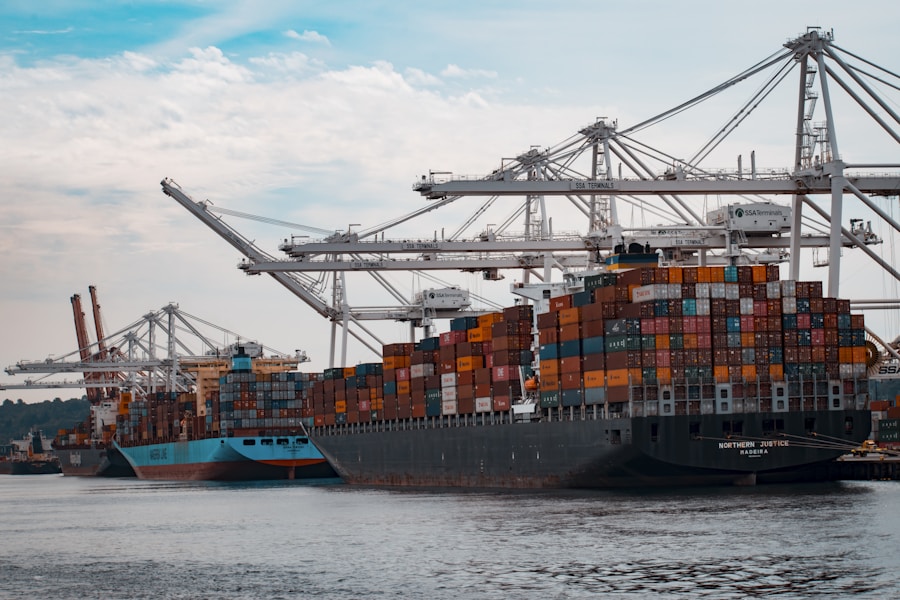
Twin Screw Extruder Hoobkas Global shipping containers at a major international port representing B2B wholesale trade logistics for industrial machinery Extruder Ender 3 Pro
Trade Policy Landscape Affecting Industrial Machinery Wholesale in
The transatlantic trade corridor between the United States and European Union remains one of the world's largest bilateral trade relationships, with goods and services trade exceeding USD 1.3 trillion txhua xyoo raws li U.S.. International Trade Administration (ITA), 2024 cov ntaub ntawv. Rau ntxaib ntsia hlau extruder lag luam wholesale buyers, several policy developments in are directly relevant:
Ib puag ncig se: The US maintains tariffs on certain categories of industrial machinery imports. Under the Harmonized Tariff Schedule (HTS), twin screw extruders generally fall under heading 8477 (machinery for working rubber or plastics). Duty rates vary by country of origin. EU-manufactured extruders entering the US face MFN (Most Favored Nation) rates typically between 3.1% and 4.4%, while Chinese-manufactured equipment may be subject to additional Section 301 tariffs ranging from 7.5% to 25%, depending on the specific HTS subheading and any applicable exclusions.
Plastic Pipe Extrusion Wholesaler Cov European Commission's Directorate-General for Trade has been actively negotiating with the US on critical minerals, steel and aluminum tariff adjustments, and technology trade frameworks throughout early. While twin screw extruders are not directly targeted by these negotiations, the broader tariff environment influences procurement decisions — particularly for US buyers evaluating whether to source from EU manufacturers (lower tariff, higher unit cost) versus Chinese factories (potentially higher tariff, lower unit cost).
Supply Chain Due Diligence: The EU's Corporate Sustainability Due Diligence Directive (CSDDD), uas tau siv hauv 2024, yuav tsum tau cov tuam txhab loj hauv EU txheeb xyuas thiab txo kev cuam tshuam tsis zoo rau tib neeg txoj cai thiab ib puag ncig hauv lawv cov saw khoom. Rau cov neeg yuav khoom wholesale hauv EU ntawm twin screw extruders, qhov no txhais tau tias yuav tsum muaj kev tshuaj xyuas ntau dua ntawm cov xwm txheej tsim khoom hauv cov hoobkas muag khoom, tshwj xeeb tshaj yog cov nyob rau cov teb chaws tab tom loj hlob. Kev ua raws cai, kev tshuaj xyuas hoobkas, thiab ntawv pov thawj kev ruaj khov tab tom dhau los ua cov cai tseem ceeb hauv kev yuav khoom wholesale.
Kev tswj kev xa tawm thiab kev hloov thev naus laus zis: Thaum cov tshuab extruders twin screw qauv tsis raug tswj kev xa tawm, cov qauv tshwj xeeb siv hauv kev ua khoom siv siab (e.g., qee yam polymer composites rau kev siv dav hlau lossis kev tiv thaiv) tej zaum yuav raug tswj hwm los ntawm cov cai thev naus laus zis siv ob hom uas tswj hwm los ntawm U.S.. Bureau of Industry and Security (BIS) and the EU's Dual-Use Regulation. Wholesale buyers in sensitive industries should verify end-use compliance before placing bulk orders.
B2B Kev Lag Luam Hauv Kev Lag Luam Wholesale Twin Screw Extruder
The wholesale twin screw extruder market presents several compelling opportunities for B2B buyers in:
1. Plastics Recycling and Circular Economy Demand: Ob lub tebchaws Asmeskas thiab EU tau siv cov hom phiaj rov siv dua uas muaj zog heev. The EU's Packaging and Packaging Waste Regulation (PPWR), hloov tshiab hauv 2024, mandates minimum recycled content in plastic packaging — 30% by 2030 and 65% by 2040. Twin Screw Yas Extruder Lag Luam Twin screw extruders are essential for compounding recycled polymers, removing contaminants, and producing recycled pellets that meet virgin-equivalent quality standards. This regulatory push is driving wholesale demand for specialized recycling extruder configurations. Twin Screw Extruder Machine Factory
Raws li the Association of Plastic Recyclers (APR), North American plastics recycling capacity is expected to increase by 40% between 2024 and 2028, requiring significant capital investment in extrusion equipment.
Tus Tsim Tshuab Masterbatch 2. Food and Pet Food Extrusion Growth: The global pet food market, valued at over USD 150 billion in 2024 ib Euromonitor International, relies heavily on twin screw extrusion for producing kibble, treats, and textured protein products. Wholesale buyers in this sector — including contract manufacturers and private-label producers — are expanding capacity across both US and EU markets.
3. Pharmaceutical and Nutraceutical Applications: Hot-melt extrusion (HME) using twin screw extruders has become a mainstream pharmaceutical manufacturing technology for improving drug bioavailability. Cov U.S.. FDA and European Medicines Agency (EMA) have approved numerous HME-processed drug products, validating the technology and driving wholesale equipment purchases by CDMOs (Contract Development and Manufacturing Organizations).
4. Battery Materials and Energy Transition: Twin screw extruders are increasingly used in lithium-ion battery electrode manufacturing — specifically for dry electrode processing and cathode/anode slurry mixing. With both the US Inflation Reduction Act (IRA) and the EU Battery Regulation incentivizing domestic battery production, wholesale demand for specialized extruder configurations in this sector is accelerating rapidly.

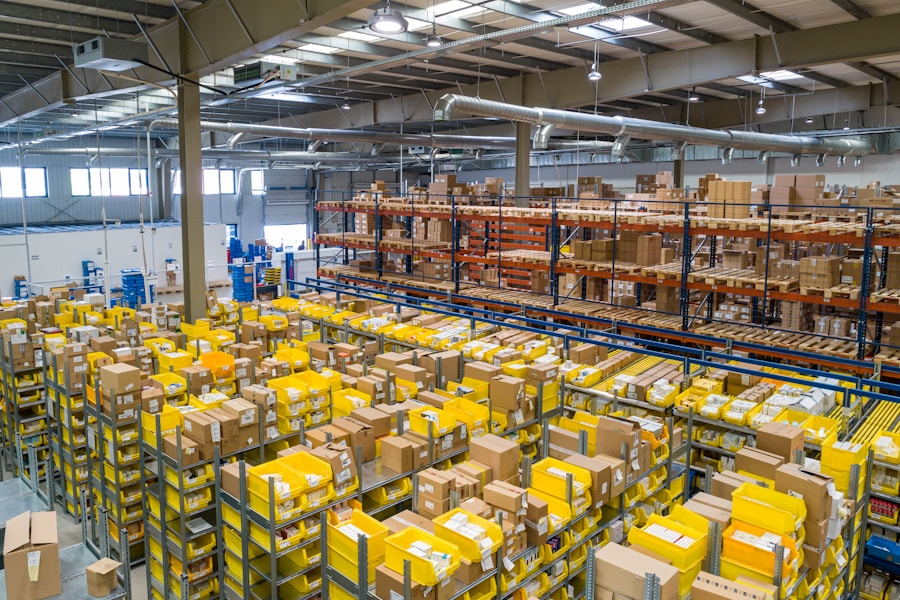
Modern industrial warehouse with organized machinery inventory representing wholesale distribution of manufacturing equipment
Challenges Facing B2B Wholesale Buyers of Twin Screw Extruders
Despite strong market fundamentals, wholesale buyers face several challenges:
Price Volatility and Currency Risk: Twin screw extruder pricing varies dramatically by origin. A standard 65mm co-rotating twin screw extruder line (including feeder, extruder, pelletizing system, and controls) might cost USD 80,000–150,000 from a Chinese factory, USD 250,000–500,000 from a European manufacturer, and USD 200,000–400,000 from a US-based builder. Currency fluctuations between EUR, USD, and CNY can shift the cost calculus significantly over a procurement cycle. In Q1, the EUR/USD exchange rate volatility has added 3–5% uncertainty to transatlantic equipment purchases.
Lead Times and Production Scheduling: Post-pandemic supply chain normalization has improved lead times, but wholesale orders (5+ units) still require 4–8 months from order confirmation to delivery for most manufacturers. Chinese factories typically offer shorter lead times (3–5 lub hlis) compared to European OEMs (5–10 lub hlis), a factor that influences wholesale sourcing decisions.
Quality Assurance and Standardization: The absence of a single global standard for twin screw extruder manufacturing creates quality variance across suppliers. European manufacturers typically build to CE marking requirements and often exceed them. Chinese factories vary widely — Cov tuam txhab tsim khoom qib siab xws li USEON thiab Nanjing Jieya muab cov cuab yeej zoo sib xws rau European, thaum cov hoobkas qib qis tej zaum yuav txo qis hauv metallurgy, kev ua kom raug tshuab, thiab kev sib xyaw ntawm kev tswj hwm. Cov neeg yuav khoom wholesale yuav tsum siv cov txheej txheem txheeb xyuas cov neeg muab khoom ruaj khov xws li kev tshuaj xyuas hoobkas, kev tshuaj xyuas piv txwv, thiab kev kuaj txais khoom.
Kev Pab Cuam Tom Qab Muag thiab Cov Khoom Seem: Rau cov neeg yuav khoom wholesale uas khiav cov tsheb extruders, kev muaj kev pabcuam tom qab muag yog qhov tseem ceeb. Cov tuam txhab European thiab US feem ntau tswj cov chaw pabcuam hauv cheeb tsam thiab cov khoom seem. Cov tuam txhab Suav teb Screw Extruder Factory tau nqis peev rau kev pabcuam txawv teb chaws tab sis kev npaj tseem tsis sib npaug. Kev pom zoo wholesale yuav tsum hais meej txog tus nqi spare parts, sijhawm xa khoom, kev pabcuam kuaj deb, thiab sijhawm teb kev pabcuam ntawm qhov chaw.
Intellectual Property Concerns: Kev lag luam twin screw extruder tau ntsib teeb meem IP, particularly around screw element designs and barrel configurations. Wholesale buyers should ensure that their suppliers hold valid patents or licenses for the technology they sell, and that purchase agreements include IP indemnification clauses.
Cov txiaj ntsig ntawm thaj chaw thiab txoj cai hauv kev lag luam Extruder
The trade corridor offers specific advantages for twin screw extruder wholesale procurement:
Kev Tswj Xyuas Kev Cai: US and EU safety standards for industrial machinery share significant common ground. CE marking (EU) and OSHA/NFPA compliance (US) address similar hazard categories, making it relatively straightforward to deploy EU-manufactured extruders in US facilities and vice versa. This regulatory compatibility reduces the compliance burden for wholesale buyers operating on both sides of the Atlantic.
Logistics Infrastructure: Cov chaw nres nkoj loj suav nrog Rotterdam, Hamburg, Antwerp (EU) thiab Los Angeles, Houston, Savannah (US) handle heavy industrial machinery efficiently. Established freight forwarding networks, customs brokerage services, and inland transportation systems support the movement of wholesale extruder shipments. Transit times for ocean freight between EU and US ports average 12–18 hnub, with well-developed project cargo capabilities for oversized equipment.
Trade Finance and Insurance: The corridor benefits from mature trade finance infrastructure. Export credit agencies — including the U.S.. Export-Import Bank (EXIM) and European equivalents like Euler Hermes (Lub teb chaws Yelemees) and BPI France — offer financing and insurance products specifically designed for capital equipment transactions. Wholesale buyers can leverage these programs to improve cash flow and mitigate payment risk.
Free Trade Zones and Bonded Warehouses: Ob lub teb chaws US (Foreign Trade Zones) thiab EU (Free Zones) offer duty deferral and reduction programs that benefit wholesale importers of twin screw extruders. By routing equipment through designated zones, buyers can defer tariff payments until machines are deployed, reduce duties on re-exported equipment, and consolidate shipments for cost efficiency.
International trade negotiation meeting between business professionals discussing B2B wholesale agreements
Case Studies Wholesale Extruder Procurement in Practice
Case Study 1: European Compounder Scaling with Chinese Wholesale Supply
A mid-sized German plastics compounder specializing in engineering thermoplastics needed to expand capacity across three EU facilities simultaneously. Rather than purchasing from their traditional European OEM supplier (lead time: 8 lub hlis, unit cost: EUR 420,000), they conducted a global sourcing evaluation and identified a Nanjing-based twin screw extruder factory capable of delivering comparable 75mm extruder lines at EUR 135,000 per unit.
The company negotiated a wholesale agreement for 8 units with the following terms: factory acceptance testing (FAT) witnessed by their engineers in China, CE certification and documentation, 24-month warranty with guaranteed spare parts availability from a European warehouse, and installation supervision by the manufacturer's field service team. Total project savings exceeded EUR 2 million compared to the European OEM option, with a lead time reduction of 3 lub hlis. The key success factor was investing in thorough supplier qualification — including two factory visits, reference customer interviews, and independent metallurgical testing of screw elements and barrel liners.
Case Study 2: US Pet Food Manufacturer Building a New Production Campus
A major US pet food company building a greenfield production facility in the Midwest required 12 twin screw extruder lines for producing dry kibble, treats, and textured vegetable protein. The procurement team issued an RFQ to five manufacturers — two European, two Chinese, and one US-based. After technical evaluation, they selected a split-sourcing strategy: 8 units from a Chinese manufacturer for standard kibble production (where the technology is well-established) and 4 units from a European OEM for specialty treat lines requiring advanced co-extrusion capabilities.
The wholesale agreement with the Chinese supplier included a 12% volume discount off list pricing, staggered delivery over 6 months to align with construction milestones, and a 5-year spare parts pricing guarantee. The European OEM provided application development support, including recipe optimization trials at their test center, as part of the wholesale package. This hybrid sourcing approach balanced cost optimization with technical capability requirements.
Case Study 3: Contract Pharmaceutical Manufacturer Standardizing Equipment Fleet
A European CDMO operating hot-melt extrusion services for pharmaceutical clients decided to standardize their equipment fleet on a single twin screw extruder platform to simplify validation, training, and spare parts management. They negotiated a 5-year framework agreement with a German manufacturer for the wholesale supply of 16mm, 27mm, and 40mm extruder models — covering lab-scale through production-scale requirements.
The framework agreement provided fixed pricing for the contract duration (adjusted annually for inflation), priority production scheduling, dedicated technical support, and collaborative development of pharmaceutical-specific features. The standardization strategy reduced their qualification costs by an estimated 35% per new installation and improved operator cross-training efficiency across facilities in Germany, Ireland, thiab Tebchaws Meskas.

Business professionals analyzing trade data and procurement strategies on digital screens in a modern office
Kev Lag Luam Kev Lag Luam: Twin Screw Extruder Wholesale Market — Nruab nrab- Outlook
Raws li cov cim qhia txog kev lag luam tam sim no, txoj cai kev txhim kho, thiab Kev Lag Luam Kev Txawj Ntse, several trends are expected to shape the twin screw extruder wholesale market over the next 1–2 lub hlis:
1. Tariff Uncertainty Will Drive Pre-Buying: With ongoing US trade policy reviews and potential tariff adjustments on Chinese industrial machinery, wholesale buyers are likely to accelerate purchase decisions in Q2 to lock in current duty rates. This "tariff front-loading" behavior was observed in 2018–2019 during the initial Section 301 tariff implementation and is already emerging in early order patterns reported by Chinese manufacturers.
2. Sustainability Specifications Will Become Standard in Wholesale RFQs: Driven by the EU's CSDDD and growing ESG reporting requirements, Cov neeg yuav khoom lag luam loj yuav xav kom cov tuam txhab tsim khoom muab cov ntaub ntawv carbon footprint, kev ntsuas kev siv zog kom zoo, thiab ntawv pov thawj kev ruaj khov ua ib feem ntawm lawv cov nqi. Cov tuam txhab tsim khoom uas tsim cov ntaub ntawv no ua ntej yuav tau txais txiaj ntsig sib tw hauv kev sib tw wholesale.
3. Kev sib koom ua ke ntawm cov tuam txhab Tuam Tshoj: Tuam Tshoj ob lub nplhaib extruder kev lag luam — tam sim no faib faib nrog ntau dhau 100 cov tuam txhab tsim khoom — yuav txuas ntxiv sib koom ua ke. Cov hoobkas qib siab tab tom yuav cov neeg sib tw me me, nqis peev hauv kev siv tshuab, thiab nthuav dav pab pawg muag khoom thoob ntiaj teb. Rau cov neeg yuav khoom wholesale, kev sib koom ua ke no yuav txhim kho qhov zoo nruab nrab tab sis tej zaum yuav txo cov kev xaiv pheej yig heev uas yav dhau los muaj.
4. Digital Procurement Platforms Yuav Tau Txais Kev Sib Tham: B2B platform suav nrog Alibaba.com, Made-in-China.com, and specialized industrial equipment marketplaces are improving their capabilities for complex capital equipment transactions. While wholesale twin screw extruder purchases still require significant offline negotiation and technical evaluation, digital platforms are increasingly used for initial supplier discovery, preliminary quotation, and market intelligence gathering.
5. Nearshoring and Regionalization: US buyers are showing increased interest in Mexican and Turkish manufacturing sources as alternatives to Chinese supply, driven by tariff avoidance, shorter supply chains, and trade agreement benefits (USMCA for Mexico, EU-Turkey Customs Union for European buyers). While twin screw extruder manufacturing capability in these countries is still developing, several Turkish and Mexican companies are investing in production capacity to serve this emerging demand.
6. Service-Inclusive Wholesale Models: The traditional wholesale model of "buy equipment, negotiate service separately" is evolving toward integrated packages that bundle equipment, installation, commissioning, training, spare parts inventory, and multi-year service agreements into a single wholesale contract. This trend reflects buyer preference for predictable total cost of ownership and reduced procurement complexity.
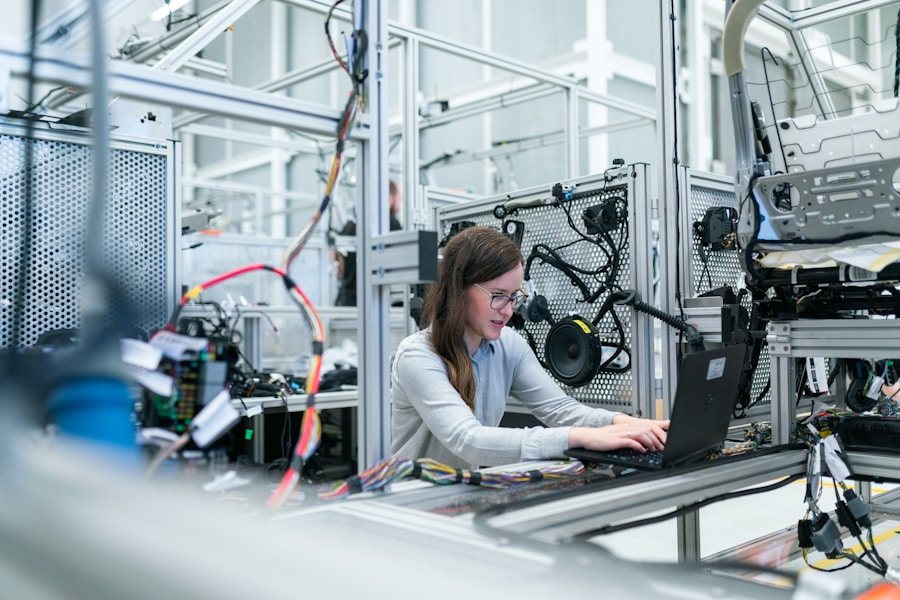
Advanced manufacturing technology and automation systems in a modern industrial production environment
B2B Industrial Safety Footwear: Kev tiv thaiv cov neeg ua haujlwm hauv ib puag ncig extrusion manufacturing
Twin screw extruder wholesale operations — from factory floors where machines are assembled to production facilities where they operate — present significant occupational hazards that demand proper personal protective equipment (PPE). Among the most critical yet often overlooked PPE categories is safety footwear. In the context of B2B industrial trade, safety shoes and boots designed for manufacturing environments are not optional accessories — they are regulatory requirements and operational necessities. Plastic Extrusion Process Animation
Vim li cas kev tiv thaiv ntiv taw thiaj tseem ceeb hauv ib puag ncig extrusion:
Twin screw extruder facilities handle heavy components daily. A single screw element can weigh 5–15 kg, a barrel section 50–200 kg, and a complete gearbox 500–2,000 kg or more. e, v, and wholesale warehouse operations, these components are lifted, transported, and positioned — creating constant risk of crush injuries to feet and toes. According to the U.S.. Bureau of Labor Statistics (BLS), 2024 cov ntaub ntawv, foot injuries account for approximately 7% ntawm tag nrho cov kev raug mob hauv chaw ua haujlwm, with an average of 16 lost workdays per incident. Clear Extruded Acrylic Tubing
The financial impact is substantial. Cov National Safety Safety Council (NSC) estimates the average cost of a workplace foot injury at USD 9,600 in direct medical costs, with total costs (including lost productivity, cov neeg ua haujlwm' them nyiaj, and administrative expenses) reaching USD 42,000–58,000 per incident. For a wholesale extruder operation handling hundreds of heavy components monthly, even a single foot injury can exceed the annual cost of providing safety footwear to the entire workforce.
Safety Footwear Standards for Industrial Environments:
B2B buyers sourcing safety footwear for extrusion manufacturing environments should understand the applicable standards:
- ASTM F2413 (US Standard): Defines performance requirements for protective footwear including impact resistance (I/75 = 75 ft-lbs impact protection), kev tiv thaiv nias (C/75 = 2,500 lbs compression protection), kev tiv thaiv metatarsal, puncture tsis kam, electrical hazard protection, and static dissipative properties.
- EN ISO 20345 (EU Standard): Classifies safety footwear into categories — S1 txog S5 — based on protection features. S3 is the most common specification for manufacturing environments, requiring a 200-joule toe cap, midsole tiv thaiv nkag, sab saud tiv dej, khau sab nraud muaj cleated, thiab lub zog nqus hauv cheeb tsam pob taws.
- Composite vs. Steel Toe Caps: Modern safety footwear offers both steel and composite (fiberglass, carbon fiber, or Kevlar) toe cap options. Composite toe caps are lighter (30–40% Txo hnyav), do not conduct heat or cold, and are metal-detector friendly — advantages in food-grade extrusion facilities. Steel toe caps offer slightly higher impact resistance at lower cost and remain the standard choice for heavy industrial environments.
Specific Hazards in Twin Screw Extruder Operations:
Beyond impact and compression risks, extrusion manufacturing environments present additional foot hazards that safety footwear must address:
- Heat Exposure: Ob lub nplhaib extruders ua haujlwm ntawm qhov kub ntawm 150°C txog 400°C depending on the material being processed. Molten polymer nchuav, hot barrel surfaces, and heated die assemblies create burn risks. Safety footwear with heat-resistant outsoles (rated to 300°C contact heat per EN ISO 20345) and heat-insulating midsoles is essential for operators and maintenance personnel.
- y: Extrusion processes may involve solvents, plasticizers, lubricants, and cleaning chemicals. Safety footwear with chemical-resistant uppers (polyurethane or nitrile rubber) and sealed seams prevents chemical penetration that can cause skin irritation or burns.
- o: Polymer pellets, processing oils, and water from cooling systems create slippery floor conditions. Kev nyab xeeb khau nrog SRC-rated outsoles (tiab hauv qab tsis kam ntawm ob qho tib si ceramic thiab steel nto nrog dej thiab xab npum) significantly reduces slip-and-fall risk — the leading cause of workplace injuries across all manufacturing sectors.
- kev pheej hmoo hluav taws xob: cov vaj huam sib luag tswj extruder, tsav motors, and heating systems operate at high voltages. Electrical hazard (EH) rated footwear provides secondary protection against accidental contact with energized circuits, with insulation rated to 18,000 volts under dry conditions per ASTM F2413.
- Puncture Hazards: Cov hlau txhuam, xaim tawg, and fasteners on factory floors can penetrate standard shoe soles. a — either steel or textile (Kevlar) — prevent penetration injuries. Textile midsoles offer greater flexibility and lighter weight while meeting the same 1,100 Newton puncture resistance requirement.
Extruder Making Noise B2B Change Extruder Mattercontrol Wholesale Sourcing of Safety Footwear:
For companies operating twin screw extruder facilities, safety footwear procurement follows similar B2B wholesale dynamics as equipment purchasing. Key considerations include:
- Volume Pricing: Wholesale safety footwear orders (100+ pairs) typically achieve 20–35% discounts compared to retail pricing. Annual supply agreements with guaranteed sizing availability further reduce per-unit costs.
- Certification Compliance: Ensure all footwear meets the applicable standard for your operating jurisdiction — ASTM F2413 rau cov chaw ua haujlwm hauv As Mes Lis Kas, EN ISO 20345 for EU operations. Dual-certified footwear is available from major manufacturers and simplifies procurement for companies operating on both sides of the Atlantic.
- Fit Programs: Leading safety footwear suppliers offer on-site fitting programs where trained representatives measure employees and recommend appropriate sizes and widths. Proper fit is critical — ill-fitting safety footwear causes blisters, fatigue, and musculoskeletal issues that reduce productivity and increase injury risk.
- Replacement Schedules: Safety footwear in heavy manufacturing environments typically requires replacement every 6–12 months depending on usage intensity. Wholesale agreements should account for regular replacement cycles and include provisions for expedited delivery of replacement pairs.
- v: Premium safety footwear (USD 120–200 per pair wholesale) typically lasts 2–3 times longer than economy options (USD 40–70 per pair) while providing superior comfort and protection. B2B buyers should evaluate cost per wear-day rather than upfront unit cost when making wholesale purchasing decisions.
The integration of safety footwear procurement into broader industrial PPE programs reflects a mature approach to workplace safety management. Companies that invest in proper foot protection for their extrusion facility workers see measurable returns: reduced injury rates, lower workers' compensation costs, improved employee satisfaction, and compliance with OSHA (US) and EU-OSHA regulatory requirements.

Industrial safety equipment and protective footwear displayed for B2B wholesale procurement in manufacturing sector
How to Evaluate a Twin Screw Extruder Wholesale Supplier
For B2B buyers entering the wholesale market, a structured supplier evaluation process is essential. The following framework has been validated by procurement professionals across the extrusion industry:
Kauj ruam 1 — Kev Ntsuam Xyuas Kev Muaj Peev Xwm: Request detailed technical specifications, engineering drawings, and material certificates for the specific extruder models under consideration. Evaluate the manufacturer's R&D capabilities, patent portfolio, and history of technical innovation. A credible ntxaib ntsia hlau extruder lwm tus neeg should be able to provide application-specific recommendations based on your processing requirements.
Kauj ruam 2 — Factory Audit: Conduct an on-site factory audit (or engage a third-party inspection firm) los txheeb xyuas kev tsim khoom muaj peev xwm, cov kev tswj hwm zoo (ISO 9001 certification is baseline), machining equipment, assembly processes, and testing facilities. Pay particular attention to CNC machining precision for screw elements and barrels, heat treatment processes, and final assembly quality control procedures.
Kauj ruam 3 — Reference Verification: Request and contact at least 3–5 reference customers who have purchased similar equipment at wholesale volumes. Ask about equipment performance, kev ntseeg tau, after-sales service responsiveness, and whether the supplier met delivery commitments.
Kauj ruam 4 — Commercial Terms Negotiation: Wholesale agreements should address pricing (including volume discount tiers), cov lus them nyiaj (feem ntau 30% deposit, 60% ua ntej xa khoom, 10% tom qab kev pib), delivery schedule with penalties for delays, warranty terms (yam tsawg kawg nkaus 12 lub hlis, preferably 24 lub hlis), spare parts pricing and availability guarantees, and service level agreements for technical support. Tsim Complete Extrusion Systems
Kauj ruam 5 — Logistics and Import Planning: For cross-border wholesale purchases, plan the logistics chain including freight forwarding, kev tso cai customs, import duties and taxes, inland transportation, and rigging/installation at the destination facility. Engage an experienced freight forwarder specializing in heavy industrial machinery to optimize costs and minimize transit damage risk.
Key Specifications Comparison: Wholesale Twin Screw Extruder Models
The following comparison provides representative wholesale pricing and specifications for commonly traded twin screw extruder configurations in (prices are indicative and subject to negotiation based on volume, Kev teeb tsa, and supplier):
| Specification | Chinese Factory (Tier 1) | European OEM | US Manufacturer |
|---|---|---|---|
| Model Class | 65mm co-rotating | 65mm co-rotating | 65mm co-rotating |
| L/D Ratio | 40:1 to 48:1 | 40:1 to 52:1 | 40:1 to 48:1 |
| Max Throughput | 800–1 |