

Masterbatch Tshuab Piav Rau Cov Neeg Tshiab
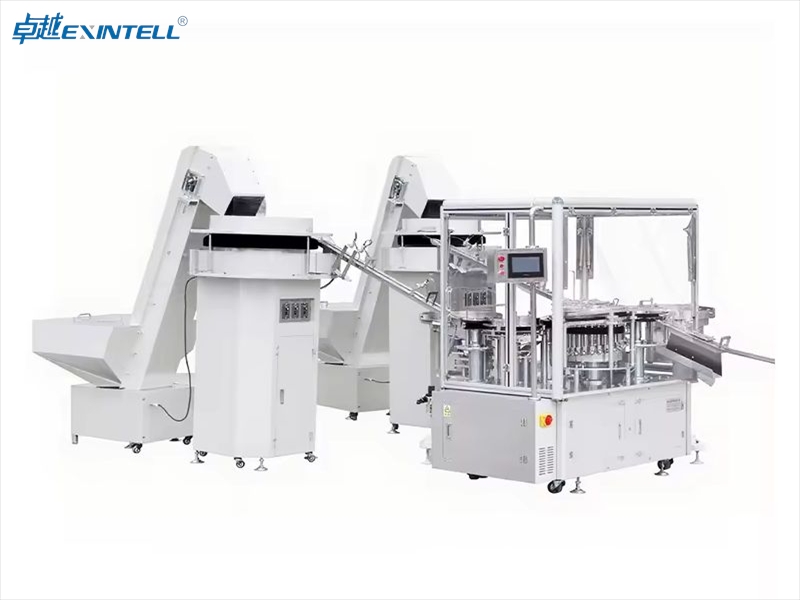
If you’re like me and you want to know how plastics get their color or special features, koj yuav pom cov lus teb hauv lub tshuab masterbatch. Lub tshuab no sib xyaw cov khoom muaj zog rau hauv yas, ua rau yooj yim tsim cov khoom uas muaj qhov zoo lossis zoo uas koj xav tau. I realized how important these machines are when I saw how big the market is. Take a look at this table:
|
Year |
Kev Ua Lag Luam Loj (USD Billion) |
CAGR (%) |
|---|---|---|
|
2025 |
N / A |
|
|
2026 |
12.4 |
N / A |
|
2035 |
21.24 |
6.1 |
That’s a huge industry! If you’re curious about manufacturing or plastics, understanding masterbatch machines can help you start strong.
Cov Ntsiab Lus Tseem Ceeb
-
Masterbatch machines mix additives into plastics, giving them color and special features.
-
These machines are crucial for consistent quality in plastic products, ensuring even distribution of pigments.
-
Using a masterbatch machine can save costs by reducing waste and improving processing efficiency.
-
Customization is easy; you can create specific colors and properties tailored to your needs.
-
Masterbatch machines support sustainability by allowing the use of recycled materials without compromising quality.
-
Understanding the differences between single-screw and twin-screw extruders helps in choosing the right machine for your needs.
-
Monitoring the mixing process is essential for achieving uniformity and high-quality results.
-
Masterbatch technology opens doors to innovation across various industries, from packaging to automotive.
What Is a Masterbatch Machine?
Basic Definition
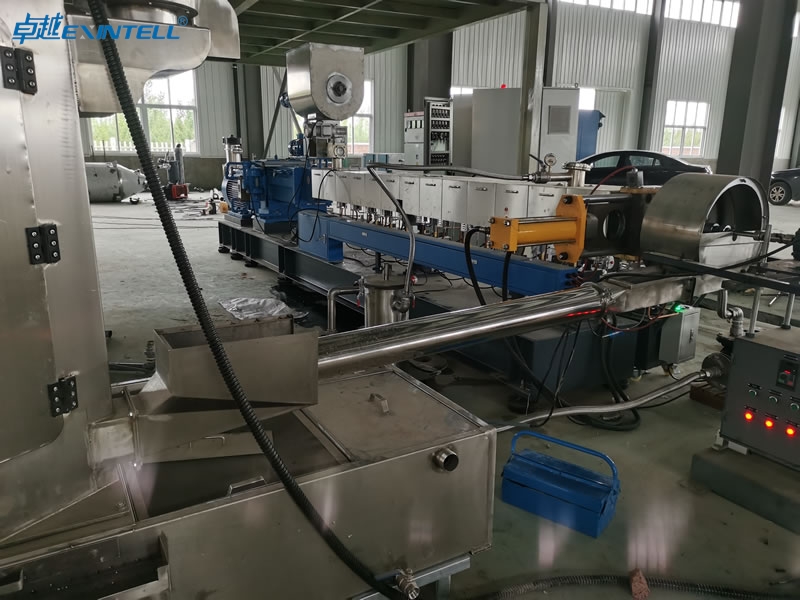
When I first heard about a masterbatch machine, I pictured a big mixer in a kitchen. In reality, it works a bit like that, but for plastics. A masterbatch machine is designed to mix premixed granules of a host polymer with a masterbatch. This process happens inside the machine, especially in the screw and extrusion section. The goal is to create a concentrated mixture of pigments or additives with a carrier resin, like wax or plastic. This mixture, called masterbatch, gives plastics their color or special features. I find it amazing how this machine can blend everything so evenly, making sure every piece of plastic looks and performs the same.
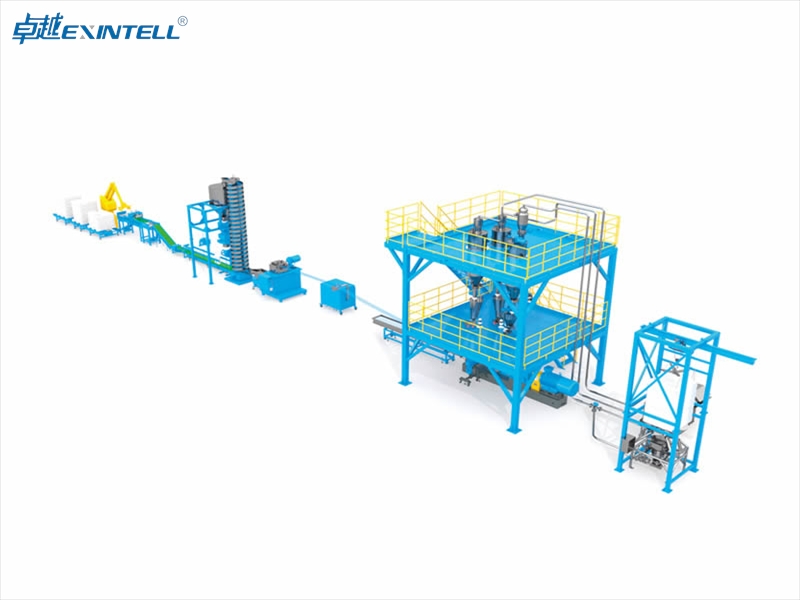
Here’s what happens inside a masterbatch machine:
-
Nws takes in granules of plastic and masterbatch.
-
It mixes pigments or additives with the plastic.
-
It uses heat and pressure to blend everything together.
-
It forms small pellets that manufacturers can use to make all kinds of plastic products.
I like to think of it as the secret chef behind the scenes, making sure every batch of plastic gets the right ingredients.
Purpose in Manufacturing
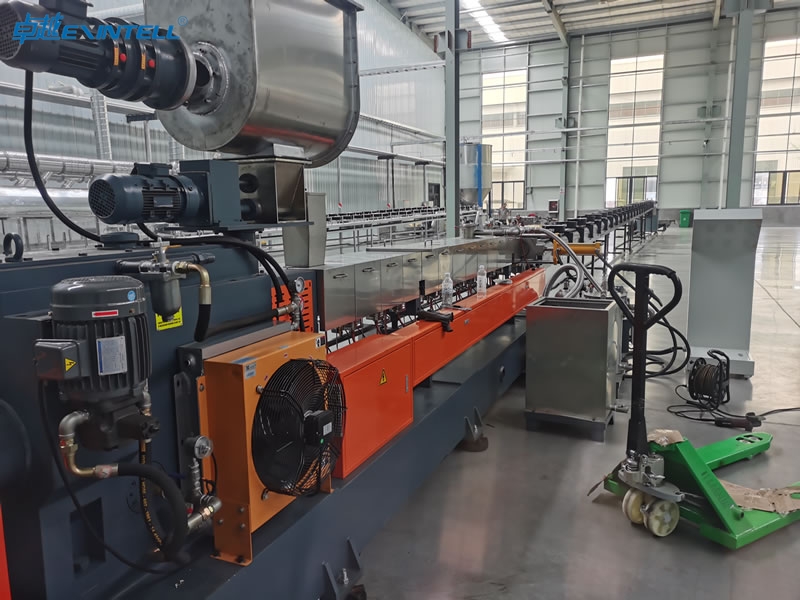
I see the masterbatch machine as a key player in modern manufacturing. It does more than just mix colors. It helps factories create plastics with exact properties, like strength, yooj, or UV resistance. This machine ensures that pigments and additives spread out evenly, so there are no streaks or spots in the final product.
Here’s why manufacturers rely on masterbatch machines:
-
They produce color and additive concentrates that enhance plastic properties.
-
They ensure uniform distribution of pigments and additives for even coloring.
-
They improve processing efficiency by allowing precise control over product features.
-
They reduce waste, which saves money and supports sustainability.
-
They make it possible to use recycled materials without losing quality.
Lub tswv yim: If you want to make high-quality plastic products, you need a masterbatch machine. It gives you control, consistency, thiab yoog raws.
I’ve learned that industries like packaging, tsheb, and construction all depend on these machines. They help companies meet strict standards and deliver products that look great and last longer.
How a Masterbatch Machine Works
When I first saw a masterbatch machine in action, I realized how many steps go into making those tiny pellets that give plastics their color and properties. Let me walk you through the process, step by step.
Feeding and Mixing
Raw Material Input
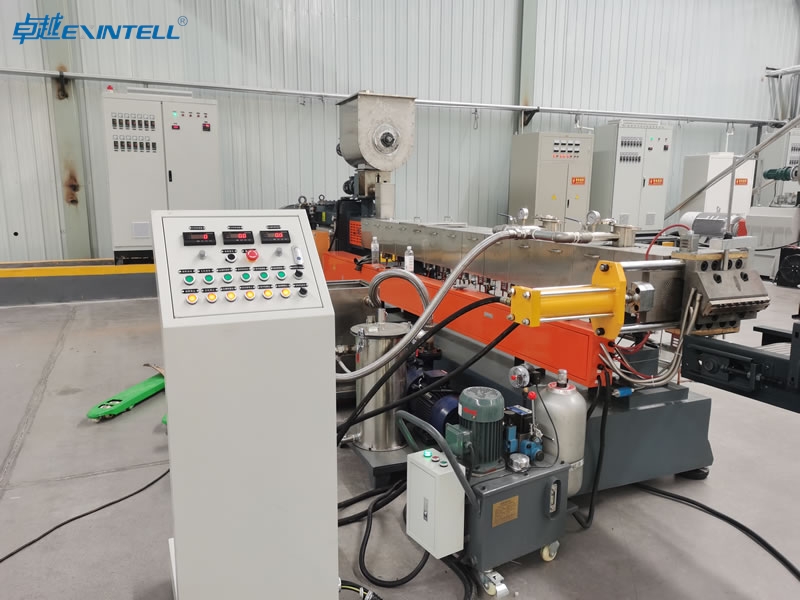
I always start by loading the machine with the right ingredients. Here’s what goes in:
-
Base polymer (carrier resin) like polyethylene or polypropylene. This acts as the main material.
-
Pigments or dyes. These give the plastic its color.
-
Additives. These can make the plastic stronger, protect it from sunlight, or even stop germs.
-
Dispersion aids. These help everything mix smoothly.
Lub tshuab siv lub hopper los muab cov khoom no nkag mus. Kuv xyuas kom cov dej ntws ruaj khov kom cov khoom sib xyaw nyob ruaj khov.
Kev sib npaug thiab faib tawm
Thaum cov khoom nkag mus rau hauv lub tshuab, qhov txuj ci tiag tiag pib. Cov screws tig rub cov khoom mus rau pem hauv ntej, nias thiab txhuam lawv. Kub thiab kev ua tshuab ua kom cov khoom tawg, ua kom lawv tuab, sib xyaw sib npaug. Cov screws tshwj xeeb hauv lub tshuab ua kom txhua yam sib xyaw zoo. Kuv saib xyuas xim thiab texture sib npaug, vim tias qhov ntawd txhais tau tias cov xim thiab cov khoom ntxiv tau faib tawm zoo kawg nkaus.
Lub tswv yim: Yog koj xav tau ib pawg khoom zoo kawg nkaus, saib xyuas theem sib xyaw. Kev sib haum xeeb ntawm no txhais tau tias zoo tom qab.
Nov yog ib qho kev saib ceev ntawm cov kauj ruam tseem ceeb hauv kev pub thiab sib tov:
-
Kev pub khoom siv: Kuv tso cov khoom raw los ntawm lub hopper.
-
Kev thauj thiab nias: The screws move and compress the materials.
-
Plasticization and Melting: Heat and movement melt the mix.
-
Intensive Mixing and Homogenization: The machine blends everything until it’s uniform.
Kev yaj thiab Extrusion
High Shear Mixing
After mixing, the machine ramps up the pressure. The screws spin faster, generating more heat and shear. This breaks down any clumps and ensures the pigments and additives spread out evenly. I check the mixture for smoothness and consistency.
Heat Treatment
The machine keeps the temperature just right. Too hot, and the materials might degrade. Too cold, and they won’t melt properly. The heat treatment stage melts the blend into a homogeneous mixture. The molten mix gets pumped toward the die, where it’s shaped into strands or pellets.
Here’s how the melting and extrusion process unfolds:
-
Kev pub khoom siv: I feed the raw materials into the machine.
-
Kev thauj thiab nias: Screws rotate, compress, and knead the mix.
-
Plasticization and Melting: Heat and mechanical action melt everything.
-
Intensive Mixing and Homogenization: The machine disperses pigments and additives.
-
Melt Pumping and Die Formation: The molten mix moves to the die for shaping.
-
Cooling and Calibration: The masterbatch cools and gets sized just right.
Cooling and Pelletizing
Forming Granules
Once the mixture leaves the die, it needs to cool down. The machine uses different cooling methods, depending on the material and production needs. Sometimes I use air cooling, other times water cooling, or even underwater pelletizing. The cooling method affects the quality and shape of the pellets.
Pelletizer Function
The pelletizer cuts the cooled strands or droplets into small, pellets sib npaug. Cov pellets no yooj yim rau kev tuav thiab siv hauv kev tsim khoom. Kuv xaiv txoj kev pelletizing raws li cov khoom siv thiab hom pellet uas xav tau.
Nov yog daim ntawv qhia txog cov txheej pelletizing tseem ceeb:
|
Txoj kev |
Cov lus piav qhia |
|---|---|
|
Extrudes material ua strands txuas ntxiv, txias lawv hauv dej, ces txiav ua pellets. |
|
|
Underwater Pelletizing |
Txiav polymer yaj thaum nws tawm ntawm die face thaum nyob hauv dej, ua pellets spherical. |
|
Water-Ring Pelletizing |
Txias thiab txiav pellets hauv dej, tswj tau cov khoom nplaum zoo. |
Ceeb toom: Kev xaiv txoj kev txias thiab pelletizing tuaj yeem hloov tau qhov zoo thiab kev ua haujlwm ntawm pellets. Kuv ib txwm phim txoj kev rau cov khoom siv thiab kev siv kawg.
Kuv pom tias theem txias thiab pelletizing yog qhov uas masterbatch tshuab qhia tau nws qhov versatility. Txawm kuv xav tau round pellets, strands, los yog lwm yam, lub tshuab hloov tau rau txoj haujlwm.
If you follow these steps, you’ll see how a masterbatch machine turns raw materials into high-quality pellets ready for plastic manufacturing. I love how each stage builds on the last, making sure the final product meets exact standards.
Main Components of a Masterbatch Machine
Extruder
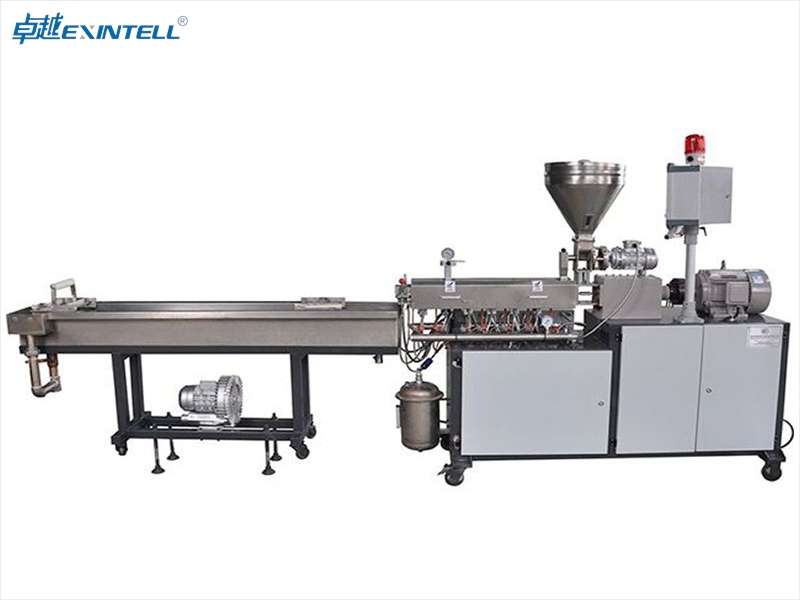
When I look at a masterbatch machine, the extruder always stands out as the heart of the process. I think of it as the engine that drives everything forward. The extruder takes in the raw materials and pushes them through a series of zones, each with a special job. Here’s a quick table that shows what happens inside:
|
Cov lus piav qhia |
|
|---|---|
|
Feeding zone |
Moves raw materials into the machine. |
|
Compression zone |
Packs and softens the mix, squeezing out any trapped air. |
|
Melting zone |
Melts the material using heat and friction. |
|
Mixing zone |
Sib tov txhua yam ua ke, ua kom cov xim thiab cov khoom ntxiv faib sib npaug. |
|
Thaj chaw cua txias |
Tshem tawm noo noo thiab cov pa tsis xav tau, khaws cov sib tov kom huv. |
|
Metering/homogenization zone |
Muab qhov kawg sib tov thiab tsim siab rau kev ntws du mus rau hauv lub die. |
Kuv pom tias hom extruder ua tau qhov txawv loj. Piv txwv li, ib lub extruder ob lub nplhaib ua haujlwm los ntawm kev faib thiab sib txuas dua cov khoom tawg. Qhov no txhawb kev sib tov thiab cia kuv tswj qhov kub kom raug dua. Kuv tuaj yeem siv ntau hom nplhaib los tswj txhua yam khoom, uas ua rau kev tsim khoom yooj yim dua. Yog kuv xav tau ib qho sib xyaw zoo, Kuv ib txwm saib xyuas lub extruder.
Lub tswv yim: Lub extruder txiav txim siab seb cov xim thiab cov khoom ntxiv sib xyaw zoo li cas. Yog koj xav tau xim thiab zoo sib xws, tsom rau qhov no.
Feeding System
The feeding system acts like the gatekeeper for the whole process. I rely on it to deliver the right amount of each ingredient at the right time. If the feeding system isn’t steady, the whole batch can turn out uneven. Here’s a table that breaks down what the feeding system does:
|
Cov lus piav qhia |
|
|---|---|
|
Role of Feeding System |
Keeps material input steady, so the process stays smooth. |
|
Integration with Extruder |
Works with the extruder for precise control and staged addition of materials. |
|
Material Transfer |
Moves materials efficiently, which helps with even mixing and saves time. |
|
Feed Port Design |
Uses multiple ports for adding ingredients at different stages, preventing leaks. |
|
Pressure Monitoring |
Watches pressure to catch problems early. |
|
Screw Configuration |
Matches the screw design to the recipe for the best results. |
K. u, v. That way, i.
b
Mixers and kneaders do the heavy lifting when it comes to blending. t, x. w. m.
-
Mixers handle the first stage of blending, x.
-
y, u.
-
a.
If I want a flawless finish, I pay close attention to how the mixers and kneaders are set up. They make the difference between a good batch and a great one.
Ceeb toom: Well-tuned mixers and kneaders save time and reduce waste. I always double-check their settings before every run.
Pelletizer
When I reach the pelletizer stage, I know I’m almost at the finish line. The pelletizer always feels like the “final touch” in the masterbatch process. After the extruder pushes out the hot, blended plastic, the pelletizer steps in to cut and shape the material into small, pellets sib npaug. I find this step crucial because these pellets are what manufacturers actually use to make plastic products.
The pelletizer transforms the extruded melt into neat, consistent pellets. This consistency matters a lot. If the pellets vary in size or shape, the final plastic products can turn out uneven or have defects. I’ve seen how a good pelletizer keeps everything on track, making sure every batch meets the same high standard. Uniform pellets melt evenly and mix well during the next manufacturing steps, which means fewer problems and better results.
Here’s what I usually notice about the pelletizer’s function:
-
It cuts the cooled plastic strands or droplets into pellets.
-
It ensures every pellet is the same size, which helps with quality control.
-
It makes the pellets easy to handle, transport, and use in other machines.
I always pay attention to the pelletizer settings. If I want round pellets, I adjust the cutting speed and method. If I need cylindrical pellets, I tweak the blade and cooling system. The right setup means less waste and more reliable products.
Lub tswv yim: If you want your masterbatch to perform well in any industry, focus on getting the pelletizer settings just right. Consistency here saves time and money later.
Control Panel
The control panel acts as my command center. I use it to keep an eye on every part of the masterbatch machine and make quick adjustments when needed. A modern control panel makes my job much easier and helps me avoid mistakes.
Here’s a table that shows the main features Kuv cia siab rau:
|
Feature |
Cov lus piav qhia |
|---|---|
|
Touch Screen Display |
I get a 10-15 inch color touchscreen with a simple, graphical interface. It’s easy to use. |
|
Process Monitoring |
I can watch and adjust temperatures, screw speed, and feed rates in real time. |
|
Recipe Storage |
I store over 200 production recipes, so switching between batches is fast and simple. |
|
Kev sau ntaub ntawv |
Lub vaj huam sib luag sau tag nrho cov ntsiab lus ua haujlwm. Qhov no pab kuv taug qab zoo thiab txhim kho cov txiaj ntsig. |
|
Kev ceeb toom ceeb toom |
Kuv tau txais ceeb toom yog muaj teeb meem, kom kuv kho tau teeb meem ua ntej lawv ua rau muaj teeb meem. |
Kuv nyiam li cas lub vaj huam sib luag tswj tau txhua yam rau kuv txhais tes. Kuv tuaj yeem hloov chaw nrog ob peb zaug kov, xyuas qhov xwm txheej ntawm txhua theem, thiab txawm rov qab saib cov kev khiav dhau los kom pom qhov twg ua haujlwm zoo tshaj plaws. Yog muaj dab tsi xav tau kev kho, cov ceeb toom qhia kuv tam sim ntawd. Qhov no txhais tau tias kuv siv sijhawm tsawg dua los kho teeb meem thiab siv sijhawm ntau dua los ua masterbatch zoo siab.
Ceeb toom: Ib lub vaj huam sib luag tswj zoo tsis tsuas yog ua kom yooj yim xwb—nws pab kuv muab cov txiaj ntsig ruaj khov, zoo tshaj plaws txhua zaus.
a
Thaum kuv pib kawm txog cov tshuab masterbatch, Kuv sai sai pom tias tsis yog txhua lub tshuab ua haujlwm zoo ib yam. The two main types—single-screw and twin-screw extruders—each have their own strengths. I also found out that other equipment often works alongside these machines to make the process smoother and more efficient.
Ib Lub Nplhaib Extruder
I like to think of the single-screw extruder as the “workhorse” of simple plastic processing. It uses one rotating screw to move and melt the plastic. I use this type when I want to keep things straightforward and cost-effective.
Here’s why I might choose a single-screw extruder:
-
It handles basic tasks like melting and pumping thermoplastics.
-
It works best for high-volume production of pipes, sheets, thiab profiles.
-
It’s affordable and easy to maintain, which helps me keep costs down.
Lub tswv yim: If you’re just starting out or working with simple recipes, a single-screw extruder can save you money and time.
Ob Lub Nplhaib Extruder
When I need more control and better mixing, I turn to a twin-screw extruder. This machine uses two intermeshing screws that mix, knead, and push the material forward. I find it perfect for complex jobs where I want every ingredient to blend perfectly.
Let me show you how these two types compare:
|
Feature |
Ib Lub Nplhaib Extruder |
Ob Lub Nplhaib Extruder |
|---|---|---|
|
Application Complexity |
Simple tasks |
Complex mixing and compounding |
|
Tus Nqi |
Lower initial and maintenance costs |
Higher upfront, nqi ntev |
|
Performance |
Good for high-volume, basic mixing |
Superior mixing and dispersion |
|
Yoog raws |
Tsis yooj yim hloov |
Highly flexible and precise |
|
Khoom tuav |
Basic materials |
Handles volatile or moist materials |
|
Example Use Case |
Pipes, sheets, profiles |
High pigment masterbatch, consistent color |
I always reach for a twin-screw extruder when I need to make masterbatches with high pigment loading. The mixing power ensures every pellet looks and performs the same. I also love the self-cleaning feature. It saves me time when I switch between different colors or additives.
Ceeb toom: Twin-screw extruders shine when I need top-quality mixing, especially for demanding jobs like high-concentration masterbatches.
Other Equipment Types
I’ve learned that a masterbatch machine rarely works alone. I often use extra equipment to get the best results. Here’s a quick look at what I use and why:
-
High-Speed Mixer: I blend carrier resin pellets with pigment powders and additives before feeding them into the extruder.
-
Cooling Systems: These keep the pellets from overheating and help them keep their shape.
-
Screen Changer and Filter: I use these to remove any contaminants from the melted plastic, uas ua kom cov khoom kawg huv si.
-
Kev tswj hwm tsis siv neeg: Qhov no cia kuv saib xyuas thiab kho tag nrho txheej txheem ntawm ib qho chaw, ua rau kuv txoj haujlwm yooj yim dua.
|
Hom Khoom Siv |
Kev ua haujlwm/Kev piav qhia |
|---|---|
|
Filler Masterbatch Cuab Yeej |
Tuav cov filler abrasive nrog cov khoom nyuaj, cov khoom tiv thaiv kev hnav. |
|
Additive Masterbatch Systems |
Ua haujlwm nrog cov khoom ntxiv xws li UV stabilizers ntawm qhov kub qis dua. |
|
High-Speed Mixer |
Npaj cov khoom raw rau kev pub zaub mov du. |
|
Cooling Systems |
Khaws cov pellet zoo tom qab extrusion. |
|
Screen Changer and Filter |
Tshem tawm cov kab mob, Ua kom kev tsim khoom khiav mus ntxiv. |
|
Kev tswj hwm tsis siv neeg |
Ua ke tag nrho cov cuab yeej rau kev khiav haujlwm yooj yim. |
😊 Kuv ib txwm hais tias, kev sib xyaw zoo ntawm cov tshuab thiab cuab yeej ua rau kuv ua haujlwm sai dua, huv si, thiab ntseeg tau dua.
Tam sim no, thaum twg kuv teeb tsa kab masterbatch, Kuv xaiv cov cuab yeej uas haum kuv lub hom phiaj—txawm kuv xav tau ceev, zoo, lossis hloov tau yooj yim.
Cov txiaj ntsig ntawm kev siv Masterbatch Machine
Thaum Kuv Pib Ua Haujlwm Nrog Cov Yas, I wanted to know what made some products look and perform better than others. I quickly learned that the right equipment makes all the difference. Let me share the main benefits I’ve seen from using a masterbatch machine.
Consistent Quality
I always want my products to look the same, batch after batch. A masterbatch machine helps me achieve that. It mixes pigments and additives so evenly that every pellet comes out with the same color and properties. I don’t have to worry about streaks or spots. Here’s a table that shows how the machine keeps quality consistent:
|
Cov ntaub ntawv pov thawj hom |
Cov lus piav qhia |
|---|---|
|
Uniform Distribution |
Ensures that additives and pigments are evenly mixed, leading to stable color uniformity. |
|
Precise Formulation |
Correct ratios of pigments and additives are crucial for consistency; small changes can affect quality. |
|
Controlled Extrusion |
High shear forces and heat in modern machines ensure thorough mixing of materials. |
|
Kev tswj xyuas zoo nruj |
Continuous checks on physical, tshuaj lom neeg, and visual properties maintain consistency throughout production. |
I’ve noticed a few big advantages:
-
No more defects from uneven color.
-
My production line runs smoother.
-
I waste less material, which saves money.
Lub tswv yim: If you want your products to stand out for their quality, focus on getting consistent results every time.
Efficiency and Cost Savings
Saving time and money matters to me. With a masterbatch machine, I use less pigment and additive because the mix is so concentrated. I don’t need special machines, and I can use my existing equipment. That means I spend less on setup and cleanup. Here’s a quick look at the main ways I save:
|
Benefit Description |
Cov ntsiab lus |
|---|---|
|
No setup or cleanup fees required. |
|
|
Efficient Manufacturing |
Uses fewer materials, with masterbatch constituting only up to 5% of total weight. |
|
Existing Equipment Utilization |
No need for special machines; existing manufacturing machines can be used. |
|
Compliance with Standards |
Meets expected performance and manufacturing standards. |
|
Savings on Compounding Costs |
Reduces costs associated with compounding. |
|
Reduced Energy Consumption |
Uses less energy to create the final product. |
I also see higher productivity, especially when I use a twin-screw design. My team works faster, and we spend less on labor and overhead. Even though the machine costs more at first, I get my money back through better quality and lower costs over time.
Ceeb toom: The right masterbatch machine pays for itself by making production faster, cheaper, thiab ntseeg tau dua.
Kev xaiv customization
I love how flexible masterbatch machines are. I can create custom colors and add special features, like UV protection or anti-bacterial properties. The machine lets me blend exactly what I need into the plastic. Here’s how I make the most of this flexibility:
-
I choose the pigments and additives I want.
-
I set the dosing and mixing levels for each batch.
-
I get consistent results, even with custom recipes.
-
I avoid dust and contamination, which keeps my workspace clean.
-
I improve processing efficiency and reduce waste.
This means I can meet any customer request, from bright colors to special performance features. Masterbatch technology gives me the tools to make plastics that stand out in the market.
😊 Customization is easy when you have the right machine. I can turn any idea into a finished product with confidence.
Raws li kuv tau pom, a masterbatch machine is the best way to get Zoo ruaj khov, save money, and offer unique products. If you want to succeed in plastics, this is the tool you need.
Applications of Masterbatch Machines
Packaging Industry
When I walk through a supermarket, I see packaging everywhere. I always notice the bright colors and clear branding on bottles, wrappers, thiab thawv. I learned that a masterbatch machine plays a huge role in making these packages stand out. It helps manufacturers create packaging that looks attractive and performs well. I use color masterbatches to make sure every package matches the brand’s colors. Additive masterbatches give packaging extra features, like UV resistance or anti-static properties. These features help keep food fresh and protect products from damage.
Here’s a quick table that shows how masterbatch machines help in packaging:
|
Application Type |
Benefits |
|---|---|
|
Color Masterbatches |
Enhance visual appeal with vibrant designs. |
|
Additive Masterbatches |
Improve properties like UV resistance, anti-static features, and barrier performance. |
I often work with food-grade packaging, shrink wraps, thiab thawv. I want products that look good and last longer. Masterbatch machines make this possible. I also use additive masterbatches to improve durability and barrier resistance. This means packaging stays strong and keeps products safe.
Lub tswv yim: If you want packaging that grabs attention and protects what’s inside, masterbatch machines are the secret ingredient.
Automotive Sector
I spend a lot of time around cars, so I know how important quality is in automotive parts. I use a masterbatch machine to produce components that are lightweight, durable, and visually appealing. When I make dashboards or bumpers, I rely on additive masterbatches to boost heat resistance and UV protection. These features help parts survive tough conditions and keep their color over time.
I see masterbatch machines used for interior trims, exterior panels, and even under-the-hood parts. Manufacturers want parts that look good and last. I make sure every batch meets strict standards for strength and appearance. The machine lets me control the mix, so every part comes out just right.
Ceeb toom: Automotive companies trust masterbatch machines to deliver reliable, high-performance parts.
Consumer Goods
I love seeing how masterbatch machines help create everyday products. I use them to make cov khoom ua si, kitchenware, yeeb nkab, profiles, sheets, films, and cables. Each product needs a different mix of color and additives. I adjust the machine to match the requirements for each item.
-
Toys need bright colors and safe materials.
-
Kitchenware must resist heat and stains.
-
Pipes and cables require strength and flexibility.
-
Films and sheets need clarity and durability.
I enjoy customizing batches for different consumer goods. The machine gives me the flexibility to meet any demand. I can switch recipes quickly and keep production moving.
😊 Masterbatch machines make it easy to create products that people use every day. I see the results in homes, offices, thiab cov hoobkas.
Other Uses
When I think about masterbatch machines, I see them popping up in places you might not expect. Sure, they shine in packaging, tsheb, and consumer goods, but their reach goes way beyond that. I’ve seen these machines make a real difference in industries that care about innovation and sustainability.
One area that excites me is recycling. I work with companies that use masterbatch machines to turn plastic waste into something valuable. Instead of sending old bottles or packaging to the landfill, we feed them into the machine. Qhov tshwm sim? High-quality masterbatches that manufacturers can use just like new material. This process supports the circular economy, which means we keep materials in use for as long as possible. I love knowing that every batch I help create keeps plastic out of the environment.
Here’s a quick look at some less common but innovative uses I’ve come across:
-
I help construction teams create pipes and panels with special properties, like fire resistance or extra strength. Masterbatch machines let us add exactly what we need to the mix.
-
I see electronics manufacturers use these machines to add anti-static or flame-retardant features to their products. This keeps devices safer and more reliable.
-
I work with agriculture companies that want films and sheets with UV protection. These films last longer in the sun and protect crops better.
-
I’ve even seen masterbatch machines used in textiles. They add color and performance features to synthetic fibers for clothing, carpets, and sports gear.
-
I know some medical suppliers use masterbatch machines to create items with antibacterial properties. This helps keep hospitals and clinics safer.
Did you know? Masterbatch machines play a big role in making products more sustainable. They help companies recycle, txo cov khib nyiab, and design materials that last longer.
I notice that every time I use a masterbatch machine for a new project, I find another way to solve a problem. Whether I want to boost product performance or support green initiatives, these machines give me the flexibility I need. I can adjust the recipe, try new additives, and see results fast.
If you’re curious about where plastics are headed, keep an eye on masterbatch technology. I believe it’s opening doors in industries that want to innovate and protect the planet at the same time. The possibilities keep growing, and I can’t wait to see what comes next.
I learned that mastering the basics of masterbatch machines opens up a world of possibilities in plastics. Here’s what I always keep in mind:
-
High-speed mixing shapes color quality.
-
Temperature and time matter for pigment wetting.
-
Watching the process helps spot issues early.
-
Environmental protection keeps the workspace safe.
If you want to get started, I suggest:
-
Define your performance needs.
-
Know your plastic substrate.
-
Work with additive experts.
-
Test your formulations in real production.
Masterbatch technology helps solve tough challenges. I encourage you to explore more and ask questions.
FAQ
What is a masterbatch machine used for?
I use a masterbatch machine to mix color pigments or additives into plastic. This helps me create plastics with specific colors or properties, like UV resistance or strength.
Can I use recycled materials in a masterbatch machine?
Yog, I often feed recycled plastics into the machine. It blends them with additives, so the final pellets look and perform like new. This supports sustainability.
How do I choose between single-screw and twin-screw extruders?
I pick a single-screw for simple jobs and a twin-screw for complex mixing. Twin-screw extruders give me better control and consistency, especially with high pigment loads.
Is it hard to clean a masterbatch machine?
I find cleaning easier with twin-screw extruders because they have self-cleaning features. I follow the manufacturer’s instructions and use proper tools to avoid contamination.
What types of additives can I use?
I add pigments for color, UV stabilizers for sunlight protection, anti-static agents, flame retardants, and antibacterial additives. The machine lets me customize each batch.
How do I control the quality of my masterbatch?
I monitor temperature, screw speed, and feed rates on the control panel. I check pellet color and shape. Consistent settings help me keep quality high.
Are masterbatch machines expensive?
The price depends on the type and features. I invest more in twin-screw models, but they save money over time with better mixing and less waste.
Can I make custom colors with a masterbatch machine?
Absolutely! I select pigments and adjust the recipe. The machine blends everything evenly, so I get the exact color I want for each project.