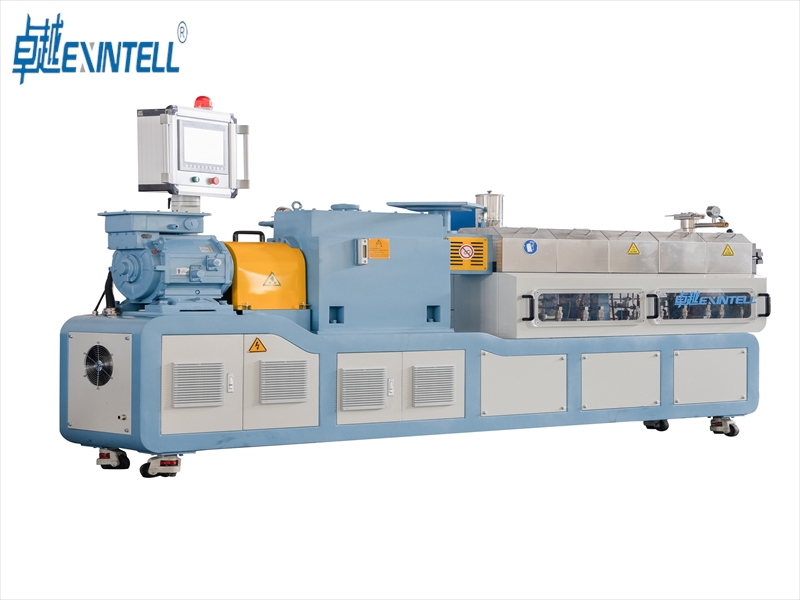
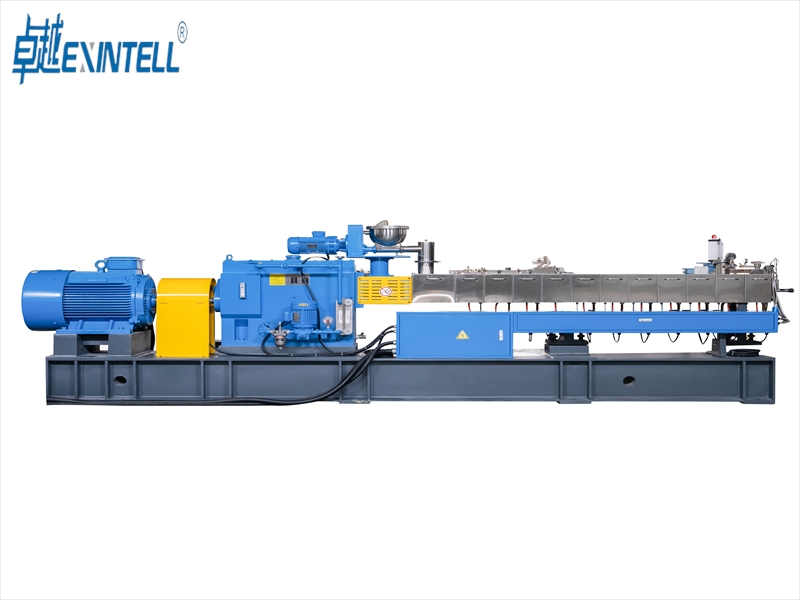
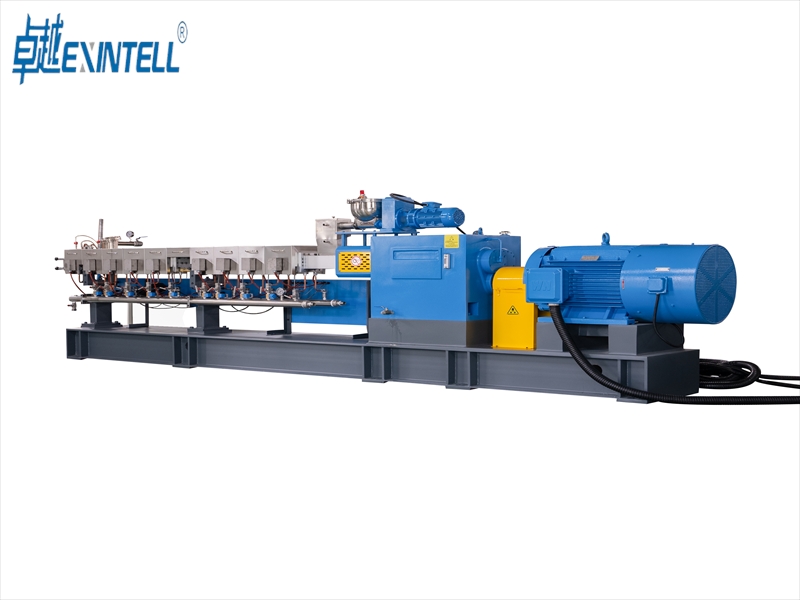
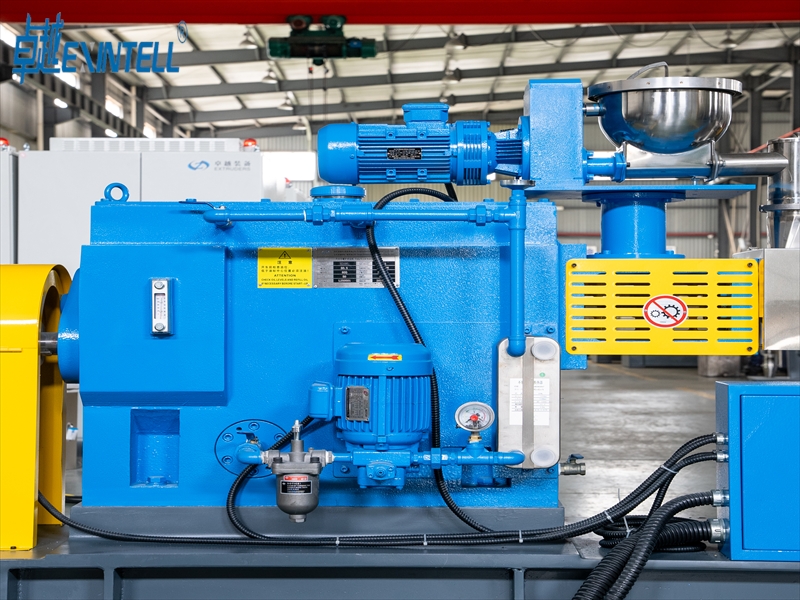
Twin Screw Extruder Advantages Over Single Screw in 2026
Table of Contents
Twin Screw Extruder Advantages Over Single Screw in 2026
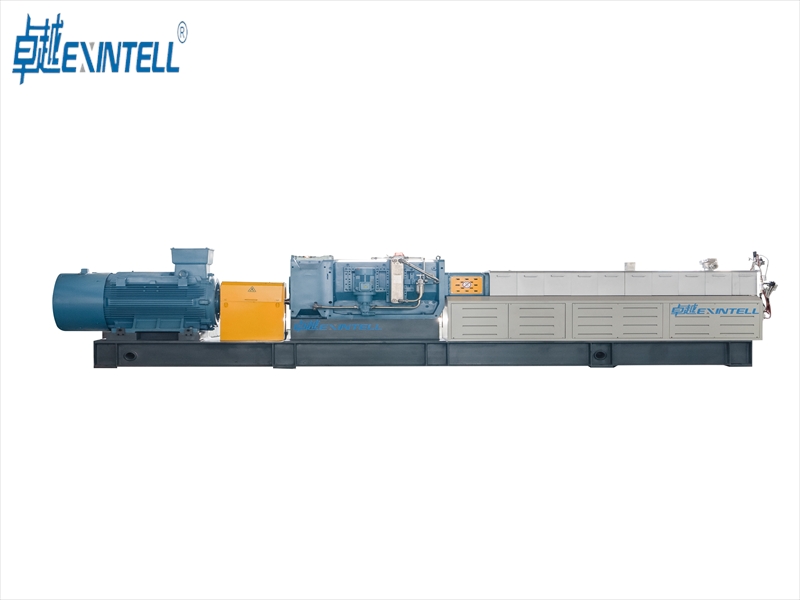
I see manufacturers in 2026 choosing the w for many reasons. I notice how it handles high-fat and high-moisture ingredients with ease. This makes it a versatile tool for complex recipes. I also find that the pellets it produces look more uniform and have a smoother texture. I value its ability to use less energy for each ton of output, which saves money in the long run. Cleaning takes less time, so production rarely stops.
Cov Ntsiab Lus Tseem Ceeb
Twin screw extruders handle complex materials better than single screw extruders, making them ideal for high-fat and high-moisture recipes.
Investing in a twin screw extruder can lead to significant long-term savings by reducing waste and improving product quality.
The flexibility of twin screw extruders allows for precise control over mixing and processing, which is essential for meeting strict industry standards.
Higher throughput ratesand lower energy consumption make twin screw extruders more efficient for modern manufacturing needs.
Choosing theright extruderdepends on your material type and production scale; twin screw extruders excel in high-volume and complex applications.
Single Screw Extruder vs Twin Screw Extruder
Design and Operation
When I look at thesingle screw extruder, I see a straightforward machine. The single screw extruder uses one rotating screw inside a barrel. This simple design makes the single screw extruder easy to operate and maintain. I find that the single screw extruder works best with clean, uniform materials. Lub tshuab extruder ib lub nplhaib tsis tswj cov khoom sib xyaw lossis muaj kab mob thiab lwm yam txheej txheem.
Cov w, ntawm qhov tod tes, siv ob lub nplhaib sib txuas. Qhov tsim no pub rau lub tshuab extruder ob lub nplhaib muaj kev ywj pheej ntau dua. Kuv pom tias lub tshuab extruder ob lub nplhaib tuaj yeem ua haujlwm ntau yam khoom ntau dua, suav nrog cov uas muaj impurities lossis sib xyaw. Lub tshuab extruder ob lub nplhaib muab kev sib xyaw thiab tso pa zoo dua. Lub tshuab extruder ob lub nplhaib xav tau kev nqis peev ntau dua thiab kev saib xyuas ntau dua thaum ua haujlwm.
Higher tolerance for contaminated or blended materials
Kev sib xyaw peev xwm
Kev sib tov tsawg
Superior mixing and dispersion
Degassing Performance
Basic degassing capability
Strong degassing capability
Process Control Flexibility
Less flexible in process control
Greater process control flexibility
Typical Applications
Suitable for stable and uniform input materials
Effective for challenging recycling materials
Performance Comparison
I have tested both the single screw extruder and the twin screw extruder in my work. The single screw extruder uses less energy overall. The single screw extruder usually has lower throughput rates. The single screw extruder can struggle with efficiency when processing tough or blended materials. The single screw extruder may also create more waste if the material is not ideal.
Tus ntxaib ntsia hlau extruder sawv tawm hauv kev ua tau zoo. Tus ntxaib ntsia hlau extruder ua tiav cov nqi siab dua vim tias nws cov kev sib xyaw ua ke siab dua. Tus ntxaib ntsia hlau extruder txheej txheem cov khoom siv tau zoo dua. Ntxaib ntsia hlau extruder txo cov khib nyiab, uas kuv pom qhov tseem ceeb rau kev txuag nqi thiab kev ruaj khov. Tus ntxaib ntsia hlau extruder siv lub zog ntau dua, tab sis qhov txiaj ntsig hauv kev ua tau zoo thiab cov khoom siv feem ntau tshaj qhov no.
Txo cov khib nyiab vim muaj peev xwm ua tau zoo dua
Thaum kuv sib piv ib leeg ntsia hlau thiab ntxaib-ntsia hlau extrusion systems, I see that the single-screw extruder offers simplicity and cost-effectiveness. The twin screw extruder provides versatility and advanced capabilities. I always consider the specific needs of my operation before choosing between the single screw extruder and the twin screw extruder.
Twin Screw Extruder Advantages
Material Mixing and Degassing
I have seen how thewtransforms the way I handle material mixing and degassing. When I use a twin-screw system, I notice that the mixing strength is much higher than with a single screw. I can control moisture and shear with great precision. This control helps me achieve consistent expansion and texture in every batch. I often work with high-fat and high-moisture recipes, and the twin screw extruder handles these with ease. I can also add fibers, fresh meat, oils, or vitamins without worrying about uneven results.
K:
Feature
Ib Leeg-Ntsia Hlau
Ob Screw
u
Tsawg
v
High mixing performance
Tsis yog
Yog
c
Tsis yog
Yog
i
Tsis yog
Yog
a. I can change the screw elements to adjust bulk density, s, i, a. b. I also benefit fromr, a. u.
Degassing is another area where the twin screw extruder excels. d. a, especially in plastic compounding and food applications. I find that devolatilization works much better with a twin-screw system, which is important for both safety and product quality.
Flexibility for Complex Materials
I often need to process blends, additives, or materials with fillers. The twin screw extruder gives me the flexibility I need for these tasks. I can mix, disperse, and melt complex materials with high efficiency. When I work with heat-sensitive formulations, I trust the twin-screw design to protect the ingredients and maintain quality. I can add multiple feeders or create reactive zones, which is essential for advanced compounding and plastic processing.
Many industries benefit from this flexibility. Raws li kuv tau pom, the food, tshuaj, and biodegradable plastic sectors rely on twin screw extruders for their most challenging products. I can handle polymers, pharmaceuticals, and food products with the same machine. This versatility helps me keep up with changing regulations and new market demands. I know that my operation is future-proof because I can adapt quickly to new materials and requirements.
Here are some reasons why I choose twin screw extruders for complex materials:
Superior mixing and dispersing
Efficient melting of additives and fillers
Suitable for heat-sensitive and multi-component formulations
Advanced control for venting and feeding
Reliable for food, pharma, and plastic compounding
Product Quality and Consistency
I always aim for the highest product quality and consistency. The twin screw extruder helps me achieve this goal. I have seen a 15% increase in throughput and a 10% reduction in off-spec material after integrating advanced control systems. I use in-line rheometers to monitor viscosity, which has reduced batch rejection rates by 25%. These improvements matter to my bottom line and my reputation.
I can optimize barrel temperature and screw configuration to enhance material properties. Studies show that this approach leads to better process outcomes and more uniform products. I rely on the twin-screw system to deliver consistent dispersion and homogeneity, even with complex or sensitive materials. This consistency is critical for meeting customer expectations and regulatory standards.
Lub tswv yim: I always monitor process parameters closely. This helps me maintain high quality and avoid costly rework.
Efficiency and Throughput
Efficiency and throughput are top priorities in my operation. The twin screw extruder gives mesignificant advantagesin both areas. Kuv pom kev siv hluav taws xob tsawg dua vim kev tsim qauv zoo dua. Kuv kuj tau txais kev ua haujlwm ntau dua vim kev tuav khoom thiab kev sib xyaw khoom zoo dua. Thaum lub neej ntawm kuv cov cuab yeej, Kuv tuaj yeem txuag ntau dua $50,000 hauv nqi khiav haujlwm.
Sab
Twin Screw Extruder
Single Screw Extruder
Kev siv hluav taws xob
Tsawg dua ntau vim kev tsim qauv zoo dua
Siab dua vim kev tsim qauv tsis zoo
Throughput
Kev ua haujlwm ntau dua vim kev tswj hwm khoom zoo dua
Kev txuag tau ntau yam $50,000+ thaum lub neej ntev
Nqi khiav haujlwm siab dua
Kuv tuaj yeem sib xyaw ntau txheej txheem hauv lub tshuab extruder ob lub nplhaib, uas txo lub sijhawm ua haujlwm tag nrho. Kuv tseem tau txais txiaj ntsig los ntawm kev tsim khoom txuas ntxiv, uas txo kev siv zog thiab pov tseg. Txoj kev no txhawb nqa kev nce qib los ntawm chav kuaj mus rau kev tsim khoom lag luam. Kuv pom tias lub tshuab ob lub nplhaib pab kuv ua tiav lub sijhawm ceev thiab xa cov khoom zoo siab raws sijhawm.
Hauv 2026, Kuv pom lub tshuab extruder ob lub nplhaib yog qhov kev xaiv zoo tshaj plaws rau kev ua raws li cov qauv tshiab hauv kev lag luam thiab cov khoom siv. Nws qhov kev hloov tau raws li cov cai thiab tsim qauv rau yav tom ntej ua rau kuv muaj kev ntseeg siab tias kuv qhov kev nqis peev yuav muaj txiaj ntsig ntau xyoo tom ntej.
Kev siv ob lub nplhaib hauv 2026
Kev siv siab thiab tshwj xeeb
I see twin screw extruders ua ntej hauv kev ua haujlwm siab thiab tshwj xeeb. Kuv siv lawv thaum kuv xav tau kev raug thiab hloov tau yooj yim. Cov tshuab no ua tau zoo hauv kev sib xyaw, compounding, thiab faib cov khoom siv. Kuv feem ntau siv lawv rau cov yas engineering, cov khoom siv rov siv dua, masterbatches, fillers, thiab additives. Kuv pom muaj kev thov siab hauv tsheb, electronics, thiab ntim khoom ua tau zoo. Cov lag luam no xav tau kev sib haum xeeb ntawm cov khoom thiab cov qauv hloov tau.
I also use twin screw extruders in a plastic recycling line. They help me process challenging blends and contaminated streams. I can adjust the screws and barrels to match the material. This adaptability makes the extruder machine a top choice for modern manufacturing.
Lub tswv yim: I always monitor the process with smart sensors. Real-time data helps me detect anomalies early and maintain product quality.
I use modular designs to handle high moisture and mineral-rich materials.
I see how smart extrusion machines reshape my efficiency.
Khoom noj, Pharma, and Bioplastics
I work with many industries that benefit fromtwin screw extruders. In food processing, I achieve superior mixing and consistent output. I can add fibers, vitamins, lossis cov khoom xyaw tshiab yam tsis poob zoo. Hauv tshuaj, I see kev loj hlob sai. Qhov kev thov rau kev tsim khoom tas mus li thiab cov tshuaj tsim kho kom meej ua rau cov qauv no. Kuv siv ntxaib ntsia hlau extruders los tswj cov tshuaj sib xyaw thiab granulation nrog qhov tseeb.
Hauv bioplastics, Kuv txheej txheem cov khoom siv biodegradable thiab rov ua dua tshiab. Cov hloov mus rau kev ruaj khov qhib lub sijhawm tshiab rau kev siv extruder. Kuv siv ntxaib ntsia hlau extruders hauv kuv txoj kab yas rov ua dua tshiab los tuav biopolymers thiab rov ua dua tshiab plastics zoo.
Kev loj hlob muaj peev xwm vim qhov kev thov rau kev tsim khoom txuas ntxiv thiab tsim kom meej
Bioplastics
Cov hauv kev rau kev ua cov khoom siv biodegradable thiab rov ua dua tshiab
I see how increased material compatibility and smart control systems make twin screw extruders essential for the future. I trust these machines to keep up with changing regulations and market demands.
Nqi thiab ROI: Single-Screw vs Twin-Screw
Investment and Savings
When I compare the investment needed for each extruder, I see clear differences. A single screw extruder usually costs less at the start. Nws melts plastic and pushes it through a die. This simple function keeps the price low and the operation easy. I find that a twin screw extruder costs more because it can mix, compound, and devolatilize materials. The advanced features add to the price, but they also add value.
Larger models with screw diameters from 50mm to 65mm can reach $20,000 to $50,000.
Ib leeg ntsia hlau extruders yog tus nqi ntau dua rau cov haujlwm yooj yim.
Ntxaib ntsia hlau extruders muaj ntau txoj haujlwm, uas ua rau muaj kev ncaj ncees rau tus nqi siab dua rau cov haujlwm nyuaj.
Kuv ib txwm xav txog qhov kev xaiv hauv paus ntawm ob hom no yog tus nqi tsav tsheb loj. Txoj cai extruder tuaj yeem txuag tau nyiaj thaum lub sijhawm los ntawm kev txo cov khib nyiab thiab txhim kho qhov zoo.
Kuv puas yuav hloov xim lossis khoom siv ntau zaus?
Ua kom koj txoj kev ua haujlwm muaj kev ruaj ntseg yav tom ntej
Kuv xav kom kuv cov peev nyiaj tseem ceeb raws li kev xav tau hauv kev lag luam hloov. Kuv tsom rau cov tswv yim uas ua rau kuv txoj haujlwm hloov tau yooj yim thiab ua tau zoo. Kuv nrhiav kev txhim kho hauv kev tsim screw, uas pab kuv tswj cov khoom nyuaj dua. Automation and AI integration improve my efficiency and support sustainable practices. Real-time monitoring lets me adjust quickly and maintain high standards.
Strategy
Cov lus piav qhia
Advances in screw design
Enhances efficiency and product complexity
Automation and AI integration
Improves operational efficiency and sustainability
Real-time monitoring
Reshapes industry standards and competitive dynamics
Near-net-shape extrusion
Reduces machining steps and minimizes material waste
Cost-saving initiatives
Reshape manufacturing strategies to be more efficient
I see thattwin screw extruderssupport recycling and sustainability. They process complex materials, like multi-layer films, and help me meet environmental goals. The direct coupling of the extruder to the process control unit boosts throughput and quality. I can deliver high-quality pellets that meet strict market demands.
I always choose equipment that adapts to new materials and regulations. This approach keeps my business competitive and ready for the future.
I see twin screw extruders as the best choice for most modern manufacturing needs. Their versatility, m, and adaptability set them apart. I trust these machines to handle new materials and meet strict standards.
Lub tswv yim: I always review my process goals before investing in equipment.
I recommend choosing a twin screw extruder if you want to stay competitive in 2026 thiab lwm qhov.
FAQ
What is the main reason I choose a twin screw extruder over a single screw?
I choose a twin screw extruder for its versatility. It handles complex materials and recipes with ease. I get better mixing, more consistent products, and higher efficiency.
Kuv puas tuaj yeem ua cov khoom rov siv dua lossis muaj kab mob nrog ib lub tshuab extruder ob lub nplhaib??
Yog, Kuv ua cov khoom rov siv dua thiab muaj kab mob siv lub tshuab extruder ob lub nplhaib.. Qhov tsim no tso cai rau kuv tswj cov sib xyaw, fillers, thiab cov kab mob tsis poob zoo..
Lub tshuab extruder ob lub nplhaib pab kuv txuag nyiaj ntev li cas??
Kuv txuag nyiaj los ntawm kev txo pov tseg thiab txhim kho zoo ntawm cov khoom.. Lub tshuab extruder ob lub nplhaib kuj txo nqi khiav haujlwm los ntawm kev ua haujlwm zoo dua thiab tsawg sijhawm nres haujlwm..
Puag puas nyuaj ntxuav thiab saib xyuas lub tshuab extruder ob lub nplhaib??
Kuv pom tias kev ntxuav thiab saib xyuas yooj yim nrog cov tshuab extruder ob lub nplhaib niaj hnub no.. Cov qauv modular thiab cov chaw nkag yooj yim pab kuv ua tiav kev ntxuav sai thiab cia kuv lub tshuab khiav zoo..
Cov lag luam twg tau txais txiaj ntsig tshaj plaws los ntawm ob lub nplhaib extruders hauv 2026?
Kev ua zaub mov
Tshuaj
Bioplastics
Recycling
I see these industries using twin screw extruders for their advanced mixing, yooj, and ability to meet strict standards.