

Strand lossis Underwater Pelletizing System uas haum rau koj kab yas
K. u, v. Saib xyuas p:
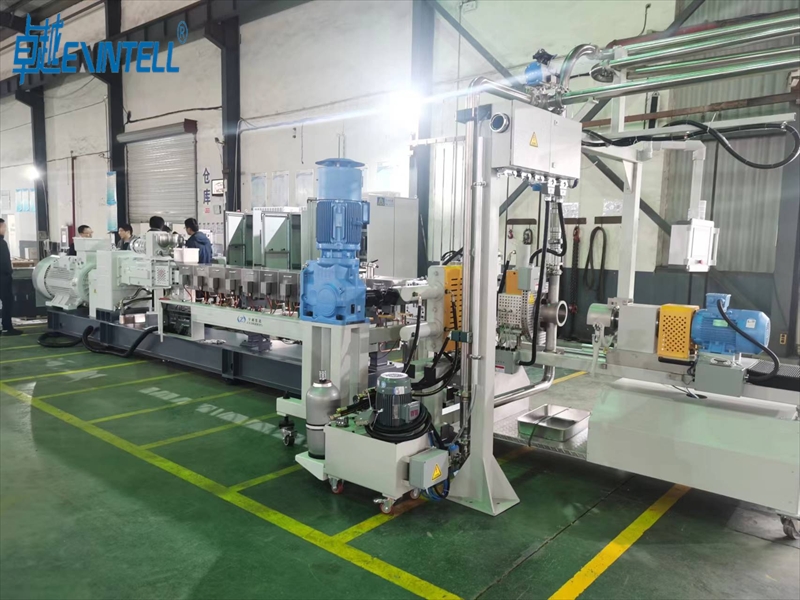
| Feature | Strand Pelletizing | Underwater Pelletizing (o) |
|---|---|---|
| Pellet Quality | m, muaj peev xwm raug nplua | n, t |
| v | Lower | Siab dua |
| a | u, kev ua haujlwm uas muaj nqi siab | z, a |
u. s, pellets sib xws heev rau kev siv nyuaj.
Cov Ntsiab Lus Tseem Ceeb
- c o, v.
- Kev ua pellet hauv dej muab cov pellet zoo tshaj, t.
- u; strand ua haujlwm zoo tshaj rau cov khoom ruaj khov, thaum hauv dej ua tau zoo nrog cov polymer nyuaj lossis kub heev.
- Ntsuas qhov xav tau ntau ntawm kev tsim khoom; strand pelletizing haum rau kev khiav me me mus rau nruab nrab, thaum cov txheej txheem hauv dej txhawb nqa kev ua haujlwm ntau tau zoo.
- Kev saib xyuas tas li yog qhov tseem ceeb; cov txheej txheem hauv dej xav tau kev txawj ntse yooj yim, thaum cov txheej txheem hauv dej xav tau kev paub thev naus laus zis siab rau kev tu.
- Kev xav tau chaw txawv; cov txheej txheem hauv dej me me, thaum cov txheej txheem hauv dej xav tau chaw ntau dua rau cov cuab yeej thiab kev tu.
- Ib txwm ntsuas tag nrho cov nqi, suav nrog kev nqis peev thawj zaug, cov nqi khiav haujlwm, thiab kev kho, nrhiav qhov haum tshaj rau koj cov nyiaj txiag.
- Tham nrog cov kws tshaj lij thaum ntsib kev txiav txim siab nyuaj lossis cov khoom tshiab kom koj xaiv tau qhov system pelletizing uas haum rau koj xav tau.
Pillizing Systems Overview
Strand Pelletizing yog dab tsi
Kuv feem ntau siv kev ua pellet hlua thaum kuv xav tau txoj kev yooj yim. Txheej txheem Pelletizing tseem ceeb. Hauv txoj kev no,, Kuv extrude polymer yaj los ntawm daim hlau tuag los tsim cov hlua ntev.. Kuv coj cov hlua no mus rau hauv lub qhov txias, feem ntau puv dej, kom lawv khov.. Tom qab txias,, Kuv qhuav cov hlua thiab muab rau hauv cutter.. Tus cutter txiav cov hlua ua pellets sib npaug.. Kuv pom tias txoj kev ua pellet no ua haujlwm zoo rau ntau hom yas siv dav dav.. Qhov system pelletizing hlua muaj kev teeb tsa yooj yim thiab pab kuv kho qhov ntev ntawm pellet yooj yim.. Kuv hloov tau sai mus rau lwm yam khoom lossis xim, uas pab thaum kuv ua batch me me..
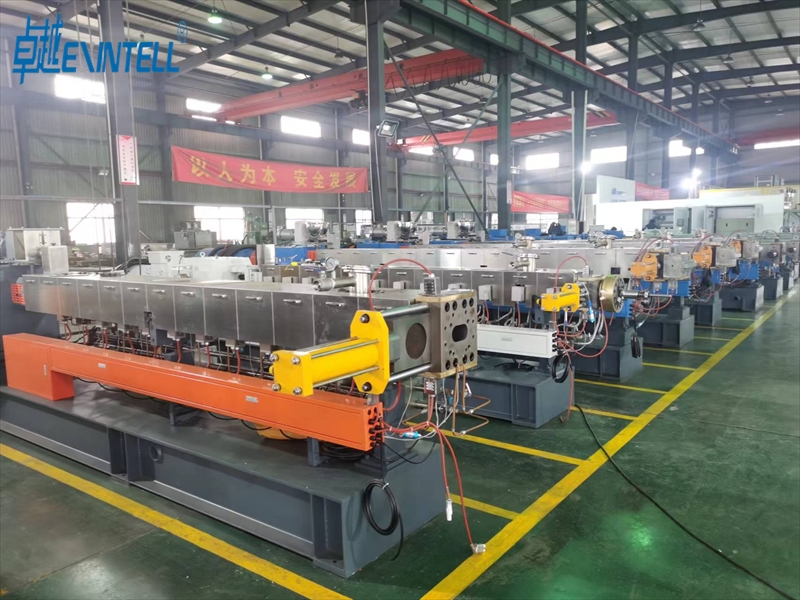
Underwater Pelletizing yog dab tsi
Thaum kuv xav tau pellet sib npaug heev, Kuv tig mus rau underwater pelletizing system.. Hauv txheej txheem pelletizing no, K. u. v. Kuv mam li cais pellets tawm hauv dej siv centrifugal dryer. e, x. t, r, u. d, e.
Cov txawv tseem ceeb
c. Strand pelletizing system siv lub trough txias thiab yuav tsum tuav cov hlua ua ntej txiav. Qhov system pelletizing hauv dej ua ke txiav thiab txias ib kauj ruam, uas txo kev ua tes ua. Kuv pom tias pelletizing hauv dej txhawb kev ua tau zoo dua thiab ua haujlwm zoo dua rau cov khoom nyuaj. Kev tsim kho tshiab ntawm thev naus laus zis tshiab ua rau pelletizing hauv dej qab zib zoo dua. Piv txwv li, tus kev txhawb nqa thoob ntiaj teb rau kev ruaj khov txhawb kuv xaiv cov system uas txhawb kev rov siv dua. Underwater pelletizing pab tau kev ua tau zoo siab, which is essential for reprocessing diverse polymer streams. When I work with complex compounded materials, I need precise pellet geometry, and underwater pelletizing delivers that. Environmental regulations also influence my choice. Kev ua pellet hauv dej txo plua plav thiab tshem tawm ntau yam teeb meem uas kuv ntsib nrog kev ua pellet strand qub.
Nov yog ib daim ntawv qhia uas sau ua ke tias cov yam no cuam tshuam li cas rau kuv qhov kev txiav txim siab:
| Factor | Cov lus piav qhia |
|---|---|
| Sustainability | Kev txhawb nqa thoob ntiaj teb rau kev lag luam rov siv dua ua rau kev nqis peev rau kev rov siv dua, txhawb nqa cov txheej txheem uas txhawb kev ruaj khov. |
| Kev ua tau zoo | Cov txheej txheem hauv dej muab peev xwm ceev uas tsim nyog rau kev rov ua dua polymer ntau hom. |
| Kev nyuaj ntawm cov khoom siv | Kev xav tau cov khoom sib xyaw nyuab hauv kev lag luam xws li tsheb thiab khoom siv kho mob yuav tsum tau muaj qauv pellet kom raug uas ua tau los ntawm kev txiav hauv dej. |
| Kev Cai Tiv Thaiv Ib Puag Ncig | Kev cai nruj dua yuam cov tuam txhab tsim khoom kom siv txoj kev huv dua, ua tau zoo dua, txo plua plav thiab tshem tawm teeb meem uas cuam tshuam nrog cov txheej txheem strand qub. |
Lub tswv yim: If you run a high-performance pet bottle recycling system, you will likely benefit from the efficiency and consistency of underwater pelletizing.
I always consider the specific needs of my production line before choosing a pelletizing process. Strand pelletizing offers simplicity and lower cost, while underwater pelletizing provides premium pellet quality and supports modern sustainability goals.
Pellet Quality and Consistency
Underwater Pelletizing System Quality
When I need the highest pellet quality, I rely on the underwater pelletizing system. This system cuts the polymer while it is still soft, then cools the pellet instantly in water. I notice that this process creates pellets with smooth surfaces and a nearly perfect spherical shape. The uniformity stands out. Most pellets have a qhov loj sib txawv tsawg dua ±5%. Kuv pom qhov kev sib xws siab no txhua zaus kuv tshuaj xyuas cov khoom tiav.
Nov yog kev sib piv sai ntawm qhov zoo thiab qhov loj ntawm pellet:
| Pelletizing System | Pellet duab | Loj variation |
|---|---|---|
| Hauv dej | Spherical | < ±5% |
| Strand | Cylindrical | < ±10-15% |
Qhov system pelletizing hauv dej tsim pellets nrog plua plav tsawg heev. Kuv tsuas pom me me hauv cov khoom kawg. Qhov chaw du thiab kev tswj qhov loj nruj pab kuv ua tau zoo ntawm cov pellet zoo, uas tseem ceeb rau kev siv siab. Kuv siv qhov system no thaum kuv xav tau raws li cov qauv nruj hauv kev lag luam xws li tsheb lossis kho mob.
Strand Pelletizing System Zoo
Kuv feem ntau siv strand pelletizing system rau kev tsim khoom dav dav. Txoj kev no tsim tau pellets cylindrical, tab sis kuv pom qhov txawv loj ntau dua piv rau pelletizing hauv dej. Qhov loj txawv tau txog ±10-15%. I know that proper die-to-blade alignment is crucial. Even a small misalignment causes quality issues, such as increased dust or uneven pellet length.
To maintain consistent pellet quality with strand pelletizing, I follow these steps:
- I check die alignment regularly.
- I adjust the puller speed to match the extruder flow.
- I monitor water temperature in the cooling trough.
- I inspect for strand breakage and adjust as needed.
If I skip these steps, I see more dust and less uniform pellets. The strand pelletizing system requires careful attention to detail. When I get everything right, I can produce good to excellent pellet quality, but it takes more effort.
Impact on Product Performance
Pellet quality affects the performance of finished plastic products. I have learned that the extruder transforms plastic into a molten state, uas teeb tsa lub hauv paus rau kev sib haum xeeb ntawm pellet. Kev lim thiab ntxuav tshem tawm cov kab mob, xyuas kom tsuas yog cov pellets zoo tshaj plaws thiaj li txav mus tom ntej. Lub tshuab pelletizing ces tsim tau cov pellets sib npaug. Txoj kev txiav, txawm nyob hauv dej los yog strand, txiav txim siab qhov loj thiab daim duab kawg.
Thaum kuv siv pellets uas muaj kev sib npaug siab thiab nto du, Kuv pom kev ntws zoo dua hauv cov tshuab molding. Cov khoom kawg muaj tsawg dua qhov tsis zoo thiab muaj zog sib xws dua. Yog tias pellet zoo poob, Kuv pom muaj teeb meem ntau dua thiab kev ua tau zoo tsawg dua. Kuv ib txwm xaiv lub system pelletizing uas phim kuv lub hom phiaj zoo.
Kev ua haujlwm nyuaj
Kev teeb tsa thiab hloov pauv
Kuv pom tias kev teeb tsa thiab hloov ua ib feem tseem ceeb hauv kuv cov haujlwm txhua hnub. Thaum kuv siv txoj hlua pelletizing system, Kuv ua feem ntau cov kauj ruam manually. I thread each strand from the die head through the water bath and into the cutter. This hands-on approach lets me spot problems early, like strand breakage or uneven cooling. I can fix these issues quickly. Changeovers for new materials or colors are straightforward. I clean the trough, adjust the cutter, and restart the process with little downtime.
With underwater pelletizing, I see a different picture. The system automates most steps. I set the parameters on a control panel, and the machine handles the rest. Cov closed-loop design means I do not touch the product during setup. Changeovers take longer because I must wait for the system to stabilize. I also need to flush the water loop and check the die face for any buildup. This process reduces human error but requires more planning.
Cleaning and Maintenance
Cleaning and maintenance routines differ between these two systems. Here is how I compare them:
- Underwater Pelletizing: I notice this system runs in a closed loop and uses automation. I do not need to intervene often during normal operation. However, the equipment is complex and sensitive. I must keep the extrusion process stable to avoid problems. Maintenance and start-up require advanced technical skills. I spend more time on preventive checks and calibrations.
- Strand Pelletizing: I handle cleaning and maintenance tasks manually. During start-up, I thread the strands myself. This hands-on method makes troubleshooting easier. The system is more forgiving if the melt viscosity changes. I can clean the trough and cutter with basic tools. I do not need advanced training for most tasks.
Lub tswv yim: I always schedule regular checks for both systems. Preventive maintenance helps me avoid costly downtime.
Operator Skill Level
Operator skill level matters when I choose a pelletizing system. With strand pelletizing, I rely on basic mechanical skills. I can train new operators quickly. They learn to thread strands, adjust the cutter, and monitor the cooling bath. The process is forgiving, so small mistakes rarely cause big problems.
Underwater pelletizing demands more expertise. I need operators who understand automation and process control. They must know how to manage the closed-loop system and troubleshoot sensors or die face issues. Training takes longer. Kuv nqis peev rau kev kawm txuas ntxiv kom kuv pab pawg tau txais kev hloov tshiab.
| System | Kev nyuaj ntawm kev teeb tsa | Kev nyuaj siab ntawm kev tu | Yuav tsum muaj kev txawj ua haujlwm ntawm tus neeg ua haujlwm |
|---|---|---|---|
| Strand Pelletizing | Tsawg | Tsawg | Yooj yim |
| Underwater Pelletizing | Medium-High | s | Qib siab |
Kuv yeej ib txwm sib phim lub system raws li kuv pab pawg cov txuj ci thiab qhov nyuaj ntawm kuv kab tsim khoom.
Kev piv nqi
Kev nqis peev
Thaum kuv npaj ib kab yas tshiab, Kuv ib txwm saib thawj qhov kev nqis peev ua ntej. Cov txheej txheem pelletizing strand feem ntau pheej yig dua rau kev yuav thiab nruab. Kuv tuaj yeem teeb tsa ib lub tshuab pelletizer yooj yim nrog ib lub cooling trough, air knife, thiab cutter nrog tus nqi tsim nyog. Cov cuab yeej yooj yim thiab tsis xav tau ntau automation. Kuv pom tias qhov system no haum zoo thaum kuv xav kom kuv cov peev nyiaj tsawg.
Cov txheej txheem pelletizing hauv dej xav tau kev nqis peev ntau dua thaum pib. Lub system muaj lub ntsej muag die kub, dej chamber, pelletizer, dej loop, thiab centrifugal dryer. I also need advanced controls and safety features. The installation process takes longer and often needs more space. I see this as a bigger commitment, but it pays off for high-end applications.
Here is a quick table to compare the initial investment:
| System | Typical Initial Cost | Kev nyuaj siab ntawm kev teeb tsa |
|---|---|---|
| Strand Pelletizing | Tsawg | Yooj yim |
| Underwater Pelletizing | s | Nyuaj |
Ceeb toom: I always factor in the long-term benefits before making a decision. Qee zaum, a higher initial cost leads to better returns.
Operating Costs
Operating costs play a big role in my daily budget. Strand pelletizing systems use less energy and water. The process is straightforward, and I do not need many operators. I can run the line with basic utilities and minimal supervision. This keeps my ongoing costs low.
Underwater pelletizing systems use more power and water. The closed-loop water system and die-face cutter need steady energy. I also need skilled operators to monitor the process. The system produces less waste, which saves money on material loss. However, the higher utility bills and labor costs add up over time.
I use this checklist to track operating costs:
- Power consumption
- Water usage
- Labor requirements
- Waste and reprocessing rates
Kuv ib txwm sib piv cov yam no kom pom tias qhov twg haum kuv lub hom phiaj tsim khoom.
Cov nqi kho
Tus nqi tu vaj tse yuav ua rau kuv ceeb yog kuv tsis npaj ua ntej. Strand pelletizing systems muaj tsawg yam txav tau. Kuv ua tau feem ntau kev kho nrog cov cuab yeej yooj yim. Cov spare parts yooj yim nrhiav thiab pheej yig. Kuv teem sijhawm tshuaj xyuas thiab ntxuav kom system khiav tau zoo.
Underwater pelletizing systems xav tau kev kho tshwj xeeb dua. Lub ntsej muag die, dej loop, thiab dryer xav tau kev tshuaj xyuas tsis tu ncua. Qee zaum kuv xav tau cov kws kho tshuab uas tau kawm hauv hoobkas rau kev kho nyuaj. Cov khoom hloov kim dua, thiab sijhawm nres yuav ntev dua yog muaj teeb meem.
Nov yog kev sau tseg txog kev tu kho:
| System | Zaus kho | Qib txawj xav tau | Nqi feem ntau |
|---|---|---|---|
| Strand Pelletizing | Tsawg | Yooj yim | Tsawg |
| Underwater Pelletizing | Medium to High | Qib siab | s |
Lub tswv yim: Kuv ib txwm npaj nyiaj rau kev tu ua ntej. Qhov no pab kuv zam kev siv nyiaj tsis xav thiab pab kom kuv kab khiav tau zoo.
Chaw thiab Kev Ua Tau Zoo
Qhov Chaw Ntaus Khoom
Thaum Kuv npaj kuv qhov chaw tsim khoom, Kuv ib txwm ntsuas qhov chaw uas txhua qhov system xav tau. Strand pelletizing systems siv chaw tsawg dua. Kuv tuaj yeem muab lub cooling trough, air knife, thiab cutter ncaj qha. Qhov kev teeb tsa no ua haujlwm zoo hauv qhov chaw nqaim. Kuv feem ntau txav lossis hloov kho cov strand systems tsis muaj teeb meem ntau.
Cov txheej txheem pelletizing hauv dej xav tau chaw ntau dua. Cov khoom siv muaj chav dej, die-face cutter, dej loop, thiab centrifugal dryer. Kuv yuav tsum tso chaw ntxiv rau kev kho thiab thaj chaw nyab xeeb. Qhov system feem ntau xav tau thaj chaw tshwj xeeb, tshwj xeeb rau cov kab loj.
Nov yog kev piv sai:
| System | Qhov chaw feem ntau | Yoog raws | Qhov chaw xav tau |
|---|---|---|---|
| Strand Pelletizing | Compact | s | Tsawg |
| Underwater Pelletizing | Loj | Medium | s |
Lub tswv yim: Kuv ib txwm xyuas kuv qhov chaw muaj ua ntej xaiv system. Kab me me pab txuag nyiaj rau kev tsim tsev.
Kev siv hluav taws xob thiab dej
Kuv taug qab kev siv hluav taws xob kom ze. S. t. r, a.
Underwater pelletizing systems use more power and water. n, d, and centrifugal dryer all require electricity. p, e. l, l.
e:
- Strand Pelletizing: t, i, z.
- Underwater Pelletizing: i, n, g.
Ceeb toom: I always factor in local utility costs. s.
y
s. t. I connect the extruder to the die head, set up the cooling trough, and align the cutter. I can start production quickly with minimal changes.
Underwater pelletizing systems require more planning. I must ensure the extruder matches the die-face cutter. The water loop and dryer need proper plumbing and electrical connections. Qee zaum, I need to upgrade my controls or add safety features. Integration takes longer, but I get a more automated process.
Here is my checklist for integration:
- Check extruder compatibility.
- Plan for utilities and drainage.
- Ensure enough floor space.
- Update controls if needed.
I always consult with my equipment supplier before making changes. Good planning prevents costly mistakes.
Material and Application Fit
Best for Strand Pelletizing
When I select a pelletizing system, I always consider the type of polymer I plan to process. Strand pelletizing works best for certain materials and production goals. I often choose this method when I handle rigid or semi-crystalline polymers. These materials move smoothly through the cooling trough and rarely cause strand breakage. I also appreciate the lower investment and maintenance costs that come with strand systems. The operation stays simple, and I can switch between different polymers without much hassle.
Here are some plastics that perform well with strand pelletizing:
- Polypropylene (PP)
- Polyethylene (PE)
- Acrylonitrile Butadiene Styrene (ABS)
- Polystyrene (PS)
- Polyamide (PA, also known as Nylon)
- Polycarbonate (PC)
I find that strand pelletizing covers a wide range of general-purpose applications. I use it for compounding, masterbatch production, and recycling lines. The system handles most rigid and semi-crystalline polymers with ease. However, I avoid using strand pelletizing for brittle materials. Brittle strands tend to break during cooling, which interrupts production and lowers yield. I also need to plan for the space required by the cooling tank. If I have limited floor space, I must consider this factor before choosing strand pelletizing.
Lub tswv yim: I always match the polymer type to the pelletizing system. This step helps me avoid unnecessary downtime and quality issues.
Best for Underwater Pelletizing
When I need to process complex or sensitive materials, I turn to underwater pelletizing. This system excels with polymers that require precise pellet shape and size. I rely on underwater pelletizing for both soft and rigid applications. The closed-loop water system cools the pellets instantly, which prevents sticking and ensures uniformity.
I use underwater pelletizing for these applications:
- Soft PVC extrusion for flexible tubing
- Automotive components that demand high consistency
- Flooring materials where surface quality matters
- Rigid products like pipes and profiles
I notice that underwater pelletizing handles sticky, brittle, or heat-sensitive polymers better than strand systems. The process produces smooth, round pellets with minimal dust. I often choose this system for high-value or specialty products. When my customers expect premium pellet quality, I trust underwater pelletizing to deliver.
Ceeb toom: I always check the end-use requirements before selecting a pelletizing system. High-performance applications benefit most from the consistency of underwater pelletizing.
Production Volume Considerations
Production volume plays a key role in my decision. I match the system to my output goals to maximize efficiency and control costs. Strand pelletizing works well for small to medium production runs. The system starts up quickly and allows for frequent changeovers. I can run multiple batches in a single shift without major downtime. This flexibility helps when I produce custom compounds or specialty colors.
Underwater pelletizing shines in high-volume operations. The system supports continuous production and handles large throughputs with ease. I see fewer interruptions and less manual intervention. Kev siv tshuab txo nqi zog thiab txhim kho kev ruaj khov thoob plaws kev tsim ntev. Thaum kuv xav nce kev tsim khoom, Underwater pelletizing muab kuv lub peev xwm uas kuv xav tau.
Nov yog daim ntawv qhia ceev los pab piv qhov haum rau ntau hom kev tsim khoom:
| Ntau lawm ntim | Strand Pelletizing | Underwater Pelletizing |
|---|---|---|
| Low to Medium | s | Zoo |
| s | Ncaj ncees | s |
Kuv ib txwm sib npaug kuv cov hom phiaj tsim khoom nrog qhov muaj zog ntawm txhua qhov system. Txoj kev no pab kuv tau txais qhov zoo tshaj plaws rau kuv cov kab yas.
Qhov zoo thiab qhov tsis zoo
Strand Pelletizing qhov zoo thiab qhov tsis zoo
Kuv feem ntau xaiv strand pelletizing thaum kuv xav tau txheej txheem yooj yim. Qhov system no muab kev yoog raws thiab txo kuv tus nqi qis. I can train new operators quickly. Kuv pom tias strand pelletizing ua haujlwm zoo tshaj rau kev tsim khoom me thiab nruab nrab. Cov cuab yeej siv chaw tsawg thiab haum rau feem ntau cov kab.
Nov yog daim ntawv qhia Qhov no qhia txog qhov zoo thiab qhov tsis zoo tseem ceeb:
| Qhov zoo | Qhov tsis zoo |
|---|---|
| Nqi qis dua | Cov teeb meem hauv kev tswj kev ua haujlwm siab |
| Kev ua haujlwm yooj yim dua | Teeb meem kev sib xyaw zoo |
| Zoo tshaj rau kev ua haujlwm tsawg | Tsis haum rau cov kab ntau lawm loj heev |
Kuv pom tias strand pelletizing muaj teeb meem nrog kev tsim khoom ntau. Qhov system qee zaum muaj teeb meem sib xyaw cov khoom kom sib npaug. Kuv pom tias cov kab loj xav tau kev daws teeb meem siab dua. Kuv ib txwm xyuas kuv lub hom phiaj tsim khoom ua ntej xaiv strand pelletizing.
Lub tswv yim: Kuv pom zoo kom siv strand pelletizing rau cov haujlwm uas pheej yig kev ua haujlwm hloov tau. Kuv tsis siv rau cov kab loj lossis nyuaj.
Underwater Pelletizing qhov zoo thiab qhov tsis zoo
Underwater pelletizing muab kuv cov pellet zoo tshaj. Lub system tsim tau du, cov pellets puag ncig nrog kev tswj loj nruj. t. Kev siv tshuab txo kev ua haujlwm tes thiab txhim kho kev sib xws. Kuv pom muaj tsawg qhov tsis zoo hauv cov khoom kawg.
Here are the main pros and cons I have experienced:
Pros:
- Delivers highly uniform pellets
- Handles sticky, brittle, or heat-sensitive polymers
- Supports high-volume production
- Reduces dust and fines
Cons:
- Requires higher initial investment
- Needs advanced operator skills
- Uses more power and water
- Maintenance can be complex
I find that underwater pelletizing fits best in high-end or specialty lines. The system pays off when I need consistent quality and large output. I invest more up front, but I get reliable performance.
Ceeb toom: I always match the pelletizing system to my material and production needs. Underwater pelletizing works best for premium products and continuous operations.
Decision Guide
Quick Checklist
When I choose between strand and underwater pelletizing, I always review a checklist. This helps me avoid missing important details. I focus on the factors that impact my line’s performance, nqi, and reliability. Here is a table I use to guide my decision:
| Tseem ceeb factor | Cov lus piav qhia |
|---|---|
| Pressure behavior at the die | I check if the system stabilizes pressure for uniform strands and lower energy use. |
| Access to the cutting zone | I look for designs that let me reach the cutting area quickly for maintenance. |
| Restart and maintenance effort | I consider how fast I can restart or maintain the system to reduce downtime. |
| Operating economics as a system | I compare energy use, service needs, and investment to see the real cost of each option. |
I always match these factors to my production goals and team skills. This approach helps me select the right system for my needs.
Common Mistakes
I have seen many manufacturers make the same mistakes when choosing a pelletizing system. These errors can lead to wasted time and money. I keep a list of common pitfalls and their effects:
| Mistake Description | Implication |
|---|---|
| Choosing a machine based solely on throughput capacity | I find that performance drops with different materials, causing inefficiency. |
| Assuming harder blades last longer | Hard blades can chip if they hit contaminants, which leads to more downtime. |
| Installing the smallest screen mesh for finer output | Small screens slow production and can smear plastics, hurting pellet quality. |
I always remind myself to look beyond just capacity or blade hardness. I consider the whole process and the materials I plan to run.
Lub tswv yim: I review my material types, maintenance plan, and operator skills before making a final choice.
When to Consult an Expert
Qee zaum, I reach a point where I need outside help. I consult an expert when:
- I plan to process new or unusual polymers.
- My line must meet strict quality or regulatory standards.
- I see repeated downtime or quality issues I cannot solve.
- I need to scale up production or add automation.
An expert can analyze my process and recommend the best system for my goals. I find that early advice saves me money and prevents costly mistakes. I always prepare my production data and questions before the meeting. This helps the expert give me clear, actionable feedback.
Ceeb toom: I never hesitate to ask for help when the stakes are high. The right advice can make all the difference in my pelletizing success.
I choose strand pelletizing for flexible, cost-sensitive lines and underwater pelletizing for high-volume, premium quality needs. I always review these points before deciding:
- Check material properties and throughput.
- Match pellet quality to end-use.
- Assess facility utilities and maintenance needs.
- Calculate total cost and ROI.
I consult with suppliers and engineers to tailor my system and ensure smooth startup and training.
FAQ
What plastics work best with strand pelletizing?
I use strand pelletizing for materials like polypropylene, polyethylene, ABS, thiab polystyrene. These polymers run smoothly through the cooling trough and rarely break. I avoid brittle or sticky plastics because they cause strand breakage and lower yield.
Can I switch materials easily between batches?
Yog, I can switch materials quickly with strand pelletizing. I clean the trough and cutter, then start the new batch. Underwater pelletizing takes longer to change over because I must flush the water loop and check the die face.
How do I reduce dust and fines in my pellets?
I check die alignment, adjust puller speed, and monitor cooling. With underwater pelletizing, I see less dust because the system cuts and cools pellets instantly. I always keep equipment clean to maintain pellet quality.
Is underwater pelletizing safe for heat-sensitive polymers?
Yog, I trust underwater pelletizing for heat-sensitive materials. The water cools pellets instantly, which prevents sticking and thermal degradation. I use this system for soft PVC, TPE, and specialty compounds that need gentle handling.
What maintenance tasks should I schedule?
I schedule regular checks for die wear, cutter sharpness, and water quality. I clean the cooling trough or water loop weekly. I inspect sensors and controls monthly. Preventive maintenance helps me avoid downtime and keeps my line running smoothly.
Does pellet shape affect my final product?
Yog, pellet shape matters. I see better flow and fewer defects with round, uniform pellets from underwater systems. Cylindrical pellets from strand systems work well for general use, but I choose spherical pellets for high-performance applications.
How do I decide which system fits my budget?
I compare initial investment, operating costs, thiab kev kho. Strand pelletizing costs less up front and uses less power. Underwater pelletizing costs more but gives premium quality and supports high-volume production. I match the system to my goals and resources.
Can I automate both pelletizing systems?
I can automate both systems, but underwater pelletizing offers more advanced automation. The closed-loop design reduces manual steps. Strand pelletizing allows for basic automation, but I still handle some tasks by hand.