

Comparing Recycled and Virgin Plastic Pellets for Cost and Benefits
You might ask if recycled plastic pellets or virgin plastics are better for your business. Many companies see that recycled plastic pellets cost 20–40% less than new ones. This lower price can help you save money. But you also need to think about how well they work and your sustainability goals. Some businesses use both types to get the best mix of cost, benefit, thiab kev ruaj ntseg.
Cov Ntsiab Lus Tseem Ceeb
- Recycled plastic pellets can help your business save money. You might save 20-40% compared to using virgin plastics. This helps you lower your costs.
- Using recycled plastics is good for the environment. It helps you reach sustainability goals. It also cuts down on waste and lowers carbon emissions a lot.
- Virgin plastics have steady quality and strength. They are best for products that need strict safety rules.
- Think about what your product needs. You should look at performance and if it follows the rules. This will help you choose between recycled and virgin pellets.
- Mixing both types of pellets can help your business. You can save money and still have good product performance.
What Are Recycled and Virgin Plastic Pellets?
Recycled Plastic Pellets Defined
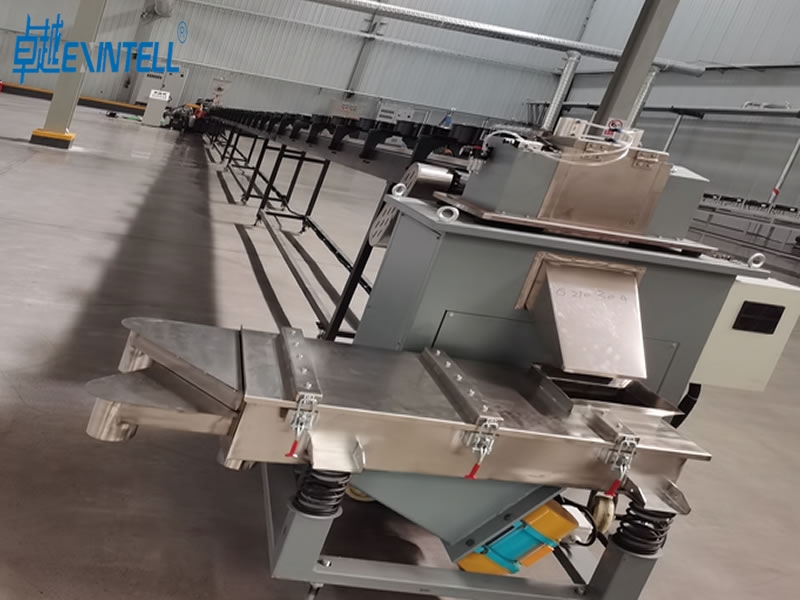
Recycled plastic pellets are small pieces made from old plastic things. These pellets come from items like bottles and containers people throw away. Factories gather these plastics and clean them. Then, they turn them into new pellets. Most recycled pellets are made from PET and HDPE. PET is used in water and soda bottles. HDPE is found in milk jugs and detergent bottles.
- Main sources of recycled plastics:
- PET bottles (water, soda)
- HDPE bottles (milk, detergent)
- Other post-consumer and post-industrial plastic waste
T, h. a. u, m. Tam sim no, more companies use recycled pellets. k.
o
j. Factories make them from raw materials like oil or natural gas. x. a. i. v.
Production Process Overview
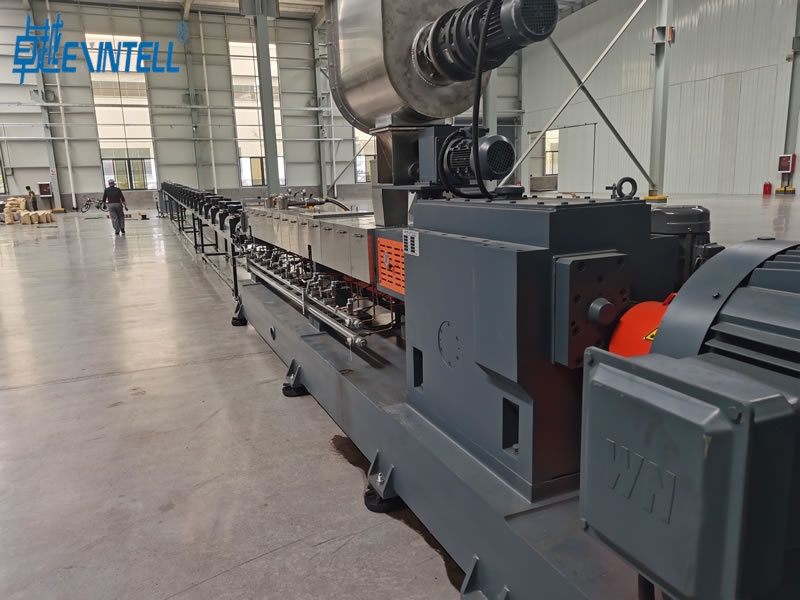
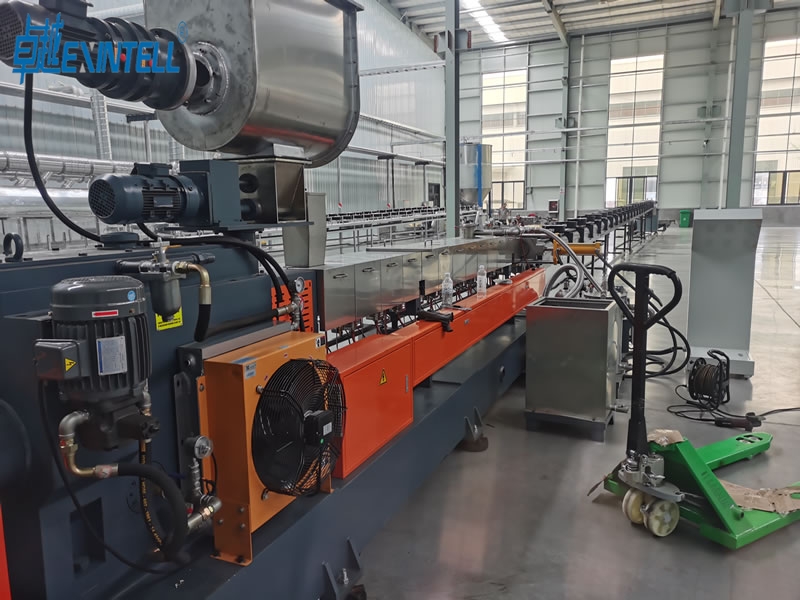
c. Rau o, v. Machines wash, p, e. Cov yas tawg hloov mus ua cov pellets tshiab. Cov pellets tshiab yog tsim los ntawm kev hloov roj lossis roj av ua yas resin. Cov resin no raug tsim ua pellets.
| Khoom | Cov pellets yas rov siv dua | Cov pellets yas tshiab |
|---|---|---|
| Lub zog tshuab | Tsawg dua vim cov kab impurities thiab kev rov siv dua | Siab dua vim muaj kev huv thiab ntev dua polymer chains |
| Kev ruaj khov | Ruaj khov thiab muaj zog, tab sis tej zaum yuav txawv | Ruaj khov thiab ntev dua |
| Purity | Sib txawv raws li qhov chaw thiab txheej txheem | Purity siab, Zoo ruaj khov |
| Kev sib xws | Yuav txawv xim thiab toughness | Xim thiab yam ntxwv ruaj khov |
| Tiv thaiv kub | Melting point qis, puas thaum kub qis | Melting point siab thiab kub ruaj khov zoo dua |
Lub tswv yim: Yog koj xav tau cov khoom muaj zog, ntshiab, cov khoom siv ruaj khov, cov pellets tshiab tej zaum yuav zoo tshaj. Yog koj xav txuag nyiaj thiab pab lub ntiaj teb, cov pellets rov siv dua yog kev xaiv zoo.
Kev tshuaj xyuas nqi thiab txiaj ntsig ntawm cov pellets yas
Cov pellets yas rov siv dua: Cov yam ntxwv ntawm tus nqi
You can save money by using recycled plastic pellets. The main costs come from a few steps. Thawj, cov neeg ua haujlwm collect plastic waste from homes and factories. Tom ntej, they sort the plastic by type, color, and how clean it is. Then, they wash the plastic and take off any labels or dirt. After that, they melt the plastic and make new granules. Each step adds to the total price. Cov value of recycled plastics can change if more people want them. If you buy a lot of recycled plastic granules, you usually save more money. But, if you need high-quality or food-grade recycled plastic pellets, the price can be higher. Food-grade recycled PET costs more because it must pass tough tests. Groups like the FDA or EFSA check these materials to make sure they are safe. This makes food-grade recycled plastics cost more and harder to find.
Virgin Plastics: Kev Txiav Txim Siab
Virgin plastics are made from oil or natural gas. Their price depends on how much these materials cost. If oil prices go up, virgin plastics get more expensive. This can make your production cost more. Qee zaum, there is too much virgin plastic, so the price drops. Other times, recycled plastic granules are a better deal, especially when oil is expensive. Virgin plastics give you steady quality and purity, but you pay more for these things. If you need strong and pure materials, like for medical devices, you might pick virgin plastics even if they cost more.
Comparing Long-Term Value
Recycled plastic pellets often help you save more money over time. Using recycled plastics can lower your costs and help the planet. Many companies use recycled plastic granules to show they care about the earth. Qhov no yuav ua rau cov neeg siv khoom nyiam koj cov khoom ntau dua. Koj tseem pab txo kev tso pa carbon los ntawm kev siv yas rov siv dua. Qhov no zoo rau ib puag ncig. Koj yuav tsum xav txog yam koj lub lag luam xav tau thaum koj saib tus nqi thiab txiaj ntsig. Yog koj xav txuag nyiaj thiab pab lub ntiaj teb, Cov yas rov siv dua yog ib qho kev xaiv ntse. Yog koj xav tau qhov zoo tshaj plaws thiab kev muab khoom ruaj khov, Yas tshiab tej zaum yuav zoo dua rau koj. Qee lub tuam txhab siv ob hom no kom tau qhov sib xyaw zoo tshaj plaws ntawm kev txuag thiab kev ua tau zoo.
Ceeb toom: Koj cov kev xav tau thiab lub hom phiaj tseem ceeb heev hauv koj qhov kev tshuaj xyuas nqi thiab txiaj ntsig. Koj yuav tsum xav txog tag nrho lub neej ntawm cov khoom siv, nws ua haujlwm zoo li cas rau koj, thiab koj cov phiaj xwm ntev.
Kev ua tau zoo thiab zoo: Virgin thiab Recycled Granules
Kev sib xws ntawm cov khoom
Koj xav kom koj cov khoom zoo ib yam txhua zaus. Virgin yas yog tsim los ntawm cov khoom tshiab. Qhov no txhais tau tias lawv sib npaug heev. Their molecular structure does not change. So, you get steady results with virgin granules. Recycled granules can be a little different. The recycling process mixes plastics from many places. This can make small changes in color or strength. You might see that virgin and recycled granules act differently when making things.
| Feature | Cov pellets yas tshiab | Cov pellets yas rov siv dua |
|---|---|---|
| Kev sib xws ntawm cov khoom | High uniformity due to original molecular structure | Slightly variable depending on recycling grade and processing |
| Lub zog & Zoo | Consistent strength and quality | May vary slightly, generally lower than virgin due to reprocessing |
| u & Finish | Ntshiab, glossy, and smooth | Minor color variations possible due to mixed sources |
If you want the same color and finish every time, pick virgin granules. Recycled granules still work well, but you might see small changes.
Purity and Quality Control
Virgin plastics are very pure. You can trust them to meet strict rules. Factories test virgin granules for safety and quality. Recycled granules are cleaned and sorted. But sometimes, a little dirt stays in them. High-quality recycled granules use special ways to remove dirt and labels. These cost more money. Virgin and recycled granules are different in purity. You should check recycled granules before using them in important products.
Daim ntawv thov tsim nyog
Koj yuav tsum tau choose the right granules for your product. Virgin plastics are good for things that must be strong and pure. Medical devices and food packaging use virgin granules. It matters if you want the best performance. Recycled granules are fine for things like containers or outdoor furniture. You can use recycled granules for green projects. Some companies mix both types to save money and get good results.
Lub tswv yim: Always test your materials before making a lot of products. This helps you find what works best for you.
Environmental Impact of Recycled Plastics vs Virgin Plastics
Carbon Emissions Savings
Choosing recycled plastics helps the environment a lot. Using recycled plastic pellets instead of virgin plastics lowers carbon emissions by 30% to 80%. This is like removing millions of cars from the roads every year. IKEA saw its plastic-related carbon footprint drop by 33% after using recycled plastics. You also save energy, sometimes hundreds of kilograms of CO2 for each ton made. These savings show that recycled plastics help protect the planet and fight climate change.
- Recycled plastics can save 30 to 170 million tons of carbon each year.
- Energy savings from recycled plastics are 30-60% compared to virgin plastics.
Resource Efficiency
Picking recycled plastics helps protect nature and saves resources. Recycling uses less energy than making new plastic from oil or gas. This process saves up to 70%–80% of the energy needed for virgin plastics. You also use fewer raw materials, so less oil and gas are needed. Recycled plastic pellets can be used for packaging, textiles, or car parts. Using post-consumer recycled plastics creates a green cycle that turns waste into useful products. This lowers fossil fuel use and supports eco-friendly manufacturing.
- Recycling lowers the need for petroleum and natural gas.
- Recycled plastics cut greenhouse gas emissions and help keep nature safe.
Regulatory and Market Trends
There are more rules and changes that support recycled plastics. Many countries ban single-use plastics, which lowers the need for virgin plastics. Governments use programs that make companies manage their plastic waste. Circular economy plans push for more recycled content, and big brands want 30–50% recycled materials in their packaging by 2025. Tax breaks and incentives make recycled plastics a better choice. The table below shows some important trends:
| Regulatory Trend/Market Incentive | Cov lus piav qhia |
|---|---|
| Single-use plastic bans | Over 60 countries have bans, reducing virgin plastic demand. |
| Extended Producer Responsibility | Companies pay to manage waste, promoting recycled materials. |
| Circular Economy Initiatives | Demand for recycled pellets grows 9% each year. |
| Brand Commitments | Brands target 30-50% recycled content by 2025. |
| Tax Incentives | Governments support domestic recycled plastic production. |
Tam sim no, caring for the environment and being sustainable matters to companies and customers. Xaiv yas rov siv dua pab koj ua raws li cov qauv tshiab no thiab qhia tias koj mob siab rau yav tom ntej ntsuab dua.
Cov pellets yas rov siv dua: Pros & Cons
Qhov zoo
Koj yuav tsum xav txog qhov zoo thiab qhov tsis zoo ua ntej xaiv cov yas rov ua dua tshiab. Ib qho zoo loj yog tias cov pellets no pab txo cov yas pov tseg. Thaum koj siv yas rov ua dua tshiab, tsawg lub raj mis thiab thawv mus rau hauv av pov tseg. Qhov kev xaiv no kuj pab txo kev tso pa carbon, uas tseem ceeb rau cov hoobkas niaj hnub no. Cov tshuab zoo li JKM Ob-Kauj Ruam Yas Rov Siv Tshuab tuaj yeem tsim cov pellets rov siv zoo siab. Cov tshuab no pab cov tuam txhab siv nyiaj tsawg dua thiab tsim tsawg kev tso pa phem. Koj tseem tuaj yeem ua tau zoo dua hauv kev lag luam thoob ntiaj teb.
Cov khoom ua los ntawm yas rov siv dua siv hluav taws xob tsawg dua cov tshiab. Qhov no txuag hluav taws xob thiab txo kev tso pa carbon. Piv txwv li, siv lub thawv resin rov siv dua txo kev tso pa phem los ntawm 67% rau PET, 71% rau HDPE, and 71% rau PP. Koj tseem txuag tau nyiaj vim koj tsis tas yuav khoom tshiab. Cov yas rov siv dua pab txuag cov khoom ntuj thiab txhawb nqa yav tom ntej huv si.
a
Koj tseem yuav tsum xav txog qhov tsis zoo ntawm kev siv cov yas rov ua dua tshiab. Qee yam teeb meem ua rau nws nyuaj dua los tsim koj cov khoom.
- Qhov zoo ntawm cov yas rov siv tom qab siv yuav hloov. Qee zaum, plua plav, cov yas sib xyaw, lossis puas tsuaj tuaj yeem hloov txoj kev ua haujlwm ntawm cov pellets.
- Cov khoom siv tej zaum tsis muaj zog. Kev rov siv dua yuav ua rau yas tsis muaj zog, yog li nws yuav tawg yooj yim dua li cov yas tshiab.
- Xim thiab zoo li yuav txawv. Cov yas rov siv dua tuaj yeem muaj kev hloov me me hauv xim lossis tiav.
- Tsis yog txhua cov yas rov siv dua yog huv txaus rau cov cai ruaj ntseg nruj. Koj tej zaum yuav tsum tau kuaj ntxiv rau cov khoom uas yuav tsum huv si heev.
- N. w.
- s.
You should think about these good and bad sides y. u, a, v.
Virgin Plastics: Pros & Cons
Qhov zoo
Virgin plastics have many good points. n. y, u. a. j. This helps you make lots of different things. k. o. m. Qhov no txhais tau tias koj pov tsawg dua.
- Cov granules tshiab yog huv thiab ib txwm zoo ib yam.
- Koj tau cov khoom muaj zog thiab siv ntev.
- Koj tuaj yeem xim thiab tsim lawv rau ntau yam siv.
- Lawv nyab xeeb rau chav kuaj thiab ntim tshuaj.
- Koj siv tau lawv hauv ntau txoj kev hauv hoobkas.
- Lawv siv tau ntev dua, yog li koj pov tseg tsawg dua.
Lub tswv yim: Xaiv cov granules tshiab yog tias koj xav tau cov khoom zoo thiab ruaj khov.
a
Koj yuav tsum xav txog qhov zoo thiab qhov tsis zoo ua ntej koj xaiv cov yas tshiab. Qee zaum, lawv pheej yig dua yog tias muaj ntau dhau. Tab sis lawv yuav ua rau ib puag ncig raug mob ntau dua. Cov granules tshiab yog ua los ntawm roj thiab roj av. Qhov no ua rau muaj kev tso pa phem thiab carbon ntau dua. Tsoomfwv tab tom tsim cov cai tshiab los tiv thaiv ntuj. Cov cai no yuav ntxiv se lossis nqi ntxiv rau kev siv cov yas tshiab. Cov tuam txhab tej zaum yuav tsum them nqi rau kev puas tsuaj uas cov khoom no ua rau. You might feel more pressure to use recycled plastics instead.
| Sab | Virgin Plastics | Recycled Plastics |
|---|---|---|
| Tus Nqi | Sometimes cheaper with too much supply | Often higher for food-grade |
| Kev cuam tshuam ib puag ncig | High outside costs not included | Lower impact on the environment |
| Regulatory Pressure | More rules coming soon | Less pressure from rules |
- Governments add taxes and rules for carbon and waste.
- These rules try to make virgin plastics include their real costs.
- You may see even more rules for virgin granules soon.
Ceeb toom: Think about now and the future when you look at the good and bad sides of virgin plastics and virgin granules.
Choosing the Right Pellets
Decision Factors
You need to think about a few important things before picking between recycled plastics and virgin plastics. Each thing helps you figure out which plastic pellets are best for your products.
Here is a table that shows the main things to think about and what they mean for your business:
| Decision Factor | Cov lus piav qhia |
|---|---|
| Performance Requirements | Look at how strong, yoog raws, and heat-resistant your product needs to be. |
| Kev Tswj Xyuas Kev Cai | Check rules for your industry, especially for food, kev kho mob, and kids’ products. |
| Aesthetic Considerations | Think about color and finish if your product’s look matters. |
| Supply Chain Stability | Make sure you can get enough recycled pellets with steady quality. |
| Cost-Benefit Analysis | Compare material costs and savings from being eco-friendly. |
Start by thinking about how your product must work. Some products need to be strong or bend easily. Others must handle heat. Virgin plastics usually give the best performance and purity. If your product must follow strict safety rules, like food packaging or medical devices, tej zaum koj yuav xav tau yas tshiab. Cov khoom no yuav tsum dhau kev xeem nyuaj kom tib neeg muaj kev nyab xeeb.
Yog koj xav kom koj cov khoom zoo ib yam txhua zaus, xyuas xim thiab tiav. Yas rov siv tau tej zaum yuav muaj kev hloov me me hauv xim lossis qhov muag. Qhov no tej zaum tsis cuam tshuam rau qee yam, tab sis nws tseem ceeb rau cov khoom uas tib neeg pom ntau zaus.
Kev ruaj khov ntawm kev xa khoom yog ib yam tseem ceeb ntxiv. Koj yuav tsum muaj pellets ruaj khov kom koj lub hoobkas ua haujlwm tau. Qee zaum, yas rov siv dua nyuaj nrhiav tau ntau lossis zoo ib yam. Yas tshiab feem ntau muaj kev muab khoom ruaj khov dua.
Nqi yeej tseem ceeb. Koj feem ntau txuag tau nyiaj yog siv yas rov siv dua, tshwj xeeb yog koj tsis xav tau qhov zoo tshaj. Muaj ntau lub tuam txhab kuj xav txog kev ntsuab. Using recycled plastics can help you reach your eco goals and attract customers who care about the planet.
Lub tswv yim: Make a checklist of what your product needs. This will help you pick the right plastic pellets for your goals.
Piv txwv hauv kev lag luam
Different industries have their own needs when picking between recycled plastics and virgin plastics. You can see how companies in each area make choices based on cost, being green, Thiab kev ua tau zoo.
- Being green is changing the market. More companies want recycled and biodegradable materials.
- Cost matters a lot. Prices for raw materials can change fast, so companies look for the best deal.
- Each industry, like packaging, tsheb, and building, has special needs that affect their choice.
Let’s look at some real-world examples:
| Lub tuam txhab | 2024 Recycled Content | 2025 Goal | Challenges |
|---|---|---|---|
| Colgate-Palmolive | 21% | 25% | Hard to get enough recycled content with good quality |
| Danone | 17% (overall), 29% (water bottles) | 25% (overall), 50% (water bottles) | Not enough collection and recycling, not enough recycled materials |
| Coca-Cola | 28% | 35-40% | Changed goals because it was hard to meet them |
| PepsiCo | N / A | 40% | Updated goals for key markets and outside factors |
| Coca-Cola Hellenic Bottling | 46% | 35% | Went past its goal, showing good use of recycled content in Europe |
| PepsiCo Europe | 58% | 50% | Went past its goal, showing recycled materials work well in packaging |
You can see that companies like Coca-Cola and PepsiCo Europe already use lots of recycled plastics in their packaging. They set high goals for the future. Some companies, like Danone, have trouble getting enough recycled materials. Others, like Coca-Cola Hellenic Bottling, have gone past their targets.
Here is how different industries use recycled plastics:
| Kev Lag Luam | Benefits of Recycled Plastics |
|---|---|
| Tsheb | Makes car parts strong, Txuag nyiaj, and helps the planet |
| Food Packaging | Must use recycled materials that pass strict safety tests |
In the car industry, you can use recycled plastics to make car parts. These parts are strong and help lower costs. They also help car makers reach green goals. In food packaging, you must use recycled plastics that pass tough safety tests. This keeps food safe for people.
Ceeb toom: Each industry has its own rules and needs. Always check what your industry needs before picking your plastic pellets.
You should also know the steps recycled plastics go through before they become pellets:
- Collection and sorting
- Cleaning and removing dirt
- Mechanical or chemical recycling
- Superclean technologies
- Regulatory testing and approval
These steps help make sure recycled plastics are safe and high quality. You can use this information to decide if recycled plastics or virgin plastics are right for your business.
You can spot big differences between recycled and virgin plastic pellets. Recycled pellets are cheaper and better for the earth. Virgin pellets are strong and always the same quality. Look at p to compare them quickly:
| Sab | Recycled Plastics | Virgin Plastics |
|---|---|---|
| Tus Nqi | Lower | Siab dua |
| Environmental | Smaller footprint | Larger footprint |
| Performance | Variable | Sib xws |
Pick recycled pellets if you want to save money and help the planet. Choose virgin pellets if you need the best strength and quality. Remember to think about how your choice matters now and later.
FAQ
What is the main difference between recycled and virgin plastic pellets?
Recycled pellets are made from old plastics. Virgin pellets are made from new materials. Recycled pellets are better for the earth. Virgin pellets are always the same quality.
Can you use recycled plastic pellets for food packaging?
You can use recycled pellets for food packaging if they pass safety rules. Look for food-grade recycled PET. Always check for safety labels before picking them.
Are recycled plastic pellets always cheaper than virgin pellets?
Most of the time, recycled pellets cost less money. Food-grade or very good recycled pellets can cost more. Check prices for what you need.
How do recycled pellets affect product quality?
Recycled pellets can change color or strength a little. Virgin pellets give you the same results every time. Test recycled pellets before making your products.
Why do companies choose recycled plastic pellets?
Companies use recycled pellets to save money and help the earth. People like products that are good for the planet. You can follow new rules and show you care about being green.