How to Choose the Right Plastic Sheet Extrusion Technique for Your Project
Table of Contents
How to Choose the Right Plastic Sheet Extrusion Technique for Your Project
You can pick the bestplastic sheet extrusiontechnique by thinking about what your project needs and not making common mistakes. Many industrial projects have problems likepicking the wrong material, not controlling the temperature well, bad mold design, skipping surface treatment, and not setting the process right. You need to match your choice with the product type, industry area, sheet thickness, and material you pick. This guide helps you choose wisely and make your process better.
Cov Ntsiab Lus Tseem Ceeb
Figure out what your project needs before youpick an extrusion technique. Think about what you are making and how people will use it.
Pick theright materialby looking at what it can do. Materials like polypropylene and polyethylene are used for different things.
Learn about the rules for your industry. Following these rules keeps food and medical items safe and good quality.
Make sure the sheet thickness matches how you will use it. Thickness changes the price, strength, and how bendy it is, so choose carefully.
Use a checklist to compare extrusion methods. This helps you pick the best one for what your project needs.
Project Requirements & Application Guide
Product Type & End Use
Thawj, think about what you want to make and how you will use it. Differentextrusion techniques are betterfor certain jobs. If you need food packaging, you must keep things clean and block germs. Medical products need to be very exact and safe from contamination. Industrial items need to be the same thickness and made quickly. The table below shows how the end use changes what you need:
Application Type
Requirements
Food Packaging
Hygiene standards, barrier properties
Medical Applications
Precision, contamination control
General Industrial Use
Thickness consistency, production efficiency
Tom ntej, check the materials you plan to use. Each material has special features for different uses. Polypropylene can handle heat and is good for car trims. Polyethylene is strong and resists chemicals, so it works for protective sheets. Acrylic is clear and is used for display panels. The table below helps you compare materialsfor your project:
Cov khoom siv hom
Key Properties
Applications
Polypropylene (PP)
High heat resistance, stiffness-to-weight ratio
Automotive trims, ntim
Polyethylene (PE)
Toughness, chemical resistance
Protective sheets, liners
Polystyrene (PS)
Tus nqi zoo, easy-flowing
Food trays, thawv
Acrylic (PMMA)
Transparency, UV resistance
Display panels, covers
Polycarbonate (PC)
Impact strength
Machine guards, panels
Industry Niche & Regulations
Koj yuav tsum paub koj txoj kev lag luam thiab ua raws li cov cai. Kev kho mob thiab ntim khoom noj khoom haus yuav tsum ua tau raws li cov qauv nruj. FDA tshawb xyuas kev rov ua dua tshiab kom cov zaub mov muaj kev nyab xeeb. Koj xav tau Tsab Ntawv Tsis Pom Zoo los qhia tias koj cov khoom muaj kev nyab xeeb rau cov zaub mov. Cov ntaub ntawv saw-ntawm-saib xyuas ua pov thawj tias koj cov khoom ntshiab lawm. Cov kev sim qhia tias tsis muaj cov pa paug sab laug. Cov yas rov ua dua tshiab yuav tsum zoo npaum li cov tshiab. Hauv Tebchaws Europe, REACH nres cov tshuaj lom, thiab RoHS txwv cov hlau hnyav hauv cov khoom siv hluav taws xob. Cov lus hauv qab no teev cov cai tseem ceeb:
Kev tswj hwm
Cov lus piav qhia
FDA Kev Pom Zoo
Kev tshuaj xyuas rov ua dua tshiab rau zaub mov kev nyab xeeb
Lub tswv yim: Ib txwm tshawb xyuas cov cai ua ntej koj pib ua tej yam. Qhov no pab koj kom tsis txhob ua yuam kev thiab ua kom koj cov txheej txheem ua tau raws li cov qauv kev lag luam.
Tuab & Cov Kev Xav Tau Kev Kho Tshuab
Txiav txim siab seb koj daim ntawv yuav tsum tuab npaum li cas thiab nws yuav tsum ua li cas. Tuab hloov tus nqi, strength, thiab yoog raws. Rau tsheb thiab vaj tse, cov qauv pab koj xaiv. Cov ntawv nyias nyias (1-2 mil) yog rau kev tiv thaiv lub teeb. Cov ntawv nruab nrab (3-6 mil) yog rau cov npog thiab cov ntaub ntawv. Cov ntawv tuab (10-15 mil) yog rau sab nraum zoov npog thiab thaiv. Tsheb dashboards siv 3-5mm nplooj ntawv rau kev hloov tau. Bumpers siv 5-10mm ntawv rau lub zog. Cov lus hauv qab no qhia txog cov tuab thiab siv:
Tuab (Mil)
Siv
1-2 mil
Kev tiv thaiv lub teeb, pleev xim npog
3 mil
Self-adhesive plastics, txee, plag tsev
6 mil
Kev tsim kho enclosures, kev tswj kev yaig
10 mil
Pas dej hauv ob sab phlu, sab nraum zoov npog
12 mil
Landfill npog, sab nraum zoov npog
14 mil
Lawj tiv thaiv, coj mus muag flooring
15 mil
Vapor barriers, foundation phab ntsa
Koj yuav tsum tau phim lub thickness and mechanical needs to the right extrusion technique. This helps you control costs and makes sure your sheet works for its job.
Ceeb toom: Picking the right thickness and material helps you make things faster and waste less.
Material Selection Guide
Thermoplastic Options
You should pick your material before starting your project. The right material helps your product work well and makes it easier to produce. Some materials are better for certain jobs. The most common materials used are:
Polypropylene (PP)
Polyethylene (PE)
Polystyrene (PS)
Acrylic (PMMA)
Polycarbonate (PC)
Each material has special features. Polypropylene can handle heat and is good for car parts. Polyethylene is tough and resists chemicals, so it works for liners and covers. Polystyrene is easy to shape and costs less, so you can use it for trays and containers. Acrylic is clear and blocks UV rays, so it is good for signs and displays. Polycarbonate muaj zog thiab tuaj yeem ua rau muaj kev sib ntaus nyuaj, yog li nws yog siv rau cov vaj huam sib luag kev nyab xeeb.
Lub tswv yim: Nco ntsoov tias koj cov khoom siv haum rau koj cov khoom xav tau. Qhov no pab koj kom tsis txhob muaj teeb meem thaum ua koj cov khoom.
Lub zog, Yoog raws, Tshuaj lom neeg tsis kam
Koj yuav tsum kuaj xyuas seb cov khoom puas muaj zog, yoog raws, thiab tiv thaiv tshuaj. Cov yam ntxwv no pab koj daim ntawv kav ntev dua thiab ua haujlwm zoo dua. Yog tias koj xav tau daim ntawv uas khoov, khaws cov khoom siv hloov tau yooj yim xws li polyethylene. Yog tias koj xav tau koj daim ntawv los coj cov khoom muaj zog, xaiv polycarbonate.
Tshuaj lom neeg tsis kam teeb meem heev. Qee cov ntaub ntawv tuaj yeem sawv ntsug rau cov roj, acids, lossis tshuaj ntxuav. Qhov no ua rau lawv zoo rau qhov chaw nyuaj. Koj kuj yuav tsum xav txog yuav ua li cas cov khoom yaj thiab ntws. Qee cov ntaub ntawv xav tau ntau lub tshav kub lossis cov tshuab tshwj xeeb. Qhov no tuaj yeem hloov qhov twg extrusion txujci koj siv.
Ntawm no yog ib qho yooj yim qhia los sib piv:
Khoom siv
Lub zog
Yoog raws
Tshuaj lom neeg tsis kam
Polypropylene
Medium
s
s
Polyethylene
Medium
s
Very High
Polystyrene
Low
Low
Low
Acrylic
Medium
Medium
Medium
Polycarbonate
s
Medium
Medium
You should always pick your material based on how you will use your sheet and where it will be used.
Plastic Sheet Extrusion Methods
Main Techniques Overview
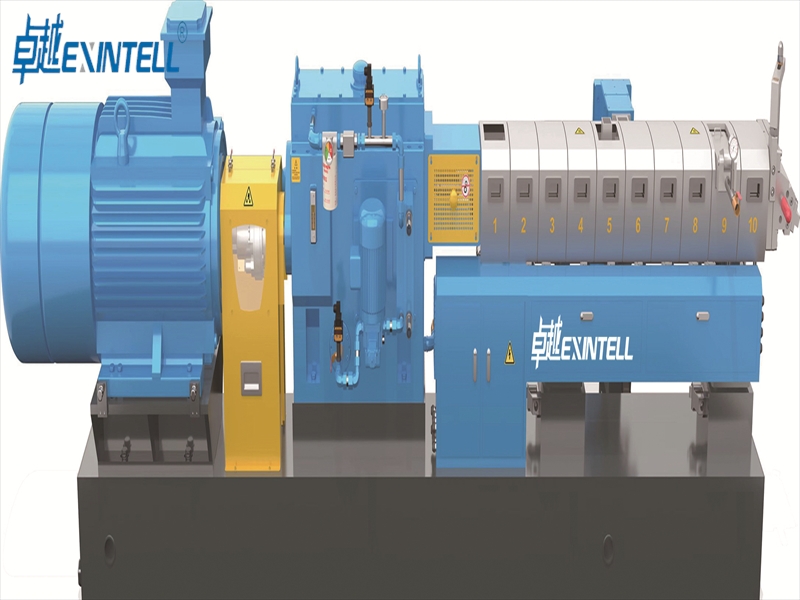
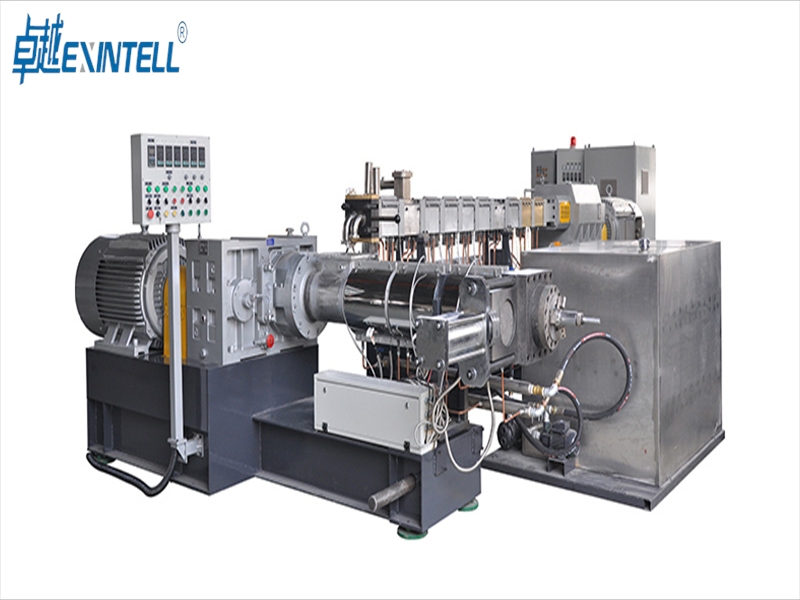
There aredifferent ways to make plastic sheets. The most common are single-screw and twin-screw extruders. Single-screw extruders have one screw that pushes melted plastic out. This way is good for simple jobs and clean plastic pellets. Twin-screw extruders have two screws that mix things better. They work well for tricky materials or recycled plastics. You can use them when you wanthigh-quality sheets.
Some methods use co-extrusion or multi-layer extrusion. Co-extrusion lets you put different materials in one sheet. Multi-layer extrusion makes sheets with layers for special needs. These layers can give extra strength or chemical resistance. Cov hau kev no pab koj khaws cov ntawv loj thiab zoo kom zoo.
Siv hluav taws xob tsawg dua vim cov qauv yooj yim
Siv hluav taws xob ntau dua tab sis muaj txiaj ntsig zoo dua rau cov khoom nyuaj
Lub tswv yim: Ntxaib-ntsia hlau extruders pab koj ntxiv xim thiab fillers. Lawv kuj ua rau cov ntawv pom tseeb dua los ntawm kev tshem tawm cov dej thiab roj.
Pros & Cons rau Kev Tsim Khoom
Koj yuav tsum xaiv txoj hauv kev zoo rau koj qhov project. Ib leeg ntsia hlau extruders muab lub siab muaj zog thiab cov ntawv ruaj khov. They use less energy and are easy to set up. This makes themgood for big ordersand simple products. Twin-screw extruders mix things better and let you control the process more. You can use them for special jobs and custom sheets.
Plastic extrusioncosts less than other wayslike injection molding. You spend less on materials and tools. The process is fast and lets you make long sheets without stopping. This helps you keep the quality the same every time.
Single-screw extrusion is good for thin sheets and easy jobs. Twin-screw extrusion is best for thick sheets and tough materials. Co-extrusion and multi-layer extrusion help you meet strict rules and keep the sheet size right.
Single-screw extruders are best for clean pellets and easy jobs.
Twin-screw extruders work with powders, recycled stuff, and special jobs.
Both ways help you make lots of sheets and get good results.
You should always look at what your project needs. Think about the material and how you want the sheet to work. This helps you choose the best extrusion method and find a good manufacturer.
Matching Needs & Nta
Comparison Checklist
You need a simple checklist to compareextrusion techniques. This helps you see which method fits your project best. Use the table below to match your needs with each process. Check off each box as you look at your choices.
See how much power the machine uses. New machines can save energy and money.
Maintenance Needs
Check how often you must clean or fix the machine. Good care keeps things running well.
Kev cuam tshuam ib puag ncig
Choose ways that use recycled plastics or save energy. This helps you meet green goals.
Warranty & Support
Look for good warranty and help from the maker. This protects your money.
Lub tswv yim: Use this checklist when you talk to suppliers or compare prices. Nws pab koj tsom mus rau qhov tseem ceeb tshaj plaws rau koj qhov project.
Kev txiav txim siab
Koj yuav tsum tau saib ob peb yam ua ntej koj xaiv. Pib los ntawm kev xav txog dab tsi tseem ceeb tshaj plaws rau koj qhov project. Cov no muaj xws li:
Nruab nrab Thickness: Xyuas seb daim ntawv puas yog txoj cai tuab. Qhov no txuag cov khoom thiab nyiaj.
Standard Deviation: Saib rau txawm thickness. Tsawg dua kev hloov txhais tau tias zoo dua thiab tsawg yuam kev.
Cpk (Txheej txheem Muaj Peev Xwm): Xyuas kom meej tias cov txheej txheem ua tau raws li koj xav tau txhua lub sijhawm. High Cpk txhais tau tias cov txiaj ntsig zoo dua thiab tsawg dua pov tseg.
Phim koj cov batch loj rau txoj cai extrusion txoj kev. Rau cov haujlwm loj, ib leeg ntsia hlau extruders ua haujlwm zoo. Lawv muab cov zis ruaj khov thiab cov nqi qis dua. Yog tias koj siv ntau cov ntaub ntawv lossis ntxiv, ntxaib-ntsia hlau tshuab muab kev tswj hwm zoo dua. Rau cov hauj lwm me me los yog tej yaam num tshwj xeeb, ram extrusion los yog co-extrusion muab ntau txoj kev xaiv.
Thaum koj xaiv ib tug txheej txheem, zam feem ntau ua yuam kev. Tsis txhob hnov qab cov kev cai tsim qauv yooj yim. Yog tias koj ua rau tus qauv tsim nyuaj dhau, koj yuav tau txais kev ua yuam kev lossis pov tseg. Khaws cov fin thickness zoo li qub thiab tsis txhob siv cov ces kaum ntse. Ua haujlwm nrog koj tus neeg xa khoom thaum ntxov kom tau txais tswv yim.
Ua kom koj cov khoom huv kom tsis txhob muaj teeb meem saum npoo. Teeb tsa cov txheej txheem kom raug kom tau txais qhov loj me thiab cov duab. Khaws cov pwm kom zoo kom tsis txhob muaj qhov tsis zoo sab hauv daim ntawv.
Cob qhia koj pab neeg kom zoo. Check their skills and give hands-on lessons. Keep learning to make things better.
Warranty and support matter too. Longer warranties and better help mean less worry if something breaks. Good machines often come with better terms.
Ceeb toom: If you are not sure, talk to an extrusion expert. They can help you pick the right design, material, and process. They can also help you avoid mistakes and make your product better.
You can use this guide to compare your choices and make a smart pick. Always match your project needs to the features of each extrusion method. This helps you get the best results, zoo, and value from your work.
You can pick the best plastic sheet extrusion technique by using simple steps. Begin by thinking about what your project needs. Choose the material that fits your job. Match your material to the right extrusion method. Industry examples show you must keep the temperature steady. Use good molds and add the right extras. Pick the correct resin grade for your sheet. Ask experts for help early in your project. Use the comparison checklist to make your choice easier. If you are not sure, talk to an extrusion specialist. This way, you get strong and reliable sheets for your project.
FAQ
What is plastic sheet extrusion?
Plastic sheet extrusion is a process where you melt plastic and push it through a mold to make flat sheets. You can use these sheets for packaging, signs, or building materials.
How do I choose the right extrusion method?
You should look at your project needs. Think about the material, thickness, and how you will use the sheet. Match these needs to the features of each extrusion method.
Can I use recycled plastics for extrusion?
Yog, you can use recycled plastics. Twin-screw extruders work best for recycled materials. Make sure the recycled plastic meets safety and quality standards.
What is co-extrusion?
Co-extrusion lets you combine two or more materials in one sheet. You can add layers for strength, color, or chemical resistance. This method helps you meet special project needs.
Do I need expert help for my project?
You should ask an extrusion expert if you feel unsure. Experts help you pick the right material and method. They also help you avoid mistakes and improve your results.