Paub tias lub tshuab ua haujlwm li cas thiab txhua ntu ua dab tsi pab koj siv nws zoo dua. Nws kuj tseem pab koj kho cov teeb meem yooj yim dua.
Cov Ntsiab Lus Tseem Ceeb
Pelletizing extruders change raw plastics into smallpellets. The pellets are all the same size. This makes them easier to use in many ways.
Knowing themain partshelps make better pellets. These parts are the hopper, screw, barrel, die, cooling system, and knife system.
Keeping the feed rate steady is very important. The screw speed must also stay the same. This helps make even pellets and stops machine problems.
Good cooling is needed to harden the pellets fast. This helps the pellets keep their shape and stay strong.
Doing regular checks helps the extruder work well. You should check screws and clean the die often. This keeps the machine running and makes it last longer.
Pelletizing Extruder Process Steps
A pelletizing extruderturns raw plastic into small pellets. It does this by using a few main steps. You can follow these steps to see how the machine works.
Feeding and Melting
Thawj, you put raw plastic into the hopper. The machine has a screw that moves the plastic forward. As it moves, the screw pushes the plastic and takes out air. The barrel gets hot and melts the plastic. The screw also makes heat by rubbing the plastic.
Lub tswv yim:If you feed the plastic evenly, you get pellets that look the same.
The screw inside thepelletizing extruderhasthree parts:
The feeding zone pushes the plastic forward.
The compression zone melts the plastic and removes air.
The metering zone builds pressure and keeps the flow steady.
Ntxaib ntsia hlau extrudersmix the plastic even better. They have two screws that turn together. This gives more even heat and better mixing. It helps make pellets that are all the same.
The temperature you need depends on the plastic type. Here is a table with melting points for common plastics:
Plastic Polymer
Fundamental Melting Point (°C)
Practical Melt Temperature Range (°C)
Key Processing Notes
ABS (Acrylonitrile Butadiene Styrene)
105 – 107 (Tg)
210 – 250
Avoid prolonged exposure above ~270°C to prevent degradation.
Polycarbonate (PC)
155 – 160
280 – 320
Must be dried thoroughly to prevent hydrolysis; requires high mold temperatures (80-110°C).
Polypropylene (PP)
160 – 165
200 – 260
High volumetric shrinkage; requires sufficient pack/hold pressure.
Nylon 66 (PA66)
260 – 265
280 – 310
Extremely hygroscopic; requires immediate pre-drying and hot molds (70-100°C).
Polyethylene (HDPE)
130 – 135
210 – 260
High shrinkage; proper cooling design critical.
Polyoxymethylene (POM)
165 – 175
190 – 220
Prone to thermal degradation; avoid excessive temperatures and residence times.
Acrylic (PMMA)
160 – 170
220 – 250
Hygroscopic; must be dried to prevent defects; high flow resistance.
Polybutylene Terephthalate (PBT)
225 – 230
240 – 270
Hygroscopic; requires pre-drying; prone to warping.
Polyetheretherketone (PEEK)
340 – 380
370 – 400
Requires very high processing temperatures and drying.
Thaum cov yas yaj, tus pelletizing extruder nws raug thawb los ntawm ib tug tuag. Tus tuag shapes cov yas melted rau hauv ntev strands los yog lwm yam duab. Cov Tus tuag tsim tswj cov duab thiab qhov loj ntawm cov yas. Yog hais tias koj siv ib puag ncig tuag, koj tau txais round strands. Yog tias koj siv lub voos plaub fab, cov ces kaum yuav puag ncig vim tias cov yas txav mus li cas.
Ceeb toom: Tus tuag yuav tsum muaj zog thiab kav ntev. Ntau tus tuag siv tungsten carbide ntxig rau cov yas tawv nrog iav fibers.
Cov cua sov ntawm cov tuag thiab yuav ua li cas nws ua kom sov kuj tseem ceeb. Yog tias tus tuag ua kom sov tsis sib npaug, cov yas tuaj yeem tawm ntawm cov duab tsis ncaj ncees lawm.
Txias Lub Extrudate
Tom qab cov yas tawm ntawm qhov tuag, nws tseem kub thiab mos. Koj yuav tsum txias nws sai kom nws nyuaj. Cov pelletizing extrudercan use different ways to cool:
Underwater Pelletizers:The die and cutter are in water. Cov dej tam sim ntawd txias cov pellets.
Strand Pelletizers:The plastic strands go in a water bath, then air dries them before cutting.
Die-Face Pelletizers:The machine cuts the pellets at the die face. Air or water mist cools them, or they drop into a water bath.
If you cool the plastic too fast or too slow, the pellets can bend or shrink. This can make them the wrong size or shape. Good cooling helps you get pellets that are strong and all the same.
Cutting into Pellets
The last step is cutting the cooled plastic into small pellets. Cov pelletizing extruderusesdifferent cutting systems:
A method that influences the uniformity and quality of the granules.
Horizontal Water Ring Cutting
Uses water to cool and cut the extrudate into pellets.
Underwater Cutting
Cuts the cooled strands underwater for uniform pellet size.
You can also find these cutting methods:
Gantry cutting
Horizontal water ring cutting
Underwater cutting
Each way helps you get pellets that are the same size. Pellets that are all the same are easier to handle, khaws cia, and use in other machines.
Summary:You feed raw plastic into thepelletizing extruder, melt it, shape it with a die, cool it, and cut it into pellets. Each step changes the plastic from raw material into finished pellets you can use for many products.
Main Components of a Pelletizing Extruder
Hopper and Feed Throat
You begin by putting raw plastic into the hopper. The hopper stores and feeds the plastic. It keeps the plastic clean and safe from dirt. The bottom of the hopper fits with the feed throat. The feed throat connects to the extruder barrel. Qhov kev teeb tsa no pab cov yas txav mus kom zoo.
Lub hopper tswj cov yas nkag mus rau hauv ntau npaum li cas. Qhov no nres ntau dhau los yog yas tsawg dhau los ntawm kev nkag mus.
Qee lub hoppers tuaj yeem qhuav cov yas uas nqus dej, zoo li nylon lossis PLA.
Cov hoppers tshiab yuav co lossis do cov yas kom nws txav mus los.
Lub caj pas pub yog qhov chaw uas lub hopper ntsib lub thoob. Koj yuav tsum tau Khaws qhov kub ntawm no. Yog tias nws kub dhau, cov yas tuaj yeem lo lossis yaj thaum ntxov. Qhov no tuaj yeem thaiv lub tshuab. Txias lub caj pas pub pab cov yas txav thiab ua rau lub tshuab ua haujlwm.
Lub tswv yim: Ib tug zoo hopper thiab pub caj pas pab koj pelletizing extruder ua hauj lwm zoo.
Tsim lub tswv yim
Impact on Material Flow
Tapered interface nyob rau hauv feeders
Gives even feeding and stops holes from forming
Rotary valves with spool piece
Stops clumps and keeps the plastic moving
Vibratory feeders with transition throat
Helps the plastic flow and keeps the speed steady
Screw and Barrel
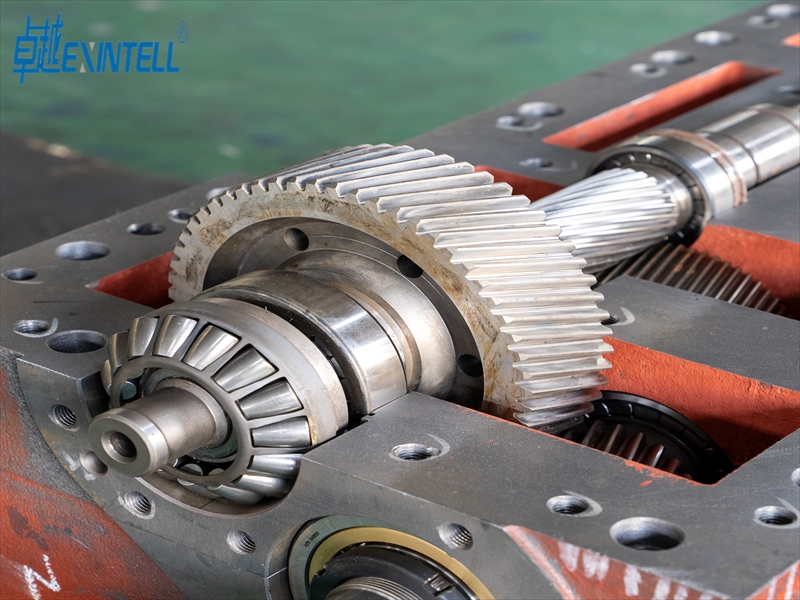
Inside the pelletizing extruder, the screw and barrel work together. They move, melt, and mix the plastic. The screw has three main parts:
Feed Zone:This part grabs the plastic and pushes it forward.
Compression Zone: Ntawm no, the screw squeezes the plastic and removes air. This makes the plastic melt evenly.
Metering Zone:This part builds pressure and keeps the flow steady before the die.
The barrel goes around the screw. It heats and softens the plastic. The barrel also helps mix the plastic for a smooth melt.
Factor
Cov lus piav qhia
Screw Geometry
The screw’s shape and angle change how the plastic moves and mixes. Small angles mix better but wear out faster.
Kneading Blocks
These parts mix the plastic more by making it rub together. More blocks or bigger angles mix more but use more energy and heat.
Temperature Profiles
You must control the heat in each part. Too much heat can hurt the plastic. Not enough heat leaves it unmelted.
Ceeb toom:The right screw and barrel help you make good pellets and waste less.
Breaker Plate and Adapter
After melting, the plastic goes through the breaker plate and adapter. The breaker plate is a metal disc with many small holes. It does several things:
The adapter, also called the feed pipe, links the barrel to the die. It guides the melted plastic to the die and keeps the flow steady.
Lub tswv yim:A clean breaker plate and adapter help you make strong, even pellets.
Die System
The die system shapes the melted plastic before cutting. The die has some important parts:
Open Area:This is the size of the die’s hole. It changes the pressure and how thick the product is.
Land Area:This part shapes the plastic as it leaves the die. It helps make pellets that look and work the same.
Material of Construction:The die’s material changes how much rubbing and pressure the plastic gets.
You need to keep the die system in good shape. Cleaning and checking it often stops problems and keeps pellet quality high. If the die has problems, the pellets can change in size, strength, or shape.
Ceeb toom: Lub tshuab tuag yog ib qho tseem ceeb tshaj plaws ntawm koj lub pelletizing extruder.
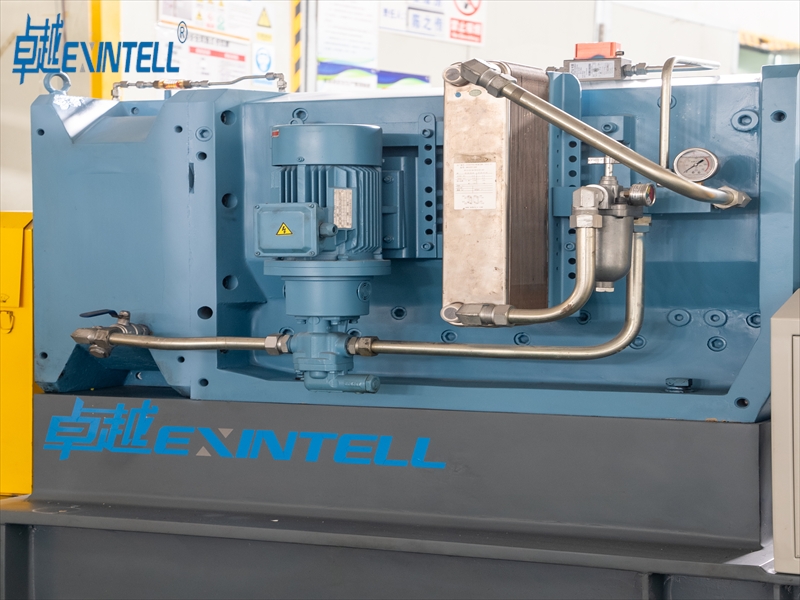
Txias System
Thaum cov yas tawm ntawm qhov tuag, nws tseem kub. Lub tshuab txias ua rau cov yas nyuaj kom koj tuaj yeem txiav nws. Muaj ntau txoj hauv kev kom txias:
Cua txias: Cov no siv cov kiv cua lossis tshuab cua kom txias cov yas.
Cov dej txias txias: Cov no poob cov yas rau hauv lub taub dej. Cov tshuab ziab khaub ncaws tom qab ntawd tshem tawm cov dej.
Cov tshuab ziab khaub ncaws ua kua: Cov tshuab cua no los ntawm cov pellets thaum lawv xaub nqes hav. Koj tuaj yeem hloov txoj kab nqes los tswj ntev npaum li cas cov pellets nyob hauv lub tshuab ziab khaub ncaws.
Qee lub tshuab rov siv dej kom txuag tau hluav taws xob. Tsis siv neeg tswj tuaj yeem hloov txias raws li qhov koj xav tau, uas tseem txuag hluav taws xob.
Cov ntaub ntawv pov thawj
Cov lus piav qhia
Ua kom zoo dua cov khoom siv txias
Txuag hluav taws xob thiab pab lub tshuab ua haujlwm zoo dua.
Tsis siv neeg tswj
Uses just the right amount of cooling.
Closed-loop Systems
Uses water again and again, saving water and energy.
Lub tswv yim:Good cooling keeps pellets strong and saves energy.
Rotating Knife System
The rotating knife system cuts the cooled plastic into pellets. This system has sharp, fast knives that slice the plastic as it comes out.
Sharp, well-set knives stop problems like tails or dust and keep the machine running.
You need to keep the knives sharp and at the right speed. If the knives get dull or slow, you get uneven pellets and more stops. If the knives are too fast or not lined up, you get problems or jams.
Ceeb toom: Lub rotating riam system yog ib qho tseem ceeb heev rau kev ua zoo pellets thiab kom koj pelletizing extruder ua hauj lwm zoo.
Yuav ua li cas Cheebtsam ua hauj lwm ua ke
Cov khoom siv ntws thiab homogenization
Tag nrho cov feem ntawm lub pelletizing extruder yuav tsum ua hauj lwm ua ke. Qhov no pab cov yas txav kom du thiab tov zoo. Cov ntsia hlau thawb cov yas rau pem hauv ntej thiab sib tov nws. Koj yuav hloov tau sai npaum li cas lub ntsia hlau tig mus sib tov ntau dua los yog tsawg dua. Kneading blocks sab hauv cov ntsia hlau pab sib xyaw cov yas. Lawv cov duab thiab yuav ua li cas koj teeb tsa lawv pab cov yas sib xyaw zoo dua.
Koj tuaj yeem hloov qhov nrawm los tswj kev sib xyaw thiab ua kom ntws ruaj khov.
Kneading Block Geometry
Cov duab tshwj xeeb pab sib tov cov yas tusyees.
Convective Mixing
Tus qauv tsim txav cov yas los ntawm kev sib xyaw thaj chaw ib zaug thiab ib zaug.
Kev ncig tsis tu ncua
All plastic passes through strong mixing areas many times.
Modular Screw Design
You can change the screw parts for different plastics.
Kneading Block Configurations
Different setups give strong mixing for the right pellet quality.
Qee zaum, mixing can be hard. If you mix too much, you can break fibers or make dust. Too much mixing can also make the plastic too hot. Gentle mixing is better for soft plastics. Qee yam yas, Zoo li ultra-low melt flow HDPE, move slowly. These need more pressure to flow.
Pellets are made by cooling and cutting the plastic after it leaves the die. The cooling system makes the plastic hard so knives can cut it. Good cooling systems pab kom pellet loj thiab zoo ib yam. Tsis siv neeg tswj tuaj yeem hloov cov txheej txheem thaum nws khiav. Qhov no pab koj tau txais cov pellets zoo dua thiab pov tseg tsawg dua.
Cov ntaub ntawv pov thawj hom
Cov lus piav qhia
Cov tshuab txias txias
Cov pellets txias no sai thiab khaws lawv cov duab.
Tsis siv neeg tswj cov kab ke
Cov no hloov kho cov chaw rau qhov zoo dua thiab tsawg dua cov khib nyiab.
Cov Rhaub Hluav Taws Xob
Cov no ua kom sov cov yas sib npaug rau kev tshem tawm du.
Koj yuav tsum sau thiab tuav cov pellets kom zoo kom koj tsis txhob poob lossis qias neeg. Siv cov cuab yeej zoo thiab ua kom thaj chaw huv si. Txoj kev taug kev kaw thiab cov kav dej kaw nres pellets tawm mus. Qhia cov neeg ua haujlwm kom siv cov tshuaj tiv thaiv nchuav thiab paub tias yuav ua li cas thaum muaj xwm ceev.
Siv cov cuab yeej tsim nyog thiab cov kaw kaw.
Ntxuav cov nchuav sai.
Qhia cov neeg ua haujlwm yuav ua li cas thiaj li muaj kev nyab xeeb.
Lub tswv yim: When every step works together, you get strong, clean pellets and a safer place to work.
You turn raw plastic into even pellets by doing five steps: feeding, melting, extruding, cooling, and cutting. Each main part—hopper, screw, barrel, die, cooling, and knife system—has an important job. Taking care of your extruder helps it work well:
Look at screws and sleeves to see if they are damaged.
Make sure raw materials are clean so nothing bad gets in.
Watch for worn parts and change them before they break.
If you know about pellet quality and how tocontrol moisture, you can work faster and make fewer mistakes. Use these tips to keep your machine working well and making good pellets.
FAQ
What types of plastics can you use in a pelletizing extruder?
You can use many plastics in a pelletizing extruder. Some examples are polyethylene, polypropylene, nylon, ABS, PLA, and TPU. Each plastic needs its own temperature and settings. Always check what your material needs before you start.
How do you keep pellets uniform in size?
You need to feed the material at a steady rate. Keep the screw speed the same. Clean the die and knives often. Use automatic controls to help with cooling and cutting. This gives you the best results.
Why does the extruder need a cooling system?
The cooling system makes the melted plastic hard. If you do not cool it, the pellets stay soft and stick together. When you cool them fast and evenly, you get strong pellets. These pellets are easy to handle.
How often should you maintain the pelletizing extruder?
Check and oil the bearings every 500 teev.
Saib cov ntsia hlau thiab riam txhua lub lim tiam.
Ntxuav lub hopper thiab tuag tom qab txhua pawg.
Ua tej yam no pab koj lub tshuab ua haujlwm zoo.
Koj puas tuaj yeem siv cov yas rov ua dua tshiab hauv pelletizing extruder?
Cov khoom siv hom
Tsim nyog
Cov Lus Ceeb Toom
Ntxuav Rov Ua Dua Tshiab
Yog
Qhuav thiab lim ua ntej siv
Mixed Recycled
Qee zaum
Tej zaum yuav xav tau kev faib thiab ntxuav
Muaj kab mob
Tsis yog
Yuav ua rau lub tshuab puas
Koj tuaj yeem siv cov yas rov ua dua tshiab yog tias lawv huv thiab txheeb xyuas.