

പ്ലാസ്റ്റിക്കുകളും സൾഫറും പുനരുപയോഗം ചെയ്യുന്നതിനും ഗ്രാനുലേറ്റ് ചെയ്യുന്നതിനുമുള്ള സമഗ്രമായ ഗൈഡ്
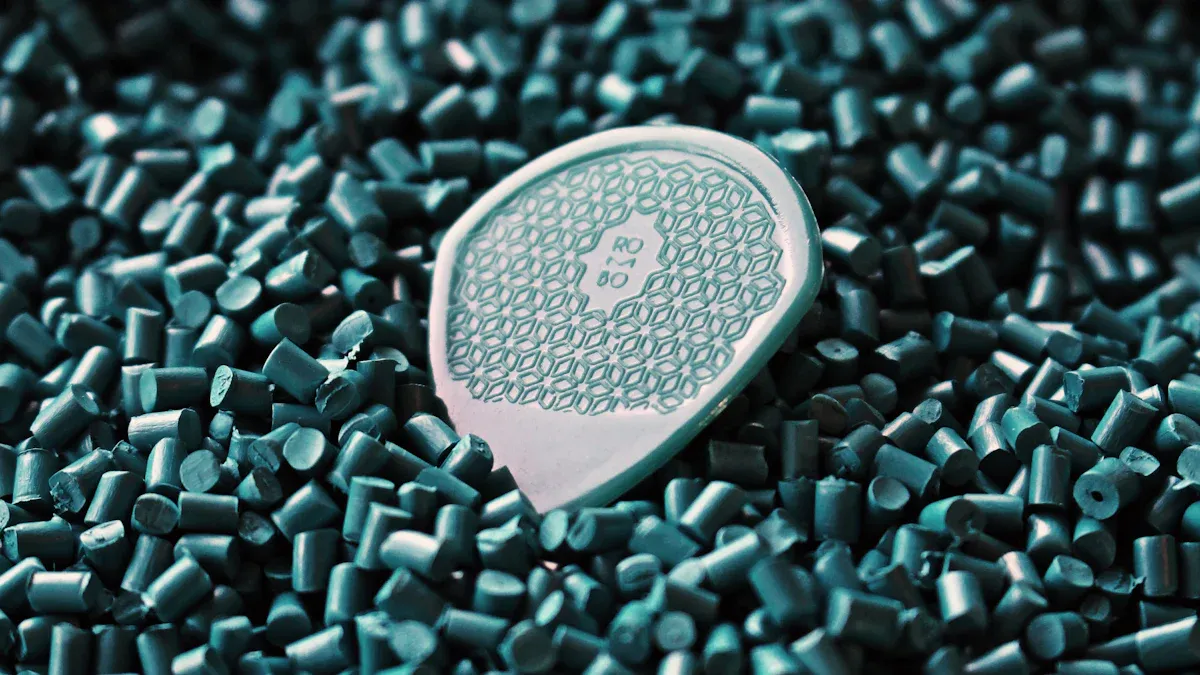
സുരക്ഷിതവും കാര്യക്ഷമവുമായ പുനരുപയോഗം ആരംഭിക്കുന്നത് പ്ലാസ്റ്റിക്കിൻ്റെയും സൾഫറിൻ്റെയും തനതായ ഗുണങ്ങൾ മനസ്സിലാക്കുന്നതിലൂടെയാണെന്ന് ഞാൻ കാണുന്നു. രാസ അനുയോജ്യത പ്രധാനമാണ്, പ്രത്യേകിച്ചും എണ്ണകൾ പ്ലാസ്റ്റിക്കുമായി ഇടപഴകുമ്പോൾ. മിക്ക വ്യാവസായിക പ്ലാസ്റ്റിക് മാലിന്യങ്ങളും ഒരു നിരക്കിൽ പുനരുപയോഗം ചെയ്യപ്പെടുന്നു കുറിച്ച് 9%, ഇത് മികച്ച പരിഹാരങ്ങളുടെ ആവശ്യകത കാണിക്കുന്നു. റീസൈക്ലിംഗ് ഫലങ്ങൾ മെച്ചപ്പെടുത്താൻ IPG Pelletizing Machine Plastic പോലുള്ള നൂതന ഉപകരണങ്ങളെ ഞാൻ ആശ്രയിക്കുന്നു. പ്ലാസ്റ്റിക്, സൾഫർ വ്യാവസായിക സംസ്കരണത്തിൽ, സൾഫർ ഗ്രാനുലേഷനും വിതരണത്തിനുമുള്ള മികച്ച രീതികൾ അപകടസാധ്യതകൾ കുറയ്ക്കുന്നതിനും ഗുണനിലവാരം വർദ്ധിപ്പിക്കുന്നതിനും സഹായിക്കുന്നു.
- ആഗോള വ്യാവസായിക പ്ലാസ്റ്റിക് മാലിന്യ പുനരുപയോഗ നിരക്ക്: കുറിച്ച് 9%
പ്രധാന ടേക്ക്അവേകൾ
- പുനരുപയോഗ സമയത്ത് കേടുപാടുകൾ ഒഴിവാക്കാൻ പ്ലാസ്റ്റിക്കുകളും എണ്ണകളും തമ്മിലുള്ള രാസ അനുയോജ്യത മനസ്സിലാക്കേണ്ടത് അത്യാവശ്യമാണ്.
- പ്ലാസ്റ്റിക് ചതയ്ക്കുന്നത് അളവ് കുറയ്ക്കുകയും ഗുണനിലവാരം മെച്ചപ്പെടുത്തുകയും ചെയ്യുന്നു, പുനരുപയോഗം കൂടുതൽ കാര്യക്ഷമവും ചെലവ് കുറഞ്ഞതുമാക്കുന്നു.
- വൃത്തിയാക്കാൻ മെക്കാനിക്കൽ റീസൈക്ലിംഗ് മികച്ച രീതിയിൽ പ്രവർത്തിക്കുന്നു, തരംതിരിച്ച പ്ലാസ്റ്റിക്, രാസ പുനരുപയോഗം മിക്സഡ് അല്ലെങ്കിൽ മലിനമായ വസ്തുക്കൾ കൈകാര്യം ചെയ്യുമ്പോൾ.
- റെസിസ്റ്റൻസ് ചാർട്ടുകളും ഇമ്മർഷൻ ടെസ്റ്റുകളും ഉപയോഗിക്കുന്നത് വ്യത്യസ്ത എണ്ണകളിലേക്ക് തുറന്നിരിക്കുന്ന പ്ലാസ്റ്റിക്കുകളുടെ സുരക്ഷിതമായ പുനരുപയോഗം ഉറപ്പാക്കാൻ സഹായിക്കുന്നു.
- പൊടി കുറയ്ക്കുകയും കൈകാര്യം ചെയ്യുന്നത് എളുപ്പമാക്കുകയും ചെയ്യുന്നതിലൂടെ സൾഫർ ഗ്രാനുലേറ്റ് ചെയ്യുന്നത് സുരക്ഷ മെച്ചപ്പെടുത്തുന്നു, അതേസമയം വിപുലമായ തണുപ്പിക്കൽ ശക്തമായ തരികൾ ഉറപ്പാക്കുന്നു.
- സൾഫർ കൈമാറുന്നതിനുള്ള ശരിയായ ഉപകരണങ്ങളും വസ്തുക്കളും തിരഞ്ഞെടുക്കുന്നത് നാശത്തെ തടയുന്നു, പൊടി അപകടങ്ങൾ, ഉപകരണങ്ങളുടെ തകരാറുകളും.
- പതിവ് അറ്റകുറ്റപ്പണികൾ, പൊടി നിയന്ത്രണം, കൂടാതെ സിസ്റ്റം സംയോജനം പ്ലാസ്റ്റിക് റീസൈക്ലിങ്ങിലും സൾഫർ കൈകാര്യം ചെയ്യലിലും കാര്യക്ഷമതയും സുരക്ഷയും വർദ്ധിപ്പിക്കുന്നു.
- സുസ്ഥിരമായ സമ്പ്രദായങ്ങൾ, ഊർജ്ജ-കാര്യക്ഷമമായ ഉപകരണങ്ങളും ബയോകാർബൺ അടിസ്ഥാനമാക്കിയുള്ള അഡിറ്റീവുകളും ഉൾപ്പെടുന്നു, സുരക്ഷിതവും ഹരിതവുമായ വ്യവസായത്തെ പിന്തുണയ്ക്കുക.
പ്ലാസ്റ്റിക്കുകളുടെയും എണ്ണകളുടെയും രാസ അനുയോജ്യത
കീ വേരിയബിളുകൾ
പോളിമർ തരങ്ങൾ
പ്ലാസ്റ്റിക്കുകൾ റീസൈക്കിൾ ചെയ്യുന്നതിന് മുമ്പ് പോളിമർ തരം തിരിച്ചറിഞ്ഞാണ് ഞാൻ എപ്പോഴും തുടങ്ങുന്നത്. ഓരോ പോളിമറും എണ്ണകളോട് വ്യത്യസ്തമായി പ്രതികരിക്കുന്നു. പോളിയെത്തിലീൻ (പി.ഇ) പോളിപ്രൊഫൈലിനും (പി.പി) പല എണ്ണകളോടും ശക്തമായ പ്രതിരോധം കാണിക്കുക. പോളിസ്റ്റൈറൈൻ (പി.എസ്) and polyethylene terephthalate (പി.ഇ.ടി) often break down when exposed to certain oils. പോളികാർബണേറ്റ് (പി.സി) ഒപ്പം അക്രിലോണിട്രൈൽ ബ്യൂട്ടാഡിൻ സ്റ്റൈറീൻ (എബിഎസ്) can crack or become brittle after oil contact. Nylon stands out for its durability against oils. I check the polymer type to predict how it will behave during recycling.
Oil Types & Temperatures
Oil type and temperature play a big role in compatibility. Cooking oils like olive and canola usually cause mild effects on PE and PP. Essential oils, such as lemon or eucalyptus, contain compounds that attack plastics like PS and PET even at room temperature. Motor oils and synthetic lubricants can embrittle PE and cause stress cracking in PC and ABS. Hydraulic oils, with their additives, may lead to brittleness and swelling in plastics not rated for hydraulic use. I always consider the oil’s chemical makeup and temperature during recycling.
നുറുങ്ങ്: ഏതെങ്കിലും റീസൈക്ലിംഗ് പ്രക്രിയയിൽ പ്ലാസ്റ്റിക്കുകളും എണ്ണകളും കലർത്തുന്നതിന് മുമ്പ് എണ്ണ തരവും താപനിലയും പരിശോധിക്കാൻ ഞാൻ ശുപാർശ ചെയ്യുന്നു.
തെർമൽ vs. കെമിക്കൽ ഇഫക്റ്റുകൾ
ദ്രവണാങ്കങ്ങൾ
ദ്രവണാങ്കങ്ങളിൽ ഞാൻ വളരെ ശ്രദ്ധ ചെലുത്തുന്നു. ഏകദേശം 120 ഡിഗ്രി സെൽഷ്യസിൽ PE ഉരുകുന്നു, 160 ഡിഗ്രി സെൽഷ്യസിൽ പി.പി, കൂടാതെ 250 ഡിഗ്രി സെൽഷ്യസിൽ PET. എണ്ണ എക്സ്പോഷർ ഈ ദ്രവണാങ്കങ്ങൾക്ക് സമീപം താപനില ഉയർത്തുന്നുവെങ്കിൽ, പ്ലാസ്റ്റിക്കുകൾക്ക് രൂപഭേദം വരുത്താനോ ഉരുകാനോ കഴിയും. ഉയർന്ന താപനിലയിൽ രാസപ്രവർത്തനങ്ങൾ വേഗത്തിൽ സംഭവിക്കാം. അനാവശ്യ മാറ്റങ്ങൾ തടയാൻ ഞാൻ താപനില നിരീക്ഷിക്കുന്നു.
എണ്ണ താപനില പരിധികൾ
എണ്ണയുടെ താപനില പ്ലാസ്റ്റിക്കുകൾ എങ്ങനെ പ്രതികരിക്കുന്നു എന്നതിനെ ബാധിക്കുന്നു. തണുത്ത എണ്ണകൾ അപൂർവ്വമായി ഉടനടി കേടുവരുത്തുന്നു. ചൂടുള്ള എണ്ണകൾ രാസപ്രവർത്തനങ്ങളെ വേഗത്തിലാക്കുകയും പ്ലാസ്റ്റിക്കുകളെ മൃദുവാക്കുകയോ വളച്ചൊടിക്കുകയോ ചെയ്യും. ഉദാഹരണത്തിന്, ചൂടുള്ള മോട്ടോർ ഓയിൽ PE, PC എന്നിവയെ പെട്ടെന്ന് തകർക്കും. പ്ലാസ്റ്റിക് ഗുണനിലവാരം സംരക്ഷിക്കുന്നതിനായി റീസൈക്ലിംഗ് സമയത്ത് ഞാൻ എണ്ണയുടെ താപനില കുറവാണ്.
പ്രതിരോധം vs. ദുർബലമായ പ്ലാസ്റ്റിക്
എണ്ണ-പ്രതിരോധശേഷിയുള്ള തരങ്ങൾ
ചില പ്ലാസ്റ്റിക്കുകൾ എണ്ണ എക്സ്പോഷറിനെ നന്നായി പ്രതിരോധിക്കും:
- പോളിപ്രൊഫൈലിൻ (പി.പി)
- നൈലോൺ
- പോളിയെത്തിലീൻ (പി.ഇ)
ഈ വസ്തുക്കൾ മോട്ടോർ ഓയിലുകൾ കൈകാര്യം ചെയ്യുന്നു, ഹൈഡ്രോളിക് എണ്ണകൾ, കുറഞ്ഞ കേടുപാടുകൾ ഉള്ള പാചക എണ്ണകളും.
എണ്ണ-ദുർബലമായ തരങ്ങൾ
മറ്റ് പ്ലാസ്റ്റിക്കുകൾ ദുർബലത കാണിക്കുന്നു:
- പോളിസ്റ്റൈറൈൻ (പി.എസ്)
- പോളിയെത്തിലീൻ ടെറഫ്താലേറ്റ് (പി.ഇ.ടി)
- പോളികാർബണേറ്റ് (പി.സി)
- അക്രിലോണിട്രൈൽ ബ്യൂട്ടാഡിൻ സ്റ്റൈറീൻ (എബിഎസ്)
ഈ പ്ലാസ്റ്റിക്കുകൾ അലിയാൻ കഴിയും, പൊട്ടൽ, അല്ലെങ്കിൽ എണ്ണ സമ്പർക്കത്തിനുശേഷം വാർപ്പ് ചെയ്യുക, പ്രത്യേകിച്ച് അവശ്യ എണ്ണകൾ അല്ലെങ്കിൽ ചൂടുള്ള ലൂബ്രിക്കൻ്റുകൾ.
| പ്ലാസ്റ്റിക് തരം | എണ്ണ പ്രതിരോധം | സാധാരണ പ്രതികരണം |
|---|---|---|
| പി.ഇ, പി.പി, നൈലോൺ | ഉയർന്നത് | കുറഞ്ഞ മാറ്റം |
| പി.എസ്, പി.ഇ.ടി, പി.സി, എബിഎസ് | താഴ്ന്നത് | പൊട്ടൽ, വളച്ചൊടിക്കൽ, പിരിച്ചുവിടൽ |
റീസൈക്ലിംഗ് പരാജയങ്ങൾ ഒഴിവാക്കാനും സുരക്ഷിതമായ പ്രോസസ്സിംഗ് ഉറപ്പാക്കാനും ഞാൻ എപ്പോഴും പ്ലാസ്റ്റിക്കുകളും എണ്ണകളും ശ്രദ്ധാപൂർവ്വം പൊരുത്തപ്പെടുത്തുന്നു.
അനുയോജ്യത പരിശോധിക്കുന്നു
പ്രതിരോധ ചാർട്ടുകൾ
എണ്ണകൾ തുറന്നുകാട്ടുന്ന പ്ലാസ്റ്റിക്കുകൾ റീസൈക്കിൾ ചെയ്യുന്നതിന് മുമ്പ് ഞാൻ എപ്പോഴും പ്രതിരോധ ചാർട്ടുകൾ പരിശോധിക്കാറുണ്ട്. വിവിധ എണ്ണകളോടും രാസവസ്തുക്കളോടും വ്യത്യസ്ത പ്ലാസ്റ്റിക്കുകൾ എങ്ങനെ പ്രതികരിക്കുന്നുവെന്ന് ഈ ചാർട്ടുകൾ കാണിക്കുന്നു. അനുയോജ്യതയെക്കുറിച്ച് പെട്ടെന്ന് ഉത്തരം നൽകുന്നതിനാൽ അവ ഉപയോഗപ്രദമാണെന്ന് ഞാൻ കാണുന്നു. ഉദാഹരണത്തിന്, ഒരു റെസിസ്റ്റൻസ് ചാർട്ട് പോളിയെത്തിലീൻ ആയി പട്ടികപ്പെടുത്തിയേക്കാം “മികച്ചത്” മോട്ടോർ ഓയിലിനെതിരെ, while polystyrene shows “poor” resistance. I use these charts to avoid mistakes and select the right materials for recycling.
| പ്ലാസ്റ്റിക് തരം | Motor Oil | Cooking Oil | Essential Oil |
|---|---|---|---|
| പി.ഇ | മികച്ചത് | മികച്ചത് | നല്ലത് |
| പി.പി | മികച്ചത് | മികച്ചത് | നല്ലത് |
| പി.എസ് | Poor | Fair | Poor |
| പി.ഇ.ടി | Fair | നല്ലത് | Poor |
| നൈലോൺ | നല്ലത് | നല്ലത് | നല്ലത് |
നുറുങ്ങ്: I recommend keeping updated resistance charts in the recycling area. This helps everyone make safe choices quickly.
Immersion Testing
Sometimes, resistance charts do not cover every oil or plastic type. I use immersion testing to check compatibility in these cases. I cut a small sample of the plastic and place it in the oil. I leave it for a set period, usually 24 വരെ 48 മണിക്കൂറുകൾ. After the test, I look for changes like swelling, cracking, or color shifts. If the plastic stays unchanged, I know it is safe for recycling with that oil. If I see damage, I avoid mixing those materials.
I record my results in a notebook. എൻ്റെ സൗകര്യത്തിനായി ഒരു ഇഷ്ടാനുസൃത അനുയോജ്യത ഗൈഡ് നിർമ്മിക്കാൻ ഇത് എന്നെ സഹായിക്കുന്നു. റെസിസ്റ്റൻസ് ചാർട്ടുകൾ അവ്യക്തമാകുമ്പോഴോ നഷ്ടമാകുമ്പോഴോ ഇമ്മേഴ്ഷൻ ടെസ്റ്റിംഗ് എനിക്ക് ആത്മവിശ്വാസം നൽകുന്നു.
സാധാരണ തെറ്റിദ്ധാരണകൾ
തെർമൽ vs. കെമിക്കൽ നാശം
ചൂട് മാത്രം പ്ലാസ്റ്റിക് നാശത്തിന് കാരണമാകുമെന്ന് പലരും കരുതുന്നു. രാസപ്രവർത്തനങ്ങളും അത്രതന്നെ ദോഷകരമാണെന്ന് ഞാൻ മനസ്സിലാക്കി. ഊഷ്മാവിൽ പോലും എണ്ണകൾ പ്ലാസ്റ്റിക്കുകളെ തകർക്കും. ചൂട് ഈ പ്രതികരണങ്ങളെ വേഗത്തിലാക്കുന്നു, എന്നാൽ ഉയർന്ന താപനില കൂടാതെ രാസ നാശം സംഭവിക്കാം. റീസൈക്കിൾ ചെയ്യുന്നതിന് മുമ്പ് ഞാൻ എപ്പോഴും താപ, രാസ അപകടങ്ങൾ പരിശോധിക്കുന്നു.
കുറിപ്പ്: ഞാൻ ഒരിക്കലും താപനില റീഡിംഗിൽ മാത്രം ആശ്രയിക്കുന്നില്ല. കെമിക്കൽ എക്സ്പോഷർ ചൂട് പോലെ പ്രധാനമാണ്.
ദീർഘകാല എക്സ്പോഷർ അപകടസാധ്യതകൾ
ഹ്രസ്വകാല പരിശോധനകൾ പലപ്പോഴും ദീർഘകാല അപകടസാധ്യതകൾ നഷ്ടപ്പെടുത്തുന്നു. പെട്ടെന്നുള്ള നിമജ്ജന പരിശോധനയിൽ വിജയിച്ചാൽ പ്ലാസ്റ്റിക് സുരക്ഷിതമാണെന്ന് ഞാൻ വിശ്വസിച്ചിരുന്നു. ഓവർ ടൈം, മാസങ്ങളോളം എണ്ണ എക്സ്പോഷർ ചെയ്തതിന് ശേഷം പ്ലാസ്റ്റിക്കുകൾ പൊട്ടുകയോ ദുർബലമാവുകയോ ചെയ്യുന്നത് ഞാൻ കണ്ടു. ദീർഘകാല സമ്പർക്കം മന്ദഗതിയിലുള്ളതും എന്നാൽ ഗുരുതരമായതുമായ നാശത്തിന് കാരണമാകും. ഞാൻ ഇപ്പോൾ പ്ലാസ്റ്റിക്കുകൾ ദീർഘകാലത്തേക്ക് നിരീക്ഷിക്കുകയും പഴയ സാമ്പിളുകൾ പതിവായി അവലോകനം ചെയ്യുകയും ചെയ്യുന്നു.
പെട്ടെന്നുള്ളതും കാലതാമസം നേരിട്ടതുമായ ഫലങ്ങൾ പരിഗണിക്കാൻ ഞാൻ മറ്റുള്ളവരെ ഉപദേശിക്കുന്നു. ഇത് അപ്രതീക്ഷിത പരാജയങ്ങളെ തടയുകയും പുനരുപയോഗം സുരക്ഷിതമായി നിലനിർത്തുകയും ചെയ്യുന്നു.
പ്ലാസ്റ്റിക് ക്രഷിംഗ് & റീസൈക്ലിംഗ് രീതികൾ
എന്തിനാണ് ക്രഷിംഗ് കാര്യങ്ങൾ
ഏത് റീസൈക്ലിംഗ് പ്രക്രിയയിലും ഞാൻ എടുക്കുന്ന ആദ്യപടിയാണ് പ്ലാസ്റ്റിക് ചതക്കുക. ഈ ഘട്ടം പിന്തുടരുന്ന എല്ലാത്തിനും രൂപം നൽകുന്നു. ഞാൻ പ്ലാസ്റ്റിക് മാലിന്യങ്ങൾ തകർത്തപ്പോൾ, ഞാൻ കൈകാര്യം ചെയ്യുന്നത് എളുപ്പമാക്കുന്നു, അടുക്കുക, പ്രക്രിയയും. കഷണങ്ങൾ ചെറുതാക്കുക എന്നതിനപ്പുറം നേട്ടങ്ങൾ.
വോളിയം കുറയ്ക്കൽ
അസംസ്കൃത പ്ലാസ്റ്റിക് മാലിന്യങ്ങൾ ധാരാളം സ്ഥലം എടുക്കുന്നതായി ഞാൻ ശ്രദ്ധിക്കുന്നു. ക്രഷ് ചെയ്യുന്നത് വോളിയം കുറയ്ക്കുന്നു, സംഭരണവും ഗതാഗതവും കൂടുതൽ കാര്യക്ഷമമാക്കുന്നു. ചെറിയ കഷണങ്ങൾ ബിന്നുകളിലും ഹോപ്പറുകളിലും നന്നായി യോജിക്കുന്നു, താഴെയുള്ള ഉപകരണങ്ങൾ സുഗമമായി പ്രവർത്തിക്കാൻ സഹായിക്കുന്നു. എൻ്റെ സൗകര്യം ഓർഗനൈസേഷനും ചെലവ് കുറഞ്ഞതുമായി നിലനിർത്താൻ ഞാൻ ഈ ഘട്ടത്തെ ആശ്രയിക്കുന്നു.
| തെളിവ് പോയിൻ്റ് | വിവരണം |
|---|---|
| വോളിയം കുറയ്ക്കൽ | ക്രഷിംഗ് അസംസ്കൃത പ്ലാസ്റ്റിക് മാലിന്യങ്ങൾ എടുക്കുന്ന സ്ഥലം കുറയ്ക്കുന്നു, ഡൗൺസ്ട്രീം ഉപകരണങ്ങൾക്ക് ഇത് കൈകാര്യം ചെയ്യാവുന്നതാക്കുന്നു. |
| മെറ്റീരിയൽ ഗുണനിലവാരം മെച്ചപ്പെടുത്തൽ | ചതച്ച പ്ലാസ്റ്റിക്കിൻ്റെ ഏകീകൃത വലുപ്പം വാഷിംഗ് കാര്യക്ഷമത വർദ്ധിപ്പിക്കുകയും മലിനീകരണം കുറയ്ക്കുകയും ചെയ്യുന്നു. |
| പുനരുപയോഗത്തിൽ കാര്യക്ഷമത | ക്രഷിംഗ് സമയത്ത് എടുക്കുന്ന തീരുമാനങ്ങൾ അന്തിമ റീസൈക്കിൾ ചെയ്ത ഉൽപ്പന്നത്തിൻ്റെ ഗുണനിലവാരത്തെ ബാധിക്കുന്നു, തുടർന്നുള്ള എല്ലാ പ്രക്രിയകളെയും ബാധിക്കുന്നു. |
ഗുണനിലവാരം മെച്ചപ്പെടുത്തൽ
ഒരേപോലെ തകർന്ന പ്ലാസ്റ്റിക്, റീസൈക്കിൾ ചെയ്ത വസ്തുക്കളുടെ ഗുണനിലവാരം മെച്ചപ്പെടുത്തുന്നു. ഞാൻ പ്ലാസ്റ്റിക്കുകൾ സ്ഥിരമായ വലുപ്പത്തിലേക്ക് തകർക്കുമ്പോൾ, ഞാൻ കഴുകുന്നതും അടുക്കുന്നതും എളുപ്പമാക്കുന്നു. ഈ ഘട്ടം മലിനീകരണം കുറയ്ക്കുകയും തുടർന്നുള്ള എല്ലാ പ്രക്രിയകളുടെയും കാര്യക്ഷമത വർദ്ധിപ്പിക്കുകയും ചെയ്യുന്നു. ഉയർന്ന നിലവാരമുള്ള ക്രഷിംഗ് ഉയർന്ന നിലവാരമുള്ള റീസൈക്കിൾ ചെയ്ത ഉരുളകളിലേക്ക് നയിക്കുന്നതായി ഞാൻ കണ്ടെത്തി.
നുറുങ്ങ്: അടുത്ത ഘട്ടത്തിലേക്ക് നീങ്ങുന്നതിന് മുമ്പ് ഞാൻ എപ്പോഴും തകർന്ന പ്ലാസ്റ്റിക്കിൻ്റെ വലുപ്പവും രൂപവും പരിശോധിക്കാറുണ്ട്. ഇവിടെ സ്ഥിരതയുള്ളത് പിന്നീട് സമയവും പണവും ലാഭിക്കുന്നു.
- മിക്സഡ് വസ്തുക്കളുടെ വേർതിരിവിനെ തകർക്കുന്നത് സ്വാധീനിക്കുന്നു, ശരിയായി കൈകാര്യം ചെയ്തില്ലെങ്കിൽ പുനരുപയോഗം സങ്കീർണ്ണമാക്കും.
- തകർന്ന വസ്തുക്കളിൽ നിന്ന് ഉയർന്നുവരുന്ന വെല്ലുവിളികളെ നേരിടാൻ വിപുലമായ സോർട്ടിംഗ് സാങ്കേതികവിദ്യ അത്യാവശ്യമാണ്.
- റീസൈക്കിൾ ചെയ്ത ഔട്ട്പുട്ടുകളിൽ ഉയർന്ന നിലവാരമുള്ള നിലവാരം നിലനിർത്തുന്നതിന് തുടർച്ചയായ പ്രോസസ്സ് ക്രമീകരണങ്ങളും പ്രകടന അവലോകനങ്ങളും നിർണായകമാണ്.
മെക്കാനിക്കൽ റീസൈക്ലിംഗ്
മെക്കാനിക്കൽ റീസൈക്ലിംഗ് എൻ്റെ പ്ലാസ്റ്റിക് പ്രോസസ്സിംഗ് വർക്ക്ഫ്ലോയുടെ നട്ടെല്ലായി മാറുന്നു. പാഴായ പ്ലാസ്റ്റിക്കുകളെ അവയുടെ രാസഘടന മാറ്റാതെ പുതിയ അസംസ്കൃത വസ്തുക്കളാക്കി മാറ്റാൻ ഞാൻ ഇത് ഉപയോഗിക്കുന്നു. ഈ രീതി ഊർജ്ജ-കാര്യക്ഷമവും ചെലവ് കുറഞ്ഞതുമാണ്, പ്രത്യേകിച്ച് ഒറ്റ-തരം പ്ലാസ്റ്റിക്കുകൾക്ക്.
ക്രഷർ തരങ്ങൾ
പ്ലാസ്റ്റിക് മാലിന്യത്തിൻ്റെ തരവും രൂപവും അടിസ്ഥാനമാക്കിയാണ് ഞാൻ ക്രഷറുകൾ തിരഞ്ഞെടുക്കുന്നത്. നേർത്ത സിനിമകൾക്ക്, ഞാൻ മൂർച്ചയുള്ള ബ്ലേഡുകളുള്ള ഗ്രാനുലേറ്ററുകൾ ഉപയോഗിക്കുന്നു. കുപ്പികളോ പെട്ടികളോ പോലുള്ള വലിയ ഇനങ്ങൾക്ക്, ഞാൻ ഹെവി-ഡ്യൂട്ടി ഷ്രെഡറുകളെ ആശ്രയിക്കുന്നു. ചില പ്ലാസ്റ്റിക്കുകൾക്ക് അവയുടെ കാഠിന്യമോ പൊട്ടലോ കൈകാര്യം ചെയ്യാൻ പ്രത്യേക ക്രഷറുകൾ ആവശ്യമാണ്. ശരിയായ ക്രഷർ കാര്യക്ഷമമായ വലിപ്പം കുറയ്ക്കൽ ഉറപ്പാക്കുകയും കൂടുതൽ പ്രോസസ്സിംഗിനായി മെറ്റീരിയൽ തയ്യാറാക്കുകയും ചെയ്യുന്നു.
മാനുവൽ vs. മെക്കാനിക്കൽ
ചെറിയ ബാച്ചുകൾക്കായി അല്ലെങ്കിൽ എനിക്ക് കൈകൊണ്ട് മെറ്റീരിയലുകൾ വേർതിരിക്കേണ്ടിവരുമ്പോൾ മാനുവൽ ക്രഷിംഗ് പ്രവർത്തിക്കുന്നു. എന്നിരുന്നാലും, മെക്കാനിക്കൽ ക്രഷറുകൾ വലിയ അളവുകൾ വേഗത്തിലും സ്ഥിരമായും കൈകാര്യം ചെയ്യുന്നു. മിക്ക ഓപ്പറേഷനുകൾക്കും ഞാൻ മെക്കാനിക്കൽ രീതികൾ തിരഞ്ഞെടുക്കുന്നു, കാരണം അവ തൊഴിലാളികളെ സംരക്ഷിക്കുകയും ഏകീകൃത ഫലങ്ങൾ നൽകുകയും ചെയ്യുന്നു. മെക്കാനിക്കൽ റീസൈക്ലിംഗ് വ്യവസായത്തിൽ ആധിപത്യം പുലർത്തുന്നു, പ്രത്യേകിച്ച് യൂറോപ്പ് പോലുള്ള പ്രദേശങ്ങളിൽ, അത് എവിടെയാണ് കണക്കാക്കുന്നത് 99% റീസൈക്കിൾ ചെയ്ത പ്ലാസ്റ്റിക്കുകൾ.
മെക്കാനിക്കൽ റീസൈക്ലിംഗ് പ്ലാസ്റ്റിക്കുകളെ ഭൗതികമായി പുനഃസംസ്കരിക്കുന്നു, വിർജിൻ പ്ലാസ്റ്റിക്കുകൾക്ക് സമീപമുള്ള ഗുണങ്ങളുള്ള വസ്തുക്കൾ നിർമ്മിക്കുന്നു. ഏകതാനമായ പ്ലാസ്റ്റിക്ക് ഉപയോഗിച്ച് ഇത് മികച്ച രീതിയിൽ പ്രവർത്തിക്കുന്നു, അതിനാൽ, പൊടിക്കുന്നതിന് മുമ്പ് ഞാൻ മെറ്റീരിയലുകൾ നന്നായി അടുക്കി വൃത്തിയാക്കുന്നു. ആവർത്തിച്ചുള്ള പുനരുപയോഗം പോളിമർ ഗുണങ്ങളെ നശിപ്പിക്കുമെന്ന് എനിക്കറിയാം, അതിനാൽ ഓരോ ബാച്ചിൻ്റെയും ഗുണനിലവാരം ഞാൻ നിരീക്ഷിക്കുന്നു.
പ്രീ-ഷ്രെഡിംഗ്
വലിയതോ മിശ്രിതമോ ആയ പ്ലാസ്റ്റിക് മാലിന്യങ്ങൾ കൈകാര്യം ചെയ്യുമ്പോൾ ഞാൻ ഒരിക്കലും ഒഴിവാക്കാത്ത ഒരു ഘട്ടമാണ് പ്രീ-ഷ്രെഡിംഗ്. ഫൈനൽ ക്രഷിംഗിന് മുമ്പ് ബൾക്കി ഇനങ്ങളെ കൈകാര്യം ചെയ്യാവുന്ന കഷണങ്ങളായി തകർക്കാൻ ഞാൻ ഷ്രെഡറുകൾ ഉപയോഗിക്കുന്നു. ഈ ഘട്ടം എൻ്റെ പ്രധാന ക്രഷറിനെ ജാമുകളിൽ നിന്നും വസ്ത്രങ്ങളിൽ നിന്നും സംരക്ഷിക്കുന്നു. മലിനീകരണമോ പ്ലാസ്റ്റിക് ഇതര വസ്തുക്കളോ നേരത്തേ കണ്ടുപിടിക്കാൻ പ്രീ-ഷ്രെഡിംഗ് എന്നെ സഹായിക്കുന്നു, ഇത് റീസൈക്ലിംഗ് പ്രക്രിയയെ ശുദ്ധവും കാര്യക്ഷമവുമായി നിലനിർത്തുന്നു.
പ്രധാന പ്രകടന ഘടകങ്ങൾ
എൻ്റെ ക്രഷിംഗ്, റീസൈക്ലിംഗ് ഉപകരണങ്ങൾ എത്ര നന്നായി പ്രവർത്തിക്കുന്നുവെന്ന് പല ഘടകങ്ങളും സ്വാധീനിക്കുന്നു. കാര്യക്ഷമതയും ഔട്ട്പുട്ട് ഗുണനിലവാരവും പരമാവധി വർദ്ധിപ്പിക്കുന്നതിന് ഈ വിശദാംശങ്ങൾ ഞാൻ ശ്രദ്ധയോടെ ശ്രദ്ധിക്കുന്നു.
| പ്രകടന ഘടകം | വിവരണം |
|---|---|
| മെറ്റീരിയൽ തരവും രൂപവും | വ്യത്യസ്ത പ്ലാസ്റ്റിക്കുകൾ ഫലപ്രദമായി തകർക്കുന്നതിന് പ്രത്യേക കട്ടിംഗ് ശക്തികളും ബ്ലേഡ് തരങ്ങളും ആവശ്യമാണ്. |
| ബ്ലേഡ് വിടവ് | ബ്ലേഡുകൾ തമ്മിലുള്ള ക്ലിയറൻസ് കട്ട് ഗുണനിലവാരത്തെ ബാധിക്കുന്നു; ഇറുകിയ വിടവുകൾ വൃത്തിയുള്ള മുറിവുകൾ നൽകുന്നു, പക്ഷേ തേയ്മാനം വർദ്ധിപ്പിക്കുന്നു. |
| സ്ക്രീൻ മെഷ് വലുപ്പം | ഔട്ട്പുട്ട് കണികാ വലിപ്പം നിർണ്ണയിക്കുന്നു; ചെറിയ വലിപ്പങ്ങൾ പുനഃചംക്രമണം മൂലം ത്രൂപുട്ട് കുറയ്ക്കുന്നു. |
| റോട്ടർ സ്പീഡ് | ത്രൂപുട്ടിനെയും താപ ഉൽപാദനത്തെയും ബാധിക്കുന്നു; ഉയർന്ന വേഗത ഉൽപ്പാദനം വർദ്ധിപ്പിക്കുന്നു, പക്ഷേ സൂക്ഷ്മ കണങ്ങൾ സൃഷ്ടിച്ചേക്കാം. |
| ഫീഡ് നിരക്ക് | ശരിയായ ഭക്ഷണം നിർണായകമാണ്; അമിത ഭക്ഷണം ഉപകരണങ്ങൾക്ക് കേടുവരുത്തും, കുറവ് ഭക്ഷണം കാര്യക്ഷമത കുറയ്ക്കുന്നു. |
| മെയിൻ്റനൻസ് | ഗുണമേന്മയുള്ള ഡ്രോപ്പുകളും ഉപകരണങ്ങളുടെ ബുദ്ധിമുട്ടും തടയുന്നതിന് പതിവായി ബ്ലേഡ് പരിപാലനം അത്യാവശ്യമാണ്. |
| മലിനീകരണ മാനേജ്മെൻ്റ് | അമിത ചൂടാക്കലും ഉപകരണങ്ങളുടെ പരാജയവും ഒഴിവാക്കാൻ ശരിയായ പൊടിയും വായുപ്രവാഹവും നിയന്ത്രിക്കേണ്ടത് ആവശ്യമാണ്. |
ബ്ലേഡ് തിരഞ്ഞെടുപ്പ്
പ്ലാസ്റ്റിക് തരവും ആവശ്യമുള്ള ഔട്ട്പുട്ട് വലുപ്പവും അടിസ്ഥാനമാക്കി ഞാൻ ബ്ലേഡുകൾ തിരഞ്ഞെടുക്കുന്നു. ഹാർഡ് പ്ലാസ്റ്റിക്കുകൾക്ക് കടുപ്പമേറിയ ബ്ലേഡുകൾ ആവശ്യമാണ്, മൃദുവായ പ്ലാസ്റ്റിക്കുകൾക്ക് മൂർച്ചയുള്ള അരികുകൾ ആവശ്യമാണ്. ഞാൻ പതിവായി ബ്ലേഡ് വിടവ് പരിശോധിക്കുന്നു, കാരണം ഇറുകിയ വിടവുകൾ ക്ലീനർ മുറിവുകൾ നൽകുന്നു, പക്ഷേ വേഗത്തിൽ ക്ഷീണിക്കുന്നു. ഉയർന്ന പ്രകടനം നിലനിർത്താൻ ഞാൻ പലപ്പോഴും ബ്ലേഡുകൾ മാറ്റിസ്ഥാപിക്കുകയോ മൂർച്ച കൂട്ടുകയോ ചെയ്യുന്നു.
സ്ക്രീൻ മെഷ്
തകർന്ന പ്ലാസ്റ്റിക് കഷണങ്ങളുടെ വലുപ്പം സ്ക്രീൻ മെഷ് നിയന്ത്രിക്കുന്നു. ചെറിയ മെഷ് വലുപ്പങ്ങൾ സൂക്ഷ്മമായ കണങ്ങൾ ഉൽപ്പാദിപ്പിക്കുന്നു, പക്ഷേ മെഷിലൂടെ യോജിക്കുന്നത് വരെ മെറ്റീരിയൽ പുനഃചംക്രമണം ചെയ്യുന്നതിനാൽ പ്രക്രിയയെ മന്ദഗതിയിലാക്കുന്നു.. എൻ്റെ പ്രൊഡക്ഷൻ ലക്ഷ്യങ്ങൾ നിറവേറ്റുന്നതിനായി ഞാൻ മെഷ് വലുപ്പം ത്രൂപുട്ടിനൊപ്പം ബാലൻസ് ചെയ്യുന്നു. സ്ഥിരമായ കണികാ വലിപ്പം പിന്നീട് കഴുകലും പെല്ലറ്റൈസിംഗും മെച്ചപ്പെടുത്തുന്നു.
റോട്ടർ സ്പീഡ് & ഫീഡ് നിരക്ക്
എനിക്ക് പ്ലാസ്റ്റിക് മാലിന്യങ്ങൾ എത്ര വേഗത്തിൽ പ്രോസസ്സ് ചെയ്യാം എന്നതിനെ റോട്ടർ വേഗത ബാധിക്കുന്നു. ഉയർന്ന വേഗത ഉൽപ്പാദനം വർദ്ധിപ്പിക്കും, പക്ഷേ കൂടുതൽ സൂക്ഷ്മമായ കണങ്ങളും ചൂടും സൃഷ്ടിക്കാൻ കഴിയും. പ്ലാസ്റ്റിക് തരവും ആവശ്യമുള്ള ഔട്ട്പുട്ടും പൊരുത്തപ്പെടുന്നതിന് ഞാൻ വേഗത ക്രമീകരിക്കുന്നു. തീറ്റ നിരക്ക് പ്രധാനമാണ്, അതും. അമിതാഹാരം യന്ത്രത്തെ തടസ്സപ്പെടുത്തും, വേണ്ടത്ര ഭക്ഷണം നൽകുമ്പോൾ ഊർജ്ജം പാഴാക്കുന്നു. എൻ്റെ പ്രവർത്തനം സുഗമമായി പ്രവർത്തിക്കാൻ ഞാൻ രണ്ടും നിരീക്ഷിക്കുന്നു.
കുറിപ്പ്: പതിവ് അറ്റകുറ്റപ്പണിയും പൊടി നിയന്ത്രണവും എൻ്റെ ഉപകരണങ്ങൾ കാര്യക്ഷമമായി പ്രവർത്തിക്കുകയും അപ്രതീക്ഷിത തകർച്ച തടയുകയും ചെയ്യുന്നു.
വിപുലമായ പരിഹാരങ്ങൾ സമന്വയിപ്പിക്കുന്നു
ഞാൻ ആശ്രയിക്കുന്നു എക്സിൻ്റൽമാച്ച് എൻ്റെ റീസൈക്ലിംഗ് പ്രക്രിയ കാര്യക്ഷമമാക്കാൻ IPG പെല്ലറ്റൈസിംഗ് മെഷീൻ പ്ലാസ്റ്റിക്. ഈ യന്ത്രം ക്രഷിംഗ് സംയോജിപ്പിക്കുന്നു, ഒതുക്കുന്നു, ഉരുകുന്നത്, ഒരു സിസ്റ്റത്തിൽ പെല്ലറ്റൈസിംഗും. അതിൻ്റെ ഇഷ്ടാനുസൃതമാക്കാവുന്ന സ്ക്രൂ എക്സ്ട്രൂഡറും വിപുലമായ പെല്ലറ്റൈസിംഗ് ഓപ്ഷനുകളും എന്നെ വിശാലമായ പ്ലാസ്റ്റിക്കുകൾ പ്രോസസ്സ് ചെയ്യാൻ അനുവദിക്കുന്നു. IPG പെല്ലറ്റൈസിംഗ് മെഷീൻ യൂണിഫോം നിർമ്മിക്കുന്നതിന് കൃത്യമായ താപനില നിയന്ത്രണവും വിപുലമായ ഫിൽട്ടറേഷനും ഉപയോഗിക്കുന്നു, ഉയർന്ന നിലവാരമുള്ള ഉരുളകൾ. ഓട്ടോമേഷൻ സവിശേഷതകൾ തൊഴിലാളികളെ കുറയ്ക്കുകയും സ്ഥിരമായ ഔട്ട്പുട്ട് ഉറപ്പാക്കുകയും ചെയ്യുന്നു. I find that this technology not only boosts efficiency but also improves the quality and value of my recycled plastics.
Chemical Recycling
Chemical recycling gives me a way to break down plastics beyond mechanical methods. I use this process when mechanical recycling cannot produce high-quality material. Chemical recycling relies on solvents and chemical reactions to transform plastics into their basic building blocks. I find this method useful for mixed or contaminated plastics that mechanical recycling cannot handle.
Solvent-Based Methods
Solvent-based recycling uses chemicals to dissolve plastics. I select solvents like acetone, dichloromethane, or tetrahydrofuran (THF) based on the polymer type. I place shredded plastic in a solvent bath. The solvent breaks down the polymer chains, separating impurities and dyes. After dissolution, ഞാൻ മലിനീകരണം ഫിൽട്ടർ ചെയ്യുകയും ശുദ്ധമായ പോളിമർ വീണ്ടെടുക്കുകയും ചെയ്യുന്നു. ഞാൻ മറ്റൊരു രാസവസ്തു ചേർത്തോ അല്ലെങ്കിൽ ലായനി തണുപ്പിച്ചോ പോളിമറിനെ പ്രേരിപ്പിക്കുന്നു. ഈ പ്രക്രിയ ശുദ്ധി ഉണ്ടാക്കുന്നു, ഉയർന്ന നിലവാരമുള്ള പ്ലാസ്റ്റിക് പുനരുപയോഗത്തിന് തയ്യാറാണ്.
ഞാൻ എപ്പോഴും ലായകത്തിൻ്റെ ഉപയോഗം ശ്രദ്ധാപൂർവ്വം നിരീക്ഷിക്കുന്നു. ലായകങ്ങൾക്ക് അപകടകരമായ മാലിന്യങ്ങൾ ഉത്പാദിപ്പിക്കാൻ കഴിയും കൂടാതെ ശരിയായ സംസ്കരണം ആവശ്യമാണ്. എക്സ്പോഷർ തടയാൻ ഞാൻ സംരക്ഷണ ഉപകരണങ്ങൾ ഉപയോഗിക്കുകയും സുരക്ഷാ മാർഗ്ഗനിർദ്ദേശങ്ങൾ പാലിക്കുകയും ചെയ്യുന്നു. പോളിസ്റ്റൈറൈൻ പോലുള്ള പ്ലാസ്റ്റിക്കുകൾക്ക് ലായനി അടിസ്ഥാനമാക്കിയുള്ള രീതികൾ മികച്ചതാണ്, പോളി വിനൈൽ ക്ലോറൈഡ്, കൂടാതെ പി.ഇ.ടി.
ഡിപോളിമറൈസേഷൻ
ഡിപോളിമറൈസേഷൻ രാസ പുനരുപയോഗം ഒരു പടി കൂടി മുന്നോട്ട് കൊണ്ടുപോകുന്നു. ഞാൻ ചൂട് ഉപയോഗിക്കുന്നു, കാറ്റലിസ്റ്റുകൾ, അല്ലെങ്കിൽ പ്ലാസ്റ്റിക്കുകളെ മോണോമറുകളായി വിഘടിപ്പിക്കാനുള്ള എൻസൈമുകൾ. ഈ മോണോമറുകൾ പുതിയ പ്ലാസ്റ്റിക് ഉൽപാദനത്തിനുള്ള അസംസ്കൃത വസ്തുക്കളായി വർത്തിക്കുന്നു. PET, നൈലോൺ തുടങ്ങിയ പ്ലാസ്റ്റിക്കുകളിൽ ഞാൻ ഡിപോളിമറൈസേഷൻ പ്രയോഗിക്കുന്നു. ഒരു റിയാക്ടറിൽ പ്ലാസ്റ്റിക് ചൂടാക്കുന്നത് ഈ പ്രക്രിയയിൽ ഉൾപ്പെടുന്നു, ചിലപ്പോൾ ആസിഡുകളോ ബേസുകളോ ഉപയോഗിച്ച്. പ്ലാസ്റ്റിക് അതിൻ്റെ യഥാർത്ഥ രാസ യൂണിറ്റുകളായി വിഘടിക്കുന്നു.
ഉയർന്ന ശുദ്ധിയുള്ള മെറ്റീരിയലുകൾ നിർമ്മിക്കുന്നതിന് ഞാൻ ഡിപോളിമറൈസേഷൻ തിരഞ്ഞെടുക്കുന്നു. മെക്കാനിക്കൽ രീതികൾക്ക് അവയുടെ യഥാർത്ഥ ഗുണനിലവാരം പുനഃസ്ഥാപിക്കാൻ കഴിയാത്ത പ്ലാസ്റ്റിക്കുകൾ റീസൈക്കിൾ ചെയ്യാൻ ഈ രീതി എന്നെ അനുവദിക്കുന്നു. വൃത്താകൃതിയിലുള്ള സമ്പദ്വ്യവസ്ഥയിലെ ലൂപ്പ് അടയ്ക്കാനും ഡിപോളിമറൈസേഷൻ എന്നെ സഹായിക്കുന്നു.
നുറുങ്ങ്: ഒരു രീതി തിരഞ്ഞെടുക്കുന്നതിന് മുമ്പ് ഞാൻ എപ്പോഴും കെമിക്കൽ, മെക്കാനിക്കൽ റീസൈക്കിൾ എന്നിവ താരതമ്യം ചെയ്യുന്നു. കെമിക്കൽ റീസൈക്ലിംഗ് ശുദ്ധമായ ഉൽപ്പാദനം ഉണ്ടാക്കുന്നു, പക്ഷേ രാസവസ്തുക്കൾ ശ്രദ്ധാപൂർവ്വം കൈകാര്യം ചെയ്യേണ്ടതുണ്ട്.
| വശം | Chemical Recycling | മെക്കാനിക്കൽ റീസൈക്ലിംഗ് |
|---|---|---|
| പ്രക്രിയ | പ്ലാസ്റ്റിക്കുകൾ അലിയിക്കാൻ ആസിഡുകളും ലായകങ്ങളും ഉപയോഗിക്കുന്നു, വിഷ രാസവസ്തുക്കൾ സൃഷ്ടിക്കുന്നു. | ശാരീരികമായി പ്ലാസ്റ്റിക് വിഘടിപ്പിക്കുന്നത് ഉൾപ്പെടുന്നു, അവയുടെ ഘടനയെ ദുർബലപ്പെടുത്താൻ കഴിയും. |
| ഔട്ട്പുട്ട് | ഉയർന്ന നിലവാരം ഉത്പാദിപ്പിക്കുന്നു, വിവിധ ആപ്ലിക്കേഷനുകൾക്ക് അനുയോജ്യമായ ശുദ്ധമായ പ്ലാസ്റ്റിക്. | കാലക്രമേണ നശിക്കുന്ന ഗുണനിലവാരം കുറഞ്ഞ റീസൈക്കിൾ പ്ലാസ്റ്റിക്ക് ഫലം. |
| പാരിസ്ഥിതിക ആഘാതം | ഉപയോഗിച്ച രാസവസ്തുക്കൾ കാരണം ഉയർന്ന CO2 ഉദ്വമനവും അപകടകരമായ മാലിന്യങ്ങളും സൃഷ്ടിക്കുന്നു. | Uses more fossil fuels but generally produces less hazardous waste. |
Common Mistakes
I see many mistakes in plastic crushing and recycling. These errors reduce efficiency and create safety risks. I always review my process to avoid common pitfalls.
Equipment Mismatch
I notice that using the wrong equipment causes frequent interruptions. Recycling machinery can jam 3–8 times per shift, cutting processing capacity by വരെ 25%. I match my crusher and pelletizer to the plastic type and batch size. I check feed systems for compatibility and adjust settings to prevent jams.
Contamination
Contamination remains a major challenge. About 75% of contaminants in recycling facilities come from plastic bags and films. These materials clog machinery and lower product quality. I sort and clean plastics before crushing. I remove plastic bags, സിനിമകൾ, പുനരുപയോഗം ചെയ്യാൻ കഴിയാത്ത മറ്റ് വസ്തുക്കളും. എമിലി മാലിക്, ഒരു കൺസർവേഷൻ കോർഡിനേറ്റർ, മലിനീകരണം പുനരുപയോഗം സങ്കീർണ്ണമാക്കുന്നുവെന്ന് ചൂണ്ടിക്കാണിക്കുന്നു. ഞാൻ സമ്മതിക്കുകയും മലിനീകരണ നിയന്ത്രണത്തിന് മുൻഗണന നൽകുകയും ചെയ്യുന്നു.
മെയിൻ്റനൻസ് പ്രശ്നങ്ങൾ
അറ്റകുറ്റപ്പണികൾ അവഗണിക്കുന്നത് പ്രവർത്തനരഹിതമാക്കുന്നതിനും ചെലവേറിയ അറ്റകുറ്റപ്പണികൾക്കും ഇടയാക്കുന്നു. എൻ്റെ മെഷീനുകൾ സുഗമമായി പ്രവർത്തിക്കുന്നതിന് ഞാൻ പ്രതിരോധ പരിപാലന പരിപാടികൾ നടപ്പിലാക്കുന്നു. പതിവ് അറ്റകുറ്റപ്പണികൾ ആസൂത്രണം ചെയ്യാത്ത പ്രവർത്തനരഹിതമായ സമയം വരെ കുറയ്ക്കുന്നു 75%. ഞാൻ ബ്ലേഡ് മൂർച്ച കൂട്ടൽ ഷെഡ്യൂൾ ചെയ്യുന്നു, സ്ക്രീൻ വൃത്തിയാക്കൽ, ലൂബ്രിക്കേഷനും. ഞാൻ ദിവസേന ഉപകരണങ്ങൾ പരിശോധിക്കുകയും പ്രശ്നങ്ങൾ വർദ്ധിക്കുന്നതിന് മുമ്പ് പരിഹരിക്കുകയും ചെയ്യുന്നു.
പൊടി നിയന്ത്രണം
പൊടിപടലങ്ങൾ അപകടങ്ങൾ സൃഷ്ടിക്കുകയും ഉപകരണങ്ങൾക്ക് കേടുപാടുകൾ വരുത്തുകയും ചെയ്യുന്നു. ഞാൻ പൊടി വേർതിരിച്ചെടുക്കൽ സംവിധാനങ്ങൾ ഇൻസ്റ്റാൾ ചെയ്യുകയും അടച്ച ക്രഷറുകൾ ഉപയോഗിക്കുകയും ചെയ്യുന്നു. ഞാൻ പതിവായി പൊടി ഫിൽട്ടറുകൾ വൃത്തിയാക്കുന്നു. ശരിയായ പൊടി നിയന്ത്രണം തൊഴിലാളികളെ സംരക്ഷിക്കുകയും മെഷീൻ ആയുസ്സ് വർദ്ധിപ്പിക്കുകയും ചെയ്യുന്നു.
ഔട്ട്പുട്ട് വലിപ്പം
പൊരുത്തമില്ലാത്ത ഔട്ട്പുട്ട് വലുപ്പം ഡൗൺസ്ട്രീം പ്രോസസ്സിംഗിനെ ബാധിക്കുന്നു. യൂണിഫോം കണങ്ങൾ ഉൽപ്പാദിപ്പിക്കുന്നതിന് ഞാൻ സ്ക്രീൻ മെഷും റോട്ടർ വേഗതയും ക്രമീകരിക്കുന്നു. ഓരോ ബാച്ചിനുശേഷവും ഞാൻ ഔട്ട്പുട്ട് വലുപ്പം പരിശോധിക്കുന്നു. യൂണിഫോം ഉരുളകൾ കഴുകുന്നത് മെച്ചപ്പെടുത്തുന്നു, ഉരുകുന്നത്, അന്തിമ ഉൽപ്പന്ന ഗുണനിലവാരവും.
- ഉപകരണ ജാമുകൾ പ്രോസസ്സിംഗ് ശേഷി വരെ കുറയ്ക്കുന്നു 25%.
- പ്രിവൻ്റീവ് മെയിൻ്റനൻസ് പ്രവർത്തനരഹിതമായ സമയം വരെ കുറയ്ക്കുന്നു 75%.
- പ്ലാസ്റ്റിക് ബാഗുകളും ഫിലിമുകളും റീസൈക്ലിംഗ് സൗകര്യങ്ങളിൽ ഏറ്റവും കൂടുതൽ മലിനീകരണം ഉണ്ടാക്കുന്നു.
- പൊടി നിയന്ത്രണവും ഔട്ട്പുട്ട് സൈസ് മാനേജ്മെൻ്റും സുരക്ഷയും ഉൽപ്പന്ന ഗുണനിലവാരവും മെച്ചപ്പെടുത്തുന്നു.
കുറിപ്പ്: ഈ തെറ്റുകൾക്കായി ഞാൻ എപ്പോഴും എൻ്റെ പ്രക്രിയ അവലോകനം ചെയ്യുന്നു. അവയെ അഭിസംബോധന ചെയ്യുന്നത് കാര്യക്ഷമത വർദ്ധിപ്പിക്കുകയും ഉയർന്ന നിലവാരമുള്ള റീസൈക്കിൾ പ്ലാസ്റ്റിക്കുകൾ ഉറപ്പാക്കുകയും ചെയ്യുന്നു.
പ്ലാസ്റ്റിക് പിരിച്ചുവിടൽ & തരംതാഴ്ത്തൽ
എന്തുകൊണ്ട് പ്ലാസ്റ്റിക്കുകൾ അലിഞ്ഞു ചേരുന്നില്ല
തന്മാത്രാ ഘടന
എന്തുകൊണ്ടാണ് മിക്ക പ്ലാസ്റ്റിക്കുകളും സാധാരണ ലായകങ്ങളിൽ എളുപ്പത്തിൽ ലയിക്കാത്തത് എന്ന് ഞാൻ പലപ്പോഴും ചിന്തിക്കാറുണ്ട്. ഉത്തരം അവയുടെ തന്മാത്രാ ഘടനയിലാണ്. ശക്തമായ കാർബൺ-ടു-കാർബൺ ബോണ്ടുകളുള്ള നീണ്ട പോളിമർ ശൃംഖലകളാണ് പ്ലാസ്റ്റിക്കിനുള്ളത്. These bonds resist breaking in everyday environments. Conventional plastics, like polyethylene and polypropylene, show remarkable durability because of these bonds. Semi-crystalline plastics have a tight structure that blocks solvents from penetrating. Amorphous plastics are more vulnerable to certain organic solvents, but they still resist water.
| Type of Plastic | സ്വഭാവഗുണങ്ങൾ |
|---|---|
| Conventional Plastics | Long polymer chains with strong carbon-to-carbon bonds that resist breaking in common environments. |
| Semi-crystalline Plastics | Tight structure that prevents solvents from penetrating. |
| Amorphous Plastics | More vulnerable to certain organic solvents but still resistant to water. |
I always check the structure of the plastic before choosing a recycling method. The molecular arrangement determines how the material reacts to solvents.
Solvent Compatibility
പ്ലാസ്റ്റിക് പിരിച്ചുവിടുന്നതിൽ ലായക അനുയോജ്യത വലിയ പങ്ക് വഹിക്കുന്നു. ലായകം അവയുടെ രാസ സ്വഭാവവുമായി പൊരുത്തപ്പെടുന്നില്ലെങ്കിൽ പ്ലാസ്റ്റിക്കുകൾ അലിഞ്ഞുപോകുന്നതിനെ പ്രതിരോധിക്കുന്നത് ഞാൻ ശ്രദ്ധിക്കുന്നു. നോൺ-പോളാർ പ്ലാസ്റ്റിക്, പോളിയെത്തിലീൻ പോലെ, വെള്ളത്തിലോ മദ്യത്തിലോ ലയിക്കരുത്. പോളാർ പ്ലാസ്റ്റിക്, പോളി വിനൈൽ ആൽക്കഹോൾ പോലുള്ളവ, വെള്ളത്തിൽ ലയിപ്പിക്കുക. പ്ലാസ്റ്റിക്കിൻ്റെ ധ്രുവീയതയും ഘടനയും അടിസ്ഥാനമാക്കിയാണ് ഞാൻ ലായകങ്ങൾ തിരഞ്ഞെടുക്കുന്നത്. സമയവും വിഭവങ്ങളും പാഴാക്കാതിരിക്കാൻ ഈ ഘട്ടം എന്നെ സഹായിക്കുന്നു.
പ്ലാസ്റ്റിക്കുകൾ അലിയിക്കുന്ന ലായകങ്ങൾ
THF
ടെട്രാഹൈഡ്രോഫുറാൻ (THF) പോളി വിനൈൽ ക്ലോറൈഡ് പോലുള്ള പ്ലാസ്റ്റിക്കുകൾക്കുള്ള ശക്തമായ ലായകമായി നിലകൊള്ളുന്നു (പി.വി.സി) ഒപ്പം പോളിസ്റ്റൈറൈൻ. വിശകലനത്തിനോ പുനരുപയോഗത്തിനോ വേണ്ടി ഈ പ്ലാസ്റ്റിക്കുകൾ അലിയിക്കാൻ ഞാൻ ലബോറട്ടറി ക്രമീകരണങ്ങളിൽ THF ഉപയോഗിക്കുന്നു. പോളിമറുകളുടെ ധ്രുവീകരണവുമായി പൊരുത്തപ്പെടുന്നതിനാൽ THF നന്നായി പ്രവർത്തിക്കുന്നു.
അസെറ്റോൺ
പോളിസ്റ്റൈറൈൻ, ചില അക്രിലിക്കുകൾ തുടങ്ങിയ പ്ലാസ്റ്റിക്കുകളെ അസെറ്റോൺ അലിയിക്കുന്നു. ഉപകരണങ്ങൾ വൃത്തിയാക്കുന്നതിനോ അവശിഷ്ടങ്ങൾ നീക്കം ചെയ്യുന്നതിനോ ഞാൻ അസെറ്റോൺ ഉപയോഗിക്കുന്നു. Acetone does not affect most conventional plastics, but it can break down certain types quickly.
Dichloromethane
Dichloromethane dissolves plastics like polycarbonate and PVC. I use it for industrial applications where rapid dissolution is needed. Dichloromethane works best with plastics that have less crystalline structure.
| Solvent Type | Effectiveness | കുറിപ്പുകൾ |
|---|---|---|
| Toluene | ഉയർന്നത് | Best overall performance in solubility tests |
| Xylene | ഉയർന്നത് | Outperformed other solvents |
| Cyclohexane | മിതത്വം | Effective in blends with cyclohexanol and xylene |
| Cyclohexanol | മിതത്വം | Enhances solubility in mixtures |
| Alcohols | താഴ്ന്നത് | Generally poor solvents for non-polar plastics |
| Ketones | താഴ്ന്നത് | Not effective alone, but mixtures may improve solubility |
| Esters | താഴ്ന്നത് | Not effective alone, but mixtures may improve solubility |
I find that solvent dissolution retains the chemical structure of polymers. This method reduces emissions and energy use compared to other recycling methods. It broadens the recycling scope for plastics, especially for polypropylene and polystyrene. Companies like Purecycle and Polystyvert use these solvents to recycle plastics that were once unrecyclable.
Solvent-based recycling lets me recover pure polymers without breaking their chemical bonds. This approach saves energy and supports sustainability.
Dissolvable & Biodegradable Plastics
PVA & Water-Soluble Types
I use polyvinyl alcohol (PVA) when I need a plastic that dissolves in water. PVA films break down quickly and leave no residue. Water-soluble plastics help me create packaging that disappears after use. These materials work well for single-use items and reduce waste.
ബയോപ്ലാസ്റ്റിക്സ്
Biodegradable plastics offer another solution. ഞാൻ ആശ്രയിക്കുന്നു petroleum-based polyesters like polycaprolactone (PCL) and poly(butylene succinate) (PBS) because microorganisms and enzymes can degrade them. Bio-based plastics, such as poly(hydroxybutyrate) (PHB), poly(lactide) (പി.എൽ.എ), and starch blends, come from renewable resources and are also biodegradable. Their degradation rates depend on chemical structure, melting point, and crystallinity. Some plastics, like polyethylene and Nylon 11, may be bio-based but remain non-biodegradable. Acetyl cellulose can be biodegradable or not, depending on its acetylation.
I choose biodegradable plastics for applications where environmental impact matters. These materials break down through enzymatic and microbial action. Their rates of degradation vary based on composition and environmental conditions.
I always match the plastic type to the intended use and disposal method. This practice helps me support sustainability and reduce pollution.
Degradation Pathways
UV & ചൂട്
I see plastics degrade through several pathways. UV radiation and heat play major roles in breaking down polymers. When sunlight hits plastic, UV rays cause photodegradation. This process breaks polymer chains into smaller fragments. Heat speeds up this reaction. Oxygen in the environment also accelerates degradation. I notice that high temperatures can trigger depolymerization reactions in synthetic polymers. These reactions break plastics into their basic chemical units.
During മെക്കാനിക്കൽ റീസൈക്ലിംഗ്, plastics face heat and shear forces. These conditions lead to thermo-oxidative and thermo-mechanical degradation. Chain-scission reactions start, breaking the long polymer chains. I monitor temperature and oxygen levels in my facility to control these effects. Chemical degradation, such as hydrolysis or oxidation, happens at near-ambient temperatures. Environmental factors like temperature and oxygen presence influence how fast plastics degrade.
- Photodegradation breaks down polymer chains with UV radiation.
- Heat and oxygen speed up the degradation process.
- High temperatures cause depolymerization in synthetic polymers.
- Mechanical recycling introduces heat and shear, leading to chain-scission reactions.
- Chemical degradation involves hydrolysis or oxidation, often at lower temperatures.
I always check for signs of degradation in recycled plastics. Changes in color, brittleness, or texture signal that UV and heat have affected the material.
Microplastics
Microplastics form when larger plastic pieces break down into tiny fragments. I see this happen during photodegradation and mechanical recycling. UV light, heat, and oxygen cause plastics to fragment. These small pieces do not dissolve. Instead, they persist in the environment.
Microbes can help degrade plastics. I use strains like Kocuria palustris M16, Bacillus pumilus M27, ഒപ്പം Bacillus subtilis H1584 to enhance the breakdown of polyethylene films. The strain Brevibacillus borstelensis accelerates degradation of UV-treated low-density polyethylene at higher temperatures. Hydrolytic enzymes such as cutinase can completely degrade PET into monomers within 24 hours under specific conditions.
- Microbes and enzymes speed up plastic degradation.
- Microplastics result from fragmentation, not dissolution.
- Microplastics persist and pose environmental risks.
I track microplastic formation in my recycling process. I use biological methods to reduce their presence and support cleaner recycling.
Misconceptions
Dissolution vs. തരംതാഴ്ത്തൽ
Many people think plastics dissolve like sugar in water. I learned that conventional plastics do not dissolve. They degrade through photodegradation, where UV radiation breaks them into smaller pieces. Plastics do not vanish; they fragment and remain in the environment. This misconception leads to improper disposal and recycling practices.
- Plastics do not dissolve; they break into smaller fragments.
- Photodegradation causes fragmentation, not disappearance.
I explain this difference to my team. Understanding the distinction helps us manage plastic waste responsibly.
Environmental Risks
Some believe plastics break down on their own. I know this is not true. Most plastics persist for decades unless exposed to specific degradation pathways. Microplastics pose serious environmental risks. They accumulate in soil and water, affecting wildlife and human health. I use controlled recycling methods to minimize microplastic release.
നുറുങ്ങ്: I always educate others about the persistence of plastics and the importance of proper recycling. Awareness reduces environmental harm and supports sustainability.
Sulphur Granulation Processes
Why Granulate Sulphur
Safety & Handling
I granulate sulphur to make it safer to handle in industrial environments. Granulated sulphur reduces the risk of dust explosions. The larger, uniform granules do not create airborne particles as easily as powdered sulphur. Workers face fewer hazards when moving granulated sulphur. I notice that granules flow smoothly through conveyors and storage bins. This reduces spills and minimizes contact with skin or eyes. I always prioritize safety by choosing granulation methods that produce strong, dust-free granules.
Granulated sulphur improves workplace safety by lowering dust levels and making handling easier.
Environmental Benefits
Granulating sulphur helps protect the environment. I see that granules release less dust into the air, which means cleaner facilities and reduced air pollution. The uniform size of granules prevents accidental spills and makes cleanup simpler. I use advanced cooling systems to create granules with a strong crystalline structure. These granules resist breaking apart during transport. This reduces the risk of sulphur entering soil or water. I believe that granulation supports sustainability by minimizing waste and preventing environmental contamination.
Granulation Steps
ഉരുകുന്നത്
I start the granulation process by melting sulphur at controlled temperatures. Sulphur melts at about 115°C. I use specialized heaters to keep the temperature steady. If the temperature rises too high, sulphur can decompose or release harmful gases. I monitor the melting stage closely to ensure safety and product quality.
Seed Generation
After melting, I generate small sulphur seeds. I freeze droplets of molten sulphur to create these seeds. Pressure control is important during this step. The seeds act as nuclei for granule formation. I make sure the seeds are uniform in size to produce consistent granules later.
Granule Formation
I form granules by rotating the seeds in a drum. The drum rotates at a set speed, causing the seeds to roll and pick up layers of molten sulphur. This builds up the granules to the desired size. Drum rotation is a key factor. If the drum spins too fast, granules become uneven. If it spins too slowly, production slows down. I adjust the rotation speed to balance quality and efficiency.
തണുപ്പിക്കൽ
I cool and solidify the granules to ensure proper crystallization. Cooling rate affects the strength and structure of the granules. I use air or water cooling systems to control the process. Rapid cooling can cause cracks, while slow cooling produces strong, uniform granules. I monitor the cooling stage to prevent defects and maintain product quality.
| ഘട്ടം | വിവരണം | പ്രധാന ഘടകം |
|---|---|---|
| 1 | Melting sulphur at controlled temperatures | താപനില നിയന്ത്രണം |
| 2 | Generating small sulphur seeds through freezing | Pressure Control |
| 3 | Forming granules by rotating in a drum | Drum Rotation |
| 4 | Cooling and solidifying to ensure crystallization | Cooling Rate |
- Granulation improves product quality by ensuring uniform granule sizes.
- Dust reduction during handling enhances workplace safety.
- Advanced cooling systems lead to better crystalline structure and stronger granules.
Granulation Techniques
Drum Systems
I use drum systems for large-scale sulphur granulation. ദി rotary drum method pours molten sulphur into a rotating drum. Granules form as the seeds roll and pick up layers of sulphur. This technique produces uniform granule sizes and handles high throughput. I rely on drum systems when I need consistent quality and efficient production.
Prilling Towers
Prilling towers spray molten sulphur droplets through a nozzle into a tall tower. The droplets cool and solidify as they fall, forming spherical granules. Air cooling in the tower creates smooth, round granules. I choose prilling towers for applications that require perfectly spherical granules. This method works well for moderate production volumes.
- Prilling Tower Method: Sprays molten sulphur droplets through a nozzle into a tower where they cool and solidify into spherical granules.
- Rotary Drum Granulation: Pours molten sulphur into a rotating drum where it forms granules by rolling and cooling on the drum surface.
The rotary drum granulation method stands out for its efficiency in large-scale production. It delivers high throughput and uniform granule size. The prilling tower method excels at producing spherical granules through air cooling.
Fluid Beds
Fluid bed granulation suspends sulphur particles in a stream of air. I inject molten sulphur into the fluidized bed. The particles mix and cool rapidly, forming granules. Fluid beds allow precise control over granule size and cooling rate. I use this technique when I need flexibility and fast cooling.
Steel Belt
Steel belt granulation spreads molten sulphur onto a moving steel belt. The belt cools the sulphur as it travels, forming solid granules. This method produces flat, uniform granules and works well for continuous production. I select steel belt systems for applications that require gentle cooling and minimal dust.
Each granulation technique offers unique advantages. I match the method to my production needs and quality requirements.
Process Controls
I pay close attention to process controls when granulating sulphur. These controls help me produce high-quality granules and maintain safety in my facility. Each stage of the process requires careful monitoring and adjustment.
Temperature & Pressure
Temperature control stands out as the most important factor during sulphur melting. I set the temperature just above sulphur’s melting point, usually around 115°C. If the temperature rises too high, sulphur can decompose or release harmful gases. I use precise heaters and sensors to keep the temperature steady. Pressure control becomes critical during seed generation. I adjust the pressure to create uniform sulphur seeds. Stable pressure ensures that the seeds form consistently, which leads to better granule quality.
I rely on a table to track key factors at each step:
| ഘട്ടം | വിവരണം | പ്രധാന ഘടകം |
|---|---|---|
| Sulphur Melting | Heating sulphur to liquid state | താപനില നിയന്ത്രണം |
| Seed Generation | Creating small sulphur seeds | Pressure Control |
| Granule Formation | Building up granules in drum | Drum Rotation |
| Cooling and Solidification | Hardening granules | Cooling Rate |
I check these factors every day. This routine helps me prevent defects and maintain consistent quality.
Cooling Rate
Cooling rate affects the strength and structure of sulphur granules. I use air or water cooling systems to control how quickly the granules solidify. Rapid cooling can cause cracks or weak spots. Slow cooling produces strong, uniform granules. I adjust the cooling rate based on the size and shape of the granules I want. I monitor the cooling process with sensors and visual checks. This practice helps me avoid defects and ensures that the granules meet industry standards.
I always remind my team that careful cooling leads to safer, more reliable sulphur products.
Modern Technology Benefits
Modern sulphur granulation technology offers several advantages. I see improvements in product quality, dust reduction, and energy efficiency every day.
Product Quality
Advanced granulation systems produce sulphur granules with uniform size and shape. Prilled sulphur stands out for its superior physical qualities. The round shape and consistent size make the granules flow smoothly and predictably. This uniformity helps me plan storage and transport more efficiently. I notice that high-quality granules reduce waste and improve performance in downstream applications.
| Benefit Type | വിവരണം |
|---|---|
| Product Quality | Prilled sulfur exhibits superior physical qualities, including better flowability and less dust. Its uniform size and round shape enhance predictability in use. |
Dust Reduction
Dust reduction remains a top priority in my facility. Modern air treatment systems capture and remove dust during the granulation process. These systems keep the workplace cleaner and safer. I see fewer airborne particles, which lowers the risk of dust explosions and respiratory hazards. Cleaner air also means less contamination in the final product.
| Benefit Type | വിവരണം |
|---|---|
| Dust Reduction | Air treatment systems are employed to significantly reduce dust generation during the granulation process. |
Cleaner air and less dust make my facility safer for everyone.
ഊർജ്ജ കാര്യക്ഷമത
Energy efficiency helps me lower costs and reduce environmental impact. Indirect heat transfer methods optimize temperature control. These methods use less energy and minimize thermal waste. I track energy use with sensors and adjust settings to avoid excess consumption. Efficient systems help me meet sustainability goals and keep production costs down.
| Benefit Type | വിവരണം |
|---|---|
| ഊർജ്ജ കാര്യക്ഷമത | Indirect heat transfer methods optimize temperature control, reducing excessive energy consumption and thermal waste during production. |
- Uniform granule size improves product quality.
- Air treatment systems reduce dust and enhance safety.
- Indirect heat transfer methods save energy and support sustainability.
I believe that investing in modern technology pays off with better products, safer workplaces, and lower operating costs.
Sulphur Conveying Best Practices
Sulphur Properties
Forms & Densities
I handle sulphur in several forms, including granules, powders, and molten liquid. Each form has its own density and flow characteristics. Granulated sulphur flows easily and packs tightly, making it ideal for bulk transport. Powdered sulphur creates more dust and requires careful handling to prevent airborne particles. Molten sulphur moves through pipelines and needs precise temperature control to stay liquid. I always check the bulk density before selecting conveyor systems. ഉദാഹരണത്തിന്, granules have higher density than powder, so I adjust conveyor capacity accordingly.
| Sulphur Form | Typical Density (kg/m³) | Handling Notes |
|---|---|---|
| Granules | 1,200–1,400 | Flows easily, less dust |
| Powder | 800–1,000 | High dust risk, needs control |
| Molten | 1,800 | Requires heated pipelines |
Corrosiveness
Sulphur can corrode metal surfaces, especially when wet or exposed to moisture. I prefer stainless steel or corrosion-resistant alloys for conveyor parts. Wet sulphur accelerates corrosion, so I avoid using carbon steel. I inspect equipment regularly for signs of rust or pitting. Choosing the right materials prevents costly repairs and extends equipment life.
Equipment Selection
Bucket Conveyors
I use bucket conveyors to move granulated sulphur vertically or horizontally. These conveyors handle bulk material efficiently and minimize spillage. I select buckets made from abrasion-resistant materials to withstand sulphur’s rough texture. Enclosed bucket conveyors reduce dust emissions and improve workplace safety.
Heated Pipelines
For molten sulphur, I rely on heated pipelines. These pipelines maintain sulphur above its melting point, usually around 120°C. I install insulation and heating elements to prevent solidification. Heated pipelines must use corrosion-resistant materials to avoid leaks and breakdowns. I monitor temperature closely to keep sulphur flowing smoothly.
Material Choices
Selecting the right materials is crucial. I choose stainless steel for most conveyor parts because it resists corrosion and abrasion. For areas exposed to high temperatures or moisture, I use special alloys. I avoid plastics and carbon steel, which degrade quickly in sulphur environments. I also consider the bulk density and flowability of sulphur when sizing conveyors.
I always match conveyor design to sulphur’s physical properties. This practice ensures reliable operation and reduces maintenance needs.
Factors I consider when selecting equipment:
- Operational requirements—scope and scale of sulphur handling.
- Efficiency and performance—energy use, ത്രൂപുട്ട്, dust suppression.
- Materials and durability—corrosion-resistant alloys.
- Safety features—explosion-proof components, emergency shutdowns.
- Maintenance and serviceability—easy access for repairs.
- Cost and total ownership—purchase, energy, and maintenance expenses.
Dust & Explosion Control
Enclosed Systems
Sulphur dust poses explosion risks. ഞാൻ ഉപയോഗിക്കുന്നു fully enclosed and sealed conveying systems to prevent dust emissions. These systems comply with ATEX or NFPA standards, which set safety requirements for explosive atmospheres. Enclosed conveyors keep dust contained and protect workers from inhalation hazards.
Compliance Standards
I follow strict compliance standards for sulphur conveying. ATEX and NFPA guidelines require explosion-proof motors and grounded equipment. I install safety alarms and video monitoring to detect dust fires early. Regular inspections help me spot hazards before they escalate.
Grounding
Grounding all equipment is essential. I connect conveyors, മോട്ടോറുകൾ, and pipelines to earth ground to prevent static buildup. Static electricity can ignite sulphur dust, so grounding reduces explosion risks. I check grounding connections during maintenance and replace worn cables promptly.
- I maintain dust suppression sprays on silos and conveyors.
- I conduct emergency drills and train personnel in fire response.
- I use atomizing water cannons instead of direct water jets for fire control.
Early detection and proper equipment keep my facility safe from dust and explosion hazards.
മെയിൻ്റനൻസ് & സംയോജനം
Cleaning
I always make cleaning a top priority in my sulphur conveying systems. Sulphur dust and residue can build up quickly, leading to blockages or even equipment failure. I schedule regular cleaning routines for all conveyors, chutes, and storage bins. I use industrial vacuums and brushes to remove dust from hard-to-reach areas. For sticky sulphur deposits, I sometimes use steam or warm water, but I make sure to dry all surfaces thoroughly to prevent corrosion. I check for residue after every cleaning session. This habit helps me catch problems early and keeps my system running smoothly.
I learned from industry presentations that integrated surface protection and reliability-based maintenance can boost plant uptime, സുരക്ഷ, and asset longevity. I see the benefits every time I stick to my cleaning schedule and use the right protective coatings.
Anti-Stick Coatings
Sulphur tends to stick to metal surfaces, especially in humid conditions. I apply anti-stick coatings to key areas of my conveying system. These coatings create a smooth barrier that prevents sulphur from clinging to chutes, hoppers, കൺവെയർ ബെൽറ്റുകളും. I choose coatings that resist both abrasion and corrosion. I inspect coated surfaces regularly for signs of wear or peeling. When I spot damage, I reapply the coating right away. This practice reduces downtime and helps me avoid costly repairs. Anti-stick coatings also make cleaning much easier, saving me time and effort.
സിസ്റ്റം ഇൻ്റഗ്രേഷൻ
I believe that integrating all parts of the sulphur conveying system leads to better performance and fewer breakdowns. I connect my conveyors, storage bins, and control panels into a single automated network. ഒരു ലൊക്കേഷനിൽ നിന്ന് മുഴുവൻ പ്രക്രിയയും നിരീക്ഷിക്കാൻ ഈ സജ്ജീകരണം എന്നെ അനുവദിക്കുന്നു. മെറ്റീരിയൽ ഫ്ലോ ട്രാക്ക് ചെയ്യാൻ ഞാൻ സെൻസറുകൾ ഉപയോഗിക്കുന്നു, താപനില, ഉപകരണ നിലയും. ഒരു പ്രശ്നം ഉണ്ടാകുമ്പോൾ, സിസ്റ്റം ഉടൻ എന്നെ അറിയിക്കുന്നു. അപ്പോൾ എനിക്ക് പെട്ടെന്ന് പ്രതികരിക്കാനും വലിയ പ്രശ്നങ്ങൾ തടയാനും കഴിയും. ഞാൻ എൻ്റെ മെയിൻ്റനൻസ് ഷെഡ്യൂളും നിയന്ത്രണ സംവിധാനവുമായി ലിങ്ക് ചെയ്യുന്നു. പരിശോധനകളിലും അറ്റകുറ്റപ്പണികളിലും ട്രാക്കിൽ തുടരാൻ ഓട്ടോമേറ്റഡ് റിമൈൻഡറുകൾ എന്നെ സഹായിക്കുന്നു.
- എല്ലാവരും സംയോജിത സിസ്റ്റം മനസ്സിലാക്കുന്നുവെന്ന് ഉറപ്പാക്കാൻ ഞാൻ എപ്പോഴും എൻ്റെ ടീമുമായി ഏകോപിപ്പിക്കുന്നു.
- മോണിറ്ററിംഗ് ടൂളുകൾ എങ്ങനെ ഉപയോഗിക്കാമെന്നും അലേർട്ടുകളോട് പ്രതികരിക്കാമെന്നും പുതിയ സ്റ്റാഫിനെ ഞാൻ പരിശീലിപ്പിക്കുന്നു.
- പുതിയ സാങ്കേതികവിദ്യ ലഭ്യമാകുന്നതിനനുസരിച്ച് ഞാൻ എൻ്റെ ഏകീകരണ പ്ലാൻ അപ്ഡേറ്റ് ചെയ്യുന്നു.
വൃത്തിയാക്കുന്നതിൽ ശ്രദ്ധ കേന്ദ്രീകരിച്ചുകൊണ്ട്, ആൻ്റി-സ്റ്റിക്ക് കോട്ടിംഗുകൾ ഉപയോഗിക്കുന്നു, എൻ്റെ സിസ്റ്റങ്ങളെ സമന്വയിപ്പിക്കുകയും ചെയ്യുന്നു, എൻ്റെ സൾഫർ എത്തിക്കുന്ന പ്രവർത്തനങ്ങൾ ഞാൻ സുരക്ഷിതമായി സൂക്ഷിക്കുന്നു, കാര്യക്ഷമമായ, വിശ്വസനീയവും.
പ്ലാസ്റ്റിക്, സൾഫർ ഇൻഡസ്ട്രിയൽ പ്രോസസ്സിംഗ് അവലോകനം
സംയോജിത വെല്ലുവിളികൾ
I see that Plastic and Sulphur Industrial Processing brings unique challenges to every facility. Plastics often arrive mixed, contaminated, or degraded. Sorting and purification require careful attention to detail. Sulphur presents risks like dust explosions and corrosion. I must balance safety, കാര്യക്ഷമത, and environmental responsibility. Handling both materials demands specialized equipment and strict process controls. I notice that integrating these processes can strain resources and increase maintenance needs. Managing waste streams and preventing harmful emissions remain top priorities for me.
Safety always comes first. I monitor dust levels, check for leaks, and train my team to handle emergencies. Regular inspections help me catch problems early.
Advanced Solutions
I rely on advanced machinery and technology to overcome these challenges. The IPG Pelletizing Machine Plastic streamlines recycling by combining crushing, ഒതുക്കുന്നു, ഉരുകുന്നത്, ഒരു സിസ്റ്റത്തിൽ പെല്ലറ്റൈസിംഗും. This machine produces high-quality pellets and removes impurities efficiently. For sulphur, I use enclosed conveyors and automated monitoring systems to reduce dust and prevent explosions. Modern granulation techniques, like drum systems and prilling towers, improve product quality and minimize waste.
ദി transformation of mixed plastic waste involves sorting, purification, പൈറോളിസിസ്, and heteroatom removal. These steps produce hydrocarbon feedstocks that fit into existing refinery technologies. Advanced recycling technologies help me meet the growing demand for recycled plastics. They turn waste into valuable materials and support the circular economy.
- EVERCYCLE™ supports circular solutions with sustainable additives.
- NAUGARD BIO-XL offers a biocarbon-based accelerator for sulfur curing, avoiding harmful nitrosamines.
- ഞാൻ ഉപയോഗിക്കുന്നു biocarbon-based accelerators and PFAS-free additives to minimize emissions.
- Strategies like nonylphenol-free additives further reduce environmental risks.
Automation and smart controls make my operations safer and more efficient. I track material flow, താപനില, and equipment status from a central control panel.
സുസ്ഥിരത ഫോക്കസ്
Sustainability guides every decision I make in Plastic and Sulphur Industrial Processing. I choose technologies that reduce waste and energy use. Advanced recycling methods let me recover pure polymers and integrate them into new products. I select additives and accelerators that support circular solutions and avoid harmful chemicals. Minimizing emissions and dust protects both workers and the environment.
I believe that integrating sustainable practices improves product quality and lowers costs. Cleaner air, safer workplaces, and reliable equipment help me meet industry standards. I always look for new ways to enhance sustainability, from biocarbon-based additives to energy-efficient granulation systems.
| Sustainability Practice | പ്രയോജനം |
|---|---|
| Advanced recycling technologies | Reduces waste, supports circular economy |
| Biocarbon-based additives | Lowers harmful emissions |
| Energy-efficient equipment | Cuts costs, protects environment |
| Dust and emission controls | Improves safety and air quality |
I encourage others to invest in sustainable solutions. These practices build a stronger, safer, and more responsible industry.
I learned that safe recycling and granulation depend on understanding material properties and using the right equipment. Chemical compatibility guides my choices in Plastic and Sulphur Industrial Processing. I rely on advanced machines like the IPG Pelletizing Machine Plastic and follow best practices for sulphur handling. Regular maintenance and system integration keep my operations efficient. I always consult specialists for tailored solutions. I encourage everyone to adopt sustainable practices for a safer industry.
പതിവുചോദ്യങ്ങൾ
What plastics can I recycle with the IPG Pelletizing Machine Plastic?
I recycle polyethylene, പോളിപ്രൊഫൈലിൻ, നൈലോൺ, polystyrene, പി.ഇ.ടി, കൂടാതെ എബിഎസ്. The machine handles most common plastics. I check compatibility charts before processing new materials.
How do I prevent contamination in recycled plastics?
I sort and clean plastics before crushing. I remove films, ബാഗുകൾ, and non-recyclable items. Regular maintenance and dust control help me keep the process clean.
Is sulphur granulation safe for workers?
I use enclosed systems and dust suppression to protect workers. Granulated sulphur reduces explosion risks. I train my team on safety procedures and monitor air quality.
What is the best way to test plastic-oil compatibility?
I use resistance charts for quick checks. When charts are unclear, I run immersion tests by soaking plastic samples in oil and observing changes.
How does the IPG Pelletizing Machine improve recycling efficiency?
The machine combines crushing, ഒതുക്കുന്നു, ഉരുകുന്നത്, and pelletizing. Automation reduces labor. Precise temperature control and impurity removal produce high-quality pellets.
Can I recycle plastics exposed to oils?
I check the type of oil and plastic. Some plastics resist oils, while others crack or dissolve. I test samples and consult compatibility charts before recycling.
What are the environmental benefits of sulphur granulation?
Granulated sulphur releases less dust. It reduces air pollution and makes cleanup easier. I use advanced cooling systems to create strong, uniform granules.