

ജനപ്രിയ പെല്ലറ്റൈസിംഗ് എക്സ്ട്രൂഡർ മോഡലുകളും ബ്രാൻഡുകളും താരതമ്യം ചെയ്യുന്നു 2026
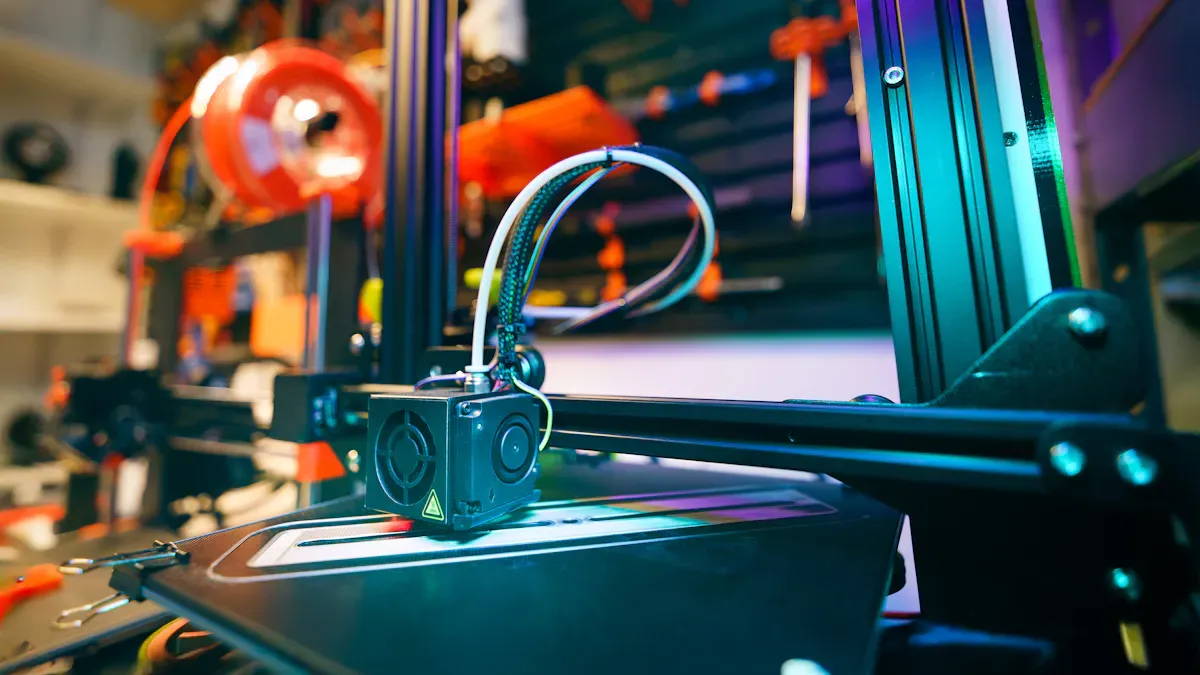
When I look at the top pelletizing extruder brands for 2026, I see Juggerbot 3D leading with a 15% global market share, followed by Pollen AM and Well Shyang Machinery Co., ലിമിറ്റഡ്. Pollen AM serves aerospace and automotive industries, while Well Shyang and Shantou Huaxing Machinery focus on traditional manufacturing. RobotDigg stands out for innovation in 3D printing. I always recommend matching a Pelletizing Extruder to your production goals. I compare performance, ചെലവ്, നവീകരണം, and application fit before making a decision.
പ്രധാന ടേക്ക്അവേകൾ
- Juggerbot 3D leads the market with a 15% പങ്കിടുക, known for modular designs and customization.
- Pollen AM focuses on sustainability and accessibility for small to medium enterprises in aerospace and automotive sectors.
- Automation and Industry 4.0 integration are key trends, enhancing efficiency and reducing labor costs.
- Twin-screw extruders outperform single-screw models in throughput and pellet uniformity, making them ideal for complex materials.
- Energy efficiency is crucial; modern extruders can reduce energy consumption by nearly 30% പഴയ മോഡലുകളുമായി താരതമ്യം ചെയ്യുമ്പോൾ.
- ഉടമസ്ഥതയുടെ ആകെ ചെലവ് (TCO) is more important than initial cost; consider long-term savings from energy and maintenance.
- Regular maintenance and high-quality cutter blades improve performance and reduce downtime significantly.
- Investing in flexible, modular systems allows for future upgrades and adapts to changing production needs.
Top Pelletizing Extruder Brands 2026
Leading Global Brands
When I compare the top brands in the Pelletizing Extruder market for 2026, I see several names that stand out in global industry reports. These brands have built strong reputations through consistent performance, advanced technology, and a focus on customer needs. Here are the leaders I consider most influential:
- Dyze Design: This company leads with advanced technology and a focus on efficiency. I notice their extruders often set benchmarks for reliability and process optimization.
- Juggerbot 3D: I value their modular designs and customization options. Many manufacturers choose Juggerbot 3D for flexible production lines.
- Pollen AM: I see Pollen AM making Pelletizing Extruder technology more accessible for small and medium enterprises. Their commitment to sustainability also sets them apart.
- RobotDigg: I recommend RobotDigg for affordable, high-performance solutions. Their extruders often appeal to startups and research labs.
- Well Shyang Machinery Co., Ltd and Shantou Huaxing Machinery Factory Co., ലിമിറ്റഡ്: These brands have a long history in traditional manufacturing. I trust their machines for consistent output and durability.
Other notable brands include Direct3D, REV3RD, Extrudinaire, KNEADER Machinery, and Polylab. Each brings unique strengths to the market, from specialized applications to innovative engineering.
നുറുങ്ങ്: I always advise buyers to consider not just the brand name but also the technical support and after-sales service each company provides.
Notable Newcomers
ഇൻ 2026, I see several new players entering the Pelletizing Extruder market with fresh ideas and disruptive technologies. These newcomers often focus on niche applications or introduce features that challenge established norms.
- Direct3D and REV3RD: I notice these brands pushing boundaries in digital manufacturing and rapid prototyping.
- Extrudinaire: This company has gained attention for smart automation and user-friendly interfaces.
- Shandong Light M&E Co., ലിമിറ്റഡ്: In the Asia-Pacific region, I see this manufacturer gaining market share by offering competitively priced extruders tailored to local needs.
I find that these new entrants often drive innovation by responding quickly to emerging trends and customer feedback.
മാർക്കറ്റ് ട്രെൻഡുകൾ
I track several key trends shaping the Pelletizing Extruder industry in 2026. Automation and Industry 4.0 integration now dominate purchasing decisions. Manufacturers want fully automatic, high-capacity extrusion lines to boost efficiency and reduce labor costs. I see Baker Perkins and American Extrusion International leading in advanced automation, especially in North America and Europe.
എൻ്റെ അനുഭവത്തിൽ, AI-driven predictive maintenance has become a game changer. It reduces downtime and helps companies maintain consistent production. IoT-enabled monitoring systems now provide real-time data analysis, which allows operators to optimize performance and spot issues early.
I also observe a growing demand for extruders that process novel ingredients and support health-conscious product innovation. Energy-efficient designs are no longer optional—they are essential for companies aiming to lower operational costs and meet sustainability goals.
കുറിപ്പ്: I always recommend staying updated on these trends. They can influence both short-term investments and long-term production strategies.
Pelletizing Extruder Selection Criteria
പ്രധാന പ്രകടന സൂചകങ്ങൾ
ത്രൂപുട്ട് & Output Quality
When I evaluate a Pelletizing Extruder, I always start with throughput and output quality. Throughput measures how much material the machine processes per hour. Output quality refers to the consistency and uniformity of the pellets produced. I find that twin screw extruders deliver better mixing and self-wiping capabilities. This leads to improved throughput stability and more uniform pellets. എൻ്റെ അനുഭവത്തിൽ, these machines excel in blending and reactive extrusion, especially for challenging materials like cross-linkable polyethylene. Consistent melt quality and color are critical for many industries, and twin screw designs help achieve these goals.
| ഫീച്ചർ | ഇരട്ട-സ്ക്രൂ എക്സ്ട്രൂഡർ | Single-screw Extruder |
|---|---|---|
| ത്രൂപുട്ട് | Higher throughput | Lower throughput |
| Pellet Uniformity | ഉയർന്നത് | മിതത്വം |
| മിക്സിംഗ് കാര്യക്ഷമത | മികച്ചത് | അടിസ്ഥാനം |
ഊർജ്ജ കാര്യക്ഷമത
Energy efficiency remains a top priority for me when selecting equipment. I look for extruders that minimize energy use per kilogram of output. Modern designs often feature advanced control systems and optimized screw profiles. These improvements can reduce energy consumption by nearly 30% പഴയ മോഡലുകളുമായി താരതമ്യം ചെയ്യുമ്പോൾ. I also pay attention to specific energy consumption (SEC) values, which reveal how efficiently a machine converts power into productive work. Adjusting operational parameters, such as die restrictions, can further enhance efficiency.
Material Degradation & പെല്ലറ്റ് ഗുണനിലവാരം
Material degradation can ruin a batch and waste valuable resources. I always check how well an extruder maintains material integrity during processing. Twin screw extruders stand out because they provide excellent mixing without excessive shear, which helps preserve polymer properties. This results in high-quality pellets with minimal discoloration or off-spec material. I also consider the chemical and wear resistance of the materials used in the extruder, as these factors influence long-term pellet quality.
നുറുങ്ങ്: Consistent pellet quality reduces downstream processing issues and improves overall product value.
Cost Optimization
Initial Cost vs. ROI
I know that the initial investment in a Pelletizing Extruder can be significant. എന്നിരുന്നാലും, I have seen that higher upfront costs often lead to much greater long-term returns. ഉദാഹരണത്തിന്, എ $67 million investment in advanced equipment can yield an ROE of over 11,000% once production scales. Many customers recover their investment within 2-5 വർഷങ്ങൾ, especially when machines last over 15 years with proper maintenance. Newer extruders also help companies save on raw materials by enabling in-house recycling and reducing waste.
പ്രവർത്തിക്കുന്നു & പരിപാലന ചെലവ്
Operating and maintenance costs can make or break a project’s profitability. I always compare energy use, material waste, and maintenance requirements before making a decision. Upgrading to a modern extruder can cut material waste by nearly half and reduce energy use per kilogram by almost 30%. This shortens the ROI period and boosts overall efficiency.
| മെട്രിക് | Pre-Upgrade | Post-Upgrade | Improvement |
|---|---|---|---|
| Material Waste | 12% | 6.5% | 45.8% Reduction |
| Energy Use/kg | 8.7 kWh | 6.2 kWh | 28.7% Savings |
| ROI Period | 5.2 വർഷങ്ങൾ | 3.8 വർഷങ്ങൾ | 26.9% വേഗത്തിൽ |
I also notice that pharmaceutical companies pay premiums for precise thermal control, while food additive developers often choose refurbished systems to save costs. Chinese manufacturers offer significant cost savings compared to European brands, sometimes up to 70%.
ഇന്നൊവേഷൻ & സാങ്കേതികവിദ്യ
ഓട്ടോമേഷൻ & Smart Features
Automation has transformed the Pelletizing Extruder market. I see advanced monitoring systems that detect temperature or pressure deviations in real time. These systems reduce defect rates and material waste. Automation also lowers labor costs by minimizing human error and reducing the number of operators needed per shift. In continuous operations, I often see only 2-3 operators required, ഇതിനോട് താരതമ്യപ്പെടുത്തി 4-5 for intermittent systems.
- Real-time monitoring improves product consistency.
- Automated controls reduce labor costs and human error.
- Long service life and low maintenance requirements save money over time.
മെറ്റീരിയൽ അനുയോജ്യത (പ്ലാസ്റ്റിക്, Metal, Ceramics)
Material compatibility is essential for modern production. I always check if an extruder can handle a wide range of materials, from plastics to metals and ceramics. Chemical and wear resistance in the extruder’s construction materials ensures reliable performance across different formulations. This flexibility allows companies to adapt quickly to changing market demands.
Large Heat Zones & കാര്യക്ഷമത
Large heat zones play a crucial role in processing efficiency. I look for extruders with multiple, independently controlled heat zones. This design provides precise temperature management, which is vital for processing sensitive or specialty materials. Efficient heat management reduces the risk of overheating and material degradation, especially in two-stage pelletizer systems like the ACERETECH ADS. Improved heat zone design also supports higher throughput and better pellet quality.
കുറിപ്പ്: Investing in innovation and technology not only boosts efficiency but also future-proofs your production line.
Cutter Blade Quality
I always pay close attention to cutter blade quality when evaluating Pelletizing Extruder systems. The blades play a critical role in determining the consistency of pellet size and the overall efficiency of the production line. എൻ്റെ അനുഭവത്തിൽ, high-quality blades deliver precise cuts, which leads to uniform pellets. This uniformity is essential for maintaining consistent quality in final products, whether I work with plastics, food additives, or specialty compounds.
I have seen that the material and design of the blades directly affect their durability and resistance to wear. When I choose blades made from advanced alloys or treated steels, I notice they last longer and require less frequent replacement. This durability not only reduces downtime but also extends the lifespan of the entire pelletizing system.
നുറുങ്ങ്: Consistent pellet size reduces energy consumption and improves downstream processing efficiency.
I use the following checklist to evaluate cutter blade quality:
- High-quality blades enhance cutting precision, leading to uniform pellet sizes.
- Uniform pellet sizes ensure consistent quality in final products.
- The material and design of the blades affect their durability and wear resistance.
- Durability and wear resistance impact the overall efficiency and lifespan of the pelletizing equipment.
From my experience, I have found that sharp and durable blades can boost material recovery by up to 30%. I always recommend regular maintenance and timely replacement of blades. This practice keeps performance high and minimizes machine downtime.
When I compare single-stage and two-stage pelletizer systems, I notice that blade quality becomes even more important in high-throughput or high-temperature applications. ഉദാഹരണത്തിന്, in two-stage systems like the ACERETECH ADS, poor blade quality can lead to overheating and inconsistent pellet size. I always advise investing in premium blades for these advanced systems to avoid costly production issues.
Regional Brand Comparison
European Brands
Key Players & ശക്തികൾ
When I evaluate European pelletizing extruder brands, I see a strong focus on technological leadership and innovation. I often recommend these brands to clients who prioritize advanced engineering and long-term reliability. Several companies stand out in the European market:
- ബ്യൂലർ (സ്വിറ്റ്സർലൻഡ്): I recognize Bühler as a leader in innovation, especially for food and feed applications. അവരുടെ market share sits around 15%. I have seen their systems deliver consistent performance and high energy efficiency.
- Schaaf Technologie (ജർമ്മനി): I value Schaaf for their expertise in twin-screw extruders. They hold about 3% of the market. Their commitment to research and development allows for extensive customization, which benefits specialized production lines.
- ക്ലെക്സ്ട്രൽ: I notice Clextral’s focus on food and pharmaceutical sectors. Their market share is approximately 5%. I appreciate their investments in sustainability and process optimization.
- The Theysohn Group: I trust Theysohn for their innovative production systems. They command about 4% of the market. Their solutions often improve throughput and reduce downtime.
- ZSK: I rely on ZSK for reliability in manufacturing. They hold around 5% of the market. Their extruders maintain consistent output quality, even in demanding environments.
I find that European brands often lead in automation, safety features, റെഗുലേറ്ററി പാലിക്കലും. Their machines usually come with robust technical support and comprehensive training programs.
American Brands
Key Players & ശക്തികൾ
In North America, I see a different approach. American brands focus on flexibility, modularity, and rapid integration with existing production lines. I often recommend these brands to manufacturers who need scalable solutions or who operate in fast-changing markets.
Some key players include:
- Baker Perkins: I have worked with Baker Perkins systems in high-speed food and snack processing. Their extruders excel in automation and continuous operation.
- American Extrusion International: I notice their strength in custom solutions for plastics and specialty materials. Their machines adapt quickly to new product requirements.
- Entek and Century Extruders: I trust these brands for their robust twin-screw designs and strong after-sales support. They offer reliable performance for both small and large-scale operations.
എൻ്റെ അനുഭവത്തിൽ, American brands often provide excellent value through modular upgrades and retrofit options. Their focus on user-friendly controls and local service networks makes them a practical choice for many U.S. നിർമ്മാതാക്കൾ.
Asian Brands
Key Players & ശക്തികൾ
Asian brands, especially those from China, have transformed the pelletizing extruder market with their cost-effectiveness and rapid technology adoption. I often recommend these brands to companies seeking fast returns on investment and advanced features at lower price points.
- Chinese pelletizers offer prices two to three times lower than comparable European equipment. I have seen clients achieve payback periods as short as 12 വരെ 18 മാസങ്ങൾ, compared to 3–5 years for European machines.
- Modern Asian extruders now integrate advanced PLC systems and IoT capabilities. I find these features enhance process control and enable real-time monitoring, which boosts productivity.
- Leading brands like Well Shyang Machinery and Shantou Huaxing Machinery deliver reliable performance for traditional manufacturing. Companies such as RobotDigg and Shandong Light M&E focus on innovation and digital manufacturing.
I believe Asian brands have closed the technology gap with Western competitors. Their combination of affordability and smart features makes them an attractive option for both startups and established manufacturers.
Application-Based Model Comparison
Plastics Compounding
High-Volume Models
When I work with high-volume plastics compounding, I always look for extruder models that deliver both efficiency and flexibility. Twin-screw extruders stand out in this area. They offer superior mixing, high torque, and impressive output rates. These features make them ideal for demanding production environments. I often recommend models that are easy to open for maintenance and cleaning. This design reduces downtime and lowers manufacturing costs.
| ഫീച്ചർ | വിവരണം |
|---|---|
| Superior Mixing | Ensures consistent melt quality and uniform pellets. |
| High Torque | Handles a wide range of materials, including tough engineering plastics. |
| High Speed | Boosts throughput, making large-scale production more efficient. |
| Enhanced Degassing | Removes moisture and volatiles, improving pellet quality. |
| വിശാലമായ ആപ്ലിക്കേഷൻ ശ്രേണി | Suitable for PET, തെർമോപ്ലാസ്റ്റിക് എലാസ്റ്റോമറുകൾ, കൂടുതൽ. |
I have seen that these high-volume models also improve labor efficiency. Quick cleaning processes and robust construction help keep production lines running smoothly.
Specialty Compounds
For specialty compounds, ഞാൻ ആശ്രയിക്കുന്നു co-rotating twin-screw extruders. These machines excel in complex polymer processing and masterbatch production. They transform intricate formulations into high-value, homogeneous pellets. I find them especially effective when working with recycled plastics that have inconsistent properties. Their distributive and dispersive mixing capabilities ensure consistent quality, വെല്ലുവിളി നിറഞ്ഞ മെറ്റീരിയലുകൾക്കൊപ്പം പോലും.
- State-of-the-art solution for complex polymer processing.
- Delivers efficiency for plastics modification and compounding.
- Handles mixed streams of recycled plastics with ease.
PVC Processing
Twin-Screw vs. Single-Screw
എൻ്റെ അനുഭവത്തിൽ, twin-screw extruders outperform single-screw models for most PVC applications. Twin-screw systems provide superior mixing and direct processing of PVC dry-blend powder. They also support in-line compounding, which streamlines production. Single-screw extruders still have a place in simpler applications, but I see most manufacturers shifting to twin-screw designs for better quality and efficiency.
Leading PVC Models
Several manufacturers lead the market for PVC extrusion in 2026. I often recommend the following models based on their build quality, വിശ്വാസ്യത, and regional support:
| Manufacturer | Notable Models | പ്രധാന സവിശേഷതകൾ |
|---|---|---|
| ക്രൗസ്മാഫി (ജർമ്മനി) | KMD series | Gold standard for conical twin-screw PVC extrusion, exceptional durability. |
| Battenfeld-Cincinnati | conEX, solEX series | High-output pipe extrusion, energy-efficient innovations. |
| Bausano (ഇറ്റലി) | Parallel twin-screw | കരുത്തുറ്റത്, competitively priced, strong service network. |
| ആഭരണം (ചൈന) | Conical twin-screw | മത്സരാധിഷ്ഠിത വിലനിർണ്ണയം, solid performance in emerging markets. |
| Kabra Extrusiontechnik | PVC pipe extrusion | Proven for Indian market, designed for local challenges. |
High-Speed Production
Models for Speed & ഔട്ട്പുട്ട്
When I need to maximize speed and output, I choose high-speed pelletizing extruder models with advanced automation. These machines use real-time control systems to monitor temperature, സമ്മർദ്ദം, and cutting speed. This level of precision keeps pellet size and quality consistent, even during long production runs.
Continuous Operation
Continuous operation requires robust construction and reliable safety mechanisms. I look for features like emergency shut-off and overload protection. These safeguards help maintain stable output and minimize waste. Precision engineering ensures that the extruder can run for extended periods without compromising product quality.
നുറുങ്ങ്: Investing in high-speed, automated extruders pays off with higher productivity and fewer production interruptions.
Matching Features to Needs
Assessing Production Requirements
When I help clients select a pelletizing extruder, I always start by analyzing their production requirements. I look at the daily output targets, the types of materials they process, and the specific pellet characteristics they need. I use a structured approach to match machine features to these needs. The table below summarizes the main factors I consider:
| ഘടകം | വിവരണം |
|---|---|
| ഉൽപ്പാദന ശേഷി | I match extruder capacity to production goals and peak demand. |
| മെറ്റീരിയൽ അനുയോജ്യത | I ensure the extruder design fits the raw materials’ unique properties. |
| Pellet Specifications | I select dies and molds that deliver the required pellet size and shape. |
| Operational Efficiency | I choose energy-efficient models with low maintenance needs. |
| സ്കേലബിളിറ്റി | I look for modular designs that allow for future upgrades. |
| Technology Integration | I prioritize advanced control systems for process consistency and efficiency. |
I find that this method helps me recommend machines that deliver both immediate performance and long-term value.
ഇഷ്ടാനുസൃതമാക്കൽ & Modularity
I know that every manufacturer faces unique challenges. ഉദാഹരണത്തിന്, medical tubing production requires different features than agricultural pipe manufacturing. Customizing extrusion equipment allows me to optimize quality and output for each application. I often work with modular systems because they provide flexibility without the need for multiple machines.
- Modular extrusion systems adapt to various applications.
- Interchangeable barrel sections and quick-change screw assemblies make it easy to switch between products.
- Custom feeders improve dosing accuracy for different materials.
I have seen that customization in screw design can boost melting efficiency by up to 20%. Strategic degassing ports in the barrel prevent defects, especially in sensitive compounds. Smart control systems automatically adjust processing parameters, which helps maintain consistent quality. These features let me respond quickly to changing production needs and market demands.
Future-Proofing
I always encourage clients to think ahead when investing in pelletizing extruders. The industry evolves rapidly, and equipment must keep pace. I recommend setting up in-house prototyping labs. These labs allow for quick-turn prototypes and user-centered design trials, which speed up innovation.
I also track market trends and emerging technologies. Staying informed helps me forecast future requirements and recommend equipment that will remain competitive. I invest in digital manufacturing and smart equipment to stay ahead of market expectations.
- Flexible automation systems support rapid changeovers and reconfigurability.
- Market intelligence ensures equipment design aligns with future trends.
- Digital innovation safeguards capital investments against uncertainty.
By focusing on these strategies, I help manufacturers maximize their return on investment and maintain a competitive edge.
Maximizing Value & Reducing Costs
ഉടമസ്ഥതയുടെ ആകെ ചെലവ്
When I help clients select a pelletizing extruder, I always look beyond the sticker price. I know that the initial investment tells only part of the story. The real value comes from understanding the total cost of ownership (TCO). I have seen many companies save hundreds of thousands of dollars by focusing on TCO instead of just the upfront cost.
- എ $150,000 Wanplas extruder can save $220,000 over five years compared to a model that costs $60,000 കുറവ്. The savings come from lower energy use, reduced maintenance, and less downtime.
- I always remind buyers that operational expenses drive long-term value. These include energy consumption, യന്ത്രഭാഗങ്ങൾ, and labor for repairs.
- Features like bimetallic screws, which last over ten years, and energy-efficient drives, can shorten the return on investment to as little as 12 വരെ 18 മാസങ്ങൾ.
I use TCO analysis to guide my recommendations. This approach ensures that clients invest in equipment that delivers reliable performance and minimizes hidden costs.
മെയിൻ്റനൻസ് & Support
I believe that strong maintenance and support programs protect your investment. I always check the availability of local service teams and the speed of spare parts delivery. Quick response times reduce downtime and keep production on track. I recommend brands that offer remote diagnostics and predictive maintenance tools. These features help spot problems before they cause failures.
I also encourage regular training for operators and technicians. Well-trained staff can handle routine maintenance and identify issues early. This practice extends the life of the extruder and reduces emergency repairs. I have seen companies cut unplanned downtime by 30% with a proactive maintenance plan.
നുറുങ്ങ്: Schedule preventive maintenance during planned shutdowns. This strategy avoids costly interruptions during peak production.
Upgrades & Retrofits
I always look for extruder models that support upgrades and retrofits. Flexible equipment adapts to new materials, higher output, or advanced automation. I have helped clients add smart sensors, new screw designs, and improved control systems to existing lines. These upgrades boost efficiency without the need for a full replacement.
Many manufacturers now offer modular components. I can swap out barrels, സ്ക്രൂകൾ, or feeders to match changing production needs. This modularity protects your investment and keeps your operation competitive. I advise clients to choose brands with a clear upgrade path and strong technical support.
| Upgrade Type | പ്രയോജനം | Typical ROI |
|---|---|---|
| Smart Sensors | Real-time monitoring | 12–24 months |
| Screw Redesign | Improved material compatibility | 18–30 months |
| Control System | ഓട്ടോമേഷൻ & data integration | 12–18 months |
By focusing on TCO, robust maintenance, and upgrade options, I help manufacturers maximize value and reduce costs throughout the equipment’s lifecycle.
I recommend Juggerbot 3D, Dyze Design, and Pollen AM as top choices for 2026. ഞാൻ ത്രൂപുട്ടിൽ ശ്രദ്ധ കേന്ദ്രീകരിക്കുന്നു, ഊർജ്ജ കാര്യക്ഷമത, and material compatibility when I help clients select equipment.
- For high-volume plastics, I choose robust twin-screw models.
- For specialty or cost-sensitive projects, I suggest modular or Asian brands.
I always advise buyers to invest in flexible systems that support future upgrades and evolving production needs.
പതിവുചോദ്യങ്ങൾ
What is the main advantage of a twin-screw pelletizing extruder?
I find that twin-screw extruders deliver better mixing and higher throughput. They handle complex materials with ease. This design produces more uniform pellets and reduces material degradation.
How often should I replace cutter blades?
I recommend checking blades every month. High-quality blades last longer, but I replace them at the first sign of dullness or wear. Regular maintenance keeps pellet size consistent and prevents downtime.
Can I use one extruder for different materials?
അതെ, I often use modular extruders for multiple materials. I switch screw elements and barrels to match each material. This flexibility saves money and adapts to changing production needs.
What is the typical ROI period for a new pelletizing extruder?
Most clients I work with see a return on investment within 2 വരെ 5 വർഷങ്ങൾ. Efficient models and proper maintenance can shorten this period. Asian brands sometimes offer even faster payback.
How do I reduce energy costs with my extruder?
I always select energy-efficient models with advanced controls. I monitor specific energy consumption and optimize process settings. Regular maintenance and timely upgrades also help lower energy use.
Are Asian pelletizing extruders reliable?
I have seen significant improvements in Asian extruders. Modern models offer advanced features and strong performance. Many clients achieve fast payback and reliable operation, especially with brands like Well Shyang and RobotDigg.
What should I look for in after-sales support?
I always check for local service teams, fast spare parts delivery, and remote diagnostics. Good support reduces downtime and protects your investment. I value brands that offer training and predictive maintenance tools.