

Систем за пелетизирање на влакно или подводен тип кој е соодветен за вашата линија за пластика
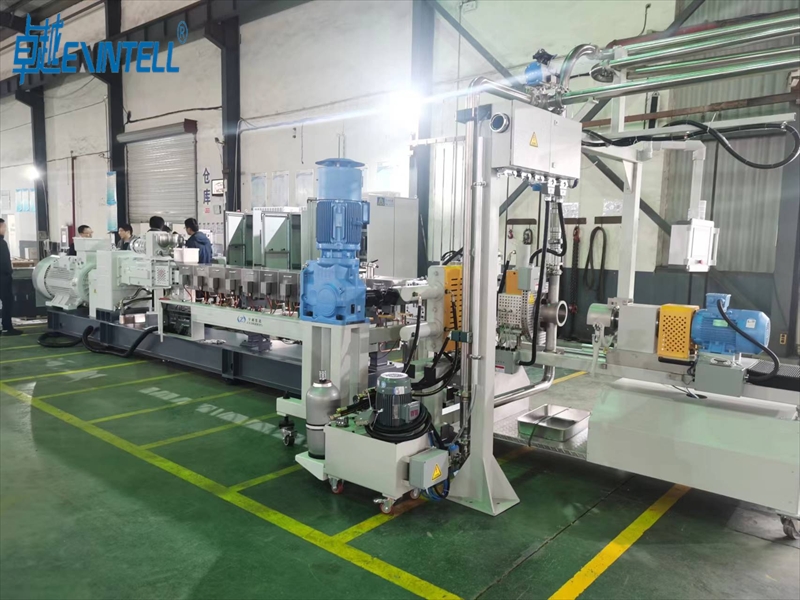
Често гледам како производителите на пластика прашуваат кој систем за пелетизирање најдобро одговара на нивната линија. Кога ќе споредам пелетизирање со жици и подводно, Забележувам јасни разлики во квалитетот и цената на пелетите. Погледнете го оваа табела:
| Карактеристика | Пелетизирање на влакно | Подводно пелетизирање (UWP) |
|---|---|---|
| Квалитет на пелети | Добро до одлично, потенцијал за казни | Одлично до премиум, високо униформа |
| Почетна цена | Пониски | Повисоко |
| Идеален за | Општа намена, операции чувствителни на трошоци | Апликации од висока класа, совршена конзистентност |
Препорачувам пелетизирање на жици за операции чувствителни на трошоци. Јас го избирам системот за подводно пелетизирање кога ми треба премија, високо униформни пелети за тешки апликации.
Клучни производи за носење
- Пелетизирање на влакно е идеален за операции чувствителни на трошоци, нудејќи пониски почетни трошоци и поедноставни поставки.
- Подводното пелетизирање обезбедува врвен квалитет на пелети, производство на високо униформни пелети погодни за тешки апликации.
- Размислете за типот на полимер при изборот на систем; праменот најдобро функционира за цврсти материјали, додека подводното се истакнува со сложени или чувствителни на топлина полимери.
- Оценете ги потребите за обем на производство; strand pelletizing suits small to medium runs, while underwater systems support high-volume operations efficiently.
- Regular maintenance is crucial; strand systems require basic skills, while underwater systems need advanced technical knowledge for upkeep.
- Space requirements differ; strand systems are compact, while underwater systems need more room for equipment and maintenance access.
- Always assess total costs, including initial investment, operating expenses, и одржување, to find the best fit for your budget.
- Consult with experts when facing complex decisions or new materials to ensure you choose the right pelletizing system for your needs.
Pelletizing Systems Overview
What Is Strand Pelletizing
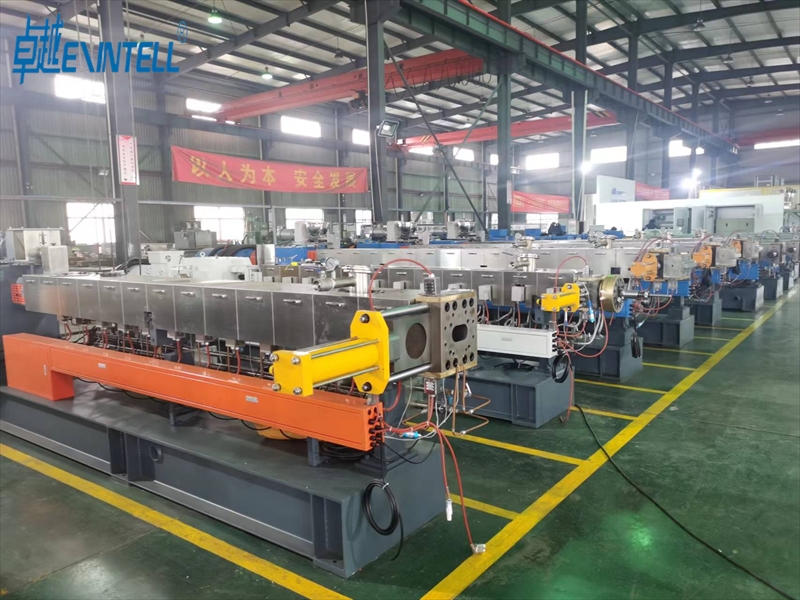
I often use strand pelletizing when I want a straightforward pelletizing process. In this method, Го истиснувам стопениот полимер преку плоча за да формирам долги нишки. Ги водам овие нишки преку корито за ладење, обично се полни со вода, да ги зацврсти. По ладењето, Ги сушам прамените и ги ставам во секач. Секачот ги сечка нишките на еднообразни пелети. Сметам дека овој процес на пелетизирање работи добро за многу пластика за општа намена. Системот за пелетизирање низа нуди едноставно поставување и ми овозможува лесно да ја прилагодам должината на пелети. Можам брзо да се префрлам на различни материјали или бои, што помага кога пуштам помали серии.
Што е подводно пелетизирање
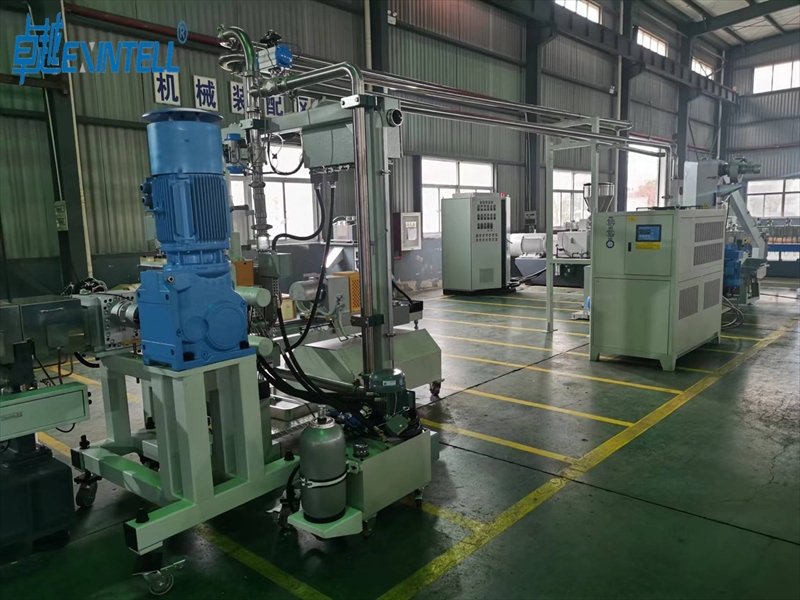
Кога ми требаат високо униформни пелети, Се свртувам кон подводниот систем за пелетизирање. Во овој процес на пелетизирање, Го екструдирам стопениот полимер директно во водена комора. Ротирачки ножеви го сечат полимерот на матрицата додека е сè уште жешко. The water instantly cools and solidifies the pellets. I then separate the pellets from the water using a centrifugal dryer. This pelletizing process produces smooth, round pellets with minimal dust or fines. I rely on underwater pelletizing for demanding applications, such as medical or automotive compounds, where pellet consistency matters most. The underwater pelletizing system handles a wide range of polymers, including sticky or brittle materials that strand pelletizing cannot process efficiently.
Клучни разлики
I see several important differences between these two pelletizing methods. The strand pelletizing system uses a cooling trough and requires manual handling of strands before cutting. The underwater pelletizing system integrates cutting and cooling in one step, which reduces manual intervention. Забележувам дека подводното пелетизирање поддржува поголема пропусност и работи подобро за сложени материјали. Неодамнешните технолошки достигнувања го направија подводното пелетизирање уште попривлечно. На пример, на глобален притисок за одржливост ме поттикнува да изберам системи кои поддржуваат рециклирање. Подводното пелетизирање обезбедува висока ефикасност, што е од суштинско значење за преработка на различни полимерни струи. Кога работам со сложени сложени материјали, Ми треба прецизна геометрија на пелети, а подводното пелетизирање го обезбедува тоа. Еколошките прописи исто така влијаат на мојот избор. Подводното пелетизирање ја намалува прашината и ги елиминира многуте проблеми со кои се соочувам со традиционалното пелетизирање на прамени.
Еве табела што резимира како овие фактори влијаат на мојата одлука:
| Фактор | Опис |
|---|---|
| Одржливост | Глобалниот притисок за кружна економија ги поттикнува инвестициите во инфраструктурата за рециклирање, favoring systems that support sustainability. |
| Ефикасност | Underwater systems provide high-throughput capabilities essential for reprocessing diverse polymer streams. |
| Комплексност на материјалот | The demand for complex compounded materials in industries like automotive and medical devices necessitates precise pellet geometry achievable through underwater cutting. |
| Environmental Regulations | Stricter regulations compel manufacturers to adopt cleaner, more efficient methods, reducing dust and eliminating issues associated with traditional strand systems. |
Совет: If you run a high-performance pet bottle recycling system, you will likely benefit from the efficiency and consistency of underwater pelletizing.
I always consider the specific needs of my production line before choosing a pelletizing process. Strand pelletizing offers simplicity and lower cost, додека подводното пелетизирање обезбедува врвен квалитет на пелети и ги поддржува модерните цели за одржливост.
Квалитет и конзистентност на пелети
Квалитет на системот за подводно пелетизирање
Кога ми треба највисок квалитет на пелети, Се потпирам на подводниот систем за пелетизирање. Овој систем го сече полимерот додека е сеуште мек, потоа го лади пелетот веднаш во вода. Забележувам дека овој процес создава пелети со мазни површини и речиси совршена сферична форма. Еднообразноста се издвојува. Повеќето пелети имаат а варијација на големина помала од ± 5%. Го гледам ова високо ниво на конзистентност секогаш кога го проверувам готовиот производ.
Еве брза споредба на формата и големината на пелети:
| Систем за пелетирање | Облик на пелети | Варијација на големината |
|---|---|---|
| Под вода | Сферични | < ± 5% |
| Стренд | Цилиндрични | < ± 10-15% |
Системот за подводно пелетизирање произведува пелети со минимална прашина. Ретко наоѓам казни во финалниот производ. Мазната површина и тесната контрола на големината ми помагаат да постигнам врвен квалитет на пелети, што е од суштинско значење за тешки апликации. Го користам овој систем кога треба да исполнам строги стандарди во индустриите како автомобилската или медицинската индустрија.
Квалитет на системот за пелетизирање на влакно
Јас често го користам системот за пелетизирање на прамени за производство за општа намена. Овој метод создава цилиндрични пелети, но гледам повеќе варијации во големината во споредба со подводното пелетизирање. Варијацијата на големината може да достигне до ±10-15%. Јас го знам тоа од клучно значење е правилното порамнување од матрицата до сечилото. Дури и мала неусогласеност предизвикува проблеми со квалитетот, како што е зголемена прашина или нерамна должина на пелети.
За да се одржи постојан квалитет на пелети со пелетизирање на прамени, Ги следам овие чекори:
- Редовно го проверувам усогласувањето на матрицата.
- I adjust the puller speed to match the extruder flow.
- I monitor water temperature in the cooling trough.
- I inspect for strand breakage and adjust as needed.
Ако ги прескокнам овие чекори, I see more dust and less uniform pellets. The strand pelletizing system requires careful attention to detail. When I get everything right, I can produce good to excellent pellet quality, but it takes more effort.
Impact on Product Performance
Pellet quality affects the performance of finished plastic products. I have learned that the extruder transforms plastic into a molten state, which sets the stage for pellet consistency. Filtration and purification remove impurities, ensuring that only high-quality pellets move forward. The pelletizing unit then creates uniform pellets. The cutting method, whether underwater or strand, ја одредува конечната големина и форма.
Кога користам пелети со висока униформност и мазни површини, Гледам подобар проток во машините за калапи. Финалните производи покажуваат помалку дефекти и поконзистентни својства. Ако квалитетот на пелети падне, Забележувам повеќе проблеми со обработката и пониски перформанси на производот. Секогаш го избирам системот за пелетирање што одговара на моите цели за квалитет.
Оперативна сложеност
Поставување и промена
Сметам дека поставувањето и промената играат голема улога во моето секојдневно работење. Кога користам систем за пелетизирање на влакно, Со повеќето чекори се справувам рачно. Секој прамен од матрицата го провлекувам низ водната бања и во секачот. Овој практичен пристап ми овозможува рано да ги забележам проблемите, како кршење на жицата или нерамномерно ладење. Можам брзо да ги поправам овие проблеми. Промените за нови материјали или бои се едноставни. I clean the trough, adjust the cutter, and restart the process with little downtime.
With underwater pelletizing, I see a different picture. The system automates most steps. I set the parameters on a control panel, and the machine handles the rest. На closed-loop design means I do not touch the product during setup. Changeovers take longer because I must wait for the system to stabilize. I also need to flush the water loop and check the die face for any buildup. This process reduces human error but requires more planning.
Чистење и одржување
Cleaning and maintenance routines differ between these two systems. Here is how I compare them:
- Подводно пелетизирање: I notice this system runs in a closed loop and uses automation. I do not need to intervene often during normal operation. Сепак, the equipment is complex and sensitive. I must keep the extrusion process stable to avoid problems. Maintenance and start-up require advanced technical skills. I spend more time on preventive checks and calibrations.
- Пелетизирање на влакно: I handle cleaning and maintenance tasks manually. During start-up, I thread the strands myself. This hands-on method makes troubleshooting easier. The system is more forgiving if the melt viscosity changes. I can clean the trough and cutter with basic tools. I do not need advanced training for most tasks.
Совет: I always schedule regular checks for both systems. Preventive maintenance helps me avoid costly downtime.
Operator Skill Level
Operator skill level matters when I choose a pelletizing system. With strand pelletizing, I rely on basic mechanical skills. I can train new operators quickly. They learn to thread strands, adjust the cutter, and monitor the cooling bath. The process is forgiving, so small mistakes rarely cause big problems.
Underwater pelletizing demands more expertise. I need operators who understand automation and process control. They must know how to manage the closed-loop system and troubleshoot sensors or die face issues. Training takes longer. I invest in ongoing education to keep my team up to date.
| System | Setup Difficulty | Комплексност на одржување | Operator Skill Needed |
|---|---|---|---|
| Пелетизирање на влакно | Ниско | Ниско | Основни |
| Подводно пелетизирање | Средно-високо | Високо | Напредно |
I always match the system to my team’s skill level and the complexity of my production line.
Cost Comparison
Почетна инвестиција
When I plan a new plastics line, I always look at the initial investment first. Strand pelletizing systems usually cost less to purchase and install. I can set up a basic strand pelletizer with a cooling trough, air knife, and cutter for a modest price. The equipment is simple and does not require much automation. I find this system fits well when I need to keep my capital expenses low.
Underwater pelletizing systems require a higher upfront investment. The system includes a heated die face, water chamber, пелетизатор, water loop, and centrifugal dryer. I also need advanced controls and safety features. The installation process takes longer and often needs more space. I see this as a bigger commitment, but it pays off for high-end applications.
Here is a quick table to compare the initial investment:
| System | Typical Initial Cost | Комплексност на инсталацијата |
|---|---|---|
| Пелетизирање на влакно | Ниско | Едноставно |
| Подводно пелетизирање | Високо | Комплексен |
Забелешка: I always factor in the long-term benefits before making a decision. Понекогаш, a higher initial cost leads to better returns.
Оперативни трошоци
Operating costs play a big role in my daily budget. Strand pelletizing systems use less energy and water. The process is straightforward, and I do not need many operators. I can run the line with basic utilities and minimal supervision. This keeps my ongoing costs low.
Underwater pelletizing systems use more power and water. The closed-loop water system and die-face cutter need steady energy. I also need skilled operators to monitor the process. The system produces less waste, which saves money on material loss. Сепак, the higher utility bills and labor costs add up over time.
I use this checklist to track operating costs:
- Power consumption
- Water usage
- Labor requirements
- Waste and reprocessing rates
I always compare these factors to see which system fits my production goals.
Трошоци за одржување
Maintenance costs can surprise me if I do not plan ahead. Системите за пелетизирање на жиците имаат помалку подвижни делови. Можам да се справам со повеќето поправки со основни алатки. Резервните делови лесно се наоѓаат и се достапни. Закажувам рутински проверки и чистења за системот да работи непречено.
Подводните системи за пелетизирање имаат потреба од повеќе специјализирано одржување. Лицето со умре, water loop, и машината за сушење бараат редовни инспекции. Понекогаш ми требаат фабрички обучени техничари за сложени поправки. Заменските делови чинат повеќе, а времето на застој може да биде подолго ако нешто се скрши.
Еве резиме на потребите за одржување:
| System | Фреквенција на одржување | Потребно е ниво на вештина | Типичен трошок |
|---|---|---|---|
| Пелетизирање на влакно | Ниско | Основни | Ниско |
| Подводно пелетизирање | Средно до високо | Напредно | Високо |
Совет: Секогаш сум буџет за превентивно одржување. Ова ми помага да избегнам неочекувани трошоци и ја одржува мојата линија да работи ефикасно.
Простор и ефикасност
Отпечаток на опрема
Кога го планирам мојот производствен под, Секогаш го мерам просторот што му треба на секој систем. Strand pelletizing systems take up less room. I can fit the cooling trough, air knife, and cutter in a straight line. This layout works well in tight spaces. I often move or reconfigure strand systems without much trouble.
Underwater pelletizing systems need more space. The equipment includes a water chamber, die-face cutter, water loop, and centrifugal dryer. I must allow extra room for maintenance access and safety zones. The system often requires a dedicated area, especially for larger lines.
Here is a quick comparison:
| System | Typical Footprint | Флексибилност | Потребен е простор |
|---|---|---|---|
| Пелетизирање на влакно | Компактен | Високо | Ниско |
| Подводно пелетизирање | Големи | Средно | Високо |
Совет: I always check my available floor space before choosing a system. A compact line saves money on building costs.
Power and Water Use
I track utility usage closely. Strand pelletizing systems use less power. The main energy draw comes from the extruder and the cutter. Употребата на вода останува ниска бидејќи на коритото за ладење му треба само постојан проток, не е систем со затворена јамка.
Underwater pelletizing systems use more power and water. Секачот со матрица, пумпи за вода, и центрифугалната машина за сушење бараат електрична енергија. Системот за вода со затворена јамка ги одржува пелетите ладни и чисти, но ја зголемува потрошувачката на вода. Гледам повисоки сметки за комуналии со подводни системи, особено при високи стапки на производство.
Еве резиме на потребите за комунални услуги:
- Пелетизирање на влакно: Ниска моќност, ниска употреба на вода, едноставни комунални услуги.
- Подводно пелетизирање: Висока моќност, висока употреба на вода, напредни комунални услуги.
Забелешка: Јас секогаш ги земам предвид локалните трошоци за комунални услуги. Високите цени на енергијата или водата може да влијаат на моите долгорочни заштеди.
Интеграција со постоечки линии
Честопати треба да додадам пелетизирање на постоечка линија за истиснување. Системите за пелетизирање на жиците лесно се интегрираат. Го поврзувам екструдерот со главата на матрицата, поставете го коритото за ладење, и порамнете го секачот. I can start production quickly with minimal changes.
Underwater pelletizing systems require more planning. I must ensure the extruder matches the die-face cutter. The water loop and dryer need proper plumbing and electrical connections. Понекогаш, I need to upgrade my controls or add safety features. Integration takes longer, but I get a more automated process.
Here is my checklist for integration:
- Check extruder compatibility.
- Plan for utilities and drainage.
- Ensure enough floor space.
- Update controls if needed.
I always consult with my equipment supplier before making changes. Good planning prevents costly mistakes.
Material and Application Fit
Best for Strand Pelletizing
When I select a pelletizing system, I always consider the type of polymer I plan to process. Strand pelletizing works best for certain materials and production goals. I often choose this method when I handle rigid or semi-crystalline polymers. These materials move smoothly through the cooling trough and rarely cause strand breakage. I also appreciate the lower investment and maintenance costs that come with strand systems. The operation stays simple, and I can switch between different polymers without much hassle.
Here are some plastics that perform well with strand pelletizing:
- Полипропилен (ПП)
- Полиетилен (ЈП)
- Акрилонитрил бутадиен стирен (ABS)
- Полистирен (П.С)
- Полиамид (PA, also known as Nylon)
- Поликарбонат (компјутер)
I find that strand pelletizing covers a wide range of general-purpose applications. I use it for compounding, производство на мајсторска серија, and recycling lines. The system handles most rigid and semi-crystalline polymers со леснотија. Сепак, I avoid using strand pelletizing for brittle materials. Кршливите нишки имаат тенденција да се скршат за време на ладењето, што го прекинува производството и го намалува приносот. Исто така, треба да го планирам просторот што го бара резервоарот за ладење. Ако имам ограничен простор на подот, Морам да го земам предвид овој фактор пред да изберам пелетизирање на жиците.
Совет: Јас секогаш го совпаѓам типот на полимер со системот за пелетизирање. Овој чекор ми помага да избегнам непотребни прекини и проблеми со квалитетот.
Најдобро за подводно пелетизирање
Кога треба да обработам сложени или чувствителни материјали, Се свртувам кон подводно пелетизирање. Овој систем се истакнува со полимерите за кои е потребна прецизна форма и големина на пелети. Се потпирам на подводно пелетизирање и за меки и за крути апликации. Системот за вода со затворена јамка ги лади пелетите веднаш, што го спречува лепењето и обезбедува униформност.
Јас користам подводно пелетизирање за овие апликации:
- Мека ПВЦ истиснување за флексибилни цевки
- Автомобилски компоненти кои бараат висока конзистентност
- Материјали за подови каде што е важен квалитетот на површината
- Цврсти производи како цевки и профили
Забележувам дека рачките за подводно пелетизирање се лепливи, кршливи, или полимери чувствителни на топлина подобро од системите со нишки. Процесот произведува мазна, тркалезни пелети со минимална прашина. Често го избирам овој систем за производи со висока вредност или специјализирани производи. Кога моите клиенти очекуваат врвен квалитет на пелети, Верувам дека ќе се испорача подводното пелетирање.
Забелешка: Секогаш ги проверувам барањата за крајна употреба пред да изберам систем за пелетирање. Апликациите со високи перформанси најмногу имаат корист од конзистентноста на подводното пелетизирање.
Размислувања за обемот на производството
Обемот на производство игра клучна улога во мојата одлука. Системот го усогласувам со моите резултати за да ја максимизирам ефикасноста и да ги контролирам трошоците. Strand pelletizing works well for small to medium production runs. The system starts up quickly and allows for frequent changeovers. I can run multiple batches in a single shift without major downtime. This flexibility helps when I produce custom compounds or specialty colors.
Underwater pelletizing shines in high-volume operations. The system supports continuous production and handles large throughputs with ease. I see fewer interruptions and less manual intervention. The automation reduces labor costs and improves consistency across long runs. When I need to scale up production, underwater pelletizing gives me the capacity I need.
Here is a quick table to help compare the fit for different production volumes:
| Обем на производство | Пелетизирање на влакно | Подводно пелетизирање |
|---|---|---|
| Low to Medium | Одлично | Добро |
| Високо | Fair | Одлично |
I always balance my production targets with the strengths of each system. Овој пристап ми помага да постигнам најдобри резултати за мојата линија за пластика.
Добрите и лошите страни Резиме
Добрите и лошите страни на пелетизирање на влакно
Често избирам пелетизирање на прамени кога сакам директен процес. Системот ми дава флексибилност и ги одржува моите трошоци ниски. I can train new operators quickly. Сметам дека пелетизирањето на жиците најдобро функционира за мали и средни производни серии. Опремата зафаќа помалку простор и лесно се вклопува во повеќето линии.
Еве табела што ги покажува главните предности и недостатоци:
| Предности | Недостатоци |
|---|---|
| Пониска цена | Предизвици во управувањето со висока пропусност |
| Поедноставна операција | Мешање на проблеми со ефикасноста |
| Најдобро одговара за помали пропусни протоци | Помалку погоден за многу големи производствени линии |
Забележувам дека пелетизирањето на жиците се бори со производството со голем волумен. Системот понекогаш има проблеми со рамномерно мешање на материјалите. I see that large lines need more advanced solutions. I always check my production goals before choosing strand pelletizing.
Совет: I recommend strand pelletizing for cost-sensitive projects and flexible operations. I avoid it for very large or complex lines.
Underwater Pelletizing Pros and Cons
Underwater pelletizing gives me premium pellet quality. The system produces smooth, round pellets with tight size control. I rely on underwater pelletizing for demanding applications. The automation reduces manual labor and improves consistency. I see fewer defects in the final product.
Here are the main pros and cons I have experienced:
Добрите:
- Delivers highly uniform pellets
- Handles sticky, кршливи, or heat-sensitive polymers
- Supports high-volume production
- Reduces dust and fines
Конс:
- Requires higher initial investment
- Needs advanced operator skills
- Uses more power and water
- Maintenance can be complex
I find that underwater pelletizing fits best in high-end or specialty lines. The system pays off when I need consistent quality and large output. I invest more up front, but I get reliable performance.
Забелешка: I always match the pelletizing system to my material and production needs. Underwater pelletizing works best for premium products and continuous operations.
Decision Guide
Quick Checklist
When I choose between strand and underwater pelletizing, I always review a checklist. This helps me avoid missing important details. I focus on the factors that impact my line’s performance, трошок, и доверливост. Here is a table I use to guide my decision:
| Клучен фактор | Опис |
|---|---|
| Pressure behavior at the die | I check if the system stabilizes pressure for uniform strands and lower energy use. |
| Access to the cutting zone | I look for designs that let me reach the cutting area quickly for maintenance. |
| Restart and maintenance effort | I consider how fast I can restart or maintain the system to reduce downtime. |
| Operating economics as a system | I compare energy use, service needs, and investment to see the real cost of each option. |
I always match these factors to my production goals and team skills. This approach helps me select the right system for my needs.
Common Mistakes
I have seen many manufacturers make the same mistakes when choosing a pelletizing system. These errors can lead to wasted time and money. I keep a list of common pitfalls and their effects:
| Mistake Description | Implication |
|---|---|
| Choosing a machine based solely on throughput capacity | I find that performance drops with different materials, causing inefficiency. |
| Под претпоставка дека поцврстите сечила траат подолго | Цврстите сечила може да се чипнат ако удрат во загадувачи, што доведува до повеќе застој. |
| Инсталирање на најмалата мрежа на екранот за пофин излез | Малите екрани го забавуваат производството и можат да ја размачкаат пластиката, го повредува квалитетот на пелети. |
Секогаш се потсетувам да гледам подалеку од само капацитет или цврстина на сечилото. Го разгледувам целиот процес и материјалите што планирам да ги водам.
Совет: Ги прегледувам моите типови материјали, план за одржување, и вештините на операторот пред да се направи конечен избор.
Кога да се консултирате со експерт
Понекогаш, Стигнав до точка каде што ми треба помош однадвор. Се консултирам со експерт кога:
- Планирам да обработувам нови или необични полимери.
- Мојата линија мора да исполнува строги стандарди за квалитет или регулатива.
- Гледам повторени прекини или проблеми со квалитетот што не можам да ги решам.
- Треба да го зголемам производството или да додадам автоматизација.
Експерт може да го анализира мојот процес и да го препорача најдобриот систем за моите цели. Сметам дека раниот совет ми заштедува пари и спречува скапи грешки. Секогаш ги подготвувам податоците за производството и прашањата пред состанокот. This helps the expert give me clear, активна повратна информација.
Забелешка: Никогаш не се двоумам да побарам помош кога влогот е голем. Вистинскиот совет може да направи разлика во мојот успех во пелетизирањето.
Избирам пелетизирање на прамени за флексибилно, ценовно чувствителни линии и подводно пелетизирање за голем волумен, потреби за врвен квалитет. Секогаш ги разгледувам овие точки пред да одлучам:
- Проверете ги својствата на материјалот и пропусната моќ.
- Усогласете го квалитетот на пелети со крајната употреба.
- Проценете ги комуналните услуги на објектот и потребите за одржување.
- Пресметајте ги вкупните трошоци и рентабилноста.
Се консултирам со добавувачи и инженери за да го прилагодам мојот систем и да обезбедам непречено стартување и обука.
Најчесто поставувани прашања
Која пластика најдобро функционира со пелетизирање на прамени?
Јас користам пелетирање на прамени за материјали како полипропилен, полиетилен, ABS, и полистирен. Овие полимери непречено поминуваат низ коритото за ладење и ретко се кршат. Избегнувам кршливи или лепливи пластики бидејќи предизвикуваат кинење на праменот и помала издашност.
Може ли лесно да менувам материјали помеѓу серии?
Да, Можам брзо да менувам материјали со пелетизирање на прамени. Ги чистам коритото и секачот, потоа стартувајте ја новата серија. Подводното пелетизирање трае подолго за да се смени затоа што морам да ја исплакнам јамката за вода и да ја проверам матрицата.
Како да ја намалам прашината и фините во моите пелети?
Проверувам усогласување на матрицата, прилагодете ја брзината на извлекувачот, и го следи ладењето. With underwater pelletizing, I see less dust because the system cuts and cools pellets instantly. I always keep equipment clean to maintain pellet quality.
Is underwater pelletizing safe for heat-sensitive polymers?
Да, I trust underwater pelletizing for heat-sensitive materials. The water cools pellets instantly, which prevents sticking and thermal degradation. I use this system for soft PVC, TPE, and specialty compounds that need gentle handling.
What maintenance tasks should I schedule?
I schedule regular checks for die wear, cutter sharpness, and water quality. I clean the cooling trough or water loop weekly. I inspect sensors and controls monthly. Preventive maintenance helps me avoid downtime and keeps my line running smoothly.
Does pellet shape affect my final product?
Да, pellet shape matters. I see better flow and fewer defects with round, uniform pellets from underwater systems. Cylindrical pellets from strand systems work well for general use, but I choose spherical pellets for high-performance applications.
How do I decide which system fits my budget?
Ја споредувам почетната инвестиција, operating costs, и одржување. Strand pelletizing costs less up front and uses less power. Underwater pelletizing costs more but gives premium quality and supports high-volume production. I match the system to my goals and resources.
Can I automate both pelletizing systems?
I can automate both systems, but underwater pelletizing offers more advanced automation. The closed-loop design reduces manual steps. Strand pelletizing allows for basic automation, but I still handle some tasks by hand.