

Wero, Raro Raro ranei te Punaha Pelletizing He Tika Mo To Raina Kirihou
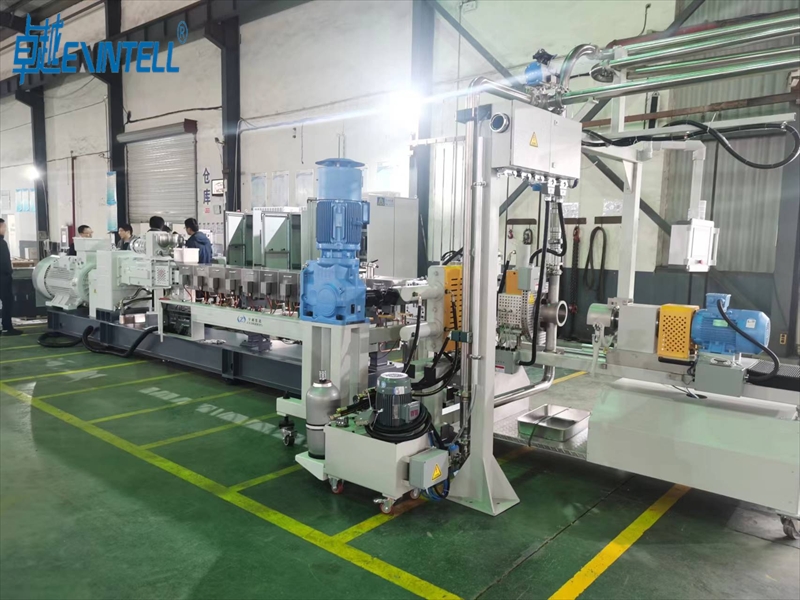
I often see plastics producers ask which pelletizing system fits their line best. When I compare strand and underwater pelletizing, I notice clear differences in pellet quality and cost. Take a look at this table:
| Āhuahira | Pelletizing whenu | Pelletizing Raro Wai (UWP) |
|---|---|---|
| Kounga Pellet | Good to Excellent, potential for fines | Excellent to Premium, highly uniform |
| Utu Tuatahi | Raro | Teitei ake |
| Ideal For | General-purpose, cost-sensitive operations | High-end applications, perfect consistency |
I recommend strand pelletizing for cost-sensitive operations. I choose the Underwater Pelletizing System when I need premium, highly uniform pellets for demanding applications.
Nga Taketake matua
- Pelletizing whenu is ideal for cost-sensitive operations, offering lower initial costs and simpler setups.
- Underwater pelletizing delivers premium pellet quality, producing highly uniform pellets suitable for demanding applications.
- Consider the type of polymer when choosing a system; strand works best for rigid materials, while underwater excels with complex or heat-sensitive polymers.
- Evaluate production volume needs; strand pelletizing suits small to medium runs, while underwater systems support high-volume operations efficiently.
- Regular maintenance is crucial; strand systems require basic skills, while underwater systems need advanced technical knowledge for upkeep.
- Space requirements differ; strand systems are compact, while underwater systems need more room for equipment and maintenance access.
- Always assess total costs, including initial investment, operating expenses, me te tiaki, to find the best fit for your budget.
- Consult with experts when facing complex decisions or new materials to ensure you choose the right pelletizing system for your needs.
Pelletizing Systems Overview
What Is Strand Pelletizing
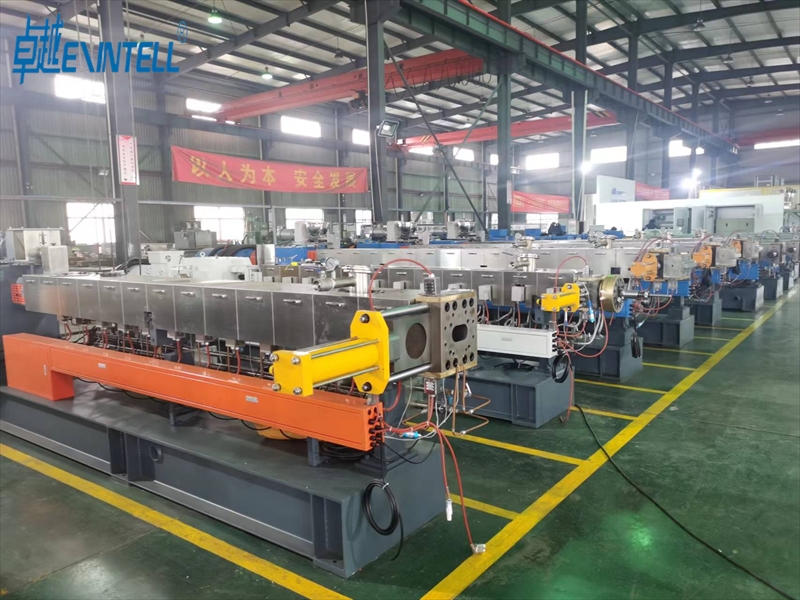
I often use strand pelletizing when I want a straightforward tukanga pelletizing. I tenei tikanga, I extrude molten polymer through a die plate to form long strands. I guide these strands over a cooling trough, usually filled with water, to solidify them. Whai muri i te whakamatao, I dry the strands and feed them into a cutter. The cutter chops the strands into uniform pellets. I find this pelletizing process works well for many general-purpose plastics. The strand pelletizing system offers a simple setup and allows me to adjust the pellet length easily. I can quickly change over to different materials or colors, which helps when I run smaller batches.
What Is Underwater Pelletizing
When I need highly uniform pellets, I turn to the underwater pelletizing system. In this pelletizing process, I extrude the molten polymer directly into a water chamber. Rotating knives cut the polymer at the die face while it is still hot. The water instantly cools and solidifies the pellets. I then separate the pellets from the water using a centrifugal dryer. This pelletizing process produces smooth, round pellets with minimal dust or fines. I rely on underwater pelletizing for demanding applications, such as medical or automotive compounds, where pellet consistency matters most. The underwater pelletizing system handles a wide range of polymers, including sticky or brittle materials that strand pelletizing cannot process efficiently.
Rerekētanga Matua
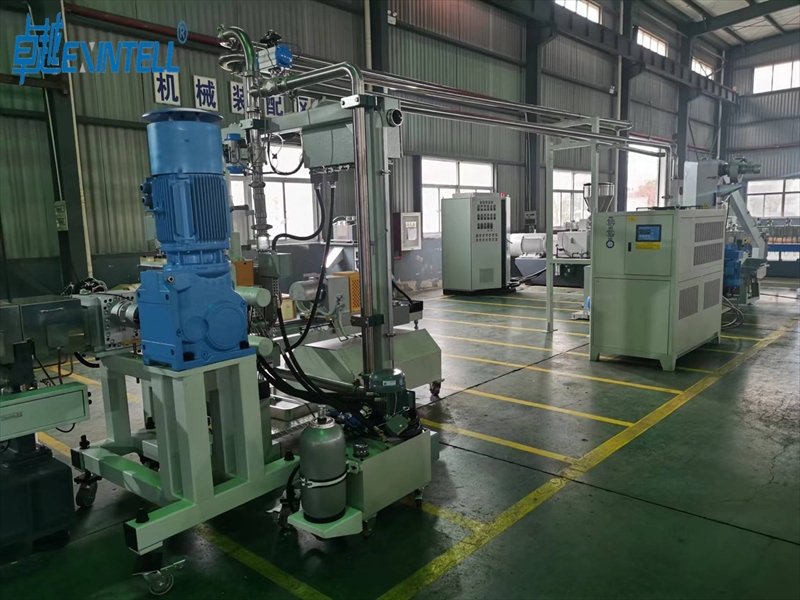
Ka kite ahau i nga rereketanga nui i waenga i enei tikanga pelletizing e rua. Ka whakamahia e te punaha pelletizing whenu he waka whakamatao me te whakahaere a-ringa i nga whenu i mua i te tapahi. Ko te punaha pelletizing i raro i te wai e whakauru ana i te tapahi me te whakamatao ki tetahi taahiraa, e whakaiti ana i te wawaotanga a-ringa. Ka kite ahau ka tautoko te pelleting i raro i te wai i te whakaputanga teitei ake, ka pai ake te mahi mo nga rawa uaua. Ko nga ahu whakamuatanga hangarau o naianei kua tino ataahua ake te pelleting i raro i te wai. Hei tauira, te te akiaki o te ao mo te oranga tonutanga ka akiaki ahau ki te whiriwhiri i nga punaha e tautoko ana i te hangarua. Ka whakaratohia te pelletizing i raro i te wai kakama teitei, he mea nui mo te tukatuka ano i nga awa polymer kanorau. I te wa e mahi ana ahau me nga rauemi matatini, Kei te hiahia au i te ahuahanga pellet tika, me te pelletizing i raro i te wai e tuku ana. Environmental regulations also influence my choice. Underwater pelletizing reduces dust and eliminates many issues I face with traditional strand pelletizing.
Here is a table that summarizes how these factors impact my decision:
| Tauwehe | Whakaahuatanga |
|---|---|
| Te oranga tonutanga | The global push for a circular economy drives investment in recycling infrastructure, favoring systems that support sustainability. |
| Te kaha | Underwater systems provide high-throughput capabilities essential for reprocessing diverse polymer streams. |
| Material Complexity | The demand for complex compounded materials in industries like automotive and medical devices necessitates precise pellet geometry achievable through underwater cutting. |
| Environmental Regulations | Stricter regulations compel manufacturers to adopt cleaner, more efficient methods, reducing dust and eliminating issues associated with traditional strand systems. |
Aki: If you run a high-performance pet bottle recycling system, you will likely benefit from the efficiency and consistency of underwater pelletizing.
I always consider the specific needs of my production line before choosing a pelletizing process. Strand pelletizing offers simplicity and lower cost, while underwater pelletizing provides premium pellet quality and supports modern sustainability goals.
Pellet Quality and Consistency
Underwater Pelletizing System Quality
When I need the highest pellet quality, I rely on the underwater pelletizing system. This system cuts the polymer while it is still soft, then cools the pellet instantly in water. I notice that this process creates pellets with smooth surfaces and a nearly perfect spherical shape. The uniformity stands out. Most pellets have a rerekētanga rahi iti iho i te ±5%. Ka kite ahau i tenei taumata teitei o te rite i nga wa katoa ka tirotirohia e au te hua kua oti.
Anei te whakataurite tere o te ahua pire me te rereketanga o te rahi:
| Pūnaha Pelletizing | Te Hanga Pellet | Rerekēnga Rahi |
|---|---|---|
| Raro wai | Porowhita | < ±5% |
| whenu | Porotakaro | < ±10-15% |
Ko te punaha pelletizing i raro i te wai ka whakaputa pire me te iti o te puehu. He uaua ka kitea e au nga whaina i te hua whakamutunga. Ko te mata maeneene me te mana o te rahi ka awhina i ahau ki te whakatutuki kounga pellet utu nui, he mea nui mo nga tono tono. Ka whakamahi ahau i tenei punaha ina hiahia au ki te whakatutuki i nga paerewa tino i roto i nga umanga penei i te motuka, rongoa ranei.
Kounga Pūnaha Pelletizing Strand
He maha nga wa ka whakamahia e au te punaha pelletizing whenu mo te hanga kaupapa whanui. Ko tenei tikanga ka hanga pire porotakaroa, engari ka kite ahau i te rereketanga o te rahi ka whakaritea ki te pelletizing i raro i te wai. Ko te rereketanga o te rahi ka eke ki te ±10-15%. E mohio ana ahau ki tena he mea tino nui te whakangao tika ki te mata. Ahakoa te iti o te hapa ka puta he take kounga, penei i te pikinga o te puehu, te koretake ranei o te roa pire.
Kia mau tonu te kounga o te pire me te pelletizing whenu, Ka whai ahau i enei kaupae:
- Ka tirotirohia e au te tirohanga mate.
- Ka whakatikahia e ahau te tere o te kume kia rite ki te rere o te extruder.
- Ka aroturuki ahau i te pāmahana wai i roto i te waka whakamatao.
- Ka tirotirohia e au mo te pakaru o te whenu ka whakatika ina hiahiatia.
Mena ka peke ahau i enei taahiraa, Ka kite ahau i te puehu me te iti ake o nga pire rite. Ko te punaha pelletizing whenu me aro nui ki nga korero. Ina tika ana nga mea katoa, Ka taea e au te whakaputa pai ki te kounga pellet pai, engari me kaha ake.
Te Paanga ki te Mahinga Hua
Pellet quality affects the performance of finished plastic products. I have learned that the extruder transforms plastic into a molten state, which sets the stage for pellet consistency. Filtration and purification remove impurities, ensuring that only high-quality pellets move forward. The pelletizing unit then creates uniform pellets. The cutting method, whether underwater or strand, determines the final size and shape.
When I use pellets with high uniformity and smooth surfaces, I see better flow in molding machines. The final products show fewer defects and more consistent properties. If pellet quality drops, I notice more processing issues and lower product performance. I always choose the pelletizing system that matches my quality goals.
Te Matatini Whakahaere
Setup and Changeover
I find that setup and changeover play a big role in my daily operations. When I use a strand pelletizing system, I handle most steps manually. I thread each strand from the die head through the water bath and into the cutter. This hands-on approach lets me spot problems early, like strand breakage or uneven cooling. I can fix these issues quickly. Changeovers for new materials or colors are straightforward. I clean the trough, adjust the cutter, and restart the process with little downtime.
With underwater pelletizing, I see a different picture. The system automates most steps. I set the parameters on a control panel, and the machine handles the rest. Ko te closed-loop design means I do not touch the product during setup. Changeovers take longer because I must wait for the system to stabilize. I also need to flush the water loop and check the die face for any buildup. This process reduces human error but requires more planning.
Cleaning and Maintenance
Cleaning and maintenance routines differ between these two systems. Here is how I compare them:
- Pelletizing Raro Wai: I notice this system runs in a closed loop and uses automation. I do not need to intervene often during normal operation. Heoi ano, the equipment is complex and sensitive. I must keep the extrusion process stable to avoid problems. Maintenance and start-up require advanced technical skills. I spend more time on preventive checks and calibrations.
- Pelletizing whenu: I handle cleaning and maintenance tasks manually. During start-up, I thread the strands myself. This hands-on method makes troubleshooting easier. The system is more forgiving if the melt viscosity changes. I can clean the trough and cutter with basic tools. I do not need advanced training for most tasks.
Aki: I always schedule regular checks for both systems. Preventive maintenance helps me avoid costly downtime.
Operator Skill Level
Operator skill level matters when I choose a pelletizing system. With strand pelletizing, I rely on basic mechanical skills. I can train new operators quickly. They learn to thread strands, adjust the cutter, and monitor the cooling bath. The process is forgiving, so small mistakes rarely cause big problems.
Underwater pelletizing demands more expertise. I need operators who understand automation and process control. They must know how to manage the closed-loop system and troubleshoot sensors or die face issues. Training takes longer. I invest in ongoing education to keep my team up to date.
| System | Setup Difficulty | Te Matatini o te Tiaki | Operator Skill Needed |
|---|---|---|---|
| Pelletizing whenu | Iti | Iti | Basic |
| Pelletizing Raro Wai | Medium-High | Teitei | Arā atu |
I always match the system to my team’s skill level and the complexity of my production line.
Whakatauritenga Utu
Initial Investment
When I plan a new plastics line, I always look at the initial investment first. Strand pelletizing systems usually cost less to purchase and install. I can set up a basic strand pelletizer with a cooling trough, air knife, and cutter for a modest price. The equipment is simple and does not require much automation. I find this system fits well when I need to keep my capital expenses low.
Underwater pelletizing systems require a higher upfront investment. The system includes a heated die face, ruma wai, pelletizer, water loop, and centrifugal dryer. I also need advanced controls and safety features. The installation process takes longer and often needs more space. I see this as a bigger commitment, but it pays off for high-end applications.
Here is a quick table to compare the initial investment:
| System | Typical Initial Cost | Installation Complexity |
|---|---|---|
| Pelletizing whenu | Iti | Maamaa |
| Pelletizing Raro Wai | Teitei | Matatini |
Tuhipoka: I always factor in the long-term benefits before making a decision. I etahi wa, a higher initial cost leads to better returns.
Nga Utu Whakahaere
Operating costs play a big role in my daily budget. Strand pelletizing systems use less energy and water. The process is straightforward, and I do not need many operators. I can run the line with basic utilities and minimal supervision. This keeps my ongoing costs low.
Underwater pelletizing systems use more power and water. The closed-loop water system and die-face cutter need steady energy. Kei te hiahia hoki ahau ki nga kaiwhakahaere mohio ki te aroturuki i te tukanga. He iti ake te ururua o te punaha, e whakaora moni i runga i te mate taonga. Heoi ano, ka piki ake nga pire whaipainga me nga utu mo nga kaimahi i roto i te waa.
Ka whakamahi ahau i tenei rarangi arowhai ki te whai i nga utu whakahaere:
- Kohi hiko
- Te whakamahi wai
- Nga whakaritenga mo te mahi
- Reiti para me te tukatuka ano
I nga wa katoa ka whakatauritea e au enei ahuatanga kia kite ko tehea punaha e pai ana ki aku whaainga whakaputa.
Nga utu tiaki
Ko nga utu tiaki ka miharo ahau ki te kore au e whakamahere i mua. He iti ake nga wahanga nekeneke a nga punaha pelletizing whenu. Ka taea e au te whakahaere i te nuinga o nga whakatikatika me nga taputapu taketake. He ngawari te rapu me te utu mo nga waahanga mokowhiti. Ka whakarite au i nga arowhai me nga mahi horoi kia pai ai te rere o te punaha.
Ko nga punaha pelletizing i raro i te wai me tiaki motuhake. Te mata mate, water loop, me te whakamaroke me tirotiro auau. I etahi wa ka hiahia ahau ki nga kaitoi kua whakangunguhia e te wheketere mo te whakatikatika uaua. He nui ake te utu o nga waahanga whakakapi, a ka roa ake te wa heke mena ka pakaru tetahi mea.
Anei te whakarāpopototanga o ngā hiahia tiaki:
| System | Auautanga Tiaki | Te Taumata Pukenga e Hiahia ana | Utu Angamaheni |
|---|---|---|---|
| Pelletizing whenu | Iti | Basic | Iti |
| Pelletizing Raro Wai | Waenga ki te Teitei | Arā atu | Teitei |
Aki: I nga wa katoa ka putea e ahau mo te tiaki aukati. Ma tenei ka awhina ahau ki te karo i nga whakapaunga ohorere, ka pai te rere o taku raina.
Te Mokowā me te Kakama
Taputapu Taputapu
Ina whakamahere ahau i taku papa whakaputa, I nga wa katoa ka ine au i te waahi e hiahiatia ana e ia punaha. Nga punaha pelletizing whenu kia iti ake te ruma. Ka taea e au te uru ki te waka whakamatao, air knife, me te kaitapa i te raina tika. He pai te mahi o tenei tahora ki nga waahi kiki. He maha nga wa ka neke, ka whirihora ano ranei i nga punaha whenu kaore he raru.
Nga punaha pelleti raro wai me nui ake te waahi. Kei roto i nga taputapu he ruma wai, kai tapahi mata mate, water loop, and centrifugal dryer. I must allow extra room for maintenance access and safety zones. The system often requires a dedicated area, especially for larger lines.
Here is a quick comparison:
| System | Typical Footprint | Te ngawari | Space Needed |
|---|---|---|---|
| Pelletizing whenu | Compact | Teitei | Iti |
| Pelletizing Raro Wai | Large | Waenga | Teitei |
Aki: I always check my available floor space before choosing a system. A compact line saves money on building costs.
Power and Water Use
I track utility usage closely. Strand pelletizing systems use less power. The main energy draw comes from the extruder and the cutter. Water use stays low because the cooling trough only needs a steady flow, not a closed-loop system.
Underwater pelletizing systems use more power and water. The die-face cutter, water pumps, and centrifugal dryer all require electricity. The closed-loop water system keeps the pellets cool and clean, but it increases water consumption. I see higher utility bills with underwater systems, especially at high production rates.
Here is a summary of utility needs:
- Pelletizing whenu: Low power, low water use, simple utilities.
- Pelletizing Raro Wai: High power, high water use, advanced utilities.
Tuhipoka: I always factor in local utility costs. High energy or water prices can affect my long-term savings.
Integration with Existing Lines
I often need to add pelletizing to an existing extrusion line. Strand pelletizing systems integrate easily. I connect the extruder to the die head, set up the cooling trough, and align the cutter. I can start production quickly with minimal changes.
Underwater pelletizing systems require more planning. I must ensure the extruder matches the die-face cutter. The water loop and dryer need proper plumbing and electrical connections. I etahi wa, I need to upgrade my controls or add safety features. Integration takes longer, but I get a more automated process.
Here is my checklist for integration:
- Check extruder compatibility.
- Plan for utilities and drainage.
- Ensure enough floor space.
- Update controls if needed.
I always consult with my equipment supplier before making changes. Good planning prevents costly mistakes.
Material and Application Fit
Best for Strand Pelletizing
When I select a pūnaha pelletizing, I always consider the type of polymer I plan to process. Strand pelletizing works best for certain materials and production goals. I often choose this method when I handle rigid or semi-crystalline polymers. These materials move smoothly through the cooling trough and rarely cause strand breakage. I also appreciate the lower investment and maintenance costs that come with strand systems. The operation stays simple, and I can switch between different polymers without much hassle.
Here are some plastics that perform well with strand pelletizing:
- Polypropylene (PP)
- Polyethylene (PE)
- Acrylonitrile Butadiene Styrene (ABS)
- Polystyrene (PS)
- Polyamide (PA, also known as Nylon)
- Polycarbonate (PC)
I find that strand pelletizing covers a wide range of general-purpose applications. I use it for compounding, hanga masterbatch, and recycling lines. The system handles most rigid and semi-crystalline polymers with ease. Heoi ano, I avoid using strand pelletizing for brittle materials. Brittle strands tend to break during cooling, which interrupts production and lowers yield. I also need to plan for the space required by the cooling tank. If I have limited floor space, I must consider this factor before choosing strand pelletizing.
Aki: I always match the polymer type to the pelletizing system. This step helps me avoid unnecessary downtime and quality issues.
He pai rawa mo te Pelletizing Raro Wai
I te wa e hiahia ana ahau ki te tukatuka i nga rauemi uaua, tairongo ranei, Ka huri ahau ki te pelletizing i raro i te wai. He pai ake tenei punaha me nga polymers e hiahia ana kia rite te ahua me te rahi o te pellet. Ka whakawhirinaki ahau ki te pelletizing i raro i te wai mo nga tono ngawari me te pakari. Ko te punaha wai kati ka whakamatao tonu nga pire, ka aukati i te piri me te whakarite kia rite.
Ka whakamahi ahau i te pelletizing i raro i te wai mo enei tono:
- Te tangohanga PVC ngawari mo te ngongo ngongo
- Ko nga waahanga motuka e hiahia ana kia rite tonu
- Ko nga papanga papa he mea nui te kounga o te mata
- Ko nga hua pakari penei i nga putorino me nga whaarangi
Ka kite ahau ka piri nga kakau pelletizing i raro i te wai, pakarukaru, he pai ake ranei nga polymers tairongo wera i nga punaha whenu. Ko te tukanga ka hua maeneene, pire porotaka me te iti o te puehu. He maha nga wa ka whiriwhiri ahau i tenei punaha mo nga hua utu nui, motuhake ranei. When my customers expect premium pellet quality, I trust underwater pelletizing to deliver.
Tuhipoka: I always check the end-use requirements before selecting a pelletizing system. High-performance applications benefit most from the consistency of underwater pelletizing.
Production Volume Considerations
Production volume plays a key role in my decision. I match the system to my output goals to maximize efficiency and control costs. Strand pelletizing works well for small to medium production runs. The system starts up quickly and allows for frequent changeovers. I can run multiple batches in a single shift without major downtime. This flexibility helps when I produce custom compounds or specialty colors.
Underwater pelletizing shines in high-volume operations. Ka tautokohia e te punaha te whakaputa tonu me te ngawari ki te whakahaere i nga waahanga nui. Ka kite ahau he iti ake te aukati me te iti o te wawaotanga a-ringa. Ka whakaitihia e te automation nga utu mahi me te whakapai ake i te riterite puta noa i te waa roa. I te wa e hiahia ana ahau ki te whakanui ake i te whakaputa, Ko te pelletizing i raro i te wai ka homai te kaha e hiahiatia ana e au.
Anei he ripanga tere hei awhina i te whakataurite i te pai mo nga momo whakaputanga rereke:
| Rōrahi Whakaputa | Pelletizing whenu | Pelletizing Raro Wai |
|---|---|---|
| Iti ki te Waenga | Tino pai | Pai |
| Teitei | Tika | Tino pai |
I nga wa katoa ka whakatauritehia e au aku whaainga whakaputa me nga kaha o ia punaha. Ko tenei huarahi ka awhina ahau ki te whakatutuki i nga hua pai mo taku raina kirihou.
Whakarāpopototanga pai me te kino
Nga Huarahi Pelletizing Strand
He maha nga wa ka kowhiria e au te pelleting whenu ina hiahia ahau ki te mahi ngawari. Ko te punaha he ngawari ki ahau me te pupuri i aku utu kia iti. I can train new operators quickly. I find that strand pelletizing works best for small and medium production runs. The equipment takes up less space and fits easily into most lines.
Here is a table that shows the main advantages and disadvantages:
| Nga painga | Nga huakore |
|---|---|
| Lower cost | Challenges in managing high throughput |
| Simpler operation | Mixing efficiency issues |
| Best suited for lower throughputs | Less suitable for very large production lines |
I notice that strand pelletizing struggles with high-volume production. The system sometimes has trouble mixing materials evenly. I see that large lines need more advanced solutions. I always check my production goals before choosing strand pelletizing.
Aki: I recommend strand pelletizing for cost-sensitive projects and flexible operations. I avoid it for very large or complex lines.
Underwater Pelletizing Pros and Cons
Underwater pelletizing gives me premium pellet quality. The system produces smooth, round pellets with tight size control. I rely on underwater pelletizing for demanding applications. The automation reduces manual labor and improves consistency. I see fewer defects in the final product.
Here are the main pros and cons I have experienced:
AtAKi:
- Delivers highly uniform pellets
- Handles sticky, pakarukaru, or heat-sensitive polymers
- Supports high-volume production
- Reduces dust and fines
Cons:
- Requires higher initial investment
- Needs advanced operator skills
- Uses more power and water
- Maintenance can be complex
I find that underwater pelletizing fits best in high-end or specialty lines. The system pays off when I need consistent quality and large output. I invest more up front, but I get reliable performance.
Tuhipoka: I always match the pelletizing system to my material and production needs. Underwater pelletizing works best for premium products and continuous operations.
Decision Guide
Quick Checklist
When I choose between strand and underwater pelletizing, I always review a checklist. This helps me avoid missing important details. I focus on the factors that impact my line’s performance, utu, and reliability. Here is a table I use to guide my decision:
| Key Factor | Whakaahuatanga |
|---|---|
| Pressure behavior at the die | I check if the system stabilizes pressure for uniform strands and lower energy use. |
| Access to the cutting zone | I look for designs that let me reach the cutting area quickly for maintenance. |
| Restart and maintenance effort | I consider how fast I can restart or maintain the system to reduce downtime. |
| Operating economics as a system | I compare energy use, service needs, and investment to see the real cost of each option. |
I always match these factors to my production goals and team skills. This approach helps me select the right system for my needs.
Common Mistakes
I have seen many manufacturers make the same mistakes when choosing a pelletizing system. These errors can lead to wasted time and money. I keep a list of common pitfalls and their effects:
| Mistake Description | Implication |
|---|---|
| Choosing a machine based solely on throughput capacity | I find that performance drops with different materials, causing inefficiency. |
| Assuming harder blades last longer | Hard blades can chip if they hit contaminants, which leads to more downtime. |
| Installing the smallest screen mesh for finer output | Small screens slow production and can smear plastics, hurting pellet quality. |
I always remind myself to look beyond just capacity or blade hardness. I consider the whole process and the materials I plan to run.
Aki: I review my material types, maintenance plan, and operator skills before making a final choice.
When to Consult an Expert
I etahi wa, I reach a point where I need outside help. I consult an expert when:
- I plan to process new or unusual polymers.
- My line must meet strict quality or regulatory standards.
- I see repeated downtime or quality issues I cannot solve.
- I need to scale up production or add automation.
An expert can analyze my process and recommend the best system for my goals. I find that early advice saves me money and prevents costly mistakes. I always prepare my production data and questions before the meeting. This helps the expert give me clear, actionable feedback.
Tuhipoka: I never hesitate to ask for help when the stakes are high. The right advice can make all the difference in my pelletizing success.
I choose strand pelletizing for flexible, cost-sensitive lines and underwater pelletizing for high-volume, premium quality needs. I always review these points before deciding:
- Check material properties and throughput.
- Match pellet quality to end-use.
- Assess facility utilities and maintenance needs.
- Calculate total cost and ROI.
I consult with suppliers and engineers to tailor my system and ensure smooth startup and training.
FAQ
What plastics work best with strand pelletizing?
I use strand pelletizing for materials like polypropylene, polyethylene, ABS, and polystyrene. These polymers run smoothly through the cooling trough and rarely break. I avoid brittle or sticky plastics because they cause strand breakage and lower yield.
Can I switch materials easily between batches?
Ae, I can switch materials quickly with strand pelletizing. I clean the trough and cutter, then start the new batch. Underwater pelletizing takes longer to change over because I must flush the water loop and check the die face.
How do I reduce dust and fines in my pellets?
I check die alignment, adjust puller speed, and monitor cooling. With underwater pelletizing, I see less dust because the system cuts and cools pellets instantly. I always keep equipment clean to maintain pellet quality.
Is underwater pelletizing safe for heat-sensitive polymers?
Ae, I trust underwater pelletizing for heat-sensitive materials. The water cools pellets instantly, which prevents sticking and thermal degradation. I use this system for soft PVC, TPE, and specialty compounds that need gentle handling.
What maintenance tasks should I schedule?
I schedule regular checks for die wear, cutter sharpness, and water quality. I clean the cooling trough or water loop weekly. I inspect sensors and controls monthly. Preventive maintenance helps me avoid downtime and keeps my line running smoothly.
Does pellet shape affect my final product?
Ae, pellet shape matters. I see better flow and fewer defects with round, uniform pellets from underwater systems. Cylindrical pellets from strand systems work well for general use, but I choose spherical pellets for high-performance applications.
How do I decide which system fits my budget?
I compare initial investment, operating costs, me te tiaki. Strand pelletizing costs less up front and uses less power. Underwater pelletizing costs more but gives premium quality and supports high-volume production. I match the system to my goals and resources.
Can I automate both pelletizing systems?
I can automate both systems, but underwater pelletizing offers more advanced automation. The closed-loop design reduces manual steps. Strand pelletizing allows for basic automation, but I still handle some tasks by hand.