

Tangohanga Kirihou, Hangaia werohanga ranei e pai ake ai te tika
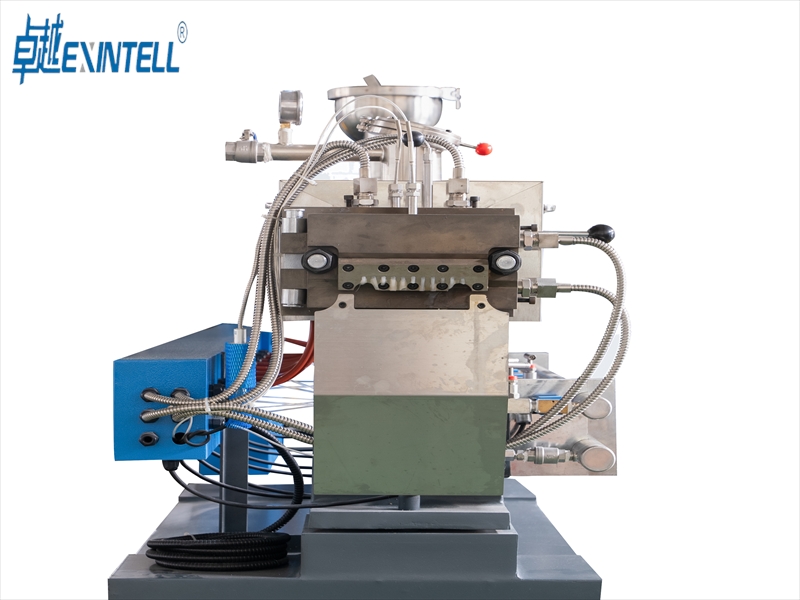
Kua kitea e au ko te hangai werohia he pai ake te tika me te pai ake o nga whakaatete Tangohanga Kirihou. Hei tauira, ka taea e werohia niao te whakatutuki kātakí rite kikī rite ±0.005 inihi, i te nuinga o te wa ka mau te tangohanga ±0.010 inihi. Anei he whakataurite tukanga i runga i nga tono angamaheni me nga tuunga:
| Momo Taupānga | Tukatuka Whakamahia | Whakaaetanga noa |
|---|---|---|
| Roa, nga wahanga rite (e.g., ngongo, rakau) | Tangohanga | ±0.010 inihi |
| Nga waahanga matatini, taipitopito ranei | Werohanga Moiling | ± 0.005 inihi he nui ake ranei |
| Nui-rōrahi, teitei-pū | Werohanga Moiling | He kaha ake i te tangohanga |
| Tonu, nga ahua ngawari | Tangohanga | Totonu, iti ake |
I te wa e whiriwhiri ana i te tukanga hangahanga, Ka whakaaro ahau i nga wa katoa te ahuahanga, e hiahiatia ana e te manawanui, rōrahi whakaputa, me te utu.
Nga Taketake matua
- Ko te hangai werohanga ka eke ki te pai ake o nga here, he rite tonu ki te ±0.005 inihi, kia pai mo nga waahanga uaua.
- Tangohanga kirihou he pai mo te roa, he rite nga ahua penei i nga ngongo me nga rakau, me nga kaaatanga a tawhio noa ±0.010 inihi.
- Whakaarohia te nui o te whakaputa i te wa e whiriwhiri ana i tetahi tukanga; Ko te hangai werohanga he utu-utu mo nga oma nui, i te wa e pai ana te tangohanga ki te whakaputanga nui tonu.
- Te whiriwhiri rauemi ka pa ki te tika; whiriwhiri rauemi i runga i nga whakaritenga motuhake o to tono.
- Aromātai i te whīwhiwhi wāhanga; He pai ake te mau o te werohanga i nga hoahoa uaua i te tangohanga, he iti nei ki nga ahua ngawari ake.
- He pai ake te kounga o te mata ki te werohanga, ka arahi ki nga waahanga maeneene kaore he taapiri whakaotinga.
- Mahere mo nga utu taputapu; Ko te hangai werohia he nui ake te haumi tuatahi engari ka penapena moni mo te wa roa ma te tukurua.
- Aromatawai wawe i nga hiahia o to kaupapa; te mohio ahuahanga, whakakororia, a ka awhina te tahua ki te kowhiri i nga mahi whakangao tika.
Tirohanga Kirihou Tangohanga
Tukatuka Taketake
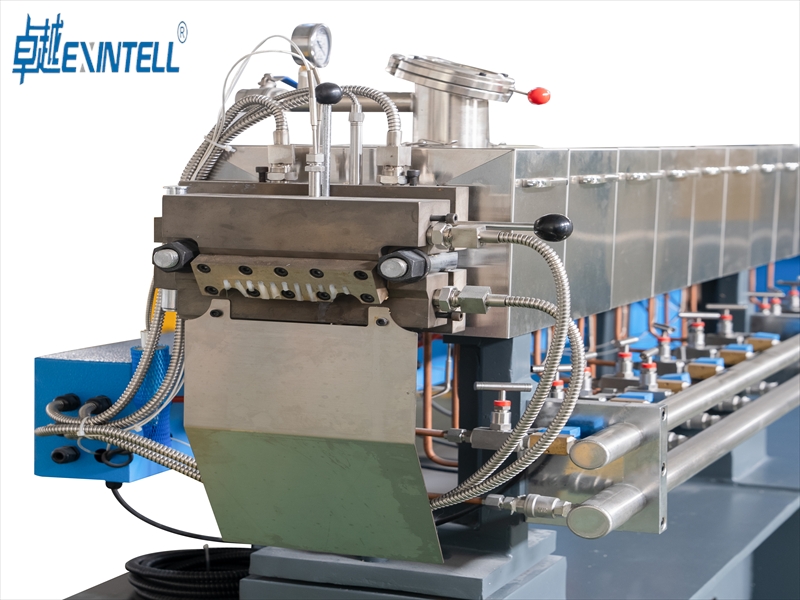
Kua mahi ahau me te tangohanga kirihou mo nga tau, kua kite i te ahua o tenei tikanga ki te hanga i nga rawa thermoplastic ki roto i nga korero haere tonu. Ka timata te mahi tangohanga ki te kowhiringa rauemi, he mea tino nui mo te whakatutuki i nga taonga e hiahiatia ana i roto i te hua whakamutunga. Ka utaina e ahau nga pire kirihou me nga kirikiri ki roto i te hopper kei runga ake o te extruder. Ka whakamahia e te mihini he huri hurihuri hei nuku i te rauemi i roto i te oko wera. I te wa e haere ana te rauemi, ka rewa na te waku me te wera o waho. Ka haere te kirihou whakarewa i roto i te mate rite tonu, e hoatu ana ki te hua tona ahua. I muri i te hanga, ka uru te ahua ki waho ki te punaha whakamatao, i te nuinga o te waa he pati hau, wai ranei, ki te whakakaha me te pupuri i te tika o te ahu. Ka mutu, Ka tapahia, ka hurihia ranei e ahau te hua, i runga i te tono. Ko tenei huarahi taahiraa-i-te-taahiraa ka taea e au te hanga roa, he riterite nga ahua me nga waahanga whiti rite.
Nga tono noa
He mea nui te tangohanga kirihou maha nga ahumahi. He maha nga wa ka kite ahau i whakamahia mo te kapi, waka, taonga, me nga taonga kaihoko. Ko te tukanga e whakaputa ana i te tini o nga hua, mai i nga ngongo ngawari ki nga korero uaua. Anei he ripanga e whakarāpopoto ana i ētahi tono noa:
| Ahumahi | Hua |
|---|---|
| Te takai | Kiriata, rau, peke, takai, paepae, me nga kapu |
| Motika | Keri huarere, ngongo kirihou, kuti pūkete |
| Nga taonga & Nga Taonga Kaihoko | Taapiri taha, arai arai, nga papa pahuka PVC mama |
| Kainga Nga taputapu | Kakau, hiri mo nga umu me nga ngaruiti |
| Paipa & Te rongoa | Nga ngongo, paipa |
Kua kitea e au tena te whakaputanga kirihou ritenga ka taea e nga kaihanga ki te hoahoa i nga korero motuhake mo nga hiahia motuhake. Ko tenei ngawari ka waiho te tangohanga hei whiringa rongonui mo te haere tonu, hanga nui-rōrahi.
Rauemi i whakamahia
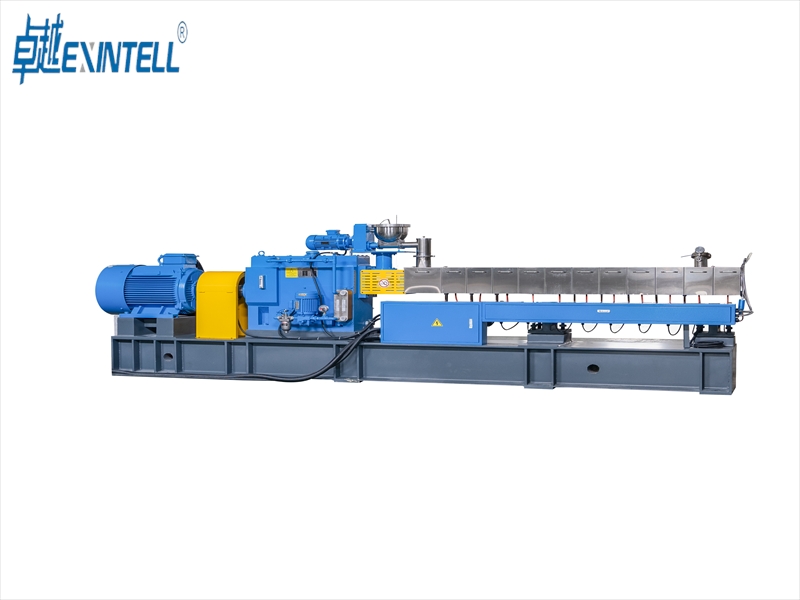
Ko te kowhiringa o nga rauemi i roto i te kirikiri kirihou ka pa ki te mahi me te tika o te hua whakamutunga. He maha nga wa ka whakamahia e au polypropylene, polyethylene terephthalate, me te polystyrene. Ko enei rauemi he rereke nga ahuatanga, penei i te ngawari, kaha, me te marama. Ko te huarahi taku whakarite, rewa, me te whakamatao i nga rawa ka pa tika ki te tika me te riterite o nga waahanga kua tangohia. Anei etahi o nga rawa e whakamahia ana e au:
- Polypropylene (PP)
- Polyethylene terephthalate (PET)
- Te polystyrene (PS)
- Polyvinyl chloride (PVC)
- Te polyethylene teitei (HDPE)
- polyethylene iti-kiato (LDPE)
- Acrylonitrile butadiene styrene (ABS)
- Ko nga elastomers Thermoplastic (TPE)
- Nylon (PA)
- Polycarbonate (PC)
- Polymethyl methacrylate (PMMA)
I te wa e mahi ana ahau i runga i nga kaupapa whakaputa kirihou ritenga, Ka whakataurite tonu ahau i nga rauemi ki nga whakaritenga a te tono. Ma tenei whiriwhiringa tupato ka tutuki te hua ki nga paerewa mahi me te tika.
Nga pai me nga kino
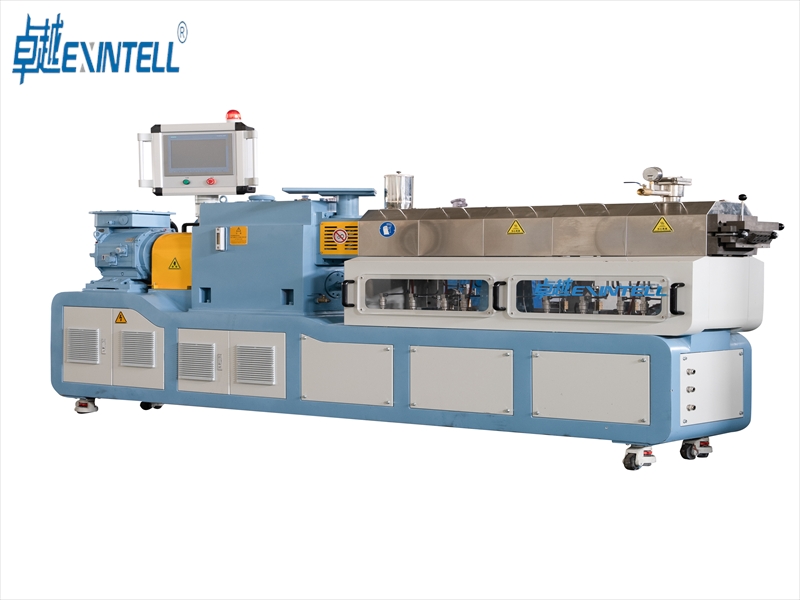
Ina arotake au i te tangohanga kirihou mo tetahi kaupapa, I nga wa katoa ka paunatia e ahau nga painga me nga ngoikoretanga. Ko tenei tukanga e whakarato ana i nga kaha ahurei, engari ka tae mai ano me nga here e pa ana ki te tika me te manawanui.
Anei a ripanga e whakarāpopoto ana i ngā tino painga me ngā huakore Kua kite ahau i roto i aku mahi:
| Nga painga | Nga huakore |
|---|---|
| Te kaha me te tauineine | Te herenga ki te hanga ahua uaua |
| Te nui o te whakaputanga | Ko nga wero me te pupuhi mate e pa ana ki te tika |
| Te utu-whai hua mo nga pukapuka reo-nui | Ko nga ngoikoretanga mata pea e hiahia ana kia oti |
Nga painga
He maha nga wa ka kowhiria e ahau te tangohanga kirihou mo tona tino pai. Ka haere tonu te tukanga, ko te tikanga ka taea e au te whakaputa i nga waahanga roa me te kore e pakaru. Ma tenei tauineine e pai ana mo nga ota nui. I te wa e hiahia ana ahau ki te hanga i nga mano o nga waewae o te ngongo ngongo ranei, Ko te tangohanga ka tuku hua rite. Ka heke te utu mo ia wahanga i te pikinga o te whakaputanga, no reira ka kitea e au he tino utu mo nga kaupapa reo-nui-nui.
Ko tetahi atu painga ko te kaha ki te hanga i nga waahanga whakawhiti rite. Ka taea e au te pupuri i nga rahi i te roa o te waahanga, he mea nui mo nga tono penei i te paipa, i nga papa matapihi ranei. Kei te tautoko hoki te tukanga i te whānuitanga o nga momo thermoplastics, no reira ka taea e au te kowhiri i nga rawa e rite ana ki nga whakaritenga miihini me te matū o te hua whakamutunga.
Nga huakore
Ahakoa enei kaha, Ko te tangohanga kirihou he ngoikoretanga. Ka tohe te tukanga ki nga ahua uaua. Mena kei te hiahia tetahi waahanga ki nga korero whakahirahira, ki nga kokonga koi ranei, Ki taku whakaaro he iti ake te pai o te tangohanga. Ka pupuhi te kirihou whakarewa i te putanga o te mate, he ahuatanga e kiia nei ko te pupuhi mate. Ka taea e tenei paanga te uaua ki te whakatutuki i nga whakaahuru, ina koa mo nga waahanga e tika ana te rahi.
He take ano te mutunga o te mata. I etahi wa, ko nga waahanga kua tangohia e whakaatu ana i nga raina, tohu ranei mai i te mate. He maha nga wa e hiahia ana ahau ki te taapiri i nga waahanga whakaoti tuarua, pēnei i te kuti, te whakakoi ranei, ki te whakapai ake i te ahua me te whakatutuki i nga paerewa kounga. Ka taea e enei waahanga taapiri te whakanui ake i te wa me te utu.
Aki: Ka tūtohu ahau ki te arotake i te ahuahanga o te waahanga me nga mea e hiahiatia ana i mua i te kowhiri i te tangohanga. Mena he ngawari te hoahoa, he nui te ota, Ko te nuinga o te wa ka tukuna e te extrusion te uara pai.
Injection Molding Overview
Tukatuka Taketake
He maha nga tau e mahi ana ahau ki te hanga i te werohanga, a ka kitea e au he mea whakamiharo, he pai hoki te tukanga. Ko te tikanga ka whakamahi i te pokepokea ai, e hanga ana i te kirihou whakarewa ki nga ahua tika. Ka whai tonu ahau i nga raupapa o nga mahi hei whakarite kia tutuki ia waahanga ki nga paerewa kounga. Anei me pehea taku whakatata atu ki te mahi hangai werohia:
- Te awhi: Ka kati ahau i te pokepokea hei whakarite mo nga mahi ka whai ake.
- Werohanga: Ka werohia e ahau he wera, he kirihou rewa ki roto i te kohao pokepokea ai.
- Nohonga: Ka waiho e ahau te kirihou kia noho ki roto i te pokepokea mo te wa poto kia whakakiia nga waahi katoa.
- Te whakamatao: Ka whakamatao, ka whakapakeke te kirihou i roto i te pokepokea ai.
- Te Whakatuwheratanga Moumaru: Ka whakatuwherahia e ahau te pokepoke i muri i te whakamatao o te waahanga.
- Te pananga: Ka tangohia e ahau te waahanga kua oti i te pokepoke.
Ka hoki tere tenei huringa, ka taea e au te whakaputa i nga waahanga nui o nga waahanga rite. Ka whirinaki ahau ki te wero weranga ina hiahia au i nga ahua uaua, nga korero pai, me nga whakaoti-kounga teitei. Ko te tukanga ka homai he mana pai ki ahau mo nga ine me te ahua o te mata.
Tuhipoka: Ka aro turuki tonu ahau i te pāmahana me te pehanga i te wa e werohia ana. Ko enei mea ka pa ki te tika me te rite o te waahanga whakamutunga.
Nga tono noa
He mahi nui te hanga werohanga i roto i nga umanga maha. Kua whakamahia e ahau tenei mahi ki te hanga i nga waahanga mo te motuka, hauora, hikohiko kaihoko, me nga waahanga whakangao. Ko te whaikorero o te hangai werohanga ka taea e au te whakaputa i nga waahanga ngawari me te tino uaua. Anei he ripanga e whakarāpopoto ana i etahi tono angamaheni:
| Ahumahi | Hua Hua |
|---|---|
| Motika | Nga momo waahanga me nga waahanga |
| Te rongoa | Nga whare taputapu, taputapu hāparapara |
| Hiko Kaihoko | Nga keehi, patene, me etahi atu waahanga |
| Te takai | Nga potae pounamu, ipu |
He maha nga wa ka mahia e au nga mea penei i nga keehi arotahi, potae pounamu, me nga waahanga nui-nui me nga ahuahanga uaua. Ko te hanga werohanga ka awhina i ahau ki te whakaputa hua rite, ahakoa mo nga kaupapa tono.
Rauemi i whakamahia
He mea nui te kowhiringa o nga rawa i roto i te werohanga niao. Ka whiriwhiria e ahau nga rauemi i runga i te kaha e hiahiatia ana, ngawari, me te tika. Mo nga waahanga tino tika, He pai ki ahau nga polymers me iti me te whakaemi rite, rere rewa pūmau, me te ātete waiariki pai. Ko etahi o te nuinga rauemi noa Ka whakamahia e au te whakauru:
- ABS: Ka tuku te uaua, he papa maeneene, me te atete paanga.
- Polypropylene: Ka whakarato ātete matū, ngawari, me te utu utu.
- Polycarbonate: He tino marama, kaha, me te parenga wera.
- Polyethylene: He maamaa me te aukati i te makuku.
- Nylon: E mohiotia ana mo te kaha, kakahu ātete, me te pumau waiariki.
- TITIRO: He mea whakamiharo mo te wera, matū, me te mau atete.
I te wa e hiahia ana ahau kia kaha ake nga whakamaaramatanga, Ka huri ahau ki nga polymers-tohu miihini. Ko nga mea penei i te waiwaro tioata wai (LCP), polyether ether ketone (TITIRO), me te acetal (POM) homai ki ahau te tino pai o te ahua me te iti o te whakaheke. Hei tauira, Ka whakamahi ahau i te LCP mo nga hononga hiko me nga waahanga puoro, i te mea he pai te mahi a PEEK mo nga whakaurunga rongoa me nga waahanga aerospace. Ko te Polycarbonate taku whiriwhiri mo nga arotahi me nga waahanga whatu na te maamaa me te kaha.
Aki: Ka whakataurite tonu ahau i nga rauemi ki nga hiahia o te tono. Ko te kowhiringa tika ka whakarite i te mahi whakakikorua i te werohanga ka puta te tika me te mahi.
Nga pai me nga kino
He maha nga tau e mahi ana ahau me te hanga werohanga. Ko tenei mahinga he maha nga painga e pai ana ki a au mo nga waahanga kirihou tino tika. E hiahia ana ahau ki te whakapuaki i nga kaha me nga here kua kitea e au.
Painga o te Injection Molding
- Ka taea e au te whakatutuki i te tino tika me te hangai werohanga. Ko te tukanga ka taea e au te whakaputa i nga waahanga me nga mea e mau ana ki te ± 0.005 inihi. He uaua tenei taumata o te tika ki te whakarite ki etahi atu tikanga hanga kirihou.
- Ka maioha ahau ki te tukurua o te werohanga niao. Kia whakaturia e ahau te pokepokea ai, me te tukanga tawhā, Ka taea e au te whakaputa i nga mano tini miriona ranei nga waahanga rite. Ko ia waahanga ka tino rite ki te hoahoa taketake.
- He maha nga wa me hanga e au etahi waahanga me nga ahua uaua me nga korero pai. He pai te hapai i te hangahanga werohanga i nga ahuahanga uaua. Kaore au e hiahia ki te taapiri i etahi atu waahanga, nga tikanga tuarua ranei hei whakatutuki i enei ahuatanga.
- Ka kitea e au ko te hanga werohanga he tino pai te whakaoti mata. Ko nga waahanga ka puta maeneene me te rite mo te whakamahi i te nuinga o nga keehi.
- Ka taea e au te whakamahi i te maha o nga momo whakamaarama me nga polymers miihini. Ma tenei ngawari ka taea e au te whakarite i nga rawa taonga ki nga hiahia o te tono.
Nga ngoikoretanga o te Whakairi Whakanoho
- Me whakangao au ki roto i nga miihini kounga teitei i mua i taku tiimata ki te whakaputa. Ko te utu tuatahi mo te hanga maaka he mea nui. Mo nga mahi whakaputa iti, this cost may not be justified.
- I have learned that design complexity can present challenges. I need to plan the mold and part design carefully. Mistakes in the design phase can lead to costly changes later.
- I sometimes face longer lead times at the start of a project. Designing and manufacturing the mold takes time, especially for complex parts.
- I notice that material selection and process settings require careful attention. If I do not control temperature, pehanga, and cooling rates, I risk defects or dimensional errors.
Here is a table that summarizes the main pros and cons I have experienced with injection molding:
| AtAKi | Cons |
|---|---|
| High precision and tight tolerances | High initial mold cost |
| Excellent repeatability for large volumes | Design complexity requires careful planning |
| Supports complex geometries and fine details | He roa ake te wa mo te whanaketanga o te maaka |
| Ka mutu te mata maeneene | He mea nui te mana whakahaere |
| Te whiriwhiri rauemi whanui | Ehara i te utu utu mo nga oma reo iti |
Aki: I nga wa katoa ka tūtohu ahau ki te werohia ina hiahia te kaupapa kia tino tika, hanga matatini, me nga pukapuka whakaputa nui. Mo nga waahanga ngawari, nga waahanga iti ranei, Ka whakaaro ahau ki etahi atu tikanga hei whakaora i nga utu me te wa arahi.
Te Tika me te Whakaaetanga
Ina whakatairitehia e au te tangohanga kirihou me te whakarewa i werohia, Ka aro tonu ahau ki te whakahaerenga o ia tukanga i te tika me te manawanui. Ko enei mea ka whakatau mena ka tutuki tetahi waahanga i nga whakaritenga o te hoahoa me te mahi i runga i te whakaaro. Kua ako ahau ahakoa he iti noa nga rereketanga ka pa ki te huihuinga, mahi, me te kounga hua.
Whakaaetanga Kirihou Tangohanga
Tauritenga Ahu
I roto i taku wheako, Ko te tangohanga kirihou he pai te rite mo te roa, ahua tonu. He maha nga wa ka kite ahau i nga awhe o te manawanui ±0.010 inihi. Ko tenei uara he tohu tohu mo nga mea ka taea e au mai i te tangohanga i runga i nga rereketanga o te rahi. He pai ake te mahi mo nga waahanga me nga waahanga whiti rite, penei i nga ngongo, rakau, me ngā pūkete. Heoi ano, Ka kite ahau he uaua ki te pupuri i nga here i te roanga o te waa. Ko nga mea penei i te pupuhi mate, whakahekenga rauemi, me nga reiti whakamatao ka paku rerekee. I nga wa katoa ka aro turuki ahau i enei taurangi kia mau tonu nga ine ki roto i nga rohe e whakaaetia ana.
Whakaoti Mata
Ko te mutunga o te mata i roto i te tangohanga ka whakawhirinaki ki te kounga o te mate me te mahi whakamatao. He maha nga wa ka kite ahau i nga raina iti, tohu ranei i runga i nga waahanga kua tangohia, ka puta mai i te mate, i te whakamahana koretake ranei. Ko enei tohu ka pa ki te ahua me etahi wa ki te pai o te waahanga. Ina he mea nui te mata maeneene, Ka hiahia pea ahau ki te taapiri i nga waahanga whakaoti tuarua. Kua kitea e au he iti rawa te ekenga o te tangohanga ki te taumata o te maeneene o te mata ki te whakarewa i werohia. Tonu, mo nga tono maha, ka whakaaetia te whakaoti me te kore he mahi taapiri.
Nga Whakaaetanga Whakanoho Whakanoho
Tikanga Ahu
Ko te hangai werohanga e tu mai ana mo tona kaha ki te whakatutuki i nga herenga tino uaua. Ka mahi au i nga wa katoa me nga mea kaaa ki te ± 0.005 inihi, i etahi wa ka kaha ake mo nga waahanga tino tika. Ko tenei taumata o te tika ka puta mai i te pokepokea maia me nga tawhā tukanga whakahaere. Ka whakawhirinaki ahau ki nga paerewa penei TŌ EN ISO 20457 me te ISO 2768-1/2 hei arahi i aku mahi. Ko enei paerewa e whakaatu ana i nga roopu manawanui me nga karaehe mo nga waahanga rereke me nga waahanga. Hei tauira, TŌ EN ISO 20457 ka whakapūtā i ngā rōpū kātakí pēnei i te TG5, e taea ai e pā ana ki 0.23 mm mo a 32 mm wahi. Ko enei aratohu ka awhina i ahau ki te whakarite kia tutuki nga waahanga katoa ki nga whakaritenga ahu.
Ka aro nui ahau pehanga werohanga me te pehanga pupuri i te wa whakakoi. Ko te whakatikatika tika i enei tautuhinga ka whakakiia te maaka me te whakaiti i nga hapa. He mea nui tenei mana mo nga tono tika, ahakoa he iti noa te rereke ka puta he raruraru i roto i te huihuinga me te mahi.
Whakaoti Mata
Ko te mutunga o te mata i roto i te whakarewa werohanga he pai rawa atu. Ka taea e au te whakaputa i nga waahanga me te kanapa, nga papa kua whakakorikoria, he kakano ranei hei whakapai ake i te hopu me te huna i nga hapa iti. Ko te whiringa o te whakaoti ka pa ki te ahua me te mahi o te waahanga. Hei tauira:
- Ko te whakaoti kua orohia he kanapa, ahua maeneene.
- Ka taea e nga papa kakano te ngawari ki te hapai i nga waahanga me te kore e kitea nga rakuraku.
- Ka taea hoki e nga momo whakaoti rereke te awe i te mauroa me te mahi o te waahanga me etahi atu waahanga.
Ka whakaaro ano ahau me pehea nga tikanga tukatuka muri, penei anodizing, paninga paura, te whakakikorua hiko ranei, ka pa pea ki nga rahinga whakamutunga. Ko enei tikanga ka taapiri rauemi, ka huri ranei i te mata, no reira ka whakaarohia e au i roto i taku hoahoa kia mau tonu ai.
Ripanga Whakatauritenga Whakaaetanga
He maha nga wa ka whakamahi ahau i te teepu hei whakataurite i nga tikanga mo te tangohanga kirihou me te whakarewa i te werohanga. Ko tenei whakarāpopototanga ka awhina ahau me aku kaihoko ki te mohio ki nga mea e tumanakohia ana mai i ia tukanga:
| Tukanga | Nga Whakaaetanga Tikanga | Kounga Whakaoti Mata | Te tukurua |
|---|---|---|---|
| Tangohanga Kirihou | ±0.010 inihi | Whakaōrite | He pai mo nga waahanga roa |
| Werohanga Moiling | ± 0.005 inihi he nui ake ranei | Tino pai | Tino teitei |
Tuhipoka: Ko te hangai werohanga ka kaha ake te pai o te whakaahuru me te pai ake o te tukurua i te tangohanga kirihou. I nga wa katoa ka tūtohu ahau ki te werohia ina hiahia te kaupapa kia tino tika, hanga matatini, ranei nga whakaritenga whakararu.
Kua kitea e au ko te whiriwhiri i te mahi tika ka whakawhirinaki ki te ahuahanga o te waahanga, the required tolerances, and the application. Injection molding gives me the best results for detailed, high-precision parts. Tangohanga kirihou works well for simple, continuous shapes where slightly looser tolerances are acceptable.
Factors Affecting Precision
Material Choice
I always start by considering the material when I want to achieve high precision in plastic parts. The properties of the plastic influence how well I can control tolerances during both extrusion and injection molding. Hei tauira, the way a material flows, its shrinkage, and its thermal stability all play a role in the final outcome.
Anei he tepu that summarizes how different material properties affect precision and tolerances:
| Material Property | Influence on Precision and Tolerances |
|---|---|
| Flow Behavior (MFI/MFR) | High MFI materials flow easily, which helps fill complex or thin-walled molds. Heoi ano, they may have lower strength. |
| Low MFI materials are thicker and harder to mold but result in stronger, more impact-resistant parts. | |
| Shrinkage | Amorphous plastics like ABS and PC shrink less and more evenly, so I can achieve tighter tolerances. |
| Semi-crystalline plastics such as Nylon and POM shrink more and less predictably, making precision harder to control. | |
| Pūmautanga Ngawha | Poor thermal stability can cause defects like burn marks or warping, which reduces dimensional accuracy. |
| Good thermal stability is important for thin or complex parts where precision matters most. |
When I select a material, I always match its properties to the needs of the part. Hei tauira, if I need a part with very tight tolerances, I choose an amorphous plastic with low shrinkage and good thermal stability.
Part Complexity
The complexity of a part has a direct impact on the precision I can achieve. Simple shapes are easier to control, while complex designs introduce more challenges. I pay close attention to features like parting lines, curved surfaces, and critical dimensions.
Here is a table that shows how different design considerations affect precision:
| Consideration | Impact on Precision |
|---|---|
| Parting Line Placement | Influences mold complexity and the quality of the finished product. |
| Avoiding Critical Areas | Helps prevent dimensional changes and ensures a better fit. |
| Positioning on Curved Surfaces | Demands higher mold accuracy, which can increase costs and risk of defects. |
| Use of Natural Split Lines | Makes mold construction easier and improves the demolding process. |
When I design a part for injection molding, I try to place parting lines in less visible areas and avoid putting them on critical surfaces. This approach helps me maintain better tolerances and reduce the risk of defects.
Rōrahi Whakaputa
Production volume also affects the level of precision I can achieve. Mo te whakaputanga nui, I invest in high-quality molds and precise process controls. This investment pays off because I can produce thousands or millions of identical parts with consistent tolerances. For smaller runs, I may use less expensive tooling, but I know that this can lead to more variation in the final parts.
Aki: I always recommend using the best possible tooling and process controls for high-volume production. This strategy ensures that every part meets the required specifications and reduces waste.
Tooling Quality
I always pay close attention to tooling quality when I want to achieve high precision in plastic manufacturing. The tools I use, such as dies for extrusion and molds for injection molding, play a critical role in determining the final tolerances and surface finish of each part. I have learned that even small imperfections in tooling can lead to significant errors in the finished product.
I roto i taku wheako, high-quality tooling starts with careful design. I work with engineers to create detailed drawings and 3D models. These models help me visualize the part and identify areas where precision matters most. I select materials for the tooling that resist wear and maintain their shape under high temperatures and pressures. For injection molding, I often use hardened steel or high-grade aluminum. For extrusion dies, He pai ake ki ahau te maitai taputapu me te mata orohia.
Kua kite ahau ko te mahi hanga mo te taputapu ka pa ki tona kounga. Mahinga tika, penei i te mira CNC me te EDM, ka taea e au te whakatutuki i nga kaatete kiki i roto i te pokepokea ai ka mate ranei. Ka tirotirohia e ahau nga taputapu i muri i ia taahiraa kia kore he koha, he rereke ranei. Mena ka kitea e au etahi take, Ka korero tonu ahau ki a ratou. Ma tenei aro ki nga korero ka aukati i nga raru i te wa e whakaputa ana.
Ko te tiaki tetahi atu take e pa ana ki te kounga o nga taputapu. Ka whakarite au i nga tirotiro me te horoi mo aku taputapu katoa. Ka whakakapihia e au nga waahanga kua maara i mua i te paheketanga o nga waahanga kirihou. Ko te tiaki tika ka roa te oranga o te taputapu me te pupuri i te mahi whakangao kia rere pai.
Anei he ripanga e whakarāpopoto ana me pēhea te whai pānga o te kounga taputapu ki te tika i roto i ngā tukanga e rua:
| Hunga Taputapu | Impact on Precision | Taku Huarahi |
|---|---|---|
| Te Kōwhiringa Rawa | Reduces wear and deformation | Use hardened steel or aluminum |
| Machining Accuracy | Achieves tight tolerances | Employ CNC and EDM |
| Whakaoti Mata | Improves part appearance | Polish dies and molds |
| Te tiaki | Prevents defects | Schedule regular checks |
Aki: I always recommend investing in high-quality tooling for projects that require tight tolerances. The upfront cost may be higher, but the long-term benefits include fewer defects, better repeatability, and lower maintenance costs.
I have found that tooling quality often determines the success of a manufacturing project. When I use well-designed and well-maintained tools, I consistently produce parts that meet strict precision requirements. This approach builds trust with my clients and helps me deliver reliable results every time.
Utu vs. Tikanga
Extrusion Cost Factors
Ina arotake au i te tangohanga kirihou mo tetahi kaupapa, I always consider how cost and precision interact. Several factors influence the final price of extruded parts:
- I often need rauemi utu nui to achieve higher precision. These materials cost more but help me meet strict tolerances.
- Custom tooling becomes necessary when I want unique profiles or tighter tolerances. This requirement increases the initial investment.
- If I focus on speed and low cost, I sometimes see a drop in precision. Parts may not meet the required tolerances, which can lead to quality issues.
- When I prioritize quality and precision, I spend more time on setup and inspection. This approach slows production but ensures better results.
I find that balancing these factors is key. If a project allows for looser tolerances, I can save money by using standard materials and tooling. Mo nga tono tino nui, I invest more to guarantee precision.
Injection Molding Cost Factors
Injection molding presents a different cost structure. I have learned that several elements drive the overall expense, especially when aiming for high precision. The table below summarizes the main cost factors and their relationship to precision:
| Cost Factor | Relation to Precision |
|---|---|
| Tooling Costs | High-quality molds stabilize production and maintain tight tolerances over time. |
| Material Consumption | Premium materials improve accuracy but raise initial costs. |
| Cycle Time | Shorter cycles reduce costs, but sometimes compromise precision. |
| Machine Tonnage Rate | Larger machines hold tighter tolerances but use more energy. |
| Labor/Automation Level | Automation boosts precision and lowers labor costs in the long run. |
| Scrap Rate | Poor precision increases scrap, which drives up total costs. |
I always weigh these factors before starting a new injection molding project. For large production runs, investing in better tooling and automation pays off. I see fewer defects and more consistent parts.
Balancing Cost and Precision
Choosing between extrusion and injection molding often comes down to finding the right balance. I look at the part’s geometry, the required tolerances, and the production volume. The table below helps me decide which process fits best:
| Process Type | Pai Mo | Core Advantage | Trade-off |
|---|---|---|---|
| Werohanga Moiling | Matatini, enclosed 3D parts | Extreme precision and consistency | Higher initial mold cost; best for large batches |
| Tangohanga Kirihou | Tonu, uniform profiles | Lower tooling cost, efficient output | Limited to linear shapes; less suitable for complex geometries |
If I need complex shapes and tight tolerances, I choose injection molding despite the higher upfront cost. Mo te ngawari, continuous profiles, I rely on extrusion to keep costs low and production fast. I always match the process to the project’s needs, ensuring I deliver both value and quality.
Aki: I recommend discussing your precision requirements early in the design phase. This step helps me select the most cost-effective process for your application.
Te whiriwhiri i te Tukanga Tika
Selecting the right process for manufacturing plastic parts can determine the success of a project. I always start by evaluating the part’s geometry, e hiahiatia ana e te manawanui, rōrahi whakaputa, and cost targets. My experience has shown that both plastic extrusion and injection molding offer unique strengths. The best choice depends on the specific needs of the application.
When to Use Plastic Extrusion
I turn to the tukanga tangohanga kirihou when I need to produce long, continuous shapes with uniform cross-sections. This process excels at creating items like tubes, paipa, weather seals, and profiles for windows or furniture. I find that extrusion works best for high-volume production runs where the design does not require complex 3D features.
To ensure a successful and high-quality plastic extrusion, several key factors must be carefully evaluated during the design phase: Functional Requirements, Rauemi Hototahi, Profile Complexity, Wall Thickness, Whakaaetanga, Mating Parts, Tooling Collaboration, and Cost Efficiency.
When I assess whether the extrusion process is the right fit, Ka whakaaro ahau:
- Application requirements, such as temperature resistance and UV exposure.
- Mechanical properties, tae atu ki te ngawari, pakeke, and tensile strength.
- Environmental conditions, like weather and temperature fluctuations.
- Aesthetic and finish requirements, such as color, gloss, and surface texture.
- Regulatory and compliance needs to meet industry standards.
I also weigh the cost benefits of the extrusion process. Here is how I approach the decision:
- Assess material costs against budget constraints.
- Consider long-term savings from durability and reduced waste.
- Work with experienced partners to find the best balance of performance and price.
Different plastics behave uniquely during the extrusion process, affecting the final product’s shape and performance. Ka aro nui ahau thermal stability and melt strength, especially for applications that require precise tolerances. When the design calls for simple, linear shapes and the process must remain cost-effective, extrusion often provides the best solution.
Example Scenario:
Last year, I worked with a client who needed thousands of feet of custom tubing for an irrigation system. The process required a material that could withstand sunlight and temperature swings. I recommended the extrusion process using UV-stabilized polyethylene. The process allowed us to maintain consistent wall thickness and meet the client’s budget. The result was a durable product that performed well in the field.
When to Use Injection Molding
I choose the injection molding process when the part design involves complex geometries, nga whakamohiotanga, or intricate details. This process is ideal for producing high-precision components, such as medical device housings, automotive connectors, or consumer electronics enclosures. The process supports a wide range of materials and finishes, making it versatile for many industries.
The injection molding process stands out when:
- The part requires enclosed or 3D shapes that extrusion cannot achieve.
- High repeatability and consistency are critical for assembly or function.
- The application demands a smooth surface finish or specific textures.
- The project involves large production volumes, justifying the investment in tooling.
I always consider the initial tooling cost and lead time for the injection molding process. For high-volume projects, the process delivers excellent value through low per-part costs and minimal variation between parts. I also rely on this process when regulatory compliance and material traceability are essential.
Example Scenario:
Recently, I partnered with a medical device manufacturer to produce a new type of handheld diagnostic tool. The process required a housing with complex internal features and a flawless surface finish. I recommended the injection molding process using medical-grade polycarbonate. The process allowed us to achieve the necessary tolerances and pass strict regulatory tests. The client appreciated the consistency and quality of every part.
Akoranga Take:
I have seen how companies use data-driven approaches to select the right process. Hei tauira, Amcor conducted a pilot test comparing emissions from different plastic sources and production sites. The process helped them make informed decisions about low-carbon procurement and supplier relationships. By analyzing the process at each step, they improved transparency and achieved their sustainability goals.
Aki: I always advise clients to define their precision requirements, rōrahi whakaputa, and budget early in the design phase. This clarity helps me recommend the most suitable process and avoid costly changes later.
How I Decide Between Processes
I use a simple checklist to guide my decision:
- Does the part have a uniform cross-section and require long lengths? I choose the extrusion process.
- Does the part need complex shapes, nga whakamohiotanga, or a high-quality finish? I select the injection molding process.
- Is the production volume high enough to justify tooling investment? I lean toward injection molding.
- Is cost efficiency for simple shapes the main goal? I recommend extrusion.
The process selection shapes the entire project, from design to final delivery. I always match the process to the application’s needs, ensuring the best balance of quality, tika, me te utu.
Ētahi atu whakaaro
Te Waa Arahi
I always pay close attention to lead time when planning a manufacturing project. Lead time refers to how long it takes to go from design approval to finished parts. I roto i taku wheako, plastic extrusion usually offers shorter lead times. The tooling for extrusion is simpler and faster to produce. I can start production quickly once the die is ready. This makes extrusion a good choice for projects with tight deadlines or urgent needs.
Injection molding requires more time upfront. The mold design is complex and demands careful engineering. I often spend weeks or even months creating and testing the mold. Once the mold is ready, production moves fast, but the initial setup slows the process. I recommend injection molding for projects where precision and volume matter more than speed.
Aki: If you need parts quickly and the design is simple, extrusion can save valuable time.
Te Hangawari Hoahoa
Design flexibility shapes what I can achieve with each process. I have learned that extrusion limits my options. The process works best for simple, repeated shapes like tubes or profiles. I cannot create intricate features or complex geometries with extrusion.
Injection molding gives me much more freedom. I can design parts with fine details, undercuts, and complex shapes. The mold captures every feature, so I can meet strict requirements for accuracy and appearance.
Anei a table that compares design flexibility between the two methods:
| Tikanga | Te Hangawari Hoahoa | Complexity of Parts |
|---|---|---|
| Extrusion Molding | Limited design flexibility; best for simple, repeated shapes. | Not suitable for intricate features. |
| Werohanga Moiling | High design flexibility; ideal for complex shapes with fine details and accuracy. | Capable of creating sophisticated designs. |
I always match the process to the part’s needs. If the design is simple and repeated, extrusion works well. For complex or detailed parts, injection molding is the clear winner.
Te oranga tonutanga
Sustainability has become a major concern in my work. I look for ways to reduce waste and use eco-friendly materials. Plastic extrusion stands out for its ability to incorporate recycled content me nga taonga koiora. I can use these options without sacrificing performance or quality. This gives extrusion an advantage when clients want greener solutions.
Injection molding is less flexible in this area. The process does not always support recycled or biodegradable plastics. I must choose materials carefully to avoid defects or quality issues. When sustainability is a priority, I recommend extrusion for its environmental benefits.
🌱 I always encourage clients to consider recycled or biodegradable materials in extrusion projects. This choice supports sustainability goals and helps protect the environment.
I have seen that injection molding delivers better precision in plastic manufacturing, especially for small to medium-sized plastic parts. The process uses balanced clamping force and optimized resin viscosity to reduce defects. Multi-cavity molds and rigid frames help maintain consistent results. When I choose between plastic extrusion and injection molding, I always consider plastic geometry, whakakororia, rōrahi whakaputa, me te utu. I recommend injection molding for complex plastic shapes and tight tolerances. Plastic extrusion works well for simple, continuous plastic profiles. My experience shows that careful planning in plastic manufacturing leads to reliable plastic products.
| Tauwehe | Werohanga Moiling | Tangohanga Kirihou |
|---|---|---|
| Tikanga | High for plastic parts | Moderate for plastic parts |
| Whakaaetanga | Tight in plastic manufacturing | Looser in plastic manufacturing |
| Rōrahi Whakaputa | Best for large plastic runs | Best for continuous plastic runs |
| Utu | Higher for plastic molds | Lower for plastic dies |
I always advise clients to match the plastic manufacturing process to their specific plastic needs.
FAQ
What is the main advantage of plastic extrusion?
Ka kitea e ahau te tangohanga kirihou ideal for creating continuous profiles. The process runs efficiently and produces long, ahua rite. I can quickly manufacture parts like tubes and rods for many industries.
Can injection molding handle complex shapes?
I rely on injection molding when I need intricate designs or detailed features. The process allows me to produce parts with complex geometries and tight tolerances. I achieve high precision every time.
Which process is better for high volume production?
I choose injection molding for high volume production. The process delivers consistent quality and repeatability. I can produce thousands or millions of identical parts with minimal variation.
Are continuous profiles possible with injection molding?
I do not use injection molding for continuous profiles. The process works best for discrete, individual parts. Ka huri ahau ki tangohanga when I need long, uninterrupted shapes.
What materials work best for extrusion?
I select materials like polypropylene, PVC, and HDPE for extrusion. These plastics help me create continuous profiles with reliable performance. I match the material to the application’s requirements.
How does surface finish compare between the two processes?
I notice that injection molding produces smoother surfaces. Extrusion sometimes leaves marks or lines on continuous profiles. I may add finishing steps to improve appearance when needed.
Is extrusion cost-effective for small batches?
I usually recommend extrusion for larger orders. The process becomes more cost-effective as I produce more continuous profiles. For small batches, setup costs may outweigh the benefits.
Can I use recycled materials in extrusion?
I often use recycled plastics in extrusion. The process supports sustainable manufacturing and lets me create continuous profiles with eco-friendly materials. I help clients meet their environmental goals.