

Kaihanga Tangohanga Kirihou & Kaituku Tauhokohoko Faingamālie i waenganui i te US me EU i roto i
Ko te ahumahi tangohanga kirihou o te ao e tu ana i te maangatanga nui o roto. Na nga kaupapa here tauhokohoko whakawhiti i te hurihanga, ka puta mai nga hanganga utu hou, me te tauwhirotanga e whakahau ana ki te hanga hou, Ko nga kaihoko B2B me nga kaiwhakarato o nga hua whakaheke kirihou e pa ana ki nga wero kaore ano i mua me nga waahi whakamiharo.. Ka tirohia e tenei tātaritanga matawhānui te ahuatanga o naianei o te tangohanga kirihou hokohoko i waenganui i te United States me te Kotahitanga o Europi, te tuku tirohanga mahi mo nga kaihanga, kaiwhakarato, wheketere, me nga kaihokohoko rarawe e whakatere ana i tenei whenua hihiri. Ahakoa kei te rapu koe i nga whakaaturanga kirihou ritenga, ngongo, rau tangohanga ranei, te mohio ki te taiao kaupapa here, hanganga logistics, me nga ahuatanga o te maakete he mea nui mo te painga whakataetae i nga marama kei mua.
Te Tikanga Kaupapa Tauhokohoko o naianei me ona Paanga ki te Tangohanga Kirihou
Ko te hononga tauhokohoko i waenga i te United States me te Kotahitanga o Europi ka noho tonu tetahi o nga hononga ohaoha tino whai hua i te ao. I roto, kei te whakamatautauhia tenei hononga e te ngaru hou o nga utu utu me nga tikanga utu e pa tika ana ki te waahanga hanga kirihou., tae atu ki nga kaihanga tohanga kirihou me o raatau kaihoko o raro.
I te timatanga o Paenga-whawha, i tukuna e te whakahaeretanga o Amerika he rarangi turanga 10% utu mo nga kawemai mai i te EU, me etahi atu mahi motuhake kua tae mai 20% i runga i etahi taonga hanga, tae atu ki nga hua kirihou me nga waahanga. I whakautua e te Komihana a Europi me nga aukati e aro ana ki nga kaweake o Amerika, i te wa e rapu ana i nga otinga whiriwhiringa ma nga korero hokohoko rua. E ai ki nga Te Whakahaere Tauhokohoko o te Ao (ITA), te wahanga kirihou—uara i runga $80 piriona i roto i te hokohoko transatlantic—kua noho hei kaupapa i roto i enei whiriwhiringa.
The EU's Trade Directorate-General (DG Tauhokohoko) kua whakanuia e ia te hiranga o te pupuri i nga waahana tuwhera mo nga rauemi mata ahumahi me nga taonga kua oti, tae atu ki nga whakaaturanga kirihou kua whakakorehia, paipa, me nga kiriata. Ko te European Commission's trade portal tuhipoka e whakarōpūtia nga hua tangohanga kirihou i raro i te maha o nga punaha Harmonized (HS) waehere (3916–3926), me te utu utu he rereke nga momo hua, whakamahi mutunga, me te whenua i takea mai.
Mo nga kaiwhakarato tangohanga kirihou a wheketere tangohanga kirihou, he mea nui te paanga mahi. Ko nga kaihoko mai i te US e kawemai ana i nga whaarangi mai i nga kaihanga o te EU inaianei ka nui ake te utu, e akiaki ana i te tini ki te arotake ano i o raatau mekameka tuku. He rereke, Kei te tohetohe nga kai kawemai a te EU mo nga hua tohanga kirihou i hangaia e te US ki nga mahi utu, te hanga i tetahi paetukutuku uaua o nga whakaaro utu mo nga roopu hoko B2B i nga taha e rua o te Moana-a-Kiwa.
Nga umanga ahumahi penei i te Rōpū Ahumahi Kirihou (KIRAPU) i roto i te US me PlasticsEurope i roto i te EU kua tukuna nga korero tahi e akiaki ana i nga kaihanga kaupapa here ki te whakakore i nga whakaurunga ahumahi nui mai i nga utu whiu.. Ko ta raatau tohenga e aro ana ki te whakakotahitanga o nga mekameka tuku kirihou whakawhiti-atlantic: he maha nga wa ka whiti i nga taitapa kotahi i roto i tona huringa ora, mai i te kapia mata ki te hua oti.
Ko te taiao ture kei tua atu i nga reiti. The EU's Mahere Mahi ohaoha Porohita me te Whakatakotoranga Whakapaipai me te Whakapakari Parapara (PPWR) kei te utaina nga whakaritenga hou mo nga hua kirihou e uru ana ki te maakete a Europi. Te takai takai kirihou, hei tauira, me tutuki nga paepae ihirangi hangarua iti me nga paerewa hoahoa-mo-hangarua. Mo te US rarawe takahanga kirihou ka tohatoha nga kaihoko e aro ana ki nga kaihoko EU, Ko te ū ki enei ture kua kore e whiriwhiri—he whakaritenga uru ki te maakete.
I tenei wa, te US Environmental Protection Agency (EPA) me nga whenua takitahi penei i California kei te anga whakamua i a raatau ake ture kirihou, tae atu ki te kawenga a te kaihanga (EPR) nga kaupapa e pa ana ki te whakaputanga o nga hua kirihou, hokona, ka tukuna. Ko te whakakotahitanga o te kaupapa here tauhokohoko me te ture taiao e hanga ana i tetahi whenua tautukunga hou e tika ana kia ata whakaterehia e nga kaihanga miihini kirihou katoa..
Nga Whakaaetanga Tauhokohoko B2B i roto i te Maakete Tangohanga Kirihou
Ahakoa nga raruraru kaupapa here, Ko te maakete tangohanga kirihou e whakaatu ana i nga huarahi B2B nui mo nga kamupene kua tuuhia ki te urutau. Ko te maakete whakangao kirihou o te ao i wariuhia ki te tata $230 piriona i roto i 2024 a, e matapaetia ana ka tipu i runga i te reiti tipu a-tau (CAGR) o 4.5% mā 2030, e ai ki nga raraunga mai Rangahau Tirohanga Nui. Ko nga kaitaraiwa tipu matua ko te hanga, waka, nga taputapu rongoa, me te kohinga kaihoko—nga waahanga katoa me nga rerenga hokohoko whakawhiti-a-te-Atlantic hohonu.
Mo nga kaiwhakarato miihini kirihou e mahi ana i te umanga hanga, he tino kaha te whai waahi. Te US Infrastructure Investment and Jobs Act (IIJA) kua tohatoha atu $550 piriona nga whakapaunga hou a te kawanatanga mo nga rori, piriti, nga punaha wai, me te aunui—Ko enei mea katoa e hiahia ana ki nga waahanga kirihou kua whakaputahia penei i nga paipa PVC, ngongo taura, me nga korero whakamaarama. Ko nga kaihanga o te EU me nga tohungatanga ki nga mahi tohanga teitei (e.g., paipa papa-maha, ngā kōtaha matapihi kua kuhuna) he pai te waahi ki te whakatutuki i tenei tono, mena ka taea e raatau te whakahaere i nga whakaaturanga utu.
I roto i te waahanga motuka, te neke ki nga waka hiko (Nga EV) kei te akiakihia te tono mo nga waahanga kirihou ngawari. Nga whare pākahiko, pūnaha whakahaere taura, me nga whakaahua whakapaipai o roto kei te piki haere mai i nga wheketere tohanga kirihou motuhake e kaha ana ki te mahi Kaituku Tiu Kotahi me nga kapia-mahinga penei i te PA6, TITIRO, me TPU. Nga kaihanga Pakeha, otira ko era i Tiamana me Itari, kua whakapumau i nga ingoa kaha ki tenei kohanga, a kei te kaha te rapu a nga kaihanga motuka US ki nga kaiwhakarato whai mana. Miihini Extruder Probiotic Pellets Kaiwhakarato Miihini Extruder
Ka tukuna e te waahanga taputapu rongoa tetahi atu waahi utu nui. Ko nga ngongo totoro mo nga ngongo, IV nga rarangi, me nga taputapu pokanga me tutuki te FDA me te EU MDR (Ture Pūrere Hauora) paerewa. Ko nga kaihanga tohanga kirihou me nga tohu e rua (FDA + tohu CE) he painga nui ki te whakataetae i roto i te hokohoko B2B transatlantic, i te mea ka taea e nga kaihoko te whakakotahi i o raatau turanga tuku me te kaihoko tohu kotahi.
Heoi ano, mau tonu nga wero. Ko nga arai e kiia ana mo te hokohoko whakaheke kirihou B2B i waenga i te US me te EU.:
- Te koretake o te utu: Ko te whakarereke tere o nga reiti taake ka uaua nga utu mo te wa roa mo nga kaiwhakarato me nga kaihoko.
- Rerekēnga ture: Nga rereketanga o nga paerewa rauemi (e.g., REACH vs. TSCA), whakaaetanga kai-whakapā, me nga mana whakahaere ihirangi hangarua ka hangai i nga hanganga ture.
- Nga utu mo te kawe waka: Nga utu uta uta moana, i te heke mai 2022 nga tihi, ka noho teitei ka whakaritea ki nga taumata o mua i te mate urutaru. Ko te waatea o nga ipu me te tauranga tauranga i nga tari matua penei i Rotterdam me Los Angeles ka taapiri atu mo te wa-waahi.
- Te pähekeheke o te moni: Ka taea e nga rereketanga EUR/USD te whakakore i nga tawhē i runga i nga kirimana utu-whakapumau, otira mo nga tauwhitinga hoko rarawe kirihou me nga tawhē angiangi.
- Nga awangawanga mo te taonga hinengaro: Ko nga taputapu tangohanga ritenga me nga hoahoa tohu rangatira me tiaki IP pakari ina mahi tahi me nga hoa o tawahi..
Ko nga kaitakaro B2B angitu kei te whakatika i enei wero na roto i te rereketanga o te rapu rautaki, hangahanga taha-rua (te pupuri i te kaha whakaputa i roto i te US me te EU), me te whakangao i roto i nga tüäpapa mekameka tuku mamati e whakaatu ana i te wa-tuturu ki te whakaatu i nga utu me te mana herenga.
Nga Painga Matawhenua me nga Kaupapahere e Whakakaha ana i te Hokohoko Tangohanga Kirihou
Ko nga hanganga matawhenua me nga umanga e hono ana i te US me te EU he tino turanga mo te B2B C4D Extrude hokohoko tangohanga kirihou, ahakoa i roto i nga raruraru kaupapa here. He maha nga painga o te hanganga e tika ana kia arohia.
Tuatahi, ko te kauhanga kaipuke transatlantic tetahi o nga mea tino pakeke me te whai hua i roto i nga mahi arorau o te ao. Nga tauranga nui—Rotterdam, Antwerp, me Hamburg i Uropi; Los Angeles, Haana, me Newark i te US—tuku tere tere, tukatuka tikanga matatau, me te whakatuu kupenga whare putunga herea. Mo nga wheketere tangohanga kirihou ka tukuna nga ota nui o nga tuhinga kua whakakorehia, nga ngongo ranei, nga wa whakawhiti 10–14 nga ra (EU ki US Te Tai Rawhiti) he pono, he pai te mahi a nga kaikawe nui.
Tuarua, Ko te US me te EU e pupuri ana i nga kaupapa whakahaere hokohoko pakari. Ko te US Customs me te Parenga Taitapa (CBP) Kaupapa Kaihokohoko Whirinaki (C-TPAT) and the EU's Authorized Economic Operator (AEO) Ka taea e te kaupapa te whai hua ki nga kaiwhakarato tangohanga kirihou i mua i te tohu i te tere o te tuku tikanga, whakaitihia nga tirotirohanga, me te iti ake o nga utu tautukunga. Ko nga kamupene e mau ana i nga tiwhikete e rua ka taea te neke i nga taonga puta noa i te Moana-a-Kiwa me te iti o te waku.
Tuatoru, rohe hokohoko kore utu (Nga FTZ) i roto i te US me nga rohe kore utu i roto i te EU e tuku ana i nga utu whakahekenga utu me te whakahekenga utu mo nga kaihanga e mahi ana ki te tukatuka wariu.. He kaiwhakanao tangohanga kirihou e kawemai ana i te kapia mata ki roto i te US FTZ, te whakaputa ki roto i nga korero kua oti, katahi ka taea e te hoko kaainga te whakaheke, te whakakore ranei i nga utu mo nga taonga kawemai—he painga utu nui i roto i te taiao utu o naianei.
Ka mutu, nga mahi whakakotahi paerewa rua—i te mea kaore i oti—kua ahu whakamua i roto i nga waahanga matua. Whakaaetanga whakaute tahi (Nga MRA) mo te aromatawai rite ki nga waahanga penei i nga taputapu hiko me nga taputapu rongoa ka whakaitihia te hiahia mo te whakamatautau takirua, te whakaheke i te wa-ki-maakete mo nga waahanga kirihou e whakamahia ana i roto i enei tono.
Akoranga Take: He pehea te angitū a nga Kamupene Tangohanga Kirihou B2B i nga maakete o Transatlantic
Ma te maataki i nga tauira o te ao o nga kamupene tangohanga kirihou B2B e mahi ana puta noa i te kauhanga e whakaatu ana i nga rautaki whaihua mo te angitu..
Take 1: He Kaihanga Tangohanga Kirihou Tiamana e mahi ana i te hangahanga a te US
He kaihanga Tiamana waenga-rahi e tohunga ana ki nga whakaaturanga whakaata matapihi PVC kua uru tahi ki te whakaatu i te piki haere o te hiahia mai i nga kaihanga matapihi me nga tatau o Amerika e rapu ana i te kaha-kaha., pūnaha kōtaha ruma maha. Engari ki te kaweake i nga korero kua oti mai i Tiamana (ka puta te mea hou 20% utu utu), i whakapumautia e te kamupene he mahi tahi me tetahi extruder e ahu mai ana i te US i Ohio. I whakawhitia te tohungatanga miihini Tiamana me nga taputapu ki te whare US, i te wa e huri ana te hoko rauemi mata ki nga kaiwhakarato kapia PVC whare. Ko te hua: a 30% te whakahekenga o te utu i utaina ki te kawe mai, te hanganga ture katoa ki nga ture hangahanga a te US (Nga paerewa AAMA/WDMA), me te kaha ki te tuku tika i roto i te waa ki nga kaihanga a-rohe. Ko te kamupene matua Tiamana i mau tonu te mana o te hoahoa hua me nga punaha kounga, i te wa e whakahaerehia ana e te hoa o Amerika te whakaputa me te tohatoha. Ko tenei tauira takutai-rua kei te piki haere noa i waenga i nga kaiwhakarato miihini kirihou Pakeha e whai ana kia mau tonu te uru ki te maakete o Amerika ahakoa nga arai utu..
Take 2: He Extruder Tubing Hauora a US e toro atu ana ki te EU
A Connecticut-based plastic extrusion factory specializing in multi-lumen medical tubing recognized the opportunity presented by the EU's growing medical device market, matapaetia kia tae €150 piriona na 2027. Hei mahi ki nga kaihoko OEM OEM, te kamupene i haumi i roto i te hanganga ture EU MDR, te whiwhi tohu CE mo ona raina hua matua. I mahi tahi me tetahi kaiwhakarato logistics e whakahaere ana i nga whare putunga herea i te Netherlands, te whakaahei i nga whakaritenga o nga taonga tuku i whakaheke i nga wa arahi mo nga kaihoko mai i te EU 6 wiki ki 5 nga ra. I whiwhi ano te kamupene i te tiwhikete AEO, te whakamaarama i nga tikanga whakahaere i Rotterdam. Ko te mea nui mo tana angitu ko te whakauru wawe me nga kaitohutohu ture a EU nana i arahi te whakawhiti mai i te Tohu Whakaakoranga Taonga Taonga. (MDD) ki te anga MDR hou—he tukanga i whakaroa te maha o nga kaiwhakataetae, te hanga i tetahi painga whakataetae mo te wa poto mo nga nekehanga moata.
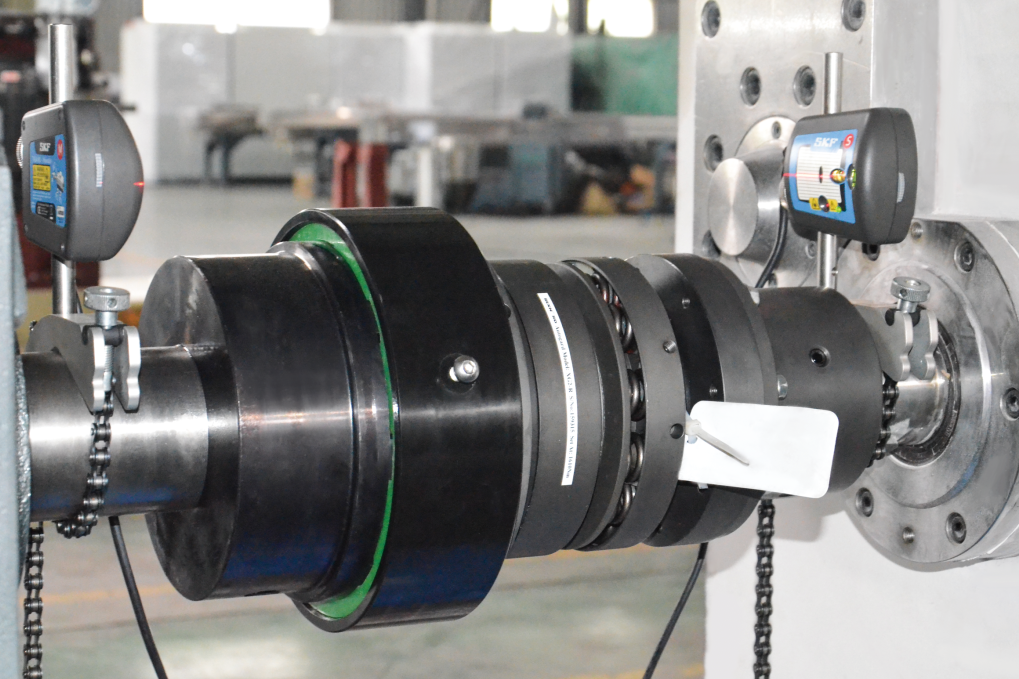
Miihini Konumohe Whakaputaina Take 3: He Kaihoko Rarao Kaihoko Kirihou Poroana e mahi ana i nga maakete e rua
He kaiwhakarato rarawe e ahu mai ana i Warsaw mo nga whakaaturanga kirihou kua werohia (koki, hongere, ngongo, rakau) built a successful transatlantic business by leveraging Poland's cost-competitive manufacturing base and its EU single-market access. Ko te kamupene i puta mai i te whatunga o nga wheketere whakaputa kirihou Polish me Czech, ka whakakotahi i nga ota i roto i tana whare putunga o Gdańsk, me nga kaipuke ki nga kaihoko EU me US. Mo nga kaipuke kua herea ki te US, the distributor works with a US-based customs broker to classify products under the most favorable HS codes and applies for tariff exclusions where available. Its competitive edge lies in offering small-to-medium order quantities (MOQ iti rite 500 kg) with short lead times—a service level that larger manufacturers often cannot match. The company's e-commerce platform, optimized for B2B buyers, allows customers to configure custom lengths, tae, and material grades online, with automated quotation and order tracking.
These cases illustrate a common theme: successful transatlantic plastic extrusion trade in requires a combination of regulatory agility, supply chain creativity, and customer-centric service models. Companies that rely solely on cost arbitrage or legacy trade relationships are increasingly vulnerable to policy disruption.
Te Ahumahi Tangohanga Kirihou: He aha te tumanako i roto i te Panuku 1–2 Marama
Kei te titiro whakamua ki a Hune me Hurae, he maha nga ahuatanga o te wa tata ka hangai i te taiao hokohoko B2B tohanga kirihou i waenga i te US me te EU.
1. Ka taea e nga whiriwhiringa utu utu he awhina mo te waahanga
Ko nga apiha tauhokohoko a US me EU kua tohu i te hiahia ki te whiriwhiri i nga whakahekenga utu mo nga waahanga mo nga whakaurunga ahumahi., tae atu ki nga kirihou. Ko te US Department of Commerce kua timatahia e ia he wa korero mo te iwi mo te whakakorenga pea mo nga taonga kirihou kua oti, a kei te whakarite te Komihana Pakeha i tetahi tuku whakahou ka taea te whakaheke i nga mahi mo nga kapia miihini o Amerika. Mena ka puta nga hua o enei whiriwhiringa i waenganui, Ka kitea e nga kaihanga tangohanga kirihou i nga taha e rua te utu utu. Heoi ano, kei te rangirua tonu te raarangi, and companies should plan for continued tariff exposure in the interim.
2. Sustainability Compliance Will Accelerate
The EU's PPWR is expected to enter its implementation phase in Q3, with mandatory recycled content targets for plastic packaging taking effect. Plastic extrusion suppliers producing packaging films, paepae, and containers will need to demonstrate compliance through certified chain-of-custody documentation. Companies that have already invested in post-consumer recycled (PCR) resin processing and closed-loop extrusion systems will have a first-mover advantage. US exporters targeting the EU market should begin auditing their material sourcing now to avoid disruption.
3. Reshoring and Nearshoring Will Continue
The trend toward supply chain regionalization shows no signs of slowing. US manufacturers are increasingly sourcing extruded plastic components from domestic or Mexican suppliers to reduce tariff exposure and lead-time risk. Waihoki, EU buyers are consolidating purchases with European plastic extrusion factories in Poland, Czech Republic, me Potukara, where labor costs are competitive and single-market access eliminates customs complexity. For transatlantic suppliers, this means that maintaining a physical presence (or a strong local partnership) in the target market is becoming a prerequisite for competitiveness.
4. Ko nga Papahanga Hokohoko Mamati Ka Maamaa
B2B procurement in the plastic extrusion sector is shifting online. Paerewa rite Thomasnet (US) a Europages (EU) are reporting increased buyer activity for extruded plastic products, with RFQ volumes up 15–20% tau-a-tau. Plastic extrusion wholesale distributors with robust digital catalogs, online quoting tools, and integrated logistics tracking are capturing a disproportionate share of new business. Companies still relying on manual quotation processes and offline catalogs risk losing visibility with the next generation of B2B procurement professionals.
5. Raw Material Price Volatility Will Persist
Polyethylene (PE), polypropylene (PP), and PVC resin prices have been volatile in, driven by fluctuating crude oil prices, planned and unplanned cracker outages, and shifting demand patterns. E ai ki ICIS, European PVC prices rose 8% i te Q1, while US PP prices declined 3% over the same period. For plastic extrusion manufacturers, this divergence creates both risk and opportunity: companies with flexible resin sourcing strategies and the ability to pass through material cost changes via index-based pricing contracts will outperform those locked into fixed-price arrangements. Mahanga Tiu Riu Extrude
The Role of Plastic Extrusion in Workplace Safety: Protecting Feet and Toes
Beyond traditional industrial and construction applications, plastic extrusion technology plays a critical—and often underappreciated—role in workplace safety, particularly in the design and manufacture of Plastic Extrusion components. For B2B buyers in the personal protective equipment (PPE) sector, understanding how extruded plastic components contribute to foot and toe protection is essential for informed sourcing decisions.
Safety Toe Caps: The Evolution from Steel to Composite
Kirihou Tangohanga Traditional safety shoes relied on steel toe caps to protect workers' feet from impact and compression hazards. While effective, steel caps are heavy, thermally conductive (uncomfortable in extreme temperatures), me te keu i nga pukoro whakarewa—he raruraru nui i roto i nga taiao haumaru-tairongo penei i nga taunga rererangi, whare kāwanatanga, me nga pokapū raraunga. Na te ahumahi tangohanga kirihou i taea ai te neke tauira ki nga potae maihao hiato i hangaia mai i nga taonga whakamaarama kua whakarewahia, kua whakarewahia., tae atu ki te polycarbonate, nairona (PA6/PA66), me nga hiato kua whakapakarihia e te muka. He aha nga Extruders
Ko enei potae matimati hiato, he maha nga wa ka mahia ma te whakakotahitanga o nga mahi whakakoi me te werohanga, tutaki ki taua ASTM F2413 (US) me EN ISO 20345 (EU) te paanga me nga paerewa aatete ki te kopae hei rite ki o raatau hoa rino—i te wa e 30 te taumaha–50% iti iho. Mo nga kaimahi e mau ana i te Tangohanga Kirihou mo te 8–12 nga huringa haora, tenei whakaiti taimaha iriti tika ki te ngenge iti, he iti ake te tupono o te whara o te uaua, me te whakapai ake i te hua. B2B Plastic Extrusion brands sourcing composite toe caps from specialized plastic extrusion manufacturers can differentiate their products on comfort and performance without compromising protection.
Extruded Midsole Plates for Puncture Protection
Another critical Plastic Extrusion component produced through plastic extrusion is the anti-puncture midsole plate. I te hanga, hangahanga, and waste management environments, workers face the constant risk of stepping on nails, tīwiri, glass shards, and other sharp objects. Traditional steel midsole plates, like steel toe caps, are heavy and inflexible. Modern alternatives use extruded composite textile or thermoplastic plates—he mea hanga mai i nga paparanga o te polyester-te-te-te-te-te-te-te-ka-te-kawehia, te muka aramid ranei kua herea ki nga whakapiri werawera.—e whakarato ana i te parenga werohanga rite (≥1,100 N ia KOTAHI 12568) he pai ake te ngawari me te taumaha mama.
Mo nga kaiwhakarato whakakoi kirihou e mahi ana i te ahumahi Tangohanga Kirihou, he hiahia nga whakaritenga hangarau. Ko nga pereti o waenganui me mau tonu o raatau taonga whakamarumaru puta noa i te whānuitanga o te pāmahana (-20°C ki +40°C), ātete ki te whakaheke i te werawera, hinuhinu, me nga matū, and flex repeatedly without delamination over the shoe's service life. Te whakahaere tukanga tangohanga—tae atu ki te whakamaarama tika i te pāmahana, hoahoa mate, me te maramataka i muri i te tangohanga—he mea nui ki te whakatutuki i nga mahi rite tonu. Me arotake nga kaihoko B2B i nga kaiwhakarato ka taea i runga i o raatau raraunga kaha (Nga uara cpk), kaore i oti noa nga purongo whakamatautau hua.
Extruded Outsole Components and Slip Resistance
The outsole is the primary interface between the worker and the ground, and its slip resistance is a key safety parameter. While most safety shoe outsoles are produced by injection molding or vulcanization, plastic extrusion plays a supporting role in producing outsole inserts, tread pattern masters, and multi-density midsole-outsole combinations. Thermoplastic polyurethane (TPU), a material frequently processed by extrusion, is widely used in Plastic Extrusion outsoles due to its excellent abrasion resistance, ātete hinu, and low-temperature flexibility. Extruded TPU sheets can be die-cut and bonded to outsole assemblies, providing targeted reinforcement in high-wear zones.
Why B2B Buyers Should Prioritize Foot Safety in Their Procurement
The business case for investing in high-quality Plastic Extrusion—me te toronga, in high-quality extruded plastic safety components—is compelling:
- Te hanganga ture: OSHA (US) and EU Directive 89/656/EEC mandate that employers provide appropriate PPE, including Plastic Extrusion, for workers exposed to foot hazards. Non-compliance can result in significant fines and legal liability.
- Injury reduction: E ai ki nga US Bureau of Reipa Tatauranga, Ko nga whara o nga waewae ka tata 60,000 lost-workday cases annually in the US. Proper Plastic Extrusion with composite toe caps and anti-puncture midsoles can prevent the majority of these injuries.
- Te hua o nga kaimahi: Te whakamarie, lightweight Plastic Extrusion reduces fatigue and absenteeism. Ko nga rangahau i whakaputaina i roto i te Nga Whakaaturanga Mahi me te Hauora have shown that workers wearing lighter composite-toe shoes report 15–20% less foot discomfort compared to those wearing steel-toe equivalents.
- Te utu katoa o te mana pupuri: While composite safety components may carry a higher unit cost than steel, te tapeke utu o te mana pupuri—factoring in reduced injury claims, nga kaimahi iti' compensation premiums, me te whakapai ake i te hua—favors the composite solution in most B2B procurement analyses.
- Te oranga tonutanga: Thermoplastic composite toe caps and midsole plates are recyclable at end of life, aligning with corporate sustainability goals and emerging EU circular economy requirements. Steel components, while also recyclable, require energy-intensive separation processes.
Sourcing Plastic Extrusion Components: What B2B Buyers Should Look For
When evaluating plastic extrusion factories as potential suppliers of Plastic Extrusion components, B2B procurement teams should assess the following criteria:
- Tiwhikete: ISO 9001 (whakahaere kounga), ISO 45001 (te hauora me te haumaru mahi), and product-specific certifications (ASTM F2413, I ISO 20345, IN 12568).
- Te whaiwhai rawa: Full traceability from resin supplier to finished component, with certificates of analysis (COA) for each production lot.
- Testing capabilities: In-house impact testing, compression testing, and puncture resistance testing per relevant standards, with calibrated equipment and documented procedures.
- Nga rahinga ota iti (MOQ): Mo nga kaihoko hokohoko B2B, MOQs typically range from 5,000 ki 50,000 pieces per order, depending on the component type and customization level.
- Nga wa arahi: Standard lead times for extruded Plastic Extrusion components range from 4 ki 8 wiki, including tooling setup for custom profiles.
- Logistics support: Ability to ship via ocean freight (FCL/LCL) to major US and EU ports, with experience in export documentation, whakarōpūtanga tikanga, and trade compliance.
Maama-Screw Extruder Wholesale The intersection of plastic extrusion technology and workplace safety represents a growing niche within the broader B2B trade landscape. As safety standards tighten globally and employers invest more in worker protection, demand for high-performance extruded safety components will continue to rise—creating opportunities for plastic extrusion manufacturers and suppliers with the technical capability and regulatory knowledge to serve this market.
Key Trade Data: Plastics Trade by the Numbers
Understanding the scale and direction of transatlantic plastics trade provides essential context for B2B decision-making. The following data points, drawn from the US International Trade Whakahaere a Eurostat, illustrate the current landscape: Plastic Recycling Extruder Manufacturers
- Total trade in plastics and plastic articles (HS Upoko 39) nui atu $28 piriona i roto i 2024, making it one of the largest bilateral product categories.
- The EU exported approximately $16.2 billion in plastic products to the US in 2024, while the US exported $11.8 billion to the EU—a persistent trade surplus in favor of European manufacturers.
- Tiamana, Belgium, and the Netherlands are the top three EU exporters of plastic products to the US, collectively accounting for over 55% of EU-origin plastic imports.
- Extruded plastic products (pūkete, ngongo, rau, kiriata) represent an estimated 35–40% of total transatlantic plastics trade by value.
- The average tariff rate on EU-origin extruded plastic products entering the US rose from 3.1% (MFN rate) to an effective 13.1% following the April tariff actions.
These figures underscore both the magnitude of the opportunity and the sensitivity of the sector to trade policy changes. For plastic extrusion wholesale distributors and manufacturers, monitoring tariff developments on a weekly basis is now a core business function, not an occasional exercise.
Navigating Compliance: Regulatory Frameworks for Plastic Extrusion in the US and EU
Regulatory compliance is a non-negotiable requirement for B2B plastic extrusion trade. The key frameworks that suppliers and buyers must understand include:
US Regulatory Framework:
- TSCA (Te Ture Whakahaere Maa Paitini): Governs the manufacture, import, and use of chemical substances, including plastic resins and additives used in extrusion.
- FDA 21 CFR: Regulates plastic materials intended for food contact, including extruded films, ipu, me te ngongo. Compliance requires specific resin formulations and migration testing.
- ASTM Standards: Voluntary but widely adopted standards for extruded plastic products, including ASTM D1784 (Pūhui PVC), ASTM D3350 (PE pipe materials), me ASTM F2413 (Tangohanga Kirihou).
- Tiwhikete UL: Required for extruded plastic components used in electrical and electronic applications (e.g., ngongo taura, whakamau waea).
EU Regulatory Framework:
- REACH Regulation: Requires registration and evaluation of chemical substances used in plastic extrusion, tae atu ki nga plasticizers, whakapūmau, me nga tae. Nga Taonga Tino Awangawanga (SVHCs) kei raro i te whakamanatanga, te aukati ranei.
- Te Ture Whakapaa Kai a EU (EC 1935/2004): Ka whakatakoto i nga whakaritenga haumaru mo nga mea kirihou e pa ana ki te kai, me nga rohe heke motuhake kua tautuhia i roto i te EU 10/2011.
- EN Paerewa: Ko nga paerewa Pakeha kua whakakotahihia mo nga hua kirihou kua whakakorehia, tae atu ki a EN 12608 (Ko nga korero PVC-U mo nga matapihi), IN 1401 (Ko nga punaha paipa PVC-U), me EN ISO 20345 (Tangohanga Kirihou).
- Tohu CE: E hiahiatia ana mo nga hua kirihou ka taka ki raro i nga tohutohu a te EU (e.g., Ture Hanganga, Ture Pūrere Hauora).
Mo nga kaihanga tohanga kirihou e mahi ana ki te hokohoko whakawhiti, te pupuri i nga hanganga ture takirua (US + EU) he haumi rautaki e whakanui ana i te rahi o te maakete ka taea te whakatutuki me te whakaiti i te tupono o te whakakorenga tukunga, arai uru ranei ki te maakete..
Hangaia he Maena Whakawhiwhi Kirihou Tangohanga Maamaa mo me tua atu
Miihini Extruder Whakamahia Nga akoranga o nga tau tata nei—nga raruraru mate uruta, nga kohungahunga logistics, ohorere utu—kua tuku mai Ka mate te Tohanga Kirihou Ko te kaha o te mekameka he kaupapa matua mo nga kaihoko me nga kaiwhakarato kirihou B2B. Kei roto i nga rautaki whaihua mo te whakapakari i te manahau:
- Mahinga takirua: Te tohu kia rua nga kaiwhakarato tangohanga kirihou mo ia waahanga nui, pai ki nga rohe matawhenua rereke, ki te whakaiti i te morearea puna kotahi.
- Te arotautanga kararehe haumaru: Te whakamahi i nga taputapu matapae tono ki te pupuri i nga raarangi whakaraerae tika ki nga waahi rautaki (e.g., whare putunga herea e tata ana ki nga tauranga nui).
- Te aro turuki i te hauora putea a te kaiwhakarato: Aromatawai auau i te pumau moni o nga kaiwhakarato matua e whakamahi ana i nga ratonga ripoata nama, otira mo nga wheketere tangohanga kirihou iti e whakaraerae ana ki nga raruraru rerenga moni.
- Te ngawari o te kirimana: Te whakauru i nga rara whakatikatika utu, nga whakaritenga kaha majeure, me nga tikanga pikinga utu rawa ki roto i nga kirimana tuku mo te wa roa.
- Tirohanga matihiko: Te whakatinana i nga tüäpapa whakakitenga o nga mekameka tuku e whakarato ana i te wa-tuturu o nga ota, tukunga, me te mana whakawātea ritenga puta noa i te kauhanga whakawhiti o te Moananui-a-Kiwa.
Ko nga kamupene e whakangao ana i roto i enei tikanga whakakaha i naianei ka pai ake te tuunga ki te aukati i nga raruraru a meake nei—ahakoa mai i nga huringa kaupapa here hokohoko, raruraru logistics, he kore rawa nga rawa—me te whakanui i nga whai waahi ka puta.
Pātai Auau (FAQ)
- He aha te tangohanga kirihou me pehea te whakamahi i roto i te hanga B2B?
- He tiketike te tangohanga kirihou-