

Te Tirotiro i te Mahi me te Mahinga o nga Kaipupuri Tiu Maana
A mahanga wiri extruder ka whakamahia e rua nga wiri whakawhiti hei whakauru, tuku, me te mahi tika i nga rauemi. Ka whiwhi koe i te ranunga pai ake me te reiti whakangao teitei ake i te rite ki nga extruders-screw kotahi. Ka whakawhirinaki nga kaihanga ki tenei hangarau mo nga kirihou me te tukatuka paura. Ko nga ahumahi polymer me te kirihou e mau ana tata 40% o te wahanga maakete o te ao, me te tono i aia e te kohinga, waka, me nga tono kai. Ko Ahia-Kiwa te arahi i te maakete na te tere o te tipu o te ahumahi.
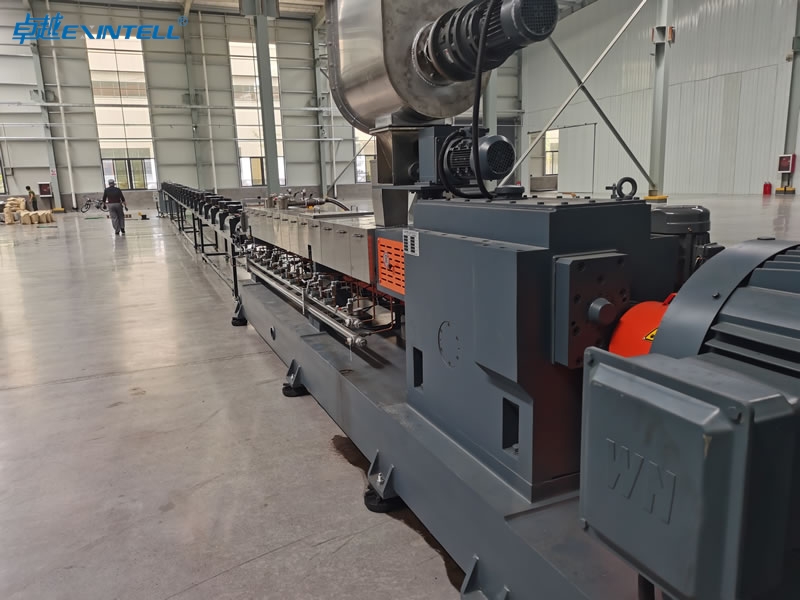
Nga Taketake matua
-
He whakakorikori mahanga whakamahia e rua nga wiri honohono ki te whakaranu me te tukatuka tika i nga rawa, ka pai ake te whakaranu me te piki ake o nga reiti whakaputa.
-
He rawe enei miihini ki te whakahaere i nga momo rauemi, tae atu ki nga kirihou me nga paura, kia whai kiko ana mo nga umanga maha.
-
Ko te hoahoa o nga extruder wiri mahanga ka taea te whakahaere tika mo te pāmahana, pehanga, me te whakaranu, te whakarite i te kounga o te hua.
-
Ka taea e koe te whakarite i te whirihoranga wiri ki te arotau i te tukanga mo nga rauemi rereke, te whakarei ake i te ngawari ki te whakaputa.
-
He pai mo nga hangahanga uaua nga miihini miihini mahanga, i te mea ka whakarite kia marara noa nga taapiri me nga whakakii puta noa i nga rauemi.
-
Ka tautokohia e enei miihini nga mahi toimau ma te mahi pai rauemi hangarua me te whakaiti i te para i roto i nga mahi whakangao.
-
Ki te kaha puta teitei, Ka awhina nga miihini miihini mahanga ki nga kaihanga ki te whakatutuki i nga raarangi whakangao me te kore e pakaru te kounga.
-
He mea nui te tiaki me te aro turuki i nga wa katoa kia pai ai te rere o nga extruder wiri mahanga me te aukati i nga take whakahaere.
He aha te Mahanga Tiu Tiu Mahanga
Whakamaramatanga me nga Waahanga Matua
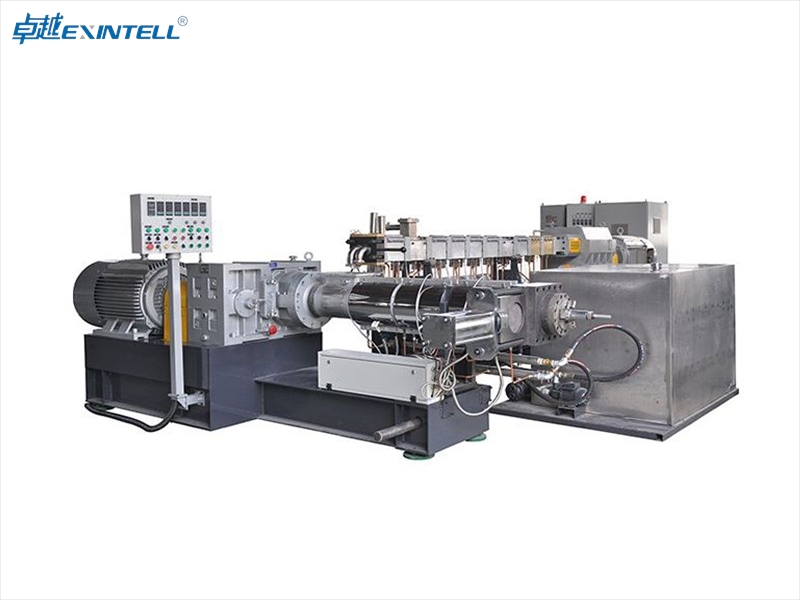
Ko te kaihoroi wiri mahanga e tu ana hei miihini kaha mo te tukatuka me te hanga i te whānuitanga o nga rauemi. Ka whakamahia e koe ki te whakauru, tuku, me te huri i nga kirihou, paura, me etahi atu matū ki roto i nga hua kua oti. Ko te hoahoa wiri mahanga e whakaatu ana e rua nga hurihanga whakarara e huri ana i roto i te oko, ka puta te kaha o te kutikuti me te pokepoke. Ko tenei tatūnga ka whakarite kia marara noa nga taapiri me nga whakakii, kia pai mo nga hanganga matatini.
Nga Tiu me te Paera
Ka whakawhirinaki koe ki nga wiri me te paera hei peia te mahi matua o te extruder wiri mahanga. Ka anga whakamua nga wiri me te kokopi i nga rawa, te whakaputa i te kaha kutikuti me te waku ka rewa me te whakaranu i te matū. Ka noho te oko ki nga wiri me te whakarato i nga waahi whakamahana me nga waahi e tika ana. Ko nga kaha o te whakaranu pai ka whakarite kia rite te marara o nga whakakii me nga taapiri. Ka taea e koe te arotau i te ranu ma te kowhiri i nga huānga wiri rereke mo nga rohe whakaranu kutikuti kutikuti. Varied pitch angles improve material flow and allow you to control shear based on material sensitivity.
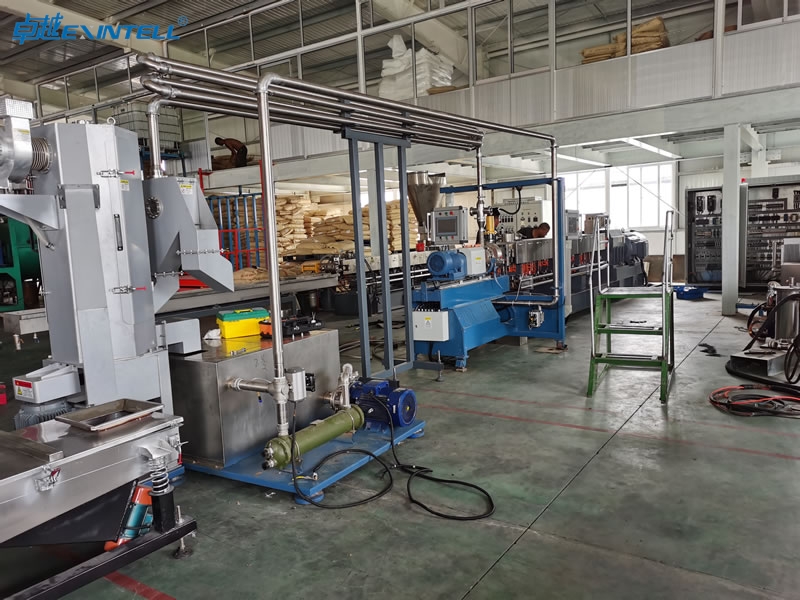
Twin screw extruders excel in mixing due to their intermeshing screws, which create strong shear and kneading effects, ensuring even dispersion of additives and fillers.
-
You achieve precise control of feeding rates and devolatilization, making the machine suitable for materials with volatile components.
-
Consistent fiber distribution and matrix bonding occur in compounding reinforced polymers.
-
Adaptability in reactive extrusion helps you maintain temperature and shear control during chemical reactions.
Drive System and Controls
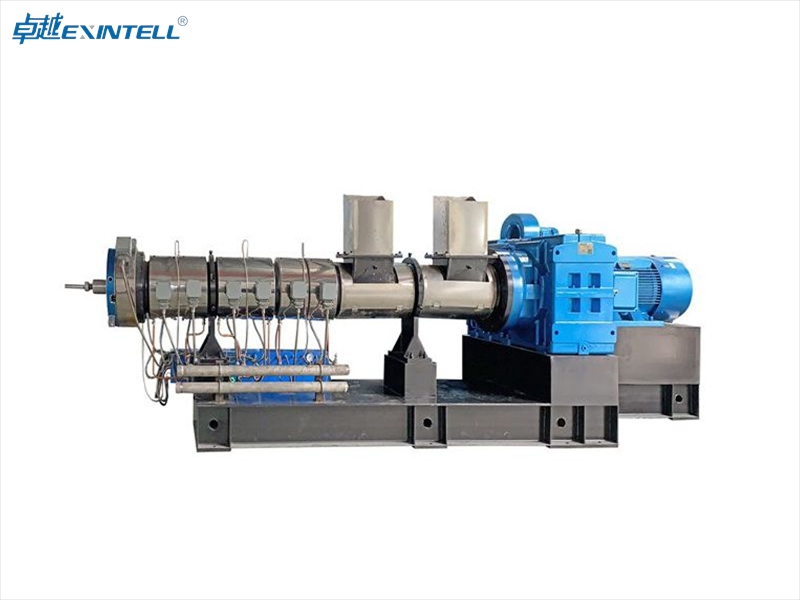
The drive system powers the screws and regulates their speed. You use advanced controls to monitor and adjust parameters such as feeding rate, tere tīwiri, pāmahana, me te pehanga. Ko tenei taumata whakahaere ka whakarite kia mau te mahi me te kounga o nga hua. Ko nga extruder wiri mahanga ka nui ake te ngawari na to raatau hoahoa hoahoa. Ka taea e koe te whakatika i te whirihoranga wiri ki te arotau mo nga tukanga motuhake. Ma te punaha whakahaere ka taea e koe te hapai i nga rawa tairongo me te pupuri i te mana o te pāmahana puta noa i nga rohe rereke.
|
Te takoha |
|
|---|---|
|
Pūnaha Whangai |
Ka tuku pire kirihou, paura ranei ki roto i nga awaawa hei tukatuka. |
|
Nga Awa Tiu |
Ko te ahu whakamua me te kōpeke i te rauemi mata kirihou, te whakaputa i te kaha kutikuti me te waku mo te whakarewa. |
|
Pūnaha Whakawera |
Ka whakarato i te pūngao waiariki ki te whakarewa i te rauemi mata kirihou ki roto i te matū rewa wera. |
|
Tukanga Tangohanga |
Hangaia te kirihou whakarewa ki te waahanga whiti me te roa e hiahiatia ana ma te mate tangohanga. |
|
Pūnaha Whakahaere |
Ka aroturuki me te whakatika i nga tawhā penei i te whangai, tere tīwiri, pāmahana, me te pehanga mo te pumau. |
Whakatauritenga ki te Kaihanga Tiu Kotahi
Ka kite koe i nga rereke rereke i te wa e whakatairite ana koe i nga kaikawe wiri mahanga ki nga kaikiri wiri kotahi. Ko te extruder tīwiri māhanga tuku te pai o te whakaranu me te whakahaere i te pāmahana tika. Ka taea e koe te hapai i te whānuitanga o nga rauemi, tae atu ki te paura me te wai, he maha nga wa e uaua ana ki nga extruders huriwiri kotahi. Ko te hoahoa modular ka taea e koe te whakarite i te miihini mo nga tono motuhake, i te mea kei te noho ngawari noa atu nga kaitahuri hurihuri kotahi me te ngawari.
|
Āhuahira |
Mahanga Tiu Extruders |
Nga Kaipupuri Tiu Kotahi |
|---|---|---|
|
Raukaha Whakaranu |
He pai ake te whakakotahitanga, he pai mo nga hanganga matatini |
Ranu iti, te hiranga i roto i nga tono whakaurunga teitei |
|
Te Mana Mana |
Mana tika puta noa i nga rohe rereke |
He iti ake te mana whakahaere, ka taea te whakamahana koretake |
|
Te Whakangai Kai |
Ka hapai i te whānuitanga o nga rauemi, tae atu ki te paura me te wai |
Ka whawhai ki nga paura me nga mea iti-kiato |
|
Te ngawari |
Ko te hoahoa modular ka taea te whakarite |
Hoahoa ngawari ake, iti ngawari |
|
Te Whakahaere Rawa |
Ka whakaiti i te tupono o te paheketanga, e tika ana mo nga mea tairongo |
Ka taea te whakaputa i te kutikuti nui, e arahi ana ki te paheketanga |
He pai rawa atu nga miihini whakakorikori mahanga ki nga inenga mahi penei i te pai o te whakaranu me te whakahaere i te pāmahana. Ka taea e koe te marara o nga rawa me te whakaiti i te tupono o te paheketanga, rawa ki nga matū tairongo. Ko nga extruders takai kotahi e pai ana ki nga tono teitei me te iti o nga hiahia whakaranu. Ka whakawhirinaki ratou ki te waku me te toia viscous, ka taea e te tukatuka rauemi koretake. Ka whai hua koe mai i te kaha o te whakaputa me te urutau o nga extruder wiri mahanga, kia pai ai mo nga mahi whakangao uaua me te uaua.
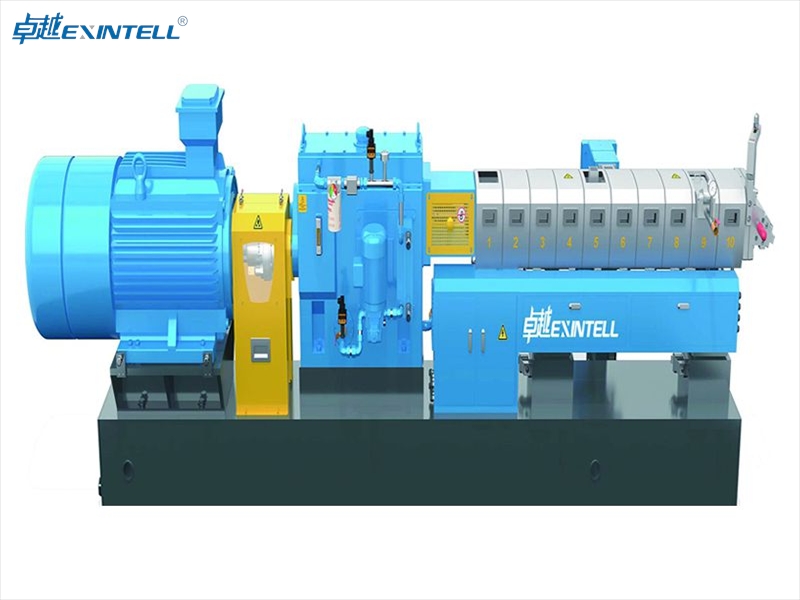
Tikanga Mahi a Twin Screw Extruder
Te maarama ki te kaupapa mahi o te extruder tīwiri māhanga ka awhina koe ki te arotau i to tukanga whakaputa me te whakatutuki i nga hua rite. Ka whakawhirinaki tenei miihini ki te whakaranu tonu, tuku, me te tukatuka i nga rauemi hei whakaputa i te putanga kounga teitei. Ka taea e koe te whakahaere i ia wahanga, mai i te whangai ki te tangohanga whakamutunga, kia rite ki to tono motuhake.
Te whangai me te kawe
Ka timata koe i te tukanga tangohanga ma te whangai i nga pire kirihou, paura ranei ki roto i te extruder. Kei roto i te punaha whangai he hopper me te wiri whangai e tuku ana i nga rawa ki roto i nga awaawa o nga tira hurihuri.. Ka huri nga wiri, ka mau ratou i te rauemi, ka neke whakamua i roto i te oko. Ko tenei mahi ka kopiri me te kawe i nga rawa, te whakarite mo te tukatuka ano. Ko te hoahoa o nga wiri e whakarite ana i te kawe pai, e whakanui ana i te urunga me te whakaiti i te tupono o te aukati.
Aki: Ko te kai riterite me te tere hurihuri tika ka awhina koe ki te pupuri i nga tikanga tukatuka me te aukati i te kino o nga rawa.
Hoahoa Tiu me te Whirihoranga
Ko te hoahoa me te whirihoranga he mahi nui i roto i te maapono mahi o te extruder wiri mahanga. Ka taea e koe te whakakakahu i nga tira kia rite ki nga ahuatanga o to rawa me nga whakaritenga o to tukanga.
Intermeshing vs. Kore-Waewaenga
Ka takahurihia nga hurihanga kia inaki ai o ratou miro, te hanga i nga rohe nekehanga pai. Ko tenei hoahoa ka whakarei ake i te whakaranu me te kawe, kia pai mo nga hanganga matatini. Ka taea e koe te marara nui o nga taapiri me nga whakakii, e arata'i ki te kounga hua ōrite. Ka taurite ano te pehanga i roto i te oko, tuku mo nga mahi tere-tere me te pai ake o te mahi.
Tiwiri kore-intermeshing, i tetahi atu ringa, kaua e inaki. Ka whakaratohia e ratou nga tikanga tukatuka ngawari, e pai ana ki nga mea wera, ngawari ranei. Ka taea e koe te whakamahi i nga hoahoa kore-whakawhitiwhiti ina hiahia koe ki te whakaiti i te kutikuti me te karo i te kino o nga kai tairongo.
-
Ko nga wiri intermeshing he pai te tukatuka rauemi me te whakaranu tohatoha.
-
Ka taea e nga kopa kore-whakawhitiwhiti te whakahaere ngawari, kia pai ai mo nga tono me iti te kutikuti.
Huānga Kōwae
Ka whai hua koe mai i nga huānga modular i roto i te extruder tīwiri mahanga na te mea he ngawari kore e rite ana. Ko enei huānga he waahanga takitahi ka taea e koe te whakahiato ki te taha o te kaaka. Ka taea e koe te huri i nga huānga ki te whakatika i nga wero tukatuka, ki te urutau ranei ki nga momo rauemi hou. Ma tenei ahuatanga ka taea e koe te whakahaere i te rere o nga rawa, wā noho, me te whakakotahi i te kaha me te tika.
-
Ka taea e koe te whakamatau i nga tatūnga tīwiri hōu mō ngā rauemi rerekē.
-
Ka taea e koe te whakatika i te whirihoranga wiri ki te whakawhanake i nga hua hou, ki te whakapai ranei i nga mea o mua.
-
Ko nga huānga modular ka awhina wawe koe ki te whakatika i nga raru me te kore e whakakapi i te huri katoa.
Te Whakaranu Rawa me te Putanga
Ko te maataapono mahi o te mahanga wiri extruder pokapū i runga i te ranu tonu me te mana tika i runga i te tukanga tangohanga. Ka whangai koe i nga rauemi ki te punaha, te wahi e kōpeke ai nga tīwiri ka kutikuti, te whakaputa wera me te whakarewa i te matū. Ka tino whakaranuhia e nga wiriki nga rauemi, te whakarite kia rite te tohatoha o nga taapiri me nga whakakii. I te wa e neke whakamua ana te mea whakarewa, ka haere i roto i te mate tangohanga e hanga ana ki te ahua e hiahiatia ana. Ma te punaha whakamahana ka whakamaarama te hua, te whakaoti i te tukanga.
-
Ka whakauruhia e te punaha whangai nga pire kirihou, paura ranei ki roto i nga awaawa.
-
Ka huri nga tira, te kōpeke me te whakarewa i te rauemi ma te kaha kutikuti me te waku.
-
Ko te tukanga tangohanga te hanga i te mea whakarewa, me te punaha whakamahana e whakakaha ana i te hua whakamutunga.
Ka tutuki i a koe te kounga o te hua na te mea he pai rawa atu te whakakorikori mahanga ki te whakaranu. Ko te hoahoa matatau ka whakarite kia rite te tohatoha o nga kai katoa, he mea nui kia tutuki nga paerewa ahumahi. Ka taea e koe te tukatuka i te whānuitanga o nga rauemi, tae atu ki nga paura me nga kirihou, he mihi ki te mana tika mo te pāmahana, pehanga, me te kaha whakaranu. Ma tenei whaikorero e pai ake ai te whakakorikori mahanga mo nga taiao whakangao.
Nga Momo o te Mahanga Tiu Tiu Extruders
Hurihuri tahi
Ka tutaki koe tahi-hurihuri mahanga extruders tīwiri i roto i te maha o nga taiao whakangao matatau. Ko enei miihini e rua nga wiri e huri ana i te huarahi kotahi, te hanga i tetahi rohe whakauru hihiri. Ka neke te rauemi i roto i te tauira ahua-waru, e whakanui ana i te homogenization me te horoi whaiaro. Ka whai hua koe i te whakaranu kaha, he maamaa ake te whakatutuki i te marara rite o nga taapiri me nga whakakii. He pai tenei hoahoa ki te whakakotahi, polymerization, me nga mahi tukatuka urupare.
Ko nga extruder hurihuri tahi e tuku mana tika mo te pāmahana, pehanga, me te tere wiri. Ka taea e koe te whakahāngai i te hātepe kia rite ki ō hiahia rawa me ō whāinga hanga.
Ka whiwhi koe i te whai kiko me nga extruder hurihuri. Ka hapai ratou i nga polymers, kirihou, tae noa ki nga kai kai. Putanga teitei Ko nga reiti e pai ana mo te whakaputa nui. Ka taea e koe te whakawhirinaki ki enei miihini mo te kounga o te hua me te mahi pai.
|
Te ahuatanga |
Whakaahuatanga |
|---|---|
|
Te whai kiko |
Ka tukatuka i te whānuitanga o nga rauemi, tae atu ki te polymers, kirihou, me nga kai kai. |
|
Whakaranu kaha |
Ka whakarite kia rite te marara o nga taapiri kia rite tonu te kounga. |
|
Mana Tika |
Whakaaetia te tukatuka whakangao ma te pāmahana, pehanga, me nga whakatikatika tere. |
|
Putanga teitei |
E tautoko ana i te hanga nui-nui me nga reeti whakaputa teitei. |
|
Te Whakahuihui me te Tukatuka Tauhohenga |
Ka whakamahia mo te whakauru i nga taapiri me nga tikanga matatau penei i te polymerization. |
Takahuri-hurihuri
Ka whakamahi koe i nga kaitahuri mahanga mahanga hurihuri ina hiahia koe ki te kutikuti kaha me te whakakorikori. I tenei hoahoa, ka huri nga tira ki nga huarahi rereke. Ka haere te rauemi i roto i te ruma kati, e tuku ana ki nga kaha whakaranu. Ka tutuki koe i te whakakotahitanga tino, engari me aro turuki koe i nga taumata kutikuti kia kore ai e paheke nga rawa tairongo.
He pai rawa atu nga extruder hurihuri huri i roto i nga tono e hiahia ana kia kaha te whakaranu. Heoi ano, na te kaha kutikuti teitei ka iti ake te pai mo te tukatuka i nga korero PVC me nga puhui wera-wera. Ka taea e koe te arotau i te tukanga ma te whakatika i te tere wiri me te whirihoranga, engari me taurite te kaha o te whakaranu me te tika o nga rawa.
Aki: Ka tukuna e nga extruder huri noa te whakakotahitanga kaha, engari me arotake koe i te hototahitanga rauemi i mua i te kowhiri i tenei hoahoa.
Kore-Meshing
Ka tutaki koe ki nga kaiwhakaputa mahanga mahanga kore-meshing i roto i nga tono whakaranu motuhake. Kei roto i enei miihini nga wiri me te waatea nui, e arai atu ana ki te rerenga taonga nui. Ka whakamahia e koe mo te whakaranu i nga mahi kaore e hiahiatia te horoi whaiaro. Ko te taiao tukatuka ngawari e pai ana ki nga taonga me iti te kutikuti.
Karekau nga kaitao-meshing e whakarato i te taumata o te ranu rite ki nga whakakorikori mahanga mahanga.. Ka karo koe i te whakamahi mo nga korero PVC me etahi atu hua e hiahia ana kia whakakotahi tika. Engari, ka whakawhirinaki koe ki nga hoahoa kore-meshing mo nga mahi whakaranu ngawari me nga rauemi e whai hua ana i te tukatuka iti-kaha.
|
Kaupapa Mahi |
He pai mo nga korero PVC |
|
|---|---|---|
|
Meshing Counter-Rotating |
Ka haria nga rawa ki roto i tetahi ruma kati te ahua 'C', ka kaha te kutikuti me te whakakorikori. |
Kaore i te pai na te kaha o te kutikuti. |
|
Kore-Meshing |
Ko te maatanga radial nui ka arahi ki te rerenga nui; whakamahia tuatahi mo te ranu me te kore horoi whaiaro. |
Kaore e pai mo nga korero PVC. |
|
Meshing Co-Rotating |
Ka toia, ka panaia ki roto i te ‘∞’ ahua, te whakarei ake i te whakaranu me te homogenization me te pai o te horoi whaiaro. |
Kaore i te pai na te nui o te kaha kutikuti. |
Ko koe tīpakohia te extruder tīwiri māhanga matau i runga i to rauemi, nga hiahia whakaranu, me nga whaainga whakaputa. Ka whakawhiwhia e ia momo nga painga me nga here motuhake, na me ata arotake e koe o whakaritenga tukanga.
Rerekētanga Matua
Me mohio koe ki nga rereketanga nui i waenga i te hurihuri tahi, huritau-atete, me nga extruder wiri mahanga kore-meshing ki te whiriwhiri i te miihini tika mo to mahi. Ka whakawhiwhia e ia momo nga painga me nga here motuhake. You can optimize your production by matching the extruder design to your material and application.
Main Comparison Points:
-
Te Whakaranu Pai:
Co-rotating extruders deliver intensive mixing and self-cleaning. You achieve uniform dispersion of additives and fillers. Counter-rotating extruders provide strong shearing and stirring. You can blend materials thoroughly, but you must monitor shear levels to avoid degradation. Non-meshing extruders offer gentle mixing. You use them for materials that require minimal shear. -
Tikanga Rawa:
Co-rotating extruders handle a wide range of polymers, kirihou, me nga kai kai. You rely on them for compounding and reactive processing. Counter-rotating extruders suit applications that demand robust mixing, such as PVC profiles and heat-sensitive compounds. You must balance mixing intensity with material integrity. He pai rawa atu nga mahi whakangao kore-meshing mo nga mahi whakaranu ngawari. Ka karohia e koe te whakamahi mo nga hua e hiahia ana kia whakakotahi tika. -
Kaupapa Mahi:
He rite tonu te neke o nga tira hurihuri tahi. Ka whai hua koe mai i te ahua-waru tauira whakaranu me te whakakotahitanga pai ake. Ka huri nga hurihanga porotiti-huri ki nga huarahi rereke. Ka hangaia e koe he ruma kati mo te whakaranu kaha. He nui te whakawātea pūtoro i ngā tīwiri kore-meshing. Ka pa ki a koe te pakaru o nga rawa me te tukatuka ngawari. -
Nga waahi tono:
He pai rawa atu nga extruder hurihuri tahi ki te whakahuihui, polymerization, me te hanga nui. Ka whakamahi koe i nga extruder hurihuri-a-te-whakaaro mo nga whakaaturanga PVC, tauera taura, me nga mea wera-tairongo. Ko nga extruders kore-meshing e pai ana ki nga mahi whakaranu taketake me nga rauemi e hiahia ana ki te tukatuka iti-kaha.
Aki: Me arotake e koe o rawa taonga me o whainga whakangao i mua i te kowhiri i te kaitahuri hiko mahanga. The right choice improves efficiency and product quality.
Ripanga Whakataurite:
|
Āhuahira |
Hurihuri tahi |
Takahuri-hurihuri |
Kore-Meshing |
|---|---|---|---|
|
Te Whakaranu Pai |
Tino kaha, te horoi whaiaro |
Kaha, high shear |
Gentle, low shear |
|
Tikanga Rawa |
Awhe whanui, complex blends |
PVC, wera-tairongo |
Maamaa, low-shear materials |
|
Kaupapa Mahi |
Same direction, figure-eight |
Opposite direction, closed chamber |
Large clearance, material leakage |
|
Nga waahi tono |
Whakahuihui, polymerization |
PVC pūkete, tauera taura |
Te whakaranu taketake, low-intensity |
You gain flexibility with co-rotating extruders. You achieve high throughput and consistent quality. Counter-rotating extruders give you powerful mixing, but you must monitor material compatibility. Non-meshing extruders provide gentle handling for sensitive materials. You should match the extruder type to your process requirements for optimal results.
Features and Advantages
Te Whakaranu Pai
You benefit from exceptional mixing efficiency when you use a twin screw extruder. The intermeshing screws create strong shear and kneading zones, which give you better mixing properties than other types of extruders. This design ensures that additives and fillers disperse evenly throughout your material. You can process sensitive materials with controlled shear, which reduces the risk of degradation and maintains product quality.
|
Momo Extruder |
Te Whakaranu Pai |
Shear Control |
Suitability for Sensitive Materials |
|---|---|---|---|
|
He pai ake te whakaranu na te mea ko nga wiri intermeshing, enabling better dispersion of additives and fillers. |
Provides precise control over shear rates, reducing the risk of material degradation. |
||
|
He iti ake te pai o te whakaranu, reliant on friction which can lead to uneven mixing. |
Ka taea te whakaputa i te kutikuti nui, leading to degradation in some materials. |
Less suitable for sensitive materials due to high shear. |
You achieve better mixing properties with a twin screw extruder, especially when you need uniformity in complex formulations. The advanced mixing capability allows you to meet strict industry standards and deliver consistent results.
Putanga
You gain a significant advantage in throughput when you choose a twin screw extruder. These machines deliver high output, kia pai ai mo te hanga nui. You can maintain high throughput rates even when processing challenging materials or complex granulation tasks. The design supports continuous operation, so you keep your production lines running efficiently.
-
Twin screw extruders achieve higher throughput rates than single screw extruders.
-
You can rely on them for large-scale production due to their capacity.
-
They maintain product quality even with complex granulation.
You do not have to sacrifice quality for speed. The system ensures that every batch meets your specifications, even at high output levels.
Application Flexibility
You experience unmatched application flexibility with twin screw extruders. You can quickly adjust to changes in raw materials or formulations, which helps you respond to shifting market demands. The machine handles a wide range of polymers and materials with different viscosities, so you can produce many types of plastic products.
|
Painga |
Whakaahuatanga |
|---|---|
|
Twin screw extruders can quickly adjust to changes in raw materials and formulations, which is crucial for manufacturers needing to respond to market demands. |
|
|
Te kaha |
Enhanced production efficiency is achieved as these extruders can handle a variety of materials, optimizing the manufacturing process. |
|
Te whai kiko |
They are suitable for processing polymers with different viscosities, allowing for a wide range of plastic products to be produced. |
You can switch between products or formulations with minimal downtime. This flexibility gives you a competitive edge in industries where innovation and rapid response are essential. You also benefit from better mixing properties, which further expands your manufacturing possibilities.
Mana Tukatuka
You gain precise process control when you operate a twin screw extruder. This machine gives you the ability to monitor and adjust critical parameters throughout production. You can set and maintain temperature, tere tīwiri, and pressure for each zone. These controls help you achieve consistent product quality and reduce waste.
Twin screw extruders stand out because they let you respond quickly to changes in material or formulation. You can swap screw elements or barrel sections to adapt to new requirements. This modular design makes your production line flexible and efficient. You do not need to shut down the entire system to make adjustments. Engari, you can change configurations and resume processing with minimal downtime.
You benefit from steady temperature control. The extruder keeps the material at the optimal temperature, preventing burning or improper melting. This feature protects your product and extends its lifespan. You avoid defects that result from overheating or uneven cooling. The system uses multiple heating zones, so you can fine-tune the process for each stage.
Aki: Use the control panel to monitor real-time data. Adjust settings as needed to maintain stable conditions and improve output quality.
You also gain efficient mixing. The co-rotating screws create strong forces that break up clumps and distribute additives evenly. You can process complex blends without worrying about uneven dispersion. This capability ensures that every batch meets your specifications.
Here are some unique process control features you get with twin screw extruders:
-
Steady temperature maintenance prevents burning or improper melting.
-
Efficient mixing breaks up clumps and distributes additives evenly.
-
Modular design allows quick changes in production by swapping screws or barrel sections.
You can see the advantages of process control in the following table:
|
Process Control Feature |
Benefit to You |
|---|---|
|
Steady Temperature |
Enhances product quality and longevity |
|
Efficient Mixing |
Ensures uniform dispersion of additives |
|
Modular Adaptability |
Facilitates quick production changes |
|
Aroturuki Wā-tūturu |
Allows immediate adjustments for stability |
You control every aspect of the extrusion process. You can tailor the operation to match your material and production goals. This level of control helps you meet industry standards and deliver reliable results. You improve efficiency, whakaiti i te para, and maintain high product quality with a twin screw extruder.
Industrial Applications
Tukatuka Kirihou
You see the most widespread use of twin screw extruders in plastics processing. These machines play a vital role in te tangohanga kirihou, whakahuihui, me te hangarua. You can process a wide range of material, tae atu ki te polymers, tāpiritanga, me nga whakakii. The design of the extruder allows you to achieve whakaranu pai and broad material compatibility. You benefit from flexibility and modularity, which means you can customize the machine for different applications and control processing conditions with precision.
In plastic extrusion, you combine multiple operations into a single step. This approach reduces production time and energy consumption. You ensure consistent product quality because the extruder provides uniform distribution of ingredients. You can rely on high throughput and process efficiency, which keeps your production lines running smoothly. The ability to handle various material types makes twin screw extruders essential for manufacturing shaped products like medical devices, nga waahanga motuka, and consumer electronics.
Aki: Use twin screw extruders to meet strict industry standards for plastic extrusion and compounding.
Key benefits in plastics processing:
-
Superior mixing for complex formulations
-
High throughput for large-scale production
-
Consistent quality in finished products
Powder and Feed Processing
You find twin screw extruders indispensable in powder and feed processing industries. These machines give you precise mixing and scalability, especially in whakahuihui polymer. You can process powders, granules, and feedstock with high efficiency. The extruder enhances solubility and bioavailability of poorly soluble drugs, which is crucial in pharmaceutical applications. You also produce solid dispersions and controlled-release formulations with ease.
I roto i te tukatuka kai, you use twin screw extruders for hanga paramanawa me te hanga pata. The machines improve product quality and streamline operations. You benefit from high efficiency and versatility, which allows you to adapt to different material types and processing requirements. The global industry value reached US$ 1.25 piriona i roto i 2023, with the Asia Pacific region leading in adoption due to rapid industrial growth.
Common applications include:
-
Tukatuka kai (paramanawa, pata)
-
Feed production for livestock and aquaculture
-
Polymer compounding for advanced materials
Chemical and Pharmaceutical Uses
You rely on twin screw extruders for advanced chemical and pharmaceutical applications. These machines provide precise mixing, scalability, me te pai. In pharmaceutical manufacturing, you use them for continuous processing, which ensures tightly controlled residence time and temperature. This control leads to consistent product quality and minimizes contamination risks.
You can produce innovative dosage forms, such as controlled-release tablets and solid dispersions. Hot-melt extrusion enhances the solubility and bioavailability of poorly soluble drugs. You achieve cost-effectiveness by streamlining processes, reducing production costs, and minimizing material waste. The advanced mixing capabilities of the extruder ensure uniformity, which is essential for efficacy and safety in medical applications.
Key roles in chemical and pharmaceutical processing:
-
Continuous manufacturing of drug formulations
-
Production of controlled-release and solid dispersion products
-
Enhanced solubility and bioavailability for challenging material
Tuhipoka: Twin screw extruders are essential in food, hauora, rongoā, me nga ahumahi kirihou. You improve product quality and operational efficiency by integrating these machines into your processing lines.
Recycling and Compounding
You play a crucial role in modern manufacturing when you use twin screw extruders for recycling and compounding. These machines help you transform waste plastics and other materials into valuable products. You can process post-consumer and post-industrial scrap efficiently. The twin screw design gives you the power to handle complex, multi-component formulations that often challenge traditional equipment.
You achieve superior mixing with twin screw extruders. The intermeshing screws ensure that fillers, tāpiritanga, and reinforcements disperse uniformly throughout your material. This uniformity leads to consistent product quality, which is essential for recycled plastics and advanced compounds. You can rely on precise control over feeding rates and devolatilization. This feature allows you to process materials with volatile components, such as recycled polymers that may contain moisture or residual solvents.
Aki: Use the modular design of twin screw extruders to adapt quickly to different recycling streams and compounding recipes.
You benefit from unmatched versatility. Twin screw extruders process a wide range of materials, tae atu ki te polymers, rongoā, and specialty blends. You can run large-scale production or switch to specialized low-volume batches without sacrificing efficiency. The machine handles challenging formulations with ease, giving you flexibility in your operations.
Here are some key advantages you gain when you use twin screw extruders for recycling and compounding:
-
Achieve uniform dispersion of fillers, tāpiritanga, me te whakakaha.
-
Handle challenging formulations with precise control.
-
Process various materials, from polymers to specialty blends.
-
Scale production up or down based on your needs.
-
Maintain consistent product quality, even with complex recipes.
-
Control feeding rates and devolatilization for volatile materials.
You can see how these advantages compare in the table below:
|
Painga |
Impact on Your Process |
|---|---|
|
Uniform Dispersion |
Ensures consistent quality in recycled output |
|
Mana Tika |
Handles complex, multi-component materials |
|
Te whai kiko |
Ka tukatuka i te whānuitanga o nga rauemi |
|
Tauineine |
Supports both large and small batch runs |
|
Whakaranu Kairangi |
Delivers reliable results for every batch |
You improve sustainability in your manufacturing by using twin screw extruders. You reduce waste and create high-value products from recycled materials. The advanced mixing and control features help you meet industry standards and customer expectations. You position your operation at the forefront of innovation by choosing twin screw technology for recycling and compounding.
Importance in Manufacturing
Efficiency and Product Quality
You drive modern manufacturing forward when you choose a mahanga wiri extruder for your operations. This machine optimizes production efficiency by streamlining the extrusion process and reducing energy consumption. You maintain high output rates, which helps you meet demanding schedules and keep costs under control. Superior mixing capabilities ensure that every batch of material achieves a homogeneous blend. You see improvements in mechanical and thermal properties, which translates to higher product quality.
-
You integrate multiple operations into a single step, which reduces production time and lowers costs.
-
The machine maintains consistent quality by dispersing polymers and additives evenly throughout the material.
-
Te kaha o te kaha stands out as a key benefit, helping you cut operational expenses and support sustainable manufacturing practices.
You gain a competitive edge by using equipment that delivers both speed and reliability. Consistent product quality builds trust with your customers and strengthens your reputation in the industry.
|
Painga |
Paanga ki te Hangahanga |
|---|---|
|
Faster production, lower costs |
|
|
Whakaranu Kairangi |
Enhanced product performance |
|
Pungao Pungao |
Reduced operational expenses |
|
Streamlined Operations |
Less downtime, improved workflow |
Innovation and Sustainability
Ka kite koe rapid innovation in twin screw extruder technology as manufacturers respond to industry demands and sustainability goals. New designs focus on processing recycled material and supporting circular economy strategies. You benefit from machines that handle multi-layer waste and complex polymer blends, which helps you reduce environmental impact.
-
Regulations in the U.S. influence the market, especially regarding safety, tukunga, and plastic recycling standards.
-
Compliance with FDA and EPA norms drives innovation in equipment, ensuring you meet strict requirements.
-
Sustainability policies promote the use of extruders capable of processing biodegradable and recycled material.
You notice that about 22% of new extruder models are designed for multi-layer waste and complex blends. Huri noa 19% of recent developments focus on systems for biodegradable polymers and sustainable composites. These advancements help you meet environmental targets and adapt to changing regulations.
You position your operation at the forefront of sustainable manufacturing by investing in technology that supports recycling and eco-friendly materials.
-
You process recycled material efficiently, reducing waste and conserving resources.
-
You meet regulatory standards and customer expectations for sustainability.
-
You support innovation by adopting equipment that handles advanced formulations and new material types.
|
Innovation Focus |
Manufacturing Benefit |
|---|---|
|
Recycled Material |
Lower environmental footprint |
|
Polymers biodegradable |
Compliance with sustainability |
|
Multi-layer Waste |
Expanded processing capabilities |
|
Whakaritenga Ture |
Safer, greener production |
You build a resilient manufacturing operation by embracing innovation and sustainability. The twin screw extruder helps you achieve production efficiency, maintain product quality, and support environmental goals.
You gain a powerful tool in modern manufacturing with a twin screw extruder. This machine blends materials thoroughly, adapts to diverse applications, and operates efficiently. You preserve sensitive materials and achieve consistent quality through precise control. Consider these advantages:
-
Enhanced mixing capability for uniform products.
-
Versatility across industries me nga rauemi.
-
Continuous processing for higher productivity.
-
Gentle handling of sensitive materials.
-
Precise control for consistent results.
-
Effective removal of unwanted gases.
You can elevate your production and meet industry standards by choosing the right extruder for your needs.
FAQ
He aha nga rauemi ka taea e koe te mahi ma te miihini miihini mahanga?
Ka taea e koe te tukatuka kirihou, paura, kai kai, rongoā, me nga matū motuhake. The machine handles polymers, whakakī, tāpiritanga, me nga taonga hangarua. You gain flexibility for many industrial applications.
How do you maintain a twin screw extruder?
You should clean the screws and barrel regularly. Inspect wear parts and replace them as needed. Lubricate the drive system. Monitor temperature and pressure sensors. Schedule routine maintenance to prevent downtime.
He aha koe i whiriwhiri ai i te kaitahuri wiri mahanga ki runga i te kaikiri wiri kotahi?
You achieve better mixing, teitei ake te whakaputanga, and more precise process control. Twin screw extruders handle complex formulations and sensitive materials. You can adapt the machine for different products.
Can you change the screw configuration for different products?
Ae, you can swap modular screw elements to match your process needs. This flexibility lets you optimize mixing, wā noho, and shear for each material.
Aki: Adjusting screw design helps you improve product quality and process efficiency.
What safety precautions should you follow during operation?
You must wear protective gear. Check safety interlocks before starting. Never bypass guards. Monitor temperature and pressure. Follow the manufacturer’s guidelines for safe operation.
How do you troubleshoot common extrusion problems?
You should check for blockages, uneven feeding, or temperature fluctuations. Inspect screw wear and barrel alignment. Review control settings. Consult the user manual for specific error codes.
|
Problem |
Quick Check |
|---|---|
|
Blockage |
Inspect feed system |
|
Poor Mixing |
Review screw configuration |
|
Overheating |
Check cooling system |
What industries benefit most from twin screw extruders?
You see the greatest benefits in plastics, tukatuka kai, rongoā, matū, me te hangarua. These industries require precise mixing, te whakaputanga teitei, and flexibility for diverse materials.