

Kua Whakamaramahia nga Miihini Masterbatch mo nga Kaitaumata
If you’re like me and you want to know how plastics get their color or special features, ka kitea e koe te whakautu i roto i te miihini masterbatch. Ka whakaranuhia e tenei miihini nga taapiri kaha ki te kirihou, he mea ngawari ki te hanga hua me te ahua tika, te kounga ranei e hiahia ana koe. I realized how important these machines are when I saw how big the market is. Tirohia tenei tepu:
|
Tau |
Rahi Maakete (USD Billion) |
CAGR (%) |
|---|---|---|
|
2025 |
N/A |
|
|
2026 |
12.4 |
N/A |
|
2035 |
21.24 |
6.1 |
That’s a huge industry! If you’re curious about manufacturing or plastics, understanding masterbatch machines can help you start strong.
Nga Taketake matua
-
Masterbatch machines mix additives into plastics, giving them color and special features.
-
These machines are crucial for consistent quality in plastic products, ensuring even distribution of pigments.
-
Ma te whakamahi i te miihini masterbatch ka taea te penapena i nga utu ma te whakaiti i te ururua me te whakapai ake i te pai o te tukatuka.
-
He ngawari te whakarite; ka taea e koe te hanga i nga tae motuhake me nga taonga e rite ana ki o hiahia.
-
Miihini Masterbatch tautoko i te oranga tonutanga ma te tuku te whakamahi rauemi hangarua me te kore e whakararu i te kounga.
-
Te maarama ki nga rereketanga o waenga kotahi-wiri me mahanga-wiri extruders ka awhina koe ki te whiriwhiri i te miihini tika mo o hiahia.
-
He mea nui te aro turuki i te mahi whakaranu kia tutuki ai te rite me nga hua o te kounga teitei.
-
Ko te hangarau Masterbatch te whakatuwhera i nga kuaha ki nga mahi auaha puta noa i nga momo ahumahi, mai i te kapi ki te motuka.
He aha te Miihini Masterbatch?
Whakamaramatanga Taketake
I taku rongo tuatahi mo a mihini masterbatch, I whakaahua ahau i tetahi whakaranu nui i roto i te kihini. I roto i te mooni, he ahua penei te mahi, engari mo nga kirihou. He mihini masterbatch i hangaia hei uruhia nga granules kua oti te whakaranu o te polymer kaihautu me te masterbatch. Ka puta tenei tukanga i roto i te miihini, rawa i roto i te tīwiri me te wāhanga extrusion. Ko te whainga ko te hanga i te aro te ranunga o nga pigments he taapiri ranei me te kapia kawe, ano he ware pi, he kirihou ranei. Ko tenei ranunga, huaina masterbatch, ka hoatu ki nga kirihou he tae, he ahuatanga motuhake ranei. Ka kitea e au he mea whakamiharo me pehea e taea ai e tenei miihini te whakakotahi i nga mea katoa kia rite, te whakarite kia rite te ahua me te mahi o ia waahanga kirihou.
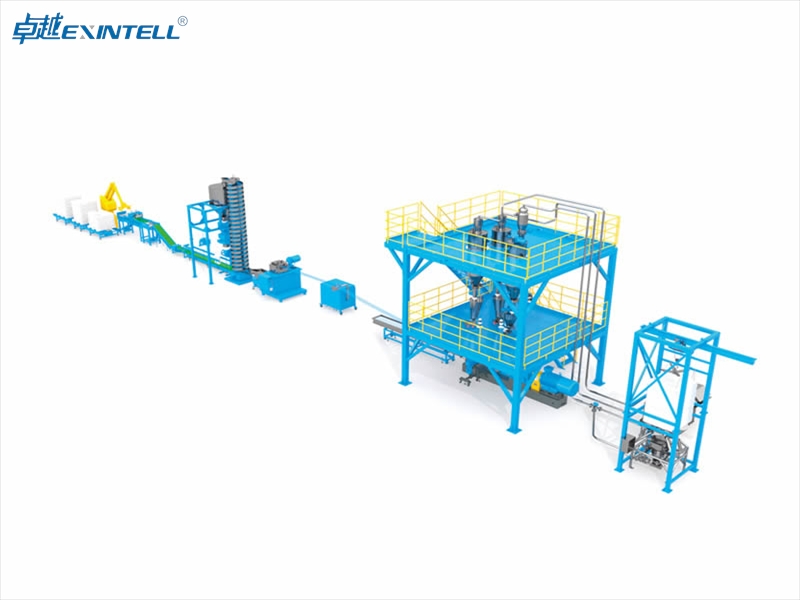
Anei nga mea e tupu ana i roto i te miihini masterbatch:
-
Ko ka mau i roto i nga kirikiri o te kirihou me te masterbatch.
-
Ka hanumi nga poaka me nga taapiri ki te kirihou.
-
Ka whakamahia te wera me te pehanga hei whakakotahi i nga mea katoa.
-
Ka hangaia he pire iti ka taea e nga kaihanga ki te hanga i nga momo hua kirihou katoa.
He pai ki a au te whakaaro ko te kaitao huna kei muri i nga whakaaturanga, te whakarite kia whiwhi nga kohinga kirihou i nga kai tika.
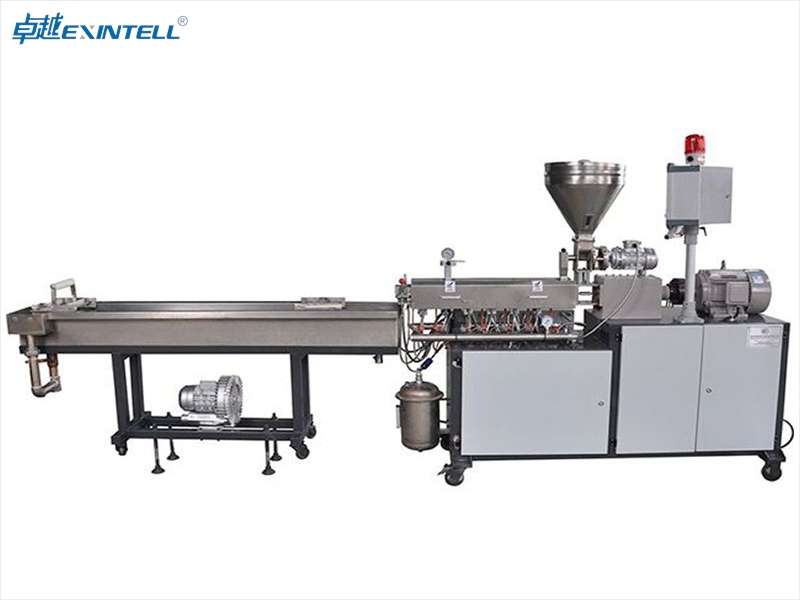
Te kaupapa i roto i te Hangahanga
Ka kite ahau i te miihini masterbatch hei kaikawe matua ki nga mahi hanga hou. He nui ake i te whakaranu i nga tae. Ka awhina i nga wheketere ki te hanga kirihou me nga rawa tika, rite kaha, ngawari, ātete UV ranei. Ma tenei miihini e whakarite kia horahia nga poaka me nga taapiri, no reira karekau he korikori, he waahi ranei i te hua whakamutunga.
Koinei te take ka whakawhirinaki nga kaihanga ki nga miihini masterbatch:
-
Ka whakaputa i nga tae me nga taapiri taapiri hei whakarei ake i nga taonga kirihou.
-
Ka whakarite ratou toha riterite o nga pigments me nga taapiri mo te tae noa.
-
Ka whakapai ake ratou i te pai o te tukatuka ma te tuku i te mana tika mo nga ahuatanga o te hua.
-
Ka whakaitihia te para, e penapena moni ana, e tautoko ana i te oranga tonutanga.
-
Ka taea e ratou te whakamahi i nga rawa hangarua me te kore e ngaro te kounga.
Aki: Mena kei te hiahia koe ki te hanga hua kirihou kounga teitei, kei te hiahia koe ki te miihini matua. Ka hoatu ki a koe te mana whakahaere, riterite, me te ngawari.
Kua ako ahau ko nga umanga he rite ki te kapi, waka, me te hanga ka whakawhirinaki katoa ki enei miihini. Ka awhina ratou i nga kamupene ki te whakatutuki i nga paerewa tino kaha me te tuku i nga hua e pai ana te ahua me te roa ake.
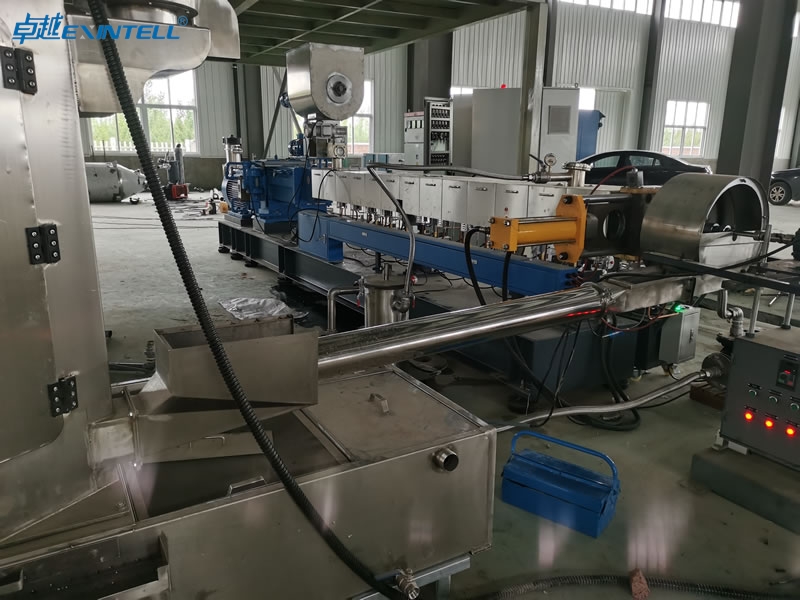
Me pehea te Mahi a te Miihini Masterbatch
I taku kitenga tuatahi a mihini masterbatch i roto i te mahi, I mohio ahau ki te maha o nga mahi ki te hanga i aua pire ririki ka hoatu nga kirihou i o raatau tae me o raatau taonga. Tukua ahau ki te arahi ia koe i roto i te tukanga, taahiraa i te taahiraa.
Te whangai me te Ranu
Raw Material Input
Ka timata tonu ahau ma te utaina i te miihini me nga kai tika. Anei nga mea e uru ana:
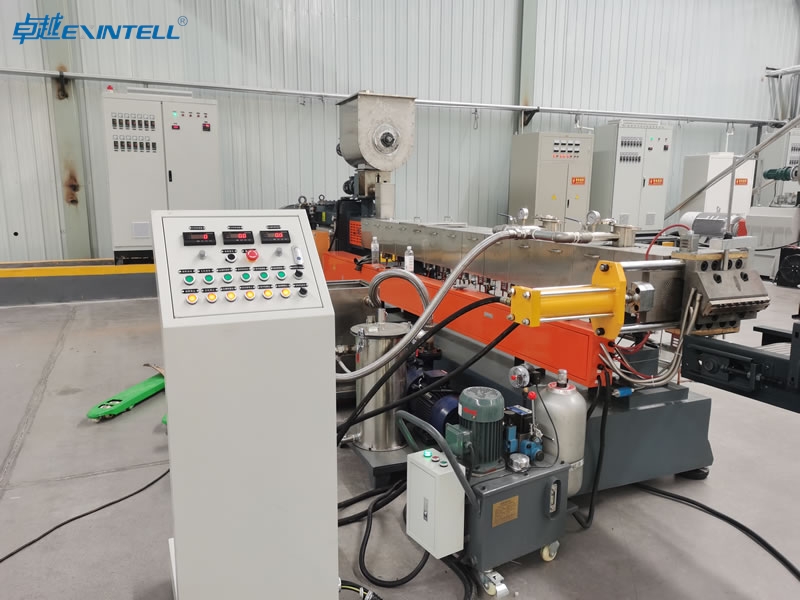
-
waerau turanga (kapia kawe) penei i te polyethylene, te polypropylene ranei. Ka noho tenei hei rauemi matua.
-
Pigments, waikano ranei. Ka hoatu e enei te tae o te kirihou.
-
Nga taapiri. Ma enei e kaha ake te kirihou, tiakina mai i te ra, ara mutu iroriki ranei.
-
Nga awhina whakamarara. Ka awhina enei mea katoa kia pai te uru.
Ka whakamahia e te miihini he hopper hei whangai i enei rawa ki roto. Ka whakarite au kia u tonu te rere kia mau tonu te ranunga.
Homogenization me te Marara
Kia uru nga rauemi ki te miihini, timata te makutu tūturu. Ka kumea mai e nga tira hurihuri nga kai ki mua, te kōpeke me te pokepoke i aua mea. Te wera me te mahi miihini ka rewa nga rawa, ka huri hei matotoru, whakakotahitanga rite. Ko nga huānga tīwiri motuhake i roto i te miihini ka tino uru nga mea katoa. Ka titiro au mo te tae me te kakano, na te mea ko te tikanga kua hora pai nga pigments me nga taapiri.
Aki: Mena kei te pirangi koe i te puranga korekore, kia whai whakaaro ki te wahanga ranu. Ko te rite ki konei ko te kounga o muri mai.
Anei he titiro tere ki nga mahi matua mo te whangai me te ranu:
-
Te whangai rawa: Ka whakauruhia e ahau nga rauemi mata ma te hopper.
-
Te Kawenga me te Kopeketanga: Ka nekehia, ka kopirihia nga taonga.
-
Te Whakapaipai me te Whakarewa: Te wera me te nekehanga ka rewa te ranunga.
-
Whakaranu kaha me te Homogenization: Ka whakakotahihia e te miihini nga mea katoa kia rite ra ano.
Te Whakarewa me te Tangohanga
Te Ranu Kutikuti Teitei
I muri i te ranu, ka piki ake te pehanga a te miihini. Ka tere ake te hurihuri o nga tira, ka nui ake te wera me te kutikuti. Ma tenei ka pakaru nga kapoipo me te whakarite kia horapa rite nga poaka me nga taapiri. Ka tirohia e ahau te ranunga mo te maeneene me te rite.
Maimoatanga Wera
Ko te miihini e pupuri tika ana te pāmahana. He wera rawa, a ka kino pea nga rauemi. He makariri rawa, a e kore e rewa tika. Ko te waahi maimoatanga wera ka whakarewa i te ranunga ki te ranunga rite. Ka pupuhihia te ranunga whakarewa ki te mate, ka hanga hei whenu, pire ranei.
Anei te ahua o te mahi whakarewa me te tangohanga:
-
Te whangai rawa: Ka whangai ahau i nga rauemi mata ki roto i te miihini.
-
Te Kawenga me te Kopeketanga: Ka huri nga huri, kōpeke, me te pokepoke i te ranunga.
-
Te Whakapaipai me te Whakarewa: Ko te wera me te mahi miihini ka rewa nga mea katoa.
-
Whakaranu kaha me te Homogenization: Ka marara te miihini i nga poaka me nga taapiri.
-
Te Whakarewa me te Hanga Mate: Ka neke te ranunga whakarewa ki te mate mo te hanga.
-
Te whakamatao me te whakatikatika: Ka whakamatao te masterbatch, ka tika te rahi.
Te whakamatao me te Pelletizing
Te hanga Granules
Kia mahue te ranunga i te mate, me whakamatao. Ka whakamahia e te miihini rerekē tikanga whakamatao, i runga i nga rauemi me nga hiahia whakaputa. I etahi wa ka whakamahia e au te whakamahana hau, i etahi wa ka whakamatao wai, ranei ara pelleting raro wai. Ko te tikanga whakamahana ka pa ki te kounga me te ahua o nga pire.
Mahi Pelletizer
Ka tapatapahia e te pelletizer nga whenu kua whakamataohia, nga pata iti ranei, pire rite. He ngawari enei pire ki te hapai me te whakamahi i roto i te hanga. Ka whiriwhiria e ahau te tikanga pelletizing i runga i te papanga me te ahua pellet e hiahiatia ana.
Anei he ripanga e whakaatu ana i nga tikanga pelletizing matua:
|
Tikanga |
Whakaahuatanga |
|---|---|
|
Ka toro atu i nga rawa ki nga whenu tonu, ka whakamatao ki te wai, katahi ka tapahia ki nga pire. |
|
|
Pelletizing Raro Wai |
Ka tapahi i te waerau rewa ka puta i te mata mate ka rukuhia, te whakaputa pire porohita. |
|
Wai-Ring Pelletizing |
Ka whakamatao ka tapahia nga pire ki te wai, he pai te hapai i nga taonga piri. |
Tuhipoka: Ko te whiriwhiringa o te whakamatao me te whakamaarama ka taea te whakarereke i te ahua me te mahi o nga pire. Ka rite tonu ahau ki te tikanga ki te rauemi me te mutunga o te whakamahi.
Ka kitea e au ko te waahi whakamatao me te pelletizing te waahi e tino whakaatu ana te miihini masterbatch i tona kaha. Ahakoa e hiahia ana ahau ki nga pire porotaka, whenu, tetahi atu mea ranei, ka urutau te miihini ki te mahi.
Ki te whai koe i enei kaupae, Ka kite koe me pehea te huri a te miihini masterbatch i nga rawa mata ki nga pire kounga teitei kua rite mo te hanga kirihou. He pai ki ahau te hanga o ia waahanga i runga i te whakamutunga, te whakarite kia tutuki te hua whakamutunga ki nga paerewa tika.
Nga Waahanga Matua o te Miihini Masterbatch
Kaituku
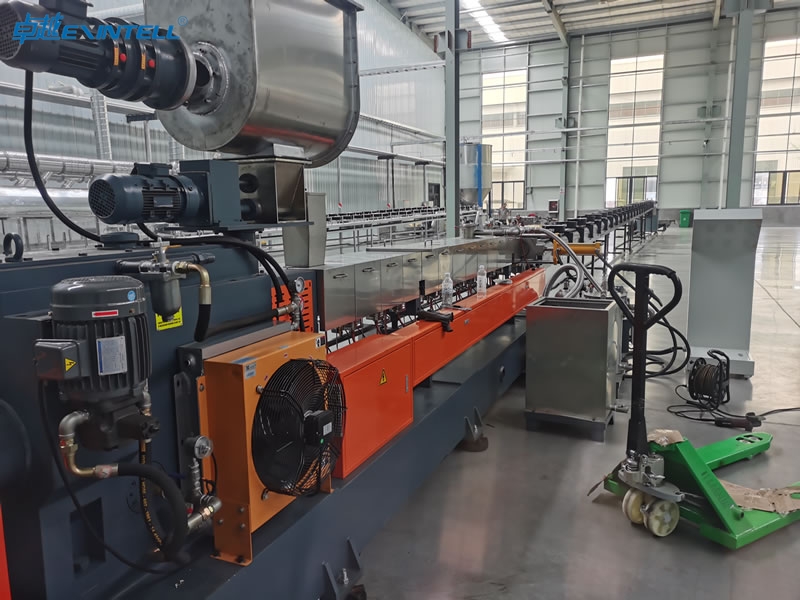
Ina titiro ahau ki tetahi miihini matua, te extruder tu tonu i roto i rite te ngakau o te tukanga. Ki taku whakaaro ko te miihini e kawe whakamua ana i nga mea katoa. Ka mauhia e te kaihoroi nga rauemi mata ka panaia ki roto i nga raupapa o nga rohe, kei ia tangata he mahi motuhake. Anei he ripanga tere e whakaatu ana i nga mahi o roto:
|
Whakaahuatanga |
|
|---|---|
|
Rohe whangai |
Ka nekehia nga rauemi mata ki roto i te miihini. |
|
Rohe kōpeketanga |
Paohia me te whakangawari i te ranunga, te pehi i nga hau e mau ana. |
|
Rohe rewa |
Ka rewa te rauemi ma te wera me te waku. |
|
Rohe whakaranu |
Ka whakakotahi nga mea katoa, kia taurite te horahanga o nga poaka me nga taapiri. |
|
Rohe hau |
Ka tango i te makuku me nga hau e kore e hiahiatia, te pupuri i te ranunga kia parakore. |
|
Rohe ineita/whakariterite |
Ka hoatu te ranunga whakamutunga ki te whakakotahitanga whakamutunga me te hanga pehanga mo te rere maeneene ki roto i te mate. |
Kua kite ahau he nui te rereketanga o te momo extruder. Hei tauira, ka mahi te extruder mahanga ma te wehewehe me te whakakotahi ano i nga mea kua rewa. Ma tenei ka whakanui ake i te pai o te whakaranu ka taea e au te whakahaere tika i te pāmahana. Ka taea e au te whakamahi i nga hoahoa wiri rereke hei hapai i nga momo rawa katoa, na te mea ka ngawari ake te hanga. Mena kei te hiahia ahau ki te whakakotahitanga tino pai, Ka aro nui ahau ki te extruder.
Aki: Ka whakatauhia e te kaiwhakaputa te pai o te whakakotahitanga o nga poaka me nga taapiri. Mena kei te hiahia koe kia rite te tae me te kounga, arotahi ki tenei waahanga.
Pūnaha Whangai
Ko te punaha whangai ka rite ki te kaitiaki o te keeti mo te mahi katoa. Ka whakawhirinaki ahau ki runga ki te tuku i te nui tika o ia whakauru i te wa tika. Mena kaore i te pumau te punaha whangai, ko te puranga katoa ka puta keehe. Anei tetahi tepu e wehewehe ana i nga mahi a te punaha whangai:
|
Whakaahuatanga |
|
|---|---|
|
Te Mahi a te punaha whangai |
Ka mau tonu te whakauru rauemi, na ka noho maeneene te tukanga. |
|
Whakauru ki te Extruder |
Ka mahi me te extruder mo te whakahaere tika me te taapiri i nga rauemi. |
|
Whakawhiti Rawa |
He pai te neke i nga rawa, e awhina ana ki te whakakotahi me te penapena wa. |
|
Hoahoa Tauranga Whangai |
Uses multiple ports for adding ingredients at different stages, preventing leaks. |
|
Pressure Monitoring |
Watches pressure to catch problems early. |
|
Whirihoranga Tiu |
Matches the screw design to the recipe for the best results. |
I always check the feeding system before starting a batch. If I see any issues with pressure or flow, I fix them right away. That way, I know the masterbatch machine will run smoothly.
Mixers and Kneaders
Mixers and kneaders do the heavy lifting when it comes to blending. I think of them as the hands that knead dough, making sure everything comes together just right. These components break up clumps and spread pigments and additives throughout the melted plastic. I can adjust the speed and intensity to match the material I’m working with.
-
Mixers handle the first stage of blending, kia mohio ka timata te kapia turanga me nga taapiri ki te whakakotahi.
-
Ka uru atu nga Kneader mo nga mahi uaua, mahi i te ranunga kia tino rite.
-
Ka awhina nga waahanga e rua ki te aukati i nga korikori, nga waahi ranei i nga pire whakamutunga.
Mena kei te pirangi au ki te whakaoti kore koha, Ka aro nui ahau ki te whakatakotoranga o nga whakaranu me nga pona. He rerekee i waenga i te puranga pai me te pai.
Tuhipoka: Ko nga whakaranu me nga miihini kua pai te whakarite ka whakaora i te waa me te whakaiti i te ururua. I nga wa katoa ka tirohia e au o raatau tautuhinga i mua i nga oma katoa.
Kaiparapara
Ka tae ahau ki te waahi pelletizer, Kei te mohio ahau kua tata ahau ki te raina mutunga. Ko te pelletizer he rite tonu te "pa whakamutunga" i roto i te tukanga masterbatch. I muri ka pana te extruder i te wera, kirihou whakakotahi, ka kuhu te pelletizer ki te tapahi me te hanga i te rauemi kia iti, pire rite. Ki taku whakaaro he mea nui tenei mahi na te mea ko enei pire te mahi a nga kaihanga ki te hanga hua kirihou.
Ko te pelletizer ka huri i te whakarewatanga kua tangohia ki roto, pire rite tonu. He mea nui tenei riterite. Mena he rereke te rahi me te ahua o nga pire, ko nga hua kirihou whakamutunga ka puta koretake, he koha ranei. Kua kite ahau i te pai o te pelletizer ki te pupuri i nga mea katoa, te whakarite kia tutuki ia puranga ki te paerewa teitei. Ka rewa rite nga pire rite, ka uru pai i roto i nga mahi hanga ka whai ake, ko te tikanga he iti ake nga raruraru me nga hua pai ake.
Anei nga mea ka kite ahau mo te mahi a te pelletizer:
-
Ka tapahia e ia nga whenu kirihou kua whakamataohia, nga pata ranei hei pire.
-
Ka whakarite kia rite te rahi o ia pire, e awhina ana ki te whakahaere kounga.
-
Ka ngawari te whakahaere i nga pire, kawe waka, me te whakamahi i etahi atu miihini.
I always pay attention to the pelletizer settings. If I want round pellets, I adjust the cutting speed and method. If I need cylindrical pellets, I tweak the blade and cooling system. The right setup means less waste and more reliable products.
Aki: If you want your masterbatch to perform well in any industry, focus on getting the pelletizer settings just right. Ko te riterite i konei ka whakaora i te wa me te moni i muri mai.
Paewhiri Mana
The control panel acts as my command center. I use it to keep an eye on every part of the masterbatch machine and make quick adjustments when needed. A modern control panel makes my job much easier and helps me avoid mistakes.
Here’s a table that shows the main features Ka whakawhirinaki ahau:
|
Āhuahira |
Whakaahuatanga |
|---|---|
|
Touch Screen Display |
I get a 10-15 inch color touchscreen with a simple, graphical interface. It’s easy to use. |
|
Te Aroturuki Tukanga |
I can watch and adjust temperatures, tere tīwiri, and feed rates in real time. |
|
Recipe Storage |
I store over 200 production recipes, so switching between batches is fast and simple. |
|
Raraunga Raraunga |
The panel records all processing parameters. This helps me track quality and improve results. |
|
Alarm Notifications |
I get alerts if something goes wrong, so I can fix issues before they cause problems. |
I love how the control panel puts everything at my fingertips. I can change settings with a few taps, check the status of each stage, and even look back at past runs to see what worked best. If something needs attention, the alarms let me know right away. This means I spend less time troubleshooting and more time making high-quality masterbatch.
Tuhipoka: A good control panel doesn’t just make things easier—it helps me deliver consistent, nga hua tino pai i nga wa katoa.
Momo Miihini Masterbatch
I te wa i timata ahau ki te ako mo nga miihini masterbatch, I hohoro taku mohio kaore nga miihini katoa e mahi ana i te huarahi kotahi. Ko nga momo matua e rua—kotahi-kirikiri me te mahanga-whakaahua—kei a ia ano o raatau kaha.. I kitea ano e au ko etahi atu taputapu e mahi ana i te taha o enei miihini kia pai ake ai te mahi me te pai ake.
Kaipupuku Takitahi-kotahi
E pai ana ahau ki te whakaaro mo te extruder kotahi-screw hei "mahi" o te tukatuka kirihou ngawari. Ka whakamahia e ia tetahi hurihanga hurihuri hei neke me te whakarewa i te kirihou. Ka whakamahi ahau i tenei momo ina hiahia au ki te pupuri i nga mea tika me te whai hua.
Koinei te take ka kowhiria e au tetahi kaitahuri hiko-kotahi:
-
Ka whakahaerehia e ia nga mahi taketake penei i te whakarewa me te kumara i nga thermoplastics.
-
He pai rawa atu mo te hanga putorino nui, rau, me ngā pūkete.
-
It’s affordable and easy to maintain, which helps me keep costs down.
Aki: If you’re just starting out or working with simple recipes, a single-screw extruder can save you money and time.
Mahanga-Mahanga Extruder
When I need more control and better mixing, I turn to a mahanga-wiri extruder. This machine uses two intermeshing screws that mix, te pokepoke, and push the material forward. I find it perfect for complex jobs where I want every ingredient to blend perfectly.
Let me show you how these two types compare:
|
Āhuahira |
Kaipupuku Takitahi-kotahi |
Mahanga-Mahanga Extruder |
|---|---|---|
|
Application Complexity |
Simple tasks |
Complex mixing and compounding |
|
Utu |
Lower initial and maintenance costs |
Higher upfront, long-term value |
|
Mahi |
Good for high-volume, basic mixing |
He pai te whakaranu me te marara |
|
Te ngawari |
He iti ake te ngawari |
Highly flexible and precise |
|
Te Whakahaere Rawa |
Basic materials |
Handles volatile or moist materials |
|
Example Use Case |
Paipa, rau, pūkete |
High pigment masterbatch, consistent color |
I nga wa katoa ka toro atu ahau ki te kaihoroi mahanga-taapiri ina hiahia au ki te mahi i nga taarua matua me te utaina nui o te poaka. Ko te mana whakaranu ka whakarite kia rite te ahua o ia pire me te mahi ano. E aroha ana hoki ahau ki te āhuatanga horoi whaiaro. Ka whakaora ahau i te wa ka huri au i waenga i nga tae rereke, i nga taapiri ranei.
Tuhipoka: Ka whiti nga kaihoroi mahanga ka hiahia au ki te whakaranu i te kounga teitei, ina koa mo nga mahi toha penei i nga roopu matua-nui.
Ētahi atu Momo Taputapu
Kua ako ahau he uaua te mahi a te miihini masterbatch anake. He maha nga wa ka whakamahi au i nga taputapu taapiri kia pai ai nga hua. Anei he titiro tere ki nga mea ka whakamahia e au me te aha:
-
Whakaranu Tere-Teitei: Whakaranuhia e ahau nga pire kapia kawe me nga paura poaka me nga taapiri i mua i te whangai ki roto i te extruder.
-
Pūnaha whakamatao: Ko enei ka pupuri i nga pire kia kore e wera me te awhina i a raatau ki te pupuri i o raatau ahua.
-
Huri Mata me te Tātari: I use these to remove any contaminants from the melted plastic, which keeps the final product clean.
-
Automated Control System: This lets me monitor and adjust the whole process from one place, making my job much easier.
|
Momo Taputapu |
Function/Description |
|---|---|
|
Filler Masterbatch Equipment |
Handles abrasive fillers with tough, wear-resistant parts. |
|
Additive Masterbatch Systems |
Processes additives like UV stabilizers at lower temperatures. |
|
Whakaranu Tere-Teitei |
Prepares raw materials for smooth feeding. |
|
Pūnaha whakamatao |
Maintains pellet quality after extrusion. |
|
Huri Mata me te Tātari |
Removes contaminants, keeps production running. |
|
Automated Control System |
Integrates all equipment for easy operation. |
😊 I always say, the right combination of machines and tools makes my work faster, kaihoroi, and more reliable.
Inaianei, whenever I set up a masterbatch line, I pick the equipment that matches my goals—whether I want speed, kounga, or flexibility.
Benefits of Using a Masterbatch Machine
When I started working with plastics, I wanted to know what made some products look and perform better than others. I quickly learned that the right equipment makes all the difference. Let me share the main benefits I’ve seen from using a mihini masterbatch.
Kounga riterite
I always want my products to look the same, puranga i muri i te puranga. A masterbatch machine helps me achieve that. It mixes pigments and additives so evenly that every pellet comes out with the same color and properties. I don’t have to worry about streaks or spots. Here’s a table that shows how the machine keeps quality consistent:
|
Momo Whakaaturanga |
Whakaahuatanga |
|---|---|
|
Uniform Distribution |
Ensures that additives and pigments are evenly mixed, leading to stable color uniformity. |
|
Precise Formulation |
Correct ratios of pigments and additives are crucial for consistency; small changes can affect quality. |
|
Controlled Extrusion |
High shear forces and heat in modern machines ensure thorough mixing of materials. |
|
Mana Mana Kounga |
Continuous checks on physical, matū, and visual properties maintain consistency throughout production. |
I’ve noticed a few big advantages:
-
No more defects from uneven color.
-
My production line runs smoother.
-
I waste less material, which saves money.
Aki: If you want your products to stand out for their quality, focus on getting consistent results every time.
Efficiency and Cost Savings
Saving time and money matters to me. With a masterbatch machine, I use less pigment and additive because the mix is so concentrated. I don’t need special machines, and I can use my existing equipment. Ko te tikanga he iti ake taku whakapaunga mo te tatūnga me te horoi. Anei he titiro tere ki nga huarahi matua ka penapena ahau:
|
Whakaahuatanga Painga |
Nga korero |
|---|---|
|
Kaore he utu tatūnga, utu horoi ranei. |
|
|
Hangahanga Pai |
He iti ake nga rauemi e whakamahia ana, me te masterbatch ka tae noa ki 5% o te taumaha katoa. |
|
Te Whakamahi Taputapu o naianei |
Kaore he hiahia mo nga miihini motuhake; ka taea te whakamahi i nga miihini hanga o naianei. |
|
Te Tautukunga ki nga Paerewa |
Ka tutuki nga mahi e tumanakohia ana me nga paerewa whakangao. |
|
Tiaki i nga Utu Whakahuihui |
Ka whakaiti i nga utu e pa ana ki te whakahuihui. |
|
Whakaitihia te Whakamahi Pungao |
He iti ake te kaha ki te hanga i te hua whakamutunga. |
Ka kite hoki ahau i nga hua teitei ake, ina koa ka whakamahi ahau i te hoahoa mahanga-kirikiri. He tere ake te mahi a taku roopu, a ka iti ake ta matou whakapaunga mo te mahi me te utu. Ahakoa he nui ake te utu o te miihini i te tuatahi, I get my money back through better quality and lower costs over time.
Tuhipoka: The right masterbatch machine pays for itself by making production faster, cheaper, and more reliable.
Customization Options
I love how flexible masterbatch machines are. I can create custom colors and add special features, like UV protection or anti-bacterial properties. The machine lets me blend exactly what I need into the plastic. Here’s how I make the most of this flexibility:
-
I choose the pigments and additives I want.
-
I set the dosing and mixing levels for each batch.
-
I get consistent results, even with custom recipes.
-
I avoid dust and contamination, which keeps my workspace clean.
-
I improve processing efficiency and reduce waste.
This means I can meet any customer request, from bright colors to special performance features. Ko te hangarau Masterbatch e homai ana ki ahau nga taputapu ki te hanga kirihou e tu mai ana i te maakete.
😊 He ngawari te whakarite ina kei a koe te miihini tika. Ka taea e au te huri i tetahi whakaaro hei hua kua oti me te maia.
I roto i taku wheako, he mihini masterbatch te huarahi pai ki te tiki kounga riterite, penapena moni, me te tuku hua ahurei. Mena kei te pirangi koe ki te angitu i roto i nga kirihou, koinei te taputapu e hiahia ana koe.
Nga tono a nga Miihini Masterbatch
Ahumahi Packaging
Ina hikoi ahau i roto i te hokomaha, Ka kite ahau i nga kohinga ki nga waahi katoa. I nga wa katoa ka kite ahau i nga tae kanapa me nga tohu maamaa i runga i nga pounamu, takai, me nga ipu. I ako ahau he nui te mahi a te miihini masterbatch ki te whakanui i enei kete. Ka awhina i nga kaihanga ki te hanga i nga kohinga e ahua ataahua ana, e pai ana te mahi. Ka whakamahi ahau huinga matua tae ki te whakarite kia rite nga kete katoa ki nga tae o te waitohu. Ko nga huinga matua taapiri ka hoatu he taapiri taapiri, like UV resistance or anti-static properties. These features help keep food fresh and protect products from damage.
Here’s a quick table that shows how masterbatch machines help in packaging:
|
Momo Taupānga |
Nga painga |
|---|---|
|
Color Masterbatches |
Enhance visual appeal with vibrant designs. |
|
Additive Masterbatches |
Improve properties like UV resistance, anti-static features, me te mahi aukati. |
I often work with food-grade packaging, shrink wraps, me nga ipu. I want products that look good and last longer. Masterbatch machines make this possible. I also use additive masterbatches to improve durability and barrier resistance. This means packaging stays strong and keeps products safe.
Aki: If you want packaging that grabs attention and protects what’s inside, masterbatch machines are the secret ingredient.
Automotive Sector
I spend a lot of time around cars, so I know how important quality is in automotive parts. I use a masterbatch machine to produce components that are ngawari, roa, and visually appealing. When I make dashboards or bumpers, I rely on additive masterbatches to boost heat resistance and UV protection. These features help parts survive tough conditions and keep their color over time.
I see masterbatch machines used for interior trims, exterior panels, and even under-the-hood parts. Manufacturers want parts that look good and last. I make sure every batch meets strict standards for strength and appearance. The machine lets me control the mix, so every part comes out just right.
Tuhipoka: Automotive companies trust masterbatch machines to deliver reliable, high-performance parts.
Nga Taonga Kaihoko
I love seeing how masterbatch machines help create everyday products. I use them to make taonga takaro, taputapu kīhini, paipa, pūkete, rau, kiriata, and cables. Each product needs a different mix of color and additives. I adjust the machine to match the requirements for each item.
-
Toys need bright colors and safe materials.
-
Kitchenware must resist heat and stains.
-
Pipes and cables require strength and flexibility.
-
Films and sheets need clarity and durability.
I enjoy customizing batches for different consumer goods. The machine gives me the flexibility to meet any demand. I can switch recipes quickly and keep production moving.
😊 Masterbatch machines make it easy to create products that people use every day. I see the results in homes, tari, me nga wheketere.
Other Uses
When I think about masterbatch machines, I see them popping up in places you might not expect. Sure, they shine in packaging, waka, me nga taonga kaihoko, but their reach goes way beyond that. I’ve seen these machines make a real difference in industries that care about innovation and sustainability.
One area that excites me is recycling. I work with companies that use masterbatch machines to turn plastic waste into something valuable. Instead of sending old bottles or packaging to the landfill, we feed them into the machine. Ko te hua? High-quality masterbatches that manufacturers can use just like new material. This process supports the circular economy, which means we keep materials in use for as long as possible. I love knowing that every batch I help create keeps plastic out of the environment.
Here’s a quick look at some less common but innovative uses I’ve come across:
-
I help construction teams create pipes and panels with special properties, like fire resistance or extra strength. Masterbatch machines let us add exactly what we need to the mix.
-
I see electronics manufacturers use these machines to add anti-static or flame-retardant features to their products. This keeps devices safer and more reliable.
-
I work with agriculture companies that want films and sheets with UV protection. These films last longer in the sun and protect crops better.
-
I’ve even seen masterbatch machines used in textiles. They add color and performance features to synthetic fibers for clothing, carpets, and sports gear.
-
I know some medical suppliers use masterbatch machines to create items with antibacterial properties. This helps keep hospitals and clinics safer.
I mohio koe? Masterbatch machines play a big role in making products more sustainable. They help companies recycle, whakaiti i te para, and design materials that last longer.
I notice that every time I use a masterbatch machine for a new project, I find another way to solve a problem. Whether I want to boost product performance or support green initiatives, these machines give me the flexibility I need. I can adjust the recipe, try new additives, and see results fast.
If you’re curious about where plastics are headed, keep an eye on masterbatch technology. I believe it’s opening doors in industries that want to innovate and protect the planet at the same time. The possibilities keep growing, and I can’t wait to see what comes next.
I learned that mastering the basics of masterbatch machines opens up a world of possibilities in plastics. Here’s what I always keep in mind:
-
High-speed mixing shapes color quality.
-
Temperature and time matter for pigment wetting.
-
Watching the process helps spot issues early.
-
Environmental protection keeps the workspace safe.
If you want to get started, I suggest:
-
Define your performance needs.
-
Know your plastic substrate.
-
Work with additive experts.
-
Test your formulations in real production.
Masterbatch technology helps solve tough challenges. I encourage you to explore more and ask questions.
FAQ
What is a masterbatch machine used for?
I use a masterbatch machine to mix color pigments or additives into plastic. This helps me create plastics with specific colors or properties, like UV resistance or strength.
Can I use recycled materials in a masterbatch machine?
Ae, I often feed recycled plastics into the machine. It blends them with additives, so the final pellets look and perform like new. Ka tautoko tenei i te oranga tonutanga.
Me pehea taku whiriwhiri i waenga i nga kaitahuri-a-kotahi me nga kaitao-mahanga?
Ka kohia e ahau he pihi-kotahi mo nga mahi ngawari me te mahanga-hurihuri mo te whakaranu uaua. He pai ake te mana whakahaere me te riterite ki a au e nga extruders twin-screw, ina koa me te nui o nga pikaunga.
He uaua ki te horoi i te miihini masterbatch?
Ka kitea e au he ngawari ake te horoi ma te whakamahi i nga kaitahuri mahanga na te mea kei a raatau nga waahanga horoi-whaiaro. Ka whai ahau i nga tohutohu a te kaiwhakanao me te whakamahi i nga taputapu tika hei karo i te poke.
He aha nga momo taapiri ka taea e au te whakamahi?
Ka taapirihia e ahau nga tohu mo te tae, He whakapumau UV mo te whakamarumaru o te ra, āpiha anti-pateko, whakapuru mura, me nga taapiri antibacterial. Ka taea e te miihini te whakarite i ia puranga.
Me pehea taku whakahaere i te kounga o taku masterbatch?
Ka aroturuki ahau i te pāmahana, tere tīwiri, me nga utu whangai i runga i te paewhiri mana. Ka tirohia e ahau te tae me te ahua o te pellet. Consistent settings help me keep quality high.
Are masterbatch machines expensive?
The price depends on the type and features. I invest more in twin-screw models, but they save money over time with better mixing and less waste.
Can I make custom colors with a masterbatch machine?
Tino! I select pigments and adjust the recipe. The machine blends everything evenly, so I get the exact color I want for each project.