

Whakakitenga Miihini Masterbatch Twin-Screw Extruders me nga Miihini Kneader
Ko nga kaihanga i roto i te umanga masterbatch he maha nga wa e kowhiria ana nga kaihuri mahanga-hurihuri takirua mo o raatau kaha ki te whakaputa i te whakaranu pai me nga hua rite.. Ka whakawhirinaki ratou ki nga miihini miihini i te wa e whakahaere ana i nga taonga tairongo, utu nui ranei e hiahia ana ki te tukatuka ngawari. Ko te kowhiringa miihini he mahi nui i roto i ia mahi Miihini Masterbatch. Ko te kowhiringa tika ka pa ki te kounga o te whakaputa me te whai hua, i te mea ko nga extruders hou me nga taputapu tautoko e whakaheke ana i te rere whakaputa me te tautoko i te tuku pono.
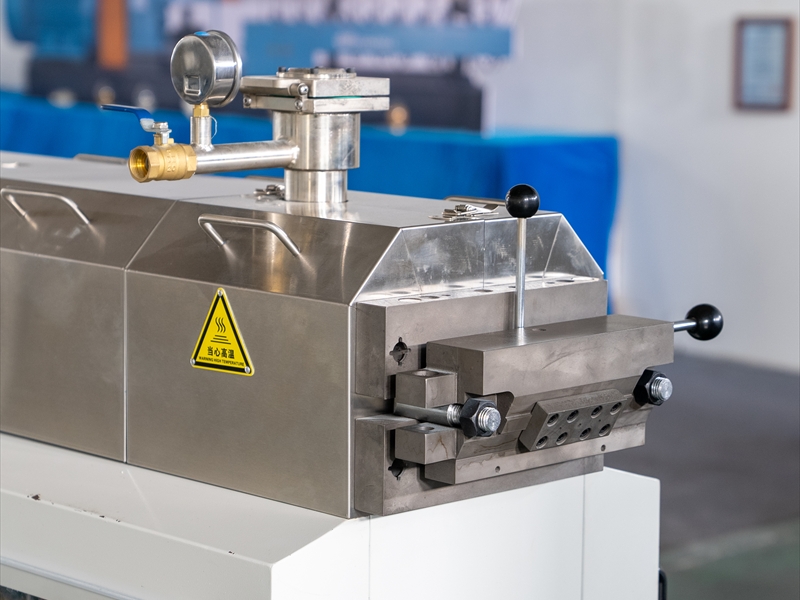
- Ko te whiriwhiri taputapu tika ka arotau i te kounga o te hua me te pai o te whakaputa.
-
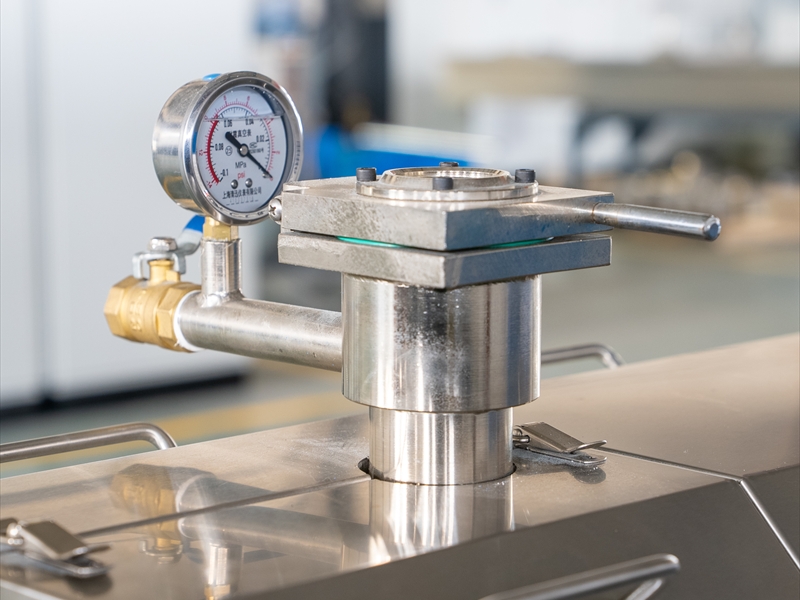
Ko nga miihini matatau ka whakaiti i nga utu whakahaere me nga pounamu, te whakarite kia pai ake te whakaputanga me te pai o nga kaihoko.
- Ko te whakahāngai i te kowhiringa miihini me te kaha whakaputa me nga whakaritenga o nga rawa e whakamana ana i nga hua rite.
Nga Taketake matua
- Kōwhirihia te miihini tika mo o hiahia. He pai rawa atu nga kaiwhakaputa mahanga-rua ki te whakaranu me te whakaputa, i te mea he pai nga miihini pokepoke mo nga mea tairongo.
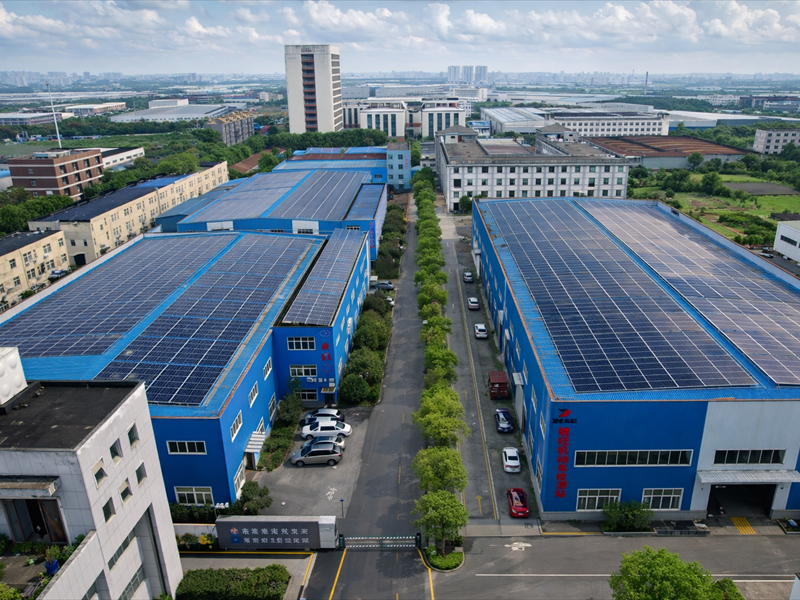
- Whakanuia te kounga whakaputa. Ko te kowhiringa taputapu tika ka pa ki te rite me te mahinga o to roopu rangatira.
-
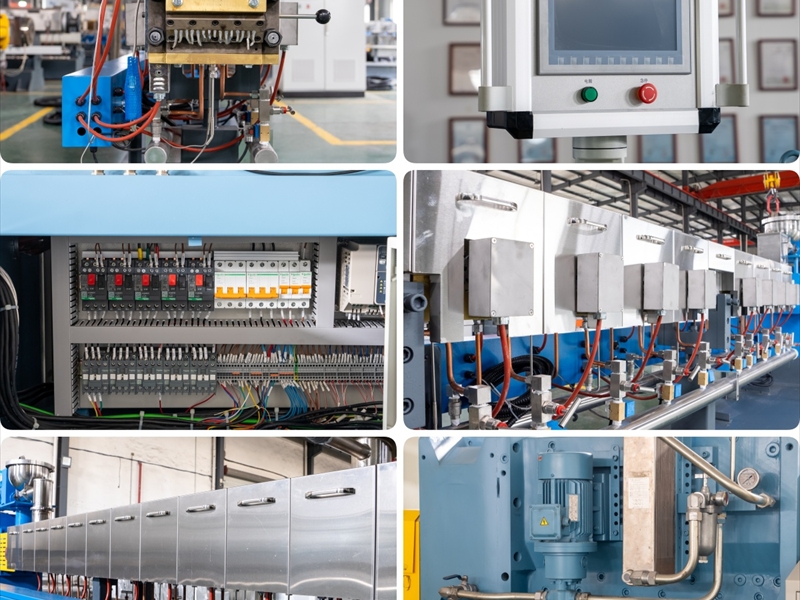
Whakanuia te pai me nga miihini matatau. Ka whakaitihia nga utu whakahaere me te whakapai ake i te rere whakaputa.
- Whakaritea te hototahitanga rauemi. Whakahaerehia nga whakamatautau kaha hei whakapumau he pai te whakakotahitanga o nga poaka me nga taapiri mo nga hua tino pai.
- Arotahi ki te riterite marara. Ko te whakakotahitanga o te kounga teitei ka aukati i nga koha me te whakarite i te tae rite o nga hua kirihou.
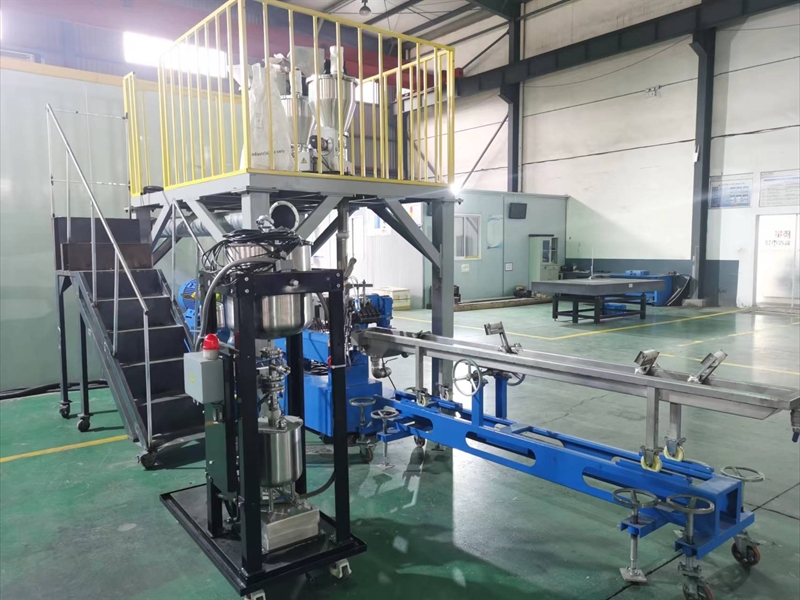
- Whakaarohia nga hiahia tiaki. Me nui ake te tiaki i nga extruders twin-screw, i te mea ka tukuna e nga miihini miihini nga tikanga tiaki ngawari ake.
-
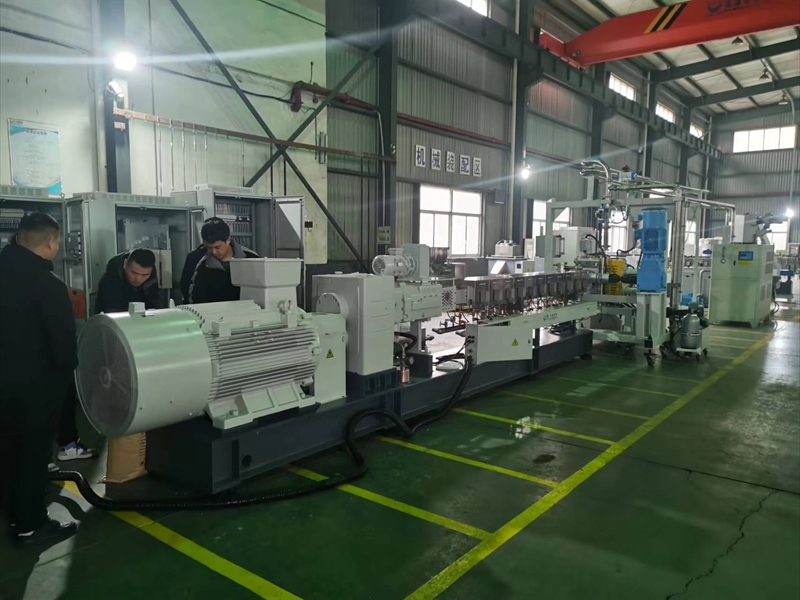
Me āta arotake i tō pūtea. He nui ake nga utu tuatahi mo nga extruders twin-screw, engari ka taea e to raatau kaha te whakaheke i nga whakapaunga i te waa.
- Mahere mo te tauineine. Ka ngawari te urutau ki nga hiahia whakangao nui, i te mea ka hiahiatia e nga miihini miihini etahi atu waahanga.
Tirohanga Hangahanga Masterbatch
He aha te Masterbatch
Hangaia e te hanga Masterbatch nga ranunga whakakoi o nga poaka, tāpiritanga, me nga kapia kawe. Ko enei ranunga, huaina masterbatch, ka whakamahia ki te tae, ki te whakarei ake ranei i nga ahuatanga o nga hua kirihou. Ko te tukanga ko te whakakotahi i nga rauemi mata, te whakahuihui i a raatau ma te tangohanga, me te hanga pire kia ngawari te whakahaere. Ka whakawhirinaki nga Kaihanga ki te masterbatch kia rite ai te tae, pai ake te mauroa, me te mahi motuhake i roto i nga tono kirihou. Ka tautokohia e te umanga masterbatch te whānuitanga o nga waahanga, tae atu ki te takai, waka, me nga taonga kaihoko.
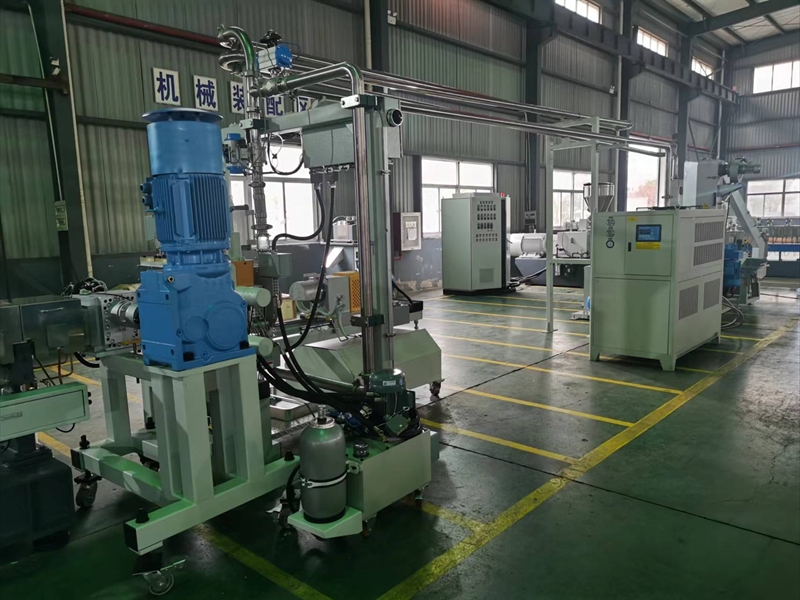
Ko te mahi hanga masterbatch me tino whakahaere i ia wahanga. Ia taahiraa, mai i te kowhiringa rauemi mata tae noa ki te kohinga whakamutunga, ka awe i te kounga me te mahi o te hua kua oti. Ko te ripanga i raro nei e whakaatu ana i nga waahanga matua me o raatau whakaritenga tino nui:
| Hipanga | Nga Whakaritenga Nui |
|---|---|
| Te Whiriwhiringa Rawa | Whakamahia he puehu-kore, iti-makuku, me nga kai e mau ana i te waiariki mo te kounga riterite. |
| Ko te pauna tika me te whakaranu | Pūnaha horopeta aunoa mo te tika; nga whakaranu tere-tere mo te whakakotahitanga o mua. |
| Tangohanga me te Whakahuihui | Te tono wera me te whakakotahitanga kutikuti teitei mo te tino marara o nga taapiri. |
| Te Matao me te Hanga Pellet | He tere te whakamahana me te tapahi i nga whenu kua werohia kia rite ki nga pire. |
| Tirotiro Kounga Tino | He maha nga whakamatautau kounga tae atu ki te rite o te tae me te arowhai hototahi. |
| Te Whakapai me te Tukunga Tika | Store in clean, temperature-controlled facilities and focus on on-time delivery. |
Key Production Needs
Dispersion Consistency
Dispersion consistency stands as a core requirement in masterbatch manufacturing. Uniform dispersion of pigments and additives ensures that every plastic product displays the intended color and properties. High-quality compounding prevents the formation of hard lumps or impurities, which can cause defects in the final masterbatch. Manufacturers use advanced mixing and compounding extrusion technologies to achieve excellent dispersion. Consistent dispersion also improves surface finish and reduces production issues, making it essential for reliable masterbatch performance.
Putanga
Throughput measures the amount of masterbatch produced within a specific time frame. Ka tautoko te whakaputanga teitei i te whakaputanga nui me te whakatutuki pai i nga hiahia o te maakete. Ko te tukanga whakahuihui me taurite te tere me te kounga, i te mea ko te hanga tere kia kaua e whakararu i te mararatanga, te riterite ranei. Ko nga raina whakangao masterbatch hou e whakamahi ana i nga punaha aunoa me nga extruder kaha nui ki te whakanui i te whakaputanga. Ko te pai o te whakamahana me nga punaha pelletizing ka whakamaarama ake te mahi, te whakarite kia tutuki nga whaainga whakangao me te kore e pakaru te kounga.
Rauemi Hototahi
He mea nui te hototahitanga o nga rawa i roto i te hanga masterbatch. Ko nga poaka kua tohua, tāpiritanga, me pai te whakakotahitanga o nga kapia kawe i te wa e whakahuihui ana. Ko nga rauemi hotokore ka arahi ki te marara kino, korikori tae, kua whakahekehia ranei te mahi kirihou. Ka whakahaerehia e nga kaihanga nga whakamatautau kounga, tae atu ki te whakataurite tae me te tātari marara, hei whakaū i te hototahi. Ma tenei mahi e whakarite kia uru pai te masterbatch ki nga momo tono kirihou, te tautoko i nga hua rite puta noa i nga momo whakaputanga rereke.
Tuhipoka: Ko te hanga masterbatch-kounga teitei e whakawhirinaki ana ki te mana whakahaere o te whakahuihui, tino whakaranu, me te āta whiriwhiri i ngā rauemi. Ko enei mea e tohu ana ka tutuki te masterbatch whakamutunga ki nga paerewa ahumahi mo te tae, mauroa, me te whanonga tukatuka.
Mahanga Tiu Extruder i roto i te Miihini Masterbatch
Nga Momo Whakaheke Tiu Maana
Ko nga kaitahuri-a-rua kua noho hei tuara mo te hanga masterbatch hou. Ka tukuna e ratou te ngawari me te mana whakahaere ka whakatauritea ki nga hoahoa wiri kotahi. Ko te ripanga i raro nei e whakaatu ana i te rerekētanga mahi i waenganui i extruders tīwiri kotahi me mahanga, e whakanui ana i te take i kaha ai te whirihoranga mahanga ki te hanga masterbatch:
| Āhuahira | Kaituku Tiu Kotahi | Mahanga Tiu Extruder |
|---|---|---|
| Te Whakaranu Te kaha | He iti | Whakanuia |
| Te ngawari | Iti | Teitei |
| Mana whakahaere i te Rere Rawa | Whakaōrite | Teitei |
| He pai mo nga Recipe Matatini | Kao | Ae |
| Tono i roto i te Masterbatch | He iti | Whānui |
Hurihuri tahi
Co-rotating twin screw extruders feature screws that rotate in the same direction. This design maximizes the mixing and compounding efficiency. The co-rotating action ensures that materials experience both dispersive and distributive mixing, which is essential for producing high-quality masterbatch. Manufacturers prefer this type for its ability to handle complex formulations and maintain consistent output.
Intermeshing vs Non-Intermeshing
Twin screw extruders can be intermeshing or non-intermeshing. Intermeshing designs allow the screws to overlap, creating a self-wiping effect that reduces material build-up and improves self-cleaning. This feature supports continuous operation and minimizes downtime. Non-intermeshing types keep the screws separate, which can suit specific compounding needs but generally offer less intensive mixing.
Nga ahuatanga o te Twin Screw Extruder
Hoahoa Modular
Ka whakamahia nga extruder wiri mahanga huānga tīwiri modular. Ma tenei ahuatanga ka taea e nga kaiwhakahaere te whakarite i te punaha tangohanga mo nga tohutao masterbatch rereke. Ko te hoahoa modular e tautoko ana i te tino pai o te whakawhiti hiko miihini me te whakaahei i nga huringa tere i roto i te tatūnga tukanga. Ka taea e nga Kaihanga te urutau i te punaha tangohanga ki nga rawa hou, ki nga whakaritenga hua ranei kaore he wa roa.
Te Kutikuti me te Mana Pehe
Ko te mana tika mo te kutikuti me te pehanga e whakaatu ana i te whai huatanga o te kaitahuri hiko mahanga. Ka taea e nga kaiwhakahaere te whakatika tere tīwiri, whirihoranga, me te pāmahana oko ki te whakatika i te tukanga whakahuihui. Ma tenei mana e whakarite te mararatanga o nga poaka me nga taapiri, ka puta te kounga masterbatch rite tonu. Ko te punaha tangohanga ka mau tonu te pehanga, e tiaki ana i nga kai tairongo me te whakarei ake i nga ahuatanga hanganga o te hua whakamutunga.
Nga painga
Whakaranu Kairangi
Ka tukuna e nga extruders twin-screw kaha te whakakotahitanga me te tohatoha toha. Ma tenei kaha e whakarite kia tino whakakotahi nga poaka me nga taapiri i te wa e whakakotahi ana. Ko te hua ko te masterbatch me te tae orite me te mahi.
Putanga teitei
Ka whakawhirinaki nga Kaihanga ki runga i nga miihini hiko mahanga mo te whakaputanga teitei. Ko enei miihini e mahi pai ana i nga pukapuka nui o te masterbatch, te whakatutuki i nga hiahia o te hanga ahumahi-tauine. Ka tautokohia e te hoahoa te kai pumau o te paura poaka me nga taapiri, e whakanui ana i te hua.
Whakapai-whaiaro
Ko te mahi intermeshing i roto i te maha extruders tīwiri māhanga whakarato he pānga horoi-whaiaro. Ko tenei ahuatanga ka whakaiti i te toenga rauemi, ka whakaiti i nga raruraru poke, me te whakapoto i nga wa huringa i waenga i nga whakatakotoranga masterbatch rereke.
Aki: Ko nga painga o te hangarau mahanga wiri extruder ka toro atu ki tua atu i te whakaranu. Ko enei miihini arotau te whakamahi rauemi me te tautoko i te mana tika mo ia wahanga o te tukanga whakahuihui.
Nga huakore
Utu
Twin screw extruder systems require a significant initial investment. Manufacturers often face higher upfront costs compared to single screw machines. The advanced engineering and modular design of twin extruders contribute to this expense. Many facilities must also invest in specialized taputapu awhina to support the twin screw extruder. These costs can challenge small-scale producers or those with limited budgets. Ka roa te wa, the efficiency and output of twin screw extruder technology can offset the initial expense, but the barrier to entry remains higher than with simpler machines.
Te tiaki
Maintenance for twin screw extruder equipment demands skilled technicians and regular attention. The intermeshing screws and modular components experience wear during continuous operation. Operators must monitor the condition of screws, oko, and seals to prevent downtime. Scheduled maintenance and part replacement help maintain consistent performance, but they add to operational costs. Complex assemblies in twin screw extruder systems can increase the time required for cleaning and repairs. Facilities that process abrasive or highly filled materials may see accelerated wear, requiring even more frequent maintenance.
Tuhipoka: Regular maintenance ensures that twin screw extruder machines deliver reliable results and extend their service life. Neglecting upkeep can lead to inconsistent masterbatch quality and unexpected production stops.
Application of Twin Screw Extruder
Tae Masterbatch
Twin screw extruder technology plays a central role in color masterbatch production. The twin screws provide intensive mixing, which ensures pigments disperse evenly throughout the carrier resin. Ma tenei mahi ka hanga pire me te tae rite, he mea nui mo nga hua kirihou kounga teitei. Ka whakawhirinaki nga Kaihanga ki runga i te kaitahuri wiri mahanga ki te hapai i te whānuitanga o nga momo poaka me nga kukū. Ko te ngawari o te hoahoa mahanga ka taea te whakarereke tere i waenga i nga momo momo tae, te tautoko i nga whakaritenga a nga kaihoko rereke.
Masterbatch taapiri
Ko te tono o nga punaha extruder wiri mahanga ka toro atu ki te hangahanga masterbatch taapiri. Ko enei miihini ka whakakotahi i nga taapiri mahi-penei i nga whakapumau UV, whakapuru mura, he matū antistatic ranei—ki te matrix polymer. Ko nga mahanga mahanga e whakarite kia tino marara, e whakanui ana i te whai huatanga o ia taapiri. Ko te whakakotahitanga riterite ka aukati i te whakahiatotanga me te whakapumau ka puta nga pire katoa i te mahi e hiahiatia ana. Ko te hoahoa taapiri o te extruder wiri mahanga ka taea e nga kaiwhakahaere te whakatika i nga mahi mo nga momo taapiri rereke me nga uta..
Ko te ripanga i raro nei e whakarāpopoto ana i nga waahanga tono matua mo nga punaha extruder wiri mahanga i roto i te hanga masterbatch:
| Taupānga | Whakaahuatanga |
|---|---|
| Whakaputa Masterbatch | Ka whakarite i te marara rite o nga poaka me nga taapiri mo te tae me nga huinga matua mahi. |
| Tae Masterbatch | Ka whakarato i te tohatoha tae rite me te tautoko i nga huringa hanga tere. |
| Masterbatch taapiri | Ka tukuna te whakaurunga o nga taapiri mahi mo nga taonga kirihou pai ake. |
Ka tautokohia e nga miihini miihini whakakorikori mahanga te whānuitanga o nga tono masterbatch. Ko o raatau pukenga me o raatau mana whakahaere he mea pai ake mo te hanga tae me te hanga masterbatch taapiri. Ko te tono o te hangarau extruder wiri mahanga kei te piki tonu i te wa e rapu ana nga kaihanga i te kounga teitei me te pai.
Mīhini Kneader mo te Hangahanga Masterbatch
Momo Miihini Kneader
Miihini pao whai wāhi nui ki te hanga masterbatch, ina koa i te wa e whakahaere ana i nga taonga utu nui, tairongo ranei. He maha nga momo miihini miihini e mahi ana ki te umanga, i hangaia ia mo nga hiahia whakahuihui motuhake:
- Banbury Mixers: He pai enei miihini ki te whakakotahi i nga polymers me nga taapiri, ka waiho hei matua mo te hanga masterbatch.
- Nga Kaipatu Marara: Ka whakamahia e nga Kaihanga enei hei whakatutuki i te marara rite, he mea nui kia rite tonu te kounga masterbatch.
- Whakaranu Roto: He maha nga wa ka whakawhirinaki nga taiwhanga ki nga whakaranu o roto mo te rangahau me te whanaketanga iti. Ka taea e enei miihini te whakahaere tika mo te whakaranu i nga tawhā.
- Sigma Blade Kneaders: I hoahoatia mo nga rawa pokey teitei, Ko nga kneaders mata sigma e whakarite kia tino whakaranu, he pai hoki mo nga mahi whakahiato.
Ka mahi nga miihini Kneader ma te whakaranu i nga rawa i raro i te pāmahana me nga tikanga kutikuti. Ko tenei huarahi ka whakarite kia rite te mararatanga me te whakakotahitanga whai hua, he mea tino nui mo te whakaputa i te masterbatch kounga teitei.
Nga ahuatanga o te Miihini Kneader
Whakaranu kaha
Ka tukuna e nga miihini Kneader te whakaranu kaha, e taea ai te whakamararatanga tika me te whakakotahitanga o nga pigments, tāpiritanga, me nga kapia. He mea nui tenei ahuatanga ki te hanga masterbatch, kei hea nga rauemi whakakī-nui me te tono nui e hiahia ana kia tohatoha rite. Ko te kaha o te whakakotahitanga ka aukati i te whakahiatotanga me te whakarite kia tutuki ia puranga o te masterbatch ki nga paerewa kounga..
Pungao Pungao
Te kaha o te kaha ka tu hei painga matua mo nga miihini pokepoke. Ko ta raatau hoahoa he whakaiti i te whakapau kaha i te wa e whakahuihui ana, ka awhina i nga kaihanga ki te whakaiti i nga utu whakahaere. Ko nga miihini e mau tonu ana te whakaputa i te wa e tukatuka ana i te whānuitanga o nga rauemi, kia pai ai mo nga mahi whakangao masterbatch nui-nui me te motuhake.
Mahinga Puranga
Ko te nuinga o nga wa ka mahi nga miihini miihini ki te aratau puranga. Ma tenei tikanga ka taea te whakarereke i nga tawhā ngawari, e tautoko ana i te hanga o nga momo whakatakotoranga masterbatch. Ko te mahi puranga ka whakarato hoki i te putanga pumau, he mea nui kia mau tonu te rite i te wa e tukatuka ana i nga rawa tairongo, utu nui ranei. Ka taea e nga kaiwhakahaere te aro turuki i ia puranga, te whakarite kia tutuki te mahi whakahuihui ki nga whakaritenga e hiahiatia ana.
Nga painga
Whakaranu Tika
Ka tukuna e nga miihini Kneader te whakaranu tika, he mea nui mo te hanga masterbatch e whai ana i nga kai uaua, tairongo ranei. Ko nga miihini’ Ko te kaha ki te whakatutuki i te whakamararatanga rite ka whakarite kia uru pai nga poaka me nga taapiri ki roto i te kapia kawe. Ko tenei tino tika e tautoko ana i te hanga o te masterbatch me te tae riterite me te mahi.
Whakaitihia te Whakamahi Pungao
Ka whakanuia e nga Kaihanga nga miihini miihini mo te iti ake o te whakapau kaha ki etahi atu taputapu whakahiato. Ko te hoahoa pai ka whakaiti i te whakaputanga wera me te whakaiti i te paheketanga o nga rawa, e whai hua ana i nga whakatakotoranga masterbatch tairongo wera. Ko te iti o te whakamahinga o te kaha ka whai waahi ano ki te mahi whakangao toimau ake.
Te pakari
Ko nga miihini Kneader e whakaatu ana i te tino pakari. Ko ta raatau hangahanga ka tu ki nga hiahia o te whakakotahitanga kaha, ahakoa i te wa e tukatuka ana i nga taonga abrasive, tino whakakiia ranei. Ma tenei mauroa e whakarite te mahi pono me te whakaroa i te oranga o te taputapu, te hanga i nga miihini pokepoke hei whakangao pai mo nga whare whakangao masterbatch.
Tuhipoka: Ka whakakotahihia e nga miihini Kneader te whakaranu kaha, te kaha o te kaha, me te hanga pakari, kia pai ai mo te hanga masterbatch e tika ana te whakahuihui me te whakaputanga pumau.
Nga huakore
Putanga Raro
Ka mahi nga miihini Kneader i roto i te aratau puranga, e whakawhāiti ana i to raatau urunga ka whakaritea ki nga punaha whakahekenga tonu. Me uta nga kaiwhakahaere, whakaranu, ka tukuna ia puranga i mua i te tiimata i te huringa e whai ake nei. Ko tenei tukanga ka whakawhāiti i te rōrahi o te masterbatch i mahia i roto i te waa kua whakaritea. Ko nga waahi e hiahia ana kia nui nga reiti whakangao ka kitea he iti ake te pai o nga miihini miihini mo te hanga nui. Ko te mahinga o te puranga ka piki ake te wa heke i waenga i nga huringa, ka pa ki te pai katoa. Manufacturers who prioritize speed and volume may prefer extruders for their ability to deliver consistent output without interruption.
Limited Flexibility
Kneader machines offer less flexibility when adapting to new formulations or rapid product changes. The batch process requires manual adjustments for each recipe, which slows response to shifting market demands. Operators must clean and prepare the machine between batches, especially when switching between different materials. This limitation makes kneader machines less ideal for facilities that handle frequent changes in masterbatch composition. The design suits stable production environments but presents challenges for manufacturers seeking versatility in their application range.
Tuhipoka: Kneader machines excel in precision mixing and energy efficiency, engari ko te iti o te whakaputanga me te iti o te ngawari ka taea te aukati i to raatau whakamahi i roto i nga waahanga whakaputa tere, tino rereke ranei.
Nga Tono Tikanga
Masterbatch tino whakakiia
Ko nga miihini Kneader e whakaatu ana i nga mahi tino pai i roto i te hanga masterbatch tino whakakiia. Ka hapai enei miihini te uta ultra-tiketike taumata, maha rawa atu 85% ihirangi whakakī. Ko te mahi whakaranu kaha ka whakarite kia uru nga taapiri uaua-ki-marara ki roto i te kapia kawe.. Ka kowhiria e nga Kaihanga nga miihini miihini mo te whakakao i te masterbatch whakahiato na te mea ka mau tonu te whakamararatanga rite me te aukati i te whakahiato., ahakoa nga rauemi whakawero. Ko te ripanga i raro nei e whakaatu ana i te momo tono tuatahi me ona ahuatanga:
| Momo Taupānga | Nga ahuatanga |
|---|---|
| Whakakii Masterbatch Compounding | Uta Tino-Tiaki, >85% taumata whakakī, nga taapiri uaua ki te marara |
Ko tenei tono e hiahia ana ki te whakaranu pakari me te putanga pumau, e whakaratohia ana e nga miihini pokepoke. Ka whakatutukihia e nga kaiwhakahaere te kounga rite tonu i roto i nga roopu me nga ihirangi whakakii teitei, te tautoko i nga whakaritenga ahumahi.
Puhui Rupa
Ko te mahi hanga rapa he tohu mo tetahi atu tono matua mo nga miihini pokepoke. Ka mahi nga taputapu i nga elastomers, whakakī, me nga taapiri i raro i te pāmahana me nga tikanga kutikuti. Ka tukuna e nga miihini Kneader te whakamararatanga rite, e whakanui ana i nga ahuatanga tinana o nga hua rapa. Ka whakawhirinaki nga Kaihanga ki nga miihini miihini mo to raatau kaha ki te hapai i nga taonga maamaa me te pupuri i te riterite o te puranga-ki-te-paanga.. Ko te tukanga e tautoko ana i nga tono rapa motuhake, tae atu ki nga waahanga motuka, hiri, me nga waahanga ahumahi.
Aki: Ka whai hua nga whare e whakaputa ana i nga huinga matua, i nga puhui rapa ranei mai i te kaha o te whakaranu o te miihini pokepoke me te mahi puranga pumau.. Ko enei tono e hiahia ana kia tika me te pono, which kneader machines consistently deliver.
Te Rerekētanga i waenga i te Kaihanga Tiu Takitahi me te Mahanga
Kounga Whakaranu
Mixing quality stands as a critical factor in masterbatch manufacturing. The single screw extruder provides mainly distributive mixing. This means it spreads materials but does not break down agglomerates as effectively. Twin screw extruders deliver both dispersive and distributive mixing. They can break down pigment clusters and distribute additives evenly. This capability results in a more homogeneous masterbatch, which is essential for high-performance applications.
The table below highlights the main differences in te kaha whakauru:
| Āhuahira | Kaituku Tiu Kotahi | Mahanga Tiu Extruder |
|---|---|---|
| Te Whakaranu Te kaha | Iti (te nuinga o te tohatoha) | Teitei (Marara & Tohatoha) |
Manufacturers often choose twin screw extruders for compounding tasks that require intensive mixing, such as blending glass fibers, whakapuru mura, or pigments into resins. The single screw extruder works best for simpler formulations where basic mixing suffices.
Aki: For masterbatch products that demand uniform color and additive distribution, twin screw extruders offer a clear advantage.
Putanga
Throughput measures how much material a machine can process in a given time. The single screw extruder excels in continuous, straightforward processes. It handles large volumes efficiently when the formulation does not require complex mixing. He whakakorikori mahanga, i tetahi atu ringa, provide superior throughput for complex masterbatch production. Their design supports excellent material conveying, whakaranu, and shear dispersion.
The following table compares throughput capabilities:
| Momo Extruder | Te Kaha Whakaputa |
|---|---|
| Tiu Kotahi | More efficient for simpler, continuous processes |
| Mahanga Tiu | Te whakaranu pai, ideal for complex masterbatch tasks |
- Tango hurihanga kotahi: Best for high-volume, simple recipes.
- Mahanga wiri extruder: Preferred for high-intensity mixing and advanced formulations.
Production lines that require both speed and advanced mixing often rely on twin screw extruders. Facilities focused on basic compounding may select the single screw extruder for its efficiency.
Te Awhi Tono
The application scope defines where each machine performs best. The single screw extruder suits basic plastic processing, penei i te hanga paipa, kiriata, or simple compounds. It offers reliability for straightforward tasks. He whakakorikori mahanga handle a broader range of applications. They excel in masterbatch production, especially when recipes involve multiple additives or require precise dispersion.
Key application areas include:
- Tango hurihanga kotahi: Used for continuous processes with minimal mixing needs.
- Mahanga wiri extruder: Essential for masterbatch, compounding with glass fibers, pigments, he whakamau mura ranei.
The difference between single and twin screw extruder technology shapes the choice for manufacturers. Those who need advanced mixing and flexibility select twin screw extruders. Those who prioritize simplicity and volume often choose the single screw extruder.
Tuhipoka: Selecting the right extruder depends on the complexity of the formulation, desired throughput, me nga whakaritenga whakamahi mutunga.
Masterbatch Machine Comparison
Mahi
Performance defines the core value of any mihini masterbatch. Twin-screw extruders set the industry standard for high-performance compounding. These machines handle complex recipes with ease. Operators can adjust process parameters quickly, which supports consistent output. The twin design ensures stable feeding and precise temperature control. This leads to reliable production of masterbatch with uniform properties.
Kneader machines excel in specific scenarios. They deliver outstanding results when processing highly filled or sensitive materials. Ko ta ratou hanganga pakari ka taea e ratou te tu atu ki nga ahuatanga uaua. Heoi ano, ka whakawhāitihia te tere katoa o te mahi puranga. Nga whare e hiahia ana kia haere tonu, He maha nga wa e pai ake ana te whakaputa reo-nui ki te extruder wiri mahanga mo tana mahi pai ake.
Ko nga punaha extruder wiri kotahi e tuku ana i nga mahi pono mo nga mahi taketake. E tika ana ki nga whakatakotoranga masterbatch ngawari. Ko enei miihini karekau e taurite ki nga kaha matatau o nga miihini whakakorikori mahanga, miihini miihini ranei i roto i te whakakotahitanga uaua..
Tuhipoka: Ko te kowhiri i te miihini masterbatch tika ka whakawhirinaki ki te toenga e hiahiatia ana i waenga i te tere, riterite, me nga whakaritenga rauemi.
Kounga Whakaranu
Ko te whakaranu i te kounga ka noho tonu hei take nui mo te hanga masterbatch. Ka whakaratohia e nga kaihoroi mahanga-rua te whakaranu marara me te tohatoha. Ko te tikanga ka pakaruhia e ratou nga tautau poaka me te tohatoha taapiri. The result is a homogeneous masterbatch with consistent color and performance. Operators can fine-tune the extrusion system to match the needs of each recipe.
Kneader machines also deliver high mixing quality, especially for challenging materials. Their intensive mixing action ensures thorough dispersion. This proves essential for highly filled masterbatch or rubber compounds. Heoi ano, batch operation can introduce slight variations between cycles.
Single screw extruder machines offer basic distributive mixing. They work well for simple formulations but struggle with complex recipes. These machines cannot achieve the same level of pigment dispersion as twin-screw extruders or kneader machines.
The table below summarizes mixing quality across different masterbatch machine types:
| Momo Miihini | Kounga Whakaranu | Take Whakamahi Pai |
|---|---|---|
| Ko nga extruders mahanga | Kairangi (Marara & Tohatoha) | Complex masterbatch, tae, tāpiritanga |
| Miihini pao | Teitei (Tino kaha) | Highly filled, sensitive materials |
| Tango hurihanga kotahi | Taketake (Tohatoha) | Mahinga matua ngawari |
Te ngawari
Ma te ngawari ka whakatau he pehea te pai o te miihini masterbatch ki te whakarereke i nga hiahia whakangao. Mahanga wiri extruder Ko nga punaha e tu ana mo o raatau pukenga. Ka taea e nga kaiwhakahaere te whakarereke i nga whirihoranga wiri, whakatika i nga taumata kutikuti, me te whakahaere i te wa noho. Ka tautokohia e tenei urutau te whānuitanga o nga whakatakotoranga masterbatch. Ka taea e nga kaihanga te huri i waenga i nga tohutao me te iti o te wa heke. Ko te kaha kaha whakaranu o extruders mahanga-screw whakarei ake ngāwari, he mea nui kia rite tonu te kounga o te tae me te mahi pai.
Ko nga miihini Kneader he ngawari te ngawari. Ka whakahaerehia e ratou nga momo rauemi me nga taumata whakakii engari me whakarereke a-ringa i waenga i nga puranga. Ka taea e tenei tukanga te whakaroa i te whakautu ki nga tono maakete hou. Ka whakawhāitihia te tere o nga huringa tunu.
Ko nga miihini extruder hiko kotahi te mea ngawari rawa atu. They suit stable, high-volume production of simple masterbatch. These machines do not support rapid changes in formulation or advanced compounding tasks.
Aki: Facilities that produce multiple masterbatch types benefit from the flexibility of twin screw extruder technology. This advantage supports innovation and quick adaptation to customer needs.
Putanga
Throughput measures the volume of material processed by a masterbatch machine within a set period. Twin screw extruders deliver high throughput, supporting large-scale production environments. Operators can achieve output rates from 30 kilograms per hour up to 4000 kirokaramu ia haora. This capacity enables manufacturers to meet demanding schedules and maintain consistent supply. Kneader machines operate at lower throughput levels, with maximum output reaching up to 1000 kirokaramu ia haora. Batch operation limits their speed, making them suitable for specialty or high-value masterbatch production.
The table below compares throughput capacity:
| Momo Taputapu | Raukaha Putanga |
|---|---|
| Mahanga Tiu Extruder | 30kg/h to 4000kg/h |
| Kneader Machine | Up to 1000kg/h |
Twin screw extruders dominate high-volume masterbatch manufacturing. Kneader machines excel in applications where precision and material sensitivity outweigh speed.
Te tiaki
Maintenance requirements differ significantly between twin screw extruders and kneader machines. Twin screw extruders demand regular attention due to their complex design and high operational loads. Operators must monitor screw wear, gearbox integrity, me nga hiri. After-sales service contracts typically cost i waenganui 2% a 5% of the machine’s value ia tau. Mo a $200,000 kaiwhakaputa, annual maintenance expenses range from $4,000 ki $10,000. Spare parts add to the cost, with screw sets priced from $15,000 ki $25,000 and gearbox replacements costing $30,000 ki $50,000. Preventive maintenance extends the interval between major overhauls from five years to seven years, reducing long-term expenses.
- Twin screw extruders require frequent inspections and specialized technicians.
- Kneader machines feature robust construction and simpler maintenance routines.
- Preventive maintenance increases reliability and reduces downtime for both machine types.
Facilities that operate twin screw extruders must budget for higher maintenance costs and plan for regular service intervals. Kneader machines offer easier upkeep, making them attractive for smaller operations or specialty production.
Utu
Cost plays a decisive role in masterbatch machine selection. Twin screw extruders involve substantial initial investment. Manufacturers pay for advanced engineering, modular components, and auxiliary equipment. Ongoing maintenance and spare parts further increase operational expenses. Kneader machines present lower upfront costs and reduced maintenance requirements. Their batch operation suits facilities with limited budgets or those focused on specialty masterbatch production.
Operators must weigh the benefits of high throughput and flexibility against the financial commitment required for twin screw extruders. Kneader machines provide a cost-effective solution for precision mixing and stable output, especially in applications where speed is not the primary concern.
Aki: Careful cost analysis ensures that manufacturers select the masterbatch machine best suited to their production goals and financial resources.
Tauineine
Scalability determines how well a masterbatch machine supports growth and adapts to increased production demands. Manufacturers often evaluate scalability when planning for expansion or responding to market changes. Twin screw extruders and kneader machines offer distinct advantages and limitations in this area.
Twin Screw Extruder Scalability
Twin screw extruders excel in scalable production environments. Operators can increase output by upgrading screw diameter, roa, or motor power. Modular design allows for easy expansion and customization. Facilities can add auxiliary equipment, such as feeders or pelletizers, to boost capacity. Manufacturers often choose twin screw extruders for their ability to handle both small and large batch sizes without sacrificing quality.
- Modular configuration supports rapid adaptation.
- Upgrades enable higher throughput and advanced formulations.
- Integration with automated systems streamlines scaling.
Kneader Machine Scalability
Kneader machines present challenges in scalability. Batch operation limits continuous output. Operators must process each batch separately, which restricts overall capacity. Scaling up often requires purchasing additional machines rather than expanding a single unit. This approach increases floor space and operational complexity. Kneader machines suit specialty production where precision matters more than volume.
- Batch processing restricts seamless scaling.
- Expansion involves adding more units, not upgrading existing ones.
- Best suited for stable, low-to-medium volume production.
Tuhipoka: Facilities planning for rapid growth or fluctuating demand benefit from the scalable design of twin screw extruders. Kneader machines fit environments with consistent, specialty production needs.
Scalability Comparison Table
| Momo Miihini | Scalability Features | Expansion Method | Ideal Production Scale |
|---|---|---|---|
| Mahanga Tiu Extruder | Kōwae, upgradeable, automation-ready | System upgrades, add-ons | Small to large-scale |
| Kneader Machine | He iti, batch-based | Additional machines | Motuhake, low-to-medium |
Manufacturers seeking flexible, high-volume production often select twin screw extruders. Kneader machines remain valuable for niche applications where batch consistency and precision outweigh the need for rapid scaling.
Aki: Evaluate future production goals before investing in masterbatch machinery. Twin screw extruders offer a pathway to growth, while kneader machines deliver reliability for specialized operations.
Te whiriwhiri i te Miihini Masterbatch Tika
Nga Take Whakatau
Selecting the optimal masterbatch machine requires careful evaluation of several core factors. Each facility must align its equipment with operational goals and material demands.
Rōrahi Whakaputa
Production volume determines the scale and speed of manufacturing. Facilities with high production capacity need machines that can sustain continuous output. He whakakorikori mahanga excel in large-scale environments. They process significant quantities of masterbatch without frequent interruptions. Kneader machines suit smaller batches or specialty runs. Operators should match machine throughput to their target production levels.
Momo Rawa
Material type influences machine selection. Some masterbatch recipes use wood, bamboo, or straw fibers. Others require advanced additives for mechanics, degradability, or unique functionality. Twin screw extruders handle a wide range of plastic resins and complex formulations. Kneader machines perform well with sensitive or high-value materials. The choice depends on the compatibility of the machine with the raw materials and the desired properties of the final product.
Nga Whakaritenga Kounga
Quality requirements shape the compounding process. Manufacturers producing masterbatch for high-performance plastic applications must ensure uniform dispersion and color consistency. Twin screw extruders deliver superior mixing and precise control. Kneader machines provide intensive blending for highly filled or specialty masterbatch. Facilities should assess the level of quality needed for their end-use products.
Pūtea
Budget remains a decisive factor in equipment investment. Twin screw extruders require higher initial costs and ongoing maintenance. Kneader machines offer a lower entry point and reduced upkeep. Financial planning must consider both upfront expenses and long-term operational costs. The final decision should balance production goals with available resources.
Aki: The selection process involves more than just machine specifications. Operators must consider the type of fiber, desired masterbatch performance, and financial constraints to make the best choice.
Twin screw extruders deliver high throughput and superior mixing, making them ideal for complex, large-scale masterbatch production. Kneader machines excel with sensitive or highly filled materials, offering precision and energy efficiency. Aligning machine choice with production goals and hototahi rauemi ensures consistent quality, smooth processing, and fewer defects. Manufacturers who match machine capabilities with resin and polymer systems achieve better surface finish, stable output, and long-term success in masterbatch manufacturing.
FAQ
What is the main advantage of a twin-screw extruder in masterbatch production?
Ko nga extruders mahanga provide superior mixing and high throughput. They handle complex formulations with ease. Manufacturers rely on them for consistent quality and efficient large-scale production.
When should a manufacturer choose a kneader machine?
A manufacturer should select a kneader machine for highly filled, sensitive, or specialty materials. Kneader machines offer precise mixing and energy efficiency, making them ideal for demanding or small-batch applications.
How does maintenance differ between twin-screw extruders and kneader machines?
Twin-screw extruders require frequent inspections and specialized technicians. Kneader machines have simpler maintenance routines and robust construction. Facilities with limited technical staff often prefer kneader machines for easier upkeep.
Can a single-screw extruder produce masterbatch?
A single-screw extruder can produce simple masterbatch formulations. It cannot achieve the same mixing quality or flexibility as twin-screw extruders. Manufacturers use single-screw machines for basic, high-volume tasks.
What factors affect the cost of a masterbatch machine?
Machine size, taumata aunoa, and auxiliary equipment impact cost. Twin-screw extruders have higher initial and maintenance expenses. Kneader machines offer lower entry costs but may require more units for scaling.
Which machine offers better scalability for growing production needs?
Ko nga extruders mahanga offer modular upgrades and automation options. They scale easily for increased output. Kneader machines require additional units for expansion, which increases operational complexity.
Are kneader machines suitable for color masterbatch production?
Kneader machines can produce color masterbatch, especially for high-fill or specialty batches. Twin-screw extruders remain the preferred choice for high-volume, consistent color masterbatch production.