

Color Masterbatch Extruder Machine: Complete B2B Trade Analysis, Leading Manufacturers & Tirohanga maakete
The global color masterbatch extruder machine market is experiencing a significant transformation in, driven by rising demand for high-performance plastic compounding equipment across packaging, waka, hangahanga, me nga waahanga hoko taonga. For international B2B buyers — particularly those sourcing between the United States and the European Union — te mohio ki nga ahuatanga hokohoko o naianei, identifying reliable manufacturers and suppliers, and anticipating policy shifts is essential to securing competitive advantage. This in-depth analysis covers trade policy, whai wāhitanga mākete, painga matawhenua, rangahau take o te ao, and forward-looking forecasts to help procurement professionals, kai tohatoha, and factory operators make informed sourcing decisions for color masterbatch extruder machines in the transatlantic B2B corridor.
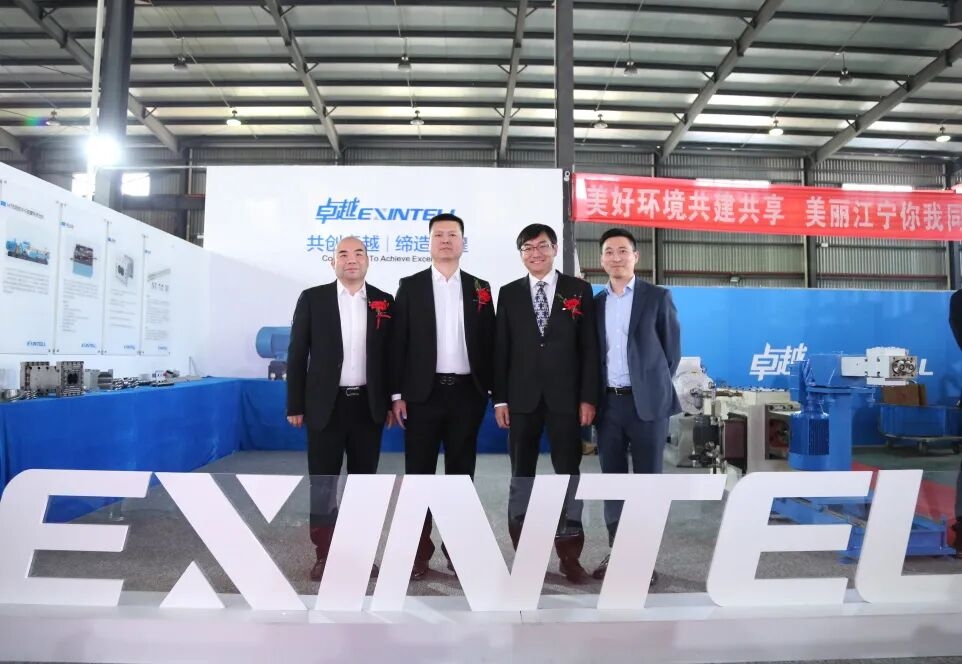
Industrial manufacturing facility with plastic extrusion machinery operating on a production line
Understanding Color Masterbatch Extruder Machines: Hangarau matua me nga tono
A color masterbatch extruder machine is a specialized piece of industrial equipment designed to produce color masterbatch — concentrated mixtures of pigments or dyes dispersed into a carrier resin. These masterbatches are then used by downstream plastics processors to impart color to final products such as films, bottles, pipes, automotive parts, and household goods. The extruder machine melts, mixes, and homogenizes the pigment-resin blend under controlled temperature and shear conditions, producing uniform pellets ready for use in injection molding, blow molding, te tango kiriata ranei.
Ko nga momo tuatahi e rua o nga miihini extruder e whakamahia ana i roto i te hanga masterbatch ko:
- Ko nga extruders mahanga (te hurihuri tahi me te hurihuri): He pai ake mo to raatau kaha ki te whakaranu, āhuatanga horoi whaiaro, me te ngawari ki te tukatuka i te whānuitanga o nga hanganga. Ko nga kaiwhakaputa mahanga-hurihuri tahi e noho rangatira ana i te waahanga masterbatch tae na te nui o te whakaputanga me te kounga marara tonu..
- Ko nga extruders kotahi-wiri: Ka whakamahia i roto i nga hanganga ngawari ake, i nga mahi iti-rorahi ranei, ahakoa kei te whakakapihia e nga punaha mahanga-taapiri i roto i nga tono tohu-nui.
Kaiwhakarato Whakakotahi Tiu Kotahi Ko nga tawhā mahi matua e arotakengia ana e nga kaihoko B2B ko te diameter wiri (te tikanga 35mm ki te 135mm mo te hanga arumoni), L/D ōwehenga (roa-ki-diamita, noa 32:1 ki 48:1), kaha puta (mai i 50 kg/h ki runga ake 2,000 kg/h), kiato taipana, me te tika o nga punaha whakahaere pāmahana. Modern color masterbatch extruder machines also integrate advanced features such as gravimetric feeding systems, inline quality monitoring, and Industry 4.0-compatible control interfaces. Rostock Dual Extruder
E ai ki nga raraunga mai i Rangahau Tirohanga Nui (2024), the global masterbatch market was valued at approximately USD 13.7 piriona i roto i 2023 a ka matapaehia kia tipu i te CAGR o 5.2% mā 2030. This growth directly fuels demand for color masterbatch extruder machines, as manufacturers worldwide expand capacity to meet rising consumption of colored plastics in packaging (the single largest end-use segment, kaute mo runga 30% of demand) and automotive applications.
Foreign Trade Policy and the Plastics Machinery Industry in
The transatlantic trade relationship between the United States and the European Union remains one of the most consequential economic corridors in the world, with bilateral goods trade exceeding USD 1.1 piriona ia tau e ai ki te Te Whakahaere Tauhokohoko o te Ao (ITA). Mo te wahanga miihini kirihou — tae atu ki nga miihini miihini extruder masterbatch tae — he mea hanga tenei hononga e te maha o nga anga kaupapa here me nga whanaketanga hou.
I te timatanga, kua tohuhia te taiao hokohoko e nga whakawhitinga korero utu hou. Ko te United States kua mau tonu te Wāhanga 301 utu i runga i etahi miihini ahumahi mai i Haina, i whai hua autaki ki nga kaihanga Pakeha o nga taputapu extruder na roto i te hanga i nga miihini mai i te EU kia kaha ake te whakataetae ki te maakete o Amerika.. I te wa kotahi, the EU's Carbon Border Adjustment Mechanism (CBAM), i uru ki tana wahanga whakawhiti i Oketopa 2023 a ka neke ki te whakatinanatanga katoa na 2026, kei te timata ki te whakaawe i nga whakatau hoko mo nga taputapu whakangao kaha-kaha. Ko nga kaihoko B2B e kawemai ana i nga miihini extruder ki roto i te EU ka nui ake te hiahia ki te kaute mo nga tapuwae waro whakauru o a raatau taputapu., favoring manufacturers who can demonstrate lower-emission production processes.
Ko te European Commission's Directorate-General for Trade reported in its April quarterly review that machinery and mechanical appliances (HS Chapter 84, which includes extruder machines) remained among the top five categories of US exports to the EU, valued at approximately EUR 42 piriona i roto i 2024. He rereke, EU exports of specialized industrial machinery to the US grew by 3.8% tau-a-tau, reflecting strong demand from American plastics compounders upgrading their production lines.
Te Kaunihera Tauhokohoko me te Hangarau (TTC), established in 2021, has continued to facilitate regulatory alignment on standards for industrial machinery, including safety certifications (CE marking in the EU, UL/NRTL listing in the US) and digital interoperability standards. For color masterbatch extruder machine manufacturers, this means that equipment designed to meet EU Machinery Directive 2006/42/EC requirements can more readily be adapted for the US market, reducing compliance costs and accelerating time-to-market for transatlantic sales.
Heoi ano, challenges persist. The ongoing uncertainty around potential new US tariffs on EU steel and aluminum — materials critical to extruder machine construction — could increase manufacturing costs for European producers. I tua atu, the EU's proposed Ecodesign for Sustainable Products Regulation (ESPR) may impose new requirements on the energy efficiency and recyclability of industrial machinery sold within the single market, affecting both domestic manufacturers and importers.
B2B Trade Opportunities for Color Masterbatch Extruder Machines in the Market
Ko te whakakotahitanga o te maha o nga mana o te maakete e hanga ana i nga huarahi hokohoko B2B nui mo nga miihini miihini extruder masterbatch tae puta noa i te huarahi whakawhiti..
Whakanuia te ahumahi takai: Ko te maakete whakangao ngawari o te US anake e kiia ana ka eke ki te USD 44 piriona na 2026, e ai ki nga Huinga Packaging Hangore. Ko te papanga matua tae he whakaurunga nui mo tenei waahanga, me te tono mo te tere tere, Ko nga miihini extruder tino tika e kaha ana ki te whakaputa masterbatch me nga karaehe tae (ΔE < 1.0) kei te tipu haere. Ko nga kaihanga miihini Pakeha penei i a Coperion (Tiamana), Leistritz (Tiamana), me ICMA San Giorgio (Itari) kua whakapumau i nga ingoa kaha mo te hangarau whakakorikori mahanga e tutuki ana enei whakaritenga, te hanga i nga huarahi kaweake ki nga kaiwhakapuu o Amerika.
Ko nga whakamohoatanga taputapu e mau tonu ana: Ko nga ture a te US me te EU kei te turaki i nga miihini kirihou ki nga mahi pumau. The EU's Single-Use Plastics Directive and the US EPA's emerging guidelines on recycled content in packaging are driving demand for extruder machines capable of processing bio-based resins, polymers hangarua, me nga pūhui ki tonu i te kohuke i te taha o nga hangahanga masterbatch tae tawhito. Ko nga miihini whakakorikori masterbatch tae hou me nga whirihoranga huringa hurihuri me nga punaha whakaheke hau e tino pai ana ki enei tono., me nga kaihanga ka taea te tuku i tenei whaihua kei te rapu tono kaha mai i nga kaihoko B2B i nga taha e rua o te Atlantic.. Kirihou Tangohanga
Ko te tata me te rereketanga o nga mekameka tuku: Ko te ahuatanga o muri mai i te mate uruta ki te whakakaha i nga mekameka tuku kua tere ake te tata ki te hanga kirihou. Ko nga kamupene o Amerika i kii mai i nga karaehe karaehe mai i Ahia kei te piki haere nga mahi hanga whare, e hiahia ana ki nga whakaurunga miihini extruder hou. Waihoki, Kei te whakawhänuihia e nga Kaipupuri Pakeha te kaha ki roto i te EU ki te whakaiti i te ti'aturi ki te masterbatch kawemai. Ko tenei ahuatanga e whakaputa ana i nga mahi hoko taputapu whakapaipai nui, me Rōpū Ahumahi Kirihou raraunga tohu a 12% te piki ake o nga ota miihini kirihou US i te Q1 ka whakaritea ki te waa ano i roto 2024.
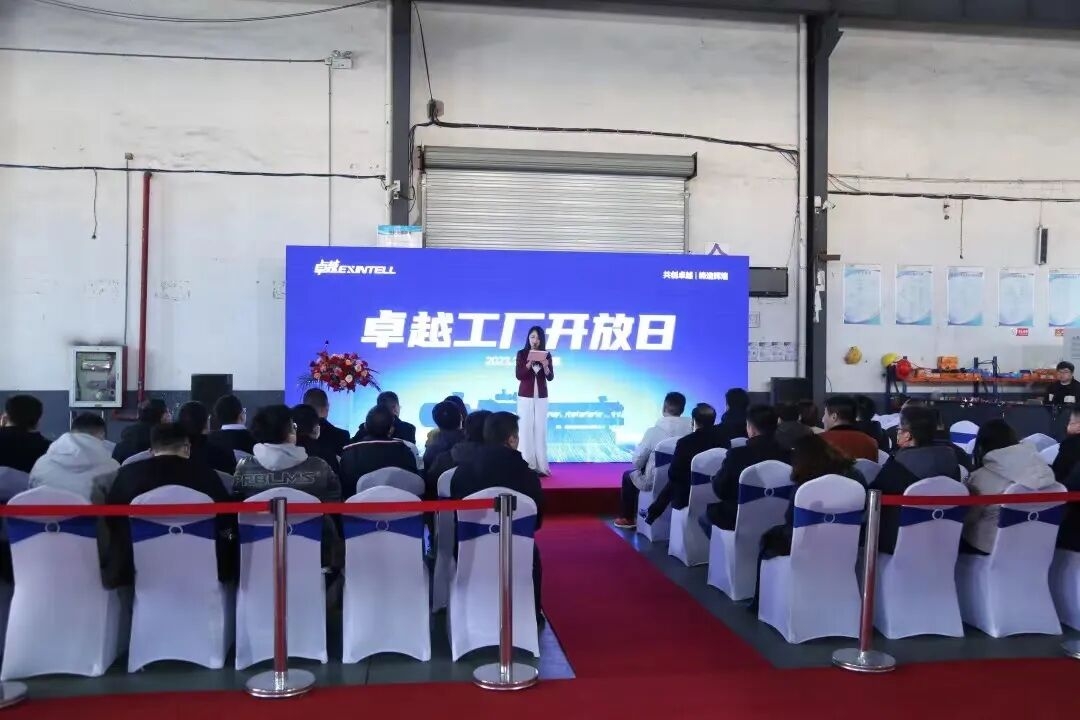
Ka aro turuki te Kaitohutohu i te paewhiri mana ahumahi i roto i te whare hanga kirihou hou
Nga wero matua e anga ana ki nga kaihoko me nga kaihoko B2B
Ahakoa nga ahuatanga pai o te maakete, Kaiuru B2B i te tae Wheketere Extruder Tiu Kotahi He maha nga wero nui e pa ana ki te hokohoko miihini extruder masterbatch. Wheterehanga Miihini Miihini Maama-Screw Extruder
Te whakataetae utu mai i nga kaihanga Ahia: Nga kaihanga miihini extruder Hainamana — tae atu ki a Nanjing Jieya, Nanjing Coperion, me nga kaihanga a Guangdong — tuku nga punaha extruder mahanga-rua ki nga utu utu 30-50% i raro i nga tauira Pakeha rite. Ahakoa ko nga whakaaro o te kounga kua pai ake ki nga rama Pakeha me Amerika, He nui nga mahi a nga kaihanga Hainamana ki te hanga kounga, te maamaatanga o te punaha whakahaere, me nga whatunga ratonga muri-hoko. Mo nga kaihoko B2B tairongo utu, otira ko era kei nga maakete ka puta ake, kei te mahi ranei i runga i nga tawhē angiangi, Ko tenei rereketanga utu e whakaatu ana i tetahi momo rereke rereke ki te rapu whakawhiti i te moana.
Te matatini o nga whakaritenga hangarau: Ko te hanga masterbatch tae he mana tika mo te maha o nga huringa tukanga — tere tīwiri, kopae pāmahana kōtaha, reiti whangai, taumata korehau, me nga tawhā pelletizing. B2B buyers who lack deep technical expertise may struggle to specify the optimal machine configuration for their particular formulation requirements. This creates a need for manufacturers and suppliers who can provide comprehensive application engineering support, not just equipment sales.
Logistics me te wa arahi: High-value capital equipment like extruder machines involves complex international logistics — ocean freight for machines weighing 5,000 ki 30,000 kg, customs clearance, tāutanga, and commissioning. Current shipping times from European ports (Rotterdam, Hamburg) to major US ports (Los Angeles, Houston, Haana) average 18-25 nga ra, with total project lead times from order to production-ready installation typically ranging from 4 ki 8 marama. Nga pakaru o nga mekameka tuku, popoketanga tauranga, or customs delays can significantly impact project timelines and costs.
Regulatory compliance across jurisdictions: Ko te miihini whakamohoatanga masterbatch tae e hokona ana i te EU me whai ki te Arataki Miihini, Nga tohutohu ATEX (ki te tukatuka he puehu pahū pea), me te piki haere, nga paerewa pai o te kaha. Ko te miihini ano e hokona ana i te US me tutuki nga whakaritenga OSHA, Nga waehere hiko NEC, me nga paerewa e pa ana ki te FDA mena ka mahia te masterbatch mo nga tono whakangao kai. Ko te whakatere i enei whakaritenga tautukunga takirua ka taapiri te utu me te uaua mo nga kaihanga me nga kaihoko.
Nga Painga Matawhenua me nga Kaupapahere Whakamana i te Hokohoko
He maha nga painga o te hanganga e tino pai ana te kauhanga mo te hokohoko B2B i roto i nga miihini miihini miihini masterbatch tae..
Nga hanganga logistics pakeke: Ko te huarahi kaipuke whakawhiti-a-Atlantic tetahi o nga mea tino pai i roto i nga tauhokohoko o te ao, with multiple weekly sailings between major European and American ports. Te Tauranga o Rotterdam — Europe's largest — handles over 14 million TEUs annually and offers direct connections to all major US East Coast and Gulf Coast ports. This infrastructure reliability reduces transit risk for high-value machinery shipments.
Regulatory mutual recognition: While full mutual recognition of machinery standards between the US and EU has not been achieved, the TTC's work on conformity assessment and the longstanding practice of dual-certification (CE + UL) by major manufacturers means that transatlantic equipment trade faces fewer technical barriers than trade with many other regions. Several leading extruder machine manufacturers maintain testing and certification partnerships with bodies like TÜV (EU) and UL (US) to streamline this process.
Financial and trade facilitation tools: Ko te Peeke Kaweake-Kawemai US (EXIM) and the European Investment Bank (EIB) both offer financing programs that can support capital equipment purchases. I tua atu, bilateral investment treaties and the absence of quotas on machinery trade between the US and EU provide a stable commercial framework. Reta nama, trade credit insurance from providers like Euler Hermes (AllianzTrade), and established escrow mechanisms further reduce transaction risk for B2B buyers.
Te tiaki taonga hinengaro: Both the US and EU maintain robust IP protection regimes, which is critical for extruder machine manufacturers who invest heavily in proprietary screw element designs, barrel metallurgy, and control software. Ko nga kaihoko B2B mai i nga kaihanga US, EU ranei ka kaha ake te maia ki te taketake me nga kerēme mahi i tautokohia e te patent o nga taputapu e hokona ana e ratou., ka whakatauritea ki te rapunga mai i nga mana whakahaere me te ngoikore o te mana IP.
Akoranga Take: Ko te Kaihanga Extruder Pakeha kei te toro atu ki te maakete o Amerika
Coperion GmbH, kei Stuttgart te tari matua, Tiamana, he tauira ako mo te hokohoko B2B transatlantic angitu i roto i te waahanga miihini extruder. As one of the world's leading manufacturers of twin-screw extruders for compounding and masterbatch production, Kua hanga nahanaha a Coperion i tona aroaro o te maakete o Amerika ma te whakakotahitanga o nga hoko tika, hanganga ratonga rohe, me nga hononga rautaki.
Te Whakaputa maitai Coperion's ZSK twin-screw extruder series — e wātea ana i roto i te diameter tīwiri i 18mm (tauine taiwhanga) ki te 420mm (hanga nui-rōrahi) — is widely regarded as an industry benchmark for color masterbatch production. The company operates a major manufacturing and technology center in Ramsey, New Jersey, which serves as its North American headquarters. This local presence allows Coperion to offer US-based B2B customers rapid spare parts delivery, on-site commissioning support, and application testing in its local laboratory — capabilities that significantly reduce the perceived risk of purchasing European-origin equipment.
I roto 2024, Coperion reported that its North American order intake for compounding extruders grew by approximately 15%, driven by demand from masterbatch producers expanding capacity to serve the packaging and automotive sectors. The company attributed this growth partly to the reshoring trend, as US-based plastics processors sought to reduce supply chain vulnerability by bringing masterbatch production in-house rather than importing finished masterbatch from Asia.
A specific project example: A mid-sized US color masterbatch producer based in Texas commissioned a Coperion ZSK 58 Mc18 twin-screw extruder line in late 2024 to expand its production of high-concentration pigment masterbatches for the agricultural film market. The project involved:
- Machine specification and application engineering: 3 months of collaborative work between the buyer's R&D team and Coperion's application engineers, including trial runs at Coperion's Stuttgart test center
- Manufacturing and factory acceptance testing: 5 months at Coperion's German production facility
- Shipping and customs clearance: 4 weeks via Rotterdam to Houston
- Installation and commissioning: 3 weeks on-site, supported by Coperion's New Jersey-based service team
- Total project cost: Approximately USD 1.2 miriona, including ancillary equipment (kai whangai, pelletizer, cooling system)
The buyer reported achieving target production rates of 800 kg/h within two weeks of commissioning, with color consistency (ΔE) values consistently below 0.8 — meeting the stringent requirements of their agricultural film customers.
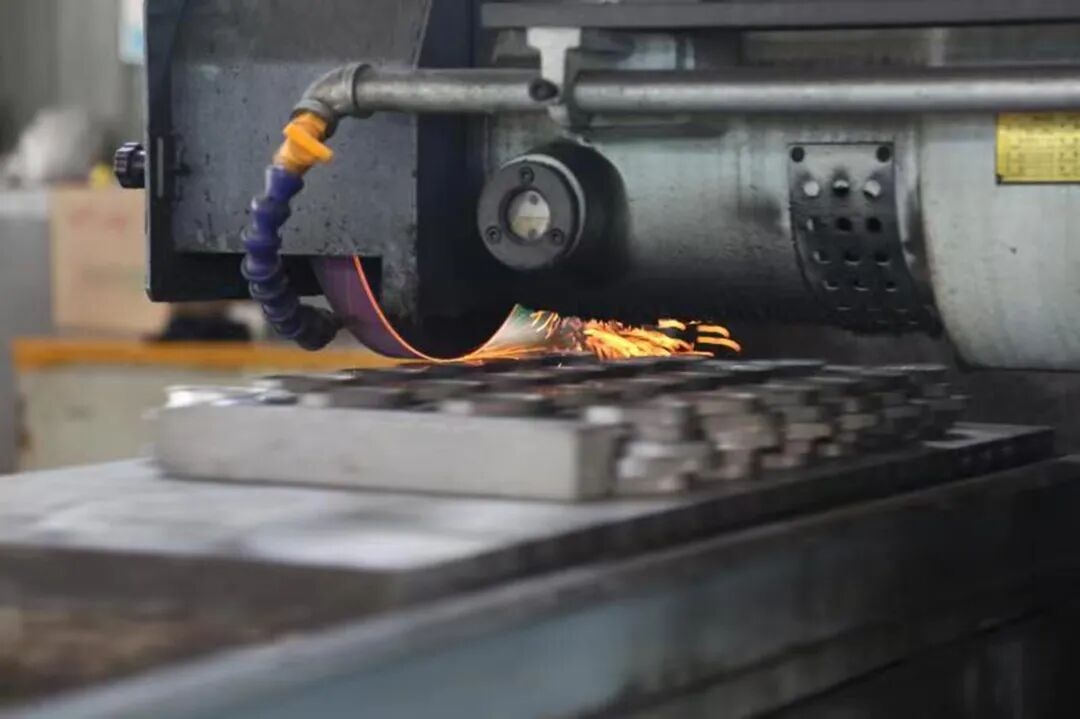
Modern industrial warehouse with organized logistics operations and shipping containers
Akoranga Take: US Machinery Distributor Serving EU Compounders
On the reverse side of the transatlantic trade, American Leistritz Extruder Corporation — the US subsidiary of Leistritz AG (Nuremberg, Tiamana) — demonstrates how a hybrid business model can effectively serve B2B customers. While Leistritz's core extruder manufacturing remains in Germany, the US operation in Somerville, New Jersey, provides sales, application development, nga waahanga e manawapa ana, and service support for North American customers, while also facilitating re-export of configured systems to Latin American and Caribbean markets.
Leistritz's ZSE MAXX series twin-screw extruders have gained particular traction among small-to-medium color masterbatch producers who require flexible, modular systems capable of handling frequent product changeovers. A notable 2024 project involved a Polish masterbatch manufacturer who sourced a Leistritz ZSE 27 MAXX laboratory/pilot extruder through the company's European sales channel to develop new bio-based color masterbatch formulations for the EU packaging market. The machine's modular barrel and screw design allowed the customer to test over 40 different formulations within six months, accelerating their product development cycle by an estimated 60% compared to their previous equipment.
Ko enei rangahau take e whakaatu ana i te tauira whanui ake: angitu B2B hokohoko i roto i te tae masterbatch extruder mihini e kore e whakawhirinaki anake i runga i te taputapu ake, but on the manufacturer's ability to provide comprehensive pre-sale application support, logistics pono, me te ratonga whai muri i te hokonga puta noa i nga rohe o te ao.
Nga Tikanga Putanga: He aha te tumanako a muri ake nei 1-2 Marama
I runga i nga tohu maakete o naianei, whanaketanga kaupapa here, me nga mahi ahumahi, He maha nga ahuatanga ka kaha ki te hanga i te maakete miihini miihini extruder tae i roto i te waa tata.
Nga whanaketanga kaupapa here utu: The US administration's ongoing review of tariff structures on industrial machinery imports is expected to produce new guidance by mid-. Nga hononga ahumahi tae atu ki nga Rōpū Ahumahi Kirihou me te VDMA (Huihuinga Ahumahi Hangarau Miihini Tiamana) kua kaha te tono mo te pupuri, te whakaheke ranei i nga utu mo nga taputapu tukatuka kirihou, arguing that access to best-in-class machinery is essential for US manufacturing competitiveness. B2B buyers considering near-term purchases should monitor these developments closely, as tariff changes could affect landed costs by 5-15%.
NPE aftermath: The NPE plastics trade show — the largest in the Western Hemisphere — is a major catalyst for equipment purchasing decisions. Machine demonstrations, technology announcements, and competitive benchmarking at NPE typically generate a surge in RFQs (requests for quotation) in the 60-90 days following the event. Color masterbatch extruder machine manufacturers who exhibited at NPE are likely to see elevated inquiry volumes through mid-, and B2B buyers can leverage this competitive environment to negotiate favorable terms.
Sustainability certification requirements: The EU's forthcoming Digital Product Passport (DPP) requirements, expected to be finalized in late, will eventually require detailed lifecycle and sustainability data for industrial equipment sold in the EU market. Forward-thinking extruder machine manufacturers are already preparing for these requirements by documenting the environmental footprint of their manufacturing processes, materials sourcing, me te whakapau kaha. B2B buyers who prioritize suppliers with advanced sustainability documentation will be better positioned for future compliance.
Twin Screw Extrude Raw material cost pressures: Steel prices — a major input cost for extruder machine manufacturing — have shown volatility in early, with European hot-rolled coil prices fluctuating between EUR 550-650 per tonne according to Fastmarkets MB. If steel prices trend upward, extruder machine manufacturers may implement price increases with 30-60 day notice periods. B2B buyers with confirmed project timelines may benefit from placing orders sooner rather than later to lock in current pricing.
Digital and automation integration: The integration of AI-driven process optimization, predictive maintenance systems, and remote monitoring capabilities into color masterbatch extruder machines is accelerating. Manufacturers including Coperion, KraussMaffei, and Leistritz have all announced enhanced digital platforms in. Mo nga kaihoko B2B, this means that new machine purchases increasingly include software licensing and data connectivity considerations alongside traditional mechanical specifications.
Advanced digital technology interface displaying industrial automation and data analytics
Selecting the Right Color Masterbatch Extruder Machine: A B2B Buyer's Framework
For procurement professionals evaluating color masterbatch extruder machine options, a structured Mixing Equipment Manufacturer Supplier assessment framework can help navigate the complexity of this capital equipment decision.
Production requirements analysis: Begin by defining your throughput requirements (kg/h), the range of masterbatch formulations you need to produce (pigment loading levels, carrier resin types, additive packages), and your quality specifications (color consistency targets, dispersion quality standards). These parameters will determine the appropriate extruder size, screw configuration, and ancillary equipment requirements.
Manufacturer evaluation criteria: Assess potential suppliers based on:
- Te kaha hangarau: Does the manufacturer offer application engineering support, trial runs, and formulation optimization assistance?
- Nga whakaurunga tohutoro: Ka taea e te kaiwhakanao te tuku tohutoro mai i nga kaihoko o mua e whakaputa ana i nga momo masterbatch rite?
- Hanganga ratonga: Kei te kaiwhakanao te mana ratonga rohe ki to rohe, tae atu ki nga waahanga e manawapa ana me nga miihini ratonga whakangungu?
- Te pumau o te putea: He pai te putea a te kaihanga, te whakarite i te wa-roa o nga waahanga e manawapa me te tautoko?
- Te tautukunga me te tiwhikete: Ka tutuki nga taputapu ki nga whakaritenga ture katoa mo to maakete (CE, UL, ATEX, etc.)?
Te utu katoa o te mana pupuri (TCO): Titiro ki tua atu i te utu hoko tuatahi. Ko te tātaritanga TCO matawhānui me whakauru te kohi hiko (pau extruders mahanga-wiri hou 0.15-0.35 kWh/kg o te whakaputanga), utu whakakapinga wahi kakahu (huānga tīwiri, whitinga oko — te tikanga 3-8% te utu miihini ia tau), mahi tiaki, nga utu mo te wa heke, me te uara o te whakangawari whakangao. A higher-priced machine with lower energy consumption and longer wear part life may deliver superior TCO over a 10-15 year operating life.
The Role of Wholesale and Factory-Direct Sourcing in B2B Trade
The color masterbatch extruder machine wholesale market has evolved significantly in recent years. Traditional distribution models — where manufacturers sold through regional agents or Co Extruded Wire 8Awg distributors who added markup and provided local support — are being supplemented by factory-direct sales channels enabled by digital platforms and improved international logistics.
Mo nga kaihoko B2B, factory-direct sourcing from a color masterbatch extruder machine factory can offer price advantages of 10-20% compared to distributor channels. Heoi ano, this approach requires the buyer to manage more of the procurement process independently, including technical specification, logistics coordination, and installation planning. Factory-direct sourcing is most appropriate for experienced buyers with in-house engineering capability who can effectively manage these responsibilities.
He rereke, working with an established color masterbatch extruder machine supplier or distributor provides value-added services including multi-brand comparison, financing facilitation, turnkey installation, and consolidated after-sales support. For buyers entering the masterbatch production market for the first time, or those expanding into unfamiliar formulation territories, the expertise of a knowledgeable supplier can significantly reduce project risk.
The wholesale segment is also seeing growth in refurbished and pre-owned extruder machines, particularly in the US market. Companies like Sterling Extruder Corp and Processing Technologies International (PTi) offer reconditioned twin-screw extruders at 40-60% of new machine prices, providing a cost-effective entry point for smaller compounders or those testing new market segments before committing to new equipment investment.
Workplace Safety in Plastics Manufacturing: Protecting Operators and Workers
Operating color masterbatch extruder machines involves significant workplace safety considerations that B2B buyers and factory operators must address. The plastics compounding environment presents hazards including high temperatures (barrel temperatures typically reach 180-280°C), miihini hurihuri, dust exposure from pigment handling, and heavy material handling during raw material loading and finished product packaging.
Ko te whakamarumaru waewae he mea tino nui, kaore e tino arohia ki nga taputapu whakamarumaru whaiaro (PPE) i roto i nga whare hanga masterbatch. Ko nga kaimahi i roto i enei taiao ka pa ki nga raruraru mai i:
- Paanga ahanoa taumaha: Peeke rawa (te tikanga 25 kg ia), huānga tīwiri whakarewa i roto i te tiaki, me nga wahanga pelletizer ka whara kino nga waewae ki te taka
- Ko nga taonga wera kua pakaru: Ko nga whenu waewaro whakarewa, he roopu matua kua maringi ranei i te mahana neke atu i te 200°Ka taea e C te weranga nui ki nga waewae kore maru
- Nga mate paheke: Nga pire kua maringi, whakahinuhinu, me nga whakarewa horoi ka hanga i nga ahuatanga o te papa pahekeheke
- Ngā mōrearea kōpeketanga: Nga waahanga miihini taumaha, nga taonga kua oti te palleti, me te hokohoko marau i roto i nga waahi whare putunga he raru kino
B2B hu haumaru — motuhake, Ko nga huu waewae haumaru me nga hu e tutaki ana i te ASTM F2413 (US) EN ISO ranei 20345 (EU) paerewa — He mea nui te PPE mo nga kaimahi katoa e mahi ana i roto, huri noa ranei i nga mahi miihini miihini extruder masterbatch tae. Ko enei paerewa e whakaatu ana i nga whakaritenga mahi tae atu ki:
Te parenga paanga: Nga potae maihao haumaru (maitai, konumohe, hiato ranei) me tu ki te kaha paanga o 200 joules (I ISO 20345 S1-S3) ranei 75 waewae-pauna (ASTM F2413 I/75), te whakamarumaru mai i nga maihao mai i nga mea e taka ana ki te taumaha 20 ka heke te kg mai 1 mita teitei. I roto i te taiao whakaputa masterbatch, He mea nui tenei whakamarumaru i te wa e huri ana nga huānga hurihuri, tiaki pereti mate, me te whakahaere rauemi mata. Battenfeld Gloucester Extruders
Ātete kōpeketanga: Ko nga huu haumaru me aukati i te kaha o te pateko 15 kN (I ISO 20345) ranei 2,500 pauna (ASTM F2413 C/75), te whakamarumaru i nga whara pakaru mai i nga taputapu hurihuri, pallet jacks, nga waahanga miihini taumaha ranei.
Te ātete wera: Mo nga kaimahi e mahi tata ana ki nga peera extruder me nga mata mate, hu haumaru me nga kapu wera-wera (kua tohua ki te 300°C wera whakapā mo ia EN ISO 20345 HRO) prevents burn injuries from accidental contact with hot surfaces or spilled molten material.
Te aukati paheke: Safety shoes with SRC-rated outsoles (tested on both ceramic tile with sodium lauryl sulfate solution and steel with glycerol per EN ISO 13287) significantly reduce the risk of slip-and-fall injuries in production environments where pellet spills and lubricant contamination are common.
The economic case for investing in quality B2B safety footwear is compelling. E ai ki nga US Bureau of Reipa Tatauranga (BLS), Ko nga whara o nga waewae ka tata 60,000 wharanga wahi mahi ia tau i roto i te United States, with an average cost per incident of USD 9,000-12,000 tae atu ki nga utu hauora, ngaro hua, me nga kaimahi' kerēme utu. I roto i te EU, EU-OSHA data indicates that foot and ankle injuries represent approximately 7% of all workplace accidents in the manufacturing sector, with average absence durations of 20-30 working days per incident.
Mo nga kaiwhakahaere miihini extruder tae masterbatch, te huinga o nga waahanga miihini taumaha, teitei pāmahana, me te whakakitenga matū ka waihanga i te taiao morearea-maha e kore e taea te tiaki waewae matawhānui — he whakaritenga ture i raro i nga OSHA e rua 29 CFR 1910.136 (US) me EU Directive 89/656/EEC mo te whakamahi taputapu tiaki whaiaro.
Me whai whakaaro te hoko B2B mo nga hu haumaru mo nga whare whakangao:
- Te hanganga ture: Me whakarite kia tutuki nga huu ki te paerewa e tika ana mo to mana whakahaere (ASTM F2413 mo US, I ISO 20345 mo EU) me nga reiti whakamarumaru motuhake e hiahiatia ana mo to aromatawai morearea
- Te whakamarie me te ergonomics: Ko nga kaimahi e mau hu haumaru ana mo 8-12 Ko nga huringa haora e hiahia ana kia tika te urunga, tautoko kikorangi, me te manawa kia mau tonu te hua me te whakaiti i te tupono o te whara e pa ana ki te ngenge
- Te mauroa me te utu huringa ora: Ka mau tonu nga hu haumaru-a-ahumahi 6-12 marama i roto i nga taiao whakangao taumaha; te kowhiri i nga whiringa kounga teitei me nga insoles ka taea te whakakapi me te hanga hou ka taea te whakaiti i nga utu mo te wa roa
- Te ātete matū: I roto i nga taiao whakaputa masterbatch kei reira nga whakarewa, te marara o te pigment, me nga matū horoi kei reira, Ko nga mea o runga hu me te aukati i te paheketanga mai i nga matū ahumahi noa
- Āhuatanga anti-pateko: ESD (te tukunga hiko) Ka hiahiatia pea nga hū i roto i nga taiao kei reira te puehu mura me te kohu whakarewa, kua tohua i roto i nga whakarōpūtanga rohe ATEX
Ko nga kaiwhakarato hu haumaru B2B e mahi ana i te waahanga hanga kirihou ko nga Hua Haumaru Honeywell, Rōpū Uvex (Tiamana), Bata Ahumahi, me Hu Whero Wing (US). Ko te nuinga o enei kaiwhakarato e tuku ana i nga kaupapa utu nui, ratonga whakarite ritenga, me te whakahaere i nga kaupapa huu e whakangwari ana i te hoko mo mahi hanga maha-pae.
Tangohanga Mahi-maha Hazelton Pa Ko te whakauru i nga hoko hū haumaru ki roto i to mahere haumi miihini miihini miihini miihini miihini tae katoa ka whakarite Ko te Kaihanga Extruder Hukapapa-a-tinana ka tutuki to whare ki nga whakaritenga ture mai i te ra tuatahi o te whakaputanga, ka tiakina to kaimahi, me te karo i nga raruraru utu nui e pa ana ki o mahi whakangao.
Pātai Auau (FAQ)
- He aha te awhe utu angamaheni mo te miihini kaikiri masterbatch tae?
- He rereke nga utu i runga i te rahi, whirihoranga, me te takenga mai o te kaihanga. Ko nga kaihoroi mahanga-tauine taiwhanga (25-35mm te diameter tīwiri) timata i te āhua USD 80,000-150,000. Pūnaha hanga-tauine (50-95mm) ko te nuinga o te waa mai i te USD 300,000 ki te USD 1.5 miriona. Raina nui-whakaputa teitei (95mm+) me nga taputapu taapiri ka taea te neke atu i te USD 2 miriona. Ko nga miihini Hainamana te tikanga 30-50% he iti ake te utu i nga tauira Pakeha rite.
- He aha te wa matua mo te ota i tetahi miihini miihini miihini masterbatch hou?
- Ko te nuinga o nga wa e arahi ana mai i nga kaihanga Pakeha nui 16-28 wiki mai i te whakapumautanga ota ki te tuku mahi o mua, i runga i te rahi o te miihini me nga whakaritenga whakaritenga. Ka tukuna pea e nga kaihanga Hainamana he wa poto ake o te arahi 10-18 wiki. Tāpiri 3-6 wiki mo nga kaipuke o te ao me te 2-4 wiki mo te whakaurunga me te tono.
- Ka taea e te tae masterbatch extruder mihini tukatuka waerau hangarua?
- Ae, he pai rawa atu nga extruders mahanga-screw hou ki te tukatuka polymers hangarua hei kapia kawe mo te masterbatch tae.. Heoi ano, Ko nga rauemi hangarua he maha nga wa e hiahia ana kia whakahekehia te hau (hau korehau), tātari, me nga whirihoranga wiri rereke pea hei hapai i te rerekeetanga o te rewa rewa me nga taumata poke. Matapakihia o whakaritenga ihirangi hangarua motuhake me te kaihanga i roto i te waahanga whakamotuhēhē.
- He aha nga tohu e tika ana kia rapua e au ina kawemai ana he miihini extruder ki te US, EU ranei?
- Mo te maakete EU: tohu CE (Arataki Miihini 2006/42/EC), me te tiwhikete ATEX ki te tukatuka i te puehu pahū pea. Mo te maakete US: te whakatutuki i nga paerewa haumaru miihini OSHA, Nga punaha hiko e tika ana ki te NEC, me te rarangi UL, NRTL ranei mo