

Plastmasas maisījumu mašīnu izspēle, kas atšķir līderus
Plastmasas apstrādes iekārtu tirgus turpina uzplaukt ar inovācijām un paplašināšanos. Nozares analītiķi prognozē saliktu gada pieauguma tempu 11.9% no 2026 uz 2033. Āzijas un Klusā okeāna reģionā izceļas, sagaidāms, ka izturēs gandrīz 40% no pasaules tirgus daļas, savukārt Ziemeļamerika un Eiropa seko līdzi 25% un 20%, attiecīgi. Uzņēmumi tagad konkurē, attīstoties viedāk, efektīvāki plastmasas maisījumu mašīnu modeļi. Automatizācija, viedais instruments, un energoefektivitāte ir kļuvuši par būtiskiem faktoriem pircējiem, kuri meklē konkurētspējīgas priekšrocības.
Key Takeaways
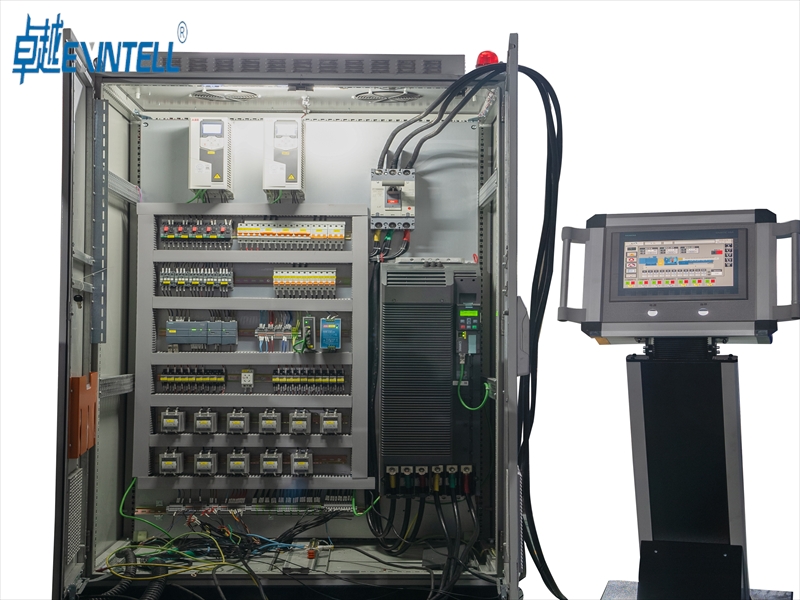
- Vadošajās plastmasas maisījumu mašīnās tiek izmantota uzlabota automatizācija, lai palielinātu ražošanas ātrumu un uzturētu nemainīgu kvalitāti ar viedām vadības ierīcēm un integrētām sistēmām..
- Ilgtspējība ir galvenais; labākās iekārtas atbalsta videi draudzīgus sveķus un samazina atkritumu daudzumu, izmantojot precīzas materiālu apstrādes un pārstrādes funkcijas.
- Energoefektivitāte samazina izmaksas, izmantojot optimizētu apkuri, motora vadības ierīces, un siltuma atgūšana, padarot mašīnas videi draudzīgākas un pieejamākas ekspluatācijā.
- Lietotājam draudzīgas saskarnes ar skārienekrāniem un skaidrām vadības ierīcēm samazina kļūdas un apmācības laiku, kamēr spēcīgs atbalsts un apmācība nodrošina vienmērīgu mašīnu darbību.
- Dažādi mašīnu veidi kā pūšamformēšana, termoformēšana, PVC ekstrūzija, un pārstrādes iekārtas piedāvā unikālas funkcijas, lai apmierinātu dažādas nozares vajadzības.
- Rūpnieciskais, automobiļu rūpniecība, un mazo uzņēmumu lietotājiem vajadzētu izvēlēties mašīnu bāzes to īpašajām vajadzībām pēc mērogojamības, precizitāte, lietošanas vienkāršība, un uzturēšana.
- Mašīnu novērtēšana ietver veiktspējas pārbaudi, uzticamība, nozares standartiem, lietotāju atsauksmes, un kopējās īpašuma izmaksas par labāko ilgtermiņa vērtību.
- Inovācija un R&D labums no elastīga, modulāras iekārtas ar uzlabotām vadības ierīcēm un spēcīgu tehnisko atbalstu, lai paātrinātu izstrādi un testēšanu.
Kas atšķir vadošās plastmasas maisījumu iekārtas
Uzlabotā automatizācija
Viedās vadības ierīces
Ražotāji ir panākuši ievērojamus sasniegumus plastmasas maisījumu mašīnu automatizācijā. Viedajām vadības ierīcēm tagad ir galvenā loma ražošanas optimizēšanā. These systems use intelligent algorithms to monitor and adjust processing parameters in real time. Operators benefit from user-friendly controls that simplify setup and reduce the risk of human error. The integration of IoT and AI-powered process optimization allows machines to self-correct and maintain consistent quality. These advancements support the growing trend toward automation across the plastics industry.
Integrated Systems
Leading plastic compound machines feature integrated systems that streamline the entire production process. Automation readiness enables seamless connection with conveyors, robotics, and other palīgiekārtas. Flexible machine designs support multiple product formats and materials, making it easier for manufacturers to adapt to changing market trends. The following features distinguish top machines from competitors:
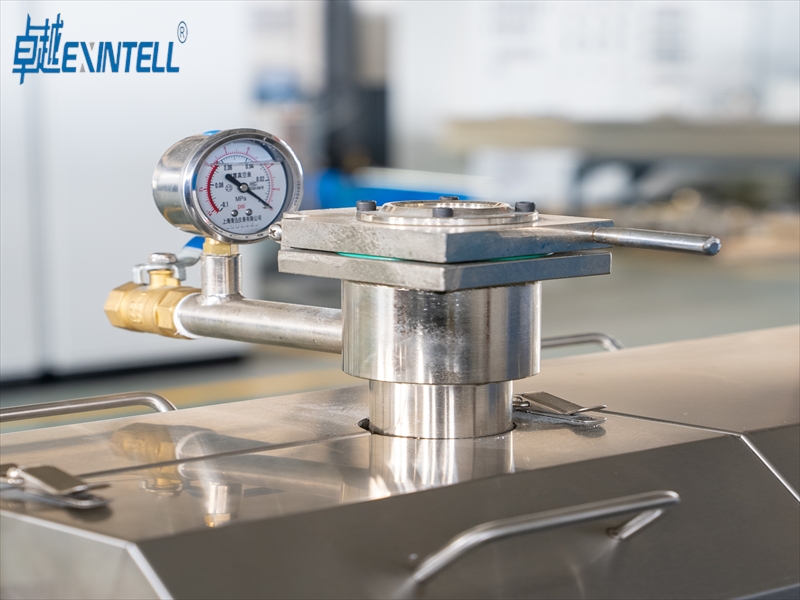
- Servo piedziņas sistēmas precīzai kustību kontrolei
- Inteliģentas vadības sistēmas reāllaika uzraudzībai
- Energoefektīvas tehnoloģijas, kas samazina ekspluatācijas izmaksas
- Integrācija ar IoT uz datiem balstītu lēmumu pieņemšanai
- Automatizācijas savietojamība pilnīgām ražošanas līnijām
Šie sasniegumi palīdz uzņēmumiem ātri reaģēt uz pieprasījuma izmaiņām un uzturēt augstu efektivitātes līmeni.
Ilgtspējīgi materiāli
Videi draudzīgi sveķi
Ilgtspējīgu materiālu izmantošana ir kļuvusi par noteicošo faktoru vadošās plastmasas maisījumu mašīnas. Ražotāji tagad par prioritāti piešķir videi draudzīgu plastmasu un bioloģiski noārdāmus sveķus vides problēmas. Šīs izmaiņas atbilst normatīvajiem standartiem un atbilst patērētāju vēlmēm attiecībā uz ilgtspējību. Mašīnas, kas izstrādātas saderībai ar ilgtspējīgiem materiāliem, piedāvā konkurences priekšrocības tirgū. Šo materiālu pieņemšana atbalsta arī plašākas tendences plastmasas rūpniecībā, piemēram, bioplastmasas pieaugums un virzība uz videi nekaitīgāku ražošanas praksi.
Atkritumu samazināšana
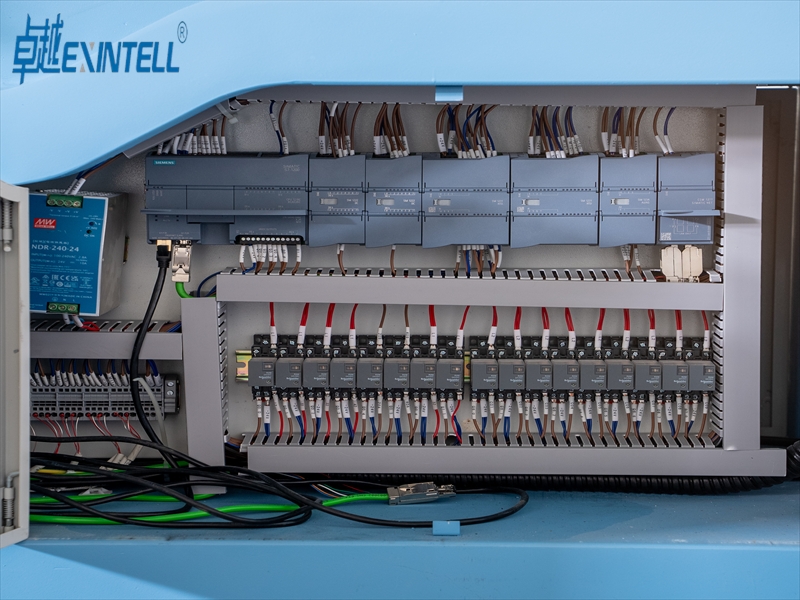
Atkritumu samazināšana joprojām ir galvenā uzmanība uzņēmumiem, kuri cenšas uzlabot ilgtspējību. Uzlabotajās iekārtās ir iekļautas funkcijas, kas samazina lūžņu daudzumu un optimizē materiālu izmantošanu. Automatizācija nodrošina precīzu dozēšanu un sajaukšanu, kas samazina lieko atkritumu daudzumu. Efektīva apstrāde ne tikai samazina ražošanas izmaksas, bet arī uzlabo gatavā produkta vides profilu. Tā kā ilgtspēja pircējiem kļūst svarīgāka, mašīnas, kas atbalsta atkritumu samazināšanu, iegūst lielāku pievilcību tirgū.
Energoefektivitāte
Zems enerģijas patēriņš
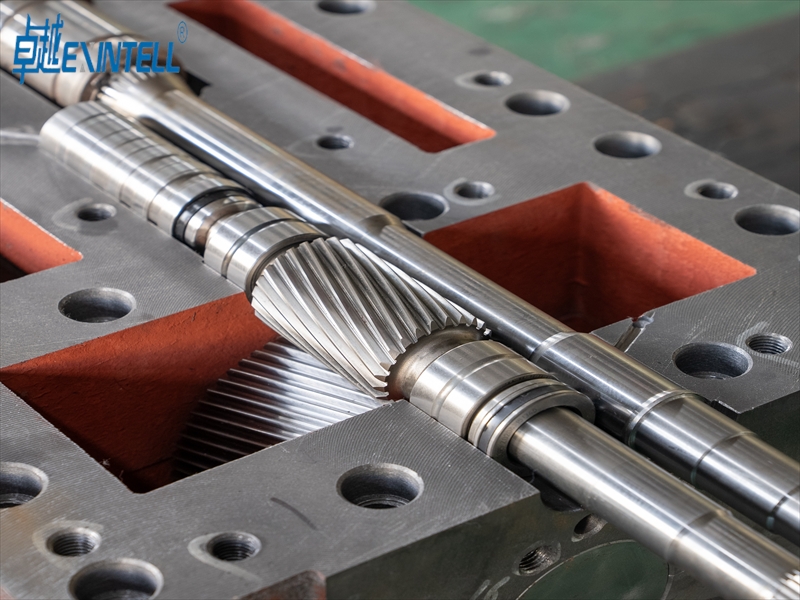
Energoefektivitāte izceļas kā būtiska atšķirība starp plastmasas maisījuma mašīnām. Ražotāji ir ieviesuši vairākus uzlabojumus, lai samazinātu enerģijas patēriņu un uzlabotu vispārējo efektivitāti. Nākamajā tabulā ir izceltas galvenās energoietilpīgās jomas un to ietekme uz rūpnīcas enerģijas patēriņu:
| Energoietilpīga zona | Apraksts | Enerģijas patēriņa ietekme |
|---|---|---|
| Ekstrūzija / Filmu pūšana | Ietver mucu sildītājus, motori, un mirst apkures. | Līdz 50% no kopējās rūpnīcas enerģijas |
| Dzesēšana | Izmanto dzesētājus, gaisa kompresori, un fani. | Ievērojams enerģijas patēriņš |
| Materiālu apstrāde | Ietver vakuuma iekrāvējus, maisītāji, un žāvētāji. | Veicina kopējo enerģijas patēriņu |
| Blīvējums & Griešana | Ietver sildelementus un preses. | Ietekmē energoefektivitāti |
| Apgaismojums & HVAC | Iekārtas līmeņa enerģijas patēriņš, kas ietekmē vispārējo efektivitāti. | Svarīgi attiecībā uz kopējo enerģijas patēriņu |
Ražotāji ir reaģējuši uz šīm problēmām ar vairākiem sasniegumiem:
- Mucu apkures efektivitātes uzlabojumi, piemēram, keramikas infrasarkanie sildītāji, var samazināt enerģijas patēriņu līdz pat 40%.
- Uzlabotā skrūvju konstrukcija optimizē kausēšanas efektivitāti un samazina motora slodzi.
- Mainīgas frekvences piedziņas regulē motora ātrumu atkarībā no pieprasījuma, izvairoties no nevajadzīgas strāvas padeves.
Efektīva izvade
Efektīva produkcija ir būtiska, lai saglabātu konkurētspēju plastmasas rūpniecībā. Uzņēmumi izmanto mainīga ātruma kompresori un slēgta cikla ūdens cirkulācija, lai stabilizētu plēves temperatūru. Spiediena sensori un automātiskā noplūdes noteikšana samazina enerģijas zudumus. Dažas iekārtas uztver un atkārtoti izmanto siltumu no ekstrūderiem un kompresoriem, lai uzsildītu izejvielas. Šie sasniegumi palīdz samazināt ekspluatācijas izmaksas un atbalsta tendenci uz energoefektīvu ražošanu.
Piezīme: The pieaug pieprasījums pēc apstrādātas plastmasas automobiļu rūpniecībā, iepakojums, un patēriņa preces veicina nepieciešamību pēc mašīnām, kas apvieno automatizāciju, ilgtspējība, un efektivitāti. Manufacturers who invest in these advancements position themselves as leaders in the evolving market.
Lietotāja pieredze
Interfeisa dizains
Top plastic compound machine manufacturers invest heavily in interface design. They understand that a clear and intuitive interface reduces errors and boosts productivity. Operators interact with touchscreens that display real-time data, mašīnas statuss, un problēmu novēršanas padomi. These screens often use color coding and simple icons to guide users through each step.
Mūsdienu mašīnām ir pielāgojami informācijas paneļi. Users can adjust layouts to show the most relevant information for their tasks. This flexibility helps both new and experienced operators work efficiently. Dažas sistēmas piedāvā vairāku valodu atbalstu, kas dod labumu globālajām komandām.
Padoms: Labi izstrādāts interfeiss var uz pusi samazināt apmācības laiku un samazināt dārgas kļūdas ražošanas telpā.
Ražotāji koncentrējas arī uz pieejamību. Lielas pogas, atsaucīgas skārienvadības ierīces, un loģiskās izvēlņu struktūras atvieglo navigāciju. Šīs funkcijas nodrošina, ka visu prasmju līmeņu operatori var droši pārvaldīt sarežģītus procesus.
Atbalsts un apmācība
Atbalstam un apmācībai ir izšķiroša nozīme lietotāju pieredzē. Vadošie zīmoli nodrošina visaptverošus resursus, lai palīdzētu lietotājiem gūt maksimālu labumu no savām iekārtām. Šie resursi ietver:
- Interaktīvas tiešsaistes apmācības un video ceļveži
- Drukātas rokasgrāmatas soli pa solim
- Apmācības uz vietas, ko vada sertificēti tehniķi
- 24/7 tehniskais atbalsts pa tālruni, tērzēšana, vai e-pastu
Daudzi uzņēmumi piedāvā attālināto diagnostiku. Tehniķi var piekļūt iekārtām internetā, lai novērstu problēmas un atjauninātu programmatūru. This service minimizes downtime and keeps production running smoothly.
A strong support system also includes regular software updates. These updates add new features, improve security, and fix bugs. Manufacturers who prioritize ongoing training and support help users adapt to new technologies and maintain high productivity.
Piezīme: Companies that invest in user-friendly interfaces and robust support systems set themselves apart in the competitive plastic machinery market. They empower operators, reduce errors, and maximize machine uptime.
Comparison of Leading Models: Plastic Compound Machine Types
Blow Molding Machines
Automation Features
Blow molding machines have evolved rapidly in recent years. Leading models now feature advanced automation that increases production efficiency and reduces manual intervention. Automated mold changes, reāllaika uzraudzība, and adaptive process controls allow operators to maintain consistent output and high-quality products. These machines often include servo-driven systems that improve speed and accuracy. Many top models also support integration with smart factory systems, enabling seamless data exchange and remote diagnostics. This level of automation helps manufacturers respond quickly to changing production demands and maintain optimal machine performance.
Sustainable Resin Compatibility
Sustainability has become a key focus for blow molding machine manufacturers. The latest models support a wide range of eco-friendly resins, including recycled PET, bio-based plastics, and biodegradable materials. This compatibility allows companies to meet regulatory requirements and consumer expectations for greener products. Machines with advanced resin handling systems ensure precise dosing and mixing, which minimizes waste and supports high-quality output. By choosing models that handle sustainable resins efficiently, manufacturers can reduce their environmental impact while maintaining strong performance.
Plastic Thermoforming Machine
Best Plastic Thermoforming Machine for 2026
The search for the best plastic thermoforming machine for 2026 centers on several critical factors. Top manufacturers of plastic thermoforming machines focus on delivering high-speed production, precīza temperatūras kontrole, and robust forming pressure. The best plastic thermoforming machine combines rapid cycle times with energy-efficient heating systems. These models often feature modular tooling platforms, allowing quick changeovers and flexible production runs. In a comparison of leading models, the best plastic thermoforming machine stands out for its ability to process a wide range of materials, including recycled and bio-based plastics. This versatility supports trends and innovations in thermoforming, such as lightweight packaging and custom product designs.
Manufacturers also prioritize user-friendly interfaces and advanced safety features. The best plastic thermoforming machine for 2026 offers intuitive touchscreen controls, real-time diagnostics, un attālās uzraudzības iespējas. These features help operators maintain consistent machine performance and minimize downtime. Tā rezultātā, companies can achieve higher production efficiency and meet the growing demand for sustainable packaging solutions.
Smart Tooling Innovations
Smart tooling represents a major advancement in plastic thermoforming technology. Vadošie modeļi tagad ietver sensorus un izpildmehānismus, kas uzrauga formēšanas spiedienu, temperatūra, un materiāla biezums reāllaikā. Šīs inovācijas ļauj precīzi kontrolēt termoformēšanas procesu, kā rezultātā tiek nodrošināta nemainīga produktu kvalitāte un samazināts metāllūžņu daudzums. Termoformēšanas tendences un inovācijas ietver arī ātrās nomaiņas instrumentu sistēmas, kas ļauj operatoriem pārslēgties starp produktu dizainu ar minimālu dīkstāves laiku.
Lielākie plastmasas termoformēšanas iekārtu ražotāji iegulda digitālās dvīņu tehnoloģijās un paredzamos apkopes rīkos. Šīs sistēmas izmanto datu analīzi, lai prognozētu nodilumu un optimizētu apkopes grafikus, nodrošinot uzticamu mašīnas veiktspēju. Gudrie instrumenti ne tikai uzlabo efektivitāti, bet arī atbalsta sarežģītu formu un detalizētu faktūru izveidi. Attīstoties tirgum, labākā plastmasas termoformēšanas iekārta turpinās izmantot šīs inovācijas, lai nodrošinātu izcilus rezultātus.
PVC ekstrūzijas mašīnas
Materiāla daudzpusība
PVC ekstrūzijas mašīnas demonstrē izcilu materiālu daudzpusību un pielāgojamību. Ražotāji izmanto šīs mašīnas daudzās nozarēs to ražošanas spējas dēļ pielāgoti profili dažādās krāsās, izmēriem, un formulējumi. Šajā sarakstā ir izcelti dažādi PVC ekstrūzijas iekārtu pielietojumi:
- Būvniecība: Logu rāmji, durvju blīves, un apšuvums gūst labumu no laikapstākļu izturības un izolācijas īpašībām.
- Santehnika un apūdeņošana: Izturīgas caurules un veidgabali ūdens apgādei un lauksaimniecības apūdeņošanai ir balstīti uz PVC izturību pret koroziju.
- Automašīna: Elastīgie PVC profili veido blīvējumu, blīves, un sagrieziet, piedāvā vieglu transportlīdzekļu izturību.
- Elektriskās: Kabeļu caurules un izolācijas kanāli aizsargā vadus, izmantojot liesmas slāpēšanas īpašības.
- Medicīnas: Sterilizējamās caurules šķidruma pārnešanai atbilst stingrām FDA prasībām.
- Mazumtirdzniecība un izkārtnes: Pielāgoti profili displeju rāmjiem un tirdzniecības vietu konstrukcijām, uzlabota ar pielāgotām krāsu un tekstūras opcijām.
Iespēja ražot pielāgotus profilus nodrošina, ka PVC ekstrūzijas mašīnas var apmierināt katras nozares unikālās prasības. Šī pielāgošanās spēja padara tos par labāko izvēli ražotājiem, kuri meklē elastību ražošanā.
Izvades efektivitāte
Izlaides efektivitāte ir galvenais etalons vadošo modeļu salīdzinājums PVC ekstrūzijas mašīnas. Ražotāji novērtē vairākus PVC ekstrūzijas iekārtu veiktspējas rādītājus, lai noteiktu labāko PVC ekstrūzijas mašīna savām vajadzībām.
| Etalona veids | Apraksts |
|---|---|
| Izvades ātrums | Mēra saražotā PVC daudzumu laika vienībā, kas norāda produktivitātes līmeni. |
| Energoefektivitāte | Novērtē enerģijas patēriņu attiecībā pret izlaidi, crucial for operational cost analysis. |
| Melt Quality | Assesses the quality of the PVC melt, impacting the final product’s characteristics. |
| Procesa stabilitāte | Examines the consistency of the extrusion process, affecting overall reliability and performance. |
Energy accounts for 60-70% of operating costs, excluding raw materials. A machine with lower upfront costs but higher energy consumption can lead to greater expenses over time. The best PVC extrusion machine achieves specific energy consumption below 0.20 kWh/kg for rigid PVC pipe production. Manufacturers who focus on high-quality output and stable process conditions gain a competitive edge in the market.
Padoms: When comparing models, consider both output rate and energy efficiency to maximize long-term savings and production efficiency.
PVC extrusion machines continue to set industry standards for speed, uzticamība, un pielāgošanās spējas. To spēja nodrošināt konsekventu produkciju un atbilst dažādām ražošanas prasībām padara tos par būtisku mūsdienu ražošanā.
Plastmasas pārstrādes mašīnas
Smalcināšanas un mazgāšanas iespējas
Plastmasas pārstrādes iekārtām ir būtiska nozīme aprites ekonomikā. Tie pārveido atkritumus vērtīgos resursos jauniem produktiem. Vadošās mašīnas izceļas, jo tajās ir apvienota izturīga smalcināšanas un uzlabotas mazgāšanas sistēmas. Šīs funkcijas nodrošina, ka pārstrādātie materiāli atbilst stingriem kvalitātes standartiem atkārtotai izmantošanai tādās nozarēs kā iepakojums, automobiļu rūpniecība, un būvniecība.
Operatori izmanto smalcinātājus, lai lielus plastmasas priekšmetus sadalītu mazākās pārslās. Šajā posmā materiāls tiek sagatavots turpmākai apstrādei. Specializētie smalcinātāji apstrādā dažādas plastmasas, ieskaitot bungas, filmas, un caurules. Daži uzlaboti modeļi, piemēram, Vecoplan VDZ, apvienot smalcināšanu un malšanu vienā vienībā. Šī integrācija palielina efektivitāti un samazina dīkstāves laiku ražošanas laikā.
Mazgāšanas līnijas noņem piesārņotājus no sasmalcinātas plastmasas. Tīrs materiāls nodrošina augstākas kvalitātes pārstrādātus produktus. Mūsdienu mazgāšanas sistēmās tiek izmantotas konveijera lentes, lai plastmasu pārvietotu vairākos tīrīšanas posmos. Berzes paplāksnes, karstās paplāksnes, un peldošās tvertnes ir paredzētas dažāda veida netīrumiem un atlikumiem. Daži ražotāji tagad piedāvā bezūdens mazgāšanas sistēmas. Šīs inovācijas palīdz samazināt ūdens patēriņu un zemākas ekspluatācijas izmaksas.
Zemāk esošajā tabulā ir izceltas galvenās funkcijas smalcināšanas un mazgāšanas sistēmas populārākajās pārstrādes mašīnās:
| Funkcija | Apraksts | Mērķis |
|---|---|---|
| Smalcinātāji | Sadaliet lielus plastmasas priekšmetus pārvaldāmās pārslās. | Sagatavo plastmasu turpmākajiem pārstrādes posmiem. |
| Mazgāšanas līnijas | Notīriet pārstrādātu plastmasu, lai noņemtu piesārņotājus, izmantojot konveijera lentes. | Ensures high-quality recycled products. |
Padoms: Comprehensive washing and shredding systems help manufacturers meet the rising demand for clean, high-quality recycled materials in pvc extrusion machines and thermoforming applications.
Pelletizing Options
Pelletizing is the final step in the recycling process. It transforms clean plastic flakes into uniform pellets. These pellets serve as raw material for pvc extrusion machines, ekstrūzijas līnijas, and thermoforming equipment. The quality of pelletizing directly affects the value and usability of recycled plastic.
Manufacturers choose pelletizing equipment based on their production needs. Optimized pelletizing lines improve material purity. Higher purity leads to better selling prices and a faster return on investment. Integrated pelletizing systems also boost energy efficiency and support outputs from 500 uz 3,000 kg stundā. This range meets the needs of both small and large-scale production facilities.
The choice of pelletizing system impacts initial investment costs. Prices can range from $25,000 uz $150,000. Operators must balance cost with performance. Integrated systems often provide better energy savings and higher throughput. These benefits make them popular in industries that rely on pvc extrusion machines and extrusion processes.
Key advantages of advanced pelletizing options include:
- Enhanced material purity for use in pvc extrusion machines and thermoforming lines.
- Improved energy efficiency, reducing overall production costs.
- Flexible output rates to match different production scales.
- Compatibility with a wide range of plastics, including pvc and specialty materials.
Piezīme: High-quality pellets from advanced recycling machines support sustainable manufacturing. Tie ļauj izmantot pārstrādātu saturu jaunās PVC ekstrūzijas mašīnās, ekstrūzijas līnijas, un termoformēšanas produkti.
Izmantojiet gadījuma analīzi: Rūpnieciskais, Automašīna, Sākums
Rūpnieciskie pielietojumi
Lieljaudas veiktspēja
Industrial environments demand plastic compound machines that deliver robust performance and reliability. Ražotāji bieži izvēlas ekstrūzijas un termoformēšanas iekārtas, lai tās varētu apmierināt liela apjoma ražošanas vajadzības. Šīs iekārtas apstrādā lielu daudzumu PVC un citas plastmasas, producing consistent results even under continuous operation. Heavy-duty extrusion lines support the creation of complex profiles and sheets, kamēr uzlabotas termoformēšanas sistēmas shape durable components for packaging and construction. High-speed production and repeatable quality remain essential for meeting the demands of industrial clients.
Mērogojamība
Scalability plays a critical role in industrial settings. Companies require machines that can adapt to changing production needs and market growth. The following features enable plastic compound machines to scale effectively:
- Injection molding supports the creation of complex geometries ar stingrām pielaidēm, kas ir ļoti svarīgi robotikai un automatizācijai.
- Process joprojām ir ļoti atkārtojams, ensuring consistent quality across large production runs.
- High-speed production allows thousands of identical parts to be manufactured quickly, apmierinātu pieaugošo pieprasījumu.
- Optimized mold design reduces tooling costs through simulation and prototyping.
- Expertise in material selection ensures the right plastics or composites are used for each application.
- Manufacturing capabilities in multiple regions support high-quality production for global markets.
Extrusion and thermoforming machines with modular designs allow manufacturers to expand capacity as needed. This flexibility ensures that production lines can grow alongside business requirements.
Automobiļu nozare
Precision and Consistency
The automotive industry relies on machines that deliver precise and consistent results. Thermoforming and extrusion equipment produce interior panels, apgriezt, and under-the-hood components with exact specifications. Consistency in production ensures that every part meets safety and quality standards. Automated controls and real-time monitoring help maintain tight tolerances, reducing the risk of defects.
Materiālu saderība
Material compatibility influences machine selection for automotive production. Engineers evaluate which machines can process specific materials, such as pvc, composites, and specialty plastics. They consider mechanical properties like strength and stiffness, as well as environmental resistance to chemicals and heat. Manufacturability and supply chain stability also guide decisions. Selecting the right extrusion or thermoforming machine ensures optimal product performance, rentabilitāte, and compliance with industry regulations.
Home and Small Business
Vienkārša lietošana
Sākums users and small businesses prioritize machines that are easy to operate and maintain. Compact extrusion and thermoforming machines offer simple controls and quick setup. These models often feature intuitive touchscreens and clear instructions, making them accessible to operators with limited technical experience. The ability to switch between pvc and other materials supports diverse production needs, from custom packaging to small-batch manufacturing.
Apkopes vajadzības
Maintenance requirements significantly affect usability for small businesses. The table below outlines key aspects:
| Aspekts | Svarīgums |
|---|---|
| Regulāra apkope | Ensures machines operate efficiently and reliably. |
| Service and Spare Parts | Minimizes downtime and maintains continuous production. |
| Reliable Service Network | Provides expert consultation and fast spare-parts supply, crucial for small businesses. |
A reliable service network and easy access to spare parts help small businesses maintain high efficiency. Regular maintenance keeps extrusion and thermoforming machines running smoothly, supporting ongoing production needs without costly interruptions.
Padoms: Small businesses should choose machines with straightforward maintenance routines and strong manufacturer support to maximize uptime and efficiency.
Key Criteria for Evaluating Plastic Compound Machines
Technology and Automation
Viedās vadības ierīces
Smart controls have become a standard in modern plastic compound machines. These systems use artificial intelligence to manage extrusion, termoformēšana, and pvc processing. Operators can monitor every stage of production with real-time data. Smart controls suggest automatic corrections when they detect process deviations. This technology improves efficiency and reduces waste. Many machines now feature touchscreens that display key metrics for extrusion and thermoforming. These controls help operators maintain consistent quality in pvc products. Smart controls also support remote monitoring, which allows technicians to troubleshoot extrusion and thermoforming lines from anywhere.
Integration Capabilities
Integration capabilities set leading machines apart. Manufacturers design their equipment to connect with other systems on the factory floor. Piemēram, extrusion and thermoforming machines can link with robotics, konveijeri, and quality inspection tools. This integration streamlines pvc production and reduces manual handling. Companies often form strategic partnerships to enhance their technology offerings. They invest in research and development to improve extrusion and thermoforming integration. A strong market presence and customer focus drive these innovations. Integration capabilities ensure that extrusion, termoformēšana, and pvc machines work together for maximum efficiency.
Efficiency and Sustainability
Enerģijas patēriņš
Energy consumption remains a top concern for manufacturers. Advanced extrusion and thermoforming machines use energy-saving motors and optimized heating systems. These features lower the power needed for pvc processing. Efficient machines reduce operating costs and support sustainability goals. Many extrusion and thermoforming lines now include sensors that adjust energy use based on production needs. This approach prevents energy waste during low-demand periods. Companies that invest in energy-efficient extrusion and thermoforming equipment gain a competitive edge.
Atkritumu samazināšana
Waste reduction plays a vital role in sustainable manufacturing. Modern extrusion and thermoforming machines minimize scrap by using precise dosing and mixing systems. These machines process pvc and other materials with high accuracy. Automation ensures that only the required amount of material enters the production line. This reduces excess pvc and improves overall efficiency. Some extrusion and thermoforming systems recycle scrap directly back into the process. This closed-loop approach supports zero-waste goals and lowers raw material costs.
Padoms: Choosing machines with advanced waste reduction features helps companies meet environmental regulations and improve their public image.
Versatility and Adaptability
Material Range
Versatility in material range increases the value of plastic compound machines. Leading extrusion and thermoforming equipment can process a wide variety of materials, including pvc, pārstrādāta plastmasa, un speciālie savienojumi. This flexibility allows manufacturers to switch between different products without major retooling. Piemēram, an extrusion line might produce pvc pipes in the morning and switch to custom profiles in the afternoon. Thermoforming machines can handle both rigid and flexible sheets, expanding their use in packaging and automotive applications.
Pielāgošanas opcijas
Customization options enhance adaptability. Manufacturers can configure extrusion and thermoforming machines with different injection units, clamping mechanisms, and tooling setups. This adaptability supports unique production requirements for pvc and other materials. Flexible machines allow companies to respond quickly to market changes. They can explore new product designs and enter new markets with minimal investment. Customization leads to improved productivity, higher efficiency, and cost savings.
Piezīme: Versatile and adaptable machines help manufacturers stay competitive by meeting diverse customer needs and adjusting to industry trends.
Izmaksas un vērtība
Sākotnējais ieguldījums
Buyers of plastic compound machines face a wide range of initial investment costs. The price of a single machine can start at $5,000 for basic models and reach $150,000 uzlabotām sistēmām. Complete recycling lines often exceed $500,000. The cost of extrusion equipment for pvc depends on automation features, filtration quality, and the country of manufacture. Smalcinātāji, which play a key role in pvc recycling, diapazons no $10,000 uz $80,000. When evaluating extrusion or pvc machines, buyers should look beyond the sticker price.
A table helps clarify the additional costs involved:
| Cost Item | Estimated Range |
|---|---|
| Transportation | $240 – $2,400 |
| Uzstādīšana | $180 – $1,200 |
| Refurbishment | $12 – $6,000 |
| Operator Training | $120 – $600 |
These expenses add to the total investment for extrusion and pvc machinery. Buyers should focus on the total cost per ton of clamping force and expected production capacity. A reliable extrusion or pvc machine often delivers better value than a cheaper, less dependable option.
Padoms: Buyers should compare multiple suppliers and models, request detailed inspection reports, and negotiate warranty terms alongside price.
Ilgtermiņa IA
Long-term return on investment (IA) matters as much as the initial price. Reliable extrusion and pvc machines reduce downtime and maintenance costs. High-quality machines support consistent production, which leads to higher profits over time. Automation in extrusion and pvc systems can lower labor costs and improve energy efficiency. Buyers should consider the total cost of ownership, including spare parts, service contracts, and energy use.
A structured approach helps buyers maximize value:
- Focus on machines that offer strong after-sales support.
- Evaluate the expected lifespan of extrusion and pvc equipment.
- Consider resale value when upgrading to newer models.
A reliable extrusion or pvc machine may cost more upfront but often pays off through lower operating costs and higher output.
Lietotāja pieredze
Interfeisa dizains
User experience shapes the effectiveness of extrusion and pvc machines. Leading manufacturers design interfaces that are easy to understand and operate. Touchscreen controls display real-time data for extrusion and pvc processes. Operators can monitor temperature, spiedienu, and speed during production. Customizable dashboards allow users to focus on the most important metrics for their extrusion or pvc application.
A well-designed interface reduces training time and minimizes errors. Color-coded alerts and simple icons guide operators through each step. Multi-language support ensures that global teams can use extrusion and pvc machines efficiently.
Atbalsts un apmācība
Support and training play a crucial role in the selection of extrusion and pvc equipment. Buyers should use a structured checklist to evaluate a supplier’s technical and logistical capabilities. Asking the right questions reveals the supplier’s processes and expertise. Testing a supplier’s willingness to partner, not just provide parts, improves the user experience and builds long-term relationships.
Manufacturers who offer comprehensive training and responsive support help buyers get the most from their extrusion and pvc machines. On-site training, online tutorials, un 24/7 technical assistance keep production running smoothly. Regular software updates and remote diagnostics further enhance the value of extrusion and pvc equipment.
Piezīme: A strong focus on user experience ensures that extrusion and pvc machines deliver reliable performance and long-term satisfaction.
Testing and Selection Process for Leading Models
Evaluation Methodology
Performance Testing
Manufacturers use a structured approach to evaluate plastic compound machines. They focus on how each machine handles extrusion and pvc processing. Mechanical property testing forms the foundation of this process. Engineers measure tensile strength, flexural properties, triecienizturība, saspiešana, and hardness. These tests reveal how well a machine can process pvc and other materials under different conditions.
Advanced material characterization also plays a key role. Teams assess hyperelastic behavior, fatigue life, creep resistance, and environmental stress response. Specialized testing for composite materials includes fiber-matrix adhesion and interlaminar shear strength. These steps ensure that extrusion and pvc machines can handle complex materials and demanding applications.
Temperature control accuracy and dispersion uniformity receive close attention. Engineers monitor torque and energy consumption during extrusion. They check operational ease and maintenance costs. Materiālu saderība, including filling rate, viscosity, and fiber content, helps determine if a machine can adapt to a wide range of pvc formulations.
Uzticamības novērtējums
Reliability assessment ensures that extrusion and pvc machines deliver consistent results over time. Komandas darbina mašīnas, izmantojot pagarinātus ciklus, lai novērotu veiktspēju nepārtrauktā darbībā. They evaluate machine adaptability to complex materials and changing production needs. Moduļu dizains and screw customization allow for quick adjustments and repairs. Precision temperature control supports stable extrusion and pvc processing.
Production capacity and delivery time also factor into reliability. Mašīnām jāatbilst termiņiem, nezaudējot kvalitāti. Izmaksu izpilde, or the balance between price and output, helps buyers choose the best extrusion and pvc equipment for their needs.
Atlases kritēriji
Nozares standarti
Industry standards guide the selection of leading extrusion and pvc machines. Certifications from recognized organizations confirm that machines meet safety and quality requirements. Engineers look for machines with proven track records in extrusion and pvc processing. Modular design and screw customization support compliance with evolving standards. Precision temperature control and high production capacity ensure that machines can handle large-scale extrusion and pvc projects.
A table summarizes key selection criteria:
| Kritēriji | Svarīgums |
|---|---|
| Sertifikāti | Confirms compliance with industry standards |
| Moduļu dizains | Supports flexibility and upgrades |
| Screw Customization | Enhances material compatibility |
| Precision Temperature | Ensures consistent extrusion and pvc output |
| Ražošanas jauda | Meets project demands |
User Feedback
User feedback provides valuable insights during the selection process. Customer testimonials highlight real-world experiences with extrusion and pvc machines. Buyers consider after-sales support, including training and technical assistance. Operational ease and maintenance costs influence long-term satisfaction. Companies that offer strong support and responsive service stand out in the extrusion and pvc market.
Padoms: Listening to user feedback helps manufacturers improve machine design and address common challenges in extrusion and pvc processing.
Recommendations for Different User Needs
Best for Large-Scale Manufacturing
Large-scale manufacturers require machines that deliver augsta izlaide, uzticamība, un elastība. They often operate in industries such as packaging, celtniecība, un patēriņa preces. These companies benefit from machines with advanced automation and integrated quality control. High-capacity blow molding and extrusion lines support continuous production. Moduļu dizains ļauj viegli paplašināt, pieaugot pieprasījumam.
Galvenās funkcijas, kas jāņem vērā:
- Automatizētas materiālu apstrādes sistēmas
- Procesu uzraudzība reāllaikā
- Energoefektīva apkure un dzesēšana
- Attālā diagnostika un paredzamā apkope
Tālāk esošajā tabulā ir apkopotas galvenās prioritātes liela mēroga ražošanai:
| Prioritāte | Ieguvums |
|---|---|
| Augsta caurlaidspēja | Atbilst lieliem pasūtījumu apjomiem |
| Automatizācijas integrācija | Samazina darbaspēka izmaksas |
| Energoefektivitāte | Samazina darbības izdevumus |
| Mērogojamība | Atbalsta biznesa izaugsmi |
Padoms: Lai samazinātu dīkstāves laiku, uzņēmumiem jāizvēlas piegādātāji ar spēcīgu pēcpārdošanas atbalstu un globāliem servisa tīkliem.
Vislabākais automobiļu ražošanai
Automobiļu ražotājiem ir vajadzīgas mašīnas, kas nodrošina precizitāti, konsekvenci, un materiālu daudzpusība. Viņi ražo detaļas, kurām jāatbilst stingriem drošības un kvalitātes standartiem. Termoformēšanas un ekstrūzijas mašīnām ir liela nozīme interjera paneļu izveidē, apgriezt, un sastāvdaļas zem pārsega. Mašīnas ar advanced controls ensure tight tolerances and repeatable results.
Important considerations for automotive applications:
- Compatibility with engineering plastics and composites
- Advanced process controls for consistent quality
- Quick-change tooling for flexible production
- Compliance with industry certifications
Automotive companies often select machines that support both prototyping and mass production. This approach allows them to innovate while maintaining efficiency.
Piezīme: Manufacturers should evaluate machine suppliers based on their experience with automotive projects and their ability to provide technical support.
Best for Small Businesses
Small businesses and startups look for machines that are easy to use, par pieņemamu cenu, and require minimal maintenance. Compact extrusion and thermoforming machines fit well in limited spaces. User-friendly interfaces and clear instructions help operators with little technical experience. Machines with quick setup and changeover features allow small businesses to produce a variety of products without long delays.
Key factors for small business buyers:
- Low initial investment
- Simple maintenance routines
- Reliable service and spare parts availability
- Flexibility to handle different materials
A checklist for small business machine selection:
- Is the machine easy to operate?
- Does it fit the available space?
- Are spare parts and support accessible?
- Can it process multiple materials?
Padoms: Small businesses should prioritize machines with strong warranties and responsive customer service to ensure smooth operations.
Best for Innovation and R&D
Research and development teams drive progress in the plastics industry. They need machines that support experimentation, rapid prototyping, and advanced material testing. Leading manufacturers design plastic compound machines with features that help engineers and scientists explore new ideas and improve product performance.
Innovation labs often select machines with modular designs. These machines allow users to swap out components, pielāgot apstrādes parametrus, and test different materials. Modular tooling platforms make it easy to change molds or dies. This flexibility speeds up the development process and reduces downtime. Engineers can quickly move from concept to prototype without waiting for custom parts.
Advanced control systems play a key role in R&D environments. Machines with real-time monitoring and data logging help researchers track every step of the process. These systems record temperature, spiedienu, and material flow. Teams use this data to analyze results and refine their experiments. Digital twin technology lets users simulate production runs before making physical changes. This approach saves time and resources.
Material versatility is essential for innovation. R&D teams often work with specialty plastics, composites, un otrreizēji pārstrādāti materiāli. Machines that handle a wide range of polymers support creative projects. Piemēram, extrusion equipment allows researchers to test new blends and additives. They can produce custom profiles and sheets for testing mechanical properties.
Quick-change tooling and automated calibration help researchers maintain accuracy. These features ensure that every prototype meets exact specifications. Automated calibration reduces human error and improves repeatability. High-precision sensors detect small changes in material behavior. This information helps teams optimize their designs.
Support and training matter in R&D settings. Manufacturers offer technical guidance, software updates, and troubleshooting assistance. Many companies provide remote diagnostics and online tutorials. These resources help researchers solve problems and learn new techniques.
Padoms: R&D teams should choose machines with open architecture and strong software integration. This setup allows easy customization and supports advanced analytics.
A table below summarizes key features for innovation and R&D:
| Funkcija | Ieguvums |
|---|---|
| Moduļu dizains | Supports rapid prototyping |
| Papildu vadīklas | Enables detailed data analysis |
| Materiāla daudzpusība | Allows testing of new polymers |
| Quick-Change Tooling | Reduces setup time |
| Tehniskais atbalsts | Helps solve complex challenges |
Inovācija un R&D require machines that adapt to new demands. Flexible designs, uzlabotas vadīklas, and strong support systems help teams push the boundaries of plastic technology.
Vadošie modeļi plastmasas maisījumu mašīnu tirgū demonstrē progresīvu automatizāciju, ilgtspējīgi materiāli, un energoefektivitāti. Ražotāji nodrošina lietotājam draudzīgas saskarnes un spēcīgas atbalsta sistēmas. Pircējiem ir jāpielāgo mašīnu tipi savām īpašajām vajadzībām.
- Industrial users benefit from scalable, augstas jaudas mašīnas.
- Automobiļu ražotāji pieprasa precizitāti un materiālu savietojamību.
- Mazajiem uzņēmumiem ir nepieciešama vienkārša darbība un uzticama apkope.
Gudra novērtēšana palīdz pircējiem pieņemt pārdomātus lēmumus. Nozares profesionāļi var izpētīt papildu resursus, lai iegūtu dziļāku ieskatu.
FAQ
Kāda ir uzlabotās automatizācijas galvenā priekšrocība plastmasas maisījumu iekārtās?
Uzlabotā automatizācija palielina ražošanas ātrumu un konsekvenci. Operators can monitor processes in real time. Iekārtas automātiski pielāgo iestatījumus, lai saglabātu kvalitāti. Tas samazina cilvēka kļūdu skaitu un uzlabo kopējo efektivitāti.
Kā plastmasas maisījumu mašīnas atbalsta ilgtspējības mērķus?
Ražotāji izstrādā šīs iekārtas, lai izmantotu videi draudzīgus sveķus un samazinātu atkritumu daudzumu. Daudzi modeļi ražošanas laikā pārstrādā lūžņus. Šī pieeja palīdz uzņēmumiem samazināt ietekmi uz vidi un izpildīt normatīvos standartus.
Kādi faktori ietekmē šo mašīnu energoefektivitāti?
Key factors include motor type, apkures sistēma, un procesa kontrole. Mašīnas ar mainīgas frekvences piedziņu un optimizētiem sildītājiem patērē mazāk enerģijas. Efektīva konstrukcija samazina ekspluatācijas izmaksas un atbalsta ilgtspējīgu ražošanu.
Vai plastmasas maisījuma mašīnas ir grūti uzturēt?
Lielākajai daļai vadošo modeļu ir lietotājam draudzīgas saskarnes un moduļu komponenti. Regular maintenance involves cleaning, eļļošana, un daļu nomaiņa. Manufacturers often provide clear instructions and support to help operators keep machines running smoothly.
Can small businesses afford plastic compound machines?
Entry-level machines cost less and require minimal setup. Many suppliers offer financing options. Small businesses can start with compact models and upgrade as production needs grow.
What kind of training and support do manufacturers provide?
Manufacturers offer on-site training, online tutorials, and detailed manuals. Many provide 24/7 technical support and remote diagnostics. This ensures operators can solve problems quickly and maintain high productivity.
How do users choose the right machine for their needs?
Users should consider production volume, materiālu saderība, automation features, un budžets. Comparing models and reading user reviews helps buyers make informed decisions.
Padoms: Pirms mašīnas iegādes vienmēr pieprasiet demonstrāciju vai izmēģinājumu.