

How Different Extrusion Systems Stack Up for Manufacturing
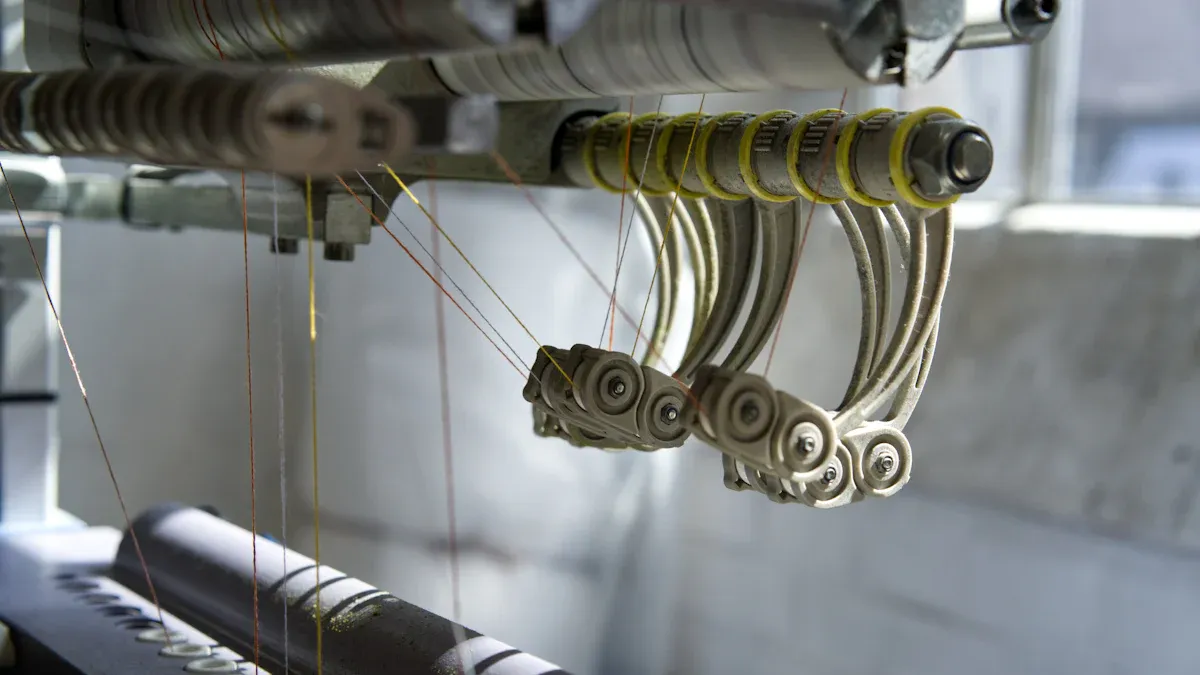
I have seen that the choice of extrusion system shapes the entire manufacturing process. Most manufacturers use single-screw systems, which hold a 62% market share, while twin-screw systems account for 38%.
| Extrusion System Type | Market Share Percentage |
|---|---|
| Viena skrūve | 62% |
| Dvīņu skrūve | 38% |
Selecting between screw types affects efficiency, produkta kvalitāte, un materiālu saderība. When I match extrusion technology to manufacturing goals, I notice improvements in cost-effectiveness, design versatility, un ilgtspējība.
| Faktors | Impact on Manufacturing Efficiency | Ietekme uz produktu kvalitāti |
|---|---|---|
| Controlled parameters | Maintains uniform product quality | Achieves micrometer tolerances |
I rely on Complete Extrusion Systems to deliver consistent results and precise screw performance.
Key Takeaways
- Choose the right extrusion system based on your manufacturing goals and material properties to ensure optimal performance.
- Vienas skrūves ekstrūderi ir ideāli piemēroti vienkāršu materiālu liela apjoma ražošanai, savukārt divu skrūvju sistēmas ir izcilas sarežģītu materiālu sajaukšanā.
- Ekstrūzijas sistēmu regulāra apkope un uzraudzība novērš dīkstāves un uzlabo efektivitāti, nodrošinot nemainīgu produktu kvalitāti.
- Izvēloties ekstrūderi, ņemiet vērā skrūves diametru un L/D attiecību, jo šie faktori ietekmē caurlaidspēju un sajaukšanas efektivitāti.
- Izmantojiet koekstrūziju, lai izveidotu daudzslāņu produktus, kas apvieno dažādus materiālus, uzlabojot funkcionalitāti un veiktspēju.
- Novērtējiet materiālu saderību ar izvēlēto ekstrūzijas sistēmu, lai izvairītos no defektiem un nodrošinātu augstas kvalitātes izlaidi.
- Esiet informēts par jaunajām ekstrūzijas tehnoloģiju tendencēm, piemēram, IoT un AI, lai uzlabotu efektivitāti un pielāgotos mainīgajām ražošanas vajadzībām.
- Pirms izvēlaties, izveidojiet galveno faktoru kontrolsarakstu ekstrūzijas mašīna lai izvairītos no dārgām kļūdām un nodrošinātu sistēmas atbilstību lietojumprogrammas prasībām.
Pareizās ekstrūzijas sistēmas izvēle ražošanai
Galvenie faktori sistēmas izvēlē
Es nekad neatrodu universālu “labākais” ekstrūzijas sistēma. Mana pieredze liecina, ka ideālā izvēle ir atkarīga no ražošanas mērķiem, materiāla īpašības, un produktu prasībām. Kad es izvēlos ekstrūzijas sistēmu, Es vienmēr saskaņoju tā iespējas ar paredzēto pielietojumu. Šī pieeja nodrošina, ka ekstrūzijas process nodrošina nemainīgu kvalitāti un optimālu veiktspēju.
Es uzskatu vairākus kritiskie faktori pirms ekstrūzijas mašīnas izvēles. Es izmantoju šo tabulu, lai vadītu savu lēmumu:
| Faktors | Apraksts |
|---|---|
| Pētījuma mērķis | Mašīnas mērķis (izglītība, materiālu attīstība, vai komerciāla izmēģinājuma ražošana) |
| Materiāla veids | Apstrādājamo polimēru veids (karstumjutīgs, nepastāvīgs, vai reaktīvs) |
| Nepieciešamā izvades jauda | Caurlaides jauda (grami vai kilogrami stundā) |
| Papildu procesa prasības | Nepieciešamība pēc gāzes iesmidzināšanas, vakuuma degazēšana, vai reaktīvās ekstrūzijas iespēja |
| Budžets un laboratorijas telpas | Apsvērums par moduļu paplašināšanu turpmākiem jauninājumiem |
| Nākotnes palielināšanas vajadzības | Saderība ar rūpnieciskās ekstrūzijas moduļiem ražošanas apjoma palielināšanai |
Es vienmēr pievēršu uzmanību skrūves diametram un L / D attiecībai. Šie parametri nosaka caurlaidspēju un sajaukšanas efektivitāti. Es izvēlos ekstrūderi ar pareizo izvades jaudu, kas var būt no 0.25 kg/h līdz 150 kg/h atkarībā no modeļa. Modulārā konstrukcija ļauj ātri nomainīt komponentus, kas nodrošina elastību pētniecībai un attīstībai. Es paļaujos uz progresīvām vadības sistēmām, piemēram, PLC un HMI, lai panāktu precīzu kontroli un datu izsekojamību.
Kad es novērtēju ekstrūzijas mašīnu veidus, Es uzskatu profila sarežģītību un nepieciešamās pielaides. Sarežģīti dizaini prasa precīzus instrumentus un var palielināt izmaksas. Skatos arī pasūtījuma daudzumu. Lielāki apjomi samazina izmaksas par vienu vienību, jo iestatīšanas izmaksas tiek sadalītas vairākās vienībās. Apdares un sekundārās darbības, piemēram, anodēšana vai CNC apstrāde, pievienoto vērtību un izmaksas.
Padoms: Pirms ekstrūzijas iekārtas atlases procesa sākšanas iesaku izveidot šo faktoru kontrolsarakstu. Šī prakse palīdz izvairīties no dārgām kļūdām un nodrošina, ka sistēma atbilst paredzētajām lietojumprogrammām.
Impact on Manufacturing Efficiency
Es ievēroju, ka manis izvēlētā ekstrūzijas sistēma tieši ietekmē ražošanas efektivitāti. Skrūves dizains, sajaukšanas spēja, un ekstrūzijas tehnoloģijai ir nozīme procesa vienmērīgā norisē. Piemēram, a vienas skrūves ekstrūderis bieži vien labi darbojas vienkāršiem polimēriem un liela apjoma ražošanai. Divu skrūvju ekstrūderi apstrādā sarežģītus materiālus un progresīvus lietojumus, piemēram, reaktīvā ekstrūzija vai speciālie maisījumi.
Esmu redzējis, ka augsta viskozitāte un cietvielu saturs enerģētiskajos materiālos var izraisīt aizsērēšanu, nestabila ekstrūzija, un sprauslu nodilums. Šīs problēmas samazina efektivitāti un apdraud drošību. Es risinu šīs problēmas, optimizējot mīcīšanas sistēmas dizainu. Uzlabota sajaukšanas viendabīgums un ekstrūzijas precizitāte uzlabo gan drošību, gan efektivitāti.
Es izmantoju divpakāpju divu skrūvju ekstrūzijas sistēmu, ja man ir nepieciešama lielāka stabilitāte un pielāgošanās spēja. Simulācijas liecina, ka šis dizains uzlabo plūsmas raksturlielumus un saglabā konsekventu izvadi. Es vienmēr uzraugu ekstrūzijas procesu, lai nodrošinātu vienmērīgu kvalitāti un samazinātu dīkstāves laiku.
| Pierādījumu veids | Apraksts |
|---|---|
| Izaicinājumi piedevu ražošanā | Augsta viskozitāte un enerģētisko materiālu cieto vielu saturs izraisa tādas problēmas kā aizsērēšana, nestabila ekstrūzija, un sprauslu nodilums, kas ietekmē efektivitāti un drošību. |
| Mīcīšanas sistēmas veiktspēja | Mīcīšanas sistēmas dizains ietekmē materiāla sajaukšanas viendabīgumu un ekstrūzijas precizitāti, ar īpašām optimizācijām, kas ierosinātas, lai uzlabotu drošību un efektivitāti. |
| Ekstrūzijas sistēmas projektēšana | Divpakāpju divu skrūvju ekstrūzijas sistēma ir izstrādāta, lai uzlabotu stabilitāti un pielāgojamību ekstrūzijas procesā, ar simulācijām, kas atklāj dažādu sistēmu plūsmas raksturlielumus. |
Es vienmēr saskaņoju ekstrūzijas sistēmu ar ražošanas prasībām. Šī prakse nodrošina, ka ekstrūderis nodrošina vēlamo kvalitāti un veiktspēju. Es izvēlos skrūvju konfigurāciju, pamatojoties uz materiāla veidu un pielietojuma sarežģītību. Es paļaujos uz progresīvu ekstrūzijas tehnoloģiju, lai palielinātu efektivitāti un uzturētu augstus produktu kvalitātes standartus.
Piezīme: Es iesaku regulāru apkopi un procesu uzraudzību, lai saglabātu maksimālo efektivitāti un novērstu negaidītas dīkstāves.
Pilnīgu ekstrūzijas sistēmu veidi
Kad es novērtēju pilnīgas ekstrūzijas sistēmas ražošanai, Es vienmēr sāku, nosakot galveno ekstrūzijas mašīnu veidi. Visizplatītākās iespējas ietver vienas skrūves ekstrūzijas mašīnas, divu skrūvju ekstrūzijas mašīnas, un aunu ekstrūzijas mašīnas. Katra sistēma piedāvā unikālas stiprās puses un ierobežojumus, tāpēc es koncentrējos uz pareizās tehnoloģijas saskaņošanu ar lietojumprogrammu.
| Ekstrūzijas mašīnas veids |
|---|
| Vienas skrūves ekstrūzijas mašīnas |
| Divu skrūvju ekstrūzijas mašīnas |
| Ram ekstrūzijas mašīnas |
Vienas skrūves ekstrūzija
Es bieži izmantoju vienas skrūves ekstrūderi vienkāršiem ekstrūzijas procesiem. Šai mašīnai ir viena rotējoša skrūve apsildāmā mucā. Skrūve virza materiālu uz priekšu, to izkausē, un veido to caur matricu. Es paļaujos uz šo sistēmu termoplastu liela apjoma ražošanai, pārtikas produkti, un gumijas savienojumi. Dizaina vienkāršība padara to viegli lietojamu un apkopi.
| Rūpniecība | Lietojumprogrammas apraksts | Tirgus izaugsmes prognozes |
|---|---|---|
| Plastmasas | Termoplastu kausēšana un formēšana, ko veicina pieaugošā PE un PP izmantošana. | CAGR aptuveni 4-5% cauri 2030 |
| Pārtikas pārstrāde | Apstrādātu pārtikas produktu, piemēram, uzkodu un graudaugu, ražošana. | Tirgus, lai sasniegtu $75 miljardu ar 2026 |
| Gumijas maisījums | Gumijas maisīšana un formēšana riepām un automobiļu detaļām. | Pārspēt riepu ražošanu 2 miljardu vienību 2025 |
| Biomedicīnas | Biopolimēru ražošana iepakojumam un medicīnas ierīcēm. | Jauns tirgus ar jaunu ekstrūzijas tehnoloģiju |
Tomēr, Es atpazīstu vienas skrūves ekstrūzijas ierobežojumi. Var būt grūti panākt vienmērīgu sajaukšanu, it īpaši, ja pievienoju pildvielas vai piedevas. Spiediena konsistence bieži mainās atkarībā no izejvielu izmaiņām, un materiāli ar augstu viskozitāti var slikti plūst, kas noved pie defektiem. Šīs problēmas nosaka manu ekstrūzijas iekārtu izvēli, kad man ir nepieciešama augstāka kvalitāte vai sarežģītāka apstrāde.
Padoms: Vienkāršiem, liela apjoma lietojumprogrammas, Es iesaku sākt ar vienas skrūves ekstrūderi. Uzlabotai sajaukšanai vai īpašiem materiāliem, apsveriet citas iespējas.
Divu skrūvju ekstrūzija
Kad man ir nepieciešama papildu apstrāde, Es vēršos pie divu skrūvju ekstrūderis tehnoloģija. Šī sistēma izmanto divas skrūves, kas griežas kopā mucas iekšpusē. Skrūves var savīties vai darboties paralēli, atkarībā no dizaina. Es uzskatu, ka divskrūvju ekstrūderi nodrošina izcilu sajaukšanas efektivitāti, labāka plastifikācija augstas viskozitātes materiāliem, un uzlabota temperatūras un spiediena kontrole. Šīs funkcijas uzlabo produkta kvalitāti un procesa konsekvenci.
Divu skrūvju ekstrūzija arī ļauj veikt vairākas apstrādes darbības vienā mašīnā. Es varu sajaukt, izkausēt, ventilācijas atvere, un pat reaģēt uz materiāliem vienas kustības laikā. Šī elastība samazina atkritumu daudzumu un paātrina ražošanu. Salīdzinot dubultskrūves un vienas skrūves ekstrūderus, Es redzu ātrāku ieguldījumu atdevi un vienveidīgākus rezultātus ar dubultskrūvju sistēmām, īpaši sarežģītiem maisījumiem vai pārstrādātām plastmasām.
Divu skrūvju apakštipi
Es vienmēr apsveru dažāda veida ekstrūderu mašīnas dubultskrūvju kategorijā. Skrūves konfigurācija ietekmē veiktspēju, efektivitāti, un lietojumu klāstu.
Sajaucas
Savstarpēji savienojošie divu skrūvju ekstrūderi ir aprīkoti ar skrūvēm, kas pārklājas un savienojas kopā. Šis dizains nodrošina precīza materiāla transportēšana un lieli bīdes spēki. Es izmantoju savstarpējas savienošanas sistēmas, lai uzlabotu salikšanu un saderību, it īpaši, ja man ir nepieciešams vienmērīgi izkliedēt piedevas vai pildvielas.
Nesavienošanās
Divskrūvju ekstrūderiem, kas nesajaucas, ir skrūves, kas griežas bez pārklāšanās. Šis uzstādījums nodrošina maigāku sajaukšanu un mazāku bīdi. Es izvēlos nesavienojamus dizainus jutīgiem materiāliem, kuriem nepieciešama minimāla mehāniskā spriedze.
Līdzrotējošs
Kopīgi rotējošiem divu skrūvju ekstrūderiem ir skrūves, kas griežas vienā virzienā. Šis apakštips izceļas ar sajaukšanas efektivitāti un materiālu transportēšanu. Reaktīvai ekstrūzijai izmantoju līdzrotācijas sistēmas, devolatilizācija, un augstas veiktspējas polimēru maisījums. Tomēr, augsts bīdes ātrums var noārdīt siltumjutīgos materiālus, tāpēc es rūpīgi uzraugu skrūvju dizainu un dzesēšanu.
| Apakštips | Apstrādes iespējas un priekšrocības | Ierobežojumi un apsvērumi | Labākās lietojumprogrammas |
|---|---|---|---|
| Kopīgi rotējošs divu skrūvju ekstrūderis | Augsta sajaukšanas efektivitāte, piemērots reaktīvai ekstrūzijai, augsts bīdes ātrums | Materiāla degradācijas risks, nepieciešama precīza skrūvju konstrukcija | Polimēru sajaukšana, nanokompozīti, darbplūsmas no laboratorijas līdz ražošanai |
Pretēji rotējošs
Pretēji rotējošiem divu skrūvju ekstrūderiem ir skrūves, kas griežas pretējos virzienos. Šī konfigurācija rada mazākus bīdes spēkus, kas aizsargā trauslos materiālus. Es paļaujos uz pretēji rotējošām keramikas sistēmām, biopolimēri, un farmaceitiskie preparāti. Dizains nodrošina arī labu spiediena palielināšanos un efektīvu blīvējumu, lai gan sajaukšanas intensitāte ir zemāka nekā ar līdzrotācijas sistēmām.
| Apakštips | Apstrādes iespējas un priekšrocības | Ierobežojumi un apsvērumi | Labākās lietojumprogrammas |
|---|---|---|---|
| Pretēji rotējošs divu skrūvju ekstrūderis | Zemāki bīdes spēki, laba spiediena palielināšanās, efektīva blīvēšana | Zemāka sajaukšanas intensitāte, sarežģītāka blīvējuma un gultņu konstrukcija | Keramika, biopolimēri, farmaceitiskie preparāti |
Kad es izvēlos pilnīgu ekstrūzijas sistēmu, Es vienmēr saskaņoju skrūves veidu un konfigurāciju materiāla un procesa prasībām. Šī pieeja nodrošina augstu kvalitāti, efektivitāti, un uzticama veiktspēja visās lietojumprogrammās.
Ram Extrusion
I often choose ram extrusion when I need to process materials that require high pressure and precise shaping. This method uses a hydraulic ram to push material through a heated barrel and die, rather than relying on a rotating screw. I find ram extruders especially useful for forming products from thermosetting plastics, keramika, and PTFE. The process allows me to create rods, caurules, and profiles with consistent dimensions.
Ram extrusion stands out among types of extrusion machines because it handles materials that traditional screw extruders cannot process efficiently. I use this technology in industries piemēram, plastmasas, pārtiku, un farmācija. Piemēram, I produce snacks and cereals with unique shapes, and I manufacture tablets and capsules with exact specifications.
I have noticed several benefits and challenges when using ram extruders:
- Ram extruders excel in producing high-quality products from difficult-to-process materials.
- I rely on them for applications where screw extrusion technology falls short, such as PTFE and ceramic profiles.
- The process delivers consistent quality and dimensional accuracy.
- High operational costs can impact efficiency and overall performance.
- Stringent regulations in plastic manufacturing require careful process control.
- Competition from alternative extrusion systems pushes me to optimize my extrusion machine selection.
I always weigh these factors before choosing ram extrusion for complete extrusion systems. I monitor the process closely to maintain quality and efficiency, especially when working with specialty materials.
Co-Extrusion
Co-extrusion enables me to combine multiple materials into a single product, creating multi-layered profiles with enhanced properties. I use this extrusion technology to integrate different thermoplastics, each layer offering unique characteristics. The process involves pushing several materials through a single die, resulting in a unified profile that meets complex production requirements.
I rely on co-extrusion for manufacturing products that demand durability, elastība, and aesthetic appeal. This method allows me to tailor the quality of each layer, improving performance and functionality. I see co-extrusion as a key advancement in complete extrusion systems, especially when I need to produce items with specialized features.
Industries benefit from co-extrusion in several ways:
- Būvniecība: I manufacture window sills, rāmji, and trim pieces that combine strength and visual appeal.
- Mazumtirdzniecība: Es veidoju plauktus un displeju sistēmas, kas ir gan izturīgas, gan pievilcīgas.
- Apzīmējumi: Es ražoju izgaismotas izkārtnes un rāmjus ar tīru apdari un uzticamu veiktspēju.
Koekstrūzija paplašina ekstrūzijas tehnoloģiju pielietojumu klāstu. Es to izmantoju, lai sasniegtu augstus ražošanas mērķus un piegādātu produktus ar izcilu kvalitāti. Kad es izvēlos ekstrūderi koekstrūzijai, Es uzskatu skrūvju dizainu, procesa kontrole, un materiālu saderība. Šī pieeja nodrošina efektivitāti un konsekventus rezultātus.
Padoms: Es iesaku koekstrūziju projektiem, kuriem nepieciešami daudzslāņu profili un uzlabota produkta funkcionalitāte. Rūpīga ekstrūzijas iekārtas izvēle un procesa uzraudzība ir būtiska optimālas kvalitātes sasniegšanai.
Ekstrūzijas sistēmu uzbūve un darbība
Skrūvju un mucu dizains
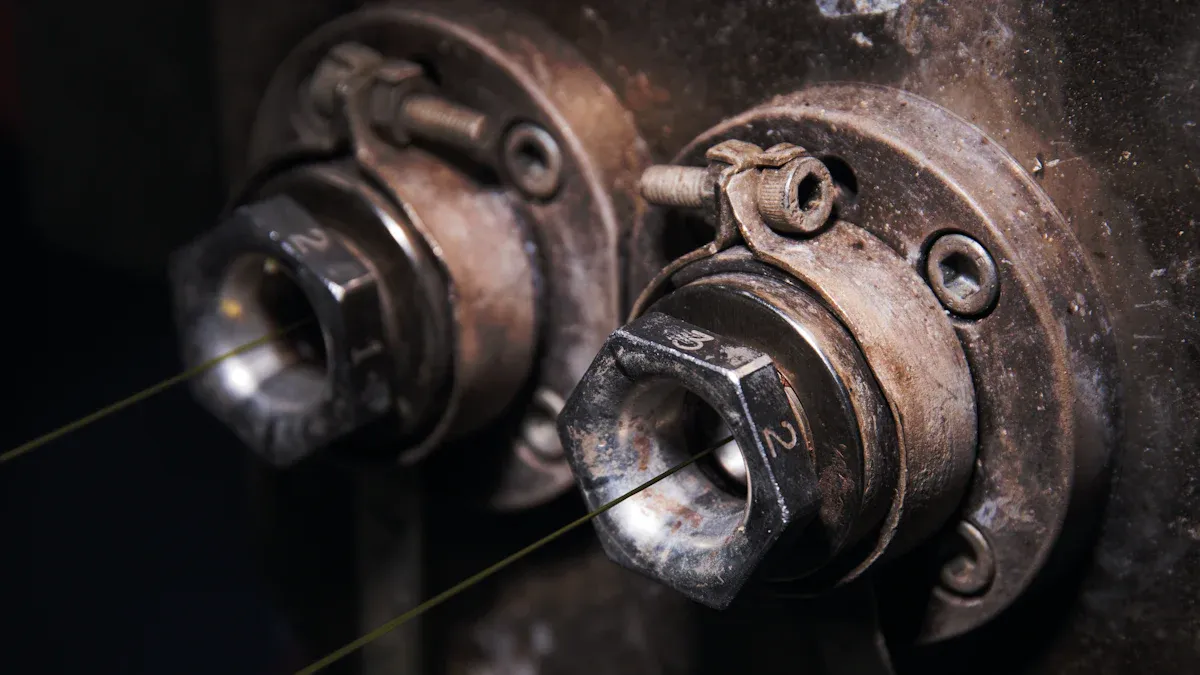
Es vienmēr sāku savu ekstrūzijas mašīnu izvēli, pārbaudot skrūves un mucas dizainu. Skrūves ģeometrija nosaka, cik efektīvi ekstrūderis kūst, maisījumi, un nodod materiālu. Pielāgoju garumu diametram (L/D) attiecība, lai kontrolētu uzturēšanās laiku un sajaukšanos. Lielāka L/D attiecība ļauj materiālam izkust un rūpīgāk sajaukties, kas ir būtiski, lai galaproduktā sasniegtu vienmērīgu kvalitāti. Es paļaujos uz barjeras konstrukcijām skrūvju mucā, lai saglabātu kausējuma stabilitāti un novērstu degradāciju, īpaši, ja apstrādāju jutīgus materiālus. Paralēli divu skrūvju un mucu dizaini spēlē izšķirošu lomu ekstrūzijas ātrumā, produkta kvalitāte, un energoefektivitāti. Es izmantoju zonējumu un precīzu temperatūras kontroli, lai stabilizētu kausējuma plūsmu un izvairītos no gāzēm, kas uzlabo blīvumu un konsistenci. Mucas virsmas apdare un skrūves ģeometrija ietekmē arī energoefektivitāti un produkta konsistenci. I always match the screw design to the specific requirements of the application to maximize performance.
- A higher L/D ratio improves mixing and melt uniformity, which is essential for high-quality products.
- Barrier designs help maintain melt stability and prevent degradation.
- Screw geometry and barrel surface finish impact energy efficiency and product consistency.
Material Movement and Mixing
I focus on efficient material movement and mixing to ensure the extrusion process runs smoothly. es lietoju robust pneumatic or mechanical conveyors to transfer raw materials quickly and with minimal maintenance. Advanced mixer designs guarantee thorough and uniform compounding, which prevents variations in finished products. I integrate automated controls with PLC systems for real-time monitoring and recipe management. This approach allows me to oversee production seamlessly and adjust parameters as needed. I select scalable configurations to accommodate both small workshops and large industrial operations. Enhanced dust control features keep the workplace clean and safe. Konsekventa, homogeneous blends reduce quality fluctuations and improve throughput. Automated systems minimize manual handling, which shortens production cycles and lowers labor costs. I always prioritize these features when I evaluate types of extrusion machines for new applications.
| Funkcija | Apraksts |
|---|---|
| Efficient Material Transfer | Rapid, low-maintenance movement of raw materials |
| Precīza sajaukšana | Thorough, uniform compounding for consistent quality |
| Automatizētās vadības ierīces | Real-time monitoring and recipe management |
| Scalable Configurations | Flexible layouts for any production capacity |
| Enhanced Dust Control | Cleaner, safer workplace |
| Improved Product Quality | Homogeneous blends, reduced fluctuations |
| Increased Throughput | Shorter production cycles, less manual handling |
| Samazināts atkritumu daudzums | Accurate measurement, zemākas izmaksas |
| Lower Labor Costs | Automation frees staff for value-added tasks |
| Safer Working Environment | Enclosed lines and dust control |
Process Control and Output Quality
I depend on advanced process control technology to maintain high output quality in extrusion manufacturing. I select high-quality thermoplastics to ensure the final products meet strength, izturību, and flexibility requirements. I monitor extrusion parameters closely to reduce discrepancies during production. Dimensional accuracy remains a top priority for me, as it guarantees that components fit their intended applications. I use surface inspection to detect defects such as warping or air bubbles, which helps me maintain consistent product quality. Early detection of issues reduces waste and saves on production costs. I always ensure that my process complies with regulatory standards, which protects both my business and my customers. High-quality products enhance my brand reputation and increase customer satisfaction. Advanced monitoring systems allow me to increase production speed without sacrificing accuracy, which boosts overall efficiency in complete extrusion systems.
| Element/Advantage | Apraksts |
|---|---|
| Materiālu izvēle | Ensures strength, izturību, un elastība |
| Procesa uzraudzība | Reduces discrepancies and maintains consistency |
| Izmēru precizitāte | Guarantees proper fit for all applications |
| Virsmas pārbaude | Identifies defects early for better quality |
| Konsekventa produkta kvalitāte | Every batch meets high standards |
| Atkritumu samazināšana | Saves material and production costs |
| Atbilstība normatīvajiem aktiem | Meets legal and safety requirements |
| Klientu apmierinātība | Builds reputation and loyalty |
| Process Efficiency | Palielina ātrumu, vienlaikus saglabājot precizitāti |
Padoms: Es iesaku regulāri kalibrēt un apkopt visas ekstrūzijas tehnoloģijas, lai saglabātu maksimālo veiktspēju un nemainīgu kvalitāti.
Ekstrūzijas procesa salīdzināšana
Vienas skrūves vs. Divu skrūvju process
Kad salīdzinu vienas skrūves un divu skrūvju ekstrūderi, Es koncentrējos uz to, kā katra sistēma apstrādā ekstrūzijas procesu. Skrūves dizains veido veidu, kā materiāls pārvietojas un sajaucas. Vienas skrūves ekstrūderis izmanto vienu spirālveida skrūvi vienkāršas iekšpusē, cilindriska muca. Turpretī, divu skrūvju ekstrūderim ir divas savstarpēji savienojošas skrūves un sarežģītāka skrūve, bieži segmentēta muca. Es redzu, ka temperatūras kontrole vienas skrūves sistēmās paliek pamata, savukārt divskrūvju mašīnas piedāvā uzlabotu vadību ar vairākām apkures un dzesēšanas zonām. Šī atšķirība ietekmē gan caurlaidspēju, gan energoefektivitāti.
| Aspekts | Vienas skrūves ekstrūderis | Divu skrūvju ekstrūderis |
|---|---|---|
| Skrūvju dizains | Viena spirālveida skrūve | Divas savstarpēji savienotas skrūves |
| Mucas struktūra | Vienkārši, cilindrisks | Sarežģītāk, bieži segmentēti |
| Temperatūras kontrole | Pamata apkure/dzesēšana | Papildu, daudzzonu |
| Izvades jauda | Mērens | Augsts |
| Enerģijas patēriņš | Kopumā augstāks | Efektīvāks |
| Caurlaidības elastība | Ierobežots | Augsts |
Es paļaujos uz divu skrūvju ekstrūderiem, lai nodrošinātu lielāku jaudu un labāku energoefektivitāti. Kad man ir nepieciešama elastība attiecībā uz caurlaidspēju vai uzlabota procesa kontrole, Es izvēlos divu skrūvju sistēmas. Vienkāršiem lietojumiem, vienas skrūves ekstrūderi joprojām nodrošina uzticamu veiktspēju.
Materiālu saderība ekstrūzijas procesā
Materiālu savietojamībai ir izšķiroša loma ekstrūzijas iekārtas izvēlē. Es vienmēr saskaņoju skrūvju konfigurāciju ar materiāla veidu, kuru plānoju apstrādāt. Vienas skrūves ekstrūderi labi tiek galā ar standarta termoplastu, bet tie cīnās ar materiāliem, kuriem nepieciešama intensīva maisīšana vai kuriem ir augsts pildvielu saturs. Divskrūvju ekstrūderi izceļas ar īpašiem savienojumiem, pārstrādāta plastmasa, un reaktīvie materiāli. Es izmantoju segmentētās skrūves, lai pielāgotu sajaukšanu un bīdi katram lietojumam.
Kad es strādāju ar pilnām ekstrūzijas sistēmām, I consider how each screw design affects the final product. Twin-screw extruders allow me to process a wider range of materials, including those with additives or sensitive properties. This flexibility supports more types of extrusion machines and expands the range of possible applications.
Padoms: I recommend evaluating the chemical and physical properties of your raw materials before choosing an extruder. This step ensures compatibility and reduces the risk of defects.
Produkta kvalitāte un konsekvence
I know that the extrusion process directly impacts the quality of the finished product. Modern extrusion lines integrate automation and advanced control platforms. These systems analyze multiple variables at once, which helps me maintain consistent quality across every batch.
Quality consistency is a productivity multiplier. Uzlabotas vadības platformas vienlaikus analizē modeļus vairākos mainīgajos, nodrošinot produkta kvalitātes saglabāšanu visā ekstrūzijas procesā.
Es uzraugu galvenos faktorus, piemēram, stabilu kausējuma spiedienu, izvades ātrums, un virsmas apdari. Stabils kausējuma spiediens novērš deformāciju un izmēru novirzi. Augstāka un stabilāka izvade samazina lūžņu daudzumu un dīkstāves laiku. Labāka virsmas apdare un precīza izmēru kontrole uzlabo ietekmi uz gatavā produkta kvalitāti.
| Galvenie faktori | Ietekme uz kvalitāti un konsekvenci |
|---|---|
| Stabils kausējuma spiediens | Novērš izmēru novirzīšanos vai deformāciju |
| Augstāka un stabilāka izvade | Samazina metāllūžņu daudzumu un dīkstāves laiku |
| Labāka virsmas apdare | Uzlabo kopējo produktu kvalitāti |
| Izmēru kontrole | Nodrošina precizitāti gala produkta specifikācijās |
| Ātrāka IA | Uzlabo ražotāju rentabilitāti |
Salīdzinot dubultskrūves un vienas skrūves ekstrūderus, I see that twin-screw systems deliver better consistency and lower operational cost. I achieve faster ROI and improved performance by investing in advanced extrusion technology. I always prioritize process monitoring and automation to ensure high quality and efficiency in production.
- Augstāka un stabilāka izvade
- Lower scrap and downtime
- Better surface finish and dimensional control
- Reduced operational cost
- Ātrāka IA
I rely on these strategies to maximize the benefits of extrusion and deliver products that meet strict manufacturing standards.
Performance Comparison Table
Caurlaide un efektivitāte
I always evaluate throughput and efficiency when I compare types of extrusion machines. Throughput measures how much material the extruder processes in a given time. Efficiency reflects how well the screw design converts raw material into finished products with minimal waste and energy use. I see that single-screw extruders often deliver steady throughput for standard polymers. Divskrūvju ekstrūderi, with their advanced screw geometry, handle higher output and maintain better energy efficiency, especially for complex blends.
| Ekstrūdera tips | Caurlaide (kg/h) | Energoefektivitāte | Labākie lietošanas gadījumi |
|---|---|---|---|
| Viena skrūve | 50-500 | Mērens | Liela apjoma, simple polymers |
| Dvīņu skrūve | 100–1000+ | Augsts | Complex blends, specialty jobs |
| Ram Extruder | 10–100 | Low–Moderate | PTFE, keramika, specialitāte |
| Koekstrūzijas sistēmas | Atšķiras | Augsts | Multi-layered profiles |
I always match the screw configuration to the material and production requirements. This approach ensures the process delivers consistent quality and meets manufacturing goals. I rely on complete extrusion systems to maximize throughput and efficiency for every application.
Padoms: I recommend monitoring energy consumption and output rates regularly. This practice helps optimize extrusion machine selection and reduces operational costs.
Maintenance and Reliability
I prioritize maintenance and reliability when I select an extruder. The screw and barrel experience constant wear from abrasive materials and high temperatures. I schedule routine inspections and replace worn components to prevent unexpected downtime. Single-screw extruders require less maintenance due to their simple design. Divskrūvju ekstrūderi, with more moving parts and segmented screws, need more frequent checks but offer greater flexibility.
| Ekstrūdera tips | Apkopes vajadzības | Reliability Level | Common Issues |
|---|---|---|---|
| Viena skrūve | Low–Moderate | Augsts | Occasional screw wear |
| Dvīņu skrūve | Vidēji – augsts | Augsts | Segment wear, seal failure |
| Ram Extruder | Mērens | Mērens | Hydraulic leaks, die wear |
| Koekstrūzijas sistēmas | Augsts (multi-screw) | Augsts | Synchronization, screw wear |
I use advanced monitoring systems to track screw wear and process stability. This strategy improves reliability and extends the life of my extrusion technology. I always keep spare screws and barrels on hand to minimize downtime during maintenance.
Product Complexity and Flexibility
I value design flexibility in extrusion. The ability to customize the screw and die allows me to create complex profiles for a wide range of applications. I use extrusion to manufacture everything from simple plastic tubing to intricate window frames. I can add reinforcements or special features within the continuous material, which expands my product offerings.
| Aspekts | Apraksts |
|---|---|
| Dizaina elastība | Extrusion allows for significant design flexibility through die customization, enabling complex profiles. |
| Lietojumprogrammas | Suitable for various applications, including intricate window frames and simple plastic tubing. |
| Pielāgošana | Ražotāji nepārtrauktajā materiālā var iekļaut pastiprinājumus vai papildu funkcijas. |
- In MedTech, Man ir jāpanāk stingras pielaides attiecībā uz medicīnas ierīcēm.
- Es nodrošināju bioloģisko saderību visiem medicīniskās ekstrūzijas produktiem.
- Es rūpīgi uzraugu sienu biezumu, jo tas ietekmē plūsmas ātrumu un konstrukcijas izturību.
Es izvēlos skrūvju konfigurāciju un ekstrūzijas mašīnu, pamatojoties uz konstrukcijas sarežģītību un nepieciešamajām pielaidēm. Šī pieeja garantē augstu kvalitāti un atbalsta progresīvas ražošanas vajadzības.
Piezīme: Plānojot jaunu produktu dizainu, iesaku konsultēties ar ekstrūzijas ekspertiem. Viņu pieredze palīdz izvairīties no dārgām kļūdām un nodrošina pareizo skrūvju un procesa konfigurāciju.
Pielietojuma piemērotība ražošanā
Lielapjoma ražošana
I always start my extrusion machine selection by considering the demands of high-volume manufacturing. When I need to produce thousands of units per day, I rely on single-screw extruders. These machines deliver steady throughput and maintain consistent quality. The screw design in single-screw extruders allows me to process standard polymers efficiently. I monitor the process closely to ensure uniform melt and minimize defects. I select the right screw diameter and length to match the production requirements. This approach helps me achieve high efficiency and reduce waste. I use automated controls to track output and maintain quality standards. High-volume applications benefit from robust types of extrusion machines that can operate continuously with minimal downtime. I always keep spare screws and barrels ready to avoid interruptions in production.
Padoms: I recommend scheduling regular maintenance for extruders used in high-volume manufacturing. This practice extends the life of the screw and ensures reliable performance.
Complex Product Manufacturing
When I manufacture complex or multi-component products, I turn to advanced extrusion technology. Twin-screw extruders give me greater control over mixing and material distribution. I use segmented screws to adjust shear and optimize the process for each application. Co-extrusion technology enables me to combine different polymers into multi-layer films and pipes. This method improves barrier properties and enhances strength, elastība, un ķīmiskā izturība.
| Tehnoloģija | Ieguvumi |
|---|---|
| Koektrūzija | Enables the creation of multi-layer films and pipes with improved barrier properties, combining different polymers for strength, elastība, un ķīmiskā izturība. |
I select the screw configuration based on the complexity of the product. For intricate designs, I rely on precise tooling and advanced process monitoring. I always test the extruder setup before full-scale production to ensure quality and performance. Complex applications require careful extrusion machine selection and attention to detail.
Specialty Materials and Customization
I often work with specialty materials that demand custom solutions. I use advanced shaping processes, such as sheet extrusion and thermoforming, to control material characteristics. Sheet extrusion gives me the ability to manage thickness and material distribution with high accuracy. Co-extrusion capabilities allow me to create multi-layer constructions that enhance material properties. I integrate downstream shaping processes to ensure consistent performance in finished components. Engineering services help me optimize component designs and select the best materials for specific applications.
- Advanced shaping processes, such as sheet extrusion and thermoforming, allow for precise control over material characteristics.
- Sheet extrusion provides a foundation for custom material solutions, enabling thickness control and material distribution accuracy.
- Co-extrusion capabilities facilitate the creation of multi-layer constructions, enhancing material properties.
- Integration with downstream shaping processes ensures consistent performance characteristics in finished components.
- Engineering services optimize component designs and material selection, ensuring suitability for specific applications.
I always match the screw design to the requirements of specialty materials. Customization in extrusion depends on selecting the right extruder and process parameters. I monitor quality at every stage to deliver products that meet strict standards. Specialty applications benefit from flexible types of extrusion machines and expert guidance.
Piezīme: I recommend consulting with extrusion specialists when working with new materials or custom designs. Their expertise helps achieve the desired quality and performance.
Selection Criteria for Extrusion Systems
Product Design and Complexity
I always start my extrusion machine selection by analyzing the product design and complexity. The geometry of the profile influences the choice of extruder and screw configuration. Complex shapes increase tooling costs and create production challenges. I simplify profile geometry whenever possible to enhance material flow and reduce defects. Smooth transitions in the design prevent disruptions in material flow, which is crucial for consistent extrusion quality. I select the right material early in the process because material choice affects both the properties of the part and the ease of extrusion. This decision impacts manufacturability and overall performance.
- Simplifying profile geometry lowers tooling costs and reduces production challenges.
- Designing for material flow ensures consistent extrusion quality and minimizes defects.
- Choosing the right material early improves manufacturability and product performance.
I match the screw design to the complexity of the product. For intricate profiles, I use advanced screw configurations that optimize mixing and material transport. I rely on precise tooling and process monitoring to maintain high quality. When I work with complex applications, I consult with extrusion technology experts to avoid costly mistakes and ensure the best results.
Padoms: I recommend reviewing the profile geometry and material flow before finalizing the extrusion machine selection. This step helps prevent production issues and supports efficient manufacturing.
Materiālu īpašības
Material properties play a critical role in selecting the right extruder and screw configuration. I identify application requirements such as temperature resistance, UV iedarbība, and impact durability. I consider mechanical properties like flexibility, cietība, and tensile strength for the intended use. Environmental conditions influence my material choice, especially when I need weathering resistance or flexibility in cold environments. I evaluate aesthetic and finish requirements, ieskaitot krāsu, gloss, and surface texture, based on project needs. Regulatory and compliance needs guide my selection to ensure materials meet industry-specific standards and certifications.
- Application requirements determine the need for temperature resistance, UV iedarbība, and impact durability.
- Mechanical properties such as flexibility, cietība, and tensile strength affect the choice of extruder and screw.
- Environmental conditions require materials that withstand weathering or remain flexible in cold climates.
- Aesthetic and finish requirements influence color, gloss, and surface texture.
- Regulatory and compliance needs ensure materials meet industry standards.
I select the screw design based on the material’s properties. For heat-sensitive materials, I use screws with gentle mixing zones and precise temperature control. When processing tough or abrasive compounds, I choose robust screw geometries that withstand wear and maintain efficiency. I always test materials in pilot runs to verify compatibility with the extruder and ensure consistent quality.
Piezīme: I recommend consulting material datasheets and industry standards before choosing an extruder. This practice helps match material properties to the extrusion process and supports reliable performance.
Production Volume and Scale
Production volume and scale influence the cost-effectiveness of extrusion machine selection. Higher production volumes reduce unit costs because tooling expenses are spread over more parts. In the prototype stage, tooling costs are high compared to the quantity produced. In mass production, die costs are amortized over larger volumes, leading to lower costs per unit. Piemēram, a die costing $2,000 with a lifetime of 40,000 kg results in a cost of $0.05 per kg when amortized.
- Higher production volumes lower unit costs by spreading tooling expenses.
- Prototype stages have high tooling costs relative to the number of parts produced.
- Mass production allows die costs to be distributed over larger volumes, reducing per-unit costs.
- Example: A die costing $2,000 with a lifetime of 40,000 kg results in a cost of $0.05 per kg.
I select the extruder and screw configuration based on the expected production volume. For high-volume manufacturing, I use robust types of extrusion machines that deliver steady throughput and maintain efficiency. In low-volume or prototype applications, I prioritize flexibility and rapid changeover. I monitor production rates and adjust screw parameters to optimize output and quality.
Padoms: I recommend calculating the amortized tooling cost before committing to a production scale. This step helps determine the most cost-effective extrusion technology and supports long-term manufacturing goals.
Technical and Budget Considerations
I always approach extrusion machine selection with a clear focus on technical requirements and budget constraints. My experience tells me that investing in advanced extrusion technology demands careful planning. I evaluate every aspect of the system, from screw design to process control, to ensure cost-effectiveness and reliable performance.
I start by analyzing the technical specifications of the extruder. I look at screw geometry, barrel length, and compatibility with different types of extrusion machines. I select a screw that matches the material properties and the complexity of the applications. I check if the extruder can handle the desired throughput and maintain consistent quality. I also assess the integration of feeders, temperatūras regulatori, un pakārtotās iekārtas. System integration plays a crucial role in maximizing efficiency and avoiding bottlenecks in production.
Budget considerations influence every decision I make. I break down the costs into several categories to understand the financial impact. I use the following table to guide my investment strategy:
| Budget Consideration | Apraksts | Financial Impact / Benefit Example |
|---|---|---|
| Energoefektivitāte | Reducing energy consumption by upgrading control systems or screws | 33% energy reduction saves nearly $100,000 annually on $288,000 energy cost |
| Scrap Reduction | Lowering scrap rate from 15% uz 5% through data acquisition and process control | Saves $200,000 monthly or $2.4 million yearly in materials, darbs, and energy costs |
| Throughput Increase | Upgrading to twin-screw extruder increases throughput by 30% | Generates $600,000 additional monthly revenue with >50% incremental profit margin |
| Maintenance Cost Reduction | Predictive maintenance and condition monitoring reduce emergency repairs and downtime | Maintenance costs drop 20-30%, equipment availability increases |
| Sistēmas integrācija | Budgeting for compatible feeders, temperatūras regulatori, un pakārtotās iekārtas | Partial upgrades capture only ~40% of potential benefits |
| Operator Training | Training on material characteristics, tehnika, instrumentation, un vadīklas | Essential to fully realize technology benefits; lack wastes investment |
| Data Acquisition Infrastructure | Adequate sensors and analytics software needed for optimization | Insufficient infrastructure limits optimization; too many sensors without analytics causes overload |
| Downstream Constraints | Ensuring cutting, iepakojums, and inspection keep pace with increased extruder output | Bottlenecks reduce overall system benefit |
I prioritize energy efficiency when selecting an extruder. Upgrading control systems or optimizing screw design can reduce energy consumption by up to 33%. This improvement saves nearly $100,000 each year on a typical $288,000 energy bill. I also focus on scrap reduction. By implementing advanced process control and data acquisition, I lower scrap rates from 15% uz 5%. This change saves $200,000 every month in materials, darbs, and energy costs.
Increasing throughput is another key goal. Upgrading to a twin-screw extruder boosts output by 30%. This increase generates $600,000 in additional monthly revenue, with more than a 50% incremental profit margin. I invest in predictive maintenance and condition monitoring to reduce emergency repairs and downtime. Maintenance costs drop by 20-30%, and equipment availability improves.
System integration is essential for maximizing the benefits of extrusion technology. I budget for compatible feeders, temperatūras regulatori, un pakārtotās iekārtas. Partial upgrades capture only about 40% of the potential benefits. Operator training is critical. I ensure my team understands material characteristics, tehnika, instrumentation, un vadīklas. Without proper training, the investment in advanced extrusion technology goes to waste.
I invest in data acquisition infrastructure. Adequate sensors and analytics software optimize the process. Insufficient infrastructure limits optimization, while too many sensors without analytics cause information overload. I address downstream constraints by ensuring cutting, iepakojums, and inspection keep pace with increased extruder output. Bottlenecks in these areas reduce the overall benefit of the system.
I always balance technical requirements with budget limitations. I select a screw that delivers high quality and efficiency without exceeding my financial resources. I plan for future upgrades and modular expansion to support changing production needs. I monitor every aspect of the extrusion process to maintain cost-effectiveness and reliable performance.
Padoms: I recommend creating a detailed budget plan before investing in new extrusion technology. Include energy costs, apkope, operatora apmācība, and system integration. This approach ensures that the extruder delivers maximum value and supports long-term manufacturing goals.
Actionable Insights for Manufacturers
Matching System to Application
I always match the extrusion system to the specific application. es optimize material use to balance strength and lightweight design. I define critical dimensional tolerances early, which ensures parts fit and function as intended. I design for manufacturability, making sure shapes can be extruded consistently and cost-effectively. I select aluminum alloys based on application needs, such as strength and corrosion resistance. I simplify designs to reduce costs, avoiding unnecessary complexity in profiles. I prototype and test early, which helps me identify potential challenges before full production. These steps help me achieve high quality and reliable performance in every extrusion process.
- Optimize material use for strength and lightweight design.
- Define critical dimensional tolerances early.
- Design for manufacturability.
- Select appropriate aluminum alloys for application needs.
- Simplify designs to reduce costs.
- Prototype and test early.
I always consider the key components of an extruder, such as screw geometry and barrel design, to ensure the system meets production requirements. I review different types of extruder machines to find the best fit for my applications in plastmasas ekstrūzija. This approach supports scalability and maintains quality control throughout manufacturing.
Biežākās atlases kļūdas
I have seen many manufacturers make mistakes during extrusion machine selection. Inadequate material blending often leads to product imperfections and increased costs from reprocessing. Outdated or incompatible control systems cause integration issues and inefficiencies. Inconsistent feed rates disrupt the extrusion process, resulting in product variabilities and higher scrap rates. Neglecting preventive maintenance allows minor mechanical issues to escalate into major production problems, affecting revenue. Ignoring operator training leads to misconfigurations and missed optimization opportunities.
- Inadequate material blending increases costs and reduces quality.
- Outdated control systems cause inefficiencies.
- Inconsistent feed rates disrupt the extrusion process.
- Neglecting preventive maintenance leads to major production problems.
- Ignoring operator training results in missed optimization.
I always monitor screw wear and maintain the extruder regularly. I invest in operator training to maximize efficiency and quality. I avoid these mistakes by focusing on process stability and performance.
Future Trends in Extrusion Technology
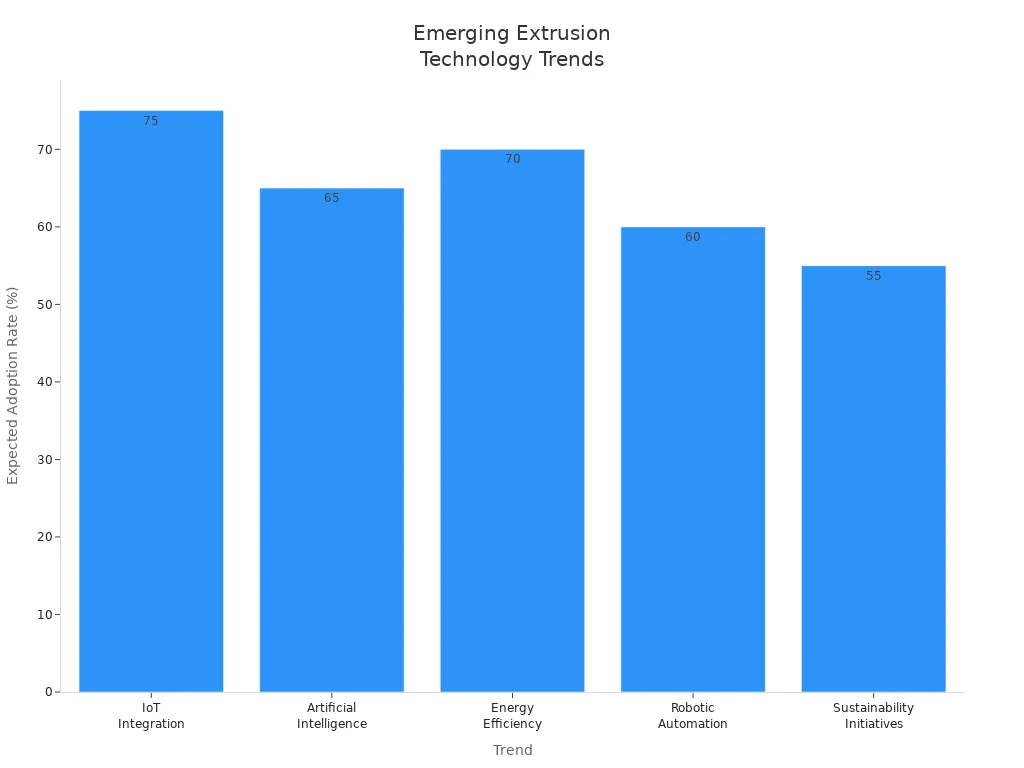
I see rapid changes in extrusion technology shaping the future of manufacturing. IoT integration allows real-time monitoring and analytics, improving efficiency. Artificial intelligence supports predictive maintenance and optimization, which boosts performance. Energy efficiency is a growing focus, with manufacturers seeking ways to reduce consumption in the extrusion process. Robotic automation streamlines material handling and quality control. Sustainability initiatives drive the use of recycled materials and eco-friendly processes.
| Tendence | Apraksts | Ietekme uz efektivitāti | Expected Adoption Rate (%) |
|---|---|---|---|
| IoT Integration | Real-time monitoring and analytics | Augsts | 75% |
| Artificial Intelligence | Predictive maintenance and optimization | Ļoti augsts | 65% |
| Energoefektivitāte | Reducing energy consumption | Vidēja | 70% |
| Robotic Automation | Material handling and quality control | Augsts | 60% |
| Ilgtspējības iniciatīvas | Recycled materials and eco-friendly processes | Vidēja | 55% |
I notice advancements in material compatibility, especially with bioplastics, are transforming the extrusion industry. Many manufacturers now prioritize flexibility in equipment design, with modular systems allowing easy upgrades and modifications. Sustainability is essential, with most manufacturers focusing on energy-efficient equipment and waste reduction strategies. Viedās ekstrūzijas mašīnas samazināt dīkstāves laiku par 20%, kas uzlabo vispārējo efektivitāti un kvalitātes kontroli. Es vienmēr esmu informēts par šīm tendencēm, lai saglabātu augstu veiktspēju un atbalstītu jaunas plastmasas ekstrūzijas lietojumprogrammas.
Padoms: Es iesaku regulāri pārskatīt ražošanas ekstrūderu iekārtu pārskatu. Saglabājot informāciju par jauniem ekstrūzijas iekārtu veidiem un skrūvju konstrukcijām, es varu pielāgoties mainīgajām ražošanas vajadzībām un saglabāt mērogojamību.
Es apzinos, ka katra ekstrūzijas sistēma piedāvā unikālas priekšrocības un ierobežojumus. Mana pieredze liecina, ka vienas skrūves ekstrūderi ir izcili liela apjoma ražošanā, savukārt divu skrūvju sistēmas nodrošina izcilu sajaukšanu un elastību. Ram un koekstrūzijas mašīnas atbalsta īpašus lietojumus. Vērtēšanai vienmēr izmantoju salīdzināšanas tabulas un atlases kritērijus:
- Technical capabilities and long-term reliability
- Customer service and design assistance
- Quality standards and energy efficiency
I recommend manufacturers understand their application needs and consult extrusion experts for optimal results.
FAQ
What is the main difference between single-screw and twin-screw extruders?
I see that single-screw extruders use one rotating screw for basic mixing. Twin-screw extruders use two screws for advanced mixing and better control. I choose twin-screw systems for complex materials and higher flexibility.
How do I decide which extrusion system fits my application?
I start by reviewing my material type, ražošanas apjoms, and product complexity. I match these needs to the strengths of each system. I consult with experts if I face unique requirements.
Can I process recycled materials with extrusion systems?
I process recycled materials using twin-screw extruders. These machines handle variable feedstocks and additives better than single-screw systems. I monitor quality closely to ensure consistent results.
How often should I perform maintenance on my extruder?
I schedule routine inspections every month. I check for screw wear, barrel condition, and control system performance. Regular maintenance prevents downtime and extends equipment life.
What are the most common extrusion defects I encounter?
I often see surface roughness, izmēru novirze, and melt fractures. I address these by adjusting temperature, skrūves ātrums, and material feed. I use process monitoring to catch issues early.
Is co-extrusion suitable for all materials?
I use co-extrusion mainly for thermoplastics. Some materials may not bond well in multi-layer profiles. I test material compatibility before starting production.
How does automation improve extrusion quality?
I rely on automation for real-time monitoring and precise control. Automated systems reduce human error, maintain consistent output, and improve overall product quality.
What safety measures do I follow during extrusion?
I wear protective gear and follow lockout procedures. I keep the work area clean and check emergency stops regularly. I train my team on safe operation and emergency response.