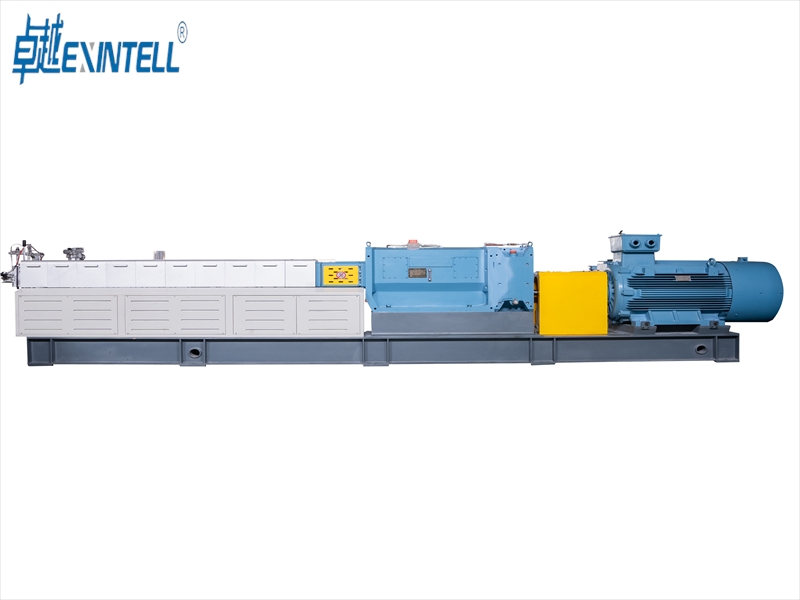
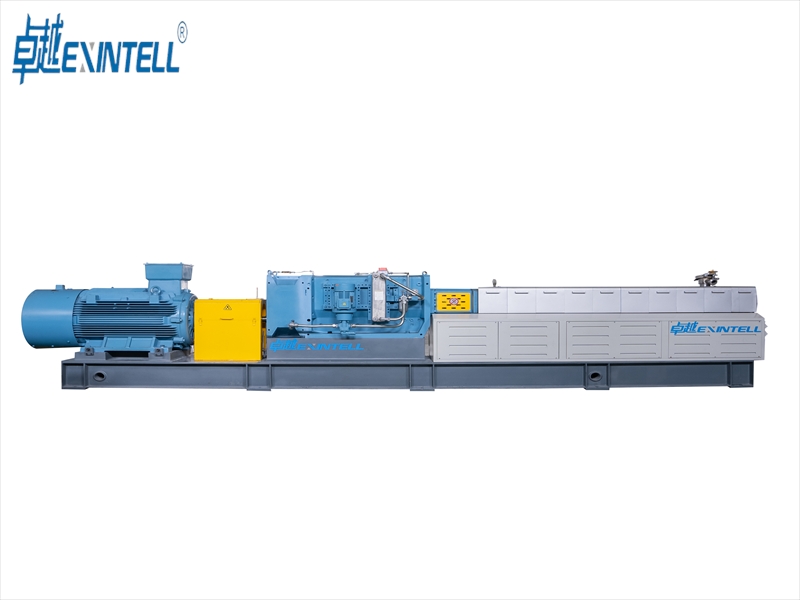
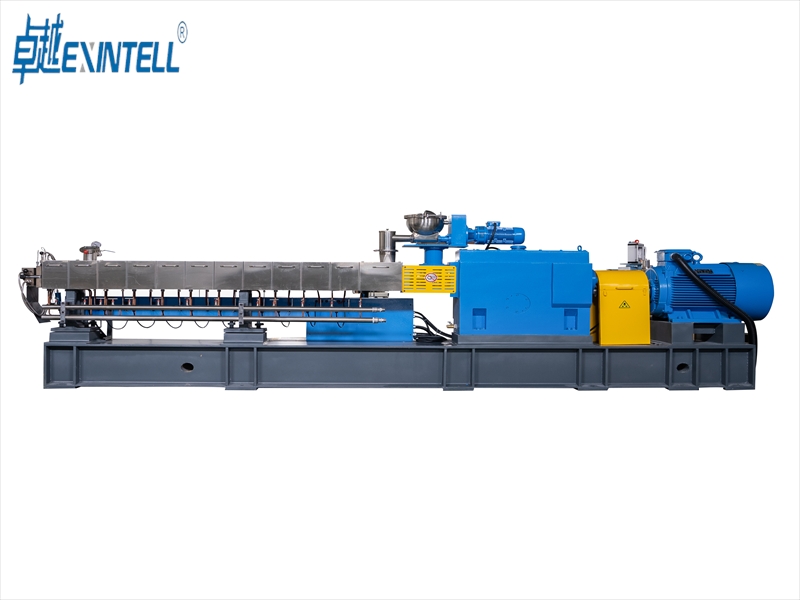
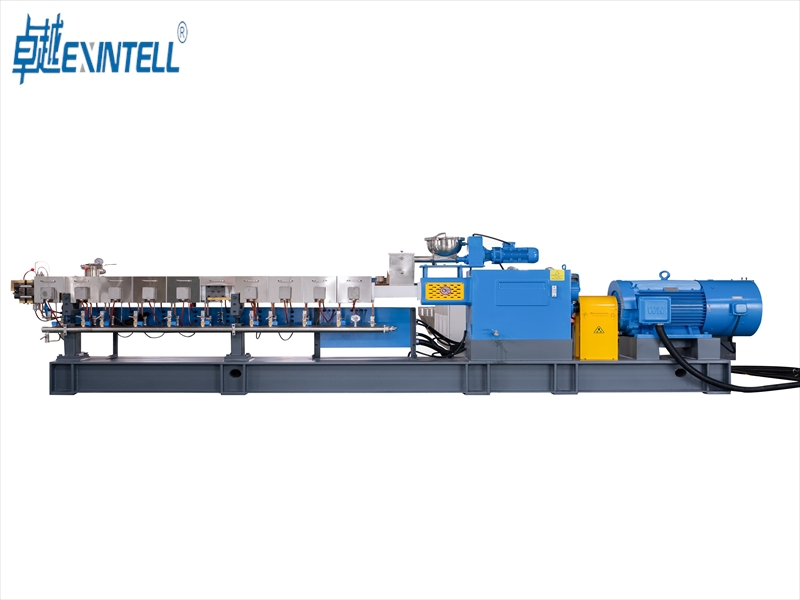
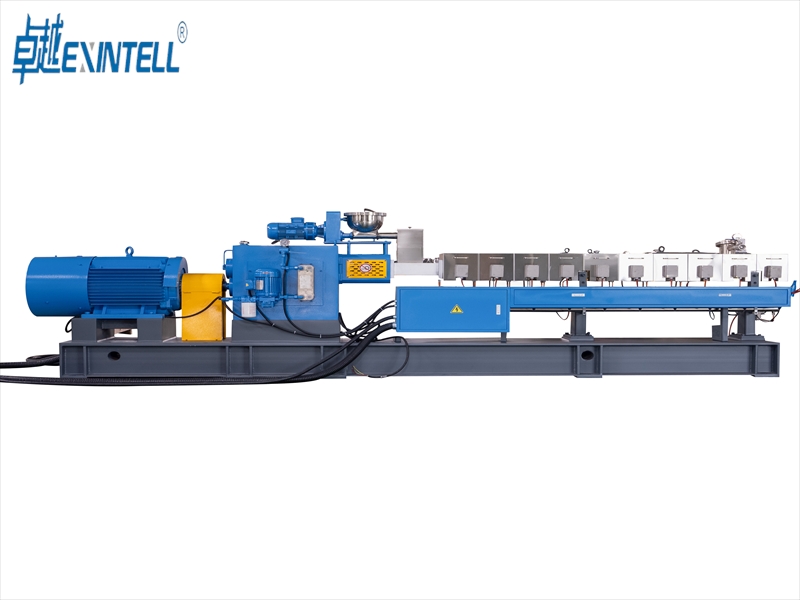
Kad lietojat a granulēšanas ekstrūderis, jūs maināt izejvielu granulās, veicot skaidras darbības. Jūs ievietojat materiālu ekstruderī. Mašīna izkausē un sajauc to. Tad, tas izspiež materiālu caur veidni, lai izgatavotu granulas. Katrs solis ir svarīgs, lai izveidotu spēcīgas un vienmērīgas granulas. Ja zināt, kā darbojas granulēšana, jūs varat uzlabot savu ekstrūderi un ātrāk novērst problēmas.
Pārbaudiet materiāla īpašības, lai granulēšanas process vislabāk darbotos dažādām plastmasām.
Kas ir granulēšanas ekstrūderis
Galvenā funkcija
A granulēšanas ekstrūderis pārvērš neapstrādātu plastmasu vai polimēru mazās granulās. Iekārta ļauj kontrolēt katras granulas lielumu un apaļumu. Ražotāji izmanto granulu ekstrūderi ražot produktus, kas atbilst stingriem noteikumiem. Jūs varat mainīt atkritumu gabalus vai jaunus sveķus pret granulām, kas labi plūst un darbojas citās iekārtās.
Granulēšanas ekstrūderi ir svarīgi plastmasas un polimēru ražošanā. Tie palīdz strādāt ātrāk, mazāk atkritumu, un iegūt stabilus rezultātus.
Šeit ir tabula, kas parāda, kas a granulēšanas ekstrūderis dara:
Veido izkausētu plastmasu, kontrolē granulu biezumu un spiedienu
Dzesēšanas sistēma
Padara granulas cietas, neļauj tiem mainīt formu
Rotējošu nažu sistēma
Atdzesētas granulas sagriež vienāda izmēra un formas
Varat mainīt šo daļu dizainu atbilstoši savām vajadzībām. Automatizācijas sistēmas palīdz kontrolēt siltumu un brīdina par problēmām. Dzesēšanas un žāvēšanas sistēmas saglabā granulas stipras un aizsargā to kvalitāti.
Granulēšanas ekstrūdera process
Granulēšanas ekstrūderis darbojas pakāpeniski. Katrs solis maina izejmateriālu granulās, kas izskatās vienādi. Lai iegūtu, jums jāzina katrs posms labas granulas.
Materiālu barošana
Pirmkārt, jūs ievietojat izejmateriālu ekstruderī. Tvertne satur materiālu. Šis materiāls var būt plastmasas pārslas, granulas, vai pulveri. Daži izplatīti materiāli ir polietilēns, polipropilēns, ABS, neilons, un PLA. Varat izmantot īpašus padevējus, lai kontrolētu, cik daudz materiāla tiek ievadīts. Dažkārt, vispirms jums ir jāizžāvē materiāls. Žāvēšana ir svarīga plastmasām, kas uzņem ūdeni. Žāvēšana novērš burbuļu veidošanos un citas problēmas granulās.
Padeves sistēma kontrolē, cik daudz materiāla nonāk iekšā. Ja katru reizi barojat vienādu daudzumu, granulas ir labākas. Svarīgs ir arī gabalu izmērs un to mitrums. Mazie gabaliņi un pareizais ūdens daudzums palīdz veidot spēcīgas granulas.
Kušana un homogenizācija
Tālāk, skrūve virza materiālu uz priekšu. Muca sakarst un izkausē plastmasu. Šeit svarīga ir skrūves forma. Dažas skrūves labāk sajauc materiālu un saglabā vienmērīgu siltumu. Sajaukšana palīdz sajaukt tādas lietas kā krāsa vai stabilizatori.
Katrai plastmasai ir jāiestata pareizais siltums. Piemēram, polipropilēns kūst no 200°C līdz 260°C. ABS kūst no 210°C līdz 250°C. Zemāk esošajā tabulā parādītas dažādu plastmasu kušanas temperatūras:
Plastmasas polimērs
Praktisks kausējuma temperatūras diapazons (°C)
ABS (Akrilnitrila butadiēna stirols)
210 – 250
Polikarbonāts (PC)
280 – 320
Polipropilēns (PP)
200 – 260
Neilons 66 (PA66)
280 – 310
Polietilēns (HDPE)
210 – 260
Polioksimetilēns (POM)
190 – 220
Laba kausēšana un sajaukšana padara izkusušo plastmasu gludu. Šis solis noņem gaisa burbuļus un sajauc visu kopā. Tagad izkususī plastmasa ir gatava nākamajam solim.
Ekstrūzija caur diegu
Izkususī plastmasa pārvietojas uz presēšanas sistēmu. Matrica veido plastmasu pavedienos vai citās formās. Matrica darbojas kā veidne. Tas kontrolē granulu izmēru un formu. Svarīga ir matricas forma. Tas nosaka, cik biezas un platas ir granulas. Laba matrica dod jums granulas, kas izskatās vienādi.
Spiediens un ātrums šeit maina to, cik labas ir granulas. Lai iegūtu labākās granulas, tās ir jāsaglabā vienmērīgi.
Dzesēšanas sistēma
Pēc kauliņa atstāšanas, plastmasa joprojām ir karsta un mīksta. Dzesēšanas sistēma padara granulas cietas un saglabā to formu. Daudz tiek izmantota ūdens dzesēšana, jo tā atdziest ātri un vienmērīgi. Dažas mašīnas izmanto gaisa dzesēšanu plastmasām, kas kūst zemākā siltumā. Zemūdens griešana nekavējoties atdzesē granulas. Tas ir piemērots plastmasām, kas viegli kūst.
Dzesēšanas metode
Apraksts
Piemēroti polimēri
Ūdens dzesēšana
Izmanto ūdeni, lai ātri atdzesētu granulas un saglabātu tās labā stāvoklī.
Daudzas plastmasas, kurām nepieciešama vienmērīga dzesēšana.
Gaisa dzesēšana
Ne tik ātri, izmanto plastmasām, kas kūst zemā siltumā.
Plastmasas ar zemu kušanas indeksu.
Zemūdens griešana
Sagriež un nekavējoties atdzesē granulas ūdenī.
PP neausts audums, kausējuma pūšanas audumi.
Dzesēšanai jābūt vienmērīgai. Ja atdzesējat pārāk ātri vai pārāk lēni, granulas var salūzt vai mainīt formu. Laba dzesēšana nodrošina, ka granulas ir spēcīgas un izskatās pareizi.
Griešana granulās
Kad granulas ir atdzisušas, viņi iet uz kuteri. Rotējošais nazis sagriež šķipsnas granulās. Asmeņa ātrums un veids maina granulu garumu un biezumu. Vairāk asmeņu vai ātrāka griešana padara granulas īsākas. Kur jūs ievietojat griezēju, arī ir svarīgi. Ja tas ir pārāk tuvu matricai, tas ātri nolietojas. Ja tas ir pārāk tālu, granulas nav vienmērīgas.
Granulas var griezt dažādos veidos:
Šķiedru granulēšana: Sagriež pēc atdzesēšanas ūdenī.
Karstā granulēšana: Izgrieziet tieši pie stangas sejas.
Zemūdens granulēšana: Ātrai atdzesēšanai sagriež ūdenī.
Katrs veids vislabāk darbojas noteiktām plastmasām un darbiem.
Savākšana un kvalitātes kontrole
Jūs savācat gatavās granulas beigās. Dažkārt, jums tie ir jāizžāvē, lai noņemtu ūdeni. Šeit jūs varat pārbaudīt granulu izmēru, forma, un tīrību. Jūs pārbaudāt granulas un noņemiet visas sliktās. Daži uzņēmumi izmanto īpašus testus plastmasām, kurām jābūt ļoti tīrām.
Lai pārliecinātos, ka granulas ir labas, jums jāievēro pasaules noteikumi. Labas pārbaudes nozīmē, ka jūsu granulas labi darbosies citās iekārtās.
Padoms: Bieži pārbaudiet granulas, kad tās savācat. Tas palīdz laikus atrast problēmas un nodrošina labu mašīnas darbību.
Ja sekojat katrai darbībai, jūs pārvēršat izejvielu labās granulās. Katrs posms ir svarīgs gala produkta izgatavošanai.
Faktori, kas ietekmē granulēšanu
Kad izmantojat granulēšanas ekstrūderi, jums ir jākontrolē dažas lietas. Šīs lietas palīdz iegūt spēcīgas un vienmērīgas granulas. Jums jāuzrauga temperatūra, skrūves ātrums, un jūsu materiāla īpašības. Katrs no tiem var mainīt jūsu granulu izskatu. Tie ietekmē arī to, cik labi jūsu iekārta darbojas.
Temperatūras kontrole
Jums visu laiku jākontrolē temperatūra. Pareiza temperatūra palīdz granulām labi salipt. Kad temperatūra ir tuvu īpašam punktam, ko sauc T*, laikam ir nozīme. Šis laiks maina to, cik izturīgas ir jūsu granulas. Ja pāriesit virs T*, granulas pielīp ātrāk, bet kļūst vājākas. Laba temperatūras kontrole ļauj granulām kalpot ilgāk un neplīst. Tas arī saglabā jūsu granulas labā stāvoklī un aptur atkritumus.
Padoms: Izmantojiet sensorus, lai bieži pārbaudītu temperatūru. Tas palīdz ātri novērst problēmas.
Skrūves ātrums
Skrūves ātrums maina granulu izgatavošanas ātrumu. Ja skrūve griežas pārāk ātri, granulas var neizskatīties vienmērīgi. Viņi var arī iegūt gaisa burbuļus. Ja skrūve ir pārāk lēna, jūs ražojat mazāk granulu. Jums ir jāatrod vislabākais ātrums jūsu materiālam un mašīnai. Izmēģiniet dažādus ātrumus un bieži apskatiet savas granulas. Tas palīdz saglabāt granulu kvalitāti nemainīgu un novērst problēmas.
Materiālu īpašības
Svarīgs ir arī izmantotā materiāla veids. Jums vajadzētu padomāt par mitrumu un viskozitāti. Lūk, kā šīs lietas maina jūsu granulas:
Vairāk ūdens padara granulas mitrākas un stiprākas, bet tie izskatās tumšāki.
Mazāki gabali padara materiālu biezāku un grūtāk stumjamu.
Jūs varat mainīt savu ekstrūderi dažādiem materiāliem. Piemēram, jūs varat izmantot īpašu formu. Tālāk esošajā tabulā parādīts, kā jūs varat mainīt procesu:
Izmantojiet datoru modeļus, lai izstrādātu veidnes cietām formām.
Varat arī izmantot koektrūzijas sistēmas. Tie ļauj sajaukt materiālus un izgatavot slāņveida granulas īpašām vajadzībām.
Ja jūs kontrolējat šīs lietas, jūs izgatavojat labākas granulas. Jūs arī nodrošināsiet labu granulēšanas procesa darbību.
Granulu ekstrūdera problēmu novēršana
Biežākās granulu kvalitātes problēmas
Dažkārt, jūs redzat problēmas ar granulām. Šīs problēmas var mainīt granulu izskatu vai darbību. Šeit ir dažas problēmas, kuras jūs varētu atrast:
Ja granulas kļūst pārāk karstas vai ūdens ir pārāk zems, rodas aglomerācija vai lieli sakritumi.
Ja plīst atveres gali vai nazis nekustas pareizi, parādās smalkas smalkas vietas un eņģeļu mati.
Dvīņi, trīnīši, un ķēdes veidojas, ja nazis ir pārāk ātrs vai produkts ir pārāk karsts.
Suņu kauli un hanteles parādās, ja asmeņi ir nolietojušies vai materiāls nav pietiekami biezs.
Astes veidojas, ja atstarpe starp nazi un matricu ir pārāk liela vai matrica nav plakana.
Gari un elkoņi rodas, ja nazis ir pārāk lēns vai ekstrūzijas ātrums ir augsts.
Ja polimērā ir ūdens vai tas pārāk ātri atdziest, var parādīties iekšējie tukšumi un popkorns.
Ja produkts saraujas pārāk ātri vai ir trausls, parādās bedrītes un putekļi.
Virsmas vai kausējuma lūzums un atkritumi vai skaidas rodas, ja ekstrūzijas ātrums ir augsts vai nazis netiek bieži regulēts.
Granulas, kas neizskatās vienādi, var rasties temperatūras izmaiņu vai nevienmērīgas formas sildīšanas dēļ.
Varat izmantot tādus rīkus kā Išikavas zivju kaula diagramma vai 5 Kāpēc tehnika, lai noskaidrotu, kas ir nepareizi. Šie rīki palīdz uzskaitīt cēloņus un padziļināti izpētīt problēmu.
Mehāniskās un procesa problēmas
Mehāniskas un procesa problēmas var arī kaitēt granulēšanai. Jūs varat redzēt nevienmērīgu izvadi, zema ražošana, vai sliktas granulas. Šeit ir dažas problēmas un veidi, kā tās novērst:
Ja granulu izmērs un forma nav pareiza, mainiet presēšanas temperatūru, turiet asmeņus asus, un pārbaudiet asmeņu atstarpi.
Ja redzat mazāk izvades vai iestrēgumu, meklējiet aizsprostotas formas caurumus un pārliecinieties, ka materiāls labi kustas tvertnē.
Ja ekstrūderis vai motors kļūst pārāk karsts, pārbaudiet dzesēšanas sistēmu un meklējiet berzi vai motoru, kas nedarbojas pārāk smagi.
Ja granulas nav labas, pārbaudiet temperatūru, apstrādājiet materiālus uzmanīgi, un sausi materiāli, kas uzņem ūdeni.
Jums vajadzētu arī pārbaudīt skrūvju nodilumu, dīvainas skaņas, un kratot. Šīs pazīmes var nozīmēt, ka daļas ir nodilušas vai materiālā ir kaut kas tāds, kam nevajadzētu būt. Pārbaudot un labojot lietas, bieži vien granulēšana kļūst gluda un granulas paliek nemainīgas.
Padoms: Pierakstiet problēmas un to, kā tās novērst. Tas palīdz jums redzēt modeļus un nākamreiz labot lietas ātrāk.
Jūs varat uzzināt katru granulēšanas ekstrūdera procesa posmu. Temperatūras un dzesēšanas kontrole palīdz padarīt stiprāku, viendabīgas granulas. Iekārtas darbības uzlabošana samazina atkritumu daudzumu un ietaupa naudu. Kad granulas plūst vienmērīgi, ievārījumu iespējamība ir mazāka, un darbs paliek stabils. Pareiza kausēšana un sajaukšana rada augstiem standartiem atbilstošas granulas. Tas arī palīdz samazināt materiālu zudumus un paātrina ražošanu. Neatkarīgi no tā, vai esat jauns vai pieredzējis, turpiniet vingrināties, lai katru reizi pagatavotu labākās granulas.
Vienmērīga kausēšana un sajaukšana rada konsekventas granulas.
Granulēšana ietaupa materiālu un palielina efektivitāti.
FAQ
Kādus materiālus var izmantot granulēšanas ekstrūderī?
Jūs varat izmantot daudzu veidu plastmasa. Daži piemēri ir polietilēns, polipropilēns, ABS, neilons, un PLA. Dažās iekārtās var izmantot arī pārstrādātu plastmasu vai maisījumus. Vienmēr pārliecinieties, ka jūsu ekstrūderis darbojas ar jūsu materiālu.
Kā nodrošināt, lai granulas nesaliptu kopā?
Izžāvējiet materiālu, pirms to ievietojat. Izvēlieties savai plastmasai labāko dzesēšanas metodi. Saglabājiet nemainīgu temperatūru. Šīs darbības palīdz jums iegūt spēcīgas granulas, kas nelīp.
Kāpēc granulām dažreiz ir nevienmērīga forma?
Granulas var izskatīties nevienmērīgi, ja ir problēmas ar presformu vai griezēju. Pārbaudiet, vai asmeņi nav nolietojušies, vai nav aizsprostotas formas caurumi. To var izraisīt arī nepareizs skrūves ātrums. Labojiet šīs lietas, lai granulas būtu vienmērīgas.
Cik bieži jātīra granulēšanas ekstrūderis?
Iztīriet ekstrūderi pēc katras granulu izgatavošanas pabeigšanas.
Izņemiet atlikušo materiālu un meklējiet, vai nav uzkrāšanās.
Tīrīšana bieži nodrošina labu granulu darbību un mašīnas darbību.