

Strand ຫຼື Underwater Pelletizing System ທີ່ເຫມາະສົມສໍາລັບສາຍພາດສະຕິກຂອງທ່ານ
ຂ້ອຍມັກຈະເຫັນຜູ້ຜະລິດພາດສະຕິກຖາມວ່າລະບົບເມັດໃດ ເໝາະ ສົມທີ່ສຸດກັບສາຍຂອງພວກເຂົາ. ໃນເວລາທີ່ຂ້າພະເຈົ້າປຽບທຽບ strand ແລະ pelletizing underwater, ຂ້ອຍສັງເກດເຫັນຄວາມແຕກຕ່າງທີ່ຊັດເຈນໃນຄຸນນະພາບຂອງເມັດແລະຄ່າໃຊ້ຈ່າຍ. ລອງເບິ່ງ ຕາຕະລາງນີ້:
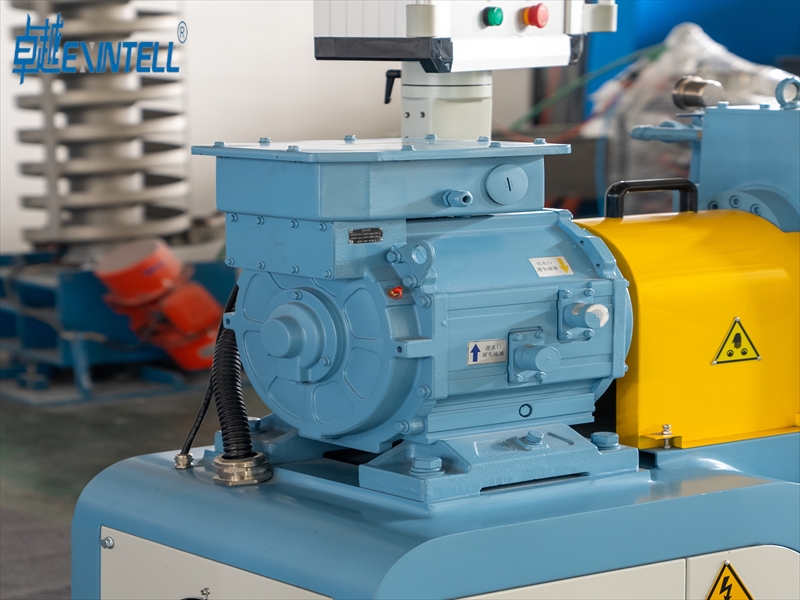
|
ຄຸນສົມບັດ |
Strand Pelletizing |
Underwater Pelletizing (UWP) |
|---|---|---|
|
ຄຸນະພາບເມັດ |
ດີກັບທີ່ດີເລີດ, ທ່າແຮງສໍາລັບການປັບໃໝ |
ດີເລີດກັບ Premium, ເປັນເອກະພາບສູງ |
|
ຄ່າໃຊ້ຈ່າຍເບື້ອງຕົ້ນ |
ຕ່ໍາກວ່າ |
ສູງກວ່າ |
|
ເຫມາະສໍາລັບ |
ຈຸດປະສົງທົ່ວໄປ, ການດໍາເນີນງານທີ່ລະອຽດອ່ອນຄ່າໃຊ້ຈ່າຍ |
ຄໍາຮ້ອງສະຫມັກລະດັບສູງ, ຄວາມສອດຄ່ອງທີ່ສົມບູນແບບ |
ຂ້າພະເຈົ້າແນະນໍາໃຫ້ strand pelletizing ສໍາລັບການດໍາເນີນງານຄ່າໃຊ້ຈ່າຍທີ່ລະອຽດອ່ອນ. ຂ້າພະເຈົ້າເລືອກເອົາລະບົບການ Pelletizing ພາຍໃຕ້ນ້ໍາໃນເວລາທີ່ຂ້າພະເຈົ້າຕ້ອງການທີ່ນິຍົມ, pellets ເອກະພາບສູງສໍາລັບຄໍາຮ້ອງສະຫມັກທີ່ຕ້ອງການ.
Key Takeaways
-
Strand pelletizing ແມ່ນເຫມາະສົມສໍາລັບການດໍາເນີນງານທີ່ລະອຽດອ່ອນຄ່າໃຊ້ຈ່າຍ, ສະເຫນີຄ່າໃຊ້ຈ່າຍເບື້ອງຕົ້ນຕ່ໍາແລະການຕິດຕັ້ງທີ່ງ່າຍດາຍກວ່າ.
-
pelletizing ໃຕ້ນ້ໍາສະຫນອງຄຸນນະພາບເມັດທີ່ນິຍົມ, ການຜະລິດເມັດທີ່ມີຄວາມເປັນເອກະພາບສູງທີ່ເຫມາະສົມສໍາລັບຄໍາຮ້ອງສະຫມັກທີ່ຕ້ອງການ.
-
ພິຈາລະນາປະເພດຂອງໂພລີເມີໃນເວລາທີ່ເລືອກລະບົບ; strand ເຮັດວຽກທີ່ດີທີ່ສຸດສໍາລັບວັດສະດຸແຂງ, ໃນຂະນະທີ່ underwater excels ກັບ polymers ສະລັບສັບຊ້ອນຫຼືຄວາມອ່ອນໄຫວຕໍ່ກັບຄວາມຮ້ອນ.
-
ປະເມີນຄວາມຕ້ອງການປະລິມານການຜະລິດ; strand pelletizing ເຫມາະສົມກັບແລ່ນຂະຫນາດນ້ອຍຫາຂະຫນາດກາງ, ໃນຂະນະທີ່ລະບົບໃຕ້ນ້ໍາສະຫນັບສະຫນູນການດໍາເນີນງານທີ່ມີປະລິມານສູງຢ່າງມີປະສິດທິພາບ.
-
ການບໍາລຸງຮັກສາເປັນປົກກະຕິແມ່ນສໍາຄັນ; ລະບົບ strand ຕ້ອງການທັກສະພື້ນຖານ, ໃນຂະນະທີ່ລະບົບໃຕ້ນ້ໍາຕ້ອງການຄວາມຮູ້ດ້ານວິຊາການຂັ້ນສູງສໍາລັບການດູແລ.
-
ຄວາມຕ້ອງການພື້ນທີ່ແຕກຕ່າງກັນ; ລະບົບ strand ແມ່ນຫນາແຫນ້ນ, ໃນຂະນະທີ່ລະບົບໃຕ້ນ້ໍາຕ້ອງການພື້ນທີ່ຫຼາຍສໍາລັບອຸປະກອນແລະການບໍາລຸງຮັກສາ.
-
ສະເຫມີປະເມີນຄ່າໃຊ້ຈ່າຍທັງຫມົດ, ລວມທັງການລົງທຶນເບື້ອງຕົ້ນ, ຄ່າໃຊ້ຈ່າຍໃນການດໍາເນີນງານ, ແລະການບໍາລຸງຮັກສາ, ເພື່ອຊອກຫາທີ່ເຫມາະສົມທີ່ສຸດສໍາລັບງົບປະມານຂອງທ່ານ.
-
ປຶກສາຫາລືກັບຜູ້ຊ່ຽວຊານ ໃນເວລາທີ່ປະເຊີນກັບການຕັດສິນໃຈທີ່ສັບສົນຫຼືວັດສະດຸໃຫມ່ເພື່ອຮັບປະກັນວ່າທ່ານເລືອກລະບົບ pelletizing ທີ່ເຫມາະສົມສໍາລັບຄວາມຕ້ອງການຂອງທ່ານ.
ພາບລວມຂອງລະບົບ Pelletizing
Strand Pelletizing ແມ່ນຫຍັງ
ຂ້ອຍມັກຈະໃຊ້ strand pelletizing ເມື່ອຂ້ອຍຕ້ອງການກົງໄປກົງມາ ຂະບວນການ pelletizing. ໃນວິທີການນີ້, ຂ້າພະເຈົ້າ extrude polymer molten ຜ່ານແຜ່ນຕາຍເພື່ອເປັນສາຍຍາວ. ຂ້າພະເຈົ້ານໍາພາ strands ເຫຼົ່ານີ້ໃນໄລຍະ trough ເຮັດໃຫ້ຄວາມເຢັນ, ປົກກະຕິແລ້ວເຕັມໄປດ້ວຍນ້ໍາ, ເພື່ອເຮັດໃຫ້ເຂົາເຈົ້າແຂງ. ຫຼັງຈາກເຢັນ, ຂ້າພະເຈົ້າຕາກໃຫ້ແຫ້ງ strands ແລະໃຫ້ອາຫານໃຫ້ເຂົາເຈົ້າເຂົ້າໄປໃນເຄື່ອງຕັດ. ເຄື່ອງຕັດຕັດເສັ້ນຜົມເປັນເມັດທີ່ເປັນເອກະພາບ. ຂ້າພະເຈົ້າເຫັນວ່າຂະບວນການ pelletizing ນີ້ເຮັດວຽກໄດ້ດີສໍາລັບພາດສະຕິກຈຸດປະສົງທົ່ວໄປຈໍານວນຫຼາຍ. ລະບົບ strand pelletizing ສະຫນອງການຕິດຕັ້ງງ່າຍດາຍແລະອະນຸຍາດໃຫ້ຂ້າພະເຈົ້າປັບຄວາມຍາວ pellet ໄດ້ຢ່າງງ່າຍດາຍ. ຂ້ອຍສາມາດປ່ຽນເປັນວັດສະດຸຫຼືສີທີ່ແຕກຕ່າງກັນຢ່າງໄວວາ, ເຊິ່ງຊ່ວຍໃນເວລາທີ່ຂ້ອຍແລ່ນຊຸດນ້ອຍລົງ.
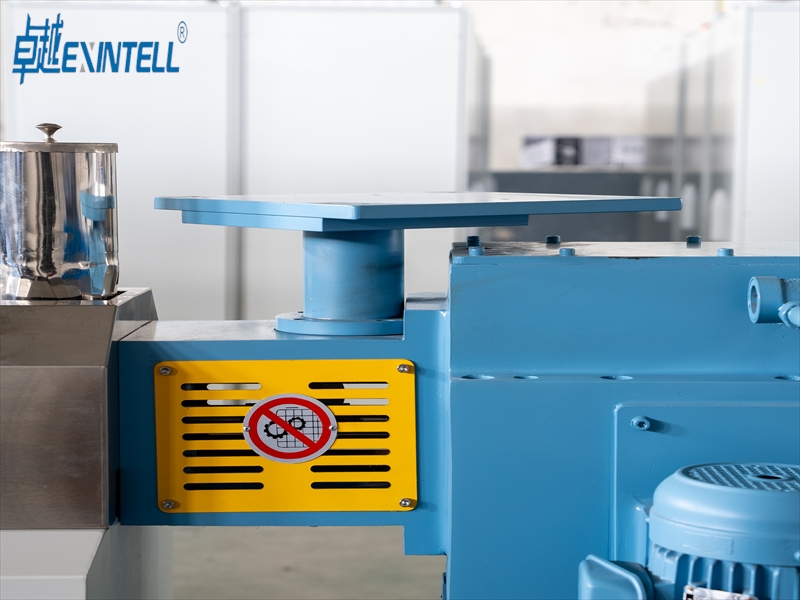
Underwater Pelletizing ແມ່ນຫຍັງ
ໃນເວລາທີ່ຂ້າພະເຈົ້າຕ້ອງການ pellets ເປັນເອກະພາບສູງ, ຂ້ອຍຫັນໄປຫາລະບົບ pelletizing underwater. ໃນຂະບວນການ pelletizing ນີ້, ຂ້າພະເຈົ້າ extrude polymer molten ໂດຍກົງເຂົ້າໄປໃນຫ້ອງນ້ໍາ. ມີດໝູນວຽນຕັດໂພລີເມີຢູ່ທີ່ໜ້າຕາຍ ໃນຂະນະທີ່ມັນຍັງຮ້ອນຢູ່. ນ້ໍາເຢັນທັນທີແລະແຂງກະດ້າງເມັດ. ຫຼັງຈາກນັ້ນ, ຂ້າພະເຈົ້າແຍກເມັດອອກຈາກນ້ໍາໂດຍໃຊ້ເຄື່ອງເປົ່າ centrifugal. ຂະບວນການ pelletizing ນີ້ຜະລິດກ້ຽງ, ເມັດມົນທີ່ມີຂີ້ຝຸ່ນຫຼືການປັບໄຫມຫນ້ອຍທີ່ສຸດ. ຂ້າພະເຈົ້າອີງໃສ່ການ pelletizing ໃຕ້ນ້ໍາສໍາລັບຄໍາຮ້ອງສະຫມັກທີ່ຕ້ອງການ, ເຊັ່ນ: ສານປະກອບທາງການແພດ ຫຼືລົດຍົນ, ບ່ອນທີ່ຄວາມສອດຄ່ອງຂອງເມັດແມ່ນສໍາຄັນທີ່ສຸດ. ລະບົບ pelletizing ໃຕ້ນ້ໍາຈັດການລະດັບຄວາມກ້ວາງຂອງໂພລີເມີ, ລວມທັງວັດສະດຸໜຽວ ຫຼື ໜຽວທີ່ຕິດເມັດເມັດບໍ່ສາມາດປະມວນຜົນໄດ້ຢ່າງມີປະສິດທິພາບ.
ຄວາມແຕກຕ່າງທີ່ ສຳ ຄັນ
ຂ້ອຍເຫັນຄວາມແຕກຕ່າງທີ່ ສຳ ຄັນຫຼາຍລະຫວ່າງສອງວິທີການ pelletizing ນີ້. ລະບົບ strand pelletizing ໃຊ້ trough ຄວາມເຢັນແລະຮຽກຮ້ອງໃຫ້ມີການຈັດການຄູ່ມືຂອງ strands ກ່ອນທີ່ຈະຕັດ. ລະບົບ pelletizing ໃຕ້ນ້ໍາປະສົມປະສານການຕັດແລະການເຮັດຄວາມເຢັນໃນຂັ້ນຕອນດຽວ, ເຊິ່ງຫຼຸດຜ່ອນການແຊກແຊງດ້ວຍມື. ຂ້າພະເຈົ້າສັງເກດເຫັນວ່າ pelletizing underwater ສະຫນັບສະຫນູນ throughput ສູງຂຶ້ນແລະເຮັດວຽກທີ່ດີກວ່າສໍາລັບວັດສະດຸສະລັບສັບຊ້ອນ. ຄວາມກ້າວໜ້າທາງເທັກໂນໂລຍີທີ່ຜ່ານມາໄດ້ເຮັດໃຫ້ການຍ່ອຍສະຫຼາຍໃຕ້ນ້ຳມີຄວາມດຶງດູດໃຈຫຼາຍຂຶ້ນ. ຕົວຢ່າງ, ໄດ້ ການຊຸກຍູ້ໃຫ້ທົ່ວໂລກເພື່ອຄວາມຍືນຍົງ ຊຸກຍູ້ໃຫ້ຂ້ອຍເລືອກລະບົບທີ່ຮອງຮັບການລີໄຊເຄີນ. Underwater pelletizing ໃຫ້ ປະສິດທິພາບສູງ, ເຊິ່ງເປັນສິ່ງຈໍາເປັນສໍາລັບການປຸງແຕ່ງນ້ໍາໂພລີເມີທີ່ມີຄວາມຫຼາກຫຼາຍ. ເມື່ອຂ້ອຍເຮັດວຽກກັບວັດສະດຸປະສົມທີ່ສັບສົນ, ຂ້ອຍຕ້ອງການເລຂາຄະນິດເມັດທີ່ຊັດເຈນ, ແລະ pelletizing ໃຕ້ນ້ໍາສະຫນອງສິ່ງນັ້ນ. ກົດລະບຽບດ້ານສິ່ງແວດລ້ອມກໍ່ມີອິດທິພົນຕໍ່ການເລືອກຂອງຂ້ອຍ. pelletizing ໃຕ້ນ້ໍາຫຼຸດຜ່ອນຂີ້ຝຸ່ນແລະລົບລ້າງຫຼາຍບັນຫາທີ່ຂ້າພະເຈົ້າປະເຊີນກັບການ pelletizing strand ພື້ນເມືອງ.
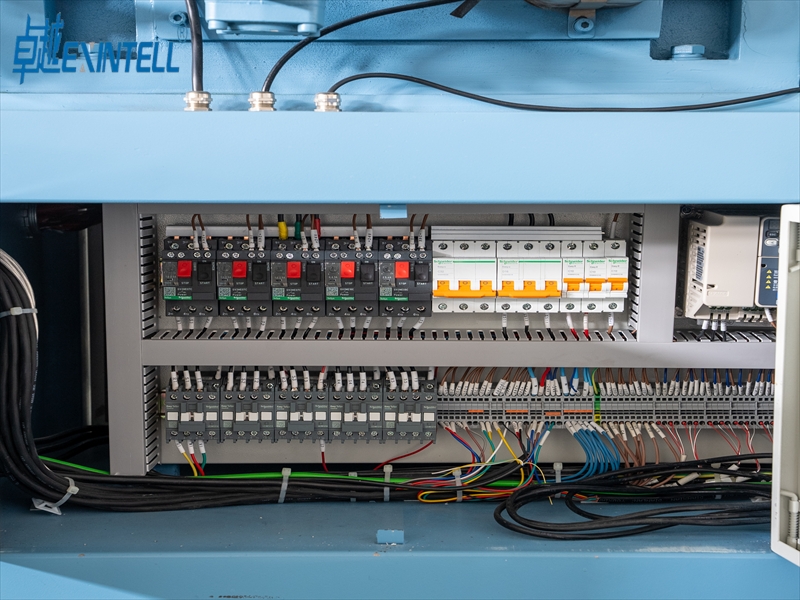
ນີ້ແມ່ນຕາຕະລາງທີ່ສະຫຼຸບວ່າປັດໃຈເຫຼົ່ານີ້ມີຜົນກະທົບຕໍ່ການຕັດສິນໃຈຂອງຂ້ອຍແນວໃດ:
|
ປັດໄຈ |
ລາຍລະອຽດ |
|---|---|
|
ຄວາມຍືນຍົງ |
ການຊຸກຍູ້ເສດຖະກິດໂລກເປັນວົງວຽນເຮັດໃຫ້ການລົງທຶນໃນໂຄງສ້າງພື້ນຖານການລີໄຊເຄີນ, ລະບົບທີ່ໂປດປານທີ່ສະຫນັບສະຫນູນຄວາມຍືນຍົງ. |
|
ປະສິດທິພາບ |
ລະບົບໃຕ້ນ້ໍາສະຫນອງຄວາມສາມາດສົ່ງຜ່ານສູງທີ່ຈໍາເປັນສໍາລັບການປຸງແຕ່ງນ້ໍາໂພລີເມີທີ່ຫຼາກຫຼາຍຊະນິດ. |
|
ຊັບຊ້ອນວັດສະດຸ |
ຄວາມຕ້ອງການວັດສະດຸປະສົມທີ່ຊັບຊ້ອນໃນອຸດສາຫະກໍາເຊັ່ນ: ລົດຍົນ ແລະອຸປະກອນການແພດ ຈໍາເປັນຕ້ອງມີເລຂາຄະນິດ pellet ທີ່ຊັດເຈນທີ່ສາມາດບັນລຸໄດ້ໂດຍຜ່ານການຕັດໃຕ້ນ້ໍາ.. |
|
ກົດລະບຽບສິ່ງແວດລ້ອມ |
ກົດລະບຽບທີ່ເຂັ້ມງວດບັງຄັບໃຫ້ຜູ້ຜະລິດໃຊ້ເຄື່ອງສະອາດ, ວິທີການປະສິດທິພາບຫຼາຍ, ຫຼຸດຜ່ອນຂີ້ຝຸ່ນແລະການກໍາຈັດບັນຫາທີ່ກ່ຽວຂ້ອງກັບລະບົບສາຍພັນແບບດັ້ງເດີມ. |
ເຄັດລັບ: ຖ້າທ່ານດໍາເນີນການລະບົບການລີໄຊເຄີນຂວດສັດລ້ຽງທີ່ມີປະສິດທິພາບສູງ, ທ່ານອາດຈະໄດ້ຮັບຜົນປະໂຫຍດຈາກປະສິດທິພາບແລະຄວາມສອດຄ່ອງຂອງ pelletizing ໃຕ້ນ້ໍາ.
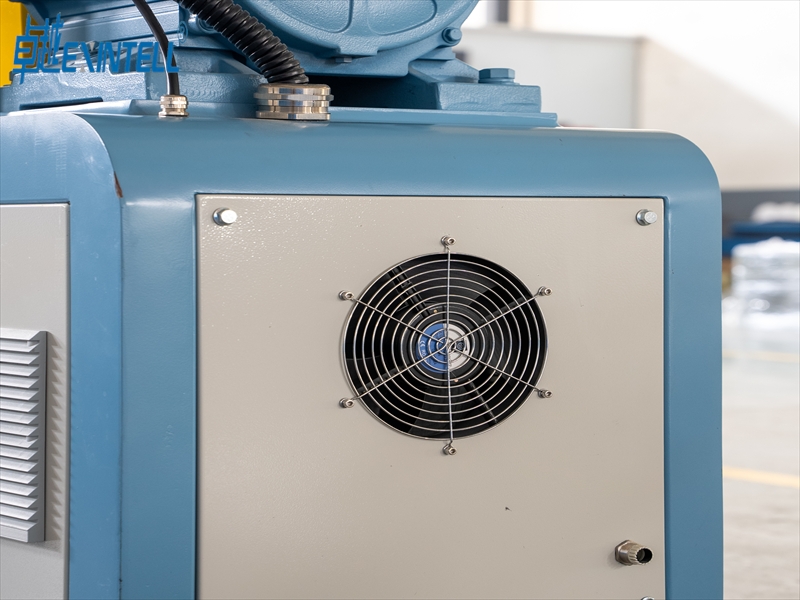
ຂ້ອຍສະເຫມີພິຈາລະນາຄວາມຕ້ອງການສະເພາະຂອງສາຍການຜະລິດຂອງຂ້ອຍກ່ອນທີ່ຈະເລືອກຂະບວນການ pelletizing. Strand pelletizing ສະຫນອງຄວາມງ່າຍດາຍແລະຄ່າໃຊ້ຈ່າຍຕ່ໍາ, ໃນຂະນະທີ່ pelletizing underwater ສະຫນອງຄຸນນະພາບ pellet ທີ່ນິຍົມແລະສະຫນັບສະຫນູນເປົ້າຫມາຍຄວາມຍືນຍົງທີ່ທັນສະໄຫມ.
ຄຸນະພາບ ແລະ ຄວາມສອດຄ່ອງຂອງເມັດ
ຄຸນະພາບຂອງລະບົບ Pelletizing ໃຕ້ນ້ໍາ
ໃນເວລາທີ່ຂ້ອຍຕ້ອງການຄຸນນະພາບເມັດສູງສຸດ, ຂ້ອຍອີງໃສ່ລະບົບ pelletizing ໃຕ້ນ້ໍາ. ລະບົບນີ້ຕັດໂພລີເມີໃນຂະນະທີ່ມັນຍັງອ່ອນໆ, ຫຼັງຈາກນັ້ນເຮັດໃຫ້ເມັດເຢັນໃນນ້ໍາທັນທີ. ຂ້າພະເຈົ້າສັງເກດເຫັນວ່າຂະບວນການນີ້ສ້າງເມັດທີ່ມີຫນ້າກ້ຽງແລະຮູບຮ່າງເກືອບທີ່ດີເລີດເປັນ spherical. ຄວາມເປັນເອກະພາບໂດດເດັ່ນ. ເມັດສ່ວນໃຫຍ່ມີ a ການປ່ຽນແປງຂະຫນາດຫນ້ອຍກ່ວາ ± 5%. ຂ້າພະເຈົ້າເຫັນຄວາມສອດຄ່ອງໃນລະດັບສູງນີ້ທຸກໆຄັ້ງທີ່ຂ້າພະເຈົ້າກວດກາຜະລິດຕະພັນສໍາເລັດຮູບ.
ນີ້ແມ່ນການປຽບທຽບໄວຂອງຮູບຮ່າງຂອງເມັດ ແລະການປ່ຽນແປງຂະໜາດ:
|
ລະບົບ Pelletizing |
ຮູບຮ່າງເມັດ |
ການປ່ຽນແປງຂະຫນາດ |
|---|---|---|
|
ໃຕ້ນ້ຳ |
ກົມ |
< ±5% |
|
Strand |
ຮູບຊົງກະບອກ |
< ± 10-15% |
ລະບົບ pelletizing ໃຕ້ນ້ໍາຜະລິດເມັດທີ່ມີຝຸ່ນຫນ້ອຍທີ່ສຸດ. ຂ້າພະເຈົ້າບໍ່ຄ່ອຍພົບເຫັນການປັບໄຫມໃນຜະລິດຕະພັນສຸດທ້າຍ. ພື້ນຜິວລຽບແລະການຄວບຄຸມຂະຫນາດທີ່ແຫນ້ນຫນາຊ່ວຍໃຫ້ຂ້ອຍບັນລຸ ຄຸນະພາບເມັດທີ່ນິຍົມ, ເຊິ່ງເປັນສິ່ງຈໍາເປັນສໍາລັບຄໍາຮ້ອງສະຫມັກທີ່ຕ້ອງການ. ຂ້ອຍໃຊ້ລະບົບນີ້ເມື່ອຂ້ອຍຕ້ອງປະຕິບັດຕາມມາດຕະຖານທີ່ເຂັ້ມງວດໃນອຸດສາຫະກໍາເຊັ່ນລົດຍົນຫຼືທາງການແພດ.
Strand Pelletizing ຄຸນະພາບລະບົບ
ຂ້ອຍມັກຈະໃຊ້ລະບົບ strand pelletizing ສໍາລັບການຜະລິດທົ່ວໄປ. ວິທີການນີ້ສ້າງເມັດກະບອກ, ແຕ່ຂ້ອຍເຫັນການປ່ຽນແປງໃນຂະຫນາດຫຼາຍເມື່ອປຽບທຽບກັບການ pelletizing ໃຕ້ນ້ໍາ. ການປ່ຽນແປງຂະຫນາດສາມາດບັນລຸເຖິງ ± 10-15%. ຂ້ອຍຮູ້ວ່າ ການຈັດວາງຂອງແຜ່ນໃບຄ້າຍຄືທີ່ຖືກຕ້ອງແມ່ນສໍາຄັນ. ແມ້ແຕ່ການຈັດລຽງເລັກໜ້ອຍກໍ່ເຮັດໃຫ້ເກີດບັນຫາດ້ານຄຸນນະພາບ, ເຊັ່ນ: ຂີ້ຝຸ່ນເພີ່ມຂຶ້ນຫຼືຄວາມຍາວຂອງເມັດບໍ່ສະເຫມີກັນ.
ເພື່ອຮັກສາຄຸນນະພາບເມັດທີ່ສອດຄ່ອງດ້ວຍ strand pelletizing, ຂ້ອຍປະຕິບັດຕາມຂັ້ນຕອນເຫຼົ່ານີ້:
-
ຂ້າພະເຈົ້າກວດສອບການຕິດຕາມຕາຍເປັນປົກກະຕິ.
-
ຂ້າພະເຈົ້າປັບຄວາມໄວ puller ໃຫ້ກົງກັບການໄຫຼ extruder ໄດ້.
-
ຂ້ອຍຕິດຕາມອຸນຫະພູມນ້ໍາໃນ trough ຄວາມເຢັນ.
-
ຂ້າພະເຈົ້າກວດກາສໍາລັບການແຕກຫັກຂອງສາຍພັນແລະປັບຕາມຄວາມຕ້ອງການ.
ຖ້າຂ້ອຍຂ້າມຂັ້ນຕອນເຫຼົ່ານີ້, ຂ້າພະເຈົ້າເຫັນຂີ້ຝຸ່ນຫຼາຍກວ່າແລະເປັນ pellets ເອກະພາບຫນ້ອຍ. ລະບົບ strand pelletizing ຮຽກຮ້ອງໃຫ້ມີຄວາມສົນໃຈຢ່າງລະອຽດກັບລາຍລະອຽດ. ເມື່ອຂ້ອຍໄດ້ຮັບທຸກຢ່າງທີ່ຖືກຕ້ອງ, ຂ້ອຍສາມາດຜະລິດເມັດທີ່ດີເຖິງຄຸນນະພາບດີເລີດ, ແຕ່ມັນໃຊ້ຄວາມພະຍາຍາມຫຼາຍ.
ຜົນກະທົບຕໍ່ການປະຕິບັດຜະລິດຕະພັນ
ຄຸນນະພາບເມັດສົ່ງຜົນກະທົບຕໍ່ການປະຕິບັດຂອງຜະລິດຕະພັນພາດສະຕິກສໍາເລັດຮູບ. ຂ້າພະເຈົ້າໄດ້ຮຽນຮູ້ວ່າ extruder ຫັນພາດສະຕິກເຂົ້າໄປໃນສະພາບການ molten, ເຊິ່ງກໍານົດຂັ້ນຕອນສໍາລັບຄວາມສອດຄ່ອງຂອງເມັດ. ການກັ່ນຕອງແລະການຊໍາລະລ້າງເອົາ impurities, ຮັບປະກັນວ່າພຽງແຕ່ເມັດທີ່ມີຄຸນນະພາບດີກ້າວໄປຂ້າງຫນ້າ. ຫນ່ວຍ pelletizing ຫຼັງຈາກນັ້ນສ້າງ pellets ເປັນເອກະພາບ. ວິທີການຕັດ, ບໍ່ວ່າຈະເປັນໃຕ້ນ້ໍາຫຼືສາຍ, ກໍານົດຂະຫນາດແລະຮູບຮ່າງສຸດທ້າຍ.
ເມື່ອຂ້ອຍໃຊ້ເມັດທີ່ມີຄວາມເປັນເອກະພາບສູງແລະຫນ້າລຽບ, ຂ້າພະເຈົ້າເຫັນການໄຫຼທີ່ດີກວ່າໃນເຄື່ອງຈັກ molding. ຜະລິດຕະພັນສຸດທ້າຍສະແດງໃຫ້ເຫັນຂໍ້ບົກພ່ອງຫນ້ອຍແລະຄຸນສົມບັດທີ່ສອດຄ່ອງຫຼາຍ. ຖ້າຄຸນນະພາບຂອງເມັດຫຼຸດລົງ, ຂ້ອຍສັງເກດເຫັນບັນຫາການປຸງແຕ່ງຫຼາຍຂຶ້ນແລະການປະຕິບັດຜະລິດຕະພັນຕ່ໍາກວ່າ. ຂ້ອຍສະເຫມີເລືອກລະບົບ pelletizing ທີ່ກົງກັບເປົ້າຫມາຍທີ່ມີຄຸນນະພາບຂອງຂ້ອຍ.
ສະລັບສັບຊ້ອນການດໍາເນີນງານ
ການຕັ້ງຄ່າແລະການປ່ຽນແປງ
ຂ້ອຍພົບວ່າການຕິດຕັ້ງແລະການປ່ຽນແປງມີບົດບາດອັນໃຫຍ່ຫຼວງໃນການດໍາເນີນງານປະຈໍາວັນຂອງຂ້ອຍ. ເມື່ອຂ້ອຍໃຊ້ລະບົບ strand pelletizing, ຂ້ອຍຈັດການຂັ້ນຕອນສ່ວນໃຫຍ່ດ້ວຍຕົນເອງ. ຂ້າພະເຈົ້າເອົາສາຍຂອງແຕ່ລະສາຍຈາກຫົວຕາຍໂດຍຜ່ານການອາບນ້ໍາແລະເຂົ້າໄປໃນເຄື່ອງຕັດ. ວິທີການແບບມືນີ້ເຮັດໃຫ້ຂ້ອຍສາມາດຊອກຫາບັນຫາໄດ້ໄວ, ຄືກັບການແຕກຫັກຂອງສາຍ ຫຼື ຄວາມເຢັນບໍ່ສະໝ່ຳສະເໝີ. ຂ້ອຍສາມາດແກ້ໄຂບັນຫາເຫຼົ່ານີ້ໄດ້ໄວ. ການປ່ຽນແປງສໍາລັບວັດສະດຸຫຼືສີໃຫມ່ແມ່ນກົງໄປກົງມາ. ຂ້າພະເຈົ້າທໍາຄວາມສະອາດ trough ໄດ້, ປັບເຄື່ອງຕັດ, ແລະເລີ່ມຂະບວນການຄືນໃໝ່ດ້ວຍການຢຸດເວລາໜ້ອຍໜຶ່ງ.
ດ້ວຍ pelletizing ໃຕ້ນ້ໍາ, ຂ້ອຍເຫັນຮູບທີ່ແຕກຕ່າງກັນ. ລະບົບອັດຕະໂນມັດຂັ້ນຕອນສ່ວນໃຫຍ່. ຂ້ອຍຕັ້ງພາລາມິເຕີໃນແຜງຄວບຄຸມ, ແລະເຄື່ອງຈັກຈັດການສ່ວນທີ່ເຫຼືອ. ໄດ້ ການອອກແບບວົງປິດ ຫມາຍຄວາມວ່າຂ້ອຍບໍ່ແຕະຕ້ອງຜະລິດຕະພັນໃນລະຫວ່າງການຕັ້ງ. ການປ່ຽນແປງໃຊ້ເວລາດົນກວ່າເພາະວ່າຂ້ອຍຕ້ອງລໍຖ້າໃຫ້ລະບົບສະຖຽນລະພາບ. ຂ້າພະເຈົ້າຍັງຈໍາເປັນຕ້ອງລ້າງ loop ນ້ໍາແລະກວດກາເບິ່ງຫນ້າຕາຍສໍາລັບການກໍ່ສ້າງໃດຫນຶ່ງ. ຂະບວນການນີ້ຫຼຸດຜ່ອນຄວາມຜິດພາດຂອງມະນຸດແຕ່ຮຽກຮ້ອງໃຫ້ມີການວາງແຜນຫຼາຍຂຶ້ນ.
ການທໍາຄວາມສະອາດແລະການບໍາລຸງຮັກສາ
ການທໍາຄວາມສະອາດແລະການບໍາລຸງຮັກສາເປັນປົກກະຕິແຕກຕ່າງກັນລະຫວ່າງສອງລະບົບນີ້. ນີ້ແມ່ນວິທີທີ່ຂ້ອຍປຽບທຽບພວກມັນ:
-
Underwater Pelletizing: ຂ້ອຍສັງເກດເຫັນລະບົບນີ້ເຮັດວຽກຢູ່ໃນວົງປິດແລະໃຊ້ອັດຕະໂນມັດ. ຂ້ອຍບໍ່ຈໍາເປັນຕ້ອງແຊກແຊງເລື້ອຍໆໃນລະຫວ່າງການປະຕິບັດງານປົກກະຕິ. ແນວໃດກໍ່ຕາມ, ອຸປະກອນແມ່ນສະລັບສັບຊ້ອນແລະລະອຽດອ່ອນ. ຂ້ອຍຕ້ອງຮັກສາຂະບວນການ extrusion ໃຫ້ຫມັ້ນຄົງເພື່ອຫຼີກເວັ້ນບັນຫາ. ການບໍາລຸງຮັກສາແລະການເລີ່ມຕົ້ນຮຽກຮ້ອງໃຫ້ມີທັກສະດ້ານວິຊາການຂັ້ນສູງ. ຂ້ອຍໃຊ້ເວລາຫຼາຍກວ່າໃນການກວດສອບການປ້ອງກັນແລະການປັບທຽບ.
-
Strand Pelletizing: ຂ້ອຍຈັດການວຽກທໍາຄວາມສະອາດແລະບໍາລຸງຮັກສາດ້ວຍຕົນເອງ. ໃນລະຫວ່າງການເລີ່ມຕົ້ນ, ຂ້າພະເຈົ້າໄດ້ກໍານົດເສັ້ນຜົມດ້ວຍຕົນເອງ. ວິທີການມືນີ້ເຮັດໃຫ້ການແກ້ໄຂບັນຫາງ່າຍຂຶ້ນ. ລະບົບແມ່ນໃຫ້ອະໄພຫຼາຍຖ້າຄວາມຫນືດຂອງ melt ມີການປ່ຽນແປງ. ຂ້ອຍສາມາດເຮັດຄວາມສະອາດ trough ແລະ cutter ດ້ວຍເຄື່ອງມືພື້ນຖານ. ຂ້ອຍບໍ່ຕ້ອງການການຝຶກອົບຮົມຂັ້ນສູງສໍາລັບວຽກງານສ່ວນໃຫຍ່.
ເຄັດລັບ: ຂ້າພະເຈົ້າສະເຫມີກໍານົດເວລາການກວດສອບປົກກະຕິສໍາລັບທັງສອງລະບົບ. ການບຳລຸງຮັກສາປ້ອງກັນຊ່ວຍຂ້ອຍໃຫ້ຫຼີກລ່ຽງການເສຍເວລາທີ່ມີຄ່າໃຊ້ຈ່າຍຫຼາຍ.
ລະດັບຄວາມສາມາດຂອງຜູ້ປະຕິບັດງານ
ລະດັບທັກສະຂອງຜູ້ປະຕິບັດງານແມ່ນສໍາຄັນເມື່ອຂ້ອຍເລືອກລະບົບ pelletizing. ດ້ວຍ strand pelletizing, ຂ້ອຍອີງໃສ່ທັກສະກົນຈັກພື້ນຖານ. ຂ້ອຍສາມາດຝຶກອົບຮົມຜູ້ປະຕິບັດງານໃຫມ່ໄດ້ໄວ. ພວກເຂົາເຈົ້າຮຽນຮູ້ທີ່ຈະ thread strands, ປັບເຄື່ອງຕັດ, ແລະຕິດຕາມກວດກາອາບນ້ໍາເຢັນ. ຂະບວນການແມ່ນໃຫ້ອະໄພ, ດັ່ງນັ້ນຄວາມຜິດພາດນ້ອຍໆບໍ່ຄ່ອຍເຮັດໃຫ້ເກີດບັນຫາໃຫຍ່.
ການຍ່ອຍສະຫຼາຍໃຕ້ນ້ຳຕ້ອງການຄວາມຊ່ຽວຊານຫຼາຍຂຶ້ນ. ຂ້ອຍຕ້ອງການຜູ້ປະຕິບັດງານທີ່ເຂົ້າໃຈອັດຕະໂນມັດແລະການຄວບຄຸມຂະບວນການ. ພວກເຂົາຕ້ອງຮູ້ວິທີການຈັດການລະບົບປິດວົງແລະແກ້ໄຂບັນຫາເຊັນເຊີຫຼືບັນຫາໃບຫນ້າຕາຍ. ການຝຶກອົບຮົມໃຊ້ເວລາດົນກວ່າ. ຂ້ອຍລົງທຶນໃນການສຶກສາຢ່າງຕໍ່ເນື່ອງເພື່ອຮັກສາທີມງານຂອງຂ້ອຍໃຫ້ທັນສະໄຫມ.
|
ລະບົບ |
ຄວາມຫຍຸ້ງຍາກໃນການຕິດຕັ້ງ |
ສະລັບສັບຊ້ອນການບໍາລຸງຮັກສາ |
ຕ້ອງການທັກສະຜູ້ປະຕິບັດງານ |
|---|---|---|---|
|
Strand Pelletizing |
ຕໍ່າ |
ຕໍ່າ |
ພື້ນຖານ |
|
Underwater Pelletizing |
ປານກາງ-ສູງ |
ສູງ |
ຂັ້ນສູງ |
ຂ້ອຍສະເຫມີຈັບຄູ່ລະບົບກັບລະດັບທັກສະຂອງທີມງານຂອງຂ້ອຍແລະຄວາມສັບສົນຂອງສາຍການຜະລິດຂອງຂ້ອຍ.
ການປຽບທຽບຄ່າໃຊ້ຈ່າຍ
ການລົງທຶນເບື້ອງຕົ້ນ
ເມື່ອຂ້ອຍວາງແຜນສາຍພາດສະຕິກໃຫມ່, ຂ້ອຍສະເຫມີເບິ່ງການລົງທຶນເບື້ອງຕົ້ນກ່ອນ. ລະບົບ pelletizing Strand ປົກກະຕິແລ້ວມີຄ່າໃຊ້ຈ່າຍຫນ້ອຍໃນການຊື້ແລະຕິດຕັ້ງ. ຂ້າພະເຈົ້າສາມາດສ້າງຕັ້ງເປັນ strand pelletizer ພື້ນຖານທີ່ມີ trough ຄວາມເຢັນໄດ້, ມີດອາກາດ, ແລະເຄື່ອງຕັດໃນລາຄາເລັກນ້ອຍ. ອຸປະກອນແມ່ນງ່າຍດາຍແລະບໍ່ຮຽກຮ້ອງໃຫ້ມີອັດຕະໂນມັດຫຼາຍ. ຂ້ອຍເຫັນວ່າລະບົບນີ້ເໝາະກັບເວລາທີ່ຂ້ອຍຕ້ອງຮັກສາຄ່າໃຊ້ຈ່າຍທຶນຂອງຂ້ອຍຕໍ່າ.
ລະບົບ pelletizing ໃຕ້ນ້ໍາຮຽກຮ້ອງໃຫ້ມີການລົງທຶນດ້ານຫນ້າສູງກວ່າ. ລະບົບປະກອບມີໃບຫນ້າຕາຍດ້ວຍຄວາມຮ້ອນ, ຫ້ອງນ້ໍາ, ເຄື່ອງປັ້ນດິນເຜົາ, ສາຍນ້ຳ, ແລະເຄື່ອງເປົ່າ centrifugal. ຂ້ອຍຍັງຕ້ອງການການຄວບຄຸມຂັ້ນສູງ ແລະຄຸນສົມບັດຄວາມປອດໄພ. ຂະບວນການຕິດຕັ້ງໃຊ້ເວລາດົນກວ່າແລະມັກຈະຕ້ອງການພື້ນທີ່ຫຼາຍ. ຂ້າພະເຈົ້າເຫັນວ່ານີ້ເປັນຄໍາຫມັ້ນສັນຍາທີ່ໃຫຍ່ກວ່າ, ແຕ່ມັນຈ່າຍໄປສໍາລັບຄໍາຮ້ອງສະຫມັກລະດັບສູງ.
ນີ້ແມ່ນຕາຕະລາງໄວເພື່ອປຽບທຽບການລົງທຶນເບື້ອງຕົ້ນ:
|
ລະບົບ |
ຄ່າໃຊ້ຈ່າຍເບື້ອງຕົ້ນປົກກະຕິ |
ຄວາມສັບສົນໃນການຕິດຕັ້ງ |
|---|---|---|
|
ຕໍ່າ |
ງ່າຍດາຍ |
|
|
Underwater Pelletizing |
ສູງ |
ຊັບຊ້ອນ |
ໝາຍເຫດ: ຂ້າພະເຈົ້າສະເຫມີປັດໄຈຜົນປະໂຫຍດໃນໄລຍະຍາວກ່ອນທີ່ຈະຕັດສິນໃຈ. ບາງຄັ້ງ, ຄ່າໃຊ້ຈ່າຍເບື້ອງຕົ້ນທີ່ສູງຂຶ້ນເຮັດໃຫ້ຜົນຕອບແທນທີ່ດີກວ່າ.
ຄ່າໃຊ້ຈ່າຍໃນການດໍາເນີນງານ
ຄ່າໃຊ້ຈ່າຍໃນການດໍາເນີນງານ ມີບົດບາດອັນໃຫຍ່ຫຼວງໃນງົບປະມານປະຈໍາວັນຂອງຂ້ອຍ. ລະບົບ pelletizing Strand ໃຊ້ພະລັງງານຫນ້ອຍແລະນ້ໍາ. ຂະບວນການແມ່ນກົງໄປກົງມາ, ແລະຂ້ອຍບໍ່ຕ້ອງການຜູ້ປະຕິບັດງານຫຼາຍ. ຂ້ອຍສາມາດແລ່ນສາຍທີ່ມີເຄື່ອງໃຊ້ພື້ນຖານແລະການຊີ້ນໍາຫນ້ອຍທີ່ສຸດ. ນີ້ເຮັດໃຫ້ຄ່າໃຊ້ຈ່າຍຢ່າງຕໍ່ເນື່ອງຂອງຂ້ອຍຕໍ່າ.
ລະບົບ pelletizing ໃຕ້ນ້ໍາໃຊ້ພະລັງງານແລະນ້ໍາຫຼາຍ. ລະບົບນ້ໍາແບບວົງປິດແລະເຄື່ອງຕັດຫນ້າຕາຍຕ້ອງການພະລັງງານທີ່ຫມັ້ນຄົງ. ຂ້າພະເຈົ້າຍັງຕ້ອງການຜູ້ປະຕິບັດງານທີ່ມີຄວາມຊໍານິຊໍານານເພື່ອຕິດຕາມກວດກາຂະບວນການ. ລະບົບຜະລິດສິ່ງເສດເຫຼືອຫນ້ອຍລົງ, ເຊິ່ງຊ່ວຍປະຢັດເງິນໃນການສູນເສຍວັດສະດຸ. ແນວໃດກໍ່ຕາມ, ໃບເກັບເງິນຄ່າສາທາລະນູປະໂພກທີ່ສູງຂຶ້ນ ແລະຄ່າແຮງງານເພີ່ມຂຶ້ນຕາມເວລາ.
ຂ້ອຍໃຊ້ລາຍການກວດສອບນີ້ເພື່ອຕິດຕາມຄ່າໃຊ້ຈ່າຍໃນການດໍາເນີນງານ:
-
ການບໍລິໂພກພະລັງງານ
-
ການນໍາໃຊ້ນ້ໍາ
-
ຄວາມຕ້ອງການແຮງງານ
-
ອັດຕາການເສຍແລະການປຸງແຕ່ງໃຫມ່
ຂ້ອຍສະເຫມີປຽບທຽບປັດໃຈເຫຼົ່ານີ້ເພື່ອເບິ່ງວ່າລະບົບໃດທີ່ເຫມາະສົມກັບເປົ້າຫມາຍການຜະລິດຂອງຂ້ອຍ.
ຄ່າໃຊ້ຈ່າຍໃນການບໍາລຸງຮັກສາ
ຄ່າໃຊ້ຈ່າຍໃນການບໍາລຸງຮັກສາສາມາດເຮັດໃຫ້ຂ້ອຍແປກໃຈຖ້າຂ້ອຍບໍ່ໄດ້ວາງແຜນລ່ວງຫນ້າ. Strand pelletizing ລະບົບມີພາກສ່ວນການເຄື່ອນຍ້າຍຫນ້ອຍ. ຂ້ອຍສາມາດຈັດການການສ້ອມແປງສ່ວນໃຫຍ່ດ້ວຍເຄື່ອງມືພື້ນຖານ. ອາໄຫຼ່ແມ່ນຊອກຫາງ່າຍແລະລາຄາບໍ່ແພງ. ຂ້ອຍກໍານົດເວລາການກວດສອບແລະການທໍາຄວາມສະອາດເປັນປົກກະຕິເພື່ອເຮັດໃຫ້ລະບົບເຮັດວຽກໄດ້ອຍ່າງລຽບງ່າຍ.
ລະບົບ pelletizing ໃຕ້ນ້ໍາຕ້ອງການການບໍາລຸງຮັກສາພິເສດເພີ່ມເຕີມ. ໜ້າຕາຍ, ສາຍນ້ຳ, ແລະເຄື່ອງອົບແຫ້ງຮຽກຮ້ອງໃຫ້ມີການກວດກາເປັນປົກກະຕິ. ບາງຄັ້ງຂ້າພະເຈົ້າຕ້ອງການນັກວິຊາການທີ່ຝຶກອົບຮົມຈາກໂຮງງານສໍາລັບການສ້ອມແປງສະລັບສັບຊ້ອນ. ຊິ້ນສ່ວນການທົດແທນຄ່າໃຊ້ຈ່າຍເພີ່ມເຕີມ, ແລະເວລາຢຸດເຮັດວຽກສາມາດດົນກວ່າຖ້າບາງສິ່ງບາງຢ່າງແຕກ.
ນີ້ແມ່ນບົດສະຫຼຸບຂອງຄວາມຕ້ອງການບໍາລຸງຮັກສາ:
|
ລະບົບ |
ຄວາມຖີ່ຂອງການບໍາລຸງຮັກສາ |
ຕ້ອງການລະດັບທັກສະ |
ຄ່າໃຊ້ຈ່າຍປົກກະຕິ |
|---|---|---|---|
|
Strand Pelletizing |
ຕໍ່າ |
ພື້ນຖານ |
ຕໍ່າ |
|
Underwater Pelletizing |
ປານກາງຫາສູງ |
ຂັ້ນສູງ |
ສູງ |
ເຄັດລັບ: ຂ້ອຍສະເຫມີງົບປະມານສໍາລັບການບໍາລຸງຮັກສາປ້ອງກັນ. ນີ້ຊ່ວຍຂ້ອຍຫຼີກເວັ້ນຄ່າໃຊ້ຈ່າຍທີ່ບໍ່ຄາດຄິດແລະຮັກສາສາຍຂອງຂ້ອຍໃຫ້ມີປະສິດທິພາບ.
ພື້ນທີ່ ແລະປະສິດທິພາບ
ອຸປະກອນ Footprint
ເມື່ອຂ້ອຍວາງແຜນການຜະລິດຂອງຂ້ອຍ, ຂ້ອຍສະເຫມີວັດແທກພື້ນທີ່ທີ່ແຕ່ລະລະບົບຕ້ອງການ. Strand pelletizing ລະບົບ ເອົາຫ້ອງຫນ້ອຍລົງ. ຂ້ອຍສາມາດໃສ່ຖັງລະບາຍຄວາມຮ້ອນໄດ້, ມີດອາກາດ, ແລະຕັດໃນເສັ້ນຊື່. ການຈັດວາງນີ້ໃຊ້ໄດ້ດີໃນພື້ນທີ່ໃກ້ຊິດ. ຂ້ອຍມັກຈະຍ້າຍຫຼື configure ລະບົບ strand ໂດຍບໍ່ມີບັນຫາຫຼາຍ.
ລະບົບ pelletizing ໃຕ້ນ້ໍາ ຕ້ອງການພື້ນທີ່ເພີ່ມເຕີມ. ອຸປະກອນປະກອບມີຫ້ອງນ້ໍາ, ເຄື່ອງຕັດໜ້າຕາຍ, ສາຍນ້ຳ, ແລະເຄື່ອງເປົ່າ centrifugal. ຂ້ອຍຕ້ອງອະນຸຍາດໃຫ້ມີຫ້ອງພິເສດສໍາລັບການເຂົ້າເຖິງບໍາລຸງຮັກສາແລະເຂດຄວາມປອດໄພ. ລະບົບມັກຈະຕ້ອງການພື້ນທີ່ສະເພາະ, ໂດຍສະເພາະສໍາລັບສາຍຂະຫນາດໃຫຍ່.
ນີ້ແມ່ນການປຽບທຽບໄວ:
|
ລະບົບ |
ຮອຍຕີນທົ່ວໄປ |
ຢືດຢຸ່ນ |
ພື້ນທີ່ຕ້ອງການ |
|---|---|---|---|
|
Strand Pelletizing |
ກະທັດຮັດ |
ສູງ |
ຕໍ່າ |
|
Underwater Pelletizing |
ຂະຫນາດໃຫຍ່ |
ຂະຫນາດກາງ |
ສູງ |
ເຄັດລັບ: ຂ້ອຍສະເຫມີກວດເບິ່ງພື້ນທີ່ຫວ່າງຂອງຂ້ອຍກ່ອນທີ່ຈະເລືອກລະບົບ. ເສັ້ນຫນາແຫນ້ນຊ່ວຍປະຫຍັດຄ່າໃຊ້ຈ່າຍໃນການກໍ່ສ້າງ.
ການນໍາໃຊ້ພະລັງງານແລະນ້ໍາ
ຂ້ອຍຕິດຕາມການນໍາໃຊ້ປະໂຫຍດຢ່າງໃກ້ຊິດ. ລະບົບ pelletizing Strand ໃຊ້ພະລັງງານຫນ້ອຍ. ການແຕ້ມພະລັງງານຕົ້ນຕໍແມ່ນມາຈາກ extruder ແລະເຄື່ອງຕັດ. ການໃຊ້ນ້ໍາຍັງຄົງຕໍ່າເພາະວ່າທໍ່ລະບາຍຄວາມຮ້ອນພຽງແຕ່ຕ້ອງການການໄຫຼຢ່າງຕໍ່ເນື່ອງ, ບໍ່ແມ່ນລະບົບວົງປິດ.
ລະບົບ pelletizing ໃຕ້ນ້ໍາໃຊ້ພະລັງງານແລະນ້ໍາຫຼາຍ. ເຄື່ອງຕັດໜ້າຕາຍ, ປ້ຳນ້ຳ, ແລະເຄື່ອງເປົ່າ centrifugal ທັງຫມົດຕ້ອງການໄຟຟ້າ. ລະບົບນ້ໍາແບບວົງປິດເຮັດໃຫ້ເມັດເຢັນແລະສະອາດ, ແຕ່ມັນເພີ່ມການບໍລິໂພກນ້ໍາ. ຂ້າພະເຈົ້າເຫັນໃບບິນຄ່າຜົນປະໂຫຍດທີ່ສູງກວ່າທີ່ມີລະບົບໃຕ້ນ້ໍາ, ໂດຍສະເພາະໃນອັດຕາການຜະລິດສູງ.
ນີ້ແມ່ນບົດສະຫຼຸບຂອງຄວາມຕ້ອງການດ້ານຜົນປະໂຫຍດ:
-
Strand Pelletizing: ພະລັງງານຕໍ່າ, ການນໍາໃຊ້ນ້ໍາຕ່ໍາ, ຜົນປະໂຫຍດງ່າຍດາຍ.
-
Underwater Pelletizing: ພະລັງງານສູງ, ການນໍາໃຊ້ນ້ໍາສູງ, ອຸປະໂພກຂັ້ນສູງ.
ໝາຍເຫດ: ຂ້າພະເຈົ້າສະເຫມີປັດໄຈໃນຄ່າໃຊ້ຈ່າຍຜົນປະໂຫຍດໃນທ້ອງຖິ່ນ. ລາຄາພະລັງງານສູງຫຼືນ້ໍາສາມາດສົ່ງຜົນກະທົບຕໍ່ການປະຫຍັດໃນໄລຍະຍາວຂອງຂ້ອຍ.
ການປະສົມປະສານກັບເສັ້ນທີ່ມີຢູ່ແລ້ວ
ຂ້ອຍມັກຈະຕ້ອງເພີ່ມ pelletizing ກັບເສັ້ນ extrusion ທີ່ມີຢູ່ແລ້ວ. Strand pelletizing ລະບົບປະສົມປະສານໄດ້ຢ່າງງ່າຍດາຍ. ຂ້ອຍເຊື່ອມຕໍ່ extruder ກັບຫົວຕາຍ, ຕັ້ງ trough ຄວາມເຢັນ, ແລະຈັດວາງເຄື່ອງຕັດ. ຂ້ອຍສາມາດເລີ່ມຕົ້ນການຜະລິດໄດ້ໄວໂດຍການປ່ຽນແປງຫນ້ອຍທີ່ສຸດ.
ລະບົບ pelletizing ໃຕ້ນ້ໍາຮຽກຮ້ອງໃຫ້ມີການວາງແຜນເພີ່ມເຕີມ. ຂ້ອຍຕ້ອງຮັບປະກັນວ່າເຄື່ອງ extruder ກົງກັບເຄື່ອງຕັດຫນ້າຕາຍ. ທໍ່ນ້ໍາແລະເຄື່ອງອົບແຫ້ງຕ້ອງການທໍ່ນ້ໍາແລະການເຊື່ອມຕໍ່ໄຟຟ້າທີ່ເຫມາະສົມ. ບາງຄັ້ງ, ຂ້ອຍຈໍາເປັນຕ້ອງຍົກລະດັບການຄວບຄຸມຂອງຂ້ອຍຫຼືເພີ່ມຄຸນສົມບັດຄວາມປອດໄພ. ການປະສົມປະສານໃຊ້ເວລາດົນກວ່າ, ແຕ່ຂ້ອຍໄດ້ຮັບຂະບວນການອັດຕະໂນມັດຫຼາຍ.
ນີ້ແມ່ນລາຍການກວດສອບຂອງຂ້ອຍສໍາລັບການລວມ:
-
ກວດເບິ່ງຄວາມເຂົ້າກັນໄດ້ຂອງ extruder.
-
ວາງແຜນການສາທາລະນະສຸກແລະການລະບາຍນ້ຳ.
-
ຮັບປະກັນພື້ນທີ່ພຽງພໍ.
-
ອັບເດດການຄວບຄຸມຖ້າຈໍາເປັນ.
ຂ້ອຍສະເຫມີປຶກສາກັບຜູ້ສະຫນອງອຸປະກອນຂອງຂ້ອຍກ່ອນທີ່ຈະເຮັດການປ່ຽນແປງ. ການວາງແຜນທີ່ດີປ້ອງກັນບໍ່ໃຫ້ເກີດຄວາມຜິດພາດຄ່າໃຊ້ຈ່າຍ.
ວັດສະດຸແລະຄໍາຮ້ອງສະຫມັກເຫມາະ
ທີ່ດີທີ່ສຸດສໍາລັບ Strand Pelletizing
ເມື່ອຂ້ອຍເລືອກ a ລະບົບ pelletizing, ຂ້ອຍສະເຫມີພິຈາລະນາປະເພດຂອງໂພລີເມີທີ່ຂ້ອຍວາງແຜນທີ່ຈະປຸງແຕ່ງ. Strand pelletizing ເຮັດວຽກທີ່ດີທີ່ສຸດສໍາລັບວັດສະດຸທີ່ແນ່ນອນແລະເປົ້າຫມາຍການຜະລິດ. ຂ້ອຍມັກຈະເລືອກວິທີການນີ້ເມື່ອຂ້ອຍຈັດການກັບໂພລີເມີທີ່ແຂງຫຼືເຄິ່ງ crystalline. ວັດສະດຸເຫຼົ່ານີ້ເຄື່ອນທີ່ລຽບງ່າຍຜ່ານທໍ່ລະບາຍຄວາມຮ້ອນ ແລະບໍ່ຄ່ອຍຈະເຮັດໃຫ້ເກີດການແຕກຫັກຂອງສາຍຢາງ. ຂ້າພະເຈົ້າຍັງຊື່ນຊົມກັບການລົງທຶນຕ່ໍາແລະຄ່າໃຊ້ຈ່າຍໃນການບໍາລຸງຮັກສາທີ່ມາພ້ອມກັບລະບົບ strand. ການດໍາເນີນງານແມ່ນງ່າຍດາຍ, ແລະຂ້ອຍສາມາດປ່ຽນລະຫວ່າງໂພລີເມີທີ່ແຕກຕ່າງກັນໂດຍບໍ່ມີການ hassle ຫຼາຍ.
ນີ້ແມ່ນບາງພາດສະຕິກທີ່ປະຕິບັດໄດ້ດີກັບ strand pelletizing:
-
ໂພລີໂພລີນ (PP)
-
ໂພລີເອທິລີນ (PE)
-
Acrylonitrile Butadiene Styrene (ABS)
-
ໂພລີສະໄຕຣີນ (PS)
-
ໂພລີອາມິດ (PA, ທີ່ຮູ້ຈັກຍັງເປັນ Nylon)
-
ໂພລີຄາບອນ (PC)
ຂ້າພະເຈົ້າເຫັນວ່າການຍ່ອຍສະຫຼາຍ strand ກວມເອົາລະດັບຄວາມກ້ວາງຂອງຄໍາຮ້ອງສະຫມັກທົ່ວໄປ. ຂ້ອຍໃຊ້ມັນສໍາລັບການປະສົມ, ການຜະລິດ masterbatch, ແລະສາຍການລີໄຊເຄີນ. ລະບົບຈັດການຫຼາຍທີ່ສຸດ ໂພລີເມີທີ່ແຂງ ແລະເຄິ່ງຜລຶກ ດ້ວຍຄວາມສະດວກສະບາຍ. ແນວໃດກໍ່ຕາມ, ຂ້າພະເຈົ້າຫຼີກເວັ້ນການນໍາໃຊ້ strand pelletizing ສໍາລັບອຸປະກອນ brittle. strands Brittle ມີແນວໂນ້ມທີ່ຈະແຕກໃນລະຫວ່າງການເຢັນ, ທີ່ຂັດຂວາງການຜະລິດແລະຫຼຸດລົງຜົນຜະລິດ. ຂ້ອຍຍັງຈໍາເປັນຕ້ອງວາງແຜນສໍາລັບພື້ນທີ່ທີ່ຕ້ອງການໂດຍຖັງລະບາຍຄວາມຮ້ອນ. ຖ້າຂ້ອຍມີພື້ນທີ່ຈໍາກັດ, ຂ້ອຍຕ້ອງພິຈາລະນາປັດໃຈນີ້ກ່ອນທີ່ຈະເລືອກ strand pelletizing.
ເຄັດລັບ: ຂ້ອຍສະເຫມີຈັບຄູ່ປະເພດໂພລີເມີກັບລະບົບເມັດ. ຂັ້ນຕອນນີ້ຊ່ວຍໃຫ້ຂ້ອຍຫຼີກເວັ້ນບັນຫາການຢຸດເຮັດວຽກທີ່ບໍ່ຈໍາເປັນ ແລະຄຸນນະພາບ.
ທີ່ດີທີ່ສຸດສໍາລັບການ Pelletizing ໃຕ້ນ້ໍາ
ເມື່ອຂ້ອຍຕ້ອງການປຸງແຕ່ງວັດສະດຸທີ່ສັບສົນຫຼືລະອຽດອ່ອນ, ຂ້ອຍຫັນໄປຫາ pelletizing underwater. ລະບົບນີ້ດີເລີດກັບໂພລີເມີທີ່ຕ້ອງການຮູບຮ່າງແລະຂະຫນາດເມັດທີ່ຊັດເຈນ. ຂ້າພະເຈົ້າອີງໃສ່ການ pelletizing ພາຍໃຕ້ນ້ໍາສໍາລັບການນໍາໃຊ້ທັງອ່ອນແລະແຂງ. ລະບົບນ້ໍາວົງປິດເຮັດໃຫ້ຄວາມເຢັນຂອງເມັດໄດ້ທັນທີ, ເຊິ່ງປ້ອງກັນບໍ່ໃຫ້ຕິດແລະຮັບປະກັນຄວາມເປັນເອກະພາບ.
ຂ້ອຍໃຊ້ pelletizing underwater ສໍາລັບຄໍາຮ້ອງສະຫມັກເຫຼົ່ານີ້:
-
ອົງປະກອບຂອງລົດຍົນທີ່ຕ້ອງການຄວາມສອດຄ່ອງສູງ
-
ວັດສະດຸພື້ນເຮືອນທີ່ຄຸນນະພາບຂອງພື້ນຜິວມີຄວາມສໍາຄັນ
-
ຜະລິດຕະພັນແຂງເຊັ່ນທໍ່ແລະໂປຣໄຟລ໌
ຂ້າພະເຈົ້າສັງເກດເຫັນວ່າ pelletizing underwater handles ຫນຽວ, ບວມ, ຫຼືໂພລີເມີທີ່ມີຄວາມຮ້ອນດີກ່ວາລະບົບສາຍ. ຂະບວນການຜະລິດກ້ຽງ, ເມັດມົນທີ່ມີຂີ້ຝຸ່ນຫນ້ອຍ. ຂ້ອຍມັກຈະເລືອກລະບົບນີ້ສໍາລັບຜະລິດຕະພັນທີ່ມີຄຸນຄ່າສູງຫຼືພິເສດ. ເມື່ອລູກຄ້າຂອງຂ້ອຍຄາດຫວັງວ່າຄຸນນະພາບເມັດທີ່ນິຍົມ, ຂ້າພະເຈົ້າໄວ້ວາງໃຈການຍ່ອຍອາຫານໃຕ້ນ້ໍາໃຫ້.
ໝາຍເຫດ: ຂ້າພະເຈົ້າສະເຫມີກວດເບິ່ງຂໍ້ກໍານົດການນໍາໃຊ້ໃນຕອນທ້າຍກ່ອນທີ່ຈະເລືອກລະບົບ pelletizing. ຄໍາຮ້ອງສະຫມັກທີ່ມີປະສິດຕິພາບສູງໄດ້ຮັບຜົນປະໂຫຍດຫຼາຍທີ່ສຸດຈາກຄວາມສອດຄ່ອງຂອງ pelletizing ໃຕ້ນ້ໍາ.
ການພິຈາລະນາປະລິມານການຜະລິດ
ປະລິມານການຜະລິດມີບົດບາດສໍາຄັນໃນການຕັດສິນໃຈຂອງຂ້ອຍ. ຂ້ອຍຈັບຄູ່ລະບົບກັບເປົ້າຫມາຍຜົນຜະລິດຂອງຂ້ອຍເພື່ອເພີ່ມປະສິດທິພາບແລະຄວບຄຸມຄ່າໃຊ້ຈ່າຍສູງສຸດ. Strand pelletizing ເຮັດວຽກໄດ້ດີສໍາລັບການຜະລິດຂະຫນາດນ້ອຍຫາຂະຫນາດກາງ. ລະບົບເລີ່ມຕົ້ນຂຶ້ນຢ່າງໄວວາແລະອະນຸຍາດໃຫ້ມີການປ່ຽນແປງເລື້ອຍໆ. ຂ້ອຍສາມາດແລ່ນຫຼາຍຊຸດໃນການປ່ຽນແປງດຽວໂດຍບໍ່ມີການຢຸດເວລາທີ່ສໍາຄັນ. ຄວາມຍືດຫຍຸ່ນນີ້ຊ່ວຍໃນເວລາທີ່ຂ້ອຍຜະລິດທາດປະສົມທີ່ກໍາຫນົດເອງຫຼືສີພິເສດ.
pelletizing underwater ສ່ອງແສງໃນການດໍາເນີນງານທີ່ມີປະລິມານສູງ. ລະບົບສະຫນັບສະຫນູນການຜະລິດຢ່າງຕໍ່ເນື່ອງແລະຈັດການ throughputs ຂະຫນາດໃຫຍ່ດ້ວຍຄວາມສະດວກສະບາຍ. ຂ້ອຍເຫັນການຂັດຂວາງຫນ້ອຍລົງແລະການແຊກແຊງຄູ່ມືຫນ້ອຍລົງ. ອັດຕະໂນມັດຫຼຸດຜ່ອນຄ່າໃຊ້ຈ່າຍແຮງງານແລະປັບປຸງຄວາມສອດຄ່ອງໃນໄລຍະຍາວ. ໃນເວລາທີ່ຂ້າພະເຈົ້າຈໍາເປັນຕ້ອງໄດ້ຂະຫຍາຍການຜະລິດ, pelletizing ໃຕ້ນ້ໍາເຮັດໃຫ້ຂ້ອຍມີຄວາມສາມາດທີ່ຕ້ອງການ.
ນີ້ແມ່ນຕາຕະລາງໄວເພື່ອຊ່ວຍປຽບທຽບຄວາມເຫມາະສໍາລັບປະລິມານການຜະລິດທີ່ແຕກຕ່າງກັນ:
|
ປະລິມານການຜະລິດ |
Strand Pelletizing |
Underwater Pelletizing |
|---|---|---|
|
ຕ່ຳຫາປານກາງ |
ເລີດ |
ດີ |
|
ສູງ |
ຍຸດຕິທຳ |
ເລີດ |
ຂ້ອຍສະເຫມີດຸ່ນດ່ຽງເປົ້າຫມາຍການຜະລິດຂອງຂ້ອຍກັບຈຸດແຂງຂອງແຕ່ລະລະບົບ. ວິທີການນີ້ຊ່ວຍໃຫ້ຂ້ອຍບັນລຸຜົນໄດ້ຮັບທີ່ດີທີ່ສຸດສໍາລັບສາຍພາດສະຕິກຂອງຂ້ອຍ.
ສະຫຼຸບ Pros ແລະ Cons
Strand Pelletizing Pros ແລະ Cons
ຂ້ອຍມັກຈະເລືອກ strand pelletizing ເມື່ອຂ້ອຍຕ້ອງການຂະບວນການທີ່ກົງໄປກົງມາ. ລະບົບເຮັດໃຫ້ຂ້ອຍມີຄວາມຍືດຫຍຸ່ນແລະຮັກສາຄ່າໃຊ້ຈ່າຍຂອງຂ້ອຍຕໍ່າ. ຂ້ອຍສາມາດຝຶກອົບຮົມຜູ້ປະຕິບັດງານໃຫມ່ໄດ້ໄວ. ຂ້າພະເຈົ້າເຫັນວ່າການ strand pelletizing ເຮັດວຽກທີ່ດີທີ່ສຸດສໍາລັບການຜະລິດຂະຫນາດນ້ອຍແລະຂະຫນາດກາງແລ່ນ. ອຸປະກອນໃຊ້ເວລາເຖິງພື້ນທີ່ຫນ້ອຍແລະເຫມາະໄດ້ຢ່າງງ່າຍດາຍເຂົ້າໄປໃນສາຍສ່ວນໃຫຍ່.
ນີ້ແມ່ນຕາຕະລາງ ທີ່ສະແດງໃຫ້ເຫັນຂໍ້ດີແລະຂໍ້ເສຍຕົ້ນຕໍ:
|
ຂໍ້ດີ |
ຂໍ້ເສຍ |
|---|---|
|
ຄ່າໃຊ້ຈ່າຍຕ່ໍາ |
ສິ່ງທ້າທາຍໃນການຄຸ້ມຄອງກະແສໄຟຟ້າສູງ |
|
ການດໍາເນີນງານງ່າຍດາຍ |
ບັນຫາປະສິດທິພາບການປະສົມ |
|
ເຫມາະສົມທີ່ສຸດສໍາລັບການຜ່ານຕ່ໍາ |
ຫນ້ອຍທີ່ເຫມາະສົມສໍາລັບສາຍການຜະລິດຂະຫນາດໃຫຍ່ຫຼາຍ |
ຂ້າພະເຈົ້າສັງເກດເຫັນວ່າ strand pelletizing ຕໍ່ສູ້ກັບການຜະລິດທີ່ມີປະລິມານສູງ. ບາງຄັ້ງລະບົບມີບັນຫາໃນການປະສົມວັດສະດຸຢ່າງເທົ່າທຽມກັນ. ຂ້າພະເຈົ້າເຫັນວ່າສາຍຂະຫນາດໃຫຍ່ຕ້ອງການການແກ້ໄຂແບບພິເສດກວ່າ. ຂ້ອຍສະເຫມີກວດເບິ່ງເປົ້າຫມາຍການຜະລິດຂອງຂ້ອຍກ່ອນທີ່ຈະເລືອກ strand pelletizing.
ເຄັດລັບ: ຂ້າພະເຈົ້າແນະນໍາໃຫ້ strand pelletizing ສໍາລັບໂຄງການທີ່ລະອຽດອ່ອນຄ່າໃຊ້ຈ່າຍແລະ ການດໍາເນີນງານທີ່ມີຄວາມຍືດຫຍຸ່ນ. ຂ້າພະເຈົ້າຫຼີກເວັ້ນມັນສໍາລັບເສັ້ນຂະຫນາດໃຫຍ່ຫຼືສະລັບສັບຊ້ອນຫຼາຍ.
Pros ແລະ Cons ຂອງ Underwater Pelletizing
ເມັດເມັດໃຕ້ນ້ໍາເຮັດໃຫ້ຂ້ອຍມີຄຸນນະພາບເມັດພີມ່ຽມ. ລະບົບຜະລິດກ້ຽງ, ເມັດມົນທີ່ມີການຄວບຄຸມຂະຫນາດແຫນ້ນ. ຂ້າພະເຈົ້າອີງໃສ່ການ pelletizing ໃຕ້ນ້ໍາສໍາລັບຄໍາຮ້ອງສະຫມັກທີ່ຕ້ອງການ. ອັດຕະໂນມັດຫຼຸດຜ່ອນແຮງງານຄູ່ມືແລະປັບປຸງຄວາມສອດຄ່ອງ. ຂ້ອຍເຫັນຂໍ້ບົກພ່ອງຫນ້ອຍລົງໃນຜະລິດຕະພັນສຸດທ້າຍ.
ນີ້ແມ່ນຂໍ້ດີແລະຂໍ້ເສຍຫຼັກທີ່ຂ້ອຍໄດ້ປະສົບ:
Pros:
-
ຈັດສົ່ງເມັດທີ່ມີຄວາມເປັນເອກະພາບສູງ
-
ຈັບຫນຽວ, ບວມ, ຫຼືໂພລີເມີທີ່ອ່ອນໄຫວຕໍ່ຄວາມຮ້ອນ
-
ສະຫນັບສະຫນູນການຜະລິດປະລິມານສູງ
-
ຫຼຸດຜ່ອນຝຸ່ນແລະການປັບໄຫມ
ຂໍ້ເສຍ:
-
ຮຽກຮ້ອງໃຫ້ມີການລົງທຶນເບື້ອງຕົ້ນທີ່ສູງຂຶ້ນ
-
ຕ້ອງການທັກສະຜູ້ປະຕິບັດງານຂັ້ນສູງ
-
ໃຊ້ພະລັງງານແລະນ້ໍາຫຼາຍ
-
ການບໍາລຸງຮັກສາສາມາດສັບສົນ
ຂ້ອຍພົບວ່າການຍ່ອຍສະຫຼາຍໃຕ້ນ້ຳ ເໝາະກັບສາຍທີ່ສູງ ຫຼື ພິເສດທີ່ສຸດ. ລະບົບຈະຈ່າຍອອກໃນເວລາທີ່ຂ້ອຍຕ້ອງການຄຸນນະພາບທີ່ສອດຄ່ອງແລະຜົນຜະລິດຂະຫນາດໃຫຍ່. ຂ້ອຍລົງທຶນຫຼາຍຂື້ນຕໍ່ຫນ້າ, ແຕ່ຂ້ອຍໄດ້ຮັບການປະຕິບັດທີ່ເຊື່ອຖືໄດ້.
ໝາຍເຫດ: ຂ້າພະເຈົ້າສະເຫມີຈັບຄູ່ລະບົບການ pelletizing ກັບຄວາມຕ້ອງການວັດສະດຸແລະການຜະລິດຂອງຂ້າພະເຈົ້າ. pelletizing ໃຕ້ນ້ໍາເຮັດວຽກທີ່ດີທີ່ສຸດສໍາລັບຜະລິດຕະພັນທີ່ນິຍົມແລະການດໍາເນີນງານຢ່າງຕໍ່ເນື່ອງ.
ຄູ່ມືການຕັດສິນໃຈ
ລາຍການກວດສອບດ່ວນ
ໃນເວລາທີ່ຂ້າພະເຈົ້າເລືອກລະຫວ່າງ strand ແລະ pelletizing underwater, ຂ້ອຍກວດເບິ່ງລາຍການກວດສອບຢູ່ສະເໝີ. ນີ້ຊ່ວຍຂ້ອຍຫຼີກເວັ້ນການຂາດລາຍລະອຽດທີ່ສໍາຄັນ. ຂ້ອຍສຸມໃສ່ປັດໃຈທີ່ສົ່ງຜົນກະທົບຕໍ່ການປະຕິບັດຂອງສາຍຂອງຂ້ອຍ, ຄ່າໃຊ້ຈ່າຍ, ແລະຄວາມຫນ້າເຊື່ອຖື. ນີ້ແມ່ນຕາຕະລາງທີ່ຂ້ອຍໃຊ້ເພື່ອນໍາພາການຕັດສິນໃຈຂອງຂ້ອຍ:
|
ປັດໃຈຫຼັກ |
ລາຍລະອຽດ |
|---|---|
|
ຄວາມກົດດັນພຶດຕິກໍາຢູ່ໃນການເສຍຊີວິດ |
ຂ້າພະເຈົ້າກວດເບິ່ງວ່າລະບົບສະຖຽນລະພາບຄວາມກົດດັນສໍາລັບ strands ເປັນເອກະພາບແລະການນໍາໃຊ້ພະລັງງານຕ່ໍາ. |
|
ການເຂົ້າເຖິງເຂດຕັດ |
ຂ້ອຍຊອກຫາການອອກແບບທີ່ໃຫ້ຂ້ອຍເຂົ້າເຖິງພື້ນທີ່ຕັດຢ່າງໄວວາສໍາລັບການບໍາລຸງຮັກສາ. |
|
Restart ແລະການບໍາລຸງຮັກສາຄວາມພະຍາຍາມ |
ຂ້ອຍພິຈາລະນາວ່າຂ້ອຍສາມາດຣີສະຕາດ ຫຼື ຮັກສາລະບົບໄດ້ໄວເທົ່າໃດເພື່ອຫຼຸດເວລາຢຸດເຮັດວຽກ. |
|
ເສດຖະກິດປະຕິບັດການເປັນລະບົບ |
ຂ້ອຍປຽບທຽບການໃຊ້ພະລັງງານ, ຄວາມຕ້ອງການການບໍລິການ, ແລະການລົງທຶນເພື່ອເບິ່ງຄ່າໃຊ້ຈ່າຍທີ່ແທ້ຈິງຂອງແຕ່ລະທາງເລືອກ. |
ຂ້ອຍສະເຫມີຈັບຄູ່ປັດໃຈເຫຼົ່ານີ້ກັບເປົ້າຫມາຍການຜະລິດແລະທັກສະທີມງານຂອງຂ້ອຍ. ວິທີການນີ້ຊ່ວຍໃຫ້ຂ້ອຍເລືອກລະບົບທີ່ເຫມາະສົມກັບຄວາມຕ້ອງການຂອງຂ້ອຍ.
ຄວາມຜິດພາດທົ່ວໄປ
ຂ້າພະເຈົ້າໄດ້ເຫັນຜູ້ຜະລິດຈໍານວນຫຼາຍເຮັດ ຄວາມຜິດພາດດຽວກັນໃນເວລາທີ່ເລືອກລະບົບ pelletizing. ຄວາມຜິດພາດເຫຼົ່ານີ້ສາມາດນໍາໄປສູ່ການເສຍເວລາແລະເງິນ. ຂ້າພະເຈົ້າຮັກສາບັນຊີລາຍຊື່ຂອງ pitfalls ທົ່ວໄປແລະຜົນກະທົບຂອງເຂົາເຈົ້າ:
|
ລາຍລະອຽດຄວາມຜິດພາດ |
ຄວາມໝາຍ |
|---|---|
|
ການເລືອກເຄື່ອງໂດຍອີງໃສ່ພຽງແຕ່ຄວາມສາມາດຜ່ານ |
ຂ້ອຍພົບວ່າປະສິດທິພາບຫຼຸດລົງດ້ວຍວັດສະດຸທີ່ແຕກຕ່າງກັນ, ເຮັດໃຫ້ເກີດຄວາມບໍ່ມີປະສິດທິພາບ. |
|
ສົມມຸດວ່າແຜ່ນໃບແຂງຈະແກ່ຍາວກວ່າ |
ແຜ່ນໃບແຂງສາມາດບິດຖ້າພວກມັນຕີສິ່ງປົນເປື້ອນ, ເຊິ່ງເຮັດໃຫ້ການຢຸດເຮັດວຽກຫຼາຍຂຶ້ນ. |
|
ການຕິດຕັ້ງຕາຫນ່າງຫນ້າຈໍທີ່ນ້ອຍທີ່ສຸດເພື່ອໃຫ້ຜົນຜະລິດທີ່ລະອຽດກວ່າ |
ຫນ້າຈໍຂະຫນາດນ້ອຍເຮັດໃຫ້ການຜະລິດຊ້າລົງແລະສາມາດ smear ພາດສະຕິກ, ທໍາຮ້າຍຄຸນນະພາບເມັດ. |
ຂ້າພະເຈົ້າສະເຫມີເຕືອນຕົນເອງໃຫ້ເບິ່ງເກີນຄວາມສາມາດຫຼືຄວາມແຂງຂອງແຜ່ນໃບຄ້າຍຄື. ຂ້ອຍພິຈາລະນາຂະບວນການທັງຫມົດແລະອຸປະກອນທີ່ຂ້ອຍວາງແຜນທີ່ຈະດໍາເນີນການ.
ເຄັດລັບ: ຂ້ອຍທົບທວນປະເພດວັດສະດຸຂອງຂ້ອຍ, ແຜນການບໍາລຸງຮັກສາ, ແລະທັກສະຜູ້ປະກອບການກ່ອນທີ່ຈະຕັດສິນໃຈສຸດທ້າຍ.
ເມື່ອໃດທີ່ຈະປຶກສາຜູ້ຊ່ຽວຊານ
ບາງຄັ້ງ, ຂ້ອຍໄປຮອດຈຸດທີ່ຂ້ອຍຕ້ອງການຄວາມຊ່ວຍເຫຼືອຈາກພາຍນອກ. ຂ້ອຍປຶກສາຜູ້ຊ່ຽວຊານເມື່ອ:
-
ຂ້ອຍວາງແຜນທີ່ຈະປຸງແຕ່ງໂພລີເມີໃຫມ່ຫຼືຜິດປົກກະຕິ.
-
ສາຍຂອງຂ້ອຍຕ້ອງກົງກັບຄຸນນະພາບທີ່ເຂັ້ມງວດຫຼືມາດຕະຖານກົດລະບຽບ.
-
ຂ້າພະເຈົ້າເຫັນການຢຸດເຊົາການຊ້ໍາຫຼືບັນຫາຄຸນນະພາບທີ່ຂ້າພະເຈົ້າບໍ່ສາມາດແກ້ໄຂໄດ້.
-
ຂ້ອຍຈໍາເປັນຕ້ອງຂະຫຍາຍການຜະລິດຫຼືເພີ່ມອັດຕະໂນມັດ.
ຜູ້ຊ່ຽວຊານສາມາດວິເຄາະຂະບວນການຂອງຂ້ອຍແລະແນະນໍາລະບົບທີ່ດີທີ່ສຸດສໍາລັບເປົ້າຫມາຍຂອງຂ້ອຍ. ຂ້ອຍພົບວ່າຄໍາແນະນໍາເບື້ອງຕົ້ນຈະຊ່ວຍປະຢັດເງິນຂອງຂ້ອຍແລະປ້ອງກັນຄວາມຜິດພາດທີ່ມີຄ່າໃຊ້ຈ່າຍຫຼາຍ. ຂ້ອຍສະເຫມີກະກຽມຂໍ້ມູນການຜະລິດແລະຄໍາຖາມຂອງຂ້ອຍກ່ອນກອງປະຊຸມ. ນີ້ຊ່ວຍໃຫ້ຜູ້ຊ່ຽວຊານໃຫ້ຂ້ອຍຢ່າງຈະແຈ້ງ, ຄໍາຕິຊົມທີ່ສາມາດປະຕິບັດໄດ້.
ໝາຍເຫດ: ຂ້ອຍບໍ່ເຄີຍລັງເລທີ່ຈະຂໍຄວາມຊ່ວຍເຫຼືອເມື່ອສະເຕກສູງ. ຄໍາແນະນໍາທີ່ຖືກຕ້ອງສາມາດເຮັດໃຫ້ຄວາມແຕກຕ່າງທັງຫມົດໃນຄວາມສໍາເລັດຂອງຂ້ອຍ pelletizing.
ຂ້ອຍເລືອກ strand pelletizing ສໍາລັບຄວາມຍືດຫຍຸ່ນ, ສາຍທີ່ລະອຽດອ່ອນຄ່າໃຊ້ຈ່າຍແລະ pelletizing underwater ສໍາລັບປະລິມານສູງ, ຄວາມຕ້ອງການຄຸນນະພາບທີ່ນິຍົມ. ຂ້ອຍສະເຫມີທົບທວນຈຸດເຫຼົ່ານີ້ກ່ອນທີ່ຈະຕັດສິນໃຈ:
-
ກວດສອບຄຸນສົມບັດຂອງອຸປະກອນການແລະການຜ່ານ.
-
ຈັບຄູ່ຄຸນນະພາບຂອງເມັດເພື່ອໃຊ້ສິ້ນສຸດ.
-
ປະເມີນສິ່ງອໍານວຍຄວາມສະດວກ ແລະຄວາມຕ້ອງການບໍາລຸງຮັກສາ.
-
ຄິດໄລ່ຄ່າໃຊ້ຈ່າຍທັງຫມົດແລະ ROI.
ຂ້ອຍປຶກສາກັບຜູ້ສະຫນອງແລະວິສະວະກອນເພື່ອປັບລະບົບຂອງຂ້ອຍແລະຮັບປະກັນການເລີ່ມຕົ້ນແລະການຝຶກອົບຮົມທີ່ລຽບງ່າຍ.
FAQ
ພາດສະຕິກຊະນິດໃດທີ່ເຮັດວຽກໄດ້ດີທີ່ສຸດກັບ strand pelletizing?
ຂ້ອຍໃຊ້ strand pelletizing ສໍາລັບວັດສະດຸເຊັ່ນ polypropylene, ໂພລີເອທິລີນ, ABS, ແລະ polystyrene. ໂພລີເມີເຫຼົ່ານີ້ແລ່ນຜ່ານທໍ່ລະບາຍຄວາມເຢັນ ແລະບໍ່ຄ່ອຍແຕກ. ຂ້ອຍຫຼີກລ່ຽງປຼາສະຕິກທີ່ເສື່ອມ ຫຼື ໜຽວ ເພາະພວກມັນເຮັດໃຫ້ເກີດການແຕກຫັກຂອງເສັ້ນ ແລະ ຜົນຜະລິດຕໍ່າ.
ຂ້ອຍສາມາດປ່ຽນວັດສະດຸໄດ້ຢ່າງງ່າຍດາຍລະຫວ່າງ batch?
ແມ່ນແລ້ວ, ຂ້ອຍສາມາດປ່ຽນວັດສະດຸໄດ້ໄວດ້ວຍການວາງສາຍ. ຂ້ອຍເຮັດຄວາມສະອາດ trough ແລະ cutter, ຫຼັງຈາກນັ້ນ, ເລີ່ມຕົ້ນຊຸດໃຫມ່. ການບີບເມັດໃຕ້ນ້ໍາໃຊ້ເວລາດົນກວ່າທີ່ຈະປ່ຽນແທນເພາະວ່າຂ້ອຍຕ້ອງລ້າງສາຍນ້ໍາແລະກວດເບິ່ງຫນ້າຕາຍ.
ຂ້ອຍຈະຫຼຸດຜ່ອນຝຸ່ນແລະຄ່າປັບໄຫມໃນເມັດຂອງຂ້ອຍໄດ້ແນວໃດ?
ຂ້ອຍກວດເບິ່ງຄວາມສອດຄ່ອງຂອງຕາຍ, ປັບຄວາມໄວ puller, ແລະຕິດຕາມຄວາມເຢັນ. ດ້ວຍ pelletizing ໃຕ້ນ້ໍາ, ຂ້ອຍເຫັນຂີ້ຝຸ່ນຫນ້ອຍລົງເພາະວ່າລະບົບຕັດແລະເຢັນເມັດທັນທີ. ຂ້ອຍຮັກສາອຸປະກອນໃຫ້ສະອາດສະເໝີເພື່ອຮັກສາຄຸນນະພາບຂອງເມັດ.
ແມ່ນ pelletizing ໃຕ້ນ້ໍາທີ່ປອດໄພສໍາລັບໂພລີເມີທີ່ອ່ອນໄຫວຕໍ່ຄວາມຮ້ອນ?
ແມ່ນແລ້ວ, ຂ້າພະເຈົ້າໄວ້ວາງໃຈການຍ່ອຍສະຫຼາຍໃຕ້ນ້ໍາສໍາລັບວັດສະດຸທີ່ອ່ອນໄຫວຕໍ່ຄວາມຮ້ອນ. ນ້ໍາເຮັດໃຫ້ເມັດເຢັນທັນທີ, ເຊິ່ງປ້ອງກັນການຕິດແລະການເຊື່ອມໂຊມຂອງຄວາມຮ້ອນ. ຂ້ອຍໃຊ້ລະບົບນີ້ສໍາລັບ PVC ອ່ອນ, TPE, ແລະທາດປະສົມພິເສດທີ່ຕ້ອງການການຈັດການທີ່ອ່ອນໂຍນ.
ຂ້ອຍຄວນຈັດຕາຕະລາງການບຳລຸງຮັກສາອັນໃດ?
ຂ້ອຍຈັດຕາຕະລາງການກວດສອບປົກກະຕິສໍາລັບການເສຍຊີວິດ, ຄວາມຄົມຊັດຂອງເຄື່ອງຕັດ, ແລະຄຸນນະພາບນ້ໍາ. ຂ້າພະເຈົ້າທໍາຄວາມສະອາດ trough ຄວາມເຢັນຫຼື loop ນ້ໍາປະຈໍາອາທິດ. ຂ້ອຍກວດເບິ່ງເຊັນເຊີແລະຄວບຄຸມປະຈໍາເດືອນ. ການບຳລຸງຮັກສາປ້ອງກັນຊ່ວຍຂ້ອຍໃຫ້ຫຼີກລ່ຽງການຢຸດເຮັດວຽກ ແລະ ເຮັດໃຫ້ສາຍຂອງຂ້ອຍແລ່ນໄດ້ຢ່າງຄ່ອງແຄ້ວ.
ຮູບຮ່າງຂອງເມັດມີຜົນຕໍ່ຜະລິດຕະພັນສຸດທ້າຍຂອງຂ້ອຍບໍ?
ແມ່ນແລ້ວ, ຮູບຮ່າງຂອງເມັດແມ່ນສໍາຄັນ. ຂ້າພະເຈົ້າເຫັນການໄຫຼທີ່ດີກວ່າແລະຂໍ້ບົກພ່ອງຫນ້ອຍທີ່ມີຮອບ, ເມັດທີ່ເປັນເອກະພາບຈາກລະບົບໃຕ້ນ້ໍາ. ເມັດກະບອກຈາກລະບົບ strand ເຮັດວຽກໄດ້ດີສໍາລັບການນໍາໃຊ້ທົ່ວໄປ, ແຕ່ຂ້ອຍເລືອກເມັດ spherical ສໍາລັບຄໍາຮ້ອງສະຫມັກທີ່ມີປະສິດຕິພາບສູງ.
ຂ້ອຍຈະຕັດສິນໃຈແນວໃດວ່າລະບົບໃດທີ່ເຫມາະສົມກັບງົບປະມານຂອງຂ້ອຍ?
ຂ້ອຍປຽບທຽບການລົງທຶນເບື້ອງຕົ້ນ, ຄ່າໃຊ້ຈ່າຍໃນການດໍາເນີນງານ, ແລະການບໍາລຸງຮັກສາ. Strand pelletizing ມີຄ່າໃຊ້ຈ່າຍຫນ້ອຍລົງດ້ານຫນ້າແລະໃຊ້ພະລັງງານຫນ້ອຍ. ການຍ່ອຍສະຫຼາຍໃຕ້ນ້ຳມີຄ່າໃຊ້ຈ່າຍຫຼາຍກວ່າແຕ່ໃຫ້ຄຸນນະພາບພຣີມຽມ ແລະຮອງຮັບການຜະລິດປະລິມານສູງ. ຂ້ອຍກົງກັບລະບົບກັບເປົ້າຫມາຍແລະຊັບພະຍາກອນຂອງຂ້ອຍ.
ຂ້ອຍສາມາດອັດຕະໂນມັດທັງສອງລະບົບ pelletizing?
ຂ້ອຍສາມາດອັດຕະໂນມັດທັງສອງລະບົບ, ແຕ່ pelletizing underwater ສະຫນອງອັດຕະໂນມັດກ້າວຫນ້າທາງດ້ານຫຼາຍ. ການອອກແບບວົງປິດຫຼຸດຜ່ອນຂັ້ນຕອນຄູ່ມື. Strand pelletizing ອະນຸຍາດໃຫ້ສໍາລັບການອັດຕະໂນມັດພື້ນຖານ, ແຕ່ຂ້ອຍຍັງຈັດການບາງວຽກດ້ວຍມື.