

How Does a Plastic Pelletizer Work in 2026
A plastic pelletizer transforms plastic waste or raw material into ເມັດເປັນເອກະພາບ through a series of well-defined steps. You start with feeding, where plastics enter the machine. The system melts the material, filters out impurities, and pushes it through a die to form continuous strands. Cooling solidifies the strands, and then a rotating knife cuts them into precise pellets. Each stage shapes the final quality and consistency.
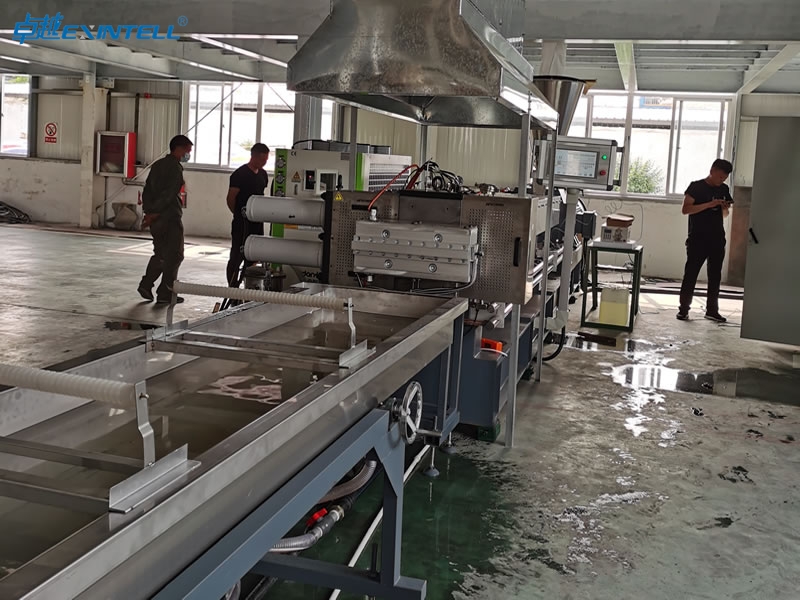
|
ຂັ້ນຕອນ |
ລາຍລະອຽດ |
|---|---|
|
ການໃຫ້ອາຫານ |
Plastic waste is introduced into the machine via a hopper, which includes various types of plastics. |
|
Melting |
The plastic is heated and melted uniformly in the extruder, preparing it for the next stage. |
|
Extruding |
The molten plastic is forced through a die to create strands, determining the pellet shape and size. |
|
ຄວາມເຢັນ |
The strands are cooled, ແຂງໃຫ້ເຂົາເຈົ້າສໍາລັບການຕັດ. |
|
ການຕັດ |
strands ເຢັນຖືກຕັດເຂົ້າໄປໃນເມັດທີ່ເປັນເອກະພາບໂດຍມີດຫມຸນ, ສາມາດປັບໄດ້ສໍາລັບຄໍາຮ້ອງສະຫມັກສະເພາະ. |
Key Takeaways
-
ເມັດພາດສະຕິກປ່ຽນສິ່ງເສດເຫຼືອ ເຂົ້າໄປໃນເມັດທີ່ເປັນເອກະພາບໂດຍຜ່ານຂັ້ນຕອນຕ່າງໆ: ການໃຫ້ອາຫານ, ການລະລາຍ, ການກັ່ນຕອງ, extruding, ຄວາມເຢັນ, ແລະການຕັດ.
-
ການໃຫ້ອາຫານທີ່ສອດຄ່ອງແລະການຄວບຄຸມອຸນຫະພູມທີ່ຊັດເຈນແມ່ນສໍາຄັນສໍາລັບການບັນລຸເມັດທີ່ມີຄຸນນະພາບສູງແລະປ້ອງກັນຂໍ້ບົກພ່ອງ..
-
ປະເພດທີ່ແຕກຕ່າງກັນຂອງ pelletizers, ເຊັ່ນ: ສາຍພັນ ແລະໃຕ້ນ້ຳ, ຕອບສະໜອງອຸປະກອນຕ່າງໆ ແລະຄວາມຕ້ອງການການຜະລິດ, ຜົນກະທົບຕໍ່ຮູບຮ່າງແລະຄຸນນະພາບຂອງເມັດ.
-
ການກັ່ນຕອງປະສິດທິພາບຂອງພາດສະຕິກ molten ເອົາ impurities, ຮັບປະກັນເມັດກ້ຽງແລະເປັນເອກະພາບໃນຂະນະທີ່ປົກປ້ອງອຸປະກອນ.
-
ວິທີການເຮັດຄວາມເຢັນ, ລວມທັງວົງແຫວນນ້ໍາແລະຄວາມເຢັນໃຕ້ນ້ໍາ, ມີຜົນກະທົບຢ່າງຫຼວງຫຼາຍຕໍ່ຄຸນນະພາບຂອງເມັດແລະປະສິດທິພາບການຜະລິດ.
-
Regular maintenance and monitoring of equipment help prevent common issues like uneven feeding and clogged filters.
-
Quality control measures, including proper sampling and screening, ensure that pellets meet industry standards and maintain consistency.
-
Proper packaging and storage of pellets protect them from moisture and contamination, ensuring they remain high-quality for future use.
Plastic Pelletizer Process Overview
What Is a Plastic Pelletizer
You use a plastic pelletizer to transform raw plastic or recycled material into granules with precise sizes and shapes. This machine controls temperature, ຄວາມກົດດັນ, and rotational speed to produce consistent results. The plastic pelletizing machine cuts extruded plastic into individual granules, providing a standardized size for further processing. You rely on this equipment to manage the integrity, ລັກສະນະດ້ານ, ແລະຂະຫນາດຂອງແຕ່ລະ particle. ຫຼັກການການເຮັດວຽກຂອງ granulator ພາດສະຕິກກ່ຽວຂ້ອງກັບການ melting ພາດສະຕິກ, ການກັ່ນຕອງ impurities, ແລະປະກອບເປັນເມັດເປັນເອກະພາບໂດຍຜ່ານການຄຸ້ມຄອງລະມັດລະວັງຂອງເງື່ອນໄຂພາຍໃນຫນ່ວຍງານ.
-
ຕັດພາດສະຕິກ extruded ເຂົ້າໄປໃນເມັດສ່ວນບຸກຄົນ.
-
ສະຫນອງຂະຫນາດທີ່ສອດຄ່ອງສໍາລັບການປຸງແຕ່ງຕື່ມອີກໃນການຜະລິດ.
-
ຫັນປ່ຽນສາຍຢາງຢ່າງຕໍ່ເນື່ອງຂອງພລາສຕິກທີ່ລະລາຍເປັນເມັດ ຂະຫນາດທີ່ເປັນເອກະພາບ.
-
ເຮັດຫນ້າທີ່ເປັນວັດຖຸດິບມາດຕະຖານສໍາລັບການສີດ molding ແລະ extrusion ຮູບເງົາ.
ຂັ້ນຕອນຕົ້ນຕໍໃນ Pelletizing
ທ່ານປະຕິບັດຕາມຊຸດຂອງ ຂັ້ນຕອນໃນເວລາທີ່ປະຕິບັດການ Pelletizer ສຕິກ. ແຕ່ລະຂັ້ນຕອນສ້າງຄຸນນະພາບແລະຄວາມສອດຄ່ອງຂອງຜະລິດຕະພັນສຸດທ້າຍ. ນີ້ແມ່ນຂັ້ນຕອນການເຮັດວຽກປົກກະຕິ:
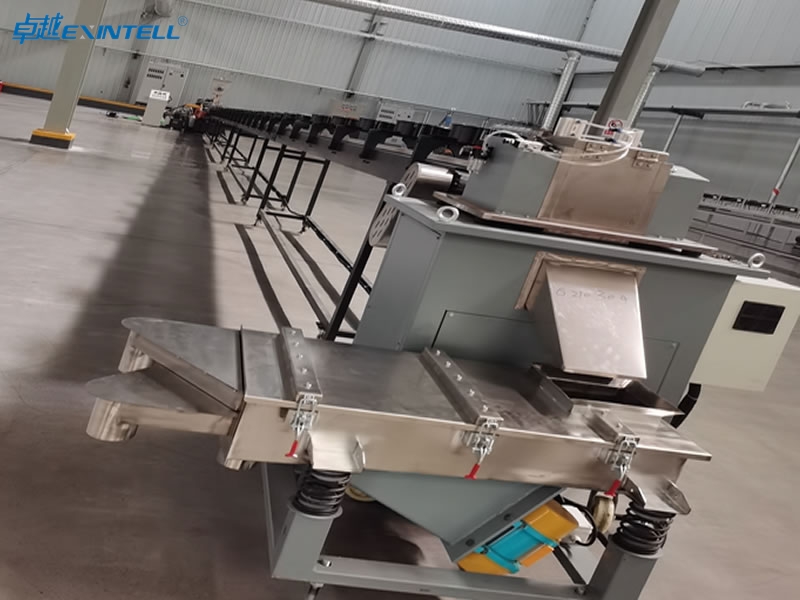
-
ການໃຫ້ອາຫານ & ການປິ່ນປົວກ່ອນ: ທ່ານແນະນໍາວັດຖຸດິບໂດຍຜ່ານ hopper ຫຼື feeder. ການປິ່ນປົວກ່ອນການເພີ່ມຄວາມຫນາແຫນ້ນຂອງປະລິມານຫຼາຍແລະກະກຽມວັດສະດຸສໍາລັບການລະລາຍ.
-
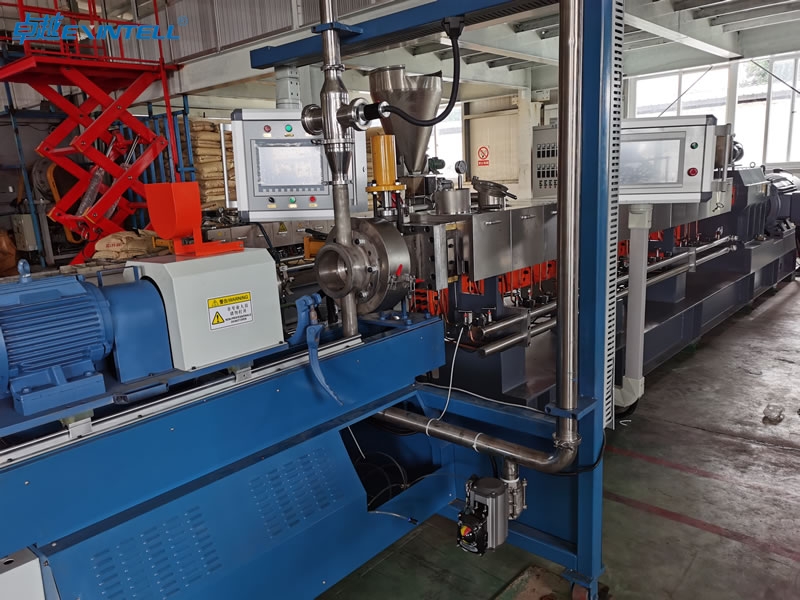
Melting & ກອບເປັນຈໍານວນພາດສະຕິກ: ເຈົ້າໃຊ້ຄວາມຮ້ອນແລະຕັດດ້ວຍເຄື່ອງ extruder. ຂັ້ນຕອນນີ້ບັນລຸໄດ້ flux ເປັນເອກະພາບແລະການກະກຽມສຕິກສໍາລັບການຕອງ.
-
ການກັ່ນຕອງລະລາຍ: ທ່ານກັ່ນຕອງພລາສຕິກ molten ເພື່ອເອົາສິ່ງປົນເປື້ອນ. ວັດສະດຸທີ່ສະອາດຮັບປະກັນເມັດເມັດທີ່ມີຄຸນນະພາບສູງ.
-
ຕາຍ extrusion & ຕັດ: ທ່ານປະກອບເປັນ melted ການກັ່ນຕອງເຂົ້າໄປໃນເມັດໂດຍໃຊ້ກົນໄກການຕາຍແລະການຕັດ.
-
ຄວາມເຢັນ & ອາຫານ: ທ່ານເຮັດໃຫ້ເມັດເມັດເຢັນແລ້ວຕາກແຫ້ງ ຫຼືເກັບຮັກສາໄວ້ເພື່ອນຳໃຊ້ໃນອະນາຄົດ.
ເຄັດລັບ: ການໃຫ້ອາຫານທີ່ສອດຄ່ອງແລະການຄວບຄຸມອຸນຫະພູມທີ່ຊັດເຈນຊ່ວຍໃຫ້ທ່ານບັນລຸຂະຫນາດເມັດທີ່ເປັນເອກະພາບແລະປ້ອງກັນການຜິດປົກກະຕິ.
ທ່ານສາມາດເລືອກຈາກຫຼາຍປະເພດຂອງອຸປະກອນ pelletizing, ແຕ່ລະຄົນເຫມາະສົມກັບວັດສະດຸແລະຮູບຮ່າງທີ່ແຕກຕ່າງກັນ. ຕາຕະລາງຂ້າງລຸ່ມນີ້ສະແດງໃຫ້ເຫັນທາງເລືອກທົ່ວໄປ:
|
ປະເພດ Pelletizer |
ທີ່ດີທີ່ສຸດສໍາລັບ |
ຮູບຮ່າງເມັດ |
ຄ່າໃຊ້ຈ່າຍທີ່ກ່ຽວຂ້ອງ |
|---|---|---|---|
|
PE, PP, PS — ສະອາດສະບຽງອາຫານ |
ຮູບຊົງກະບອກ |
ຕໍ່າ |
|
|
PET, PA, ພາດສະຕິກວິສະວະກໍາ |
ກົມ |
ສູງ |
|
|
ເຄື່ອງກອງນ້ຳ |
PE, PP - ການປົນເປື້ອນປານກາງ |
Lenticular / spherical |
ຂະຫນາດກາງ |
ເປັນຫຍັງເລື່ອງ Pelletizing
Pelletizing ມີບົດບາດສໍາຄັນໃນການລີໄຊເຄີນແລະການຜະລິດ. You convert molten recycled plastic into uniform pellets, which you can store, transport, and reprocess like virgin resin. This transformation allows recycled materials to re-enter the manufacturing cycle efficiently. You benefit from easier handling and improved mixing during production. The end product supports the circular economy for plastics by supplying reclaimed material.
-
Pelletization makes plastic feedstocks easier and more efficient to handle.
-
It ensures consistent results during mixing and forming.
-
The process supplies the entire circular economy for plastics with reclaimed material.
You face several challenges during pelletizing. High moisture content in pellets can lead to poor mechanical performance and material loss. You need effective drying systems and proper equipment selection to minimize moisture. ຂະໜາດເມັດທີ່ບໍ່ສອດຄ່ອງກັນມັກຈະເປັນຜົນມາຈາກກົນໄກການໃຫ້ອາຫານທີ່ບໍ່ເໝາະສົມ. ທ່ານແກ້ໄຂນີ້ໂດຍການນໍາໃຊ້ລະບົບການໃຫ້ອາຫານທີ່ຊັດເຈນ. ທາງເລືອກຂອງເຄື່ອງຈັກ, ເຊັ່ນ: granulator ທີ່ມີແຜ່ນໃບຄ້າຍຄືວິສະວະກໍາທີ່ຊັດເຈນ, ຜົນກະທົບໂດຍກົງຕໍ່ຄຸນນະພາບຂອງເມັດທີ່ຜະລິດ.
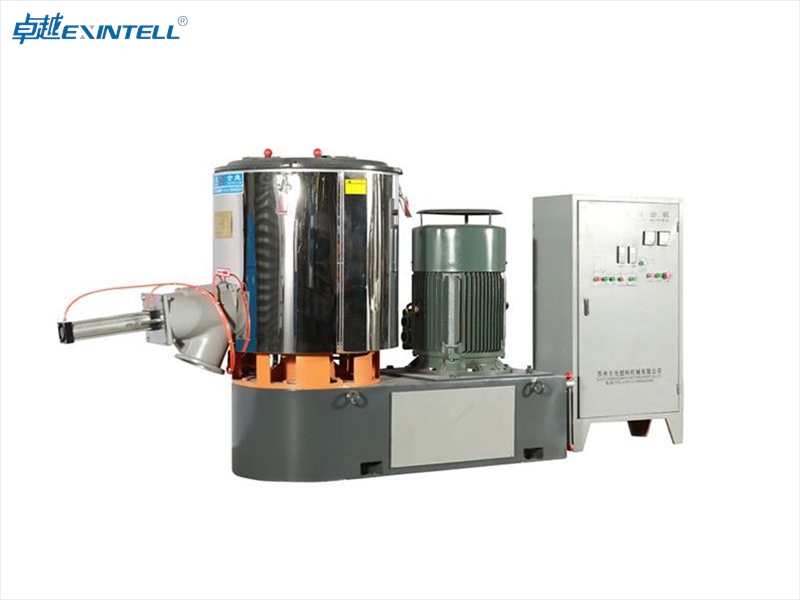
ທ່ານຍັງເຫັນຄວາມກ້າວຫນ້າທາງດ້ານເຕັກໂນໂລຢີໃນ 2026. extruders screw ດຽວທີ່ມີອັດຕາສ່ວນ L / D ລະຫວ່າງ 32:1 ແລະ 38:1 ມີທົ່ວໄປ. ການຕັ້ງຄ່າ tandem ເພີ່ມປະສິດທິພາບການ degassing ແລະການກັ່ນຕອງ. ຕົວປ່ຽນຫນ້າຈໍຢ່າງຕໍ່ເນື່ອງອະນຸຍາດໃຫ້ມີການປ່ຽນແປງການກັ່ນຕອງໂດຍບໍ່ມີການຢຸດການຜະລິດ. ເທກໂນໂລຍີ Bimetallic ເພີ່ມຄວາມທົນທານ, ແລະ co-rotating ຂະຫນານ screw extruders ຄູ່ແຝດສະຫນອງການກໍາຈັດສິ່ງປົນເປື້ອນປະສິດທິພາບ. ເຄື່ອງປັ້ນດິນເຜົາໃຕ້ນ້ຳສ້າງເອກະພາບ, ເມັດທີ່ບໍ່ມີຝຸ່ນແລະສັ່ງໃຫ້ລາຄາຂາຍຕໍ່ທີ່ສູງຂຶ້ນ.
|
ເຕັກໂນໂລຊີ |
ລາຍລະອຽດ |
ຜົນປະໂຫຍດ |
|---|---|---|
|
ເຕັກໂນໂລຊີ Bimetallic |
ວັດສະດຸຂັ້ນສູງເພີ່ມຄວາມທົນທານ |
ເພີ່ມຄວາມທົນທານໂດຍ 3-5 ເທື່ອ |
|
Co-rotating Parallel Twin Screw |
ການໂຍກຍ້າຍໃນທາງບວກ, ຫນ້າທີ່ທໍາຄວາມສະອາດຕົນເອງ |
ການກຳຈັດສິ່ງປົນເປື້ອນຢ່າງມີປະສິດທິພາບ |
|
ເຄື່ອງຍ່ອຍໃຕ້ນ້ຳ |
ຜະລິດເອກະພາບ, ເມັດທີ່ບໍ່ມີຝຸ່ນ |
ລາຄາຂາຍຕໍ່ທີ່ສູງຂຶ້ນ, ເຫມາະສໍາລັບພາດສະຕິກວິສະວະກໍາ |
ທ່ານສາມາດບັນລຸຄວາມສາມາດໂດຍຜ່ານການນັບຕັ້ງແຕ່ 80 ກລ/ຊມ ຂຶ້ນໄປ 1,000 ກິໂລ/ຊມ, ຂຶ້ນກັບປະເພດຂອງເຄື່ອງແລະການຕັ້ງຄ່າ. ສາຍປະສິດທິພາບພະລັງງານປະຫຍັດລະຫວ່າງ $30,000-$80,000 ຕໍ່ປີເມື່ອທຽບໃສ່ກັບຕົວແບບທີ່ມີປະສິດທິພາບຫນ້ອຍ. ໃນ 2026, ການບໍລິໂພກພະລັງງານສະເພາະສໍາລັບ pelletizers ພາດສະຕິກຕັ້ງແຕ່ 0.25-0.35 kWh/kg, ກັບການຕັ້ງຄ່າທີ່ດີທີ່ສຸດໃນຫ້ອງຮຽນບັນລຸໄດ້ຕ່ໍາສຸດ 0.20-0.30 kWh/kg.
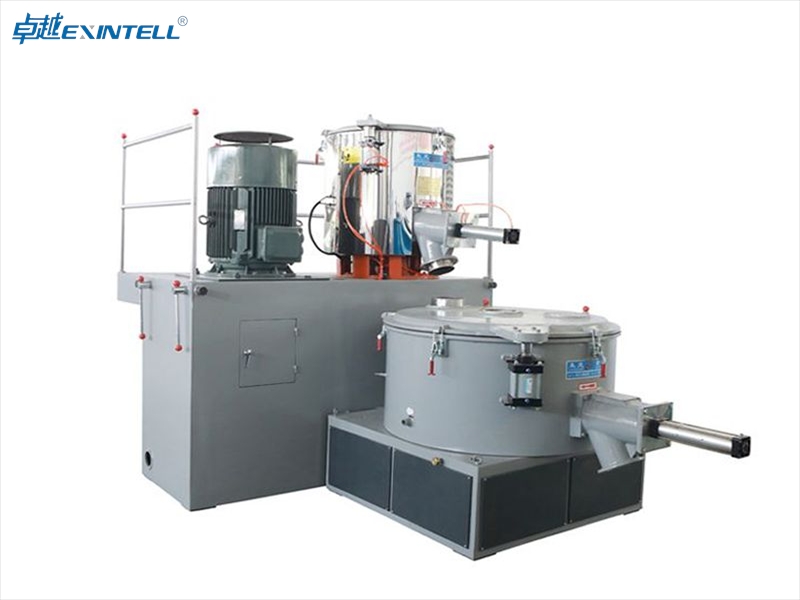
ໝາຍເຫດ: ການສ້າງມາດຕະຖານຫຼາຍຊັ້ນ ແລະການອອກແບບສະກູໃໝ່ຊ່ວຍໃຫ້ທ່ານປະມວນຜົນຢາງຊີວະພາບ ແລະໂປຣໄຟລ໌ທີ່ບໍ່ສຳຄັນໄດ້ມີປະສິດທິພາບຫຼາຍຂຶ້ນ..
ທ່ານອີງໃສ່ເຕັກໂນໂລຊີ granulator ພາດສະຕິກແລະ granulator ເພື່ອຜະລິດເມັດທີ່ເປັນເອກະພາບຕາມມາດຕະຖານອຸດສາຫະກໍາ. ຂະບວນການຮັບປະກັນວ່າທ່ານມີອາຫານສັດທີ່ເຊື່ອຖືໄດ້ສໍາລັບການຜະລິດແລະການລີໄຊເຄີນ, ສະຫນັບສະຫນູນທັງປະສິດທິພາບແລະຄວາມຍືນຍົງ.
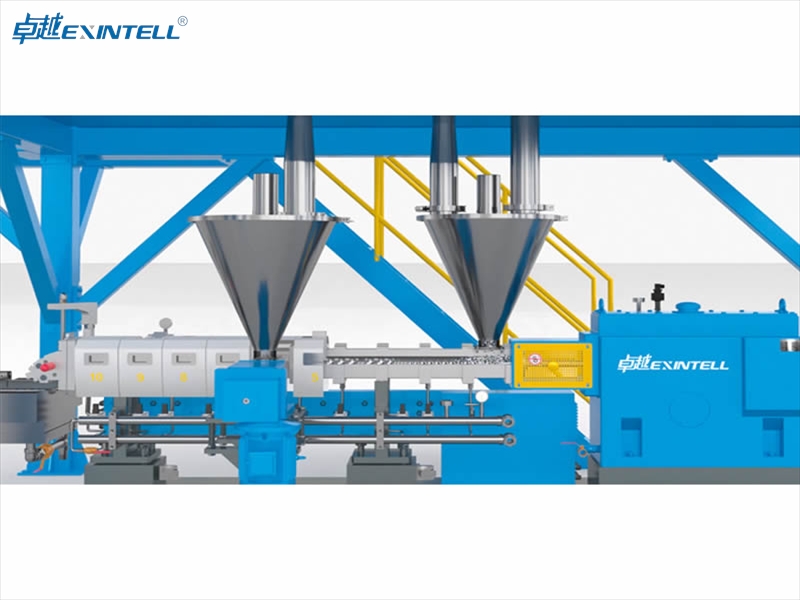
ການໃຫ້ອາຫານພາດສະຕິກ
ວັດສະດຸປ້ອນ
You start the ຂະບວນການ pelletizing by selecting the right input materials. You can use plastic waste, virgin plastic, or a mix of both. Before you feed these materials into the plastic pelletizer, you need to prepare them carefully. Here is a typical preparation workflow:
-
Plastic Preparation: You wash and shred recycled plastic to remove dirt and contaminants. You may also melt the material if needed. Virgin plastic often comes as flakes or granules, ready for processing.
-
Melting and Extrusion: You heat the prepared plastic in the plastic pelletizing machine. The extruder melts the material and pushes it forward.
-
ການຕັດ: You use rotating blades or a granulator to cut the molten plastic into small pieces.
-
ຄວາມເຢັນ: You cool the pellets using air, ນ້ໍາ, or both.
-
Drying and Screening: You dry the cooled pellets and screen them to ensure uniform size and quality.
You must pay attention to the cleanliness and size of the input materials. Clean, well-prepared plastic waste helps you avoid defects and improves the quality of the pellets.
Feeding Mechanisms
You rely on efficient feeding mechanisms to move plastic into the pelletizing system. Two main methods help you achieve steady and controlled feeding.
Hopper
You use a hopper to load plastic waste or virgin material into the plastic pelletizer. The hopper holds the material and releases it at a controlled rate. You can adjust the flow to match the capacity of the plastic pelletizing machine. Hoppers often include sensors that monitor material levels and prevent blockages.
Conveyors
ທ່ານໃຊ້ conveyors ເພື່ອຂົນສົ່ງພລາສຕິກຈາກບ່ອນເກັບມ້ຽນໄປຫາ hopper ຫຼືໂດຍກົງເຂົ້າໄປໃນ pelletizer. conveyors ສະຫນອງນ້ໍາສະຫມໍ່າສະເຫມີຂອງວັດສະດຸແລະຫຼຸດຜ່ອນການຈັດການຄູ່ມື. ທ່ານສາມາດເລືອກສາຍແອວ, screw, ຫຼື vibrating conveyors ໂດຍອີງໃສ່ປະເພດແລະຂະຫນາດຂອງພາດສະຕິກ. ເຄື່ອງລໍາລຽງຊ່ວຍໃຫ້ທ່ານຮັກສາອັດຕາອາຫານທີ່ສອດຄ່ອງແລະຫຼຸດຜ່ອນການຂັດຂວາງ.
ເຄັດລັບ: ທ່ານຄວນກວດເບິ່ງລະບົບການໃຫ້ອາຫານຢ່າງເປັນປົກກະຕິເພື່ອປ້ອງກັນການຕິດຂັດແລະຮັບປະກັນການດໍາເນີນງານທີ່ລຽບງ່າຍ.
ຄວາມສໍາຄັນຂອງການໃຫ້ອາຫານທີ່ສອດຄ່ອງ
ທ່ານຕ້ອງການ ການໃຫ້ອາຫານທີ່ສອດຄ່ອງ ເພື່ອຜະລິດເມັດທີ່ມີຄຸນນະພາບສູງ. ການໃຫ້ອາຫານຢ່າງສະໝໍ່າສະເໝີ ຮັບປະກັນຂະໜາດທີ່ເປັນເອກະພາບ, ຮູບຮ່າງ, ແລະຄວາມຊຸ່ມຊື່ນ. ຖ້າທ່ານອະນຸຍາດໃຫ້ມີການປ່ຽນແປງໃນການໃຫ້ອາຫານ, ທ່ານມີຄວາມສ່ຽງໃນການສ້າງເມັດທີ່ມີຂໍ້ບົກພ່ອງດ້ານຫນ້າຫຼື voids. ການເຫນັງຕີງຂອງຄວາມຊຸ່ມສາມາດເຮັດໃຫ້ເກີດການສູນເສຍຄວາມແຂງແຮງຂອງກົນຈັກແລະແມ້ກະທັ້ງຄວາມລົ້ມເຫຼວຂອງອຸປະກອນ. Unstable pellet quality makes it harder for you to sell or use the pellets in commercial applications.
-
Inconsistent pellet size can lead to surface defects and voids.
-
Variations in moisture content can cause loss of mechanical strength and equipment failures.
-
Unstable pellet quality can hinder acceptance in commercial applications.
You control moisture content by maintaining steady feeding. This step is essential for achieving maximum product quality. If you ignore feeding consistency, you may face downstream processing problems, such as surface defects and structural deficiencies. You rely on the plastic granulator and granulator technology to help you achieve uniform feeding and pellet quality.
Melting and Filtration
Extruder Barrel and Screw
ທ່ານອີງໃສ່ຖັງ extruder ແລະ screw ເພື່ອຫັນປ່ຽນສິ່ງເສດເຫຼືອພາດສະຕິກຫຼືວັດຖຸດິບເຂົ້າໄປໃນກ້ຽງ, ເປັນເອກະພາບ melt. screw rotates ພາຍໃນຖັງຄວາມຮ້ອນ, ຍູ້ພາດສະຕິກໄປຂ້າງຫນ້າ. ໃນຂະນະທີ່ screw turns, ມັນສ້າງການປະຕິບັດກົນຈັກແລະຄວາມຮ້ອນ shear. ຂະບວນການນີ້ເຮັດໃຫ້ພລາສຕິກ melts ປະສິດທິພາບ. ເຄື່ອງເຮັດຄວາມຮ້ອນພາຍນອກໃສ່ຖັງເພີ່ມຄວາມຮ້ອນຫຼາຍຂຶ້ນ, ໃຫ້ແນ່ໃຈວ່າວັດສະດຸບັນລຸອຸນຫະພູມທີ່ເຫມາະສົມສໍາລັບການ pelletizing. ຄວາມຮ້ອນ shear ຈາກ screw ມັກຈະສະຫນອງພາກສ່ວນທີ່ສໍາຄັນຂອງພະລັງງານທີ່ຈໍາເປັນສໍາລັບການ melting.
ນີ້ແມ່ນພາບລວມໄວກ່ຽວກັບວິທີການອົງປະກອບເຫຼົ່ານີ້ເຮັດວຽກຮ່ວມກັນ:
|
ອົງປະກອບ |
ຟັງຊັນ |
|---|---|
|
ໝວກ |
ຫັນປ່ຽນພລາສຕິກໄປສູ່ການລະລາຍທີ່ເປັນເອກະພາບຜ່ານການປະຕິບັດກົນຈັກ ແລະຄວາມຮ້ອນ shear. |
|
ຖັງ |
ເຮັດຄວາມຮ້ອນແລະບີບອັດພາດສະຕິກ, ຮັບປະກັນການລະລາຍຢ່າງລະອຽດແລະການໃຫ້ອາຫານໃສ່ຫົວຕາຍ. |
ທ່ານຕ້ອງການທັງ screw ແລະ barrel ເພື່ອເຮັດວຽກປະສົມກົມກຽວ. If either part fails, the plastic pelletizer cannot produce consistent pellets.
ການຄວບຄຸມອຸນຫະພູມ
You must control the temperature carefully during the melting stage. Temperature directly affects how well the plastic melts and flows through the extrusion system. Proper temperature settings help you achieve smooth material flow and stable, high-yield extrusion. If you set the temperature too low, the plastic may not melt evenly. This leads to excessive viscosity and poor plasticization. If you set the temperature too high, the plastic can degrade. This causes brittle pellets and reduces their mechanical strength.
-
Temperature influences plastic plasticization, flowability, and the properties of the final pellets.
-
Correct temperature ensures stable operation and high-quality output.
-
Low temperatures cause uneven melting and high viscosity.
-
ອຸນຫະພູມສູງມີຄວາມສ່ຽງຕໍ່ການເຊື່ອມໂຊມຂອງຄວາມຮ້ອນ ແລະເມັດອ່ອນ.
ເຄັດລັບ: ຕິດຕາມເຂດອຸນຫະພູມຕາມຖັງໄວ້ສະເໝີ ເພື່ອຮັກສາເງື່ອນໄຂການລະລາຍທີ່ດີທີ່ສຸດ.
ການກັ່ນຕອງກ່ອນທີ່ຈະ Pelletizing
ກ່ອນທີ່ທ່ານຈະຍ້າຍໄປຂັ້ນຕອນຂອງການ extrusion, ເຈົ້າຕ້ອງ ການກັ່ນຕອງພາດສະຕິກ molten. ການກັ່ນຕອງເອົາສິ່ງສົກກະປົກເຊັ່ນ: ຝຸ່ນ, ຊິ້ນໂລຫະ, ຫຼືອະນຸພາກ unmelted. ການລະລາຍທີ່ສະອາດເປັນສິ່ງຈໍາເປັນສໍາລັບການຜະລິດເມັດທີ່ມີຄຸນນະພາບສູງ. ທ່ານໃຊ້ຫນ້າຈໍຕາຫນ່າງອັນດີຫຼືຊຸດການກັ່ນຕອງຢູ່ໃນເຄື່ອງ pelletizing ພລາສຕິກເພື່ອຈັບສິ່ງປົນເປື້ອນ. ຂັ້ນຕອນນີ້ປົກປ້ອງລະບົບການເສຍຊີວິດແລະການຕັດຈາກຄວາມເສຍຫາຍ. ມັນຍັງຮັບປະກັນວ່າເມັດມີພື້ນຜິວລຽບແລະໂຄງສ້າງທີ່ເປັນເອກະພາບ.
ທ່ານຄວນກວດເບິ່ງແລະປ່ຽນການກັ່ນຕອງເປັນປະຈໍາ. ການກັ່ນຕອງອຸດຕັນສາມາດຫຼຸດຜ່ອນການໄຫຼແລະເຮັດໃຫ້ເກີດຄວາມກົດດັນໃນລະບົບ extrusion. ການກັ່ນຕອງທີ່ສອດຄ່ອງສະຫນັບສະຫນູນປະສິດທິພາບໂດຍລວມຂອງຂະບວນການ pelletizing. ທ່ານໄດ້ຮັບຜົນໄດ້ຮັບທີ່ດີກວ່າແລະຂໍ້ບົກພ່ອງຫນ້ອຍລົງໃນເມັດສໍາເລັດຮູບຂອງທ່ານ.
ໝາຍເຫດ: ການຕອງປະສິດທິພາບຊ່ວຍຍືດອາຍຸຂອງເຄື່ອງປັ້ນດິນເຜົາ ແລະແຜ່ນໃບແກະສະຕິກເກີຂອງທ່ານ.
Extrusion ຜ່ານ Die Plate
ການທໍາງານຂອງແຜ່ນ Die
ທ່ານມາຮອດຂັ້ນຕອນທີ່ສໍາຄັນໃນຂະບວນການຜະລິດເມັດພາດສະຕິກເມື່ອພາດສະຕິກ molten ມາຮອດແຜ່ນຕາຍ. ແຜ່ນສັງກະສີເຮັດໜ້າທີ່ເປັນເຄື່ອງມືທີ່ຊັດເຈນທີ່ສ້າງຮູບຮ່າງຂອງວັດສະດຸທີ່ລະລາຍອອກເປັນສາຍ. ທ່ານອີງໃສ່ອົງປະກອບນີ້ເພື່ອກໍານົດຂະຫນາດແລະຮູບຮ່າງເບື້ອງຕົ້ນຂອງແຕ່ລະສາຍ, ເຊິ່ງຕໍ່ມາກາຍເປັນເມັດ. ການອອກແບບຂອງແຜ່ນຕາຍມີຜົນກະທົບໂດຍກົງຕໍ່ຄຸນນະພາບແລະຄວາມສອດຄ່ອງຂອງຜົນຜະລິດຂອງທ່ານ.
ນີ້ແມ່ນພາບລວມໄວຂອງ ຄຸນນະສົມບັດແຜ່ນທີ່ສໍາຄັນ:
|
ຄຸນສົມບັດ |
ລາຍລະອຽດ |
|---|---|
|
ຟັງຊັນ |
Extrudes polymer molten ຜ່ານຮູເພື່ອກໍານົດຂະຫນາດເມັດ |
|
Hole Size Range |
Typically ranges from 2.5 ກັບ 4 mm in diameter |
|
Number of Holes |
Usually between 200 ກັບ 800 holes |
|
Influence on Quality |
Design affects final pellet characteristics, including size and shape |
You can adjust the hole diameter and configuration to control the strand thickness. Smaller holes produce thinner strands and smaller pellets. Larger holes yield thicker strands and larger pellets. The die plate ensures that every strand leaving the extrusion system matches your desired specifications.
Pressure and Pellet Shape
You must maintain the right pressure as the molten plastic passes through the die plate. The extrusion system uses pressure to push the material evenly through each hole. Consistent pressure prevents irregularities in strand thickness and helps you achieve uniform pellet size. If the pressure drops or spikes, ທ່ານອາດຈະເຫັນຂໍ້ບົກພ່ອງເຊັ່ນ: ຮູບຮ່າງທີ່ບໍ່ສະເຫມີກັນຫຼືຖົງອາກາດຢູ່ໃນເມັດ.
ຮູບຮ່າງຂອງແຕ່ລະເມັດແມ່ນຂຶ້ນກັບການອອກແບບແຜ່ນຕາຍແລະຄວາມກົດດັນທີ່ນໍາໃຊ້ໃນລະຫວ່າງການ extrusion. ທ່ານສາມາດເລືອກຮູບຮ່າງຂອງຂຸມທີ່ແຕກຕ່າງກັນແລະການຈັດການເພື່ອສ້າງເປັນຮູບທໍ່ກົມ, ກົມ, ຫຼືເມັດ lenticular. ການປະສົມປະສານທີ່ຖືກຕ້ອງຂອງຄວາມກົດດັນແລະການອອກແບບແຜ່ນຕາຍເຮັດໃຫ້ທ່ານຄວບຄຸມຮູບລັກສະນະສຸດທ້າຍແລະການປະຕິບັດຂອງຜະລິດຕະພັນຂອງທ່ານ.
ການສ້າງ Strands ໄດ້
ທ່ານມີວິທີການຈໍານວນຫນຶ່ງສໍາລັບການສ້າງຮູບຮ່າງສາຍສຕິກກ່ອນທີ່ຈະຕັດໃຫ້ເຂົາເຈົ້າເປັນເມັດ. ແຕ່ລະວິທີສະເຫນີຜົນປະໂຫຍດທີ່ເປັນເອກະລັກສໍາລັບຄໍາຮ້ອງສະຫມັກທີ່ແຕກຕ່າງກັນ. ທາງເລືອກຂອງວິທີການມີຜົນກະທົບຄຸນນະພາບ, ຄ່າໃຊ້ຈ່າຍ, ແລະຄວາມສອດຄ່ອງຂອງເມັດຂອງທ່ານ.
|
ວິທີການ |
ລາຍລະອຽດ |
ຜົນກະທົບຕໍ່ຄຸນນະພາບເມັດ |
|---|---|---|
|
Extrudes ພາດສະຕິກເຂົ້າໄປໃນ strands, ຫຼັງຈາກນັ້ນ, ຕັດພວກມັນເຂົ້າໄປໃນເມັດ. |
ຄຸ້ມຄ່າສຳລັບຊຸດນ້ອຍ, ແຕ່ອາດຈະແຕກຕ່າງກັນໃນຄຸນນະພາບ. |
|
|
ຕັດ strands ໃຕ້ນ້ໍາ, ເຊິ່ງເຮັດໃຫ້ເຢັນແລະຮັກສາຄຸນນະພາບ. |
ຜະລິດເມັດທີ່ມີຄຸນນະພາບສູງເນື່ອງຈາກຄວາມເຢັນທີ່ມີປະສິດທິພາບ. |
|
|
ລະບົບນ້ຳ-ແຫວນ |
ໃຊ້ແຫວນນ້ໍາເພື່ອເຢັນແລະຕັດ strands. |
ຮັບປະກັນຄຸນນະພາບດີ ໃນຂະນະທີ່ລາຄາຖືກ. |
ທ່ານອາດຈະໃຊ້ strand pelletizing ສໍາລັບ batches ຂອງຂີ້ເຫຍື້ອຢາງຂະຫນາດນ້ອຍ, ເນື່ອງຈາກວ່າມັນສະຫນອງວິທີການທີ່ງ່າຍດາຍແລະລາຄາບໍ່ແພງ. ການຕັດໃບຫນ້າຮ້ອນໃຕ້ນ້ໍາເຮັດວຽກໄດ້ດີໃນເວລາທີ່ທ່ານຕ້ອງການເມັດທີ່ມີຄຸນນະພາບສູງທີ່ມີຫນ້າກ້ຽງ. ລະບົບນ້ໍາວົງການດຸ່ນດ່ຽງຄ່າໃຊ້ຈ່າຍແລະຄຸນນະພາບ, ເຮັດໃຫ້ພວກມັນເຫມາະສົມກັບພລາສຕິກຫຼາຍຊະນິດ.
ທ່ານຂຶ້ນກັບເຕັກໂນໂລຊີ granulator ພລາສຕິກແລະ granulator ເພື່ອສໍາເລັດຂະບວນການ. ຫຼັງຈາກຮູບຮ່າງແລະເຢັນ, ລະບົບຕັດ strands ເຂົ້າໄປໃນເມັດດຽວກັນ. ຂັ້ນຕອນນີ້ສໍາເລັດການຫັນປ່ຽນຈາກການລະລາຍໄປສູ່ຜະລິດຕະພັນສໍາເລັດຮູບ, ກຽມພ້ອມສໍາລັບການຫຸ້ມຫໍ່ຫຼືການປຸງແຕ່ງຕື່ມອີກ.
ເຄັດລັບ: ສະເຫມີຕິດຕາມກວດກາລະບົບ extrusion ສໍາລັບຄວາມກົດດັນທີ່ຫມັ້ນຄົງແລະອຸນຫະພູມ. ນີ້ຊ່ວຍໃຫ້ທ່ານຮັກສາຄຸນນະພາບເມັດທີ່ສອດຄ່ອງແລະຫຼຸດຜ່ອນເວລາຢຸດ.
ວິທີການເຮັດຄວາມເຢັນ
ຫຼັງຈາກຂັ້ນຕອນຂອງການ extrusion, ເຈົ້າຕ້ອງ ເຢັນ strands ຮ້ອນ ຢ່າງໄວວາເພື່ອສ້າງເປັນເມັດແຂງ. ວິທີການເຮັດຄວາມເຢັນທີ່ທ່ານເລືອກມີຜົນກະທົບຕໍ່ຄຸນນະພາບຂອງເມັດ, ການນໍາໃຊ້ພະລັງງານ, ແລະຄວາມໄວການຜະລິດ. ທ່ານສາມາດເລືອກເອົາຈາກການເຮັດຄວາມເຢັນວົງນ້ໍາ, ຄວາມເຢັນໃຕ້ນ້ໍາ, ຫຼືລະບາຍອາກາດ, ອີງຕາມຄວາມຕ້ອງການວັດສະດຸແລະການຜະລິດຂອງທ່ານ.
Water Ring Cooling
ທ່ານມັກຈະໃຊ້ຄວາມເຢັນຂອງວົງແຫວນນ້ໍາສໍາລັບ polyolefins ແລະ polystyrene. ໃນວິທີການນີ້, ທ່ານຊີ້ແຫວນຂອງນ້ໍາປະມານໃບຫນ້າຕາຍ. ນ້ໍາເຢັນແລະແຂງຕົວຂອງ strands ເມື່ອພວກເຂົາອອກໄປ, ຫຼັງຈາກນັ້ນ, ເຄື່ອງຕັດຕັດໃຫ້ເຂົາເຈົ້າເຂົ້າໄປໃນເມັດ. ລະບົບນີ້ເຮັດວຽກໄດ້ດີສໍາລັບພາດສະຕິກມາດຕະຖານຈໍານວນຫຼາຍແລະສະຫນອງການອອກແບບທີ່ຫນາແຫນ້ນ.
ນີ້ແມ່ນບົດສະຫຼຸບຂອງຂໍ້ດີແລະຂໍ້ເສຍຕົ້ນຕໍ:
|
ຂໍ້ດີ |
ຂໍ້ເສຍ |
|---|---|
|
ບໍ່ເຫມາະສົມສໍາລັບວັດສະດຸຫນຽວຫຼືຫນາ |
|
|
ຜະລິດເມັດທີ່ດຶງດູດສາຍຕາ |
ຮຽກຮ້ອງໃຫ້ມີການຕິດຕາມນ້ໍາຢ່າງໃກ້ຊິດ |
|
ລະບົບກະທັດຮັດທີ່ມີຄ່າໃຊ້ຈ່າຍຕ່ໍາ |
ຄວາມເຂົ້າກັນໄດ້ຂອງວັດສະດຸຈໍາກັດ |
|
ຈັດການການປ່ຽນແປງຂອງອຸນຫະພູມ melt ແລະຄວາມກົດດັນໄດ້ດີ |
ຄວາມສາມາດໃນການຜະລິດຕ່ໍາເມື່ອທຽບກັບລະບົບໃຕ້ນ້ໍາ |
|
ພື້ນທີ່ມີປະສິດທິພາບ ແລະຄວບຄຸມໄດ້ງ່າຍ |
ຈໍາກັດກັບວັດສະດຸສະເພາະ |
|
ຄ່າໃຊ້ຈ່າຍທີ່ມີປະສິດທິພາບສໍາລັບບໍລິສັດທີ່ມີງົບປະມານ |
ບໍ່ມີປະສິດຕິຜົນສໍາລັບວັດສະດຸທີ່ຮ້ອນຂຶ້ນຫຼືຕິດກັນ |
|
ບໍ່ສາມາດຮັບມືກັບຄວາມຕ້ອງການການຜະລິດສູງ |
|
|
ດີສໍາລັບການຄຸ້ມຄອງງົບປະມານ |
ຈໍາກັດກັບວັດສະດຸບາງຊະນິດເຊັ່ນ polyolefins ແລະ polystyrene |
ທ່ານຄວນເລືອກເຄື່ອງເຮັດຄວາມເຢັນຂອງວົງແຫວນນ້ໍາຖ້າທ່ານຕ້ອງການປະຫຍັດພື້ນທີ່, ການແກ້ໄຂງົບປະມານທີ່ເປັນມິດກັບວັດສະດຸມາດຕະຖານ. ທ່ານຕ້ອງຕິດຕາມກວດກາລະບົບນ້ໍາຢ່າງໃກ້ຊິດເພື່ອປ້ອງກັນບັນຫາທີ່ມີຢາງຫນຽວຫຼືຫນາ.
ຄວາມເຢັນໃຕ້ນ້ຳ
ທ່ານສາມາດບັນລຸເມັດທີ່ມີຄຸນະພາບສູງດ້ວຍຄວາມເຢັນໃຕ້ນ້ໍາ. ໃນວິທີການນີ້, ທ່ານຕັດ strands ໂດຍກົງຢູ່ໃນຫ້ອງນ້ໍາ. ນ້ໍາເຢັນແລະແຂງແກ່ນທັນທີ, ເຊິ່ງເຮັດໃຫ້ພື້ນຜິວລຽບແລະຂະຫນາດທີ່ເປັນເອກະພາບ. ທ່ານໄດ້ຮັບຜົນປະໂຫຍດຈາກການດໍາເນີນງານຢ່າງຕໍ່ເນື່ອງແລະອັດຕາຜົນຜະລິດສູງ.
-
ເຄື່ອງປັ້ນດິນເຜົາໃຕ້ນ້ຳຜະລິດເມັດທີ່ເປັນເອກະພາບດ້ວຍການປັບ ແລະຂີ້ຝຸ່ນໜ້ອຍທີ່ສຸດ.
-
ຂະບວນການແຂງຕົວຢ່າງໄວວາຮັບປະກັນຮູບຮ່າງແລະຂະຫນາດທີ່ສອດຄ່ອງ.
-
ທ່ານສາມາດບັນລຸໄດ້ ອັດຕາການຜະລິດສູງ ເນື່ອງຈາກຄວາມເຢັນທີ່ມີປະສິດທິພາບແລະການແຂງຕົວ.
-
ເມື່ອປຽບທຽບກັບລະບົບລະບາຍອາກາດ, ການເຮັດຄວາມເຢັນໃຕ້ນ້ຳໃຊ້ພະລັງງານໜ້ອຍເພາະນ້ຳສົ່ງຄວາມຮ້ອນໄດ້ປະສິດທິພາບຫຼາຍ.
ທ່ານຄວນພິຈາລະນາຄວາມເຢັນພາຍໃຕ້ນ້ໍາຖ້າທ່ານຕ້ອງການເມັດທີ່ມີຄຸນນະພາບດີແລະຄວາມສາມາດໃນການຜະລິດສູງ. This method works well for demanding applications and advanced materials.
ການລະບາຍອາກາດ
You may select air cooling for materials that react poorly to moisture, such as biodegradable plastics like PLA or PBAT. Air cooling uses fans or blowers to cool the strands as they exit the die. This method eliminates the need for drying systems, which can simplify your process.
|
ຄໍາຮ້ອງສະຫມັກ |
ຂໍ້ຈໍາກັດ |
|---|---|
|
Not suitable for all types of materials |
|
|
Used for biodegradable materials (PLA, PBAT) |
Limited cooling efficiency compared to water cooling |
|
Eliminates the need for drying systems |
Potentially higher energy costs |
You should use air cooling if you process moisture-sensitive materials or want to avoid extra drying steps. You may face higher energy costs and slower cooling compared to water-based methods.
ເຄັດລັບ: ສະເຫມີຈັບຄູ່ວິທີການເຮັດຄວາມເຢັນຂອງທ່ານກັບວັດຖຸແລະເປົ້າຫມາຍການຜະລິດຂອງທ່ານ. ທາງເລືອກທີ່ເຫມາະສົມຊ່ວຍໃຫ້ທ່ານຫຼີກເວັ້ນຂໍ້ບົກພ່ອງແລະຮັກສາຄຸນນະພາບຂອງເມັດຂອງທ່ານ.
ທ່ານອີງໃສ່ granulator ເພື່ອສໍາເລັດຂະບວນການຫຼັງຈາກການເຮັດຄວາມເຢັນ. granulator ຕັດ strands ແຂງເປັນເມັດເປັນເອກະພາບ, ກຽມພ້ອມສໍາລັບການຫຸ້ມຫໍ່ຫຼືການນໍາໃຊ້ຕໍ່ໄປ. ຄວາມເຢັນທີ່ມີປະສິດທິພາບຮັບປະກັນວ່າຂັ້ນຕອນການລະລາຍແລະການຕັດຜະລິດເມັດທີ່ມີຄຸນນະພາບສູງຈາກຂີ້ເຫຍື້ອພາດສະຕິກຂອງທ່ານ.
Pelletizing ແລະການຕັດ
ກົນໄກການຕັດມີດ
ທ່ານອີງໃສ່ກົນໄກການຕັດມີດເພື່ອຫັນປ່ຽນສາຍສຕິກທີ່ເຢັນເປັນເມັດສໍາເລັດຮູບ. ລະບົບຈັດວາງມີດພິເສດຢູ່ໃກ້ກັບໃບຫນ້າຕາຍ, ບ່ອນທີ່ strands ອອກໄປ. ໄດ້ ປ່ອງຢ້ຽມ Melt-to-Cut ມີບົດບາດສໍາຄັນຢູ່ທີ່ນີ້. ຖ້າທ່ານອະນຸຍາດໃຫ້ໃຊ້ເວລາຫນ້ອຍເກີນໄປລະຫວ່າງການຕາຍແລະແຜ່ນໃບ, ທ່ານອາດຈະເຫັນເມັດ misshapen. Too much time can cause fractures and fines, which lowers overall quality. Pelletizing knives come in different shapes, such as straight, slanted, or V-shaped, and each suits a specific type of pelletizer. Manufacturers use high-carbon steel or tool steel for these knives, which increases durability. Precision in cutting is essential, so many knives are CNC-machined for tight tolerances. Heat treatments and coatings further extend blade life and improve performance.
-
The Melt-to-Cut window determines pellet shape and quality.
-
Knife material and shape affect durability and cutting precision.
-
Proper timing prevents defects and ensures consistent results.
Achieving Uniform Pellets
You want every pellet to have the same size and shape. To achieve this, you must control several process variables during cutting. Adjusting the feed rate, disc angle, and disc speed lets you fine-tune pellet size. For smaller pellets, you increase the feed rate and disc angle, feed closer to the three or four o’clock position, and raise the disc speed. For larger pellets, you decrease the feed rate and disc angle, feed closer to the seven o’clock position, and lower the disc speed. These adjustments help you maintain uniformity and avoid defects.
ເຄັດລັບ: Monitor your process controls closely. Small changes in feed or speed can make a big difference in pellet quality.
You also need to ensure that the granulator operates smoothly. Consistent operation helps you cut into pellets with minimal variation, supporting high-quality output.
Types of Pelletizer Cutters
You can choose from several types of pelletizer cutters, each designed for specific materials and production needs. The cutter type affects pellet shape, ຜ່ານ, ແລະຄວາມຊຸ່ມຊື່ນ. ນີ້ແມ່ນ ກ ການປຽບທຽບ:
|
ປະເພດ |
ຮູບຮ່າງເມັດ |
Suitable Materials |
ຜ່ານ (ກິໂລ/ຊມ) |
Residual Moisture (%) |
|---|---|---|---|---|
|
Strand |
ຮູບຊົງກະບອກ |
Thermoplastics (PP, PE, ABS, PS) |
100–2,000 |
<1% |
|
ໃຕ້ນ້ຳ |
ກົມ |
All Polymers |
500–3,000+ |
<0.05% |
|
Water Ring |
Lenticular |
PE, PP, PC, PS |
200–1,500 |
<0.5% |
Strand pelletizing uses a water bath for cooling and works well for continuous strands. Underwater pelletizers cut molten plastic directly into pellets with rapid cooling, giving you better control over size and shape. Water ring systems offer a balance between cost and quality, producing lenticular pellets suitable for many applications.
You select the right cutter based on your material, desired pellet characteristics, and production goals. This choice ensures your pellets meet industry standards and customer requirements.
Pellet Collection and Finishing
Drying and Screening
You must ensure that pellets are dry and free from unwanted materials before packaging. Moisture control is critical because wet pellets can lead to product degradation and issues during storage. ຫຼັງຈາກເຢັນ, you monitor moisture content to optimize the process. You use screening equipment to separate well-formed pellets from fines and debris. Screening also removes stones, ພາດສະຕິກ, ໂລຫະ, and other hard materials that could damage your equipment. A stone trap helps you eliminate hard materials, while magnets pick up metals. You rely on these steps to maintain pellet quality and protect your machinery.
-
Monitor moisture content after cooling.
-
Use screening equipment to remove fines and debris.
-
Employ stone traps and magnets to eliminate hard materials and metals.
-
Separate well-formed pellets from defective ones before packaging.
ເຄັດລັບ: Regular screening and drying help you avoid packaging low-quality products and extend the lifespan of your granulator.
ການຄວບຄຸມຄຸນນະພາບ
You need to implement quality control measures to ensure product consistency. Sampling plays a crucial role in achieving good pellet quality. You must use proper procedures and equipment to minimize sampling errors. Samples should represent the entire batch, so you avoid skewed results. You process samples correctly before laboratory analysis to get accurate data.
Here is a step-by-step checklist for quality control:
-
Verify assay accuracy by rechecking with the lab.
-
Ensure the sample taken is representative.
-
Investigate if multiple nutrient levels are out of control.
-
Confirm the regular crew operated the mill during production.
-
Check for discrepancies in inventory records.
-
Ensure scales and metering devices are correctly adjusted.
-
Inspect ingredient and finished-feed bins for issues.
-
Reassess mixing times for correctness.
-
Review ingredient assay values for deficiencies.
Finished-feed assays provide a final assessment of how well you controlled quality during production. You should sample regularly, such as once per week or per 100 tons of production, to maintain consistent quality.
ໝາຍເຫດ: Consistent sampling and accurate processing help you deliver pellets that meet industry standards.
ການຫຸ້ມຫໍ່
You prepare pellets for shipment or storage by packaging them efficiently. You use automated systems to fill bags, bins, or containers. Packaging protects pellets from moisture, ການປົນເປື້ອນ, and mechanical damage. You label each package with batch information, production date, and quality data. This step helps you track inventory and ensures traceability. You store packaged pellets in a dry, clean area to preserve their quality until use.
-
Use automated packaging systems for efficiency.
-
Label packages for traceability and quality assurance.
-
Store pellets in dry, clean conditions to prevent degradation.
ໂທອອກ: Proper packaging and storage guarantee that your pellets remain high-quality and ready for manufacturing or recycling.
You transform plastic into pellets by following each stage: ການໃຫ້ອາຫານ, ການລະລາຍ, ການກັ່ນຕອງ, extruding, ຄວາມເຢັນ, ແລະການຕັດ. This process gives you uniform pellets for manufacturing and recycling.
-
Modern pelletizers help you save up to 30% on materials and reduce the need for new plastic.
-
You support a circular economy by using a granulator to recycle waste and keep plastics out of landfills.
-
These machines lower environmental impact and conserve resources for the future.
Appreciate how this technology makes plastics more sustainable and efficient for everyone.
FAQ
What types of plastics can you process in a pelletizer?
You can process most thermoplastics, including polyethylene (PE), polypropylene (PP), polystyrene (PS), and PET. Some machines also handle engineering plastics and biodegradable materials. Always check your pelletizer’s compatibility before starting.
How do you maintain pellet size consistency?
You control pellet size by adjusting feed rate, die plate design, and cutting speed. Regular monitoring and equipment calibration help you achieve uniform pellets. Consistent input material also improves results.
Why do you need to filter the melted plastic?
Filtration removes contaminants like dirt, metal, ຫຼືອະນຸພາກ unmelted. Clean melt protects your equipment and ensures high-quality pellets. You should replace filters regularly to maintain efficiency.
What is the difference between strand and underwater pelletizing?
Strand pelletizing cuts cooled strands after they exit the die. Underwater pelletizing cuts molten plastic directly in water, producing smoother, more uniform pellets. Underwater systems suit high-output and specialty plastics.
How do you reduce moisture in finished pellets?
You use drying systems after cooling. Air knives, centrifugal dryers, or fluidized bed dryers remove surface moisture. Proper drying prevents pellet degradation and improves storage life.
Can you recycle mixed plastic waste in a pelletizer?
You can process mixed plastics, but you may see lower pellet quality. Sorting and pre-treating materials improve results. Some advanced pelletizers handle blends better than others.
How do you troubleshoot common pelletizer problems?
ເຄັດລັບ: Check for uneven feeding, clogged filters, or incorrect temperature settings. Inspect knives for wear. Regular maintenance and monitoring help you solve most issues quickly.