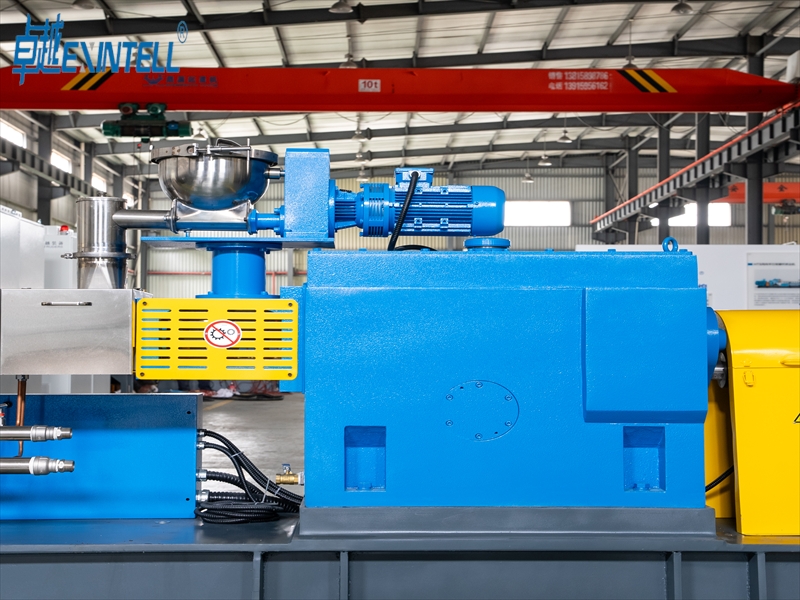
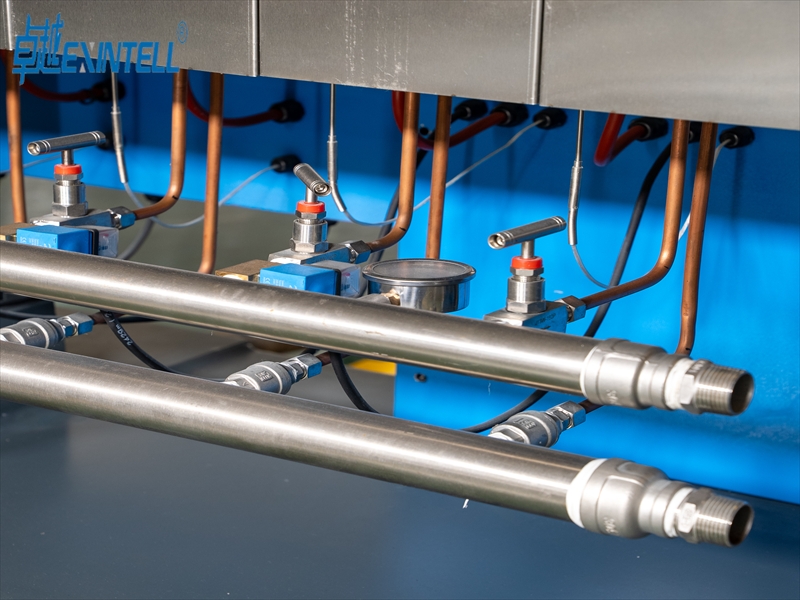
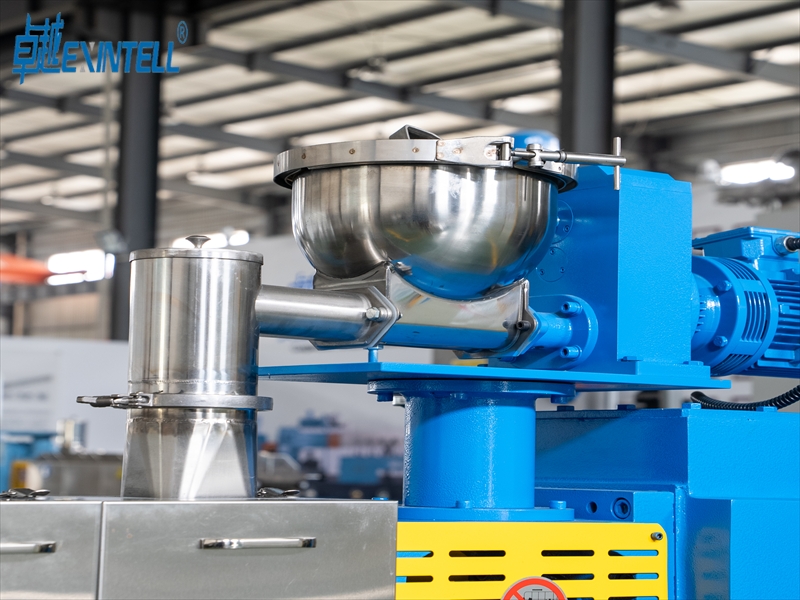
ໃນເວລາທີ່ຂ້າພະເຈົ້າດໍາເນີນການ pelletizer ໃຕ້ນ້ໍາ, ຂ້ອຍເລີ່ມຕົ້ນໂດຍການໃຫ້ອາຫານໂພລີເມີລີເມັນຜ່ານຈານຕາຍ. ຕາຍນັ່ງຈົມຢູ່ໃນຫ້ອງນ້ໍາ. ເມື່ອໂພລີເມີອອກຈາກຕົວຕາຍ, rotating knives cut the strands into pellets immediately. The water cools and transports the pellets away from the cutting area. I use a centrifugal dryer to separate water from the finished pellets before packaging or further processing. This method creates uniform pellets and supports continuous production. I rely on this system forການດໍາເນີນງານຜົນຜະລິດສູງand when I need consistent pellet quality.
ຂ້າພະເຈົ້າມັກຈະແນະນໍາໃຫ້ strand pelletizing ສໍາລັບການດໍາເນີນງານທີ່ມີງົບປະມານທີ່ໃກ້ຊິດຫຼືໃນເວລາທີ່ຄວາມງ່າຍດາຍແມ່ນບູລິມະສິດ. When I need advanced features or higher output, I accept the higher costs of underwater or water-ring systems.
ຄຸນະພາບເມັດ
Pellet quality affects downstream processing and product consistency. Underwater pelletizing systems produce spherical pellets with high consistency. These pellets flow well and reduce dust, which benefits my compounding and molding processes. Water-ring pelletizing systems create slightly flattened pellets. The quality remains good, but I see less consistency compared to underwater systems. Strand pelletizing systems generate cylindrical pellets. I notice more dust and fines, which can impact overall quality and require additional cleaning steps.
ການຍ່ອຍສະຫຼາຍໃຕ້ນ້ຳ: ກົມ, highly consistent pellets; best flow characteristics.
Water-ring pelletizing: Slightly flattened, good quality, moderate consistency.
Strand pelletizing: ຮູບຊົງກະບອກ, more dust and fines, lower consistency.
ເຄັດລັບ: I select underwater pelletizing when pellet uniformity and flow are critical. For less demanding applications, water-ring or strand systems may suffice.
ຄໍາຮ້ອງສະຫມັກທີ່ເຫມາະສົມ
I match each pelletizing system to specific applications based on their strengths. Underwater pelletizers excel in high-output, continuous polymer processing. I use them for large-scale compounding and specialty polymers. Water-ring pelletizing systems work well for polyolefins and recycled materials. Their versatility supports a range of recycling applications. Strand pelletizing systems offer high material flexibility. I process a wide variety of polymers, including those with high melt strength, and I often use this system for smaller batches or when I need to minimize costs.
ເຄື່ອງຍ່ອຍໃຕ້ນ້ຳ: Best for high-output, ການຜະລິດຢ່າງຕໍ່ເນື່ອງ, ແລະໂພລີເມີພິເສດ.
ເນັ້ນຄວາມແຕກຕ່າງ: Strand vs. Underwater Pelletizing
ຄວາມແຕກຕ່າງທີ່ ສຳ ຄັນທີ່ສຸດລະຫວ່າງລະບົບ strand ແລະ underwater pelletizing ປະກົດຢູ່ໃນການປະຕິບັດ, ຄ່າໃຊ້ຈ່າຍ, ແລະຄຸນນະພາບເມັດ. Strand pelletizing ສະເຫນີ ຄ່າໃຊ້ຈ່າຍເບື້ອງຕົ້ນຕ່ໍາ ແລະການດໍາເນີນງານງ່າຍດາຍ. ຂ້ອຍສາມາດປຸງແຕ່ງວັດສະດຸທີ່ຫລາກຫລາຍ, ແຕ່ຂ້ອຍຍອມຮັບການສົ່ງຜ່ານປານກາງແລະຂີ້ຝຸ່ນຫຼາຍໃນຜະລິດຕະພັນສຸດທ້າຍ. ການຂຸດຂີ້ເຫຍື້ອໃຕ້ນ້ໍາຮຽກຮ້ອງໃຫ້ມີການລົງທຶນທີ່ສູງຂຶ້ນແລະການດໍາເນີນງານທີ່ສັບສົນຫຼາຍ. ໃນການກັບຄືນ, I achieve the highest throughput, excellent energy efficiency, and the most consistent pellet quality. My choice depends on whether I prioritize cost and flexibility or output and pellet uniformity.
Choosing a Plastic Pelletizer System
Assessing Production Needs
When I select a pelletizer, I always start by defining my production requirements. I ask myself several key questions:
What types of plastics will I process?
How much material do I need to pelletize each hour or day?
Will my production volume increase in the future?
Do I need to switch between different materials often?
I calculate my current and projected throughput. This step helps me avoid under-sizing or over-investing in equipment. For high-output operations, I lean toward underwater pelletizing systems because they handle large volumes efficiently. For smaller or more flexible production, strand or water-ring systems often fit better.
I also consider the maintenance needs and blade durability. Easy access for cleaning and blade changes reduces downtime. I check if the pelletizer offers robust cutter assemblies, especially when I plan to process abrasive or filled compounds.
ຄວາມເຂົ້າກັນໄດ້ຂອງວັດສະດຸ
Material compatibility plays a critical role in my decision. Different polymers behavein unique ways during processing. ຕົວຢ່າງ, PE, PP, PET, and filled composites each require specific pelletizer features. I look for these factors:
High-viscosity materials need pelletizers with higher torque gearmotors and reinforced cutter assemblies.
Abrasive filled compounds demand die plates and cutters made from durable materials, such as carbide-tipped blades.
Higher initial investment due to precision-engineered components; more compact footprint.
I also factor in operating costs. Underwater and water-ring systems may cost more upfront, but their automation and efficiency can lower labor and energy expenses over time. I always verify manufacturer credentials and quality certifications. Reliable after-sales support and spare parts availability protect my investment and minimize downtime.
ເຄັດລັບ: I conduct factory audits and equipment testing before making a final decision. This step helps me avoid costly mistakes.
Other Practical Factors
Several practical considerations influence my final choice. I evaluate space requirements, operator skill level, and automation needs. The table below summarizes these factors for each pelletizer type:
ປັດໄຈ
Strand Pelletizer
Water-Ring Pelletizer (WRP)
ເຄື່ອງຍ່ອຍໃຕ້ນ້ຳ (UWP)
Space Requirements
Large footprint due to cooling trough and drying sections
Compact footprint
Relatively compact footprint
ລະດັບຄວາມສາມາດຂອງຜູ້ປະຕິບັດງານ
Labor intensive; requires more manual intervention and attention, especially during start-up and strand breakage
Medium to high automation; less manual labor needed
High automation; complex operation requiring skilled operators
ສະລັບສັບຊ້ອນການບໍາລຸງຮັກສາ
ປານກາງ; knife changes and cleaning needed
ປານກາງ; maintenance of water ring and cutter
ສະລັບສັບຊ້ອນຫຼາຍ; die plate and cutting chamber maintenance can be challenging
ລະດັບອັດຕະໂນມັດ
Lower automation
Medium to high automation
High automation
ການພິຈາລະນາເພີ່ມເຕີມ
Potential for strand breakage and fines/dust if not well maintained
Material limitations (ຕົວຢ່າງ:, not ideal for tacky materials)
Higher initial cost and complex operation
I consider workspace constraints, noise sensitivity, and dust control requirements. I also analyze energy efficiency and operating costs. I never overlook after-sales support or spare parts availability. These factors ensure smooth operation and long-term reliability.
ໝາຍເຫດ: I use a checklist to guide my decision:
Define materials and forms to process.
Calculate throughput needs.
Assess maintenance and blade replacement.
Consider workspace and automation.
Analyze long-term costs.
Evaluate manufacturer support.
ໂດຍປະຕິບັດຕາມວິທີການທີ່ມີໂຄງສ້າງນີ້, I select the plastic pelletizer system that best matches my production goals, material needs, ແລະງົບປະມານ. This method helps me avoid common pitfalls and ensures my operation runs efficiently for years to come.
I compare plastic pelletizer systems by their strengths and suitability for plastic film, ການຣີໄຊເຄີນ, and mechanical recycling. The table below highlights their advantagesfor sustainability and the circular economy:
ຂ້ອຍສະເຫມີກວດເບິ່ງປະເພດວັດສະດຸ, ລະດັບການປົນເປື້ອນ, ແລະຄວາມຕ້ອງການຜົນຜະລິດ. Strand pelletizers work well for mixed or high-melt materials. Water-ring systems handle films and regrind efficiently. Underwater systems suit clean, high-volume recycling.
How often should I perform maintenance on my pelletizer?
I inspect my pelletizer weekly for wear and alignment. I schedule blade changes and cleaning monthly. For underwater systems, I check die plates and knives more often due to higher complexity.
ໃນປະສົບການຂອງຂ້ອຍ, no single pelletizer fits every plastic. I match the system to the polymer’s melt strength, ໜຽວ, ແລະການປົນເປື້ອນ. I consult with the manufacturer for best results.