

Plastic Extrusion or Injection Molding Which Offers Better Precision
I have found that injection molding delivers better precision and tighter tolerances than Plastik Extrusioun. Zum Beispill, injection molding can achieve tolerances as tight as ±0.005 inches, while extrusion typically holds ±0.010 inches. Here is a process comparison based on typical applications and tolerances:
| Applikatioun Typ | Process Used | Common Tolerances |
|---|---|---|
| Long, uniform parts (z.B., Réier, rods) | Extrusion | ±0.010 inches |
| Complex or detailed parts | Injection Molding | ±0.005 inches or tighter |
| High-volume, high-precision | Injection Molding | Tighter than extrusion |
| Kontinuéierlech, simple shapes | Extrusion | Konsequent, less precise |
When choosing a manufacturing process, I always consider geometry, required tolerances, Produktioun Volumen, a kascht.
Schlëssel Takeaways
- Injection molding achieves tighter tolerances, often as precise as ±0.005 inches, making it ideal for complex parts.
- Plastic extrusion is best for long, uniform shapes like tubes and rods, with tolerances around ±0.010 inches.
- Consider production volume when choosing a process; injection molding is cost-effective for large runs, while extrusion suits high-volume continuous production.
- Material selection impacts precision; choose materials based on the specific requirements of your application.
- Evaluate part complexity; injection molding handles intricate designs better than extrusion, which is limited to simpler shapes.
- Surface finish quality is generally better in injection molding, leading to smoother parts without additional finishing steps.
- Plan for tooling costs; injection molding requires higher initial investment but offers long-term savings through repeatability.
- Always assess your project’s needs early; understanding geometry, tolerances, and budget helps in selecting the right manufacturing process.
Plastic Extrusion Overview
Process Basics
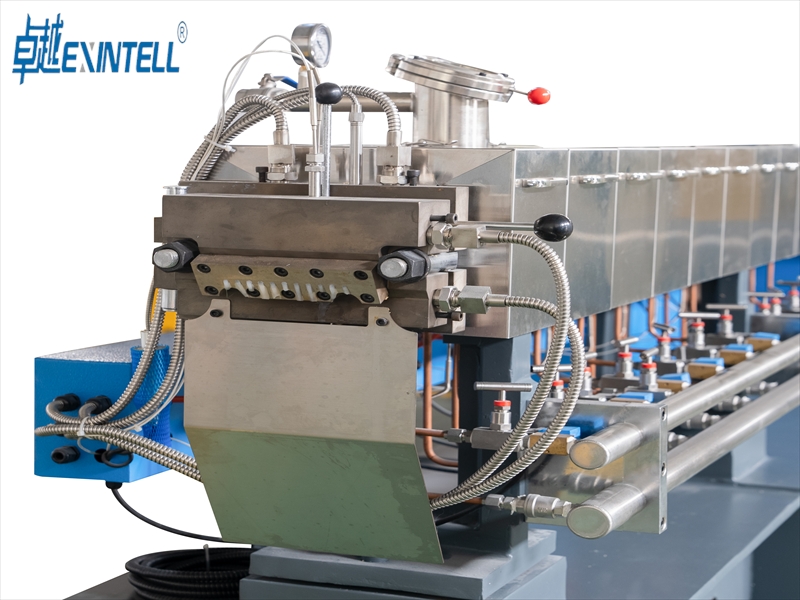
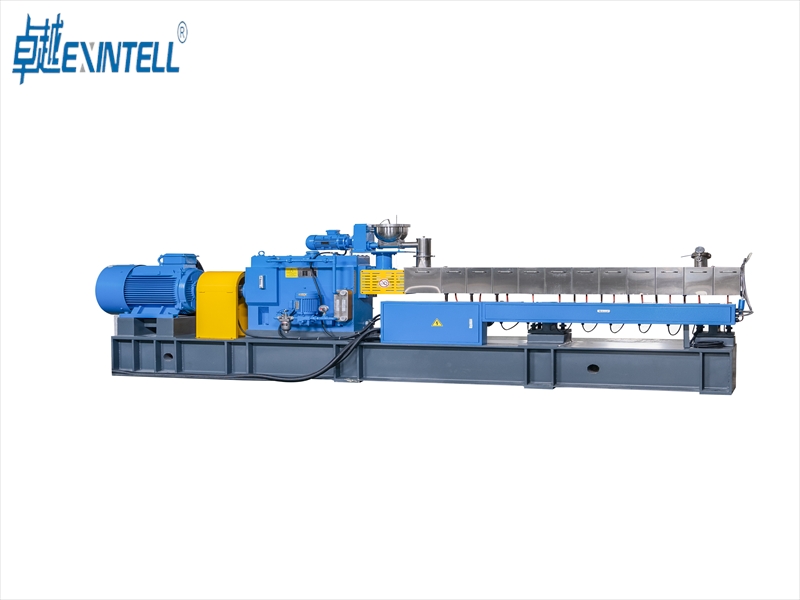
I have worked with Plastik extrusion for years and have seen how this method shapes thermoplastic materials into continuous profiles. The extrusion process starts with material selection, which is critical for achieving the desired properties in the final product. I load plastic pellets or granules into a hopper above the extruder. The machine uses a rotating screw to move the material through a heated barrel. As the material travels, it melts due to friction and external heat. The molten plastic then passes through a precision-shaped die, which gives the product its profile. After forming, the extruded shape enters a cooling system, usually an air or water bath, to solidify and maintain dimensional accuracy. Finally, Ech schneiden oder rullt de Produit, jee no der Applikatioun. Dës Schrëtt-fir-Schrëtt Approche erlaabt mech laang ze schafen, eenheetlech Formen mat konsequent Querschnitt.
Gemeinsam Uwendungen
Plastiksextrusioun spillt eng vital Roll an vill Industrien. Ech gesinn et dacks fir Verpakung benotzt, automobile, Miwwelen, a Konsumgidder. De Prozess produzéiert eng breet Palette vu Produkter, vun einfache Réier bis komplex Profiler. Hei ass eng Tabell déi e puer allgemeng Uwendungen resüméiert:
| Industrie | Produiten |
|---|---|
| Verpakung | Filmer, Blieder, Poschen, wraps, Schachtel, an Coupë |
| Automotive | Wieder Seals, Plastiksrohr, trim Profiler |
| Miwwelen & Konsument Wueren | Randbanding, Riddoen Bunnen, liicht PVC Schaum Brieder |
| Doheem Apparater | Handle, Sigel fir Uewen a Mikrowellen |
| Sanitär & Medizinesch | Tubing, Päifen |
Ech hunn dat fonnt Benotzerdefinéiert Plastik extrusion erlaabt Hiersteller eenzegaarteg Profiler fir spezialiséiert Bedierfnesser ze designen. Dës Flexibilitéit mécht Extrusioun eng populär Wiel fir kontinuéierlech, héich-Volumen Produktioun.
Material benotzt
The choice of materials in plastic extrusion affects both the process and the final product’s precision. I frequently use polypropylene, polyethylene terephthalate, an polystyrene. These materials offer different properties, such as flexibility, Kraaft, and clarity. The way I prepare, schmelzen, and cool the materials has a direct impact on the accuracy and consistency of the extruded parts. Here are some of the most common materials I use:
- Polypropylen (PP)
- Polyethylene terephthalate (PET)
- Polystyrol (PS)
- Polyvinyl chloride (PVC)
- High-density polyethylene (HDPE)
- Low-density polyethylene (LDPE)
- Acrylonitrile butadiene styrene (ABS)
- Thermoplastic elastomers (TPE)
- Nylon (PA)
- Polycarbonat (PC)
- Polymethyl methacrylate (PMMA)
When I work on custom plastic extrusion projects, I always match the material to the application’s requirements. This careful selection ensures the product meets both performance and precision standards.
Pros and Cons
When I evaluate plastic extrusion for a project, I always weigh the benefits and drawbacks. This process offers unique strengths, but it also comes with limitations that affect precision and tolerances.
Here is a table that summarizes the main advantages and disadvantages I have observed in my work:
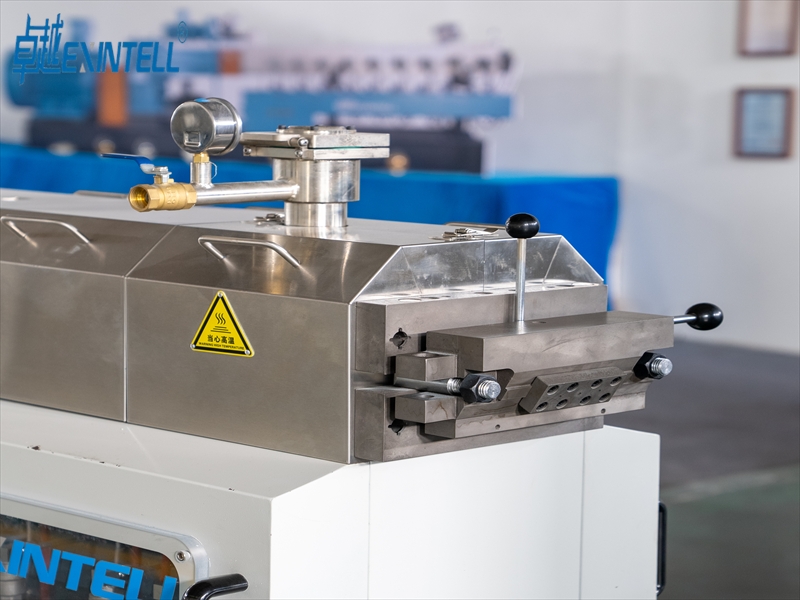
| Virdeeler | Nodeeler |
|---|---|
| High efficiency and scalability | Limitations in producing complex shapes |
| High production volumes | Challenges with die swell affecting precision |
| Cost-effectiveness for medium to high volumes | Potential surface imperfections requiring finishing |
Virdeeler
I often choose plastic extrusion for its high efficiency. The process runs continuously, which means I can produce long parts without interruption. This scalability makes it ideal for large orders. When I need to manufacture thousands of feet of tubing or profiles, extrusion delivers consistent results. The cost per part drops as production volume increases, so I find it very cost-effective for medium to high-volume projects.
Another advantage is the ability to create uniform cross-sections. I can maintain steady dimensions along the length of the part, which is important for applications like piping or window frames. The process also supports a wide range of thermoplastics, so I can select materials that match the mechanical and chemical requirements of the final product.
Nodeeler
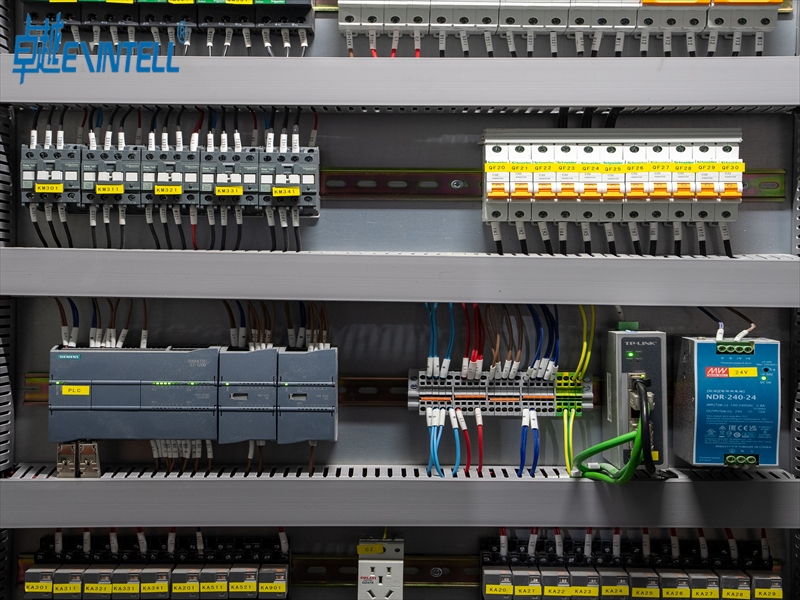
Despite these strengths, plastic extrusion has some drawbacks. The process struggles with complex shapes. If a part requires intricate details or sharp corners, I find extrusion less suitable. De geschmollte Plastik tendéiert ze schwellen wéi et aus dem Stierf erausgeet, e Phänomen bekannt als stierwen swell. Dësen Effekt kann et schwéier maachen enk Toleranzen z'erreechen, besonnesch fir Deeler déi präzis Dimensiounen brauchen.
Surface Finish kann och e Problem sinn. Heiansdo, déi extrudéiert Deeler weisen Linnen oder Marken aus dem Stierwen. Ech muss dacks sekundär Ofschlossschrëtt addéieren, wéi Trimmen oder Polieren, fir d'Erscheinung ze verbesseren an d'Qualitéitsnormen ze treffen. Dës extra Schrëtt kënne souwuel Zäit a Käschten erhéijen.
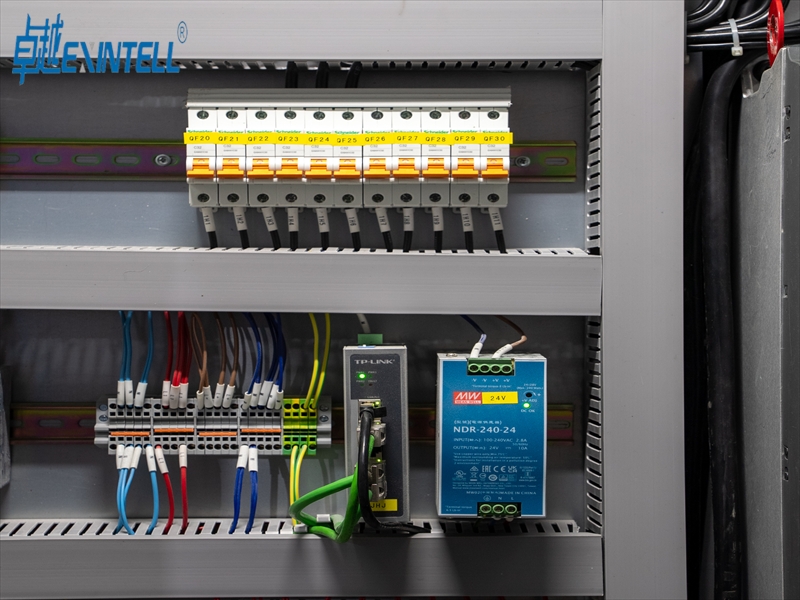
Tipp: Ech recommandéieren ëmmer d'Geometrie vum Deel an erfuerderlech Toleranzen ze iwwerpréiwen ier Dir d'Extrusioun auswielen. Wann den Design einfach ass an d'Bestellung grouss ass, extrusion bitt normalerweis de beschte Wäert.
Sprëtz molding Iwwersiicht
Process Basics
Ech hunn Joeren mat Sprëtzformen geschafft, an ech fannen de Prozess souwuel faszinéierend an effizient. D'Methode benotzt eng Schimmel, déi geschmollte Plastik a präzis Formen formt. Ech verfollegen ëmmer eng Serie vu Schrëtt fir sécherzestellen datt all Deel strikt Qualitéitsnormen entsprécht. Hei ass wéi ech de Sprëtz molding Prozess Approche:
- Spannung: Ech maachen d'Schimmel dicht zou fir op déi nächst Schrëtt ze preparéieren.
- Injektioun: Ech sprëtzen waarm, geschmoltenem Plastik an de Schimmelhuelraum.
- Wunnen: Ech loossen de Plastik fir eng kuerz Zäit an der Schimmel sëtzen, sou datt et all Plaz fëllt.
- Ofkillung: De Plastik killt a häert wärend an der Schimmel.
- Schimmel Ouverture: Ech maachen d'Schimmel op, nodeems den Deel ofgekillt ass.
- Auswee: Ech läschen de fäerdegen Deel aus der Schimmel.
Dëse Zyklus widderhëlt sech séier, wat erlaabt mir grouss Quantitéite vun identesch Deeler ze produzéieren. Ech vertrauen op Sprëtz molding wann ech komplex Formen brauchen, flott Detailer, an héichwäerteg Finishen. The process gives me excellent control over dimensions and surface appearance.
Note: I always monitor temperature and pressure closely during injection molding. These factors affect the final part’s precision and consistency.
Gemeinsam Uwendungen
Injection molding plays a vital role in many industries. I have used this process to create parts for automotive, medezinesch, consumer electronics, and packaging sectors. The versatility of injection molding allows me to produce both simple and highly complex components. Here is a table that summarizes some typical applications:
| Industrie | Products Produced |
|---|---|
| Automotive | Various components and parts |
| Medizinesch | Device housings, surgical tools |
| Consumer Electronics | Cases, buttons, an aner Komponenten |
| Verpakung | Bottle caps, containers |
I often make items like contact lens cases, bottle caps, and high-volume components with intricate geometries. Injection molding helps me deliver consistent results, souguer fir exigent Projeten.
Material benotzt
D'Materialwahl ass entscheedend bei Sprëtzformen. Ech wielen Materialien op Basis vun der erfuerderter Kraaft, Flexibilitéit, a Präzisioun. Fir héich-Präzisioun Deeler, Ech léiwer Polymer mat niddereg an eenheetlech verrëngeren, stabile Schmelzfluss, a gutt thermesch Resistenz. E puer vun de meeschte gemeinsam Materialien Ech benotzen abegraff:
- ABS: Bitt Zähegkeet, eng glat Uewerfläch, an Impakt Resistenz.
- Polypropylen: Bitt chemesch Resistenz, Flexibilitéit, a Bezuelbarkeet.
- Polycarbonat: Liwwert héich Kloerheet, Kraaft, an Hëtzt Resistenz.
- Polyethylen: Liicht a resistent géint Feuchtigkeit.
- Nylon: Bekannt fir Kraaft, zouzedrécken Resistenz, an thermesch Stabilitéit.
- PEEK: Aussergewéinlech fir Hëtzt, chemesch, an zouzedrécken Resistenz.
Wann ech nach méi enk Toleranzen brauch, Ech ginn op Ingenieursgrade Polymeren. Materialien wéi Flëssegkristallpolymer (LCP), Polyetheretherketon (PEEK), an acetal (POM) gitt mir exzellent Dimensiounsstabilitéit a minimale Schrumpfung. Zum Beispill, Ech benotzen LCP fir elektresch Stecker a Sensorkomponenten, while PEEK works well for medical implants and aerospace parts. Polycarbonate is my choice for lenses and optical components because of its clarity and strength.
Tipp: I always match the material to the application’s needs. The right choice ensures the injection molding process delivers both precision and performance.
Pros and Cons
I have worked with injection molding for many years. This process offers several advantages that make it my preferred choice for high-precision plastic parts. I want to share both the strengths and the limitations I have observed.
Advantages of Injection Molding
- I can achieve very high precision with injection molding. The process allows me to produce parts with tolerances as tight as ±0.005 inches. This level of accuracy is difficult to match with other plastic manufacturing methods.
- I appreciate the repeatability of injection molding. Once I set up the mold and process parameters, I can produce thousands or even millions of identical parts. Each part matches the original design closely.
- I often need to create parts with complex shapes and fine details. Injection molding handles intricate geometries well. I do not need to add extra steps or secondary processes to achieve these features.
- I find that injection molding delivers excellent surface finishes. The parts come out smooth and ready for use in most cases.
- I can use a wide range of thermoplastics and engineering polymers. This flexibility lets me match material properties to the application’s needs.
Disadvantages of Injection Molding
- I must invest in high-quality molds before I start production. The initial cost for mold creation can be significant. For small production runs, this cost may not be justified.
- I have learned that design complexity can present challenges. I need to plan the mold and part design carefully. Mistakes in the design phase can lead to costly changes later.
- I sometimes face longer lead times at the start of a project. Designing and manufacturing the mold takes time, especially for complex parts.
- I notice that material selection and process settings require careful attention. If I do not control temperature, pressure, and cooling rates, I risk defects or dimensional errors.
Here is a table that summarizes the main pros and cons I have experienced with injection molding:
| Pros | Cons |
|---|---|
| High precision and tight tolerances | High initial mold cost |
| Excellent repeatability for large volumes | Design complexity requires careful planning |
| Supports complex geometries and fine details | Longer lead times for mold development |
| Smooth surface finishes | Process control is critical |
| Wide material selection | Not cost-effective for low-volume runs |
Tipp: I always recommend injection molding when a project demands high precision, complex shapes, and large production volumes. For simple parts or small batches, I consider other methods to save on costs and lead time.
Precision and Tolerances
When I compare plastic extrusion and injection molding, I always focus on how each process handles precision and tolerances. These factors determine if a part will meet the design’s tolerance requirements and function as intended. I have learned that even small differences in tolerances can impact assembly, Leeschtung, a Produktqualitéit.
Plastic Extrusion Tolerances
Dimensional Consistency
A menger Erfahrung, plastic extrusion delivers good dimensional consistency for long, continuous shapes. I often see typical tolerance ranges around ±0.010 inches. This value sets a benchmark for what I can expect from extrusion in terms of dimensional variation. The process works best for parts with uniform cross-sections, such as tubes, rods, an Profiler. Allerdéngs, I notice that maintaining tight tolerances along the entire length can be challenging. Factors like die swell, material shrinkage, and cooling rates can cause slight variations. I always monitor these variables closely to keep the dimensions within acceptable limits.
Uewerfläch Finish
Surface finish in extrusion depends on the die quality and the cooling process. I often see minor lines or marks on extruded parts, which come from the die or from uneven cooling. Dës Marken kënnen d'Erscheinung an heiansdo d'Fit vum Deel beaflossen. Wann eng glat Uewerfläch kritesch ass, Ech muss eventuell sekundär Ofschlossschrëtt addéieren. Ech hu festgestallt datt d'Extrusioun selten deeselwechten Niveau vun der Uewerflächeglatheet erreecht wéi d'Sprëtzformen. Nach ëmmer, fir vill Uwendungen, d'Finish ass akzeptabel ouni extra Aarbecht.
Sprëtz Molding Toleranzen
Dimensioun Genauegkeet
Sprëtzformen ënnerscheet sech fir seng Fäegkeet fir ganz enk Toleranzen z'erreechen. Ech schaffen regelméisseg mat Toleranzen esou knapp wéi ± 0,005 Zoll, an heiansdo souguer méi enk fir héich Präzisioun Deeler. Dëse Niveau vun der Genauegkeet kënnt aus der steifer Schimmel an de kontrolléierte Prozessparameter. Ech vertrauen op Standarden wéi ÄR EN ISO 20457 an ISO 2768-1/2 meng Aarbecht ze guidéieren. Dës Standarden definéieren Toleranzgruppen a Klassen fir verschidden Deelgréissten a Funktiounen. Zum Beispill, ÄR EN ISO 20457 spezifizéiert Toleranzgruppen wéi TG5, déi erlaabt ongeféier 0.23 mm fir a 32 mm Deel. Dës Richtlinnen hëllefen mir sécherzestellen datt all Deel strikt dimensional Ufuerderunge entsprécht.
Ech bezuelen gutt op Sprëtz Drock an Holding Drock während der Schimmel. Richteg Ofstëmmung vun dësen Astellunge garantéiert datt d'Schimmel komplett fëllt an d'Mängel miniméiert. Dës Kontroll ass wesentlech fir Präzisioun Uwendungen, wou souguer eng kleng deviation Problemer an Assemblée oder Funktioun verursaache kann.
Uewerfläch Finish
Surface Finish an Sprëtz molding kann excellent sinn. Ech kann Deeler mat Glanzpabeier produzéiere, poléiert Flächen oder mat Texturen déi de Grip verbesseren a kleng Mängel verstoppen. D'Wiel vum Finish beaflosst souwuel de Look an d'Leeschtung vum Deel. Zum Beispill:
- Eng poléiert Finish gëtt e glänzend, glat Erscheinung.
- Texturéiert Flächen kënnen Deeler méi einfach maachen ze handhaben a manner wahrscheinlech Kratzer ze weisen.
- Verschidde Finishen kënnen och d'Haltbarkeet beaflossen a wéi den Deel mat anere Komponenten interagéiert.
Ech betruecht och wéi Post-Veraarbechtung Methoden, wéi z anodiséieren, pulverbeschichtung, oder electroplating, kéint déi lescht Dimensiounen Afloss. Dës Methoden addéieren Material oder änneren d'Uewerfläch, also ech berechnen se a mengem Design fir Präzisioun z'erhalen.
Toleranz Verglach Table
Ech benotzen dacks en Dësch fir déi typesch Toleranzen fir Plastiksextrusioun a Sprëtzformen ze vergläichen. Dëse Resumé hëlleft mir a meng Clienten ze verstoen wat vun all Prozess ze erwaarden:
| Prozess | Typesch Toleranzen | Surface Finish Qualitéit | Widderhuelbarkeet |
|---|---|---|---|
| Plastik Extrusioun | ±0.010 inches | Mëttelméisseg | Gutt fir laang Deeler |
| Injection Molding | ±0.005 inches or tighter | exzellent | Ganz héich |
Note: Sprëtzformen erreecht méi enk Toleranzen a besser Widderhuelbarkeet wéi Plastiksextrusioun. I always recommend injection molding when a project demands high precision, complex shapes, or strict tolerance requirements.
I have found that choosing the right process depends on the part’s geometry, the required tolerances, and the application. Injection molding gives me the best results for detailed, high-precision parts. Plastic extrusion works well for simple, continuous shapes where slightly looser tolerances are acceptable.
Factors Affecting Precision
Material Choice
I always start by considering the material when I want to achieve high precision in plastic parts. The properties of the plastic influence how well I can control tolerances during both extrusion and injection molding. Zum Beispill, the way a material flows, its shrinkage, and its thermal stability all play a role in the final outcome.
Here is a table that summarizes how different material properties affect precision and tolerances:
| Material Property | Influence on Precision and Tolerances |
|---|---|
| Flow Behavior (MFI/MFR) | High MFI materials flow easily, which helps fill complex or thin-walled molds. Allerdéngs, they may have lower strength. |
| Low MFI materials are thicker and harder to mold but result in stronger, more impact-resistant parts. | |
| Shrinkage | Amorphous plastics like ABS and PC shrink less and more evenly, so I can achieve tighter tolerances. |
| Semi-crystalline plastics such as Nylon and POM shrink more and less predictably, making precision harder to control. | |
| Thermal Stability | Poor thermal stability can cause defects like burn marks or warping, which reduces dimensional accuracy. |
| Good thermal stability is important for thin or complex parts where precision matters most. |
When I select a material, I always match its properties to the needs of the part. Zum Beispill, wann ech brauch en Deel mat ganz knapper Toleranzen, Ech wielen en amorphe Plastik mat gerénger Schrumpfung a gudder thermescher Stabilitéit.
Deel Komplexitéit
D'Komplexitéit vun engem Deel huet en direkten Impakt op d'Präzisioun déi ech erreechen kann. Einfach Formen si méi einfach ze kontrolléieren, wärend komplex Designen méi Erausfuerderunge virstellen. Ech bezuelen Opmierksamkeet op Funktiounen wéi Trennlinnen, gebogen Flächen, a kritesch Dimensiounen.
Hei ass eng Tabell déi weist wéi verschidden Design Considératiounen Präzisioun Afloss:
| Iwwerleeung | Impakt op Präzisioun |
|---|---|
| Trennlinn Placement | Beaflosst d'Schimmelkomplexitéit an d'Qualitéit vum fäerdege Produkt. |
| Vermeiden kritesch Beräicher | Hëlleft Dimensiounsverännerungen ze vermeiden a garantéiert e bessere Passform. |
| Positionéierung op kromme Flächen | Erfuerdert méi héich Schimmelgenauegkeet, déi Käschten a Risiko vu Mängel erhéijen. |
| Benotzung vun natierleche Split Linnen | Makes mold construction easier and improves the demolding process. |
When I design a part for injection molding, I try to place parting lines in less visible areas and avoid putting them on critical surfaces. This approach helps me maintain better tolerances and reduce the risk of defects.
Produktioun Volume
Production volume also affects the level of precision I can achieve. For high-volume production, I invest in high-quality molds and precise process controls. This investment pays off because I can produce thousands or millions of identical parts with consistent tolerances. For smaller runs, I may use less expensive tooling, but I know that this can lead to more variation in the final parts.
Tipp: I always recommend using the best possible tooling and process controls for high-volume production. Dës Strategie garantéiert datt all Deel déi erfuerderlech Spezifikatioune entsprécht a reduzéiert den Offall.
Tooling Qualitéit
Ech bezuelen ëmmer Opmierksamkeet op d'Qualitéit vum Tool wann ech eng héich Präzisioun an der Plastikfabrikatioun erreechen wëllen. D'Tools déi ech benotzen, wéi Stierwen fir Extrusioun a Schimmel fir Sprëtzen, spillt eng kritesch Roll bei der Bestëmmung vun den endgültege Toleranzen an der Uewerflächefinanz vun all Deel. Ech hu geléiert datt souguer kleng Mängel am Tooling zu bedeitende Feeler am fäerdege Produkt féieren.
A menger Erfahrung, Héich Qualitéit Tooling fänkt mat virsiichteg Design un. Ech schaffen mat Ingenieuren fir detailléiert Zeechnungen an 3D Modeller ze kreéieren. Dës Modeller hëllefen mir den Deel ze visualiséieren a Beräicher z'identifizéieren wou Präzisioun am meeschte wichteg ass. Ech wielt Materialien fir d'Tooling déi géint Verschleiung widderstoen an hir Form ënner héijen Temperaturen an Drock behalen. Fir Sprëtzen, Ech benotzen dacks gehärte Stahl oder héichwäerteg Aluminium. Fir extrusion stierft, Ech léiwer Tool Stahl mat enger poléierter Uewerfläch.
Ech hu gesinn datt de Fabrikatiounsprozess fir Tooling seng Qualitéit beaflosst. Präzisioun machining, wéi CNC milling an EDM, erlaabt mir knapp Toleranzen an der Schimmel z'erreechen oder ze stierwen. Ech kontrolléieren d'Tooling no all Schrëtt fir sécherzestellen datt et keng Mängel oder Inkonsistenz gëtt. Wann ech Problemer fannen, Ech adresséieren hinnen direkt. Dës Opmierksamkeet op Detailer verhënnert Problemer während der Produktioun.
Ënnerhalt ass en anere Faktor deen d'Qualitéit vum Tool beaflosst. Ech plangen regelméisseg Inspektiounen a Botzen fir all meng Tools. I replace worn parts before they cause defects in the plastic parts. Proper maintenance extends the life of the tooling and keeps the production process running smoothly.
Here is a table that summarizes how tooling quality impacts precision in both processes:
| Tooling Aspect | Impakt op Präzisioun | My Approach |
|---|---|---|
| Material Auswiel | Reduces wear and deformation | Use hardened steel or aluminum |
| Machining Accuracy | Achieves tight tolerances | Employ CNC and EDM |
| Uewerfläch Finish | Improves part appearance | Polish dies and molds |
| Ënnerhalt | Prevents defects | Schedule regular checks |
Tipp: I always recommend investing in high-quality tooling for projects that require tight tolerances. The upfront cost may be higher, but the long-term benefits include fewer defects, better repeatability, and lower maintenance costs.
I have found that tooling quality often determines the success of a manufacturing project. Wann ech gutt entworf a gutt erhale Tools benotzen, Ech produzéiere konsequent Deeler déi strikt Präzisioun Ufuerderunge treffen. Dës Approche baut Vertraue mat menge Clienten an hëlleft mir all Kéier zouverlässeg Resultater ze liwweren.
Käschten vs. Präzisioun
Extrusiounskäschtefaktoren
When I evaluate plastic extrusion for a project, Ech betruecht ëmmer wéi Käschten a Präzisioun interagéieren. Verschidde Faktoren beaflossen den definitive Präis vun extrudéierten Deeler:
- Ech brauch dacks Premium Materialien méi héich Präzisioun z'erreechen. Dës Materialien kaschten méi awer hëllefe mir streng Toleranzen ze treffen.
- Benotzerdefinéiert Tooling gëtt néideg wann ech eenzegaarteg Profiler oder méi enk Toleranzen wëllen. Dës Ufuerderung erhéicht d'initial Investitioun.
- Wann ech op Geschwindegkeet an niddreg Käschten konzentréieren, Ech gesinn heiansdo e Réckgang an der Präzisioun. Deeler kënnen net déi néideg Toleranzen treffen, wat zu Qualitéitsproblemer féieren kann.
- Wann ech Qualitéit a Präzisioun Prioritéit, Ech verbréngen méi Zäit op Setup an Inspektioun. Dës Approche verlangsamt d'Produktioun awer garantéiert besser Resultater.
Ech fannen datt d'Balancen vun dëse Faktoren Schlëssel ass. Wann e Projet erlaabt looser Toleranzen, Ech ka Sue spueren andeems Dir Standardmaterialien an Tooling benotzt. Fir kritesch Uwendungen, Ech investéiere méi fir Präzisioun ze garantéieren.
Sprëtz molding Käschte Faktoren
Sprëtz molding presentéiert eng aner Käschte Struktur. Ech hu geléiert datt verschidde Elementer d'Gesamtkäschte féieren, besonnesch wann Dir op héich Präzisioun zielt. D'Tabell hei drënner resüméiert d'Haaptkäschtefaktoren an hir Relatioun zu Präzisioun:
| Käschte Faktor | Relatioun zu Präzisioun |
|---|---|
| Tooling Käschten | Héichqualitativ Schimmel stabiliséieren d'Produktioun an halen enk Toleranzen iwwer Zäit. |
| Material Verbrauch | Premium Materialien verbesseren d'Genauegkeet awer erhéijen d'initial Käschten. |
| Zyklus Zäit | Kuerz Zyklen reduzéieren d'Käschte, awer heiansdo Kompromëss Präzisioun. |
| Maschinn Tonnage Taux | Méi grouss Maschinnen halen méi enk Toleranzen awer benotze méi Energie. |
| Aarbecht / Automatisatioun Niveau | Automatisatioun boost Präzisioun a senkt d'Aarbechtskäschte op laang Siicht. |
| Schrott Taux | Schlecht Präzisioun erhéicht Schrott, wat d'Gesamtkäschte eropgeet. |
Ech weien ëmmer dës Faktoren ier ech en neie Sprëtzprojet starten. Fir grouss Produktioun leeft, Investitiounen a besseren Tooling an Automatisatioun lount sech. Ech gesinn manner Mängel a méi konsequent Deeler.
Balance Käschten a Präzisioun
D'Wiel tëscht Extrusioun a Sprëtzformen kënnt dacks erof op de richtege Gläichgewiicht ze fannen. Ech kucken op d'Geometrie vum Deel, the required tolerances, an de Produktiounsvolumen. D'Tabell hei ënnen hëlleft mir ze entscheeden wéi ee Prozess am Beschten passt:
| Prozess Typ | Ideal Fir | Kär Virdeel | Trade-off |
|---|---|---|---|
| Injection Molding | Komplex, zouene 3D Deeler | Extrem Präzisioun a Konsistenz | Higher initial mold cost; best for large batches |
| Plastik Extrusioun | Kontinuéierlech, uniform profiles | Lower tooling cost, efficient output | Limited to linear shapes; less suitable for complex geometries |
If I need complex shapes and tight tolerances, I choose injection molding despite the higher upfront cost. For simple, continuous profiles, I rely on extrusion to keep costs low and production fast. I always match the process to the project’s needs, ensuring I deliver both value and quality.
Tipp: I recommend discussing your precision requirements early in the design phase. This step helps me select the most cost-effective process for your application.
Choosing the Right Process
Selecting the right process for manufacturing plastic parts can determine the success of a project. I always start by evaluating the part’s geometry, required tolerances, Produktioun Volumen, and cost targets. Meng Erfahrung huet gewisen datt souwuel Plastiksextrusioun wéi och Sprëtzformen eenzegaarteg Stäerkten ubidden. Déi bescht Wiel hänkt vun de spezifesche Bedierfnesser vun der Applikatioun of.
Wéini Plastik Extrusioun ze benotzen
Ech ginn op d' Plastiksextrusiounsprozess wann ech laang produzéiere muss, kontinuéierlech Formen mat eenheetleche Querschnitt. Dëse Prozess excels bei der Schafung vun Elementer wéi Réier, Päifen, Wieder Sigel, a Profiler fir Fënsteren oder Miwwelen. Ech fannen datt d'Extrusioun am Beschten fir High-Volumen-Produktioun leeft, wou den Design keng komplex 3D-Features erfuerdert.
Fir eng erfollegräich a qualitativ héichwäerteg Plastiksextrusioun ze garantéieren, puer Schlëssel Faktore musse suergfälteg bewäert ginn während der Designphase: Funktionell Ufuerderunge, Material Kompatibilitéit, Profil Komplexitéit, Wanddicke, Toleranzen, Mating Deeler, Tooling Zesummenaarbecht, a Käschte Effizienz.
When I assess whether the extrusion process is the right fit, I consider:
- Application requirements, such as temperature resistance and UV exposure.
- Mechanical properties, including flexibility, hardness, and tensile strength.
- Environmental conditions, like weather and temperature fluctuations.
- Aesthetic and finish requirements, such as color, glanz, an Uewerfläch Textur.
- Regulatory and compliance needs to meet industry standards.
I also weigh the cost benefits of the extrusion process. Here is how I approach the decision:
- Assess material costs against budget constraints.
- Consider long-term savings from durability and reduced waste.
- Work with experienced partners to find the best balance of performance and price.
Different plastics behave uniquely during the extrusion process, affecting the final product’s shape and performance. Ech bezuelen gutt op thermal stability and melt strength, especially for applications that require precise tolerances. When the design calls for simple, linear shapes and the process must remain cost-effective, extrusion often provides the best solution.
Example Scenario:
Last year, I worked with a client who needed thousands of feet of custom tubing for an irrigation system. The process required a material that could withstand sunlight and temperature swings. I recommended the extrusion process using UV-stabilized polyethylene. The process allowed us to maintain consistent wall thickness and meet the client’s budget. The result was a durable product that performed well in the field.
When to Use Injection Molding
I choose the injection molding process when the part design involves complex geometries, tight tolerances, or intricate details. This process is ideal for producing high-precision components, such as medical device housings, automotive connectors, or consumer electronics enclosures. The process supports a wide range of materials and finishes, making it versatile for many industries.
The injection molding process stands out when:
- The part requires enclosed or 3D shapes that extrusion cannot achieve.
- High repeatability and consistency are critical for assembly or function.
- The application demands a smooth surface finish or specific textures.
- The project involves large production volumes, justifying the investment in tooling.
I always consider the initial tooling cost and lead time for the injection molding process. For high-volume projects, the process delivers excellent value through low per-part costs and minimal variation between parts. I also rely on this process when regulatory compliance and material traceability are essential.
Example Scenario:
Recently, I partnered with a medical device manufacturer to produce a new type of handheld diagnostic tool. The process required a housing with complex internal features and a flawless surface finish. I recommended the injection molding process using medical-grade polycarbonate. The process allowed us to achieve the necessary tolerances and pass strict regulatory tests. The client appreciated the consistency and quality of every part.
Fall Studie:
I have seen how companies use data-driven approaches to select the right process. Zum Beispill, Amcor conducted a pilot test comparing emissions from different plastic sources and production sites. The process helped them make informed decisions about low-carbon procurement and supplier relationships. Andeems Dir de Prozess bei all Schrëtt analyséiert, si hunn d'Transparenz verbessert an hir Nohaltegkeetsziler erreecht.
Tipp: Ech roden ëmmer Clienten hir Präzisioun Ufuerderunge ze definéieren, Produktioun Volumen, a Budget fréi an der Design Phase. Dës Kloerheet hëlleft mir de gëeegentste Prozess ze recommandéieren a spéider deier Ännerungen ze vermeiden.
Wéi ech entscheeden tëscht Prozesser
Ech benotzen eng einfach Checklëscht fir meng Entscheedung ze guidéieren:
- Huet den Deel eng eenheetlech Querschnitt a brauch laang Längt? Ech wielen den Extrusiounsprozess.
- Braucht den Deel komplex Formen, tight tolerances, oder eng héichwäerteg Finish? Ech wielt de Sprëtz molding Prozess.
- Ass de Produktiounsvolumen héich genuch fir Tooling Investitioun ze justifiéieren? Ech hänken op d'Injektiounsformung.
- Ass Käschteneffizienz fir einfach Formen den Haaptziel? Ech recommandéieren extrusion.
D'Prozessauswiel formt de ganze Projet, vum Design bis endlech Liwwerung. Ech passen ëmmer de Prozess un d'Bedierfnesser vun der Applikatioun, déi bescht Gläichgewiicht vun Qualitéit assuréieren, Präzisioun, a kascht.
Zousätzlech Considératiounen
Lead Time
Ech bezuelen ëmmer Opmierksamkeet op d'Leedungszäit wann ech e Fabrikatiounsprojet plangen. D'Leadzäit bezitt sech op wéi laang et dauert fir vum Designgenehmegung bis fäerdeg Deeler ze goen. A menger Erfahrung, Plastik Extrusioun bitt normalerweis méi kuerz Leadzäiten. D'Tooling fir Extrusioun ass méi einfach a méi séier ze produzéieren. Ech kann d'Produktioun séier ufänken wann de Stierwen fäerdeg ass. Dëst mécht d'Extrusioun e gudde Choix fir Projeten mat knapper Frist oder dréngend Bedierfnesser.
Injektiounsformung erfuerdert méi Zäit am Viraus. De Schimmeldesign ass komplex a verlaangt virsiichteg Ingenieur. Ech verbréngen dacks Wochen oder souguer Méint fir d'Schimmel ze kreéieren an ze testen. Wann d'Schimmel fäerdeg ass, Produktioun beweegt sech séier, awer den initialen Setup verlangsamt de Prozess. Ech recommandéieren Sprëtzformen fir Projeten wou Präzisioun a Volumen méi wéi Geschwindegkeet sinn.
Tipp: Wann Dir Deeler séier braucht an den Design ass einfach, extrusion kann wäertvoll Zäit retten.
Design Flexibilitéit
Design Flexibilitéit formt wat ech mat all Prozess erreechen kann. Ech hunn dat geléiert extrusion limitéiert meng Optiounen. De Prozess funktionnéiert am beschten fir einfach, widderholl Formen wéi Réier oder Profiler. Ech kann net komplizéiert Fonctiounen oder komplex Geometrie mat extrusion schafen.
Sprëtz molding gëtt mir vill méi Fräiheet. Ech kann Deeler mat feinen Detailer designen, ënnerzegoen, a komplex Formen. De Schimmel erfaasst all Feature, also kann ech strikt Ufuerderunge fir Genauegkeet an Erscheinung treffen.
Here is a Dësch datt Design Flexibilitéit vergläicht tëscht deenen zwou Methoden:
| Method | Design Flexibilitéit | Komplexitéit vun Deeler |
|---|---|---|
| Extrusioun Molding | Limitéiert Design Flexibilitéit; beschte fir einfach, widderholl Formen. | Not suitable for intricate features. |
| Injection Molding | High design flexibility; ideal for complex shapes with fine details and accuracy. | Capable of creating sophisticated designs. |
I always match the process to the part’s needs. If the design is simple and repeated, extrusion works well. For complex or detailed parts, injection molding is the clear winner.
Nohaltegkeet
Sustainability has become a major concern in my work. I look for ways to reduce waste and use eco-friendly materials. Plastic extrusion stands out for its ability to incorporate recycled content and biodegradable materials. I can use these options without sacrificing performance or quality. This gives extrusion an advantage when clients want greener solutions.
Injection molding is less flexible in this area. The process does not always support recycled or biodegradable plastics. Ech muss Material virsiichteg wielen Mängel oder Qualitéit Problemer ze vermeiden. Wann Nohaltegkeet eng Prioritéit ass, Ech recommandéieren d'Extrusioun fir seng Ëmweltvirdeeler.
🌱 Ech encouragéieren ëmmer Clienten fir recycléiert oder biodegradéierbar Materialien an Extrusiounsprojeten ze berücksichtegen. Dëse Choix ënnerstëtzt Nohaltegkeetsziler an hëlleft d'Ëmwelt ze schützen.
Ech hu gesinn, datt Sprëtz molding liwwert besser Präzisioun an der Plastikfabrikatioun, besonnesch fir kleng bis mëttelgrouss Plastik Deeler. De Prozess benotzt equilibréiert Spannkraaft an optiméiert Harzviskositéit fir Mängel ze reduzéieren. Multi-Cavity Formen a steife Rummen hëllefen konsequent Resultater ze halen. Wann ech wielen tëscht Plastik extrusion an Sprëtz molding, Ech betruecht ëmmer Plastik Geometrie, tolerances, Produktioun Volumen, a kascht. Ech recommandéieren d'Injektiounsformen fir komplexe Plastikformen a enk Toleranzen. Plastic extrusion works well for simple, continuous plastic profiles. My experience shows that careful planning in plastic manufacturing leads to reliable plastic products.
| Faktor | Injection Molding | Plastik Extrusioun |
|---|---|---|
| Präzisioun | High for plastic parts | Moderate for plastic parts |
| Toleranzen | Tight in plastic manufacturing | Looser in plastic manufacturing |
| Produktioun Volume | Best for large plastic runs | Best for continuous plastic runs |
| Käschten | Higher for plastic molds | Lower for plastic dies |
I always advise clients to match the plastic manufacturing process to their specific plastic needs.
FAQ
What is the main advantage of plastic extrusion?
I find Plastik extrusion ideal for creating continuous profiles. The process runs efficiently and produces long, uniform shapes. I can quickly manufacture parts like tubes and rods for many industries.
Can injection molding handle complex shapes?
I rely on injection molding when I need intricate designs or detailed features. The process allows me to produce parts with complex geometries and tight tolerances. I achieve high precision every time.
Which process is better for high volume production?
I choose injection molding for high volume production. The process delivers consistent quality and repeatability. I can produce thousands or millions of identical parts with minimal variation.
Are continuous profiles possible with injection molding?
I do not use injection molding for continuous profiles. The process works best for discrete, individual parts. Ech dréinen zu extrusion when I need long, uninterrupted shapes.
What materials work best for extrusion?
I select materials like polypropylene, PVC, and HDPE for extrusion. These plastics help me create continuous profiles with reliable performance. I match the material to the application’s requirements.
How does surface finish compare between the two processes?
I notice that injection molding produces smoother surfaces. Extrusion sometimes leaves marks or lines on continuous profiles. I may add finishing steps to improve appearance when needed.
Is extrusion cost-effective for small batches?
I usually recommend extrusion for larger orders. The process becomes more cost-effective as I produce more continuous profiles. For small batches, setup costs may outweigh the benefits.
Can I use recycled materials in extrusion?
I often use recycled plastics in extrusion. The process supports sustainable manufacturing and lets me create continuous profiles with eco-friendly materials. I help clients meet their environmental goals.