

Types Of Twin Screw Extruder Supplier: 확실한 B2B 소싱 & 무역 가이드
Twin screw extruders sit at the heart of modern polymer compounding, 식품 가공, 의약품 제조, and advanced materials production. As global demand for high-performance extrusion equipment accelerates—driven by sustainability mandates, lightweight-material adoption in automotive, and booming biodegradable plastics—choosing the right types of twin screw extruder supplier has never been more consequential for B2B buyers. Whether you are sourcing from a dedicated 트윈 스크류 압출기 제조업체, a vertically integrated 트윈 스크류 압출기 공장, or a twin screw extruder wholesale distributor, understanding the supplier landscape across the trade corridor is essential to securing competitive pricing, reliable lead times, and compliant machinery. This guide synthesizes the latest market data, trade-policy developments, 실제 사례 연구, and forward-looking forecasts to help procurement teams, plant engineers, and import-export professionals make informed decisions.

트윈 스크류 압출기 생산 환경을 대표하는 중장비를 갖춘 산업 제조 시설
Understanding Twin Screw Extruder Technology and Classification
Before evaluating supplier types, buyers must understand the core technology. A twin screw extruder uses two intermeshing screws housed inside a barrel to convey, 녹다, 혼합, 원료를 성형하고. The two primary mechanical configurations define the entire supplier ecosystem:
Co-Rotating Twin Screw Extruders
In co-rotating designs, both screws turn in the same direction. This configuration excels at distributive and dispersive mixing, making it the dominant choice for polymer compounding, 마스터배치 생산, reactive extrusion, and food-snack manufacturing. Co-rotating machines typically operate at higher screw speeds (300–1,200 rpm) and offer superior self-wiping characteristics, which reduce material degradation and downtime. Major OEM manufacturers such as Coperion (독일), 크라우스마파이 (독일), 라이스트리츠 (독일/미국), and Nanjing Jieya (중국) focus heavily on this segment. 에 따르면 2024 Grand View Research report, the co-rotating segment accounted for over 60 % of global twin screw extruder revenue, a share projected to grow through 2030 (그랜드뷰리서치, 2024).
Counter-Rotating Twin Screw Extruders
Counter-rotating extruders feature screws that turn in opposite directions. They generate higher pressure buildup and are preferred for PVC pipe and profile extrusion, certain rubber compounds, and applications requiring precise pressure control. Suppliers like Cincinnati Extrusion (Austria), Battenfeld-Cincinnati (Austria/US), and several Zhangjiagang-based Chinese factories dominate this niche. The counter-rotating segment, while smaller in revenue share, remains critical for construction-material supply chains across Europe and North America.
Conical vs. Parallel Configurations
Within counter-rotating machines, buyers encounter conical twin screw extruders (tapered barrels ideal for PVC dry-blend processing) and parallel twin screw extruders (uniform barrel diameter for broader material flexibility). Each configuration influences the type of supplier you engage—conical specialists tend to be niche factories, while parallel-machine suppliers often serve wider industrial markets.
Mapping the Supplier Landscape: 제조업체, Factory, 모조리, and Distributor
The phrase types of twin screw extruder supplier encompasses several distinct business models. Understanding each model's value proposition helps B2B buyers align sourcing strategy with operational priorities.
OEM Manufacturers
Original Equipment Manufacturers design, engineer, and build extruders under their own brand. European OEMs (코페리온, 크라우스마파이, 라이스트리츠, 뷸러) command premium pricing but deliver cutting-edge screw-element geometry, advanced process-control software, and global after-sales networks. Chinese OEMs (난징 지에야, Nanjing Chuangbo, 우온, Kunshan Kexin) have rapidly closed the technology gap, offering machines at 40–60 % lower cost with increasingly competitive performance specs. A Mordor Intelligence analysis valued the global twin screw extruder market at approximately USD 5.2 10억, with Asia-Pacific manufacturers capturing the fastest growth (Mordor Intelligence, ).
Contract Factories (OEM/ODM)
Many Chinese and Southeast Asian factories operate as contract manufacturers, producing extruders to buyer specifications or under white-label agreements. Cities like Nanjing, 장자강, and Kunshan in China's Jiangsu Province host dense clusters of such factories. B2B buyers seeking private-label machinery or custom screw-barrel configurations often engage these suppliers through trade platforms like Alibaba, 메이드 인 차이나, or direct factory visits during Canton Fair and Chinaplas exhibitions.
Wholesale Distributors
Wholesale distributors purchase extruders in volume from factories and resell to regional markets, often bundling installation, 훈련, and spare-parts inventory. 미국에서는, companies like Extruder Solutions LLC and Processing Technologies International (PTi) serve this role. 유럽에서는, distributors in Germany, 이탈리아, and Turkey bridge the gap between Asian factories and end-users who prefer local-language support and EU-compliant documentation (CE마킹, ATEX certification where applicable).
Trading Companies and Export Agents
Buy Extruded Acrylic Sheet Export-focused trading companies, particularly those based in China's Yangtze River Delta, aggregate orders from multiple factories and handle logistics, customs documentation, and quality inspection. While they add a margin layer, they reduce procurement complexity for buyers unfamiliar with direct-factory sourcing.
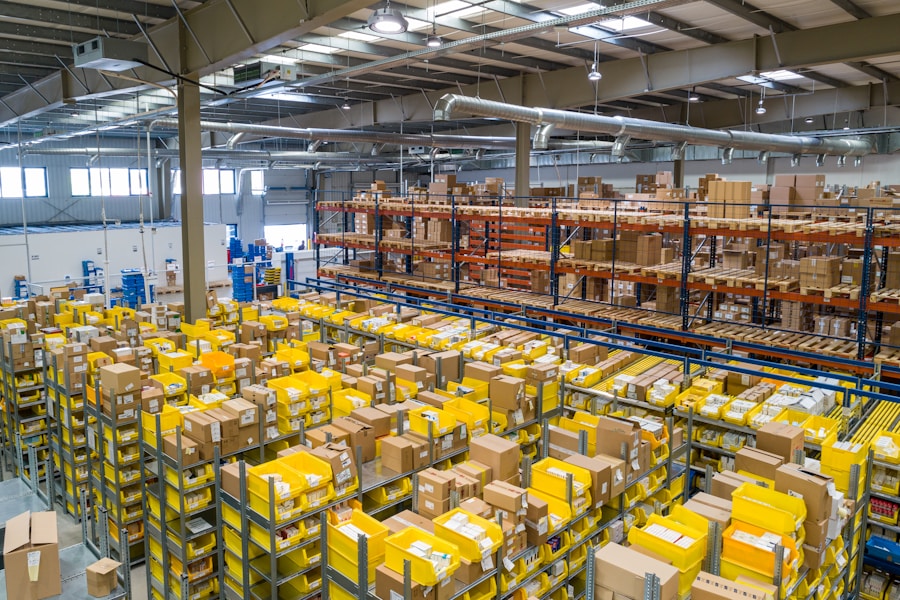
Global shipping port with cargo containers representing international B2B trade logistics for industrial machinery
Foreign Trade Policy and Industry Landscape for Extrusion Equipment
The transatlantic trade corridor remains the world's largest bilateral economic relationship, with combined goods and services trade exceeding USD 1.3 trillion annually according to the Office of the United States Trade Representative (USTR, 2024). For twin screw extruder suppliers, several policy dynamics shape the operating environment:
Tariff Structures and Trade Agreements
산업기계, including extrusion equipment classified under HS Code 8477 (고무나 플라스틱을 가공하는 기계), faces varying tariff rates depending on origin. US imports of European-made extruders typically incur Most Favored Nation (MFN) duties of 3.1–4.4 %, while EU imports from the US face similar rates under WTO schedules. 하지만, machinery imported from China into either the US or EU faces significantly higher duties—미국 섹션 301 tariffs on Chinese-origin machinery remain at 25 % as of mid-, and the EU's trade-defense instruments continue to scrutinize Chinese industrial goods for anti-dumping concerns (European Commission Trade Defence, ).
The EU Carbon Border Adjustment Mechanism (CBAM)
Starting its transitional phase in 2024 and moving toward full implementation by 2026, CBAM will affect energy-intensive goods entering the EU. While extrusion machinery itself is not directly covered, the materials processed by extruders (강철, 알류미늄, 플라스틱) are. This creates indirect demand for energy-efficient extruder designs that help EU-based processors minimize their carbon footprint—a trend that benefits European OEM manufacturers marketing "green extrusion" solutions.
US Inflation Reduction Act (IRA) and Reshoring Incentives
The IRA and related CHIPS Act provisions have catalyzed domestic manufacturing investment in the US. While primarily targeting semiconductors and clean energy, the broader reshoring momentum has increased demand for plastics-processing equipment in US-based factories producing EV battery components, 의료기기, and sustainable packaging. The International Trade Administration (ITA) 보고했다 12 % year-over-year increase in US imports of plastics machinery in 2024, 상당한 점유율을 차지하는 트윈 스크류 압출기로 (ITA, 2024).
EU 기계 규정 2023/1230
Replacing the legacy Machinery Directive 2006/42/EC, the new EU Machinery Regulation takes full effect in January 2027 but is already influencing procurement decisions. It introduces stricter cybersecurity requirements for digitally connected machinery, updated risk-assessment obligations, and new conformity-assessment procedures for high-risk equipment. Twin screw extruder suppliers targeting EU buyers must ensure compliance, which favors established manufacturers with dedicated regulatory teams over smaller factories lacking CE-marking expertise.

Business professionals reviewing trade documents and contracts in a modern office setting representing B2B procurement negoti
B2B Trade Opportunities in the Twin Screw Extruder Market
The convergence of material-science innovation, sustainability regulation, and manufacturing reshoring creates substantial B2B opportunities for twin screw extruder suppliers across the axis:
Biodegradable and Bio-Based Plastics Processing
The EU's Single-Use Plastics Directive and expanding Extended Producer Responsibility (EPR) schemes are driving demand for PLA, PHA, PBAT, and starch-based compound processing. Twin screw extruders are the preferred technology for compounding these bio-based resins with fillers, 착색제, and performance additives. European Bioplastics reported that EU bioplastics production capacity is set to grow from 2.4 million tonnes in 2024 에게 7.4 million tonnes by 2029 (European Bioplastics, 2024). This growth directly translates into equipment orders for twin screw extruder suppliers.
Battery Materials and EV Components
Lithium-ion battery electrode slurry mixing and separator-film production increasingly rely on twin screw extrusion technology. With the US and EU both investing heavily in domestic battery gigafactories (Northvolt in Sweden, AESC in the UK, multiple plants in the US Midwest), equipment suppliers face a multi-billion-dollar addressable market. Co-rotating twin screw extruders with specialized screw designs for dry-electrode processing are particularly sought after.
제약 및 기능식품 압출
핫멜트 압출 (HME) 이중 스크류 압출기를 사용하는 것은 약물 생체 이용률을 향상시키기 위한 주류 의약품 제조 기술이 되었습니다.. 미국 FDA 및 유럽 의약품청 (EMA) have approved numerous HME-produced formulations, creating demand for GMP-compliant extrusion lines. Suppliers like Thermo Fisher Scientific (Pharma 16/24 extruders) 그리고 라이스트리츠 (ZSE MAXX series) serve this high-margin niche.
Recycled-Content Compounding
Both US and EU regulations increasingly mandate minimum recycled content in packaging and automotive components. Twin screw extruders equipped with melt filtration, 탈기, and decontamination capabilities are essential for processing post-consumer recycled (PCR) 플라스틱. This creates opportunities for suppliers offering retrofit solutions and turnkey recycling-compounding lines.
Challenges Facing Twin Screw Extruder Suppliers in Trade
Despite robust demand, suppliers navigating the transatlantic market face significant headwinds:
Supply-Chain Disruptions and Lead Times
Specialty steel for barrels and screws, precision bearings, and advanced drive components remain subject to supply-chain volatility. European suppliers report lead times of 16–24 weeks for custom extruder lines, while Chinese factories offer 8–14 weeks but face longer ocean-freight transit times (35–45 days to US East Coast, 28–35 북유럽으로 가는 날). The Red Sea shipping disruptions in late 2024 and early added 10–15 days to Asia-Europe routes, increasing freight costs by 150–200 % at peak (Freightos Baltic Index, ).
지적재산권 문제
European OEMs have long raised concerns about IP infringement by certain Asian manufacturers copying proprietary screw-element designs and barrel metallurgy. While Chinese patent enforcement has improved, B2B buyers must conduct due diligence on factory IP practices to avoid purchasing equipment that could trigger legal disputes in Western markets.
Technical Certification and Compliance Costs
Meeting CE, UL, CSA, ATEX, and forthcoming EU Machinery Regulation requirements adds 5–15 % to equipment costs. Smaller factories without in-house compliance teams often rely on third-party certification bodies, which can extend delivery timelines and introduce quality-control risks.
Currency Fluctuation and Payment Terms
The EUR/USD exchange rate directly impacts transatlantic equipment pricing. With the euro trading in the 1.08–1.14 range against the dollar through early, European-made extruders have become relatively more expensive for US buyers, while Chinese suppliers quoting in USD offer price stability. 지불 조건—일반적으로 30 % T/T advance with 70 % against B/L or L/C at sight—vary by supplier type and relationship maturity.
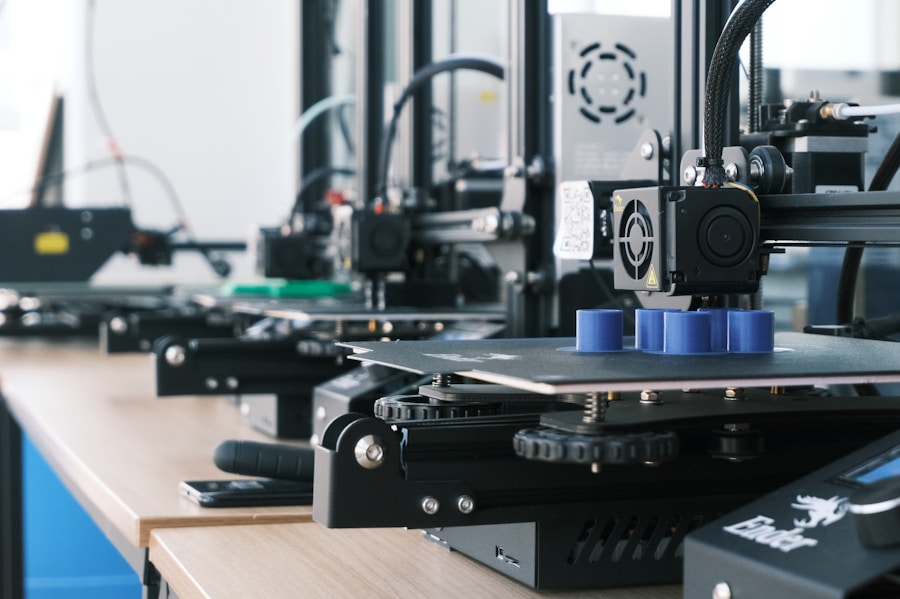
Engineers inspecting industrial equipment on a factory floor representing quality control in machinery manufacturing
B2B 대외 무역 강화를 위한 지리적, 정책적 이점
The trade corridor benefits from structural advantages that facilitate B2B machinery trade:
물류 인프라 구축
주요 항구—로테르담, 함부르크, Antwerp-Bruges in Europe; 로스앤젤레스/롱비치, 사바나, Newark in the US—offer dedicated heavy-lift and project-cargo handling capabilities essential for shipping assembled extruder lines weighing 5–40 tonnes. The Port of Rotterdam alone handled 438 백만 톤의 화물을 2024 (로테르담 항만청, 2024), with industrial machinery representing a growing share of containerized imports.
Mutual Recognition and Standards Alignment
While full mutual recognition of machinery standards between the US and EU remains incomplete, significant alignment exists through ISO standards (ISO 1043 for plastics nomenclature, ISO 11443 for capillary rheometry) and voluntary adoption of IEC electrical standards. This reduces re-certification costs for suppliers selling into both markets.
Trade-Finance Ecosystem
The corridor benefits from deep trade-finance markets, with major banks offering letters of credit, 수출신용보험 (through agencies like Euler Hermes/Allianz Trade in Europe and Ex-Im Bank in the US), and supply-chain financing programs that reduce payment risk for both buyers and suppliers.
Practical Case Studies Extruder Suppliers Operating Across Markets
Galaxy Equipment Milkshake Mixer Real-world examples illustrate Extruded Enclosures how different supplier types navigate the transatlantic market:
사례 연구 1: 코페리온 (Stuttgart, 독일) — Premium OEM Manufacturer
코페리온, a Hillenbrand company, exemplifies the European OEM model. With manufacturing in Stuttgart and a major service center in Sewell, 뉴저지, Coperion serves US customers with locally stocked spare parts, field-service engineers, and a test laboratory for material trials. Their ZSK twin screw extruder series is the industry benchmark for polymer compounding, with machines ranging from 18 mm lab-scale to 420 mm production-scale. Coperion's 2024 revenue exceeded EUR 900 백만, with North America representing approximately 35 % of sales. Their strategy demonstrates how European manufacturers leverage US-based operations to overcome tariff barriers and provide localized support (코페리온, ).
사례 연구 2: Nanjing Jieya Extrusion Equipment Co. (난징, 중국) — Export-Oriented Factory
Nanjing Jieya represents the Chinese factory model, producing co-rotating twin screw extruders (SHJ series) for export to over 60 countries. With annual production capacity exceeding 500 units and pricing 40–55 % below European equivalents, Jieya targets cost-sensitive B2B buyers in developing markets while increasingly penetrating European and US markets through trade shows (차이나플라스, K Fair Düsseldorf) and Alibaba's B2B platform. Their machines carry CE marking and are supported by a growing network of third-party service partners in Europe. This case illustrates how Chinese factories are moving up the value chain while maintaining price competitiveness.
사례 연구 3: PTi (Processing Technologies International, Aurora, Illinois) — US Distributor/Integrator
Extrusion Pla PTi operates as a US-based systems integrator, sourcing extruder components from multiple global suppliers and assembling complete sheet-extrusion lines domestically. This hybrid model allows PTi to offer "Made in USA" equipment with competitive pricing by selectively sourcing barrels, 나사, and gearboxes from cost-effective Asian suppliers while performing final assembly, controls integration, and testing in Illinois. For US buyers concerned about Section 301 tariffs on Chinese-origin complete machines, PTi's model offers a compliant alternative.
사례 연구 4: Bühler Group (Uzwil, 스위스) — Diversified Manufacturer Serving Food Extrusion
Bühler's twin screw extruders serve the food and feed industry, processing plant-based proteins, snack pellets, and breakfast cereals. With operations in 140 countries and a dedicated application center in Minneapolis, Minnesota, Bühler demonstrates how food-grade extrusion suppliers differentiate through application expertise rather than pure hardware. Their PolyTwin extruder platform, launched in 2024, targets the rapidly growing alternative-protein market—a sector where US and EU demand is converging around similar consumer trends and regulatory frameworks (Bühler Group, ).
Modern industrial production line with automated machinery representing advanced extrusion manufacturing technology
Forecasting Twin Screw Extruder Trade Trends: 6월–팔월
현재 시장 신호를 기준으로, 정책 궤적, and industry-event calendars, the following trends are expected to shape the twin screw extruder supplier landscape over the next one to two months:
K Fair Preparation Cycle Drives Pre-Orders
Single Screw Extruder Suppliers Although K (뒤셀도르프, October 8–15) is still months away, the pre-show ordering cycle typically begins in Q2. Suppliers are finalizing new product launches, and B2B buyers are scheduling factory audits and negotiating framework agreements. Expect increased RFQ (견적요청) activity across all supplier types, particularly for energy-efficient extruder models that align with EU sustainability messaging. Sheet Extrusion Plastic Colorant
부분 301 Tariff Review Impact
The US Trade Representative's ongoing review of Section 301 tariffs on Chinese goods may yield exclusion renewals or modifications for specific HS codes covering extrusion equipment. Any tariff relief would immediately benefit Chinese factory suppliers and wholesale distributors serving the US market, potentially triggering a wave of deferred orders. B2B buyers should monitor USTR Federal Register notices closely.
Continued Reshoring-Driven Demand in the US
New plastics-processing facility announcements in the US Southeast and Midwest—driven by automotive OEM localization requirements and IRA-linked clean-energy manufacturing—will sustain strong demand for twin screw extruders through summer. Suppliers with US-based inventory or short lead times will capture disproportionate share.
EU Green Deal Industrial Plan Funding Disbursements
The EU's Green Deal Industrial Plan and associated Net-Zero Industry Act are channeling funding toward clean-technology manufacturing, including advanced materials processing. Twin screw extruder suppliers positioned as enablers of circular-economy manufacturing (recycling compounding, bio-based material processing) will benefit from EU-funded capital-expenditure programs at customer facilities.
Raw-Material Price Stabilization
After two years of volatility, specialty-steel and nickel-alloy prices—key inputs for extruder barrels and screws—have stabilized in early. This should allow suppliers to hold pricing through Q3, reducing the urgency for buyers to lock in orders at current levels but also removing a barrier to purchase decisions that were deferred during the price-uncertainty period.

Business analytics dashboard showing market trend data and trade forecasting charts
How to Evaluate and Select the Right Twin Screw Extruder Supplier
B2B 조달팀용, selecting among the various types of twin screw extruder suppliers requires a structured evaluation framework: Wholesale Compounding Extruder Machine
기술능력평가
Request detailed screw-element catalogs, barrel-metallurgy specifications (질화강, 바이메탈 라이너, tungsten-carbide coatings), and gearbox torque ratings. Reputable manufacturers 3D Printer Extruder Review provide specific energy consumption data (kWh/kg) for target applications. Ask for references from customers processing similar materials at comparable throughput rates.
Quality-Management System Verification
ISO 확인 9001:2015 최소한의 인증. 제약 분야용, confirm ISO 13485 or GMP compliance. 식품 접촉 용도, verify FDA 21 CFR Lab Extruder Supplier and EU Regulation 1935/2004 compliance of material-contact surfaces. Request recent audit reports from recognized certification bodies (TÜV, SGS, 뷰로베리타스). Mixing Equipment Suppliers
After-Sales and Spare-Parts Infrastructure
Evaluate the supplier's spare-parts inventory policy, response-time guarantees for critical components (나사, 배럴 세그먼트, 발열체), and availability of field-service engineers in your region. European OEMs typically offer 24–48 hour spare-parts delivery within Europe and 3–5 days to the US. Chinese factories may require 2–4 weeks for spare-parts shipment unless they maintain regional warehouses.
총 소유 비용 (TCO) Analysis
Look beyond the purchase price. Factor in energy consumption, maintenance intervals, screw-element replacement frequency, downtime costs, and the residual value of the equipment. A European extruder priced at EUR 350,000 with 15-year service life and low maintenance may deliver better TCO than a Chinese alternative at EUR 180,000 requiring more frequent component replacements—또는 그 반대, depending on application severity and production volume.
Trade-Compliance and Documentation
Ensure the supplier provides complete export documentation: commercial invoice, packing list, bill of lading, certificate of origin, CE Declaration of Conformity (for EU), UL/CSA certification (for US/Canada), and any required fumigation certificates for wooden crating. Non-compliant documentation can cause costly customs delays and penalties.
B2B Safety Footwear in Industrial Extrusion Environments: Protecting Your Toes
Twin screw extruder facilities are inherently hazardous environments. Heavy barrel segments, steel screw elements, hot polymer melts, and forklift traffic create serious risks for workers' feet. This section examines the critical role of B2B safety footwear in extrusion-plant operations and the advantages of sourcing protective shoes through wholesale trade channels.
Why Safety Footwear Is Non-Negotiable in Extrusion Plants
A standard twin screw extruder barrel segment weighs 50–200 kg. 나사 요소, typically made from tool steel or powder-metallurgy alloys, weigh 2–15 kg each and are routinely handled during changeovers. A single dropped barrel segment can crush an unprotected foot, causing fractures, amputations, or permanent disability. OSHA's General Industry standards (29 CFR 1910.136) mandate protective footwear in workplaces where foot injuries from falling objects, rolling objects, or puncture hazards exist. EU에서는, the Personal Protective Equipment Regulation (EU) 2016/425 and EN ISO 20345:2022 standard govern safety-footwear requirements.
Understanding Safety Footwear Classifications
The EN ISO 20345:2022 standard, widely adopted in both EU and increasingly referenced in US procurement specifications, classifies safety footwear by protection level: Ender 3 Extruder Calibration
- SB (Safety Basic): Toe protection with 200-joule impact resistance and 15 kN 압축 저항. Minimum requirement for any industrial setting.
- S1: SB plus closed heel, 정전기 방지 특성, and energy absorption in the heel region. Suitable for dry indoor environments like extruder control rooms.
- S1P: S1 plus puncture-resistant midsole. Essential for areas where sharp metal debris (broken screw tips, metal shavings) may be present on the floor.
- S2: S1 plus water-penetration resistance. Appropriate for extrusion facilities with water-cooling systems and wet-cleaning protocols.
- S3: S2 plus puncture-resistant midsole and cleated outsole. The recommended standard for most twin screw extruder production floors, providing comprehensive protection against falling objects, sharp debris, water, 그리고 미끄러짐 위험.
- S4/S5: Polymer-based (boot-style) safety footwear for environments with chemical exposure or standing water. Relevant for extrusion plants processing corrosive materials or those with extensive water-based cooling systems.
Toe-Cap Technologies: 강철 대. 복합 대. Aluminum
The toe cap is the most critical protective element in safety footwear for extrusion environments:
Steel toe caps remain the most widely used, offering proven 200J impact protection at the lowest cost. They are heavier (approximately 80–100 g per cap) but provide the highest level of crush resistance. For extrusion-plant workers handling heavy barrel segments, steel toes offer the greatest margin of safety.
합성 발가락 캡 (유리섬유, 탄소섬유, or Kevlar reinforced) are 30–50 % 강철보다 가볍다, non-metallic (advantageous for facilities with metal Underwater Pelletizer Supplier detectors), and provide equivalent 200J protection. They are increasingly popular in food-extrusion plants where metal-detection protocols are standard.
Aluminum toe caps offer a middle ground—lighter than steel but heavier than composite, with equivalent impact protection. They are less common in the extrusion industry but favored in some European markets for their balance of weight and protection.
Heat and Chemical Resistance for Extrusion Environments
Twin screw extruders operate at barrel temperatures of 150–400 °C 처리되는 재료에 따라 다름. 용융 폴리머 유출,
트윈 스크류 압출기 제조업체 구매: Complete B2B Sourcing Guide for B… · Buy Twin Screw Extruder: How to Choose the Right Supplier, 제조업체… · Buy Twin Screw Extruder Factory: Complete Guide to Manufacturers, Suppl…