

Plastic Compound Machine Showdown What Sets the Leaders Apart
The plastic processing machinery market continues to surge with innovation and expansion. Industry analysts project a compound annual growth rate of 11.9% ~에서 2026 에게 2033. Asia-Pacific stands out, expected to hold nearly 40% 세계 시장 점유율의, while North America and Europe follow with 25% 그리고 20%, respectively. Companies now compete by developing smarter, more efficient plastic compound machine models. Automation, smart tooling, and energy efficiency have become essential factors for buyers who seek a competitive edge.
주요 시사점
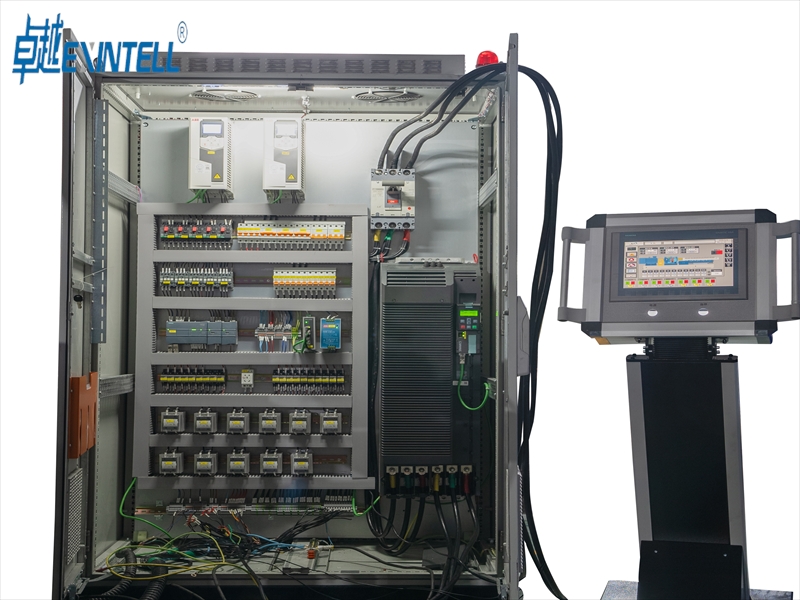
- Leading plastic compound machines use advanced automation to boost production speed and maintain consistent quality with smart controls and integrated systems.
- Sustainability is key; top machines support eco-friendly resins and reduce waste through precise material handling and recycling features.
- Energy efficiency lowers costs by using optimized heating, motor controls, and heat recovery, making machines more eco-friendly and affordable to run.
- User-friendly interfaces with touchscreens and clear controls reduce errors and training time, while strong support and training keep machines running smoothly.
- Different machine types like blow molding, thermoforming, PVC extrusion, and recycling machines offer unique features to meet diverse industry needs.
- 산업용, 자동차, and small business users should choose machines based on their specific needs for scalability, 정도, 사용의 용이성, and maintenance.
- Evaluating machines involves checking performance, 신뢰할 수 있음, 업계 표준, user feedback, and total cost of ownership for the best long-term value.
- Innovation and R&D benefit from flexible, modular machines with advanced controls and strong technical support to speed up development and testing.
What Sets Leading Plastic Compound Machines Apart
Advanced Automation
Smart Controls
Manufacturers have made significant advancements in automation for plastic compound machines. Smart controls now play a central role in optimizing production. These systems use intelligent algorithms to monitor and adjust processing parameters in real time. Operators benefit from user-friendly controls that simplify setup and reduce the risk of human error. The integration of IoT and AI-powered process optimization allows machines to self-correct and maintain consistent quality. These advancements support the growing trend toward automation across the plastics industry.
Integrated Systems
Leading plastic compound machines feature integrated systems that streamline the entire production process. Automation readiness enables seamless connection with conveyors, robotics, and other 보조 장비. Flexible machine designs support multiple product formats and materials, making it easier for manufacturers to adapt to changing market trends. The following features distinguish top machines from competitors:
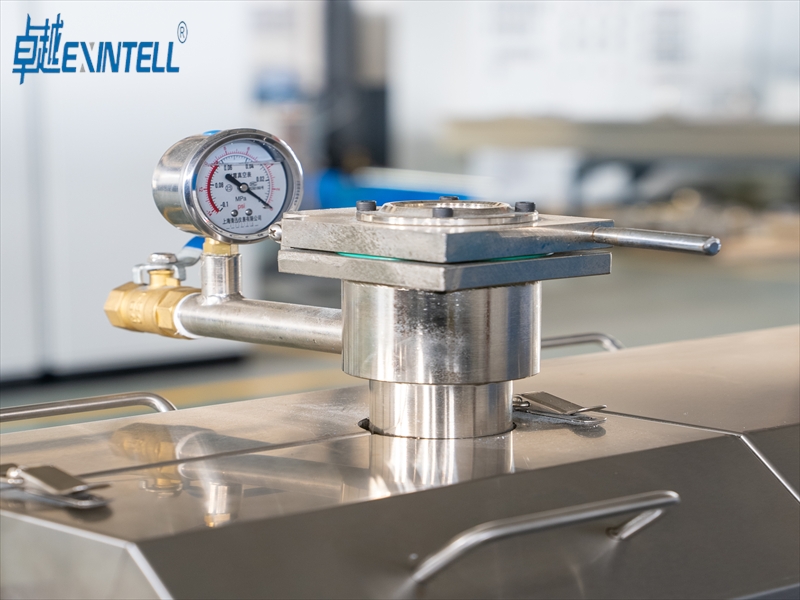
- Servo-driven systems for precise motion control
- Intelligent control systems for real-time monitoring
- Energy-efficient technologies that reduce operational costs
- Integration with IoT for data-driven decision-making
- Automation compatibility for end-to-end production lines
These advancements help companies respond quickly to shifts in demand and maintain high levels of efficiency.
Sustainable Materials
Eco-Friendly Resins
The use of sustainable materials has become a defining factor for leading plastic compound machines. Manufacturers now prioritize eco-friendly plastics and biodegradable resins to address environmental concerns. This shift aligns with regulatory standards and meets consumer expectations for sustainability. Machines designed for compatibility with sustainable materials offer a competitive advantage in the market. The adoption of these materials also supports broader trends in the plastics industry, such as the rise of bioplastics and the push for greener manufacturing practices.
폐기물 감소
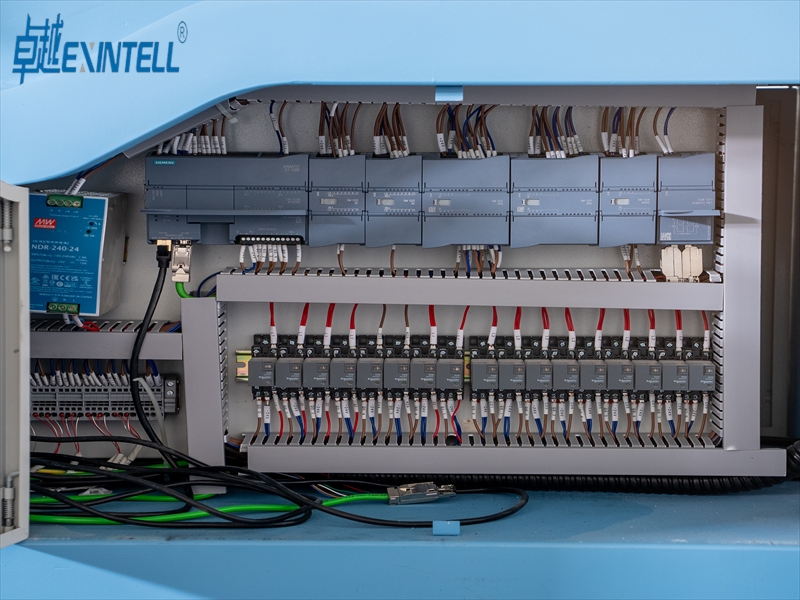
Waste reduction remains a key focus for companies seeking to improve sustainability. Advanced machines incorporate features that minimize scrap and optimize material usage. Automation ensures precise dosing and mixing, which reduces excess waste. Efficient processing not only lowers production costs but also enhances the environmental profile of the finished product. As sustainability becomes more important to buyers, machines that support waste reduction gain greater market appeal.
에너지 효율성
Low Power Consumption
Energy efficiency stands out as a critical differentiator among plastic compound machines. Manufacturers have introduced several advancements to reduce power consumption and improve overall efficiency. The following table highlights key energy-intensive areas and their impact on factory energy use:
| Energy-Intensive Area | 설명 | Energy Consumption Impact |
|---|---|---|
| 압출 / Film Blowing | Involves barrel heaters, motors, and die heating. | 최대 50% of total factory energy |
| 냉각 | Utilizes chillers, air compressors, and fans. | Significant energy use |
| 자재 취급 | Includes vacuum loaders, 믹서, and dryers. | Contributes to overall energy use |
| Sealing & 절단 | Involves heating elements and presses. | Affects energy efficiency |
| Lighting & HVAC | Facility-level energy use impacting overall efficiency. | Important for total energy consumption |
Manufacturers have responded to these challenges with several advancements:
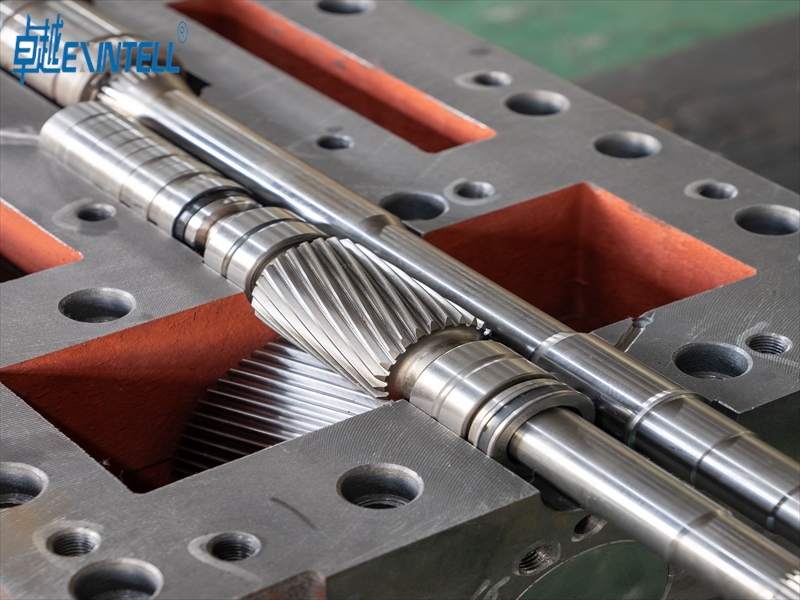
- Barrel heating efficiency improvements, such as ceramic infrared heaters, can reduce energy use by up to 40%.
- Advanced screw design optimizes melt efficiency and lowers motor load.
- Variable frequency drives adjust motor speed based on demand, avoiding unnecessary power draw.
Efficient Output
Efficient output is essential for maintaining competitiveness in the plastics industry. Companies use variable-speed compressors and closed-loop water circulation to stabilize film temperature. Pressure sensors and automatic leak detection minimize energy loss. Some machines capture and reuse heat from extruders and compressors to preheat raw materials. These advancements contribute to lower operating costs and support the trend toward energy-efficient manufacturing.
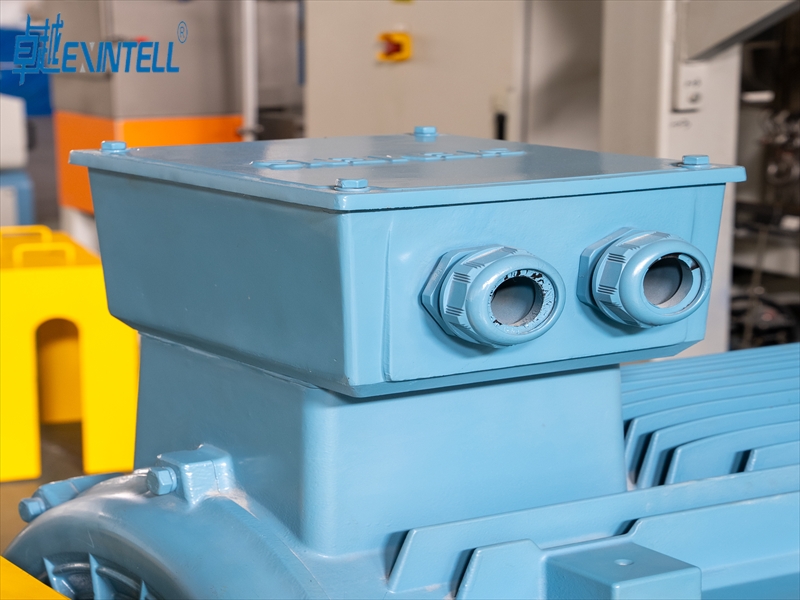
메모: 그만큼 increasing demand for processed plastics in automotive, 포장, and consumer goods drives the need for machines that combine automation, sustainability, 그리고 효율성. Manufacturers who invest in these advancements position themselves as leaders in the evolving market.
User Experience
Interface Design
Top plastic compound machine manufacturers invest heavily in interface design. They understand that a clear and intuitive interface reduces errors and boosts productivity. Operators interact with touchscreens that display real-time data, machine status, and troubleshooting tips. These screens often use color coding and simple icons to guide users through each step.
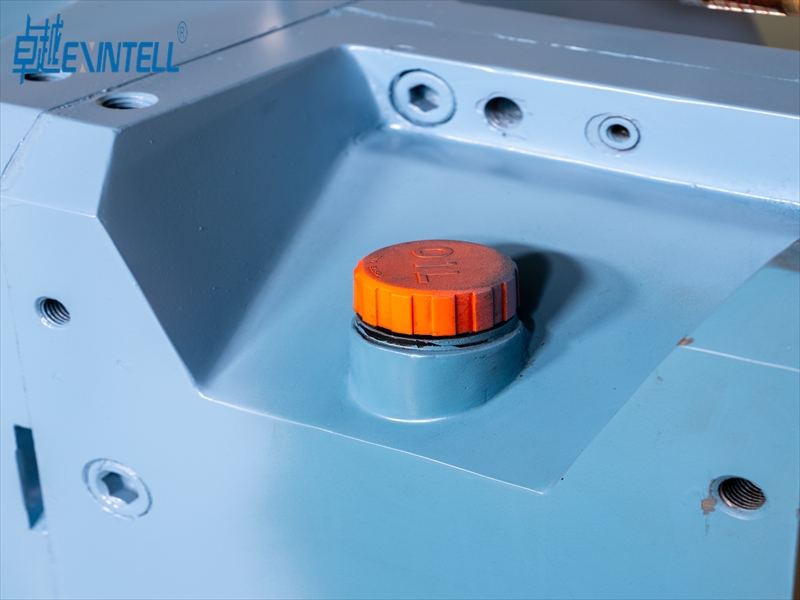
Modern machines feature customizable dashboards. Users can adjust layouts to show the most relevant information for their tasks. This flexibility helps both new and experienced operators work efficiently. Some systems offer multi-language support, which benefits global teams.
팁: A well-designed interface can cut training time in half and reduce costly mistakes on the production floor.
Manufacturers also focus on accessibility. Large buttons, responsive touch controls, and logical menu structures make navigation easy. These features ensure that operators of all skill levels can manage complex processes with confidence.
Support and Training
Support and training play a crucial role in user experience. Leading brands provide comprehensive resources to help users get the most from their machines. These resources include:
- Interactive online tutorials and video guides
- Step-by-step printed manuals
- On-site training sessions led by certified technicians
- 24/7 technical support via phone, chat, or email
Many companies offer remote diagnostics. Technicians can access machines over the internet to troubleshoot issues and update software. This service minimizes downtime and keeps production running smoothly.
A strong support system also includes regular software updates. These updates add new features, improve security, and fix bugs. Manufacturers who prioritize ongoing training and support help users adapt to new technologies and maintain high productivity.
메모: Companies that invest in user-friendly interfaces and robust support systems set themselves apart in the competitive plastic machinery market. They empower operators, reduce errors, and maximize machine uptime.
Comparison of Leading Models: Plastic Compound Machine Types
Blow Molding Machines
Automation Features
Blow molding machines have evolved rapidly in recent years. Leading models now feature advanced automation that increases production efficiency and reduces manual intervention. Automated mold changes, real-time monitoring, and adaptive process controls allow operators to maintain consistent output and high-quality products. These machines often include servo-driven systems that improve speed and accuracy. Many top models also support integration with smart factory systems, enabling seamless data exchange and remote diagnostics. This level of automation helps manufacturers respond quickly to changing production demands and maintain optimal machine performance.
Sustainable Resin Compatibility
Sustainability has become a key focus for blow molding machine manufacturers. The latest models support a wide range of eco-friendly resins, including recycled PET, bio-based plastics, 생분해성 소재와. This compatibility allows companies to meet regulatory requirements and consumer expectations for greener products. Machines with advanced resin handling systems ensure precise dosing and mixing, which minimizes waste and supports high-quality output. By choosing models that handle sustainable resins efficiently, manufacturers can reduce their environmental impact while maintaining strong performance.
Plastic Thermoforming Machine
Best Plastic Thermoforming Machine for 2026
The search for the best plastic thermoforming machine for 2026 centers on several critical factors. Top manufacturers of plastic thermoforming machines focus on delivering high-speed production, 정확한 온도 조절, and robust forming pressure. The best plastic thermoforming machine combines rapid cycle times with energy-efficient heating systems. These models often feature modular tooling platforms, allowing quick changeovers and flexible production runs. In a comparison of leading models, the best plastic thermoforming machine stands out for its ability to process a wide range of materials, including recycled and bio-based plastics. This versatility supports trends and innovations in thermoforming, such as lightweight packaging and custom product designs.
Manufacturers also prioritize user-friendly interfaces and advanced safety features. The best plastic thermoforming machine for 2026 offers intuitive touchscreen controls, real-time diagnostics, and remote monitoring capabilities. These features help operators maintain consistent machine performance and minimize downtime. 결과적으로, companies can achieve higher production efficiency and meet the growing demand for sustainable packaging solutions.
Smart Tooling Innovations
Smart tooling represents a major advancement in plastic thermoforming technology. Leading models now incorporate sensors and actuators that monitor forming pressure, 온도, and material thickness in real time. These innovations enable precise control over the thermoforming process, resulting in consistent product quality and reduced scrap rates. Trends and innovations in thermoforming also include quick-change tooling systems, which allow operators to switch between product designs with minimal downtime.
Top manufacturers of plastic thermoforming machines invest in digital twin technology and predictive maintenance tools. These systems use data analytics to forecast wear and optimize maintenance schedules, ensuring reliable machine performance. Smart tooling not only improves efficiency but also supports the production of complex shapes and detailed textures. 시장이 발전함에 따라, the best plastic thermoforming machine will continue to leverage these innovations to deliver superior results.
PVC Extrusion Machines
Material Versatility
PVC extrusion machines demonstrate exceptional material versatility and adaptability. Manufacturers use these machines across many industries due to their ability to produce custom profiles in various colors, sizes, and formulations. The following list highlights the diverse applications of PVC extrusion machines:
- 건설: 창틀, door seals, and siding benefit from weather resistance and insulation properties.
- Plumbing and Irrigation: Durable pipes and fittings for water supply and agricultural irrigation rely on PVC’s corrosion resistance.
- 자동차: Flexible PVC profiles create seals, 개스킷, and trim, offering lightweight durability for vehicles.
- Electrical: Cable conduits and insulation channels protect wiring, utilizing flame-retardant properties.
- 의료: Sterilizable tubing for fluid transfer meets stringent FDA requirements.
- Retail and Signage: Custom profiles for display frames and point-of-sale structures, enhanced by custom color and texture options.
The ability to produce custom profiles ensures that PVC extrusion machines can meet the unique demands of each industry. This adaptability makes them a top choice for manufacturers seeking flexibility in production.
Output Efficiency
Output efficiency serves as a key benchmark in the comparison of leading models of PVC extrusion machines. Manufacturers evaluate several performance metrics of PVC extrusion machines to determine the best PVC 압출 기계 for their needs.
| Benchmark Type | 설명 |
|---|---|
| Output Rate | Measures the volume of PVC produced per unit time, indicating productivity levels. |
| 에너지 효율성 | Evaluates the energy consumption relative to output, crucial for operational cost analysis. |
| Melt Quality | Assesses the quality of the PVC melt, impacting the final product’s characteristics. |
| Process Stability | Examines the consistency of the extrusion process, affecting overall reliability and performance. |
Energy accounts for 60-70% of operating costs, excluding raw materials. A machine with lower upfront costs but higher energy consumption can lead to greater expenses over time. The best PVC extrusion machine achieves specific energy consumption below 0.20 kWh/kg for rigid PVC pipe production. Manufacturers who focus on high-quality output and stable process conditions gain a competitive edge in the market.
팁: When comparing models, consider both output rate and energy efficiency to maximize long-term savings and production efficiency.
PVC extrusion machines continue to set industry standards for speed, 신뢰할 수 있음, and adaptability. Their ability to deliver consistent output and meet diverse production requirements makes them essential in modern manufacturing.
Plastic Recycling Machines
Shredding and Washing Capabilities
Plastic recycling machines play a vital role in the circular economy. They transform waste into valuable resources for new products. Leading machines stand out because they combine robust shredding and advanced washing systems. These features ensure that recycled materials meet strict quality standards for reuse in industries like packaging, 자동차, and construction.
Operators use shredders to break down large plastic items into smaller flakes. This step prepares the material for further processing. Specialized shredders handle a variety of plastics, including drums, 영화, and pipes. Some advanced models, such as Vecoplan’s VDZ, combine shredding and grinding in one unit. This integration increases efficiency and reduces downtime during production.
Washing lines remove contaminants from shredded plastic. Clean material leads to higher-quality recycled products. Modern washing systems use conveyor belts to move plastic through several cleaning stages. Friction washers, hot washers, and floating tanks each target different types of dirt and residue. Some manufacturers now offer waterless washing systems. These innovations help reduce water usage and lower operating costs.
The table below highlights the main features of shredding and washing systems in top recycling machines:
| 특징 | 설명 | 목적 |
|---|---|---|
| Shredders | Break down large plastic items into manageable flakes. | Prepares plastic for subsequent recycling stages. |
| Washing Lines | Clean recycled plastic to remove contaminants using conveyor belts. | Ensures high-quality recycled products. |
팁: Comprehensive washing and shredding systems help manufacturers meet the rising demand for clean, high-quality recycled materials in pvc extrusion machines and thermoforming applications.
Pelletizing Options
Pelletizing is the final step in the recycling process. It transforms clean plastic flakes into uniform pellets. These pellets serve as raw material for pvc extrusion machines, extrusion lines, and thermoforming equipment. The quality of pelletizing directly affects the value and usability of recycled plastic.
Manufacturers choose pelletizing equipment based on their production needs. Optimized pelletizing lines improve material purity. Higher purity leads to better selling prices and a faster return on investment. Integrated pelletizing systems also boost energy efficiency and support outputs from 500 에게 3,000 kg per hour. This range meets the needs of both small and large-scale production facilities.
The choice of pelletizing system impacts initial investment costs. Prices can range from $25,000 에게 $150,000. Operators must balance cost with performance. Integrated systems often provide better energy savings and higher throughput. These benefits make them popular in industries that rely on pvc extrusion machines and extrusion processes.
Key advantages of advanced pelletizing options include:
- Enhanced material purity for use in pvc extrusion machines and thermoforming lines.
- Improved energy efficiency, reducing overall production costs.
- Flexible output rates to match different production scales.
- Compatibility with a wide range of plastics, including pvc and specialty materials.
메모: High-quality pellets from advanced recycling machines support sustainable manufacturing. They enable the use of recycled content in new pvc extrusion machines, extrusion lines, and thermoforming products.
Use Case Analysis: 산업용, 자동차, 집
Industrial Applications
Heavy-Duty Performance
Industrial environments demand plastic compound machines that deliver robust performance and reliability. Manufacturers often select extrusion and thermoforming equipment for their ability to handle high-volume production needs. These machines process large quantities of pvc and other plastics, producing consistent results even under continuous operation. Heavy-duty extrusion lines support the creation of complex profiles and sheets, while advanced thermoforming systems shape durable components for packaging and construction. High-speed production and repeatable quality remain essential for meeting the demands of industrial clients.
확장성
Scalability plays a critical role in industrial settings. Companies require machines that can adapt to changing production needs and market growth. The following features enable plastic compound machines to scale effectively:
- Injection molding supports the creation of complex geometries with tight tolerances, which is vital for robotics and automation.
- The process remains highly repeatable, ensuring consistent quality across large production runs.
- High-speed production allows thousands of identical parts to be manufactured quickly, meeting increased demand.
- Optimized mold design reduces tooling costs through simulation and prototyping.
- Expertise in material selection ensures the right plastics or composites are used for each application.
- Manufacturing capabilities in multiple regions support high-quality production for global markets.
Extrusion and thermoforming machines with modular designs allow manufacturers to expand capacity as needed. This flexibility ensures that production lines can grow alongside business requirements.
Automotive Sector
Precision and Consistency
The automotive industry relies on machines that deliver precise and consistent results. Thermoforming and extrusion equipment produce interior panels, 손질, and under-the-hood components with exact specifications. Consistency in production ensures that every part meets safety and quality standards. Automated controls and real-time monitoring help maintain tight tolerances, reducing the risk of defects.
재료 호환성
Material compatibility influences machine selection for automotive production. Engineers evaluate which machines can process specific materials, such as pvc, composites, and specialty plastics. They consider mechanical properties like strength and stiffness, as well as environmental resistance to chemicals and heat. Manufacturability and supply chain stability also guide decisions. Selecting the right extrusion or thermoforming machine ensures optimal product performance, cost-effectiveness, and compliance with industry regulations.
Home and Small Business
Ease of Use
집 users and small businesses prioritize machines that are easy to operate and maintain. Compact extrusion and thermoforming machines offer simple controls and quick setup. These models often feature intuitive touchscreens and clear instructions, making them accessible to operators with limited technical experience. The ability to switch between pvc and other materials supports diverse production needs, from custom packaging to small-batch manufacturing.
유지 관리 요구
Maintenance requirements significantly affect usability for small businesses. The table below outlines key aspects:
| 측면 | 중요성 |
|---|---|
| Regular Maintenance | Ensures machines operate efficiently and reliably. |
| Service and Spare Parts | Minimizes downtime and maintains continuous production. |
| Reliable Service Network | Provides expert consultation and fast spare-parts supply, crucial for small businesses. |
A reliable service network and easy access to spare parts help small businesses maintain high efficiency. Regular maintenance keeps extrusion and thermoforming machines running smoothly, supporting ongoing production needs without costly interruptions.
팁: Small businesses should choose machines with straightforward maintenance routines and strong manufacturer support to maximize uptime and efficiency.
Key Criteria for Evaluating Plastic Compound Machines
Technology and Automation
Smart Controls
Smart controls have become a standard in modern plastic compound machines. These systems use artificial intelligence to manage extrusion, thermoforming, and pvc processing. Operators can monitor every stage of production with real-time data. Smart controls suggest automatic corrections when they detect process deviations. This technology improves efficiency and reduces waste. Many machines now feature touchscreens that display key metrics for extrusion and thermoforming. These controls help operators maintain consistent quality in pvc products. Smart controls also support remote monitoring, which allows technicians to troubleshoot extrusion and thermoforming lines from anywhere.
Integration Capabilities
Integration capabilities set leading machines apart. Manufacturers design their equipment to connect with other systems on the factory floor. 예를 들어, extrusion and thermoforming machines can link with robotics, 컨베이어, and quality inspection tools. This integration streamlines pvc production and reduces manual handling. Companies often form strategic partnerships to enhance their technology offerings. They invest in research and development to improve extrusion and thermoforming integration. A strong market presence and customer focus drive these innovations. Integration capabilities ensure that extrusion, thermoforming, and pvc machines work together for maximum efficiency.
Efficiency and Sustainability
에너지 소비
Energy consumption remains a top concern for manufacturers. Advanced extrusion and thermoforming machines use energy-saving motors and optimized heating systems. These features lower the power needed for pvc processing. Efficient machines reduce operating costs and support sustainability goals. Many extrusion and thermoforming lines now include sensors that adjust energy use based on production needs. This approach prevents energy waste during low-demand periods. Companies that invest in energy-efficient extrusion and thermoforming equipment gain a competitive edge.
폐기물 감소
Waste reduction plays a vital role in sustainable manufacturing. Modern extrusion and thermoforming machines minimize scrap by using precise dosing and mixing systems. These machines process pvc and other materials with high accuracy. Automation ensures that only the required amount of material enters the production line. This reduces excess pvc and improves overall efficiency. Some extrusion and thermoforming systems recycle scrap directly back into the process. This closed-loop approach supports zero-waste goals and lowers raw material costs.
팁: Choosing machines with advanced waste reduction features helps companies meet environmental regulations and improve their public image.
Versatility and Adaptability
Material Range
Versatility in material range increases the value of plastic compound machines. Leading extrusion and thermoforming equipment can process a wide variety of materials, including pvc, 재활용 플라스틱, and specialty compounds. This flexibility allows manufacturers to switch between different products without major retooling. 예를 들어, an extrusion line might produce pvc pipes in the morning and switch to custom profiles in the afternoon. Thermoforming machines can handle both rigid and flexible sheets, expanding their use in packaging and automotive applications.
사용자 정의 옵션
Customization options enhance adaptability. Manufacturers can configure extrusion and thermoforming machines with different injection units, clamping mechanisms, and tooling setups. This adaptability supports unique production requirements for pvc and other materials. Flexible machines allow companies to respond quickly to market changes. They can explore new product designs and enter new markets with minimal investment. Customization leads to improved productivity, higher efficiency, and cost savings.
메모: Versatile and adaptable machines help manufacturers stay competitive by meeting diverse customer needs and adjusting to industry trends.
Cost and Value
초기투자
Buyers of plastic compound machines face a wide range of initial investment costs. 그만큼 price of a single machine can start at $5,000 for basic models and reach $150,000 for advanced systems. Complete recycling lines often exceed $500,000. The cost of extrusion equipment for pvc depends on automation features, filtration quality, and the country of manufacture. Shredders, which play a key role in pvc recycling, 범위 $10,000 에게 $80,000. When evaluating extrusion or pvc machines, buyers should look beyond the sticker price.
A table helps clarify the additional costs involved:
| Cost Item | Estimated Range |
|---|---|
| Transportation | $240 – $2,400 |
| 설치 | $180 – $1,200 |
| Refurbishment | $12 – $6,000 |
| 운영자 교육 | $120 – $600 |
These expenses add to the total investment for extrusion and pvc machinery. Buyers should focus on the total cost per ton of clamping force and expected production capacity. A reliable extrusion or pvc machine often delivers better value than a cheaper, less dependable option.
팁: Buyers should compare multiple suppliers and models, request detailed inspection reports, and negotiate warranty terms alongside price.
Long-Term ROI
Long-term return on investment (ROI) matters as much as the initial price. Reliable extrusion and pvc machines reduce downtime and maintenance costs. High-quality machines support consistent production, which leads to higher profits over time. Automation in extrusion and pvc systems can lower labor costs and improve energy efficiency. Buyers should consider the total cost of ownership, including spare parts, service contracts, and energy use.
A structured approach helps buyers maximize value:
- Focus on machines that offer strong after-sales support.
- Evaluate the expected lifespan of extrusion and pvc equipment.
- Consider resale value when upgrading to newer models.
A reliable extrusion or pvc machine may cost more upfront but often pays off through lower operating costs and higher output.
User Experience
Interface Design
User experience shapes the effectiveness of extrusion and pvc machines. Leading manufacturers design interfaces that are easy to understand and operate. Touchscreen controls display real-time data for extrusion and pvc processes. Operators can monitor temperature, 압력, and speed during production. Customizable dashboards allow users to focus on the most important metrics for their extrusion or pvc application.
A well-designed interface reduces training time and minimizes errors. Color-coded alerts and simple icons guide operators through each step. Multi-language support ensures that global teams can use extrusion and pvc machines efficiently.
Support and Training
Support and training play a crucial role in the selection of extrusion and pvc equipment. Buyers should use a structured checklist to evaluate a supplier’s technical and logistical capabilities. Asking the right questions reveals the supplier’s processes and expertise. Testing a supplier’s willingness to partner, not just provide parts, improves the user experience and builds long-term relationships.
Manufacturers who offer comprehensive training and responsive support help buyers get the most from their extrusion and pvc machines. On-site training, online tutorials, 그리고 24/7 technical assistance keep production running smoothly. Regular software updates and remote diagnostics further enhance the value of extrusion and pvc equipment.
메모: A strong focus on user experience ensures that extrusion and pvc machines deliver reliable performance and long-term satisfaction.
Testing and Selection Process for Leading Models
Evaluation Methodology
Performance Testing
Manufacturers use a structured approach to evaluate plastic compound machines. They focus on how each machine handles extrusion and pvc processing. Mechanical property testing forms the foundation of this process. Engineers measure tensile strength, flexural properties, impact resistance, compression, and hardness. These tests reveal how well a machine can process pvc and other materials under different conditions.
Advanced material characterization also plays a key role. Teams assess hyperelastic behavior, fatigue life, creep resistance, and environmental stress response. Specialized testing for composite materials includes fiber-matrix adhesion and interlaminar shear strength. These steps ensure that extrusion and pvc machines can handle complex materials and demanding applications.
Temperature control accuracy and dispersion uniformity receive close attention. Engineers monitor torque and energy consumption during extrusion. They check operational ease and maintenance costs. Material compatibility, including filling rate, viscosity, and fiber content, helps determine if a machine can adapt to a wide range of pvc formulations.
Reliability Assessment
Reliability assessment ensures that extrusion and pvc machines deliver consistent results over time. Teams run machines through extended cycles to observe performance under continuous operation. They evaluate machine adaptability to complex materials and changing production needs. Modular design and screw customization allow for quick adjustments and repairs. Precision temperature control supports stable extrusion and pvc processing.
Production capacity and delivery time also factor into reliability. Machines must meet deadlines without sacrificing quality. Cost performance, or the balance between price and output, helps buyers choose the best extrusion and pvc equipment for their needs.
Selection Criteria
산업 표준
Industry standards guide the selection of leading extrusion and pvc machines. Certifications from recognized organizations confirm that machines meet safety and quality requirements. Engineers look for machines with proven track records in extrusion and pvc processing. Modular design and screw customization support compliance with evolving standards. Precision temperature control and high production capacity ensure that machines can handle large-scale extrusion and pvc projects.
A table summarizes key selection criteria:
| 기준 | 중요성 |
|---|---|
| 인증 | Confirms compliance with industry standards |
| 모듈형 디자인 | Supports flexibility and upgrades |
| Screw Customization | Enhances material compatibility |
| Precision Temperature | Ensures consistent extrusion and pvc output |
| 생산능력 | Meets project demands |
User Feedback
User feedback provides valuable insights during the selection process. Customer testimonials highlight real-world experiences with extrusion and pvc machines. Buyers consider after-sales support, including training and technical assistance. Operational ease and maintenance costs influence long-term satisfaction. Companies that offer strong support and responsive service stand out in the extrusion and pvc market.
팁: Listening to user feedback helps manufacturers improve machine design and address common challenges in extrusion and pvc processing.
Recommendations for Different User Needs
Best for Large-Scale Manufacturing
Large-scale manufacturers require machines that deliver 고출력, 신뢰할 수 있음, 그리고 유연성. They often operate in industries such as packaging, 건설, 소비재. These companies benefit from machines with advanced automation and integrated quality control. High-capacity blow molding and extrusion lines support continuous production. Modular designs allow for easy expansion as demand grows.
Key features to consider include:
- Automated material handling systems
- Real-time process monitoring
- Energy-efficient heating and cooling
- Remote diagnostics and predictive maintenance
A table below summarizes the top priorities for large-scale manufacturing:
| Priority | 혜택 |
|---|---|
| 높은 처리량 | Meets large order volumes |
| Automation Integration | Reduces labor costs |
| 에너지 효율성 | Lowers operational expenses |
| 확장성 | Supports business growth |
팁: Companies should choose suppliers with strong after-sales support and global service networks to minimize downtime.
Best for Automotive Production
Automotive manufacturers need machines that deliver precision, 일관성, 그리고 소재의 다양성. They produce parts that must meet strict safety and quality standards. Thermoforming and extrusion machines play a major role in creating interior panels, 손질, and under-the-hood components. Machines with advanced controls ensure tight tolerances and repeatable results.
Important considerations for automotive applications:
- Compatibility with engineering plastics and composites
- Advanced process controls for consistent quality
- Quick-change tooling for flexible production
- Compliance with industry certifications
Automotive companies often select machines that support both prototyping and mass production. This approach allows them to innovate while maintaining efficiency.
메모: Manufacturers should evaluate machine suppliers based on their experience with automotive projects and their ability to provide technical support.
Best for Small Businesses
Small businesses and startups look for machines that are easy to use, affordable, and require minimal maintenance. Compact extrusion and thermoforming machines fit well in limited spaces. User-friendly interfaces and clear instructions help operators with little technical experience. Machines with quick setup and changeover features allow small businesses to produce a variety of products without long delays.
Key factors for small business buyers:
- Low initial investment
- Simple maintenance routines
- Reliable service and spare parts availability
- Flexibility to handle different materials
A checklist for small business machine selection:
- Is the machine easy to operate?
- Does it fit the available space?
- Are spare parts and support accessible?
- Can it process multiple materials?
팁: Small businesses should prioritize machines with strong warranties and responsive customer service to ensure smooth operations.
Best for Innovation and R&디
Research and development teams drive progress in the plastics industry. They need machines that support experimentation, rapid prototyping, and advanced material testing. Leading manufacturers design plastic compound machines with features that help engineers and scientists explore new ideas and improve product performance.
Innovation labs often select machines with modular designs. These machines allow users to swap out components, adjust processing parameters, and test different materials. Modular tooling platforms make it easy to change molds or dies. This flexibility speeds up the development process and reduces downtime. Engineers can quickly move from concept to prototype without waiting for custom parts.
Advanced control systems play a key role in R&D environments. Machines with real-time monitoring and data logging help researchers track every step of the process. These systems record temperature, 압력, and material flow. Teams use this data to analyze results and refine their experiments. Digital twin technology lets users simulate production runs before making physical changes. This approach saves time and resources.
Material versatility is essential for innovation. 아르 자형&D teams often work with specialty plastics, composites, and recycled materials. Machines that handle a wide range of polymers support creative projects. 예를 들어, extrusion equipment allows researchers to test new blends and additives. They can produce custom profiles and sheets for testing mechanical properties.
Quick-change tooling and automated calibration help researchers maintain accuracy. These features ensure that every prototype meets exact specifications. Automated calibration reduces human error and improves repeatability. High-precision sensors detect small changes in material behavior. This information helps teams optimize their designs.
Support and training matter in R&D settings. Manufacturers offer technical guidance, software updates, and troubleshooting assistance. Many companies provide remote diagnostics and online tutorials. These resources help researchers solve problems and learn new techniques.
팁: 아르 자형&D teams should choose machines with open architecture and strong software integration. This setup allows easy customization and supports advanced analytics.
A table below summarizes key features for innovation and R&디:
| 특징 | 혜택 |
|---|---|
| 모듈형 디자인 | Supports rapid prototyping |
| Advanced Controls | Enables detailed data analysis |
| Material Versatility | Allows testing of new polymers |
| Quick-Change Tooling | Reduces setup time |
| Technical Support | Helps solve complex challenges |
Innovation and R&D require machines that adapt to new demands. Flexible designs, 고급 제어, and strong support systems help teams push the boundaries of plastic technology.
Leading models in the plastic compound machine market demonstrate advanced automation, sustainable materials, 에너지 효율성. Manufacturers deliver user-friendly interfaces and strong support systems. Buyers should match machine types to their specific needs.
- Industrial users benefit from scalable, high-output machines.
- Automotive producers require precision and material compatibility.
- Small businesses need easy operation and reliable maintenance.
Smart evaluation helps buyers make informed decisions. Industry professionals can explore further resources for deeper insights.
FAQ
What is the main advantage of advanced automation in plastic compound machines?
Advanced automation increases production speed and consistency. Operators can monitor processes in real time. Machines adjust settings automatically to maintain quality. This reduces human error and improves overall efficiency.
How do plastic compound machines support sustainability goals?
Manufacturers design these machines to use eco-friendly resins and minimize waste. Many models recycle scrap material during production. This approach helps companies reduce their environmental impact and meet regulatory standards.
What factors affect the energy efficiency of these machines?
Key factors include motor type, heating system, and process controls. Machines with variable frequency drives and optimized heaters use less power. Efficient designs lower operating costs and support sustainable manufacturing.
Are plastic compound machines difficult to maintain?
Most leading models feature user-friendly interfaces and modular components. Regular maintenance involves cleaning, lubrication, and part replacement. Manufacturers often provide clear instructions and support to help operators keep machines running smoothly.
Can small businesses afford plastic compound machines?
Entry-level machines cost less and require minimal setup. Many suppliers offer financing options. Small businesses can start with compact models and upgrade as production needs grow.
What kind of training and support do manufacturers provide?
Manufacturers offer on-site training, online tutorials, and detailed manuals. Many provide 24/7 technical support and remote diagnostics. This ensures operators can solve problems quickly and maintain high productivity.
How do users choose the right machine for their needs?
Users should consider production volume, material compatibility, automation features, 그리고 예산. Comparing models and reading user reviews helps buyers make informed decisions.
팁: Always request a demonstration or trial run before purchasing a machine.