

컬러 마스터배치 압출기 기계: 완벽한 B2B 거래 분석, 주요 제조업체 & 시장 전망
The global color masterbatch extruder machine market is experiencing a significant transformation in, 포장 전반에 걸쳐 고성능 플라스틱 컴파운딩 장비에 대한 수요 증가에 힘입어, 자동차, 건설, 소비재 부문. 해외 B2B 구매자의 경우 — particularly those sourcing between the United States and the European Union — 현재 무역 환경에 대한 이해, 신뢰할 수 있는 식별 manufacturers and suppliers, and anticipating policy shifts is essential to securing competitive advantage. This in-depth analysis covers trade policy, 시장 기회, 지리적 이점, 실제 사례 연구, and forward-looking forecasts to help procurement professionals, 유통업체, and factory operators make informed sourcing decisions for color masterbatch extruder machines in the transatlantic B2B corridor.
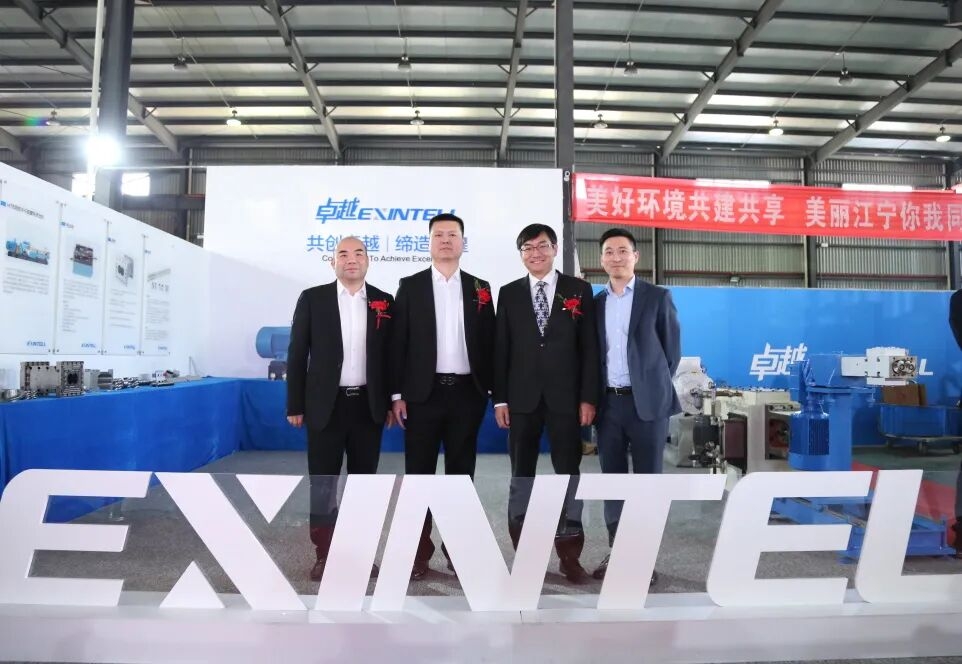
Industrial manufacturing facility with plastic extrusion machinery operating on a production line
Understanding Color Masterbatch Extruder Machines: 핵심기술 및 응용
A color masterbatch extruder machine is a specialized piece of industrial equipment designed to produce color masterbatch — concentrated mixtures of pigments or dyes dispersed into a carrier resin. These masterbatches are then used by downstream plastics processors to impart color to final products such as films, bottles, 파이프, 자동차 부품, and household goods. The extruder machine melts, 믹스, and homogenizes the pigment-resin blend under controlled temperature and shear conditions, producing uniform pellets ready for use in injection molding, 블로우 성형, 또는 필름 압출.
The two primary types of extruder machines used in masterbatch production are:
- 트윈 스크류 압출기 (동회전 및 역회전): Preferred for their superior mixing capability, self-cleaning properties, and flexibility in processing a wide range of formulations. Co-rotating twin-screw extruders dominate the color masterbatch segment due to their high throughput and consistent dispersion quality.
- Single-screw extruders: Used in simpler formulations or lower-volume operations, though increasingly being replaced by twin-screw systems in high-specification applications.
단일 스크류 압출기 공급업체 Key performance parameters that B2B buyers evaluate include screw diameter (typically 35mm to 135mm for commercial production), L/D 비율 (길이 대 직경, 천하게 32:1 에게 48:1), 처리량 (~에 이르기까지 50 kg/h 이상 2,000 kg/h), 토크 밀도, and the precision of temperature control systems. Modern color masterbatch extruder machines also integrate advanced features such as gravimetric feeding systems, inline quality monitoring, and Industry 4.0-compatible control interfaces. Rostock Dual Extruder
의 데이터에 따르면 그랜드뷰리서치 (2024), the global masterbatch market was valued at approximately USD 13.7 10억 2023 CAGR로 성장할 것으로 예상됩니다. 5.2% ~을 통해 2030. This growth directly fuels demand for color masterbatch extruder machines, as manufacturers worldwide expand capacity to meet rising consumption of colored plastics in packaging (the single largest end-use segment, 이상을 회계하다 30% 수요의) and automotive applications.
Foreign Trade Policy and the Plastics Machinery Industry in
The transatlantic trade relationship between the United States and the European Union remains one of the most consequential economic corridors in the world, with bilateral goods trade exceeding USD 1.1 에 따르면 매년 조 국제무역청 (ITA). 플라스틱 기계 부문 — including color masterbatch extruder machines — this relationship is shaped by several policy frameworks and recent developments.
초기에, the trade environment has been marked by renewed tariff discussions. The United States has maintained Section 301 tariffs on certain Chinese-origin industrial machinery, which has indirectly benefited European manufacturers of extruder equipment by making EU-sourced machines more price-competitive in the American market. 동시에, the EU's Carbon Border Adjustment Mechanism (CBAM), 10월부터 과도기 단계에 진입 2023 완전한 구현을 향해 나아가고 있습니다. 2026, 에너지 집약적인 제조 장비의 조달 결정에 영향을 미치기 시작했습니다.. B2B buyers importing extruder machines into the EU are increasingly required to account for the embedded carbon footprint of their equipment, favoring manufacturers who can demonstrate lower-emission production processes.
그만큼 European Commission's Directorate-General for Trade reported in its April quarterly review that machinery and mechanical appliances (HS Chapter 84, which includes extruder machines) remained among the top five categories of US exports to the EU, valued at approximately EUR 42 10억 2024. 거꾸로, EU exports of specialized industrial machinery to the US grew by 3.8% 전년 대비, reflecting strong demand from American plastics compounders upgrading their production lines.
무역기술협의회 (TTC), 에 설립 2021, has continued to facilitate regulatory alignment on standards for industrial machinery, 안전 인증을 비롯해 (CE marking in the EU, UL/NRTL listing in the US) and digital interoperability standards. For color masterbatch extruder machine manufacturers, this means that equipment designed to meet EU Machinery Directive 2006/42/EC requirements can more readily be adapted for the US market, reducing compliance costs and accelerating time-to-market for transatlantic sales.
하지만, challenges persist. The ongoing uncertainty around potential new US tariffs on EU steel and aluminum — materials critical to extruder machine construction — could increase manufacturing costs for European producers. 추가적으로, the EU's proposed Ecodesign for Sustainable Products Regulation (ESPR) may impose new requirements on the energy efficiency and recyclability of industrial machinery sold within the single market, affecting both domestic manufacturers and importers.
B2B Trade Opportunities for Color Masterbatch Extruder Machines in the Market
The convergence of several market forces is creating substantial B2B trade opportunities for color masterbatch extruder machines across the transatlantic corridor.
Packaging industry expansion: The US flexible packaging market alone is projected to reach USD 44 10억 단위로 2026, 에 따르면 Flexible Packaging Association. Color masterbatch is a critical input for this sector, and the demand for high-speed, precision extruder machines capable of producing masterbatch with tight color tolerances (Δ이자형 < 1.0) is growing accordingly. European machine builders such as Coperion (독일), 라이스트리츠 (독일), ICMA 산 조르지오 (이탈리아) have established strong reputations for twin-screw extruder technology that meets these specifications, creating export opportunities to US-based compounders.
Sustainability-driven equipment upgrades: Both US and EU regulations are pushing plastics processors toward more sustainable operations. The EU's Single-Use Plastics Directive and the US EPA's emerging guidelines on recycled content in packaging are driving demand for extruder machines capable of processing bio-based resins, recycled polymers, and mineral-filled compounds alongside traditional color masterbatch formulations. Modern color masterbatch extruder machines with modular screw configurations and advanced degassing systems are particularly well-suited to these applications, and manufacturers who can offer this versatility are finding strong demand from B2B buyers on both sides of the Atlantic. 압출 플라스틱
니어쇼어링과 공급망 다각화: The post-pandemic trend toward supply chain resilience has accelerated nearshoring of plastics manufacturing. US companies that previously sourced color masterbatch from Asia are increasingly establishing domestic production capabilities, requiring new extruder machine installations. 비슷하게, European compounders are expanding capacity within the EU to reduce dependence on imported masterbatch. This trend is generating significant capital equipment procurement activity, ~와 함께 플라스틱산업협회 data indicating a 12% increase in US plastics machinery orders in Q1 compared to the same period in 2024.
Engineer monitoring industrial control panel in a modern plastics manufacturing plant
Key Challenges Facing B2B Buyers and Suppliers
우호적인 시장 상황에도 불구하고, B2B participants in the color Single Screw Extruder Factory masterbatch extruder machine trade face several notable challenges. Twin-Screw Extruder Machine Factory
Price competition from Asian manufacturers: Chinese extruder machine manufacturers — including Nanjing Jieya, Nanjing Coperion, and Guangdong-based producers — offer twin-screw extruder systems at price points 30-50% below comparable European models. While quality perceptions have historically favored European and American brands, Chinese manufacturers have made significant strides in build quality, control system sophistication, and after-sales service networks. For cost-sensitive B2B buyers, particularly those in emerging markets or operating on thinner margins, this price differential presents a genuine alternative to transatlantic sourcing.
Technical specification complexity: Color masterbatch production requires precise control over dozens of process variables — 나사 속도, barrel temperature profiles, 이송 속도, vacuum levels, and pelletizing parameters. B2B buyers who lack deep technical expertise may struggle to specify the optimal machine configuration for their particular formulation requirements. This creates a need for manufacturers and suppliers who can provide comprehensive application engineering support, not just equipment sales.
물류 및 리드타임: High-value capital equipment like extruder machines involves complex international logistics — ocean freight for machines weighing 5,000 에게 30,000 kg, 통관, 설치, 그리고 시운전. Current shipping times from European ports (로테르담, 함부르크) to major US ports (로스앤젤레스, 휴스턴, 사바나) average 18-25 날, with total project lead times from order to production-ready installation typically ranging from 4 에게 8 개월. 공급망 중단, port congestion, or customs delays can significantly impact project timelines and costs.
Regulatory compliance across jurisdictions: A color masterbatch extruder machine sold in the EU must comply with the Machinery Directive, ATEX directives (if processing potentially explosive dust), 그리고 점점, 에너지 효율 기준. The same machine sold in the US must meet OSHA requirements, NEC electrical codes, and potentially FDA-related standards if the masterbatch is intended for food-contact packaging applications. Navigating these dual compliance requirements adds cost and complexity for both manufacturers and buyers.
Geographic and Policy Advantages Enabling Trade
Several structural advantages make the corridor particularly favorable for B2B trade in color masterbatch extruder machines.
성숙한 물류 인프라: The transatlantic shipping route is one of the most well-served in global trade, with multiple weekly sailings between major European and American ports. 로테르담 항구 — Europe's largest — 처리하다 14 million TEUs annually and offers direct connections to all major US East Coast and Gulf Coast ports. This infrastructure reliability reduces transit risk for high-value machinery shipments.
Regulatory mutual recognition: While full mutual recognition of machinery standards between the US and EU has not been achieved, the TTC's work on conformity assessment and the longstanding practice of dual-certification (CE + UL) by major manufacturers means that transatlantic equipment trade faces fewer technical barriers than trade with many other regions. Several leading extruder machine manufacturers maintain testing and certification partnerships with bodies like TÜV (EU) 그리고 UL (우리를) to streamline this process.
Financial and trade facilitation tools: 미국 수출입 은행 (엑심) and the European Investment Bank (EIB) both offer financing programs that can support capital equipment purchases. 추가적으로, bilateral investment treaties and the absence of quotas on machinery trade between the US and EU provide a stable commercial framework. 신용장, trade credit insurance from providers like Euler Hermes (알리안츠무역), and established escrow mechanisms further reduce transaction risk for B2B buyers.
지적재산권 보호: Both the US and EU maintain robust IP protection regimes, which is critical for extruder machine manufacturers who invest heavily in proprietary screw element designs, 배럴 야금, 및 제어 소프트웨어. B2B buyers sourcing from US or EU manufacturers can have greater confidence in the originality and patent-backed performance claims of the equipment they purchase, compared to sourcing from jurisdictions with weaker IP enforcement.
사례 연구: European Extruder Manufacturer Expanding into the US Market
코페리온 GmbH, 슈투트가르트에 본사를 두고 있음, 독일, provides an instructive example of successful transatlantic B2B trade in the extruder machine segment. As one of the world's leading manufacturers of twin-screw extruders for compounding and masterbatch production, Coperion has systematically built its US market presence through a combination of direct sales, 지역 서비스 인프라, and strategic partnerships.
Steel Extruding Coperion's ZSK twin-screw extruder series — available in screw diameters from 18mm (실험실 규모) to 420mm (대량 생산) — is widely regarded as an industry benchmark for color masterbatch production. The company operates a major manufacturing and technology center in Ramsey, 뉴저지, which serves as its North American headquarters. This local presence allows Coperion to offer US-based B2B customers rapid spare parts delivery, on-site commissioning support, and application testing in its local laboratory — capabilities that significantly reduce the perceived risk of purchasing European-origin equipment.
~ 안에 2024, Coperion reported that its North American order intake for compounding extruders grew by approximately 15%, driven by demand from masterbatch producers expanding capacity to serve the packaging and automotive sectors. The company attributed this growth partly to the reshoring trend, as US-based plastics processors sought to reduce supply chain vulnerability by bringing masterbatch production in-house rather than importing finished masterbatch from Asia.
A specific project example: A mid-sized US color masterbatch producer based in Texas commissioned a Coperion ZSK 58 Mc18 twin-screw extruder line in late 2024 to expand its production of high-concentration pigment masterbatches for the agricultural film market. The project involved:
- Machine specification and application engineering: 3 months of collaborative work between the buyer's R&D team and Coperion's application engineers, including trial runs at Coperion's Stuttgart test center
- Manufacturing and factory acceptance testing: 5 months at Coperion's German production facility
- Shipping and customs clearance: 4 weeks via Rotterdam to Houston
- 설치 및 시운전: 3 weeks on-site, supported by Coperion's New Jersey-based service team
- Total project cost: Approximately USD 1.2 백만, including ancillary equipment (피더, 펠리타이저, 냉각 시스템)
The buyer reported achieving target production rates of 800 kg/h within two weeks of commissioning, with color consistency (Δ이자형) values consistently below 0.8 — meeting the stringent requirements of their agricultural film customers.
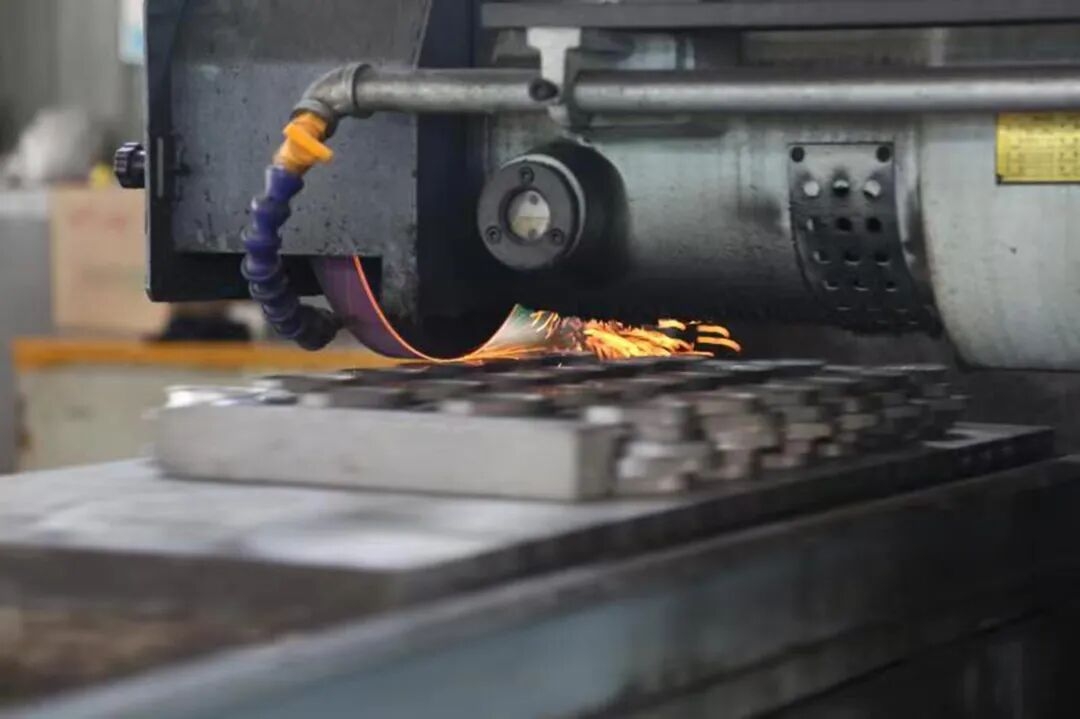
Modern industrial warehouse with organized logistics operations and shipping containers
사례 연구: US Machinery Distributor Serving EU Compounders
On the reverse side of the transatlantic trade, American Leistritz Extruder Corporation — the US subsidiary of Leistritz AG (뉘른베르크, 독일) — demonstrates how a hybrid business model can effectively serve B2B customers. While Leistritz's core extruder manufacturing remains in Germany, the US operation in Somerville, 뉴저지, provides sales, application development, 예비 부품, and service support for North American customers, while also facilitating re-export of configured systems to Latin American and Caribbean markets.
Leistritz's ZSE MAXX series twin-screw extruders have gained particular traction among small-to-medium color masterbatch producers who require flexible, modular systems capable of handling frequent product changeovers. A notable 2024 project involved a Polish masterbatch manufacturer who sourced a Leistritz ZSE 27 MAXX laboratory/pilot extruder through the company's European sales channel to develop new bio-based color masterbatch formulations for the EU packaging market. The machine's modular barrel and screw design allowed the customer to test over 40 different formulations within six months, accelerating their product development cycle by an estimated 60% compared to their previous equipment.
These case studies illustrate a broader pattern: successful B2B trade in color masterbatch extruder machines depends not just on the equipment itself, but on the manufacturer's ability to provide comprehensive pre-sale application support, reliable logistics, and responsive post-sale service across international boundaries.
Emerging Trends: 다음에 기대할 사항 1-2 개월
현재 시장 신호를 기준으로, 정책 개발, and industry activity, several trends are likely to shape the color masterbatch extruder machine market in the near term.
Tariff policy developments: The US administration's ongoing review of tariff structures on industrial machinery imports is expected to produce new guidance by mid-. 다음을 포함한 산업 협회 플라스틱산업협회 그리고 VDMA (독일 기계공학 산업 협회) have been actively lobbying for maintained or reduced tariffs on plastics processing equipment, arguing that access to best-in-class machinery is essential for US manufacturing competitiveness. B2B buyers considering near-term purchases should monitor these developments closely, as tariff changes could affect landed costs by 5-15%.
NPE aftermath: The NPE plastics trade show — the largest in the Western Hemisphere — is a major catalyst for equipment purchasing decisions. Machine demonstrations, technology announcements, and competitive benchmarking at NPE typically generate a surge in RFQs (requests for quotation) 에서 60-90 days following the event. Color masterbatch extruder machine manufacturers who exhibited at NPE are likely to see elevated inquiry volumes through mid-, and B2B buyers can leverage this competitive environment to negotiate favorable terms.
Sustainability certification requirements: The EU's forthcoming Digital Product Passport (DPP) 요구 사항, expected to be finalized in late, will eventually require detailed lifecycle and sustainability data for industrial equipment sold in the EU market. Forward-thinking extruder machine manufacturers are already preparing for these requirements by documenting the environmental footprint of their manufacturing processes, materials sourcing, 에너지 소비. B2B buyers who prioritize suppliers with advanced sustainability documentation will be better positioned for future compliance.
트윈 스크류 압출 Raw material cost pressures: Steel prices — a major input cost for extruder machine manufacturing — have shown volatility in early, with European hot-rolled coil prices fluctuating between EUR 550-650 per tonne according to Fastmarkets MB. If steel prices trend upward, extruder machine manufacturers may implement price increases with 30-60 day notice periods. B2B buyers with confirmed project timelines may benefit from placing orders sooner rather than later to lock in current pricing.
Digital and automation integration: The integration of AI-driven process optimization, 예측 유지 관리 시스템, and remote monitoring capabilities into color masterbatch extruder machines is accelerating. Manufacturers including Coperion, 크라우스마파이, and Leistritz have all announced enhanced digital platforms in. B2B 구매자의 경우, this means that new machine purchases increasingly include software licensing and data connectivity considerations alongside traditional mechanical specifications.
Advanced digital technology interface displaying industrial automation and data analytics
Selecting the Right Color Masterbatch Extruder Machine: A B2B Buyer's Framework
For procurement professionals evaluating color masterbatch extruder machine options, a structured Mixing Equipment Manufacturer Supplier assessment framework can help navigate the complexity of this capital equipment decision.
Production requirements analysis: Begin by defining your throughput requirements (kg/h), the range of masterbatch formulations you need to produce (pigment loading levels, carrier resin types, additive packages), and your quality specifications (color consistency targets, dispersion quality standards). These parameters will determine the appropriate extruder size, 나사 구성, and ancillary equipment requirements.
Manufacturer evaluation criteria: Assess potential suppliers based on:
- 기술적 역량: Does the manufacturer offer application engineering support, trial runs, and formulation optimization assistance?
- 참조 설치: Can the manufacturer provide references from existing customers producing similar masterbatch types?
- Service infrastructure: Does the manufacturer have local service capability in your region, including spare parts inventory and trained service engineers?
- 재무적 안정성: Is the manufacturer financially sound, ensuring long-term availability of spare parts and support?
- Compliance and certification: Does the equipment meet all applicable regulatory requirements for your market (CE, UL, ATEX, 등.)?
총 소유 비용 (TCO): Look beyond the initial purchase price. A comprehensive TCO analysis should include energy consumption (modern twin-screw extruders consume 0.15-0.35 kWh/kg of throughput), wear parts replacement costs (나사 요소, 배럴 라이너 — 일반적으로 3-8% of machine cost annually), maintenance labor, 다운타임 비용, and the value of production flexibility. A higher-priced machine with lower energy consumption and longer wear part life may deliver superior TCO over a 10-15 year operating life.
The Role of Wholesale and Factory-Direct Sourcing in B2B Trade
The color masterbatch extruder machine wholesale market has evolved significantly in recent years. Traditional distribution models — where manufacturers sold through regional agents or Co Extruded Wire 8Awg distributors who added markup and provided local support — are being supplemented by factory-direct sales channels enabled by digital platforms and improved international logistics.
B2B 구매자의 경우, factory-direct sourcing from a color masterbatch extruder machine factory can offer price advantages of 10-20% compared to distributor channels. 하지만, this approach requires the buyer to manage more of the procurement process independently, including technical specification, logistics coordination, and installation planning. Factory-direct sourcing is most appropriate for experienced buyers with in-house engineering capability who can effectively manage these responsibilities.
거꾸로, working with an established color masterbatch extruder machine supplier or distributor provides value-added services including multi-brand comparison, financing facilitation, turnkey installation, and consolidated after-sales support. For buyers entering the masterbatch production market for the first time, or those expanding into unfamiliar formulation territories, the expertise of a knowledgeable supplier can significantly reduce project risk.
The wholesale segment is also seeing growth in refurbished and pre-owned extruder machines, particularly in the US market. Companies like Sterling Extruder Corp and Processing Technologies International (PTi) offer reconditioned twin-screw extruders at 40-60% of new machine prices, providing a cost-effective entry point for smaller compounders or those testing new market segments before committing to new equipment investment.
Workplace Safety in Plastics Manufacturing: Protecting Operators and Workers
Operating color masterbatch extruder machines involves significant workplace safety considerations that B2B buyers and factory operators must address. The plastics compounding environment presents hazards including high temperatures (barrel temperatures typically reach 180-280°기음), 회전 기계, dust exposure from pigment handling, and heavy material handling during raw material loading and finished product packaging.
Foot protection is a critical and often underappreciated element of personal protective equipment (PPE) in masterbatch production facilities. Workers in these environments face risks from:
- Heavy object impacts: Raw material bags (일반적으로 25 각각 kg), metal screw elements during maintenance, and pelletizer components can cause severe foot injuries if dropped
- 뜨거운 물질이 유출됨: Molten polymer strands or spilled masterbatch at temperatures exceeding 200°C can cause serious burns to unprotected feet
- 미끄러짐 위험: 유출된 펠릿, 윤활유, and cleaning solvents create slippery floor conditions
- 압축 위험: Heavy machinery components, palletized finished goods, and forklift traffic in warehouse areas pose crushing risks
B2B 안전화 — 구체적으로, safety toe boots and shoes meeting ASTM F2413 (우리를) 또는 EN ISO 20345 (EU) 표준 — is essential PPE for all personnel working in or around color masterbatch extruder machine operations. These standards specify performance requirements including:
충격 저항: 안전 토캡 (강철, 알류미늄, 또는 합성) 충격 에너지를 견뎌야합니다. 200 줄 (ISO에서 20345 S1-S3) 또는 75 피트 파운드 (ASTM F2413 I/75), protecting toes from falling objects weighing up to 20 kg dropped from 1 meter height. In a masterbatch production environment, this protection is critical during screw element changeovers, die plate maintenance, and raw material handling. Battenfeld Gloucester Extruders
압축 저항: Safety footwear must resist a static compression force of 15 kN (ISO에서 20345) 또는 2,500 파운드 (ASTM F2413 C/75), protecting against crushing injuries from rolling equipment, pallet jacks, or heavy machinery components.
내열성: For workers operating near extruder barrels and die faces, 내열성 밑창이 있는 안전 신발 (300으로 평가됨°EN ISO에 따른 C 접촉 열 20345 HRO) prevents burn injuries from accidental contact with hot surfaces or spilled molten material.
미끄럼 방지: Safety shoes with SRC-rated outsoles (tested on both ceramic tile with sodium lauryl sulfate solution and steel with glycerol per EN ISO 13287) significantly reduce the risk of slip-and-fall injuries in production environments where pellet spills and lubricant contamination are common.
The economic case for investing in quality B2B safety footwear is compelling. 에 따르면 미국 노동통계국 (BLS), 발 부상은 대략적으로 60,000 미국에서 매년 직장 부상, 사건당 평균 비용은 USD입니다. 9,000-12,000 의료비 포함, 생산성 손실, 그리고 노동자' 보상 청구. EU에서는, EU-OSHA data indicates that foot and ankle injuries represent approximately 7% of all workplace accidents in the manufacturing sector, with average absence durations of 20-30 working days per incident.
For color masterbatch extruder machine operators specifically, the combination of heavy mechanical components, 고온, and chemical exposure creates a multi-hazard environment where comprehensive foot protection is not optional — it is a regulatory requirement under both OSHA 29 CFR 1910.136 (우리를) and EU Directive 89/656/EEC on the use of personal protective equipment.
제조시설용 안전화 B2B 조달 시 고려해야 할 사항:
- Certification compliance: Ensure footwear meets the applicable standard for your jurisdiction (ASTM F2413 for US, ISO에서 20345 for EU) with the specific protection ratings required for your hazard assessment
- 편안함과 인체공학적 디자인: Workers wearing safety footwear for 8-12 hour shifts require adequate cushioning, 아치 지원, and breathability to maintain productivity and reduce fatigue-related injury risk
- 내구성 및 수명주기 비용: Industrial-grade safety footwear typically lasts 6-12 months in heavy manufacturing environments; selecting higher-quality options with replaceable insoles and resoleable construction can reduce long-term costs
- 내화학성: In masterbatch production environments where solvents, pigment dispersions, and cleaning chemicals are present, footwear upper materials should resist degradation from common industrial chemicals
- 정전기 방지 특성: ESD (정전기 방전) rated footwear may be required in environments where flammable dust or solvent vapors are present, as specified in ATEX zone classifications
Leading B2B safety footwear suppliers serving the plastics manufacturing sector include Honeywell Safety Products, 우벡스 그룹 (독일), 바타 산업, 그리고 레드윙 슈즈 (우리를). Many of these suppliers offer volume pricing programs, custom fitting services, and managed footwear programs that simplify procurement for multi-site manufacturing operations.
Multi-Plastics Extrusions Hazelton Pa Integrating safety footwear procurement into your overall color masterbatch extruder machine investment planning ensures that Physical Foaming Extruder Manufacturer your facility meets regulatory requirements from day one of production, protects your workforce, and avoids costly injury-related disruptions to your manufacturing operations.
자주 묻는 질문 (FAQ)
- What is the typical price range for a color masterbatch extruder machine?
- Prices vary significantly based on size, 구성, and manufacturer origin. Laboratory-scale twin-screw extruders (25-35mm 나사 직경) start at approximately USD 80,000-150,000. Production-scale systems (50-95mm) 일반적으로 USD부터 300,000 USD로 1.5 백만. Large-scale high-output lines (95mm+) with complete ancillary equipment can exceed USD 2 백만. Chinese-origin machines are generally 30-50% less expensive than comparable European models.
- What is the lead time for ordering a new color masterbatch extruder machine?
- Standard lead times from major European manufacturers are typically 16-28 weeks from order confirmation to ex-works delivery, depending on machine size and customization requirements. Chinese manufacturers may offer shorter lead times of 10-18 주. Add 3-6 weeks for international shipping and 2-4 weeks for installation and commissioning.
- Can a color masterbatch extruder machine process recycled polymers?
- 예, modern twin-screw extruders are well-suited to processing recycled polymers as carrier resins for color masterbatch. 하지만, recycled materials often require additional degassing (vacuum venting), 여과법, and potentially different screw configurations to handle variability in melt viscosity and contamination levels. Discuss your specific recycled content requirements with the manufacturer during the specification phase.
- What certifications should I look for when importing an extruder machine into the US or EU?
- EU 시장용: CE마킹 (Machinery Directive 2006/42/EC), and ATEX certification if processing potentially explosive dust. 미국 시장의 경우: compliance with OSHA machinery safety standards, NEC-compliant electrical systems, and UL or NRTL listing for