ព័ត៌មាន

របៀបដែល Pelletizing Extruders ដំណើរការជាជំហាន ៗ

តារាងមាតិកា

របៀបដែល Pelletizing Extruders ដំណើរការជាជំហាន ៗ

នៅពេលអ្នកប្រើ ក extruder pelletizing, អ្នកផ្លាស់ប្តូរវត្ថុធាតុដើមទៅជាគ្រាប់ដោយធ្វើតាមជំហានច្បាស់លាស់. អ្នកដាក់សម្ភារៈចូលទៅក្នុង extruder. ម៉ាស៊ីនរលាយហើយលាយវា។. បន្ទាប់មក, វា​រុញ​សម្ភារៈ​តាម​រយៈ​ការ​ស្លាប់​ដើម្បី​ផលិត​គ្រាប់. ជំហាននីមួយៗមានសារៈសំខាន់សម្រាប់ការធ្វើឱ្យរឹងមាំនិងសូម្បីតែគ្រាប់. ប្រសិនបើអ្នកដឹងពីរបៀបដែល pelletizing ដំណើរការ, អ្នកអាចធ្វើឱ្យ extruder របស់អ្នកកាន់តែប្រសើរឡើង និងដោះស្រាយបញ្ហាបានលឿនជាងមុន.

របៀបដែល Pelletizing Extruders ដំណើរការជាជំហាន ៗ

តារាងខាងក្រោមពន្យល់ពីមូលហេតុដែលជំហាននីមួយៗមានសារៈសំខាន់សម្រាប់ ប្រសិទ្ធភាព និងដោះស្រាយបញ្ហា:

កត្តា ផលប៉ះពាល់លើប្រសិទ្ធភាព សារៈសំខាន់ក្នុងការដោះស្រាយបញ្ហា
គុណភាពសម្ភារៈ គ្រាប់ល្អហូរបានល្អ, មានគុណវិបត្តិតិចជាង, និងជួយផលិតភាព. រក្សា​លំហូរ​ទឹក​រលាយ​ឱ្យ​ស្ថិតស្ថេរ និង​កាត់​បន្ថយ​ការ​ផ្លាស់​ប្តូរ.
ការត្រួតពិនិត្យសីតុណ្ហភាព សីតុណ្ហភាពត្រឹមត្រូវធ្វើឱ្យគុណភាពរលាយមានស្ថិរភាព និងជួយឱ្យលំហូរវត្ថុធាតុ polymer. ការគ្រប់គ្រងដោយប្រុងប្រយ័ត្នកាត់បន្ថយពិការភាពពីការផ្លាស់ប្តូរសីតុណ្ហភាព.
ការថែទាំឧបករណ៍ Watching screw wear keeps throughput high and product quality good. Checking often helps plan maintenance on time.

គន្លឹះ​យក

  • Learn how the pelletizing process works to make it better and fix problems fast.
  • Watch the temperature and screw speed to keep pellet quality the same and lower mistakes.
  • Take care of the equipment often to keep making a lot and stop machine issues.
  • Use the right drying and cooling steps to make pellets stronger and stop them from sticking.
  • Check the material’s properties to make the pelletizing process work best for different plastics.

What Is A Pelletizing Extruder

Main Function

extruder pelletizing turns raw plastic or polymer into small pellets. The machine lets you control how big and round each pellet is. Manufacturers use pellet extruders to make products that meet strict rules. អ្នកអាចផ្លាស់ប្តូរបំណែកកាកសំណល់ ឬជ័រថ្មីទៅជាគ្រាប់ដែលហូរបានល្អ និងដំណើរការនៅក្នុងម៉ាស៊ីនផ្សេងទៀត។.

របៀបដែល Pelletizing Extruders ដំណើរការជាជំហាន ៗ

ប្រដាប់បន្តពូជ pelletizing មានសារៈសំខាន់ក្នុងការផលិតប្លាស្ទិក និងវត្ថុធាតុ polymer. ពួកគេជួយអ្នកឱ្យធ្វើការលឿនជាងមុន, ខ្ជះខ្ជាយតិច, និងទទួលបានលទ្ធផលថេរ.

នេះគឺជាតារាងដែលបង្ហាញពីអ្វី a extruder pelletizing ធ្វើ:

របៀបដែល Pelletizing Extruders ដំណើរការជាជំហាន ៗ
មុខងារ ការពិពណ៌នា
ផលិតផលជាប់លាប់ អ្នកទទួលបានគ្រាប់ដែលមានទំហំដូចគ្នា។. វាជួយអ្នកពិនិត្យមើលគុណភាព.
ការកាត់បន្ថយកាកសំណល់ អ្នក​ប្រើ​សម្ភារៈ​តិច ហើយ​បោះចោល​កាកសំណល់​តិច.
ការបង្កើនប្រសិទ្ធភាព អ្នកបង្កើតគ្រាប់កាន់តែច្រើនក្នុងរយៈពេលតិច.
ភាពប៉ិនប្រសប់ អ្នកអាចបង្កើតផលិតផលផ្សេងៗគ្នាជាមួយនឹងលក្ខណៈពិសេស.

សមាសធាតុសំខាន់ៗ

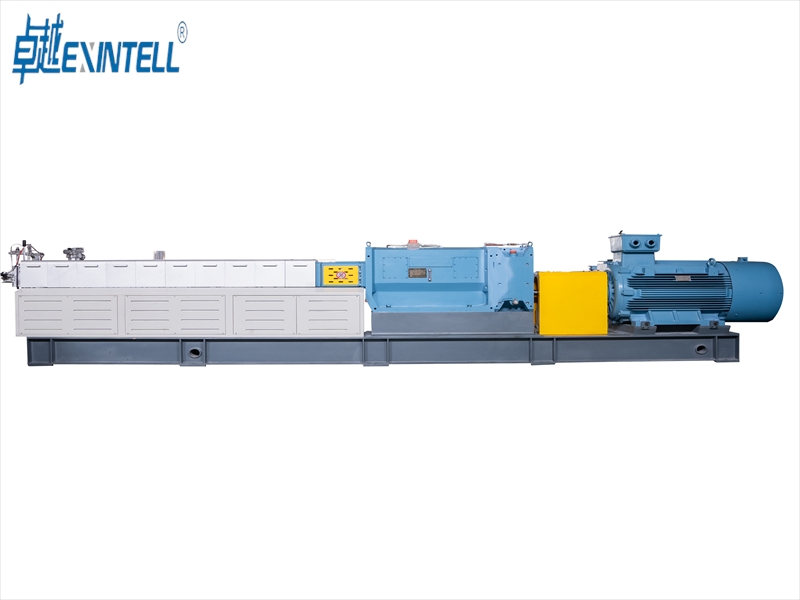
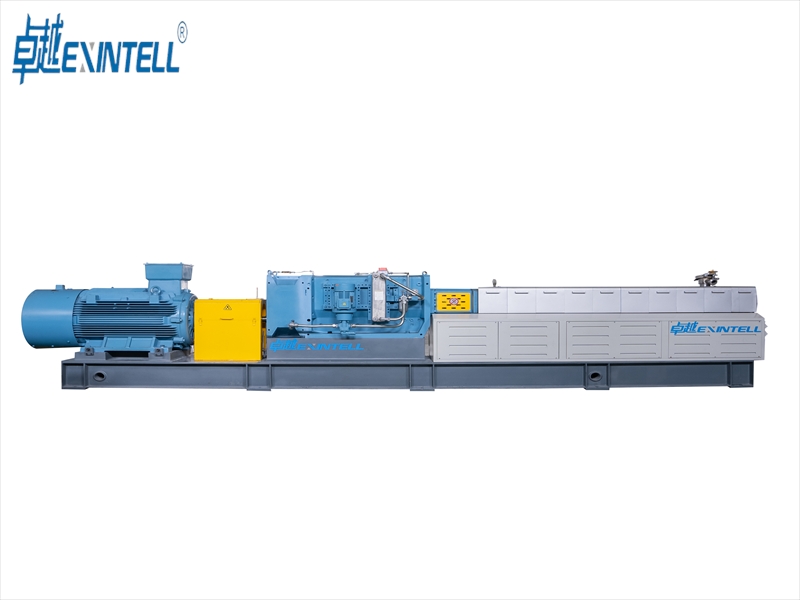
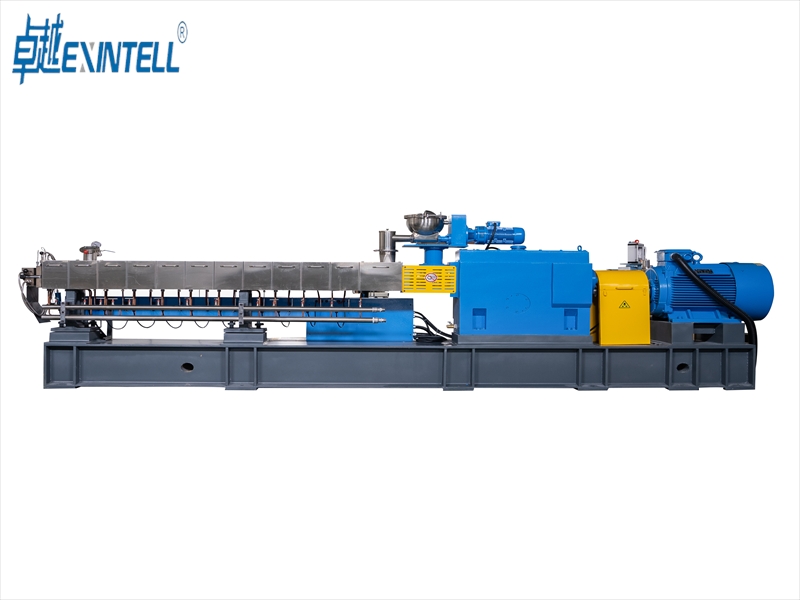
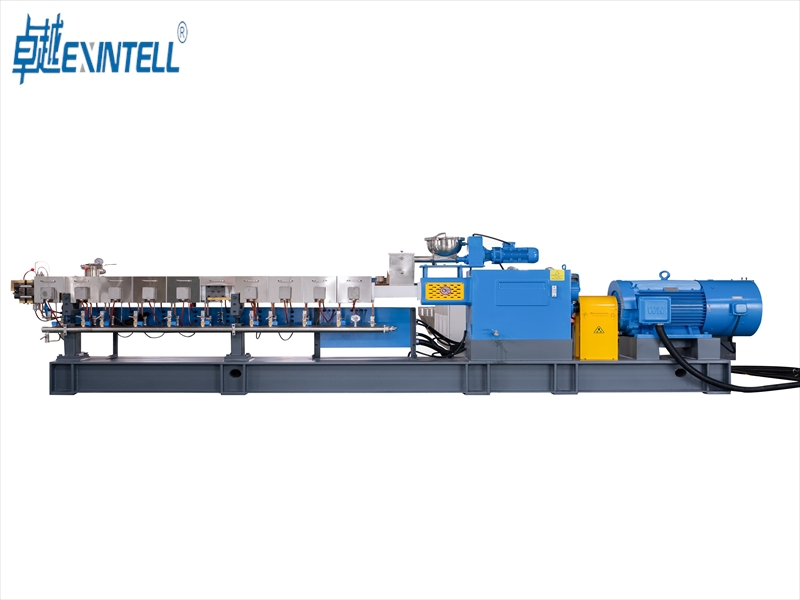
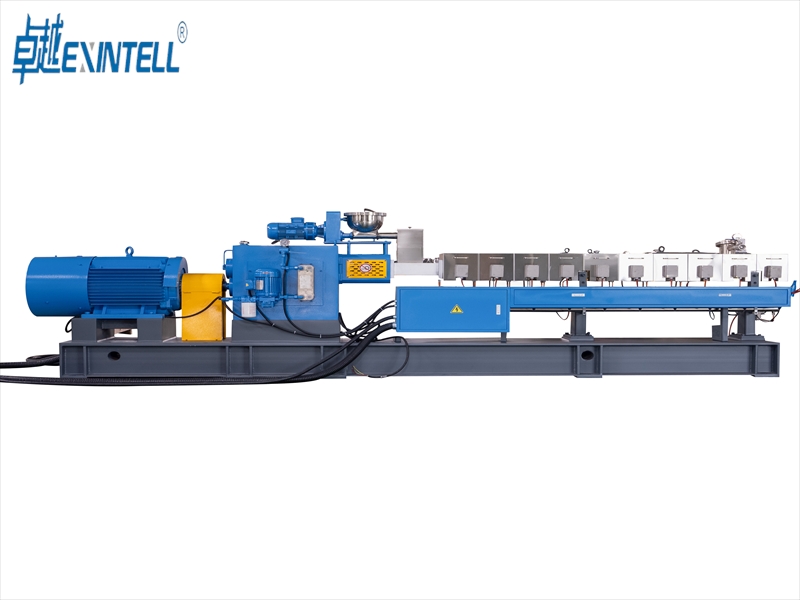
extruder គ្រាប់ មានផ្នែកជាច្រើនដែលធ្វើការរួមគ្នាដើម្បីបង្កើតគ្រាប់. ផ្នែកនីមួយៗមានការងារផ្ទាល់ខ្លួន.

  • ហបភឺរ: អ្នក​ដាក់​វត្ថុ​ធាតុ​ដើម​ក្នុង​ធុង. វាចាប់ផ្តើមអ្វីគ្រប់យ៉ាង.
  • វីស: វីសរុញសម្ភារៈទៅមុខហើយលាយវា។. វីសវែងលាយល្អជាង និងរលាយផ្លាស្ទិចលឿនជាងមុន.
  • ធុង: ធុងកំដៅឡើងសម្ភារៈ. វាធ្វើឱ្យប្រាកដថាការរលាយគឺរលូន.
  • ចានបំបែក: ចាននេះចាប់យកភាពកខ្វក់ និងរក្សាសម្ពាធឱ្យស្ថិតស្ថេរ.
  • អាដាប់ទ័រ: អាដាប់ទ័រផ្លាស់ទីវត្ថុរលាយទៅកន្លែងស្លាប់.
  • ប្រព័ន្ធស្លាប់: រូបចម្លាក់ធ្វើពីផ្លាស្ទិចរលាយ. វាគ្រប់គ្រងថាតើគ្រាប់ក្រាស់ និងតឹងប៉ុនណា.
  • ប្រព័ន្ធត្រជាក់: ប្រព័ន្ធត្រជាក់ធ្វើឱ្យគ្រាប់រឹង បន្ទាប់ពីពួកគេចេញមក. ពួកគេប្រើខ្យល់, ទឹក។, ឬគ្រែដើម្បីបញ្ឈប់គ្រាប់ពីការផ្លាស់ប្តូររូបរាង.
  • ប្រព័ន្ធកាំបិតបង្វិល (អ្នកកាប់): ឧបករណ៍កាត់ កាត់ផ្លាស្ទិចត្រជាក់ទៅជាគ្រាប់. អ្នកទទួលបានគ្រាប់ដែលមានទំហំ និងរូបរាងដូចគ្នា។.

ខ្លះ pellet extruders មានប្រព័ន្ធសម្ងួត. ប្រព័ន្ធទាំងនេះយកទឹកចេញ និងរក្សាគ្រាប់បានល្អ.

របៀបដែល Pelletizing Extruders ដំណើរការជាជំហាន ៗ

តារាងខាងក្រោមបង្ហាញពីផ្នែកសំខាន់ៗ និងអ្វីដែលពួកគេធ្វើ:

សមាសភាគ តួនាទី
ហបភឺរ ដាក់វត្ថុធាតុដើមទៅក្នុង extruder
វីស រុញនិងលាយសម្ភារៈ, ផ្លាស្ទិចរលាយ
ធុង កំដៅនិងបន្ទន់សម្ភារៈសម្រាប់ការរលាយរលូន
ចានបំបែក ចាប់ភាពកខ្វក់, រក្សាសម្ពាធឱ្យស្ថិតស្ថេរ
អាដាប់ទ័រ Moves melted material to the die
ប្រព័ន្ធស្លាប់ Shapes melted plastic, controls pellet thickness and pressure
ប្រព័ន្ធត្រជាក់ Makes pellets hard, stops them from changing shape
ប្រព័ន្ធកាំបិតបង្វិល Cuts cooled pellets into the same size and shape

You can change the design of these parts to fit your needs. Automation systems help you control heat and warn you about problems. Cooling and drying systems keep pellets strong and protect their quality.

របៀបដែល Pelletizing Extruders ដំណើរការជាជំហាន ៗ

Pelletizing Extruder Process

The pelletizing extruder works in steps. Each step changes raw material into pellets that look the same. You need to know every stage to get good pellets.

Material Feeding

ទីមួយ, you put raw material into the extruder. The hopper holds the material. This material can be plastic flakes, granules, or powders. Some common materials are polyethylene, ប៉ូលីភីលីនលីន, ABS, nylon, and PLA. អ្នកអាចប្រើ feeders ពិសេសដើម្បីគ្រប់គ្រងបរិមាណសម្ភារៈចូល. ពេលខ្លះ, អ្នកត្រូវសម្ងួតសម្ភារៈជាមុនសិន. ការសម្ងួតគឺមានសារៈសំខាន់សម្រាប់ផ្លាស្ទិចដែលស្រូបយកទឹក។. ការសម្ងួតបញ្ឈប់ពពុះ និងបញ្ហាផ្សេងៗទៀតនៅក្នុងគ្រាប់.

របៀបដែល Pelletizing Extruders ដំណើរការជាជំហាន ៗ

ប្រព័ន្ធផ្តល់ចំណីគ្រប់គ្រងបរិមាណសម្ភារៈនៅខាងក្នុង. ប្រសិនបើអ្នកចិញ្ចឹមបរិមាណដូចគ្នារាល់ពេល, គ្រាប់គឺល្អជាង. ទំហំនៃបំណែកនិងរបៀបដែលពួកគេសើមក៏សំខាន់ផងដែរ។. បំណែកតូចៗ និងបរិមាណទឹកត្រឹមត្រូវជួយធ្វើឱ្យមានគ្រាប់រឹងមាំ.

ការរលាយ និងការធ្វើឱ្យដូចគ្នា

បន្ទាប់, វីសរុញសម្ភារៈទៅមុខ. ធុងឡើងកំដៅ ហើយរលាយផ្លាស្ទិច. រូបរាងរបស់វីសមានសារៈសំខាន់នៅទីនេះ. វីសខ្លះលាយវត្ថុធាតុឱ្យបានល្អជាងមុន និងរក្សាកំដៅបានដូចគ្នា។. ការលាយបញ្ចូលគ្នាជួយបញ្ចូលគ្នានូវអ្វីៗដូចជាពណ៌ ឬសារធាតុរក្សាលំនឹង.

អ្នកត្រូវតែកំណត់កំដៅឱ្យបានត្រឹមត្រូវសម្រាប់ផ្លាស្ទិចនីមួយៗ. ឧទាហរណ៍, polypropylene melts between 200°C and 260°C. ABS melts between 210°C and 250°C. The table below shows melt temperatures for different plastics:

Plastic Polymer Practical Melt Temperature Range (°C)
ABS (Acrylonitrile Butadiene Styrene) 210 250
Polycarbonate (កុំព្យូទ័រ) 280 320
ប៉ូលីភីលីនលីន (PP) 200 260
នីឡុង 66 (PA66) 280 310
ប៉ូលីអេទីឡែន (HDPE) 210 260
Polyoxymethylene (POM) 190 220

Good melting and mixing make the melted plastic smooth. This step removes air bubbles and mixes everything together. Now the melted plastic is ready for the next step.

Extrusion Through Die

The melted plastic moves to the die system. The die shapes the plastic into strands or other forms. The die works like a mold. It controls the size and shape of the pellets. The shape of the die is important. It decides how thick and wide the pellets are. A good die gives you pellets that all look the same.

The pressure and speed here change how good the pellets are. You need to keep these steady for the best pellets.

ប្រព័ន្ធត្រជាក់

After leaving the die, the plastic is still hot and soft. The cooling system makes the pellets hard and keeps their shape. Water cooling is used a lot because it cools fast and evenly. Some machines use air cooling for plastics that melt at lower heat. Underwater cutting cools the pellets right away. This is good for plastics that melt easily.

Cooling Method ការពិពណ៌នា Suitable Polymers
Water Cooling Uses water to cool pellets fast and keep them good. Many plastics that need even cooling.
ម៉ាស៊ីនត្រជាក់ Not as fast, used for plastics that melt at low heat. Plastics with low melt index.
Underwater Cutting Cuts and cools pellets in water right away. PP nonwoven, melt-blown fabrics.

Cooling must be even. ប្រសិនបើអ្នកត្រជាក់លឿនពេកឬយឺតពេក, គ្រាប់អាចបំបែកឬផ្លាស់ប្តូររូបរាង. ភាពត្រជាក់ល្អរក្សាគ្រាប់រឹង និងមើលទៅត្រឹមត្រូវ។.

កាត់ចូលទៅក្នុងគ្រាប់

នៅពេលដែលគ្រាប់ត្រជាក់, ពួកគេទៅឧបករណ៍កាត់. កាំបិតបង្វិលកាត់ខ្សែទៅជាគ្រាប់. ល្បឿន និង​ប្រភេទ​នៃ​កាំបិត​ផ្លាស់ប្តូរ​ថា​តើ​គ្រាប់​មាន​ប្រវែង និង​ក្រាស់​ប៉ុនណា. កាំបិតកាន់តែច្រើន ឬកាត់លឿនជាងមុន ធ្វើឱ្យគ្រាប់ខ្លីជាង. កន្លែងដែលអ្នកដាក់ឧបករណ៍កាត់ក៏សំខាន់ដែរ។. ប្រសិនបើវាជិតស្លាប់, វាអស់លឿន. ប្រសិនបើវាឆ្ងាយពេក, គ្រាប់មិនសូម្បីតែ.

អ្នកអាចកាត់គ្រាប់តាមរបៀបផ្សេងៗ:

  • Strand pelletizing: កាត់បន្ទាប់ពីត្រជាក់ក្នុងទឹក។.
  • ការកាត់គ្រាប់ក្តៅ: កាត់ត្រង់មុខស្លាប់.
  • ការដាក់គ្រាប់នៅក្រោមទឹក។: កាត់ក្នុងទឹកដើម្បីឱ្យត្រជាក់លឿន.

វិធីនីមួយៗដំណើរការល្អបំផុតសម្រាប់ប្លាស្ទិក និងការងារជាក់លាក់.

ការប្រមូល និងការត្រួតពិនិត្យគុណភាព

អ្នកប្រមូលគ្រាប់ដែលបានបញ្ចប់នៅចុងបញ្ចប់. ពេលខ្លះ, you need to dry them to remove water. This is where you check the pellets for size, រាង, and purity. You test the pellets and remove any bad ones. Some companies use special tests for plastics that need to be very pure.

You must follow world rules to make sure your pellets are good. Good checks mean your pellets will work well in other machines.

ព័ត៌មានជំនួយ: Check the pellets often when you collect them. This helps you find problems early and keeps your machine working well.

If you follow each step, you turn raw material into good pellets. Every stage is important for making the final product.

Factors Affecting Pelletizing

When you use a pelletizing extruder, you must control some things. These things help you get strong and even pellets. You need to watch temperature, ល្បឿនវីស, and your material’s properties. ពួកវានីមួយៗអាចផ្លាស់ប្តូររបៀបដែលគ្រាប់របស់អ្នកមើលទៅ. វាក៏ប៉ះពាល់ដល់របៀបដែលម៉ាស៊ីនរបស់អ្នកដំណើរការបានល្អផងដែរ។.

ការត្រួតពិនិត្យសីតុណ្ហភាព

អ្នកត្រូវត្រួតពិនិត្យសីតុណ្ហភាពគ្រប់ពេល. សីតុណ្ហភាព​ត្រឹមត្រូវ​ជួយ​ឱ្យ​គ្រាប់​នៅ​ជាប់​គ្នា​បាន​ល្អ។. នៅពេលដែលសីតុណ្ហភាពនៅជិតចំណុចពិសេសមួយហៅថា T*, ពេលវេលានៅក្នុងការស្លាប់គឺសំខាន់. លើកនេះផ្លាស់ប្តូរថាតើគ្រាប់របស់អ្នករឹងប៉ុនណា. ប្រសិនបើអ្នកឆ្លងកាត់ T *, គ្រាប់​ស្អិត​កាន់​តែ​លឿន ប៉ុន្តែ​ខ្សោយ​ជាង. ការ​គ្រប់​គ្រង​សីតុណ្ហភាព​ល្អ​ធ្វើ​ឱ្យ​គ្រាប់​កាន់​តែ​យូរ​និង​មិន​បែក​. វាក៏រក្សាគ្រាប់របស់អ្នកបានល្អ និងបញ្ឈប់កាកសំណល់ផងដែរ។.

ព័ត៌មានជំនួយ: ប្រើឧបករណ៍ចាប់សញ្ញាដើម្បីពិនិត្យមើលសីតុណ្ហភាពជាញឹកញាប់. វាជួយអ្នកដោះស្រាយបញ្ហាបានលឿន.

ល្បឿនវីស

ល្បឿនរបស់វីសផ្លាស់ប្តូរល្បឿនដែលអ្នកបង្កើតគ្រាប់. ប្រសិនបើវីសលឿនពេក, គ្រាប់អាចមើលទៅមិនស្មើគ្នា. ពួកគេក៏អាចទទួលបានពពុះខ្យល់ផងដែរ។. ប្រសិនបើវីសយឺតពេក, អ្នកបង្កើតគ្រាប់តិចជាងមុន។. You need to find the best speed for your material and machine. Try different speeds and look at your pellets often. This helps you keep pellet quality the same and stop problems.

Material Properties

The kind of material you use is important too. You should think about moisture and viscosity. Here is how these things change your pellets:

  • More water makes pellets wetter and stronger, but they look darker.
  • More water lowers viscosity, so the material flows easier.
  • Smaller pieces make the material thicker and harder to push.

You can change your extruder for different materials. ឧទាហរណ៍, you can use a special die shape. The table below shows how you can change your process:

Aspect ការពិពណ៌នា
Tool Design Consideration Match the die to your material and pellet size.
Complexity Handling Use computer models to design dies for hard shapes.

You can also use co-extrusion systems. These let you mix materials and make layered pellets for special uses.

If you control these things, you make better pellets. You also keep your pelletizing process working well.

Pellet Extruder Troubleshooting

Common Pellet Quality Issues

ពេលខ្លះ, you see problems with your pellets. These problems can change how your pellets look or work. Here are some issues you might find:

  • Agglomeration or big clumps happen if pellets get too hot or water is too low.
  • Fines and angel hair show up if orifice tips break or the knife does not move right.
  • Twins, triplets, and chains form if the knife is too fast or the product is too hot.
  • Dog bones and dumbbells appear if blades are worn out or the material is not thick enough.
  • Tails form if the gap between the knife and die is too big or the die is not flat.
  • Longs and elbows happen if the knife is too slow or the extrusion rate is high.
  • Internal voids and popcorn can show up if the polymer has water or cools too fast.
  • Dimples and dust appear if the product shrinks too fast or is brittle.
  • Surface or melt fracture and trash or shavings happen if the extrusion rate is high or the knife is not adjusted often.
  • Pellets that do not look the same can come from temperature changes or uneven die heating.

You can use tools like the Ishikawa fishbone diagram or the 5 Whys technique to find out what is wrong. These tools help you list causes and look deeper into the problem.

Mechanical And Process Problems

Mechanical and process problems can also hurt pelletizing. You might see uneven output, low production, or bad pellets. Here are some problems and ways to fix them:

  1. If pellet size and shape are not right, change the die temperature, keep blades sharp, and check the blade gap.
  2. If you see less output or jams, look for blocked die holes and make sure material moves well in the hopper.
  3. If the extruder or motor gets too hot, check the cooling system and look for friction or a motor working too hard.
  4. If pellets are not good, check the temperature, handle materials with care, and dry materials that take in water.

You should also check for screw wear, strange sounds, and shaking. These signs can mean parts are worn or there is something in the material that should not be there. ការត្រួតពិនិត្យ និងជួសជុលរបស់របរច្រើនតែរក្សាគ្រាប់របស់អ្នកឱ្យរលោង ហើយគ្រាប់របស់អ្នកនៅដដែល.

ព័ត៌មានជំនួយ: សរសេរបញ្ហា និងរបៀបដោះស្រាយបញ្ហាទាំងនោះ. វាជួយឱ្យអ្នកមើលឃើញគំរូ និងជួសជុលអ្វីៗបានលឿនជាងមុននៅពេលក្រោយ.

អ្នកអាចរៀនជំហាននីមួយៗនៃដំណើរការ extruder pelletizing. ការគ្រប់គ្រងសីតុណ្ហភាព និងភាពត្រជាក់ជួយធ្វើឱ្យមានភាពរឹងមាំ, គ្រាប់ឯកសណ្ឋាន. ការកែលម្អរបៀបដែលអ្នកដំណើរការម៉ាស៊ីនរបស់អ្នកកាត់បន្ថយកាកសំណល់ និងសន្សំប្រាក់. នៅពេលដែលគ្រាប់ហូរដោយរលូន, ការកកស្ទះទំនងជាតិចជាង, ហើយការងារមានស្ថិរភាព. ការរលាយនិងលាយត្រឹមត្រូវបង្កើតគ្រាប់ដែលបំពេញតាមស្តង់ដារខ្ពស់។. នេះក៏ជួយកាត់បន្ថយការបាត់បង់សម្ភារៈ និងធ្វើឱ្យការផលិតលឿនជាងមុន. មិនថាអ្នកថ្មី ឬមានបទពិសោធន៍, បន្តអនុវត្តដើម្បីធ្វើឱ្យគ្រាប់ល្អបំផុតរាល់ពេល.

សំណួរគេសួរញឹកញាប់

What materials can you use in a pelletizing extruder?

You can use many kinds of plastic. Some examples are polyethylene, ប៉ូលីភីលីនលីន, ABS, nylon, and PLA. Some machines can also use recycled plastic or blends. Always make sure your extruder works with your material.

How do you keep pellets from sticking together?

Dry your material before you feed it in. Pick the best cooling method for your plastic. Keep the temperature the same. These steps help you get strong pellets that do not stick.

Why do pellets sometimes have uneven shapes?

Pellets can look uneven if the die or cutter has issues. Check if the blades are worn out or if die holes are blocked. Wrong screw speed can also cause this. ជួសជុលរបស់ទាំងនេះដើម្បីធ្វើឱ្យគ្រាប់សូម្បីតែ.

តើ​អ្នក​គួរ​សម្អាត​ម៉ាស៊ីន​បូម​ធូលី​របស់​អ្នក​ញឹកញាប់​ប៉ុណ្ណា?

  • លាងសម្អាតឧបករណ៍បន្ថែមរបស់អ្នក បន្ទាប់ពីរាល់ពេលដែលអ្នកបញ្ចប់ការផលិតគ្រាប់.
  • យក​សម្ភារៈ​ដែល​នៅ​សេសសល់​ចេញ​ហើយ​រក​មើល​ការ​សាង​សង់.
  • ការលាងសម្អាតជាញឹកញាប់ធ្វើឱ្យគ្រាប់របស់អ្នកល្អ ហើយម៉ាស៊ីនរបស់អ្នកដំណើរការល្អ។.
ហ្វេសប៊ុក
Twitter
LinkedIn

អ្នកក៏អាចចាប់អារម្មណ៍ផងដែរ។