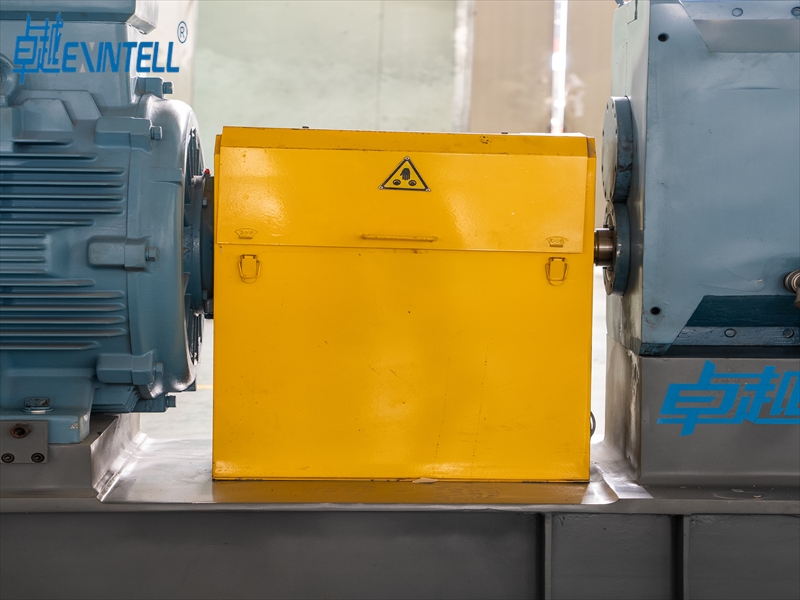
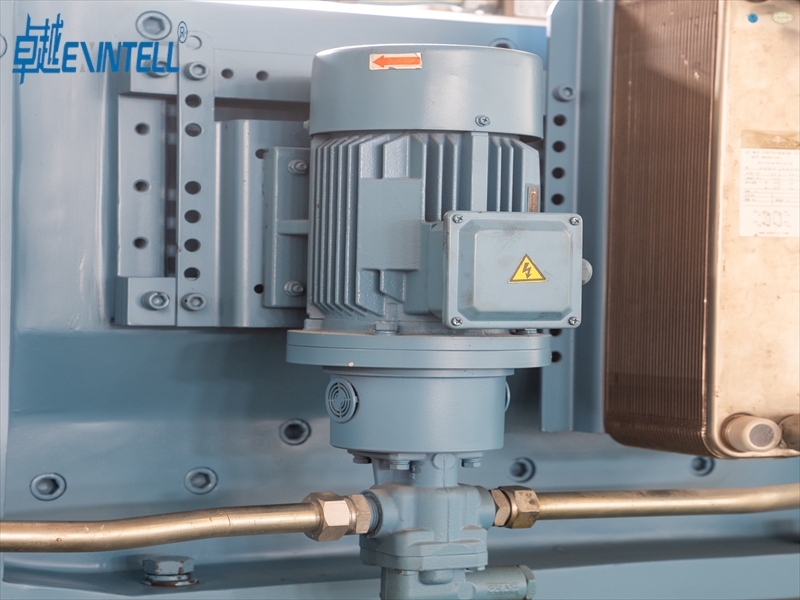
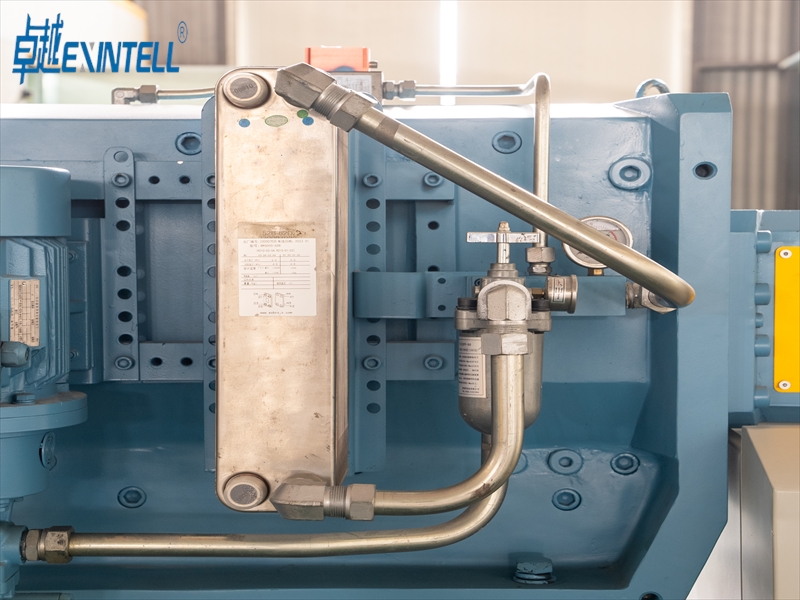
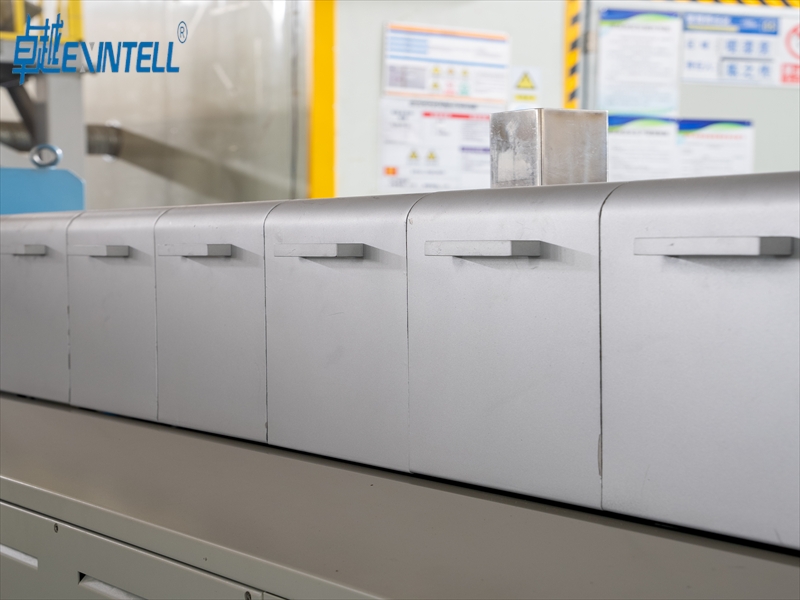
ទីមួយ, អ្នកដាក់ផ្លាស្ទិចឆៅចូលក្នុងធុង. ម៉ាស៊ីនមានវីសដែលផ្លាស់ទីផ្លាស្ទិចទៅមុខ. As it moves, the screw pushes the plastic and takes out air. ធុងឡើងកំដៅ ហើយរលាយផ្លាស្ទិច. The screw also makes heat by rubbing the plastic.
ព័ត៌មានជំនួយ:If you feed the plastic evenly, you get pellets that look the same.
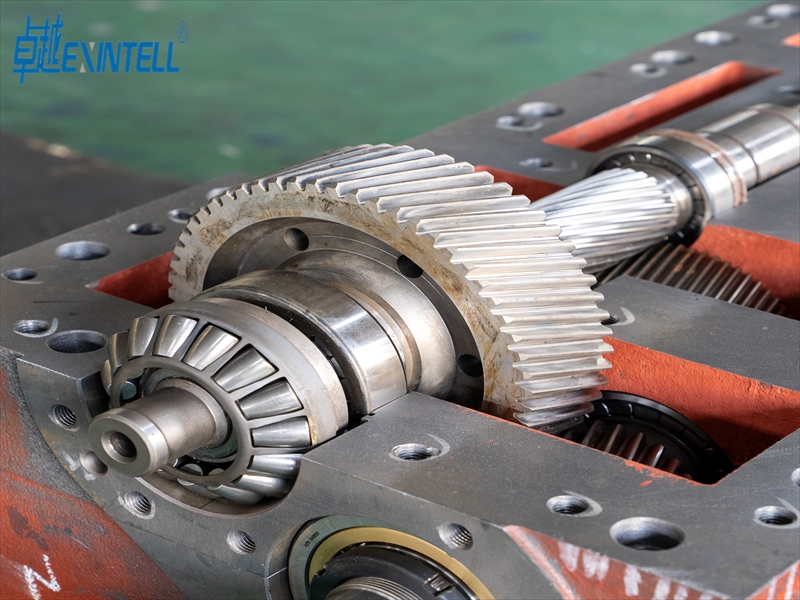
The screw inside theextruder pelletizinghasthree parts:
The feeding zone pushes the plastic forward.
The compression zone melts the plastic and removes air.
The metering zone builds pressure and keeps the flow steady.
ឧបករណ៍ពង្រីកវីសភ្លោះmix the plastic even better. They have two screws that turn together. This gives more even heat and better mixing. It helps make pellets that are all the same.
The temperature you need depends on the plastic type. Here is a table with melting points for common plastics:
ប៉ូលីម័រប្លាស្ទិក
Fundamental Melting Point (°C)
ជួរសីតុណ្ហភាពរលាយជាក់ស្តែង (°C)
Key Processing Notes
ABS (អាគ្រីឡូនីទ្រីល Butadiene Styrene)
105 – 107 (Tg)
210 – 250
Avoid prolonged exposure above ~270°C to prevent degradation.
នៅពេលដែលប្លាស្ទិករលាយ, នេះ។ extruder pelletizing រុញវាតាមរយៈការស្លាប់. មែកធាងនេះបង្កើតជាប្លាស្ទិកដែលរលាយទៅជាខ្សែវែង ឬរាងផ្សេងទៀត។. នេះ។ die’s design controls the shapeand size of the plastic. If you use a round die, you get round strands. If you use a rectangle die, the corners might round off because of how the plastic moves.
ចំណាំ:The die must be strong and last a long time. Many dies usetungsten carbide insertsfor tough plastics with glass fibers.
The die’s heat and how it heats up also matter. If the die heats unevenly, the plastic can come out the wrong shape.
Cooling the Extrudate
After the plastic leaves the die, it is still hot and soft. You need to cool it fast so it gets hard. នេះ។ extruder pelletizingcan use different ways to cool:
Underwater Pelletizers:The die and cutter are in water. ទឹកត្រជាក់គ្រាប់ភ្លាមៗ.
Strand Pelletizers:The plastic strands go in a water bath, then air dries them before cutting.
Die-Face Pelletizers:The machine cuts the pellets at the die face. Air or water mist cools them, or they drop into a water bath.
If you cool the plastic too fast or too slow, the pellets can bend or shrink. This can make them the wrong size or shape. Good cooling helps you get pellets that are strong and all the same.
Cutting into Pellets
The last step is cutting the cooled plastic into small pellets. នេះ។ extruder pelletizingusesdifferent cutting systems:
A method that influences the uniformity and quality of the granules.
Horizontal Water Ring Cutting
Uses water to cool and cut the extrudate into pellets.
Underwater Cutting
Cuts the cooled strands underwater for uniform pellet size.
You can also find these cutting methods:
Gantry cutting
Horizontal water ring cutting
Underwater cutting
Each way helps you get pellets that are the same size. Pellets that are all the same are easier to handle, store, and use in other machines.
Summary:You feed raw plastic into theextruder pelletizing, melt it, shape it with a die, ត្រជាក់វា។, and cut it into pellets. Each step changes the plastic from raw material into finished pellets you can use for many products.
Main Components of a Pelletizing Extruder
Hopper and Feed Throat
You begin by putting raw plastic into the hopper. The hopper stores and feeds the plastic. It keeps the plastic clean and safe from dirt. The bottom of the hopper fits with the feed throat. The feed throat connects to the extruder barrel. This setup helps the plastic move smoothly.
The hopper controls how much plastic goes in. This stops too much or too little plastic from entering.
ព័ត៌មានជំនួយ:A good hopper and feed throat help your pelletizing extruder work well.
Design Strategy
Impact on Material Flow
Tapered interface in feeders
Gives even feeding and stops holes from forming
Rotary valves with spool piece
Stops clumps and keeps the plastic moving
Vibratory feeders with transition throat
Helps the plastic flow and keeps the speed steady
Screw and Barrel
Inside the pelletizing extruder, the screw and barrel work together. They move, រលាយ, and mix the plastic. The screw has three main parts:
Feed Zone:This part grabs the plastic and pushes it forward.
Compression Zone: នៅទីនេះ, the screw squeezes the plastic and removes air. This makes the plastic melt evenly.
Metering Zone:This part builds pressure and keeps the flow steady before the die.
The barrel goes around the screw. It heats and softens the plastic. The barrel also helps mix the plastic for a smooth melt.
កត្តា
ការពិពណ៌នា
Screw Geometry
The screw’s shape and angle change how the plastic moves and mixes. Small angles mix better but wear out faster.
Kneading Blocks
These parts mix the plastic more by making it rub together. More blocks or bigger angles mix more but use more energy and heat.
Temperature Profiles
You must control the heat in each part. Too much heat can hurt the plastic. Not enough heat leaves it unmelted.
ចំណាំ:The right screw and barrel help you make good pellets and waste less.
Breaker Plate and Adapter
បន្ទាប់ពីរលាយ, the plastic goes through the breaker plate and adapter. The breaker plate is a metal disc with many small holes. It does several things:
ពេលខ្លះ, ការលាយអាចពិបាក. ប្រសិនបើអ្នកលាយច្រើនពេក, you can break fibers or make dust. Too much mixing can also make the plastic too hot. Gentle mixing is better for soft plastics. Some plastics, ចូលចិត្ត ultra-low melt flow HDPE, move slowly. These need more pressure to flow.
Pellets are made by cooling and cutting the plastic after it leaves the die. The cooling system makes the plastic hard so knives can cut it. Good cooling systemshelp keep pellet size and shape the same. Automatic controls can change the process as it runs. This helps you get better pellets and waste less.
ប្រភេទភស្តុតាង
ការពិពណ៌នា
Advanced Cooling Systems
These cool pellets quickly and keep their shape.
Automated Control Systems
These adjust settings for better quality and less waste.
High-Efficiency Heaters
These heat the plastic evenly for smooth extrusion.
You need to collect and handle pellets carefully so you do not lose them or get them dirty. Use good tools and keep the area clean. Closed walkways and sealed pipes stop pellets from getting out. Teach workers to use spill guards and know what to do in an emergency.
ព័ត៌មានជំនួយ: When every step works together, you get strong, clean pellets and a safer place to work.
You turn raw plastic into even pellets by doing five steps: ការចិញ្ចឹម, រលាយ, extruding, ត្រជាក់, និងកាត់. Each main part—hopper, វីស, ធុង, ស្លាប់, ត្រជាក់, and knife system—has an important job. ការថែរក្សា extruder របស់អ្នកជួយឱ្យវាដំណើរការបានល្អ: