

より優れた精度を提供するプラスチック押出成形または射出成形
射出成形の方が精度が高く、公差が厳しいことがわかりました。 プラスチック押出成形. 例えば, 射出成形では、次のような厳しい公差を達成できます。 ±0.005インチ, 一方、押し出しは通常 ±0.010 インチに保持されます。. ここでは、一般的な用途と公差に基づいたプロセスの比較を示します。:
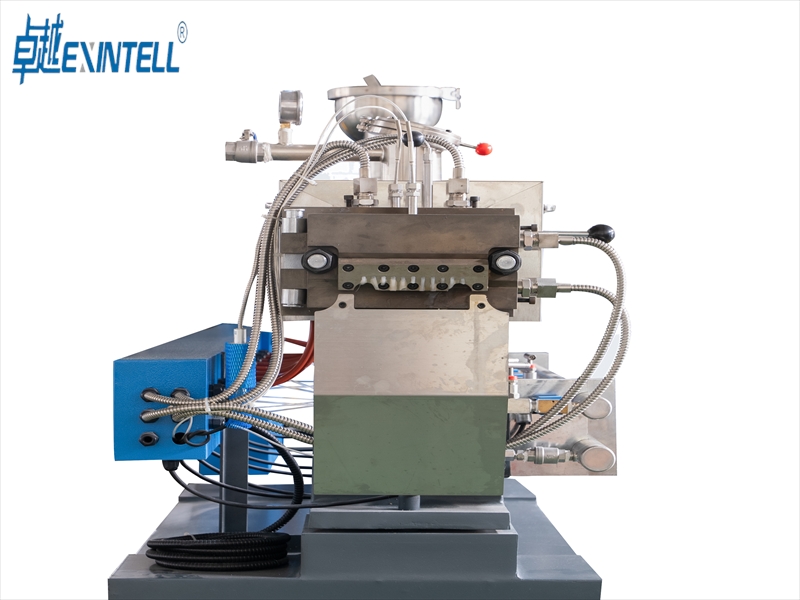
| アプリケーションの種類 | 使用されるプロセス | 一般的な公差 |
|---|---|---|
| 長さ, ユニフォームパーツ (例えば, チューブ, ロッド) | 押し出し | ±0.010インチ |
| 複雑な部品や細かい部品 | 射出成形 | ±0.005インチ以上 |
| 大容量, 高精度 | 射出成形 | 押し出しよりもタイト |
| 継続的, 単純な形 | 押し出し | 一貫性のある, 精度が低い |
製造工程を選ぶとき, 私は常に幾何学を考慮します, 必要な公差, 生産量, そしてコスト.
重要なポイント
- 射出成形により厳しい公差を実現, 多くの場合、±0.005 インチの精度, 複雑な部品に最適です.
- プラスチック押出成形品 長い間最高です, チューブやロッドなどの均一な形状, 公差は約 ±0.010 インチ.
- プロセスを選択する際は生産量を考慮してください; 射出成形は大規模生産においてコスト効率が高い, 一方、押出は大量の連続生産に適しています.
- 材料の選択 精度に影響を与える; 用途の特定の要件に基づいて材料を選択します.
- パーツの複雑さを評価する; 射出成形は押出成形よりも複雑なデザインに対応します, より単純な形状に限定されます.
- 一般に、射出成形の方が表面仕上げ品質が優れています。, 追加の仕上げステップを必要とせずに、より滑らかな部品を実現.
- 工具のコストを計画する; 射出成形にはより高い初期投資が必要ですが、再現性により長期的な節約が可能です.
- プロジェクトのニーズを常に早期に評価する; 幾何学を理解する, 公差, 予算は適切な製造プロセスの選択に役立ちます.
プラスチック押出成形の概要
プロセスの基本
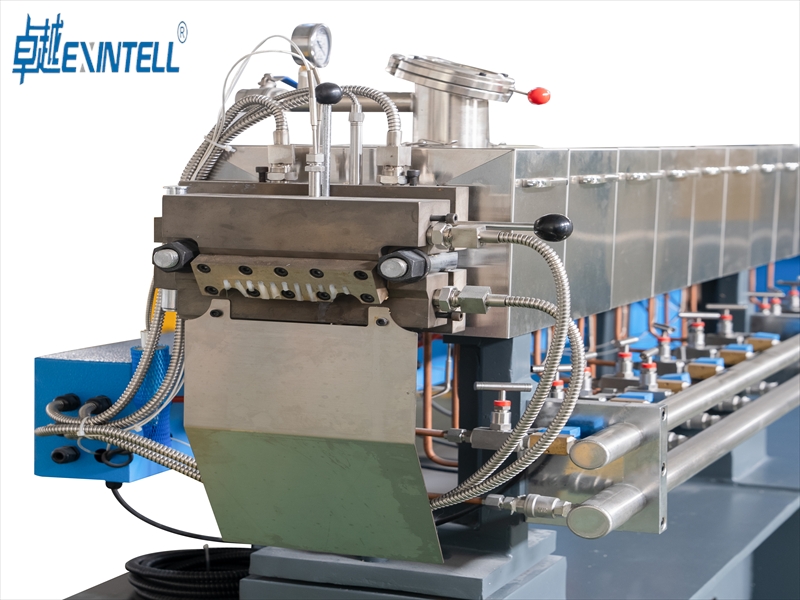
私は一緒に仕事をしました プラスチック押出成形品 長年にわたって、この方法が熱可塑性材料を連続的なプロファイルに成形する様子を観察してきました。. 押出プロセスは材料の選択から始まります, これは最終製品で望ましい特性を達成するために重要です. プラスチックのペレットまたは顆粒を押出機の上のホッパーに投入します. この機械は回転スクリューを使用して、加熱されたバレル内で材料を移動させます。. 物質が移動するにつれて, 摩擦や外部熱で溶ける. 溶融したプラスチックは精密成形された金型を通過します。, これにより製品のプロファイルが決まります. 形成後, 押し出された形状は冷却システムに入ります, 通常は空気浴または水浴, 固化して寸法精度を維持するため. ついに, 製品をカットまたは丸める, アプリケーションに応じて. この段階的なアプローチにより、長い作品を作成できるようになります。, 一貫した断面を持つ均一な形状.
一般的なアプリケーション
プラスチック押出は重要な役割を果たします 多くの産業. パッケージに使われているのをよく見かけます, 自動車, 家具, そして消費財. このプロセスではさまざまな製品が生産されます, 単純なチューブから複雑なプロファイルまで. 以下は、いくつかの一般的なアプリケーションをまとめた表です。:
| 業界 | 製品 |
|---|---|
| 包装 | 映画, シーツ, バッグ, ラップする, トレイ, そしてカップ |
| 自動車 | ウェザーシール, プラスチックチューブ, プロファイルをトリムする |
| 家具 & 消費財 | エッジバンディング, カーテンレール, 軽量PVC発泡ボード |
| 家 家電製品 | ハンドル, オーブンや電子レンジ用のシール |
| 配管 & 医学 | チューブ, パイプ |
私はそれを見つけました カスタムプラスチック押し出し メーカーは特殊なニーズに合わせて独自のプロファイルを設計できます. この柔軟性により、押出は連続成形の一般的な選択肢となっています。, 大量生産.
使用材料
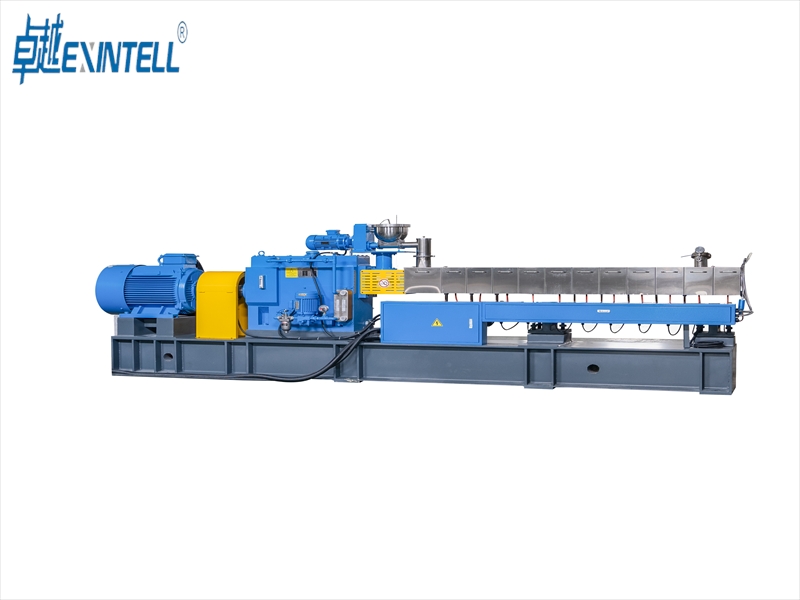
プラスチック押出成形における材料の選択は、プロセスと最終製品の精度の両方に影響します。. 私は頻繁に使用します ポリプロピレン, ポリエチレンテレフタレート, およびポリスチレン. これらの材料はさまざまな特性を提供します, 柔軟性などの, 強さ, そして明瞭さ. 私の準備方法, 溶ける, 材料の冷却は、押し出し成形品の精度と一貫性に直接影響します。. 私が使用する最も一般的な材料をいくつか紹介します:
- ポリプロピレン (PP)
- ポリエチレンテレフタレート (ペット)
- ポリスチレン (PS)
- ポリ塩化ビニル (PVC)
- 高密度ポリエチレン (HDPE)
- 低密度ポリエチレン (LDPE)
- アクリロニトリルブタジエンスチレン (ABS)
- 熱可塑性エラストマー (TPE)
- ナイロン (PA)
- ポリカーボネート (パソコン)
- ポリメチルメタクリレート (PMMA)
カスタムプラスチック押出プロジェクトに取り組むとき, 材料を常にアプリケーションの要件に合わせます. この慎重な選択により、製品が性能と精度の両方の基準を満たしていることが保証されます。.
長所と短所
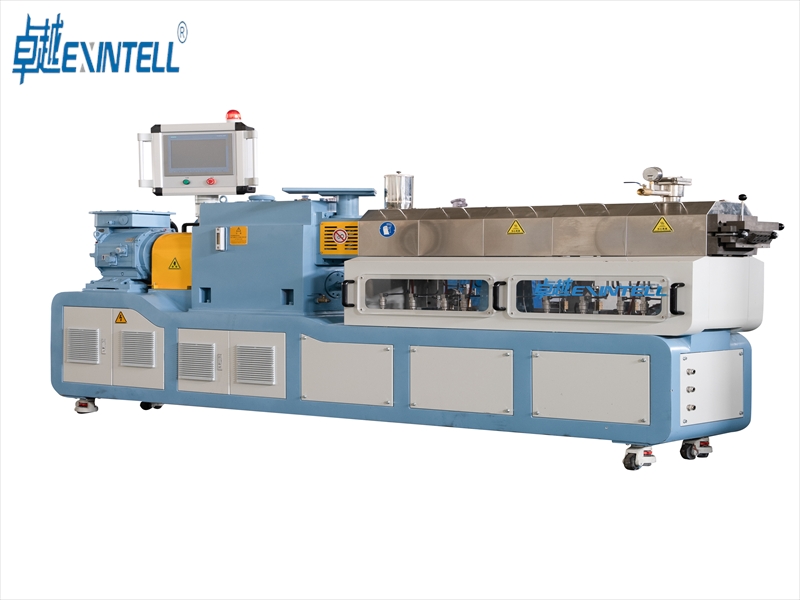
プロジェクトのプラスチック押出を評価するとき, 私は常にメリットとデメリットを天秤にかけています. このプロセスには独自の強みがあります, ただし、精度や公差に影響を与える制限もあります。.
ここにあります 主な利点と欠点をまとめた表 仕事の中で観察してきました:
| 利点 | 短所 |
|---|---|
| 高い効率と拡張性 | 複雑な形状の作成には限界がある |
| 高い生産量 | 精度に影響を与えるダイスウェルに関する課題 |
| 中量から大量までの費用対効果 | 仕上げが必要な潜在的な表面欠陥 |
利点
私は効率の高さからプラスチック押出成形をよく選択します。. プロセスは継続的に実行されます, つまり、長い部品を中断することなく生産できるということです. この拡張性により、大規模な注文に最適です. 何千フィートものチューブやプロファイルを製造する必要がある場合, 押し出しにより一貫した結果が得られます. 生産量が増えると部品あたりのコストが下がります, そのため、中規模から大規模のプロジェクトにとっては非常に費用対効果が高いと思います。.
もう 1 つの利点は、均一な断面を作成できることです。. パーツの長さに沿って安定した寸法を維持できます, これは配管や窓枠などの用途にとって重要です. このプロセスは幅広い熱可塑性プラスチックにも対応しています, 最終製品の機械的および化学的要件に適合する材料を選択できるようになります。.
短所
こうした強みがあるにも関わらず、, プラスチックの押し出し成形にはいくつかの欠点があります. 複雑な形状に苦戦するプロセス. 部品に複雑な詳細や鋭い角が必要な場合, 押し出しはあまり適切ではないと思います. 溶融プラスチックは金型から出るときに膨張する傾向があります, ダイスウェルとして知られる現象. この影響により、厳しい公差を達成することが困難になる可能性があります, 特に正確な寸法が必要な部品の場合.
表面仕上げも問題になる可能性がある. 時々, 押し出された部品には金型からの線や跡が見られます. 多くの場合、二次仕上げステップを追加する必要があります, トリミングや研磨など, 外観を改善し、品質基準を満たすために. これらの追加手順により、時間とコストの両方が増加する可能性があります.
ヒント: 押し出しを選択する前に、部品の形状と必要な公差を確認することを常にお勧めします。. シンプルなデザインでご注文が多い場合, 通常、押し出しが最良の価値を提供します.
射出成形の概要
プロセスの基本
私は射出成形に何年も取り組んできました, このプロセスは魅力的で効率的だと思います. 型を使った製法です, 溶融したプラスチックを正確な形状に成形します. 私は常に一連の手順に従い、各部品が厳格な品質基準を満たしていることを確認します。. 射出成形プロセスへの取り組み方は次のとおりです。:
- クランピング: 型をしっかり閉めて次のステップに備えます.
- 注射: 熱いものを注入します, 溶かしたプラスチックを金型キャビティに入れる.
- 住居: プラスチックを金型内に短時間放置して、すべてのスペースを埋めます。.
- 冷却: プラスチックは金型内で冷えて固まります。.
- 型開き: 部品が冷えた後に金型を開けます.
- 排出: 完成したパーツを型から外します.
このサイクルが素早く繰り返される, これにより、同一の部品を大量に生産できるようになります. 複雑な形状が必要な場合は射出成形に頼っています, 細かい部分, そして高品質な仕上がり. このプロセスにより、寸法と表面の外観を適切に制御できるようになります。.
注記: 射出成形中は温度と圧力を常に注意深く監視しています. これらの要因は最終部品の精度と一貫性に影響します。.
一般的なアプリケーション
射出成形は多くの産業で重要な役割を果たしています. 私はこのプロセスを使用して自動車用の部品を作成しました, 医学, 家電, および包装分野. 射出成形の多用途性により、単純なコンポーネントと非常に複雑なコンポーネントの両方を製造できます. いくつかの典型的なアプリケーションをまとめた表を次に示します。:
| 業界 | 生産される製品 |
|---|---|
| 自動車 | さまざまなコンポーネントや部品 |
| 医学 | デバイスのハウジング, 手術器具 |
| 家電 | 事例, ボタン, およびその他のコンポーネント |
| 包装 | ボトルキャップ, コンテナ |
コンタクトレンズケースなどをよく作ります, ボトルキャップ, 複雑な形状の大量コンポーネント. 射出成形は一貫した結果を提供するのに役立ちます, 要求の厳しいプロジェクトであっても.
使用材料
射出成形では材料の選択が重要です. 必要な強度に応じて材料を選択します, 柔軟性, そして精度. 高精度部品用, 私はポリマーを好みます 低く均一な収縮, 安定したメルトフロー, 優れた耐熱性. そのうちのいくつかは 一般的な材料 インクルードを使用します:
- ABS: 靭性を提供します, 滑らかな表面仕上げ, そして耐衝撃性.
- ポリプロピレン: 耐薬品性を提供します, 柔軟性, 手頃な価格.
- ポリカーボネート: 高い透明度を実現, 強さ, そして耐熱性.
- ポリエチレン: 軽量で湿気に強い.
- ナイロン: 強さで知られる, 耐摩耗性, および熱安定性.
- ピーク: 暑さ対策も抜群, 化学薬品, そして耐摩耗性.
さらに厳しい公差が必要な場合, 私はエンジニアリンググレードのポリマーに目を向けます. 液晶ポリマーなどの材料 (LCP), ポリエーテルエーテルケトン (ピーク), そしてアセタール (POM) 優れた寸法安定性と最小限の収縮を実現します。. 例えば, 電気コネクタとセンサーコンポーネントにLCPを使用しています, 一方、PEEKは医療用インプラントや航空宇宙部品に適しています。. ポリカーボネートは、その透明性と強度により、レンズや光学部品に最適です。.
ヒント: 私は常に材料を用途のニーズに合わせます. 正しい選択により、射出成形プロセスで精度とパフォーマンスの両方が確実に実現されます。.
長所と短所
私は長年射出成形に携わってきました. このプロセスにはいくつかの利点があり、高精度のプラスチック部品に最適な選択となっています。. 私が観察した長所と限界の両方を共有したい.
射出成形のメリット
- 射出成形により非常に高い精度を実現できます. このプロセスにより、±0.005 インチという厳しい公差で部品を製造することができます。. このレベルの精度は、他のプラスチック製造方法では実現が困難です。.
- 射出成形の再現性が高く評価されています. 金型とプロセスパラメータを設定したら, 何千、あるいは何百万もの同一の部品を製造できます. 各パーツはオリジナルのデザインに忠実に一致しています.
- 複雑な形状や細かいディテールの部品を作成する必要があることがよくあります. 射出成形は複雑な形状をうまく処理します. これらの機能を実現するために追加の手順や二次プロセスを追加する必要はありません.
- 射出成形により優れた表面仕上げが得られることがわかりました. パーツはスムーズに取り出され、ほとんどの場合すぐに使用できるようになります。.
- 幅広い熱可塑性プラスチックとエンジニアリングポリマーを使用できます. この柔軟性により、材料特性をアプリケーションのニーズに合わせることができます.
射出成形のデメリット
- 生産を開始する前に高品質の金型に投資する必要がある. 金型作成の初期コストは多額になる可能性がある. 少量生産向け, このコストは正当化されないかもしれない.
- 設計の複雑さによって課題が生じる可能性があることを学びました. 金型や部品の設計を慎重に計画する必要がある. 設計段階での間違いは、後でコストのかかる変更につながる可能性があります.
- プロジェクトの開始時にリードタイムが長くなることがあります. 金型の設計と製作に時間がかかる, 特に複雑な部品の場合.
- 材料の選択とプロセス設定には細心の注意が必要であることに気づきました. 温度管理をしないと, プレッシャー, および冷却速度, 欠陥や寸法誤差のリスクがある.
これは、私が経験した射出成形の主な長所と短所をまとめた表です。:
| 長所 | 短所 |
|---|---|
| 高精度と厳しい公差 | 初期金型コストが高い |
| 大量生産でも優れた再現性 | 設計が複雑なため慎重な計画が必要 |
| 複雑な形状と細かいディテールをサポート | 金型開発のリードタイムが長くなる |
| 滑らかな表面仕上げ | プロセス管理は重要です |
| 幅広い材質選択 | 少量の実行では費用対効果が低い |
ヒント: プロジェクトで高精度が要求される場合、私は常に射出成形をお勧めします。, 複雑な形状, そして大量の生産量. 単純な部品または少量のバッチの場合, コストとリードタイムを節約するために他の方法を検討します.
精度と公差
プラスチック押出成形と射出成形を比較してみると, 私は常に、各プロセスが精度と公差をどのように処理するかに焦点を当てています。. これらの要因により、部品が設計の公差要件を満たし、意図したとおりに機能するかどうかが決まります。. 公差のわずかな違いでも組み立てに影響を与える可能性があることを学びました, パフォーマンス, そして製品の品質.
プラスチックの押し出し公差
寸法の一貫性
私の経験では, プラスチック押出成形により、長期間にわたって良好な寸法安定性が得られます。, 連続した形状. 典型的な公差範囲がよく見られます。 ±0.010インチ. この値は、寸法変化の観点から押し出し成形に期待できる基準を設定します。. このプロセスは、均一な断面を持つ部品に最適です。, チューブなどの, ロッド, とプロフィール. しかし, 全長にわたって厳密な公差を維持するのは難しい場合があることに気づきました. ダイスウェルなどの要因, 材料の収縮, 冷却速度は若干の変動を引き起こす可能性があります. 私は常にこれらの変数を注意深く監視して、寸法を許容範囲内に保つようにしています。.
表面仕上げ
押出時の表面仕上げは金型の品質と冷却プロセスに依存します. 押し出し成形品に小さな線や跡がよく見られます, 金型または不均一な冷却に起因するもの. これらのマークは外観に影響を与え、場合によっては部品のフィット感に影響を与える可能性があります。. 滑らかな表面が重要な場合, 二次仕上げステップを追加する必要がある場合があります. 押出成形では、射出成形と同じレベルの表面平滑性が達成されることはほとんどないことがわかりました。. まだ, 多くのアプリケーションに対応, 余分な作業をしなくても、仕上がりは許容範囲内です.
射出成形公差
寸法精度
射出成形は、非常に厳しい公差を実現できるという点で際立っています。. 私は定期的に±0.005インチという厳しい公差で作業しています。, 高精度部品の場合はさらに厳しくなる場合もあります. このレベルの精度は、剛性の高い金型と制御されたプロセスパラメータによってもたらされます。. 私は次のような基準に依存しています あなたのEN ISO 20457 およびISO 2768-1/2 私の仕事を導くために. これらの規格は、さまざまな部品サイズと機能の公差グループとクラスを定義します。. 例えば, あなたのEN ISO 20457 TG5 などの公差グループを指定します, これにより、約 0.23 mm 32 mm部. これらのガイドラインは、すべての部品が厳密な寸法要件を満たしていることを確認するのに役立ちます.
私は細心の注意を払っています 射出圧力と保持圧力 成形中. これらの設定を適切に調整すると、金型が完全に充填され、欠陥が最小限に抑えられます。. This control is essential for precision applications, where even a small deviation can cause problems in assembly or function.
表面仕上げ
Surface finish in injection molding can be excellent. I can produce parts with glossy, polished surfaces or with textures that improve grip and hide minor defects. The choice of finish affects both the look and the performance of the part. 例えば:
- A polished finish gives a shiny, smooth appearance.
- Textured surfaces can make parts easier to handle and less likely to show scratches.
- Different finishes can also influence durability and how the part interacts with other components.
I also consider how post-processing methods, のような anodizing, powder coating, or electroplating, might affect the final dimensions. These methods add material or change the surface, so I account for them in my design to maintain precision.
Tolerance Comparison Table
I often use a table to compare the typical tolerances for plastic extrusion and injection molding. This summary helps me and my clients understand what to expect from each process:
| プロセス | Typical Tolerances | Surface Finish Quality | Repeatability |
|---|---|---|---|
| プラスチック押出成形 | ±0.010インチ | 適度 | Good for long parts |
| 射出成形 | ±0.005インチ以上 | 素晴らしい | 非常に高い |
注記: Injection molding achieves tighter tolerances and better repeatability than plastic extrusion. プロジェクトで高精度が要求される場合、私は常に射出成形をお勧めします。, 複雑な形状, or strict tolerance requirements.
I have found that choosing the right process depends on the part’s geometry, the required tolerances, and the application. Injection molding gives me the best results for detailed, high-precision parts. プラスチック押出成形品 works well for simple, continuous shapes where slightly looser tolerances are acceptable.
Factors Affecting Precision
Material Choice
I always start by considering the material when I want to achieve high precision in plastic parts. The properties of the plastic influence how well I can control tolerances during both extrusion and injection molding. 例えば, the way a material flows, its shrinkage, and its thermal stability all play a role in the final outcome.
ここに表があります that summarizes how different material properties affect precision and tolerances:
| Material Property | Influence on Precision and Tolerances |
|---|---|
| Flow Behavior (MFI/MFR) | High MFI materials flow easily, which helps fill complex or thin-walled molds. しかし, they may have lower strength. |
| Low MFI materials are thicker and harder to mold but result in stronger, more impact-resistant parts. | |
| Shrinkage | Amorphous plastics like ABS and PC shrink less and more evenly, so I can achieve tighter tolerances. |
| ナイロンや POM などの半結晶性プラスチックは、予測通りに収縮します。, 精度の制御が難しくなる. | |
| 熱安定性 | 熱安定性が低いと、焼き跡や反りなどの欠陥が発生する可能性があります, 寸法精度が低下します. |
| 精度が最も重要な薄い部品や複雑な部品には、良好な熱安定性が重要です. |
素材を選ぶとき, 私は常にその特性を部品のニーズに合わせます. 例えば, 公差が非常に厳しい部品が必要な場合, 収縮率が低く、熱安定性に優れた非晶質プラスチックを選択します。.
パーツの複雑さ
部品の複雑さは、達成できる精度に直接影響します。. シンプルな形の方がコントロールしやすい, 一方、複雑なデザインではさらなる課題が発生します. パーティングラインなどにもこだわります, 曲面, 重要な寸法.
Here is a table that shows how different design considerations affect precision:
| Consideration | Impact on Precision |
|---|---|
| Parting Line Placement | Influences mold complexity and the quality of the finished product. |
| Avoiding Critical Areas | Helps prevent dimensional changes and ensures a better fit. |
| Positioning on Curved Surfaces | Demands higher mold accuracy, which can increase costs and risk of defects. |
| Use of Natural Split Lines | Makes mold construction easier and improves the demolding process. |
When I design a part for injection molding, I try to place parting lines in less visible areas and avoid putting them on critical surfaces. This approach helps me maintain better tolerances and reduce the risk of defects.
生産量
Production volume also affects the level of precision I can achieve. 大量生産向け, I invest in high-quality molds and precise process controls. This investment pays off because I can produce thousands or millions of identical parts with consistent tolerances. For smaller runs, I may use less expensive tooling, but I know that this can lead to more variation in the final parts.
ヒント: I always recommend using the best possible tooling and process controls for high-volume production. This strategy ensures that every part meets the required specifications and reduces waste.
Tooling Quality
I always pay close attention to tooling quality when I want to achieve high precision in plastic manufacturing. The tools I use, such as dies for extrusion and molds for injection molding, play a critical role in determining the final tolerances and surface finish of each part. I have learned that even small imperfections in tooling can lead to significant errors in the finished product.
私の経験では, high-quality tooling starts with careful design. I work with engineers to create detailed drawings and 3D models. These models help me visualize the part and identify areas where precision matters most. I select materials for the tooling that resist wear and maintain their shape under high temperatures and pressures. For injection molding, I often use hardened steel or high-grade aluminum. For extrusion dies, I prefer tool steel with a polished surface.
I have seen that the manufacturing process for tooling affects its quality. Precision machining, such as CNC milling and EDM, allows me to achieve tight tolerances in the mold or die. I inspect the tooling after each step to ensure there are no defects or inconsistencies. If I find any issues, 私はすぐに彼らに対処します. This attention to detail prevents problems during production.
Maintenance is another factor that influences tooling quality. I schedule regular inspections and cleaning for all my tools. I replace worn parts before they cause defects in the plastic parts. Proper maintenance extends the life of the tooling and keeps the production process running smoothly.
Here is a table that summarizes how tooling quality impacts precision in both processes:
| Tooling Aspect | Impact on Precision | My Approach |
|---|---|---|
| 材料の選択 | Reduces wear and deformation | Use hardened steel or aluminum |
| Machining Accuracy | Achieves tight tolerances | Employ CNC and EDM |
| 表面仕上げ | Improves part appearance | Polish dies and molds |
| メンテナンス | Prevents defects | Schedule regular checks |
ヒント: I always recommend investing in high-quality tooling for projects that require tight tolerances. The upfront cost may be higher, but the long-term benefits include fewer defects, better repeatability, and lower maintenance costs.
I have found that tooling quality often determines the success of a manufacturing project. When I use well-designed and well-maintained tools, I consistently produce parts that meet strict precision requirements. This approach builds trust with my clients and helps me deliver reliable results every time.
コストと比較. 精度
Extrusion Cost Factors
プロジェクトのプラスチック押出を評価するとき, I always consider how cost and precision interact. Several factors influence the final price of extruded parts:
- I often need premium materials to achieve higher precision. These materials cost more but help me meet strict tolerances.
- Custom tooling becomes necessary when I want unique profiles or tighter tolerances. This requirement increases the initial investment.
- If I focus on speed and low cost, I sometimes see a drop in precision. Parts may not meet the required tolerances, which can lead to quality issues.
- When I prioritize quality and precision, I spend more time on setup and inspection. This approach slows production but ensures better results.
I find that balancing these factors is key. If a project allows for looser tolerances, I can save money by using standard materials and tooling. For critical applications, I invest more to guarantee precision.
Injection Molding Cost Factors
Injection molding presents a different cost structure. I have learned that several elements drive the overall expense, especially when aiming for high precision. The table below summarizes the main cost factors and their relationship to precision:
| Cost Factor | Relation to Precision |
|---|---|
| Tooling Costs | High-quality molds stabilize production and maintain tight tolerances over time. |
| Material Consumption | Premium materials improve accuracy but raise initial costs. |
| Cycle Time | Shorter cycles reduce costs, but sometimes compromise precision. |
| Machine Tonnage Rate | Larger machines hold tighter tolerances but use more energy. |
| Labor/Automation Level | Automation boosts precision and lowers labor costs in the long run. |
| スクラップ率 | Poor precision increases scrap, which drives up total costs. |
I always weigh these factors before starting a new injection molding project. For large production runs, investing in better tooling and automation pays off. I see fewer defects and more consistent parts.
Balancing Cost and Precision
Choosing between extrusion and injection molding often comes down to finding the right balance. I look at the part’s geometry, the required tolerances, and the production volume. The table below helps me decide which process fits best:
| Process Type | 理想的な用途 | Core Advantage | Trade-off |
|---|---|---|---|
| 射出成形 | 複雑な, enclosed 3D parts | Extreme precision and consistency | Higher initial mold cost; best for large batches |
| プラスチック押出成形 | 継続的, uniform profiles | Lower tooling cost, efficient output | Limited to linear shapes; less suitable for complex geometries |
If I need complex shapes and tight tolerances, I choose injection molding despite the higher upfront cost. シンプルな場合, continuous profiles, I rely on extrusion to keep costs low and production fast. I always match the process to the project’s needs, ensuring I deliver both value and quality.
ヒント: I recommend discussing your precision requirements early in the design phase. This step helps me select the most cost-effective process for your application.
Choosing the Right Process
Selecting the right process for manufacturing plastic parts can determine the success of a project. I always start by evaluating the part’s geometry, 必要な公差, 生産量, and cost targets. My experience has shown that both plastic extrusion and injection molding offer unique strengths. The best choice depends on the specific needs of the application.
When to Use Plastic Extrusion
I turn to the プラスチック押出プロセス when I need to produce long, continuous shapes with uniform cross-sections. This process excels at creating items like tubes, パイプ, ウェザーシール, and profiles for windows or furniture. I find that extrusion works best for high-volume production runs where the design does not require complex 3D features.
To ensure a successful and high-quality plastic extrusion, several key factors must be carefully evaluated during the design phase: Functional Requirements, 材質の適合性, Profile Complexity, Wall Thickness, 公差, Mating Parts, Tooling Collaboration, and Cost Efficiency.
When I assess whether the extrusion process is the right fit, I consider:
- Application requirements, such as temperature resistance and UV exposure.
- Mechanical properties, including flexibility, 硬度, and tensile strength.
- Environmental conditions, like weather and temperature fluctuations.
- Aesthetic and finish requirements, such as color, 光沢, and surface texture.
- Regulatory and compliance needs to meet industry standards.
I also weigh the cost benefits of the extrusion process. Here is how I approach the decision:
- Assess material costs against budget constraints.
- Consider long-term savings from durability and reduced waste.
- Work with experienced partners to find the best balance of performance and price.
Different plastics behave uniquely during the extrusion process, affecting the final product’s shape and performance. 私は細心の注意を払っています thermal stability and melt strength, especially for applications that require precise tolerances. When the design calls for simple, linear shapes and the process must remain cost-effective, extrusion often provides the best solution.
Example Scenario:
Last year, I worked with a client who needed thousands of feet of custom tubing for an irrigation system. The process required a material that could withstand sunlight and temperature swings. I recommended the extrusion process using UV-stabilized polyethylene. The process allowed us to maintain consistent wall thickness and meet the client’s budget. The result was a durable product that performed well in the field.
When to Use Injection Molding
I choose the injection molding process when the part design involves complex geometries, 厳しい公差, or intricate details. This process is ideal for producing high-precision components, such as medical device housings, automotive connectors, or consumer electronics enclosures. The process supports a wide range of materials and finishes, making it versatile for many industries.
The injection molding process stands out when:
- The part requires enclosed or 3D shapes that extrusion cannot achieve.
- High repeatability and consistency are critical for assembly or function.
- The application demands a smooth surface finish or specific textures.
- The project involves large production volumes, justifying the investment in tooling.
I always consider the initial tooling cost and lead time for the injection molding process. For high-volume projects, the process delivers excellent value through low per-part costs and minimal variation between parts. I also rely on this process when regulatory compliance and material traceability are essential.
Example Scenario:
Recently, I partnered with a medical device manufacturer to produce a new type of handheld diagnostic tool. The process required a housing with complex internal features and a flawless surface finish. I recommended the injection molding process using medical-grade polycarbonate. The process allowed us to achieve the necessary tolerances and pass strict regulatory tests. The client appreciated the consistency and quality of every part.
ケーススタディ:
I have seen how companies use data-driven approaches to select the right process. 例えば, Amcor conducted a pilot test comparing emissions from different plastic sources and production sites. The process helped them make informed decisions about low-carbon procurement and supplier relationships. By analyzing the process at each step, they improved transparency and achieved their sustainability goals.
ヒント: I always advise clients to define their precision requirements, 生産量, and budget early in the design phase. This clarity helps me recommend the most suitable process and avoid costly changes later.
How I Decide Between Processes
I use a simple checklist to guide my decision:
- Does the part have a uniform cross-section and require long lengths? I choose the extrusion process.
- Does the part need complex shapes, 厳しい公差, or a high-quality finish? I select the injection molding process.
- Is the production volume high enough to justify tooling investment? I lean toward injection molding.
- Is cost efficiency for simple shapes the main goal? I recommend extrusion.
The process selection shapes the entire project, from design to final delivery. I always match the process to the application’s needs, ensuring the best balance of quality, 精度, そしてコスト.
Additional Considerations
リードタイム
I always pay close attention to lead time when planning a manufacturing project. Lead time refers to how long it takes to go from design approval to finished parts. 私の経験では, plastic extrusion usually offers shorter lead times. The tooling for extrusion is simpler and faster to produce. I can start production quickly once the die is ready. This makes extrusion a good choice for projects with tight deadlines or urgent needs.
Injection molding requires more time upfront. The mold design is complex and demands careful engineering. I often spend weeks or even months creating and testing the mold. Once the mold is ready, production moves fast, but the initial setup slows the process. I recommend injection molding for projects where precision and volume matter more than speed.
ヒント: If you need parts quickly and the design is simple, extrusion can save valuable time.
設計の柔軟性
Design flexibility shapes what I can achieve with each process. I have learned that extrusion limits my options. The process works best for simple, repeated shapes like tubes or profiles. I cannot create intricate features or complex geometries with extrusion.
Injection molding gives me much more freedom. I can design parts with fine details, undercuts, and complex shapes. The mold captures every feature, so I can meet strict requirements for accuracy and appearance.
ここにあります table that compares design flexibility between the two methods:
| 方法 | 設計の柔軟性 | Complexity of Parts |
|---|---|---|
| Extrusion Molding | Limited design flexibility; best for simple, repeated shapes. | Not suitable for intricate features. |
| 射出成形 | High design flexibility; ideal for complex shapes with fine details and accuracy. | Capable of creating sophisticated designs. |
I always match the process to the part’s needs. If the design is simple and repeated, extrusion works well. For complex or detailed parts, injection molding is the clear winner.
持続可能性
Sustainability has become a major concern in my work. I look for ways to reduce waste and use eco-friendly materials. Plastic extrusion stands out for its ability to incorporate recycled content 生分解性素材と. I can use these options without sacrificing performance or quality. This gives extrusion an advantage when clients want greener solutions.
Injection molding is less flexible in this area. The process does not always support recycled or biodegradable plastics. I must choose materials carefully to avoid defects or quality issues. When sustainability is a priority, I recommend extrusion for its environmental benefits.
🌱 I always encourage clients to consider recycled or biodegradable materials in extrusion projects. This choice supports sustainability goals and helps protect the environment.
I have seen that injection molding delivers better precision in plastic manufacturing, especially for small to medium-sized plastic parts. The process uses balanced clamping force and optimized resin viscosity to reduce defects. Multi-cavity molds and rigid frames help maintain consistent results. When I choose between plastic extrusion and injection molding, I always consider plastic geometry, 公差, 生産量, そしてコスト. I recommend injection molding for complex plastic shapes and tight tolerances. Plastic extrusion works well for simple, continuous plastic profiles. My experience shows that careful planning in plastic manufacturing leads to reliable plastic products.
| 要素 | 射出成形 | プラスチック押出成形 |
|---|---|---|
| 精度 | High for plastic parts | Moderate for plastic parts |
| 公差 | Tight in plastic manufacturing | Looser in plastic manufacturing |
| 生産量 | Best for large plastic runs | Best for continuous plastic runs |
| 料金 | Higher for plastic molds | Lower for plastic dies |
I always advise clients to match the plastic manufacturing process to their specific plastic needs.
よくある質問
What is the main advantage of plastic extrusion?
I find プラスチック押出成形品 ideal for creating continuous profiles. The process runs efficiently and produces long, 均一な形状. I can quickly manufacture parts like tubes and rods for many industries.
Can injection molding handle complex shapes?
I rely on injection molding when I need intricate designs or detailed features. The process allows me to produce parts with complex geometries and tight tolerances. I achieve high precision every time.
Which process is better for high volume production?
I choose injection molding for high volume production. The process delivers consistent quality and repeatability. I can produce thousands or millions of identical parts with minimal variation.
Are continuous profiles possible with injection molding?
I do not use injection molding for continuous profiles. The process works best for discrete, individual parts. 私は向きを変えます 押し出し when I need long, uninterrupted shapes.
What materials work best for extrusion?
I select materials like polypropylene, PVC, and HDPE for extrusion. These plastics help me create continuous profiles with reliable performance. I match the material to the application’s requirements.
How does surface finish compare between the two processes?
I notice that injection molding produces smoother surfaces. Extrusion sometimes leaves marks or lines on continuous profiles. I may add finishing steps to improve appearance when needed.
Is extrusion cost-effective for small batches?
I usually recommend extrusion for larger orders. The process becomes more cost-effective as I produce more continuous profiles. For small batches, setup costs may outweigh the benefits.
Can I use recycled materials in extrusion?
I often use recycled plastics in extrusion. The process supports sustainable manufacturing and lets me create continuous profiles with eco-friendly materials. I help clients meet their environmental goals.