

プラスチックコンパウンドマシン対決 リーダーの違い
プラスチック加工機械市場は革新と拡大により急成長を続けている. 業界アナリストは、年間複合成長率を次のように予測しています。 11.9% から 2026 に 2033. アジア太平洋地域が際立っている, ほぼ維持されると予想される 40% 世界市場シェアの, 一方、北米とヨーロッパがこれに続きます 25% そして 20%, それぞれ. 企業は現在、よりスマートな開発によって競争しています, より効率的なプラスチック複合機械モデル. オートメーション, スマートツール, エネルギー効率は、競争力を求める購入者にとって不可欠な要素となっています。.
重要なポイント
- 主要なプラスチック複合機械は、高度な自動化を使用して生産速度を向上させ、スマート制御と統合システムによって一貫した品質を維持しています。.
- 持続可能性が鍵です; トップマシンは環境に優しい樹脂をサポートし、正確なマテリアルハンドリングとリサイクル機能により廃棄物を削減します。.
- 最適化された加熱を使用することでエネルギー効率が向上し、コストが削減されます。, モーター制御, そして熱回収, 機械をより環境に優しく、手頃な価格で稼働できるようにする.
- タッチスクリーンと明確なコントロールを備えたユーザーフレンドリーなインターフェイスにより、エラーとトレーニング時間を削減します, 強力なサポートとトレーニングによりマシンのスムーズな稼働が維持されます.
- さまざまなマシンタイプ ブロー成形のような, 熱成形, PVC押出成形品, およびリサイクル機械は、業界の多様なニーズを満たす独自の機能を提供します.
- 産業用, 自動車, 中小企業ユーザーは次のことを行う必要があります。 マシンに基づいて選択する スケーラビリティに対する特有のニーズについて, 精度, 使いやすさ, そしてメンテナンス.
- マシンの評価にはパフォーマンスのチェックが含まれます, 信頼性, 業界標準, ユーザーからのフィードバック, 最高の長期価値を実現する総所有コスト.
- イノベーションとR&D 柔軟性のメリット, 開発とテストをスピードアップする高度な制御と強力な技術サポートを備えたモジュール式マシン.
主要なプラスチックコンパウンドマシンの特徴
高度な自動化
スマートコントロール
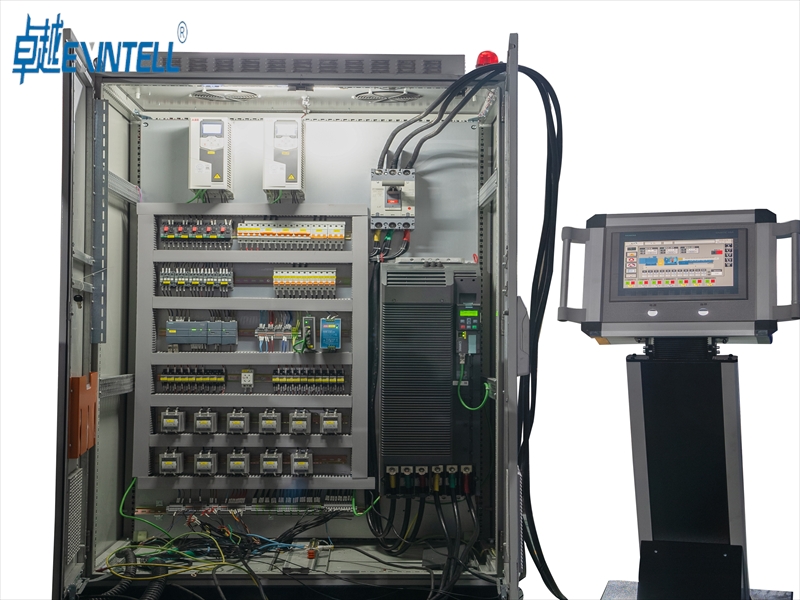
メーカーはプラスチック複合機械の自動化において大幅な進歩を遂げています. スマート制御は現在、生産の最適化において中心的な役割を果たしています. これらのシステムは、インテリジェントなアルゴリズムを使用して、処理パラメータをリアルタイムで監視および調整します。. オペレーターは、セットアップを簡素化し、人的エラーのリスクを軽減するユーザーフレンドリーな制御の恩恵を受けることができます。. IoT と AI を活用したプロセス最適化の統合により、機械が自己修正し、一貫した品質を維持できるようになります。. これらの進歩は、プラスチック業界全体で自動化への傾向が高まっていることを裏付けています。.
統合システム
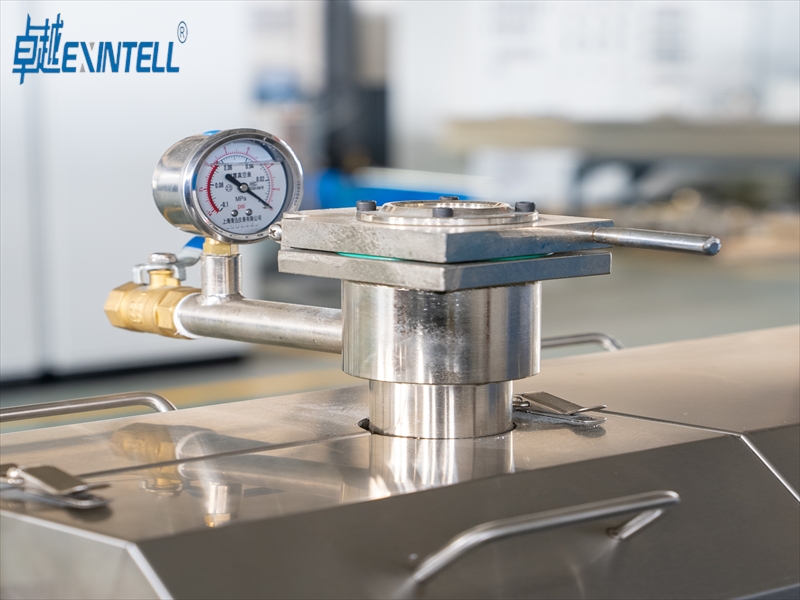
主要なプラスチック複合機械は、生産プロセス全体を合理化する統合システムを備えています. 自動化対応によりコンベアとのシームレスな接続が可能, ロボット工学, その他 補助装置. 柔軟な機械設計により、複数の製品形式と材料をサポート, メーカーが市場のトレンドの変化に適応しやすくなる. 上位マシンと競合他社を区別する次の機能:
- サーボ駆動システム 正確なモーション制御のために
- リアルタイム監視のためのインテリジェント制御システム
- 運用コストを削減するエネルギー効率の高いテクノロジー
- IoT との統合によるデータ主導の意思決定
- エンドツーエンドの生産ラインの自動化互換性
これらの進歩により、企業は需要の変化に迅速に対応し、高レベルの効率を維持することができます。.
持続可能な素材
環境に優しい樹脂
持続可能な素材の使用は、 主要なプラスチック複合機械. メーカーは現在、環境に優しいプラスチックと生分解性樹脂を優先してこの問題に取り組んでいます。 環境問題. この移行は規制基準に沿ったものであり、持続可能性に対する消費者の期待に応えます。. 持続可能な材料との互換性を考慮して設計された機械は、市場での競争上の優位性を提供します. これらの材料の採用は、プラスチック業界の幅広いトレンドもサポートします。, バイオプラスチックの台頭やより環境に優しい製造慣行の推進など.
廃棄物の削減
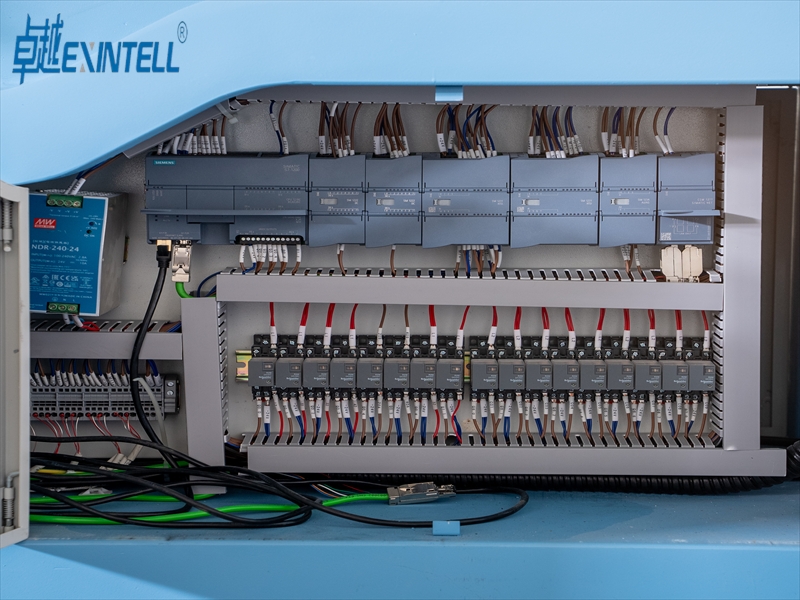
持続可能性の向上を目指す企業にとって、廃棄物の削減は依然として重要な焦点である. 先進的な機械には、スクラップを最小限に抑え、材料の使用を最適化する機能が組み込まれています。. 自動化により正確な投与と混合が保証されます, 余分な無駄を減らします. 効率的な処理により、生産コストが削減されるだけでなく、最終製品の環境プロファイルも向上します。. 購入者にとって持続可能性がより重要になるにつれて, 廃棄物削減をサポートする機械が市場での魅力を高める.
エネルギー効率
低消費電力
エネルギー効率は、プラスチック複合機械の重要な差別化要因として際立っています。. メーカーは、消費電力を削減し、全体的な効率を向上させるために、いくつかの進歩を導入しました。. 次の表は、主要なエネルギー集約領域と、それらが工場のエネルギー使用に及ぼす影響を示しています。:
| エネルギー集約地域 | 説明 | エネルギー消費の影響 |
|---|---|---|
| 押し出し / フィルムブロー | バレルヒーターを含む, モーター, 金型加熱. | まで 50% 工場の総エネルギーの |
| 冷却 | チラーを活用, エアコンプレッサー, そしてファン. | 大量のエネルギーの使用 |
| マテリアルハンドリング | バキュームローダーを含む, ミキサー, そして乾燥機. | 全体的なエネルギー使用量に貢献 |
| シーリング & 切断 | 発熱体とプレスが含まれる. | エネルギー効率に影響を与える |
| 点灯 & 空調設備 | 全体的な効率に影響を与える施設レベルのエネルギー使用. | 総エネルギー消費量にとって重要 |
メーカーはこれらの課題にいくつかの進歩で対応してきました。:
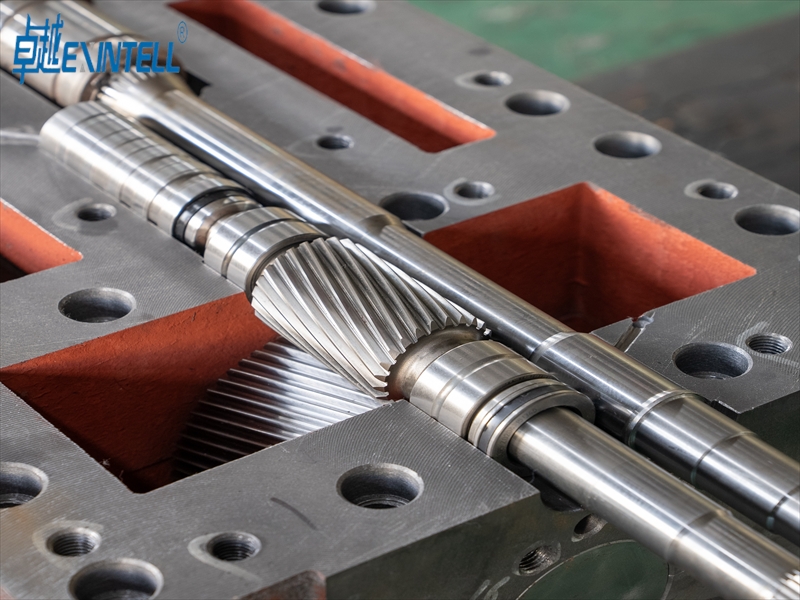
- バレル加熱効率の向上, セラミック赤外線ヒーターなど, エネルギー使用量を最大で削減できます 40%.
- 高度なスクリュー設計により、溶融効率が最適化され、モーター負荷が軽減されます。.
- 可変周波数ドライブは、要求に基づいてモーター速度を調整します, 不必要な電力消費を避ける.
効率的な生産
プラスチック業界の競争力を維持するには、効率的な生産が不可欠です. 企業が使用する 可変速コンプレッサー フィルム温度を安定させるための閉ループ水循環. 圧力センサーと自動漏れ検出によりエネルギー損失を最小限に抑えます. 一部の機械は、押出機やコンプレッサーからの熱を回収して再利用し、原材料を予熱します。. これらの進歩は運用コストの削減に貢献し、エネルギー効率の高い製造への傾向をサポートします。.
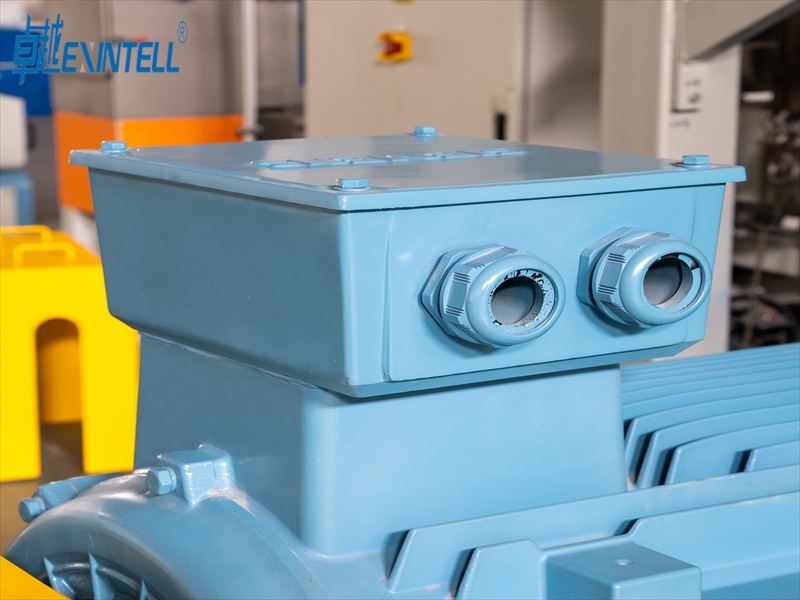
注記: の 加工プラスチックの需要の増加 自動車で, 梱包, 消費財は自動化を組み合わせた機械の必要性を高めます, 持続可能性, と効率. こうした進歩に投資するメーカーは、進化する市場のリーダーとしての地位を確立しています。.
ユーザーエクスペリエンス
インターフェース設計
トップクラスのプラスチック複合機械メーカーはインターフェイス設計に多額の投資を行っています. 彼らは、明確で直感的なインターフェイスがエラーを減らし、生産性を向上させることを理解しています。. オペレーターは、リアルタイム データを表示するタッチスクリーンを操作します。, マシンのステータス, およびトラブルシューティングのヒント. これらの画面では、多くの場合、色分けとシンプルなアイコンを使用してユーザーが各ステップをガイドします。.
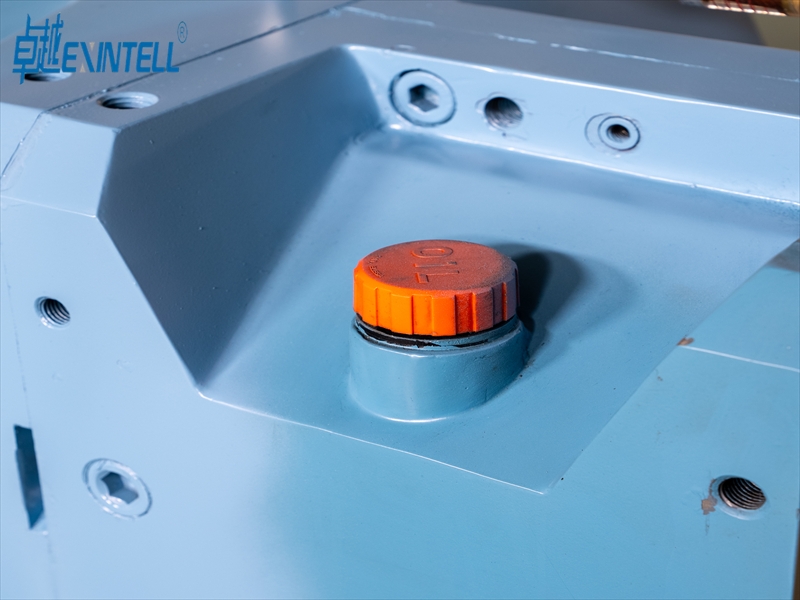
最新のマシンにはカスタマイズ可能なダッシュボードが備わっています. ユーザーはレイアウトを調整して、自分のタスクに最も関連性の高い情報を表示できます. この柔軟性により、新人オペレーターと経験豊富なオペレーターの両方が効率的に作業できるようになります。. 一部のシステムは多言語サポートを提供しています, それはグローバルチームに利益をもたらします.
ヒント: 適切に設計されたインターフェイスにより、トレーニング時間を半分に短縮し、生産現場でのコストのかかるミスを減らすことができます。.
メーカーもアクセシビリティに重点を置いている. 大きなボタン, 反応性の高いタッチコントロール, 論理的なメニュー構造によりナビゲーションが簡単になります. これらの機能により、あらゆるスキル レベルのオペレーターが自信を持って複雑なプロセスを管理できるようになります。.
サポートとトレーニング
サポートとトレーニングはユーザー エクスペリエンスにおいて重要な役割を果たします. 主要ブランドは、ユーザーがマシンを最大限に活用できるようにするための包括的なリソースを提供しています。. これらのリソースには以下が含まれます:
- インタラクティブなオンライン チュートリアルとビデオ ガイド
- ステップバイステップの印刷マニュアル
- 認定技術者によるオンサイトトレーニングセッション
- 24/7 電話によるテクニカルサポート, チャット, またはメールで
多くの企業が遠隔診断を提供しています. 技術者はインターネット経由でマシンにアクセスして、問題のトラブルシューティングやソフトウェアの更新を行うことができます. このサービスはダウンタイムを最小限に抑え、生産をスムーズに実行し続けます。.
定期的なソフトウェアアップデートなどの充実したサポート体制も充実. これらのアップデートにより新機能が追加されます, セキュリティを向上させる, そしてバグを修正する. 継続的なトレーニングとサポートを優先するメーカーは、ユーザーが新しいテクノロジーに適応し、高い生産性を維持できるよう支援します。.
注記: ユーザーフレンドリーなインターフェースと堅牢なサポートシステムに投資する企業は、競争の激しいプラスチック機械市場で差別化を図っています。. オペレータに権限を与える, エラーを減らす, マシンの稼働時間を最大化します.
主要モデルの比較: プラスチックコンパウンドマシンの種類
ブロー成形機
自動化機能
近年急速に進化しているブロー成形機. 主要モデルの機能が追加されました 高度な自動化 生産効率が向上し、手作業による介入が軽減されます。. 金型交換の自動化, リアルタイム監視, 適応型プロセス制御により、オペレーターは一貫した生産量と高品質の製品を維持できます。. これらの機械には、速度と精度を向上させるサーボ駆動システムが組み込まれていることがよくあります。. 多くの上位モデルはスマートファクトリーシステムとの統合もサポートしています, シームレスなデータ交換とリモート診断を可能にする. このレベルの自動化により、メーカーは変化する生産需要に迅速に対応し、最適な機械パフォーマンスを維持できます。.
持続可能な樹脂の適合性
持続可能性はブロー成形機メーカーにとって重要な焦点となっています. 最新モデルは環境に優しい樹脂を幅広くサポート, 再生PETを含む, バイオベースプラスチック, 生分解性素材と. この互換性により、企業は規制要件や、より環境に優しい製品に対する消費者の期待を満たすことができます。. 高度な樹脂ハンドリング システムを備えた機械により、正確な注入と混合が保証されます。, 無駄を最小限に抑え、高品質な出力をサポートします. 持続可能な樹脂を効率的に処理するモデルを選択することで, メーカーは優れたパフォーマンスを維持しながら環境への影響を削減できる.
プラスチック熱成形機
最高のプラスチック熱成形機 2026
最適なプラスチック熱成形機の探索 2026 いくつかの重要な要素に焦点を当てる. プラスチック熱成形機のトップメーカーは高速生産の実現に重点を置いています, 正確な温度制御, 堅牢な成形圧力. 最高のプラスチック熱成形機は、迅速なサイクルタイムとエネルギー効率の高い加熱システムを組み合わせています。. これらのモデルは多くの場合、モジュール式ツーリング プラットフォームを備えています, 迅速な切り替えと柔軟な生産稼働が可能になります. 主要モデルを比較してみると, 最高のプラスチック熱成形機は、幅広い材料を加工できる能力で際立っています。, リサイクルプラスチックやバイオベースプラスチックを含む. この多用途性が熱成形のトレンドと革新をサポートします, 軽量パッケージやカスタム製品デザインなど.
メーカーはまた、ユーザーフレンドリーなインターフェースと高度な安全機能を優先します. に最適なプラスチック熱成形機 2026 直感的なタッチスクリーンコントロールを提供します, リアルタイム診断, およびリモート監視機能. これらの機能は、オペレーターが一貫したマシンのパフォーマンスを維持し、ダウンタイムを最小限に抑えるのに役立ちます。. 結果として, 企業はより高い生産効率を達成し、持続可能な包装ソリューションに対する高まる需要に応えることができます。.
スマートツーリングのイノベーション
スマートツーリングはプラスチック熱成形技術の大きな進歩を表します. 主要モデルには、成形圧力を監視するセンサーとアクチュエーターが組み込まれています。, 温度, リアルタイムでの材料の厚さ. これらの革新により、熱成形プロセスの正確な制御が可能になります。, その結果、製品の品質が安定し、スクラップ率が削減されます。. 熱成形のトレンドと革新には、クイックチェンジツーリングシステムも含まれます, これにより、オペレータは最小限のダウンタイムで製品設計を切り替えることができます。.
プラスチック熱成形機のトップメーカーがデジタルツインテクノロジーと予知保全ツールに投資. これらのシステムはデータ分析を使用して摩耗を予測し、メンテナンス スケジュールを最適化します。, 信頼性の高いマシンパフォーマンスの確保. スマートツーリングは効率を向上させるだけでなく、複雑な形状や詳細なテクスチャの製造をサポートします. 市場が進化するにつれて, 最高のプラスチック熱成形機は今後もこれらのイノベーションを活用して優れた結果をもたらします.
PVC押出機
材料の多様性
PVC 押出機は、優れた材料の多用途性と適応性を示します。. メーカーは、その生産能力により、多くの業界でこれらの機械を使用しています。 カスタムプロファイル さまざまな色で, サイズ, および製剤. 次のリストは、PVC 押出機のさまざまな用途を示しています。:
- 工事: 窓枠, ドアシール, サイディングは耐候性と断熱特性の恩恵を受けます.
- 配管と灌漑: 給水および農業用灌漑用の耐久性のあるパイプと継手は PVC の耐食性に依存しています.
- 自動車: 柔軟な PVC プロファイルがシールを作成, ガスケット, そしてトリミング, 車両に軽量で耐久性を提供.
- 電気: ケーブル導管と絶縁チャネルが配線を保護, 難燃性を活かした.
- 医学: 液体移送用の滅菌可能なチューブは厳しい FDA 要件を満たしています.
- 小売店と看板: ディスプレイフレームとPOS構造のカスタムプロファイル, カスタムの色とテクスチャのオプションで強化.
カスタムプロファイルを作成できる機能により、PVC 押出機は各業界の固有の要求に確実に対応できます。. この適応性により、生産における柔軟性を求めるメーカーにとって最高の選択肢となります。.
出力効率
出力効率は、 主要モデルの比較 PVC押出機の. メーカーは、PVC 押出機のいくつかの性能指標を評価して、最適な PVC を決定します。 押出機 彼らのニーズのために.
| ベンチマークの種類 | 説明 |
|---|---|
| 出力レート | 単位時間あたりに生産されるPVCの量を測定します, 生産性レベルを示す. |
| エネルギー効率 | 出力に対するエネルギー消費量を評価します, 運用コスト分析に重要. |
| 溶融品質 | PVC 溶融物の品質を評価します, 最終製品の特性に影響を与える. |
| プロセスの安定性 | 押出プロセスの一貫性を検査します, 全体的な信頼性とパフォーマンスに影響を与える. |
エネルギーが占める割合 60-70% 運営費の, 原材料を除く. A machine with lower upfront costs but higher energy consumption can lead to greater expenses over time. The best PVC extrusion machine achieves specific energy consumption below 0.20 kWh/kg for rigid PVC pipe production. Manufacturers who focus on high-quality output and stable process conditions gain a competitive edge in the market.
ヒント: When comparing models, consider both output rate and energy efficiency to maximize long-term savings and production efficiency.
PVC extrusion machines continue to set industry standards for speed, 信頼性, and adaptability. Their ability to deliver consistent output and meet diverse production requirements makes them essential in modern manufacturing.
Plastic Recycling Machines
Shredding and Washing Capabilities
Plastic recycling machines play a vital role in the circular economy. They transform waste into valuable resources for new products. Leading machines stand out because they combine robust shredding and advanced washing systems. These features ensure that recycled materials meet strict quality standards for reuse in industries like packaging, 自動車, そして建設.
Operators use shredders to break down large plastic items into smaller flakes. This step prepares the material for further processing. Specialized shredders handle a variety of plastics, including drums, 映画, and pipes. Some advanced models, such as Vecoplan’s VDZ, combine shredding and grinding in one unit. This integration increases efficiency and reduces downtime during production.
Washing lines remove contaminants from shredded plastic. Clean material leads to higher-quality recycled products. Modern washing systems use conveyor belts to move plastic through several cleaning stages. Friction washers, hot washers, and floating tanks each target different types of dirt and residue. Some manufacturers now offer waterless washing systems. These innovations help reduce water usage and lower operating costs.
The table below highlights the main features of shredding and washing systems in top recycling machines:
| 特徴 | 説明 | 目的 |
|---|---|---|
| Shredders | Break down large plastic items into manageable flakes. | Prepares plastic for subsequent recycling stages. |
| Washing Lines | Clean recycled plastic to remove contaminants using conveyor belts. | Ensures high-quality recycled products. |
ヒント: Comprehensive washing and shredding systems help manufacturers meet the rising demand for clean, high-quality recycled materials in pvc extrusion machines and thermoforming applications.
Pelletizing Options
Pelletizing is the final step in the recycling process. It transforms clean plastic flakes into uniform pellets. These pellets serve as raw material for pvc extrusion machines, 押出ライン, and thermoforming equipment. The quality of pelletizing directly affects the value and usability of recycled plastic.
Manufacturers choose pelletizing equipment based on their production needs. Optimized pelletizing lines improve material purity. Higher purity leads to better selling prices and a faster return on investment. Integrated pelletizing systems also boost energy efficiency and support outputs from 500 に 3,000 kg per hour. This range meets the needs of both small and large-scale production facilities.
The choice of pelletizing system impacts initial investment costs. Prices can range from $25,000 に $150,000. Operators must balance cost with performance. Integrated systems often provide better energy savings and higher throughput. These benefits make them popular in industries that rely on pvc extrusion machines and extrusion processes.
Key advantages of advanced pelletizing options include:
- Enhanced material purity for use in pvc extrusion machines and thermoforming lines.
- Improved energy efficiency, reducing overall production costs.
- Flexible output rates to match different production scales.
- Compatibility with a wide range of plastics, including pvc and specialty materials.
注記: High-quality pellets from advanced recycling machines support sustainable manufacturing. They enable the use of recycled content in new pvc extrusion machines, 押出ライン, and thermoforming products.
Use Case Analysis: 産業用, 自動車, 家
Industrial Applications
Heavy-Duty Performance
Industrial environments demand plastic compound machines that deliver robust performance and reliability. Manufacturers often select extrusion and thermoforming equipment for their ability to handle high-volume production needs. These machines process large quantities of pvc and other plastics, producing consistent results even under continuous operation. Heavy-duty extrusion lines support the creation of complex profiles and sheets, while advanced thermoforming systems shape durable components for packaging and construction. High-speed production and repeatable quality remain essential for meeting the demands of industrial clients.
スケーラビリティ
Scalability plays a critical role in industrial settings. Companies require machines that can adapt to changing production needs and market growth. The following features enable plastic compound machines to scale effectively:
- Injection molding supports the creation of complex geometries with tight tolerances, which is vital for robotics and automation.
- The process remains highly repeatable, ensuring consistent quality across large production runs.
- High-speed production allows thousands of identical parts to be manufactured quickly, meeting increased demand.
- Optimized mold design reduces tooling costs through simulation and prototyping.
- Expertise in material selection ensures the right plastics or composites are used for each application.
- Manufacturing capabilities in multiple regions support high-quality production for global markets.
Extrusion and thermoforming machines with modular designs allow manufacturers to expand capacity as needed. This flexibility ensures that production lines can grow alongside business requirements.
自動車部門
Precision and Consistency
The automotive industry relies on machines that deliver precise and consistent results. Thermoforming and extrusion equipment produce interior panels, トリム, and under-the-hood components with exact specifications. Consistency in production ensures that every part meets safety and quality standards. Automated controls and real-time monitoring help maintain tight tolerances, reducing the risk of defects.
材質の適合性
Material compatibility influences machine selection for automotive production. Engineers evaluate which machines can process specific materials, such as pvc, 複合材, and specialty plastics. They consider mechanical properties like strength and stiffness, as well as environmental resistance to chemicals and heat. Manufacturability and supply chain stability also guide decisions. Selecting the right extrusion or thermoforming machine ensures optimal product performance, cost-effectiveness, and compliance with industry regulations.
Home and Small Business
使いやすさ
家 users and small businesses prioritize machines that are easy to operate and maintain. Compact extrusion and thermoforming machines offer simple controls and quick setup. These models often feature intuitive touchscreens and clear instructions, making them accessible to operators with limited technical experience. The ability to switch between pvc and other materials supports diverse production needs, from custom packaging to small-batch manufacturing.
メンテナンスの必要性
Maintenance requirements significantly affect usability for small businesses. The table below outlines key aspects:
| 側面 | 重要性 |
|---|---|
| Regular Maintenance | Ensures machines operate efficiently and reliably. |
| Service and Spare Parts | Minimizes downtime and maintains continuous production. |
| Reliable Service Network | Provides expert consultation and fast spare-parts supply, crucial for small businesses. |
A reliable service network and easy access to spare parts help small businesses maintain high efficiency. Regular maintenance keeps extrusion and thermoforming machines running smoothly, supporting ongoing production needs without costly interruptions.
ヒント: Small businesses should choose machines with straightforward maintenance routines and strong manufacturer support to maximize uptime and efficiency.
Key Criteria for Evaluating Plastic Compound Machines
Technology and Automation
スマートコントロール
Smart controls have become a standard in modern plastic compound machines. These systems use artificial intelligence to manage extrusion, 熱成形, and pvc processing. Operators can monitor every stage of production with real-time data. Smart controls suggest automatic corrections when they detect process deviations. This technology improves efficiency and reduces waste. Many machines now feature touchscreens that display key metrics for extrusion and thermoforming. These controls help operators maintain consistent quality in pvc products. Smart controls also support remote monitoring, which allows technicians to troubleshoot extrusion and thermoforming lines from anywhere.
Integration Capabilities
Integration capabilities set leading machines apart. Manufacturers design their equipment to connect with other systems on the factory floor. 例えば, extrusion and thermoforming machines can link with robotics, コンベア, and quality inspection tools. This integration streamlines pvc production and reduces manual handling. Companies often form strategic partnerships to enhance their technology offerings. They invest in research and development to improve extrusion and thermoforming integration. A strong market presence and customer focus drive these innovations. Integration capabilities ensure that extrusion, 熱成形, and pvc machines work together for maximum efficiency.
Efficiency and Sustainability
エネルギー消費量
Energy consumption remains a top concern for manufacturers. Advanced extrusion and thermoforming machines use energy-saving motors and optimized heating systems. These features lower the power needed for pvc processing. Efficient machines reduce operating costs and support sustainability goals. Many extrusion and thermoforming lines now include sensors that adjust energy use based on production needs. This approach prevents energy waste during low-demand periods. Companies that invest in energy-efficient extrusion and thermoforming equipment gain a competitive edge.
廃棄物の削減
Waste reduction plays a vital role in sustainable manufacturing. Modern extrusion and thermoforming machines minimize scrap by using precise dosing and mixing systems. These machines process pvc and other materials with high accuracy. Automation ensures that only the required amount of material enters the production line. This reduces excess pvc and improves overall efficiency. Some extrusion and thermoforming systems recycle scrap directly back into the process. This closed-loop approach supports zero-waste goals and lowers raw material costs.
ヒント: Choosing machines with advanced waste reduction features helps companies meet environmental regulations and improve their public image.
Versatility and Adaptability
Material Range
Versatility in material range increases the value of plastic compound machines. Leading extrusion and thermoforming equipment can process a wide variety of materials, including pvc, リサイクルプラスチック, および特殊な化合物. This flexibility allows manufacturers to switch between different products without major retooling. 例えば, an extrusion line might produce pvc pipes in the morning and switch to custom profiles in the afternoon. Thermoforming machines can handle both rigid and flexible sheets, expanding their use in packaging and automotive applications.
カスタマイズオプション
Customization options enhance adaptability. Manufacturers can configure extrusion and thermoforming machines with different injection units, clamping mechanisms, and tooling setups. This adaptability supports unique production requirements for pvc and other materials. Flexible machines allow companies to respond quickly to market changes. They can explore new product designs and enter new markets with minimal investment. Customization leads to improved productivity, higher efficiency, and cost savings.
注記: Versatile and adaptable machines help manufacturers stay competitive by meeting diverse customer needs and adjusting to industry trends.
コストと価値
初期投資
Buyers of plastic compound machines face a wide range of initial investment costs. の price of a single machine can start at $5,000 for basic models and reach $150,000 for advanced systems. Complete recycling lines often exceed $500,000. The cost of extrusion equipment for pvc depends on automation features, filtration quality, and the country of manufacture. Shredders, which play a key role in pvc recycling, からの範囲 $10,000 に $80,000. When evaluating extrusion or pvc machines, buyers should look beyond the sticker price.
A table helps clarify the additional costs involved:
| Cost Item | Estimated Range |
|---|---|
| Transportation | $240 – $2,400 |
| インストール | $180 – $1,200 |
| Refurbishment | $12 – $6,000 |
| Operator Training | $120 – $600 |
These expenses add to the total investment for extrusion and pvc machinery. Buyers should focus on the total cost per ton of clamping force and expected production capacity. A reliable extrusion or pvc machine often delivers better value than a cheaper, less dependable option.
ヒント: Buyers should compare multiple suppliers and models, request detailed inspection reports, and negotiate warranty terms alongside price.
Long-Term ROI
Long-term return on investment (ROI) matters as much as the initial price. Reliable extrusion and pvc machines reduce downtime and maintenance costs. High-quality machines support consistent production, which leads to higher profits over time. Automation in extrusion and pvc systems can lower labor costs and improve energy efficiency. Buyers should consider the total cost of ownership, スペアパーツを含む, service contracts, and energy use.
A structured approach helps buyers maximize value:
- Focus on machines that offer strong after-sales support.
- Evaluate the expected lifespan of extrusion and pvc equipment.
- Consider resale value when upgrading to newer models.
A reliable extrusion or pvc machine may cost more upfront but often pays off through lower operating costs and higher output.
ユーザーエクスペリエンス
インターフェース設計
User experience shapes the effectiveness of extrusion and pvc machines. Leading manufacturers design interfaces that are easy to understand and operate. Touchscreen controls display real-time data for extrusion and pvc processes. Operators can monitor temperature, プレッシャー, and speed during production. Customizable dashboards allow users to focus on the most important metrics for their extrusion or pvc application.
A well-designed interface reduces training time and minimizes errors. Color-coded alerts and simple icons guide operators through each step. Multi-language support ensures that global teams can use extrusion and pvc machines efficiently.
サポートとトレーニング
Support and training play a crucial role in the selection of extrusion and pvc equipment. Buyers should use a structured checklist to evaluate a supplier’s technical and logistical capabilities. Asking the right questions reveals the supplier’s processes and expertise. Testing a supplier’s willingness to partner, not just provide parts, improves the user experience and builds long-term relationships.
Manufacturers who offer comprehensive training and responsive support help buyers get the most from their extrusion and pvc machines. On-site training, online tutorials, そして 24/7 technical assistance keep production running smoothly. Regular software updates and remote diagnostics further enhance the value of extrusion and pvc equipment.
注記: A strong focus on user experience ensures that extrusion and pvc machines deliver reliable performance and long-term satisfaction.
Testing and Selection Process for Leading Models
Evaluation Methodology
Performance Testing
Manufacturers use a structured approach to evaluate plastic compound machines. They focus on how each machine handles extrusion and pvc processing. Mechanical property testing forms the foundation of this process. Engineers measure tensile strength, flexural properties, 耐衝撃性, compression, and hardness. These tests reveal how well a machine can process pvc and other materials under different conditions.
Advanced material characterization also plays a key role. Teams assess hyperelastic behavior, fatigue life, creep resistance, and environmental stress response. Specialized testing for composite materials includes fiber-matrix adhesion and interlaminar shear strength. These steps ensure that extrusion and pvc machines can handle complex materials and demanding applications.
Temperature control accuracy and dispersion uniformity receive close attention. Engineers monitor torque and energy consumption during extrusion. They check operational ease and maintenance costs. 材料の適合性, including filling rate, viscosity, and fiber content, helps determine if a machine can adapt to a wide range of pvc formulations.
Reliability Assessment
Reliability assessment ensures that extrusion and pvc machines deliver consistent results over time. Teams run machines through extended cycles to observe performance under continuous operation. They evaluate machine adaptability to complex materials and changing production needs. Modular design and screw customization allow for quick adjustments and repairs. Precision temperature control supports stable extrusion and pvc processing.
Production capacity and delivery time also factor into reliability. Machines must meet deadlines without sacrificing quality. Cost performance, or the balance between price and output, helps buyers choose the best extrusion and pvc equipment for their needs.
選択基準
業界標準
Industry standards guide the selection of leading extrusion and pvc machines. Certifications from recognized organizations confirm that machines meet safety and quality requirements. Engineers look for machines with proven track records in extrusion and pvc processing. Modular design and screw customization support compliance with evolving standards. Precision temperature control and high production capacity ensure that machines can handle large-scale extrusion and pvc projects.
A table summarizes key selection criteria:
| 基準 | 重要性 |
|---|---|
| 認証 | Confirms compliance with industry standards |
| モジュラー設計 | Supports flexibility and upgrades |
| Screw Customization | Enhances material compatibility |
| Precision Temperature | Ensures consistent extrusion and pvc output |
| 生産能力 | Meets project demands |
User Feedback
User feedback provides valuable insights during the selection process. Customer testimonials highlight real-world experiences with extrusion and pvc machines. Buyers consider after-sales support, including training and technical assistance. Operational ease and maintenance costs influence long-term satisfaction. Companies that offer strong support and responsive service stand out in the extrusion and pvc market.
ヒント: Listening to user feedback helps manufacturers improve machine design and address common challenges in extrusion and pvc processing.
Recommendations for Different User Needs
Best for Large-Scale Manufacturing
Large-scale manufacturers require machines that deliver 高出力, 信頼性, と柔軟性. They often operate in industries such as packaging, 工事, そして消費財. These companies benefit from machines with advanced automation and integrated quality control. High-capacity blow molding and extrusion lines support continuous production. Modular designs allow for easy expansion as demand grows.
Key features to consider include:
- Automated material handling systems
- Real-time process monitoring
- Energy-efficient heating and cooling
- Remote diagnostics and predictive maintenance
A table below summarizes the top priorities for large-scale manufacturing:
| Priority | 利点 |
|---|---|
| 高スループット | Meets large order volumes |
| Automation Integration | Reduces labor costs |
| エネルギー効率 | Lowers operational expenses |
| スケーラビリティ | Supports business growth |
ヒント: Companies should choose suppliers with strong after-sales support and global service networks to minimize downtime.
Best for Automotive Production
Automotive manufacturers need machines that deliver precision, 一貫性, 素材の多用途性. They produce parts that must meet strict safety and quality standards. Thermoforming and extrusion machines play a major role in creating interior panels, トリム, and under-the-hood components. を備えたマシン advanced controls ensure tight tolerances and repeatable results.
Important considerations for automotive applications:
- Compatibility with engineering plastics and composites
- Advanced process controls for consistent quality
- Quick-change tooling for flexible production
- Compliance with industry certifications
Automotive companies often select machines that support both prototyping and mass production. This approach allows them to innovate while maintaining efficiency.
注記: Manufacturers should evaluate machine suppliers based on their experience with automotive projects and their ability to provide technical support.
Best for Small Businesses
Small businesses and startups look for machines that are easy to use, 手頃な価格, and require minimal maintenance. Compact extrusion and thermoforming machines fit well in limited spaces. User-friendly interfaces and clear instructions help operators with little technical experience. Machines with quick setup and changeover features allow small businesses to produce a variety of products without long delays.
Key factors for small business buyers:
- Low initial investment
- Simple maintenance routines
- Reliable service and spare parts availability
- Flexibility to handle different materials
A checklist for small business machine selection:
- Is the machine easy to operate?
- Does it fit the available space?
- Are spare parts and support accessible?
- Can it process multiple materials?
ヒント: Small businesses should prioritize machines with strong warranties and responsive customer service to ensure smooth operations.
Best for Innovation and R&D
Research and development teams drive progress in the plastics industry. They need machines that support experimentation, ラピッドプロトタイピング, and advanced material testing. Leading manufacturers design plastic compound machines with features that help engineers and scientists explore new ideas and improve product performance.
Innovation labs often select machines with modular designs. These machines allow users to swap out components, adjust processing parameters, and test different materials. Modular tooling platforms make it easy to change molds or dies. This flexibility speeds up the development process and reduces downtime. Engineers can quickly move from concept to prototype without waiting for custom parts.
Advanced control systems play a key role in R&D environments. Machines with real-time monitoring and data logging help researchers track every step of the process. These systems record temperature, プレッシャー, and material flow. Teams use this data to analyze results and refine their experiments. Digital twin technology lets users simulate production runs before making physical changes. This approach saves time and resources.
Material versatility is essential for innovation. R&D teams often work with specialty plastics, 複合材, and recycled materials. Machines that handle a wide range of polymers support creative projects. 例えば, extrusion equipment allows researchers to test new blends and additives. They can produce custom profiles and sheets for testing mechanical properties.
Quick-change tooling and automated calibration help researchers maintain accuracy. These features ensure that every prototype meets exact specifications. Automated calibration reduces human error and improves repeatability. High-precision sensors detect small changes in material behavior. This information helps teams optimize their designs.
Support and training matter in R&D settings. Manufacturers offer technical guidance, software updates, and troubleshooting assistance. Many companies provide remote diagnostics and online tutorials. These resources help researchers solve problems and learn new techniques.
ヒント: R&D teams should choose machines with open architecture and strong software integration. This setup allows easy customization and supports advanced analytics.
A table below summarizes key features for innovation and R&D:
| 特徴 | 利点 |
|---|---|
| モジュラー設計 | Supports rapid prototyping |
| 高度なコントロール | Enables detailed data analysis |
| 材料の多様性 | Allows testing of new polymers |
| Quick-Change Tooling | Reduces setup time |
| テクニカルサポート | Helps solve complex challenges |
イノベーションとR&D require machines that adapt to new demands. Flexible designs, 高度なコントロール, and strong support systems help teams push the boundaries of plastic technology.
Leading models in the plastic compound machine market demonstrate advanced automation, 持続可能な素材, とエネルギー効率. Manufacturers deliver user-friendly interfaces and strong support systems. Buyers should match machine types to their specific needs.
- Industrial users benefit from scalable, high-output machines.
- Automotive producers require precision and material compatibility.
- Small businesses need easy operation and reliable maintenance.
Smart evaluation helps buyers make informed decisions. Industry professionals can explore further resources for deeper insights.
よくある質問
What is the main advantage of advanced automation in plastic compound machines?
Advanced automation increases production speed and consistency. Operators can monitor processes in real time. Machines adjust settings automatically to maintain quality. This reduces human error and improves overall efficiency.
How do plastic compound machines support sustainability goals?
Manufacturers design these machines to use eco-friendly resins and minimize waste. Many models recycle scrap material during production. This approach helps companies reduce their environmental impact and meet regulatory standards.
What factors affect the energy efficiency of these machines?
Key factors include motor type, heating system, およびプロセス制御. Machines with variable frequency drives and optimized heaters use less power. Efficient designs lower operating costs and support sustainable manufacturing.
Are plastic compound machines difficult to maintain?
Most leading models feature user-friendly interfaces and modular components. Regular maintenance involves cleaning, 潤滑, and part replacement. Manufacturers often provide clear instructions and support to help operators keep machines running smoothly.
Can small businesses afford plastic compound machines?
Entry-level machines cost less and require minimal setup. Many suppliers offer financing options. Small businesses can start with compact models and upgrade as production needs grow.
What kind of training and support do manufacturers provide?
Manufacturers offer on-site training, online tutorials, and detailed manuals. Many provide 24/7 technical support and remote diagnostics. This ensures operators can solve problems quickly and maintain high productivity.
How do users choose the right machine for their needs?
Users should consider production volume, 材料の適合性, automation features, そして予算. Comparing models and reading user reviews helps buyers make informed decisions.
ヒント: Always request a demonstration or trial run before purchasing a machine.