

マスターバッチマシン対決 二軸押出機と混練機
マスターバッチ業界のメーカーは、優れた混合と一貫した結果を実現できるという理由で、共回転二軸押出機を選択することがよくあります。. デリケートな処理が必要な繊細な材料や高価な材料を扱う場合、混練機に頼っています。. マシンの選択は、あらゆるマスターバッチ マシンの操作において極めて重要な役割を果たします。. 正しい選択は生産の品質と効率に直接影響します, 最新の押出機とサポート機器により生産フローが合理化され、信頼性の高い納品がサポートされます。.
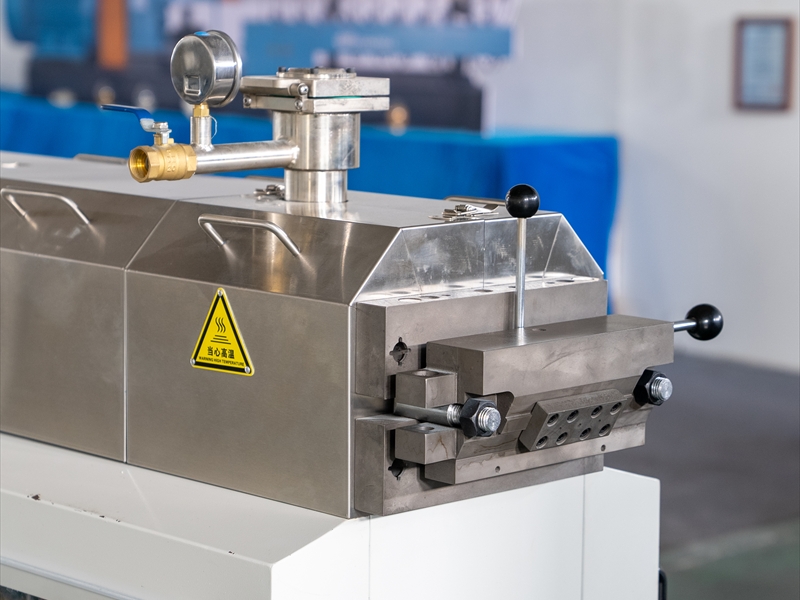
- 適切な機器の選択 製品の品質と生産効率の両方を最適化します.
-
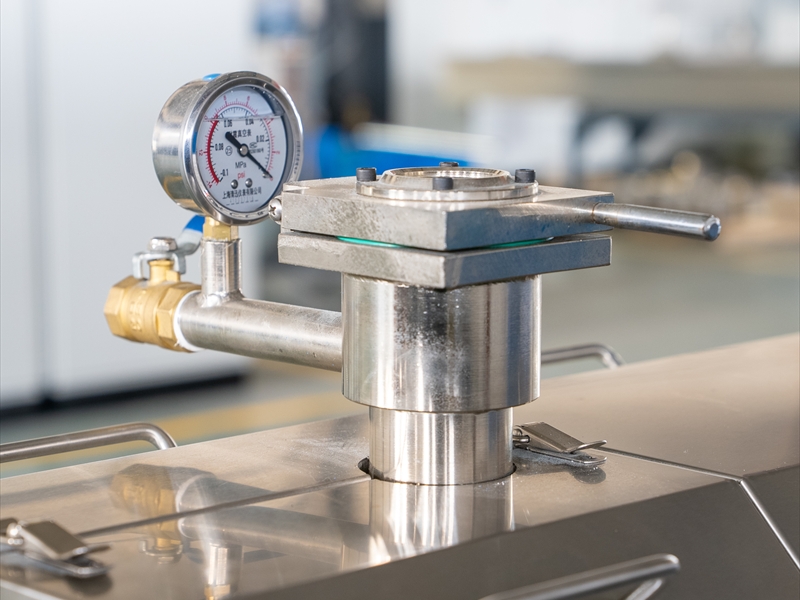
先進的な機械により運用コストが削減される そしてボトルネック, より良いスループットと顧客満足度を確保する.
- 機械の選択を生産能力および材料の仕様に合わせて行うことで、一貫した結果が保証されます.
重要なポイント
- 適切なマシンを選択してください あなたのニーズに合わせて. 混合とスループットに優れた二軸押出機, 混練機はデリケートな素材に最適です.
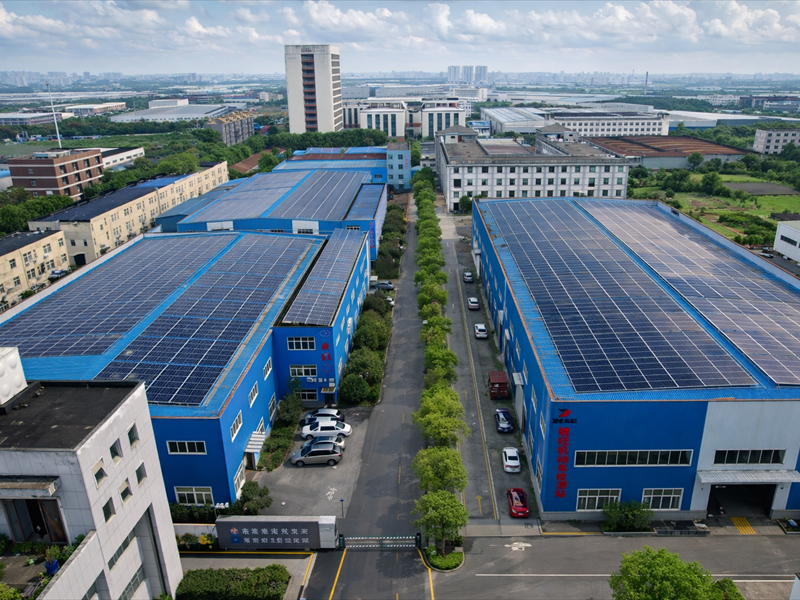
- 生産品質を優先する. 適切な機器の選択は、マスターバッチの一貫性とパフォーマンスに直接影響します。.
-
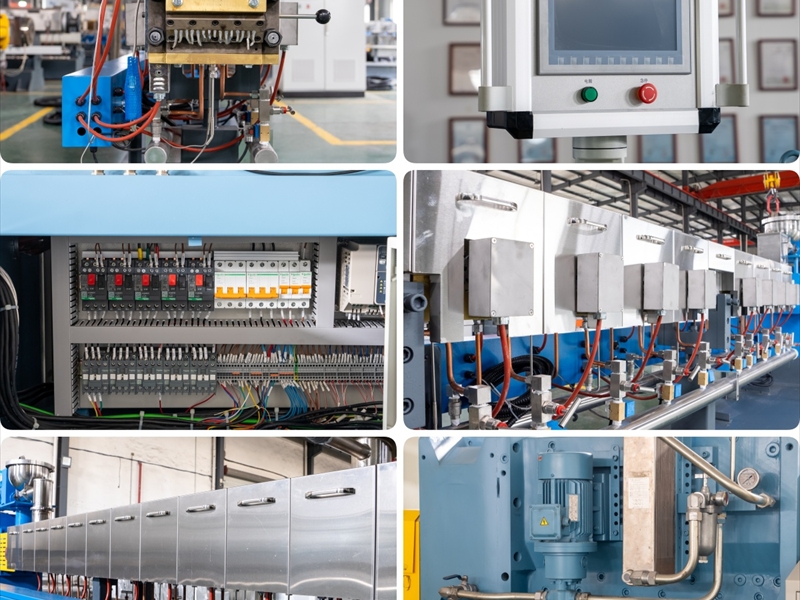
先進的な機械で効率を最大化. 二軸押出機により運用コストが削減され、生産フローが改善されます.
- 材料の互換性を確保する. 厳格なテストを実施して、最適な結果を得るために顔料と添加剤がうまくブレンドされていることを確認します.
- 分散の一貫性を重視. 高品質の配合により欠陥を防止し、プラスチック製品の均一な色を保証します。.
- メンテナンスの必要性を考慮する. 二軸押出機はより多くのメンテナンスが必要です, 一方、ニーダーマシンはより簡単なメンテナンスルーチンを提供します.
-
予算を慎重に評価する. 二軸押出機はイニシャルコストが高い, しかし、その効率性により、時間の経過とともに出費を相殺できます。.
- スケーラビリティを計画する. 二軸押出機は増加する生産需要に容易に適応できます, 混練機には追加のユニットが必要な場合があります.
マスターバッチ製造の概要
マスターバッチとは
マスターバッチ製造により顔料の濃縮混合物が作成されます, 添加物, およびキャリア樹脂. これらの混合物, マスターバッチと呼ばれる, プラスチック製品の着色や特性向上に使用されます。. プロセスには原材料をブレンドすることが含まれます, 押し出しによる複合化, 扱いやすいようにペレットを形成します. メーカーは一貫した色を実現するためにマスターバッチに依存しています, 耐久性の向上, プラスチック用途に特化したパフォーマンス. マスターバッチ業界は幅広い分野をサポートしています, 梱包も含めて, 自動車, そして消費財.
マスターバッチの製造プロセスでは、すべての段階で慎重な制御が必要です. それぞれのステップ, 原材料の選択から最終包装まで, 最終製品の品質と性能に影響を与える. 以下の表は、主な手順とその概要を示しています。 重要な要件:
| ステップ | 重要な要件 |
|---|---|
| 原材料の選択 | 粉塵のない状態で使用してください, 低湿, 安定した品質を実現する熱安定性成分. |
| 正確な計量と混合 | 正確性を高める自動投与システム; 均一なプレコンパウンドのための高速ミキサー. |
| 押出および配合 | 添加剤を完全に分散させるための制御された熱の適用と高せん断ブレンド. |
| 冷却とペレット形成 | 押し出されたストランドを急速冷却し、均一なペレットに切断します。. |
| 厳格な品質検査 | 色の均一性や互換性チェックを含む複数の品質テスト. |
| 梱包とタイムリーな配達 | 清潔な状態で保管する, 温度管理された施設と時間厳守の配達に重点を置く. |
主要な生産ニーズ
分散の一貫性
分散の一貫性はマスターバッチ製造の中核要件です. 顔料と添加剤を均一に分散させることで、あらゆるプラスチック製品が意図した色と特性を確実に発揮します。. 高品質の配合により、発生を防ぎます。 硬い塊や不純物, 最終的なマスターバッチに欠陥が生じる可能性があります. メーカーは高度な混合および配合押出技術を使用して、優れた分散を実現しています。. 一貫した分散により表面仕上げも向上し、生産上の問題も軽減されます。, 信頼性の高いマスターバッチのパフォーマンスには不可欠です.
スループット
スループットは、特定の時間枠内に生成されるマスターバッチの量を測定します。. 高スループットにより大規模生産をサポートし、市場の需要に効率的に対応します. 調合プロセスでは速度と品質のバランスをとる必要があります, 迅速な生産により分散や均一性が損なわれてはならないため. 最新のマスターバッチ製造ラインでは、自動化システムと大容量押出機を使用してスループットを最大化しています。. 効率的な冷却およびペレット化システムにより、プロセスがさらに合理化されます。, 品質を犠牲にすることなく生産目標を確実に達成する.
材質の適合性
材料の適合性はマスターバッチ製造において重要な役割を果たします. 選ばれた顔料, 添加物, キャリア樹脂は配合中によく混合する必要があります. 相溶性のない材料は分散不良を引き起こす可能性があります, 色の縞模様, またはプラスチックの性能が低下する. メーカーは厳格な品質テストを実施しています, カラーマッチングと分散分析を含む, 互換性を確認するため. このステップにより、マスターバッチがさまざまなプラスチック用途にスムーズに統合されるようになります。, さまざまな本番環境での一貫した結果のサポート.
注記: 高品質のマスターバッチ製造は配合の正確な制御に依存します, 十分に混合する, そして素材の厳選. これらの要素により、最終マスターバッチが色に関する業界標準を満たしていることが保証されます。, 耐久性, および処理動作.
マスターバッチ機の二軸押出機
二軸押出機の種類
二軸押出機は現代のマスターバッチ製造のバックボーンとなっています. 単一ネジ設計と比較して、比類のない柔軟性と制御を提供します。. 以下の表は、次の点を強調しています。 一軸押出機と二軸押出機の操作上の違い, マスターバッチ生産においてツイン構成が主流である理由を強調:
| 特徴 | 単軸押出機 | 二軸押出機 |
|---|---|---|
| 混合能力 | 限定 | 強化された |
| 柔軟性 | 低い | 高い |
| マテリアルフローの制御 | 適度 | 高い |
| 複雑なレシピに最適 | いいえ | はい |
| マスターバッチでのアプリケーション | 限定 | 広範囲にわたる |
共回転
同時回転二軸押出機は、同じ方向に回転するスクリューを備えています。. この設計により、混合と配合の効率が最大化されます。. 共回転動作により、材料は分散混合と分配混合の両方を確実に行うことができます。, 高品質のマスターバッチを製造するために不可欠です. メーカーは、複雑な配合を処理し、一貫した生産量を維持できるこのタイプを好んでいます。.
噛み合いと非噛み合い
二軸押出機は噛合式または非噛合式です。. 噛み合うデザインにより、ネジが重なり合うことが可能, 自己拭き取り効果を生み出し、物質の蓄積を減らし、自己洗浄性を向上させます。. この機能は継続的な運用をサポートし、ダウンタイムを最小限に抑えます. 非噛み合いタイプなのでネジが別々に保たれます, which can suit specific compounding needs but generally offer less intensive mixing.
Features of Twin Screw Extruder
モジュラー設計
Twin screw extruders use モジュラースクリューエレメント. This feature allows operators to customize the extrusion system for different masterbatch recipes. Modular design supports optimal mechanical energy transfer and enables quick changes in the process setup. Manufacturers can adapt the extrusion system to new materials or product requirements without major downtime.
Shear and Pressure Control
Precise control over shear and pressure defines the twin screw extruder’s effectiveness. Operators can adjust スクリュー速度, 構成, and barrel temperature to fine-tune the compounding process. This control ensures uniform dispersion of pigments and additives, resulting in consistent masterbatch quality. The extrusion system also maintains stable pressure, which protects sensitive ingredients and enhances the structural properties of the final product.
利点
優れた混合
Twin-screw extruders deliver 強力な分散性と分配性の混合. This capability ensures that pigments and additives blend thoroughly during compounding. The result is a masterbatch with uniform color and performance.
高スループット
Manufacturers rely on twin screw extruders for high throughput. These machines process large volumes of masterbatch efficiently, meeting the demands of industrial-scale production. The design supports stable feeding of powder pigments and additives, which boosts productivity.
セルフクリーニング
The intermeshing action in many twin screw extruders provides a self-cleaning effect. This feature reduces material residue, minimizes contamination risks, and shortens changeover times between different masterbatch formulations.
ヒント: 二軸押出機技術の利点は混合以外にも広がります. これらの機械 材料利用を最適化する 配合プロセスのあらゆる段階での正確な制御をサポートします。.
短所
料金
二軸押出機システムには多額の初期投資が必要です. メーカーはシングルスクリューマシンと比較して初期費用が高額になることがよくあります. 高度なエンジニアリングとツイン押出機のモジュラー設計がこの費用に貢献しています。. 多くの施設は専門的な設備への投資も必要です 補助装置 二軸押出機をサポートするため. これらのコストは、小規模生産者や予算が限られている生産者にとって困難になる可能性があります。. 時間とともに, 二軸押出機テクノロジーの効率と生産量により、初期費用を相殺できます。, しかし、参入障壁は依然として単純なマシンに比べて高いままです.
メンテナンス
二軸押出機のメンテナンスには熟練した技術者と定期的な注意が必要です. 噛み合うネジとモジュール式コンポーネントは、連続運転中に摩耗します。. オペレータはネジの状態を監視する必要がある, 樽, ダウンタイムを防ぐためのシール. 定期的なメンテナンスと部品交換により、一貫したパフォーマンスを維持できます, しかし、運用コストが増加します. 二軸押出機システムの複雑なアセンブリにより、洗浄と修理に必要な時間が長くなる可能性があります. 研磨性の高い材料や高充填材料を処理する施設では、摩耗が加速する可能性があります, さらに頻繁なメンテナンスが必要になる.
注記: 定期的なメンテナンスにより、二軸押出機は信頼性の高い結果をもたらし、耐用年数を延ばすことができます。. メンテナンスを怠ると、マスターバッチの品質が不安定になり、予期せぬ生産停止につながる可能性があります。.
二軸押出機の応用
カラーマスターバッチ
二軸押出機技術がカラーマスターバッチ製造で中心的な役割を果たします. ツインスクリューによる強力な混合, これにより、顔料がキャリア樹脂全体に均一に分散されます。. このプロセスにより、均一な色のペレットが作成されます, 高品質のプラスチック製品に不可欠な. メーカーは、幅広い顔料の種類と濃度を処理するために二軸押出機を利用しています。. ツイン設計の柔軟性により、異なる色配合間の素早い切り替えが可能になります。, 顧客の多様な要求をサポート.
添加剤マスターバッチ
二軸押出機システムの応用は付加的マスターバッチ製造にまで拡大. これらの機械は、UV 安定剤などの機能性添加剤をブレンドします。, 難燃剤, または帯電防止剤 - ポリマーマトリックスに. ツインスクリューでしっかり分散, それぞれの添加剤の効果を最大限に引き出す. 一貫した混合により凝集が防止され、すべてのペレットが意図した性能を発揮することが保証されます。. 二軸押出機のモジュラー設計により、オペレーターはさまざまな添加剤の種類や添加量に合わせてプロセスを調整できます。.
以下の表は、マスターバッチ生産における二軸押出機システムの主な応用分野をまとめたものです。:
| 応用 | 説明 |
|---|---|
| マスターバッチの製造 | 均一な分散を保証します 色および機能性マスターバッチ用の顔料および添加剤の製造. |
| カラーマスターバッチ | 一貫した色分布を提供し、迅速な配合変更をサポートします。. |
| 添加剤マスターバッチ | 機能性添加剤を正確に組み込み、プラスチックの特性を強化します. |
二軸押出機は幅広いマスターバッチ用途をサポートします. 多用途性と制御性により、カラーおよび添加剤マスターバッチの両方の製造に好ましい選択肢となっています。. メーカーがより高い品質と効率を求める中、二軸押出機技術の応用は拡大し続けています。.
マスターバッチ製造用ニーダーマシン
混練機の種類
混練機 マスターバッチ製造において重要な役割を果たします, 特に高価な素材や機密性の高い素材を扱う場合. さまざまなタイプの混練機が業界で活躍しています, それぞれが特定の配合ニーズに合わせて設計されています:
- バンバリーミキサー: これらの機械はポリマーと添加剤の配合に優れています。, マスターバッチ生産の定番となっています.
- 分散ニーダー: メーカーは均一な分散を達成するためにこれらを使用しています, 一貫したマスターバッチ品質には不可欠です.
- 内部ミキサー: 研究室では、小規模な研究開発のために内部ミキサーを使用することがよくあります。. これらのマシンにより、混合パラメータを正確に制御できます.
- シグマブレードニーダー: 高粘度材料用に設計, シグマブレードニーダーは完全な混合を保証し、難しい配合作業に最適です。.
混練機は、制御された温度とせん断条件下で材料を混合することによって動作します。. このアプローチにより、均一な分散と効果的な配合が保証されます。, 高品質のマスターバッチを製造するために重要です.
ニーダーマシンの特徴
集中的な混合
強力な混合を実現するニーダーマシン, これにより、 正確な分散と混合 顔料の, 添加物, 樹脂と. この機能はマスターバッチ製造において特に重要であることがわかります。, 高充填率で需要の高い改質材料が均一な分布を必要とする場合. 強力な混合動作により凝集が防止され、マスターバッチのすべてのバッチが厳格な品質基準を満たすことが保証されます。.
エネルギー効率
エネルギー効率 ニーダーマシンの重要な利点として際立っています. 配合時のエネルギー消費を最小限に抑える設計, メーカーの運用コストの削減に役立ちます. 幅広い材質を加工しながら安定した生産量を維持します。, 大規模なマスターバッチ製造と特殊なマスターバッチ製造の両方に適しています。.
バッチ操作
混練機は通常、バッチモードで動作します。. この方法により柔軟なパラメータ調整が可能になります, 多様なマスターバッチ製剤の製造をサポート. バッチ操作でも安定した出力が得られます, これは、機密性の高い素材や高価な素材を処理する際に一貫性を維持するために重要です. オペレーターは各バッチを注意深く監視できます, 配合プロセスが要求仕様を確実に満たすようにする.
利点
精密混合
精密な混合を可能にするニーダーマシン, 複雑な成分や敏感な成分を含むマスターバッチの製造に不可欠です. 機械’ 均一な分散を達成する能力により、顔料と添加剤がキャリア樹脂にシームレスに統合されます。. この精度により、一貫した色と性能を備えたマスターバッチの製造がサポートされます。.
エネルギー消費量の削減
メーカーは、他の配合装置と比較してエネルギー消費量が少ないニーダーマシンを高く評価しています。. 効率的な設計により発熱が低減され、材料の劣化が最小限に抑えられます。, 熱に弱いマスターバッチ配合にメリットをもたらします. エネルギー使用量の削減は、より持続可能な生産プロセスにも貢献します.
堅牢性
優れた堅牢性を発揮する混練機. Their construction withstands the demands of intensive compounding, even when processing abrasive or highly filled materials. This durability ensures reliable operation and extends the service life of the equipment, making kneader machines a sound investment for masterbatch manufacturing facilities.
注記: Kneader machines combine intensive mixing, エネルギー効率, and robust construction, making them ideal for masterbatch manufacturing that requires precise compounding and stable output.
短所
Lower Throughput
Kneader machines operate in batch mode, which limits their throughput compared to continuous extrusion systems. Operators must load, ミックス, and discharge each batch before starting the next cycle. This process restricts the volume of masterbatch produced within a given timeframe. Facilities that require high production rates often find kneader machines less suitable for large-scale manufacturing. The batch operation also increases downtime between cycles, which can affect overall efficiency. Manufacturers who prioritize speed and volume may prefer extruders for their ability to deliver consistent output without interruption.
Limited Flexibility
Kneader machines offer less flexibility when adapting to new formulations or rapid product changes. The batch process requires manual adjustments for each recipe, which slows response to shifting market demands. Operators must clean and prepare the machine between batches, especially when switching between different materials. This limitation makes kneader machines less ideal for facilities that handle frequent changes in masterbatch composition. The design suits stable production environments but presents challenges for manufacturers seeking versatility in their application range.
注記: Kneader machines excel in precision mixing and energy efficiency, but their lower throughput and limited flexibility can restrict their use in fast-paced or highly variable production settings.
代表的な用途
Highly Filled Masterbatch
Kneader machines demonstrate exceptional performance in highly filled masterbatch production. These machines handle ultra-high loading レベル, often exceeding 85% フィラーコンテンツ. The intensive mixing action ensures difficult-to-disperse additives integrate thoroughly into the carrier resin. Manufacturers select kneader machines for filler masterbatch compounding because they maintain uniform dispersion and prevent agglomeration, 難しい素材であっても. The table below highlights the primary application type and its characteristics:
| アプリケーションの種類 | Characteristics |
|---|---|
| Filler Masterbatch Compounding | Ultra-High Loading, >85% filling levels, difficult-to-disperse additives |
This application requires robust mixing and stable output, which kneader machines provide. Operators achieve consistent quality in batches with high filler content, supporting demanding industrial requirements.
Rubber Compounds
Rubber compound production represents another key application for kneader machines. The equipment processes elastomers, フィラー, and additives under controlled temperature and shear conditions. Kneader machines deliver uniform dispersion, which enhances the physical properties of rubber products. Manufacturers rely on kneader machines for their ability to handle viscous materials and maintain batch-to-batch consistency. The process supports specialty rubber applications, including automotive parts, シール, および産業用コンポーネント.
ヒント: Facilities that produce highly filled masterbatch or rubber compounds benefit from the kneader machine’s robust mixing and stable batch operation. These applications demand precision and reliability, which kneader machines consistently deliver.
単軸押出機と二軸押出機の違い
混合品質
混合品質 stands as a critical factor in masterbatch manufacturing. The single screw extruder provides mainly distributive mixing. This means it spreads materials but does not break down agglomerates as effectively. Twin screw extruders deliver both dispersive and distributive mixing. They can break down pigment clusters and distribute additives evenly. This capability results in a more homogeneous masterbatch, which is essential for high-performance applications.
The table below highlights the main differences in 混合能力:
| 特徴 | 単軸押出機 | 二軸押出機 |
|---|---|---|
| 混合能力 | 低い (mainly distributive) | 高い (Dispersive & Distributive) |
Manufacturers often choose twin screw extruders for compounding tasks that require intensive mixing, such as blending glass fibers, 難燃剤, or pigments into resins. The single screw extruder works best for simpler formulations where basic mixing suffices.
ヒント: For masterbatch products that demand uniform color and additive distribution, twin screw extruders offer a clear advantage.
スループット
Throughput measures how much material a machine can process in a given time. The single screw extruder excels in continuous, straightforward processes. It handles large volumes efficiently when the formulation does not require complex mixing. 二軸押出機, 一方で, provide superior throughput for complex masterbatch production. Their design supports excellent material conveying, 混合, and shear dispersion.
The following table compares throughput capabilities:
| 押出機の種類 | Throughput Capability |
|---|---|
| 単ネジ | More efficient for simpler, continuous processes |
| ツインスクリュー | 優れた混合, ideal for complex masterbatch tasks |
- Single screw extruder: Best for high-volume, simple recipes.
- Twin screw extruder: Preferred for high-intensity mixing and advanced formulations.
Production lines that require both speed and advanced mixing often rely on twin screw extruders. Facilities focused on basic compounding may select the single screw extruder for its efficiency.
適用範囲
The application scope defines where each machine performs best. The single screw extruder suits basic plastic processing, such as producing pipes, 映画, or simple compounds. It offers reliability for straightforward tasks. 二軸押出機 handle a broader range of applications. They excel in masterbatch production, especially when recipes involve multiple additives or require precise dispersion.
Key application areas include:
- Single screw extruder: Used for continuous processes with minimal mixing needs.
- Twin screw extruder: Essential for masterbatch, compounding with glass fibers, 顔料, または難燃剤.
The difference between single and twin screw extruder technology shapes the choice for manufacturers. Those who need advanced mixing and flexibility select twin screw extruders. Those who prioritize simplicity and volume often choose the single screw extruder.
注記: Selecting the right extruder depends on the complexity of the formulation, 望ましいスループット, および最終用途の要件.
Masterbatch Machine Comparison
パフォーマンス
Performance defines the core value of any マスターバッチマシン. Twin-screw extruders set the industry standard for high-performance compounding. These machines handle complex recipes with ease. Operators can adjust process parameters quickly, which supports consistent output. The twin design ensures stable feeding and precise temperature control. This leads to reliable production of masterbatch with uniform properties.
Kneader machines excel in specific scenarios. They deliver outstanding results when processing highly filled or sensitive materials. Their robust construction allows them to withstand demanding conditions. しかし, batch operation limits their overall speed. Facilities that require continuous, high-volume production often prefer the twin screw extruder for its superior performance.
Single screw extruder systems offer reliable performance for basic tasks. They suit straightforward masterbatch formulations. These machines do not match the advanced capabilities of twin-screw extruders or kneader machines in complex compounding.
注記: Selecting the right masterbatch machine depends on the desired balance between speed, 一貫性, and material requirements.
混合品質
Mixing quality remains a critical factor in masterbatch manufacturing. Twin-screw extruders provide both dispersive and distributive mixing. This means they break down pigment clusters and distribute additives evenly. The result is a homogeneous masterbatch with consistent color and performance. Operators can fine-tune the extrusion system to match the needs of each recipe.
Kneader machines also deliver high mixing quality, especially for challenging materials. Their intensive mixing action ensures thorough dispersion. This proves essential for highly filled masterbatch or rubber compounds. しかし, batch operation can introduce slight variations between cycles.
Single screw extruder machines offer basic distributive mixing. They work well for simple formulations but struggle with complex recipes. These machines cannot achieve the same level of pigment dispersion as twin-screw extruders or kneader machines.
The table below summarizes mixing quality across different masterbatch machine types:
| マシンタイプ | 混合品質 | ベストユースケース |
|---|---|---|
| 二軸押出機 | 優れた (Dispersive & Distributive) | Complex masterbatch, 色, 添加物 |
| 混練機 | 高い (集中的な) | Highly filled, sensitive materials |
| Single screw extruder | 基本 (Distributive) | Simple masterbatch |
柔軟性
Flexibility determines how well a masterbatch machine adapts to changing production needs. Twin screw extruder systems stand out for their versatility. They allow operators to modify screw configurations, adjust shear levels, and control residence time. This adaptability supports a wide range of masterbatch formulations. Manufacturers can switch between recipes with minimal downtime. の strong mixing capabilities of twin-screw extruders enhance flexibility, making them essential for consistent color quality and efficient production.
Kneader machines offer moderate flexibility. They handle various materials and filler levels but require manual adjustments between batches. This process can slow response to new market demands. Batch operation also limits the speed of recipe changes.
Single screw extruder machines provide the least flexibility. They suit stable, high-volume production of simple masterbatch. These machines do not support rapid changes in formulation or advanced compounding tasks.
ヒント: Facilities that produce multiple masterbatch types benefit from the flexibility of twin screw extruder technology. This advantage supports innovation and quick adaptation to customer needs.
スループット
Throughput measures the volume of material processed by a masterbatch machine within a set period. Twin screw extruders deliver high throughput, supporting large-scale production environments. Operators can achieve output rates from 30 kilograms per hour up to 4000 kilograms per hour. This capacity enables manufacturers to meet demanding schedules and maintain consistent supply. Kneader machines operate at lower throughput levels, with maximum output reaching up to 1000 kilograms per hour. Batch operation limits their speed, making them suitable for specialty or high-value masterbatch production.
The table below compares throughput capacity:
| 機器の種類 | 出力容量 |
|---|---|
| 二軸押出機 | 30kg/h to 4000kg/h |
| Kneader Machine | Up to 1000kg/h |
Twin screw extruders dominate high-volume masterbatch manufacturing. Kneader machines excel in applications where precision and material sensitivity outweigh speed.
メンテナンス
Maintenance requirements differ significantly between twin screw extruders and kneader machines. Twin screw extruders demand regular attention due to their complex design and high operational loads. Operators must monitor screw wear, gearbox integrity, そしてシール. After-sales service contracts typically cost 間 2% そして 5% of the machine’s value 毎年. のために $200,000 押出機, annual maintenance expenses range from $4,000 に $10,000. Spare parts add to the cost, with screw sets priced from $15,000 に $25,000 and gearbox replacements costing $30,000 に $50,000. Preventive maintenance extends the interval between major overhauls from five years to seven years, reducing long-term expenses.
- Twin screw extruders require frequent inspections and specialized technicians.
- Kneader machines feature robust construction and simpler maintenance routines.
- Preventive maintenance increases reliability and reduces downtime for both machine types.
Facilities that operate twin screw extruders must budget for higher maintenance costs and plan for regular service intervals. Kneader machines offer easier upkeep, making them attractive for smaller operations or specialty production.
料金
Cost plays a decisive role in masterbatch machine selection. Twin screw extruders involve substantial initial investment. Manufacturers pay for advanced engineering, modular components, and auxiliary equipment. Ongoing maintenance and spare parts further increase operational expenses. Kneader machines present lower upfront costs and reduced maintenance requirements. Their batch operation suits facilities with limited budgets or those focused on specialty masterbatch production.
Operators must weigh the benefits of high throughput and flexibility against the financial commitment required for twin screw extruders. Kneader machines provide a cost-effective solution for precision mixing and stable output, especially in applications where speed is not the primary concern.
ヒント: Careful cost analysis ensures that manufacturers select the masterbatch machine best suited to their production goals and financial resources.
スケーラビリティ
Scalability determines how well a masterbatch machine supports growth and adapts to increased production demands. Manufacturers often evaluate scalability when planning for expansion or responding to market changes. Twin screw extruders and kneader machines offer distinct advantages and limitations in this area.
Twin Screw Extruder Scalability
Twin screw extruders excel in scalable production environments. Operators can increase output by upgrading screw diameter, length, or motor power. Modular design allows for easy expansion and customization. Facilities can add auxiliary equipment, such as feeders or pelletizers, to boost capacity. Manufacturers often choose twin screw extruders for their ability to handle both small and large batch sizes without sacrificing quality.
- Modular configuration supports rapid adaptation.
- Upgrades enable higher throughput and advanced formulations.
- Integration with automated systems streamlines scaling.
Kneader Machine Scalability
Kneader machines present challenges in scalability. Batch operation limits continuous output. Operators must process each batch separately, which restricts overall capacity. Scaling up often requires purchasing additional machines rather than expanding a single unit. This approach increases floor space and operational complexity. Kneader machines suit specialty production where precision matters more than volume.
- Batch processing restricts seamless scaling.
- Expansion involves adding more units, not upgrading existing ones.
- Best suited for stable, low-to-medium volume production.
注記: Facilities planning for rapid growth or fluctuating demand benefit from the scalable design of twin screw extruders. Kneader machines fit environments with consistent, specialty production needs.
Scalability Comparison Table
| マシンタイプ | Scalability Features | Expansion Method | Ideal Production Scale |
|---|---|---|---|
| 二軸押出機 | Modular, upgradeable, automation-ready | System upgrades, add-ons | Small to large-scale |
| Kneader Machine | 限定, batch-based | Additional machines | 専門, low-to-medium |
Manufacturers seeking flexible, high-volume production often select twin screw extruders. Kneader machines remain valuable for niche applications where batch consistency and precision outweigh the need for rapid scaling.
ヒント: Evaluate future production goals before investing in masterbatch machinery. Twin screw extruders offer a pathway to growth, while kneader machines deliver reliability for specialized operations.
適切なマスターバッチ マシンの選択
決定要因
Selecting the optimal masterbatch machine requires careful evaluation of several core factors. Each facility must align its equipment with operational goals and material demands.
生産量
Production volume determines the scale and speed of manufacturing. Facilities with high production capacity need machines that can sustain continuous output. 二軸押出機 excel in large-scale environments. They process significant quantities of masterbatch without frequent interruptions. Kneader machines suit smaller batches or specialty runs. Operators should match machine throughput to their target production levels.
材質の種類
Material type influences machine selection. Some masterbatch recipes use wood, bamboo, or straw fibers. Others require advanced additives for mechanics, degradability, or unique functionality. Twin screw extruders handle a wide range of plastic resins and complex formulations. Kneader machines perform well with sensitive or high-value materials. The choice depends on the compatibility of the machine with the raw materials and the desired properties of the final product.
品質要件
Quality requirements shape the compounding process. Manufacturers producing masterbatch for high-performance plastic applications must ensure uniform dispersion and color consistency. Twin screw extruders deliver superior mixing and precise control. Kneader machines provide intensive blending for highly filled or specialty masterbatch. Facilities should assess the level of quality needed for their end-use products.
予算
Budget remains a decisive factor in equipment investment. Twin screw extruders require higher initial costs and ongoing maintenance. Kneader machines offer a lower entry point and reduced upkeep. Financial planning must consider both upfront expenses and long-term operational costs. The final decision should balance production goals with available resources.
ヒント: The selection process involves more than just machine specifications. Operators must consider the type of fiber, desired masterbatch performance, and financial constraints to make the best choice.
Twin screw extruders deliver high throughput and superior mixing, making them ideal for complex, large-scale masterbatch production. Kneader machines excel with sensitive or highly filled materials, offering precision and energy efficiency. Aligning machine choice with production goals and 材料の適合性 ensures consistent quality, smooth processing, and fewer defects. Manufacturers who match machine capabilities with resin and polymer systems achieve better surface finish, stable output, and long-term success in masterbatch manufacturing.
よくある質問
What is the main advantage of a twin-screw extruder in masterbatch production?
二軸押出機 provide superior mixing and high throughput. They handle complex formulations with ease. Manufacturers rely on them for consistent quality and efficient large-scale production.
When should a manufacturer choose a kneader machine?
A manufacturer should select a kneader machine for highly filled, sensitive, or specialty materials. Kneader machines offer precise mixing and energy efficiency, making them ideal for demanding or small-batch applications.
How does maintenance differ between twin-screw extruders and kneader machines?
Twin-screw extruders require frequent inspections and specialized technicians. Kneader machines have simpler maintenance routines and robust construction. Facilities with limited technical staff often prefer kneader machines for easier upkeep.
Can a single-screw extruder produce masterbatch?
A single-screw extruder can produce simple masterbatch formulations. It cannot achieve the same mixing quality or flexibility as twin-screw extruders. Manufacturers use single-screw machines for basic, high-volume tasks.
What factors affect the cost of a masterbatch machine?
Machine size, 自動化レベル, and auxiliary equipment impact cost. Twin-screw extruders have higher initial and maintenance expenses. Kneader machines offer lower entry costs but may require more units for scaling.
Which machine offers better scalability for growing production needs?
二軸押出機 offer modular upgrades and automation options. They scale easily for increased output. Kneader machines require additional units for expansion, which increases operational complexity.
Are kneader machines suitable for color masterbatch production?
Kneader machines can produce color masterbatch, especially for high-fill or specialty batches. Twin-screw extruders remain the preferred choice for high-volume, consistent color masterbatch production.