

プラスチックペレタイザーはどのように機能しますか 2026
プラスチックペレタイザーは、プラスチック廃棄物または原材料を 均一なペレット 明確に定義された一連のステップを経て. あなたは餌を与えることから始まります, プラスチックが機械に入る場所. システムが材料を溶かす, 不純物を濾過して取り除きます, それをダイに押し込んで連続ストランドを形成します. 冷却するとストランドが固まります, その後、回転ナイフで正確なペレットにカットされます。. 各段階で最終的な品質と一貫性が形成されます.
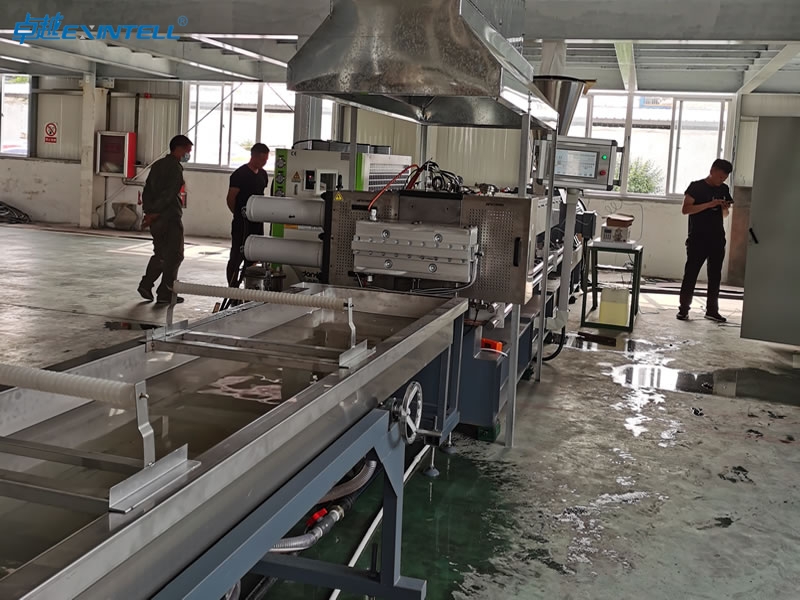
|
ステップ |
説明 |
|---|---|
|
餌やり |
プラスチック廃棄物はホッパーを介して機械に導入されます, さまざまな種類のプラスチックが含まれています. |
|
溶融 |
プラスチックは押出機内で加熱され均一に溶解されます。, 次の段階に向けて準備する. |
|
押し出し加工 |
溶融したプラスチックを金型に押し込んでストランドを作成します。, ペレットの形状とサイズの決定. |
|
冷却 |
ストランドは冷却されます, 切断用に固める. |
|
切断 |
冷却されたストランドを回転ナイフで均一なペレットに切断します。, 特定の用途に合わせて調整可能. |
重要なポイント
-
プラスチックペレタイザーは廃棄物を変換します 一連の工程を経て均一なペレットに: 餌やり, 溶融, フィルタリング, 押し出し, 冷却, そして切断.
-
高品質のペレットを実現し、欠陥を防ぐには、安定した供給と正確な温度制御が重要です.
-
さまざまな種類のペレタイザー, ストランドや水中など, さまざまな素材や生産ニーズに対応, ペレットの形状と品質に影響を与える.
-
溶融プラスチックを効果的にろ過し、不純物を除去します。, 機器を保護しながら滑らかで均一なペレットを確保します.
-
冷却方法, 水リングと水中冷却を含む, ペレットの品質と生産効率に大きな影響を与える.
-
機器の定期的なメンテナンスと監視は、不均一な供給やフィルターの詰まりなどの一般的な問題を防ぐのに役立ちます.
-
品質管理対策, including proper sampling and screening, ペレットが確実に接触するようにする industry standards and maintain consistency.
-
ペレットを適切に梱包して保管すると、ペレットが湿気や汚染から保護されます。, ensuring they remain high-quality for future use.
Plastic Pelletizer Process Overview
プラスチックペレタイザーとは
プラスチックペレタイザーを使用して、生のプラスチックまたはリサイクル材料を正確なサイズと形状の顆粒に変換します。. This machine controls temperature, プレッシャー, 一貫した結果を生み出すための回転速度. The plastic pelletizing machine cuts extruded plastic into individual granules, さらなる処理のために標準化されたサイズを提供する. 整合性を管理するにはこの装置を利用します, 表面特性, and size of each particle. プラスチック造粒機の動作原理には、プラスチックを溶かすことが含まれます。, 不純物の濾過, 装置内の状態を丁寧に管理し、均一なペレットを形成します。.
-
Cuts extruded plastic into individual granules.
-
製造におけるさらなる加工のために一貫したサイズを提供します.
-
溶けたプラスチックの連続ストランドを顆粒に変換します 均一なサイズの.
-
射出成形やフィルム押出の規格化された原料として機能します。.
Main Steps in Pelletizing
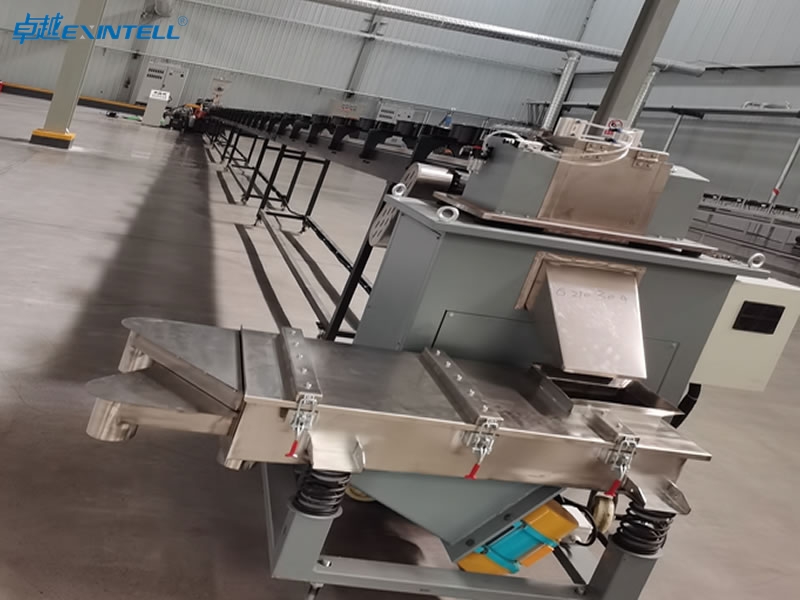
あなたは一連のことをフォローしています steps when operating a plastic pelletizer. 各段階で最終製品の品質と一貫性が決まります。. Here is a typical workflow:
-
餌やり & 前処理: ホッパーまたはフィーダーを通じて原料を導入します. 前処理によりかさ密度が増加し、材料が溶解する準備が整います。.
-
溶融 & 塑性加工: You apply heat and shear using an extruder. このステップにより均一なフラックスが得られ、プラスチックを濾過できるように準備します。.
-
メルトフィルター: 溶けたプラスチックをろ過して汚染物質を除去します. Clean material ensures high-quality pellets.
-
金型押出 & 切断: 濾過した溶融物を、ダイと切断機構を使用してペレットに成形します。.
-
冷却 & 餌: ペレットを冷却してから乾燥させるか、将来の使用に備えて保管します。.
ヒント: 一貫した供給と正確な温度制御により、均一なペレット サイズを実現し、欠陥を防ぐことができます。.
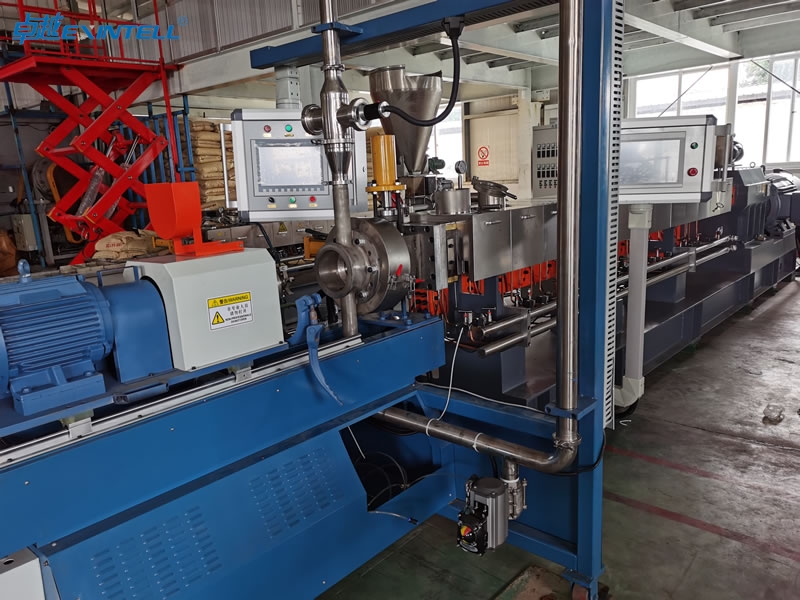
数種類の造粒装置から選択可能, それぞれ異なる材質や形状に適しています. 以下の表に一般的なオプションを示します:
|
ペレタイザータイプ |
最適な用途 |
ペレットの形状 |
相対コスト |
|---|---|---|---|
|
PE, PP, PS — クリーンな原料 |
円筒形 |
低い |
|
|
ペット, PA, エンジニアリングプラスチック |
球状 |
高い |
|
|
水封式ペレタイザー |
PE, PP — 中程度の汚染 |
レンチキュラー/球面 |
中くらい |
ペレット化が重要な理由
ペレット化はリサイクルと製造において重要な役割を果たします. 溶けた再生プラスチックを均一なペレットに変換します, 保存できるもの, 輸送, バージン樹脂と同様に再処理します. この変革により、リサイクルされた材料を効率的に製造サイクルに再投入できるようになります。. 製造中の取り扱いが容易になり、混合が改善されるという利点があります。. 最終製品は再生材料を供給することでプラスチックの循環経済をサポートします。.
-
ペレット化 プラスチック原料の取り扱いがより簡単かつ効率的になります.
-
混合および成形中に一貫した結果を保証します.
-
このプロセスは、再生材料を使用してプラスチックの循環経済全体を実現します。.
ペレット化中にいくつかの課題に直面する. ペレット内の水分含有量が高いと、機械的性能が低下し、材料の損失が発生する可能性があります。. 湿気を最小限に抑えるには、効果的な乾燥システムと適切な機器の選択が必要です. 一貫性のないペレット サイズは、不適切な供給機構が原因で発生することがよくあります. 正確な供給システムを使用することでこの問題を解決します. 機械の選択, 精密に設計されたブレードを備えた造粒機など, 生産されるペレットの品質に直接影響します.
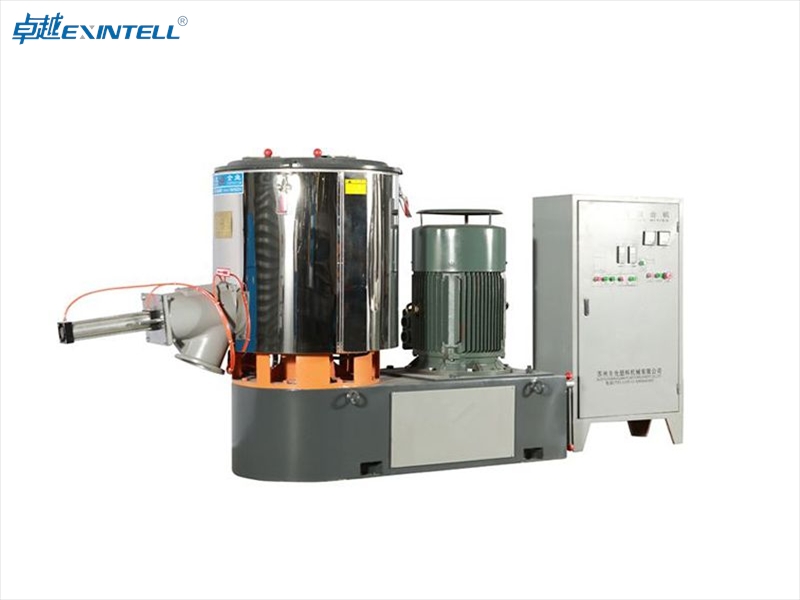
技術の進歩も見られます 2026. L/D比が以下の単軸押出機 32:1 そして 38:1 よくある. タンデム構成により脱気と濾過が最大化されます. 連続スクリーンチェンジャーにより、生産を停止することなくフィルター交換が可能. バイメタル技術により耐久性が向上, 同時回転平行二軸押出機により、効率的な汚染物質の除去が可能になります。. 水中ペレタイザーは均一なペレタイザーを生成します, 粉塵のないペレットのため、再販価格が高くなる.
|
テクノロジー |
説明 |
利点 |
|---|---|---|
|
バイメタル技術 |
先進的な素材により耐久性が向上 |
耐久性を向上させる 3-5 回 |
|
同時回転平行二軸スクリュー |
ポジティブディスプレイスメント, セルフクリーニング機能 |
効率的な汚染物質の除去 |
|
水中ペレタイザー |
ユニフォームをプロデュース, 粉塵のないペレット |
再販価格が高い, エンジニアリングプラスチックに最適 |
以下の範囲のスループット容量を達成できます。 80 kg/hr以上 1,000 kg/時, マシンのタイプと構成に応じて. エネルギー効率の高い回線により、 $30,000-$80,000 効率の低いモデルと比較して年間あたり. で 2026, プラスチックペレタイザーの比エネルギー消費量は次のとおりです。 0.25-0.35 kWh/kg, クラス最高の構成で最小限のコストを実現 0.20-0.30 kWh/kg.
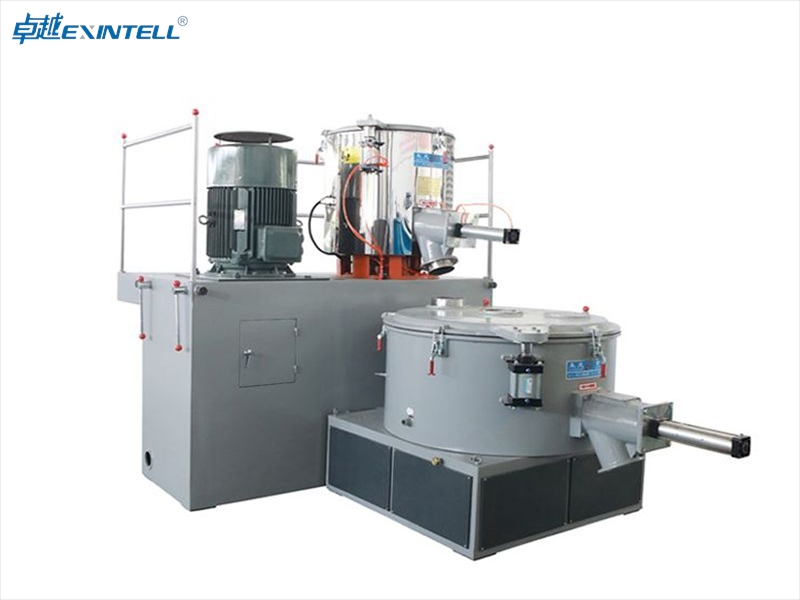
注記: 多層の標準化と新しいネジ設計により、バイオプラスチックや重要ではないプロファイルをより効果的に処理できます。.
プラスチック造粒機と造粒機技術を活用して、業界標準を満たす均一なペレットを製造します。. このプロセスにより、製造とリサイクルのための信頼できる原料が確保されます。, 効率と持続可能性の両方をサポート.
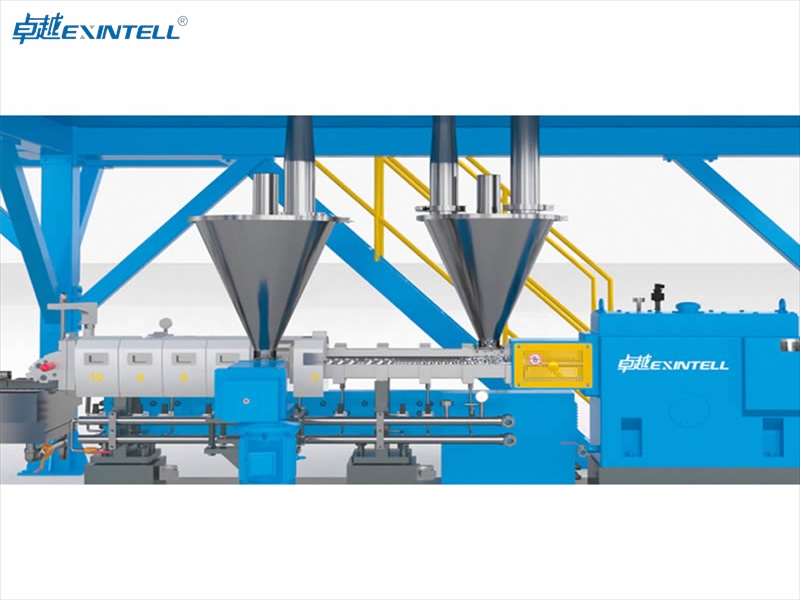
プラスチックの供給
投入材料
あなたは、 ペレット化プロセス 適切な入力材料を選択することにより. プラスチック廃棄物を利用できます, バージンプラスチック, または両方の混合. これらの材料をプラスチックペレタイザーに投入する前に, 慎重に準備する必要があります. 一般的な準備ワークフローは次のとおりです:
-
プラスチックの準備: リサイクルプラスチックを洗浄し、細断して汚れや汚染物質を除去します。. 必要に応じて材料を溶かすこともできます. バージンプラスチックはフレークまたは顆粒として提供されることがよくあります, 処理の準備ができています.
-
溶解と押出: 準備されたプラスチックをプラスチックペレット化機で加熱します。. 押出機は材料を溶かして前方に押し出します.
-
切断: 回転ブレードまたは造粒機を使用して、溶融プラスチックを小さな断片に切断します。.
-
冷却: 空気を使ってペレットを冷却します, 水, または両方.
-
乾燥とふるい分け: 冷却したペレットを乾燥させ、ふるいにかけ、均一なサイズと品質を確保します。.
投入材料の清潔さとサイズに注意を払う必要があります. クリーン, 適切に処理されたプラスチック廃棄物は欠陥を回避し、ペレットの品質を向上させるのに役立ちます.
供給機構
効率的な供給メカニズムを利用してプラスチックをペレット化システムに移動します。. 安定した制御された給餌を実現するのに役立つ 2 つの主な方法.
ホッパー
ホッパーを使用して、プラスチック廃棄物または未使用材料をプラスチックペレタイザーに投入します。. ホッパーは材料を保持し、制御された速度で材料を放出します。. プラスチック造粒機の能力に合わせて流量を調整できます。. ホッパーには多くの場合、材料レベルを監視し、詰まりを防ぐセンサーが組み込まれています。.
コンベヤ
コンベヤを使用して、プラスチックを保管場所からホッパーに、または直接ペレタイザーに輸送します。. コンベヤーにより材料が安定して流れ、手作業が軽減されます。. ベルトもお選びいただけます, スクリュー, プラスチックの種類とサイズに応じた振動コンベヤー. コンベヤは、一貫した供給速度を維持し、中断を最小限に抑えるのに役立ちます.
ヒント: 詰まりを防ぎ、スムーズな動作を確保するために、供給システムを定期的にチェックする必要があります。.
一貫した給餌の重要性
必要です 安定した給餌 高品質のペレットを生産するために. 安定した送りで均一なサイズを実現, 形, そして水分含有量. 給餌の変動を許容する場合, 表面欠陥や空隙のあるペレットが作成される危険性があります. 水分の変動は機械的強度の損失を引き起こし、さらには機器の故障を引き起こす可能性があります。. ペレットの品質が不安定なため、ペレットを販売したり商業用途で使用したりすることが困難になります。.
-
ペレットのサイズが一貫していない場合、次のような問題が発生する可能性があります。 表面の欠陥とボイド.
-
水分含有量の変動により、機械的強度の低下や機器の故障が発生する可能性があります。.
-
不安定なペレットの品質は商業用途での受け入れを妨げる可能性があります.
安定した給餌を維持することで水分含有量をコントロールします. このステップは達成するために不可欠です 最高の製品品質. 給餌の一貫性を無視すると, 下流の処理の問題に直面する可能性があります, 表面欠陥や構造欠陥など. プラスチック造粒機と造粒機技術を利用して、均一な供給とペレットの品質を実現します。.
溶解と濾過
押出機のバレルとスクリュー
押出機のバレルとスクリューを利用して、プラスチック廃棄物や原材料を滑らかな製品に変換します。, 均一に溶ける. 加熱されたバレル内でスクリューが回転します, プラスチックを前方に押し出す. ネジが回ると, 機械的作用とせん断熱が発生します。. このプロセスはプラスチックを効率的に溶かします. バレルの外部ヒーターがさらに熱を加えます, 材料がペレット化に適した温度に達していることを確認する. スクリューからのせん断熱は、多くの場合、溶解に必要なエネルギーのかなりの部分を供給します。.
これらのコンポーネントがどのように連携するかを簡単に説明します。:
|
成分 |
関数 |
|---|---|
|
スクリュー |
機械的作用とせん断熱によりプラスチックを均一な溶融物に変化させます。. |
|
バレル |
プラスチックを加熱して圧縮します, 完全な溶解とダイヘッドへの供給を保証します。. |
スクリューとバレルの両方が調和して機能する必要があります. どちらかの部分が故障した場合, プラスチックペレタイザーでは安定したペレットを製造できない.
温度制御
溶解段階では温度を慎重に制御する必要があります. 温度はプラスチックの溶けやすさに直接影響します そして押出システムを通って流れます. 適切な温度設定により、スムーズな材料の流れと安定した材料の流れが得られます。, 高収率の押出成形. 温度設定が低すぎる場合, プラスチックが均一に溶けない可能性があります. これにより、過剰な粘度が発生し、可塑化が不十分になります。. 温度設定を高くしすぎると, プラスチックは劣化する可能性があります. これによりペレットが脆くなり、機械的強度が低下します。.
-
温度はプラスチックの可塑化に影響します, 流動性, そして最終的なペレットの特性.
-
正しい温度により安定した動作と高品質の出力が保証されます.
-
低温により溶解が不均一になり、粘度が高くなる.
-
高温では熱劣化やペレットが弱くなる危険性があります.
ヒント: 最適な溶解条件を維持するために、バレルに沿った温度ゾーンを常に監視してください。.
ペレット化前の濾過
押出段階に移る前に, 絶対です 溶けたプラスチックを濾過する. ろ過により汚れなどの不純物を除去します, 金属片, または溶けていない粒子. 高品質のペレットを製造するにはクリーンな溶融が不可欠です. プラスチックペレット化機で細かいメッシュのスクリーンまたはフィルターパックを使用して汚染物質を捕捉します. このステップにより、ダイと切断システムが損傷から保護されます。. また、ペレットの表面が滑らかで構造が均一であることも保証します。.
フィルターは定期的にチェックして交換する必要があります. フィルターが詰まると流量が減少し、押出システム内の圧力が上昇する可能性があります。. 一貫した濾過により、ペレット化プロセスの全体的な効率がサポートされます。. 完成したペレットの欠陥が減り、より良い結果が得られます。.
注記: 効果的な濾過により、プラスチック造粒機と造粒機ブレードの寿命が延びます。.
ダイプレートからの押出
ダイプレート機能
溶融プラスチックがダイプレートに到着すると、プラスチックペレタイザープロセスの重要な段階に達します。. ダイプレートは、溶融した材料をストランドに成形する精密ツールとして機能します。. このコンポーネントを利用して、各ストランドの初期サイズと形状を定義します。, 後にペレットになります. ダイプレートの設計は、出力の品質と一貫性に直接影響します。.
ここでは簡単な概要を示します ダイプレートの主要な特徴:
|
特徴 |
説明 |
|---|---|
|
関数 |
溶融ポリマーを押し出します ペレットの寸法を定義するための貫通穴 |
|
穴サイズ範囲 |
通常の範囲は次のとおりです 2.5 に 4 直径mm |
|
穴の数 |
通常は次の間で 200 に 800 穴 |
|
品質への影響 |
設計は最終ペレットの特性に影響します, 大きさや形も含めて |
穴の直径と構成を調整してストランドの太さを制御できます. 穴が小さいほど、より細いストランドとより小さなペレットが生成されます。. 穴が大きいほど、より太いストランドとより大きなペレットが得られます。. ダイプレートは、押出システムから出てくるすべてのストランドが希望の仕様に一致することを保証します。.
圧力とペレット形状
溶融プラスチックがダイプレートを通過する際には、適切な圧力を維持する必要があります。. 押出システムは圧力を使用して材料を各穴に均等に押し込みます。. 一貫した圧力によりストランドの太さの不均一が防止され、均一なペレットサイズを実現できます。. 圧力が低下または急上昇した場合, ペレット内に不均一な形状やエアポケットなどの欠陥が見られる場合があります。.
各ペレットの形状は、ダイプレートの設計と押出中に加えられる圧力によって異なります。. さまざまな穴の形状や配置を選択して円筒形を作成できます。, 球状, またはレンチキュラーペレット. The right combination of pressure and die plate design gives you control over the final appearance and performance of your product.
Shaping the Strands
You have several methods for shaping plastic strands before cutting them into pellets. Each method offers unique benefits for different applications. The choice of method affects the quality, 料金, and consistency of your pellets.
|
方法 |
説明 |
ペレットの品質への影響 |
|---|---|---|
|
Extrudes plastic into strands, then cuts them into pellets. |
Cost-effective for smaller batches, but may vary in quality. |
|
|
Cuts strands underwater, which cools and maintains quality. |
Produces high-quality pellets due to effective cooling. |
|
|
Water-Ring Systems |
Uses a water ring to cool and cut strands. |
Ensures good quality while being cost-efficient. |
少量のプラスチック廃棄物にはストランドペレット化を使用できます。, シンプルで手頃な価格のアプローチを提供するため、. 水中ホットフェイス切断は、表面が滑らかな高品質のペレットが必要な場合に適しています。. コストと品質のバランスをとった水封システム, 多くの種類のプラスチックに適しています.
プロセスを完了するには、プラスチック造粒機と造粒機技術が必要です。. 成形して冷却した後, システムはストランドを均一なペレットに切断します。. このステップにより、溶解から最終製品への変換が完了します。, 梱包またはさらなる加工の準備ができています.
ヒント: 押出システムの圧力と温度が安定しているか常に監視してください。. これにより、一貫したペレットの品質を維持し、ダウンタイムを削減できます。.
冷却方法
押出段階後, 絶対です 熱いストランドを冷やす 素早く固体ペレットを形成します. The cooling method you choose affects pellet quality, エネルギーの使用, and production speed. You can select from water ring cooling, underwater cooling, or air cooling, depending on your material and production needs.
Water Ring Cooling
You often use water ring cooling for polyolefins and polystyrene. この方法では, you direct a ring of water around the die face. The water cools and solidifies the strands as they exit, then a cutter chops them into pellets. This system works well for many standard plastics and offers a compact design.
Here is a summary of the main advantages and disadvantages:
|
利点 |
短所 |
|---|---|
|
Not suitable for sticky or thick materials |
|
|
Produces visually appealing pellets |
Requires close monitoring of water |
|
Compact system with lower costs |
Limited material compatibility |
|
Handles changes in melt temperature and pressure well |
Lower production capacity compared to underwater systems |
|
Space-efficient and easy to control |
Limited to specific materials |
|
Cost-effective for budget-conscious companies |
Not effective for materials that heat up or stick together |
|
Cannot handle high production demands |
|
|
Good for budget management |
Limited to certain materials like polyolefins and polystyrene |
You should choose water ring cooling if you want a space-saving, budget-friendly solution for standard materials. You must monitor the water system closely to prevent issues with sticky or thick plastics.
Underwater Cooling
You can achieve high-quality pellets with underwater cooling. この方法では, you cut the strands directly in a water chamber. The water cools and solidifies the pellets instantly, which leads to a smooth surface and uniform size. You benefit from continuous operation and high output rates.
-
Underwater pelletizers produce uniform pellets with minimal fines and dust.
-
The rapid solidification process ensures consistent shape and size.
-
You can reach high production rates due to efficient cooling and solidification.
-
Compared to air-cooled systems, underwater cooling uses less energy because water transfers heat more efficiently.
You should consider underwater cooling if you need top-quality pellets and high production capacity. This method works well for demanding applications and advanced materials.
Air Cooling
You may select air cooling for materials that react poorly to moisture, such as biodegradable plastics like PLA or PBAT. Air cooling uses fans or blowers to cool the strands as they exit the die. This method eliminates the need for drying systems, which can simplify your process.
|
アプリケーション |
制限事項 |
|---|---|
|
Not suitable for all types of materials |
|
|
Used for biodegradable materials (人民解放軍, PBAT) |
Limited cooling efficiency compared to water cooling |
|
Eliminates the need for drying systems |
Potentially higher energy costs |
You should use air cooling if you process moisture-sensitive materials or want to avoid extra drying steps. You may face higher energy costs and slower cooling compared to water-based methods.
ヒント: Always match your cooling method to your material and production goals. The right choice helps you avoid defects and maintain the quality of your pellets.
You rely on the granulator to complete the process after cooling. The granulator cuts the solidified strands into uniform pellets, ready for packaging or further use. Efficient cooling ensures that the melting and cutting stages produce high-quality pellets from your plastic waste.
Pelletizing and Cutting
Knife Cutting Mechanism
You rely on the knife cutting mechanism to transform cooled plastic strands into finished pellets. The system positions specialized knives close to the die face, where the strands exit. の Melt-to-Cut window plays a crucial role here. If you allow too little time between the die and the blade, you may see misshapen pellets. Too much time can cause fractures and fines, which lowers overall quality. Pelletizing knives come in different shapes, such as straight, slanted, or V-shaped, and each suits a specific type of pelletizer. Manufacturers use high-carbon steel or tool steel for these knives, which increases durability. Precision in cutting is essential, so many knives are CNC-machined for tight tolerances. Heat treatments and coatings further extend blade life and improve performance.
-
The Melt-to-Cut window determines pellet shape and quality.
-
Knife material and shape affect durability and cutting precision.
-
Proper timing prevents defects and ensures consistent results.
Achieving Uniform Pellets
You want every pellet to have the same size and shape. To achieve this, you must control several process variables during cutting. Adjusting the feed rate, disc angle, and disc speed lets you fine-tune pellet size. For smaller pellets, you increase the feed rate and disc angle, feed closer to the three or four o’clock position, and raise the disc speed. For larger pellets, you decrease the feed rate and disc angle, feed closer to the seven o’clock position, and lower the disc speed. These adjustments help you maintain uniformity and avoid defects.
ヒント: Monitor your process controls closely. Small changes in feed or speed can make a big difference in pellet quality.
You also need to ensure that the granulator operates smoothly. Consistent operation helps you cut into pellets with minimal variation, supporting high-quality output.
Types of Pelletizer Cutters
You can choose from several types of pelletizer cutters, each designed for specific materials and production needs. The cutter type affects pellet shape, スループット, そして水分含有量. ここにあります 比較:
|
タイプ |
ペレットの形状 |
Suitable Materials |
スループット (kg/時) |
Residual Moisture (%) |
|---|---|---|---|---|
|
ストランド |
円筒形 |
熱可塑性プラスチック (PP, PE, ABS, PS) |
100–2,000 |
<1% |
|
水中 |
球状 |
All Polymers |
500–3,000+ |
<0.05% |
|
ウォーターリング |
Lenticular |
PE, PP, パソコン, PS |
200–1,500 |
<0.5% |
Strand pelletizing uses a water bath for cooling and works well for continuous strands. Underwater pelletizers cut molten plastic directly into pellets with rapid cooling, giving you better control over size and shape. Water ring systems offer a balance between cost and quality, producing lenticular pellets suitable for many applications.
You select the right cutter based on your material, desired pellet characteristics, そして生産目標. This choice ensures your pellets meet industry standards and customer requirements.
Pellet Collection and Finishing
乾燥とふるい分け
You must ensure that pellets are dry and free from unwanted materials before packaging. Moisture control is critical because wet pellets can lead to product degradation and issues during storage. 冷却後, you monitor moisture content to optimize the process. You use screening equipment to separate well-formed pellets from fines and debris. Screening also removes stones, プラスチック, metals, and other hard materials that could damage your equipment. A stone trap helps you eliminate hard materials, while magnets pick up metals. You rely on these steps to maintain pellet quality and protect your machinery.
-
Monitor moisture content after cooling.
-
Use screening equipment to remove fines and debris.
-
Employ stone traps and magnets to eliminate hard materials and metals.
-
Separate well-formed pellets from defective ones before packaging.
ヒント: Regular screening and drying help you avoid packaging low-quality products and extend the lifespan of your granulator.
品質管理
You need to implement quality control measures to ensure product consistency. Sampling plays a crucial role in achieving good pellet quality. You must use proper procedures and equipment to minimize sampling errors. Samples should represent the entire batch, so you avoid skewed results. You process samples correctly before laboratory analysis to get accurate data.
Here is a step-by-step checklist for quality control:
-
Verify assay accuracy by rechecking with the lab.
-
Ensure the sample taken is representative.
-
Investigate if multiple nutrient levels are out of control.
-
Confirm the regular crew operated the mill during production.
-
Check for discrepancies in inventory records.
-
Ensure scales and metering devices are correctly adjusted.
-
Inspect ingredient and finished-feed bins for issues.
-
Reassess mixing times for correctness.
-
Review ingredient assay values for deficiencies.
Finished-feed assays provide a final assessment of how well you controlled quality during production. You should sample regularly, such as once per week or per 100 tons of production, to maintain consistent quality.
注記: Consistent sampling and accurate processing help you deliver pellets that meet industry standards.
包装
You prepare pellets for shipment or storage by packaging them efficiently. You use automated systems to fill bags, bins, or containers. Packaging protects pellets from moisture, 汚染, and mechanical damage. You label each package with batch information, 製造日, and quality data. This step helps you track inventory and ensures traceability. You store packaged pellets in a dry, clean area to preserve their quality until use.
-
Use automated packaging systems for efficiency.
-
Label packages for traceability and quality assurance.
-
Store pellets in dry, clean conditions to prevent degradation.
叫ぶ: Proper packaging and storage guarantee that your pellets remain high-quality and ready for manufacturing or recycling.
You transform plastic into pellets by following each stage: 餌やり, 溶融, フィルタリング, 押し出し, 冷却, そして切断. This process gives you uniform pellets for manufacturing and recycling.
-
Modern pelletizers help you まで節約する 30% on materials and reduce the need for new plastic.
-
You support a circular economy by using a granulator to recycle waste and keep plastics out of landfills.
-
これらの機械 lower environmental impact and conserve resources for the future.
Appreciate how this technology makes plastics more sustainable and efficient for everyone.
よくある質問
What types of plastics can you process in a pelletizer?
You can process most thermoplastics, including polyethylene (PE), ポリプロピレン (PP), ポリスチレン (PS), PETと. 一部の機械はエンジニアリングプラスチックや生分解性材料も処理します. 開始する前に必ずペレタイザーの互換性を確認してください.
ペレットサイズの一貫性をどのように維持するか?
供給速度を調整することでペレットのサイズを制御します, ダイプレート設計, そして切断速度. 定期的なモニタリングと機器の校正により、均一なペレットを実現できます。. 一貫した入力材料により結果も向上します.
なぜ溶けたプラスチックを濾過する必要があるのですか?
ろ過により汚れなどの汚染物質を除去します, 金属, または溶けていない粒子. クリーンなメルトが機器を保護し、高品質のペレットを保証します. 定期的にフィルターを交換する必要があります 効率を維持する.
ストランドペレット化と水中ペレット化の違いは何ですか?
ストランドペレット化では、ダイから出た後に冷却されたストランドを切断します。. 水中ペレット化は、溶融プラスチックを水中で直接切断します。, よりスムーズな生産, より均一なペレット. Underwater systems suit high-output and specialty plastics.
How do you reduce moisture in finished pellets?
You use drying systems after cooling. Air knives, centrifugal dryers, or fluidized bed dryers remove surface moisture. Proper drying prevents pellet degradation and improves storage life.
Can you recycle mixed plastic waste in a pelletizer?
You can process mixed plastics, but you may see lower pellet quality. Sorting and pre-treating materials improve results. Some advanced pelletizers handle blends better than others.
How do you troubleshoot common pelletizer problems?
ヒント: Check for uneven feeding, clogged filters, or incorrect temperature settings. Inspect knives for wear. Regular maintenance and monitoring help you solve most issues quickly.