

Filler Masterbatch Extruder Machine: グローバル製造業者向けの決定版 B2B 取引ガイド, サプライヤー, and Buyers in
The filler masterbatch extruder machine market is experiencing significant momentum as global demand for cost-effective plastic compounding solutions accelerates across packaging, 工事, and automotive sectors. For B2B buyers sourcing from international manufacturers and suppliers, understanding the current trade landscape between major production hubs in Asia and key consumption markets in the United States and European Union is essential. This comprehensive guide examines the latest policy developments, 市場機会, practical case studies, and forward-looking trade forecasts to help procurement professionals, factory owners, and wholesale distributors make informed decisions when investing in filler masterbatch extrusion equipment. Whether you are evaluating a filler masterbatch extruder machine manufacturer or comparing wholesale pricing from multiple factories, this resource delivers the data-driven insights you need.
Understanding Filler Masterbatch Extruder Machines: コアテクノロジーとアプリケーション
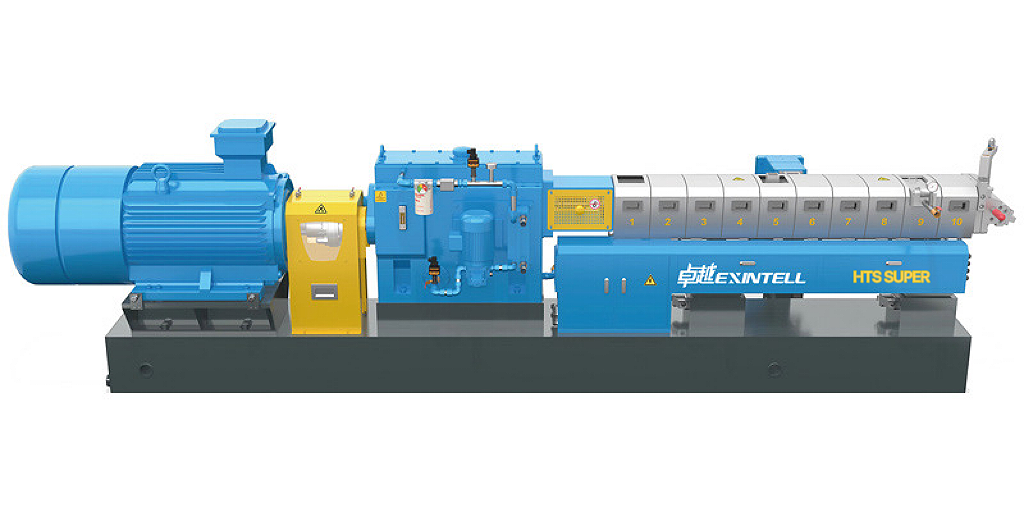
A filler masterbatch extruder machine is a specialized twin-screw or co-rotating extrusion system designed to compound high concentrations of mineral fillers — primarily calcium carbonate (CaCO3), barium sulfate, or talc — with polyethylene (PE) or polypropylene (PP) carrier resins. The resulting filler masterbatch pellets are then used by downstream plastics processors to reduce raw material costs, improve dimensional stability, and enhance certain mechanical properties of finished products.
Extruder Machine Manufacturer Manufacturer Modern filler masterbatch extruder machines typically feature: X1C Extruder Disassembly
- Co-rotating twin-screw extruder barrels with modular screw elements for optimized dispersion
- High-torque gearboxes capable of processing filler loadings of 70–85% by weight
- Automated gravimetric feeding systems for precise CaCO3-to-resin ratios
- Underwater or strand pelletizing systems for uniform pellet geometry
- PLC/HMI control panels with real-time monitoring of temperature, プレッシャー, and throughput
Output capacities range from 300 kg/h for compact laboratory-scale lines to over 2,000 kg/h for industrial-grade filler masterbatch production lines. The primary end-use sectors include blown film for packaging, injection-molded consumer goods, woven sack manufacturing, and pipe extrusion.
Industrial plastic extrusion machinery in a modern manufacturing facility producing filler masterbatch pellets
Foreign Trade Policy and the Plastics Machinery Industry Landscape in
The transatlantic trade relationship between the United States and the European Union remains the world's largest bilateral commercial partnership, with combined goods and services trade exceeding $1.3 によると年間1兆兆 私たち. 国際貿易局 (ITA). プラスチック機械分野向け — including filler masterbatch extruder machines — several policy developments in the first half of are shaping procurement strategies:
US Trade Policy Developments
The United States maintains tariff schedules under the Harmonized Tariff Schedule (HTS) that classify plastics processing machinery under Chapter 84. As of Q2, セクション 301 tariffs on Chinese-origin machinery remain in effect at 25%, which has redirected significant buyer interest toward alternative sourcing from Southeast Asian manufacturers and European OEMs. の 私たち. Department of Commerce reported that imports of plastics and rubber industry machinery reached $4.2 億で 2024, with Germany, 日本, and Italy ranking among the top three non-Chinese supplier countries.
The Biden-era Inflation Reduction Act (IRA) and its emphasis on domestic manufacturing incentives continue to influence capital equipment purchasing decisions. Several U.S.-based plastics compounders have reported accelerated investment in new filler masterbatch lines to qualify for tax credits tied to domestic production capacity expansion.
EU Trade and Regulatory Framework
The European Union's trade policy under the 貿易総局 has increasingly emphasized sustainability criteria in machinery imports. The EU Carbon Border Adjustment Mechanism (CBAM), 10月に移行期に入った 2023 and moves toward full implementation by 2026, is beginning to affect how European buyers evaluate the carbon footprint of imported capital equipment, including extruder machines.
The EU Plastics Strategy and the Single-Use Plastics Directive continue to drive demand for filler masterbatch as a means to reduce virgin plastic consumption. By incorporating 70–80% mineral filler content, manufacturers can significantly decrease the polymer fraction in non-critical applications, aligning with circular economy objectives outlined by the 欧州議会.
Germany's VDMA (Mechanical Engineering Industry Association) reported that European plastics and rubber machinery production reached approximately €16.5 億で 2024, with compounding and extrusion equipment representing a substantial share. Italian machinery manufacturers, particularly those clustered in the Lombardy and Veneto regions, remain globally competitive in twin-screw extruder technology. ラボ用押出機メーカー
Aerial view of Rotterdam port with container ships and logistics infrastructure supporting EU international trade
B2B Trade Opportunities for Filler Masterbatch Extruder Machines in US and EU Markets
The convergence of raw material economics, environmental regulation, and manufacturing reshoring trends is creating substantial B2B opportunities for filler masterbatch extruder machine suppliers targeting the US and EU markets. Blender Extrude Along Path
Market Demand Drivers
Cost reduction imperative: With polyethylene and polypropylene resin prices remaining volatile — PE spot prices fluctuated between $1,050 そして $1,280 per metric ton in Q1 according to ICIS 価格データ — downstream converters are actively seeking ways to reduce resin consumption. Filler masterbatch allows processors to replace 20–40% of virgin resin with low-cost CaCO3, delivering direct material savings of 15–30% per ton of finished product.
Packaging sector growth: The global flexible packaging market, valued at approximately $228 億で 2024 による Smithers, continues to expand at 3.5–4% CAGR. This growth directly translates to increased demand for filler masterbatch and, その結果, the extrusion equipment to produce it.
Construction and infrastructure: Both the US Infrastructure Investment and Jobs Act and the EU's NextGenerationEU recovery fund are channeling billions into construction projects that consume large volumes of plastic pipes, プロフィール, とシーツ — all of which benefit from filler masterbatch incorporation.
Key Challenges for International Suppliers
Technical certification requirements: US buyers increasingly require machinery to comply with UL, NFPA 79, and OSHA standards, while EU procurement mandates CE marking, adherence to the Machinery Directive 2006/42/EC, そしてますます, conformity with the new EU Machinery Regulation (欧州連合) 2023/1230 effective from January 2027. Filler masterbatch extruder machine manufacturers must invest in certification infrastructure to access these markets.
Parallel Twin-Screw Extruder Manufacturers After-sales service expectations: B2B buyers in developed markets expect rapid spare parts availability (typically 48–72 hour delivery), remote diagnostic capabilities, and local or regional service engineer support. Establishing service partnerships or warehousing arrangements in the US and EU is a significant barrier for new market entrants.
Logistics and lead times: Ocean freight from major Asian manufacturing hubs to US West Coast ports (ロサンゼルス, ロングビーチ) or European ports (ロッテルダム, ハンブルク) typically requires 25–40 日. Combined with 8–12 week manufacturing lead times for custom extruder configurations, total order-to-delivery cycles of 4–6 months are common, requiring careful procurement planning.
B2B trade exhibition hall with industrial machinery displays and international business professionals networking
Geographic and Policy Advantages Enabling B2B Foreign Trade in Filler Masterbatch Equipment
Several geographic and policy factors create natural advantages for B2B trade in filler masterbatch extruder machines between production centers and consumption markets:
自由貿易協定: The EU maintains a network of FTAs covering over 70 国. For machinery suppliers based in countries with EU FTA coverage (例えば, 韓国, ベトナム, Japan via the EU-Japan EPA), preferential tariff rates on plastics machinery imports can reduce landed costs by 2–4 percentage points compared to MFN rates.
US Foreign Trade Zones (FTZ): Over 190 active FTZs across the United States allow importers to defer, 減らす, or eliminate customs duties on imported machinery. A filler masterbatch extruder machine imported into an FTZ for assembly or integration with domestically sourced components can benefit from inverted tariff structures, where the duty on the finished production line is lower than on individual imported components.
Strategic port infrastructure: The Port of Rotterdam handles over 14 million TEUs annually and serves as the primary gateway for machinery imports into continental Europe. 米国側では, the Ports of Los Angeles and Long Beach collectively process approximately 40% of all US containerized imports, with dedicated heavy-lift and project cargo facilities suited to oversized extruder shipments.
Regional manufacturing clusters: Proximity to raw material sources matters. The US Gulf Coast petrochemical corridor (Texas, Louisiana) and European chemical hubs (アントワープ, Ludwigshafen) provide filler masterbatch producers with competitive access to carrier resins, reducing the total cost of ownership for extruder investments in these regions.
Container cargo ship at a major international port with cranes loading industrial equipment for global B2B trade
ケーススタディ: How B2B Enterprises Succeed in the Filler Masterbatch Equipment Market
場合 1: A Chinese Manufacturer Establishes European Market Presence
A leading filler masterbatch extruder machine manufacturer based in Nanjing, 中国, with annual production capacity exceeding 200 extruder lines, pursued a structured market entry strategy for the EU beginning in 2022. The company invested Extruder Machine Supplier Factory 約 $350,000 in obtaining full CE certification for its flagship 75mm and 95mm twin-screw extruder models, including third-party testing by TÜV Rheinland for electrical safety, noise emissions, and machine guarding compliance. Twin Screw Extruder Process
To address after-sales service concerns, the manufacturer established a spare parts warehouse in Düsseldorf, ドイツ, stocking over 800 SKUs of wear parts (ネジ要素, バレルライナー, ダイプレート) with guaranteed 48-hour delivery across the EU. They partnered with a German technical services firm to provide on-site installation, 試運転, and training support in English, German, French, and Spanish.
By Q1, 会社が設置していた 47 filler masterbatch production lines across 12 EU member states, with key concentrations in Poland (packaging sector), 七面鳥 (建設資材), and Spain (agricultural film). Their average selling price of €185,000–€320,000 per complete line positioned them approximately 35–45% below comparable Italian and German OEM offerings, while delivering comparable throughput performance of 800–1,500 kg/h at 80% CaCO3 loading.
場合 2: A US Compounder's Vertical Integration Strategy
A mid-sized plastics compounding company headquartered in Houston, Texas, operating three production facilities across the US Southeast, made a strategic decision in 2023 to vertically integrate filler masterbatch production rather than continuing to purchase from external suppliers. The company evaluated bids from seven filler masterbatch extruder machine suppliers across China, ドイツ, イタリア, そしてインド.
After a 6-month evaluation process including factory visits and reference customer interviews, they selected a configuration combining a Chinese-manufactured twin-screw extruder with German-engineered feeding and pelletizing systems. The hybrid approach delivered a total installed cost of $420,000 — 約 40% less than a fully European-sourced line — while meeting all OSHA and NEC electrical code requirements for their facility.
内で 18 months of commissioning, the company reported annual material cost savings of $1.2 million by producing filler masterbatch in-house at 75% CaCO3 loading, displacing approximately 8,000 metric tons of purchased masterbatch annually. The payback period on the extruder investment was achieved in under 5 月.
場合 3: European Machinery OEM Targets US Market via Trade Shows
An Italian twin-screw extruder manufacturer with 40 years of heritage in compounding technology leveraged participation in NPE (the Plastics Show, held in Orlando, フロリダ) and Chinaplas to build its US customer pipeline. Their strategy focused on differentiating through energy efficiency — their latest-generation filler masterbatch extruder machines consume 0.12–0.15 kWh/kg, 約 20% less than industry average — and through integrated Industry 4.0 capabilities including OPC-UA connectivity and predictive maintenance algorithms.
The company established a US subsidiary in Charlotte, ノースカロライナ州, with a team of three service engineers and a 5,000 sq ft spare parts facility. By mid-, they had secured 15 installations across the US and Mexico, with average order values of $450,000–$680,000 for complete turnkey filler masterbatch production lines.
Modern industrial manufacturing plant interior with automated production line machinery and quality control systems
貿易動向予測: Filler Masterbatch Extruder Machine Market Outlook for Q3–Q4
現在の市場指標に基づく, policy trajectories, and industry intelligence gathered from multiple sources including the プラスチック工業協会, ユーロマップ, and trade data from ITCトレードマップ, the following trends are anticipated for the filler masterbatch extruder machine sector over the next 1–2 months and into the second half of:
1. Continued tariff-driven supply chain diversification: With US Section 301 tariffs on Chinese machinery showing no signs of reduction, and potential additional tariff actions under discussion for, B2B buyers will increasingly evaluate filler masterbatch extruder machine suppliers in India, ベトナム, and Turkey as alternative sourcing origins. Indian manufacturers, 特に, have invested heavily in twin-screw extruder capacity, with several companies now offering CE and UL-certified models at price points 15–25% above Chinese equivalents but below European pricing.
2. Energy efficiency as a procurement criterion: Rising industrial electricity costs in both the US (averaging $0.08–$0.12/kWh for industrial users) そして私 (€0.15–€0.25/kWh depending on member state) are making specific energy consumption (kWh/kg) a critical evaluation metric. Extruder manufacturers offering high-efficiency drive systems, optimized screw designs, and heat recovery capabilities will gain competitive advantage. Expect procurement RFQs to increasingly include energy performance guarantees.
3. Automation and labor reduction features in demand: Labor shortages in manufacturing across both the US and EU are driving demand for highly automated filler masterbatch production lines requiring minimal operator intervention. Features such as automatic recipe management, self-cleaning capabilities, and remote monitoring via cloud-based platforms are transitioning from premium options to standard expectations.
4. Sustainability documentation requirements: EU buyers will increasingly request Environmental Product Declarations (EPDs), carbon footprint calculations, and recyclability assessments for imported machinery as CBAM implementation progresses. Filler masterbatch extruder machine manufacturers that proactively develop this documentation will differentiate themselves in European tenders.
5. Consolidation among mid-tier suppliers: The competitive pressure from both low-cost Asian manufacturers and technology-leading European OEMs is expected to drive consolidation among mid-tier filler masterbatch extruder machine suppliers. Strategic acquisitions and partnership announcements are anticipated in Q3–Q4, particularly involving companies seeking to combine Asian manufacturing cost advantages with European engineering expertise.
Business analytics dashboard showing international trade data trends and market forecast charts for industrial machinery
Workplace Safety in Filler Masterbatch Production: Protecting Operators with B2B Safety Footwear
Extruded Solutions Inc Operating a filler masterbatch extruder machine involves significant workplace hazards that demand rigorous personal protective equipment (PPE) protocols — and safety footwear is among the most critical yet frequently underestimated Dual Extruder Printing elements of operator protection. For B2B procurement managers sourcing both machinery and associated safety equipment, understanding the specific risks in a filler masterbatch production environment is essential for compliance and workforce protection.
Hazard Profile of Filler Masterbatch Extrusion Facilities
A typical filler masterbatch production line presents multiple foot-injury risks:
- Heavy object impact: ねじ要素, バレルセグメント, and die assemblies routinely weigh 15–80 kg. メンテナンス作業中, these components are handled manually or with overhead cranes, creating significant crush and impact hazards for feet and toes.
- Hot material contact: Molten polymer strands exiting the die head at 180–220°C, hot pellet water at 60–80°C, and heated barrel surfaces exceeding 250°C pose severe burn risks. Splashes of molten masterbatch during strand breaks or die changes can cause serious foot injuries if operators wear inadequate footwear.
- スリップの危険性: Process water from underwater pelletizing systems, spilled CaCO3 powder (which becomes extremely slippery when wet), and lubricant residues create persistent slip-and-fall risks on production floors.
- Compression hazards: Filler masterbatch bags (通常 25 各kg) and bulk bags (500–1,000 kg) stored and transported via forklifts in the production area create compression risks for feet.
- 電気的危険性: High-voltage drive systems (typically 380–480V) powering extruder motors require ESD-rated footwear in designated electrical maintenance zones.
Safety Footwear Standards for Industrial Compliance
B2B safety footwear for filler masterbatch production environments must comply with recognized international standards:
For US operations: ASTM F2413-18 defines performance requirements for protective footwear, 耐衝撃性も含めて (I/75 — に対する保護 75 ft-lbs impact), 圧縮抵抗 (C/75 — に対する保護 2,500 lbs compression), 中足骨保護のためのオプションの評価も可能 (山), 電気的危険 (えー), static dissipation (SD), そして耐パンク性 (PR).
For EU operations: ISO で 20345:2022 classifies safety footwear into categories S1 through S5, with S3 being the minimum recommended level for plastics processing environments. S3 footwear provides toe protection (200Jインパクト, 15kN圧縮), クローズドヒール, 帯電防止特性, かかとのエネルギー吸収, 耐水性アッパー, and penetration-resistant sole.
の 労働安全衛生管理 (オシャ) in the US mandates that employers assess workplace hazards and provide appropriate foot protection under 29 CFR 1910.136. 同様に, the EU Framework Directive 89/391/EEC requires employers to provide PPE, including safety footwear, at no cost to workers when hazards cannot be eliminated through engineering controls.
Selecting the Right Safety Footwear for Extruder Operators
When procuring B2B safety footwear for filler masterbatch production teams, consider these specifications:
- スチールまたは複合素材のつま先キャップ: Both materials meet impact and compression requirements. 複合つま先キャップ (グラスファイバー, 炭素繊維, またはケブラー) offer advantages in weight reduction (30–40% 鋼鉄より軽い) and thermal insulation — important in environments with temperature extremes near extruder barrels.
- 耐熱アウトソール: Nitrile rubber outsoles rated for contact heat resistance up to 300°C (HRO rating per EN ISO 20345) are essential for operators working near die heads and pelletizing systems.
- Anti-slip tread patterns: SRC 規格のアウトソール (tested on both ceramic tile with sodium lauryl sulfate solution and steel with glycerol) provide the highest slip resistance classification, critical for wet production floors.
- Metatarsal guards: For maintenance technicians who handle heavy screw elements and barrel components, internal or external metatarsal guards provide additional protection to the upper foot area beyond what toe caps alone offer.
- Ankle support: Mid-cut or high-cut boot designs provide superior ankle stability and protection against CaCO3 powder and pellet ingress, which can cause irritation and slip hazards inside low-cut shoes.
The Business Case for Quality Safety Footwear in B2B Operations
Investing in high-quality safety footwear delivers measurable returns for filler masterbatch production operations:
によると、 私たち. 労働統計局, 足の怪我の原因はおよそ 60,000 workplace injuries annually in the US, with an average direct cost of $9,000–$12,000 インシデントごとに (medical expenses plus workers' 補償). Indirect costs — including lost productivity, 代替労働, and administrative burden — typically multiply direct costs by a factor of 3–5×.
For a filler masterbatch factory operating three shifts with 30 生産労働者, providing premium S3/ASTM-rated safety footwear at $80–$150 ペアあたり (replaced annually) represents an investment of $2,400–$4,500 per year. Preventing even a single moderate foot injury saves $27,000–$60,000 in total costs — delivering an ROI exceeding 600%.
Beyond financial considerations, safety footwear compliance is increasingly audited by major B2B customers as part of supplier qualification processes. European and American brand owners conducting factory audits for their supply chain due diligence routinely verify PPE programs, including safety footwear provision and condition. Non-compliance can result in order cancellations, supplier delistings, and reputational damage.
Chicago Extruded Metals Comfort and ergonomics also directly impact productivity. Modern safety footwear incorporating EVA midsoles, 吸湿発散性のある裏地, and anatomically designed footbeds reduces operator fatigue during 8–12 時間シフト. Studies published in the Annals of Work Exposures and Health have demonstrated that comfortable safety footwear reduces self-reported fatigue by 20–30% and decreases minor slip incidents by up to 40% compared to basic compliance-only footwear.
製造施設環境で安全靴と保護具を着用する産業労働者
Key Specifications to Evaluate When Sourcing a Filler Masterbatch Extruder Machine
For B2B buyers preparing procurement specifications, the following technical parameters should be included in RFQs sent to filler masterbatch extruder machine manufacturers and suppliers:
| パラメータ | Typical Range | 注意事項 |
|---|---|---|
| Screw diameter | 52–135 mm | Larger diameters = higher throughput |
| L/D比 | 32:1 – 44:1 | Higher L/D provides better dispersion for high-fill formulations |
| Maximum throughput | 300–2,000 kg/h | Depends on filler loading and formulation |
| Maximum filler loading | 70–85% by weight | CaCO3 is most common; talc and BaSO4 also used |
| Motor power | 55–450 kW | High-efficiency IE3/IE4 motors preferred |
| Specific energy consumption | 0.10–0.18 kWh/kg | Lower is better; request guaranteed values |
| Pelletizing system | Strand cut / underwater / 水リング | Underwater preferred for high-volume operations |
| Control system | シーメンス / ABB / Schneider PLC | Ensure compatibility with plant SCADA systems |
How to Verify a Filler Masterbatch Extruder Machine Factory Before Ordering
Due diligence is critical when selecting a filler masterbatch extruder machine factory, particularly for cross-border B2B transactions involving significant capital expenditure. Recommended verification steps include:
- Factory audit: Conduct an on-site or third-party audit (SGS, ビューローベリタス, テュフ) 製造能力を検証するため, 品質管理システム (ISO 9001:2015 最小), and production capacity.
- Reference customer visits: Request and visit at least 2–3 reference installations operating similar configurations to your requirements. Verify actual throughput, uptime, and maintenance history.
- Trial run: For orders exceeding $200,000, negotiate a factory acceptance test (FAT) using your actual raw materials. Document throughput, エネルギー消費, pellet quality, and filler dispersion results.
- Spare parts pricing and availability: Obtain a complete spare parts list with pricing before signing the purchase contract. Verify stock availability and delivery lead times for critical wear parts.
- Warranty and service terms: Standard industry warranty is 12 試運転から数か月、または 18 出荷から数か月. Negotiate clear terms for response times, warranty part replacement, and service engineer availability.
Frequently Asked Questions About Filler Masterbatch Extruder Machines
- What is the typical MOQ when buying from a filler masterbatch extruder machine factory?
- Most manufacturers accept orders for a single complete production line. しかし, pricing improves significantly for orders of 2+ 行, with typical discounts of 5–12% for multi-unit purchases. Wholesale buyers ordering 5+ units annually can negotiate framework agreements with further volume-based pricing.
- What certifications should a filler masterbatch extruder machine have for export to the EU and US?
- For EU markets, CE marking is mandatory, covering the Machinery Directive 2006/42/EC, 低電圧指令 2014/35/EU, および EMC 指令 2014/30/EU. For US markets, UL listing or recognition for electrical components, NFPA 79 compliance for industrial machinery electrical standards, and OSHA-compliant machine guarding are expected. Request certification documentation during the quotation stage.
- How long does installation and commissioning take for a complete filler masterbatch production line?
- Typical installation and commissioning timelines range from 10–21 days depending on line complexity, site readiness, and whether the supplier provides turnkey installation. Budget an additional 5–7 days for operator training. Most reputable filler masterbatch extruder machine manufacturers include installation supervision and training in their standard scope of supply.
- What is the expected lifespan of a filler masterbatch extruder machine?
- With proper maintenance, a quality twin-screw extruder can operate for 15–25 年. Wear parts (ネジ要素, バレルライナー) typically require replacement every 3,000–8,000 operating hours depending on filler abrasiveness. Annual maintenance costs typically run 2–4% of the original equipment purchase price.
- Can a filler masterbatch extruder machine process recycled materials?
- はい, many modern filler masterbatch extruder machines can process post-industrial and post-consumer recycled PE and PP as carrier resins. しかし, recycled material processing may require additional upstream equipment (shredders, wash lines, melt filters) and screw configuration adjustments to handle contaminants and variable melt flow properties.
結論: Strategic Sourcing for Filler Masterbatch Extruder Machine Buyers
The filler masterbatch extruder machine market in presents compelling opportunities for B2B buyers willing to navigate the complexities of international trade, technical certification, and supply chain management. Whether sourcing from established 混合装置 European OEMs for premium technology or from competitive Asian manufacturers for cost-optimized solutions, success depends on thorough due diligence, clear technical specifications, and robust after-sales service arrangements.
As trade policies continue to evolve — with sustainability requirements, tariff structures, and reshoring incentives all influencing procurement decisions — buyers who stay informed Extruder Machine Pakistan and maintain diversified supplier relationships will be best positioned to secure reliable, high-performance filler masterbatch production equipment at competitive total cost of
Filler Masterbatch Extrusion Machine: Complete B2B Trade Guide for Manu… · Filler Masterbatch Extrusion Machines: Complete B2B Trade Guide for Man… · Filler Masterbatch Making Machine: Complete B2B Trade Guide for Manufac…