Che cos'è una fabbrica di pellettizzatori di plastica e come funziona
Sommario
Che cos'è una fabbrica di pellettizzatori di plastica e come funziona
Una fabbrica di pellettizzazione di plastica ottiene plastica grezza o riciclata. Trasforma la plastica in piccola, anche pellet di resina. Questi pellet vengono utilizzati per realizzare molte cose di plastica che usi quotidianamente. Il processo di fabbrica rende la plastica più facile da spostare e riutilizzare. Produrre pellet aiuta il riciclaggio e fa funzionare meglio le fabbriche.
Punti chiave
Una fabbrica di pellettizzatori di plastica trasforma la plastica grezza o riciclata in piccoli pellet. Questi pellet hanno tutti la stessa dimensione. Ciò semplifica il riutilizzo e il riciclo della plastica.
Il processo di pellettizzazione prevede numerose fasi. Primo, i lavoratori puliscono la plastica. Poi, lo sciolgono. Prossimo, lo spingono attraverso una macchina. Dopo di che, lo raffreddano. Scorso, lo tagliano in pellet. Ciò garantisce che i pellet siano adatti per creare cose nuove.
Riciclare la plastica negli stabilimenti di pellettizzazione aiuta l’ambiente. Inoltre consente di risparmiare energia. Questo fa bene sia alla natura che all’economia.
Acquistare oggetti realizzati con pellet riciclato aiuta a ridurre gli sprechi. Supporta anche buone abitudini per il pianeta. Questo fa una bella differenza per la Terra.
Conoscere diversi sistemi di pellettizzazione è utile. La pellettizzazione a filo e subacquea sono due tipi. Questo ti aiuta a scegliere il modo migliore per le tue esigenze di plastica.
Panoramica della fabbrica di pellettizzatori di plastica
Resin pelletsfrom a plastic pelletizer factory are very important.
Resin pellets, also called nurdles, are used to make plastic things.
These pellets are easy to move, store, e l'uso in prodotti nuovi o riciclati.
Le fabbriche hanno bisogno di questi pellet per funzionare bene.
L’industria della plastica sì Sopra 125,000 lavoratori. Aggiunge 2.3% al PIL del paese. Ciò dimostra che i pellet di resina aiutano l’economia.
Mancia: Se acquisti oggetti realizzati con pellet riciclato, aiuti il pianeta producendo meno rifiuti.
Processo di macchina per la pellettizzazione della plastica
Alimentazione e fusione
Il processo di pellettizzazione inizia quando si inserisce la plastica nella macchina per la pellettizzazione della plastica. Puoi usare molti tipi di plastica per questo.
Le fabbriche usano anche cose riciclate come Pellicola PE/PP, scaglie rigide, ANIMALE DOMESTICO, Schiuma di EPS, e non tessuti meltblown. È necessario lavarli e selezionarli prima di inserirli nella lavatrice.
La macchina per la pellettizzazione della plastica è dotata di una tramoggia che sposta la plastica nella camera di fusione. La macchina riscalda la plastica finché non si scioglie. You will see the plastic change from hard pieces to a thick liquid. This step gets the plastic ready for the next part of the process.
Nota: Clean and dry plastic helps you make better pellets.
Extrusion and Cooling
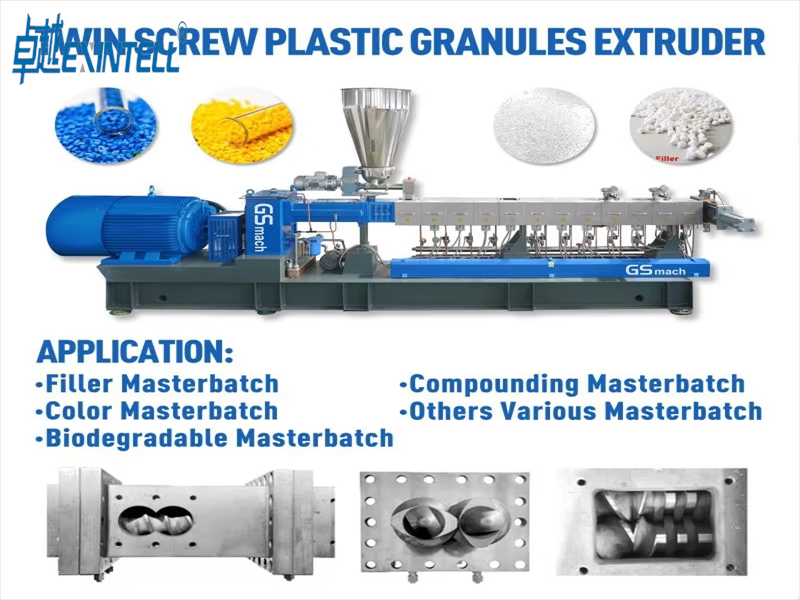
After the plastic melts, you push it through an extruder. The extruder mixes and shapes the melted plastic. A screw inside the barrel moves the plastic forward. The plastic goes through a die head and turns into long strands.
Here is a table that shows the main machines used for extrusion and cooling:
Machinery Type
Descrizione
Extruder
Heats and mixes the plastic. It gets the plastic ready for shaping and cutting. It has a feeding system, botte, vite, morire testa, and cooling system.
Sistema di raffreddamento
Keeps the shape of the pellets and removes water. This protects the material during pellet making.
The cooling system is very important. You can use water baths or air-cooled beds to cool the strands. The cooling module has a housing, water supply, and discharge system. Cooling stops the strands from sticking together or changing shape. After this, you get strong and even pellets.
Pelletizing and Collection
You cut the cooled strands into small pellets with a cutting system. The pelletizing machine slices the strands into even pieces. You collect the pellets and dry them to get rid of any water.
You follow these steps to make pellets:
Get the raw or recycled plastic ready and mix it.
Put the plastic into the pelletizing machine.
Melt and push the plastic into strands.
Cool the strands with water or air.
Cut the strands into pellets.
Dry the pellets to remove water.
Check the pellets to make sure they are good.
Imballare i pellet per lo stoccaggio o la spedizione.
Utilizzi questi pellet per realizzare nuovi prodotti. IL il processo di pellettizzazione aiuta a riciclare la plastica e produce materiali per molte industrie. La macchina per la pellettizzazione della plastica consente di controllare la qualità e la dimensione dei pellet. Ti assicuri che i pellet siano pronti per le fabbriche e facili da spostare.
Mancia: Se vuoi pellet migliori, controllare attentamente le fasi di asciugatura e raffreddamento.
Riciclaggio nelle fabbriche di pellettizzatori di plastica
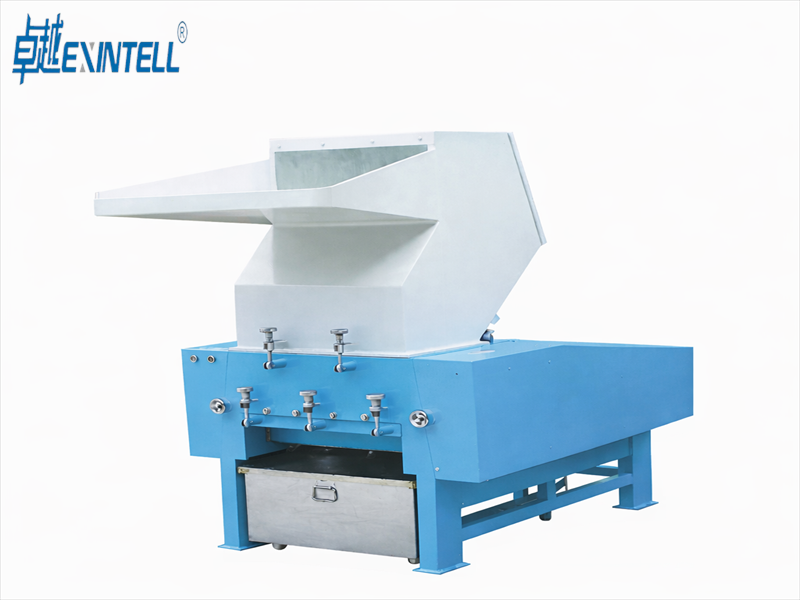
Primo, crushers or shredders break plastic waste into small pieces. This makes the plastic easier to handle.
Prossimo, washing lines clean the shredded plastic. These machines remove dirt and other things.
You sort the plastic by type and quality. Some factories use machines with sensors for sorting.
The cleaned plastic goes into a drying system. Dry plastic makes better pellets.
You put the dry plastic into a plastic recycling machine, like aestrusore bivite. This machine melts and mixes the plastic well.
The melted plastic goes to a pelletizing machine. Here, you cut the plastic into small, even pellets.
Cooling systems, like water baths or air beds, help the pellets keep their shape. They stop the pellets from sticking together.
Conveyors and other machines move the pellets to storage or packaging.
Nota: Each step in recycling helps you get good pellets, anche se i rifiuti di plastica provengono da luoghi diversi.
Le fabbriche controllano i pellet con il controllo di qualità. Selezionano e puliscono le materie prime. Controllano il colore e osservano le macchine mentre lavorano. Puoi vedere questi passaggi in molti moderni impianti di riciclaggio.
Benefici ambientali
Il riciclaggio negli stabilimenti di pellettizzazione della plastica offre numerosi vantaggi ambientali:
Sostieni le aziende che vogliono proteggere l'ambiente e utilizzare saggiamente le risorse.
I produttori ottengono anche vantaggi economici. Utilizzo di pellet riciclato costs less than buying new resin. It helps companies reach their sustainability goals and shows they care about the planet.
Economic Benefit
Descrizione
Cost Savings
You spend less on materials when you use recycled pellets.
Environmental Advantages
You help reduce plastic waste and support green practices.
Sustainability Alignment
You support long-term goals for a cleaner world.
Mancia: When you choose products made from recycled pellets, you help recycling and protect the earth for future generations.
Types of Plastic Pelletizing Systems
Pellettizzazione del filo
Pellettizzazione dei filiis common in plastics factories. This system uses air to cool plastic strands before cutting. You push melted plastic through a die. The strands cool down in the air. Poi, knives cut the strands into small, even pellets. The pelletizer has both still and moving knives. The pellets are round and smooth. Una tecnologia speciale mantiene i pellet della stessa dimensione. Controlla anche la temperatura per aiutare a produrre un buon pellet.
La pellettizzazione dei filamenti viene utilizzata per la produzione di polimeri e il riciclaggio. Aiuta a produrre anche pellet dalla plastica fusa. Questo sistema funziona sia con un pellettizzatore di plastica che con una macchina granulatore di plastica.
Utilizzato nelle fabbriche di plastica
Produce polimeri
Aiuta con il riciclaggio
Pellettizzazione subacquea
La pellettizzazione subacquea produce pellet molto buoni. La plastica viene tagliata sott'acqua, che tiene tutto in ordine. Questo metodo funziona con molti tipi di plastica fusa. Puoi controllare il calore, fluire, e fare pressione facilmente. The pelletizer can cut in different ways, so you have choices.
You get better pellets, less waste, and faster work. It is easy to use machines for this system. Underwater pelletizing is good for big plastic factories.
Die-Face Pelletizing
Die-face pelletizing works for many plastics. The pellets are cut right at the die face, often with water rings. This system starts fast and does not need much help from workers. It keeps running without the strands breaking. It is easy and cheap to fix.
Factories think about cost and how hard the system is to use. Water ring pelletizingcosts more at first, but makes lots of pellets and little dust. Underwater pelletizing costs more and makes more dust.
Tecnologia di pellettizzazione
Costo iniziale
Operational Complexity
Material Flexibility
Pellettizzazione del filo
Inferiore
Easy
Works with many
Pellettizzazione subacquea
Più alto
Harder
Works with some
Water-Ring Pelletizing
Più alto
Harder
Works with some
Mancia: Pick a pelletizer system by looking at the plastic type, how much you want to make, pellet quality, where you work, how easy it is to fix, and cost.
You use a plastic pelletizer that fits your needs. Each system is good for different jobs. Knowing how a plastic pelletizing machine works helps you pick the right one.
You can watch how afabbrica di pellettizzatori di plasticachanges plastic waste into useful pellets. This helps recycling and lets you help the environment. These factories are important because they make good materials for new things. The machines in these factories work fast and make less waste. Government lawsand help make recycling simpler and better. As more businesses need plastic, these factories will matter more for a cleaner world.
Domande frequenti
What is plastic pelletizing?
Plastic pelletizing changes plastic into small pellets. You can use raw or recycled plastic for this. The process makes it easier to move and reuse plastic. Pelletizing helps factories workfaster. It also helps with recycling.
Why is pelletization important in recycling?
Pelletization turns old plastic into new pellets. You can use these pellets to make new things. This helps keep plastic in use and cuts down on waste. It alsohelps stop plastic pollution.
How does a plastic pelletizer factory support a closed-loop recycling process?
A plastic pelletizer factory helps recycling go in a loop. The factory takes waste plastic and cleans it. Poi, it makes the plastic into pellets. These pellets can be used again and again. This keeps plastic out of landfills.
What types of plastic can you use in pelletizing technology?
You can use many plastics in pelletizing technology. Some common types are polyethylene, polipropilene, and PET. Using different plastics helps recycle more and make less waste.
How does plastic pelletizing help the environment?
Plastic pelletizing helps by making less waste. It saves energy and uses less new plastic. This process lowers pollution and helps nature stay clean.