

Showdown tra estrusori a vite: quale si adatta alle tue esigenze
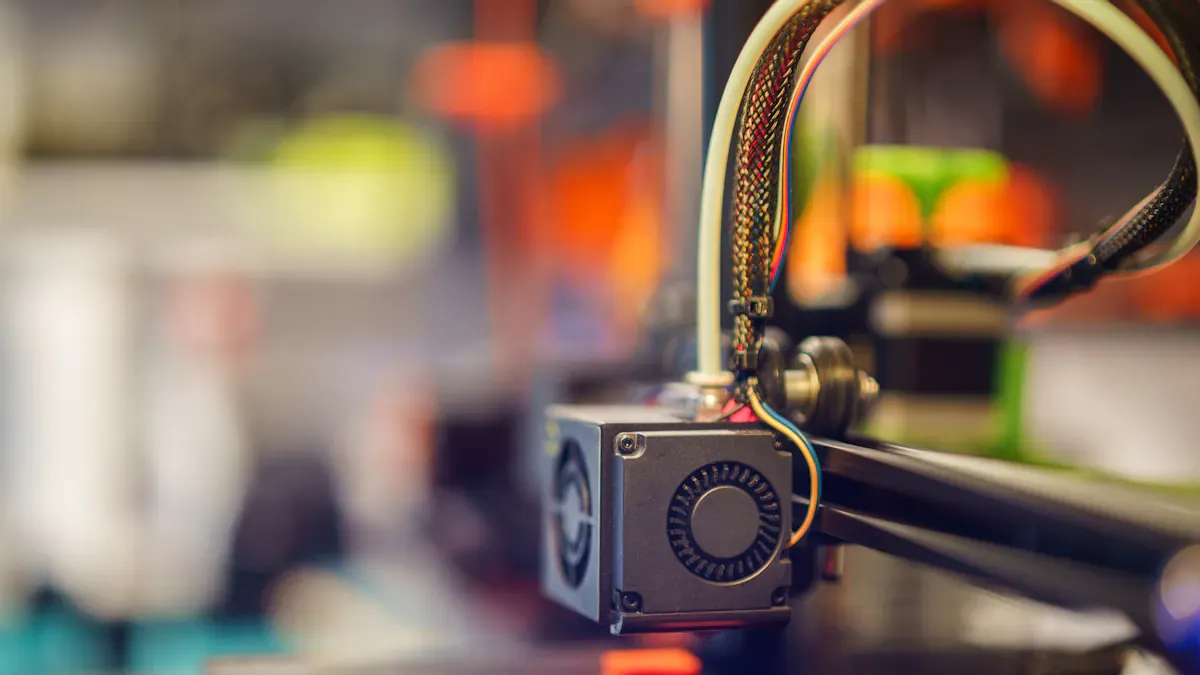
Consiglio spesso a estrusore monovite per applicazioni semplici che utilizzano pellet precomposto e richiedono costi di capitale inferiori. Quando devo lavorare miscele complesse o materiali abrasivi, Scelgo a doppio estrusore per la sua versatilità, anche se l’investimento iniziale è più alto. La differenza principale sta nella semplicità rispetto alla capacità: unica per l'estrusione di base, gemello per miscelazione avanzata e flessibilità dei materiali. Ti incoraggio a rivedere la tabella comparativa e la guida alle decisioni di seguito per soddisfare rapidamente le tue esigenze.
Punti chiave
- Gli estrusori monovite sono ideali per attività semplici e produzione economicamente vantaggiosa.
- Gli estrusori bivite eccellono nella miscelazione e nella manipolazione di materiali complessi.
- Scegli estrusori monovite per stabilità, corse a basso volume come tubi e pellicole.
- Opt for twin screw extruders when you need high throughput and flexibility.
- Consider maintenance needs; single screw extruders are easier to clean and maintain.
- Evaluate your material compatibility; single screw works with standard thermoplastics, while twin screw handles a wider range.
- Use the provided comparison table to quickly match your needs with the right extruder.
- Always assess initial and operating costs against the benefits of each extruder type.
Screw Extruder Comparison Table
Single Screw Extruder vs Twin Screw Extruder
I often compare single screw extruder E estrusore bivite options using a clear table. This helps me quickly see which machine fits a specific extrusion need. Below, I have summarized the main differences:
| Caratteristica | Estrusore a vite singola | Estrusore bivite |
|---|---|---|
| Capacità di miscelazione | Limitato; basic dispersive mixing | Superior; excellent distributive and dispersive mixing |
| Throughput Rates | Inferiore; best for steady, corse semplici | Più alto; gestisce complessi, estrusione ad alto volume |
| Compatibilità dei materiali | Ideale per materiali termoplastici omogenei | Eccelle con le miscele, additivi, e materiali speciali |
| Costo | Investimento iniziale e costi operativi inferiori | Investimenti più elevati; operazione più complessa |
| Manutenzione | Semplice; facile da pulire e mantenere | Più complesso; richiede una manutenzione qualificata |
| Applicazioni ideali | Tubi, tubi, profili di base | Compounding, riciclaggio, estrusione speciale |
Panoramica delle metriche chiave
Quando seleziono un estrusore, Mi concentro su diversi parametri chiave:
- Miscelazione: Gli estrusori bivite forniscono efficienza di miscelazione superiore. Il loro design a doppia vite garantisce una miscela omogenea, soprattutto quando devo aggiungere riempitivi o additivi. Gli estrusori monovite offrono una miscelazione limitata, che funziona per le tirature di base con materiale singolo.
- Produttività: L'estrusione bivite offre una produttività maggiore. Lo uso per l'alta velocità, produzione ad alto volume. L'estrusione a vite singola si adatta al volume inferiore, processi costanti.
- Compatibilità dei materiali: Gli estrusori bivite gestiscono un'ampia gamma di materiali. Posso elaborare miscele, additivi, e con loro anche i rifiuti di plastica. Gli estrusori monovite funzionano meglio con i materiali termoplastici standard.
- Costo: Gli estrusori monovite richiedono meno capitale. Inoltre costano meno da gestire e mantenere. Gli estrusori bivite costano di più ma offrono maggiore flessibilità e controllo del processo.
- Manutenzione: Trovo che gli estrusori monovite siano più facili da pulire e manutenere. Gli estrusori bivite necessitano di maggiore attenzione e di tecnici qualificati.
- Applicazioni ideali: Scelgo l'estrusione monovite per i tubi, tubi, e forme base. L'estrusione bivite è la mia scelta per il compounding, riciclaggio, e applicazioni speciali.
Mancia: Se hai bisogno di un controllo preciso del processo, miscelazione elevata, o desideri elaborare miscele complesse, l'estrusione bivite è la scelta migliore. Per semplice, corse economicamente vantaggiose, spesso è sufficiente l’estrusione a vite singola.
Abbino sempre l'estrusore al lavoro. This table and overview help me make the right decision every time.
Choosing a Screw Extruder
Compatibilità dei materiali
Thermoplastics
When I select an extruder for thermoplastics, I always consider the material’s behavior and the final product’s requirements. Single screw extrusion works best for standard thermoplastics like HDPE, LDPE, and PP. I use a single screw extruder when I need stable pressure and consistent wall thickness, especially for products like water pipes and films. This method offers cost-effective production for high-volume runs and delivers reliable results with pre-compounded pellets.
| Extruder Type | Best Processed Materials | Key Characteristics |
|---|---|---|
| Estrusore a vite singola | HDPE water pipes, LDPE films, Fogli in PP | Stable pressure, conveniente, high-volume, high pressure |
| Estrusore bivite | PVC, glass fibers, ritardanti di fiamma | Low-shear, uniform heating, excellent mixing and degassing |
I choose twin screw extrusion when I need to process materials that are heat-sensitive or require uniform heating. Per esempio, PVC and compounds with glass fibers or flame retardants benefit from the advanced mixing and temperature control of a twin screw extruder. This approach helps me avoid material degradation and ensures product quality.
Blends & Additivi
Blending polymers or adding fillers, pigmenti, or flame retardants increases process complexity. I rely on twin screw extruders for these tasks because they provide superior mixing and distributive capabilities. When I need to produce specialty compounds or masterbatches, twin screw extrusion gives me the flexibility to handle complex formulations and additives.
Single screw extruders can process simple blends, but they struggle with uniform dispersion of additives. If my application involves advanced formulations or requires precise additive distribution, I always choose a twin screw extruder.
Mancia: For advanced polymer processing, especially with blends and additives, twin screw extrusion ensures consistent quality and reduces scrap rates.
Produttività & Efficienza
Volume di produzione
Production volume plays a major role in my extruder selection. For moderate output and steady, straightforward runs, I use single screw extrusion. This method suits small to medium-scale operations where cost control is important.
If I need high output capacity and efficient energy use, I turn to twin screw extrusion. Twin screw extruders excel in large-scale production environments. They deliver higher throughput and allow me to meet demanding schedules without sacrificing quality.
| Efficiency Aspect | Estrusore a vite singola | Estrusore bivite |
|---|---|---|
| Capacità di uscita | Moderare | Alto |
| Consumo energetico | Generally higher | More efficient |
| Flexibility in Throughput | Limitato | Alto |
Velocità
Speed matters when I face tight deadlines or need to maximize productivity. Twin screw extrusion offers greater flexibility and higher speeds. I can adjust process parameters quickly and maintain consistent output, anche con materiali impegnativi. Single screw extruders provide steady speeds for basic applications, but they lack the adaptability of twin screw systems.
Process Complexity
Mixing Needs
Mixing requirements often determine my choice of extruder. Per semplice, homogenous materials, single screw extrusion provides adequate mixing. When I need to achieve precise dispersion of additives or process multi-component blends, I rely on twin screw extruders. Their intermeshing screws create intense mixing zones, which help me produce uniform products with minimal defects.
- Twin screw extruders are my go-to for complex formulations.
- Offrono un mixaggio e una qualità di output superiori.
- Li uso per ridurre il tasso di scarto e migliorare la coerenza.
Controllo del processo
Il controllo dei processi è fondamentale in settori come quello farmaceutico e automobilistico. Scelgo l'estrusione bivite quando ho bisogno di una gestione precisa della temperatura e di una movimentazione avanzata dei materiali. Il design degli estrusori bivite mi consente di ottimizzare le variabili di processo e mantenere tolleranze strette. Questa capacità è essenziale per i polimeri ad alte prestazioni e le applicazioni speciali.
Gli estrusori monovite offrono sistemi di controllo più semplici, che funzionano bene per compiti standard. Quando il mio processo richiede controllo avanzato e flessibilità, Scelgo sempre un estrusore bivite.
Nota: In ambienti ad alta complessità, Gli estrusori bivite mi danno la sicurezza necessaria per soddisfare rigorosi standard di qualità e gestire materiali impegnativi.
Fattori di costo
Investimento iniziale
Quando valuto una nuova linea di estrusione, Considero sempre l'investimento iniziale. Gli estrusori monovite di solito richiedono meno capitale iniziale. Il loro design è semplice, e i componenti sono meno costosi. Trovo che l'estrusione a vite singola funzioni bene per prodotti standard e operazioni più piccole. Estrusori bivite, d'altra parte, richiedono un investimento iniziale più elevato. Il design modulare, controlli avanzati, e l'hardware aggiuntivo aumenta il prezzo. Tuttavia, Lo considero un investimento strategico quando ho bisogno di un mixaggio avanzato, flessibilità, o pianificare la lavorazione di materiali speciali. Il costo più elevato di un estrusore bivite spesso ripaga in applicazioni impegnative in cui il controllo del processo e l'adattabilità sono più importanti.
Costi operativi
Operating costs can make or break the long-term profitability of an extrusion operation. Nella mia esperienza, single screw extruders have lower ongoing expenses. Their simple mechanics mean less frequent maintenance, fewer spare parts, and lower energy consumption for basic runs. Over a five-year period, I notice that single screw extrusion remains cost-effective for straightforward jobs and for teams with limited technical expertise.
Twin screw extrusion introduces more complexity. IL modular screw elements, precise configuration, and advanced controls require skilled operators and regular maintenance. I have seen operating costs rise due to the need for specialized training and more frequent part replacements. Despite these higher costs, twin screw extruders open the door to profitable applications like color masterbatch production, plastic recycling, e composti riempiti speciali. Questi prodotti di alto valore possono compensare la spesa extra, soprattutto quando mi rivolgo a mercati di nicchia o ho bisogno di fornire una qualità costante su larga scala.
Nota: Bilanciamo sempre l'investimento iniziale e i costi operativi con il valore della flessibilità, qualità del prodotto, e opportunità di mercato.
Manutenzione
Pulizia
La pulizia è una parte fondamentale del mio flusso di lavoro di estrusione. Gli estrusori monovite semplificano questo compito. Il loro design semplice mi permette di smontare, pulito, e rimontare rapidamente la macchina. Posso passare da un materiale termoplastico standard all'altro con tempi di inattività minimi. Questa efficienza mantiene il mio programma di produzione nei tempi previsti.
Gli estrusori bivite richiedono maggiore attenzione. Le viti che si intrecciano e i componenti modulari creano più superfici che necessitano di pulizia. Quando elaboro miscele o materiali speciali, Devo pulire accuratamente per evitare contaminazioni. Tuttavia, I have found that split barrel designs in some twin screw extruders can reduce material changeover time by up to 60%. This feature helps me maintain efficiency, even when I need to switch materials frequently.
Wear & Replacement
Wear and replacement issues differ between single and twin screw extruders. The structural differences in these machines affect how they handle raw materials and production demands. Nella mia esperienza, single screw extruders face fewer wear problems, especially when I process standard materials. Estrusori bivite, with their complex screw profiles and higher mechanical loads, experience more frequent wear, especially when I run abrasive or highly filled compounds.
| Issue | Effect on Product Quality | Visual Signs |
|---|---|---|
| Surface Delamination | Weak layers, peeling, or flaking | Peeling or flaking on the surface |
| Discoloration | Color streaks, abnormal patches, reduced strength | Striature o macchie di colore insolite |
| Segni di apertura | Parti fragili, scarsa resistenza agli urti, segni superficiali | Striature argentate o opache |
Design delle canne obsoleti negli estrusori bivite si possono creare anche inefficienze operative. Controllo i segni di usura, come delaminazione o scolorimento della superficie, per mantenere la qualità del prodotto. L'ispezione regolare e la sostituzione tempestiva delle parti usurate garantiscono il funzionamento regolare delle mie linee di estrusione.
Flessibilità
Adattabilità dei materiali
La flessibilità è uno dei motivi principali per cui scelgo un estrusore bivite per progetti avanzati. Il design modulare degli estrusori bivite corotanti mi consente di regolare le configurazioni delle viti per gestire un'ampia gamma di materiali. Posso elaborare qualsiasi cosa, dai polimeri a bassa a alta viscosità, composti termosensibili, e sistemi altamente riempiti. Quando lavoro con materiali riciclati o di origine biologica, I integrate multi-stage vacuum exhaust systems to maintain mechanical properties and product quality. This adaptability allows me to respond quickly to changing customer demands and new market trends.
- I can reconfigure screw segments for different materials.
- I optimize the process for both standard and specialty compounds.
- I maintain high product quality, even with challenging raw materials.
Process Adjustments
Process adjustments set twin screw extrusion apart from single screw extrusion. With a twin screw extruder, I can reconfigure screw segments, adjust expansion levels, and adapt to various raw materials. This level of control is not possible with a single screw extruder. Per esempio, BMW’s research on dry processing with twin screw extrusion technology shows a 30% reduction in energy consumption and a 50% decrease in environmental costs. These results highlight the adaptability of twin screw extruders for green manufacturing and process optimization.
| Caratteristica | Estrusore bivite | Estrusore monovite |
|---|---|---|
| Reconfiguration of screw segments | SÌ | NO |
| Adaptability to various materials | Alto | Limitato |
| Ability to adjust expansion | SÌ | NO |
Mancia: When I need to optimize a formula or switch between products quickly, I rely on the flexibility of twin screw extrusion. This capability helps me stay competitive and meet evolving industry requirements.
Estrusore a vite singola: Vantaggi & Limitazioni
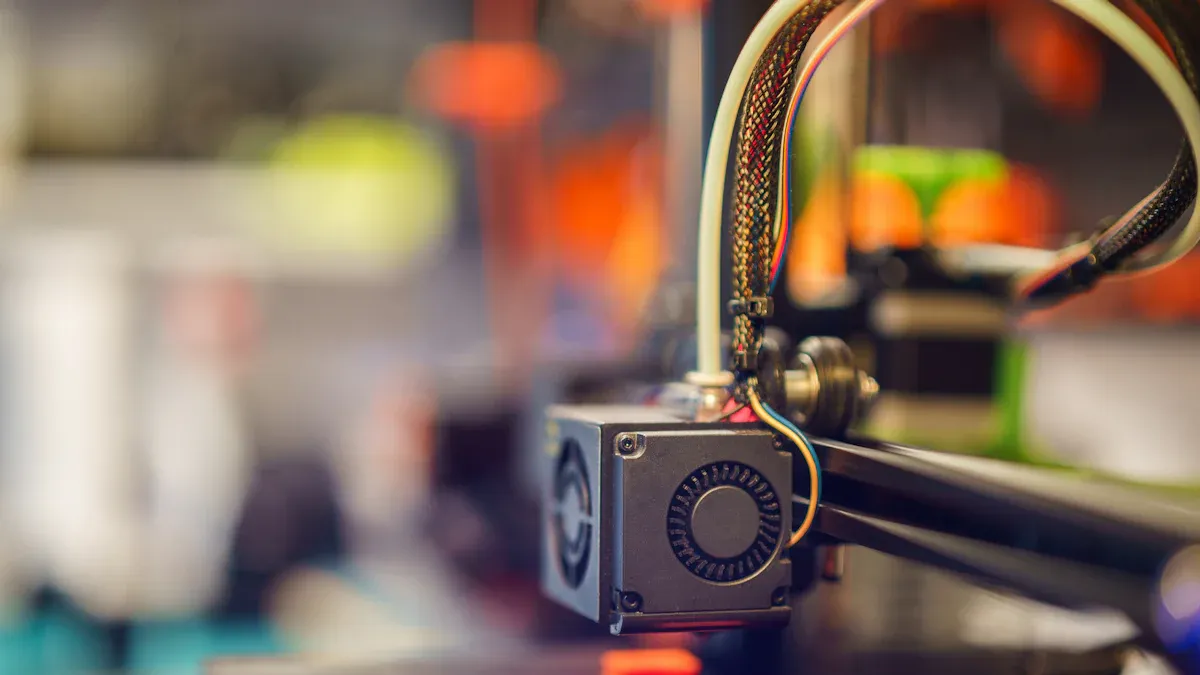
Vantaggi
Semplicità
I value the simplicity of a single screw extruder in my daily operations. The design uses one rotating screw inside a heated barrel. This setup makes the machine easy to operate and understand. I can train new operators quickly because the controls are straightforward. When I need to troubleshoot, I find the process less complicated than with a twin screw extruder. The simple structure also means fewer parts that can fail, which reduces downtime.
Lower Cost
Cost always matters in manufacturing. I choose a single screw extruder when I want to keep my initial investment low. The machine costs less to purchase and install compared to a twin screw system. Operating expenses stay manageable because the design uses less energy for basic extrusion tasks. I also spend less on spare parts and routine maintenance. For many projects, single screw extrusion gives me the best value for my budget.
Affidabilità
Reliability stands out as a key benefit. I have seen single screw extruders run for years with minimal issues. The robust design handles steady production without frequent breakdowns. I trust these machines for long runs of standard products. When I need consistent output and low risk of failure, I rely on a single screw extruder.
Limitazioni
Mixing Restrictions
Mixing presents a challenge for single screw extruders. The machine generates heat mainly through shear friction. This method works for many thermoplastics, but I notice problems with high-viscosity or heat-sensitive materials. The mixing is not as thorough as with a twin screw extruder. When I need to blend additives or fillers, I see uneven dispersion and sometimes product defects.
Material Limitations
Material adaptability is another concern. I find that single screw extruders struggle with difficult or specialty materials. The machine cannot handle complex blends or recycled plastics as well as a twin screw system. When I try to scale up production, I hit capacity limits. Precision also suffers, soprattutto per prodotti che richiedono tolleranze strette.
Ecco un riepilogo delle limitazioni più comuni incontro:
| Limitazione | Descrizione |
|---|---|
| Efficienza di plastificazione limitata | La generazione di calore per attrito di taglio porta a una scarsa uniformità con materiali tenaci o sensibili. |
| Vincoli di capacità | Il design limita il ridimensionamento per esigenze di produzione di grandi dimensioni. |
| Ristretta adattabilità del materiale | I materiali difficili riducono la qualità della miscelazione e della dispersione. |
| Miglioramento limitato della precisione | I problemi di uniformità e stabilità influiscono sui prodotti ad alta precisione rispetto agli estrusori bivite. |
Applicazioni ideali
Utilizzo applicazioni di estrusione a vite singola in molti settori. La macchina eccelle nella produzione di forme e prodotti standard che non richiedono miscelazione avanzata.
Alcuni dei migliori usi includono:
- Produzione di granuli plastici per il riciclo e il compounding
- Produzione film plastici per imballaggio
- Making plastic fibers and fabrics
- Molding products such as toys, contenitori, and automotive parts
- Producing plastic pipes and profiles
Tubi & Tubes
I often select a single screw extruder for making pipes and tubes. The process delivers stable pressure and consistent wall thickness. I can run long batches with minimal adjustments. This reliability makes the machine a top choice for water pipes and conduit.
Basic Shapes
When I need to produce basic shapes, I turn to single screw extrusion. The machine handles sheets, rods, and simple profiles with ease. I do not need advanced mixing or complex controls for these products. The straightforward design keeps my production efficient and cost-effective.
Mancia: For standard extrusion tasks, I recommend a single screw extruder. The machine offers simplicity, affidabilità, and low cost for most basic applications.
Estrusore bivite: Caratteristiche & Applicazioni
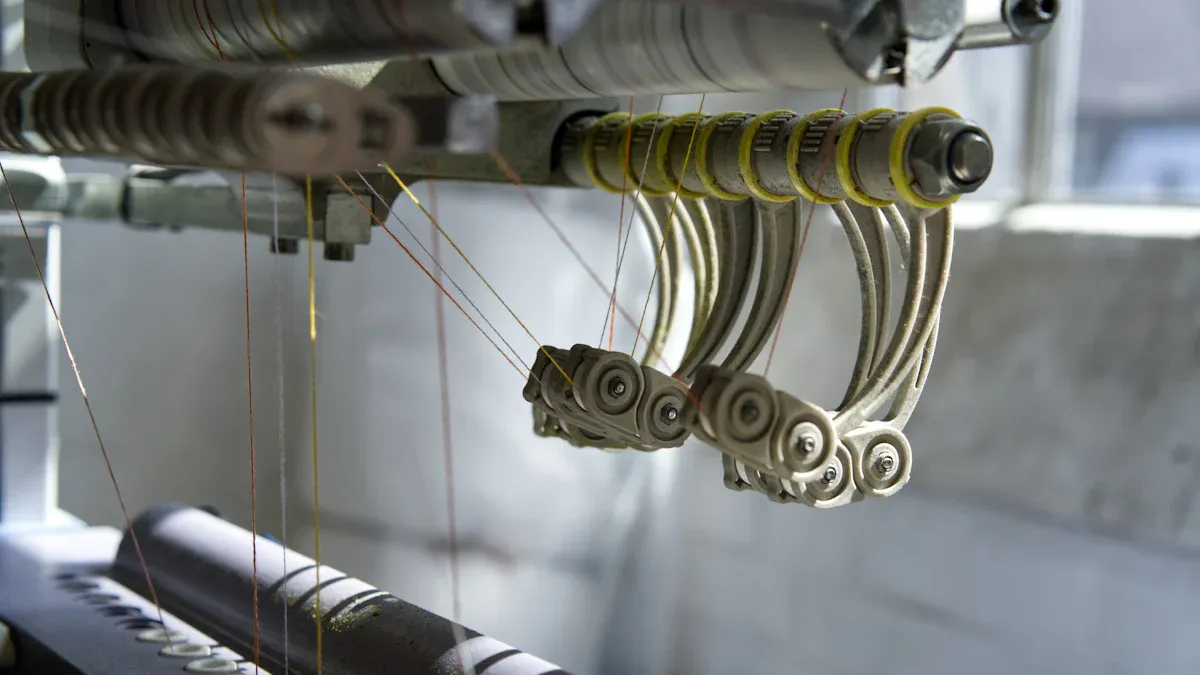
Vantaggi
Superior Mixing
Mi affido all'estrusione bivite quando ho bisogno di miscelazione e dispersione superiori. Il design a doppia vite mi offre un prodotto più uniforme rispetto a un estrusore a vite singola. Posso miscelare additivi e riempitivi con precisione. Le viti che si intrecciano creano intense zone di miscelazione. Questa configurazione garantisce che ogni lotto soddisfi i miei standard di qualità. Apprezzo anche il forte capacità autopulente. Questa caratteristica minimizza i residui di materiale e riduce il rischio di degrado, soprattutto con materiali sensibili al calore.
- Effetto di miscelazione più uniforme per una dispersione e una miscelazione precise.
- Forte capacità autopulente, che tutela la qualità del prodotto.
- Output stabile con ampia adattabilità alle diverse esigenze di lavorazione.
Versatilità
Scelgo un estrusore bivite per la sua versatilità. Posso lavorare una vasta gamma di materiali, compresi composti ad alta viscosità e sensibili al calore. The modular screw elements let me adjust the configuration for each job. I can switch between products quickly. This flexibility helps me respond to changing customer demands. I also find that twin screw extrusion applications span many industries. I have used this technology in the food, farmaceutico, gomma, and plastics industries. Each sector benefits from the efficient heat transfer and adaptability of the twin screw design.
- Handles diverse materials, from thermoplastics to specialty blends.
- Supports quick changeovers and process adjustments.
- Used in food, farmaceutico, gomma, and plastics manufacturing.
High Shear Processing
When I need high shear processing, I turn to twin screw extrusion. The screws can generate strong shear forces. This capability is essential for breaking down tough materials and achieving a fine, uniform mix. I can control the shearing strength and mixing degree by combining different screw elements. This level of process control is not possible with a single screw extruder.
- Precisely control shearing strength and mixing degree.
- Achieve consistent results with challenging materials.
Limitazioni
Higher Cost
I recognize that the initial investment for a twin screw extruder is higher. The advanced design and modular components increase the price. Operating costs also rise due to the need for skilled operators and regular maintenance. I always weigh these costs against the benefits of flexibility and product quality.
Complex Maintenance
Maintenance for a twin screw extruder requires more attention. The intermeshing screws and modular parts need skilled technicians. La pulizia e la sostituzione delle parti richiedono più tempo rispetto a un estrusore monovite. Ho in programma ispezioni regolari per mantenere la linea di estrusione funzionante senza intoppi.
Applicazioni ideali
Compounding
Utilizzo l'estrusione bivite per il compounding quando devo miscelare polimeri con additivi, riempitivi, o coloranti. La miscelazione e la dispersione superiori garantiscono un prodotto coerente. Questo processo è vitale per la produzione di masterbatch e composti speciali.
Estrusione reattiva
L'estrusione bivite eccelle nell'estrusione reattiva. Posso effettuare reazioni chimiche durante la lavorazione. Questo metodo è comune nelle industrie farmaceutiche e delle materie plastiche. Mi consente di creare nuovi materiali e migliorare le proprietà del prodotto in un unico passaggio.
Materiali speciali
Mi affido all'estrusione bivite per i materiali speciali. Il processo gestisce l'alta viscosità, sensibile al calore, e materiali riciclati con facilità. Posso adattare la configurazione della vite per soddisfare requisiti unici. Questa flessibilità supporta l'innovazione e mi aiuta a soddisfare i rigorosi standard di settore.
Mancia: Raccomando l'estrusione bivite quando è necessaria una miscelazione superiore, versatilità del processo, e risultati di alta qualità per applicazioni complesse o speciali.
Estrusione bivite: Guida alle decisioni
Lista di controllo per la selezione
Quando seleziono l'estrusore giusto per un progetto, Seguo un chiaro lista di controllo. Questo processo mi aiuta a evitare errori costosi e garantisce che l'attrezzatura soddisfi le esigenze di produzione. Ecco i passaggi che utilizzo:
- Scegli il design e la dimensione della vite giusti per il materiale e l'applicazione.
- Verificare la presenza di controlli avanzati di temperatura e pressione per mantenere la stabilità del processo.
- Considerare la capacità produttiva e l’efficienza energetica per raggiungere gli obiettivi di produzione.
- Focus on build quality and durability for long-term reliability.
- Evaluate the control system and automation level for ease of operation.
- Ensure compatibility with downstream equipment to avoid bottlenecks.
- Assess material flexibility and recycling capabilities for future needs.
- Confirm after-sales support and spare part availability for smooth maintenance.
Mancia: I always revisit this checklist before making a final decision. It keeps my priorities clear and helps me compare options side by side.
Flowchart for Choosing
I use a simple flowchart to guide my decision between a single or twin screw extruder. This visual tool helps me match the process requirements with the right technology.
This flowchart keeps my selection process efficient. I start by defining the material and application. If I work with standard thermoplastics and do not need advanced mixing, I choose a single screw extruder. If I need to process blends, additivi, or require high throughput, I select a twin screw extruder.
Common Scenarios
I often encounter recurring scenarios in extrusion projects. I use my experience to recommend the best solution for each case.
| Scenario | My Recommendation | Why This Works |
|---|---|---|
| Producing water pipes from HDPE | Single screw extruder | Simple material, steady output, basso costo |
| Compounding polymers with flame retardants | Twin screw extruder | Superior mixing, precise additive dispersion |
| High-volume recycling of plastic waste | Twin screw extruder | Handles variable feedstock, strong process control |
| Making basic plastic profiles | Single screw extruder | Reliable, facile da usare, conveniente |
| Manufacturing color masterbatches | Twin screw extruder | Excellent for blending pigments and additives |
Nota: I always match the extruder to the complexity of the job. For basic shapes and steady runs, I rely on a single screw extruder. For advanced mixing, specialty materials, or recycling, I trust a twin screw extruder.
By following this decision guide, I streamline my selection process and ensure the extrusion line delivers the performance and flexibility my operation demands.
I see clear differences between a single screw extruder and a twin screw extruder. I choose a single screw extruder for cost-sensitive jobs and basic extrusion tasks. I recommend a twin screw extruder for high-performance needs or specialty materials. I always check the comparison table and decision guide before making a final decision. If you have questions about your next extrusion project, reach out to me.
Domande frequenti
What materials can I process with a single screw extruder?
I process standard thermoplastics like HDPE, LDPE, and PP with a single screw extruder. This machine works best for homogenous materials and basic shapes.
When should I choose a twin screw extruder?
I select a twin screw extruder for complex blends, specialty materials, or when I need superior mixing. This machine handles additives and recycled plastics efficiently.
How often do I need to maintain my extruder?
I schedule regular maintenance for both types. Single screw extruders require less frequent attention. Twin screw extruders need skilled technicians and more detailed inspections.
Can I switch materials easily in twin screw extrusion?
SÌ, I can change materials quickly with a twin screw extruder. Modular screw elements and split barrel designs help reduce downtime and contamination risks.
What is the typical lifespan of an extruder?
I expect a single screw extruder to last over ten years with proper care. Twin screw extruders also offer long service life, but I monitor wear more closely due to complex parts.
How do I improve mixing quality in extrusion?
I use twin screw extruders for better mixing. Intermeshing screws create intense mixing zones. For basic runs, I rely on single screw extruders but accept limited dispersion.