

Estrusione di plastica o stampaggio a iniezione che offre una migliore precisione
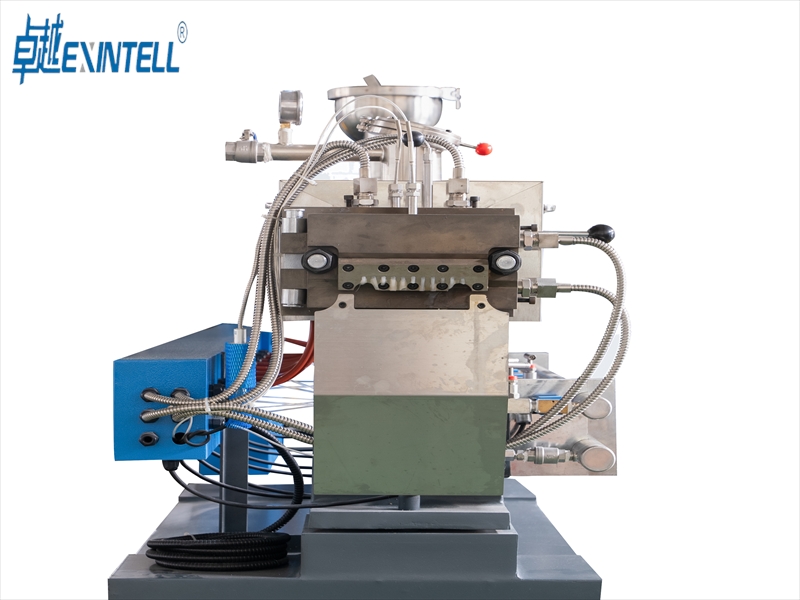
Ho scoperto che lo stampaggio a iniezione offre una precisione migliore e tolleranze più strette rispetto allo stampaggio a iniezione Estrusione di plastica. Per esempio, lo stampaggio a iniezione può raggiungere tolleranze così strette come ±0,005 pollici, mentre l'estrusione in genere vale ±0,010 pollici. Di seguito è riportato un confronto dei processi basato su applicazioni e tolleranze tipiche:
| Tipo di applicazione | Processo utilizzato | Tolleranze comuni |
|---|---|---|
| Lungo, parti uniformi (per esempio., tubi, aste) | Estrusione | ±0,010 pollici |
| Parti complesse o dettagliate | Stampaggio ad iniezione | ±0,005 pollici o più stretto |
| Alto volume, alta precisione | Stampaggio ad iniezione | Più stretto dell'estrusione |
| Continuo, forme semplici | Estrusione | Coerente, meno preciso |
Quando si sceglie un processo di produzione, Considero sempre la geometria, tolleranze richieste, volume di produzione, e costo.
Punti chiave
- Lo stampaggio a iniezione consente tolleranze più strette, spesso preciso fino a ±0,005 pollici, rendendolo ideale per parti complesse.
- Estrusione plastica è meglio a lungo, forme uniformi come tubi e aste, con tolleranze intorno a ±0,010 pollici.
- Considerare il volume di produzione quando si sceglie un processo; lo stampaggio a iniezione è conveniente per grandi tirature, mentre l'estrusione è adatta alla produzione continua di grandi volumi.
- Selezione dei materiali influisce sulla precisione; scegli i materiali in base ai requisiti specifici della tua applicazione.
- Valutare la complessità della parte; lo stampaggio a iniezione gestisce progetti complessi meglio dell'estrusione, che è limitato a forme più semplici.
- La qualità della finitura superficiale è generalmente migliore nello stampaggio a iniezione, portando a parti più lisce senza ulteriori passaggi di finitura.
- Pianificare i costi degli utensili; lo stampaggio a iniezione richiede un investimento iniziale più elevato ma offre risparmi a lungo termine grazie alla ripetibilità.
- Valuta sempre in anticipo le esigenze del tuo progetto; comprendere la geometria, tolleranze, e il budget aiuta nella scelta del giusto processo di produzione.
Panoramica sull'estrusione di plastica
Nozioni di base sul processo
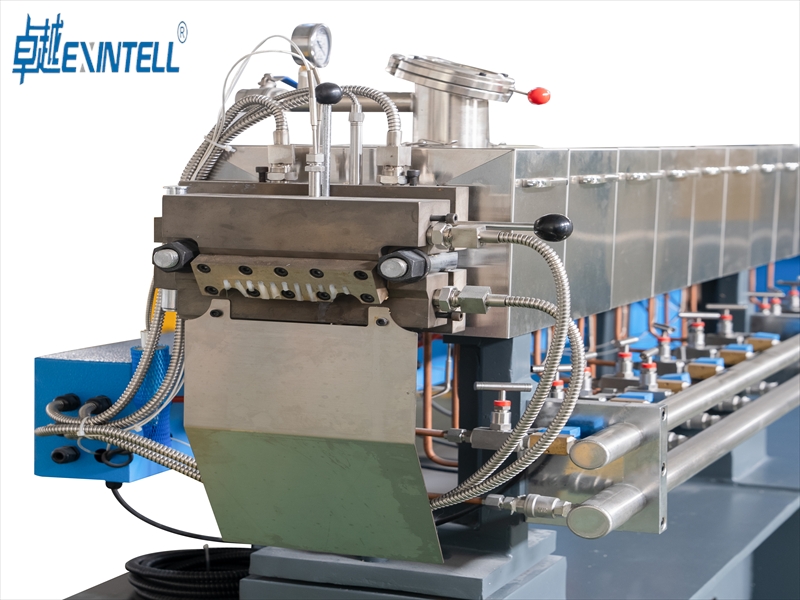
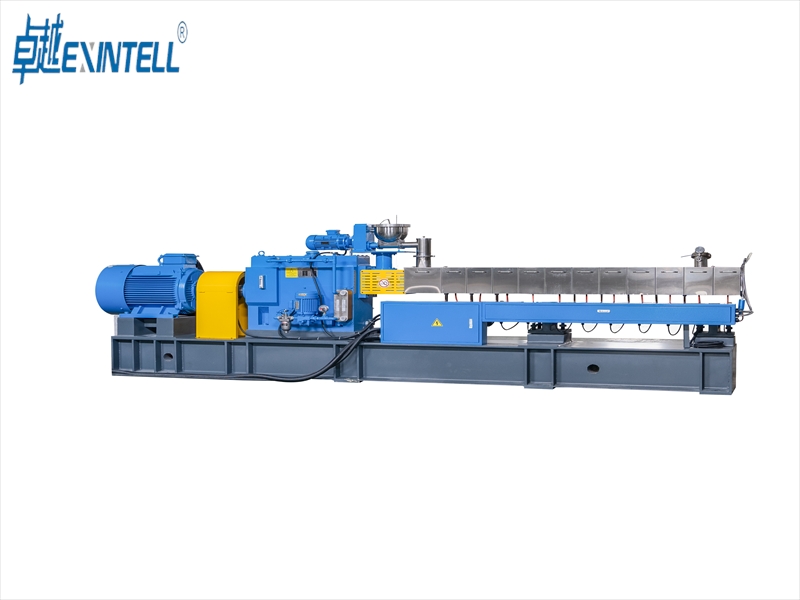
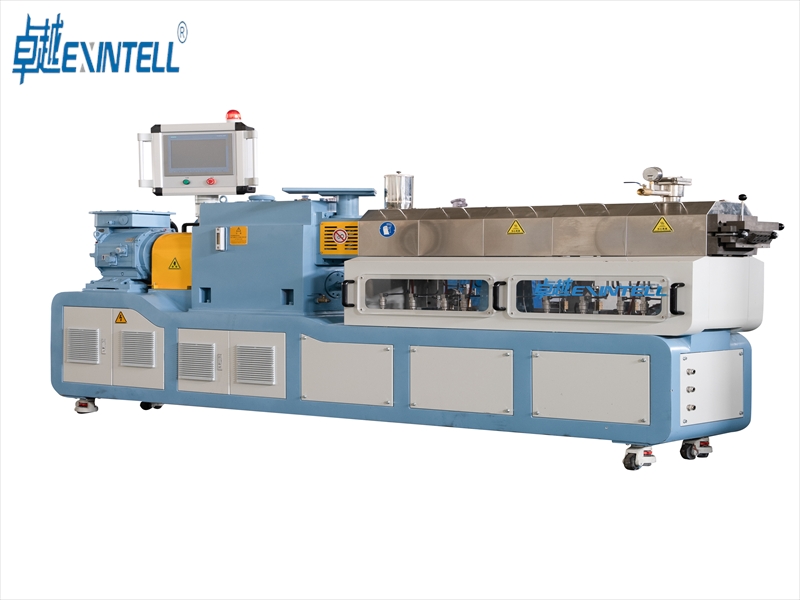
Ho lavorato con estrusione plastica for years and have seen how this method shapes thermoplastic materials into continuous profiles. The extrusion process starts with material selection, which is critical for achieving the desired properties in the final product. I load plastic pellets or granules into a hopper above the extruder. The machine uses a rotating screw to move the material through a heated barrel. As the material travels, it melts due to friction and external heat. The molten plastic then passes through a precision-shaped die, which gives the product its profile. After forming, the extruded shape enters a cooling system, usually an air or water bath, to solidify and maintain dimensional accuracy. Finalmente, I cut or roll the product, a seconda dell'applicazione. This step-by-step approach allows me to create long, uniform shapes with consistent cross-sections.
Applicazioni comuni
L’estrusione della plastica gioca un ruolo fondamentale molte industrie. Lo vedo spesso usato per il confezionamento, automobilistico, mobilia, e beni di consumo. Il processo produce una vasta gamma di prodotti, dai semplici tubi ai profili complessi. Di seguito è riportata una tabella che riassume alcune applicazioni comuni:
| Industria | Prodotti |
|---|---|
| Confezione | Film, fogli, borse, avvolge, vassoi, e tazze |
| Automobilistico | Sigilli meteorologici, tubo di plastica, profili di rivestimento |
| Mobilia & Beni di consumo | Bordatura, binari per tende, pannelli leggeri in schiuma di PVC |
| Casa Elettrodomestici | Maniglie, guarnizioni per forni e microonde |
| Impianto idraulico & Medico | Tubazione, tubi |
L'ho trovato estrusione di plastica personalizzata consente ai produttori di progettare profili unici per esigenze specializzate. Questa flessibilità rende l'estrusione una scelta popolare per il continuo, produzione ad alto volume.
Materiali utilizzati
La scelta dei materiali nell’estrusione della plastica influisce sia sul processo che sulla precisione del prodotto finale. Lo uso spesso polipropilene, polietilene tereftalato, e polistirolo. Questi materiali offrono proprietà diverse, come la flessibilità, forza, e chiarezza. Il modo in cui mi preparo, sciolto, e raffreddare i materiali ha un impatto diretto sulla precisione e sulla consistenza delle parti estruse. Ecco alcuni dei materiali più comuni che utilizzo:
- Polipropilene (PP)
- Polietilene tereftalato (ANIMALE DOMESTICO)
- Polistirolo (PS)
- Cloruro di polivinile (PVC)
- Polietilene ad alta densità (HDPE)
- Polietilene a bassa densità (LDPE)
- Acrilonitrile butadiene stirene (ABS)
- Elastomeri termoplastici (TPE)
- Nylon (PA)
- Policarbonato (computer)
- Polimetilmetacrilato (PMMA)
Quando lavoro su progetti personalizzati di estrusione di plastica, Abbino sempre il materiale ai requisiti dell’applicazione. Questa attenta selezione garantisce che il prodotto soddisfi sia gli standard di prestazione che quelli di precisione.
Pro e contro
Quando valuto l'estrusione di plastica per un progetto, Valuto sempre i vantaggi e gli svantaggi. Questo processo offre punti di forza unici, ma presenta anche limitazioni che influiscono sulla precisione e sulle tolleranze.
Ecco un tabella che riassume i principali vantaggi e svantaggi Ho osservato nel mio lavoro:
| Vantaggi | Svantaggi |
|---|---|
| Alta efficienza e scalabilità | Limitazioni nella produzione di forme complesse |
| Elevati volumi di produzione | Sfide legate al rigonfiamento dello stampo che influiscono sulla precisione |
| Economicità per volumi medio-alti | Potenziali imperfezioni superficiali che richiedono rifinitura |
Vantaggi
Scelgo spesso l'estrusione di plastica per la sua alta efficienza. Il processo viene eseguito continuamente, ciò significa che posso produrre pezzi lunghi senza interruzioni. Questa scalabilità lo rende ideale per ordini di grandi dimensioni. Quando devo produrre migliaia di metri di tubi o profili, l'estrusione fornisce risultati coerenti. Il costo per pezzo diminuisce all’aumentare del volume di produzione, quindi lo trovo molto conveniente per progetti di volume medio-alto.
Un altro vantaggio è la possibilità di creare sezioni trasversali uniformi. Posso mantenere dimensioni stabili per tutta la lunghezza del pezzo, che è importante per applicazioni come tubazioni o telai di finestre. Il processo supporta anche un'ampia gamma di materiali termoplastici, così posso selezionare materiali che soddisfino i requisiti meccanici e chimici del prodotto finale.
Svantaggi
Nonostante questi punti di forza, plastic extrusion has some drawbacks. The process struggles with complex shapes. If a part requires intricate details or sharp corners, I find extrusion less suitable. The molten plastic tends to swell as it exits the die, a phenomenon known as die swell. This effect can make it difficult to achieve tight tolerances, especially for parts that need precise dimensions.
Surface finish can also be an issue. A volte, the extruded parts show lines or marks from the die. I often need to add secondary finishing steps, such as trimming or polishing, to improve the appearance and meet quality standards. These extra steps can increase both time and cost.
Mancia: I always recommend reviewing the part’s geometry and required tolerances before selecting extrusion. If the design is simple and the order is large, extrusion usually offers the best value.
Injection Molding Overview
Nozioni di base sul processo
I have spent years working with injection molding, and I find the process both fascinating and efficient. The method uses a mold, which shapes molten plastic into precise forms. I always follow a series of steps to ensure each part meets strict quality standards. Here is how I approach the injection molding process:
- Clamping: I close the mold tightly to prepare for the next steps.
- Injection: I inject hot, melted plastic into the mold cavity.
- Dwelling: I let the plastic sit inside the mold for a short time so it fills every space.
- Raffreddamento: The plastic cools and hardens while inside the mold.
- Mold Opening: I open the mold after the part has cooled.
- Ejection: I remove the finished part from the mold.
This cycle repeats quickly, che mi permette di produrre grandi quantità di parti identiche. Mi affido allo stampaggio a iniezione quando ho bisogno di forme complesse, dettagli raffinati, e finiture di alta qualità. Il processo mi offre un eccellente controllo sulle dimensioni e sull'aspetto della superficie.
Nota: Controllo sempre attentamente la temperatura e la pressione durante lo stampaggio a iniezione. Questi fattori influenzano la precisione e la coerenza della parte finale.
Applicazioni comuni
Lo stampaggio a iniezione svolge un ruolo fondamentale in molti settori. Ho utilizzato questo processo per creare parti per il settore automobilistico, medico, elettronica di consumo, e settore dell'imballaggio. La versatilità dello stampaggio ad iniezione mi permette di produrre sia componenti semplici che altamente complessi. Di seguito una tabella che riassume alcune applicazioni tipiche:
| Industria | Prodotti realizzati |
|---|---|
| Automobilistico | Componenti e parti varie |
| Medico | Alloggiamenti dei dispositivi, strumenti chirurgici |
| Elettronica di consumo | Casi, pulsanti, e altri componenti |
| Confezione | Tappi di bottiglia, contenitori |
I often make items like contact lens cases, bottle caps, and high-volume components with intricate geometries. Injection molding helps me deliver consistent results, even for demanding projects.
Materiali utilizzati
Material selection is crucial in injection molding. I choose materials based on the required strength, flessibilità, and precision. For high-precision parts, I prefer polymers with low and uniform shrinkage, stable melt flow, and good thermal resistance. Some of the most common materials I use include:
- ABS: Offers toughness, a smooth surface finish, e resistenza agli urti.
- Polipropilene: Provides chemical resistance, flessibilità, e convenienza.
- Policarbonato: Delivers high clarity, forza, and heat resistance.
- Polietilene: Lightweight and resists moisture.
- Nylon: Known for strength, resistenza all'usura, and thermal stability.
- SBIRCIARE: Exceptional for heat, chimico, and wear resistance.
When I need even tighter tolerances, I turn to engineering-grade polymers. Materials like liquid crystal polymer (LCP), polietere etere chetone (SBIRCIARE), and acetal (POM) conferirmi un'eccellente stabilità dimensionale e un ritiro minimo. Per esempio, Utilizzo LCP per connettori elettrici e componenti di sensori, mentre il PEEK funziona bene per impianti medici e parti aerospaziali. Il policarbonato è la mia scelta per lenti e componenti ottici per la sua chiarezza e resistenza.
Mancia: Abbino sempre il materiale alle esigenze dell’applicazione. La scelta giusta garantisce che il processo di stampaggio a iniezione offra precisione e prestazioni.
Pro e contro
Lavoro nel settore dello stampaggio ad iniezione da molti anni. Questo processo offre numerosi vantaggi che lo rendono la mia scelta preferita per le parti in plastica di alta precisione. Voglio condividere sia i punti di forza che i limiti che ho osservato.
Vantaggi dello stampaggio ad iniezione
- Posso ottenere un'altissima precisione con lo stampaggio a iniezione. The process allows me to produce parts with tolerances as tight as ±0.005 inches. This level of accuracy is difficult to match with other plastic manufacturing methods.
- I appreciate the repeatability of injection molding. Once I set up the mold and process parameters, I can produce thousands or even millions of identical parts. Each part matches the original design closely.
- I often need to create parts with complex shapes and fine details. Injection molding handles intricate geometries well. I do not need to add extra steps or secondary processes to achieve these features.
- I find that injection molding delivers excellent surface finishes. The parts come out smooth and ready for use in most cases.
- I can use a wide range of thermoplastics and engineering polymers. Questa flessibilità mi consente di abbinare le proprietà dei materiali alle esigenze dell’applicazione.
Svantaggi dello stampaggio a iniezione
- Devo investire in stampi di alta qualità prima di iniziare la produzione. Il costo iniziale per la creazione dello stampo può essere significativo. Per piccole produzioni, questo costo potrebbe non essere giustificato.
- Ho imparato che la complessità della progettazione può presentare sfide. Devo pianificare attentamente la progettazione dello stampo e della parte. Errori in fase di progettazione possono portare a costose modifiche successive.
- A volte devo affrontare tempi di consegna più lunghi all'inizio di un progetto. La progettazione e la produzione dello stampo richiedono tempo, soprattutto per parti complesse.
- Ho notato che la selezione dei materiali e le impostazioni del processo richiedono un'attenzione particolare. Se non controllo la temperatura, pressione, e velocità di raffreddamento, Rischio difetti o errori dimensionali.
Ecco una tabella che riassume i principali pro e contro che ho riscontrato con lo stampaggio ad iniezione:
| Pro | Contro |
|---|---|
| Alta precisione e tolleranze strette | Costo iniziale dello stampo elevato |
| Eccellente ripetibilità per grandi volumi | La complessità della progettazione richiede un'attenta pianificazione |
| Supporta geometrie complesse e dettagli fini | Tempi di consegna più lunghi per lo sviluppo degli stampi |
| Finiture superficiali lisce | Il controllo del processo è fondamentale |
| Ampia selezione di materiali | Non conveniente per tirature a basso volume |
Mancia: Raccomando sempre lo stampaggio a iniezione quando un progetto richiede un'elevata precisione, forme complesse, e grandi volumi di produzione. Per pezzi semplici o piccoli lotti, Considero altri metodi per risparmiare sui costi e sui tempi di consegna.
Precisione e Tolleranze
Quando confronto l'estrusione della plastica e lo stampaggio a iniezione, Mi concentro sempre sul modo in cui ciascun processo gestisce la precisione e le tolleranze. Questi fattori determinano se una parte soddisferà i requisiti di tolleranza del progetto e funzionerà come previsto. Ho imparato che anche piccole differenze nelle tolleranze possono influire sull'assemblaggio, prestazione, e la qualità del prodotto.
Tolleranze di estrusione della plastica
Coerenza dimensionale
Nella mia esperienza, l'estrusione della plastica garantisce una buona consistenza dimensionale a lungo, forme continue. Spesso vedo in giro intervalli di tolleranza tipici ±0,010 pollici. Questo valore costituisce un punto di riferimento per ciò che posso aspettarmi dall'estrusione in termini di variazione dimensionale. Il processo funziona meglio per parti con sezioni trasversali uniformi, come i tubi, aste, e profili. Tuttavia, Noto che mantenere tolleranze strette su tutta la lunghezza può essere difficile. Fattori come il rigonfiamento, ritiro del materiale, e la velocità di raffreddamento può causare leggere variazioni. Controllo sempre attentamente queste variabili per mantenere le dimensioni entro limiti accettabili.
Finitura superficiale
Surface finish in extrusion depends on the die quality and the cooling process. I often see minor lines or marks on extruded parts, which come from the die or from uneven cooling. These marks can affect the appearance and sometimes the fit of the part. When a smooth surface is critical, I may need to add secondary finishing steps. I have found that extrusion rarely achieves the same level of surface smoothness as injection molding. Still, for many applications, the finish is acceptable without extra work.
Injection Molding Tolerances
Precisione dimensionale
Injection molding stands out for its ability to achieve very tight tolerances. I regularly work with tolerances as tight as ±0.005 inches, and sometimes even tighter for high-precision parts. Questo livello di precisione deriva dallo stampo rigido e dai parametri di processo controllati. Mi affido a standard come LA TUA EN ISO 20457 e ISO 2768-1/2 per guidare il mio lavoro. Questi standard definiscono gruppi e classi di tolleranza per diverse dimensioni e caratteristiche delle parti. Per esempio, LA TUA EN ISO 20457 specifica i gruppi di tolleranza come TG5, che consente circa 0.23 mm per a 32 parte mm. Queste linee guida mi aiutano a garantire che ogni parte soddisfi severi requisiti dimensionali.
Faccio molta attenzione pressione di iniezione e pressione di mantenimento durante lo stampaggio. La corretta regolazione di queste impostazioni garantisce che lo stampo si riempia completamente e riduca al minimo i difetti. Questo controllo è essenziale per le applicazioni di precisione, dove anche una piccola deviazione può causare problemi di montaggio o di funzionamento.
Finitura superficiale
La finitura superficiale nello stampaggio a iniezione può essere eccellente. Posso produrre parti con lucido, polished surfaces or with textures that improve grip and hide minor defects. The choice of finish affects both the look and the performance of the part. Per esempio:
- A polished finish gives a shiny, smooth appearance.
- Textured surfaces can make parts easier to handle and less likely to show scratches.
- Different finishes can also influence durability and how the part interacts with other components.
I also consider how post-processing methods, ad esempio anodizing, powder coating, or electroplating, might affect the final dimensions. These methods add material or change the surface, so I account for them in my design to maintain precision.
Tolerance Comparison Table
I often use a table to compare the typical tolerances for plastic extrusion and injection molding. This summary helps me and my clients understand what to expect from each process:
| Processo | Typical Tolerances | Surface Finish Quality | Repeatability |
|---|---|---|---|
| Estrusione di plastica | ±0,010 pollici | Moderare | Good for long parts |
| Stampaggio ad iniezione | ±0,005 pollici o più stretto | Eccellente | Molto alto |
Nota: Injection molding achieves tighter tolerances and better repeatability than plastic extrusion. Raccomando sempre lo stampaggio a iniezione quando un progetto richiede un'elevata precisione, forme complesse, or strict tolerance requirements.
I have found that choosing the right process depends on the part’s geometry, the required tolerances, and the application. Injection molding gives me the best results for detailed, high-precision parts. Estrusione plastica works well for simple, continuous shapes where slightly looser tolerances are acceptable.
Factors Affecting Precision
Material Choice
I always start by considering the material when I want to achieve high precision in plastic parts. The properties of the plastic influence how well I can control tolerances during both extrusion and injection molding. Per esempio, the way a material flows, its shrinkage, and its thermal stability all play a role in the final outcome.
Ecco una tabella that summarizes how different material properties affect precision and tolerances:
| Material Property | Influence on Precision and Tolerances |
|---|---|
| Flow Behavior (MFI/MFR) | High MFI materials flow easily, which helps fill complex or thin-walled molds. Tuttavia, they may have lower strength. |
| Low MFI materials are thicker and harder to mold but result in stronger, more impact-resistant parts. | |
| Shrinkage | Amorphous plastics like ABS and PC shrink less and more evenly, so I can achieve tighter tolerances. |
| Semi-crystalline plastics such as Nylon and POM shrink more and less predictably, making precision harder to control. | |
| Stabilità termica | Poor thermal stability can cause defects like burn marks or warping, which reduces dimensional accuracy. |
| Good thermal stability is important for thin or complex parts where precision matters most. |
When I select a material, I always match its properties to the needs of the part. Per esempio, if I need a part with very tight tolerances, I choose an amorphous plastic with low shrinkage and good thermal stability.
Part Complexity
The complexity of a part has a direct impact on the precision I can achieve. Simple shapes are easier to control, while complex designs introduce more challenges. I pay close attention to features like parting lines, curved surfaces, and critical dimensions.
Here is a table that shows how different design considerations affect precision:
| Consideration | Impact on Precision |
|---|---|
| Parting Line Placement | Influences mold complexity and the quality of the finished product. |
| Avoiding Critical Areas | Helps prevent dimensional changes and ensures a better fit. |
| Positioning on Curved Surfaces | Demands higher mold accuracy, which can increase costs and risk of defects. |
| Use of Natural Split Lines | Makes mold construction easier and improves the demolding process. |
When I design a part for injection molding, I try to place parting lines in less visible areas and avoid putting them on critical surfaces. This approach helps me maintain better tolerances and reduce the risk of defects.
Volume di produzione
Production volume also affects the level of precision I can achieve. Per produzioni di grandi volumi, I invest in high-quality molds and precise process controls. This investment pays off because I can produce thousands or millions of identical parts with consistent tolerances. For smaller runs, I may use less expensive tooling, ma so che questo può portare a maggiori variazioni nelle parti finali.
Mancia: Consiglio sempre di utilizzare i migliori strumenti e controlli di processo possibili per la produzione di volumi elevati. Questa strategia garantisce che ogni parte soddisfi le specifiche richieste e riduca gli sprechi.
Qualità degli utensili
Prendo sempre molta attenzione alla qualità degli utensili quando voglio ottenere un'elevata precisione nella produzione di plastica. Gli strumenti che utilizzo, come matrici per estrusione e stampi per stampaggio ad iniezione, svolgono un ruolo fondamentale nel determinare le tolleranze finali e la finitura superficiale di ciascuna parte. Ho imparato che anche piccole imperfezioni negli utensili possono portare a errori significativi nel prodotto finito.
Nella mia esperienza, gli utensili di alta qualità iniziano con un'attenta progettazione. Collaboro con gli ingegneri per creare disegni dettagliati e modelli 3D. These models help me visualize the part and identify areas where precision matters most. I select materials for the tooling that resist wear and maintain their shape under high temperatures and pressures. For injection molding, I often use hardened steel or high-grade aluminum. For extrusion dies, I prefer tool steel with a polished surface.
I have seen that the manufacturing process for tooling affects its quality. Precision machining, such as CNC milling and EDM, allows me to achieve tight tolerances in the mold or die. I inspect the tooling after each step to ensure there are no defects or inconsistencies. If I find any issues, Mi rivolgo a loro immediatamente. This attention to detail prevents problems during production.
Maintenance is another factor that influences tooling quality. I schedule regular inspections and cleaning for all my tools. I replace worn parts before they cause defects in the plastic parts. Proper maintenance extends the life of the tooling and keeps the production process running smoothly.
Here is a table that summarizes how tooling quality impacts precision in both processes:
| Tooling Aspect | Impact on Precision | My Approach |
|---|---|---|
| Selezione dei materiali | Reduces wear and deformation | Use hardened steel or aluminum |
| Machining Accuracy | Achieves tight tolerances | Employ CNC and EDM |
| Finitura superficiale | Improves part appearance | Polish dies and molds |
| Manutenzione | Prevents defects | Schedule regular checks |
Mancia: I always recommend investing in high-quality tooling for projects that require tight tolerances. The upfront cost may be higher, but the long-term benefits include fewer defects, better repeatability, and lower maintenance costs.
I have found that tooling quality often determines the success of a manufacturing project. When I use well-designed and well-maintained tools, I consistently produce parts that meet strict precision requirements. This approach builds trust with my clients and helps me deliver reliable results every time.
Cost vs. Precisione
Extrusion Cost Factors
Quando valuto l'estrusione di plastica per un progetto, I always consider how cost and precision interact. Several factors influence the final price of extruded parts:
- I often need materiali di prima qualità to achieve higher precision. These materials cost more but help me meet strict tolerances.
- Custom tooling becomes necessary when I want unique profiles or tighter tolerances. This requirement increases the initial investment.
- If I focus on speed and low cost, I sometimes see a drop in precision. Parts may not meet the required tolerances, which can lead to quality issues.
- When I prioritize quality and precision, I spend more time on setup and inspection. This approach slows production but ensures better results.
I find that balancing these factors is key. If a project allows for looser tolerances, I can save money by using standard materials and tooling. Per applicazioni critiche, I invest more to guarantee precision.
Injection Molding Cost Factors
Injection molding presents a different cost structure. I have learned that several elements drive the overall expense, especially when aiming for high precision. The table below summarizes the main cost factors and their relationship to precision:
| Cost Factor | Relation to Precision |
|---|---|
| Tooling Costs | High-quality molds stabilize production and maintain tight tolerances over time. |
| Material Consumption | Premium materials improve accuracy but raise initial costs. |
| Cycle Time | Shorter cycles reduce costs, but sometimes compromise precision. |
| Machine Tonnage Rate | Larger machines hold tighter tolerances but use more energy. |
| Labor/Automation Level | Automation boosts precision and lowers labor costs in the long run. |
| Scrap Rate | Poor precision increases scrap, which drives up total costs. |
I always weigh these factors before starting a new injection molding project. For large production runs, investing in better tooling and automation pays off. I see fewer defects and more consistent parts.
Balancing Cost and Precision
Choosing between extrusion and injection molding often comes down to finding the right balance. I look at the part’s geometry, the required tolerances, and the production volume. The table below helps me decide which process fits best:
| Process Type | Ideale per | Vantaggio fondamentale | Scambio |
|---|---|---|---|
| Stampaggio ad iniezione | Complesso, parti 3D incluse | Estrema precisione e coerenza | Costo iniziale dello stampo più elevato; meglio per grandi lotti |
| Estrusione di plastica | Continuo, profili uniformi | Costo degli utensili inferiore, rendimento efficiente | Limitato alle forme lineari; meno adatto a geometrie complesse |
Se ho bisogno di forme complesse e tolleranze strette, Scelgo lo stampaggio a iniezione nonostante il costo iniziale più elevato. Per semplice, profili continui, Mi affido all'estrusione per mantenere bassi i costi e velocizzare la produzione. Abbino sempre il processo alle esigenze del progetto, assicurandomi di fornire valore e qualità.
Mancia: Ti consiglio di discutere i tuoi requisiti di precisione nelle prime fasi della fase di progettazione. Questo passaggio mi aiuta a selezionare il processo più conveniente per la tua applicazione.
Scegliere il processo giusto
La scelta del processo giusto per la produzione di parti in plastica può determinare il successo di un progetto. I always start by evaluating the part’s geometry, tolleranze richieste, volume di produzione, and cost targets. My experience has shown that both plastic extrusion and injection molding offer unique strengths. The best choice depends on the specific needs of the application.
When to Use Plastic Extrusion
I turn to the processo di estrusione della plastica when I need to produce long, continuous shapes with uniform cross-sections. This process excels at creating items like tubes, tubi, sigilli meteorologici, and profiles for windows or furniture. I find that extrusion works best for high-volume production runs where the design does not require complex 3D features.
To ensure a successful and high-quality plastic extrusion, several key factors must be carefully evaluated during the design phase: Functional Requirements, Compatibilità dei materiali, Profile Complexity, Wall Thickness, Tolleranze, Mating Parts, Tooling Collaboration, and Cost Efficiency.
When I assess whether the extrusion process is the right fit, I consider:
- Application requirements, such as temperature resistance and UV exposure.
- Mechanical properties, compresa la flessibilità, durezza, and tensile strength.
- Environmental conditions, like weather and temperature fluctuations.
- Aesthetic and finish requirements, such as color, lucentezza, and surface texture.
- Regulatory and compliance needs to meet industry standards.
I also weigh the cost benefits of the extrusion process. Here is how I approach the decision:
- Assess material costs against budget constraints.
- Consider long-term savings from durability and reduced waste.
- Work with experienced partners to find the best balance of performance and price.
Different plastics behave uniquely during the extrusion process, affecting the final product’s shape and performance. Faccio molta attenzione thermal stability and melt strength, especially for applications that require precise tolerances. When the design calls for simple, linear shapes and the process must remain cost-effective, extrusion often provides the best solution.
Example Scenario:
Last year, I worked with a client who needed thousands of feet of custom tubing for an irrigation system. The process required a material that could withstand sunlight and temperature swings. I recommended the extrusion process using UV-stabilized polyethylene. The process allowed us to maintain consistent wall thickness and meet the client’s budget. The result was a durable product that performed well in the field.
When to Use Injection Molding
I choose the injection molding process when the part design involves complex geometries, tolleranze strette, or intricate details. This process is ideal for producing high-precision components, such as medical device housings, automotive connectors, or consumer electronics enclosures. The process supports a wide range of materials and finishes, making it versatile for many industries.
The injection molding process stands out when:
- The part requires enclosed or 3D shapes that extrusion cannot achieve.
- High repeatability and consistency are critical for assembly or function.
- The application demands a smooth surface finish or specific textures.
- The project involves large production volumes, justifying the investment in tooling.
I always consider the initial tooling cost and lead time for the injection molding process. For high-volume projects, the process delivers excellent value through low per-part costs and minimal variation between parts. I also rely on this process when regulatory compliance and material traceability are essential.
Example Scenario:
Recently, I partnered with a medical device manufacturer to produce a new type of handheld diagnostic tool. The process required a housing with complex internal features and a flawless surface finish. I recommended the injection molding process using medical-grade polycarbonate. The process allowed us to achieve the necessary tolerances and pass strict regulatory tests. The client appreciated the consistency and quality of every part.
Caso di studio:
I have seen how companies use data-driven approaches to select the right process. Per esempio, Amcor conducted a pilot test comparing emissions from different plastic sources and production sites. The process helped them make informed decisions about low-carbon procurement and supplier relationships. By analyzing the process at each step, they improved transparency and achieved their sustainability goals.
Mancia: I always advise clients to define their precision requirements, volume di produzione, and budget early in the design phase. This clarity helps me recommend the most suitable process and avoid costly changes later.
How I Decide Between Processes
I use a simple checklist to guide my decision:
- Does the part have a uniform cross-section and require long lengths? I choose the extrusion process.
- Does the part need complex shapes, tolleranze strette, or a high-quality finish? I select the injection molding process.
- Is the production volume high enough to justify tooling investment? I lean toward injection molding.
- Is cost efficiency for simple shapes the main goal? I recommend extrusion.
The process selection shapes the entire project, from design to final delivery. I always match the process to the application’s needs, ensuring the best balance of quality, precisione, e costo.
Additional Considerations
Tempi di consegna
I always pay close attention to lead time when planning a manufacturing project. Lead time refers to how long it takes to go from design approval to finished parts. Nella mia esperienza, plastic extrusion usually offers shorter lead times. The tooling for extrusion is simpler and faster to produce. I can start production quickly once the die is ready. This makes extrusion a good choice for projects with tight deadlines or urgent needs.
Injection molding requires more time upfront. The mold design is complex and demands careful engineering. I often spend weeks or even months creating and testing the mold. Once the mold is ready, production moves fast, but the initial setup slows the process. I recommend injection molding for projects where precision and volume matter more than speed.
Mancia: If you need parts quickly and the design is simple, extrusion can save valuable time.
Flessibilità di progettazione
Design flexibility shapes what I can achieve with each process. I have learned that extrusion limits my options. The process works best for simple, repeated shapes like tubes or profiles. I cannot create intricate features or complex geometries with extrusion.
Injection molding gives me much more freedom. I can design parts with fine details, sottosquadri, and complex shapes. The mold captures every feature, so I can meet strict requirements for accuracy and appearance.
Ecco un table that compares design flexibility between the two methods:
| Metodo | Flessibilità di progettazione | Complexity of Parts |
|---|---|---|
| Extrusion Molding | Limited design flexibility; best for simple, repeated shapes. | Not suitable for intricate features. |
| Stampaggio ad iniezione | High design flexibility; ideal for complex shapes with fine details and accuracy. | Capable of creating sophisticated designs. |
I always match the process to the part’s needs. If the design is simple and repeated, extrusion works well. For complex or detailed parts, injection molding is the clear winner.
Sostenibilità
Sustainability has become a major concern in my work. I look for ways to reduce waste and use eco-friendly materials. Plastic extrusion stands out for its ability to incorporate recycled content and biodegradable materials. I can use these options without sacrificing performance or quality. This gives extrusion an advantage when clients want greener solutions.
Injection molding is less flexible in this area. The process does not always support recycled or biodegradable plastics. I must choose materials carefully to avoid defects or quality issues. When sustainability is a priority, I recommend extrusion for its environmental benefits.
🌱 I always encourage clients to consider recycled or biodegradable materials in extrusion projects. This choice supports sustainability goals and helps protect the environment.
I have seen that injection molding delivers better precision in plastic manufacturing, especially for small to medium-sized plastic parts. The process uses balanced clamping force and optimized resin viscosity to reduce defects. Multi-cavity molds and rigid frames help maintain consistent results. When I choose between plastic extrusion and injection molding, I always consider plastic geometry, tolleranze, volume di produzione, e costo. I recommend injection molding for complex plastic shapes and tight tolerances. Plastic extrusion works well for simple, continuous plastic profiles. My experience shows that careful planning in plastic manufacturing leads to reliable plastic products.
| Fattore | Stampaggio ad iniezione | Estrusione di plastica |
|---|---|---|
| Precisione | High for plastic parts | Moderate for plastic parts |
| Tolleranze | Tight in plastic manufacturing | Looser in plastic manufacturing |
| Volume di produzione | Best for large plastic runs | Best for continuous plastic runs |
| Costo | Higher for plastic molds | Lower for plastic dies |
I always advise clients to match the plastic manufacturing process to their specific plastic needs.
Domande frequenti
What is the main advantage of plastic extrusion?
Trovo estrusione plastica ideal for creating continuous profiles. The process runs efficiently and produces long, forme uniformi. I can quickly manufacture parts like tubes and rods for many industries.
Can injection molding handle complex shapes?
I rely on injection molding when I need intricate designs or detailed features. The process allows me to produce parts with complex geometries and tight tolerances. I achieve high precision every time.
Which process is better for high volume production?
I choose injection molding for high volume production. The process delivers consistent quality and repeatability. I can produce thousands or millions of identical parts with minimal variation.
Are continuous profiles possible with injection molding?
I do not use injection molding for continuous profiles. The process works best for discrete, individual parts. Mi rivolgo a estrusione when I need long, uninterrupted shapes.
What materials work best for extrusion?
I select materials like polypropylene, PVC, and HDPE for extrusion. These plastics help me create continuous profiles with reliable performance. I match the material to the application’s requirements.
How does surface finish compare between the two processes?
I notice that injection molding produces smoother surfaces. Extrusion sometimes leaves marks or lines on continuous profiles. I may add finishing steps to improve appearance when needed.
Is extrusion cost-effective for small batches?
I usually recommend extrusion for larger orders. The process becomes more cost-effective as I produce more continuous profiles. For small batches, setup costs may outweigh the benefits.
Can I use recycled materials in extrusion?
I often use recycled plastics in extrusion. The process supports sustainable manufacturing and lets me create continuous profiles with eco-friendly materials. I help clients meet their environmental goals.