Gerðu vélina tilbúna með því að hlaða hana og hita hana. Stjórnaðu því hvernig plastið fer í gegnum vélina.
Lagaðu vandamál til að halda öllu vel.
Um 53% plastframleiðenda nota útpressunarvélar, svo að vita hvert skref sýnir hvers vegna það er mikilvægt.
Helstu veitingar
Lærðu um helstu hluta a plast útpressun vél. Hver hluti hjálpar til við að breyta hráu plasti í fullunna hluti.
Veldu besta plastið fyrir verkefnið þitt. Tegund plasts breytir því hvernig það bráðnar og hreyfist. Þetta hefur áhrif á hversu góð lokaafurðin er.
Fylgstu vel með fóðrunar- og bræðsluskrefunum. Haltu raka og hitastigi á réttu stigi. Þetta stöðvar vandamál eins og loftbólur og veika bletti.
Athugaðu þrýstinginn við útpressun. Góð þrýstistjórnun heldur lögun og stærð réttri. Þetta tryggir að plastvörur séu hágæða.
Notaðu gæðaeftirlit í hverju skrefi. Reglulegar athuganir hjálpa til við að finna vandamál snemma. Þetta tryggir að vörurnar séu sterkar og líti vel út.
Yfirlit yfir plastpressuvél
Lykilhlutir
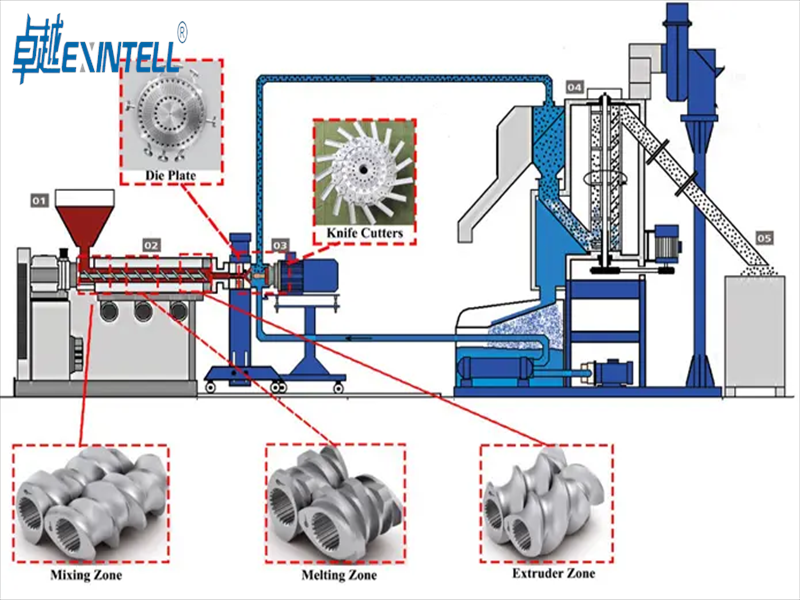
Þegar þú horfir á a plastpressuvél, þú sérð marga mikilvæga hluta. Hver hluti hjálpar til við að breyta hráu plasti í fullunna hluti. Tappinn heldur plastinu áður en ferlið hefst. Tunnan og ofnarnir bræða plastið svo það getur hreyft sig auðveldlega. Skrúfan ýtir bræddu plastinu áfram. Teningurinn mótar plastið í það sem þú vilt. Kælibúnaður hjálpar plastinu að halda lögun sinni eftir að það hefur farið úr teningnum.
Ábending: Athugaðu alltaf þessa hluti með tilliti til skemmda eða slits áður en þú ræsir vélina.
A plastpressuvél vélin tryggir að plastið fari í gegnum hvern hluta í réttri röð. Ef þú heldur vélinni hreinni og gætir þess, þú munt lenda í færri vandamálum þegar þú býrð til hluti.
Plastið sem þú velur breytir því hvernig það bráðnar, rennur, og kólnar. LDPE og HDPE eru sveigjanleg og sterk. Pólýprópýlen hefur hátt bræðslumark og brotnar ekki auðveldlega. PVC er sterkt og gott til að byggja hluti. Pólýstýren er stíft og notað til umbúða. ABS lítur vel út og líður slétt. Nylon er mjög sterkt. Pólýkarbónat skemmist ekki af hita eða rispum. PET er best fyrir matar- og drykkjarflöskur.
Athugið: Plastið sem þú velur hefur áhrif á hvernig það hreyfist við útpressun. Góð efni hjálpa til við að stöðva uppsöfnun í teningnum og halda lokaafurðinni laus við galla.
Þú þarft að velja rétta plastið fyrir verkefnið þitt. Aukefni geta gert plastið sterkara eða verndað það fyrir sólarljósi. Ef þú undirbýr efnin vel, plastið mun flæða vel og vörurnar verða hágæða.
Útpressunarferlisskref
Fóðrun & Bráðnun
Þú byrjar útpressunarferlið með því að gefa hráu plasti inn í pressuvélina. Tappinn heldur plastinu, sem getur verið í formi köggla, korn, eða duft. Þegar þú hleður efnið, þú verður að ganga úr skugga um að það sé þurrt og laust við raka. Ef þú sleppir þessu skrefi, þú gætir séð loftbólur eða veika bletti í lokaafurðinni. Plastið færist úr tunnunni inn í tunnuna, þar sem ofnar byrja að hita það upp.
Bræðslustigið er mjög mikilvægt fyrir gæði pressuðu plastsins. Þú vilt að plastið bráðni jafnt þannig að fullunnin varan lítur slétt og sterk út. Hér eru nokkur lykilatriði til að muna:
Stöðug bræðslugæði hjálpar til við að koma í veg fyrir galla í endanlegri vöru.
Rakastjórnun er nauðsynleg vegna þess að afgangsvatn getur valdið loftbólum eða jafnvel brotið niður plastið.
Rétt blöndun aukaefna tryggir að plastið hafi réttan lit og styrk.
Þú verður að stilla rétt hitastig fyrir þá tegund af plasti sem þú notar. Hvert plast bráðnar við mismunandi hitastig. Taflan hér að neðan sýnir dæmigerð bræðsluhitasvið fyrir algengt plastefni:
Plast gerð
Bræðsluhitasvið (°C)
HDPE
120-130
LDPE
105–115
Pólýkarbónat (PC)
230-260
Pólýprópýlen (PP)
130-170
KIKIÐ
320-350
PET
250-260
ABS
105–115
Nylon (PA)
190-350
Pólýstýren (PS)
í kring 120
Ef þú stjórnar fóðrunar- og bræðsluskrefunum, þú munt fá slétt flæði af bræddu plasti. Þetta hjálpar útpressunarferlinu að keyra án vandræða og gefur þér betri lokaafurð.
Skrúfa & Barrel Action
Þegar plastið byrjar að bráðna, skrúfan inni í tunnunni byrjar að snúast. Skrúfan er hjarta extrudersins. Það færir plastið áfram, blandar því saman, og hjálpar því að bráðna alveg. Skrúfan og tunnan vinna saman til að tryggja að plastið hitni jafnt og flæði vel.
Þú getur hugsað þér að skrúfan hafi þrjú aðalstörf:
Það færir föstu plastið úr tankinum í átt að ofnunum.
Það bræðir plastið með því að þrýsta því á heita tunnuna.
Það dælir bræddu plastinu áfram svo hægt sé að móta það.
Hönnun skrúfunnar og tunnunnar hefur áhrif á hversu vel plastið blandast og bráðnar. Sumar skrúfur eru með sérstök svæði fyrir fóðrun, bráðnun, og blöndun. Þessi hönnun hjálpar þér að fá stöðugt flæði af bræddu plasti. Til dæmis, í leikfangaverksmiðju, skrúfan og tunnan hjálpa til við að gera slétt, fullkomnir hlutar fyrir hasarmyndir. Í símahylkisverksmiðju, þeir hjálpa til við að búa til glansandi, gallalaus mál í hvert skipti.
Þú þarft líka að stilla réttan skrúfuhraða. Háhraða extruders geta brætt meira plast í einu, en þeir þurfa lengri bræðsluhluta og sérstaka hönnun. Sumar vélar geta keyrt á allt að 1500 snúninga á mínútu og framleiða þúsundir punda af plasti á klukkustund. Ef þú notar réttan skrúfuhraða og hönnun, þú færð stöðugt, hágæða framleiðsla frá útpressunarferlinu þínu.
Þrýstingur & Bráðnun
Eins og bráðna plastið færist í gegnum extruder, þrýstingur safnast upp inni í tunnunni. Þessi þrýstingur er mjög mikilvægur fyrir útpressunarferlið sniðsins. Það hjálpar til við að ýta bræddu plasti í gegnum deyja og gefur vörunni lögun sína.
Á umskiptasvæðinu, þrýstingur hækkar og bræðslufilma myndast, sem er mikilvægt til að hefja bræðsluferlið. Á mælisvæðinu, stöðugur þrýstingur er nauðsynlegur til að tryggja að efnið sé að fullu bráðið og einsleitt, keyra stöðugt framleiðsla.
Þú stjórnar þrýstingnum með því að stilla skrúfuhraðann. Þrýstinemi mælir þrýstinginn inni í pressuvélinni. Ef þrýstingurinn verður of hár eða of lágur, vélin breytir skrúfuhraðanum til að halda öllu stöðugu. Þetta heldur bræddu plastinu við rétt hitastig og flæði.
Þú verður að fylgjast vel með þrýstingnum meðan á útpressunarferlinu stendur. Góð þrýstistjórnun hjálpar þér að ná réttu formi, stærð, og yfirborðsáferð fyrir plastvörur þínar. Það heldur einnig útpressunarferlinu gangandi vel og örugglega.
Mótun og kæling
Deyja mótun
Þú leiðir bráðna plastið í gegnum dúfuna í lokin extruderinn. Teningurinn mótar plastið í það form sem þú vilt. Lögun og stærð teningsins ákveðið endanlega útlit útpressunar þinnar. Ef þú þarft einfalda túpu, þú notar venjulega tening. Fyrir flókin snið, þú velur sérstaka tening með einstaka rúmfræði. Landlengdin, sem er fjarlægðin frá teygjuinngangi að útgangi, hjálpar til við að halda lögun og einsleitni pressuðu plastsins. Þú verður að ganga úr skugga um að deyjan passi vöruþarfir þínar. Ef þú velur rétta deyja, þú færð mjúka og stöðuga niðurstöðu.
Deyjan gegnir stóru hlutverki í útpressunarferlinu. Það stjórnar flæði og lögun plastsins þegar það fer úr pressuvélinni.
Kæliaðferðir
Eftir að plastið fer úr deyinu, þú kælir það fljótt til að halda löguninni. Kæling kemur í veg fyrir að plastið afmyndist. Þú getur notað loftkælir eða vatnsböð. Vatnsböð virka vel fyrir flestar pressulínur því þau kæla plastið hratt og jafnt. Loftkæling er góð fyrir vörur sem þurfa mýkri viðkomu. Þú verður að stjórna kælihraðanum. Ef þú kælir plastið of hratt, það getur klikkað. Ef þú kælir það of hægt, það getur skekkt. Kæling er lykilskref í extrusion ferli.
Kæliaðferð
Hvernig það virkar
Best fyrir
Vatnsbað
Sekur extrudate
Pípur, rör, snið
Loftkælir
Blæs kalt loft
Blöð, kvikmyndir
Stærð fyrir samkvæmni
Þú notar stærðarbúnað strax eftir teninginn til að halda lögun og stærð pressuðu plastsins. Kvörðunareiningar, eins og tómarúm eða vatnskæld verkfæri, hjálpa til við að koma á stöðugleika vörunnar. Þessar einingar hætta að vinda og ganga úr skugga um að útpressan þín uppfylli nákvæmar mælingar. Þú verður að athuga stærðina oft. Rauntíma eftirlit með hitastigi og þrýstingi hjálpar þér að halda þéttum vikmörkum. Ef þú vinnur í atvinnugreinum eins og bifreiðum eða læknisfræði, þú þarft mikla nákvæmni. Litlar breytingar á útpressunarferlinu geta valdið göllum eða sóun. Fyrir sum efni, þú getur náð eins þröngum vikmörkum og +/-.001″. Mýkra plast gæti þurft víðtækari vikmörk.
Mikilvægt er að ná þéttum vikmörkum í plastpressun.
Kvörðunarverkfæri og kæliböð stjórna storknunarhraða.
Rauntímavöktun tryggir víddarnákvæmni.
Nákvæmni skiptir máli í bílum, læknisfræði, og byggingarvörur.
Lítil afbrigði geta leitt til galla og sóunar á efnum.
Stöðug stærð heldur pressuvélinni þinni vel gangandi og hjálpar þér að framleiða hágæða plastvörur í hvert skipti.
Skurður og frágangur í plastpressuvélum
Skurðartækni
Þegar þú notar plastpressuvélar, þú þarft að skera plastið eftir að það kólnar. Skurður á sér stað þegar plastið fer úr pressuvélinni og er fast. Það eru mismunandi leiðir til að skera plastið. Snúningsskurður notar snúningsblað til að sneiða plastið. Kyrrstæður skurður notar blað sem hreyfist ekki. Hvernig þú klippir breytir hversu snyrtilegur skurðurinn þinn er og hversu miklu plasti þú sóar. Sumar vélar nota laser- eða ultrasonic klippingu fyrir mjög nákvæma skurð og minni sóun.
Snúningur og kyrrstæður skurður breytir því hversu snyrtilegur og sóunsamur ferlið er.
Laser og ultrasonic skurður gera mjög hreinar brúnir og þéttar stærðir.
Mikilvægt er að kæla plastið áður en það er skorið. Ef þú kælir það hratt, að utan lítur betur út en að innan getur orðið stressað. Hæg kæling hjálpar löguninni að haldast óbreytt.
Loftkæling eða vatnsböð gera plastið hart áður en þú klippir það.
Þú mótar plastið með teningi, kældu það, og skera það svo í rétta stærð. Allt þetta ferli breytir því hvernig varan þín kemur út. Ef þig vantar mjög nákvæmar stærðir, þú gætir þurft sérstök verkfæri eða aðrar leiðir til að skera.
Yfirborðsfrágangur
Eftir að þú hefur skorið plastið, þú getur látið það líta út og virka betur. Yfirborðsfrágangur hjálpar vörum þínum að líta fallegar út og endast lengur. Það eru margar leiðir til að klára yfirborðið, og hver og einn gerir eitthvað sérstakt.
Hægt er að búa til hluta í sérstökum litum eða jafnvel nota fleiri en einn lit á vöru.
Co-extrusion / þrípressun
Þú sameinar lög af mismunandi plasti fyrir sérstaka eiginleika í einu sniði.
Skurð og borun
Þú bætir við holum eða formum eftir útpressun.
Plastlíming og teiping
Þú sameinar hluta með lími eða límbandi meðan á ferlinu stendur eða eftir það.
Gata
Þú gerir útskurð eða sérstök form til að passa við hönnunina þína.
Plastmótun
Þú beygir eða mótar plastið með því að nota hita eða þrýsting.
Hitasuðu
Þú sameinar plaststykki með hita og þrýstingi fyrir sterkar samsetningar.
Yfirborðsfrágangur gerir vörurnar þínar sléttar og gott að snerta. Það gerir þá líka sterkari og auðveldara að þrífa. Góð áferð heldur litunum skærum og hjálpar vörum þínum að endast lengur.
Ábending: Að velja rétt yfirborðsáferð getur hjálpað plastvörum þínum að líta vel út og uppfylla strangar reglur.
Gæðaeftirlit
Þú þarft að athuga vörur þínar í hverju skrefi þegar þú notar extrusion. Gæðaeftirlit byrjar með hráplastinu. Þú skoðar plastið áður en það fer í vélina til að ganga úr skugga um að það sé hreint og sterkt. Á meðan vélin er í gangi, þú fylgist með hitastigi, þrýstingi, og hraða til að halda hlutunum stöðugum. Eftir að þú hefur skorið og klárað plastið, þú athugar lokavöruna fyrir lit, stærð, og styrk.
Þú athugar plastið fyrir hreinleika og gæði áður en það er pressað.
Vöktun við útpressun
Þú fylgist með hitastigi, þrýstingi, og hraði fyrir stöðugt framleiðsla.
Lokavöruskoðun
Þú leitar að lit, stærð, og styrkur í fullunnu plasti.
Sumir vandamál sem þú gætir séð eru deyja bólgna, vinda, gróft yfirborð, litabreytingar, óhreinum blettum, ójafnar stærðir, loftbólur, minnkandi, bræðslubrot, og deyja línur. Með því að athuga hvert skref, þú tryggir að verksmiðjan þín framleiðir sterkar og fallegar vörur í hvert skipti.
Ef þú veist hvað gerist á hverju stigi, þú getur lagað vandamál hraðar. Þú getur líka gert vörur þínar betri. Þjálfun rekstraraðila og góðar venjur hjálpa þér að fá meira út úr plastinu þínu extrusion vél. Ef þú vilt laga mistök eða gera hlutina betri, skoðaðu þessi skref til að fá hjálp.
Algengar spurningar
Hver er megintilgangur plastpressuvélar?
Þú notar plastpressuvél til að móta hrátt plast í löng form. Þessi form geta verið rör, rör, eða blöð. Vélin bræðir plastið. Svo ýtir það því í gegnum tening. Þetta skapar það form sem óskað er eftir.
Hvernig velur þú rétt plast fyrir útpressun?
Þú velur plastið út frá þörfum vörunnar. Til dæmis, nota PVC fyrir rör. Notaðu PET fyrir flöskur. Athugaðu bræðslumark og styrk. Aukefni geta bætt lit, sveigjanleika, eða UV viðnám.
Hvers vegna hefur pressað plastið stundum loftbólur eða grófa bletti?
Bólur eða grófir blettir þýða oft að plastið hafi raka. Það gæti líka þýtt að það bráðnaði ekki jafnt. Þú ættir að þurrka hráefnið. Stilltu rétt hitastig líka. Þetta hjálpar þér að fá slétt, sterk vara.
Getur þú endurunnið plast með extrusion vél?
Já, þú getur endurvinna plast með því að nota extrusion vél. Þú fóðrar hreinsað, rifið plastúrgang í tunnuna. Vélin bráðnar og endurmótar hana í nýjar vörur. Þetta dregur úr sóun og sparar auðlindir.
Hvernig heldurðu útpressunarferlinu öruggu?
Þú heldur ferlinu öruggu með því að athuga hitastig, þrýstingi, og vélahlutir oft. Notaðu öryggishlífar og notaðu hlífðarbúnað. Fylgdu alltaf öryggisleiðbeiningum vélarinnar. Þetta hjálpar til við að koma í veg fyrir slys.