

Ihe nrụpụta ejima screw extruder: Nyocha Azụmahịa B2B zuru ezu na ntuziaka ị nweta ụwa maka
Ahịa zuru ụwa ọnụ maka ejima screw extruder ọcha na-enwe mgbanwe dị ukwuu dị ka azụmahịa B2B n'etiti United States., European Union, na ụlọ ọrụ nrụpụta Asia-Pacific na-abawanye. Ejima ịghasa extruder ọcha — gụnyere ịghasa akụkụ, igwakorita blocks, ogbunigwe liners, na agwakọta ihe — bụ ihe ndị dị oké egwu na ngwakọta plastik, nhazi nri, mmepụta ọgwụ, na injinia kemịkalụ. Ka ọchịchọ maka ogige polymer na-arụ ọrụ dị elu na ihe ndị dị elu na-etolite, na-enweta site n'aka nri ejima ịghasa extruder ọcha emeputa aghọwo ihe stratejik mkpa maka processors n'ụwa nile. Edemede a na-enye nyocha miri emi nke mpaghara azụmaahịa dị ugbu a, gburugburu ebe obibi soplaya, ohere ahịa, yana ntuziaka bara uru maka ndị na-azụ ahịa B2B na-achọ ntụkwasị obi ejima ịghasa extruder ọcha suppliers na ụlọ mmepụta ihe.
Ọnọdụ ụlọ ọrụ Twin Screw Extruder Elements ugbu a
Ahịa ejima screw extruder bụ ihe ruru USD 1.2 ijeri 2024 a na-atụkwa anya na ọ ga-eru USD 1.7 ijeri site 2030, na-eto na CAGR gburugburu 5.8%, dị ka data nke Grand View Research na MarketsandMarkets bipụtara na ha 2024 ụlọ ọrụ akụkọ. The nnọchi akụkụ na ọcha akụkụ — na-ekpuchi ihe ịghasa, gbọmgbọm, osisi, na ihe ndị na-eguzogide iyi — na-anọchi anya oke oke nke ego a ga-enweta n'ahịa, atụmatụ na 30–40% nke ngụkọta extruder ndụ okirikiri mmefu.
Ndị ọkwọ ụgbọ ala gụnyere:
- Na-arị elu ọchịchọ maka plastik injinịa na ogige polymer n'ime ọkụ ọkụ ụgbọ ala na mmepụta batrị EV
- Uto na masterbatch na agba na-etinye uche n'ichepụta n'ofe Ndịda Ọwụwa Anyanwụ Eshia na Ọwụwa Anyanwụ Europe
- Na-abawanye nnabata nke ejima ịghasa extrusion na ọgwụ na-ekpo ọkụ na-agbaze extrusion (HME) ngwa
- Nkwagide na-enye iwu ịkwanye ndị na-emegharị ihe na sistemụ ejima skru maka resin mgbe ndị ahịa gachara. (PCR) ngwakọta
Isi OEM extruder ụdị — Coperion (Germany), KraussMaffei (Germany), Leistritz (Germany), JSW (Japan), na ndị na-emepụta China na Nanjing — niile na-adabere na nkenke-engineered ịghasa ọcha. Agbanyeghị, the aftermarket na ndị ọzọ ejima ịghasa extruder ọcha emeputa ngalaba etoola ngwa ngwa, na-enye ụzọ ndị ọzọ dị ọnụ ahịa nwere igwe ọla na ntachi obi yiri ya. Isi mmalite: Nchọpụta Nleba anya, 2024; Ahịa na Ahịa, 2024. Ejima-screw Extruder Yiri
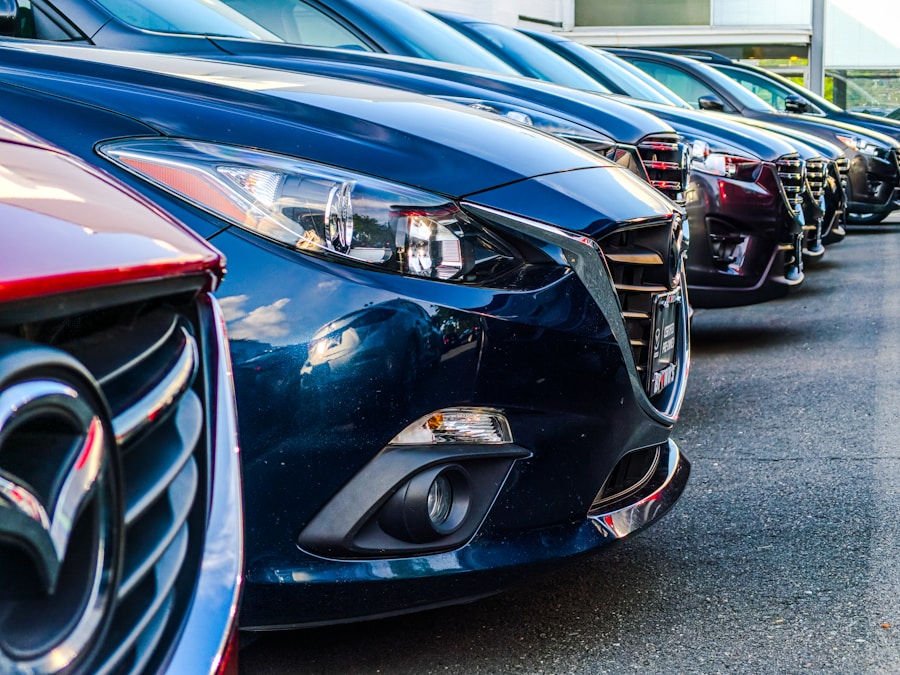
Industrial n'ichepụta eweta na nkenke metal components na-anọchi anya ejima ịghasa extruder ọcha mmepụta
Amụma Azụmahịa Ọdịbendị na-emetụta akụrụngwa ụlọ ọrụ
The transatlantic trade relationship between the United States and the European Union remains the world's largest bilateral commercial partnership, na mkpokọta ngwaahịa na ọrụ ahia karịrị USD 1.3 trillion kwa afọ dị ka US kọrọ. Ụlọ ọrụ Census na Eurostat n'oge mbụ. Maka akụrụngwa akụrụngwa dị ka ejima ịghasa extruder ọcha, ọtụtụ mmepe amụma n'ime ọnwa abụọ gara aga dị mkpa karịsịa:
Mpaghara Tarifu (Eprel–June ): U.S. administration's tariff actions in early have created significant uncertainty for industrial component trade. Ngalaba 301 Tarifụ na ngwa ahịa ndị China ka na-adị irè, na igwe components chere ihu ọrụ nke 25%. The EU's Carbon Border Adjustment Mechanism (CBAM) Usoro mgbanwe na-aga n'ihu na-achọ ndị na-ebubata mbubata ka ha kọọ mkpesa agbakwunyere na ngwa ahịa ụfọdụ, n'agbanyeghị na ọtụtụ ihe extruder na-ada n'èzí CBAM ugbu a (nke na-ekpuchi ígwè, aluminom, simenti, fatịlaịza, ọkụ eletrik, na hydrogen). Agbanyeghị, ntinye ihe eji eme ihe — karịsịa ngwá ọrụ ígwè na tungsten carbide eji na ịghasa elementrị n'ichepụta — na-emetụta n'ụzọ na-apụtachaghị ìhè. Isi mmalite: Nchịkwa azụmahịa mba ụwa (ITA), .
Ngwa EU Trade Defense: The European Commission's Directorate-General for Trade has maintained anti-dumping duties on certain steel products from China, nke na-emetụta usoro ọnụ ahịa maka ihe ndị na-apụ apụ sitere na China na-abanye n'ahịa EU. Nke a na-emepụta ohere maka ndị na-emepụta ihe na India, toro toro, na ndị na-emepụta EU ụlọ. Isi mmalite: EU ahia DG, .
Council ahia na teknụzụ (TTC): Ebe TTC lekwasịrị anya na semiconductor na AI, usoro nkwụghachi ụgwọ ya nwere mmetụta maka ị nweta akụrụngwa ụlọ ọrụ dị oke mkpa, na-agba ume dị iche iche pụọ na ịdabere na otu isi mmalite.
Ecosystem zuru ụwa ọnụ Supplier: Ebe a na-arụpụta ihe ejima screw extruder
Okirikiri ala ụlọ ọrụ ejima ịghasa extruder ọcha gbadoro ụkwụ na mpaghara n'ọtụtụ mpaghara isi:
China (Nanjing, Zhangjiagang, Ụyọkọ Kunshan)
China na-achịkwa oke mmepụta zuru ụwa ọnụ maka ihe ejima ịghasa extruder emechara. Naanị ụyọkọ Nanjing gafechara 50 ndị na-emepụta ọkachamara na ihe ịghasa, gbọmgbọm, na nhazi ihe nkedo zuru oke. Isi uru gụnyere ọnụahịa asọmpi (na-emekarị 40–60% n'okpuru ọnụahịa OEM OEM), ngwa ngwa prototyping ike, na nnukwu nhọrọ ihe gụnyere nitrided ígwè, bimetallic alloys, PM-HIP (ntụ ntụ metallurgy na-ekpo ọkụ isostatic ịpị) ihe, na mkpuchi carbide tungsten. Ndị nrụpụta ama ama gụnyere akụrụngwa Extrusion Nanjing Kerke, Ngwa Nanjing Haisi Extrusion, na Jiangsu Xinda Tech. Ndị na-emepụta China etinyela nnukwu ego na-egweri CNC, nhazi igwe eji atụ ihe (CMM), na nnwale metallurgical iji zute ụkpụrụ ịdị mma Europe na America.
Germany na Western Europe
Germany ka bụ onye ndu teknụzụ, ya na ụlọ ọrụ dị ka Coperion, Leistritz, na ndị na-emepụta ihe pụrụ iche na-enye akụrụngwa ọkwa ọkwa dị elu nwere nnabata siri ike (na-emekarị ±0.01mm) na metallurgies dị elu. Ndị na-emepụta Europe na-emesi ike traceability, asambodo ihe (N'ime 10204 3.1 asambodo), na ogologo oge akụkụ kwụsie ike. Ọnụ ahịa dị na njedebe adịchaghị, mana ngụkọta ọnụ ahịa nke nwe nwere ike ịsọ asọmpi maka ngwa akwa akwa.
India na Turkey (Ndị na-ebubata ihe)
India's twin screw extruder elements manufacturing sector is growing, ya na ụlọ ọrụ dị na Ahmedabad na Pune na-enye ọnụ ahịa etiti na mma mma. Turkey apụtala dị ka nhọrọ dị nso maka ndị na-azụ ahịa EU na-achọ oge ndu dị mkpụmkpụ karịa China nwere ọnụ ala dị ala karịa Western Europe.
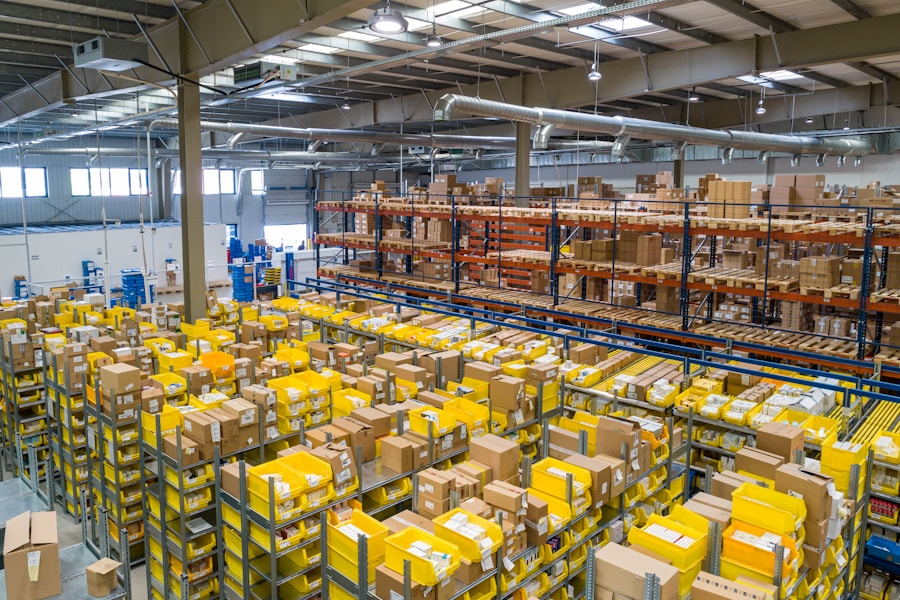
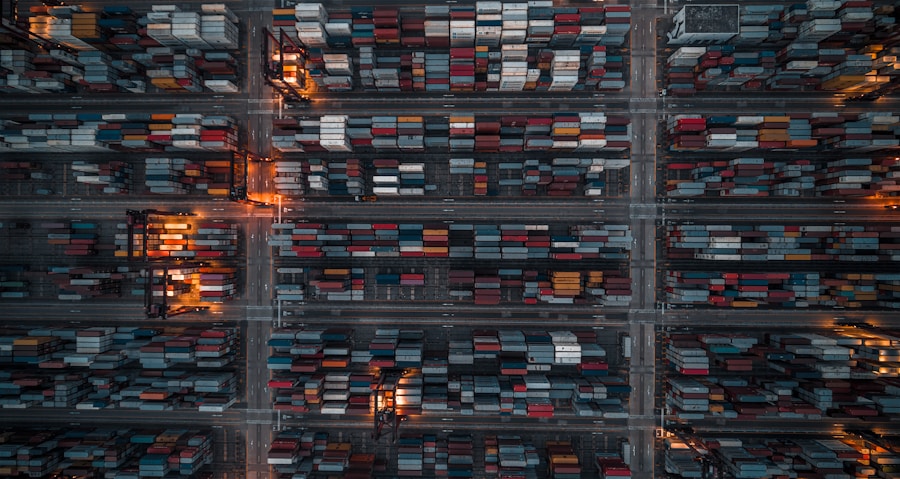
Ọdụ ụgbọ mmiri zuru ụwa ọnụ nwere ụgbọ mmiri na-anọchite anya ngwa ahịa azụmaahịa B2B mba ụwa maka akụrụngwa mmepụta ihe
Ohere ahia B2B na Twin Screw Extruder Elements Market
Maka ndị na-azụ ahịa B2B — gụnyere ndị na-emepụta plastik, ndị na-edozi nri, ndị na-emepụta ọgwụ, na extruder OEMs — ọtụtụ ohere dị ịrịba ama apụtala na:
1. Ọdịiche dị iche iche n'onyinye: The ongoing US-China trade tensions and tariff uncertainties have accelerated "China+1" usoro mmalite. Ndị na-azụ ahịa B2B na-arụsi ọrụ ike na-achọ ndị na-eweta ihe ejima screw extruder ruru eru na mpaghara ala ọzọ.. Nke a na-emepụta ohere maka ndị na-emepụta ihe na India, Vietnam, na Turkey weghara òkè ahịa, ebe ndị nrụpụta China guzosiri ike na-azaghachi site na ịtọlite ụlọ nkwakọba ihe na US na EU iji nye ngwaahịa mpaghara na nnyefe ngwa ngwa.
2. Uto ahịa ahịa: Ka ntọala ejima ịghasa extruders arụnyere na-eto n'ụwa niile — atụmatụ na n'ofe 50,000 igwe na-arụ ọrụ n'ụwa niile — ọchịchọ nke nnọchi ihe, eyi akụkụ, na ngwa nkwalite na-aga n'ihu na-agbasawanye. Ndị na-emepụta ihe nke atọ na-enye ogo OEM nha nha na 30–50% ọnụ ala dị ala na-edozi nke ọma. B2B e-azụmahịa nyiwe dị ka Alibaba, Emebere na china, na GlobalSources emela ka ọ dịrị ndị na-azụ ahịa mfe ịchọpụta ma tozuo ejima screw extruder ọcha ndị na-ebubata ọnụ..
3. Ihe ohuru ohuru: Ọla ọla dị elu na-emepụta ohere dị iche iche. PM-HIP (Ntụ ntụ Metallurgy Hot Isostatic Pressing) ihe ịghasa na-enye 3–5x ogologo ndụ ọrụ tụnyere omenala Abụọ Stage Extruder nitrided ígwè na abrasive ngwa (eriri iko, mineral fillers). Ndị na-emepụta ihe na-etinye ego na teknụzụ ndị a nwere ike ịnye ọnụ ahịa ọnụahịa ka ha na-ebuga ndị na-azụ ahịa ọnụ ahịa ọnụ ala dị ala.. Onye nrụpụta igwe Extruder
4. Nhazi na nkwado injinia: Ndị na-azụ ahịa B2B na-achọwanye ọ bụghị naanị akụrụngwa kama nkwado nhazi nhazi. Ndị na-emepụta ihe na-enye ọrụ imewe simulation na-akwado (na-eji ngwa ọrụ dị ka Ludovic ma ọ bụ ngwanrọ nwe ya) N'akụkụ mmepụta nke mmewere na-ewere iwu bara uru dị elu.
Ihe ịma aka na-eche ndị na-azụ ahịa na ndị nrụpụta B2B ihu
N'agbanyeghị ohere, ọtụtụ ihe ịma aka na-aga n'ihu n'ahịa ejima ịghasa extruder ọcha:
Nnwale ịdị mma: Ọdịiche dị n'etiti ogo igwe a na-ekwu na n'ezie ka bụ nnukwu nchegbu, karịsịa mgbe ị na-enweta site na ndị na-ebubata ihe ọhụrụ. Ndị na-azụ ahịa na-akọ akụkọ nwere ike na-ekwekọghị ekwekọ (Ọdịiche HRC karịrị nkọwapụta), adịghị mma n'elu imecha na spline profaịlụ, na nhụsianya akụkụ nke na-eme ka uwe akaghị aka ma ọ bụ nhazi enweghị ntụkwasị obi. Atụmatụ mbelata gụnyere ịchọ nyocha nke ndị ọzọ (SGS, Ụlọ ọrụ Veritas), na-arịọ asambodo ule ihe, na ịtụ ọnụ ọgụgụ ikpe tupu ịmebe ịzụrụ olu.
Nchegbu arịa ọgụgụ isi: Ndị na-emepụta OEM extruder nwere geometry nke ịghasa ihe na-echekwa site na patent. Third-party manufacturers must navigate IP boundaries carefully, offering compatible but non-infringing designs. This is particularly relevant for self-wiping profile geometries and specialized mixing element designs.
Logistics na oge ndu: Sea freight from China to the US West Coast takes 14–21 ụbọchị, with additional inland transit. EU-bound shipments via the Suez Canal route take 28–35 ụbọchị. Air freight is available for urgent orders but increases cost by 5–8x. Mbupu Oke Osimiri Uhie na-akwụsị n'oge 2024 and early caused significant delays and cost increases for Asia-Europe routes, pushing some buyers toward European or Turkish suppliers. Isi mmalite: Akwụkwọ akụkọ azụmahịa, .
Ego na ihe ize ndụ ịkwụ ụgwọ: B2B transactions in this sector typically involve wire transfers (T/T) ya na 30% deposit and 70% balance against shipping documents or L/C at sight for larger orders. Currency fluctuations between USD, EUR, and CNY can impact landed costs by 3–8% over a procurement cycle.
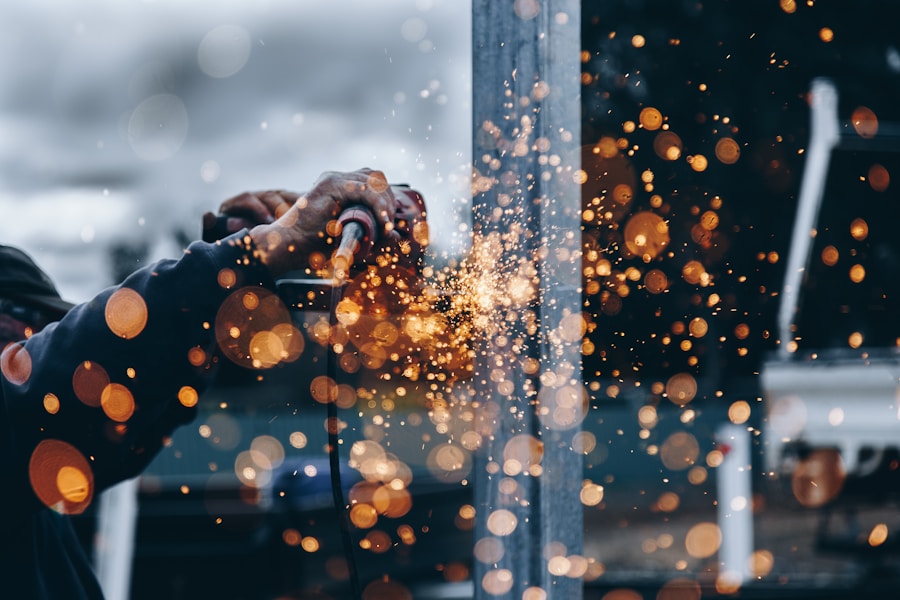
Precision CNC machining center producing metal components similar to twin screw extruder elements manufacturing process
Uru ala na amụma dị na azụmaahịa
The trade corridor offers distinct advantages for B2B buyers of industrial components:
Nhazi usoro iwu: Both the US and EU maintain high standards for industrial equipment safety and material compliance. Components manufactured to EU standards (akara CE, ATEX maka ikuku ikuku) are generally accepted in the US market with minimal additional certification. This regulatory compatibility reduces compliance costs for manufacturers serving both markets.
Akụrụngwa ọdụ ụgbọ mmiri: Isi ọdụ ụgbọ mmiri gụnyere Rotterdam (Europe's largest), Hamburg, Antwerp-Bruges, Los Angeles/Long Beach, and Savannah provide efficient handling of containerized industrial components. Rotterdam's Europoort complex handles over 14 million TEUs annually and offers direct connections to Europe's inland waterway network, enabling cost-effective distribution to manufacturing clusters in Germany, Belgium, na Netherlands. Isi mmalite: Port of Rotterdam Authority, 2024.
Free Trade Zones and Bonded Warehousing: Abụọ US (Mpaghara ahia mba ofesi) na m (Mpaghara efu) offer duty deferral and reduction mechanisms that benefit importers of extruder components. Manufacturers establishing bonded warehouses in key markets can offer local stock availability while optimizing duty payments.
Azụmahịa ego akụrụngwa: The mature banking systems in both the US and EU provide reliable trade finance instruments including letters of credit, mbupụ kredit mkpuchi (through agencies like Euler Hermes, EXIM Bank), and supply chain financing programs that reduce payment risk for both buyers and sellers.
Case Studies Success in the Extruder Elements Market
Ọmụmụ ihe 1: Chinese Manufacturer Establishing EU Distribution
A Nanjing-based twin screw extruder elements manufacturer with annual revenue of approximately USD 15 nde mmadụ ghọtara na ndị na-azụ ahịa Europe na-ala azụ ịtụ ahịa ozugbo site na China n'ihi ogologo oge ndu yana nchegbu dị mma. N'ime 2023, ụlọ ọrụ ahụ guzobere ụlọ nkwakọba ihe na Duisburg, Germany — Europe's largest inland port and a key logistics hub on the Belt and Road rail corridor. Site na-ejigide ngwaahịa nke 200+ nkịtị ịghasa mmewere Ụlọ ọrụ Pelletizing nkọwa (maka Coperion ZSK, Ụlọ ọrụ Leistritz ZSE, na usoro KraussMaffei ZE ndakọrịta), ha belatara oge nnyefe site na 35–45 ụbọchị ruo 3–5 ụbọchị azụmahịa maka ndị ahịa EU. Ụlọ ọrụ ahụ tinyere ego na EN 10204 3.1 asambodo ihe onwunwe maka ihe niile akpakọbara wee were onye injinia ahịa teknụzụ na-asụ German. Nsonaazụ: Ego mbata EU tolitere 180% n'ime 18 ọnwa, ya na isi ihe ndekọ gụnyere ndị mmekọ na Germany, Ịtali, na Poland.
Ọmụmụ ihe 2: US Compounder na-emejuputa atumatu Dual-Isi Iyi
Ngwakọta plastik etiti dị na Texas na-arụ ọrụ 12 ejima ịghasa extruder ahịrị (ngwakọta nke igwe Coperion na Leistritz) na-emefu ihe dịka USD 400,000 kwa afọ na OEM nnọchi ihe. Mgbe emechara ndị na-eweta ngwaahịa abụọ ọzọ — otu na Nanjing, China, na otu na Ahmedabad, India — ụlọ ọrụ ahụ belatara ego ọ na-eme kwa afọ na USD 220,000 mgbe ị na-ejigide àgwà nhazi. Usoro ntozu gụnyere: Plastic Pellet Extruder (1) na-arịọ ihe nlele na asambodo ihe zuru oke, (2) na-eme nnwale ike nke onwe na nke akụkụ n'ụlọ nyocha ọla dị na mpaghara, (3) na-agba ọsọ 500-hour mmepụta ule na-adịghị oké egwu ahịrị, na (4) jiri nwayọọ nwayọọ gbasaa ruo ahịrị niile gafere 6 ọnwa. Ụzọ isi mmalite abụọ nyekwara nkwụghachi azụ azụ azụ mgbe onye na-ebubata ndị China nwetara igbu oge mbupu izu 3 n'ihi mkpọkọ ọdụ ụgbọ mmiri..
Ọmụmụ ihe 3: European OEM Mmekọrịta ya na onye nrụpụta ihe pụrụ iche
A etiti-tier European extruder OEM nke dabere na Italy, na-emepụta ihe dị ka 80 ahịrị ejima ịghasa extruder kwa afọ, gbanwere site na mmepụta ihe nkedo ime ụlọ gaa na ụdị mmekorita ya na onye nrụpụta pụrụ iche. Site n'iwepụ mmepụta ihe na ụlọ ọrụ raara onwe ya nye nwere ike ịkụ ihe CNC dị elu yana nhazi ihe onwunwe PM-HIP., OEM belatara akara n'ichepụta ya, mma mmewere àgwà agbanwe agbanwe, na oge nnyefe dị mkpụmkpụ maka nhazi ịghasa omenala. Ụdị mmekọrịta ahụ kwere ka OEM lekwasị anya na nhazi igwe, mgbakọ, yana injinia ngwa ndị ahịa mgbe onye nrụpụta mmewere na-ahụ maka nrụpụta igwe na-akpa ike. Ụzọ a na-esiwanyewanye ike na ụlọ ọrụ, dị ka a kọrọ Plastics Taa, 2024.

Ndị ọkachamara azụmaahịa na nzụkọ mkparita ụka azụmaahịa B2B na-atụle atụmatụ atụmatụ akụrụngwa mmepụta ihe
Ihe ngosi ahia na ihe omume ime ala
Ndị na-azụ ahịa B2B na ndị na-emepụta ihe ejima screw extruder na-ejikọta n'ọtụtụ mmemme ụlọ ọrụ:
- K Trade ngosi (Düsseldorf, Germany): The world's largest plastics trade show, a na-eme ya kwa afọ atọ (mbipụta ọzọ: October ). Ndị OEM extruder niile na ọtụtụ ndị na-emepụta ihe na-egosipụta. Dị mkpa maka nchọta ndị na-ebubata ngwaahịa na benchmarking teknụzụ.
- AHA (Orlando, USA): North America's largest plastics show, a na-eme ya kwa afọ atọ. Nke 2024 mbipụta dọtara 50,000 ndị ọbịa ma gosipụta nnukwu ihe ngosi teknụzụ extrusion.
- Chinaplas (Shenzhen/Shanghai, ọzọ): Asia's largest plastics show, na nnochi anya siri ike sitere na ndị na-emepụta ihe ndị China extruder. E gosipụtara mbipụta ahụ na Shenzhen 4,000 ihe ngosi.
- Fakuma (Friedrichshafen, Germany): Plastics Europe kwa afọ na-egosi na teknụzụ extrusion siri ike na-elekwasị anya, akwadoro maka Ọktoba.
Ihe omume ndị a na-enye ohere maka nleba anya nke ọma, mkparita uka ihu na ihu, na iwulite mmekọrịta dị oke mkpa na ahia akụrụngwa akụrụngwa B2B. Isi mmalite: Messe Düsseldorf, .
Nkà mmụta sayensị ihe na nka nka maka ndị na-azụ ahịa
Ịhọrọ nke ọma ejima ịghasa extruder ọcha emeputa chọrọ ịghọta teknuzu nkọwa na-emetụta arụmọrụ na ogologo ndụ:
Metallurgies ndị a na-ahụkarị maka ihe ịghasa
- Nitrided ígwè (eg., 1.8550 / 34CrAlNi7): Ihe ọkọlọtọ maka njikọta ebumnuche izugbe. Isi ike nke 900–1100 HV, nitriding omimi nke 0.3–0.7mm. Ndụ iyi dị ọnụ ahịa mana oke na ngwa abrasive.
- Ngwongwo Eji-ike siri ike (eg., D2, CPM-9V): Isi ike nke nnukwu nnukwu (58–62 HRC) na-enye nkwụsi ike ka mma maka iyi abrasive site na eriri iko na ihe ndị na-ahụ maka ịnweta.
- Ngwa PM-HIP (eg., CPM-10V, Vancron 40): Steel metallurgy ntụ ntụ esichara site na ịpị isostatic na-ekpo ọkụ na-enye nguzogide eyi pụrụiche (3–5x nitrided ígwè) na ezigbo ike. Akọwapụtara na-abawanye maka ogige njuju dị elu yana ngwa imegharị ihe.
- Tungsten Carbide (WC/Co): The ultimate wear-resistant option for extremely abrasive applications. Typically applied as a coating or used in solid form for specific element types. Cost is 5–10x nitrided ígwè.
- Stellite and Colmonoy Coatings: Cobalt-based and nickel-based hard-facing alloys applied by welding or thermal spray for corrosion-resistant applications in chemical and pharmaceutical processing.
Buyers should request material test certificates (chemical composition, profaịlụ siri ike, microstructure images) and specify acceptance criteria in purchase orders. Reputable manufacturers welcome these requirements as they demonstrate quality commitment.
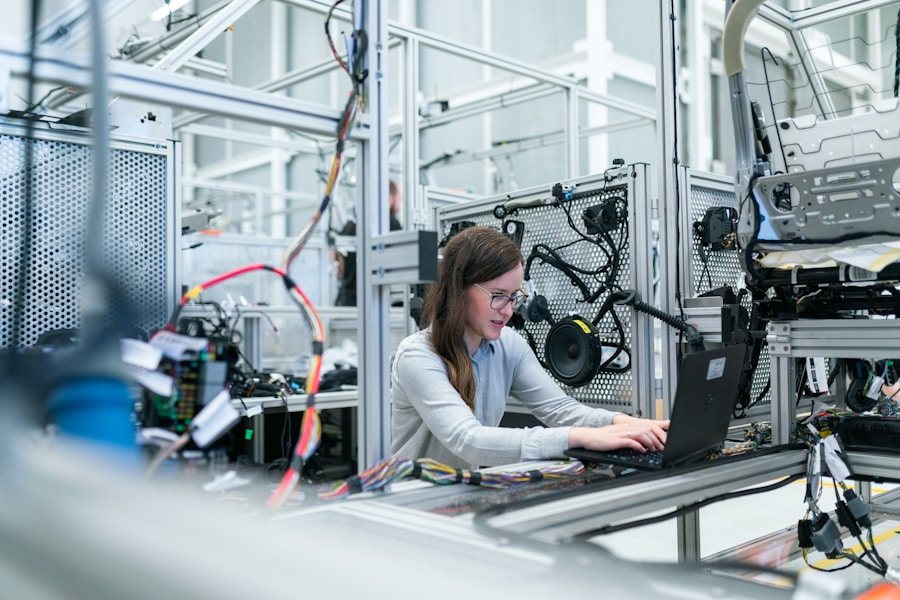
Advanced metallurgical testing and quality control equipment used in precision manufacturing of industrial components
Workplace Safety: Protecting Workers in Extrusion Manufacturing Environments
The twin screw extrusion industry presents significant workplace safety challenges that B2B operators must address. Extrusion facilities involve heavy machinery, oke okpomọkụ (barrel temperatures typically range from 150°C ruo 350°C), akụrụngwa na-atụgharị, and handling of raw materials including abrasive fillers and chemical additives. Nchekwa ndị ọrụ — karịsịa nchebe ụkwụ — is a critical operational requirement.
Why Safety Footwear Is Essential in Extrusion Plants
Extrusion manufacturing environments expose workers to multiple foot injury hazards:
- Mmetụta Ihe dị arọ: Ejima ịghasa extruder ọcha — individual screw segments, akụkụ gbọmgbọm, and die plates — can weigh from 2 n'arọ n'elu 50 n'arọ. A dropped screw element or barrel segment can cause severe crush injuries to unprotected feet. OSHA reports that foot injuries account for approximately 60,000 workplace injuries annually in US manufacturing, na nkezi nke 7 ụbọchị ọrụ furu efu kwa ihe merenụ. Isi mmalite: OSHA, 2024.
- Compression Hazards: During extruder assembly and maintenance, workers position heavy components using overhead cranes and hoists. Misalignment or equipment failure can result in compression injuries to feet positioned near the assembly area.
- Ihe ize ndụ Puncture: Extrusion facilities often have metal shavings, broken screw element fragments, waya, and fasteners on the floor. Standard footwear provides no protection against puncture wounds from these sharp objects.
- Thermal Hazards: Na-agbapụta polymer a wụrụ awụ, ihe mkpocha ọkụ, and contact with heated barrel surfaces can cause severe burns. Heat-resistant safety footwear with appropriate sole ratings is essential for workers operating near the extrusion die and downstream equipment.
- Ihe ize ndụ na-amị amị: Polymer pellets, nhazi mmanụ, and cleaning solvents create slippery floor conditions. Anti-slip safety footwear with SRC-rated soles (tested on both ceramic tile with sodium lauryl sulfate and steel with glycerol) na-ebelata nke ọma ndapụta na ọdịda.
- Ihe ize ndụ eletrik: Extruder drive motors, igwe kpo oku, and control systems present electrical shock risks. ESD (electrostatic dissipative) or EH (ihe ize ndụ eletrik) Akpụkpọ ụkwụ nchekwa akpọrọ na-enye nchebe ọzọ.
Ụkpụrụ na asambodo nchekwa akpụkpọ ụkwụ
Ndị na-azụ ahịa B2B na-enweta akpụkpọ ụkwụ nchekwa maka ndị ọrụ osisi extrusion kwesịrị ịghọta ụkpụrụ ndị dị:
- NA ISO 20345 (Ụkpụrụ EU): Kọwaa akpụkpọ ụkwụ nchekwa na mkpuchi mkpịsị ụkwụ nwere ike iguzogide mmetụta 200J yana mkpakọ 15kN. Klas gụnyere S1 (antistatic, ike absorption na ikiri ụkwụ), S1P (na-agbakwụnye nkwụsị nkwụsị), S3 (na-agbakwunye mmiri na-eguzogide mmiri na profiled outsole), na nke ọhụrụ S5 (waterproof buut na ntupu iguzogide).
- ASTM F2413 (Ụkpụrụ US): Na-akọwapụta ihe achọrọ ịrụ ọrụ maka akpụkpọ ụkwụ nchebe gụnyere nguzogide mmetụta (I/75 = 75 ft-lbs), mgbochi mkpakọ (C/75 = 2,500 lbs), mgbochi metatarsal (Mt/75), na nchedo ihe egwu eletrik (EH).
- Ngwakọta vs. Mkpịsị ụkwụ ígwè: Akpụkpọ ụkwụ nchekwa nke oge a na-ejiwanye ihe mejupụtara (fiberglass, eriri carbon, ma ọ bụ Kevlar) mkpịsị ụkwụ ụkwụ kama ígwè. Mkpịsị ụkwụ agwakọtara dị ọkụ (30–40% mbelata ibu), na-abụghị ọla (enweghị mbufe oyi, ọdụ ụgbọ elu enyi na enyi), na izute otu mmetụta / mkpakọ ụkpụrụ. Maka gburugburu osisi extrusion ebe ndị ọrụ na-eguzo maka 8–12 oge elekere, Mbelata ịdị arọ na-eme ka nkasi obi dịkwuo mma ma belata ike ọgwụgwụ.
B2B Isi mmalite nke akpụkpọ ụkwụ nchekwa maka arụmọrụ ụlọ ọrụ
Maka ndị ọrụ B2B na-ahụ maka akụrụngwa extrusion, safety footwear procurement should be approached strategically:
Volume Purchasing: Facilities with 50+ workers can negotiate significant volume discounts (na-adịkarị 15–30% below retail) by working directly with safety footwear manufacturers or authorized distributors. Annual replacement programs ensure workers always have footwear in good condition.
Application-Specific Selection: Different roles within an extrusion plant require different protection levels. Machine operators working near the extruder barrel need heat-resistant soles (HRO rated to 300°C contact heat). Maintenance technicians require metatarsal protection and puncture resistance. Warehouse staff handling raw materials and finished goods need impact protection and anti-slip soles. A tiered specification approach optimizes both protection and cost.
Comfort and Compliance: Akpụkpọ ụkwụ nchekwa kachasị nchebe abaghị uru ma ọ bụrụ na ndị ọrụ jụ iyi ya. Akpụkpọ ụkwụ nchekwa nke oge a sitere na ndị nrụpụta dị ka Uvex, Nchekwa Puma, Ụlọ ọrụ Timberland PRO, Nku uhie, na KEEN Utility na-ejikọta nchebe na nkasi obi akpụkpọ ụkwụ egwuregwu gụnyere EVA midsoles, mmiri na-ekpuchi lining, na ergonomic footbeds. Itinye ego na akpụkpọ ụkwụ nchekwa dị mma na-eme ka ọnụego nnabata sitere na 70 na-ahụkarị–80% gafere 95%, ozugbo na-ebelata mmerụ ahụ.
Mkpokọta ọnụ nke ihe nwe: Akpụkpọ ụkwụ nchekwa adịchaghị na-efu USD 120–180 Otu ụzọ abụọ nwere ndụ ọrụ ọnwa 12 dị ọnụ ahịa karịa nhọrọ mmefu ego na USD 40–60 nke na-achọ nnọchi ọ bụla 4–6 ọnwa. Ọnụ ego niile gụnyere ịzụ ahịa, dabara adaba, na mkpofu na-akwado ngwaahịa dị mma. Na mgbakwunye, mmerụ ụkwụ ọ bụla egbochiri na-echekwa ihe ruru USD 9,000–15,000 na ụgwọ ahụike ozugbo yana nrụpụta efu, dị ka National Safety Council si kwuo. Isi mmalite: Kansụl nchekwa mba, 2024.
Complete Extrusion Systems Factory Akpụkpọ ụkwụ nchekwa nke ụlọ ọrụ nwere nchedo mkpịsị ụkwụ ígwè ejiri na gburugburu ụlọ ọrụ mmepụta na extrusion Amazon Extruder Screw
Ọdịnihu Azụmahịa Ọdịnihu: Ihe a ga-atụ anya ya na-esote 1-2 Ọnwa ole (Julaị–Ọgọst )
Dabere na ihe ngosi ahịa ugbu a, mmepe iwu, na akara ngosi ụlọ ọrụ, Ọtụtụ usoro nwere ike ịkpụzi ihe ejima ịghasa extruder na-azụ ahịa n'oge dị nso:
1. Ejighị n'aka tarifu ga-eme ka ụlọ nkwakọba ihe: Na mgbanwe amụma tarifụ US na-aga n'ihu, A na-atụ anya na ndị na-azụ ahịa B2B ga-abawanye ọkwa nchekwa nchekwa nke akụrụngwa extruder dị egwu. Ndị na-emepụta ihe nwere ikike ụlọ nkwakọba ihe US na EU ga-ahụ ụbara ọchịchọ. Ndị na-emepụta China na-enye DDP (Akwụrụ Ọrụ Ebutere) ịnye ọnụahịa na ebe US ga-enweta uru asọmpi site na itinye mgbagwoju anya tarifu maka ndị na-azụ ahịa.
2. Achọrọ nkwado ga-akawanye njọ: Ndị na-azụ ahịa EU na-arịọkarị data akara carbon maka akụrụngwa zụrụ. Achọrọ mkpesa CBAM, ebe ọ na-erubeghị ozugbo na-ekpuchi akụrụngwa akụrụngwa, na-ekepụta omenala nke nzipu ikuku nke na-agbasa site na ụdọ ọkọnọ. Ndị na-emepụta ihe na-enye EPD (Environmental Product Declarations) or carbon footprint calculations for their products will differentiate themselves. The recycling sector's growth — driven by EU packaging regulations mandating 30% ewegharịrị ọdịnaya site na 2030 — will increase demand for wear-resistant screw elements optimized for processing contaminated post-consumer waste streams.
3D Extruder Radiator 3. Ịzụ ahịa dijitalụ ga-eme ngwa ngwa: B2B platforms are becoming more sophisticated in handling technical industrial components. Expect to see more twin screw extruder element manufacturers offering online configurators where buyers can select element type, nha, ihe, and quantity with instant pricing. This reduces the traditional quote-negotiate-order cycle from 1–2 weeks to minutes, particularly for standard specifications.
4. Nearshoring Momentum in Europe: The combination of Red Sea shipping disruptions, rising Chinese labor costs, and EU supply chain due diligence regulations (the Corporate Sustainability Due Diligence Directive, effective 2026) will continue to push European buyers toward Turkish, Eastern European, and Indian suppliers. Turkey's proximity to EU markets (3–5 day shipping to major EU ports) and its customs union with the EU make it particularly attractive. Power Heater Extruder
5. Consolidation Among Manufacturers: The twin screw extruder elements manufacturing sector remains fragmented, karịsịa na China. Expect continued consolidation as larger manufacturers acquire smaller competitors to gain capacity, teknụzụ, and customer relationships. This consolidation will ultimately benefit B2B buyers through improved quality consistency and financial stability of suppliers.
Aluminum Extruders Tennessee 6. Advanced Coating Technologies: PVD (Ntụnye uzuoku anụ ahụ) and CVD (Chemical Vapor Deposition) coatings for screw elements are moving from laboratory to commercial availability. These coatings — including TiAlN, CrN, and DLC (Diamond-Like Carbon) — can extend element life by 2–4x Tornado Extruder Kit in specific applications. Manufacturers investing in coating capabilities will capture premium market segments. Isi mmalite: Plastics Taa, ; ITA Market Intelligence, .

Modern warehouse and logistics facility for B2B industrial component distribution and wholesale operations
Ntuziaka Isi mmalite bara uru: How to Select a Twin Screw Extruder Elements Manufacturer
Onye na-eweta Pelletizer n'okpuru mmiri For B2B buyers evaluating potential suppliers, the following framework provides a structured approach:
Nzọụkwụ 1: Define Technical Requirements
Document your extruder model, element specifications (OD, ID, ogologo, profile type), material requirements, quantity, na usoro nnyefe. Include tolerance requirements and surface finish specifications. The more precise your specification, the more accurate and comparable the quotes you receive.
Nzọụkwụ 2: Identify Potential Suppliers
Use multiple channels platforms (Alibaba, Emebere na china, ThomasNet for US suppliers, Europages for EU suppliers), trade show exhibitor lists (K Show, Chinaplas, AHA), industry referrals, and direct Google searches for "twin screw extruder elements factory" with geographic qualifiers.
Nzọụkwụ 3: Initial Qualification
Request company profiles, production capability presentations, customer reference lists, and quality certifications (ISO 9001 kacha nta, ISO 14001 preferred). Evaluate response time and communication quality as indicators of service capability.
Nzọụkwụ 4: Sample and Test
Order sample elements (typically 2–5 iberibe) with full material certificates. Conduct independent testing: nlele akụkụ (CMM measurement), ule ike ike (surface and cross-section), and if possible, metallographic examination. Compare results against specifications and OEM benchmarks.
Nzọụkwụ 5: Trial Production Run
Install qualified sample elements on a non-critical extruder line and run for a defined period (na-abụkarị 500–1000 awa). Monitor processing parameters, àgwà ngwaahịa, and element wear. Document results for comparison with incumbent supplier performance.
Nzọụkwụ 6: Negotiate and Formalize
Based on successful trials, negotiate pricing (consider volume tiers, annual contracts, and consignment stock arrangements), okwu ịkwụ ụgwọ, ọnọdụ akwụkwọ ikike, and quality assurance protocols. Formalize the relationship with a supply agreement that includes quality specifications, chọrọ nnyefe, na usoro idozi esemokwu.
Ajụjụ a na-ajụkarị (FAQ)
- What materials are commonly used for twin screw extruder elements?
- The most common materials include nitrided steel (34CrAlNi7/1.8550), through-hardened tool steels (D2, CPM-9V), powder metallurgy HIP materials (CPM-10V, Vancron 40), and tungsten carbide for extreme wear applications. Material selection depends on the processed material's abrasiveness, corrosiveness, and processing temperature. A qualified manufacturer will recommend the optimal metallurgy based on your specific application.
- What is the typical lead time for custom twin screw extruder elements?
- Lead times vary by manufacturer and order complexity. Chinese manufacturers typically quote 3–5 weeks for standard specifications and 5–8 weeks for custom or PM-HIP materials. European manufacturers quote 4–8 weeks for standard and 8–12 weeks for specialized materials. Manufacturers maintaining warehouse stock of common sizes can ship within 1–5