

Ụlọ ọrụ ejima ịghasa Extruder element: Ntuziaka azụmaahịa B2B akọwapụtara maka ndị nrụpụta, Ndị na-eweta ihe & Ndị na-azụ ahịa n'ogbe na
Ahịa ejima screw extruder element zuru ụwa ọnụ na-enwe nnukwu ọkụ dị ka plastik na-agbakọta, nhazi nri, ọgwụ, na ụlọ ọrụ kemịkalụ gbasaa na North America na Europe. Maka ndị na-azụ ahịa B2B na-achọ ihe a pụrụ ịdabere na ya ejima ịghasa extruder ọcha factory, ịghọta ọdịdị ala nrụpụta, atumatu ahia, logistics corridors, na inweta usoro kacha mma dị mkpa. Ntuziaka a na-enye nyocha miri emi nke usoro gburugburu ebe obibi ụlọ ọrụ ejima screw extruder—na-ekpuchi ndị na-emepụta ihe na-eduga, Nleba ndị na-ebubata ngwaahịa n'ogbe, mgbanwe ahia, echiche tarifu, yana amụma ndị nwere ike ime maka Q3–Q4. Ma ị bụ onye mmekọ na Germany, ihe nrụpụta plastik na Ohio, ma ọ bụ ụlọ ọrụ azụmaahịa na-enweta ihe ịghasa n'ọtụtụ, akụrụngwa a na-akwado gị ọgụgụ isi iji mee mkpebi nzụta obi ike.
Ịghọta ihe ejima screw Extruder: Ngwa ndị isi na ngwa nrụpụta
Ihe ejima ịghasa extruder ọcha bụ ihe mgbochi ụlọ modular nke etinyere n'elu ogwe nke ihe ejima na-atụgharị ma ọ bụ na-agbanwe agbanwe.. Ihe ndị a—gụnyere ihe ndị na-ebuga, igwakorita blocks, agwakọta ihe, na reverse-flight ọcha—chọpụta shiee, oge obibi, na njiri mara nke usoro extrusion. Ọpụrụiche ejima ịghasa extruder ọcha factory na-emepụta ihe ndị a site na nchara ngwá ọrụ (eg., W6Mo5Cr4V2, 38CrMoAlA) ma ọ bụ ntụ ntụ-metalurgy alloys na ike ntachi obi, na-emekarị ±0.01 mm na profaịlụ involute.
Isi ngwa ngalaba ịnya ụgbọ ala gụnyere:
- Ngwakọta plastik: Mmepụta Masterbatch, ngwakọta polymer, ogige jupụtara na gbasie ike (eriri iko, eriri carbon, mineral fillers).
- Nhazi nri: extrusion nri nri, nri anụ ụlọ, protein akwukwo nri textured (TVP), na mmepụta ọka.
- Ọgwụ ọgwụ: Ịgbaze ọkụ na-ekpo ọkụ maka usoro nnyefe ọgwụ—akụkụ na-eto ngwa ngwa na EU na US.
- Nhazi kemịkalụ: extrusion mmeghachi omume, devolatilization, na ịgwakọta adhesives na-aga n'ihu, sealants, na mkpuchi.
- Imegharị ihe: Mechanical recycling nke plastik mgbe ndị ahịa gachara, ngalaba nke ụkpụrụ Economy Circular Economy na atụmatụ US EPA kwalitere.
Ihe nkedo nke okpukpu abụọ Dị ka data si Nchọpụta Nleba anya (2024), riri ahịa ejima screw extruder zuru ụwa ọnụ na ihe ruru USD 1.2 ijeri ma na-atụ anya itolite na CAGR nke 5.2% site na 2030. The nnọchi na nkwalite okirikiri maka ịghasa ihe—nke na-eyi akụkụ—na-ebute ahịa azụmaahịa na-aga n'ihu na-eme atụmatụ na 30–40% nke ngụkọta extruder uru ahịa, na-eme ka ejima ịghasa extruder ọcha akụkụ ụlọ ọrụ a dị oké egwu ọkọnọ ọnụ ọnụ. Ngwakọta Ngwakọta Ngwakọta
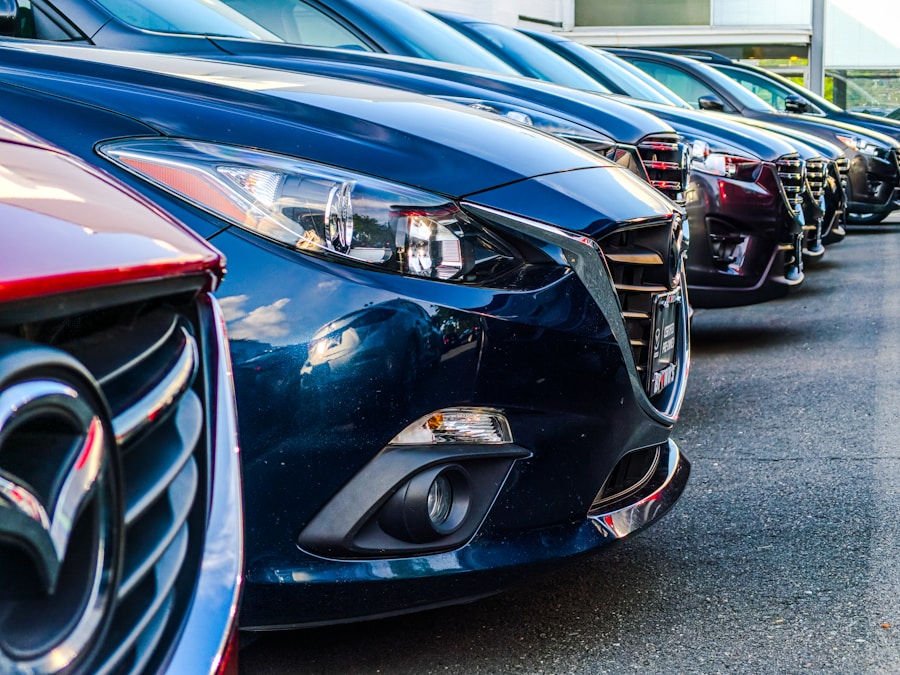
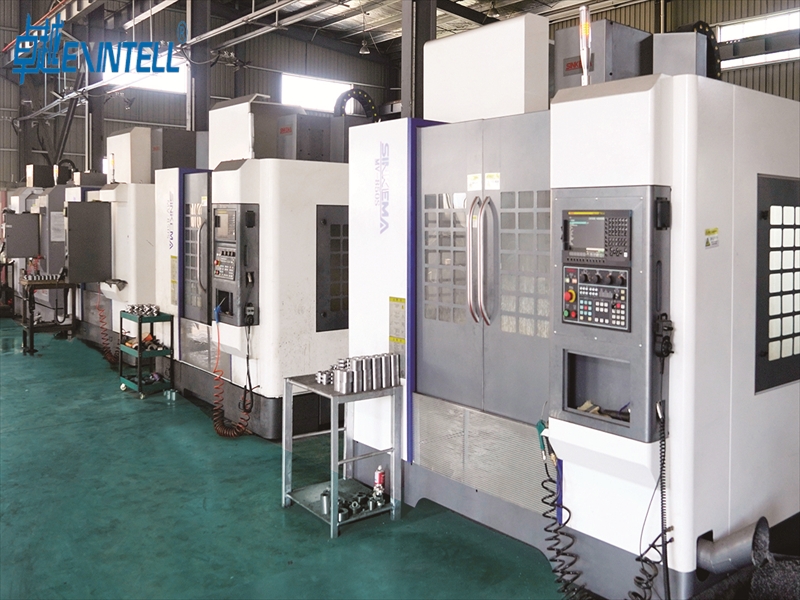
Ụlọ ọrụ mmepụta ihe na igwe CNC na-emepụta ihe ndị dị na ígwè nke ọma maka ngwa extrusion
Okirikiri ala zuru ụwa ọnụ ejima screw Extruder Elements Factory Landscape: Onye na-eme ihe na ebe
Isi ihe nrụpụta maka ihe ejima ịghasa extruder agbadoro n'ọtụtụ mpaghara isi, nke ọ bụla nwere uru asọmpi pụrụ iche:
China: Onye isi olu
China nwere ọnụ ọgụgụ kasị ukwuu nke ụlọ ọrụ ejima screw extruder element, kpọkọtara nke ọma na Nanjing (Jiangsu Province), which is often called the "Extruder Capital" nke ụwa. Ụlọ ọrụ dabere na Nanjing dị ka Nanjing Jieya Extrusion Equipment Co., Ụgwọ nke ụlọ ọrụ Nanjing Haisi Extrusion Equipment Co., Ltd., Ụlọ ọrụ ahụ bụ Nanjing Kerke Extrusion Equipment Co., Ltd. inye ihe ịghasa gburugburu ụwa. Ụlọ ọrụ ndị China na-enye ọnụahịa asọmpi—Ọtụtụ mgbe 40–60% n'okpuru European OEM dakọtara—ka esiwanye kenha mma site investments na CNC egweri emmepe (eg., Ime ụlọ na Niles, Reishauer) na ụlọ nyocha igwe. Maka ndị na-azụ ahịa n'ogbe, China ka bụ isi mmalite mmalite maka ọnụ ahịa bara uru, iwu dị elu.
Germany: Ihe nrịbama nke ziri ezi
Pince A Extruder Germany bụ ebe obibi mbụ ejima screw extruder OEMs—Coperion (Stuttgart), KraussMaffei Extrusion (Hannover), na Leistritz (Nuremberg). Companieslọ ọrụ ndị a na-arụpụta ihe ndị nwere skruta nke nwere oke nnabata yana ezigbo ọla. Ihe ndị German mere na-enye ọnụ ahịa ọnụahịa nke 2–4× karịa ihe ndị China mana a na-ahọrọ maka ngwa dị oke egwu na ọgwụ, polymers dị elu, na nri-kpọtụrụ extrusion ebe traceability na asambodo (FDA, EU 1935/2004) bụ iwu.
United States: Ike ime ụlọ na-eto eto
Ndị nrụpụta US dị ka Entek (Lebanon, Oregon), Mpụpụ nke narị afọ (Obodo traverse, Michigan), na CPM Extrusion Group na-enye ma OEM na aftermarket ịghasa ihe. Usoro nke reshoring, mekwuo ya site na Nkebi 301 tariffs on Chinese machinery components and the CHIPS and Science Act's broader manufacturing incentives, na-agba ume mgbasawanye ikike ụlọ. Agbanyeghị, Ụlọ ọrụ US ka na-anọchi anya obere akụkụ nke mmepụta zuru ụwa ọnụ.
Chọgharịa katalọgụ anyị zuru ezu nke ejima ịghasa extruder ọcha emeziri maka Coperion, Leistritz, JSW, na Berstorff shaft profaịlụ. Ejima Screw Extruder igwe emeputa
Amụma Azụmahịa na Mmetụta Ya na Twin Screw Extruder Elements Sourcing
The transatlantic trade relationship between the United States and the European Union is the world's largest bilateral commercial partnership, na ahia ngwaahịa na ọrụ karịrị USD 1.3 trillion kwa afọ dị ka Ụlọ ọrụ nnọchiteanya United States Trade (USTR) (2024 data). Maka ndị na-azụta B2B nke ihe ejima ịghasa extruder ọcha, ọtụtụ akụkụ amụma dabara ozugbo:
Ọdịdị Tarifu
Ihe ejima ịghasa extruder na-adakarị n'okpuru koodu HS 8477.90 (akụkụ nke igwe maka rọba ma ọ bụ plastik na-arụ ọrụ). US MFN (Mba Kachasị Mma) ọnụego tarifu maka HS 8477.90 bụ 3.1% maka mbubata sitere na mba ndị otu EU. Mbubata EU sitere na US na-eche nha nha nha anya 2.7% n'okpuru EU Common Custom Tarifu. Ọnụ ego tarifu ndị a dị obere na-eme ka azụmaahịa nke akụkụ abụọ dị na akụrụngwa extruder.
Agbanyeghị, mgbe a na-enweta ya site na China, Ndị na-ebubata US na-eche ihe mgbakwunye ihu 25% Ngalaba 301 tarifu na HS 8477.90 ngwongwo, amanye kemgbe 2018 ma nọgide na-enwe site. Nke a tarifu dị iche iche agbanweela atumatu isi mmalite: ụfọdụ Extruder N'ogbe Ndị na-arụkọ ọrụ US ugbu a na-ewepụta ihe ndị na-esi na ụlọ ọrụ EU (karịsịa Germany na Italy) iji zere tarifu China, ebe ndị ọzọ na-etinye ego ahụ n'ihi uru dị mkpa nke isi-ọnụ ahịa nke ihe ndị China. N'ogbe Lab Extruders
Usoro mmezi oke Carbon EU (CBAM)
The EU's CBAM, nke banyere n'usoro mgbanwe ya n'ọnwa Ọktoba 2023 ma ga-arụ ọrụ nke ọma site na 2026, na-emetụta mbubata nke ígwè na aluminom—isi akụrụngwa maka ịghasa elementrị mmepụta. Ụlọ ọrụ ejima screw extruder element na-ebuga na EU ga-achọ ịkọpụta ikuku carbon agbakwunyere., ma mechaa zụta asambodo CBAM. Iwu a, akwụkwọ site na European Commission – Ụtụ isi na kọstọm Union, na-agbakwụnye mgbagwoju nrube isi na ọnụ ahịa nwere ike maka ndị na-abụghị EU, karịsịa ndị nọ na mpaghara na-emepụta ígwè na-emepụta carbon.
Council ahia na teknụzụ (TTC)
Ihe TTC, guzosie ike na 2021, nwere otu ndị na-arụ ọrụ na resilience yinye ọkọnọ na nhazi ụkpụrụ. Maka akụrụngwa akụrụngwa akụrụngwa dị ka ihe ịghasa, the TTC's efforts to harmonize technical standards (eg., ihe akaebe, akụkụ ndidi) nwere ike ibelata ihe mgbochi na-abụghị tarifu ma kwado ịzụ ahịa n'oke ala. Nke Nchịkwa azụmahịa mba ụwa (ITA) na-enye mmelite oge niile na ọganihu TTC.

Echiche ikuku nke nnukwu ọdụ ụgbọ mmiri Europe nwere ụgbọ mmiri akpa na akụrụngwa akụrụngwa na-akwado azụmaahịa B2B mba ụwa
Ohere ahia B2B maka ihe ejima Screw Extruder element na US na EU Market
Nkwekọrịta nke ọtụtụ usoro macro na-emepụta ohere B2B dị ukwuu maka ụlọ ọrụ ejima screw extruder ụlọ ọrụ na-ejere US na EU ozi.:
Ohere 1: Iwu imegharị plastik
Ngwakọta Dispermat The EU's Packaging and Packaging Waste Regulation (PPWR), nakweere na 2024, nyere iwu ka ọdịnaya emegharịrị kacha nta na nkwakọ ngwaahịa rọba—30% site 2030 na 65% site 2040. Na US, steeti dị ka California (SB 54), New Jersey, na Oregon ewepụtala ọrụ ndị nrụpụta agbatịgoro (EPR) iwu nwere chọrọ ọdịnaya emegharịrị. Mechanical recycling Otu Screw Extruder Slideshare na-adabere kpamkpam na ejima ịghasa extruders maka recompounding, na oke eyi na ihe ndị skru na-ahazi nri nri ejigharịgharị (nke nwere ihe mmetọ, ihe ndochi, na ngwakọta polymers) bụ 2–3× dị elu karịa nhazi ihe onwunwe na-amaghị nwoke. Nke a na-eme ka okirikiri nnọchi anya ngwa ngwa ma na-abawanye ọchịchọ maka ihe ịghasa na-eguzogide iyi sitere na ụlọ ọrụ pụrụ iche.
Ohere 2: Ọkụ na-agbaze ọgwụ ọgwụ
FDA na EMA akwadola ọnụ ọgụgụ na-abawanye ụba nke ngwaahịa ọgwụ emepụtara site na extrusion na-agbaze ọkụ (HME). Dị ka a 2024 nyochaa na Akwụkwọ akụkọ International nke Pharmaceutics, gafere 30 Ngwaahịa ọgwụ azụmahịa na-eji teknụzụ HME ugbu a. Ihe ịghasa ọkwa ọgwụ na-achọ ọgwụgwọ elu pụrụ iche (eg., electropolishing na Ra ≤ 0.4 µm), ihe akaebe (316L igwe anaghị agba nchara ma ọ bụ Hastelloy), na akwụkwọ traceability zuru oke. Niche a dị elu na-akwado ụlọ ọrụ nwere ISO 13485 ma ọ bụ dakọtara àgwà usoro.
Ohere 3: Ụgbọ ala eletrik (EV) Ngwa batrị
A na-ejikarị ejima ịghasa extruders eme ihe maka ịgwakọta cathode na anode slurries na mmepụta batrị lithium-ion.—a process called "dry electrode" mmepụta ihe. Site na ụkpụrụ batrị EU (2023) yana Iwu Mbelata ọnụ ahịa US (IRA) na-anya nnukwu ego na mmepụta batrị ụlọ, ina maka specialized ịghasa ọcha (corrosion na-eguzogide, elu-torque aghụghọ) na-apụta dị ka vector eto eto ọhụrụ. Blender Extrude A Curve
Ihe ịma aka 1: Nnwale ịdịmma n'ọkwa
Ndị na-azụ ahịa B2B na-enweta site na ụlọ ọrụ ejima screw extruder nke mba ofesi na-eche ihe ịma aka nkwenye dị mma ihu.. Nkezi nha nha, metallurgical mejupụtara, na ọgwụgwọ okpomọkụ nwere ike ịdị iche n'etiti ogbe. Atụmatụ mbelata gụnyere ịchọ asambodo ule ihe (N'ime 10204 3.1), na-eme nyocha tupu ebupu site na ụlọ ọrụ ndị ọzọ (SGS, Ụlọ ọrụ Veritas), ma na-arịọ ihe nlele maka nnwale kwesịrị ekwesị tupu ịmebe iwu olu.
Ihe ịma aka 2: Nchegbu arịa ọgụgụ isi
Nhazi mmewere OEM ịghasa na-abụkarị nke nwe ya, na profaịlụ involute kpọmkwem, n'ọnụ akụkụ, na ụgbọ elu geometry. Ụlọ ọrụ ndị na-azụ ahịa na-atụgharị-engineer atụmatụ ndị a na-arụ ọrụ na mpaghara isi awọ iwu kwadoro. Ndị na-azụ ahịa B2B kwesịrị ijide n'aka na ndị na-ebubata ha nwere ikike imewe ziri ezi ma ọ bụ na-emepụta nkọwapụta n'ihu ọha iji zere ihe egwu imebi IP., karịsịa mgbe ebubata na US (ebe ITC Nkebi 337 nyocha nwere ike igbochi ngwongwo ndị na-emebi iwu na oke).
Mụtakwuo maka anyị àgwà nyocha usoro maka ejima ịghasa extruder ọcha na otu anyị siri hụ na ogbe-na-ogbe agbanwe agbanwe.
Uru ala na amụma na-eme ka azụmaahịa B2B dị na akụrụngwa Extruder
US na EU na-erite uru site na ọtụtụ uru nhazi nke na-eme ka azụmaahịa B2B dị na akụrụngwa mmepụta ihe dị ka ihe ejima screw extruder.:
akụrụngwa akụrụngwa: The transatlantic shipping corridor is among the world's most efficient. Isi ọdụ ụgbọ mmiri—Rotterdam (Europe's largest), Hamburg, Antwerp-Bruges n'akụkụ EU; Los Angeles/Long Beach, Savannah, na Newark n'akụkụ US—na-enye ụgbọ mmiri ugboro ugboro na oge ngafe nke 10–18 ụbọchị. Ọnụ ego mbupu ejirila akpa maka akụkụ igwe emezila ka ọrịa butere ọrịa, na ọnụego ntụpọ na ụzọ Asia-Europe na Asia-US na-agbada 70–80% si 2022 ọnụ ọgụgụ kasị elu dị ka Drewry World Container Index (Mee ).
Nhazi nhazi: Ma US na EU na-edobe ụkpụrụ gburugburu ebe obibi ụlọ ọrụ siri ike. Ihe screw emepụtara ka DIN, ISO, ma ọ bụ ụkpụrụ ASTM na-agbanwe n'ụzọ sara mbara n'asụsụ nkọwapụta, ibelata ihe mgbochi teknụzụ. Nkwekọrịta nke asambodo mmezi (Ọnụ ego nke ILAC MRA) na nyocha nzere ụlọ nyocha (ISO/IEC 17025) n'ihu streamlines cross-oke mma mmesi obi ike.
Ego ahia ahia na nchekwa ugwo: azụmahịa na-erite uru site na ngwa ego azụmaahịa tozuru oke—akwụkwọ ozi kredit, nchịkọta akwụkwọ, na ahia kredit mkpuchi (Euler Hermes, Coface, N'ịbụ ndị chọpụtara)—nke na-ebelata ihe ize ndụ counterparty. Nke a bụ uru dị ịrịba ama ma e jiri ya tụnyere isi mmalite sitere na mpaghara nwere akụrụngwa ego na-emepebeghị emepe.
Mpaghara azụmaahịa efu na ụlọ nkwakọba ihe jikọtara ọnụ: Abụọ US (Mmemme Mpaghara Azụmahịa Ofesi, nke a na-elekọta ITA) na EU (Mpaghara efu n'okpuru koodu kọstọm Union) kwe ka ndị na-ebubata mbubata ka ọ bugharịa ma ọ bụ ibelata ọrụ na akụrụngwa ejiri n'ime ngwa ahịa, na-emeziwanye usoro ego maka ndị na-ekesa ihe ndị na-echekwa ihe ndị na-ebuga ngwa ngwa.
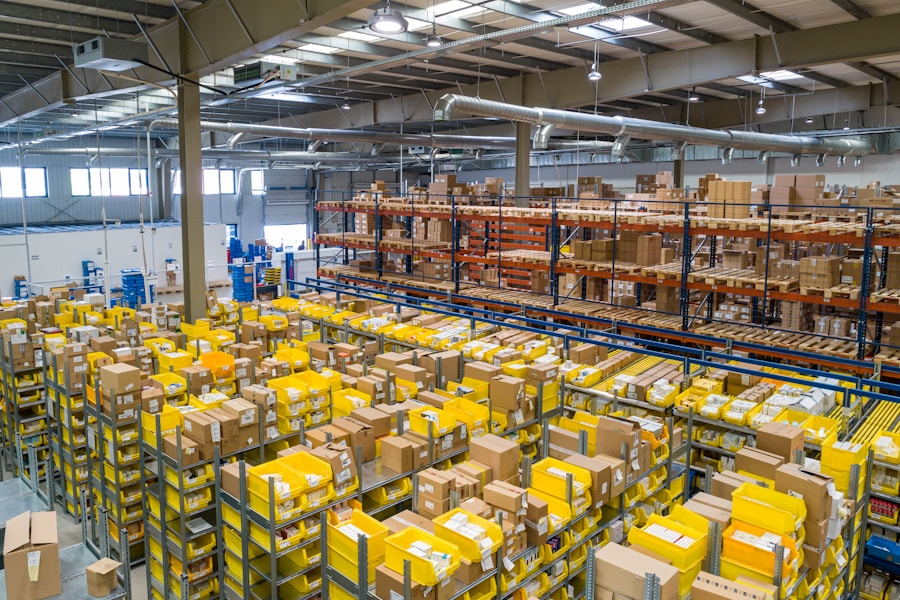
Modern warehouse logistics center with organized inventory shelving for industrial B2B component distribution
Ọmụmụ ihe: How B2B Enterprises Succeed in the Twin Screw Extruder Elements Market
Ikpe 1: A Nanjing-Based Factory Expanding into the EU Aftermarket
A mid-sized twin screw extruder elements factory in Nanjing, employing approximately 120 workers and operating 15 CNC profile grinding machines, recognized that its domestic market was becoming saturated with price competition. N'ime 2023, the company pivoted to target the European aftermarket by:
- Obtaining ISO 9001:2015 certification and investing in a coordinate measuring machine (CMM) maka 100% nlele akụkụ.
- Developing screw element profiles compatible with Coperion ZSK, Ụlọ ọrụ Leistritz ZSE, and Berstorff ZE series extruders—the three most common platforms in European compounding plants.
- Partnering with a logistics provider to offer DDP (Akwụrụ Ọrụ Ebutere) pricing to EU customers, ime ka usoro ịzụrụ ihe dị mfe.
- Ịga K Fair (Düsseldorf, okirikiri October) na Chinaplas iji wulite mmekọrịta ya na ndị na-emekọ ihe na Europe.
N'ime 18 ọnwa, ụlọ ọrụ mmepụta ihe tolitere ego EU na-enweta site na nso-efu ruo ihe dị ka 25% nke ngụkọta ahịa, na isi akaụntụ na Germany, Poland, na Ịtali. The company's success hinged on matching OEM dimensional accuracy while offering 45–55% echekwa ego na oge ụzọ izu 4 (vs. 8–12 izu sitere na OEM).
Ikpe 2: Onye nkesa US Na-ewu Chain-isi iyi Abụọ
Onye nkesa ụlọ ọrụ ọpụrụiche dabere na Houston, Texas, na-eje ozi na US Gulf Coast petrochemical corridor, ihe mkpọsa nke sitere n'akụkọ ihe mere eme naanị site na otu OEM German. Mgbe oge ndu agbatịkwuru 16 izu n'ime afọ 2021–2022 nsogbu ọkọnọ, Akaụntụ igodo ọ fọrọ nke nta ka onye nkesa ahụ tufuo. Na nzaghachi, ụlọ ọrụ ahụ:
- Tozuru oke isi iyi nke abụọ—ụlọ ọrụ ejima China ịghasa extruder ọcha—maka ọkọlọtọ ebuga na igwakorita ihe (ihe dị ka 70% nke ọchịchọ site na olu).
- Jigidere mmekọrịta German OEM maka ihe pụrụ iche (eg., ọgwụ-ọkwa, elu-alloy mejupụtara) ebe asambodo na traceability ziri ezi na adịchaghị.
- Ewubere ụlọ nkwakọba ihe jikọtara ọnụ na Mpaghara Azụmahịa Ofesi US na nso ọdụ ụgbọ mmiri Houston, na-ejide ngwaahịa nchekwa ụbọchị 90 nke nha mmewere na-agba ọsọ ọsọ.
- Ejiri usoro njikwa ngwa ahịa dijitalụ na-enye ndị ahịa ohere ịlele nnweta ngwaahịa ma tinye iwu n'ịntanetị.
Atụmatụ isi mmalite abụọ a wedara nkezi oge ndu ruo 3–5 ụbọchị maka ngwaahịa na 4–6 izu maka iwu omenala, ka ọ na-ebelata ọnụ ahịa ịzụrụ ihe site na ihe dịka 30% na ọkọlọtọ ọcha. The distributor's revenue grew 40% afọ na-afọ na 2024, according to the company's published case study.
Ikpe 3: Onye na-emepụta Italy na-eme ka ọkachamara niche
Otu ụlọ ọrụ na-arụ ọrụ nkenke nke ezinụlọ nwere na nso Brescia, Ịtali—mpaghara ama ama maka ịrụ ọrụ igwe—gbanwere site na igwe CNC izugbe gaa na mmepụta ihe ejima screw extruder pụrụ iche 2019. Ụlọ ọrụ ahụ dị iche site na:
- Na-elekwasị anya naanị na alloys arụ ọrụ dị elu: PM (ntụ ntụ metallurgy) ngwá ọrụ ígwè, Tungsten carbide mejupụtara, yana superalloys sitere na nickel maka ngwa ndị na-emebi emebi.
- Na-enye PVD n'ime ụlọ (Ntụnye uzuoku anụ ahụ) ọrụ mkpuchi (TiAlN, CrN) ịgbatị elementrị iyi ndụ site 3–5×.
- Inye ndụmọdụ injinia—na-enyocha ndị ahịa' Usoro extrusion na ịkwado nhazi nke ịghasa kachasị.
Site na 2024, ụlọ ọrụ ahụ arụpụtala ihe ndabere nke ndị ahịa 14 Mba EU ma na-ebupụ na US, na-enye ọnụ ahịa atụnyere German OEM mana na-atụgharị ngwa ngwa (3–4 izu vs. 8–12 izu). Ikpe a na-egosi ka ụlọ ọrụ ejima screw extruder element nwere ike ịsọ mpi na uru karịa ọnụahịa.
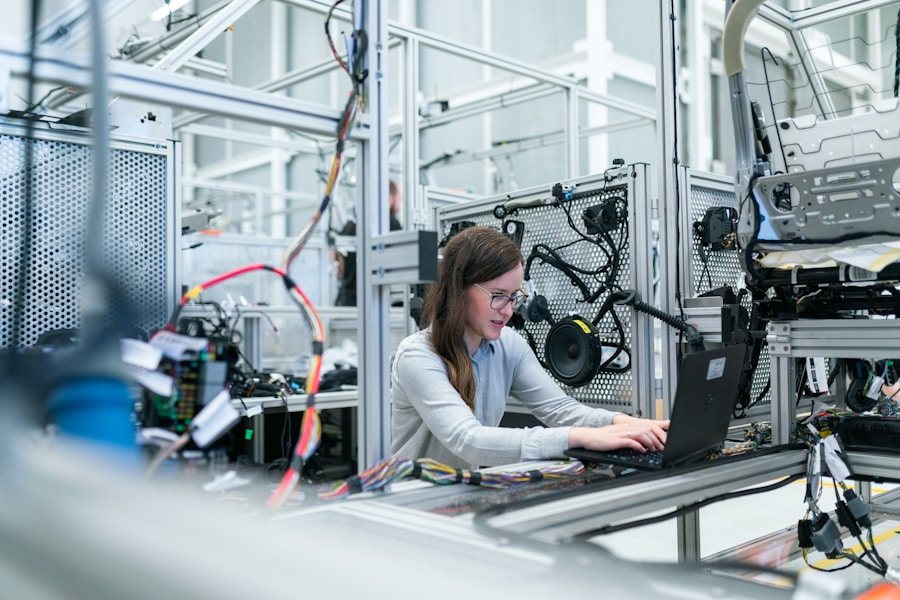
Injinia na-enyocha ihe igwe eji arụ ọrụ nkenke na ụlọ nrụpụta ọgbara ọhụrụ nwere akụrụngwa njikwa mma
Amụma azụmaahịa maka ihe ejima screw extruder: Q3–Q4 Outlook
Dabere na akara ahịa ahịa ugbu a, mmepe iwu, na data ụlọ ọrụ, A na-atụ anya na usoro ndị a ga-akpụzi ngalaba ụlọ nrụpụta ejima screw extruder n'ime 1 na-esote–2 ọnwa na n'ime oge:
amụma 1: Volatility Tarifu ga-adịgide
Gburugburu amụma azụmaahịa US ka dị ike. Dị ka mid-, Ngalaba 301 tarifu na akụrụngwa akụrụngwa China (25%) nọgide na-arụ ọrụ, ma ọ dịghị ihe na-egosi mbelata dị nso. Na mgbakwunye, Ọchịchị US egosila mgbanwe nwere ike ime maka ọnụego tarifu na igwe EU na aluminom n'okpuru ngalaba 232, nke nwere ike imetụta ọnụ ahịa screw element na-apụtaghị ìhè ma ọ bụrụ na ọnụahịa akụrụngwa agbanwee. Ndị na-azụ ahịa B2B kwesịrị iwulite atụmatụ atụmatụ tarifu n'ime ụdị ịzụrụ ha. Nke Kọstọm US na Nchekwa oke ala (CBP) CROSS rulings database is the authoritative source for HS classification guidance.
amụma 2: EU CBAM Compliance Will Become a Competitive Differentiator
As the EU CBAM transitions from reporting-only to certificate-purchase requirements (2026), twin screw extruder elements factories that can demonstrate low-carbon steel sourcing and provide verified emissions data will gain a competitive edge in the EU market. Factories in countries with clean electricity grids (eg., Scandinavia, France) or those using electric arc furnace (EAF) steel will be advantaged. Chinese factories relying on blast furnace steel may face CBAM surcharges equivalent to 5–15% of product value, partially eroding their price advantage.
amụma 3: Consolidation in the Aftermarket Segment
The twin screw extruder elements aftermarket is fragmented, with hundreds of small factories globally. Ndị nyocha ụlọ ọrụ na-atụ anya nkwado site na M&Ihe omume, dị ka ibu Player (eg., Coperion/Hillenbrand, CPM/IDEX) na-achọ ijide ego a na-enweta n'ahịa ma obere ụlọ ọrụ na-eche nrụgide oke ihu. Ndị na-azụ ahịa B2B kwesịrị nyochaa nkwụsi ike nke ndị na-ebubata ya ma tụlee nkwekọrịta ịnyefe ogologo oge na ụlọ ọrụ nwere nnukwu ego..
amụma 4: Ịzụ ahịa dijitalụ ga-eme ngwa ngwa
B2B e-azụmahịa nyiwe (Alibaba, ThomasNet, Europa) A na-ejiwanye ya maka nchọpụta ndị na-ebubata ya na oghere ihe ịghasa. Agbanyeghị, usoro a na-aga n'ihu n'ịhazi dabere na nhazi—ebe ndị na-azụ ahịa na-ahọrọ ụdị extruder, dayameta aro, ụdị mmewere, na ihe online, nweta ọnụahịa ozugbo, ma tinye iwu n'ụdị dijitalụ. Ụlọ ọrụ ndị na-etinye ego na akụrụngwa ahịa dijitalụ ga-ejide òkè na-eto eto nke ahịa ahụ, karịsịa n'etiti ndị na-arụ ọrụ n'etiti ndị na-enweghị otu ndị na-azụ ahịa raara onwe ha nye.
amụma 5: Ọchịchọ ọrịrị na-emegharịgharị ihe
With the EU PPWR implementation timeline accelerating and major brand owners (Nestlé, Unilever, P&G) committing to recycled content targets, the installed base of recycling extruders in Europe is expected to grow 15–20% kwa afọ site na 2027, kwa Ndị na-emegharị plastik Europe atụmatụ. Each new extruder installation represents a recurring screw element replacement opportunity, and the abrasive nature of recycled feedstock ensures high replacement frequency.
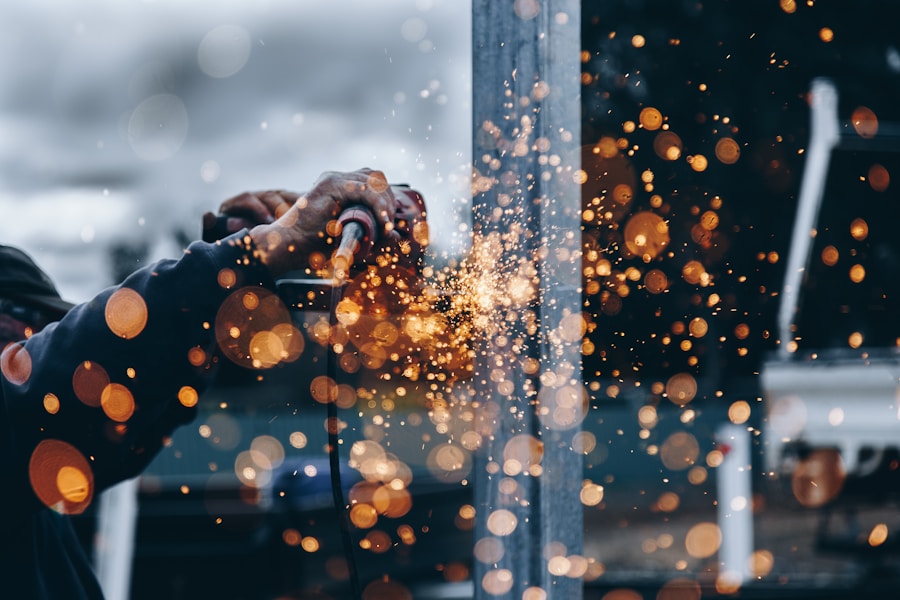
Industrial plastics recycling facility with extrusion machinery processing post-consumer materials
Material Science and Wear Protection: Safeguarding Performance and Operator Safety
The performance and longevity of twin screw extruder elements are fundamentally determined by material selection and surface engineering. Maka ndị na-azụ ahịa B2B, understanding these factors is critical to optimizing total cost of ownership and ensuring safe, reliable operations. Ụlọ ọrụ Twin-Screw Extruders Factory
Base Material Options
A professional twin screw extruder elements factory typically offers multiple material grades:
- Nitrided ígwè (38CrMoAlA): The workhorse material for general-purpose compounding. Nitriding creates a hard surface layer (900–1100 HV) while maintaining a tough core. Cost-effective for non-abrasive applications.
- Ngwá ọrụ ígwè (W6Mo5Cr4V2 / AISI M2): High-speed steel offering superior wear resistance for moderately abrasive compounds (calcium carbonate, talc-filled polymers). Hardness after heat treatment: 62–65 HRC.
- Powder metallurgy (PM) ígwè (CPM 9V, CPM 10V): Produced by hot isostatic pressing, PM steels offer uniform carbide distribution and exceptional abrasion resistance—3–5× the wear life of conventional tool steels. Preferred for glass fiber-reinforced compounds.
- Nickel-based alloys (Hastelloy C-276, Inconel 625): For corrosive applications—processing fluoropolymers, PVC with aggressive stabilizer packages, or reactive extrusion with acidic byproducts.
- Tungsten carbide composites (HIP-clad): The ultimate wear solution for highly abrasive applications. Tungsten carbide particles in a metallic matrix provide hardness exceeding 1500 HV. Used in recycling applications where contaminated feedstock causes extreme wear.
Surface Treatment Technologies
Beyond base material selection, surface treatments extend element life and improve process performance:
- PVD coatings (TiN, TiAlN, CrN): Thin-film coatings (2–5 µm) applied at low temperatures, preserving substrate properties. TiAlN coatings offer oxidation resistance to 800°C, suitable for high-temperature engineering polymer processing.
- Plasma nitriding: A controlled nitriding process producing a uniform, deep hardened layer without the "white layer" defects common in gas nitriding. Preferred for food-contact applications where surface integrity is critical.
- Chrome plating (hard chrome): Traditional surface treatment offering good corrosion resistance and moderate wear protection. Being phased out in the EU due to REACH restrictions on hexavalent chromium (Cr6+), with HVOF (High Velocity Oxy-Fuel) thermal spray coatings emerging as the replacement.
- Laser cladding: Additive manufacturing technique depositing wear-resistant alloy layers (Stellites, Colmonoy) on element surfaces. Enables localized reinforcement of high-wear zones (eg., kneading block tips) without treating the entire element.
Operator Safety Considerations
While twin screw extruder elements themselves are internal components, their condition directly impacts operational safety:
- Worn elements increase energy consumption: Degraded screw profiles reduce pumping efficiency, requiring higher motor torque and increasing energy costs by 10–25%. Monitoring specific energy consumption (kWh/kg) is a key indicator for element replacement timing.
- Metal contamination risk: Severely worn elements can shed metal particles into the product stream—a critical concern in food and pharmaceutical applications. Regular element inspection and proactive replacement prevent contamination events that could trigger product recalls.
- Shaft damage prevention: Worn elements with loose fits on the shaft can cause fretting corrosion and shaft damage. Shaft replacement costs 10–50× the cost of a single element, making timely element replacement a cost-effective maintenance strategy.
- Process stability: Consistent element geometry ensures stable melt temperature, nrụgide, and output rate. Worn elements cause process variability, leading to off-spec product and potential safety issues in downstream operations (eg., inconsistent wall thickness in extruded pipe).
A responsible twin screw extruder elements factory provides detailed wear guidelines, recommended replacement intervals based on application type, and technical support for screw configuration Extruded Pvc Type A njikarịcha. B2B buyers should evaluate suppliers not just on element price, but on the total value proposition including technical service, wear data, na nkwado injinia ngwa.
Ụlọ ọrụ Extrusion Plastic na-emepụta ihe Access our screw element wear and replacement guide for detailed maintenance recommendations by application type.

Close-up of precision-engineered metal components showing surface treatment and quality finishing for industrial applications
Selecting the Right Twin Screw Extruder Elements Factory: A B2B Buyer's Checklist
For procurement professionals evaluating a twin screw extruder elements factory, njirisi ndị a kwesịrị iduzi nhọrọ ndị na-eweta ngwaahịa:
- Profile compatibility: Confirm the factory can produce elements matching your specific extruder shaft profile (spline geometry, OD/ID dimensions). Request sample elements for fit-testing.
- Material certifications: Require EN 10204 Ụdị 3.1 material test certificates for every batch. Maka ngwa kọntaktị nri, gosi FDA 21 CFR or EU 1935/2004 nnabata.
- Dimensional inspection capability: The factory should operate calibrated CMMs (nhazi igwe eji atụ ihe) and provide inspection reports with each shipment. Request Cpk data for critical dimensions.
- Heat treatment control: Verify the factory has in-house or certified heat treatment facilities with temperature uniformity surveys (per AMS 2750 ma ọ bụ dakọtara).
- Ọnụ ahịa kacha nta (MOQ) mgbanwe: Wholesale buyers need volume pricing, but also the ability to order small quantities of specialized elements. Evaluate the factory's MOQ policy across its product range.
- Lead time reliability: Rịọ data nnyefe akụkọ ihe mere eme n'oge. A factory with 95%+ OTD (nnyefe n'oge) performance demonstrates operational discipline.
- Nkwado ndị teknuzu: The best factories offer screw design consultation, iyi nyocha, and process optimization support—not just component supply.
- nnabata ahia: For cross-border procurement, verify the factory's experience with export documentation, HS classification, and destination-country regulatory requirements.
Request a quote from our factory and receive a detailed proposal including material options, oge ndu, and volume pricing within 24 awa.
Logistics and Shipping Best Practices for Twin Screw Extruder Elements
Twin screw extruder elements are dense, precision-machined metal components that require careful handling during international shipping:
- Nkwakọ ngwaahịa: Individual elements should be wrapped in VCI (Vapor Corrosion Inhibitor) paper or film, then placed in compartmentalized wooden crates. Kneading blocks and mixing elements with protruding features require custom foam inserts to prevent contact damage.
- Shipping mode: For standard orders, LCL (Less than Container Load) ocean freight is cost-effective. For urgent orders or high-value pharmaceutical-grade elements, air freight is justified. A typical set of screw elements for a 40mm–90mm extruder weighs 50–300 n'arọ, making air freight feasible.
- Incoterms: B2B buyers should negotiate FOB (N'efu na bọọdụ) ma ọ bụ CIF (Ọnụ, Insurance, Ibu ibu) terms for ocean shipments. DDP (Akwụrụ Ọrụ Ebutere) simplifies the process for buyers unfamiliar with import procedures but typically costs 5–10% more.
- Insurance: mkpuchi ibu mmiri (Ụlọ ọrụ Cargo Clauses A—all risks) is recommended for precision components. The cost is typically 0.3–0.5% of declared value.
- Customs documentation: Ensure the commercial invoice includes accurate HS codes (8477.90.XX), material composition, country of origin, and unit values. Incorrect documentation causes customs delays and potential penalty assessments.
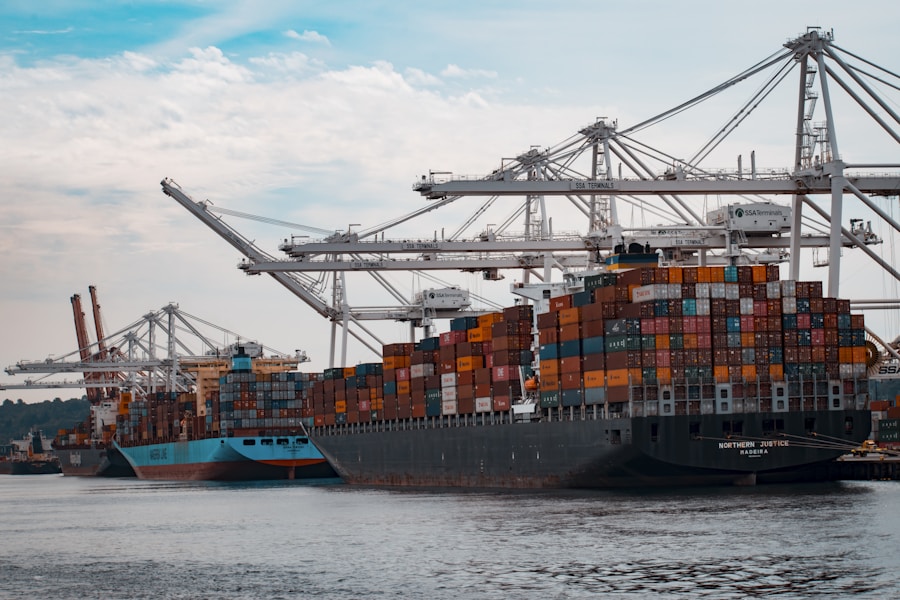
Container port with cargo ships and cranes facilitating global B2B trade logistics for industrial components
Industry Standards and Certifications Relevant to Twin Screw Extruder Elements
Ihe ejima screw extruder n'ogbe: Akwụkwọ ntuziaka maka ị nweta B2B zuru ezu… · Ejima Screw Extruder Gearbox Manufacturer Trade Analysis, Usoro ahịa… · Ejima Screw Extruder Gearbox Supplier: Complete B2B Sourcing Guide for T…