

Thermoplastic extrusion: Comprehensive Trade Analysis – Ndị na-emepụta ihe, Ndị na-eweta ihe, Ụlọ ọrụ mmepụta ihe & Outlook Market N'ogbe
Ụlọ ọrụ extrusion thermoplastic zuru ụwa ọnụ na-eguzo n'okporo ụzọ dị mkpa n'ime. Bara uru na ihe karịrị USD 230 ijeri zuru ụwa ọnụ ma na-atụ anya iru USD 310 ijeri site 2030, Thermoplastic extrusion ka bụ otu n'ime usoro nrụpụta kachasị dị egwu na-akwado ụlọ ọrụ ọgbara ọhụrụ. Site na akụrụngwa akụrụngwa na profaịlụ ihe owuwu gaa na tubing ahụike na ihe nkiri nkwakọ ngwaahịa, Ngwaahịa thermoplastic extruded bụ ọkpụkpụ azụ nke azụmahịa B2B transatlantic n'etiti United States na European Union.. Edemede a na-enye nyocha zuru oke nke mpaghara azụmaahịa dị ugbu a, gburugburu amụma, ohere ahịa, arụmọrụ ikpe ọmụmụ, na amụma na-ele anya maka ndị na-emepụta ihe na-emepụta thermoplastic, ndị na-ebubata ihe, ụlọ mmepụta ihe, na ndị na-ekesa n'ogbe na-arụ ọrụ n'ofe okporo ụzọ.
Ebipụtara: June | Ọgụgụ Ugboro abụọ Screw Extruder Supplier Oge: 18 nkeji Onye nrụpụta igwe Masterbatch
1. Amụma Azụmahịa steeti na mmetụta ya na Extrusion Thermoplastic
Mmekọrịta azụmahịa dị n'etiti United States na European Union na-anọchite anya mmekọrịta azụmahịa kachasị ukwuu n'ụwa, na ahia ngwaahịa na ọrụ karịrị USD 1.3 trillion kwa afọ dị ka Nchịkwa azụmahịa mba ụwa (ITA). N'ime usoro a, ngalaba plastik na thermoplastic extrusion na-arụ ọrụ dị mkpa, ya na ahia mba ọzọ na rọba na ngwaahịa rọba na-aza ihe ruru USD 45 ijeri 2024.
N'ime, Ọtụtụ mmepe amụma agbanweela gburugburu ebe ọrụ maka ndị nrụpụta na ndị na-ebubata thermoplastic:
- Ndozigharị tarifu US: United States emejuputala usoro tarifu emegharịrị n'okpuru ngalaba 301 na Nkebi 232 ndokwa. Mgbe thermoplastic akụrụngwa dị ka polyethylene (PE), polypropylene (PP), na polyvinyl chloride (PVC) ahụla mgbanwe tarifu, Emechara extruded ngwaahịa ihu ọrụ sitere na si 3.1% ka 6.5% dabere na nhazi koodu HS. Nke US International Trade Commission (USITC) na-edobe usoro tarifu emelitere nke ndị na-azụ ahịa na-ere ahịa thermoplastic ga-enyocha nke ọma.
- Usoro mmezi oke Carbon EU (CBAM): The European Union's CBAM, nke banyere n'usoro mgbanwe ya n'ọnwa Ọktoba 2023 ma na-aga n'ihu na mmejuputa iwu zuru oke site na 2026, na-emetụta ozugbo ụlọ ọrụ extrusion thermoplastic na-ebuga na ahịa EU. Ndị na-emepụta ihe ga-abụrịrị ịkọ akụkọ ikuku carbon agbakwunyere na ngwaahịa ha ewepụrụ. Nke European Commission's Directorate-General for Trade ebipụtala ntuziaka zuru ezu na nrube isi chọrọ maka ndị na-ebubata ngalaba plastik.
- Strategy European Plastics Strategy na Atụmatụ Omume Economy okirikiri: The EU's commitment to ensuring that all plastic packaging placed on the EU market is reusable or recyclable by 2030 ewepụtala ma ihe ịma aka nnabata yana ohere ọhụrụ maka ndị na-ebubata ihe ọkụ thermoplastic. Ndị na-emepụta ihe na-emepụta profaịlụ extruded site na thermoplastics emegharịrị (rPET, rPP, rHDPE) na-enweta mmasị ahịa ohere.
- Council ahia na teknụzụ (TTC): Eguzobere iji chịkọta ụzọ maka isi okwu azụmaahịa na teknụzụ zuru ụwa ọnụ, TTC ekwuwo okwu nkwekọ n'ụkpụrụ maka ihe ụlọ ọrụ mmepụta ihe, gụnyere ogige thermoplastic. Nke a emewo ka asambodo gafere oke ala dị nro maka ngwaahịa ekpopụrụ ọkụ ejiri na ngwa ụgbọ ala na nke ikuku..
E mezikwara odida obodo usoro iwu site na iwu nkwado. The EU's Registration, Nlele, Ikike na mmachi nke kemịkalụ (rute) iwu na-aga n'ihu na-etinye ihe ndị siri ike na akụrụngwa thermoplastic extrusion na-abanye n'ahịa Europe. Ndị na-emepụta thermoplastic extrusion sitere na US na-achọ ịnweta ahịa EU ga-ahụrịrị na nnabata REACH zuru oke maka usoro polymer niile., ihe mgbakwunye, na colorants eji na ha extrusion usoro. Dị ka data si na Ụlọ ọrụ European Chemicals Agency (ECHA), gafere 23,000 edebanyela ihe n'okpuru REACH, ya na ọtụtụ plasticizers na ire ọkụ na-eche ihu mmachi ma ọ bụ ikike chọrọ nke na-emetụta usoro mmepụta extrusion ozugbo.. Bambu X1C Extruder nnọchi
N'akụkụ US, the Environmental Protection Agency's (EPA) Iwu njikwa ihe na-egbu egbu (TSCA) Ndozigharị ewebatala chọrọ mkpesa ọhụrụ maka ndị nrụpụta thermoplastic, karịsịa ndị na-eji per- na ihe ndị dị na polyfluoroalkyl (PFAS) na ọpụrụiche extrusion ngwa. Nkwekọrịta nke iwu kemịkalụ US na EU na-ekepụta ụkpụrụ zuru ụwa ọnụ nke ụlọ ọrụ na-ekpo ọkụ thermoplastic ga-ezute iji nọgide na-asọ mpi n'ahịa B2B transatlantic..
Akpa mbupu mba ofesi n'ọdụ ụgbọ mmiri na-anọchi anya ngwa ahịa azụmaahịa US-EU maka ngwaahịa extrusion thermoplastic
Onyonyo: Ngwa ngwa ahia ahia mba ofesi n'ọdụ ụgbọ mmiri – nnọchiteanya nke thermoplastic extrusion mbupu. Isi mmalite:
2. Nyocha ụlọ ọrụ Thermoplastic Extrusion: Nha ahịa, Nkebi & Ndị na-anya uto
Ugboro abụọ ịghasa Extruder Factory Ahịa extrusion thermoplastic nwere usoro na ngwaahịa dị ukwuu. Na isi ya, Thermoplastic extrusion na-agụnye ikpo ọkụ thermoplastic polymers n'elu iko mgbanwe okpomọkụ ha na-amanye ha site na-anwụ anwụ na-eme ka ịmepụta profaịlụ na-aga n'ihu., mpempe akwụkwọ, ihe nkiri, ọkpọkọ, na mkpuchi. Ọdịdị nke usoro a na-eme ka ọ dị mkpa n'ofe ụlọ ọrụ mmepụta ihe ọ bụla. Ngwa Ngwakọta Ọkwa nri
Nkewa ahịa site n'ụdị ihe:
- Polyethylene (PE) Extrusion: Akụkụ kachasị site na olu, PE extrusion na-akpata ihe dịka 34% nke zuru ụwa ọnụ thermoplastic extrusion mmepụta. Ngwa gụnyere ihe nkiri nkwakọ ngwaahịa, ọkpọkọ, na mkpuchi waya. HDPE na LDPE extrusion akara ule na-ere ahịa nke ukwuu n'etiti ahịa US na EU.
- Polypropylene (PP) Extrusion: Na-anọchi anya ike 24% nke ahịa, PP extrusion na-arụ ọrụ ụgbọ ala, nkwakọ ngwaahịa, na ngwa textile. Ndị na-emepụta PP extrusion nke Europe, karịsịa na Germany na Italy, bụ ndị a ma ama na ndị isi zuru ụwa ọnụ na nkọwapụta profaịlụ ziri ezi.
- Polyvinyl chloride (PVC) Extrusion: PVC extrusion, aza ajụjụ maka mkpokọta 18% nke ahịa, na-achịkwa ngwa owuwu gụnyere profaịlụ windo, siding, ọkpọkọ, na eriri USB. The US remains the world's largest PVC extrusion market for construction applications.
- Injinia Thermoplastics Extrusion: Ihe eji arụ ọrụ dị elu gụnyere polyamide (PA/ naịlọn), polycarbonate (PC), polyethylene terephthalate (PET), na thermoplastic polyurethane (TPU) na-anọchi anya akụkụ extrusion na-eto ngwa ngwa, nke ụgbọ ala fechaa, nrụpụta ngwaọrụ ahụike, na ngwa eletrọnịkị.
- Ọpụrụiche & Thermoplastics nke sitere na bio: Polylactic acid (PLA), polyhydroxyalkanoates (PHA), na thermoplastics ndị ọzọ dabere na bio na-apụta dị ka ihe extrusion pụtara ìhè, karịsịa n'ahịa EU ebe mkpali nchịkwa na-akwado ndị ọzọ na-adigide.
Nkewa ahịa site na ụlọ ọrụ eji Ọgwụgwụ:
- Ụlọ & Ihe owuwu: 31%
- Nkwakọ ngwaahịa: 26%
- Ụgbọala & Ụgbọ njem: 17%
- Eletriki & Eletrọnịkị: 9%
- Ọgwụ & Nlekọta ahụike: 7%
- Ngwaahịa ndị ahịa: 6%
- Ndị ọzọ (Ọrụ ugbo, Igwe ikuku, Ụlọ ọrụ mmepụta ihe): 4%
Isi ihe na-anya uto maka ụlọ ọrụ extrusion thermoplastic gụnyere mgbanwe ngwa ngwa gaa na ụgbọ ala eletrik (chọrọ pụrụ iche extruded USB mkpuchi, akụrụngwa ụlọ batrị, na profaịlụ nhazi dị fechaa), mmemme imeziwanye akụrụngwa na ma US (Iwu itinye ego na akụrụngwa akụrụngwa) na m (Ego mgbake NextGenerationEU), na ntinye aka zuru ụwa ọnụ na ụdị akụ na ụba okirikiri nke na-akwado ihe thermoplastic enwere ike ịmegharị karịa ihe ọkụ ọkụ.
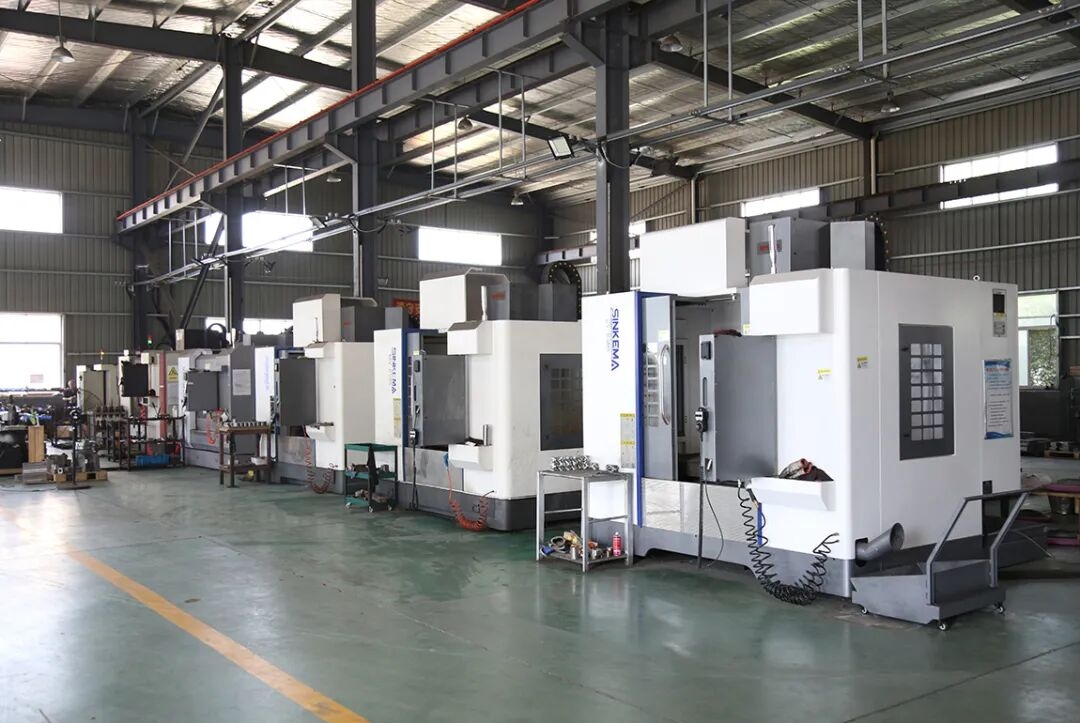
Ụlọ ọrụ mmepụta ihe na-anọchi anya thermoplastic extrusion factory arụmọrụ na mmepụta ahịrị
Onyonyo: Ụlọ ọrụ mmepụta gburugburu ebe obibi nnọchiteanya nke thermoplastic extrusion factory arụmọrụ. Isi mmalite:
3. Ohere Azụmahịa B2B maka Extrusion Thermoplastic n'etiti US na EU
The transatlantic thermoplastic extrusion ahia corridor na-enye ohere B2B dị ukwuu maka ndị nrụpụta., ndị na-ebubata ihe, na ndị na-ekesa n'ogbe. Ọtụtụ ihe nhazi na-eme ka mmekọrịta azụmahịa a maa mma na ya:
Ohere 1: Arịrịọ Lightweighting Automotive
The automotive industry's aggressive push toward vehicle lightweighting—ụkpụrụ ikuku CO2 abụọ na-eduzi (ezubere iche 55% mbelata site 2030 n'okpuru European Green Deal) na US Corporate Average Fuel Economy (CAFE) ụkpụrụ—ewepụtala nnukwu ọchịchọ maka akụrụngwa thermoplastic extruded. Ndị na-emepụta extrusion thermoplastic na-emepụta profaịlụ PP na-eme ka iko-fiber gbasie ike, PA6/PA66 extrusion nhazi, na sistemụ akara TPE na-achọta ihe siri ike B2B sitere na US na European OEMs na Tier 1 ndị na-ebubata ihe. Dị ka Ndị na-emepụta ụgbọ ala Europe' Njikọ (NKE ahụ), nkezi ụgbọ ala Europe ugbu a nwere ihe karịrị 150 kilogram nke plastik, na extruded components na-anọchi anya mkpokọta 35% nke mkpokọta ahụ.
Ohere 2: Imeziwanye ngalaba ihe owuwu
Ma US na EU na-enwe nnukwu itinye ego na ngalaba ihe owuwu. Iwu itinye ego na ọrụ akụrụngwa nke US ekenyela ihe karịrị USD 550 ijeri maka imeziwanye akụrụngwa, while the EU's Renovation Wave strategy targets the renovation of 35 nde ụlọ site 2030. Thermoplastic extrusion suppliers na-enye PVC window profaịlụ, Sistemụ ọkpọkọ HDPE, ihe mejupụtara decking extrusion, na profaịlụ mkpuchi ka edobere iji weghara iwu B2B dị mkpa. Ụlọ ọrụ mmepụta ihe nke thermoplastic, karịsịa ndị nọ na Germany (nke na-akwado ya 3,800 plastics processing companies according to PlasticsEurope), have established strong export positions in premium window profile extrusion systems.
Ohere 3: Medical Device Extrusion
The medical thermoplastic extrusion segment represents a high-value B2B opportunity. US and EU medical device manufacturers require precision-extruded tubing, akụrụngwa catheter, and drug delivery system profiles manufactured from medical-grade thermoplastics (TPU, PEEK, FEP, silicone-thermoplastic blends). The stringent regulatory requirements (FDA 21 CFR na EU MDR 2017/745) create significant barriers to entry, but established thermoplastic extrusion manufacturers with ISO 13485 certification and cleanroom extrusion capabilities command premium pricing and long-term supply contracts.
Ohere 4: Sustainable & Recycled Content Extrusion
The EU's mandatory recycled content requirements for packaging (set to require 30% recycled content in PET packaging by 2030 na 10% na nkwakọ ngwaahịa plastik ndị ọzọ) na-ebu nnukwu ọchịchọ B2B maka ndị na-ebubata ihe ọkụ ọkụ nke nwere ike ịhazigharị ndị na-azụ ahịa mgbe ọ gasịrị. (PCR) ihe. Ndị na-emepụta resin resin nke dabeere na United States na ndị na-atụgharị extrusion nke Europe na-emekọrịta mmekọrịta B2B dị mkpa iji chekwaa ụdọ ọkọnọ nri emegharịgharịrị.. Nke Ndị na-emegharị plastik Europe (PRE) na-akọ na ike imegharị plastik Europe ruru 12.5 nde ton na 2024, na ngwaahịa extruded na-anọchi anya ngalaba njedebe kachasị maka thermoplastics emegharịrị.
Plastic L Ese Extrusion Igodo Igwe ihe eji eme ihe nke China Glass Ihe ịma aka ndị dị na Thermoplastic Extrusion Trade:
- Ọdịiche nke ụkpụrụ: N'agbanyeghị mgbalị imekọrịta ihe, ọdịiche dị n'etiti US (ASTM) na m (EN/ISO) ụkpụrụ maka ngwaahịa extruded na-emepụta ụgwọ nnabata. Onye nrụpụta thermoplastic extrusion emeputa na-emepụta ọkpọkọ PVC na ASTM D1785 ga-emegharịgharị ma nwaa iji zute EN 1452 maka ịnweta ahịa ahịa EU.
- Ọnụ ego ngwa ngwa: Extruded thermoplastic products are often bulky relative to their value, making transatlantic shipping economics challenging for commodity-grade extrusions. This favors trade in high-value specialty extrusions and semi-finished profiles rather than finished commodity products.
- Mgbanwe ọnụ ahịa ihe akụrụngwa: Thermoplastic resin prices remain subject to significant volatility driven by crude oil prices, natural gas costs (particularly relevant for European producers facing higher energy costs), na nkwụsị nke agbụ ọkọnọ. B2B wholesale buyers must implement sophisticated hedging and contract structures.
- Nchekwa arịa ọgụgụ isi: Custom extrusion die designs and proprietary compound formulations represent significant IP assets. Thermoplastic extrusion factories engaged in cross-border B2B trade must navigate differing US and EU IP protection frameworks.
Ụlọ nkwakọba ihe lọjistik na ebe nkesa n'ogbe maka ngwaahịa extrusion thermoplastic na ahia B2B
Onyonyo: Ụlọ nkwakọba ihe nke oge a na nkesa logistics nnọchiteanya nke thermoplastic extrusion ọrụ n'ogbe. Isi mmalite:
4. Geographic na amụma Uru na-enyere Thermoplastic Extrusion ahia
Mpaghara na akụrụngwa amụma na-akwado azụmaahịa na-enye uru dị iche iche maka azụmaahịa extrusion thermoplastic:
Akụrụngwa ọdụ ụgbọ mmiri & Netwọk Logistics: Ụzọ ụgbọ mmiri transatlantic na-erite uru site na akụrụngwa ọdụ ụgbọ mmiri nke ụwa n'akụkụ abụọ. Port nke Rotterdam (Europe's largest, njikwa 440 nde tọn kwa afọ) na Port nke Antwerp-Bruges na-eje ozi dị ka isi ntinye maka ngwaahịa extrusion thermoplastic na-abanye n'ahịa EU.. N'akụkụ US, ọdụ ụgbọ mmiri Houston (the nation's largest petrochemical hub, ozugbo n'akụkụ ndị isi na-emepụta resin thermoplastic), Los Angeles/Long Beach, and Savannah provide efficient import/export capabilities. Established container shipping routes offer transit times of 10-14 ụbọchị, with specialized flat-rack and open-top container options for oversized extrusion equipment and long-length extruded profiles.
Mpaghara azụmaahịa efu & Special Economic Areas: Both the US and EU maintain foreign trade zones (FTZ) and special economic areas that offer duty deferral, mbelata, or elimination benefits for thermoplastic extrusion operations. US FTZs (gafere 190 active zones) allow thermoplastic extrusion manufacturers to import raw materials duty-free for re-export, while EU free zones in ports like Hamburg, Rotterdam, and Piraeus provide similar advantages. These zones are particularly valuable for thermoplastic extrusion wholesale distributors managing inventory for re-export.
Nkwekọrịta nnabata ibe: Nkwekọrịta nnabata ibe ya (MRA) on conformity assessment covers several product categories relevant to thermoplastic extrusion, gụnyere ngwa eletriki na ngwa nkwukọrịta nke na-etinye ihe ndị na-ekpo ọkụ ọkụ. Nke a na-ebelata nnwale oyiri na ụgwọ asambodo maka ndị mbupụ B2B.
Azụmahịa ego akụrụngwa: Akụrụngwa ego tozuru oke na-akwado ahia—gụnyere akwụkwọ ozi guzosiri ike nke omume kredit, nkwado ụlọ ọrụ kredit mbupụ (Ụlọ ọrụ US Ex-Im Bank, Euler Hermes na Germany, BPI France), na ngwaahịa mkpuchi ahia—na-ebelata ihe ize ndụ azụmahịa maka azụmahịa B2B extrusion thermoplastic, karịsịa maka ndị na-emepụta obere na ndị na-ebubata ya na-abanye n'ahịa ahịa nke oke ala maka oge mbụ.
China N'ogbe Plastic Extrusion Uru ụyọkọ ụlọ ọrụ: Ma US na EU na-akwado ụyọkọ ụlọ ọrụ extrusion thermoplastic dị ịrịba ama na-akwado njikọ azụmahịa B2B. US Gulf Coast (Texas, Louisiana) na-etinye uche na mmepụta resin na ikike extrusion nke mbụ. Midwest (Ohio, Indiana, Michigan) hosts automotive-focused extrusion operations. Na Europe, Germany's North Rhine-Westphalia region, Italy's Emilia-Romagna, and Belgium's Flanders region represent major extrusion manufacturing clusters with established export infrastructure.
5. Ọmụmụ ihe gbasara ikpe: Thermoplastic Extrusion Companies Succeeding in Trade
Examining real-world operational experiences provides valuable insights for thermoplastic extrusion manufacturers and suppliers seeking to expand their transatlantic B2B trade activities:
Ọmụmụ ihe 1: European Window Profile Extrusion Manufacturer Entering the US Market
A mid-sized German thermoplastic extrusion factory specializing in multi-chamber PVC window profiles (ike kwa afọ: 45,000 tọn) successfully entered the US market by establishing a strategic partnership with a US-based window fabricator. Isi ihe ịga nke ọma gụnyere: (a) adapting European profile designs to meet US building codes (Ụkpụrụ AAMA/WDMA karịa akara mma RAL), (b) iguzobe ebe a na-akpa nkata na US na mpaghara azụmaahịa mba ofesi dị nso na Port of Savannah iji belata oge ndu site na 8 izu ka 2 izu, (c) Inweta asambodo NFRC maka ogo arụmọrụ ike nke koodu ụlọ steeti US chọrọ, na (d) leveraging the company's advanced co-extrusion capabilities (ruo profaịlụ nke oyi akwa 7 nwere gaskets agbakwunyere) dị ka asọmpi dị iche iche megide ndị na-emepụta US ụlọ. N'ime 18 ọnwa, ụlọ ọrụ ahụ nwetara USD 12 nde na ahịa US B2B kwa afọ, na-anọchi anya 15% nke mkpokọta ego ha nwetara.
Ọmụmụ ihe 2: Mpụpụ ahụike US Ụlọ ọrụ Extrusion Plastic Custom Onye na-ebubata na-abawanye na ahịa EU
Onye na-ebubata thermoplastic extrusion dị na US ọkachamara na micro-extrusion ọkwa ahụike (tubing na elu dayameta dị ka obere ka 0.010 sentimita asatọ) gbasaa n'ahịa EU site na ịnweta ISO 13485 certification and appointing an EU Authorized Representative as required under the EU Medical Device Regulation (MDR 2017/745). The company invested in a dedicated cleanroom extrusion line (ISO Class 7) for EU-destined products and implemented full material traceability systems meeting EU Unique Device Identification (UDI) chọrọ. The company partnered with a European medical device OEM for catheter assemblies, securing a 5-year supply agreement worth EUR 8 nde kwa afọ. Critical to success was the company's ability to provide complete regulatory documentation packages including biocompatibility testing (ISO 10993), sterilization validation, and Declaration of Conformity support.
Ọmụmụ ihe 3: Thermoplastic Extrusion Wholesale Distributor Building Transatlantic Network
Onye na-ekesa ihe ọkụ ọkụ extrusion nke dị na Netherlands wuru azụmahịa nkesa transatlantic na-aga nke ọma site n'ịchịkọta ngwaahịa sitere na ọtụtụ ndị na-emepụta extrusion pụrụ iche nke Europe na inye ndị na-azụ ahịa ụlọ ọrụ US ihe ngwọta ịzụrụ otu isi.. The distributor's value proposition included: mbupu jikọtara ọnụ (na-ejikọta iwu sitere na 15+ Ụlọ ọrụ extrusion Europe n'ime ibu akpa zuru oke), Ndị na-ere ahịa kọstọm US na ọrụ nhazi ọkwa tarifu, nkwado teknụzụ gụnyere ntụzịaka nhọrọ ihe na nhazi-maka extrusion ndụmọdụ, yana njikwa ngwa ahịa nwere ụlọ nkwakọba ihe dabere na US. Ụlọ ọrụ ahụ toro na EUR 35 nde na ego ha nwetara kwa afọ n'ime 3 afọ, na-eje ozi n'elu 200 US B2B akaụntụ n'ofe ụgbọ ala, ihe owuwu, na ngalaba mmepụta ihe. Key to the model was the distributor's deep technical knowledge of extrusion processes and materials, na-eme ka ha kwekọọ ihe ndị na-azụ ahịa US chọrọ na ndị na-emepụta thermoplastic extrusion kacha mma nke Europe.
Ọmụmụ ihe 4: Mgbakọ aka na-agafe agafe n'ime ọkụ ọkụ arụgharịgharị
Otu onye na-emepụta resin resin nke United States na ụlọ ọrụ Italian thermoplastic extrusion ụlọ ọrụ guzobere njikọ aka iji mepụta profaịlụ sitere na. 100% HDPE megharịrị ndị ahịa mgbe ọ bụla maka ahịa ihe owuwu nke Europe. Onye mmekọ US wetara nri nri HDPE a sachara na pellet megharịrị (sitere na mmemme nnakọta akụkụ akuku), ebe onye mmekọ Italy na-arụ ọrụ ahịrị extrusion na-emepụta bọọdụ decking, profaịlụ fencing, na osisi nhazi ala. The joint venture leveraged the EU's Green Public Procurement (GPP) njirisi, nke na-akwado ngwaahịa ndị ejiri ọdịnaya emegharịrị na ọrụ owuwu ọha, iji nweta nkwekọrịta na ndị ọchịchị ime obodo n'ofe Italy, France, na Germany. Emepụtara kwa afọ 8,000 ton n'ime afọ abụọ mbụ, na atụmatụ iji okpukpu abụọ ikike site 2026.
Ndị ọkachamara azụmaahịa na nzukọ na-atụle atụmatụ azụmaahịa B2B maka mgbasawanye ahịa extrusion thermoplastic
Mkparịta ụka ahia onyonyo na atụmatụ nzukọ onye nnọchi anya mmepe azụmaahịa extrusion thermoplastic. Isi mmalite:
6. Amụma Azụmahịa Thermoplastic Extrusion: Ihe a ga-atụ anya ya na-esote 1-2 Ọnwa ole
Dabere na ihe ngosi ahịa ugbu a, mmepe iwu, na ọgụgụ isi ụlọ ọrụ, amụma amụma nso nso a dị mkpa maka ndị na-eso ahia B2B extrusion thermoplastic:
Sistemụ extrusion Outlook ọnụahịa ihe akụrụngwa (Julaị-August ): A na-atụ anya na ọnụ ahịa resin thermoplastic ga-adị n'okpuru nrụgide elu na-agafeghị oke n'ime ọnwa okpomọkụ. Ọnụ ahịa PE na PP abawanyela 3-5% kemgbe Eprel n'ihi nrụzi akwadoro n'ọtụtụ nnukwu crackers Europe na ọnụ ahịa ike na-abawanye. US resin prices remain more competitive due to abundant shale gas-derived ethane feedstock, maintaining the US cost advantage in polyethylene extrusion. B2B wholesale buyers should consider forward purchasing strategies for Q3 requirements. Data sitere na ICIS na Plastics Taa indicate that PP contract prices in Europe may see an additional EUR 20-40/tonne increase in July settlements.
Trade Policy Developments: The Trade and Technology Council is scheduled to meet in late summer, with plastics sustainability standards and critical materials supply chains on the agenda. Thermoplastic extrusion manufacturers should monitor outcomes for potential impacts on cross-border certification requirements. Na mgbakwunye, the EU's proposed Packaging and Packaging Waste Regulation (PPWR) is expected to advance through legislative procedures, with implications for thermoplastic extrusion suppliers serving the packaging sector.
Demand Indicators: Leading indicators suggest continued strong demand for thermoplastic extrusion products in both US and EU markets. The US Purchasing Managers' Index (PMI) for plastics and rubber products has remained above 52 (expansion territory) for three consecutive months. European automotive production schedules for Q3 indicate increased output, driving demand for extruded automotive components. The construction sector in both regions continues to benefit from infrastructure spending programs, supporting demand for PVC pipe, profaịlụ, na mpempe akwụkwọ extrusion.
Supply Chain Considerations: Transatlantic container shipping rates have stabilized following the disruptions of 2024, with spot rates on the North Europe-US East Coast route averaging approximately USD 2,800-3,200 nke FIRE (forty-foot equivalent unit). Agbanyeghị, potential disruptions from labor negotiations at several European ports and ongoing Red Sea routing adjustments for Asia-Europe-US triangular trade flows warrant contingency planning by thermoplastic extrusion wholesale distributors.
Nkà na ụzụ & Innovation Trends: The K trade fair cycle (the world's premier plastics industry exhibition, emere na Düsseldorf) is driving accelerated product launches and technology announcements from extrusion machinery manufacturers and material suppliers. Thermoplastic extrusion factories should expect to see commercial availability of next-generation multi-layer co-extrusion systems, AI-powered process control platforms, and new high-performance thermoplastic compounds optimized for extrusion processing in the coming months.
Currency Impact: The EUR/USD exchange rate, currently hovering around 1.08-1.12, continues to influence the competitiveness of transatlantic thermoplastic extrusion trade. A stronger euro benefits US exporters to EU markets, while a weaker euro advantages European thermoplastic extrusion manufacturers selling into the US. B2B traders should implement appropriate currency hedging strategies for contracts extending beyond 90 ụbọchị.
Financial data analysis and market forecasting charts relevant to thermoplastic extrusion trade trends
Onyonyo: Market data analysis and trade forecasting representative of thermoplastic extrusion industry intelligence. Isi mmalite:
7. Heavy Industry Development Trends in Thermoplastic Extrusion: Ohere na ihe ịma aka
The thermoplastic extrusion industry is undergoing a profound transformation driven by convergent forces of technological innovation, sustainability imperatives, na mgbanwe ụkpụrụ ahia zuru ụwa ọnụ. Understanding these heavy industry development trends is essential for B2B participants seeking to position themselves for long-term success.
Usoro 1: Ụlọ ọrụ mmepụta ihe 4.0 na nrụpụta Smart Extrusion
Mwekota nke Ụlọ ọrụ 4.0 technologies into thermoplastic extrusion factories represents perhaps the most significant operational transformation in the industry's history. Smart extrusion lines equipped with real-time process monitoring sensors (measuring melt temperature, nrụgide, screw torque, die lip gap, haul-off speed, and product dimensions at millisecond intervals) are enabling unprecedented levels of quality control and process optimization. German extrusion machinery manufacturers such as those represented by the VDMA (Ụlọ ọrụ German Mechanical Engineering Industry Association) are leading the development of digital twin technology for extrusion processes, allowing thermoplastic extrusion manufacturers to simulate and optimize new product runs virtually before committing physical resources.
Artificial intelligence and machine learning algorithms are being deployed to predict and prevent extrusion defects (die lines, gbazee mgbaji, shark skin, dimensional variation) before they occur, ibelata ọnụego scraps site 15-30% according to early adopters. Predictive maintenance systems analyzing vibration, okpomọkụ, and power consumption data from extruder drives, igbe igbe, and heating systems are extending equipment uptime and reducing unplanned downtime by up to 40%. For B2B thermoplastic extrusion suppliers, these capabilities translate directly into improved delivery reliability and consistent product quality—critical competitive differentiators in demanding end-use markets.
The opportunity for thermoplastic extrusion factories lies in leveraging these technologies to offer mass customization capabilities—producing short runs of custom profiles economically by minimizing changeover times and startup scrap. The challenge is the significant capital investment required (EUR 500,000-2,000,000 per extrusion line for full Industry 4.0 retrofit) and the need for workforce upskilling in data analytics, automation programming, and digital systems management. Underwater Pelletizing Factory
Usoro 2: Circular Economy and Closed-Loop Extrusion Systems
The transition toward circular economy models is fundamentally reshaping the thermoplastic extrusion value chain. EU legislation—including the Circular Economy Action Plan, the Single-Use Plastics Directive, and the forthcoming Packaging and Packaging Waste Regulation—is creating regulatory mandates that require thermoplastic extrusion manufacturers to incorporate recycled content, design for recyclability, and take responsibility for end-of-life product management.
Teknụzụ imegharị ihe dị elu (chemical recycling, solvent-based purification, enzymatic depolymerization) are expanding the range of post-consumer waste streams that can be converted into extrusion-grade recycled thermoplastics. Companies like those profiled by Recycling Today are developing closed-loop systems where extruded products are collected, recycled, and re-extruded into new products of equivalent quality. This is particularly advanced in PET sheet extrusion for thermoforming (nkwakọ nri) and HDPE pipe extrusion (infrastructure applications).
The B2B opportunity is substantial: recycled-content extruded products command price premiums of 5-15% in EU markets where sustainability credentials are valued by end customers and required by procurement policies. Agbanyeghị, challenges include the inconsistent quality and availability of recycled feedstock, the need for specialized extrusion equipment (enhanced melt filtration, degassing usoro, modified screw designs) to process recycled materials, and the complexity of maintaining product certifications when using variable recycled content.
Usoro 3: Advanced Materials and Multi-Material Extrusion
The development of advanced thermoplastic materials is expanding the addressable market for extrusion processes into applications previously dominated by metals, thermosets, and ceramics. High-performance thermoplastics including PEEK (polyether ether ketone), PEI (polyetherimide), PPS (polyphenylene sulfide), and LCP (liquid crystal polymer) are being extruded into structural profiles, tubing, and films for aerospace, agbachitere, oil and gas, and semiconductor manufacturing applications.
Multi-material co-extrusion technology is enabling the production of complex profiles combining different thermoplastics in a single continuous process—ọmụmaatụ, rigid PVC structural cores with flexible TPE sealing lips and decorative Powder Mixer Blender PMMA cap layers, all extruded simultaneously. This capability reduces assembly costs, improves product performance, and creates significant barriers to competition for thermoplastic extrusion manufacturers who master these techniques.
Thermoplastic composite extrusion—combining continuous fiber reinforcement (iko, carbon, aramid) with thermoplastic matrices in pultrusion and extrusion-pultrusion hybrid processes—represents a frontier technology with enormous potential in automotive, ihe owuwu, and renewable energy applications. Nke JEC Composites organization reports that the thermoplastic composites market is growing at 8-10% kwa afọ, with extrusion-based processes capturing an increasing share of production volume.
The opportunity for B2B thermoplastic extrusion suppliers lies in moving up the value chain from commodity extrusion to engineered solutions. The challenge is the substantial investment in specialized extrusion equipment, materials science expertise, and application engineering capabilities required to compete in these advanced segments.
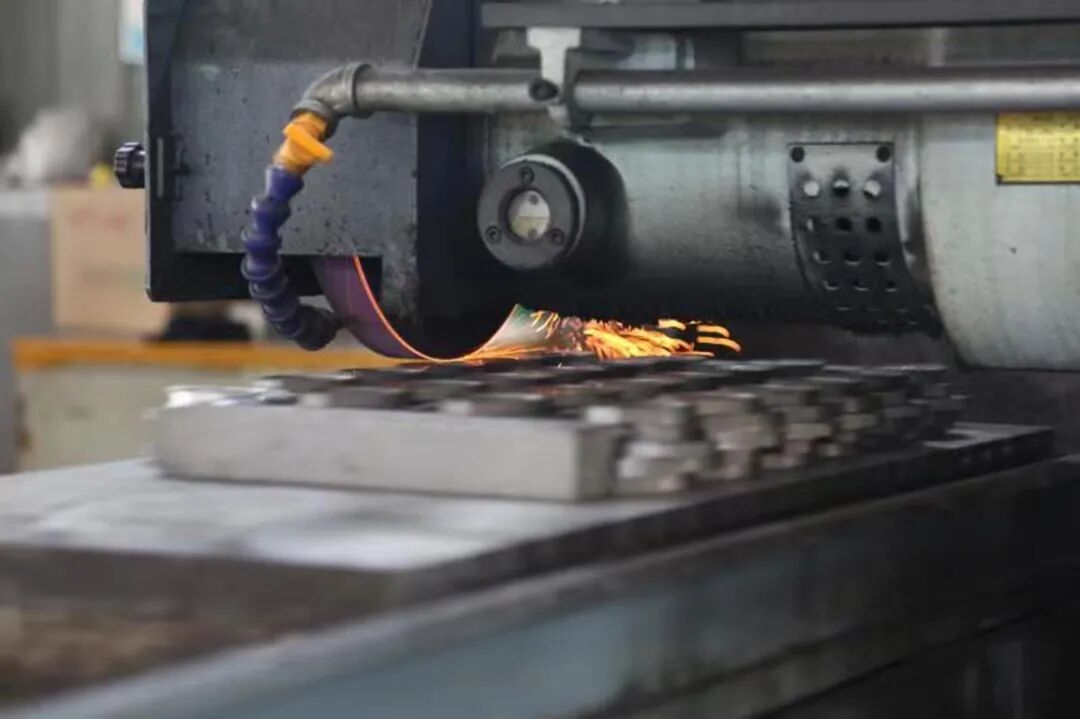
Advanced industrial machinery and automation technology in modern thermoplastic extrusion manufacturing
Onyonyo: Advanced industrial automation representative of next-generation therm