

Akọwara igwe Masterbatch maka ndị mbido
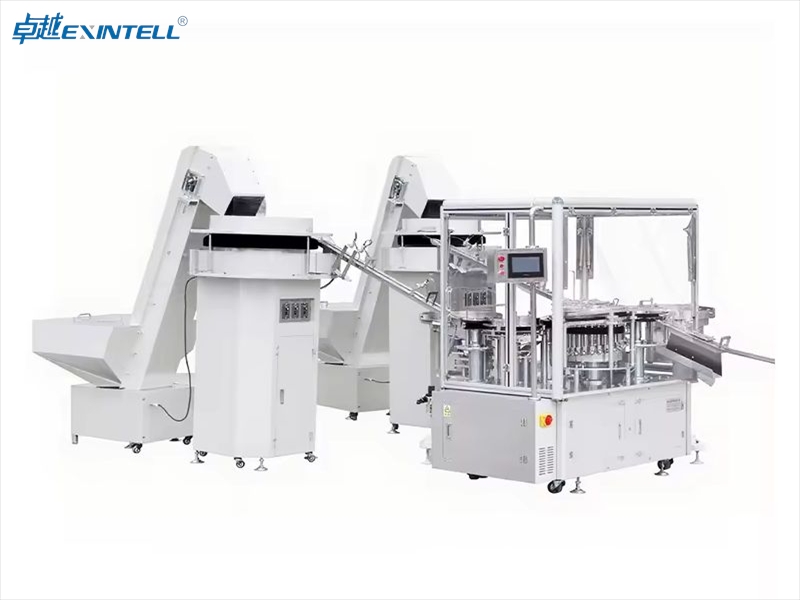
Ọ bụrụ na ị dị ka m ma ịchọrọ ịma otú plastik si enweta agba ha ma ọ bụ ihe pụrụ iche, ị ga-ahụ azịza ya na igwe masterbatch. Igwe a na-agwakọta ihe mgbakwunye dị ike n'ime rọba, na-eme ka ọ dị mfe ịmepụta ngwaahịa na ọdịdị dị mma ma ọ bụ àgwà ị chọrọ. Achọpụtara m na igwe ndị a dị mkpa mgbe m hụrụ otú nnukwu ahịa ahụ si dị. Lee anya na tebụl a:
|
Afọ |
Nha ahịa (Ijeri USD) |
CAGR (%) |
|---|---|---|
|
2025 |
N/A |
|
|
2026 |
12.4 |
N/A |
|
2035 |
21.24 |
6.1 |
Nke ahụ bụ nnukwu ụlọ ọrụ! Ọ bụrụ na ị na-eche banyere imepụta ma ọ bụ plastik, ịghọta igwe masterbatch nwere ike inyere gị aka ịmalite ike.
Isi ihe eji eme ihe
-
Igwe Masterbatch na-agwakọta ihe mgbakwunye na rọba, na-enye ha agba na ihe pụrụ iche.
-
Igwe ndị a dị oke mkpa maka ịdị mma na-agbanwe agbanwe na ngwaahịa rọba, n'ịhụ na ọbụna nkesa pigmenti.
-
Iji igwe masterbatch nwere ike ịchekwa ego site na ibelata ihe mkpofu na imeziwanye nhazi nhazi.
-
Nhazi dị mfe; ị nwere ike ịmepụta kpọmkwem agba na akụrụngwa ahaziri maka mkpa gị.
-
Igwe Masterbatch nkwado nkwado site n'ikwe iji ihe eji emeghari emeghari na-emebighi mma.
-
Ịghọta ọdịiche dị n'etiti otu-ịghasa na ejima-ịghasa extruders na-enyere aka n'ịhọrọ igwe kwesịrị ekwesị maka mkpa gị.
-
Nyochaa usoro ngwakọta dị mkpa maka ị nweta otu na nsonaazụ dị elu.
-
Nkà na ụzụ Masterbatch na-emepe ụzọ maka ihe ọhụrụ n'ofe ụlọ ọrụ dị iche iche, site na nkwakọ ngwaahịa gaa na ụgbọ ala.
Kedu ihe bụ igwe Masterbatch?
Nkọwa ntọala
Mgbe mbụ m nụrụ banyere a igwe masterbatch, M nọ na-ese onyinyo nnukwu igwekota na kichin. N'ezie, ọ na-arụ ọrụ ntakịrị ka nke ahụ, mana maka plastik. Emebere igwe masterbatch ka mix premixed granules nke onye ọbịa polymer nwere masterbatch. Usoro a na-eme n'ime igwe, karịsịa na ịghasa na extrusion ngalaba. Ebumnobi bụ imepụta ihe gbadoro anya ngwakọta nke pigmenti ma ọ bụ ihe mgbakwunye nwere resin ebu, dị ka wax ma ọ bụ plastic. Ngwakọta a, akpọrọ masterbatch, na-enye plastik agba ha ma ọ bụ ihe pụrụ iche. Ahụrụ m na ọ dị ịtụnanya etu igwe a nwere ike isi gwakọta ihe niile n'otu n'otu, ijide n'aka na mpempe plastik ọ bụla na-ele anya ma na-arụ otu ihe ahụ.
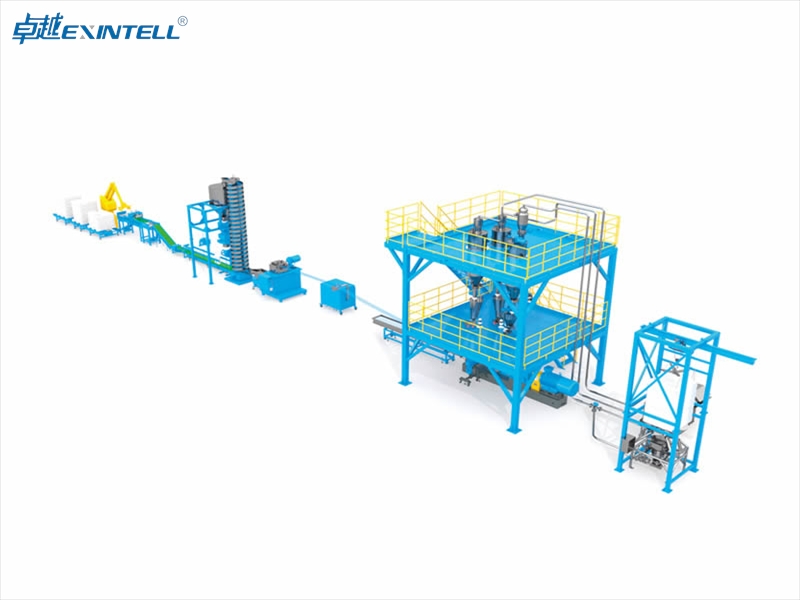
Nke a bụ ihe na-eme n'ime igwe masterbatch:
-
Ọ na-ewere granules nke plastik na masterbatch.
-
Ọ na-agwakọta pigmenti ma ọ bụ ihe mgbakwunye na plastik.
-
Ọ na-eji okpomọkụ na nrụgide na-ejikọta ihe niile ọnụ.
-
Ọ na-etolite obere pellets ndị na-emepụta ihe nwere ike iji mee ụdị ngwaahịa plastik niile.
Ọ na-amasị m iche na ọ bụ onye isi nzuzo nzuzo n'azụ ihe nkiri, ijide n'aka na ogbe plastik ọ bụla na-enweta ihe ndị kwesịrị ekwesị.
Ebumnuche n'imepụta
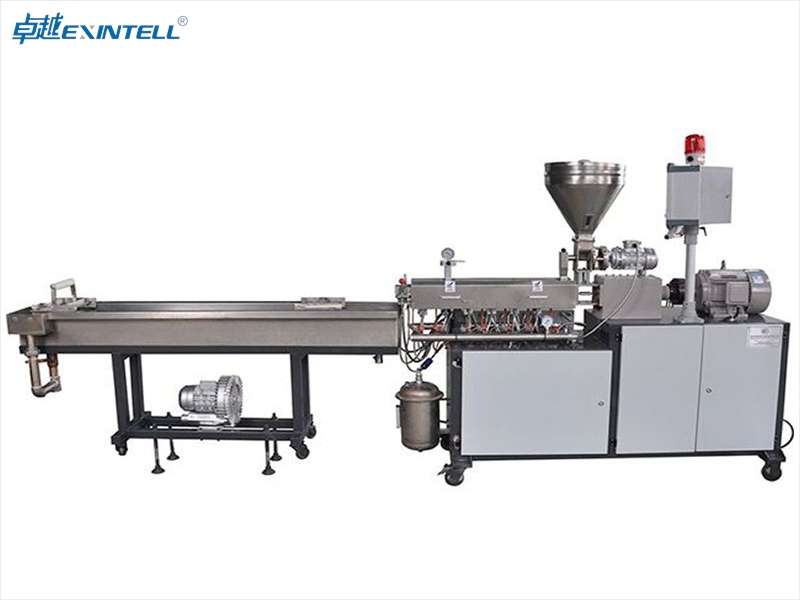
M na-ahụ igwe masterbatch dị ka isi ihe na-emepụta ihe n'oge a. Ọ bụghị naanị ịgwakọta agba. Ọ na-enyere ụlọ ọrụ mmepụta ihe aka ịmepụta plastik nwere ezigbo ihe onwunwe, dị ka ike, mgbanwe, ma ọ bụ mgbochi UV. Igwe a na-achọpụta na pigmenti na ihe mgbakwunye na-agbasa nke ọma, ya mere ọ dịghị streaks ma ọ bụ ntụpọ na ikpeazụ ngwaahịa.
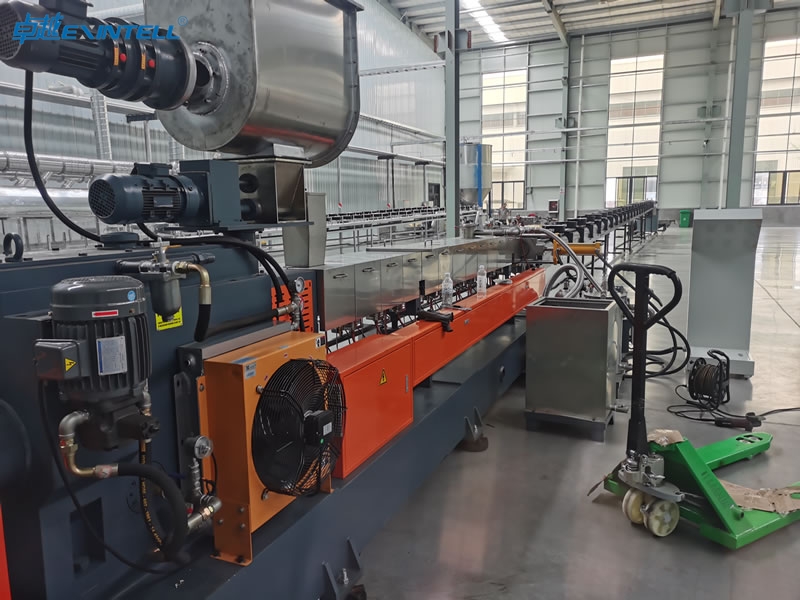
Nke a bụ ihe mere ndị nrụpụta ji adabere na igwe masterbatch:
-
Ha na-emepụta agba na ihe mgbakwunye na-eme ka ihe ndị dị na plastik dịkwuo elu.
-
Ha na-ahụ edo nkesa pigmenti na mgbakwunye maka ọbụna agba.
-
Ha na-emeziwanye arụmọrụ nhazi site n'ikwe ka njikwa ziri ezi na njirimara ngwaahịa.
-
Ha na-ebelata ihe mkpofu, nke na-echekwa ego ma na-akwado nkwado.
-
Ha na-eme ka o kwe omume iji ihe eji emegharị ihe na-enweghị atụfu mma.
Ndụmọdụ: Ọ bụrụ na ịchọrọ ịmepụta ngwaahịa plastik dị elu, ị chọrọ igwe masterbatch. Ọ na-enye gị njikwa, agbanwe agbanwe, na mgbanwe.
Amụtala m na ụlọ ọrụ na-amasị nkwakọ ngwaahịa, ụgbọ ala, na owuwu niile dabere na igwe ndị a. Ha na-enyere ụlọ ọrụ aka iru ụkpụrụ siri ike ma na-ebuga ngwaahịa ndị dị mma ma dị ogologo.
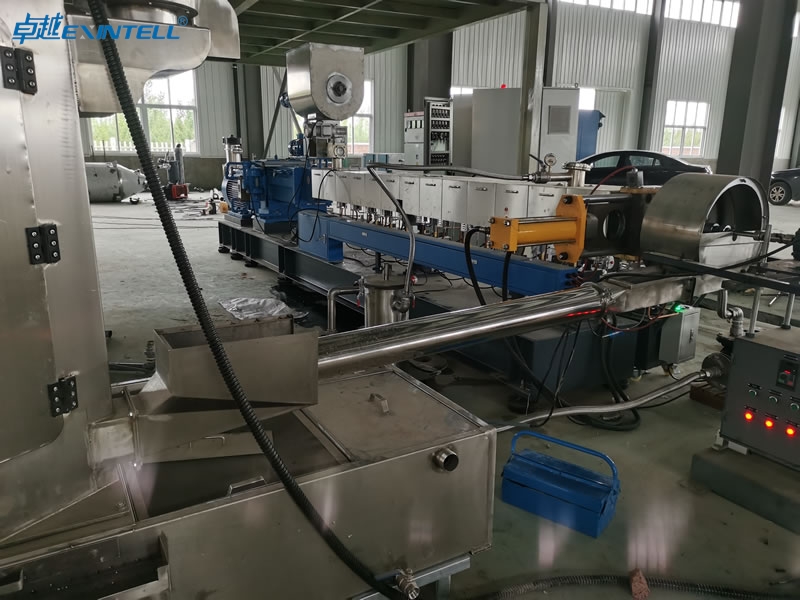
Otu Masterbatch Machine si arụ ọrụ
Mgbe mbụ m hụrụ a igwe masterbatch n'omume, Aghọtara m usoro ole na-aga n'ime imepụta obere pellet ndị ahụ na-enye plastik agba na njirimara ha. Ka m jegharịa gị na usoro, nzọụkwụ site nzọụkwụ.
Nri na ịgwakọta
Ntinye ihe eji eme ihe
M na-amalite mgbe niile site n'ịkwanye igwe na ihe ndị kwesịrị ekwesị. Nke a bụ ihe na-abanye:
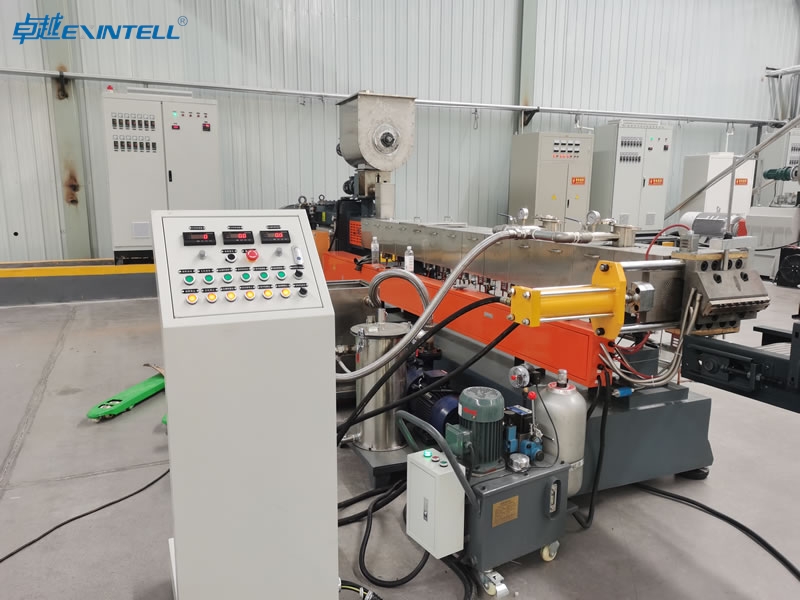
-
Isi polymer (ebu resin) dị ka polyethylene ma ọ bụ polypropylene. Nke a na-arụ ọrụ dị ka isi ihe.
-
Pigmenti ma ọ bụ esiji. Ndị a na-enye plastik agba ya.
-
Ihe mgbakwunye. Ndị a nwere ike ime ka plastik sie ike, chebe ya pụọ na ìhè anyanwụ, ma ọ bụ ọbụna kwụsị germs.
-
Ihe enyemaka mgbasa. Ndị a na-enyere ihe niile aka ịgwakọta were were.
Igwe a na-eji hopper na-azụ ihe ndị a. Ana m ejide n'aka na mmiri ahụ na-aga n'ihu ka ngwakọta ahụ na-adịgide adịgide.
Homogenization na mgbasa
Ozugbo ihe na-abanye igwe, ezigbo anwansi amalite. Ihe nkedo na-atụgharị na-adọta ihe ndị ahụ n'ihu, mpikota onu na igwakorita ha. Okpomọkụ na n'ibu ọrụ agbazekwa ihe, na-atụgharị ha n'ime a oké, ngwakọta uwe. Ọpụrụiche ịghasa ihe dị n'ime igwe na-ahụ na ihe niile na-agwakọta nke ọma. M na-ekiri maka ọbụna agba na udidi, n'ihi na nke ahụ pụtara pigmenti na ihe mgbakwunye agbasawo nke ọma.
Ndụmọdụ: Ọ bụrụ na ịchọrọ ogbe na-enweghị ntụpọ, ṅaa ntị na ngwakọta ngwakọta. Ịdị n'otu ebe a pụtara àgwà ma emechaa.
Nke a bụ nlele ngwa ngwa na isi nzọụkwụ na nri na ịgwakọta:
-
Nri ihe onwunwe: Ana m ewebata akụrụngwa site na hopper.
-
Na-ebufe na mkpakọ: The kposara na-akpali na mpikota onu ihe.
-
Plasticization na agbaze: Kpoo ọkụ na mmegharị ahụ gbazee ngwakọta.
-
Ngwakọta kpụ ọkụ n'ọnụ na homogenization: Igwe na-agwakọta ihe niile ruo mgbe edobere ya.
Agbaze na Extrusion
Ngwakọta shiee dị elu
Mgbe agwakọtachara, igwe na-ebuli nrụgide ahụ. The kposara na-agba ọsọ ọsọ, na-amụba okpomọkụ na ịkwa akwa. Nke a na-akụda clumps ọ bụla ma hụ na pigmenti na ihe mgbakwunye na-agbasa nke ọma. Ana m elele ngwakọta maka ire ụtọ na nkwụsi ike.
Ọgwụgwọ okpomọkụ
Igwe ahụ na-edobe okpomọkụ nke ọma. Ọ na-ekpo ọkụ nke ukwuu, na ihe ndị ahụ nwere ike imebi. Oyi juru oke, na ha agaghị agbaze nke ọma. Usoro ọgwụgwọ okpomọkụ na-agbaze ngwakọta ahụ n'ime ngwakọta nke otu. Ngwakọta a wụrụ awụ na-agbaba n'ebe anwụ anwụ, ebe a na-eme ya ka ọ bụrụ eriri ma ọ bụ pellets.
Nke a bụ ka usoro ịgbaze na extrusion si agbasa:
-
Nri ihe onwunwe: Ana m azụ ihe ndị ahụ n'ime igwe.
-
Na-ebufe na mkpakọ: Skru na-atụgharị, mpikota onu, ma gwakọta ngwakọta ahụ.
-
Plasticization na agbaze: Okpomọkụ na n'ibu edinam agbazekwa ihe niile.
-
Ngwakọta kpụ ọkụ n'ọnụ na homogenization: Igwe ahụ na-achụsa pigmenti na ihe mgbakwunye.
-
Agbazekwa Pumping na Die Formation: Ngwakọta a wụrụ awụ na-aga na anwụ maka ịkpụzi.
-
Ịjụ oyi na nhazigharị: Masterbatch na-ajụ oyi ma na-eto ya nke ọma.
Ịjụ oyi na Pelletizing
Na-emepụta granules
Ozugbo ngwakọta na-ahapụ anwụ, ọ kwesịrị ka ajụkwa oyi. Igwe na-eji ụzọ dị iche iche jụrụ oyi, dabere na ihe onwunwe na mkpa mmepụta. Mgbe ụfọdụ, m na-eji ikuku jụrụ oyi, oge ọzọ mmiri jụrụ oyi, ma ọ bụ ọbụna n'okpuru mmiri pelletizing. Usoro jụrụ oyi na-emetụta àgwà na ọdịdị nke pellets.
Ọrụ Pelletizer
Ihe pelletizer na-egbutu eriri ndị jụrụ oyi ma ọ bụ ụmụ irighiri mmiri n'ime obere, uwe pellets. Ndị a pellets dị mfe ijikwa na iji n'ichepụta. M na-ahọrọ usoro pelletizing dabere na ihe onwunwe na ọdịdị pellet chọrọ.
Nke a bụ tebụl na-egosi usoro pelleting bụ isi:
|
Usoro |
Nkọwa |
|---|---|
|
Na-ebupụ ihe n'ime eriri na-aga n'ihu, na-eme ka ha dị jụụ na mmiri, wee bee n'ime pellets. |
|
|
Pelletizing n'okpuru mmiri |
Na-egbutu polymer a wụrụ awụ ka ọ na-apụ n'ihu anwụ mgbe mmiri kpuru ya, na-emepụta pellets gburugburu. |
|
Pelletizing mmiri-mgbanaka |
Na-ajụ oyi ma na-egbutu pellet na mmiri, na-ejikwa ihe nnyapade nke ọma. |
Rịba ama: Nhọrọ nke usoro jụrụ oyi na pelletizing nwere ike ịgbanwe ka pellets si ele anya na ịrụ ọrụ. M na-adakọkarị usoro ahụ na ihe na njedebe ojiji.
Achọpụtara m na ọkwa dị jụụ na pelletizing bụ ebe igwe masterbatch gosipụtara n'ezie ụdị ya. Ma achọrọ m pellet gburugburu, eriri, ma ọ bụ ihe ọzọ, igwe na-adaba na ọrụ ahụ.
Ọ bụrụ na ị na-agbaso usoro ndị a, ị ga-ahụ ka igwe masterbatch na-atụgharị akụrụngwa ka ọ bụrụ pellets dị elu dị njikere maka imepụta plastik. Ahụrụ m n'anya ka ọkwa ọ bụla si ewuli na ikpeazụ, ijide n'aka na ngwaahịa ikpeazụ na-emezu ụkpụrụ ziri ezi.
Isi akụrụngwa nke igwe Masterbatch
Onye na-apụ apụ
Mgbe m lere anya na igwe masterbatch, extruder na-apụta mgbe niile dị ka obi nke usoro ahụ. M na-eche ya dị ka engine na-ebuga ihe niile na-aga n'ihu. Onye na-apụ apụ na-ebuba ngwa ngwa ma na-ebugharị ha n'usoro mpaghara, onye ọ bụla nwere ọrụ pụrụ iche. Nke a bụ tebụl ngwa ngwa nke na-egosi ihe na-eme n'ime:
|
Nkọwa |
|
|---|---|
|
Mpaghara nri |
Na-ebuga akụrụngwa n'ime igwe. |
|
Mpaghara mkpakọ |
Na-akpakọ ma mee ka ngwakọta ahụ dị nro, na-ekpochapụ ikuku ọ bụla tọrọ atọ. |
|
Mpaghara agbaze |
Na-agbaze ihe ahụ site na iji okpomọkụ na esemokwu. |
|
Mpaghara ngwakọta |
Na-agwakọta ihe niile ọnụ, ijide n'aka na pigmenti na ihe mgbakwunye na-agbasa nke ọma. |
|
Mpaghara ikuku |
Na-ewepụ mmiri mmiri na gas na-achọghị, idobe ngwakọta dị ọcha. |
|
Mpaghara / homogenization mpaghara |
Na-enye ngwakọta ikpeazụ ngwakọta ikpeazụ ma na-ewuli elu maka ịgbanye nke ọma n'ime anwụ. |
Achọpụtara m na ụdị extruder na-eme nnukwu ọdịiche. Ọmụmaatụ, ihe eji eme ejima ejima na-arụ ọrụ site n'ịkewa ma na-ejikọta ihe gbazere. Nke a na-akwalite arụmọrụ agwakọta ma na-ahapụ m ka m jikwaa ọnọdụ okpomọkụ nke ọma. Enwere m ike iji ụdị ịghasa dị iche iche iji jikwaa ụdị ihe niile, nke na-eme ka mmepụta ihe na-agbanwe agbanwe. Ọ bụrụ na achọrọ m ngwakọta zuru oke, M mgbe niile na-aṅa ntị nke ọma na extruder.
Ndụmọdụ: The extruder na-ekpebi otú pigmenti na mgbakwunye na-agwakọta nke ọma. Ọ bụrụ na ị chọrọ agbanwe agbanwe agba na àgwà, lekwasị anya na akụkụ a.
Sistemụ nri
Usoro nri na-arụ ọrụ dị ka onye nche ọnụ ụzọ maka usoro dum. M na-adabere na ya iji wepụta ego kwesịrị ekwesị nke ngwa nri ọ bụla n'oge kwesịrị ekwesị. Ọ bụrụ na usoro nri anaghị eguzosi ike, Ogbe niile nwere ike ịpụta enweghị isi. Nke a bụ tebụl na-emebi ihe usoro nri na-eme:
|
Nkọwa |
|
|---|---|
|
Ọrụ nke Sistemụ Nri |
Na-eme ka ntinye ihe guzosie ike, ya mere usoro ahụ na-adị nro. |
|
Mmekọrịta na Extruder |
Ọ na-arụ ọrụ na extruder maka njikwa ziri ezi yana mgbakwunye nke ihe. |
|
Nyefee ihe |
Na-ebugharị ihe nke ọma, nke na-enyere aka na ọbụna ịgwakọta ma na-azọpụta oge. |
|
Nhazi ọdụ ụgbọ mmiri |
Na-eji ọtụtụ ọdụ ụgbọ mmiri maka ịgbakwunye ngwa nri na ọkwa dị iche iche, igbochi ntapu. |
|
Nyochaa nrụgide |
Na-ele nrụgide ka ijide nsogbu n'oge. |
|
Nhazi screw |
Matches the screw design to the recipe for the best results. |
I always check the feeding system before starting a batch. If I see any issues with pressure or flow, I fix them right away. That way, I know the masterbatch machine will run smoothly.
Mixers and Kneaders
Mixers and kneaders do the heavy lifting when it comes to blending. I think of them as the hands that knead dough, making sure everything comes together just right. These components break up clumps and spread pigments and additives throughout the melted plastic. I can adjust the speed and intensity to match the material I’m working with.
-
Mixers handle the first stage of blending, making sure the base resin and additives start to combine.
-
Kneaders step in for tougher jobs, working the mix until it’s completely uniform.
-
Akụkụ abụọ a na-enyere aka igbochi streaks ma ọ bụ ntụpọ na pellets ikpeazụ.
Ọ bụrụ na achọrọ m imecha enweghị ntụpọ, M na-aṅa ntị nke ọma ka esi edozi mixers na kneaders. Ha na-eme ka ọdịiche dị n'etiti ezigbo ogbe na nnukwu.
Rịba ama: Ngwakọta na igwakorita nke ọma na-echekwa oge ma belata n'efu. Ana m elele ntọala ha ugboro abụọ mgbe ọ bụla tupu agba ọsọ ọ bụla.
Pelletizer
Mgbe m rutere ogbo pelletizer, Ama m na ọ fọrọ nke nta ka ọ bụrụ n'ọgwụgwụ. Pelletizer na-enwe mmetụta mgbe niile dị ka "mmetụ ikpeazụ" na usoro masterbatch. Mgbe extruder na-akwapụ ọkụ, ngwakọta plastik, pelletizer na-abanye na ịkpụ na ịkpụzi ihe ahụ ka ọ bụrụ obere, uwe pellets. Achọpụtara m na nzọụkwụ a dị oke mkpa n'ihi na pellets ndị a bụ ihe ndị na-emepụta ihe na-eji eme ngwaahịa plastik.
The pelletizer na-agbanwe extruded gbazee n'ime mma, pellets na-agbanwe agbanwe. Nkwenye nke a dị mkpa nke ukwuu. Ọ bụrụ na pellets dịgasị iche na nha ma ọ bụ ọdịdị, ngwaahịa plastik ikpeazụ nwere ike ịpụta enweghị isi ma ọ bụ nwee ntụpọ. Ahụla m ka ezigbo pelletizer si eme ihe niile na usoro, ijide n'aka na ogbe ọ bụla na-ezute otu ụkpụrụ dị elu. Pellets ndị uwe na-agbaze nke ọma ma gwakọta nke ọma n'oge usoro nrụpụta na-esote, nke pụtara obere nsogbu na nsonaazụ ka mma.
Nke a bụ ihe m na-ahụkarị maka ọrụ pelletizer:
-
Ọ na-egbutu eriri plastik jụrụ oyi ma ọ bụ ụmụ irighiri mmiri n'ime pellets.
-
Ọ na-eme ka pellet ọ bụla bụrụ otu nha, nke na-enyere aka na njikwa mma.
-
Ọ na-eme ka pellets dị mfe ijikwa, njem, ma jiri ya na igwe ndị ọzọ.
M na-aṅa ntị mgbe niile na ntọala pelletizer. Ọ bụrụ na achọrọ m pellets gburugburu, M na-edozi ọsọ nke ịkpụ na usoro. Ọ bụrụ na achọrọ m pellet cylindrical, M tweak agụba na jụrụ usoro. Ntọala ziri ezi pụtara obere ihe mkpofu yana ngwaahịa ndị a pụrụ ịdabere na ya.
Ndụmọdụ: Ọ bụrụ na ịchọrọ ka masterbatch gị rụọ ọrụ nke ọma na ụlọ ọrụ ọ bụla, lekwasị anya n'inweta ntọala pelletizer nke ọma. Nkwenye ebe a na-echekwa oge na ego ma emechaa.
Ogwe njikwa
Ogwe njikwa na-arụ ọrụ dị ka ebe iwu m. M na-eji ya na-eleba anya n'akụkụ ọ bụla nke igwe masterbatch ma mee mgbanwe ngwa ngwa mgbe ọ dị mkpa. Ogwe njikwa ọgbara ọhụrụ na-eme ka ọrụ m dịkwuo mfe ma na-enyere m aka izere mmejọ.
Nke a bụ tebụl na-egosi njirimara ndị bụ isi M tụkwasịrị obi:
|
Njirimara |
Nkọwa |
|---|---|
|
Ngosipụta ihuenyo mmetụ |
m nwetara a 10-15 inch agba touchscreen na mfe, eserese eserese. Ọ dị mfe iji. |
|
Usoro nlekota oru |
Enwere m ike ilele ma mezie ọnọdụ okpomọkụ, ịghasa ọsọ, na ọnụego nri ozugbo. |
|
Nchekwa nri |
Ana m echekwa 200 mmepụta Ezi ntụziaka, ya mere ịgbanwee n'etiti batches dị ngwa ma dị mfe. |
|
Ndekọ data |
Ogwe ahụ na-edekọ paramita nhazi niile. Nke a na-enyere m aka soro ịdị mma wee kwalite nsonaazụ. |
|
Ọkwa mkpu |
Ana m enweta ọkwa ma ọ bụrụ na ihe adịghị mma, ya mere enwere m ike idozi okwu tupu ha ebute nsogbu. |
Enwere m mmasị ka njikwa njikwa na-etinye ihe niile na mkpịsị aka m. Enwere m ike iji obere mgbatụ gbanwee ntọala, lelee ọnọdụ nke ọkwa ọ bụla, na ọbụna leghachi anya azụ na agba ndị gara aga iji hụ ihe kacha arụ ọrụ. Ọ bụrụ na ihe chọrọ nlebara anya, Mkpu mee ka m mara ozugbo. Nke a pụtara na m na-etinye obere oge nyocha nsogbu yana ọtụtụ oge na-eme masterbatch dị elu.
Rịba ama: Ogwe njikwa dị mma anaghị eme ka ihe dị mfe - ọ na-enyere m aka ịnapụta agbanwe agbanwe, nsonaazụ kacha mma mgbe ọ bụla.
Ụdị igwe Masterbatch
Mgbe m malitere ịmụ maka igwe masterbatch, I quickly realized that not all machines work the same way. The two main types—single-screw and twin-screw extruders—each have their own strengths. I also found out that other equipment often works alongside these machines to make the process smoother and more efficient.
Otu-ịghasa Extruder
I like to think of the single-screw extruder as the “workhorse” of simple plastic processing. It uses one rotating screw to move and melt the plastic. I use this type when I want to keep things straightforward and cost-effective.
Here’s why I might choose a single-screw extruder:
-
It handles basic tasks like melting and pumping thermoplastics.
-
It works best for high-volume production of pipes, mpempe akwụkwọ, na profaịlụ.
-
It’s affordable and easy to maintain, which helps me keep costs down.
Ndụmọdụ: If you’re just starting out or working with simple recipes, a single-screw extruder can save you money and time.
Ejima-screw Extruder
When I need more control and better mixing, I turn to a ejima-ịghasa extruder. This machine uses two intermeshing screws that mix, knead, and push the material forward. I find it perfect for complex jobs where I want every ingredient to blend perfectly.
Let me show you how these two types compare:
|
Njirimara |
Otu-ịghasa Extruder |
Ejima-screw Extruder |
|---|---|---|
|
Application Complexity |
Simple tasks |
Complex mixing and compounding |
|
Ọnụ |
Lower initial and maintenance costs |
Higher upfront, uru ogologo oge |
|
Arụmọrụ |
Good for high-volume, basic mixing |
Ịgwakọta na mgbasa ozi kachasị elu |
|
Mgbanwe |
Obere mgbanwe |
Highly flexible and precise |
|
Ijikwa ihe |
Basic materials |
Handles volatile or moist materials |
|
Example Use Case |
Ọkpọkpọ, mpempe akwụkwọ, profaịlụ |
High pigment masterbatch, agba na-agbanwe agbanwe |
I always reach for a twin-screw extruder when I need to make masterbatches with high pigment loading. The mixing power ensures every pellet looks and performs the same. I also love the self-cleaning feature. It saves me time when I switch between different colors or additives.
Rịba ama: Twin-screw extruders shine when I need top-quality mixing, especially for demanding jobs like high-concentration masterbatches.
Other Equipment Types
I’ve learned that a masterbatch machine rarely works alone. I often use extra equipment to get the best results. Here’s a quick look at what I use and why:
-
High-Speed Mixer: I blend carrier resin pellets with pigment powders and additives before feeding them into the extruder.
-
Cooling Systems: These keep the pellets from overheating and help them keep their shape.
-
Screen Changer and Filter: I use these to remove any contaminants from the melted plastic, which keeps the final product clean.
-
Automated Control System: This lets me monitor and adjust the whole process from one place, making my job much easier.
|
Ụdị akụrụngwa |
Function/Description |
|---|---|
|
Filler Masterbatch Equipment |
Handles abrasive fillers with tough, wear-resistant parts. |
|
Additive Masterbatch Systems |
Processes additives like UV stabilizers at lower temperatures. |
|
High-Speed Mixer |
Prepares raw materials for smooth feeding. |
|
Cooling Systems |
Maintains pellet quality after extrusion. |
|
Screen Changer and Filter |
Removes contaminants, keeps production running. |
|
Automated Control System |
Integrates all equipment for easy operation. |
😊 I always say, the right combination of machines and tools makes my work faster, dị ọcha, and more reliable.
Ugbu a, whenever I set up a masterbatch line, I pick the equipment that matches my goals—whether I want speed, àgwà, or flexibility.
Benefits of Using a Masterbatch Machine
When I started working with plastics, I wanted to know what made some products look and perform better than others. I quickly learned that the right equipment makes all the difference. Let me share the main benefits I’ve seen from using a igwe masterbatch.
Ogo na-agbanwe agbanwe
I always want my products to look the same, ogbe mgbe ogbe. A masterbatch machine helps me achieve that. It mixes pigments and additives so evenly that every pellet comes out with the same color and properties. I don’t have to worry about streaks or spots. Here’s a table that shows how the machine keeps quality consistent:
|
Ụdị ihe akaebe |
Nkọwa |
|---|---|
|
Uniform Distribution |
Ensures that additives and pigments are evenly mixed, leading to stable color uniformity. |
|
Precise Formulation |
Correct ratios of pigments and additives are crucial for consistency; obere mgbanwe nwere ike imetụta àgwà. |
|
Mpụ a na-achịkwa |
Ndị agha dị elu na ikpo ọkụ na igwe ọgbara ọhụrụ na-eme ka ị gwakọta ihe nke ọma. |
|
Njikwa ogo siri ike |
Na-aga n'ihu na-enyocha anụ ahụ, kemịkalụ, na ihe a na-ahụ anya na-edobe ịdịgidesi ike n'oge mmepụta. |
Achọpụtala m nnukwu uru ole na ole:
-
Enweghị ntụpọ ọzọ sitere na agba na-ekwekọghị ekwekọ.
-
Ahịrị mmepụta m na-aga nke ọma.
-
Ana m emefusị ihe dị obere, nke na-azọpụta ego.
Ndụmọdụ: Ọ bụrụ na ịchọrọ ka ngwaahịa gị pụta ìhè maka ịdịmma ha, lekwasị anya n'inweta nsonaazụ na-agbanwe agbanwe oge ọ bụla.
Ịrụ ọrụ na ego ego
Ịchekwa oge na ego dị m mkpa. Na igwe ihe eji eme ihe, M na-eji obere pigmenti na mgbakwunye n'ihi na ngwakọta ahụ gbadoro anya. Achọghị m igwe pụrụ iche, ma enwere m ike iji akụrụngwa m dị ugbu a. Nke ahụ pụtara na m na-emefu obere ego na nhazi na nhichapụ. Nke a bụ nlele ngwa ngwa na ụzọ ndị m si echekwa:
|
Nkọwa uru |
Nkọwa |
|---|---|
|
Enweghị ego nhazi ma ọ bụ ụgwọ nhichacha achọrọ. |
|
|
Nrụpụta nke ọma |
Na-eji ihe ole na ole, na masterbatch mejupụtara naanị ruo 5% nke ngụkọta ibu. |
|
Iji Ngwa dị adị |
Enweghị mkpa maka igwe pụrụ iche; Enwere ike iji igwe nrụpụta dị ugbu a. |
|
Nrube isi na ụkpụrụ |
Na-ezute arụmọrụ tụrụ anya yana ụkpụrụ nrụpụta. |
|
Ego a na-echekwa na ọnụ ahịa mkpirisi |
Na-ebelata ụgwọ ọrụ jikọtara ya na mkpokọta. |
|
Mbelata ike oriri |
Na-eji obere ume mepụta ngwaahịa ikpeazụ. |
M na-ahụkwa elu arụpụtaghị ihe, karịsịa mgbe m na-eji ejima-skru design. Ndị otu m na-arụ ọrụ ngwa ngwa, ma anyị na-emefu obere ego na ọrụ na oke ego. N'agbanyeghị na igwe na-akwụ ụgwọ karịa na mbụ, Ana m enweta ego m site n'ịdị mma na ọnụ ala dị ala karịa oge.
Rịba ama: Igwe Masterbatch ziri ezi na-akwụ ụgwọ maka onwe ya site n'ịmepụta ngwa ngwa, dị ọnụ ala karịa, and more reliable.
Nhọrọ nhazi
Enwere m mmasị ka igwe masterbatch na-agbanwe agbanwe. Enwere m ike ịmepụta agba omenala ma tinye atụmatụ pụrụ iche, dị ka nchebe UV ma ọ bụ ihe mgbochi nje. Igwe ahụ na-enye m ohere ịgwakọta kpọmkwem ihe m chọrọ n'ime rọba. Nke a bụ otu m ga-esi eme mgbanwe a nke ọma:
-
M na-ahọrọ pigmenti na mgbakwunye m chọrọ.
-
Etinyere m usoro dose na ịgwakọta ọkwa maka ogbe ọ bụla.
-
Ana m enweta nsonaazụ na-agbanwe agbanwe, ọbụna na omenala Ezi ntụziaka.
-
Ana m ezere uzuzu na mmetọ, nke na-eme ka oghere ọrụ m dị ọcha.
-
M na-emeziwanye arụmọrụ nhazi ma belata ihe mkpofu.
Nke a pụtara na m nwere ike izute onye ahịa ọ bụla arịrịọ, site na agba na-egbuke egbuke na njirimara arụmọrụ pụrụ iche. Nkà na ụzụ Masterbatch na-enye m ngwá ọrụ iji mee plastik ndị pụtara ìhè n'ahịa.
😊 Customization is easy when you have the right machine. I can turn any idea into a finished product with confidence.
Na ahụmahụ m, a masterbatch machine is the best way to get na-agbanwe agbanwe àgwà, chekwaa ego, and offer unique products. If you want to succeed in plastics, this is the tool you need.
Applications of Masterbatch Machines
Ụlọ ọrụ nkwakọ ngwaahịa
When I walk through a supermarket, I see packaging everywhere. I always notice the bright colors and clear branding on bottles, wrappers, na arịa. I learned that a masterbatch machine plays a huge role in making these packages stand out. It helps manufacturers create packaging that looks attractive and performs well. m na-eji agba masterbatches to make sure every package matches the brand’s colors. Additive masterbatches give packaging extra features, like UV resistance or anti-static properties. These features help keep food fresh and protect products from damage.
Here’s a quick table that shows how masterbatch machines help in packaging:
|
Ụdị ngwa |
Uru |
|---|---|
|
Color Masterbatches |
Enhance visual appeal with vibrant designs. |
|
Additive Masterbatches |
Improve properties like UV resistance, anti-static features, and barrier performance. |
I often work with food-grade packaging, shrink wraps, na arịa. I want products that look good and last longer. Masterbatch machines make this possible. I also use additive masterbatches to improve durability and barrier resistance. This means packaging stays strong and keeps products safe.
Ndụmọdụ: If you want packaging that grabs attention and protects what’s inside, masterbatch machines are the secret ingredient.
Automotive Sector
I spend a lot of time around cars, so I know how important quality is in automotive parts. I use a masterbatch machine to produce components that are fechaa, inogide, and visually appealing. When I make dashboards or bumpers, I rely on additive masterbatches to boost heat resistance and UV protection. These features help parts survive tough conditions and keep their color over time.
I see masterbatch machines used for interior trims, exterior panels, and even under-the-hood parts. Manufacturers want parts that look good and last. I make sure every batch meets strict standards for strength and appearance. The machine lets me control the mix, so every part comes out just right.
Rịba ama: Automotive companies trust masterbatch machines to deliver reliable, high-performance parts.
Ngwaahịa ndị ahịa
I love seeing how masterbatch machines help create everyday products. I use them to make ihe eji egwuri egwu, kitchenware, ọkpọkọ, profaịlụ, mpempe akwụkwọ, ihe nkiri, and cables. Each product needs a different mix of color and additives. I adjust the machine to match the requirements for each item.
-
Toys need bright colors and safe materials.
-
Kitchenware must resist heat and stains.
-
Pipes and cables require strength and flexibility.
-
Films and sheets need clarity and durability.
I enjoy customizing batches for different consumer goods. The machine gives me the flexibility to meet any demand. I can switch recipes quickly and keep production moving.
😊 Masterbatch machines make it easy to create products that people use every day. I see the results in homes, ụlọ ọrụ, na ụlọ mmepụta ihe.
Other Uses
When I think about masterbatch machines, I see them popping up in places you might not expect. Sure, they shine in packaging, ụgbọ ala, na ngwa ahịa, but their reach goes way beyond that. I’ve seen these machines make a real difference in industries that care about innovation and sustainability.
One area that excites me is recycling. I work with companies that use masterbatch machines to turn plastic waste into something valuable. Instead of sending old bottles or packaging to the landfill, we feed them into the machine. Nsonazụ ahụ? High-quality masterbatches that manufacturers can use just like new material. This process supports the circular economy, which means we keep materials in use for as long as possible. I love knowing that every batch I help create keeps plastic out of the environment.
Here’s a quick look at some less common but innovative uses I’ve come across:
-
I help construction teams create pipes and panels with special properties, like fire resistance or extra strength. Masterbatch machines let us add exactly what we need to the mix.
-
I see electronics manufacturers use these machines to add anti-static or flame-retardant features to their products. This keeps devices safer and more reliable.
-
I work with agriculture companies that want films and sheets with UV protection. These films last longer in the sun and protect crops better.
-
I’ve even seen masterbatch machines used in textiles. They add color and performance features to synthetic fibers for clothing, carpets, and sports gear.
-
I know some medical suppliers use masterbatch machines to create items with antibacterial properties. This helps keep hospitals and clinics safer.
Ị maara? Masterbatch machines play a big role in making products more sustainable. They help companies recycle, belata ihe mkpofu, and design materials that last longer.
I notice that every time I use a masterbatch machine for a new project, I find another way to solve a problem. Whether I want to boost product performance or support green initiatives, these machines give me the flexibility I need. I can adjust the recipe, try new additives, and see results fast.
If you’re curious about where plastics are headed, keep an eye on masterbatch technology. I believe it’s opening doors in industries that want to innovate and protect the planet at the same time. The possibilities keep growing, and I can’t wait to see what comes next.
I learned that mastering the basics of masterbatch machines opens up a world of possibilities in plastics. Here’s what I always keep in mind:
-
High-speed mixing shapes color quality.
-
Temperature and time matter for pigment wetting.
-
Watching the process helps spot issues early.
-
Environmental protection keeps the workspace safe.
If you want to get started, I suggest:
-
Define your performance needs.
-
Know your plastic substrate.
-
Work with additive experts.
-
Test your formulations in real production.
Masterbatch technology helps solve tough challenges. I encourage you to explore more and ask questions.
FAQ
What is a masterbatch machine used for?
I use a masterbatch machine to mix color pigments or additives into plastic. This helps me create plastics with specific colors or properties, like UV resistance or strength.
Can I use recycled materials in a masterbatch machine?
Ee, I often feed recycled plastics into the machine. It blends them with additives, so the final pellets look and perform like new. This supports sustainability.
How do I choose between single-screw and twin-screw extruders?
I pick a single-screw for simple jobs and a twin-screw for complex mixing. Twin-screw extruders give me better control and consistency, especially with high pigment loads.
Is it hard to clean a masterbatch machine?
I find cleaning easier with twin-screw extruders because they have self-cleaning features. I follow the manufacturer’s instructions and use proper tools to avoid contamination.
What types of additives can I use?
I add pigments for color, UV stabilizers for sunlight protection, anti-static agents, ọkụ retardants, and antibacterial additives. The machine lets me customize each batch.
How do I control the quality of my masterbatch?
I monitor temperature, ịghasa ọsọ, and feed rates on the control panel. I check pellet color and shape. Consistent settings help me keep quality high.
Are masterbatch machines expensive?
The price depends on the type and features. I invest more in twin-screw models, but they save money over time with better mixing and less waste.
Can I make custom colors with a masterbatch machine?
Kpamkpam! I select pigments and adjust the recipe. The machine blends everything evenly, so I get the exact color I want for each project.