

Best Recycled Extruder Machines for Efficient Plastic Recycling
Recycled extruder machines with advanced automation, elu mmepụta, na ihe dị iche iche ihe na-enye nsonaazụ kacha mma maka ịmegharị plastik nke ọma. Ịhọrọ igwe kwesịrị ekwesị na-abawanye uru ma na-ebelata ihe mkpofu, as companies benefit from servo motors that cut power use by up to 30%. Nke plastic recycling machine market continues to grow, driven by sustainability efforts and investments in technology. Key evaluation criteria include capacity, ike arụmọrụ, akpaaka, na ihe ndakọrịta.
Isi ihe eji eme ihe
-
Choose the right recycled extruder machine to boost profitability and reduce waste.
-
Consider capacity and throughput; high-capacity machines are essential for large-scale operations.
-
Prioritize ike arụmọrụ; modern machines can cut power use by up to 30%.
-
Look for automation features; user-friendly controls streamline operations and reduce downtime.
-
Gbaa mbọ hụ na ndakọrịta ihe; họrọ igwe ndị na-ejikwa plastik dị iche iche maka mgbanwe.
-
Ndozi mgbe niile bụ isi; soro atụmatụ mgbochi iji zere ndakpọ na-atụghị anya ya.
-
Nyochaa nhọrọ akwụkwọ ikike; mkpuchi siri ike na-egosipụta ntụkwasị obi ndị nrụpụta ma na-echebe itinye ego gị.
-
Tinye ego n'ụdị modular; ha na-enye ohere maka nkwalite na mgbanwe mgbanwe mkpa mmepụta.
Usoro igwe Extruder emegharịrị
Ike & Ntinye aka
Ọnụ ọgụgụ ụlọ ọrụ mmepụta ihe
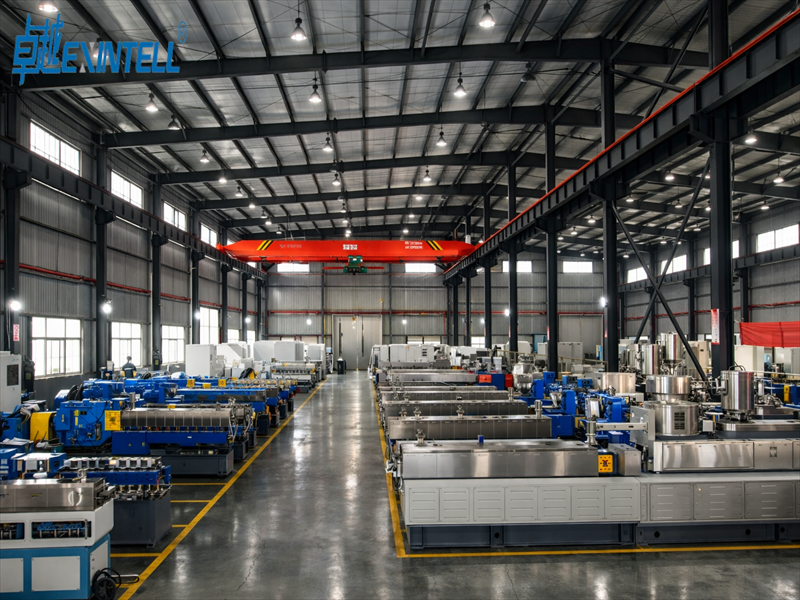
Ndị na-azụ ahịa ụlọ ọrụ na-ebutekarị ụzọ elu-ike extruders iji zute ebumnuche mmepụta ihe na-achọsi ike. Igwe ndị a na-ebupụta mmepụta sitere na 300 gafere 1,500 kilogram kwa elekere. Dayameta nke ịghasa na-atụkarị n'etiti 75 na 120 millimeters. Ndị na-emepụta mba dị iche iche na ụlọ nkwakọba ihe na-adabere na sistemụ extruder ndị a iji hazie nnukwu mpịakọta plastik arụgharịrị nke ọma.. Ntinye aka n'ezie na-adakarị 10-15% n'okpuru ogo kacha elu, so operators size machines 20–30% above calculated needs. High-capacity extruders often feature melt filtration and degassing zones, which improve the quality of recycled plastic pellets.
|
Capacity Tier |
Output Range |
Typical Screw Diameter |
Target Buyer |
|---|---|---|---|
|
Obere-Ọkwa |
20–100 kg/hr |
35–55 mm |
Startups, niche producers, R&D ụlọ nyocha |
|
Mid-Range |
100-300 n'arọ / h |
55–75 mm |
Mid-sized converters, regional suppliers |
|
High-Capacity |
300–1,500+ kg/hr |
75–120 mm |
Industrial packaging plants, multinational producers |
Obere & Mid-Range
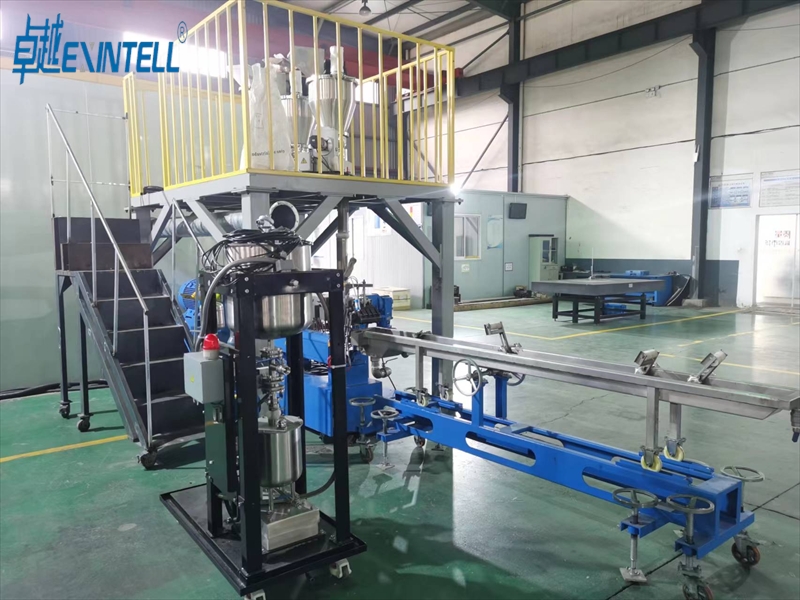
Small and mid-range extruder machines serve startups, regional suppliers, and research labs. These units handle output from 20 ka 300 kilogram kwa elekere, with screw diameters between 35 na 75 millimeters. Operators in these segments benefit from flexible throughput and easier integration into existing workflows. Machines in this category often support specialized recycling tasks and niche plastic products.
Ndụmọdụ: Igwe kwesịrị ịdị nha karịa mkpa arụ ọrụ iji kọwaa adịghị arụ ọrụ na uto n'ọdịnihu.
Ịrụ ọrụ ike
Eji ike
Ịrụ ọrụ ike ka bụ ihe dị mkpa na nhọrọ extruder. Oge a otu ịghasa extruders belata oriri ume site na 10-15% tụnyere ochie ụdị. Sistemụ mbanye ozugbo na-ewepụ igbe gearbox, nke na-ebelata mfu ume na ihe ndozi chọrọ. Ndị na-ebupụ ikike dị elu nwere njikwa dị elu na-ebuli ojiji ike, na-ejigide mmepụta ma na-ebelata ihe mkpofu.
Njirimara Eco
Ndị na-emepụta ihe na-enye igwe extruder nwere draịva ugboro ugboro, usoro mgbake ume, na induction kpo oku. Teknụzụ ndị a na-eme ka arụmọrụ ike dịkwuo elu. Nkwalite usoro nke AI na-akwalite na nhazi oge na-enyere ndị na-arụ ọrụ aka inweta nsonaazụ na-agbanwe agbanwe site na iji plastik emegharịrị. Modelsdị dị ka JianTai E-GO Series na MD Series na-apụta maka njirimara nchekwa ike ha, nhazi ruo 100% plastik megharịrị na-enweghị ịchụ àjà arụ ọrụ.
Akpaaka & Njikwa
Interface onye ọrụ
Automation na ntughari njikwa na-eme ka ọrụ extruder dịkwuo mma. Igwe ọgbara ọhụrụ na-egosipụta ihu ihu mmetụ aka, ezigbo oge nlekota, na ntọala mmemme. Ndị na-arụ ọrụ nwere ike ịhazigharị paramita ngwa ngwa, na-eme ka nkwụsi ike na-ebelata oge.
Arụ ọrụ mfe
Sistemụ extruder nwere enyi na-eme ka ọzụzụ dị mfe na njikwa kwa ụbọchị. Mkpu akpaghị aka, uzommeputa nchekwa, yana nchọpụta dịpụrụ adịpụ na-akwado imegharị plastik nke ọma. Atụmatụ ndị a na-enye ndị otu aka ilekwasị anya n'ịdị mma na ntinye, karịa nchọpụta nsogbu.
Ndakọrịta ihe
Plastics akwadoro
Ndakọrịta ihe na-ekpebi oke plastik igwe extruder emegharịrị nwere ike hazie. Ụdị extruder na-eduga, dị ka ndị si Wanplas, jide post-consumer polypropylene na polyethylene na elu arụmọrụ. Igwe ndị a na-ejikwa polyethylene terephthalate emegharịgharị, nke a na-ahụkarị na karama na nkwakọ ngwaahịa. Nhazi teknụzụ ha na-enye ha ohere iji polymers arụgharịrị arụ ọrụ ma na-ebelata mmebi ihe onwunwe. Ikike a na-akwado nyocha na mmepụta na akụ na ụba okirikiri, ebe ndị na-emepụta ihe na-anwale ma na-eji plastik eme ihe maka ngwa ọhụrụ. Ndị na-arụ ọrụ na-erite uru site n'ịdị mma pellet na-agbanwe agbanwe na akụrụngwa a pụrụ ịdabere na ya mgbe ha na-eji plastik dakọtara.
Ngwakọta Ngwakọta
Ọtụtụ ọrụ imegharị ihe na-ezute iyi mmiri rọba agwakọta. Ndị na-ebupụ ejima-screw extruders dị elu na-eme nke ọma na nhazi ngwakọta nke plastik dị iche iche, gụnyere ihe ndị emeru emeru ma ọ bụ ọtụtụ oyi akwa. Igwe ndị a na-eji mpaghara ngwakọta dị elu na nke na-ekpochapụ ihe na-edozi adịghị ọcha na mmiri. N'ihi ya, ha na-emepụta pellets otu ọbụna site na nri nri siri ike. Ndị na-emepụta ihe kwesịrị ịtụle ikike nke extruder iji jikwaa ma ntinye plastik nke otu ụdị na agwakọta. Mgbanwe a na-abawanye uru nke mmepụta ejigharịgharị ma na-ebelata mkpa maka nhazi sara mbara tupu nhazi.
Ịdị ogologo & Nlekọta
Mkpa ọrụ
Nlekọta oge niile na-eme ka arụ ọrụ dị ogologo oge ma na-ebelata oge nkwụsịtụ na-atụghị anya ya. Ọtụtụ ọdịda mberede na igwe extruder arụgharịrị arụgharịrị na-esite na ileghara ọrụ oge niile anya. Ndị ọrụ kwesịrị ịgbaso a atụmatụ nlekọta mgbochi iji mee ka mmepụta kwụsie ike. Na-ehicha mkpọ ihuenyo ọ bụla 200 ka 400 awa, dabere na ụdị plastik na usoro mmepụta ihe, na-egbochi mgbochi ma na-edobe àgwà mmepụta. Iji ngwaọrụ nhicha ziri ezi na-enyere aka izere mmebi akụrụngwa. Ọzụzụ kwesịrị ekwesị maka ndị na-arụ ọrụ igwe na-arụkwa ọrụ dị mkpa n'igbochi mmebi na ịgbatị ndụ igwe.
-
Okwu ịdịte aka nkịtị gụnyere:
-
Ngwungwu ihuenyo egbochiri site na nrụpụta ihe fọdụrụ
-
Yiri na skru na gbọmgbọm n'ihi rọba abrasive
-
Oke ikpo ọkụ site na ikuku ikuku na-adịghị mma ma ọ bụ enweghị nhicha
-
Akwụkwọ ikike
Akwụkwọ ikike siri ike na-egosipụta ntụkwasị obi nke ndị nrụpụta na akụrụngwa ha. Ndị na-azụ ahịa kwesịrị ịtụle usoro akwụkwọ ikike maka mkpuchi na isi ihe dị ka skru, gbọmgbọm, na usoro njikwa. Ọtụtụ ndị na-eweta ngwaahịa na-enye nkwekọrịta ọrụ ogologo oge, nke nwere ike ibelata ụgwọ ọrụ ogologo oge. Nkwado a pụrụ ịdabere na ya mgbe ire ahịa gachara na-achọpụta na nsogbu ọ bụla nwere igwe extruder emegharịrị na-enweta nlebara anya ngwa ngwa, ibelata mfu mmepụta na ichekwa ego.
Machines Extruder emegharịgharị n'elu
Ụdị ụlọ ọrụ mmepụta ihe
Ụdị ndị na-eduga
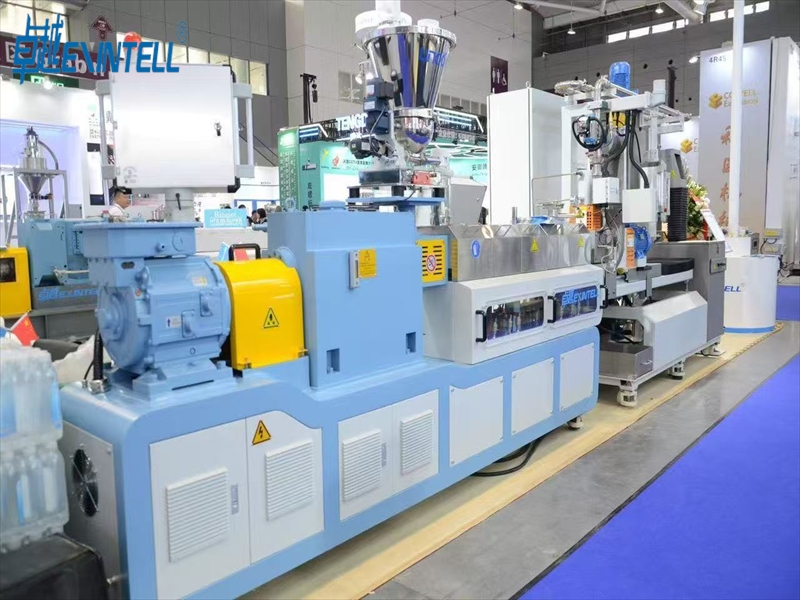
Ndị na-ebubata ngwaahịa n'ụwa niile na-esetịpụ ọkọlọtọ maka igwe extruder arụgharịrị arụgharịgharị. KraussMaffei, EREMA, na WANPLAS na-eji atụmatụ siri ike na akpaaka dị elu na-edu ahịa ahụ. KraussMaffei na-enye ejima-ịghasa extruder usoro nke na-ejikwa plastik dị elu na arụmọrụ pụrụ iche. EREMA ọkachamara na ngwọta modular nke na-eme mgbanwe maka mkpa mmepụta ihe. WANPLAS na-ewepụta arụmọrụ a pụrụ ịdabere na ya maka nhazi ọdịnaya ejigharịgharị, na-akwado ma post-consumer na post-industrial plastic iyi. Ụdị ndị a na-akwadebe igwe ha na nzacha agbaze, degassing, na nlekota oge, na-agba mbọ hụ na ịdị mma pellet na-agbanwe agbanwe yana ibelata ihe mkpofu.
|
Ụdị |
Usoro ihe nlereanya |
Output Range (n'arọ / h) |
Atụmatụ igodo |
|---|---|---|---|
|
KraussMaffei |
ZE BluePower |
500-1,500 |
Ejima-ịghasa, modular, akpaaka |
|
EREMA |
N'AKWỤKWỌ |
300-1,200 |
Nchekwa ike, gbazee filtration |
|
WANPLAS |
Usoro WPE |
400-1,000 |
Ọdịnaya emegharịrị dị elu, njikwa |
Ngwa
Ụlọ ọrụ mmepụta ihe igwe extruder emegharịgharịrị ijere nnukwu osisi na-emegharị ihe, ndị na-emepụta nkwakọ ngwaahịa, na ndị na-ebu ụgbọ ala. Ndị na-arụ ọrụ na-eji usoro extruder ndị a hazie PET, HDPE, LDPE, na PP. Ụdị ndị nwere ikike dị elu na-agbanwe rọba agwakọtara na nke emetọọ ghọọ pellet otu. Igwe ndị a na-akwado imepụta aka mechiri emechi, ebe ọdịnaya emegharịrị na-aghọ ngwaahịa ọhụrụ. Nhazi modular na-enye ohere ka akụrụngwa na-abawanye mmepụta ka ọchịchọ na-eto eto. Njikwa oge na-ebuli arụmọrụ yana belata oge nkwụsị, na-akwado ọrụ na-aga n'ihu.
Igwe dị n'etiti
Arụmọrụ & Ọnụ
Igwe extruder emegharịrị n'etiti etiti na-edozi arụmọrụ yana oke ego. Ndị na-emepụta ihe dị ka Polystar na Genox na-enye ụdị na mmepụta si 100 ka 300 kilogram kwa elekere. Sistemụ extruder ndị a nwere nhazi otu ma ọ bụ ejima, na-akwado ụdị plastik dị iche iche. Ndị na-arụ ọrụ na-erite uru site na moto na-arụ ọrụ ike na njikwa akpaaka, nke na-ebelata ụgwọ ọrụ. Igwe ndị dị n'etiti na-ebuga ọdịnaya emegharịrị a pụrụ ịdabere na ya maka ndị na-ebubata mpaghara yana ndị ntụgharị ọpụrụiche. Ihe ndozi chọrọ ka enwere ike ijikwa ya, na mkpuchi akwụkwọ ikike na-echekwa ihe ndị bụ isi.
Rịba ama: Igwe mwepu nke etiti na-agụnyekarị nkwalite modular, ikwe ka azụmahịa gbasaa ikike na-enweghị dochie usoro dum.
Azụmahịa dabara adaba
Ọrụ mweghachi nke etiti na ndị SME na-ahọrọ igwe na-apụ apụ n'etiti etiti maka mgbanwe na njikwa ọnụ ahịa.. Ngalaba ndị a na-ejikọta ngwa ngwa n'ime usoro ọrụ dị ugbu a ma na-akwado ọrụ imegharị ihe pụrụ iche. Ndị na-arụ ọrụ na-ahazi post-consumer na post-industrial plastic, na-emepụta pellets maka nkwakọ ngwaahịa, ihe owuwu, na ngwa ahịa. Igwe ndị dị n'etiti dabara adabara azụmaahịa na-achọ mmepụta na-agbanwe agbanwe mana anaghị achọ ikike nha ụlọ ọrụ. Nhọrọ modular na-enyere aka uto n'ọdịnihu, na-adaba na ebumnobi mmepụta na-agbanwe agbanwe.
Igwe kọmpat
Ịchekwa oghere
Kọmpat igwe extruder arụgharịrị arụgharịgharị na-eleba anya na mmachi oghere dị n'ihe eji emegharị ihe. Njikere igwe na-abawanye njupụta buru ibu ma belata olu, na-eme ka usoro extruder ndị a dị mma maka oke ala ala. Usoro densification na-eji mkpakọ igwe na-achụpụ ikuku na mmiri, ibelata olu efu. Okpomọkụ dị nro na-eme ka ihe plastik dị nro, na-enye ohere ka mma kọmpat. Ndị na-arụ ọrụ na-emepụta agglomerates kọmpat, meziwanye nkwụsi ike na njikwa. Densification na-ebelata olu ihe nkiri LDPE site na 70-85%, na-eme ka ibu akpa dị mma karịa yana ọnụ ahịa ibu ibu kwa ton. Ụlọ ọrụ na-erite uru site na mbelata njem cycles na njem dabere na ibu, na-emecha arụmọrụ.
-
Uru igwe kọmpat:
-
Obere ukwu maka oghere siri ike
-
Desification nke ọma maka iwetulata olu
-
Ọnụ ahịa njem na nchekwa dị ala
-
Ijikwa ọdịnaya emegharịrị emelitere
-
Ntinye-Ọkwa
Igwe extruder agbazigharị ọkwa ntinye na-enye ihe ngwọta maka mmalite na obere azụmaahịa. Ndị na-emepụta ihe dị ka Plasmac na NGR na-enye ụdị na mmepụta si 20 ka 100 kilogram kwa elekere. Sistemụ extruder ndị a na-akwado akpaaka bụ isi yana njikwa enyi na enyi. Ndị na-arụ ọrụ na-ahazi ụdị plastik dị iche iche, gụnyere LDPE, HDPE, na PP. Igwe ntinye ọkwa na-ebuga ọdịnaya ejiri emegharịghachi maka ngwaahịa niche na ọrụ pilot. Ndozi ka kwụ ọtọ, na mkpuchi mkpuchi na-eme ka uru dị ogologo oge.
Ndụmọdụ: Kọmpat na igwe mbupụ ọkwa ntinye na-enyere azụmaahịa ọhụrụ aka ibelata itinye ego na-ejigide mma na arụmọrụ..
Igwe eji eme ihe nkiri plastik
Nchịkọta & Ụdị
Ọrụ igwe
Igwe ihe nkiri plastik na-arụ ọrụ dị oke mkpa n'imegharị na nrụpụta. Igwe ndị a na-agbanwe post-consumer na post-industrial plastic ka ọ bụrụ ngwaahịa ihe nkiri ọhụrụ. Ndị na-arụ ọrụ na-enye ihe ndị e kụjasịrị akụjasị n'ime extruder, nke na-agbaze ma na-eme ka ọ bụrụ ihe nkiri dị mkpa. Usoro ahụ na-ebelata ihe mkpofu ma na-akwado akụ na ụba okirikiri. Igwe eji eme ihe nkiri plastik na-arụ ọrụ dị ka pelletizing, granulating, na ihe nkiri na-afụ. Ọrụ ọ bụla na-elekwasị anya mkpa imegharị ihe, site n'ịtụgharị scrap ka ọ bụrụ pellets gaa na-emepụta ihe nkiri nkwakọ ngwaahịa.
Atụmatụ igodo
Ndị na-emepụta ihe na-akwadebe igwe ihe nkiri plastik nwere njikwa dị elu yana ihe modular. Oghere ihuenyo mmetụ aka na-enye ndị ọrụ aka inyocha ọnọdụ okpomọkụ, nrụgide, na nnyefe. Mkpu akpaghị aka na nchekwa nri na-eme ka ọrụ dị mfe. Nhazi modular na-eme ka nkwalite maka ike ma ọ bụ ndakọrịta ihe. Igwe ọkụ dị elu na mpaghara kpo oku ziri ezi na-eme ka arụmọrụ na mma pụta. Ọtụtụ igwe na-agụnye mgbaze filtration na degassing nkeji, nke na-ewepụ ihe ndị na-emerụ emerụ na mmiri sitere na plastik emegharịrị.
Ndị na-arụ ọrụ na-erite uru site na nleba anya n'ezie na nhazi dị mfe, nke na-abawanye oge ma na-ebelata ụgwọ ọrụ.
Ihe nhọpụta
Ike elekere
Hourly capacity determines the suitability of plastic film extruder machines for different operations. Industrial models process up to 1,500 kilogram kwa elekere, while compact units handle 20 ka 100 kilograms. Buyers assess capacity based on production targets and available space. High-capacity extruder systems support large-scale recycling, whereas smaller machines fit startups and specialty converters.
Ndakọrịta ihe
Material compatibility shapes the design of plastic film extruder machines. Manufacturers tailor extruder systems for specific plastics, such as polyethylene and polypropylene. Tebụl dị n'okpuru na-akọwapụta ihe design considerations for common materials:
|
Ụdị Plastic |
Atụmatụ imewe |
|---|---|
|
Polyethylene (LDPE, LLDPE, HDPE) |
LDPE offers flexibility; LLDPE and HDPE require specialized mixing and pressure control. |
|
Polypropylene (PP) |
Needs precise air ring control and specific configurations for bubble stability. |
|
Biodegradable Polymers (PLA, PBAT, Starch Blends) |
Na-achọ gbọmgbọm nri ndị gbadoro agbadoro na njikwa okpomọkụ nke ọma n'ihi ike mgbaze dị ala. |
Igwe ihe nkiri na-ebupụ ihe nkiri plastik ga-akwadorịrị ihe dị iche iche iji bulie arụmọrụ nrụpụta na nrụpụta ngwaahịa..
Ịrụ ọrụ & Ngwa
Imegharị ihe nkiri
Igwe ihe nkiri plastik na-emepụta ihe na-arụ ọrụ nke ọma n'imegharị ihe nkiri. Ndị na-arụ ọrụ na-eji igwe PP-PE recycling na granulating mee ihe iji gbanwee ihe nkiri mkpofu ka ọ bụrụ pellet ọzọ.. Igwe ndị a na-ahazi ihe ndị emetọọrọ na agwakọta, na-emepụta mmepụta otu. Sistemụ extruder dị mma na-ebelata oriri ume ma belata ihe mkpofu, na-akwado mmepụta ihe na-adịgide adịgide.
Eji nrụpụta
Ndị nrụpụta na-adabere plastic film extruder igwe maka nkwakọ ngwaahịa, ugbo, na ngwa owuwu. Onye na-apụ apụ na-emepụta plastik emegharịrị ka ọ bụrụ ihe nkiri ọhụrụ, akpa, na mpempe akwụkwọ. Sistemu modular na-enye ohere mgbanwe ngwa ngwa n'ịgbanwe ihe achọrọ. Mpụta dị elu na ịdị mma na-agbanwe agbanwe na-eme ka igwe ndị a dị mkpa maka nrụpụta ọgbara ọhụrụ na nrụpụta ọrụ.
Rịba ama: Ịhọrọ igwe eji eme ihe nkiri plastik ziri ezi na-eme ka arụmọrụ a pụrụ ịdabere na ya na-akwado ọganihu azụmahịa ogologo oge.
Arụmọrụ & Ntụnyere ọnụ ahịa
Eji ike
Ọnụ ọrụ
Ọnụ ego eji arụ ọrụ na-ekere òkè dị oke mkpa n'ọganihu ogologo oge nke ọrụ nrụpụta ọ bụla. Nke dị elu igwe extruder jiri nlezianya nyochaa na usoro mgbake ume iji belata oriri ike. Atụmatụ ndị a na-ebelata ụgwọ ụlọ ọrụ kwa ọnwa ma na-enyere ndị na-arụ ọrụ aka idowe mmefu ego mmepụta kwụsiri ike. Moto draịva ozugbo na draịva na-agbanwe agbanwe na-abawanye arụmọrụ, na-eme ka usoro extruder nke oge a dịkwuo ọnụ karịa ụdị omenala. Ọtụtụ ụlọ ọrụ na-akọ na mbelata nke mmefu ike na-apụta mgbe ha kwalitere na akụrụngwa ọhụrụ.
Nchekwa ogologo oge
Nchekwa ogologo oge na-esite na ojiji ike belatara yana njikwa usoro ka mma. Igwe extruder ọgbara ọhụrụ na-akwado ọrụ mechiri emechi, nke kwekọrọ na ebumnuche ESG ma belata ihe mkpofu. Site n'iwepụ usoro ndị na-adịghị mkpa, dị ka iche iche granulation, Usoro ndị a na-echekwa ịdịmma ihe onwunwe ma belata mkpa nlekọta. Oge n'aga, ndị na-arụ ọrụ na-erite uru site na nkwụsịtụ ole na ole yana obere oge nkwụsị, nke na-asụgharị n'ime elu n'ozuzu arụmọrụ.
Ụlọ ọrụ ndị na-etinye ego na teknụzụ extruder na-arụ ọrụ nke ọma na-ahụkarị nnukwu ego n'ime oge ndụ igwe.
Ogo mmepụta
Nkwekọrịta Pellet
Nkwụsi ike nke Pellet na-akọwa uru plastik emegharịrị arụgharị. Igwe extruder dị elu na-emepụta pellets nwere nha nha, udi, na njupụta. Nkwekọrịta a na-eme ka nhazi nke ala a pụrụ ịdabere na ya ma na-ezute ihe siri ike nke nkwakọ ngwaahịa na ụlọ ọrụ mmepụta ihe. Advanced mixing and degassing zones in the extruder help remove impurities, resulting in superior pellet quality. Operators can expect fewer defects and higher acceptance rates for their recycled products.
Ntụkwasị obi
Reliability remains a top priority for recycling businesses. Modern extruder machines feature robust construction and automated controls, which reduce the risk of unplanned downtime. Consistent film quality and pellet output allow operators to fulfill contracts and maintain customer trust. Regular maintenance and strong warranty coverage further enhance machine reliability, supporting uninterrupted production.
Ntinye ego & ROI
Price Ranges
Investment costs for recycled extruder machines vary widely. Entry-level setups, which include a shredder and granulator, start at $15,000 and can reach $60,000. Production-ready washing or pelletizing lines typically range from $120,000 ka $350,000, depending on material type, ikike, and automation level. Fully automated pelletizing lines may exceed $500,000. Buyers should match their investment to their production goals and expected output quality.
Oge nkwụghachi ụgwọ
Payback periods for extruder investments depend on machine efficiency, mmepụta àgwà, and market demand. Most industrial recycling plants achieve payback within 18 ka 36 ọnwa. Some operations report even shorter periods, as little as 6 ka 10 ọnwa, when optimal conditions exist. Fast payback results from high-quality output, reduced operating costs, and strong demand for recycled materials.
-
Key factors influencing ROI:
-
Machine efficiency and automation level
-
Consistent pellet and film quality
-
Energy savings and reduced maintenance
-
Market price for recycled plastic
-
Investing in a high-quality extruder machine delivers both immediate and long-term financial benefits, while supporting sustainability goals.
Ngwakọta ihe dị iche iche
Plastic Types
PET, HDPE, LDPE, PP
Recycled extruder machines demonstrate impressive versatility by processing a wide range of plastics. Operators frequently select machines based on their ability to handle the most common polymers used in packaging, ngwa ahịa, and industrial applications. The following plastics represent the primary materials processed in recycling operations:
-
LDPE – Low-Density Polyethylene
-
HDPE – High-Density Polyethylene
-
PP – Polypropylene
-
PET – Polyethylene Terephthalate
These polymers dominate the recycling landscape due to their prevalence in bottles, ihe nkiri, akpa, and rigid packaging. Each material presents unique processing requirements. LDPE and HDPE require careful temperature control to maintain mechanical properties. PP offers high chemical resistance and flexibility, making it suitable for a variety of applications. PET chọrọ nzacha na nzacha nke ọma iji hụ na idoanya na ike dị na pellet ndị emegharịrị.. Ndị na-arụ ọrụ na-adabere na igwe extruder nwere njikwa dị elu yana atụmatụ ịghasa modular iji kwalite nhazi maka ụdị plastik ọ bụla..
Ngwa ndị emeruru emeru
Ebe a na-emegharịgharị ihe na-ezutekarị iyi mmiri rọba emetọru ma ọ bụ agwakọta. Igwe extruder nke oge a, dị ka KLWE ngalaba na-atụgharị ejima ịghasa extruder, jiri atụmatụ pụrụ iche dozie nsogbu ndị a. Tebụl dị n'okpuru na-akọwapụta ikike ndị isi:
|
Nkọwa ihe akaebe |
Nkọwa |
|---|---|
|
Ijikwa Akụrụngwa emetọọ |
KLWE na-emekọ ọnụ ejima ịghasa extruder Emebere ya iji jikwaa adịghị ọcha na-adịghị akwụ ụgwọ na multiphase rheological Njirimara, dị mkpa maka imegharị plastik emetọru. |
|
Arụmọrụ na imegharị ihe |
N'ọnwụnwa nwere ihe eji emegharịgharị PA66, The extruder nwetara recycling na re-granulation arụpụta ihe tụnyere na-amaghị nwoke ihe onwunwe, na-egosipụta ịdị irè ya. |
|
Mwepụ adịghị ọcha |
Module oghere na-ekpo ọkụ nke ọtụtụ stage na-ewepụta nke ọma adịghị ọcha site na ihe ejigharịgharị, n'ịhụ na ịdị ọcha dị elu na akụrụngwa akụrụngwa na ngwaahịa ikpeazụ. |
Ndị na-arụ ọrụ na-erite uru na ihe ọhụrụ ndị a site n'ịmepụta pellets dị elu ọbụna site na nri nri siri ike. Modulụ agụụ na-ekpo ọkụ nke ọtụtụ ọkwa na-ewepụ mmetọ na-agbanwe agbanwe, na-echekwa iguzosi ike n'ezi ihe nke polymers emegharịrị. Akụrụngwa na-enweta nsonaazụ dị ka ihe na-amaghị nwoke, nke na-abawanye uru na ojiji nke mmepụta emegharịrị.
Nkwekọrịta
Nkwalite
Ndị na-emepụta ihe na-echepụta igwe extruder emegharịgharịgharị nke nwere ngbanwe n'uche. Ndị na-arụ ọrụ nwere ike kwalite ihe skru, ngwakọta blocks, na ngalaba gbọmgbọm dabara n'ihe achọrọ na-agbanwe agbanwe. Mgbanwe a na-enye ohere ụlọ ọrụ ịzaghachi ngwa ngwa maka mgbanwe na mmepụta ihe nri ma ọ bụ ihe mgbaru ọsọ mmepụta. Upgrades extend machine lifespan and reduce the need for costly replacements. Operators maintain elu arụmọrụ by selecting configurations that optimize throughput and pellet quality for each material type.
Nhazi Modular
Modern extruder machines feature modular designs that support rapid adaptation and easy maintenance. The table below outlines key adaptability features:
|
Njirimara |
Nkọwa |
|---|---|
|
Enables flexible configuration for different material types and processing requirements. |
|
|
Screw Element Combinations |
Includes conveying elements, igwakorita blocks, agwakọta ihe, and reverse elements for optimization. |
|
Adaptation to Material Needs |
Allows rapid adaptation to changing material requirements without complete screw replacement. |
|
Mixing Elements for Fillers |
Incorporates multiple mixing elements for thorough filler dispersion while maintaining efficiency. |
|
Gentle Processing Configurations |
Emphasizes conveying elements to minimize shear exposure for sensitive materials. |
|
Extended Residence Time |
Utilizes reverse elements to create material backflow, increasing residence time without barrel length increase. |
|
Advanced Barrel Technology |
Constructed from high-quality alloy steel with wear-resistant features for longevity and performance. |
|
Segmented Barrel Design |
Enables independent temperature control and easier replacement of worn sections. |
Operators gain significant advantages from modular systems. They configure machines for specific plastics, adjust processing parameters, and replace worn components without extended downtime. Segmented barrel designs allow independent temperature control, which improves pellet consistency and reduces maintenance costs. Facilities maintain high productivity and adapt to new recycling challenges with ease.
Ndụmọdụ: Modular extruder machines provide long-term value by supporting upgrades and rapid adaptation to new materials or production targets.
Buyer’s Guide for Recycled Extruders
Business Size Match
Large Facilities
Large recycling plants require extruder machines that deliver high throughput and robust automation. These facilities often process several tons of plastic per day. They benefit from modular systems that allow for future expansion. Operators in large plants prioritize machines with advanced monitoring, integrated safety features, and strong warranties. High-capacity extruders reduce operational time and support continuous production. Facilities with multiple shifts need equipment that minimizes downtime and supports remote diagnostics.
Ndị SME
Small and medium-sized enterprises (Ndị SME) focus on flexibility and cost control. They often select extruder machines with mid-range capacity and user-friendly controls. These businesses value compact designs that fit limited spaces and offer straightforward maintenance. SMEs benefit from machines that can adapt to different plastics and specialty recycling tasks. Entry-level models with modular upgrades allow SMEs to scale operations as demand grows.
Aligning Features & Ebumnuche
High Volume
Businesses targeting high-volume recycling must align machine features with production goals. High-capacity extruders improve efficiency and reduce operational costs. Operators should consider energy efficiency and automation to maximize output and minimize waste. Machines with advanced technology integration support real-time monitoring and data management.
Specialty Recycling
Specialty recycling operations require extruder machines with multifunctionality and material compatibility. These businesses process unique or contaminated plastics. They benefit from machines that offer easy upgrades and precise control over processing parameters. Safety features and ease of maintenance also play a critical role in specialty applications.
|
Njirimara |
Nkọwa |
Mkpa |
|---|---|---|
|
Ike |
Amount of plastic bottles the machine can process per hour. |
High capacity improves efficiency and reduces operational time. |
|
Ịrụ ọrụ ike |
How much energy the machine consumes during operation. |
Lower energy consumption leads to cost savings and environmental benefits. |
|
Multifunctionality |
Ability to process different types of plastics or perform various recycling tasks. |
Increases operational flexibility and potential revenue sources. |
|
Ease of Maintenance |
How simple it is to repair and maintain the machine. |
Reduces downtime and prolongs the machine’s lifespan. |
|
Safety Features |
Inherent mechanisms designed to protect operators during use. |
Ensures operator safety and compliance with regulations. |
|
Ogo mmepụta |
The quality of the processed material for reuse. |
High-quality output can attract more buyers and increase profitability. |
|
Ngwakọta teknụzụ |
Incorporation of smart technology for monitoring and automation. |
Enhances operational efficiency and data management capabilities. |
Ndụmọdụ: Operators should consult with vendors to match machine features with specific business goals and consider modularity for future needs.
Ndụmọdụ bara uru
Vendor Selection
Selecting the right vendor impacts long-term success. Buyers should evaluate vendor reputation, nkwado ndị teknuzu, and the availability of spare parts. A reliable vendor provides clear documentation and offers training for machine operators. Site visits and customer references help verify machine performance and service quality.
Nkwado mgbe-ire ahịa
After-sales support remains essential for minimizing downtime and ensuring optimal performance of recycled extruder machines. Users value responsive support that resolves issues quickly, whether through remote assistance or on-site visits. The commitment to customer service and post-sales support builds a loyal customer base and provides peace of mind for buyers.
Rịba ama: Strong after-sales support and a comprehensive warranty protect the investment and keep production running smoothly.
Selecting the best recycled extruder machine requires careful evaluation of several criteria. The table below highlights the most important factors:
|
Usoro |
Nkọwa |
|---|---|
|
Machine Classification |
Application and output type, including central, inline, slow-speed, and high-speed grinders. |
|
Key Components and Materials |
Durability and performance of cutting blades, screen mesh, and rotor assembly. |
|
Critical Performance Factors |
Ike ntinye, particle size control, noise and dust management, na ike arụmọrụ. |
|
Purchasing Considerations |
Ụdị ihe, mmezi, oghere, supplier support, na mmefu ego. |
Buyers should balance capacity, arụmọrụ, compatibility, and cost to achieve optimal results in recycling operations. Consulting suppliers and attending machine demonstrations helps buyers confirm equipment quality and understand total ownership costs. Matching machine features to business goals ensures long-term success and supports sustainable growth.
FAQ
What is a recycled extruder machine?
A recycled extruder machine processes waste plastic into reusable pellets ma ọ bụ ihe nkiri. Operators feed shredded material into the machine, which melts and forms it into new shapes. This equipment supports sustainable manufacturing and reduces landfill waste.
How does automation improve recycling efficiency?
Automation streamlines operation and reduces manual errors. Machines with touch-screen controls and real-time monitoring optimize throughput. Automated alarms and recipe storage help operators maintain consistent quality and minimize downtime.
Which plastics can recycled extruder machines handle?
Most recycled extruder machines process LDPE, HDPE, PP, na PET. Some advanced models also handle contaminated or mixed materials. Operators select machines based on material compatibility and production needs.
What are the benefits of recycling integrated film extrusion?
Recycling integrated film extrusion combines pelletizing and film production in one system. This approach reduces energy use, improves output quality, and supports closed-loop manufacturing. Facilities achieve higher efficiency and lower operational costs.
How does the film extrusion industry address sustainability?
The film extrusion industry invests in energy-efficient machines and modular designs. Manufacturers develop systems that process recycled content and minimize waste. These efforts support environmental goals and improve profitability.
What factors influence the cost of recycled extruder machines?
Key factors include machine capacity, automation level, ndakọrịta ihe, na mkpuchi mkpuchi. Entry-level machines cost less but offer limited features. Industrial models require higher investment but deliver greater throughput and efficiency.
How important is after-sales support for recycling equipment?
After-sales support ensures prompt resolution of technical issues. Reliable vendors provide training, akụkụ mapụtara, yana nyocha nyocha nke anya. Strong support reduces downtime and protects the investment.
Can modular extruder machines adapt to changing materials?
Modular extruder machines allow operators to upgrade screw elements and barrel sections. This flexibility helps facilities respond to new recycling challenges and maintain high productivity.