Օգտագործվում է ավտոպահեստամասերի և էլեկտրոնային պատյանների համար
Մասնագիտացված և կենսաքայքայվող պլաստմասսա
Պոլիկաթթու (PLA), Թերմոպլաստիկ էլաստոմեր (TPE)
Օգտագործվում է էկոլոգիապես մաքուր փաթեթավորման և բժշկական գործիքների համար
Փոփոխված պլաստմասսա
ԼՍԺ, XLPE, TPU
Օգտագործվում է մետաղալարերի և մալուխների ծածկույթների համար
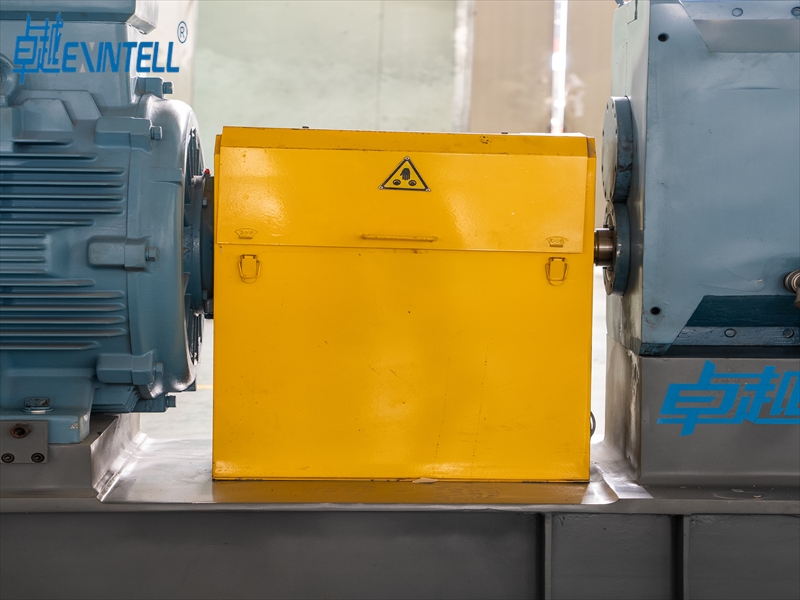
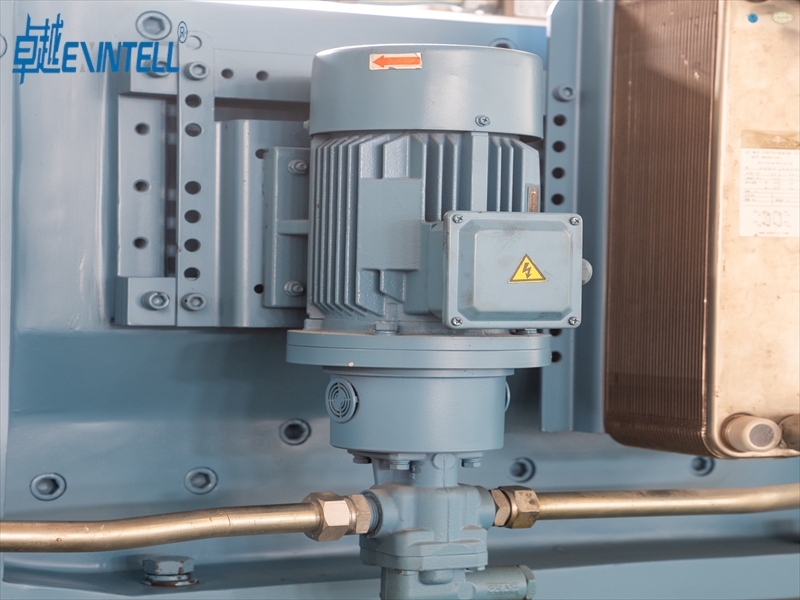
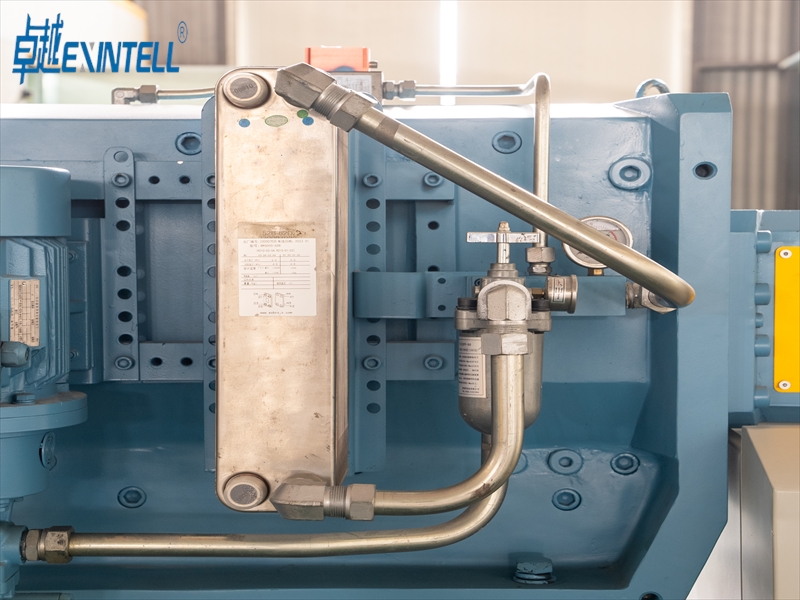
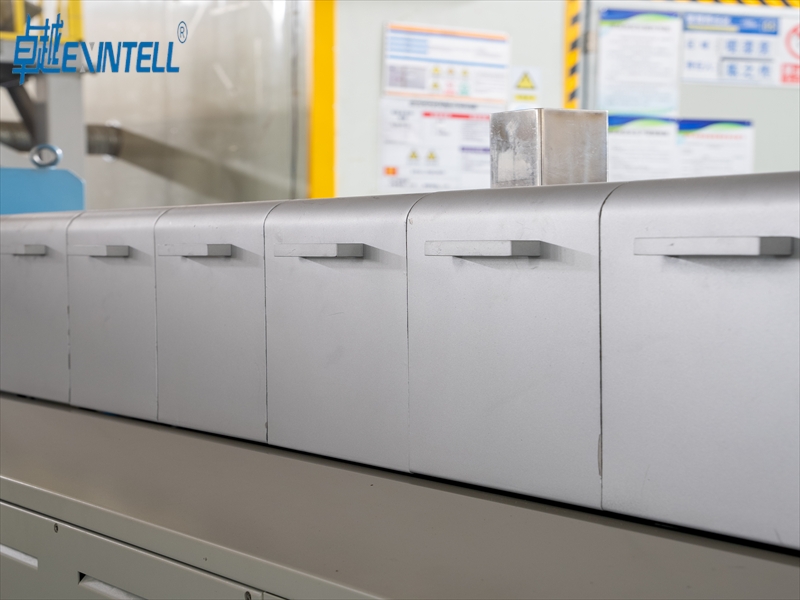
Իմանալով, թե ինչպես է աշխատում մեքենան և ինչ է անում յուրաքանչյուր մաս, օգնում է ձեզ ավելի լավ օգտագործել այն. Այն նաև օգնում է ձեզ ավելի հեշտությամբ լուծել խնդիրները.
Հիմնական Takeaways
Պելետիզացնող էքստրուդատորները չմշակված պլաստմասսաները վերածում են փոքրի կարկուտ. Գնդիկները բոլորը նույն չափի են. Սա հեշտացնում է դրանց օգտագործումը շատ առումներով.
Իմանալով հիմնական մասերը օգնում է ավելի լավ կարկուտներ պատրաստել. Այս մասերը հոպերն են, պտուտակ, տակառ, մեռնել, հովացման համակարգ, և դանակի համակարգ.
Կերակրման արագությունը կայուն պահելը շատ կարևոր է. Պտուտակային արագությունը նույնպես պետք է մնա նույնը. Սա օգնում է նույնիսկ գնդիկներին և դադարեցնում մեքենայի խնդիրները.
Գնդիկները արագ կարծրացնելու համար անհրաժեշտ է լավ սառեցում. Սա օգնում է գնդիկներին պահպանել իրենց ձևը և ամուր մնալ.
Կանոնավոր ստուգումներ կատարելը օգնում է էքստրուդատորին լավ աշխատել. Դուք պետք է հաճախակի ստուգեք պտուտակները և մաքրեք ձողը. Սա թույլ է տալիս մեքենան աշխատել և երկարացնել այն.
Պելետիզացման Էքստրուդատորի Գործընթացի Քայլեր
Ա գնդիկավոր էքստրուդատոր չմշակված պլաստիկը վերածում է փոքր գնդիկների. Դա անում է մի քանի հիմնական քայլերի միջոցով. Դուք կարող եք հետևել այս քայլերին՝ տեսնելու, թե ինչպես է աշխատում մեքենան.
Սնուցում և հալում
Առաջին, դուք հում պլաստմասսա եք լցնում գուլպանի մեջ. Մեքենան ունի պտուտակ, որը պլաստիկն առաջ է տանում. Քանի որ այն շարժվում է, պտուտակը հրում է պլաստիկն ու օդը հանում. Տակառը տաքանում է և հալեցնում պլաստիկը. Պտուտակը նաև տաքացնում է պլաստիկը քսելով.
Հուշում: Եթե դուք հավասարաչափ կերակրում եք պլաստիկին, դուք ստանում եք գնդիկներ, որոնք նույն տեսքն ունեն.
Պտուտակը ներսում գնդիկավոր էքստրուդատոր ունի երեք մաս:
Սնուցման գոտին առաջ է մղում պլաստիկին.
Սեղմման գոտին հալեցնում է պլաստիկը և հեռացնում օդը.
Հաշվիչ գոտին ստեղծում է ճնշում և պահպանում է հոսքը կայուն.
Երկվորյակ պտուտակային էքստրուդերներ ավելի լավ խառնել պլաստիկը. Նրանք ունեն երկու պտուտակ, որոնք պտտվում են միասին. Սա տալիս է ավելի հավասար ջերմություն և ավելի լավ խառնում. Այն օգնում է պատրաստել գնդիկներ, որոնք բոլորը նույնն են.
Ձեզ անհրաժեշտ ջերմաստիճանը կախված է պլաստիկի տեսակից. Ահա սովորական պլաստիկի հալման կետերով աղյուսակ:
Պլաստիկ Պոլիմեր
Հիմնարար հալման կետ (°C)
Գործնական հալման ջերմաստիճանի միջակայք (°C)
Հիմնական մշակման նշումներ
ABS (Ակրիլոնիտրիլ Բուտադիեն Ստիրոլ)
105 – 107 (Տգ)
210 – 250
Խուսափեք ~270°C-ից բարձր երկարատև ազդեցությունից՝ քայքայումը կանխելու համար.
Պոլիկարբոնատ (ԱՀ)
155 – 160
280 – 320
Հիդրոլիզը կանխելու համար պետք է մանրակրկիտ չորացնել; պահանջում է կաղապարի բարձր ջերմաստիճան (80-110°C).
Պոլիպրոպիլեն (PP)
160 – 165
200 – 260
Բարձր ծավալային նեղացում; պահանջում է փաթեթավորման/պահման բավարար ճնշում.
Նեյլոն 66 (PA66)
260 – 265
280 – 310
Չափազանց հիգրոսկոպիկ; պահանջում է անհապաղ նախնական չորացում և տաք կաղապարներ (70-100°C).
Պոլիէթիլեն (HDPE)
130 – 135
210 – 260
Բարձր կրճատում; Սառեցման պատշաճ ձևավորումը կարևոր է.
Պոլիօքսիմեթիլեն (POM)
165 – 175
190 – 220
Հակված է ջերմային քայքայման; խուսափել ավելորդ ջերմաստիճանից և բնակության ժամանակից.
Ակրիլ (PMMA)
160 – 170
220 – 250
Հիգրոսկոպիկ; պետք է չորացնել՝ թերությունները կանխելու համար; բարձր հոսքի դիմադրություն.
Պոլիբուտիլենային տերեֆտալատ (PBT)
225 – 230
240 – 270
Հիգրոսկոպիկ; պահանջում է նախնական չորացում; հակված է աղավաղման.
Պոլիէթերթերկետոն (ՆԱՅԵԼ)
340 – 380
370 – 400
Պահանջում է շատ բարձր մշակման ջերմաստիճան և չորացում.
Թերմոպլաստիկ պոլիուրեթանային (TPU)
120 – 140 (Տգ)
180 – 220
Հիգրոսկոպիկ; կպչուն հալեցումը պահանջում է հատուկ դարպաս.
Պոլիվինիլ քլորիդ (ՊՎՔ)
160 – 180 (Տգ)
170 – 210
Վատ ջերմային կայունություն; պահանջում է ճշգրիտ ջերմաստիճանի հսկողություն և կոռոզիակայուն սարքավորումներ.
Extrusion միջոցով Die
Երբ պլաստիկը հալվում է, որ գնդիկավոր էքստրուդատոր մղում է այն մեռնոցի միջով. Մեռնելը հալված պլաստիկին ձևավորում է երկար թելերի կամ այլ ձևերի. Այն die-ի դիզայնը վերահսկում է ձևը և պլաստիկի չափը. Եթե դուք օգտագործում եք կլոր ձողիկ, դուք ստանում եք կլոր թելեր. Եթե դուք օգտագործում եք ուղղանկյուն մեռնում, անկյունները կարող են կլորանալ պլաստիկի շարժման պատճառով.
Նշում: Մեռնելը պետք է լինի ամուր և երկարատև լինի. Շատ մեռնում են օգտագործում վոլֆրամի կարբիդի ներդիրներ ապակե մանրաթելերով կոշտ պլաստիկների համար.
Մահվան ջերմությունը և ինչպես է այն տաքանում, նույնպես կարևոր են. Եթե ձողը անհավասար տաքանում է, պլաստիկը կարող է դուրս գալ սխալ ձևով.
Էքստրուդատի սառեցում
Այն բանից հետո, երբ պլաստիկը թողնում է մեռնելը, այն դեռ տաք է և փափուկ. Դուք պետք է այն արագ սառչեք, որպեսզի այն դժվարանա. Այն գնդիկավոր էքստրուդատոր կարող է սառեցնել տարբեր եղանակներ:
Ստորջրյա պելետիզատորներ: Մեռնելն ու կտրիչը ջրի մեջ են. Ջուրն անմիջապես սառեցնում է կարկուտները.
Strand Pelletizers: Պլաստիկ թելերը գնում են ջրի բաղնիքում, ապա օդը չորացնում է դրանք կտրելուց առաջ.
Die-Face pelletizers: Մեքենան կտրում է գնդիկները մեռնելու երեսին. Օդը կամ ջրի մառախուղը սառեցնում է դրանք, կամ դրանք ընկնում են ջրային բաղնիքի մեջ.
Եթե դուք սառեցնում եք պլաստիկը շատ արագ կամ շատ դանդաղ, գնդիկները կարող են թեքվել կամ նեղանալ. Սա կարող է նրանց սխալ չափի կամ ձևի բերել. Լավ սառեցումը օգնում է ձեզ ստանալ կարկուտներ, որոնք ամուր են և միևնույն է.
Գնդիկների կտրում
Վերջին քայլը սառեցված պլաստիկը մանր գնդիկների կտրելն է. Այն գնդիկավոր էքստրուդատոր օգտագործում է տարբեր կտրման համակարգեր:
Մեթոդ, որն ազդում է հատիկների միատեսակության և որակի վրա.
Հորիզոնական ջրային օղակի կտրում
Օգտագործում է ջուրը սառեցնելու և էքստրուդատը գնդիկների կտրելու համար.
Ստորջրյա կտրում
Կտրում է սառեցված թելերը ջրի տակ՝ գնդիկների միատեսակ չափի համար.
Դուք կարող եք գտնել նաև այս կտրման մեթոդները:
Gantry կտրում
Հորիզոնական ջրային օղակի կտրում
Ստորջրյա կտրում
Յուրաքանչյուր ճանապարհ օգնում է ձեզ ստանալ նույն չափի գնդիկներ. Գնդիկները, որոնք բոլորը նույնն են, ավելի հեշտ են վարվել, խանութ, և օգտագործել այլ մեքենաներում.
Ամփոփում: Դուք կերակրում եք հում պլաստիկին գնդիկավոր էքստրուդատոր, հալեցնել այն, ձևավորել այն մատրիցով, զովացրեք այն, և կտրատել գնդիկների մեջ. Յուրաքանչյուր քայլ պլաստիկը հումքից վերածում է պատրաստի գնդիկների, որոնք կարող եք օգտագործել շատ ապրանքների համար.
Պելետիզացնող էքստրուդատորի հիմնական բաղադրիչները
Hopper և Feed Throat
Դուք սկսում եք չմշակված պլաստմասսա դնելով ցուպիկի մեջ. Բեռնախցիկը պահում և կերակրում է պլաստիկը. Այն պահպանում է պլաստիկը մաքուր և անվտանգ կեղտից. Բեռնախցիկի հատակը համապատասխանում է սնուցման կոկորդին. Սնուցման կոկորդը միանում է էքստրուդերի տակառին. Այս կարգավորումն օգնում է պլաստիկին սահուն շարժվել.
Բեռնախցիկը վերահսկում է, թե որքան պլաստիկ է մտնում. Սա կանխում է չափազանց շատ կամ շատ քիչ պլաստիկի մուտքը.
Հուշում: Լավ վազորդը և սնուցող կոկորդը օգնում են ձեր գնդիկավոր էքստրուդերին լավ աշխատել.
Դիզայնի ռազմավարություն
Ազդեցությունը նյութական հոսքի վրա
Կոնաձև ինտերֆեյս սնուցող սարքերում
Ապահովում է հավասարաչափ սնուցում և դադարեցնում անցքերի առաջացումը
Պտտվող փականներ կծիկի կտորով
Դադարեցնում է կուտակումները և պահպանում է պլաստիկի շարժը
Վիբրացիոն սնուցիչներ անցումային կոկորդով
Օգնում է պլաստիկի հոսքը և արագությունը կայուն պահում
Պտուտակ և տակառ
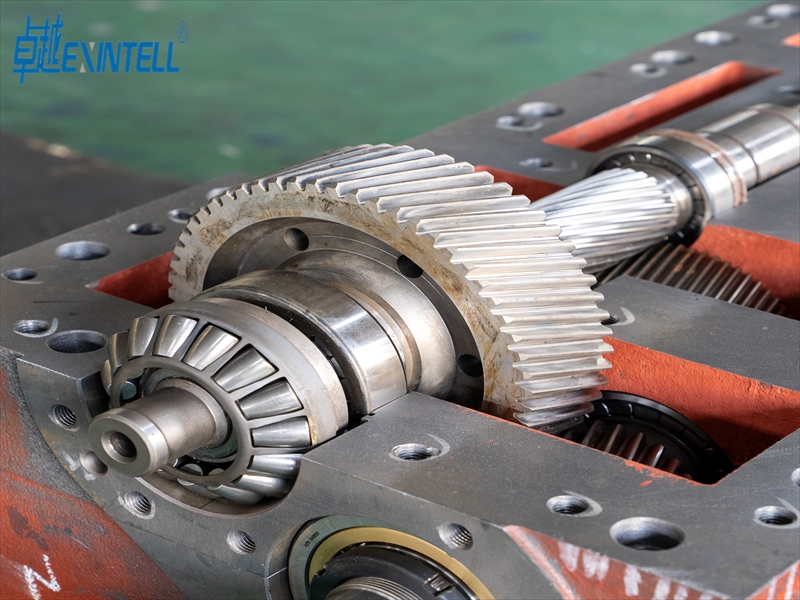
Գնդիկավոր էքստրուդատորի ներսում, պտուտակն ու տակառը աշխատում են միասին. Նրանք շարժվում են, հալվել, և խառնել պլաստիկը. Պտուտակն ունի երեք հիմնական մաս:
Սնուցման գոտի: Այս հատվածը բռնում է պլաստիկը և առաջ է մղում այն.
Սեղմման գոտի: Այստեղ, պտուտակը սեղմում է պլաստիկը և հեռացնում օդը. Սա ստիպում է պլաստիկը հավասարաչափ հալվել.
Չափիչ գոտի: Այս հատվածը ճնշում է ստեղծում և կայուն է պահում հոսքը մինչև մեռնելը.
Տակառը պտտվում է պտուտակի շուրջը. Այն տաքացնում և փափկացնում է պլաստիկը. Տակառը նաև օգնում է խառնել պլաստիկը հարթ հալման համար.
Գործոն
Նկարագրություն
Պտուտակային երկրաչափություն
Պտուտակի ձևը և անկյունը փոխում են, թե ինչպես է պլաստիկը շարժվում և խառնվում. Փոքր անկյունները ավելի լավ են խառնվում, բայց ավելի արագ են մաշվում.
Հունցող բլոկներ
Այս մասերը ավելի շատ խառնում են պլաստիկը՝ ստիպելով այն քսել իրար. Ավելի շատ բլոկներ կամ ավելի մեծ անկյուններ ավելի շատ են խառնվում, բայց ավելի շատ էներգիա և ջերմություն են ծախսում.
Ջերմաստիճանի պրոֆիլներ
Դուք պետք է վերահսկեք ջերմությունը յուրաքանչյուր մասում. Շատ ջերմությունը կարող է վնասել պլաստիկին. Բավականաչափ ջերմությունը թողնում է այն չհալված.
Նշում: Ճիշտ պտուտակն ու տակառը օգնում են ձեզ լավ գնդիկներ պատրաստել և ավելի քիչ թափոններ.
Անջատիչ ափսե և ադապտեր
Հալվելուց հետո, պլաստիկն անցնում է անջատիչի ափսեի և ադապտերի միջով. Անջատիչի ափսեը մետաղական սկավառակ է, որը շատ փոքր անցքերով է. Այն մի քանի բան է անում:
Այն պահում է էկրանի փաթեթ՝ հալոցն ավելի շատ մաքրելու համար.
Այն կոտրում է կուտակումները, որպեսզի հալոցը հարթ լինի.
Ադապտորը, կոչվում է նաև կերակրման խողովակ, կապում է տակառը մեռնոցի հետ. Այն ուղղորդում է հալված պլաստմասսա դեպի ձողիկը և հոսքը կայուն է պահում.
Հուշում: Մաքուր անջատիչի ափսեը և ադապտերը օգնում են ձեզ ուժեղ լինել, նույնիսկ կարկուտ.
Die System
The Die համակարգը ձեւավորում է հալված պլաստիկ նախքան կտրելը. Մահուրը մի քանի կարևոր մասեր ունի:
Բաց տարածք: Սա մեռանի անցքի չափն է. Այն փոխում է ճնշումը և որքան հաստ է արտադրանքը.
Հողատարածք: Այս մասը ձևավորում է պլաստիկը, երբ այն թողնում է մեռնելը. Այն օգնում է գնդիկներին, որոնք նույն տեսքն ու աշխատանքը ունեն.
Շինարարական նյութ: Մահացուի նյութը փոխում է, թե որքան շփում և ճնշում է ստանում պլաստիկը.
Դուք պետք է մեռնելու համակարգը լավ վիճակում պահեք. Այն մաքրելը և ստուգելը հաճախ դադարեցնում են խնդիրները և բարձր պահում գնդիկների որակը. Եթե մեռնողը խնդիրներ ունի, գնդիկները կարող են փոփոխվել չափերով, ուժ, կամ ձև.
Նշում: The Die համակարգը ձեր գնդիկավոր էքստրուդատորի ամենակարևոր մասերից մեկն է.
Սառեցման համակարգ
Երբ պլաստիկը թողնում է մեռնելը, դեռ շոգ է. Սառեցման համակարգը պինդ է դարձնում պլաստիկը, որպեսզի կարողանաք այն կտրել. Հովացման տարբեր եղանակներ կան:
Օդային հովացման համակարգեր: Դրանք օգտագործում են օդափոխիչներ կամ փչակներ՝ պլաստիկը սառեցնելու համար.
Ջրային հովացման համակարգեր: Սրանք պլաստիկը գցում են ջրի տանկերը. Այնուհետև չորանոցները հանում են ջուրը.
Հեղուկ մահճակալի չորանոցներ: Սրանք օդ են փչում կարկուտների միջով, երբ դրանք սահում են լանջով. Դուք կարող եք փոխել թեքությունը՝ վերահսկելու համար, թե որքան ժամանակ են գնդիկները մնում չորանոցում.
Որոշ համակարգեր ջուրը կրկին օգտագործում են էներգիա խնայելու համար. Ավտոմատ կառավարումը կարող է փոխել հովացումը՝ հիմնվելով ձեզ անհրաժեշտի վրա, ինչը նաև խնայում է էներգիան.
Ապացույցի կետ
Նկարագրություն
Սառեցման ռեսուրսների օպտիմիզացում
Խնայում է էներգիան և օգնում մեքենային ավելի լավ աշխատել.
Ավտոմատացված վերահսկում
Օգտագործում է ճիշտ քանակությամբ սառեցում.
Փակ օղակի համակարգեր
Նորից ու նորից օգտագործում է ջուրը, ջրի և էներգիայի խնայողություն.
Հուշում: Լավ սառեցումը պահում է գնդիկները ամուր և խնայում է էներգիան.
Պտտվող դանակի համակարգ
Պտտվող դանակի համակարգը սառեցված պլաստիկը կտրում է գնդիկների. Այս համակարգն ունի սուր, արագ դանակներ, որոնք կտրում են պլաստիկը, երբ այն դուրս է գալիս.
Դանակները սահմանում են յուրաքանչյուր գնդիկի չափն ու ձևը.
Սուր, լավ դրված դանակները դադարեցնում են այնպիսի խնդիրներ, ինչպիսիք են պոչերը կամ փոշին և շարունակում են աշխատել մեքենան.
Դանակները պետք է սուր և ճիշտ արագությամբ պահել. Եթե դանակները դառնում են ձանձրալի կամ դանդաղ, դուք ստանում եք անհավասար գնդիկներ և ավելի շատ կանգառներ. Եթե դանակները չափազանց արագ են կամ շարված չեն, դուք խնդիրներ կամ խցանումներ եք ունենում.
Նշում: Պտտվող դանակի համակարգը շատ կարևոր է լավ կարկուտ պատրաստելու և ձեր գնդիկավոր էքստրուդատորը լավ աշխատելու համար.
Ինչպես են բաղադրիչները աշխատում միասին
Նյութերի հոսք և համասեռացում
Գնդիկավոր էքստրուդատորի բոլոր մասերը պետք է աշխատեն միասին. Սա օգնում է պլաստիկին սահուն շարժվել և լավ խառնել. Պտուտակն առաջ է մղում պլաստիկը և խառնում այն. Դուք կարող եք փոխել, թե որքան արագ է պտտվում պտուտակը, որպեսզի քիչ թե շատ խառնվի. Պտուտակի ներսում հունցող բլոկները օգնում են խառնել պլաստիկը. Նրանց ձևը և այն, թե ինչպես եք դրանք տեղադրում, օգնում են պլաստիկին ավելի լավ խառնել.
Դուք կարող եք փոխել արագությունը՝ խառնումը վերահսկելու և հոսքը կայուն պահելու համար.
Kneading Block երկրաչափություն
Հատուկ ձևերը օգնում են հավասարաչափ խառնել պլաստիկը.
Կոնվեկտիվ խառնուրդ
Դիզայնը կրկին ու կրկին տեղափոխում է պլաստմասսա խառնիչ գոտիների միջով.
Շարունակական շրջանառություն
Ամբողջ պլաստմասսա շատ անգամ անցնում է ուժեղ խառնիչ տարածքներով.
Մոդուլային պտուտակային դիզայն
Դուք կարող եք փոխել պտուտակային մասերը տարբեր պլաստիկների համար.
Kneading Block Configurations
Տարբեր կարգավորումները տալիս են ուժեղ խառնում գնդիկների ճիշտ որակի համար.
Երբեմն, խառնելը կարող է դժվար լինել. Եթե շատ եք խառնում, կարող եք մանրաթելեր կոտրել կամ փոշի պատրաստել. Չափից շատ խառնելը կարող է նաև պլաստիկը շատ տաքացնել. Նուրբ խառնումը ավելի լավ է փափուկ պլաստիկի համար. Որոշ պլաստմասսա, նման ծայրահեղ ցածր հալման հոսք HDPE, դանդաղ շարժվել. Սրանց հոսելու համար ավելի շատ ճնշում է պետք.
Չափազանց կոշտ խառնելը կարող է մանրացնել գնդիկները և փոշի առաջացնել.
Նուրբ խառնումը լավագույնն է փափուկ պլաստիկի համար.
Գնդիկները պատրաստվում են սառեցնելով և կտրելով պլաստմասսաը այն բանից հետո, երբ այն թողնում է մեռնելը. Սառեցման համակարգը պինդ է դարձնում պլաստիկը, որպեսզի դանակները կարողանան կտրել այն. Լավ հովացման համակարգեր օգնում է պահպանել գնդիկի չափը և ձևը նույնը. Ավտոմատ կառավարումը կարող է փոխել գործընթացը, երբ այն աշխատում է. Սա օգնում է ձեզ ստանալ ավելի լավ գնդիկներ և ավելի քիչ թափոններ.
Ապացույցների տեսակը
Նկարագրություն
Ընդլայնված հովացման համակարգեր
Այս սառը գնդիկները արագորեն պահում են իրենց ձևը.
Ավտոմատ կառավարման համակարգեր
Սրանք կարգավորում են ավելի լավ որակի և ավելի քիչ թափոնների համար.
Բարձր արդյունավետության ջեռուցիչներ
Սրանք հավասարապես տաքացնում են պլաստիկը սահուն արտամղման համար.
Դուք պետք է զգույշ հավաքեք և մշակեք գնդիկները, որպեսզի չկորցնեք դրանք և չկեղտոտեք դրանք. Օգտագործեք լավ գործիքներ և մաքուր պահեք տարածքը. Փակ անցուղիները և կնքված խողովակները խանգարում են գնդիկների դուրս գալը. Սովորեցրեք աշխատողներին օգտագործել արտահոսքի պաշտպանիչ միջոցներ և իմանալ, թե ինչ անել արտակարգ իրավիճակներում.
Օգտագործեք ճիշտ գործիքներ և փակ համակարգեր.
Արագ մաքրեք արտահոսքերը.
Սովորեցրեք աշխատողներին, թե ինչպես վարվել կարկուտների անվտանգ հետ.
Հուշում: Երբ յուրաքանչյուր քայլ աշխատում է միասին, դուք ուժեղանում եք, մաքուր կարկուտներ և ավելի անվտանգ աշխատավայր.
Դուք հում պլաստիկը վերածում եք հավասար գնդիկների՝ կատարելով հինգ քայլ: կերակրման, հալվելը, extruding, սառեցում, և կտրում. Յուրաքանչյուր հիմնական մաս՝ վազվզող, պտուտակ, տակառ, մեռնել, սառեցում, և դանակի համակարգը՝ կարևոր գործ ունի. Ձեր էքստրուդատորի մասին հոգալն օգնում է այն լավ աշխատել:
Նայեք պտուտակներին և թևերին, որպեսզի տեսնեք, թե արդյոք դրանք վնասված են.
Համոզվեք, որ հումքը մաքուր է, որպեսզի վատ բան չմտնի.
Դիտեք մաշված մասերը և փոխեք դրանք նախքան կոտրվելը.
Եթե գիտեք գնդիկների որակի մասին և ինչպես դա անել վերահսկել խոնավությունը, դուք կարող եք ավելի արագ աշխատել և ավելի քիչ սխալներ թույլ տալ. Օգտագործեք այս խորհուրդները՝ ձեր մեքենան լավ աշխատելու և լավ կարկուտներ պատրաստելու համար.
ՀՏՀ
Ինչ տեսակի պլաստմասսա կարող եք օգտագործել գնդիկավոր էքստրուդերում?
Դուք կարող եք օգտագործել բազմաթիվ պլաստմասսա գնդիկավոր էքստրուդերում. Որոշ օրինակներ են պոլիէթիլենը, պոլիպրոպիլեն, նեյլոն, ABS, PLA, և TPU. Յուրաքանչյուր պլաստիկ կարիք ունի իր ջերմաստիճանի և պարամետրերի. Նախքան սկսելը միշտ ստուգեք, թե ինչի կարիք ունի ձեր նյութը.
Ինչպես եք պահում գնդիկները միատեսակ չափերով?
Դուք պետք է կերակրեք նյութը կայուն տեմպերով. Պտուտակի արագությունը նույնը պահեք. Հաճախակի մաքրեք ձողը և դանակները. Օգտագործեք ավտոմատ կառավարումներ՝ սառեցնելու և կտրելու համար. Սա ձեզ տալիս է լավագույն արդյունքները.
Ինչու է էքստրուդատորին անհրաժեշտ հովացման համակարգ?
Սառեցման համակարգը խստացնում է հալված պլաստիկը. Եթե դուք չեք սառչում այն, գնդիկները մնում են փափուկ և կպչում իրար. Երբ դրանք սառչում եք արագ և հավասարաչափ, դուք ստանում եք ուժեղ գնդիկներ. Այս գնդիկները հեշտ է մշակել.
Որքա՞ն հաճախ պետք է պահպանեք գնդիկավոր էքստրուդատորը?
Ամեն անգամ ստուգեք և յուղեք առանցքակալները 500 ժամեր.
Ամեն շաբաթ նայեք պտուտակներին և դանակներին.
Մաքրեք ձուլակը և մեռնեք յուրաքանչյուր խմբաքանակից հետո.
Այս բաներն անելն օգնում է ձեր մեքենան լավ աշխատել.
Կարո՞ղ եք օգտագործել վերամշակված պլաստմասսա գնդիկավոր էքստրուդատորում?
Նյութի տեսակը
Համապատասխանություն
Նշումներ
Մաքուր վերամշակված
Այո՛
Օգտագործելուց առաջ չորացրեք և զտեք
Խառը վերամշակված
Երբեմն
Կարող է անհրաժեշտ լինել տեսակավորում և մաքրում
Աղտոտված
Ոչ
Կարող է վնասել մեքենան
Դուք կարող եք օգտագործել վերամշակված պլաստմասսա, եթե դրանք մաքուր են և տեսակավորված.