

Ինչպես են տարբեր արտամղման համակարգերը հավաքվում արտադրության համար
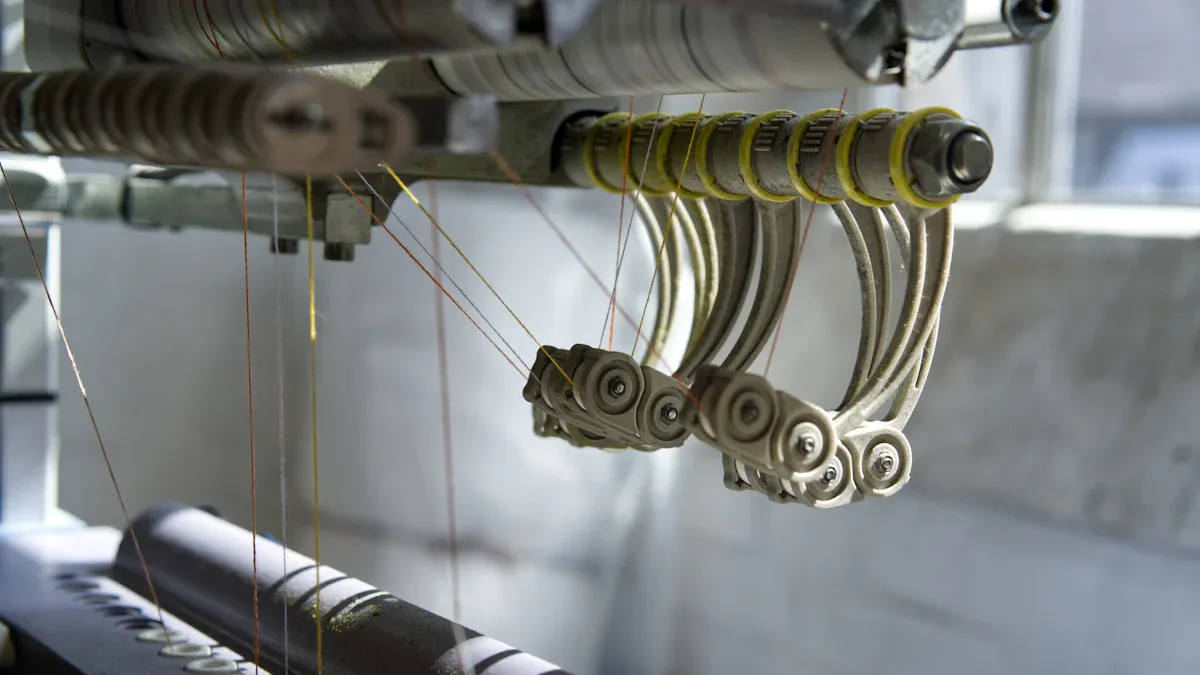
Ես տեսել եմ, որ արտամղման համակարգի ընտրությունը ձևավորում է ամբողջ արտադրական գործընթացը. Արտադրողների մեծ մասը օգտագործում է մեկ պտուտակով համակարգեր, որոնք պահում են ա 62% շուկայական մասնաբաժինը, մինչդեռ կրկնակի պտուտակային համակարգերը հաշվի են առնում 38%.
| Էքստրուզիայի համակարգի տեսակը | Շուկայի մասնաբաժնի տոկոսը |
|---|---|
| Մեկ պտուտակով | 62% |
| Երկվորյակ պտուտակ | 38% |
Պտուտակների տեսակների միջև ընտրությունը ազդում է արդյունավետության վրա, արտադրանքի որակը, և նյութական համատեղելիությունը. Երբ ես համապատասխանեցնում եմ արտամղման տեխնոլոգիան արտադրական նպատակներին, Ես նկատում եմ ծախսարդյունավետության բարելավումներ, դիզայնի բազմակողմանիություն, և կայունություն.
| Գործոն | Ազդեցությունը արտադրության արդյունավետության վրա | Ազդեցություն արտադրանքի որակի վրա |
|---|---|---|
| Վերահսկվող պարամետրեր | Պահպանում է արտադրանքի միասնական որակը | Ձեռք է բերում միկրոմետրային հանդուրժողականություն |
Ես ապավինում եմ Complete Extrusion Systems-ին` ապահովելու հետևողական արդյունքներ և պտուտակների ճշգրիտ կատարում.
Հիմնական Takeaways
- Ընտրեք ճիշտ արտամղման համակարգը՝ հիմնվելով ձեր արտադրական նպատակների և նյութական հատկությունների վրա՝ օպտիմալ կատարումն ապահովելու համար.
- Մեկ պտուտակով էքստրուդատորները իդեալական են պարզ նյութերի մեծ ծավալի արտադրության համար, մինչդեռ զույգ պտուտակային համակարգերը գերազանցում են բարդ նյութերը խառնելու հարցում.
- Էքստրուզիոն համակարգերի կանոնավոր սպասարկումն ու մոնիտորինգը կանխում են խափանումները և բարձրացնում արդյունավետությունը, արտադրանքի կայուն որակի ապահովում.
- Էքստրուդատոր ընտրելիս հաշվի առեք պտուտակի տրամագիծը և L/D հարաբերակցությունը, քանի որ այս գործոնները ազդում են թողունակության և խառնուրդի արդյունավետության վրա.
- Օգտագործեք համատեղ արտամղումը բազմաշերտ արտադրանքներ ստեղծելու համար, որոնք միավորում են տարբեր նյութեր, ֆունկցիոնալության և կատարողականի բարձրացում.
- Գնահատեք նյութերի համատեղելիությունը ընտրված մամլման համակարգի հետ՝ թերություններից խուսափելու և բարձրորակ արդյունք ապահովելու համար.
- Եղեք տեղեկացված էքստրուզիայի տեխնոլոգիայի զարգացող միտումների մասին, ինչպիսիք են IoT-ը և AI-ն, բարելավել արդյունավետությունը և հարմարվել արտադրության փոփոխվող կարիքներին.
- Նախքան ընտրելը, ստեղծեք հիմնական գործոնների ստուգաթերթ արտամղման մեքենա խուսափել ծախսատար սխալներից և ապահովել, որ համակարգը համապատասխանում է հավելվածի պահանջներին.
Արտադրության համար ճիշտ արտամղման համակարգի ընտրություն
Համակարգի ընտրության հիմնական գործոնները
Ես երբեք չեմ գտնում ունիվերսալ “լավագույնը” արտամղման համակարգ. Իմ փորձն ինձ ասում է, որ իդեալական ընտրությունը կախված է արտադրության նպատակներից, նյութական հատկություններ, և արտադրանքի պահանջները. Երբ ես ընտրում եմ արտամղման համակարգ, Ես միշտ համապատասխանեցնում եմ դրա հնարավորությունները նախատեսված հավելվածին. Այս մոտեցումը ապահովում է, որ արտամղման գործընթացը ապահովում է հետևողական որակ և օպտիմալ կատարում.
Ես համարում եմ մի քանիսը կրիտիկական գործոններ նախքան արտամղման մեքենայի ընտրություն կատարելը. Ես օգտագործում եմ հետևյալ աղյուսակը՝ իմ որոշումը առաջնորդելու համար:
| Գործոն | Նկարագրություն |
|---|---|
| Հետազոտության նպատակը | Մեքենայի նպատակը (կրթություն, նյութական զարգացում, կամ կոմերցիոն փորձնական արտադրություն) |
| Նյութի տեսակը | Մշակման ենթակա պոլիմերների տեսակը (ջերմության նկատմամբ զգայուն, ցնդող, կամ ռեակտիվ) |
| Պահանջվող ելքային հզորություն | թողունակությունը (գրամ կամ կիլոգրամ ժամում) |
| Ընդլայնված գործընթացի պահանջներ | Գազի ներարկման անհրաժեշտություն, վակուումային գազազերծում, կամ ռեակտիվ արտամղման հնարավորություն |
| Բյուջետային և լաբորատոր տարածք | Մոդուլային ընդլայնման դիտարկում ապագա արդիականացման համար |
| Ապագա սանդղակի բարձրացման կարիքները | Համատեղելիություն արդյունաբերական արտամղման մոդուլների հետ՝ արտադրության ծավալների մեծացման համար |
Ես միշտ ուշադրություն եմ դարձնում պտուտակի տրամագծին և L/D հարաբերակցությանը. Այս պարամետրերը որոշում են թողունակությունը և խառնման արդյունավետությունը. Ես ընտրում եմ էքստրուդատոր՝ ճիշտ ելքային հզորությամբ, որը կարող է տատանվել 0.25 կգ/ժ մինչև 150 կգ/ժ կախված մոդելից. Մոդուլային դիզայնը թույլ է տալիս արագ փոխարինել բաղադրիչները, որը ճկունություն է տալիս հետազոտության և զարգացման համար. Ես ապավինում եմ առաջադեմ կառավարման համակարգերին, ինչպիսիք են PLC-ն և HMI-ն, ճշգրիտ վերահսկողության և տվյալների հետագծելիության հասնելու համար.
Երբ ես գնահատում եմ արտամղման մեքենաների տեսակները, Ես համարում եմ պրոֆիլի բարդությունը և պահանջվող հանդուրժողականությունը. Բարդ նմուշները պահանջում են ճշգրիտ գործիքավորում և կարող են մեծացնել ծախսերը. Նաև նայում եմ պատվերի քանակին. Ավելի մեծ ծավալները նվազեցնում են մեկ միավորի արժեքը, քանի որ տեղադրման ծախսերը տարածվում են ավելի շատ միավորների վրա. Հարդարման և երկրորդական գործողություններ, ինչպիսիք են անոդացումը կամ CNC հաստոցները, ավելացնել արժեք և արժեք.
Հուշում: Ես խորհուրդ եմ տալիս կազմել այս գործոնների ստուգաթերթը նախքան էքստրուզիայի մեքենայի ընտրության գործընթացը սկսելը. Այս պրակտիկան օգնում է խուսափել ծախսատար սխալներից և ապահովում է, որ համակարգը համապատասխանում է նախատեսված հավելվածներին.
Ազդեցությունը արտադրության արդյունավետության վրա
Ես նկատում եմ, որ իմ ընտրած արտամղման համակարգը ուղղակիորեն ազդում է արտադրության արդյունավետության վրա. Պտուտակային դիզայն, խառնելու ունակություն, և արտամղման տեխնոլոգիան բոլորն էլ դեր են խաղում գործընթացի սահուն ընթացքի մեջ. Օրինակ, ա մեկ պտուտակային էքստրուդատոր հաճախ լավ է աշխատում պարզ պոլիմերների և մեծ ծավալի արտադրության համար. Երկու պտուտակով էքստրուդատորները մշակում են բարդ նյութեր և առաջադեմ ծրագրեր, ինչպիսիք են ռեակտիվ արտամղումը կամ հատուկ խառնուրդները.
Ես տեսել եմ, որ բարձր մածուցիկությունը և պինդ պարունակությունը էներգետիկ նյութերում կարող են խցանման պատճառ դառնալ, անկայուն արտամղում, և վարդակների մաշվածություն. Այս խնդիրները նվազեցնում են արդյունավետությունը և վտանգում անվտանգությունը. Ես լուծում եմ այս մարտահրավերները՝ օպտիմալացնելով հունցման համակարգի դիզայնը. Բարելավված խառնման միատեսակությունը և արտամղման ճշգրտությունը բարձրացնում են ինչպես անվտանգությունը, այնպես էլ արդյունավետությունը.
Ես օգտագործում եմ երկաստիճան երկպտուտակային արտամղման համակարգ, երբ ավելի մեծ կայունության և հարմարվողականության կարիք ունեմ. Սիմուլյացիան ցույց է տալիս, որ այս դիզայնը բարելավում է հոսքի բնութագրերը և պահպանում է հետևողական արդյունքը. Ես միշտ վերահսկում եմ արտամղման գործընթացը՝ ապահովելու միատեսակ որակ և նվազագույնի հասցնելու պարապուրդը.
| Ապացույցների տեսակը | Նկարագրություն |
|---|---|
| Մարտահրավերներ հավելանյութերի արտադրության մեջ | Բարձր մածուցիկությունը և էներգետիկ նյութերի ամուր պարունակությունը հանգեցնում են այնպիսի խնդիրների, ինչպիսիք են խցանումը, անկայուն արտամղում, և վարդակների մաշվածություն, ազդելով արդյունավետության և անվտանգության վրա. |
| Kneading System Performance | Հունցման համակարգի դիզայնը ազդում է նյութի խառնուրդի միատեսակության և արտամղման ճշգրտության վրա, անվտանգության և արդյունավետության բարձրացման համար առաջարկվող հատուկ օպտիմալացումներով. |
| Էքստրուզիայի համակարգի նախագծում | Երկաստիճան երկպտուտակային արտամղման համակարգը նախատեսված է մամլման գործընթացում կայունությունը և հարմարվողականությունը բարելավելու համար, տարբեր համակարգերի հոսքի բնութագրերը բացահայտող սիմուլյացիաներով. |
Ես միշտ համապատասխանում եմ արտամղման համակարգը արտադրության պահանջներին. Այս պրակտիկան ապահովում է, որ էքստրուդատորը տրամադրում է ցանկալի որակը և կատարումը. Ես ընտրում եմ պտուտակային կոնֆիգուրացիան՝ ելնելով նյութի տեսակից և հավելվածի բարդությունից. Ես ապավինում եմ առաջադեմ էքստրուզիայի տեխնոլոգիային՝ առավելագույնի հասցնելու արդյունավետությունը և պահպանել արտադրանքի որակի բարձր չափանիշները.
Նշում: Ես խորհուրդ եմ տալիս կանոնավոր սպասարկում և գործընթացի մոնիտորինգ՝ առավելագույն արդյունավետությունը պահպանելու և անսպասելի խափանումները կանխելու համար.
Ամբողջական Էքստրուզիայի համակարգերի տեսակները
Երբ ես գնահատում եմ արտադրության ամբողջական արտամղման համակարգերը, Ես միշտ սկսում եմ հիմնականը բացահայտելով արտամղման մեքենաների տեսակները. Ամենատարածված տարբերակները ներառում են մեկ պտուտակային արտամղման մեքենաներ, երկակի պտուտակային արտամղման մեքենաներ, և ram extrusion մեքենաներ. Յուրաքանչյուր համակարգ առաջարկում է եզակի ուժեղ և սահմանափակումներ, այնպես որ ես կենտրոնանում եմ հավելվածին ճիշտ տեխնոլոգիան համապատասխանեցնելու վրա.
| Էքստրուզիայի մեքենայի տեսակը |
|---|
| Մեկ պտուտակային արտամղման մեքենաներ |
| Twin Screw Extrusion Machines |
| Ram Extrusion Machines |
Մեկ պտուտակային արտամղում
Ես հաճախ օգտագործում եմ մեկ պտուտակային էքստրուդատոր ուղղակի արտամղման գործընթացների համար. Այս մեքենան ունի մեկ պտտվող պտուտակ տաքացվող տակառի ներսում. Պտուտակը նյութը առաջ է մղում, հալեցնում է այն, և ձևավորում է այն մեռոցի միջոցով. Ես ապավինում եմ այս համակարգին ջերմապլաստիկների մեծ ծավալի արտադրության համար, սննդամթերք, և ռետինե միացություններ. Դիզայնի պարզությունը հեշտացնում է դրա շահագործումն ու պահպանումը.
| Արդյունաբերություն | Դիմումի նկարագրություն | Շուկայի աճի կանխատեսումներ |
|---|---|---|
| Պլաստիկ | Թերմոպլաստիկների հալեցում և ձևավորում, պայմանավորված է PE և PP օգտագործման աճով. | CAGR մոտավորապես 4-5% միջոցով 2030 |
| Սննդի վերամշակում | Վերամշակված սննդամթերքի արտադրություն, ինչպիսիք են նախուտեստները և հացահատիկները. | Շուկա հասնելու համար $75 միլիարդով 2026 |
| Ռետինե բաղադրություն | Անվադողերի և ավտոմոբիլային մասերի ռետինե խառնող և ձևավորող. | Անվադողերի արտադրությունը գերազանցելու է 2 միլիարդ միավորով 2025 |
| Կենսաբժշկական | Կենսապոլիմերների արտադրություն փաթեթավորման և բժշկական սարքերի համար. | Զարգացող շուկա՝ արտամղման նոր տեխնոլոգիայով |
Այնուամենայնիվ, Ես ճանաչում եմ մեկ պտուտակային արտամղման սահմանափակումները. Միատեսակ խառնման հասնելը կարող է դժվար լինել, հատկապես, երբ ավելացնում եմ լցոնիչներ կամ հավելումներ. Ճնշման հետևողականությունը հաճախ տատանվում է հումքի փոփոխության հետ, իսկ բարձր մածուցիկությամբ նյութերը կարող են լավ չհոսել, հանգեցնում է թերությունների. Այս մարտահրավերները առաջնորդում են իմ արտամղման մեքենայի ընտրությունը, երբ ինձ ավելի բարձր որակի կամ ավելի բարդ մշակման կարիք է զգում.
Հուշում: Պարզի համար, մեծ ծավալի հավելվածներ, Ես խորհուրդ եմ տալիս սկսել մեկ պտուտակային էքստրուդայից. Ընդլայնված խառնուրդի կամ հատուկ նյութերի համար, դիտարկել այլ տարբերակներ.
Twin-Screw Extrusion
Երբ ես պահանջում եմ առաջադեմ մշակում, Ես դիմում եմ երկակի պտուտակային էքստրուդատոր տեխնոլոգիա. Այս համակարգը օգտագործում է երկու պտուտակ, որոնք միասին պտտվում են տակառի ներսում. Պտուտակները կարող են միաձուլվել կամ զուգահեռ աշխատել, կախված դիզայնից. Ես գտնում եմ, որ երկակի պտուտակային էքստրուդատորներն ապահովում են խառնման բարձր արդյունավետություն, ավելի լավ պլաստիկացնող բարձր մածուցիկության նյութերի համար, և ուժեղացված հսկողություն ջերմաստիճանի և ճնշման նկատմամբ. Այս հատկանիշները բարելավում են արտադրանքի որակը և գործընթացի հետևողականությունը.
Երկվորյակ պտուտակային արտամղումը նաև թույլ է տալիս ինձ կատարել մշակման մի քանի քայլեր մեկ մեքենայի մեջ. Ես կարող եմ խառնել, հալվել, օդանցք, և նույնիսկ արձագանքում են նյութերին մեկ անցման ընթացքում. Այս ճկունությունը նվազեցնում է թափոնները և արագացնում արտադրությունը. Երկվորյակ պտուտակով և մեկ պտուտակով էքստրուդատորների համեմատությամբ, Ես տեսնում եմ ներդրումների ավելի արագ վերադարձ և ավելի միատեսակ արդյունքներ զույգ պտուտակային համակարգերով, հատկապես բարդ խառնուրդների կամ վերամշակված պլաստիկների համար.
Երկվորյակ պտուտակային ենթատիպեր
Ես միշտ համարում եմ էքստրուդեր մեքենաների տարբեր տեսակները երկվորյակ պտուտակային կատեգորիայի մեջ. Պտուտակային կոնֆիգուրացիան ազդում է աշխատանքի վրա, արդյունավետությունը, և կիրառությունների շրջանակը.
Միախառնվող
Միաձուլվող զույգ պտուտակային էքստրուդատորները ունեն պտուտակներ, որոնք համընկնում են և միանում իրար. Այս դիզայնը ապահովում է ճշգրիտ նյութերի տեղափոխում և բարձր կտրող ուժեր. Ես օգտագործում եմ միաձուլման համակարգեր՝ բարելավված խառնուրդի և համատեղելիության համար, հատկապես, երբ ես պետք է հավասարաչափ ցրեմ հավելումները կամ լցոնները.
Ոչ միաձուլվող
Չմիջամտվող զույգ պտուտակային էքստրուդատորներն ունեն պտուտակներ, որոնք պտտվում են առանց համընկնման. Այս կարգավորումն առաջարկում է ավելի մեղմ խառնում և ավելի քիչ կտրվածք. Ես ընտրում եմ չխճճվող նմուշներ զգայուն նյութերի համար, որոնք պահանջում են նվազագույն մեխանիկական սթրես.
Համատեղ պտտվող
Համատեղ պտտվող զույգ պտուտակային էքստրուդատորներն ունեն պտուտակներ, որոնք պտտվում են նույն ուղղությամբ. Այս ենթատեսակը գերազանցում է խառնուրդի արդյունավետությունը և նյութի տեղափոխումը. Ես օգտագործում եմ համատեղ պտտվող համակարգեր ռեակտիվ արտամղման համար, ապավոլտացիա, և բարձր արդյունավետությամբ պոլիմերային միացություն. Այնուամենայնիվ, Կտրման բարձր արագությունը կարող է քայքայել ջերմության նկատմամբ զգայուն նյութերը, այնպես որ ես ուշադիր հետևում եմ պտուտակների ձևավորմանը և սառեցմանը.
| Ենթատեսակ | Մշակման հնարավորություններ և առավելություններ | Սահմանափակումներ և նկատառումներ | Լավագույն հավելվածները |
|---|---|---|---|
| Co-rotating Twin-Screw Extruder | Խառնելու բարձր արդյունավետություն, հարմար է ռեակտիվ արտամղման համար, բարձր կտրվածքի արագություն | Նյութերի քայքայման վտանգ, պահանջում է ճշգրիտ պտուտակային դիզայն | Պոլիմերային միացություն, նանոկոմպոզիտներ, լաբորատորիա-արտադրություն աշխատանքային հոսքեր |
Հակապտտվող
Հակադարձ պտտվող զույգ պտուտակային էքստրուդատորները ունեն պտուտակներ, որոնք պտտվում են հակառակ ուղղություններով. Այս կոնֆիգուրացիան առաջացնում է ավելի ցածր կտրող ուժեր, որը պաշտպանում է փխրուն նյութերը. Ես ապավինում եմ կերամիկայի հակադարձ պտտվող համակարգերին, բիոպոլիմերներ, և դեղագործական ձևակերպումներ. Դիզայնը նաև ապահովում է լավ ճնշման բարձրացում և արդյունավետ կնքում, թեև խառնման ինտենսիվությունը ավելի ցածր է, քան համատեղ պտտվող համակարգերում.
| Ենթատեսակ | Մշակման հնարավորություններ և առավելություններ | Սահմանափակումներ և նկատառումներ | Լավագույն հավելվածները |
|---|---|---|---|
| Counter-պտտվող Twin-Screw Extruder | Ավելի ցածր կտրող ուժեր, լավ ճնշման կուտակում, արդյունավետ կնքումը | Ավելի ցածր խառնման ինտենսիվություն, ավելի բարդ կնքման և կրող ձևավորում | Կերամիկա, բիոպոլիմերներ, դեղագործություն |
Երբ ես ընտրում եմ ամբողջական արտամղման համակարգ, Ես միշտ համապատասխանում եմ պտուտակի տեսակը և կազմաձևը նյութի և գործընթացի պահանջներին. Այս մոտեցումը ապահովում է բարձր որակ, արդյունավետությունը, և հուսալի կատարում բոլոր հավելվածներում.
Ram Extrusion
Ես հաճախ ընտրում եմ խոյերի արտամղումը, երբ անհրաժեշտ է մշակել նյութեր, որոնք պահանջում են բարձր ճնշում և ճշգրիտ ձևավորում. Այս մեթոդը օգտագործում է հիդրավլիկ խոյ՝ նյութը ջեռուցվող տակառի միջով մղելու և մեռնելու համար, այլ ոչ թե հենվել պտտվող պտուտակի վրա. Ես գտնում եմ, որ խոյ էքստրուդատորները հատկապես օգտակար են ջերմակայուն պլաստմասսայից արտադրանքներ ձևավորելու համար, կերամիկա, և PTFE. Գործընթացը թույլ է տալիս ինձ ձողեր ստեղծել, խողովակներ, և պրոֆիլներ՝ համապատասխան չափսերով.
Էքստրուզիոն մեքենաների տեսակների շարքում առանձնանում է Ram extrusion-ը, քանի որ այն մշակում է այն նյութերը, որոնք ավանդական պտուտակահանները չեն կարող արդյունավետ մշակել:. Ես օգտագործում եմ այս տեխնոլոգիան արդյունաբերության մեջ ինչպիսիք են պլաստմասսա, սնունդ, և դեղագործական. Օրինակ, Արտադրում եմ յուրահատուկ ձևերով խորտիկներ և հացահատիկներ, և ես պատրաստում եմ ճշգրիտ բնութագրերով պլանշետներ և պարկուճներ.
Ես նկատել եմ մի քանի առավելություններ և մարտահրավերներ, երբ օգտագործում եմ խոյ էքստրուդերներ:
- Ram extruders-ը գերազանցում է դժվար մշակվող նյութերից բարձրորակ արտադրանք արտադրելու հարցում.
- Ես ապավինում եմ դրանց այն ծրագրերի համար, որտեղ պտուտակային արտամղման տեխնոլոգիան պակասում է, ինչպիսիք են PTFE և կերամիկական պրոֆիլները.
- Գործընթացը ապահովում է հետևողական որակ և չափերի ճշգրտություն.
- Գործառնական բարձր ծախսերը կարող են ազդել արդյունավետության և ընդհանուր կատարողականի վրա.
- Պլաստիկ արտադրության խիստ կանոնակարգերը պահանջում են գործընթացի զգույշ վերահսկողություն.
- Այլընտրանքային արտամղման համակարգերի մրցակցությունը մղում է ինձ օպտիմալացնել իմ արտամղման մեքենայի ընտրությունը.
Ես միշտ կշռադատում եմ այս գործոնները, նախքան ամբողջական արտամղման համակարգերի համար խոյ էքստրուզիան ընտրելը. Ես ուշադիր հետևում եմ գործընթացին՝ որակն ու արդյունավետությունը պահպանելու համար, հատկապես հատուկ նյութերի հետ աշխատելիս.
Համատեղեցում
Co-extrusion-ը ինձ հնարավորություն է տալիս միավորել բազմաթիվ նյութեր մեկ արտադրանքի մեջ, ընդլայնված հատկություններով բազմաշերտ պրոֆիլների ստեղծում. Ես օգտագործում եմ արտամղման այս տեխնոլոգիան տարբեր ջերմապլաստիկներ ինտեգրելու համար, յուրաքանչյուր շերտ առաջարկում է յուրահատուկ հատկանիշներ. Գործընթացը ներառում է մի քանի նյութերի մղում մեկ ձողի միջով, արդյունքում ստացվում է միասնական պրոֆիլ, որը համապատասխանում է արտադրության բարդ պահանջներին.
Ես ապավինում եմ համատեղ արտամղմանը՝ երկարակեցություն պահանջող ապրանքների արտադրության համար, ճկունություն, և գեղագիտական գրավչություն. Այս մեթոդը թույլ է տալիս ինձ հարմարեցնել յուրաքանչյուր շերտի որակը, կատարողականի և ֆունկցիոնալության բարելավում. Ես տեսնում եմ համատեղ արտամղումը որպես հիմնական առաջընթաց ամբողջական արտամղման համակարգերում, հատկապես, երբ ես պետք է արտադրեմ մասնագիտացված հատկանիշներով իրեր.
Արդյունաբերությունները շահում են համատեղ արտամղումից մի քանի առումներով:
- Շինարարություն: Պատրաստում եմ պատուհանագոգեր, շրջանակներ, և կտրել կտորները որոնք համատեղում են ուժն ու տեսողական գրավչությունը.
- Մանրածախ: Ես կառուցում եմ դարակների և ցուցադրման համակարգեր, որոնք և՛ դիմացկուն են, և՛ գրավիչ.
- Նշան: Ես արտադրում եմ լուսավոր ցուցանակներ և շրջանակներ՝ մաքուր ավարտվածքով և հուսալի կատարողականությամբ.
Co-extrusion-ն ընդլայնում է արտամղման տեխնոլոգիայի կիրառությունների շրջանակը. Ես այն օգտագործում եմ արտադրության պահանջկոտ նպատակներին հասնելու և բարձր որակով ապրանքներ մատակարարելու համար. Երբ ես ընտրում եմ էքստրուդատոր համատեղ արտամղման համար, Ես համարում եմ պտուտակային դիզայն, գործընթացի վերահսկում, և նյութական համատեղելիությունը. Այս մոտեցումը ապահովում է արդյունավետություն և հետևողական արդյունքներ.
Հուշում: Ես առաջարկում եմ համատեղ արտամղում այն նախագծերի համար, որոնք պահանջում են բազմաշերտ պրոֆիլներ և ընդլայնված արտադրանքի ֆունկցիոնալություն. Էքստրուզիոն մեքենայի զգույշ ընտրությունը և գործընթացի մոնիտորինգը կարևոր են օպտիմալ որակի հասնելու համար.
Էքստրուզիոն համակարգերի կառուցվածքը և շահագործումը
Պտուտակների և տակառների ձևավորում
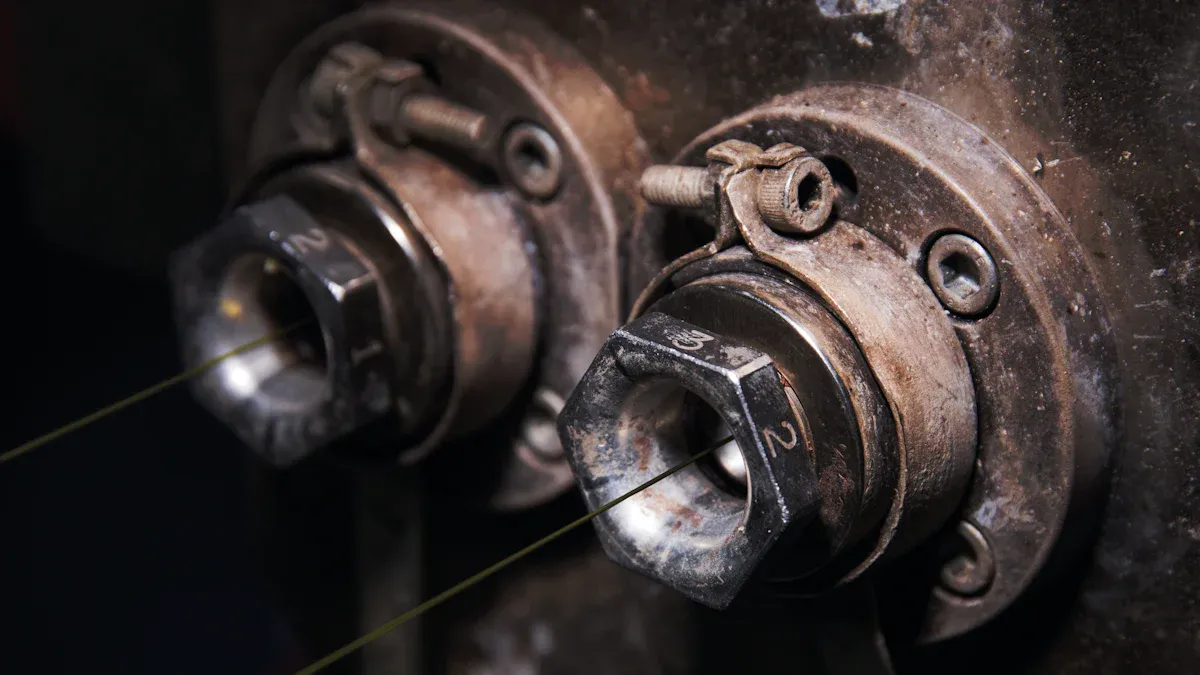
I always start my extrusion machine selection by examining the screw and barrel design. The geometry of the screw determines how efficiently the extruder melts, խառնուրդներ, and conveys material. I adjust the length-to-diameter (L/D) ratio to control residence time and mixing. A higher L/D ratio allows the material to melt and blend more thoroughly, which is essential for achieving uniform quality in the final product. I rely on barrier designs in the screw barrel to maintain melt stability and prevent degradation, especially when I process sensitive materials. Parallel twin screw and barrel designs play a critical role in extrusion speed, արտադրանքի որակը, և էներգաարդյունավետությունը. I use zoning and precise temperature control to stabilize melt flow and avoid trapped gases, which improves density and consistency. Տակառի մակերեսը և պտուտակի երկրաչափությունը նույնպես ազդում են էներգաարդյունավետության և արտադրանքի հետևողականության վրա. Ես միշտ համապատասխանեցնում եմ պտուտակի դիզայնը հավելվածի հատուկ պահանջներին՝ արդյունավետությունը առավելագույնի հասցնելու համար.
- L/D հարաբերակցությունը բարելավում է խառնումը և հալեցնում է միատեսակությունը, ինչը կարևոր է բարձրորակ արտադրանքի համար.
- Պատնեշների դիզայնը օգնում է պահպանել հալման կայունությունը և կանխել դեգրադացիան.
- Պտուտակների երկրաչափությունը և տակառի մակերեսի ավարտը ազդում են էներգաարդյունավետության և արտադրանքի հետևողականության վրա.
Նյութերի շարժում և խառնուրդ
Ես կենտրոնանում եմ նյութի արդյունավետ շարժման և խառնման վրա, որպեսզի ապահովեմ արտամղման գործընթացը սահուն. ես օգտագործում եմ ամուր օդաճնշական կամ մեխանիկական փոխակրիչներ հումքը արագ և նվազագույն սպասարկումով տեղափոխելու համար. Խառնիչի առաջադեմ դիզայնը երաշխավորում է մանրակրկիտ և միատեսակ խառնուրդ, որը կանխում է պատրաստի արտադրանքի տատանումները. Ես ինտեգրում եմ ավտոմատացված հսկիչները PLC համակարգերի հետ իրական ժամանակի մոնիտորինգի և բաղադրատոմսերի կառավարման համար. Այս մոտեցումը թույլ է տալիս ինձ անխափան վերահսկել արտադրությունը և անհրաժեշտության դեպքում կարգավորել պարամետրերը. Ես ընտրում եմ մասշտաբային կոնֆիգուրացիաներ՝ ինչպես փոքր արտադրամասերը, այնպես էլ խոշոր արդյունաբերական գործառնությունները տեղավորելու համար. Փոշու վերահսկման ուժեղացված գործառույթները աշխատավայրը մաքուր և անվտանգ են պահում. Հետևողական, միատարր խառնուրդները նվազեցնում են որակի տատանումները և բարելավում թողունակությունը. Ավտոմատացված համակարգերը նվազագույնի են հասցնում ձեռքով բեռնաթափումը, ինչը կրճատում է արտադրական ցիկլերը և նվազեցնում աշխատուժի ծախսերը. Ես միշտ առաջնահերթություն եմ տալիս այս հատկանիշներին, երբ գնահատում եմ արտամղման մեքենաների տեսակները նոր ծրագրերի համար.
| Առանձնահատկություն | Նկարագրություն |
|---|---|
| Արդյունավետ նյութերի փոխանցում | Արագ, հումքի ցածր պահպանման տեղաշարժ |
| Ճշգրիտ խառնում | Մանրակրկիտ, միատեսակ բաղադրություն՝ կայուն որակի համար |
| Ավտոմատացված վերահսկում | Իրական ժամանակի մոնիտորինգ և բաղադրատոմսերի կառավարում |
| Scalable Configurations | Ճկուն դասավորություններ ցանկացած արտադրական հզորության համար |
| Ընդլայնված փոշու վերահսկում | Մաքրող, ավելի անվտանգ աշխատավայր |
| Բարելավված արտադրանքի որակ | Միատարր խառնուրդներ, նվազեցված տատանումները |
| Բարձրացված թողունակությունը | Արտադրության ավելի կարճ ցիկլեր, ավելի քիչ ձեռքով բեռնաթափում |
| Նվազեցված թափոններ | Ճշգրիտ չափում, ավելի ցածր ծախսեր |
| Աշխատանքի ավելի ցածր ծախսեր | Ավտոմատացումը անձնակազմին ազատում է ավելացված արժեքի առաջադրանքների համար |
| Ավելի անվտանգ աշխատանքային միջավայր | Փակ գծեր և փոշու հսկողություն |
Գործընթացի վերահսկում և արդյունքի որակ
Ես կախված եմ առաջադեմ գործընթացի վերահսկման տեխնոլոգիայից՝ էքստրուզիայի արտադրության մեջ ելքի բարձր որակը պահպանելու համար. ընտրում եմ բարձրորակ ջերմապլաստիկ ապահովելու համար, որ վերջնական արտադրանքը համապատասխանում է ուժին, ամրություն, և ճկունության պահանջներ. Ես ուշադիր հետևում եմ արտամղման պարամետրերին՝ արտադրության ընթացքում անհամապատասխանությունները նվազեցնելու համար. Չափերի ճշգրտությունը մնում է ինձ համար առաջնահերթություն, քանի որ այն երաշխավորում է, որ բաղադրիչները համապատասխանում են իրենց նախատեսված ծրագրերին. Ես օգտագործում եմ մակերևութային զննում, որպեսզի հայտնաբերեմ այնպիսի թերություններ, ինչպիսիք են շեղումը կամ օդային փուչիկները, որն օգնում է ինձ պահպանել արտադրանքի կայուն որակը. Խնդիրների վաղ հայտնաբերումը նվազեցնում է թափոնները և խնայում արտադրության ծախսերը. Ես միշտ ապահովում եմ, որ իմ գործընթացը համապատասխանի կարգավորող չափանիշներին, որը պաշտպանում է և՛ իմ բիզնեսը, և՛ իմ հաճախորդներին. Բարձրորակ արտադրանքը բարձրացնում է իմ ապրանքանիշի հեղինակությունը և բարձրացնում հաճախորդների գոհունակությունը. Մոնիտորինգի առաջադեմ համակարգերը ինձ թույլ են տալիս մեծացնել արտադրության արագությունը՝ առանց ճշգրտության զոհաբերելու, որը բարձրացնում է ամբողջական արտամղման համակարգերի ընդհանուր արդյունավետությունը.
| Տարր/Առավելություն | Նկարագրություն |
|---|---|
| Նյութի ընտրություն | Ապահովում է ուժ, ամրություն, և ճկունություն |
| Գործընթացի մոնիտորինգ | Նվազեցնում է անհամապատասխանությունները և պահպանում է հետևողականությունը |
| Չափերի ճշգրտություն | Երաշխավորում է պատշաճ պիտանիություն բոլոր հավելվածների համար |
| Մակերեւութային զննում | Ավելի լավ որակի համար վաղ հայտնաբերում է թերությունները |
| Հետևողական արտադրանքի որակ | Յուրաքանչյուր խմբաքանակ համապատասխանում է բարձր չափանիշներին |
| Թափոնների կրճատում | Խնայում է նյութական և արտադրության ծախսերը |
| Կանոնակարգային համապատասխանություն | Համապատասխանում է իրավական և անվտանգության պահանջներին |
| Հաճախորդների բավարարվածություն | Կառուցում է հեղինակություն և հավատարմություն |
| Գործընթացի արդյունավետություն | Բարձրացնում է արագությունը՝ պահպանելով ճշգրտությունը |
Հուշում: Ես խորհուրդ եմ տալիս կանոնավոր ստուգաչափում և պահպանում էքստրուզիայի բոլոր տեխնոլոգիաները՝ առավելագույն արդյունավետությունը և կայուն որակը պահպանելու համար.
Էքստրուզիայի գործընթացի համեմատություն
Single-Screw vs. Twin-Screw Process
Երբ համեմատում եմ մեկ պտուտակով և երկու պտուտակով էքստրուդատորներ, Ես կենտրոնանում եմ այն բանի վրա, թե ինչպես է յուրաքանչյուր համակարգ վարում արտամղման գործընթացը. Պտուտակային դիզայնը ձևավորում է նյութի շարժման և խառնուրդի ձևը. Մեկ պտուտակով էքստրուդատորն օգտագործում է մեկ պտուտակավոր պտուտակ պարզ պտուտակով, գլանաձեւ տակառ. Ի հակադրություն, երկակի պտուտակով էքստրուդատորն առանձնանում է երկու միաձուլվող պտուտակներով և ավելի բարդ, հաճախ հատվածավորված տակառ. Ես տեսնում եմ, որ ջերմաստիճանի վերահսկումը մեկ պտուտակով համակարգերում մնում է հիմնական, մինչդեռ երկակի պտուտակավոր մեքենաներն առաջարկում են առաջադեմ կառավարում բազմաթիվ ջեռուցման և հովացման գոտիներով. Այս տարբերությունն ազդում է ինչպես թողունակության, այնպես էլ էներգաարդյունավետության վրա.
| Ասպեկտ | Մեկ պտուտակային էքստրուդատոր | Twin Screw Extruder |
|---|---|---|
| Պտուտակային դիզայն | Մեկ պարուրաձև պտուտակ | Երկու միաձուլվող պտուտակ |
| Տակառի կառուցվածքը | Պարզ, գլանաձեւ | Ավելի բարդ, հաճախ հատվածավորված |
| Ջերմաստիճանի վերահսկում | Հիմնական ջեռուցում/հովացում | Ընդլայնված, բազմաշերտ |
| Ելքային հզորություն | Չափավոր | Բարձր |
| Էներգիայի սպառում | Ընդհանրապես ավելի բարձր | Ավելի արդյունավետ |
| Ճկունություն թողունակության մեջ | Սահմանափակ | Բարձր |
Ես ապավինում եմ երկակի պտուտակով էքստրուդատորներին՝ ավելի բարձր արդյունքի և ավելի լավ էներգաարդյունավետության համար. Երբ ինձ անհրաժեշտ է ճկունություն թողունակության կամ առաջադեմ գործընթացի վերահսկման մեջ, Ես ընտրում եմ երկու պտուտակային համակարգեր. Պարզ կիրառությունների համար, մեկ պտուտակով էքստրուդատորները դեռ ապահովում են հուսալի կատարում.
Նյութերի համատեղելիությունը էքստրուզիայի գործընթացում
Նյութերի համատեղելիությունը կարևոր դեր է խաղում արտամղման մեքենայի ընտրության հարցում. Ես միշտ համապատասխանեցնում եմ պտուտակային կոնֆիգուրացիան այն նյութի տեսակին, որը նախատեսում եմ մշակել. Մեկ պտուտակով էքստրուդատորները լավ են մշակում ստանդարտ ջերմապլաստիկները, բայց նրանք պայքարում են նյութերի հետ, որոնք պահանջում են ինտենսիվ խառնում կամ ունեն բարձր լցանյութի պարունակություն. Երկու պտուտակային էքստրուդատորները գերազանցում են հատուկ միացություններին, վերամշակված պլաստմասսա, և ռեակտիվ նյութեր. Ես օգտագործում եմ հատվածավոր պտուտակներ՝ յուրաքանչյուր հավելվածի համար խառնումը և կտրումը կարգավորելու համար.
Երբ ես աշխատում եմ ամբողջական արտամղման համակարգերով, Ես հաշվի եմ առնում, թե ինչպես է յուրաքանչյուր պտուտակի դիզայն ազդում վերջնական արտադրանքի վրա. Երկու պտուտակով էքստրուդատորներն ինձ թույլ են տալիս մշակել նյութերի ավելի լայն տեսականի, ներառյալ հավելումներ կամ զգայուն հատկություններ ունեցողները. Այս ճկունությունը աջակցում է էքստրուզիոն մեքենաների ավելի շատ տեսակների և ընդլայնում է հնարավոր կիրառությունների շրջանակը.
Հուշում: Ես խորհուրդ եմ տալիս գնահատել ձեր հումքի քիմիական և ֆիզիկական հատկությունները, նախքան էքստրուդատոր ընտրելը. Այս քայլը ապահովում է համատեղելիությունը և նվազեցնում է թերությունների վտանգը.
Ապրանքի որակ և հետևողականություն
Ես գիտեմ, որ արտամղման գործընթացն ուղղակիորեն ազդում է պատրաստի արտադրանքի որակի վրա. Ժամանակակից արտամղման գծերը ինտեգրում են ավտոմատացումը և առաջադեմ կառավարման հարթակներ. Այս համակարգերը միանգամից վերլուծում են բազմաթիվ փոփոխականներ, որն օգնում է ինձ պահպանել կայուն որակ յուրաքանչյուր խմբաքանակում.
Որակի հետևողականությունը արտադրողականության բազմապատկիչ է. Ընդլայնված կառավարման հարթակները վերլուծում են օրինաչափությունները մի քանի փոփոխականների վրա միաժամանակ, ապահովելով, որ արտադրանքի որակը պահպանվի էքստրուզիայի ողջ ընթացքում.
Ես վերահսկում եմ հիմնական գործոնները, ինչպիսիք են հալման կայուն ճնշումը, արտադրանքի արագությունը, և մակերեսային հարդարում. Հալոցքի կայուն ճնշումը կանխում է ծռմռումը և ծավալային շեղումը. Ավելի բարձր և կայուն արդյունք նվազեցնում է գրության դրույքաչափերը և պարապուրդի ժամանակը. Մակերեւույթի ավելի լավ ավարտը և չափերի ճշգրիտ հսկողությունը մեծացնում են ազդեցությունը պատրաստի արտադրանքի որակի վրա.
| Հիմնական գործոններ | Ազդեցությունը որակի և հետևողականության վրա |
|---|---|
| Կայուն հալման ճնշում | Կանխում է չափերի շեղումը կամ շեղումը |
| Ավելի բարձր և կայուն արդյունք | Նվազեցնում է գրության դրույքաչափերը և պարապուրդի ժամանակը |
| Մակերեւույթի ավելի լավ ավարտ | Բարձրացնում է արտադրանքի ընդհանուր որակը |
| Չափային հսկողություն | Ապահովում է վերջնական արտադրանքի բնութագրերի ճշգրտությունը |
| Ավելի արագ ROI | Բարելավում է արտադրողների շահութաբերությունը |
Երկվորյակ պտուտակով և մեկ պտուտակով էքստրուդատորների համեմատությամբ, Ես տեսնում եմ, որ երկու պտուտակային համակարգերը ապահովում են ավելի լավ հետևողականություն և ավելի ցածր գործառնական ծախսեր. Ես հասնում եմ ավելի արագ ROI-ի և բարելավված կատարողականության՝ ներդրումներ կատարելով էքստրուզիայի առաջադեմ տեխնոլոգիայի մեջ. Ես միշտ առաջնահերթություն եմ տալիս գործընթացի մոնիտորինգին և ավտոմատացմանը՝ արտադրության մեջ բարձր որակ և արդյունավետություն ապահովելու համար.
- Ավելի բարձր և կայուն արդյունք
- Ցածր ջարդոն և պարապուրդ
- Մակերեւույթի ավելի լավ ավարտ և ծավալային հսկողություն
- Նվազեցված գործառնական ծախսերը
- Ավելի արագ ROI
Ես ապավինում եմ այս ռազմավարություններին, որպեսզի առավելագույնի հասցնեմ էքստրուզիայի առավելությունները և մատակարարեմ արտադրանք, որոնք համապատասխանում են արտադրության խիստ չափանիշներին.
Արդյունավետության համեմատության աղյուսակ
Արտադրողականություն և արդյունավետություն
Ես միշտ գնահատում եմ թողունակությունը և արդյունավետությունը, երբ համեմատում եմ արտամղման մեքենաների տեսակները. Թողունակությունը չափում է, թե որքան նյութ է մշակում էքստրուդերը տվյալ ժամանակում. Արդյունավետությունն արտացոլում է, թե որքան լավ է պտուտակի դիզայնը հումքը վերածում պատրաստի արտադրանքի՝ նվազագույն թափոններով և էներգիայի օգտագործմամբ. Ես տեսնում եմ, որ մեկ պտուտակով էքստրուդատորները հաճախ ապահովում են կայուն թողունակություն ստանդարտ պոլիմերների համար. Երկու պտուտակային էքստրուդդերներ, իրենց առաջադեմ պտուտակային երկրաչափությամբ, կարգավորել ավելի բարձր արտադրանքը և պահպանել ավելի լավ էներգաարդյունավետություն, հատկապես բարդ խառնուրդների համար.
| Էքստրուդատորի տեսակը | թողունակությունը (կգ/ժ) | Էներգաարդյունավետություն | Լավագույն օգտագործման դեպքեր |
|---|---|---|---|
| Single-Screw | 50-500 | Չափավոր | Բարձր ծավալով, պարզ պոլիմերներ |
| Twin-Screw | 100-1000+ | Բարձր | Բարդ խառնուրդներ, մասնագիտացված աշխատատեղեր |
| Ram Extruder | 10– 100 | Ցածր-չափավոր | PTFE, կերամիկա, մասնագիտությամբ |
| Համակցումային համակարգեր | Տատանվում է | Բարձր | Բազմաշերտ պրոֆիլներ |
Ես միշտ համապատասխանում եմ պտուտակային կոնֆիգուրացիան նյութի և արտադրության պահանջներին. This approach ensures the process delivers consistent quality and meets manufacturing goals. I rely on complete extrusion systems to maximize throughput and efficiency for every application.
Հուշում: I recommend monitoring energy consumption and output rates regularly. This practice helps optimize extrusion machine selection and reduces operational costs.
Maintenance and Reliability
I prioritize maintenance and reliability when I select an extruder. The screw and barrel experience constant wear from abrasive materials and high temperatures. I schedule routine inspections and replace worn components to prevent unexpected downtime. Single-screw extruders require less maintenance due to their simple design. Երկու պտուտակային էքստրուդդերներ, with more moving parts and segmented screws, need more frequent checks but offer greater flexibility.
| Էքստրուդատորի տեսակը | Պահպանման կարիքները | Reliability Level | Common Issues |
|---|---|---|---|
| Single-Screw | Ցածր-չափավոր | Բարձր | Ժամանակ առ ժամանակ պտուտակների մաշվածություն |
| Twin-Screw | Չափավոր – Բարձր | Բարձր | Սեգմենտի մաշվածություն, կնիքի ձախողում |
| Ram Extruder | Չափավոր | Չափավոր | Հիդրավլիկ արտահոսքեր, մեռնել հագնում |
| Համակցումային համակարգեր | Բարձր (բազմաբնույթ պտուտակ) | Բարձր | Համաժամացման, պտուտակային մաշվածություն |
Ես օգտագործում եմ առաջադեմ մոնիտորինգի համակարգեր՝ պտուտակների մաշվածությունը և գործընթացի կայունությունը հետևելու համար. Այս ռազմավարությունը բարելավում է հուսալիությունը և երկարացնում է իմ արտամղման տեխնոլոգիայի կյանքը. Ես միշտ ձեռքի տակ եմ պահում պահեստային պտուտակներ և տակառներ, որպեսզի նվազագույնի հասցնեմ անսարքությունը սպասարկման ընթացքում.
Ապրանքի բարդություն և ճկունություն
Ես գնահատում եմ դիզայնի ճկունություն էքստրուզիայի մեջ. Պտուտակն ու մեռնելը հարմարեցնելու ունակությունն ինձ թույլ է տալիս ստեղծել բարդ պրոֆիլներ կիրառությունների լայն շրջանակի համար. Ես օգտագործում եմ էքստրուզիան ամեն ինչ արտադրելու համար՝ պարզ պլաստիկ խողովակներից մինչև պատուհանների բարդ շրջանակներ. Ես կարող եմ ավելացնել ամրացումներ կամ հատուկ առանձնահատկություններ շարունակական նյութի մեջ, որն ընդլայնում է իմ արտադրանքի առաջարկները.
| Ասպեկտ | Նկարագրություն |
|---|---|
| Դիզայնի ճկունություն | Էքստրուզիան թույլ է տալիս դիզայնի զգալի ճկունություն՝ մատրիցների հարմարեցման միջոցով, միացնելով բարդ պրոֆիլներ. |
| Դիմումներ | Հարմար է տարբեր ծրագրերի համար, ներառյալ բարդ պատուհանների շրջանակները և պարզ պլաստիկ խողովակները. |
| Անհատականացում | Արտադրողները կարող են ներառել ամրացումներ կամ լրացուցիչ հնարավորություններ շարունակական նյութի մեջ. |
- MedTech-ում, Ես պետք է հասնեմ խիստ հանդուրժողականության բժշկական սարքերի համար.
- Ես ապահովում եմ բիոհամատեղելիություն բոլոր բժշկական էքստրուզիայի արտադրանքի համար.
- Ես ուշադիր հետևում եմ պատի հաստությանը, քանի որ դա ազդում է հոսքի արագության և կառուցվածքի ուժի վրա.
Ես ընտրում եմ պտուտակային կազմաձևման և արտամղման մեքենան՝ ելնելով դիզայնի բարդությունից և պահանջվող հանդուրժողականությունից. Այս մոտեցումը երաշխավորում է բարձր որակ և ապահովում է առաջադեմ արտադրության կարիքները.
Նշում: Ես խորհուրդ եմ տալիս խորհրդակցել էքստրուզիայի մասնագետների հետ, երբ պլանավորում եք նոր արտադրանքի դիզայն. Նրանց փորձն օգնում է խուսափել ծախսատար սխալներից և ապահովում է պտուտակի և գործընթացի ճիշտ կազմաձևումը.
Կիրառման համապատասխանությունը արտադրության մեջ
Մեծածավալ Արտադրություն
Ես միշտ սկսում եմ իմ էքստրուզիոն մեքենայի ընտրությունը՝ հաշվի առնելով մեծածավալ արտադրության պահանջները. Երբ ինձ անհրաժեշտ է օրական հազարավոր միավորներ արտադրել, Ես ապավինում եմ մեկ պտուտակով էքստրուդատորներին. Այս մեքենաները ապահովում են կայուն թողունակություն և պահպանում են կայուն որակ. Պտուտակային դիզայնը մեկ պտուտակով էքստրուդատորներում թույլ է տալիս ինձ արդյունավետ մշակել ստանդարտ պոլիմերները. Ես ուշադիր հետևում եմ գործընթացին, որպեսզի ապահովեմ միատեսակ հալեցում և նվազագույնի հասցնել թերությունները. Ես ընտրում եմ ճիշտ պտուտակի տրամագիծը և երկարությունը, որպեսզի համապատասխանի արտադրության պահանջներին. Այս մոտեցումն օգնում է ինձ հասնել բարձր արդյունավետության և նվազեցնել թափոնները. Ես օգտագործում եմ ավտոմատացված հսկիչներ՝ արդյունքը հետևելու և որակի չափանիշները պահպանելու համար. Մեծ ծավալի ծրագրերը օգտվում են էքստրուզիոն մեքենաների հզոր տեսակներից, որոնք կարող են շարունակաբար աշխատել նվազագույն ժամանակով. Ես միշտ պատրաստ եմ պահում պահեստային պտուտակներ և տակառներ՝ արտադրության ընդհատումներից խուսափելու համար.
Հուշում: Ես խորհուրդ եմ տալիս պլանավորել կանոնավոր սպասարկում էքստրուդատորների համար, որոնք օգտագործվում են մեծածավալ արտադրությունում. Այս պրակտիկան երկարացնում է պտուտակի կյանքը և ապահովում հուսալի կատարում.
Համալիր արտադրանքի Արտադրություն
Երբ ես արտադրում եմ բարդ կամ բազմաբաղադրիչ արտադրանք, Ես դիմում եմ առաջադեմ էքստրուզիայի տեխնոլոգիային. Երկու պտուտակով էքստրուդատորներն ինձ ավելի մեծ վերահսկողություն են տալիս խառնման և նյութի բաշխման վրա. Ես օգտագործում եմ հատվածավոր պտուտակներ՝ կտրվածքը կարգավորելու և յուրաքանչյուր հավելվածի համար գործընթացը օպտիմալացնելու համար. Co-extrusion տեխնոլոգիան ինձ հնարավորություն է տալիս միավորել տարբեր պոլիմերներ բազմաշերտ ֆիլմեր և խողովակներ. Այս մեթոդը բարելավում է արգելքի հատկությունները և ուժեղացնում է ուժը, ճկունություն, և քիմիական դիմադրություն.
| Տեխնոլոգիա | Առավելությունները |
|---|---|
| Համատեղեցում | Հնարավորություն է տալիս ստեղծել բազմաշերտ թաղանթներ և խողովակներ՝ բարելավված պատնեշային հատկություններով, ամրության համար տարբեր պոլիմերների համատեղում, ճկունություն, և քիմիական դիմադրություն. |
Ես ընտրում եմ պտուտակային կոնֆիգուրացիան՝ ելնելով ապրանքի բարդությունից. Բարդ դիզայնի համար, Ես ապավինում եմ ճշգրիտ գործիքակազմին և առաջադեմ գործընթացի մոնիտորինգին. Ես միշտ փորձարկում եմ էքստրուդերի տեղադրումը նախքան լայնածավալ արտադրությունը՝ որակ և կատարողականություն ապահովելու համար. Բարդ ծրագրերը պահանջում են զգույշ էքստրուզիոն մեքենայի ընտրություն և ուշադրություն մանրուքների նկատմամբ.
Մասնագիտացված նյութեր և հարմարեցում
Ես հաճախ աշխատում եմ հատուկ նյութերի հետ, որոնք պահանջում են անհատական լուծումներ. Ես օգտագործում եմ առաջադեմ ձևավորման գործընթացներ, ինչպիսիք են թիթեղների արտամղումը և ջերմային ձևավորումը, վերահսկել նյութի բնութագրերը. Թերթի արտամղումը ինձ հնարավորություն է տալիս կառավարել հաստությունը և նյութի բաշխումը բարձր ճշգրտությամբ. Համատեղ արտամղման հնարավորություններն ինձ թույլ են տալիս ստեղծել բազմաշերտ կոնստրուկցիաներ, որոնք ուժեղացնում են նյութի հատկությունները. Ես ինտեգրում եմ ներքևի հոսքի ձևավորման գործընթացները՝ պատրաստի բաղադրիչներում հետևողական աշխատանք ապահովելու համար. Ինժեներական ծառայություններն օգնում են ինձ օպտիմիզացնել բաղադրիչների դիզայնը և ընտրել լավագույն նյութերը հատուկ ծրագրերի համար.
- Ընդլայնված ձևավորման գործընթացներ, ինչպիսիք են թիթեղների արտամղումը և ջերմային ձևավորումը, թույլ տալ ճշգրիտ վերահսկողություն նյութի բնութագրերի վրա.
- Թերթի արտամղումը հիմք է տալիս մաքսային նյութերի լուծումների համար, հնարավորություն տալով վերահսկել հաստությունը և նյութի բաշխման ճշգրտությունը.
- Համատեղ արտամղման հնարավորությունները հեշտացնում են բազմաշերտ կոնստրուկցիաների ստեղծումը, նյութական հատկությունների բարձրացում.
- Ներքևի հոսքի ձևավորման գործընթացների հետ ինտեգրումն ապահովում է պատրաստի բաղադրիչների հետևողական կատարողական բնութագրերը.
- Ինժեներական ծառայությունները օպտիմալացնում են բաղադրիչների դիզայնը և նյութերի ընտրությունը, որոշակի կիրառությունների համար համապատասխանության ապահովում.
Ես միշտ համապատասխանեցնում եմ պտուտակային դիզայնը մասնագիտացված նյութերի պահանջներին. Էքստրուզիայում հարմարեցումը կախված է էքստրուդատորի և գործընթացի ճիշտ պարամետրերի ընտրությունից. Ես վերահսկում եմ որակը յուրաքանչյուր փուլում՝ խիստ չափանիշներին համապատասխանող ապրանքներ մատակարարելու համար. Մասնագիտացված ծրագրերն օգտվում են էքստրուզիոն մեքենաների ճկուն տեսակներից և փորձագիտական ուղղորդումից.
Նշում: Ես խորհուրդ եմ տալիս խորհրդակցել էքստրուզիայի մասնագետների հետ՝ նոր նյութերի կամ անհատական դիզայնի հետ աշխատելիս. Նրանց փորձն օգնում է հասնել ցանկալի որակի և կատարողականի.
Էքստրուզիոն համակարգերի ընտրության չափանիշները
Արտադրանքի դիզայն և բարդություն
Ես միշտ սկսում եմ իմ արտամղման մեքենայի ընտրությունը՝ վերլուծելով արտադրանքի դիզայնը և բարդությունը. Պրոֆիլի երկրաչափությունը ազդում է էքստրուդատորի և պտուտակային կոնֆիգուրացիայի ընտրության վրա. Complex shapes increase tooling costs and create production challenges. I simplify profile geometry whenever possible to enhance material flow and reduce defects. Smooth transitions in the design prevent disruptions in material flow, which is crucial for consistent extrusion quality. I select the right material early in the process because material choice affects both the properties of the part and the ease of extrusion. This decision impacts manufacturability and overall performance.
- Simplifying profile geometry lowers tooling costs and reduces production challenges.
- Designing for material flow ensures consistent extrusion quality and minimizes defects.
- Choosing the right material early improves manufacturability and product performance.
I match the screw design to the complexity of the product. For intricate profiles, Ես օգտագործում եմ առաջադեմ պտուտակային կոնֆիգուրացիաներ, որոնք օպտիմալացնում են խառնուրդը և նյութերի տեղափոխումը. Բարձր որակը պահպանելու համար ես ապավինում եմ ճշգրիտ գործիքակազմի և գործընթացի մոնիտորինգին. Երբ ես աշխատում եմ բարդ հավելվածների հետ, Ես խորհրդակցում եմ էքստրուզիայի տեխնոլոգիայի մասնագետների հետ՝ թանկարժեք սխալներից խուսափելու և լավագույն արդյունքներ ապահովելու համար.
Հուշում: Ես խորհուրդ եմ տալիս վերանայել պրոֆիլի երկրաչափությունը և նյութի հոսքը նախքան էքստրուզիոն մեքենայի ընտրությունը վերջնական տեսքի բերելը. Այս քայլն օգնում է կանխել արտադրության խնդիրները և աջակցում է արդյունավետ արտադրությանը.
Նյութական հատկություններ
Նյութի հատկությունները կարևոր դեր են խաղում էքստրուդատորի և պտուտակային ճիշտ կոնֆիգուրացիայի ընտրության հարցում. նույնացնում եմ դիմումի պահանջները ինչպիսիք են ջերմաստիճանի դիմադրությունը, Ուլտրամանուշակագույն ճառագայթում, և ազդեցության դիմացկունություն. Ես մեխանիկական հատկությունները համարում եմ ճկունություն, կարծրություն, և առաձգական ուժը նախատեսված օգտագործման համար. Բնապահպանական պայմաններն ազդում են իմ նյութական ընտրության վրա, especially when I need weathering resistance or flexibility in cold environments. I evaluate aesthetic and finish requirements, ներառյալ գույնը, փայլ, and surface texture, based on project needs. Regulatory and compliance needs guide my selection to ensure materials meet industry-specific standards and certifications.
- Application requirements determine the need for temperature resistance, Ուլտրամանուշակագույն ճառագայթում, և ազդեցության դիմացկունություն.
- Mechanical properties such as flexibility, կարծրություն, and tensile strength affect the choice of extruder and screw.
- Environmental conditions require materials that withstand weathering or remain flexible in cold climates.
- Aesthetic and finish requirements influence color, փայլ, and surface texture.
- Regulatory and compliance needs ensure materials meet industry standards.
I select the screw design based on the material’s properties. For heat-sensitive materials, I use screws with gentle mixing zones and precise temperature control. When processing tough or abrasive compounds, I choose robust screw geometries that withstand wear and maintain efficiency. I always test materials in pilot runs to verify compatibility with the extruder and ensure consistent quality.
Նշում: I recommend consulting material datasheets and industry standards before choosing an extruder. This practice helps match material properties to the extrusion process and supports reliable performance.
Production Volume and Scale
Production volume and scale influence the cost-effectiveness of extrusion machine selection. Higher production volumes reduce unit costs because tooling expenses are spread over more parts. In the prototype stage, tooling costs are high compared to the quantity produced. In mass production, die costs are amortized over larger volumes, leading to lower costs per unit. Օրինակ, a die costing $2,000 with a lifetime of 40,000 kg results in a cost of $0.05 per kg when amortized.
- Higher production volumes lower unit costs by spreading tooling expenses.
- Prototype stages have high tooling costs relative to the number of parts produced.
- Mass production allows die costs to be distributed over larger volumes, reducing per-unit costs.
- Example: A die costing $2,000 with a lifetime of 40,000 kg results in a cost of $0.05 per kg.
I select the extruder and screw configuration based on the expected production volume. For high-volume manufacturing, I use robust types of extrusion machines that deliver steady throughput and maintain efficiency. In low-volume or prototype applications, I prioritize flexibility and rapid changeover. I monitor production rates and adjust screw parameters to optimize output and quality.
Հուշում: Ես խորհուրդ եմ տալիս հաշվարկել ամորտիզացված գործիքակազմի արժեքը՝ նախքան արտադրական մասշտաբին անցնելը. Այս քայլը օգնում է որոշել առավել ծախսարդյունավետ էքստրուզիայի տեխնոլոգիան և աջակցում է արտադրության երկարաժամկետ նպատակներին.
Տեխնիկական և բյուջետային նկատառումներ
Ես միշտ մոտենում եմ արտամղման մեքենայի ընտրությանը` հստակ կենտրոնանալով տեխնիկական պահանջների և բյուջեի սահմանափակումների վրա. Իմ փորձն ինձ ասում է, որ առաջադեմ էքստրուզիայի տեխնոլոգիայի մեջ ներդրումներ կատարելը մանրակրկիտ պլանավորում է պահանջում. Ես գնահատում եմ համակարգի բոլոր ասպեկտները, պտուտակների ձևավորումից մինչև գործընթացի վերահսկում, ապահովել ծախսարդյունավետություն և հուսալի կատարում.
Ես սկսում եմ վերլուծելով էքստրուդերի տեխնիկական բնութագրերը. Ես նայում եմ պտուտակային երկրաչափությանը, տակառի երկարությունը, և համատեղելիություն տարբեր տեսակի արտամղման մեքենաների հետ. I select a screw that matches the material properties and the complexity of the applications. I check if the extruder can handle the desired throughput and maintain consistent quality. I also assess the integration of feeders, ջերմաստիճանի կարգավորիչներ, և հոսանքն ի վար սարքավորումներ. System integration plays a crucial role in maximizing efficiency and avoiding bottlenecks in production.
Budget considerations influence every decision I make. I break down the costs into several categories to understand the financial impact. I use the following table to guide my investment strategy:
| Budget Consideration | Նկարագրություն | Financial Impact / Benefit Example |
|---|---|---|
| Էներգաարդյունավետություն | Reducing energy consumption by upgrading control systems or screws | 33% energy reduction saves nearly $100,000 annually on $288,000 energy cost |
| Scrap Reduction | Lowering scrap rate from 15% դեպի 5% through data acquisition and process control | Saves $200,000 monthly or $2.4 million yearly in materials, աշխատուժ, and energy costs |
| Throughput Increase | Upgrading to twin-screw extruder increases throughput by 30% | Generates $600,000 additional monthly revenue with >50% incremental profit margin |
| Maintenance Cost Reduction | Predictive maintenance and condition monitoring reduce emergency repairs and downtime | Maintenance costs drop 20-30%, equipment availability increases |
| System Integration | Budgeting for compatible feeders, ջերմաստիճանի կարգավորիչներ, և հոսանքն ի վար սարքավորումներ | Partial upgrades capture only ~40% of potential benefits |
| Օպերատորների ուսուցում | Training on material characteristics, մեքենաներ, instrumentation, և վերահսկում | Essential to fully realize technology benefits; lack wastes investment |
| Data Acquisition Infrastructure | Adequate sensors and analytics software needed for optimization | Insufficient infrastructure limits optimization; too many sensors without analytics causes overload |
| Downstream Constraints | Ensuring cutting, փաթեթավորում, and inspection keep pace with increased extruder output | Bottlenecks reduce overall system benefit |
I prioritize energy efficiency when selecting an extruder. Upgrading control systems or optimizing screw design can reduce energy consumption by up to 33%. This improvement saves nearly $100,000 each year on a typical $288,000 energy bill. I also focus on scrap reduction. By implementing advanced process control and data acquisition, I lower scrap rates from 15% դեպի 5%. This change saves $200,000 every month in materials, աշխատուժ, and energy costs.
Increasing throughput is another key goal. Upgrading to a twin-screw extruder boosts output by 30%. This increase generates $600,000 in additional monthly revenue, with more than a 50% incremental profit margin. I invest in predictive maintenance and condition monitoring to reduce emergency repairs and downtime. Maintenance costs drop by 20-30%, and equipment availability improves.
System integration is essential for maximizing the benefits of extrusion technology. I budget for compatible feeders, ջերմաստիճանի կարգավորիչներ, և հոսանքն ի վար սարքավորումներ. Partial upgrades capture only about 40% of the potential benefits. Operator training is critical. I ensure my team understands material characteristics, մեքենաներ, instrumentation, և վերահսկում. Without proper training, the investment in advanced extrusion technology goes to waste.
I invest in data acquisition infrastructure. Adequate sensors and analytics software optimize the process. Insufficient infrastructure limits optimization, while too many sensors without analytics cause information overload. I address downstream constraints by ensuring cutting, փաթեթավորում, and inspection keep pace with increased extruder output. Bottlenecks in these areas reduce the overall benefit of the system.
I always balance technical requirements with budget limitations. I select a screw that delivers high quality and efficiency without exceeding my financial resources. Ես պլանավորում եմ ապագա արդիականացումներ և մոդուլային ընդլայնում` արտադրության փոփոխվող կարիքները աջակցելու համար. Ես վերահսկում եմ էքստրուզիայի գործընթացի բոլոր ասպեկտները՝ պահպանելու ծախսարդյունավետությունը և հուսալի կատարումը.
Հուշում: Ես խորհուրդ եմ տալիս ստեղծել մանրամասն բյուջետային պլան՝ նախքան նոր արտամղման տեխնոլոգիայի մեջ ներդրումներ կատարելը. Ներառեք էներգիայի ծախսերը, սպասարկում, օպերատորի ուսուցում, և համակարգի ինտեգրում. Այս մոտեցումը երաշխավորում է, որ էքստրուդատորը տալիս է առավելագույն արժեք և աջակցում է արտադրական երկարաժամկետ նպատակներին.
Գործող պատկերացումներ արտադրողների համար
Համակարգի համապատասխանեցում հավելվածին
Ես միշտ համապատասխանեցնում եմ արտամղման համակարգը կոնկրետ հավելվածին. Ի օպտիմալացնել նյութի օգտագործումը հավասարակշռելու ուժը և թեթև դիզայնը. Ես վաղ եմ սահմանում կրիտիկական չափերի հանդուրժողականությունը, որն ապահովում է մասերի տեղավորումն ու գործառույթը, ինչպես նախատեսված է. Ես նախագծում եմ արտադրելիության համար, համոզվելով, որ ձևերը կարող են հետևողականորեն և ծախսարդյունավետ կերպով արտամղվել. I select aluminum alloys based on application needs, such as strength and corrosion resistance. I simplify designs to reduce costs, avoiding unnecessary complexity in profiles. I prototype and test early, which helps me identify potential challenges before full production. These steps help me achieve high quality and reliable performance in every extrusion process.
- Optimize material use for strength and lightweight design.
- Define critical dimensional tolerances early.
- Նախագծում արտադրելիության համար.
- Select appropriate aluminum alloys for application needs.
- Simplify designs to reduce costs.
- Prototype and test early.
I always consider the key components of an extruder, such as screw geometry and barrel design, to ensure the system meets production requirements. I review different types of extruder machines to find the best fit for my applications in պլաստիկ էքստրուզիա. This approach supports scalability and maintains quality control throughout manufacturing.
Ընտրության ընդհանուր սխալներ
I have seen many manufacturers make mistakes during extrusion machine selection. Inadequate material blending often leads to product imperfections and increased costs from reprocessing. Outdated or incompatible control systems cause integration issues and inefficiencies. Inconsistent feed rates disrupt the extrusion process, resulting in product variabilities and higher scrap rates. Neglecting preventive maintenance allows minor mechanical issues to escalate into major production problems, affecting revenue. Ignoring operator training leads to misconfigurations and missed optimization opportunities.
- Inadequate material blending increases costs and reduces quality.
- Outdated control systems cause inefficiencies.
- Inconsistent feed rates disrupt the extrusion process.
- Neglecting preventive maintenance leads to major production problems.
- Ignoring operator training results in missed optimization.
I always monitor screw wear and maintain the extruder regularly. I invest in operator training to maximize efficiency and quality. I avoid these mistakes by focusing on process stability and performance.
Future Trends in Extrusion Technology
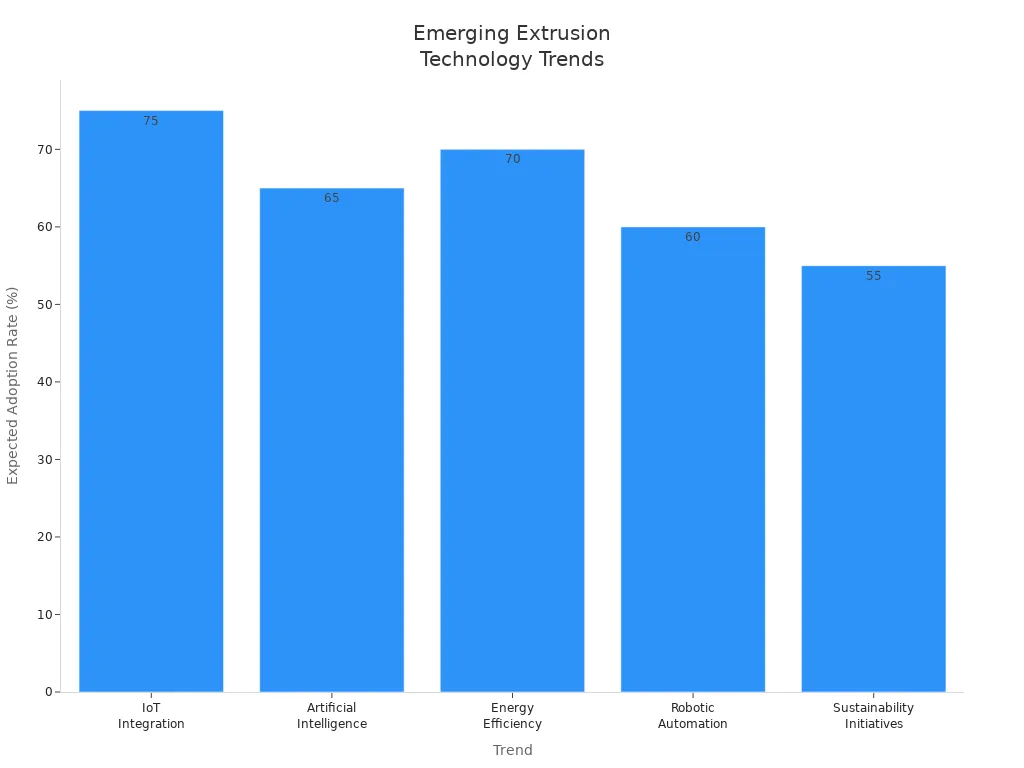
I see rapid changes in extrusion technology shaping the future of manufacturing. IoT integration allows real-time monitoring and analytics, արդյունավետության բարձրացում. Artificial intelligence supports predictive maintenance and optimization, which boosts performance. Energy efficiency is a growing focus, with manufacturers seeking ways to reduce consumption in the extrusion process. Robotic automation streamlines material handling and quality control. Sustainability initiatives drive the use of recycled materials and eco-friendly processes.
| Թրենդ | Նկարագրություն | Ազդեցությունը արդյունավետության վրա | Ընդունման ակնկալվող տոկոսադրույքը (%) |
|---|---|---|---|
| IoT ինտեգրում | Իրական ժամանակի մոնիտորինգ և վերլուծություն | Բարձր | 75% |
| Արհեստական ինտելեկտ | Կանխատեսելի սպասարկում և օպտիմալացում | Շատ բարձր | 65% |
| Էներգաարդյունավետություն | Reducing energy consumption | Միջին | 70% |
| Ռոբոտային ավտոմատացում | Նյութերի մշակում և որակի վերահսկում | Բարձր | 60% |
| Կայունության նախաձեռնություններ | Վերամշակված նյութեր և էկոլոգիապես մաքուր գործընթացներ | Միջին | 55% |
I notice advancements in material compatibility, especially with bioplastics, are transforming the extrusion industry. Many manufacturers now prioritize flexibility in equipment design, with modular systems allowing easy upgrades and modifications. Sustainability is essential, with most manufacturers focusing on energy-efficient equipment and waste reduction strategies. Smart extrusion machines reduce downtime by 20%, which improves overall efficiency and quality control. I always stay updated on these trends to maintain high performance and support new applications in plastic extrusion.
Հուշում: I recommend reviewing the overview of extruder machines in manufacturing regularly. Staying informed about new types of extrusion machines and screw designs helps me adapt to changing production needs and maintain scalability.
I recognize that each extrusion system offers unique advantages and limitations. My experience shows that single-screw extruders excel in high-volume production, while twin-screw systems provide superior mixing and flexibility. Ram and co-extrusion machines support specialty applications. I always use comparison tables and selection criteria to evaluate:
- Technical capabilities and long-term reliability
- Customer service and design assistance
- Quality standards and energy efficiency
I recommend manufacturers understand their application needs and consult extrusion experts for optimal results.
ՀՏՀ
What is the main difference between single-screw and twin-screw extruders?
I see that single-screw extruders use one rotating screw for basic mixing. Twin-screw extruders use two screws for advanced mixing and better control. I choose twin-screw systems for complex materials and higher flexibility.
How do I decide which extrusion system fits my application?
I start by reviewing my material type, արտադրության ծավալը, and product complexity. I match these needs to the strengths of each system. I consult with experts if I face unique requirements.
Can I process recycled materials with extrusion systems?
I process recycled materials using twin-screw extruders. These machines handle variable feedstocks and additives better than single-screw systems. I monitor quality closely to ensure consistent results.
How often should I perform maintenance on my extruder?
I schedule routine inspections every month. I check for screw wear, barrel condition, and control system performance. Regular maintenance prevents downtime and extends equipment life.
What are the most common extrusion defects I encounter?
I often see surface roughness, dimensional drift, and melt fractures. I address these by adjusting temperature, պտուտակային արագություն, and material feed. I use process monitoring to catch issues early.
Is co-extrusion suitable for all materials?
I use co-extrusion mainly for thermoplastics. Some materials may not bond well in multi-layer profiles. I test material compatibility before starting production.
How does automation improve extrusion quality?
I rely on automation for real-time monitoring and precise control. Automated systems reduce human error, maintain consistent output, and improve overall product quality.
What safety measures do I follow during extrusion?
I wear protective gear and follow lockout procedures. I keep the work area clean and check emergency stops regularly. I train my team on safe operation and emergency response.