

A pelletizáló extruder teljesítménybeli különbségei az iparági vezetők között
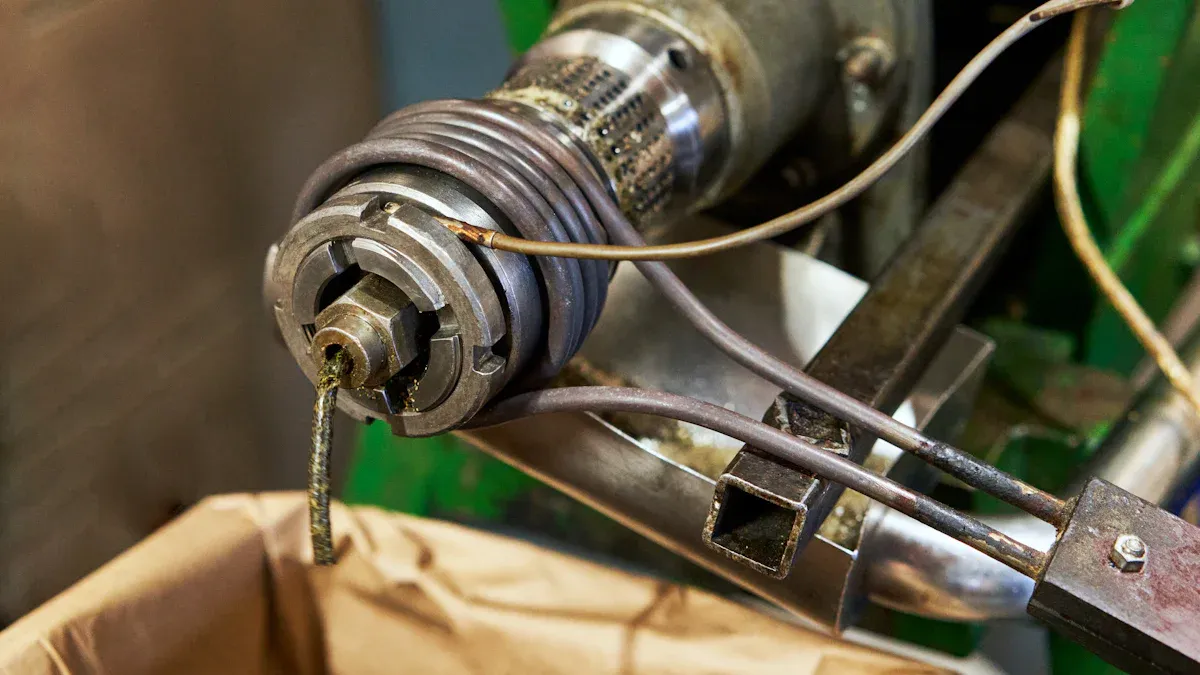
Amikor értékelem, hogy mi vezet Pelletizáló extruder modellek egymástól, Arra koncentrálok, hogy képesek legyenek egyenletes teljesítményt nyújtani, kiváló pellet minőség, és alacsonyabb működési költségek. Ezek a különbségek valódi értéket teremtenek a vásárlók számára, gyártók, és újrahasznosítók, akiknek megbízhatóra van szükségük, nagy teljesítményű megoldások. Tapasztalataimból, KO WIN YANG INDUSTRIAL CO., KFT. kiemelkedik a hatékonyság iránti elkötelezettségével, kiváló minőségű pelletizálási technológia. Mindig a hatékonyságot tartom szem előtt, költség, kimeneti minőség, és a sokoldalúság, mint a legfontosabb tényezők az iparági vezetők összehasonlításakor.
Kulcs elvitelek
- Értékelje a teljesítményt a termelékenység maximalizálása érdekében. A nagyobb teljesítmény több pelletet jelent rövidebb idő alatt.
- Fontolja meg az energiahatékonyságot az üzemeltetési költségek csökkentése érdekében. Az optimális energiafogyasztású gépek pénzt takarítanak meg és támogatják a fenntarthatóságot.
- A jobb termékminőség érdekében összpontosítson a pellet egyenletességére. A konzisztens pellet javítja a későbbi feldolgozást és csökkenti a hulladék mennyiségét.
- Mind a kezdeti beruházási, mind a karbantartási költségeket figyelembe kell venni. Egy megbízható gépnek magasabb az előzetes költsége, de alacsonyabbak a hosszú távú kiadásai.
- Válassza ki a megfelelő extruder típust az anyagszükségletek alapján. Az egycsavaros extruderek nagyszerűek az alapvető feladatokhoz, míg az ikercsavaros modellek az összetett alkalmazásokban jeleskednek.
- Keressen fejlett hőmérséklet-szabályozó rendszereket. A precíz hőmérséklet-szabályozás biztosítja a kiváló minőségű pelleteket és megakadályozza a lebomlást.
- Fektessen be az automatizálásba a jobb hatékonyság érdekében. Az automatizált vezérlések egyszerűsítik a műveleteket és csökkentik az emberi hibák kockázatát.
- Válasszon moduláris kialakítást a rugalmasság érdekében. A moduláris extruderek különböző anyagokhoz és gyártási méretekhez alkalmazkodnak, a hosszú távú növekedés fokozása.
Pelletizáló extruder modellek teljesítményének összehasonlítása
Hatékonyság és teljesítmény
Kimeneti arányok
Ha összehasonlítom a Pelletizing Extruder modelleket, Mindig a kimeneti arányokkal kezdem. A nagy teljesítmény több pelletet jelent rövidebb idő alatt, amely közvetlenül befolyásolja a termelékenységet. KO WIN YANG INDUSTRIAL CO., KFT. olyan gépeket kínál, amelyek sokféle anyagot kezelnek, a PET-szövettől a PE-ig és a PP-ig. Fejlett kialakításuk egyenletes átvitelt tesz lehetővé, még kihívást jelentő műanyagokkal is. Más iparági vezetők, mint Kerke és Coperion, a teljesítmény maximalizálására is összpontosít, de azt tapasztaltam, hogy a KO WIN YANG gépei gyakran magasabb árakat szállítanak a speciális anyagokhoz. Ez az előny a speciális vágórendszereikből adódik, mint például a spagettivágás az egyfokozatú extruderekhez és a vágófej vágás a kétlépcsős rendszerekhez.
Energiafogyasztás
Az energiahatékonyság döntő szerepet játszik a működési költségekben. Mindig olyan Pelletizing Extruder modelleket keresek, amelyek egyensúlyban tartják a nagy teljesítményt az alacsony energiafelhasználással. KO WIN YANG YANG INDUSTRIAL CO., KFT. az optimális energiafogyasztás érdekében tervezik gépeiket, precíziós hőmérsékletszabályozás és hatékony motorrendszerek használatával. Ez a megközelítés csökkenti a villanyszámlákat és támogatja a fenntarthatósági célokat. Néhány versenytárs hasonló teljesítményt kínálhat, de gépeik gyakran nagyobb teljesítményt igényelnek, különösen kemény vagy szennyezett műanyagok feldolgozásakor. Javaslom, hogy a modellek összehasonlításakor értékelje az előállított pellet kilogrammonkénti energiafogyasztását.
Pellet minőség
Egyöntetűség
A pellet egyenletessége befolyásolja a későbbi feldolgozást és a végtermék minőségét. Számos mérőszámot használok az iparágvezető pelletizáló extruder modellek egységességének és konzisztenciájának értékelésére. Az alábbi táblázat összefoglalja a legfontosabbakat:
| Metrikus | Leírás |
|---|---|
| Nedvességtartalom (MC) | Befolyásolja a plaszticitást és a kötőképességet; befolyásolja a pellet tapadását és tartósságát. |
| Melasz tartalom (MLC) | Kötőanyagként működik, a kohézió és a mechanikai tulajdonságok, például a keménység és a nyírószilárdság fokozása. |
| Részecskeméret (PS) | Befolyásolja a csomagolás hatékonyságát és a felületi érintkezést; a finomabb méretek javítják a tömörítést, de csökkenthetik az áteresztőképességet. |
| Forgási sebesség (RS) | Meghatározza az erőt a pelletálás során; nagyobb sebesség növeli a sűrűséget, de kopást vagy hatástalanságot okozhat. |
A KO WIN YANG gépei kiválóak az alacsony nedvességtartalmú és egyenletes szemcseméretű pellet előállításában. Ez a konzisztencia biztosítja, hogy a pelletek jól teljesítenek az öntési és extrudálási alkalmazásokban.
Anyag konzisztencia
Az anyag konzisztenciája azt jelenti, hogy minden pellet azonos összetételű és tulajdonságokkal rendelkezik. Láttam, hogy a KO WIN YANG extruderei kiváló konzisztenciát tartanak fenn, akár újrahasznosított vagy kevert műanyagokkal is. Fejlett hőmérséklet-szabályozásuk és precíz etetési rendszerük segít ennek elérésében. Más márkák anyagi eltérésekkel küszködhetnek, különösen a fogyasztás utáni műanyagok feldolgozásakor. Az egyenletes pellet csökkenti a hulladék mennyiségét és javítja a késztermékek minőségét.
Költségmegfontolások
Kezdeti befektetés
A pelletizáló extruder kezdeti befektetése a kapacitás függvényében változik, jellemzői, és a márka hírnevét. KO WIN YANG YANG INDUSTRIAL CO., KFT. olyan gépeket kínál, amelyek teljesítményükhöz és tartósságukhoz képest kiváló értéket biztosítanak. Míg egyes versenytársak alacsonyabb előzetes árakat kínálhatnak, Mindig figyelembe veszem a megbízható befektetés hosszú távú előnyeit, kiváló minőségű gép. A jól felépített extruder évekig problémamentes működést biztosít, minimalizálja az állásidőt és maximalizálja a befektetés megtérülését.
Karbantartási költségek
A karbantartási költségek jelentősen befolyásolhatják a teljes birtoklási költséget. Tapasztalataimból, A jól megtervezett pelletizáló extruder modellek éves karbantartása általában tól 3-5% a kezdeti beruházásból. Például:
- Kerke extruder kezdeti befektetéssel $180,000 között jellemzően éves karbantartási költségek merülnek fel $5,400 és $9,000.
- Gépek jobb minőségű alkatrészekkel, mint azok a KO WIN YANG-ból, gyakran ritkábban igényelnek karbantartást, és alacsonyabbak a hosszú távú költségek.
- A gyengébb minőségű alternatívák kezdeti árai alacsonyabbak lehetnek, de a karbantartási költségek megemelkedhetnek 6-8% a kezdeti beruházásból.
Mindig azt tanácsolom a vásárlóknak, hogy a kezdeti és a folyamatos költségeket is vegyék figyelembe a pelletizáló extruder kiválasztásakor. A tartós alkatrészekkel és erős gyártói támogatással rendelkező modell kiválasztásával idővel pénzt és fejfájást takaríthat meg.
Tipp: Prioritize models with proven reliability and efficient maintenance schedules to keep your production running smoothly.
Why Performance Matters in Pelletizing Extruder Selection
Manufacturing Productivity
When I select a Pelletizing Extruder, I always consider how it will impact productivity on the factory floor. High-performing machines can transform waste into valuable pellets quickly and efficiently. I have seen companies boost their output and profits by choosing the right system. Például, a furniture company in China installed a pelletizing system to process LDPE waste. They produced 200 tons of recycled pellets each month. This change led to a 35% reduction in raw material costs and an increase of $1.2 million in annual profits.
I often compare the productivity of different machines using key metrics. Az alábbi táblázat azt mutatja, hogy a pelletizálók hogyan állnak szemben az alapvető műanyag zúzókkal:
| Metrikus | Műanyag daráló | Műanyag pelletizáló |
|---|---|---|
| Breakeven Period | 6-12 hónap | 2-5 év |
| Bevételi forrás | Zúzott műanyag eladó | Kiváló minőségű pellet eladó |
| Jövedelmezőség | Közepes | Magas |
Ez a táblázat azt mutatja, hogy a pelletizálóknak tovább tarthat, amíg elérik a nullszaldót, de magasabb jövedelmezőséget és jobb bevételi forrást biztosítanak.
A termék minőségének hatása
Tudom, hogy a pellet minősége a gyártási folyamat minden lépését befolyásolja. Egyenletes pelletméret javítja a termelés hatékonyságát és biztosítja, hogy a végtermékek megfeleljenek a szigorú szabványoknak. Mindig olyan gépeket keresek, amelyek hatékony hűtő- és szárítórendszerrel rendelkeznek. Ezek a tulajdonságok megakadályozzák az alak torzulását és eltávolítják a nedvességet, amely megvédi az anyag épségét. Az extruder melegítő és keverő funkciói kulcsszerepet játszanak a műanyag formázásra és vágásra való előkészítésében. Amikor ezek a rendszerek jól működnek, a végtermék minősége javul.
- Az állandó pelletméret jobb formázási és extrudálási eredményeket eredményez.
- A megfelelő hűtő- és szárítórendszerek megőrzik a pellet alakját és anyagszilárdságát.
- A megbízható fűtés és keverés biztosítja az egyenletességet minden tételben.
Működési költségvonzatok
A működési költségek létrehozhatják vagy megszakíthatják az üzletet. Mindig elemzem, hogy a különböző extrudertípusok hogyan befolyásolják a kiadásokat. A fejlett gépek többe kerülhetnek előre, de gyakran hosszú távon pénzt takarítanak meg. Az automatizálás és a nagyobb feldolgozási kapacitás idővel csökkentheti a munkaerő- és energiaköltségeket.
Íme a gyakori extrudertípusok és költségjellemzőik összehasonlítása:
| Extruder típusa | Ártartomány | Főbb jellemzők |
|---|---|---|
| Egycsavaros rendszerek | Specifikációk szerint változik | Költséghatékony alap pelletgyártáshoz |
| Kétcsigás extruderek | $80,000 – $250,000 | Jobb összetett anyagokhoz, higher mixing needs |
| Industrial-scale plants | $1-10 millió | Advanced sorting, integrated quality control |
ezt találtam higher performance levels often require more advanced technology and automation. While the initial investment may be higher, improved efficiency can reduce operational costs over time. I always recommend evaluating both short-term and long-term expenses before making a decision.
Tipp: Investing in a high-quality Pelletizing Extruder can lead to greater productivity, better product quality, és alacsonyabb működési költségek.
Pelletizing Extruder Types and Mechanisms
Egycsavaros extruderek
Mechanism Overview
I often start with single screw extruders when I explain the basics of pelletizing technology. These machines use one rotating screw inside a heated barrel. The screw pushes plastic material forward, melts it, and prepares it for pelletizing. The design is straightforward, ami egyszerűvé teszi a kezelést és a karbantartást. Úgy látom, sok gyártó választja az egycsigás extrudereket megbízhatóságuk és költséghatékonyságuk miatt.
Feldolgozási képességek
Az egycsavaros extruderek szabványos műanyagokkal működnek a legjobban. Olyan feladatokat látnak el, mint az olvadás, keverés, és könnyedén alakítható. Viszont, keverési képességük korlátozott. Amikor olyan anyagokat dolgozok fel, amelyek nem igényelnek bonyolult keverést, Én ezekben a gépekben bízom. Az L/D arány, vagy hossz-átmérő arány, befolyásolja, hogy mennyi ideig marad az anyag a hordóban. A rövidebb L/D arány megfelel a hőérzékeny műanyagoknak, míg a hosszabb arányok segítik az alaposabb feldolgozást.
Használati esetek
Az egycsigás extrudereket alapvető pelletezési munkákhoz ajánlom. Kiválóak a tiszta újrahasznosítás terén, egységes műanyagok, például PE és PP. Sok KO WIN YANG INDUSTRIAL CO., LTD. gépei ezt a kialakítást használják, különösen spagettivágáshoz. Ezzel a módszerrel hosszú műanyagszálakat állítanak elő, amelyeket azután egynemű pelletekre vágunk. Ezt a megközelítést hatékonynak tartom nagy mennyiségek esetén, alacsony bonyolultságú alkalmazások.
Tipp: Válassza az egycsigás extrudereket az egyszerű újrahasznosítási feladatokhoz, és ha alacsonyabb kezdeti befektetést szeretne.
Kétcsavaros extruderek
Mechanism Overview
Az ikercsigás extruderek két egymásba nyíló csavart használnak, amelyek együtt forognak. Ezzel a kialakítással jobban irányíthatom az anyagmozgást és a keverést. A csavarok fizikailag nyomják az anyagot, ami javítja a konzisztenciát és lehetővé teszi a bonyolultabb feldolgozást. Gyakran választok ikercsigás extrudereket, amikor adalékanyagokat kell kevernem vagy nagy viszkozitású műanyagokat kell feldolgoznom.
Feldolgozási képességek
Ezek a gépek kiváló keverést és diszperziót kínálnak. Többféle anyagot tudok feldolgozni, beleértve a töltő- vagy színezőanyagot is. Twin screw extruders let me control residence time and temperature more precisely. This flexibility is essential for advanced recycling and compounding tasks.
Használati esetek
I use twin screw extruders for demanding jobs. They handle PET, ABS, and nylon with ease. KO WIN YANG INDUSTRIAL CO., KFT. offers twin screw models designed for specialty applications, such as PET fabric and yarn recycling. These machines often use die face cutting, which creates uniform pellets directly from the extruder. This method works well for sticky or high-viscosity materials.
Jegyzet: Twin screw extruders are ideal for complex formulations and when you need excellent mixing.
Comparison Table: Single Screw vs. Kétcsavaros extruderek
| Funkció | Egycsavaros extruder | Kétcsavaros extruder |
|---|---|---|
| Tervezés | One rotating screw | Two intermeshing screws |
| Material Transport | Relies on friction | Physically pushes material |
| Keverési hatékonyság | Korlátozott | Excellent |
| Application Suitability | Basic applications | Complex formulations, high-viscosity compounds |
| Shear Conditions | Lower shear | Higher shear |
| L/D Ratio Impact | Short for heat-sensitive materials | Long for multi-stage processes |
| Material Versatility | Standard materials | Széles választék, including viscous compounds |
| Control | Less precise | Better control over time and temperature |
Specialized Extruder Models
KEDVENC, ABS, Nejlon, PS, PE, PP, EPS/EPE, CaCO3, PVC
I often see the need for specialized machines in the industry. KO WIN YANG INDUSTRIAL CO., KFT. addresses this with a range of Pelletizing Extruder models tailored for specific materials. For PET and ABS, I use twin screw extruders that deliver high-quality pellets and excellent mixing. For PVC, I rely on two-stage single screw extruders. These machines ensure high purity and consistent output, which is critical for cable recycling and other sensitive applications.
Here is a summary of specialized models and their target materials:
| Model Type | Material | Leírás |
|---|---|---|
| Kétcsavaros extruder | KEDVENC, ABS | PET-hez és ABS-hez tervezve, kiváló keverést kínál. |
| Kétfokozatú egycsavaros extruder | PVC | PVC-re specializálódott, magas tisztaság és teljesítmény biztosítása. |
| Egy- vagy kétlépcsős extruder | PE, PP | Tiszta és szennyezett műanyagokhoz egyaránt alkalmas. |
| EPS/EPE extrudálás-pelletizálás | EPS, EPE | Hatékonyan kezeli a habanyagokat. |
| CaCO3 extrudálás-pelletizálás | CaCO3 | Kalcium-karbonáttal töltött műanyagokat dolgoz fel. |
Anyagtól függően különböző vágási mechanizmusokat is használok. A spagettivágás jól működik a szabványos műanyagokhoz, hosszú szálakat állítanak elő, amelyeket pelletekre vágnak. Ragadós vagy nagy viszkozitású anyagokhoz jobb a vágófelület vágás, mivel közvetlenül a szerszámnál pelleteket képez, a kezelhetőség csökkentése és az egységesség javítása.
Tipp: A legjobb eredmény érdekében az extruder típusát és a vágómechanizmust az anyagához igazítsa.
A pelletizáló extruder legfontosabb jellemzői és specifikációi
L/D arány
Material Transport
Amikor értékelek egy pelletizáló extrudert, Mindig ellenőrzöm az L/D arányt, amely a csavar hossz-átmérő arányát jelöli. Ez az arány határozza meg, hogy a műanyag mennyi ideig marad a hordóban a feldolgozás során. A magasabb L/D arány azt jelenti, hogy az anyag hosszabb utat tesz meg, jobb olvadást és keverést tesz lehetővé. Szerintem a hőérzékeny műanyagoknál, a rövidebb L/D arány működik a legjobban, mert csökkenti a túlmelegedés kockázatát. Keményebb vagy összetettebb anyagokhoz, A teljes olvadás és az egyenletes szállítás érdekében hosszabb L/D arányt választok.
Kimeneti minőség
Az L/D arány a végső pelletek minőségét is befolyásolja. Tapasztalataim szerint, a jól illeszkedő L/D arány egyenletes pelletméretet és -formát eredményez. KO WIN YANG YANG INDUSTRIAL CO., KFT. minden alkalmazáshoz optimális L/D aránnyal tervezik gépeiket. A részletekre való odafigyelés biztosítja, hogy a pellet minden tétele megfeleljen a szigorú minőségi előírásoknak. Láttam, ha az L/D arány túl rövid, a pellet tartalmazhat meg nem olvadt részecskéket. Amikor túl hosszú, az anyag lebomolhat. Mindig azt javaslom, hogy az L/D arányt az adott anyag- és gyártási célhoz igazítsuk.
Anyagmozgató rendszerek
Adagoló típusok
Az anyagmozgatás az adagolórendszerrel kezdődik. Volumetrikus és gravimetriás adagolókat is használtam különböző projektekben. A térfogati adagolók a térfogattól függően egyenletes anyagáramlást biztosítanak, amely jól működik egységes alapanyagokhoz. A gravimetrikus adagolók mérik az anyag súlyát, nagyobb pontosságot biztosít a keverékekhez és az újrahasznosított műanyagokhoz. KO WIN YANG YANG INDUSTRIAL CO., KFT. mindkét típust kínálja, lehetővé teszi számomra, hogy minden munkához a legjobb megoldást válasszam ki.
Alkalmazkodóképesség
Az alkalmazkodóképesség döntő fontosságú különféle anyagok feldolgozásakor. Az extruderekre támaszkodom, amelyek a magas hőmérsékletű polimerektől az újrahasznosított műanyagokig mindent képesek kezelni. Az alábbi táblázat összefoglalja, hogy a különböző anyagmozgatási jellemzők hogyan javítják az alkalmazkodóképességet:
| Funkció | Leírás |
|---|---|
| Material Versatility | Speciális anyagokat dolgoz fel, beleértve a magas hőmérsékletű polimereket és az újrahasznosított műanyagokat. |
| Precizitás és testreszabás | A többzónás hőmérséklet-szabályozás egyenletes tulajdonságokat biztosít és megakadályozza a leromlást. |
| Megnövelt teljesítmény | A nagy nyomatékú motorok és a devolatizáló rendszerek javítják a hatékonyságot és a kimeneti minőséget. |
| Tartósság és hosszú élettartam | A nagy teherbírású alkatrészek támogatják a folyamatos működést és csökkentik a karbantartási költségeket. |
Az egycsigás extruderek költséghatékonyak és sokoldalúak az egyszerű PVC-készítményekhez. Az ikercsigás extruderek jobb keverést és nagyobb teljesítményt biztosítanak, amelyeket elengedhetetlennek tartok a pontos hőmérsékletszabályozást igénylő alkalmazásokhoz.
Hőmérséklet szabályozás
Pontosság
A hőmérséklet-szabályozás a pellet minőségének középpontjában áll. Mindig több fűtési zónával és független vezérlővel rendelkező gépeket keresek. Ezek a funkciók lehetővé teszik a hőmérséklet beállítását a folyamat minden szakaszában. A fejlett hőérzékelők valós időben figyelik a hőmérsékletet, így szükség esetén gyorsan módosítani tudom. Ez a pontosság megakadályozza a túlmelegedést és tökéletes állapotban tartja az anyagot.
Pellet minőség
A következetes hőmérsékletszabályozás biztosítja, hogy minden pellet a megfelelő tulajdonságokkal rendelkezzen. Azt tapasztaltam, hogy a rossz hőmérséklet-szabályozás anyagromláshoz és egyenetlen pelletekhez vezet. KO WIN YANG YANG INDUSTRIAL CO., KFT. kifinomult hőmérséklet-szabályozó rendszereket használ pelletizáló extruder modelljeikben. This technology helps me produce high-quality pellets, even with temperature-sensitive materials. Reliable temperature control means fewer rejects and better performance in downstream applications.
Tipp: Always choose a Pelletizing Extruder with advanced temperature control for the best pellet quality and process stability.
Automation and Controls
Automation stands at the core of modern pelletizing extruder performance. I have seen firsthand how advanced control systems transform daily operations. When I work with KO WIN YANG YANG INDUSTRIAL CO., KFT. gépek, I notice that automation manages critical parameters like barrel temperature and screw speed without constant manual input. This approach not only streamlines the process but also ensures that every batch of pellets meets the same high standard.
User Interface
A felhasználóbarát kezelőfelület jelentősen megváltoztatja a napi működést. Mindig intuitív érintőképernyővel és tiszta kijelzővel rendelkező extrudereket keresek. Ezek az interfészek lehetővé teszik a beállítások gyors figyelését és módosítását. KO WIN YANG YANG INDUSTRIAL CO., KFT. modern vezérlőpanelekkel szerelik fel gépeiket, amelyek valós idejű adatokat jelenítenek meg. Beállíthatok hőmérsékleti zónákat, állítsa be a csavar sebességét, és néhány érintéssel nyomon követheti a rendszer állapotát. Ez az ellenőrzési szint csökkenti az új kezelők tanulási görbéjét, és minimálisra csökkenti a hibák kockázatát.
Nagyra értékelem, hogy ezek a felületek gyakran tartalmaznak vizuális riasztásokat és figyelmeztetéseket. Ha egy paraméter a tartományon kívülre sodródik, a rendszer azonnal riaszt. Ez a funkció segít megelőzni az anyagpazarlást és a berendezés károsodását. Csapatokat képeztem ki ezekre a rendszerekre, és gyorsan alkalmazkodnak, mert a felület végigvezeti őket az egyes lépéseken. Az eredmény egy biztonságosabb, hatékonyabb munkahely.
Tipp: Válasszon átlátszó extrudereket, érzékeny felhasználói felületek a képzés egyszerűsítésére és a kezelői hibák csökkentésére.
Adatintegráció
Az adatintegráció elengedhetetlenné vált a mai gyártási környezetben. Az extruderekre támaszkodom, amelyek automatikusan gyűjtik és tárolják a működési adatokat. KO WIN YANG YANG INDUSTRIAL CO., KFT. úgy tervezik gépeiket, hogy támogassák az adatnaplózást és a kapcsolódást. Követni tudom a termelési arányokat, energiafogyasztás, és a karbantartási ütemezések idővel. Ez az információ segít azonosítani a trendeket és optimalizálni a teljesítményt.
Az automatizált adatgyűjtés csökkenti a kézi nyilvántartás szükségességét. Láttam, hogy ez a váltás hogyan csökkenti az emberi hibákat, és biztosítja a pontos jelentést. Amikor történelmi adatokat elemzem, Meg tudom észlelni a problémákat, mielőtt azok problémává válnának. Például, ha az energiafelhasználás váratlanul megnövekszik, Gyorsan ki tudom vizsgálni és orvosolni tudom az okot. This proactive approach keeps production running smoothly and extends equipment life.
Automation also supports remote monitoring. I can check machine status from my office or even off-site. This flexibility allows me to manage multiple lines efficiently and respond to issues faster. By integrating automation and data, KO WIN YANG YANG INDUSTRIAL CO., KFT. helps me maintain consistent quality and maximize operational efficiency.
Jegyzet: Automated controls and integrated data systems are key to reducing downtime and improving long-term productivity.
Real-World Applications of Pelletizing Extruder
Manufacturing Use Cases
Nagy volumenű gyártás
I often work with manufacturers who need to produce large quantities of pellets for plastics processing. High-volume production relies on machines that deliver consistent output and minimize downtime. KO WIN YANG YANG INDUSTRIAL CO., KFT. offers solutions that support continuous operation and efficient pelletizing. I see these machines used in factories that supply pellets for injection molding and extrusion processes. The technology adapts to different production scales, from packaging materials to automotive parts.
| Technology Type | Leírás | Alkalmazások |
|---|---|---|
| Cold Cutting | Cuts material at lower temperatures. | Used for materials with specific Melt Flow Index (MFI) követelményeknek. |
| Hot Cutting | Cuts material at higher temperatures. | Used for materials needing a specific pellet shape. |
- I use cold cutting for plastics that require precise melt flow.
- Hot cutting works best when pellet shape is critical for downstream processing.
Specialty Materials
I often encounter specialty materials like PET fabric, yarn, ABS, and nylon. KO WIN YANG YANG INDUSTRIAL CO., KFT. provides extruders designed for these materials. I select machines with advanced mixing and temperature control to handle unique properties. Specialty pelletizing supports industries such as textiles, elektronika, and medical devices.
- Used in plastics manufacturing
- Essential for injection molding
- Important for extrusion processes
- Found in products ranging from packaging to automotive parts
Recycling Applications
Post-Consumer Plastics
Recycling post-consumer plastics presents unique challenges. I rely on Pelletizing Extruder systems that handle mixed and contaminated feedstocks. KO WIN YANG YANG INDUSTRIAL CO., KFT. offers machines with robust feeding and degassing modules. These features help me process PET bottles, PE films, and other recycled materials efficiently.
| Challenge | Cause(s) |
|---|---|
| Rough, matte, or pitted surface | Poor plasticization, excessive moisture, improper lubrication, equipment issues, low die pressure |
| Pellets Sticking | Insufficient cooling, static, lubricant issues, cutter problems, high humidity |
| Uneven Pellets with Tailing | Unstable feeding, melt pressure/temperature fluctuations, speed mismatch, cutter or dieplate issues |
| Coke Spots on the Pellets | Coke accumulation in the screw, excessive heating time |
I address these challenges by adjusting process parameters and using machines with advanced cooling and feeding systems.
Contaminant Management
Managing contaminants is critical in recycling. I use vacuum degassing systems and side feeders to remove moisture and add stabilizers. KO WIN YANG YANG INDUSTRIAL CO., KFT. designs extruders that support quick replacement of screw elements and barrels. This flexibility allows me to maintain pellet quality even with variable feedstocks.
Customization and Scalability
Modular Design
Customization is essential for adapting to different production needs. I select extruders with modular designs that allow quick replacement of dies, hordók, and degassing modules. KO WIN YANG YANG INDUSTRIAL CO., KFT. offers configurations for radial, axial, and twin-screw setups. This versatility helps me tailor the machine to specific materials and applications.
Expansion Options
Scalability matters when production demands change. I choose systems that accommodate lab, pilot, and full-scale production. Integration with spheronization and extrusion modules enhances efficiency and reduces handling. I often add side feeders for glass fiber or pigments and vacuum degassing for moisture removal.
| Funkció | Leírás |
|---|---|
| Configurations | Radial, axial, or twin-screw for precise shaping and density control. |
| Scalability | Lab, pilot, and production scales for various needs. |
| Integration | Fully integrated extrusion and spheronization solutions for efficiency. |
Tipp: A moduláris és méretezhető extruderrendszerek segítségével gyorsan reagálhatok az új anyagokra és a piaci igényekre.
Modelljavaslatok különböző igényekhez
Nagy hatékonyságú modellek
Amikor nagy hatékonyságot keresek a pelletizáló extruderekben, Azokra a modellekre koncentrálok, amelyek maximális teljesítményt nyújtanak minimális állásidővel. KO WIN YANG YANG INDUSTRIAL CO., KFT. kétlépcsős pelletáló sorokat kínál, amelyek kiemelkednek az ipari környezetben. Ezek a gépek olyan fejlett funkciókat használnak, mint a kétzónás vákuumos gáztalanítás és a hidraulikus szitaváltók. Láttam, hogy ezek a rendszerek javítják az olvadék tisztaságát és csökkentik a szennyeződést. A vágófelületű vízgyűrűs pelletizáló mechanizmus egyenletes pelletméretet biztosít, ami növeli a termelékenységet.
Itt van egy táblázat, amely összefoglalja a legjobb nagy hatékonyságú modellek:
| Modell | Kapacitás (kg/h) | Elsődleges extruder átmérője (mm) | Másodlagos extruder átmérője (mm) | Fő motor teljesítmény (kW) |
|---|---|---|---|---|
| TSS-300 | 300-400 | 120 | 110 | 90 |
| TSS-500 | 500-600 | 150 | 140 | 160 |
| TSS-800 | 800-1000 | 180 | 170 | 250 |
Ezek a modellek integrált szárítórendszerrel és CE-tanúsítvánnyal rendelkező biztonsági vezérlőkkel rendelkeznek. Dolgoztam olyan ügyfelekkel, akik stabil kimenetről és kevesebb képernyőváltozásról számolnak be. Az egyik műveleti vezető elmondta, “A kétlépcsős pelletáló sor segített javítani a végső pellet minőségét és csökkenteni a szitacsere gyakoriságát. Most már stabilabb kimenetet érünk el a nagyobb értékű merev HDPE alkalmazásokhoz.”
Tipp: Válasszon kétfokozatú extrudereket vákuumgáztalanítással és hidraulikus szitaváltókkal a nagy mennyiség érdekében, hatékony termelés.
Legjobb kimeneti minőség
Mindig ajánlom a modelleket fejlett felügyeleti és ellenőrzési rendszerek amikor a kimeneti minőség az elsődleges. KO WIN YANG YANG INDUSTRIAL CO., KFT. nagy nyomatékkal szerelik fel gépeiket, alacsony fordulatszámú meghajtók és intelligens érzékelők. Ezek a funkciók stabilizálják a feldolgozást és lehetővé teszik a valós idejű beállításokat. Az automatizált csavarmodulok és a gyorsan cserélhető elemek gyors és egyszerű cserét tesznek lehetővé. Nagyra értékelem az öntisztító profilokat, mert csökkentik az állásidőt és egyenletesen tartják a pellet minőségét.
Az alábbi táblázat kiemeli a kiváló kimeneti minőséget támogató legfontosabb jellemzőket:
| Funkció | Haszon |
|---|---|
| Nagy nyomatékú, alacsony fordulatszámú meghajtók; fejlett kohászat; intelligens érzékelők | Stabil feldolgozás és jobb megfigyelés az extrudálási útvonal mentén |
| Valós idejű viszkozitás, nyomatékharmonikusok, nedvességelemzés | Automatikus csavarbeállítások a granulálás minőségének megőrzéséhez |
| Gyorsan cserélhető elemek; változó csavar átmérőjű modulok | Nagyobb sokoldalúság a készítmények között és gyorsabb átállás |
| Öntisztító profilok | Csökkentett állásidő és könnyebb karbantartás |
| AI-kompatibilis hibaészlelés | Előrejelzi a kopást és megőrzi a pelletgyártás stabilitását |
| Továbbfejlesztett devolatilizációs szakaszok | A nedves biomassza és a reaktív adalékok jobb kezelése |
Láttam, hogy ezek a tulajdonságok csökkentik a hulladék mennyiségét és javítják a pellet egyenletességét. Az AI-kompatibilis hibaészlelés segít előre jelezni a kopást és fenntartani a stabil termelést. A továbbfejlesztett devolatilizációs szakaszok könnyedén kezelik a nedves biomasszát és az adalékokat.
Jegyzet: A legjobb kimeneti minőség érdekében, válasszon extrudereket valós idejű elemzéssel, öntisztító profilok, és AI-kompatibilis felügyelet.
Költséghatékony választások
Sok ügyfelem számára fontos a költséghatékonyság. Az egycsigás extrudereket alapvető pelletizálási igényekhez ajánlom. Ezek a modellek megbízható teljesítményt és alacsonyabb kezdeti befektetést kínálnak. KO WIN YANG YANG INDUSTRIAL CO., KFT. olyan gépeket tervez, amelyek minimalizálják a karbantartási költségeket és maximalizálják a tartósságot. Azt tapasztaltam, hogy a térfogati adagolók és a moduláris felépítések segítenek csökkenteni az üzemeltetési költségeket. Ezek a rendszerek alkalmazkodnak a különböző anyagokhoz és gyártási méretekhez.
Javaslom az előzetes költségek és a hosszú távú megtakarítások felmérését. Durable components and efficient maintenance schedules keep production running smoothly. When I choose cost-effective models, I look for proven reliability and strong manufacturer support.
Tipp: For cost-sensitive projects, select single screw extruders with modular features and efficient feeders.
Versatile Solutions
When I look for a pelletizing extruder that can adapt to many needs, I always focus on versatility. Tapasztalataim szerint, the best versatile solutions handle a wide range of materials, support different production scales, and allow for quick changes between jobs. KO WIN YANG YANG INDUSTRIAL CO., KFT. stands out in this area. Their modular extruder systems give me the flexibility to process everything from standard PE and PP to specialty plastics like PET, ABS, and nylon.
I often recommend these machines to clients who need to switch between materials or adjust their production volume. The modular design lets me swap out barrels, csavarok, and feeders quickly. This feature saves time and reduces downtime. I can move from processing post-consumer PET bottles to producing high-quality pellets for automotive parts without major reconfiguration.
Here is a table that summarizes the key features I look for in versatile pelletizing extruders:
| Funkció | Haszon |
|---|---|
| Modular Construction | Quick changeover between materials |
| Multiple Cutting Options | Spaghetti, die face, and water ring cutting |
| Wide Material Range | Handles PE, PP, KEDVENC, ABS, nejlon, PVC, EPS |
| Scalable Design | Supports lab, pilot, and full-scale lines |
| Advanced Controls | Easy recipe management and process tracking |
I value the ability to choose between spaghetti cutting for standard jobs and die face cutting for sticky or high-viscosity materials. KO WIN YANG YANG INDUSTRIAL CO., KFT. offers both options. This flexibility means I can meet the needs of packaging, textiles, autóipari, and recycling industries with one machine platform.
I also appreciate advanced control systems. These systems let me store and recall process recipes for different materials. I can monitor production data and make adjustments on the fly. This level of control helps me maintain consistent pellet quality, even when switching between jobs.
Here are the main benefits I see with versatile pelletizing extruders:
- Adapt quickly to new materials or market demands.
- Reduce downtime with fast changeovers.
- Scale production up or down as needed.
- Maintain high pellet quality across different plastics.
Tipp: If you need to serve multiple markets or handle a variety of plastics, invest in a modular, versatile pelletizing extruder. This approach gives you the flexibility to grow your business and respond to changing customer needs.
I have seen manufacturers boost their competitiveness by choosing versatile solutions. They can take on more projects and respond faster to customer requests. KO WIN YANG YANG INDUSTRIAL CO., KFT. provides the technology and support to make this possible. I always recommend their modular systems to clients who value adaptability and long-term growth.
I see clear performance differences between twin screw and single screw extruders. The table below highlights key aspects:
| Performance Aspect | Kétcsavaros extruderek | Egycsavaros extruderek |
|---|---|---|
| Átmeneti képesség | 30-50% higher | Alacsonyabb |
| Thermal Homogeneity | ±3-5°C | ±10-15°C |
| Csavar sebessége | Akár 600 rpm | 100-200 rpm |
These differences lead to cost savings, better quality assurance, and a positive environmental impact. When I help clients choose a model, I consider material type, sample specifications, and special requirements. I recommend KO WIN YANG YANG INDUSTRIAL CO., KFT. for reliable, efficient solutions. I encourage every buyer to evaluate their needs and consult with manufacturers for the best fit.
GYIK
What materials can I process with a Pelletizing Extruder?
I can process a wide range of plastics, including PET, ABS, nejlon, PS, PE, PP, EPS, EPE, CaCO3, and PVC. I select the right model based on the material’s properties and my production goals.
How do I choose between single screw and twin screw extruders?
I consider the complexity of my materials. For basic recycling, I use single screw extruders. For advanced mixing or specialty plastics, I choose twin screw models. My decision depends on the application and desired pellet quality.
What maintenance does a Pelletizing Extruder require?
I perform regular cleaning, check wear parts, and monitor temperature controls. Követem a gyártó karbantartási ütemtervét az egyenletes teljesítmény biztosítása és az állásidő minimalizálása érdekében.
Hogyan javítja az automatizálás a pelletizáló extruder működését??
Az automatizálás lehetővé teszi a hőmérséklet szabályozását, csavar sebessége, és precíz etetés. Csökkentem a kézi hibák számát és javítom a következetességet. A valós idejű adatkövetés és az egyszerűbb hibaelhárítás is hasznomra válik.
Frissíthetem vagy bővíthetem a pelletizáló extruder rendszeremet??
Igen, Modulokat tudok hozzáadni, cserélje ki az etetőket, vagy vágómechanizmusokat cserélni. A vezető márkák moduláris kialakítása lehetővé teszi a termelés méretarányos növelését vagy az új anyagokhoz való gyors alkalmazkodást.
Melyek a gyakori problémák a pellet minőségével kapcsolatban, és hogyan oldjam meg őket??
Gyakran látok egyenetlen pelleteket, ragasztás, vagy felületi hibák. beállítom a hőmérsékletet, etetési sebesség, és hűtőrendszerek. Folyamatos problémák esetén fordulok a gép kézikönyvéhez, vagy fordulok a műszaki támogatáshoz.
Hogyan biztosíthatom az energiahatékonyságot a pelletizáló extruder sorozatomban??
Hatékony motorral és fejlett hőmérsékletszabályozással rendelkező modelleket választok. Az energiafelhasználást figyelemmel kísérem, a berendezéseket rendszeresen karbantartom. Ezek a lépések segítenek csökkenteni a működési költségeket és támogatni a fenntarthatóságot.
Tipp: Mindig konzultálok a gyártóval a személyre szabott megoldások és a legjobb gyakorlatok érdekében.