

Az ikercsigás extruderek funkciójának és működésének feltárása
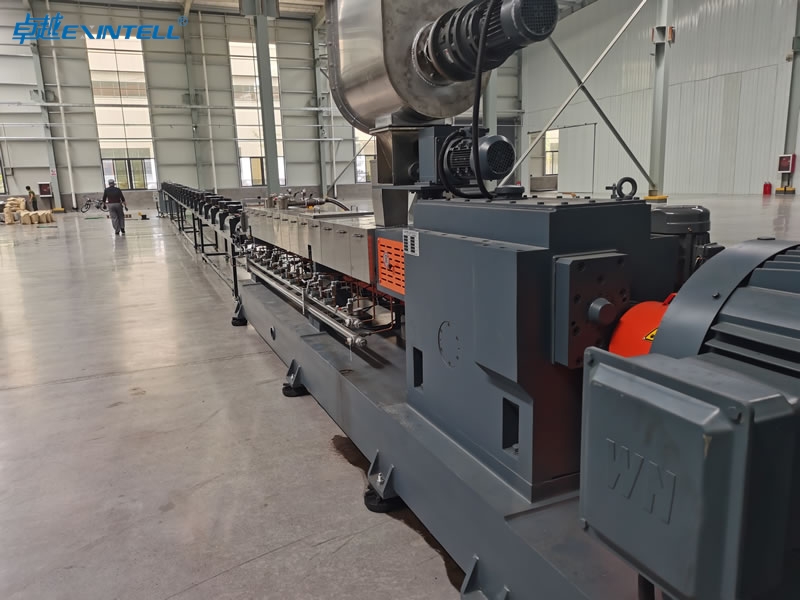
A ikercsavaros extruder két egymásba nyíló csavart használ a keveréshez, közvetíteni, és hatékonyan dolgozza fel az anyagokat. Az egycsigás extruderekhez képest kiváló keverési és gyártási sebességet érhet el. A gyártók erre a technológiára támaszkodnak a műanyagok és a porfeldolgozás során. A polimer- és műanyagipar szinte megállja a helyét 40% a globális piaci részesedésből, a csomagolás által vezérelt kereslet mellett, autóipari, és élelmiszeripari alkalmazások. Az ázsiai-csendes-óceáni térség piacvezetője a gyors ipari növekedésnek köszönhetően.
Kulcs elvitelek
-
Ikercsavaros extruderek használjon két egymásba nyíló csavart az anyagok hatékony keveréséhez és feldolgozásához, ami jobb keveréshez és magasabb termelési arányhoz vezet.
-
Ezek a gépek kiválóan kezelik a különféle anyagokat, beleértve a műanyagokat és a porokat, sokoldalúvá teszi őket számos iparág számára.
-
Az ikercsigás extruderek kialakítása lehetővé teszi a hőmérséklet pontos szabályozását, nyomás, és keverés, egyenletes termékminőség biztosítása.
-
Testreszabhatja a csavar konfigurációját, hogy optimalizálja a folyamatot a különböző anyagokhoz, a termelés rugalmasságának növelése.
-
Az ikercsigás extruderek ideálisak összetett készítményekhez, mivel biztosítják az adalékanyagok és töltőanyagok egyenletes eloszlását az anyagban.
-
Ezek a gépek hatékony feldolgozással támogatják a fenntartható gyakorlatokat újrahasznosított anyagok és a gyártás során keletkező hulladék csökkentése.
-
Nagy átviteli képességekkel, Az ikercsigás extruderek segítenek a gyártóknak megfelelni az igényes gyártási ütemterveknek a minőség feláldozása nélkül.
-
A rendszeres karbantartás és ellenőrzés elengedhetetlen az ikercsigás extruderek zökkenőmentes működéséhez és a működési problémák elkerüléséhez.
Mi az a kétcsavaros extruder
Meghatározás és fő részek
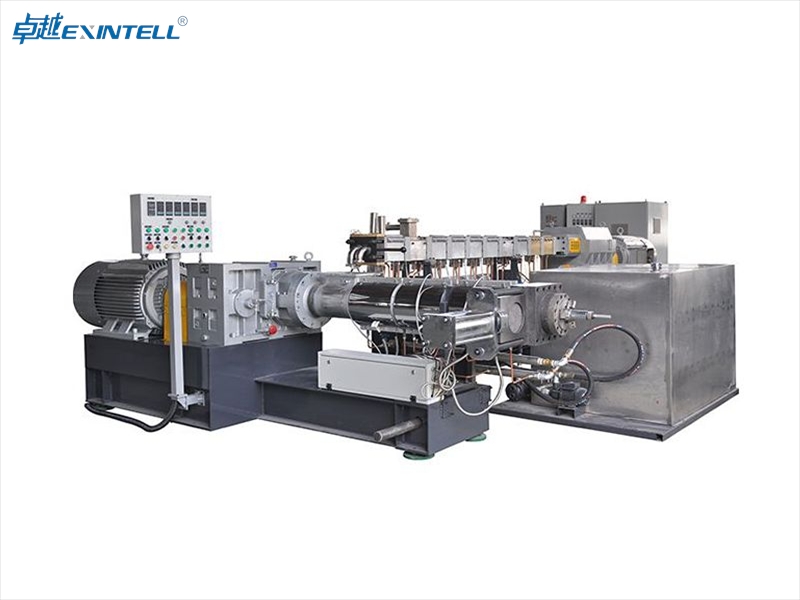
Az ikercsigás extruder nagy teljesítményű gépként szolgál sokféle anyag feldolgozásához és formázásához. Keveréshez használod, közvetíteni, és átalakítja a műanyagokat, porok, és egyéb anyagok a késztermékekké. Az ikercsavaros kialakítás két párhuzamos csavart tartalmaz, amelyek egy hordóban forognak, ami erős nyíró és gyúró hatást kelt. Ez a beállítás biztosítja az adalékanyagok és töltőanyagok egyenletes eloszlását, így ideális összetett készítményekhez.
Csavarok és hordó
A csavarokra és a hengerre támaszkodik az ikercsigás extruder alapműveletének irányításában. A csavarok előrenyomják és összenyomják az anyagot, nyíróerőt és súrlódást generál, amely megolvad és összekeveri az anyagot. A hordó tartalmazza a csavarokat, és biztosítja a szükséges elszigetelési és fűtési zónákat. A kiváló keverési képességek biztosítják a töltőanyagok és adalékanyagok egyenletes eloszlását. Optimalizálhatja a keverést, ha különböző csavarelemeket választ a testre szabott nyírási keverési zónákhoz. A változatos emelkedési szögek javítják az anyagáramlást, és lehetővé teszik a nyírás szabályozását az anyagérzékenység alapján.
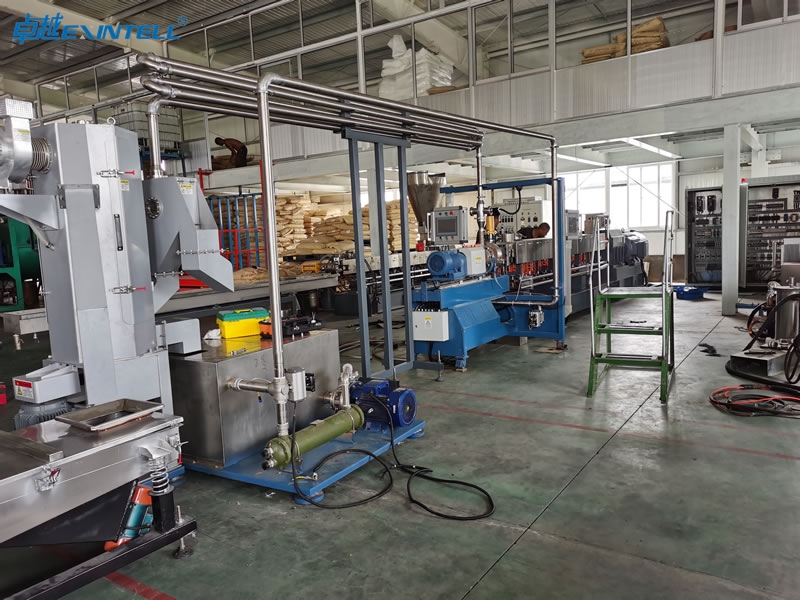
Az ikercsigás extruderek az egymásba illeszkedő csavarok miatt kiválóak a keverésben, amelyek erős nyíró és gyúró hatást keltenek, az adalékok és töltőanyagok egyenletes eloszlásának biztosítása.
-
Pontos szabályozást ér el az etetési sebesség és az illékonyság csökkentése terén, a gép alkalmassá tétele illékony összetevőket tartalmazó anyagok kezelésére.
-
Megerősített polimerek keverésekor következetes száleloszlás és mátrixkötés fordul elő.
-
A reaktív extrudáláshoz való alkalmazkodóképesség segít fenntartani a hőmérsékletet és a nyírási szabályozást a kémiai reakciók során.
Hajtásrendszer és kezelőszervek
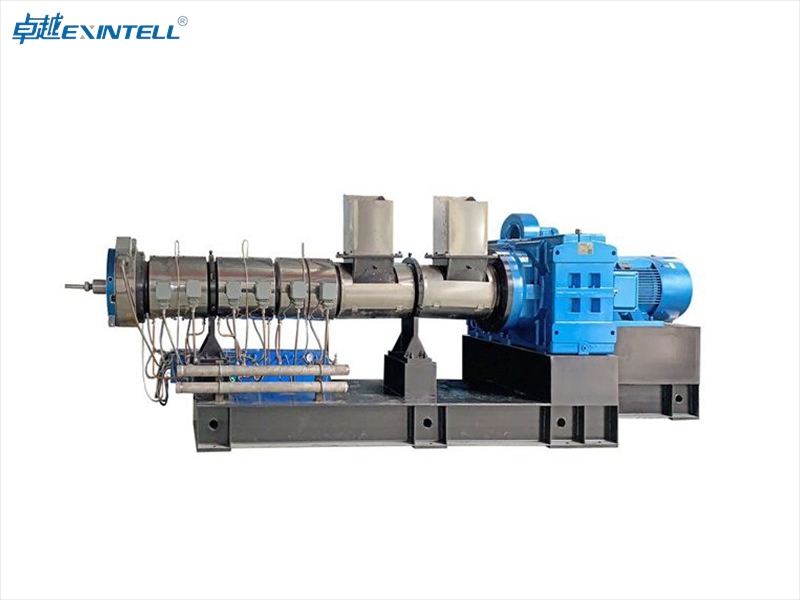
A hajtásrendszer működteti a csavarokat és szabályozza azok sebességét. Speciális vezérlőkkel figyelheti és módosíthatja a paramétereket, például az adagolási sebességet, csavar sebessége, hőmérséklet, és nyomás. Ez az ellenőrzési szint stabil működést és egyenletes termékminőséget biztosít. Az ikercsigás extruderek nagyobb rugalmasságot kínálnak moduláris felépítésüknek köszönhetően. Beállíthatja a csavar konfigurációját, hogy optimalizálja az adott folyamatokhoz. A vezérlőrendszer lehetővé teszi az érzékeny anyagok kezelését és a pontos hőmérséklet-szabályozás fenntartását a különböző zónákban.
|
Hozzájárulás |
|
|---|---|
|
Etetőrendszer |
Műanyag pelletet vagy port szállít a csavarhornyokba feldolgozás céljából. |
|
Csavaros hornyok |
Előrenyomja és összenyomja a műanyag alapanyagot, nyíróerőt és súrlódást generál az olvasztáshoz. |
|
Fűtési rendszer |
Hőenergiát biztosít a műanyag alapanyag hőre lágyuló olvadt anyaggá olvasztásához. |
|
Extrudálási folyamat |
A megolvadt műanyagot az extrudáló szerszámon keresztül a kívánt keresztmetszetűvé és hosszúságúvá alakítja. |
|
Vezérlőrendszer |
Figyeli és beállítja a paramétereket, például az etetést, csavar sebessége, hőmérséklet, és nyomás a stabilitásért. |
Összehasonlítás az egycsavaros extruderrel
Egyértelmű különbségeket észlel, ha az ikercsigás extrudereket az egycsigás extruderekkel hasonlítja össze. Az ikercsigás extruder szállítja kiváló keverési hatékonyság és pontos hőmérsékletszabályozás. Sokféle anyagot kezelhet, beleértve a porokat és folyadékokat, amellyel az egycsigás extruderek gyakran küzdenek. A moduláris felépítés lehetővé teszi a gép testreszabását az adott alkalmazásokhoz, míg az egycsigás extruderek egyszerűbbek és kevésbé rugalmasak maradnak.
|
Funkció |
Kétcsavaros extruderek |
Egycsavaros extruderek |
|---|---|---|
|
Keverési képességek |
Kiváló keverési hatékonyság, ideális összetett készítményekhez |
Korlátozott keverés, kiváló a nagy áteresztőképességű alkalmazásokban |
|
Hőmérséklet szabályozás |
Pontos vezérlés a különböző zónákban |
Kevesebb kontroll, egyenetlen felmelegedéshez vezethet |
|
Etetési lehetőségek |
Anyagok széles skáláját kezeli, beleértve a porokat és folyadékokat |
Porokkal és kis sűrűségű anyagokkal küzd |
|
Rugalmasság |
A moduláris kialakítás lehetővé teszi a testreszabást |
Egyszerűbb kialakítás, kevésbé rugalmas |
|
Anyagkezelés |
Csökkenti a lebomlás kockázatát, alkalmas érzékeny anyagokhoz |
Túlzott nyírást generálhat, degradációhoz vezet |
Az ikercsigás extruderek olyan teljesítménymutatókban jeleskednek, mint a keverési hatékonyság és a hőmérséklet-szabályozás. Az anyagok egyenletes eloszlását éri el, és csökkenti a lebomlás kockázatát, különösen érzékeny anyagokkal. Az egycsigás extruderek nagy áteresztőképességű alkalmazásokhoz alkalmasak minimális keverési igény mellett. Súrlódásra és viszkózus húzásra támaszkodnak, ami egyenetlen anyagfeldolgozáshoz vezethet. Előnyös lesz az ikercsigás extruderek nagy gyártási kapacitásából és alkalmazkodóképességéből, így ideálisak összetett és igényes gyártási feladatokhoz.
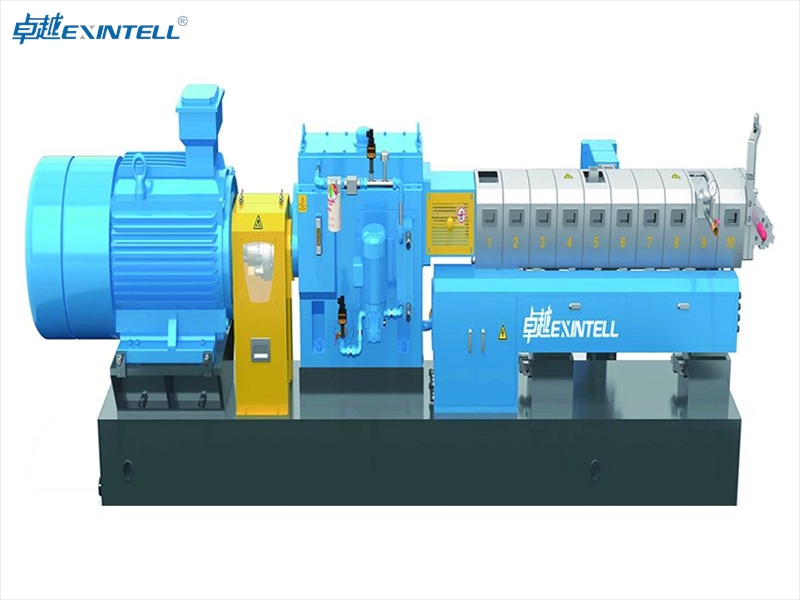
Az ikercsavaros extruder működési elve
Megértése a ikercsigás extruder működési elve segít optimalizálni a gyártási folyamatot és egyenletes eredményeket elérni. Ez a gép folyamatos keverésre támaszkodik, közvetítése, és az anyagok feldolgozása a kiváló minőségű kimenet érdekében. Az egyes szakaszokat irányíthatja, az adagolástól a végső extrudálásig, hogy megfeleljen az Ön konkrét alkalmazásának.
Etetés és szállítás
Az extrudálási folyamatot úgy indítja el, hogy műanyag pelletet vagy port táplál be az extruderbe. Az adagolórendszer tartalmaz egy garatot és egy adagolócsavart, amely az anyagot a forgó csavarok hornyaiba juttatja. Ahogy a csavarok forognak, megragadják az anyagot és előre mozgatják a hordón keresztül. Ez a művelet összenyomja és továbbítja az anyagot, előkészíti a további feldolgozásra. A csavarok kialakítása biztosítja a hatékony szállítást, ami növeli az áteresztőképességet és csökkenti a dugulások kockázatát.
Tipp: A következetes adagolás és a megfelelő csavarfordulatszám segít fenntartani a stabil feldolgozási feltételeket és megakadályozza az anyagromlást.
Csavar tervezése és konfigurációja
A csavar kialakítása és konfigurációja kritikus szerepet játszik az ikercsigás extruder működési elvében. A csavarokat az anyag tulajdonságaihoz és a folyamat követelményeihez igazíthatja.
Összefonódás vs. Nem összefonódó
Az egymásba illeszkedő csavarok úgy forognak, hogy meneteik átfedik egymást, pozitív elmozdulási zónák kialakítása. Ez a kialakítás javítja a keverést és a továbbítást, így ideális összetett készítményekhez. Az adalékanyagok és töltőanyagok kiváló diszperzióját éri el, ami egységes termékminőséghez vezet. Az egymásba illeszkedő csavarok a nyomást is kiegyenlítik a hordón belül, lehetővé teszi a nagy sebességű műveleteket és a jobb hatékonyságot.
Nem összefonódó csavarok, másrészt, ne fedjék egymást. Kíméletesebb feldolgozási körülményeket biztosítanak, amely hőérzékeny vagy kényes anyaghoz illik. Ha minimálisra kell csökkentenie a nyírást, és elkerülni az érzékeny összetevők károsodását, használhat nem összefonódó mintákat.
-
Az egymásba illeszkedő csavarok elősegítik a hatékony anyagfeldolgozást és az elosztó keverést.
-
A nem összefonódó csavarok kíméletes kezelést tesznek lehetővé, így alkalmasak az alacsony nyíróerőt igénylő alkalmazásokhoz.
Moduláris elemek
Az ikercsigás extruder moduláris elemei előnyeit élvezheti, mert páratlan rugalmasságot kínálnak. Ezek az elemek különálló alkatrészek, amelyeket a csavartengely mentén szerelhet össze. Az elemeket kicserélheti a feldolgozási kihívások megoldása vagy az új anyagtípusokhoz való alkalmazkodás érdekében. Ez a modularitás lehetővé teszi az anyagáramlás szabályozását, tartózkodási idő, és a keverési intenzitás precíz.
-
Kipróbálhat új csavarbeállításokat különböző anyagokhoz.
-
Beállíthatja a csavar konfigurációját új termékek fejlesztéséhez vagy a meglévők javításához.
-
A moduláris elemek segítenek a problémák gyors megoldásában, a teljes csavar cseréje nélkül.
Anyagkeverés és kimenet
Az ikercsigás extruder működési elve a folyamatos keverésre és az extrudálási folyamat pontos szabályozására összpontosít. Ön betáplálja az anyagot a rendszerbe, ahol a csavarok összenyomják és elnyírják, hőtermelés és az anyag megolvasztása. A csavarok alaposan összekeverik az anyagot, az adalékanyagok és töltőanyagok egyenletes eloszlásának biztosítása. Ahogy az olvadt anyag előrehalad, egy extrudáló szerszámon megy keresztül, amely a kívánt formára formálja. Ezután egy hűtőrendszer megszilárdítja a terméket, a folyamat befejezése.
-
Az adagolórendszer műanyag pelleteket vagy port juttat be a csavarhornyokba.
-
A csavarok forognak, nyíróerővel és súrlódással összenyomja és megolvasztja az anyagot.
-
Az extrudálási folyamat formálja az olvadt anyagot, és egy hűtőrendszer megszilárdítja a végterméket.
Egyenletes termékminőséget ér el, mert az ikercsigás extruder kiválóan alkalmas a keverésre. A fejlett kialakítás biztosítja, hogy minden összetevő egyenletesen oszlik el, ami elengedhetetlen az ipari szabványok teljesítéséhez. Sokféle anyagot dolgozhat fel, beleértve a porokat és a műanyagokat, a hőmérséklet pontos szabályozásának köszönhetően, nyomás, és keverési intenzitás. Ez a sokoldalúság teszi a kétcsigás extrudert előnyben részesített választássá az igényes gyártási környezetekben.
Az ikercsavaros extruderek típusai
Együtt forgó
Találkoztok együtt forgó ikercsigás extruderek számos fejlett gyártási környezetben. Ezek a gépek két csavarral rendelkeznek, amelyek ugyanabba az irányba forognak, dinamikus keverési zóna kialakítása. Az anyag nyolcas alakban mozog, ami fokozza a homogenizálást és az öntisztulást. Hasznos lehet az intenzív keverés, megkönnyítve az adalékanyagok és töltőanyagok egyenletes diszperzióját. Ez a kialakítás megfelel az összeállításnak, polimerizáció, és reaktív feldolgozási feladatok.
Az együtt forgó extruderek pontos hőmérsékletszabályozást tesznek lehetővé, nyomás, és a csavar sebessége. A folyamatot személyre szabhatja az anyagszükségleteihez és a gyártási céljaihoz.
Sokoldalúságra tesz szert az együtt forgó extruderekkel. Polimereket kezelnek, műanyagok, és még az élelmiszer-összetevőket is. Nagy áteresztőképesség Az árak ideálissá teszik őket nagyüzemi termeléshez. Bízhat ezekben a gépekben az egyenletes termékminőség és a hatékony működés érdekében.
|
Jellegzetes |
Leírás |
|---|---|
|
Sokoldalúság |
Sokféle anyagot dolgoz fel, beleértve a polimereket is, műanyagok, és élelmiszer-összetevők. |
|
Intenzív keverés |
Biztosítja az adalékanyagok egyenletes eloszlását az egyenletes minőség érdekében. |
|
Precíz vezérlés |
Lehetővé teszi a hőmérsékleten keresztüli testreszabott feldolgozást, nyomás, és csavarsebesség beállítása. |
|
Nagy áteresztőképesség |
Támogatja a nagyüzemi termelést nagy teljesítmény mellett. |
|
Összeállítás és reaktív feldolgozás |
Adalékanyagok beépítésére és fejlett technikákra, például polimerizációra használják. |
Ellentétesen forgó
Ellentétesen forgó ikercsigás extrudereket használ, ha erős nyírásra és keverésre van szüksége. Ebben a kialakításban, a csavarok ellentétes irányban forognak. Az anyag egy zárt kamrán keresztül halad, ami intenzív keverő erőknek teszi ki. Alapos keveredést ér el, de figyelnie kell a nyírási szintet, hogy elkerülje az érzékeny anyagok lebomlását.
Az ellentétesen forgó extruderek kiválóak az olyan alkalmazásokban, amelyek erőteljes keverést igényelnek. Viszont, a nagy nyíróerők miatt kevésbé alkalmasak PVC profilok vagy hőérzékeny vegyületek megmunkálására. A csavar sebességének és konfigurációjának beállításával optimalizálhatja a folyamatot, de egyensúlyba kell hoznia a keverési intenzitást az anyag integritásával.
Tipp: Az ellentétesen forgó extruderek erőteljes keverést biztosítanak, de ennek a kialakításnak a kiválasztása előtt értékelnie kell az anyagok kompatibilitását.
Nem-hálózás
Speciális keverési alkalmazásokban találkozhat nem hálózó ikercsigás extruderekkel. Ezek a gépek nagy radiális hézagú csavarokkal rendelkeznek, ami jelentős anyagszivárgáshoz vezet. Elsősorban keverési feladatokhoz használja őket, ahol nincs szükség öntisztításra. A kíméletes feldolgozási környezet olyan anyagokhoz illeszkedik, amelyek minimális nyírást igényelnek.
A nem hálós extruderek nem biztosítanak ugyanolyan szintű keverést, mint az egymásba kapcsolódó ikercsigás extruderek. Kerülje a PVC-profilokhoz és más olyan termékekhez való használatát, amelyek precíz keverést igényelnek. Helyette, az egyszerű keverési műveletekhez és az alacsony intenzitású feldolgozás előnyeit élvező anyagokhoz a nem hálótervekre támaszkodik.
|
Működési elv |
Alkalmas PVC profilokhoz |
|
|---|---|---|
|
Hálós, ellentétesen forgó |
Az anyagot zárt „C” alakú kamrában szállítják, erős nyírásnak és keverésnek van kitéve. |
Nem alkalmas a nagy nyíróerők miatt. |
|
Nem-hálózás |
A nagy radiális hézag jelentős szivárgáshoz vezet; elsősorban öntisztulás nélküli keveréshez használják. |
Nem alkalmas PVC profilokhoz. |
|
Hálós Együttforgó |
Az anyagot egy „∞”-be húzzák és tolják’ alak, a keveredés és homogenizálás fokozása jó öntisztítással. |
Nem alkalmas a nagy nyíróerők miatt. |
Te válassza ki a megfelelő ikercsavaros extrudert anyaga alapján, keverési igények, és a termelési célok. Mindegyik típus egyedi előnyöket és korlátokat kínál, ezért gondosan fel kell mérnie a folyamat követelményeit.
Főbb különbségek
Meg kell értenie az együtt forgatás közötti fő különbségeket, ellentétesen forgó, és nem hálózódó ikercsigás extruderek a folyamathoz megfelelő gép kiválasztásához. Mindegyik típus egyedi előnyöket és korlátokat kínál. Optimalizálhatja a termelést, ha az extruder kialakítását az anyaghoz és az alkalmazáshoz igazítja.
Fő összehasonlítási pontok:
-
Keverési hatékonyság:
Az együtt forgó extruderek intenzív keverést és öntisztulást biztosítanak. Az adalékanyagok és töltőanyagok egyenletes diszperzióját éri el. Az ellentétesen forgó extruderek erős nyírást és keverést biztosítanak. Alaposan keverheti az anyagokat, de figyelnie kell a nyírási szintet a lebomlás elkerülése érdekében. A nem hálózó extruderek finom keverést tesznek lehetővé. Olyan anyagokhoz használja őket, amelyek minimális nyírást igényelnek. -
Anyagmegfelelőség:
Az együtt forgó extruderek polimerek széles skáláját kezelik, műanyagok, és élelmiszer-összetevők. Bízhat rájuk a kompaundálás és a reaktív feldolgozás során. Az ellentétesen forgó extruderek olyan alkalmazásokhoz illeszkednek, amelyek erőteljes keverést igényelnek, mint például a PVC profilok és a hőérzékeny vegyületek. A keverési intenzitást egyensúlyban kell tartania az anyag integritásával. A nem rácsos extruderek egyszerű keverési feladatokhoz működnek a legjobban. Ne használja őket olyan termékekhez, amelyek precíz keverést igényelnek. -
Működési elv:
Az együtt forgó csavarok ugyanabba az irányba mozognak. Előnyére válik a nyolcas keverési minta és a fokozott homogenizálás. Az ellentétes irányban forgó csavarok ellentétes irányban forognak. Zárt kamrát hoz létre az intenzív keveréshez. A nem hálócsavarok nagy radiális hézaggal rendelkeznek. Jelentős anyagszivárgást és kíméletes feldolgozást tapasztal. -
Alkalmazási területek:
Az együtt forgó extruderek kiválóak a kompaundálásban, polimerizáció, és nagyüzemi termelés. Ön ellentétes forgású extrudereket használ a PVC profilokhoz, kábel szigetelés, és hőérzékeny anyagok. A nem hálós extruderek az alapvető keverési műveletekhez és az alacsony intenzitású feldolgozást igénylő anyagokhoz illeszkednek.
Tipp: Az ikercsigás extruder kiválasztása előtt értékelnie kell anyagtulajdonságait és gyártási céljait. A megfelelő választás javítja a hatékonyságot és a termék minőségét.
Összehasonlító táblázat:
|
Funkció |
Együtt forgó |
Ellentétesen forgó |
Nem-hálózás |
|---|---|---|---|
|
Keverési hatékonyság |
Intenzív, öntisztító |
Erős, nagy nyírás |
Kedves, alacsony nyírás |
|
Anyagmegfelelőség |
Széles választék, összetett keverékek |
PVC, hőérzékeny |
Egyszerű, alacsony nyírású anyagok |
|
Működési elv |
Ugyanaz az irány, nyolcas figura |
Ellentétes irányba, zárt kamra |
Nagy távolság, anyagszivárgás |
|
Alkalmazási területek |
Összetétel, polimerizáció |
PVC profilok, kábel szigetelés |
Alapvető keverés, alacsony intenzitású |
Rugalmasságra tesz szert az együtt forgó extruderekkel. Nagy áteresztőképességet és állandó minőséget ér el. Az ellentétesen forgó extruderek erőteljes keverést biztosítanak, de figyelnie kell az anyagkompatibilitást. A nem hálózó extruderek kíméletes kezelést biztosítanak az érzékeny anyagok számára. Az optimális eredmény érdekében az extruder típusát a folyamatkövetelményekhez kell igazítania.
Jellemzők és előnyök
Keverési hatékonyság
Kivételes keverési hatékonyságot élvezhet, ha ikercsigás extrudert használ. Az egymásba illeszkedő csavarok erős nyíró- és gyúrási zónákat hoznak létre, amelyek jobb keverési tulajdonságokat biztosítanak, mint más típusú extruderek. Ez a kialakítás biztosítja, hogy az adalékanyagok és töltőanyagok egyenletesen oszlanak el az anyagban. Az érzékeny anyagokat szabályozott nyírással dolgozhatja fel, amely csökkenti a leromlás kockázatát és megőrzi a termék minőségét.
|
Extruder típusa |
Keverési hatékonyság |
Nyírás szabályozás |
Alkalmasság érzékeny anyagokhoz |
|---|---|---|---|
|
Kiváló keverés az egymásba illeszkedő csavaroknak köszönhetően, lehetővé teszi az adalékanyagok és töltőanyagok jobb diszperzióját. |
Pontos szabályozást biztosít a nyírási sebesség felett, csökkenti az anyagromlás kockázatát. |
||
|
Alacsonyabb keverési hatékonyság, súrlódástól függ, ami egyenetlen keveredéshez vezethet. |
Túlzott nyírást generálhat, leading to degradation in some materials. |
Less suitable for sensitive materials due to high shear. |
You achieve better mixing properties with a twin screw extruder, especially when you need uniformity in complex formulations. The advanced mixing capability allows you to meet strict industry standards and deliver consistent results.
áteresztőképesség
You gain a significant advantage in throughput when you choose a twin screw extruder. These machines deliver high output, így ideálisak nagyüzemi gyártáshoz. Magas átviteli sebességet tarthat fenn még akkor is, ha kihívást jelentő anyagokat vagy összetett granulálási feladatokat dolgoz fel. A kialakítás támogatja a folyamatos működést, így a gyártósorok hatékonyan működnek.
-
Az ikercsigás extruderek nagyobb teljesítményt érnek el, mint az egycsigás extruderek.
-
Kapacitásuknál fogva nagyüzemi gyártásban is megbízhat rájuk.
-
Összetett granulálás esetén is megőrzik a termék minőségét.
Nem kell feláldoznia a minőséget a sebességért. A rendszer biztosítja, hogy minden tétel megfeleljen az Ön specifikációinak, még magas teljesítményszinten is.
Alkalmazási rugalmasság
Az ikercsigás extruderekkel páratlan alkalmazási rugalmasságot tapasztalhat. Gyorsan alkalmazkodhat a nyersanyagok vagy összetétel változásaihoz, amely segít reagálni a változó piaci igényekre. A gép különféle viszkozitású polimerek és anyagok széles skáláját kezeli, így sokféle műanyag terméket gyárthat.
|
Haszon |
Leírás |
|---|---|
|
Az ikercsigás extruderek gyorsan alkalmazkodnak a nyersanyagok és összetétel változásaihoz, ami döntő fontosságú azon gyártók számára, akiknek reagálniuk kell a piaci igényekre. |
|
|
Hatékonyság |
Fokozott gyártási hatékonyság érhető el, mivel ezek az extruderek sokféle anyagot képesek kezelni, a gyártási folyamat optimalizálása. |
|
Sokoldalúság |
Különböző viszkozitású polimerek feldolgozására alkalmasak, ami lehetővé teszi a műanyag termékek széles választékának előállítását. |
Minimális állásidővel válthat a termékek vagy készítmények között. Ez a rugalmasság versenyelőnyt biztosít azokban az iparágakban, ahol az innováció és a gyors reagálás elengedhetetlen. A jobb keverési tulajdonságokból is profitálhat, ami tovább bővíti gyártási lehetőségeit.
Folyamatvezérlés
Pontos folyamatszabályozást érhet el, ha ikercsigás extrudert működtet. Ez a gép lehetővé teszi a kritikus paraméterek figyelését és beállítását a gyártás során. Beállíthatja és fenntarthatja a hőmérsékletet, csavar sebessége, és nyomás minden zónára. Ezek az ellenőrzések segítenek a termék egyenletes minőségének elérésében és a hulladék csökkentésében.
Az ikercsavaros extruderek kiemelkednek, mert lehetővé teszik, hogy gyorsan reagáljon az anyag vagy összetétel változásaira. Cserélheti a csavarelemeket vagy a hengerrészeket, hogy alkalmazkodjon az új követelményekhez. Ez a moduláris felépítés rugalmassá és hatékonysá teszi a gyártósort. A beállítások elvégzéséhez nem kell az egész rendszert leállítani. Helyette, minimális állásidővel módosíthatja a konfigurációkat és folytathatja a feldolgozást.
Ön hasznot húz belőle állandó hőmérsékletszabályozás. Az extruder az anyagot az optimális hőmérsékleten tartja, megakadályozza az égést vagy a nem megfelelő olvadást. Ez a funkció védi termékét és meghosszabbítja élettartamát. Elkerülheti a túlmelegedésből vagy egyenetlen hűtésből eredő hibákat. A rendszer több fűtési zónát használ, így az egyes szakaszokhoz finomhangolhatja a folyamatot.
Tipp: A vezérlőpult segítségével figyelheti a valós idejű adatokat. Szükség szerint módosítsa a beállításokat a stabil feltételek fenntartásához és a kimeneti minőség javításához.
Hatékony keverést is elérhet. Az együtt forgó csavarok erős erőket hoznak létre, amelyek széttörik a csomókat és egyenletesen osztják el az adalékanyagokat. Komplex keverékeket dolgozhat fel anélkül, hogy aggódnia kellene az egyenetlen diszperzió miatt. Ez a képesség biztosítja, hogy minden tétel megfeleljen az Ön specifikációinak.
Íme néhány egyedi folyamatvezérlési funkció, amelyet az ikercsigás extruderekkel kaphat:
-
Steady temperature maintenance prevents burning or improper melting.
-
Efficient mixing breaks up clumps and distributes additives evenly.
-
Modular design allows quick changes in production by swapping screws or barrel sections.
You can see the advantages of process control in the following table:
|
Process Control Feature |
Benefit to You |
|---|---|
|
Steady Temperature |
Javítja a termék minőségét és élettartamát |
|
Hatékony keverés |
Biztosítja az adalékanyagok egyenletes eloszlását |
|
Moduláris alkalmazkodóképesség |
Gyors gyártásváltást tesz lehetővé |
|
Valós idejű megfigyelés |
Azonnali beállítást tesz lehetővé a stabilitás érdekében |
Ön irányítja az extrudálási folyamat minden aspektusát. A műveletet az anyag- és gyártási céljaihoz igazíthatja. Ez az ellenőrzési szint segít az iparági szabványoknak való megfelelésben és megbízható eredmények elérésében. Javítod a hatékonyságot, csökkentse a hulladékot, és fenntartani a magas termékminőséget egy ikercsigás extruderrel.
Ipari alkalmazások
Műanyag feldolgozás
Az ikercsigás extruderek legelterjedtebb alkalmazása itt látható műanyag feldolgozás. Ezek a gépek fontos szerepet játszanak műanyag extrudálás, kompaundálás, és újrahasznosítás. Sokféle anyagot dolgozhat fel, beleértve a polimereket is, adalékanyagok, és töltőanyagokat. Az extruder kialakítása lehetővé teszi, hogy elérje kiváló keverés és széles anyagkompatibilitás. A rugalmasság és a modularitás előnyeit élvezheti, ami azt jelenti, hogy testreszabhatja a gépet a különböző alkalmazásokhoz és precízen szabályozhatja a feldolgozási feltételeket.
Műanyag extrudálással, több műveletet egyesít egyetlen lépésben. Ez a megközelítés csökkenti a gyártási időt és az energiafogyasztást. A termék egyenletes minőségét biztosítja, mert az extruder biztosítja az összetevők egyenletes eloszlását. Bízhat a nagy teljesítményben és a folyamat hatékonyságában, ami biztosítja a gyártósorok zökkenőmentes működését. A különféle anyagtípusok kezelésének képessége elengedhetetlenné teszi az ikercsigás extrudereket az olyan formázott termékek, mint az orvosi eszközök gyártásához, autóipari alkatrészek, és fogyasztói elektronika.
Tipp: Használjon ikercsigás extrudereket, hogy megfeleljen a műanyag extrudálására és keverésére vonatkozó szigorú ipari szabványoknak.
Főbb előnyök a műanyagfeldolgozásban:
-
Kiváló keverés összetett készítményekhez
-
Nagy áteresztőképesség nagyüzemi gyártáshoz
-
Állandó minőség a késztermékekben
Por- és takarmányfeldolgozás
Az ikercsigás extruderek nélkülözhetetlenek a por- és takarmányfeldolgozó iparban. Ezek a gépek pontos keverést és méretezhetőséget biztosítanak, különösen benne polimer kompaundálás. Feldolgozhatja a porokat, szemcsék, és nagy hatékonyságú alapanyag. Az extruder javítja a rosszul oldódó gyógyszerek oldhatóságát és biológiai hozzáférhetőségét, ami döntő fontosságú a gyógyszerészeti alkalmazásokban. Könnyedén állíthat elő szilárd diszperziókat és szabályozott hatóanyag-leadású készítményeket is.
Az élelmiszer-feldolgozásban, ikercsavaros extrudereket használ uzsonnagyártás és gabonagyártás. A gépek javítják a termékminőséget és egyszerűsítik a műveleteket. A nagy hatékonyság és a sokoldalúság előnyeit élvezheti, amely lehetővé teszi a különböző anyagtípusokhoz és feldolgozási követelményekhez való alkalmazkodást. A globális iparági érték elérte a dollárt 1.25 milliárd be 2023, az ázsiai-csendes-óceáni térség a gyors ipari növekedés miatt vezet az elfogadásban.
A gyakori alkalmazások közé tartozik:
-
Élelmiszer-feldolgozás (rágcsálnivalók, gabonafélék)
-
Takarmánytermelés állattenyésztés és akvakultúra számára
-
Polimer kompaundálás fejlett anyagokhoz
Vegyi és gyógyszerészeti felhasználások
Az ikercsigás extruderekre támaszkodik a fejlett vegyi és gyógyszerészeti alkalmazásokhoz. Ezek a gépek precíz keverést biztosítanak, méretezhetőség, és a hatékonyságot. A gyógyszergyártásban, folyamatos feldolgozásra használod őket, amely biztosítja a szigorúan ellenőrzött tartózkodási időt és hőmérsékletet. Ez az ellenőrzés egyenletes termékminőséget biztosít, és minimalizálja a szennyeződés kockázatát.
Innovatív adagolási formákat állíthat elő, mint például a szabályozott hatóanyag-leadású tabletták és szilárd diszperziók. A melegen olvadó extrudálás javítja a rosszul oldódó gyógyszerek oldhatóságát és biológiai hozzáférhetőségét. You achieve cost-effectiveness by streamlining processes, reducing production costs, and minimizing material waste. The advanced mixing capabilities of the extruder ensure uniformity, which is essential for efficacy and safety in medical applications.
Key roles in chemical and pharmaceutical processing:
-
Continuous manufacturing of drug formulations
-
Szabályozott hatóanyag-leadású és szilárd diszperziós termékek gyártása
-
Fokozott oldhatóság és biológiai hozzáférhetőség kihívást jelentő anyagokhoz
Jegyzet: Az ikercsigás extruderek elengedhetetlenek az élelmiszerekben, orvosi, gyógyszerészeti, és a műanyagipar. Javítja a termékminőséget és a működési hatékonyságot, ha ezeket a gépeket a feldolgozósoraiba integrálja.
Újrahasznosítás és keverés
Ön döntő szerepet játszik a modern gyártásban, amikor ikercsigás extrudereket használ az újrahasznosításhoz és a kompaundáláshoz. Ezek a gépek segítenek a hulladék műanyagokból és más anyagokból értékes termékekké alakítani. Hatékonyan feldolgozhatja a fogyasztási és ipari hulladékot. Az ikercsavaros kialakítás lehetővé teszi a bonyolult kezeléshez, többkomponensű készítmények, amelyek gyakran kihívást jelentenek a hagyományos berendezések számára.
Az ikercsigás extruderekkel kiváló keverést érhet el. Az egymásba illeszkedő csavarok biztosítják a töltőanyagokat, adalékanyagok, and reinforcements disperse uniformly throughout your material. This uniformity leads to consistent product quality, which is essential for recycled plastics and advanced compounds. You can rely on precise control over feeding rates and devolatilization. This feature allows you to process materials with volatile components, such as recycled polymers that may contain moisture or residual solvents.
Tipp: Használja az ikercsigás extruderek moduláris felépítését, hogy gyorsan alkalmazkodjon a különböző újrahasznosítási áramokhoz és keverési receptekhez.
Előnyére válik a páratlan sokoldalúság. Ikercsigás extruder eljárás a anyagok széles választéka, beleértve a polimereket is, gyógyszerek, és speciális keverékek. Futtathat nagyüzemi gyártást, vagy válthat speciális, kis volumenű tételekre a hatékonyság feláldozása nélkül. A gép könnyedén kezeli a kihívást jelentő összetételeket, rugalmasságot biztosít a műveletekben.
Íme néhány kulcsfontosságú előny, amelyet az ikercsigás extruderek újrahasznosítás és kompaundálás során nyerhet:
-
Elérni egyenletes diszperzió töltőanyagokból, adalékanyagok, és erősítések.
-
Kezelje a kihívást jelentő készítményeket precíz irányítással.
-
Különféle anyagok feldolgozása, a polimerektől a speciális keverékekig.
-
A termelés növelése vagy csökkentése az Ön igényei szerint.
-
Folyamatos termékminőség fenntartása, még összetett receptekkel is.
-
Control feeding rates and devolatilization for volatile materials.
You can see how these advantages compare in the table below:
|
Előny |
Impact on Your Process |
|---|---|
|
Uniform Dispersion |
Ensures consistent quality in recycled output |
|
Precíz vezérlés |
Handles complex, multi-component materials |
|
Sokoldalúság |
Sokféle anyagot dolgoz fel |
|
Méretezhetőség |
Supports both large and small batch runs |
|
Kiváló keverés |
Delivers reliable results for every batch |
Az ikercsigás extruderek használatával javítja a gyártás fenntarthatóságát. Csökkenti a hulladék mennyiségét, és nagy értékű termékeket hoz létre újrahasznosított anyagokból. A fejlett keverési és vezérlési funkciók segítenek megfelelni az iparági szabványoknak és a vásárlói elvárásoknak. Működését az innováció élvonalába helyezi azáltal, hogy ikercsavaros technológiát választ az újrahasznosításhoz és a keveréshez.
Fontosság a gyártásban
Hatékonyság és termékminőség
Előre viszi a modern gyártást, ha a ikercsavaros extruder a műveleteihez. Ez a gép az extrudálási folyamat egyszerűsítésével és az energiafogyasztás csökkentésével optimalizálja a termelési hatékonyságot. Magas kimeneti sebességet tart fenn, amely segít az igényes ütemezések teljesítésében és a költségek kordában tartásában. A kiváló keverési képességek biztosítják, hogy minden anyagadag homogén keveréket kapjon. You see improvements in mechanical and thermal properties, which translates to higher product quality.
-
You integrate multiple operations into a single step, which reduces production time and lowers costs.
-
The machine maintains consistent quality by dispersing polymers and additives evenly throughout the material.
-
Energiahatékonyság stands out as a key benefit, helping you cut operational expenses and support sustainable manufacturing practices.
Versenyelőnyt szerezhet, ha olyan berendezéseket használ, amelyek gyorsaságot és megbízhatóságot is biztosítanak. Az állandó termékminőség bizalmat épít ügyfelei körében, és erősíti hírnevét az iparágban.
|
Haszon |
Hatás a gyártásra |
|---|---|
|
Gyorsabb gyártás, alacsonyabb költségek |
|
|
Kiváló keverés |
Megnövelt termékteljesítmény |
|
Energiahatékonyság |
Csökkentett működési költségek |
|
Áramvonalas műveletek |
Kevesebb állásidő, továbbfejlesztett munkafolyamat |
Innováció és fenntarthatóság
Látod gyors innováció ikercsigás extruder technológiában, ahogy a gyártók reagálnak az iparági igényekre és a fenntarthatósági célokra. Az új tervek az újrahasznosított anyagok feldolgozására és a körforgásos gazdasági stratégiák támogatására összpontosítanak. Előnyös lesz a többrétegű hulladékot és összetett polimer keverékeket kezelő gépekből, ami segít csökkenteni a környezetterhelést.
-
Szabályok az Egyesült Államokban. befolyásolni a piacot, különösen a biztonságot illetően, kibocsátások, és a műanyag újrahasznosítási szabványok.
-
Az FDA és az EPA normáknak való megfelelés ösztönzi a berendezések innovációját, biztosítja, hogy megfeleljen a szigorú követelményeknek.
-
A fenntarthatósági politikák elősegítik a biológiailag lebomló és újrahasznosított anyagok feldolgozására alkalmas extruderek használatát.
Észreveszed, hogy kb 22% új extruder modellek többrétegű hulladékhoz és összetett keverékekhez tervezték. Körül 19% A legújabb fejlesztések a biológiailag lebomló polimerek és a fenntartható kompozitok rendszereire összpontosítanak. Ezek a fejlesztések segítenek elérni a környezetvédelmi célokat és alkalmazkodni a változó szabályozásokhoz.
Működését a fenntartható gyártás élvonalába helyezi azáltal, hogy olyan technológiába fektet be, amely támogatja az újrahasznosítást és a környezetbarát anyagokat.
-
Hatékonyan dolgozza fel az újrahasznosított anyagokat, a hulladék csökkentése és az erőforrások megőrzése.
-
Megfelel a szabályozási szabványoknak és az ügyfelek fenntarthatósági elvárásainak.
-
Ön támogatja az innovációt azáltal, hogy olyan berendezéseket alkalmaz, amelyek fejlett készítményeket és új anyagtípusokat kezelnek.
|
Innovációs fókusz |
Gyártási haszon |
|---|---|
|
Újrahasznosított anyag |
Alacsonyabb környezeti lábnyom |
|
Biológiailag lebomló polimerek |
A fenntarthatóságnak való megfelelés |
|
Többrétegű hulladék |
Bővített feldolgozási lehetőségek |
|
Szabályozási megfelelőség |
Biztonságosabb, zöldebb termelés |
Az innováció és a fenntarthatóság felkarolásával rugalmas gyártási műveletet épít. Az ikercsigás extruder segít a termelési hatékonyság elérésében, fenntartani a termék minőségét, és támogatják a környezetvédelmi célokat.
Hatékony eszközt kap a modern gyártásban az ikercsigás extruderrel. Ez a gép alaposan keveri az anyagokat, alkalmazkodik a különféle alkalmazásokhoz, és hatékonyan működik. Megőrzi az érzékeny anyagokat, és precíz vezérléssel egyenletes minőséget ér el. Fontolja meg ezeket az előnyöket:
-
Továbbfejlesztett keverési képesség egységes termékekhez.
-
Sokoldalúság az iparágak között és anyagok.
-
Folyamatos feldolgozás a nagyobb termelékenység érdekében.
-
Érzékeny anyagok kíméletes kezelése.
-
Pontos vezérlés a következetes eredményekért.
-
A nem kívánt gázok hatékony eltávolítása.
Növelheti termelését és megfelelhet az ipari szabványoknak, ha kiválasztja az igényeinek megfelelő extrudert.
GYIK
Milyen anyagokat dolgozhat fel ikercsigás extruderrel?
Meg tudja dolgozni a műanyagokat, porok, élelmiszer-összetevők, gyógyszerek, és speciális vegyszerek. A gép polimereket kezel, töltőanyagok, adalékanyagok, és újrahasznosított anyagok. Rugalmasságot szerez számos ipari alkalmazáshoz.
Hogyan karbantarthat egy ikercsavaros extrudert??
A csavarokat és a hengert rendszeresen meg kell tisztítani. Vizsgálja meg a kopó alkatrészeket, és szükség szerint cserélje ki. Kenje meg a meghajtórendszert. Figyelje a hőmérséklet- és nyomásérzékelőket. Ütemezze be a rutin karbantartást az állásidő elkerülése érdekében.
Miért érdemes ikercsigás extrudert választani az egycsigás extruder helyett??
Jobb keverést érhet el, nagyobb áteresztőképesség, és pontosabb folyamatvezérlés. Az ikercsigás extruderek bonyolult készítményeket és érzékeny anyagokat kezelnek. A gépet különféle termékekhez igazíthatja.
Módosíthatja a csavar konfigurációját a különböző termékekhez?
Igen, cserélheti a moduláris csavarelemeket, hogy megfeleljen a folyamat igényeinek. Ez a rugalmasság lehetővé teszi a keverés optimalizálását, tartózkodási idő, és nyírás minden anyaghoz.
Tipp: A csavar kialakításának beállítása segít a termék minőségének és a folyamat hatékonyságának javításában.
Milyen biztonsági óvintézkedéseket kell betartani a működés során?
Védőfelszerelést kell viselnie. Indítás előtt ellenőrizze a biztonsági reteszeket. Soha ne kerülje meg az őröket. Figyelje a hőmérsékletet és a nyomást. Kövesse a gyártó útmutatásait a biztonságos használat érdekében.
Hogyan oldja meg a gyakori extrudálási problémákat??
Meg kell nézni az eltömődéseket, egyenetlen etetés, vagy hőmérséklet-ingadozások. Ellenőrizze a csavar kopását és a henger beállítását. Tekintse át a vezérlés beállításait. A konkrét hibakódokat a felhasználói kézikönyvben találja.
|
Probléma |
Gyors ellenőrzés |
|---|---|
|
Elzáródás |
Ellenőrizze az adagolórendszert |
|
Gyenge keverés |
Tekintse át a csavar konfigurációját |
|
Túlmelegedés |
Ellenőrizze a hűtőrendszert |
Mely iparágak profitálnak leginkább az ikercsigás extruderekből??
A műanyagokban látja a legnagyobb előnyöket, élelmiszer-feldolgozás, gyógyszerek, vegyszerek, és újrahasznosítás. Ezek az iparágak pontos keverést igényelnek, nagy áteresztőképességű, és rugalmasság a különféle anyagokhoz.